In pouch packaging, seal quality directly affects product protection, shelf life, leak resistance, appearance, and customer trust. Weak or inconsistent seals can lead to rejects, returns, contamination risks, and costly downtime. If you want stronger, more reliable pouch seals, the solution usually starts with improving the balance between materials, sealing parameters, machine condition, and process control.
Why Seal Quality Matters in Pouch Packaging
A pouch seal is more than a simple closing line. It is the barrier that keeps oxygen, moisture, dust, and external contaminants away from the product. In food, pharmaceutical, personal care, chemical, and health supplement packaging, even a small seal defect can create major quality issues.
- Prevents leakage during transport and storage
- Maintains freshness and barrier performance
- Improves package strength under stacking pressure
- Supports compliance with hygiene and quality standards
- Reduces waste, rework, and customer complaints
Common Causes of Poor Pouch Seals
Before improving performance, identify what is causing the weak seal. Most seal defects come from one or more of the following factors:
| Problem Area | Typical Issue | Result |
|---|---|---|
| Sealing temperature | Too low or too high | Weak seal, burn-through, distortion |
| Dwell time | Insufficient contact time | Incomplete bonding |
| Pressure | Uneven or inadequate force | Channel leaks, inconsistent seam |
| Packaging film | Wrong seal layer or poor compatibility | Low seal strength |
| Product contamination | Powder, liquid, oil, or granules in seal area | Seal failure and leaks |
| Seal jaw condition | Wear, dirt, or poor alignment | Wrinkled or non-uniform seals |
Tips to Improve Seal Quality in Pouch Packaging
1. Match the Sealing Temperature to the Film Structure
Not all pouch films seal the same way. Laminates with PE, CPP, PET/PE, AL/PE, or specialized barrier layers all require different heat windows. If the temperature is too low, the layers may not fuse properly. If it is too high, you may damage the film or create brittle seams.
Best practice: work within the film supplier’s recommended sealing range, then fine-tune based on your actual product, speed, and pouch format.
- Test seals at different temperatures
- Check both appearance and peel strength
- Reconfirm settings after changing film rolls or suppliers
2. Optimize Dwell Time for Better Fusion
Dwell time is the amount of time the seal jaws stay in contact with the pouch material. High-speed lines often reduce dwell time too much, especially when output targets are increased. This can create seals that look acceptable but fail during handling or transport.
If you are seeing random seal failures, try slightly increasing dwell time before making major temperature changes.
3. Maintain Consistent Sealing Pressure
Heat alone does not make a strong seal. Pressure ensures the sealing layers fully contact each other. Uneven pressure can create weak spots, side leaks, or channel seals. This is especially common when the jaw surface is worn or the machine alignment shifts over time.
- Inspect seal jaw alignment regularly
- Check pneumatic or servo pressure stability
- Replace worn sealing pads, springs, or jaw covers
4. Keep the Seal Area Clean
One of the most common reasons for seal failure is product contamination in the sealing zone. Powders can cling to the film, granules may get trapped in the seam, and liquids or oils can prevent proper bonding.
To improve reliability:
- Use accurate dosing systems to avoid overfill
- Add dust extraction for fine powders
- Control splash and drip with nozzles or anti-drip devices
- Use pouch support or settling functions before sealing
5. Choose the Right Pouch Material
Better seals often begin with better packaging material selection. If the film is too thin, warped, poorly coated, or not suitable for your product, no amount of machine adjustment will fully solve the issue.
Consider:
- Sealant layer type and thickness
- Barrier needs for oxygen and moisture
- Resistance to puncture and compression
- Compatibility with hot-fill, vacuum, or modified atmosphere applications
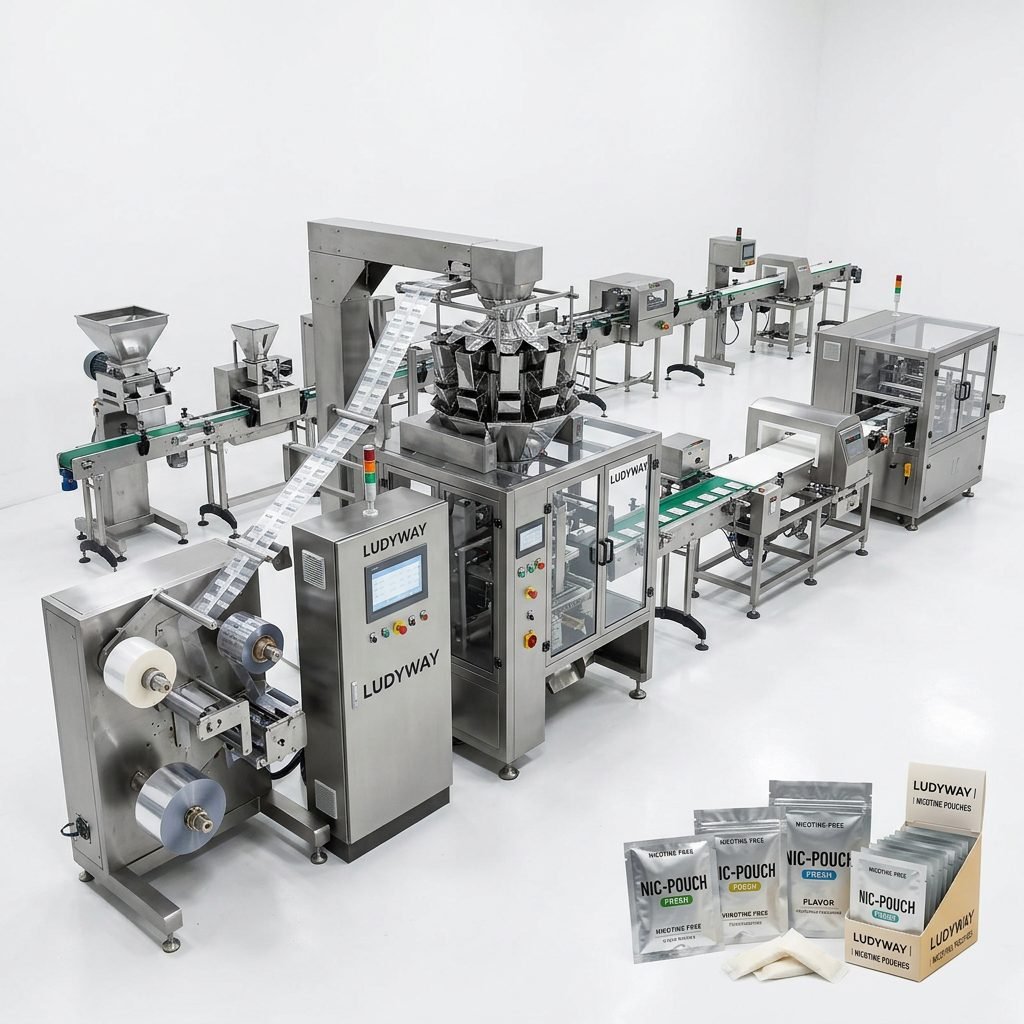
For products such as powders, sauces, granules, supplements, or nicotine pouches, it is essential to validate film performance under real production conditions.
6. Inspect and Clean Seal Jaws Frequently
Dirty or damaged sealing jaws create uneven heat transfer and poor seal surfaces. Residue buildup, carbon deposits, adhesive transfer, or scratched tooling can all reduce seal quality.
A simple maintenance routine can make a major difference:
- Clean sealing surfaces at scheduled intervals
- Check Teflon covers or sealing tapes for damage
- Inspect jaw flatness and parallelism
- Replace worn components before defects become frequent
7. Control Film Tension and Pouch Positioning
Film tracking errors and unstable tension often cause wrinkles in the sealing zone. Even if heat and pressure are correct, a wrinkled film can leave microchannels that fail leak tests.
Watch for:
- Off-center registration
- Film wandering
- Loose web tension
- Pouch misalignment during transfer
Proper tension control, sensor calibration, and stable pouch handling reduce seal variation significantly.
8. Adjust Sealing Parameters When Increasing Machine Speed
Higher speed does not automatically mean stable sealing. When output rises, the heat transfer time changes, the product flow may become less stable, and pouch handling can become more aggressive. If your machine speed increases, sealing temperature, pressure, and dwell time usually need re-optimization.
Important: settings that work at medium speed may fail at maximum speed.
9. Run Seal Strength and Leak Tests Routinely
Do not rely only on visual inspection. A seal can look neat while still being too weak for transport or storage. Add quality checks to your production process:
- Peel strength testing
- Burst testing
- Vacuum leak testing
- Dye penetration testing
- Drop or compression testing for filled pouches
Routine testing helps identify trends early before they become large batches of defective packaging.
10. Standardize Operator Setup Procedures
In many factories, seal inconsistency comes from manual adjustments made by different operators. Without standard setup instructions, one shift may run perfectly while another produces unstable results.
Create clear operating procedures for:
- Startup warm-up time
- Temperature and pressure settings
- Changeover steps
- Cleaning frequency
- Inspection and test records
Quick Troubleshooting Guide for Weak Pouch Seals
| Symptom | Possible Cause | Recommended Action |
|---|---|---|
| Seal opens easily | Low temperature or short dwell time | Increase heat or contact time gradually |
| Burned or wrinkled seal | Excessive heat or unstable film tension | Lower temperature and improve web control |
| Leaks at edges | Jaw misalignment or uneven pressure | Check alignment and pressure distribution |
| Random seal failure | Contamination in sealing area | Improve filling cleanliness and product control |
| Seal looks good but fails transit | Insufficient seal strength testing | Add peel, burst, and transport simulation tests |
How Equipment Quality Influences Seal Reliability
Reliable seals depend not only on settings, but also on machine design and build quality. Stable temperature control, precise pouch positioning, accurate dosing, and durable sealing assemblies all help reduce variation. Manufacturers working with high-speed pouch formats often benefit from equipment designed for repeatable sealing performance under continuous operation.
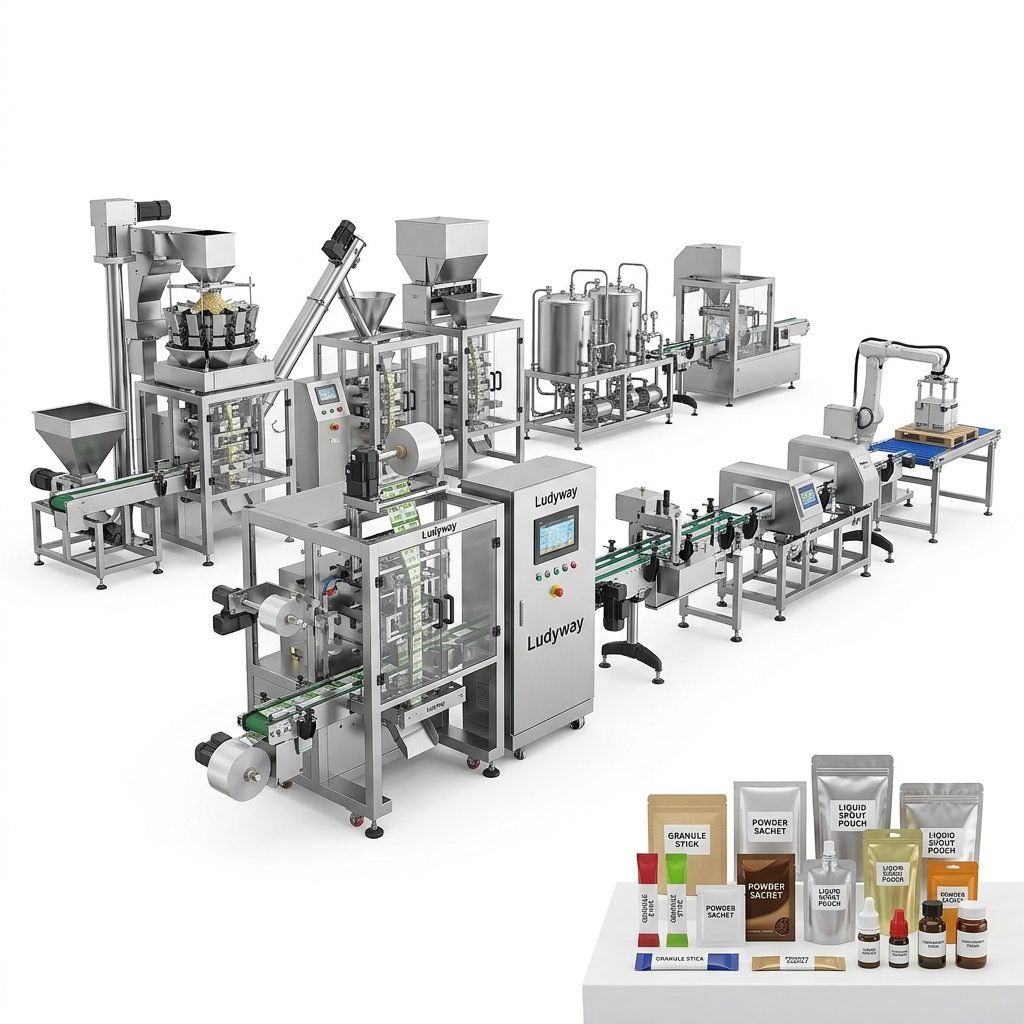
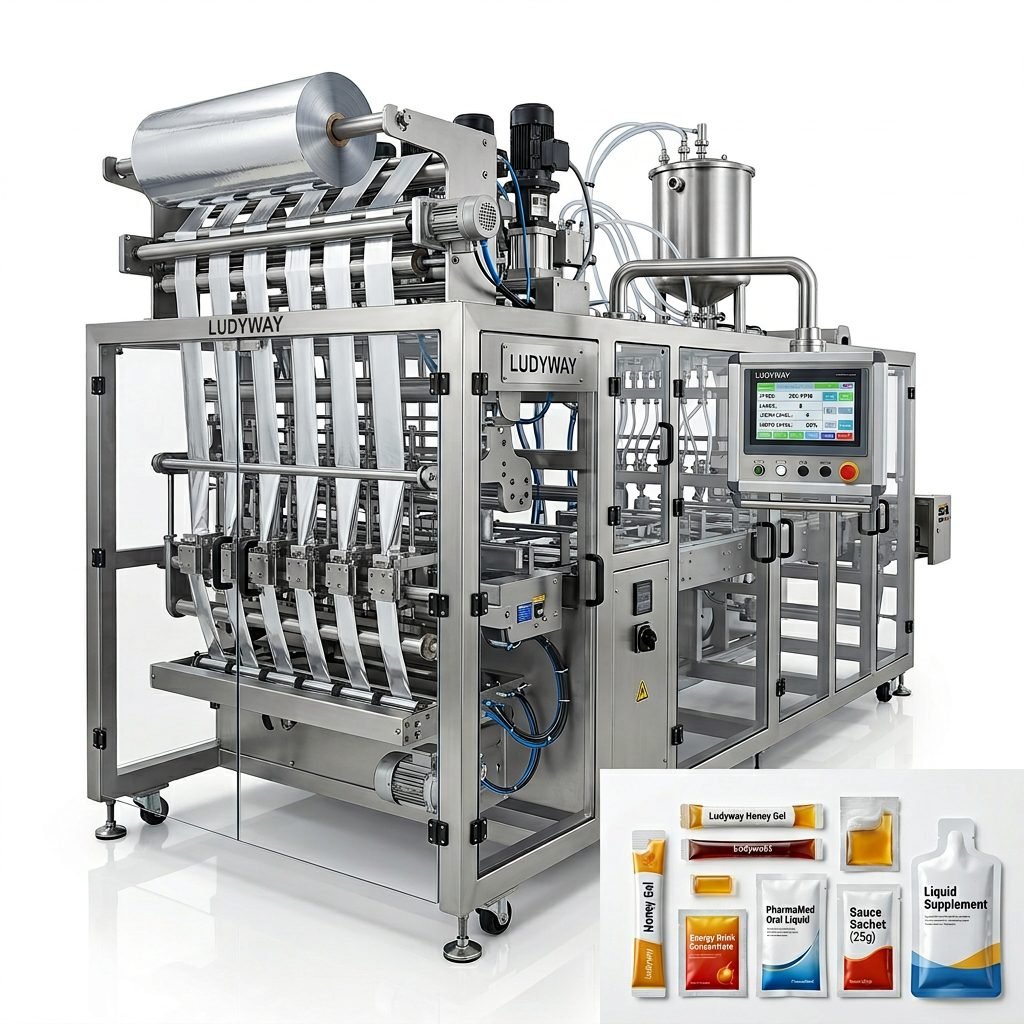
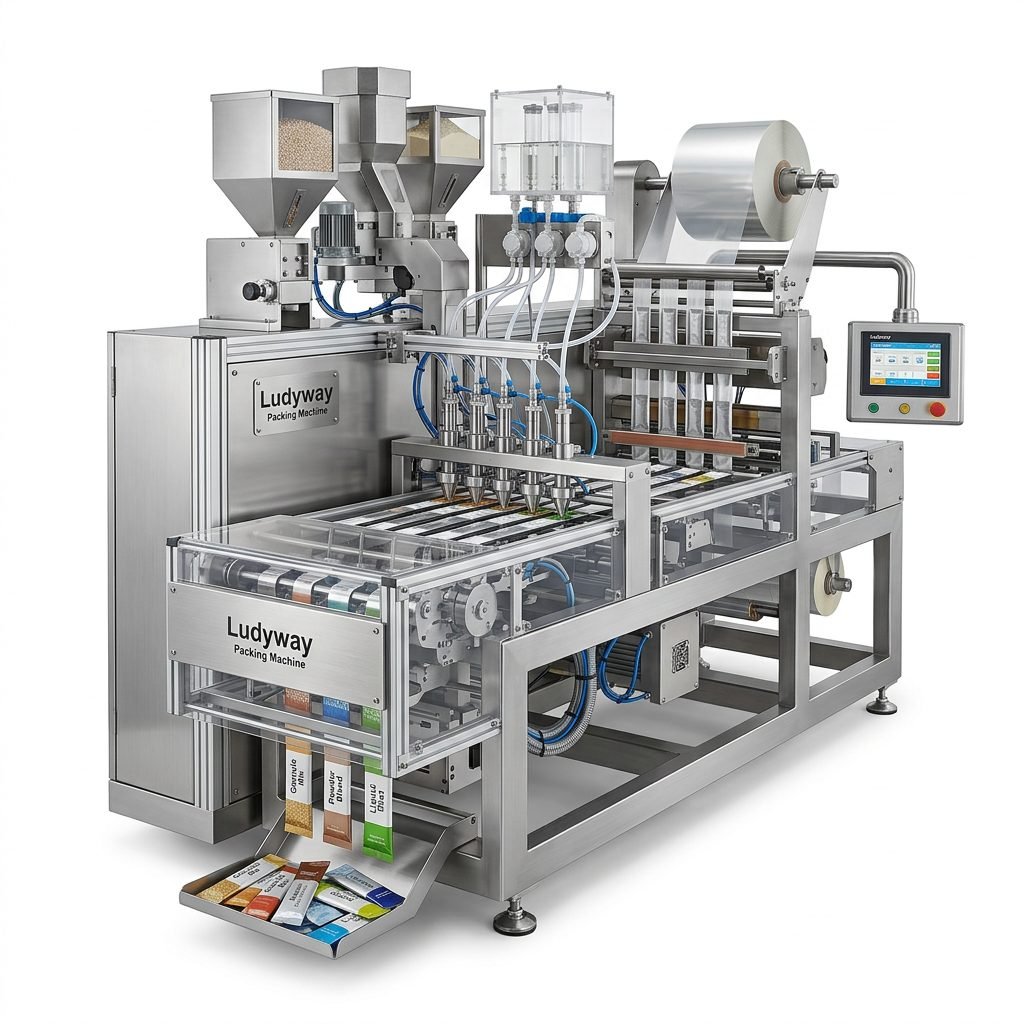
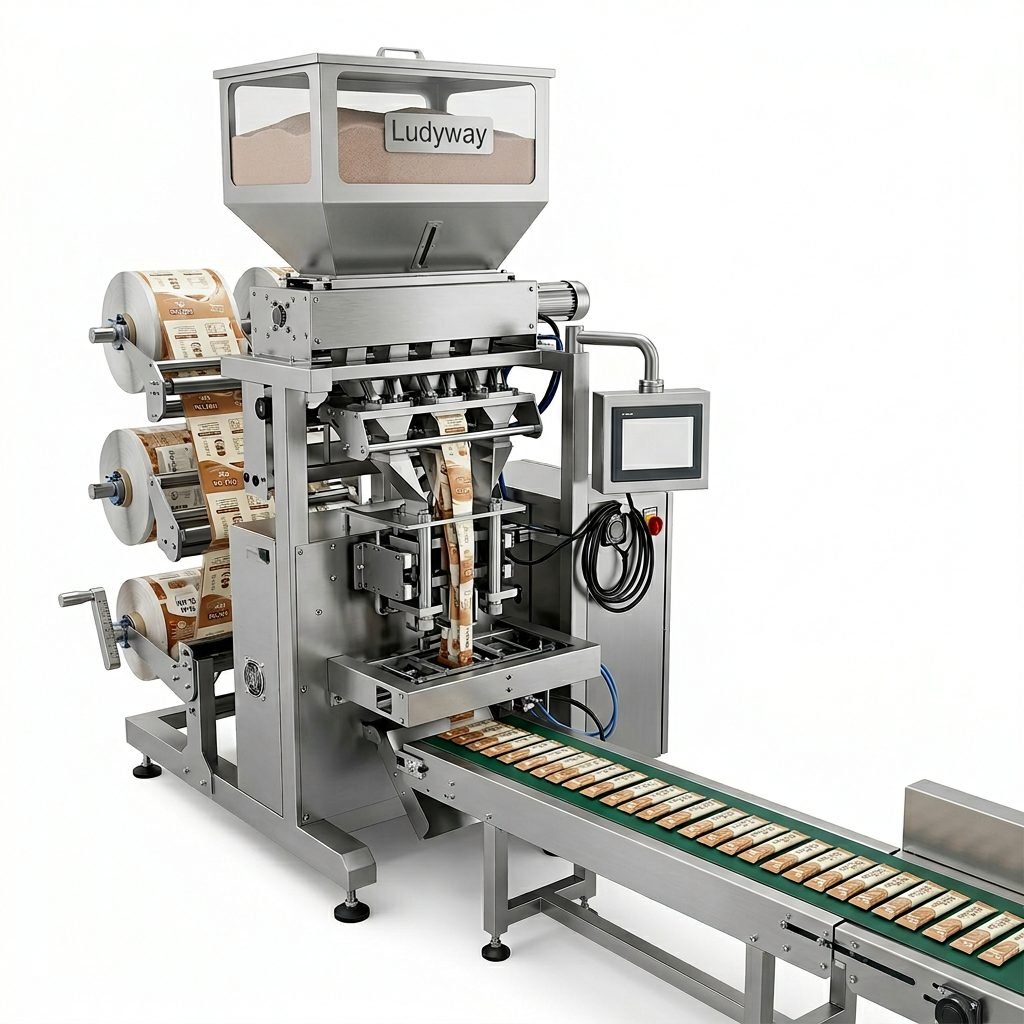
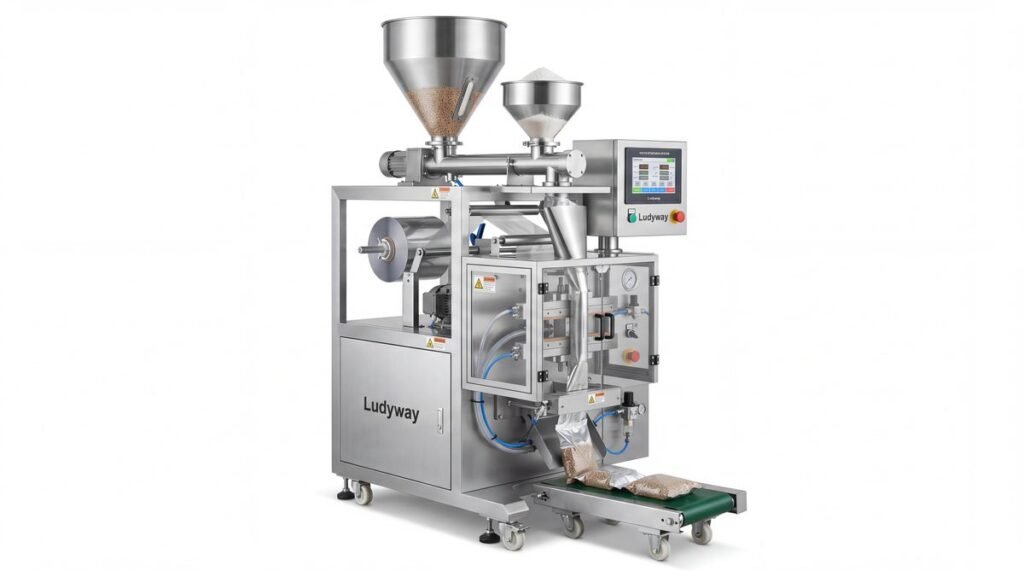
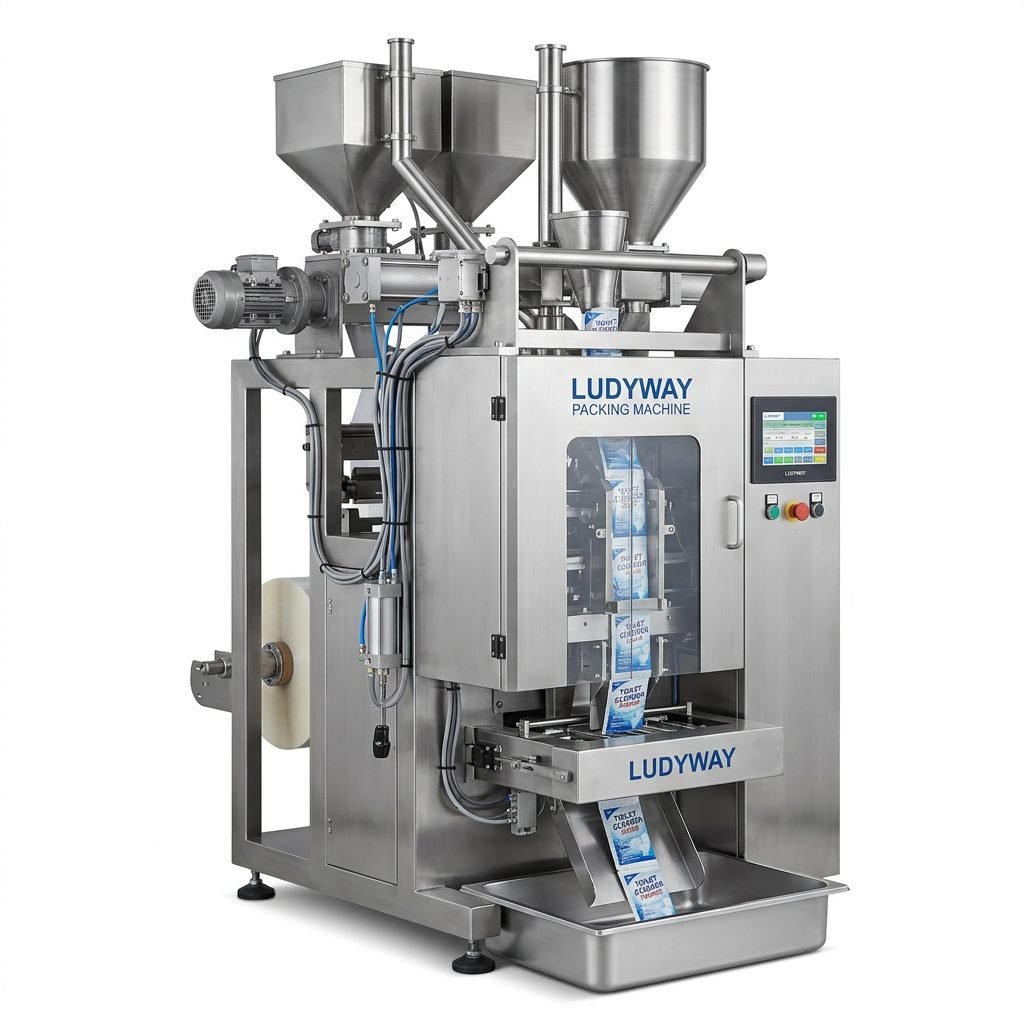
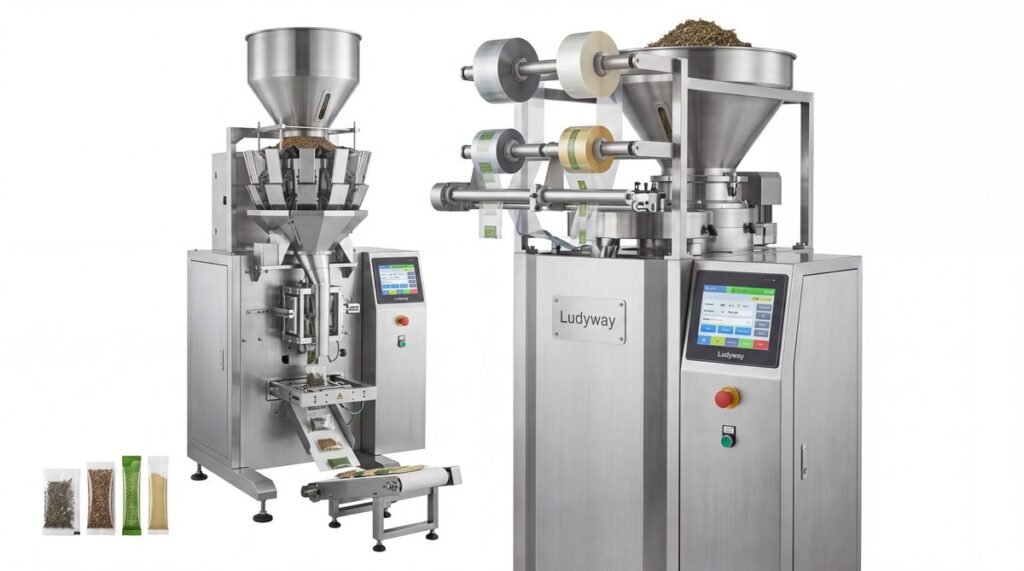
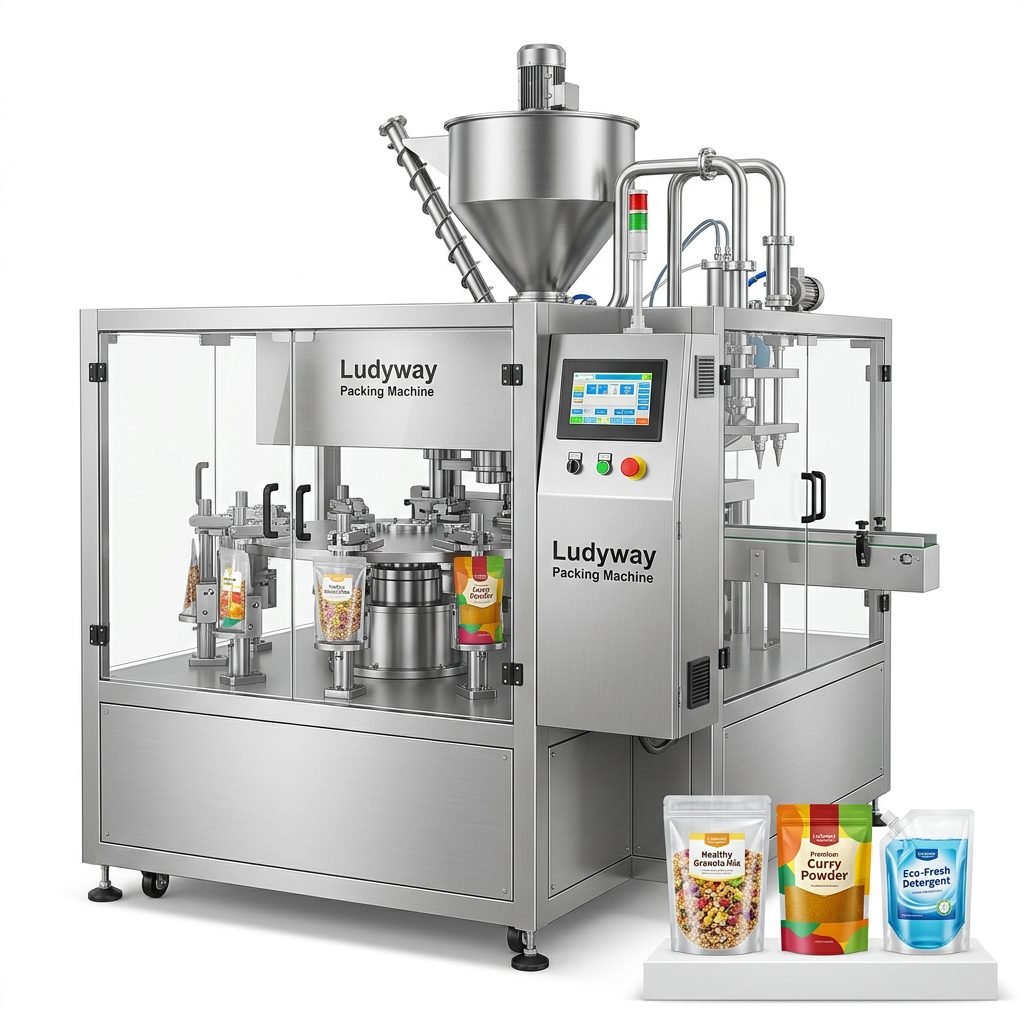
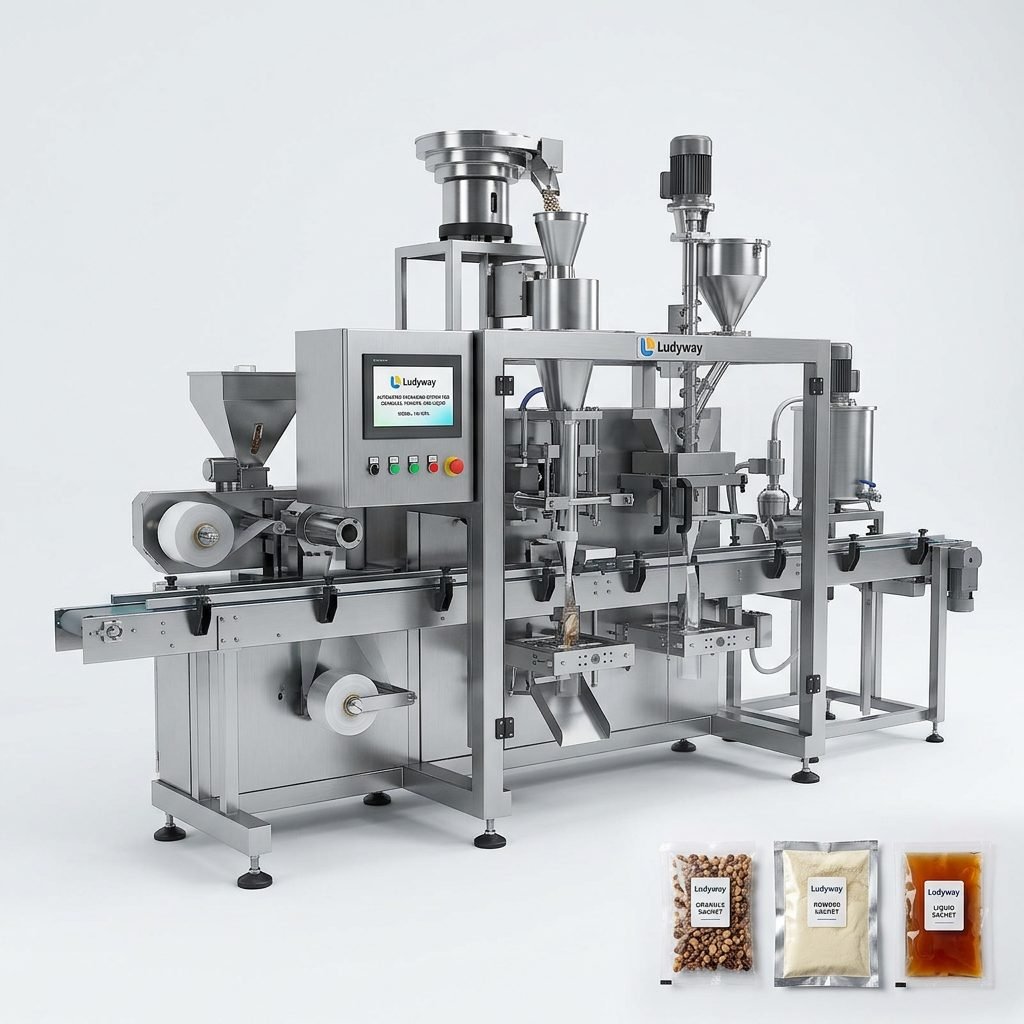
For businesses evaluating automated systems for pouches, sachets, or multi-lane applications, Ludyway packaging machine solutions are widely used for packaging automation across food, pharmaceutical, health supplement, chemical, and pouch-based product sectors.
Best Practices for Long-Term Seal Consistency
If you want fewer failures over the long term, focus on process discipline rather than one-time adjustments.
- Use qualified film suppliers with consistent seal layer specifications
- Document proven settings for each pouch type and product
- Train operators to recognize early seal defects
- Schedule preventive maintenance for sealing stations
- Test seals regularly, not only when problems appear
- Review machine performance after speed or product changes
Final Checklist Before Production Starts
- Confirm film structure matches the sealing method
- Verify sealing temperature is within target range
- Check dwell time and sealing pressure
- Inspect seal jaws for cleanliness and wear
- Ensure no product contamination reaches the seal area
- Confirm proper film tracking and pouch alignment
- Run sample seal strength and leak tests
Conclusion
Improving seal quality in pouch packaging is usually not about changing just one setting. The strongest and most reliable seals come from managing the full process: correct film selection, optimized heat-seal parameters, clean sealing areas, stable machine performance, and ongoing quality checks. When these factors work together, you can reduce leakage, improve package integrity, and keep production efficient at the same time.