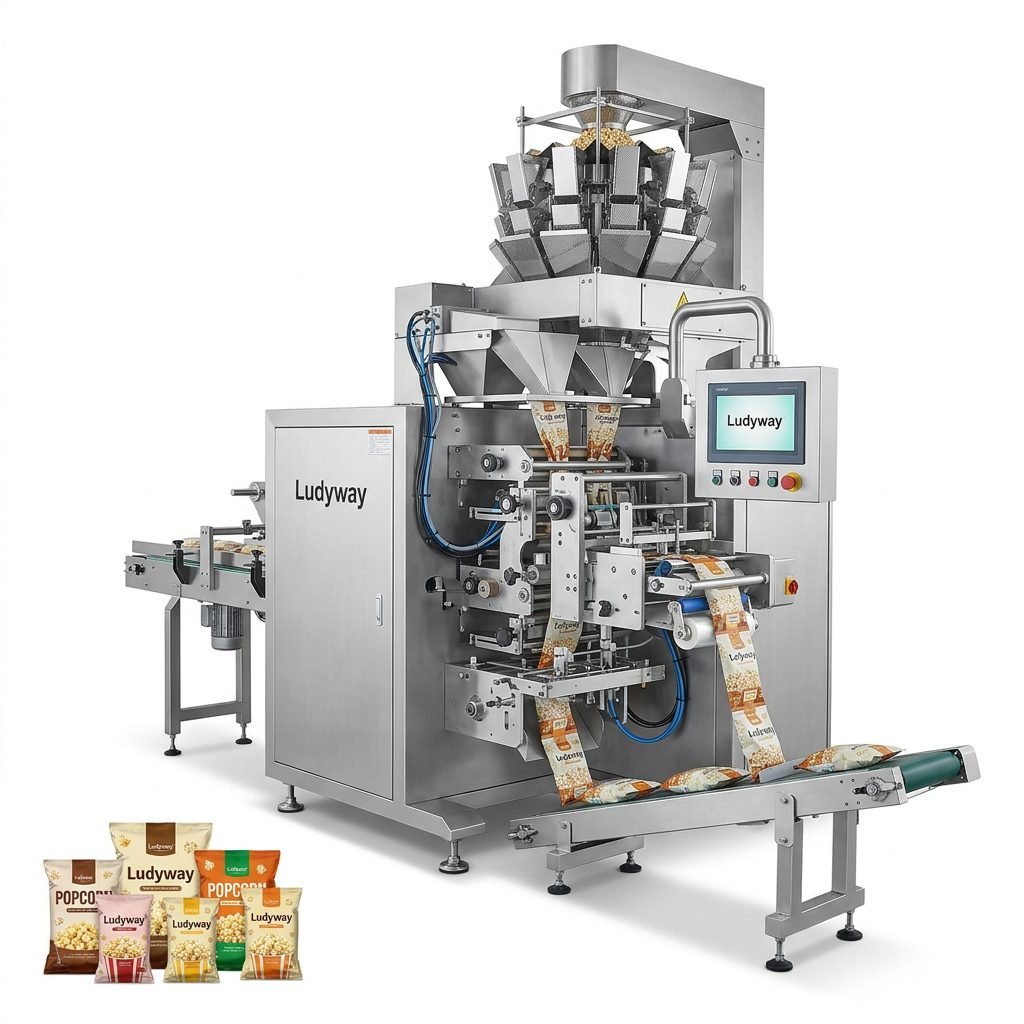
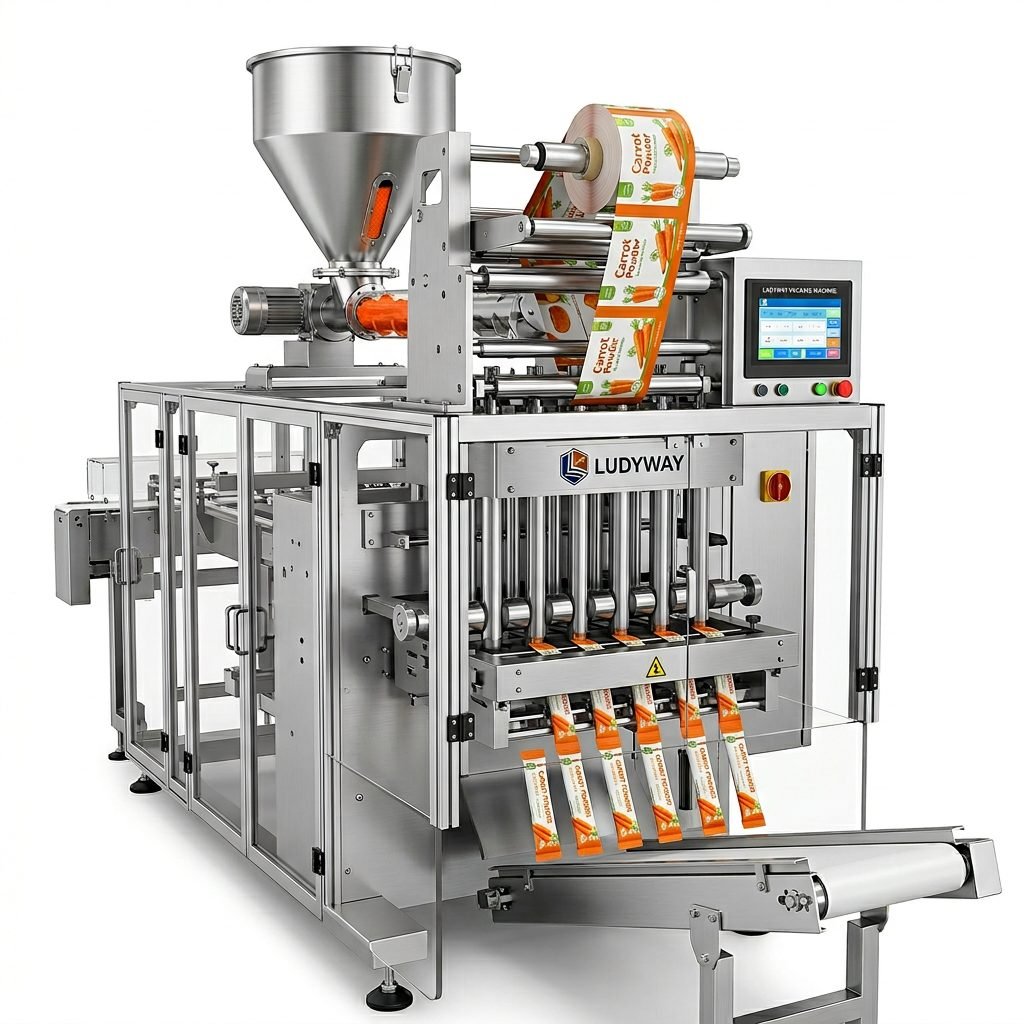
Pouch packaging machines are designed to deliver speed, consistency, and reliable sealing, but even advanced systems can experience performance issues over time. From poor sealing and inaccurate filling to film tracking errors and machine jams, many common problems can be fixed quickly when operators understand the root cause.
This guide explains the most frequent pouch packaging machine issues, what causes them, and the practical steps you can take to restore stable operation. Whether you run food, pharmaceutical, cosmetic, or chemical packaging, these troubleshooting tips can help reduce downtime and protect product quality.
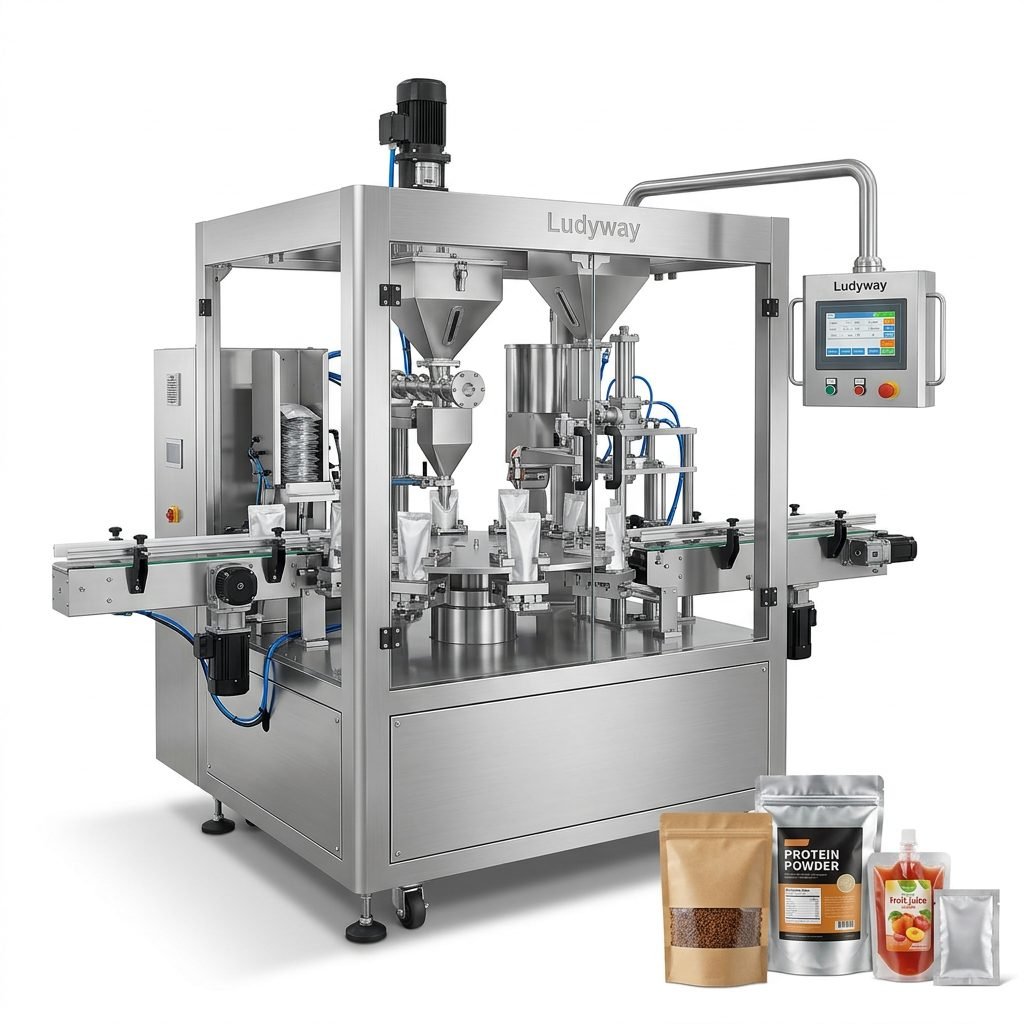
Why Pouch Packaging Machines Run Into Problems
Most faults do not come from a single failure. In many cases, problems are caused by a combination of material variation, wear parts, incorrect settings, poor maintenance, or operator error. A machine that worked well last week may suddenly struggle if pouch material thickness changes, ambient temperature shifts, or product flow characteristics become inconsistent.
- Different pouch materials require different sealing temperatures and pressure
- Powders, granules, liquids, and pastes behave differently during filling
- Long production runs increase the chance of dust buildup and part wear
- Improper setup after cleaning or product changeover can affect alignment
- Unstable power supply or air pressure may disturb machine performance
Common Problems and How to Fix Them
1. Weak or Incomplete Sealing
One of the most common pouch packaging issues is a seal that looks uneven, opens easily, or leaks during transport. This directly affects shelf life and customer trust.
Possible causes
- Sealing temperature is too low or too high
- Insufficient sealing pressure or dwell time
- Dust, powder, oil, or product trapped in the sealing area
- Worn sealing jaws or damaged Teflon covering
- Pouch material not compatible with current settings
How to fix it
- Check and recalibrate sealing temperature according to the pouch material.
- Increase dwell time slightly if the machine allows it.
- Clean sealing bars and make sure no product contaminates the seal area.
- Inspect sealing jaws for wear, scratches, or uneven contact.
- Run several test pouches and verify seal strength before resuming full production.
2. Pouch Misalignment or Poor Pouch Positioning
If pouches enter the filling or sealing station in the wrong position, the machine may create crooked seals, waste material, or stop unexpectedly.
Possible causes
- Incorrect pouch magazine adjustment
- Worn grippers or vacuum pick-up issues
- Sensor misreading pouch registration marks
- Pouches with inconsistent dimensions
- Loose guiding rails or unstable feed mechanism
How to fix it
Start by checking mechanical alignment, then inspect sensors and grippers. Replace worn gripping components and confirm the pouch stack is loaded correctly. If the pouches themselves vary too much in size or shape, change to a more stable packaging material supplier.
| Problem | Likely Cause | Recommended Fix |
|---|---|---|
| Crooked pouch | Guide rails out of position | Realign rails and tighten fasteners |
| Pouch not opening | Weak vacuum or poor pouch quality | Check vacuum lines and test pouch material |
| Inconsistent pouch pickup | Worn suction cup or gripper | Replace worn parts and recalibrate pickup position |
3. Inaccurate Filling Weight or Volume
Underfilling causes compliance and customer issues, while overfilling raises cost per pouch. Filling inconsistency is especially common when products flow poorly or feeding systems are unstable.
Possible causes
- Incorrect filling parameter settings
- Product bridging in hopper or feeder
- Inconsistent bulk density of powder or granules
- Worn auger, pump, or dosing components
- Load cell or weighing system drift
How to fix it
Recalibrate the filling system first. Then check the product feeding condition inside the hopper. Powders with poor flow may require agitation, anti-bridging design, or better humidity control. For liquids, inspect the pump, valves, and nozzles for air bubbles or residue buildup.
4. Film Tracking Problems
On form-fill-seal pouch systems, poor film tracking can cause printing misalignment, bad pouch length, and sealing at the wrong position.
Typical signs
- Printed graphics not centered
- Registration marks not detected correctly
- Film drifting to one side
- Uneven pouch length
How to fix it
- Clean the photoelectric sensor and check sensitivity.
- Confirm film tension is balanced.
- Inspect rollers for contamination, wear, or uneven pressure.
- Make sure the film roll is installed straight.
- Adjust tracking guides gradually instead of making large corrections at once.
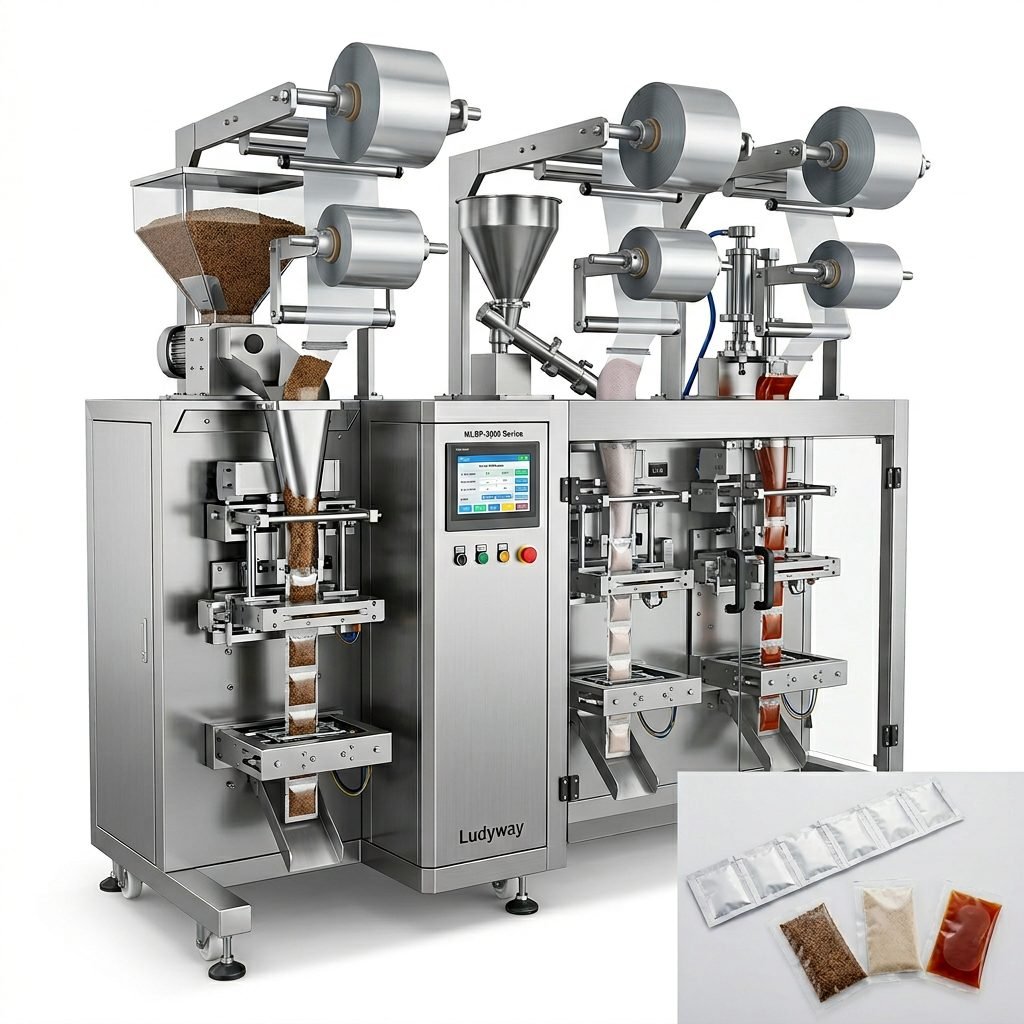
5. Machine Jams and Unexpected Stops
Frequent stops often point to mechanical resistance, sensor faults, or poor synchronization between stations.
Common reasons
- Pouch stuck in transfer area
- Sensor blocked by dust or product residue
- Air pressure below required level
- Improper timing between feeding, filling, and sealing stations
- Loose chains, belts, or moving parts
When this happens, do not just restart the machine repeatedly. Stop and identify the exact station where the jam begins. This saves time and prevents damage to the drive system.
6. Pouch Not Opening Properly
If the pouch mouth does not open fully, the filling nozzle may miss the opening and spill product, leading to contamination and downtime.
How to fix it
- Check vacuum generator, tubing, and suction cups
- Inspect whether pouches are sticking together due to static or humidity
- Adjust air blast timing used for pouch opening
- Verify pouch edges are not deformed during storage or transportation
7. Product Leakage During Filling
Leakage around the nozzle or seal area is common with fine powder, free-flowing granules, and low-viscosity liquids. This creates messy seals and can force repeated cleaning stops.
Practical solutions
- Reduce splash by adjusting filling height and speed
- Use anti-drip nozzles for liquid products
- Improve dust extraction for fine powders
- Match nozzle size to the product flow rate
- Ensure the pouch is fully open and stable before dosing begins
8. Wrinkled or Burned Pouches
Wrinkles in the sealing area can weaken seal integrity. Burn marks usually indicate excessive heat or too much dwell time.
Quick check: if wrinkles appear randomly, inspect pouch feeding tension and jaw pressure; if burn marks appear consistently, reduce heat and verify actual temperature against controller readings.
Fast Troubleshooting Checklist for Operators
| Symptom | First Check | Next Action |
|---|---|---|
| Seal leakage | Seal temperature and cleanliness | Inspect jaws and adjust dwell time |
| Wrong fill weight | Calibration and product flow | Check hopper, auger, or pump wear |
| Film misalignment | Sensor and film roll position | Adjust tension and guide rollers |
| Frequent machine stops | Jam location and alarm message | Inspect sensors, air pressure, and timing |
Preventive Maintenance Tips That Reduce Downtime
The best way to fix packaging machine problems is to prevent them before they affect production. A simple maintenance plan can significantly extend service life.
- Clean sealing areas, sensors, and nozzles at the end of every shift
- Inspect wear parts weekly, including belts, jaws, suction cups, cutters, and bearings
- Calibrate filling and weighing systems regularly
- Lubricate moving parts according to the machine manual
- Record recurring faults to identify root patterns over time
- Train operators on correct startup, changeover, and shutdown procedures
When You Should Call Technical Support
Some issues can be solved on-site, but others need professional support. If the problem involves PLC logic, servo synchronization, repeated sealing failure after adjustment, or unexplained mechanical noise, it is safer to contact the machine supplier. Working with an experienced manufacturer is especially important for companies running high-output lines or multiple pouch formats.
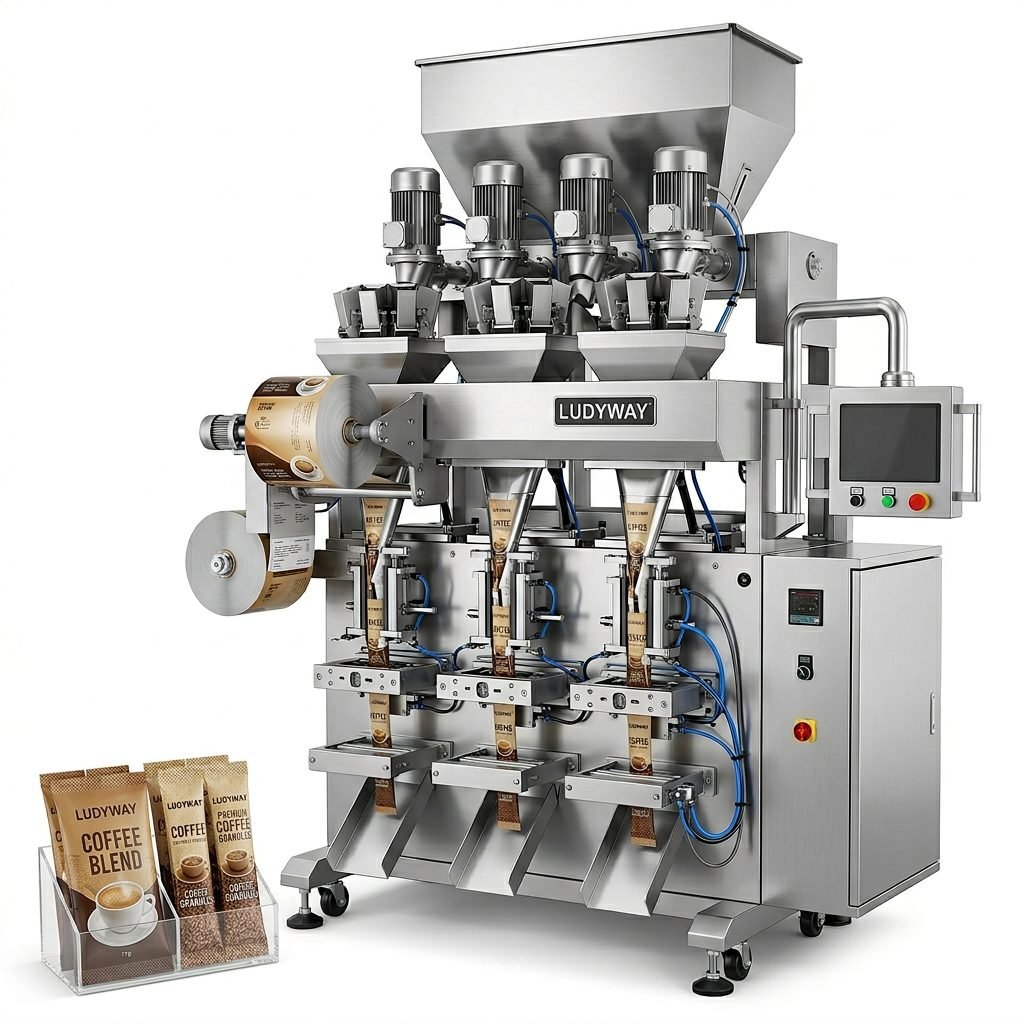
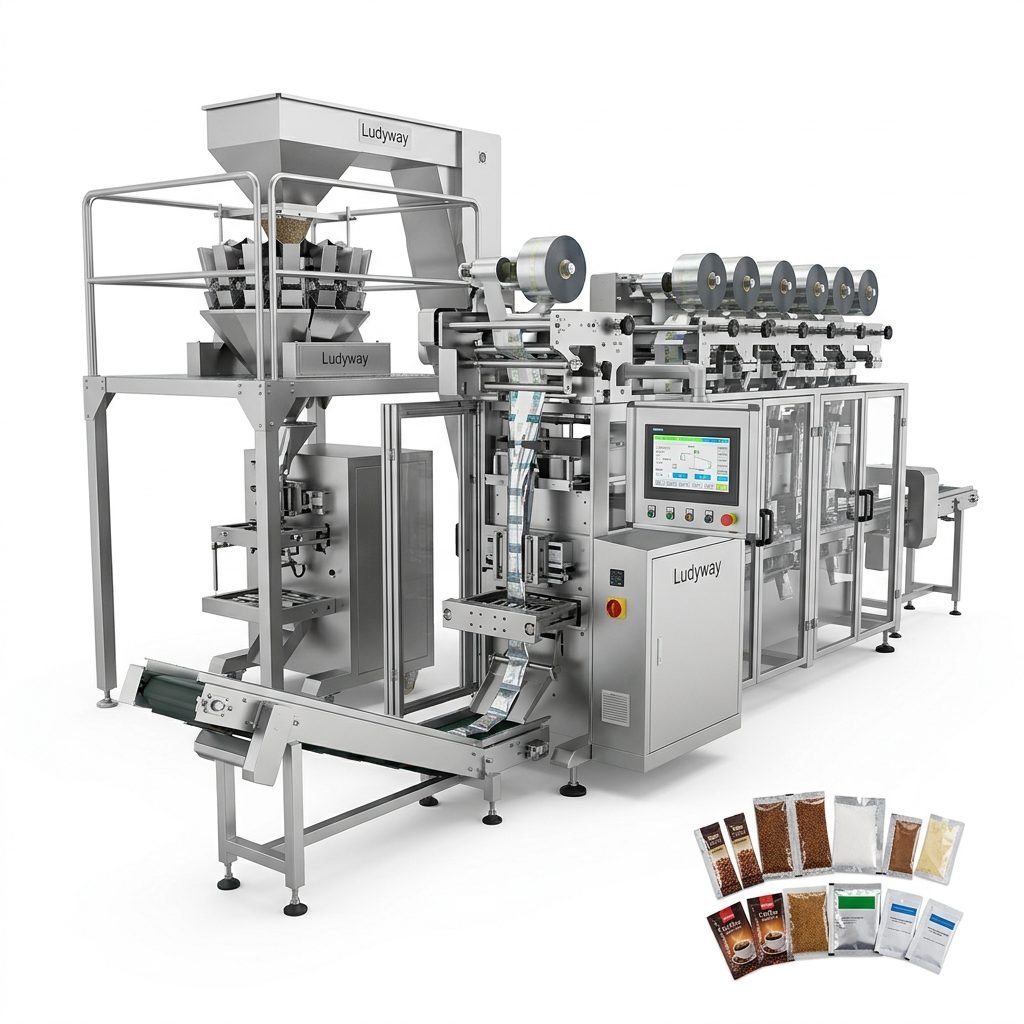
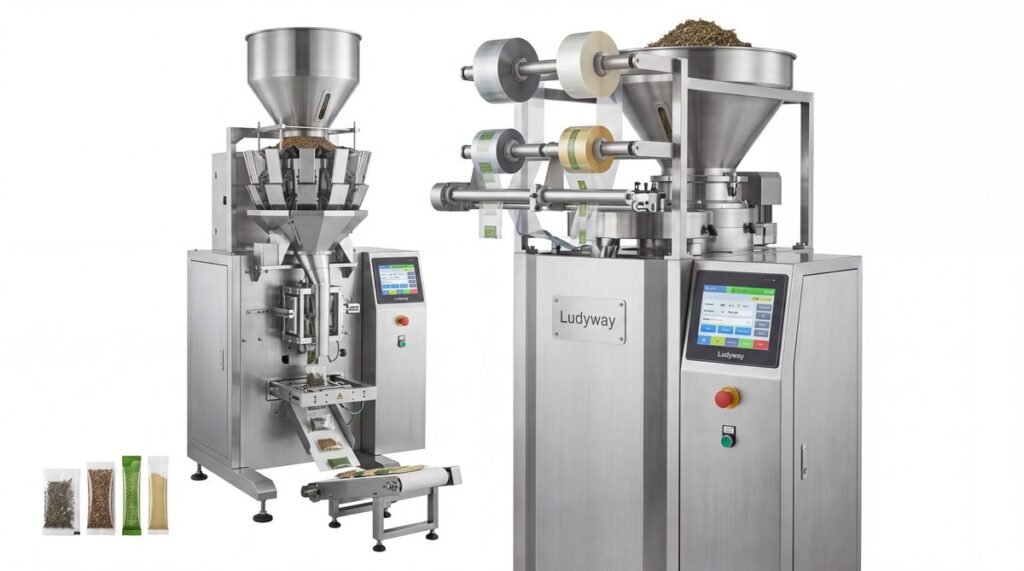
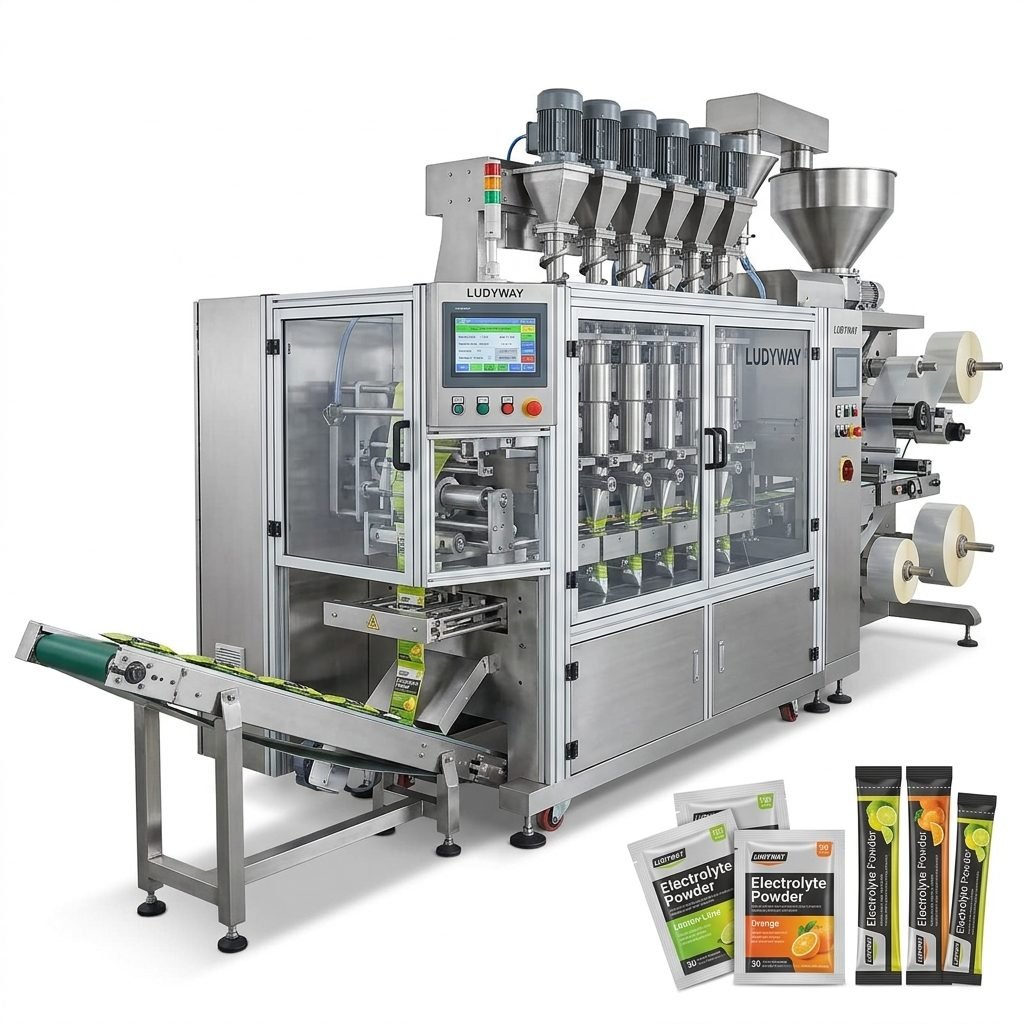
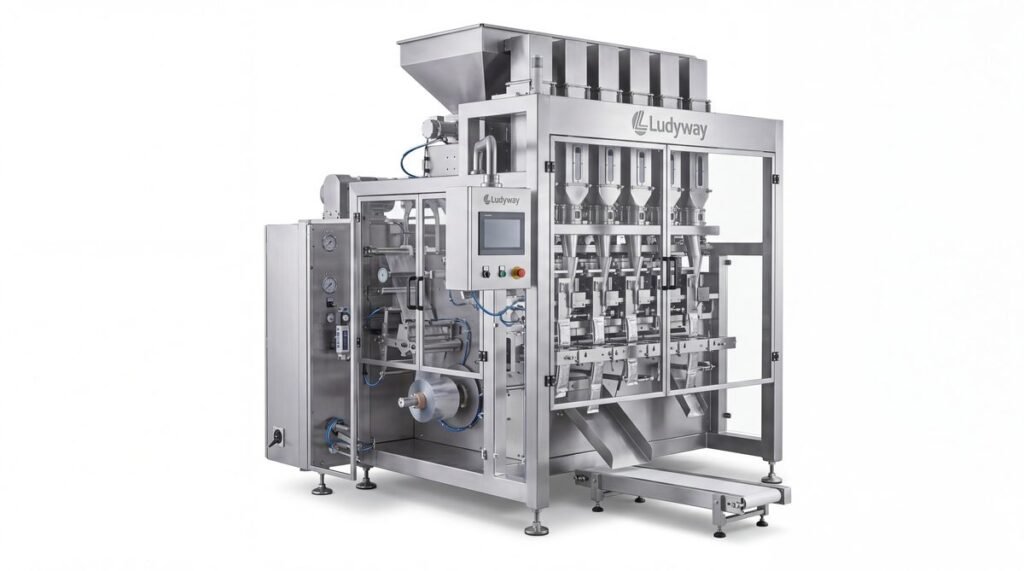
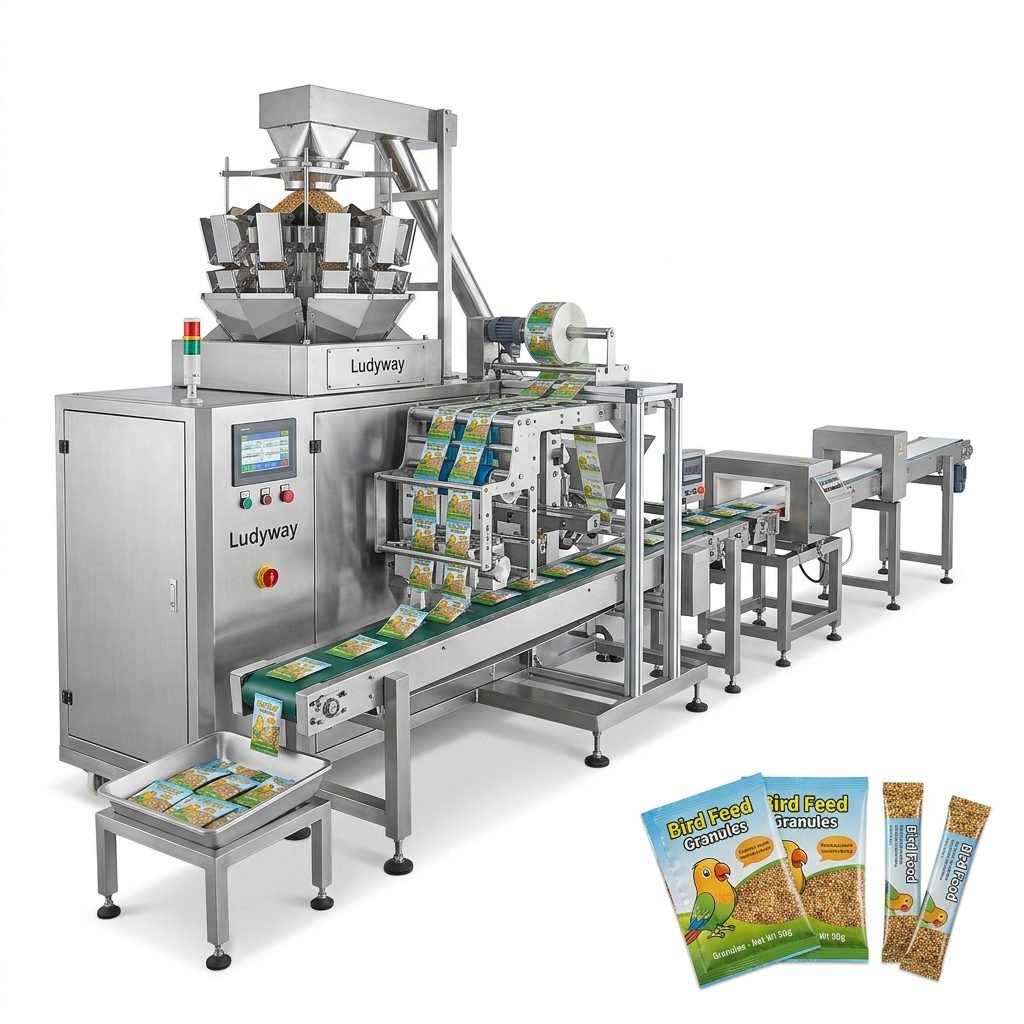
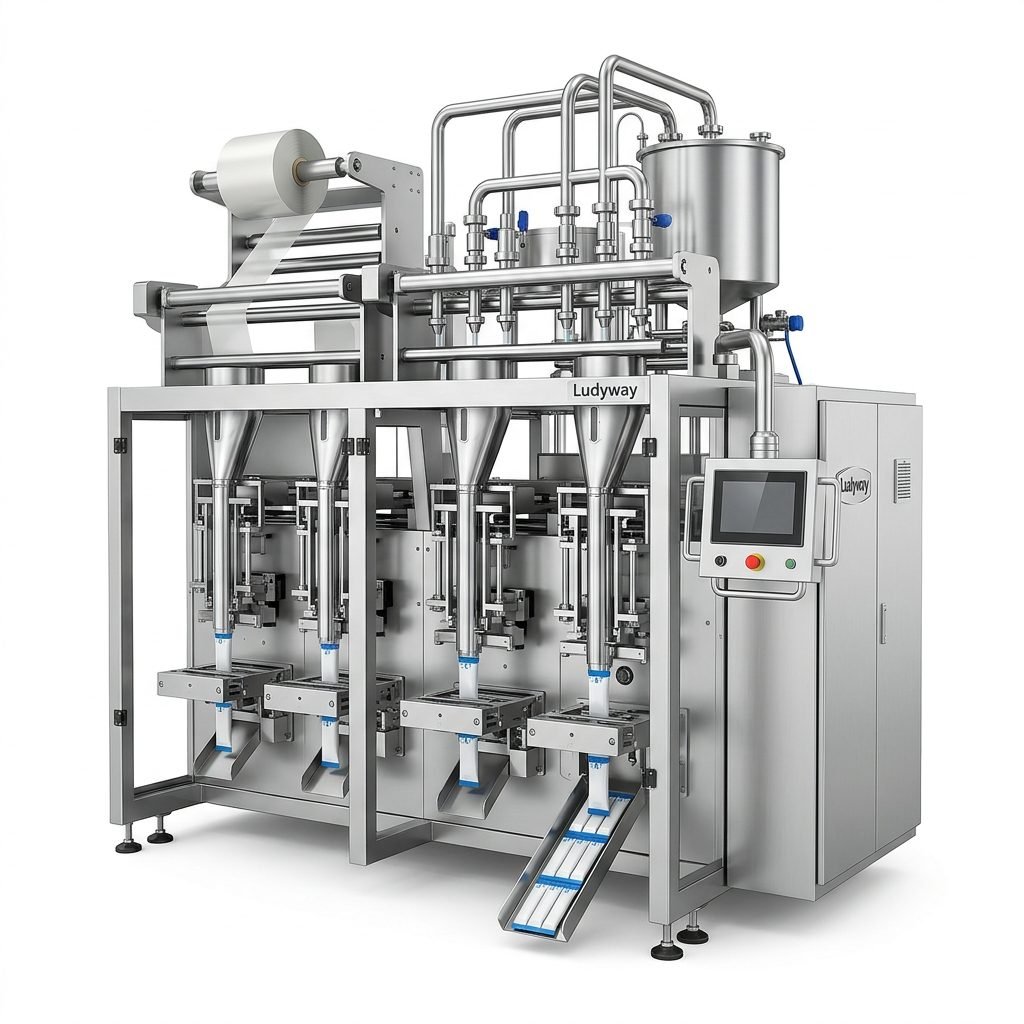
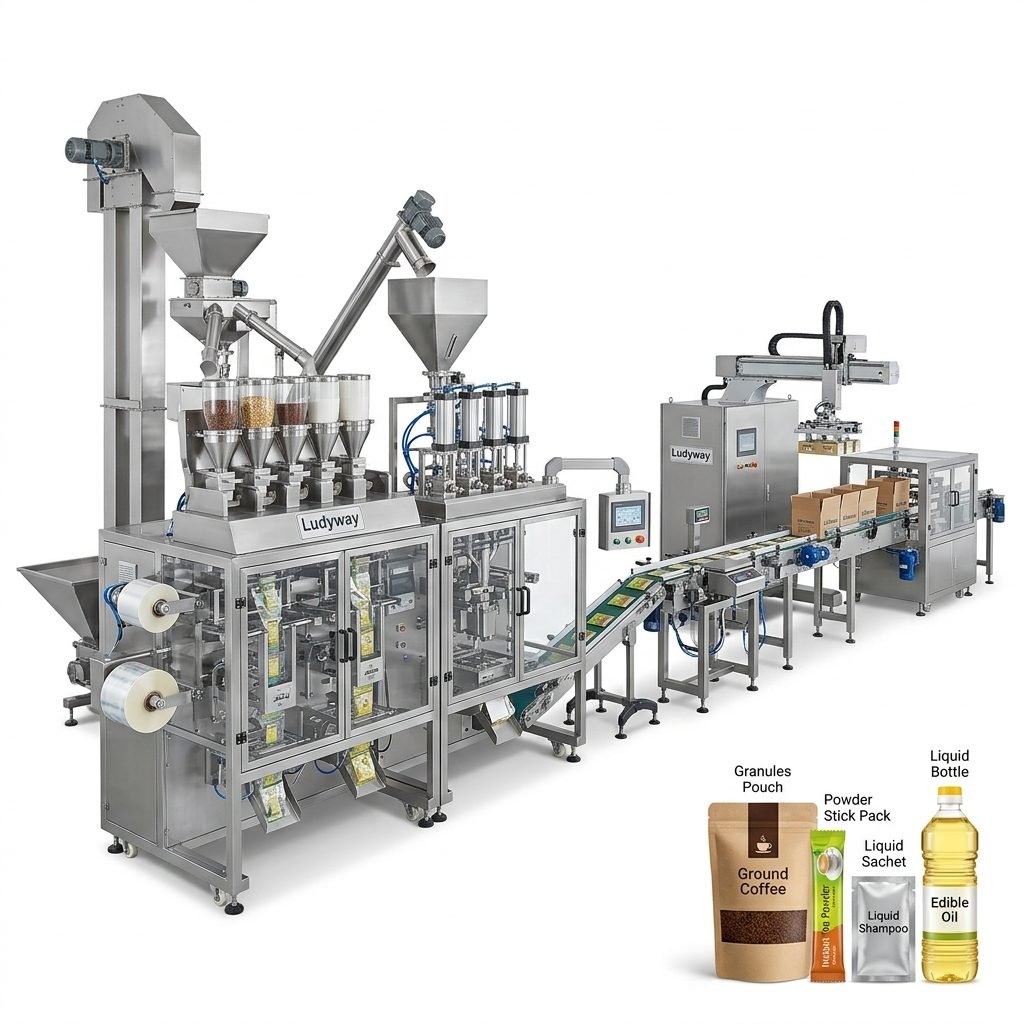
For businesses looking for reliable pouch packaging equipment and turnkey integration support, Ludyway pouch packaging machine solutions are widely used across food, pharmaceutical, health supplement, cosmetic, and chemical applications.
How to Choose a More Stable Pouch Packaging Machine
If your current machine experiences frequent faults, the problem may not be maintenance alone. In some cases, the equipment is simply not well matched to your product or packaging format.
Look for these features
- Stable servo control for accurate motion and timing
- Easy parameter adjustment for different pouch sizes
- Reliable sealing structure for your specific laminate material
- Flexible filling options for powder, granule, liquid, or paste
- Accessible machine layout for cleaning and maintenance
- Strong after-sales technical support and spare parts availability
Final Practical Advice for Daily Production
When a pouch packaging machine develops a fault, avoid changing too many settings at once. Check the problem step by step: material, setup, sensors, sealing, filling, then drive components. This structured approach makes troubleshooting faster and more accurate. In most cases, stable material quality, proper operator training, and routine maintenance are the key factors that keep pouch packaging lines running efficiently.