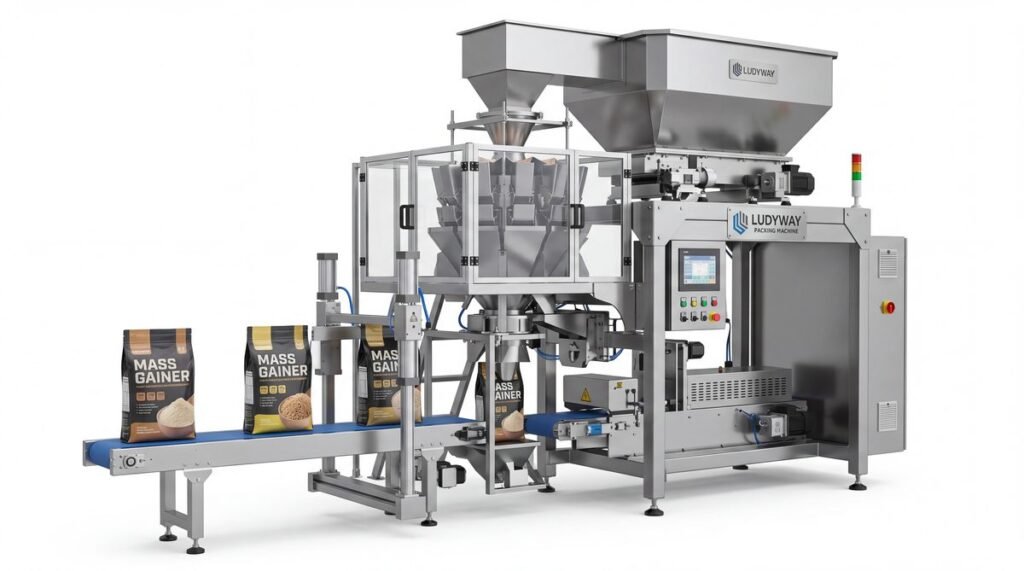
Selecting the right packaging machinery is one of the most critical decisions for any manufacturer handling powders, granules, liquids, or solid products. Whether you are upgrading an existing line or building a new production facility, the equipment you choose directly affects production efficiency, product quality, and long-term operational costs. This guide walks you through the essential factors to evaluate before investing in a packaging solution.
Understanding Your Product and Packaging Requirements
Before comparing machine specifications, start with a thorough analysis of your product characteristics and packaging goals. Different products require different handling, dosing, and sealing technologies.
- Product form: Is your product a free-flowing powder, sticky granule, viscous liquid, or solid piece? Each form demands specific filling mechanisms.
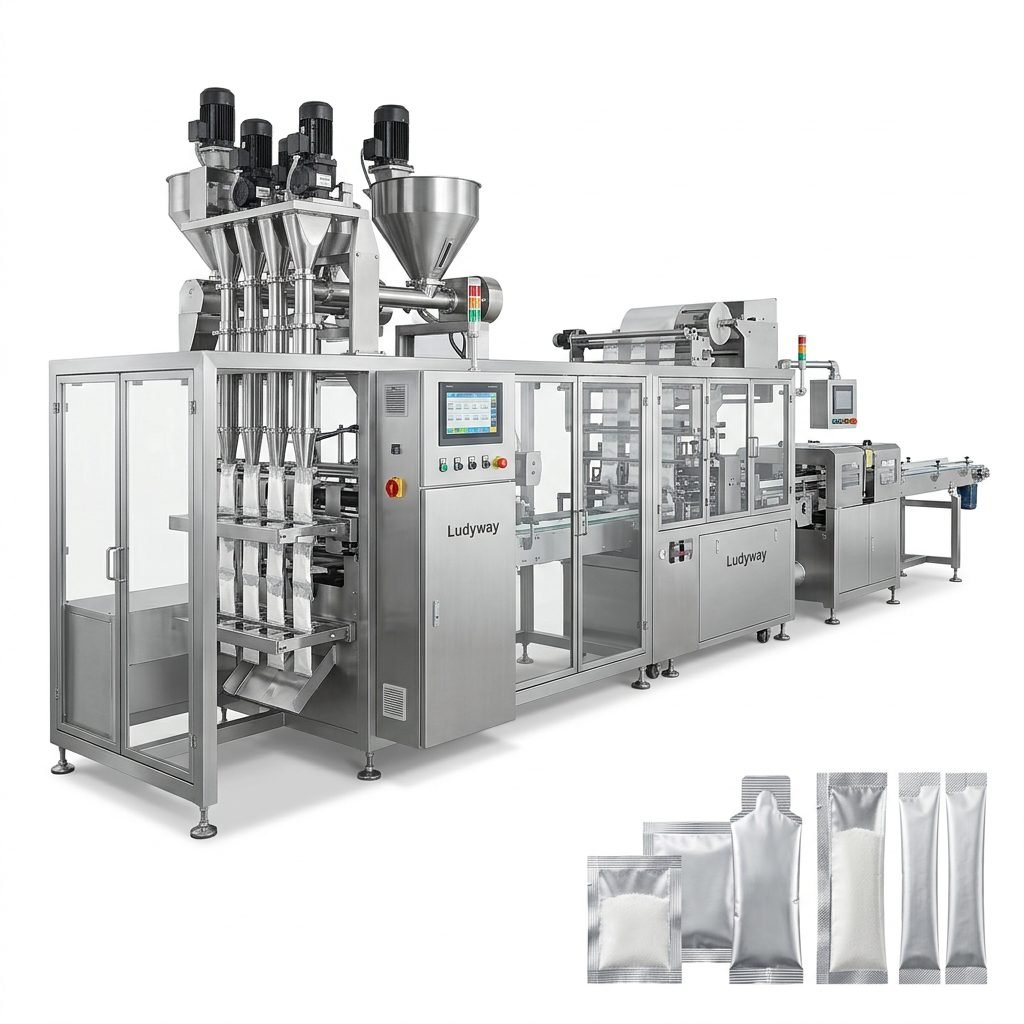
- Packaging format: Are you producing sachets, stick packs, pouches, bottles, or bulk bags? The machine must be compatible with your desired flexible packaging format.
- Production speed: What is your target output per minute or per hour? High-speed multi-lane systems can significantly boost capacity.
- Filling volume range: Machines should accommodate your minimum and maximum fill weights with precision.
Key Machine Configurations to Evaluate
Modern packaging machinery comes in various configurations. Understanding the differences helps narrow your options:
| Machine Type | Best For | Key Advantage |
|---|---|---|
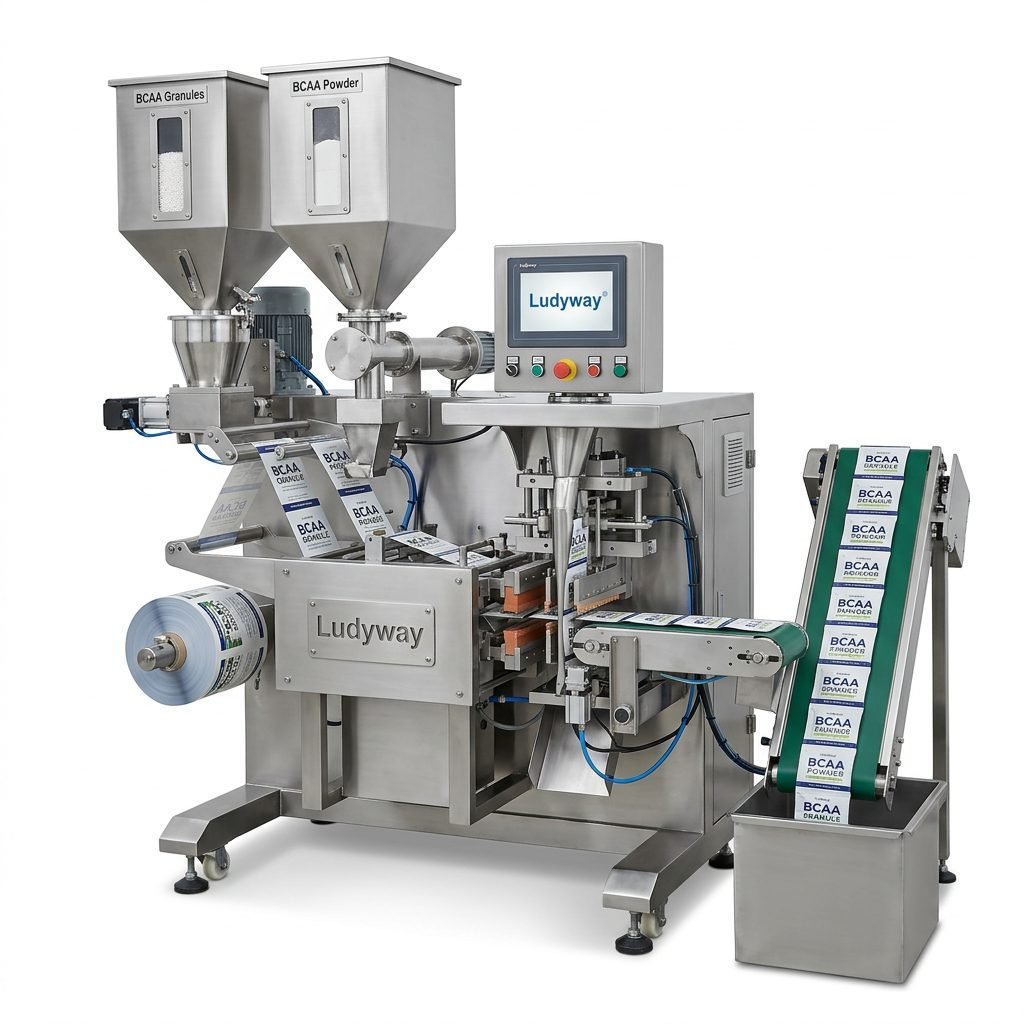
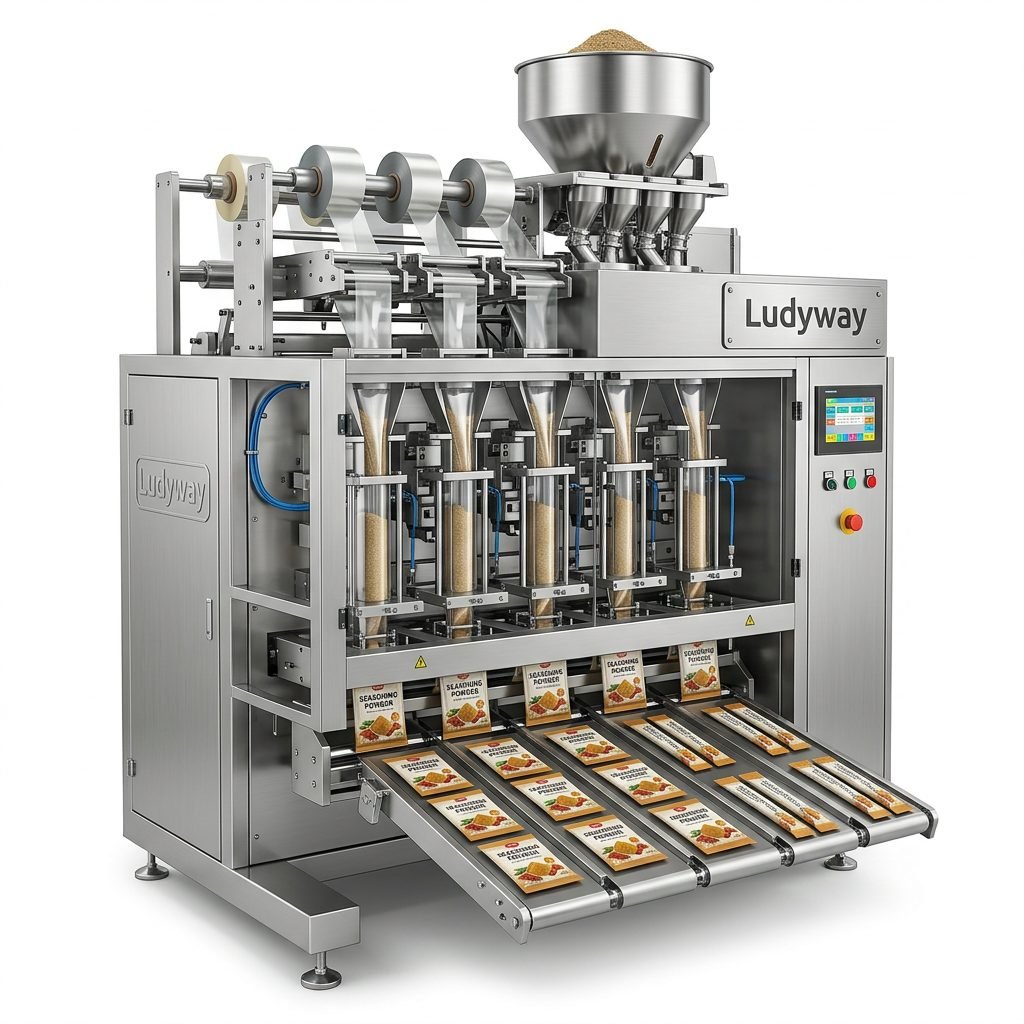
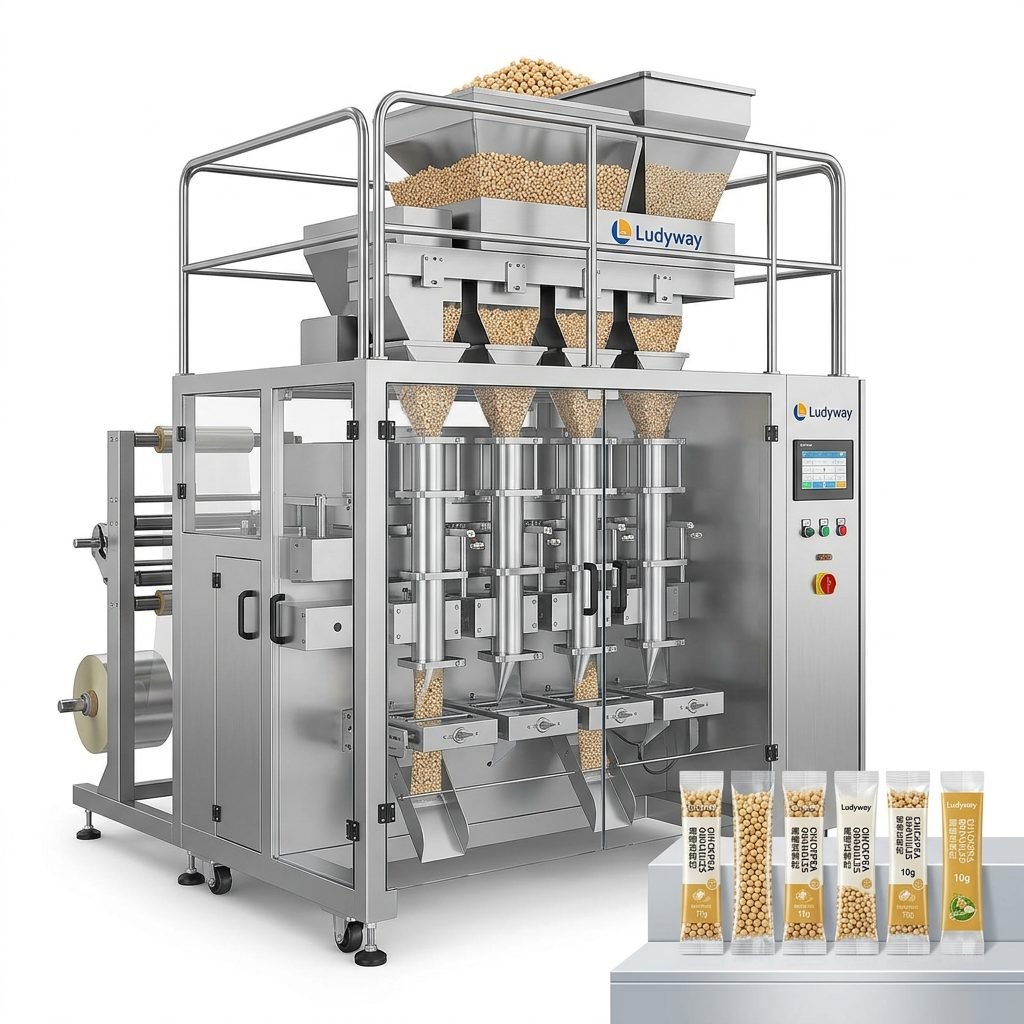
| Multi-Lane Stick Pack | Powders, granules, single-serve products | High throughput with simultaneous lanes |
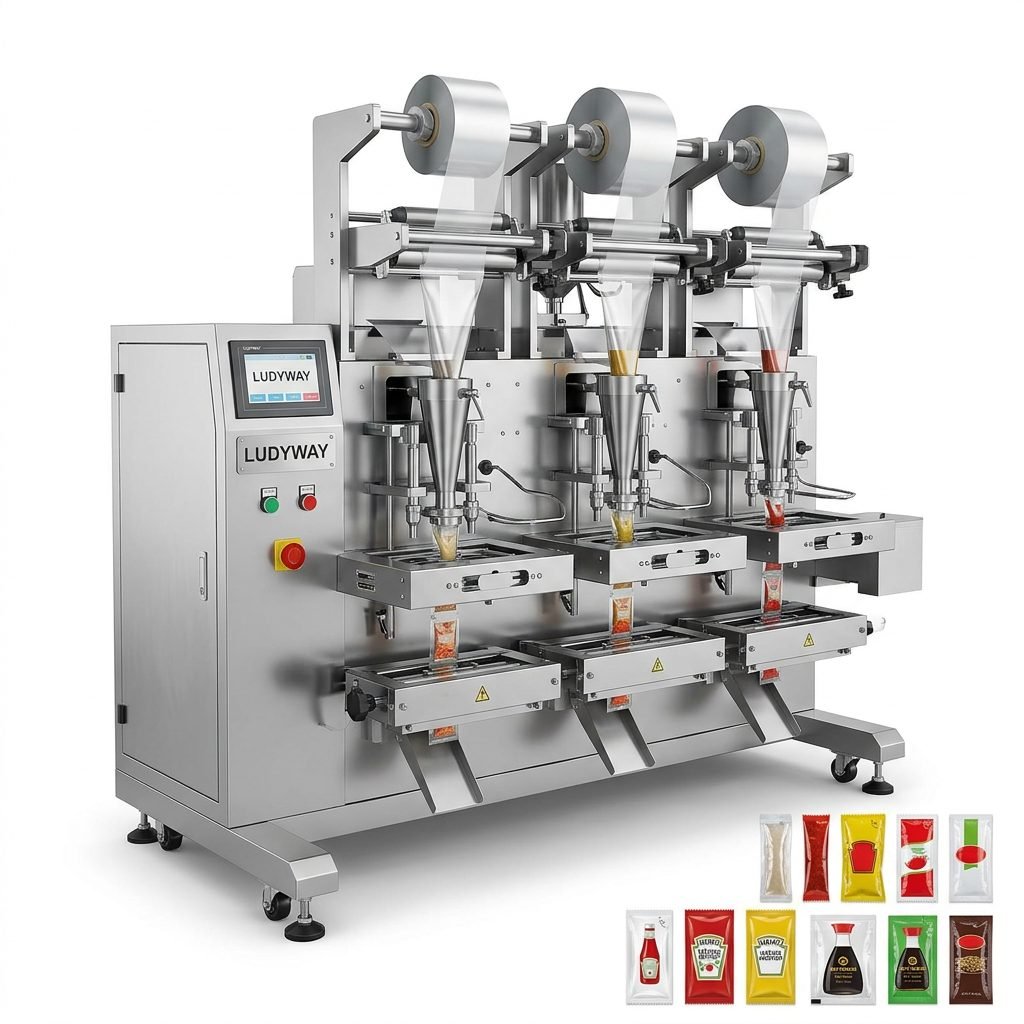
| Sachet Packaging Machine | Liquids, creams, pastes, powders | Versatile format for sample and retail sizes |
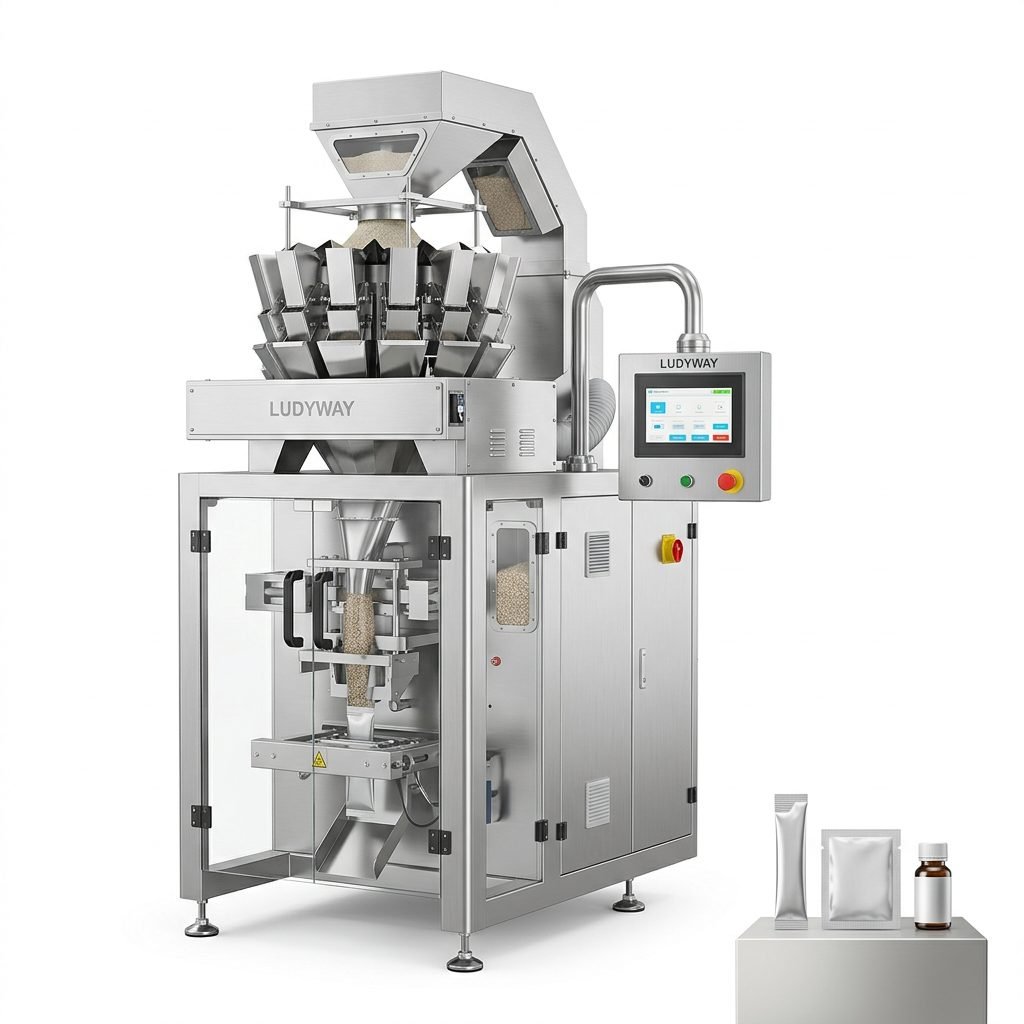
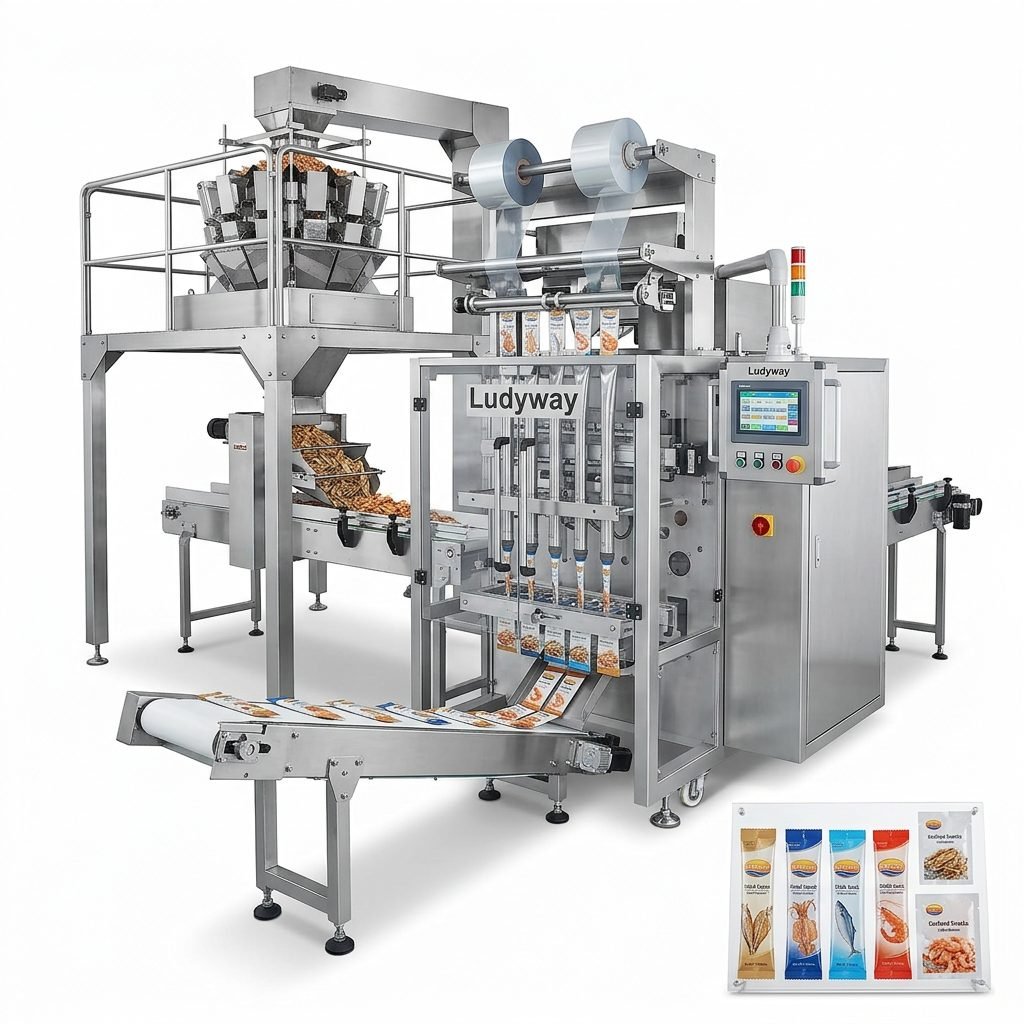
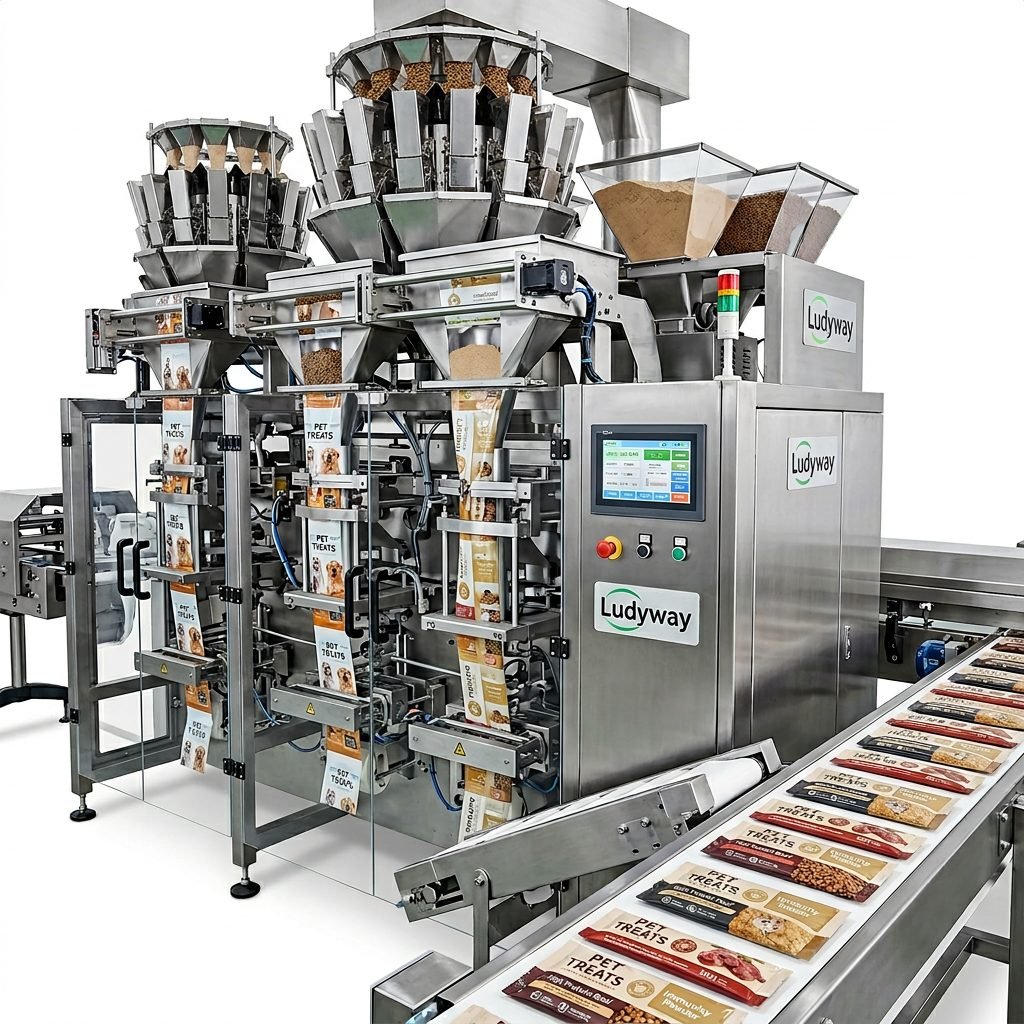
| Pouch Filling & Sealing | Food, pet food, supplements | Larger fill volumes, premium shelf appeal |
| Bottle Filling & Capping | Liquids, sprays, pharmaceutical syrups | Precision liquid dosing with secure closure |
Automation Level and Line Integration
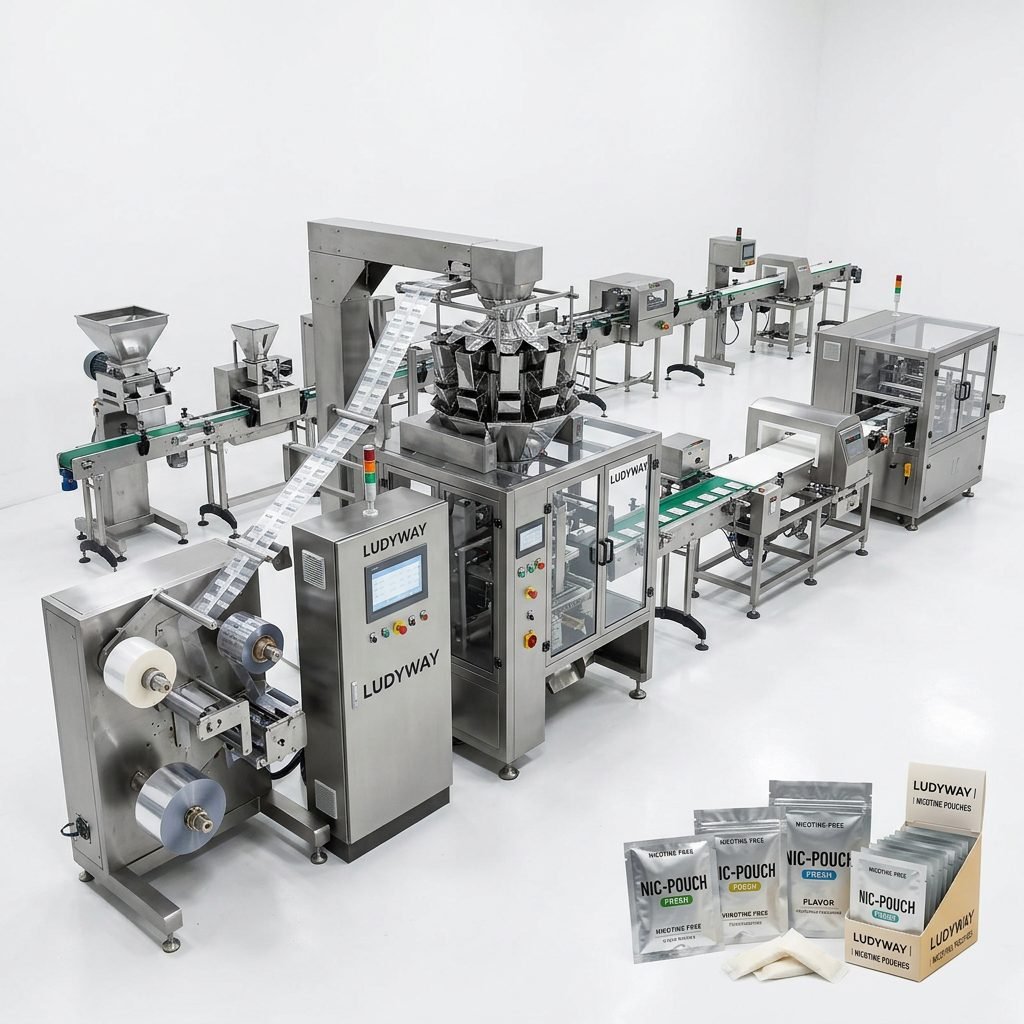
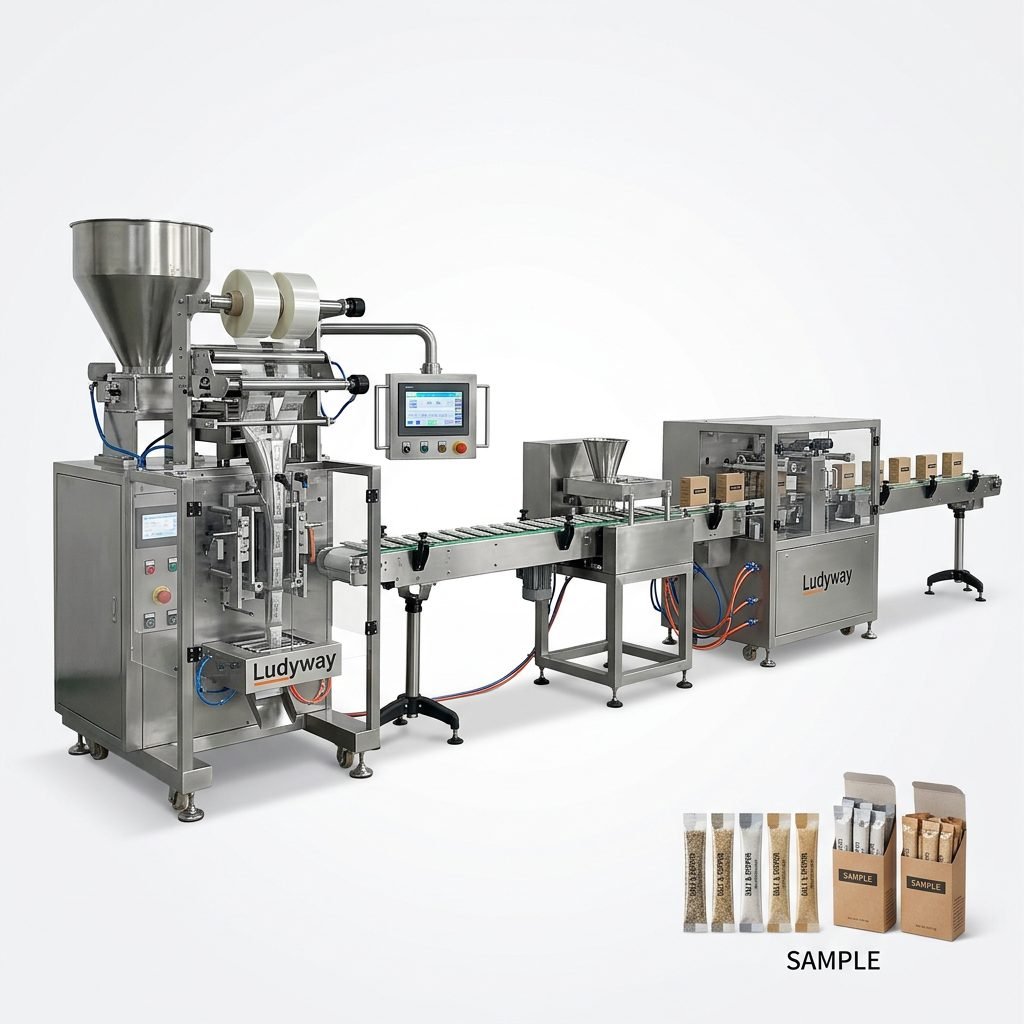
Your choice between a standalone machine and a fully integrated packaging line depends on your current production setup and future growth plans. Automated systems that connect feeding, filling, sealing, coding, and inspection reduce manual labor and improve consistency. Consider whether you need:
- Automatic feeding and dosing systems for hands-free operation
- In-line coding and labeling for traceability
- Checkweighing and metal detection for quality assurance
- Cartoning and case packing for end-of-line automation
- Palletizing solutions for warehouse efficiency
A turnkey packaging line that integrates multiple stages can reduce the complexity of managing separate suppliers and ensure seamless compatibility between modules.
Material Compatibility and Seal Integrity
The packaging material you use — whether laminate films, aluminum foil, paper-based materials, or biodegradable alternatives — must be compatible with the machine’s sealing system. Seal integrity is particularly critical for food, pharmaceutical, and medical products where contamination or leakage is unacceptable. Verify that the machine supports your required film thickness, heat-seal parameters, and any special requirements such as nitrogen flushing for modified atmosphere packaging.

Industry-Specific Compliance and Standards
Different industries impose unique regulatory requirements on packaging equipment. Machines intended for pharmaceutical production must meet stricter validation and documentation standards than those used for general consumer goods. Key considerations include:
- Food-grade materials: Contact parts must comply with FDA food contact substance regulations.
- Pharmaceutical standards: Equipment may need to conform to GMP guidelines and support cleaning validation protocols.
- International certifications: CE marking, ISO compliance, and other certifications may be required depending on your target market.
- Hygiene and cleanability: Machines should be designed for easy disassembly and sanitation, especially in food and pharma applications.
Evaluating Manufacturer Capabilities
Beyond the machine specifications, assess the manufacturer’s engineering expertise, manufacturing scale, and after-sales support. A manufacturer with decades of experience, a substantial production facility, and a global service network can provide greater confidence in long-term reliability. Look for suppliers who offer customization rather than only standardized models, as packaging requirements vary significantly across products and industries.

Total Cost of Ownership and ROI
The purchase price is only one component of the total investment. A comprehensive cost analysis should account for installation, operator training, spare parts availability, energy consumption, maintenance intervals, and expected service life. Machines built with internationally recognized automation components from established industrial suppliers often deliver lower long-term maintenance costs and easier access to replacement parts worldwide.
Key financial factors to evaluate:
- Initial equipment cost versus long-term operational savings
- Energy efficiency and utility consumption
- Spare parts availability and pricing
- Expected machine lifespan and depreciation
- Technical support responsiveness and service contract options
Customization and Future Scalability
Your packaging needs may evolve as your product portfolio expands or production volumes increase. Selecting a manufacturer that offers customized engineering solutions rather than off-the-shelf machines allows you to configure equipment precisely for your current requirements while preserving the option to upgrade or reconfigure in the future. Modular machine designs that support additional lanes, new filling systems, or integrated automation modules provide a scalable path forward.

Making the Final Decision
Choosing the right packaging machine requires balancing technical specifications, budget constraints, and the manufacturer’s ability to support your operations over time. Prioritize suppliers that demonstrate deep application knowledge, offer turnkey solutions, and maintain a responsive global service infrastructure. Whether you are packaging nutritional powders, pet treats, pharmaceutical sachets, or industrial chemicals, the right equipment partnership can transform your production efficiency. For manufacturers seeking a packaging machinery partner with over 30 years of experience and a global footprint spanning more than 100 countries, Ludyway Machinery offers customized packaging solutions backed by a 20,000-square-meter manufacturing facility and comprehensive engineering capabilities.