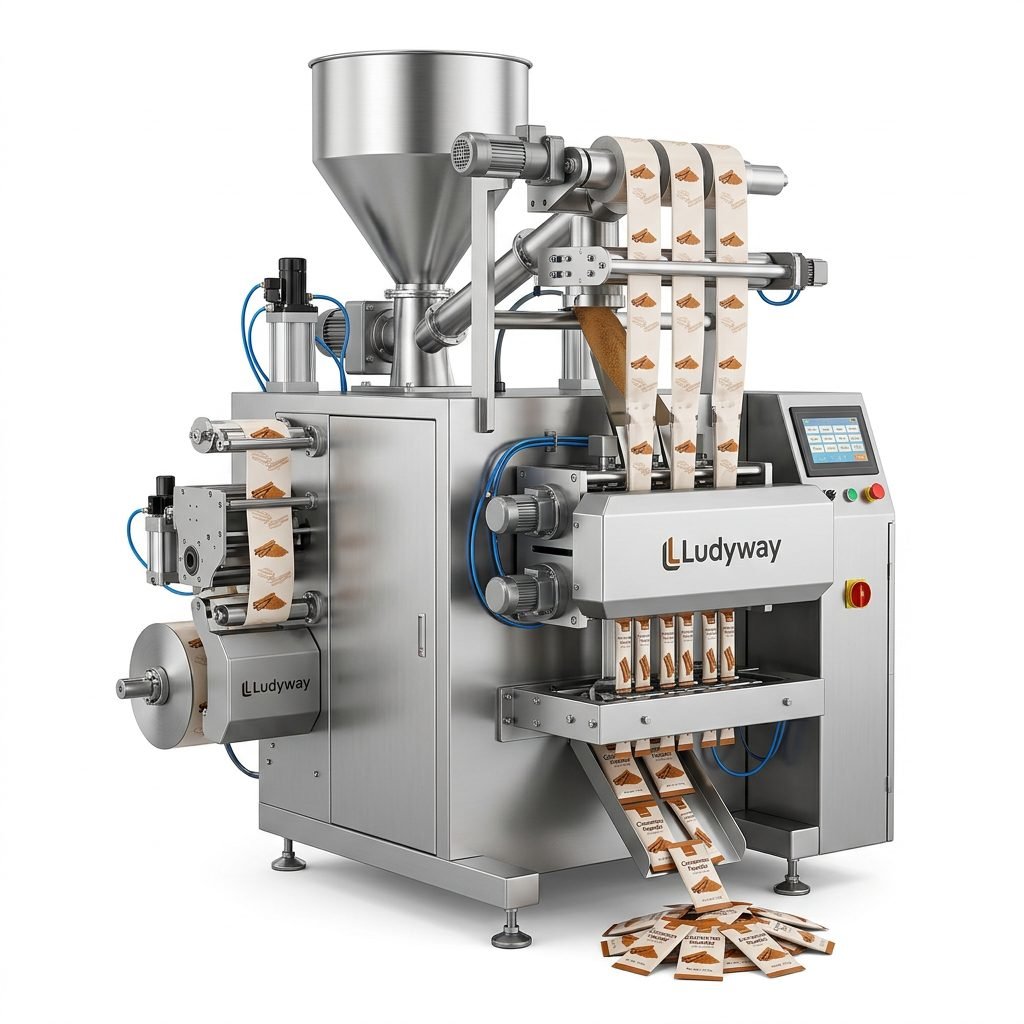
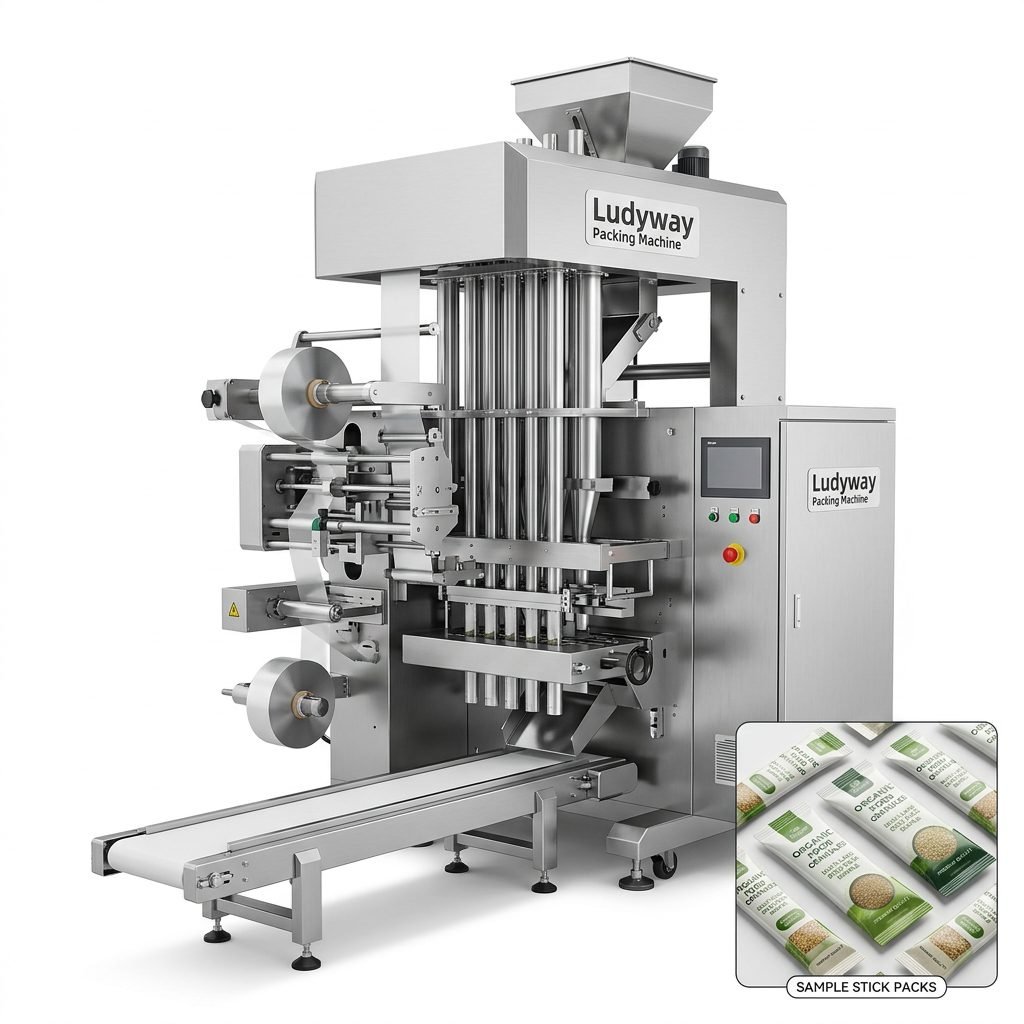
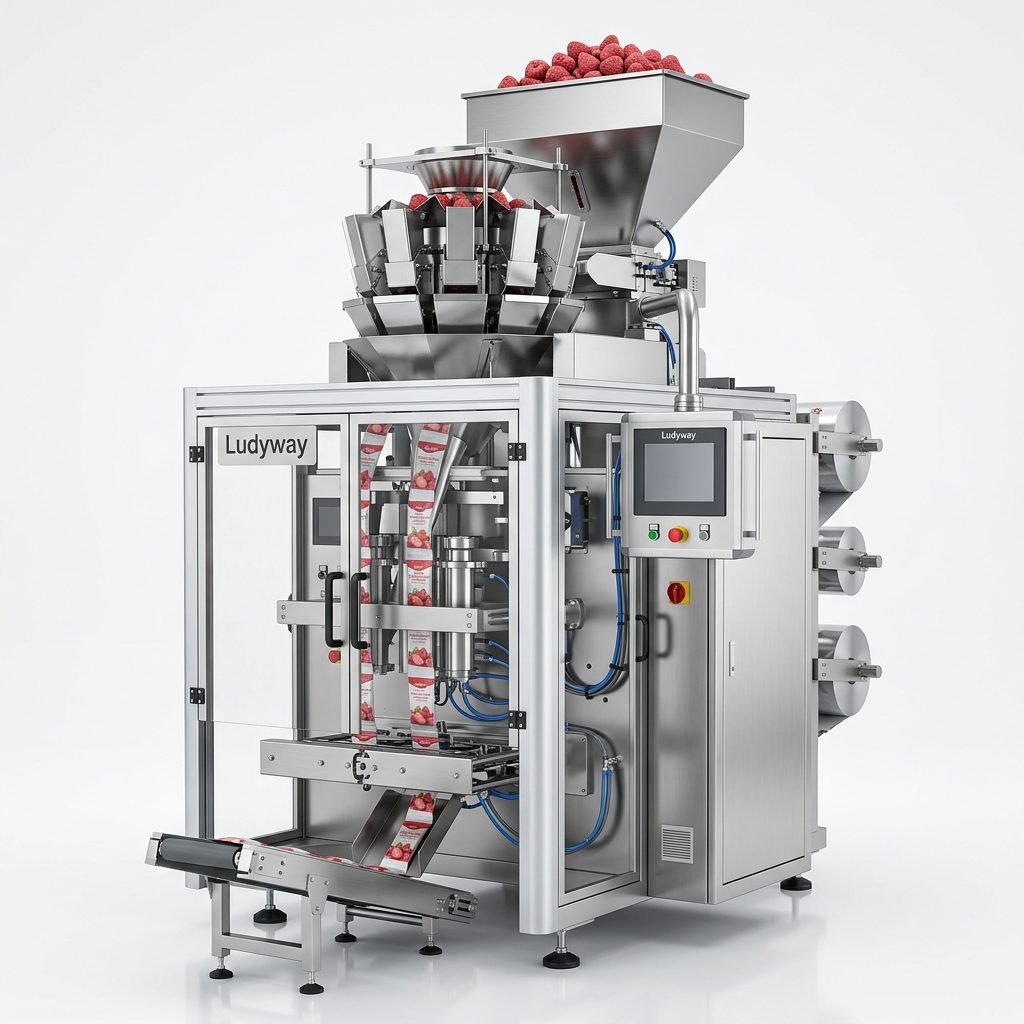
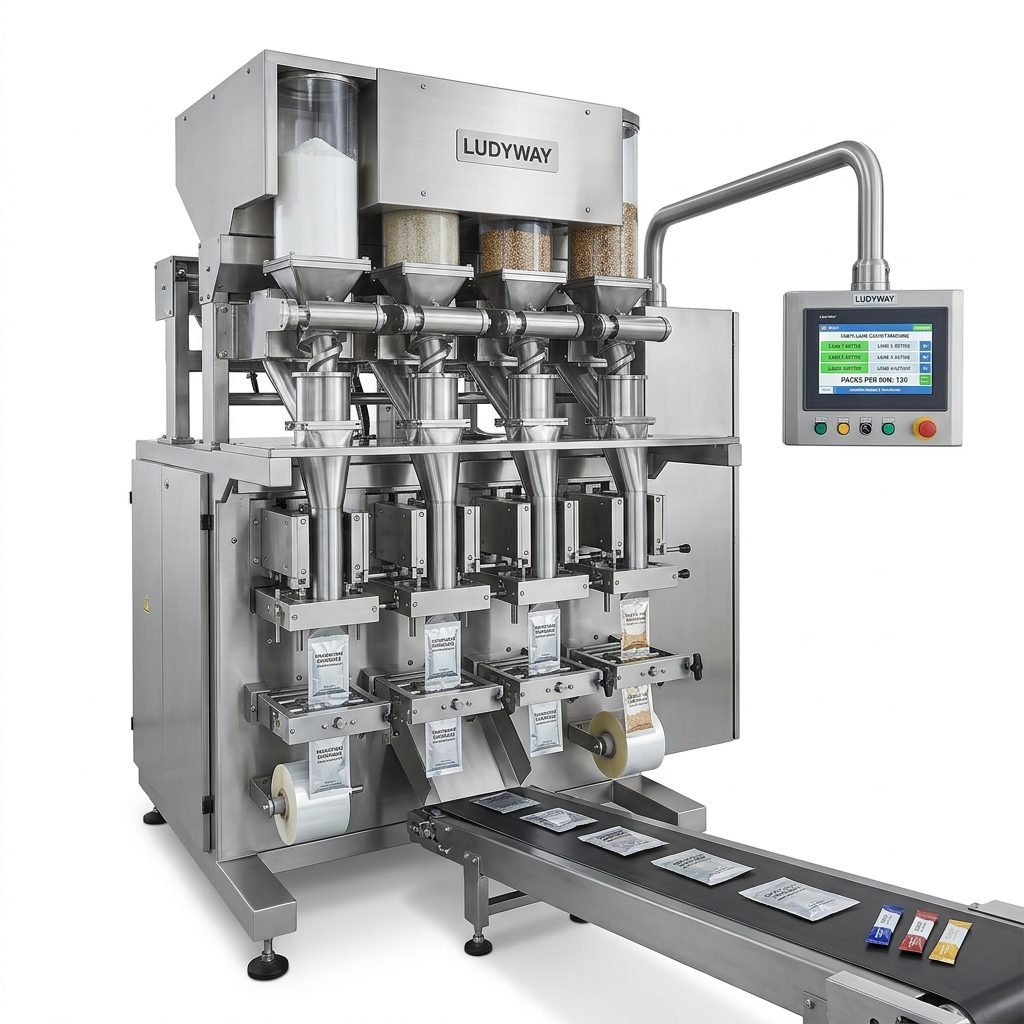
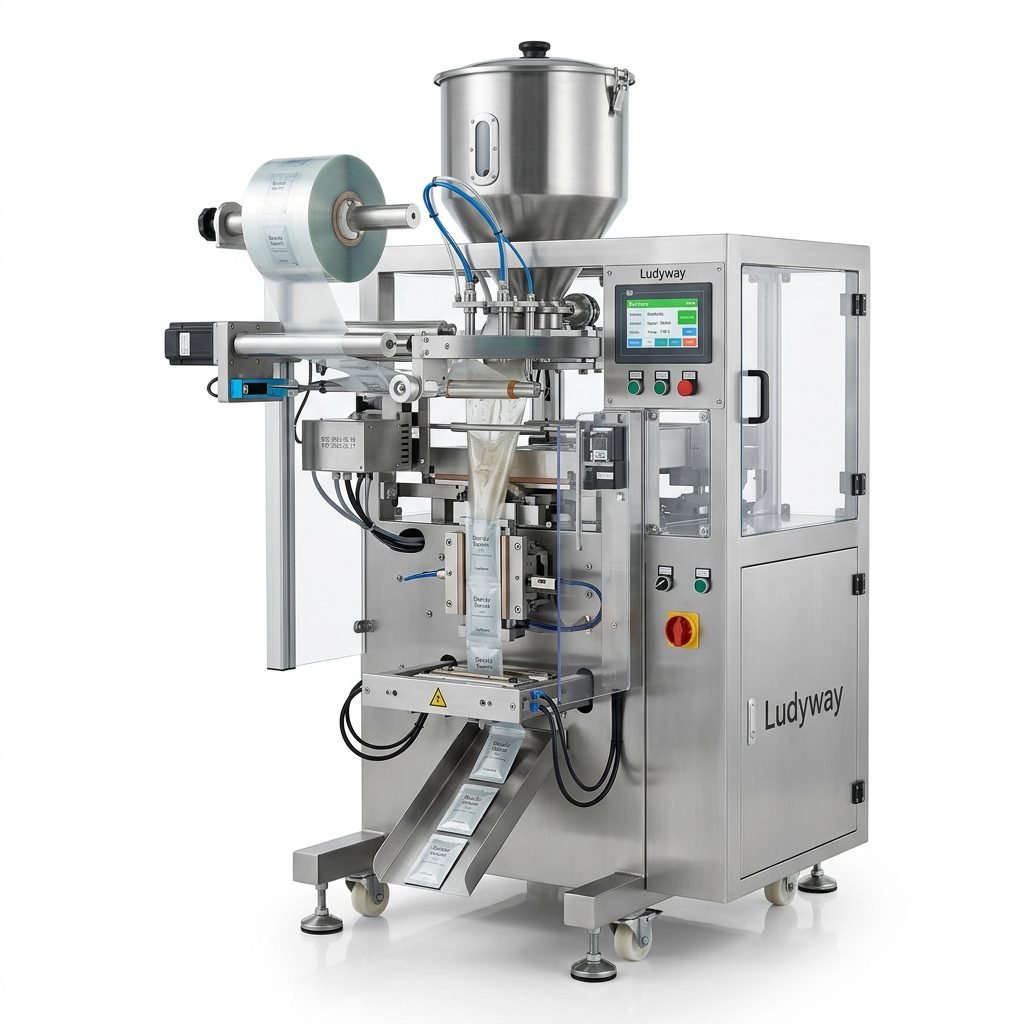
Honey sachet packaging machines are specialized automated systems designed to fill, seal, and cut small portions of honey into convenient single-use sachets or stick packs. These machines are widely used by food manufacturers, honey brands, contract packers, and health product companies that want accurate dosing, clean sealing, and high-speed output for retail or promotional packaging.
As consumer demand grows for portable, hygienic, and easy-to-carry honey packaging, sachet packing equipment has become an important investment for businesses looking to improve productivity and product consistency. Whether you package pure honey, flavored honey blends, or functional honey products, the right machine can help reduce waste, lower labor costs, and deliver a more professional final package.
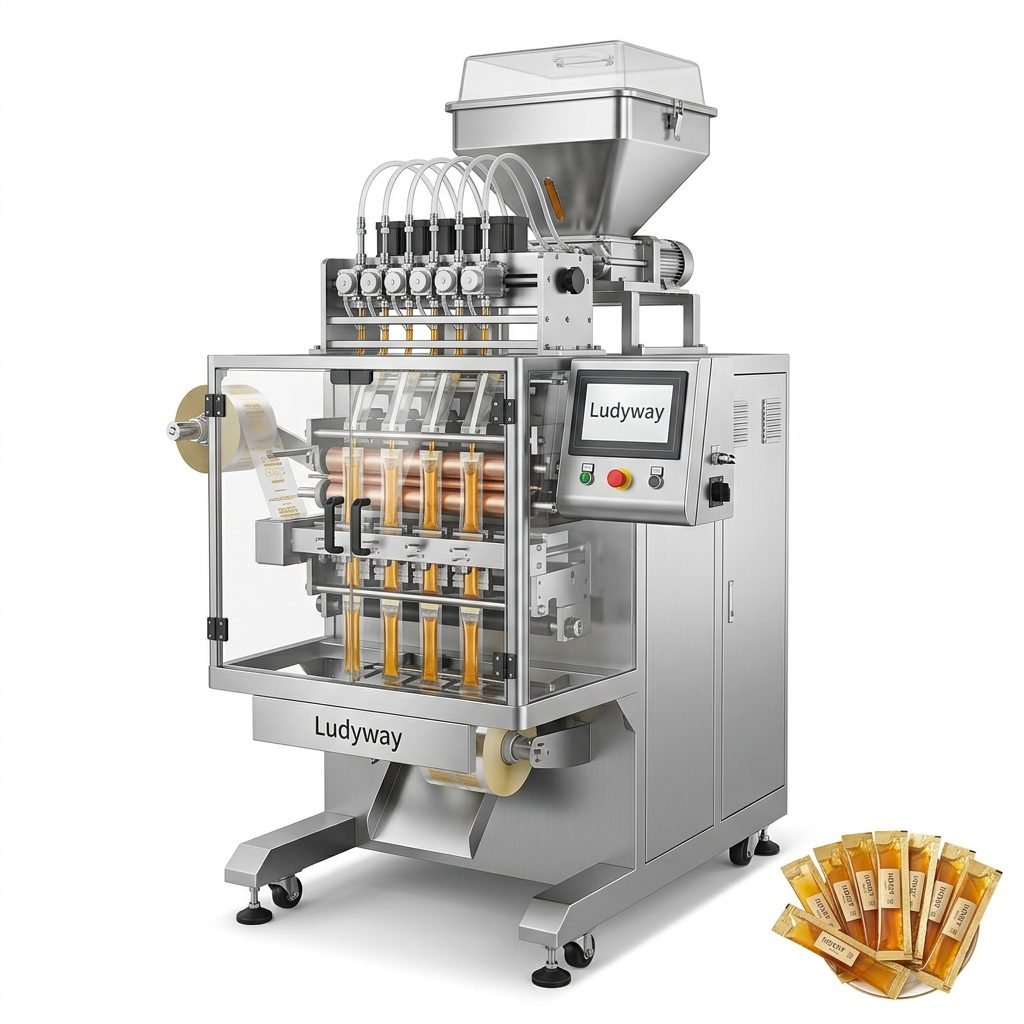
What Does a Honey Sachet Packaging Machine Do?
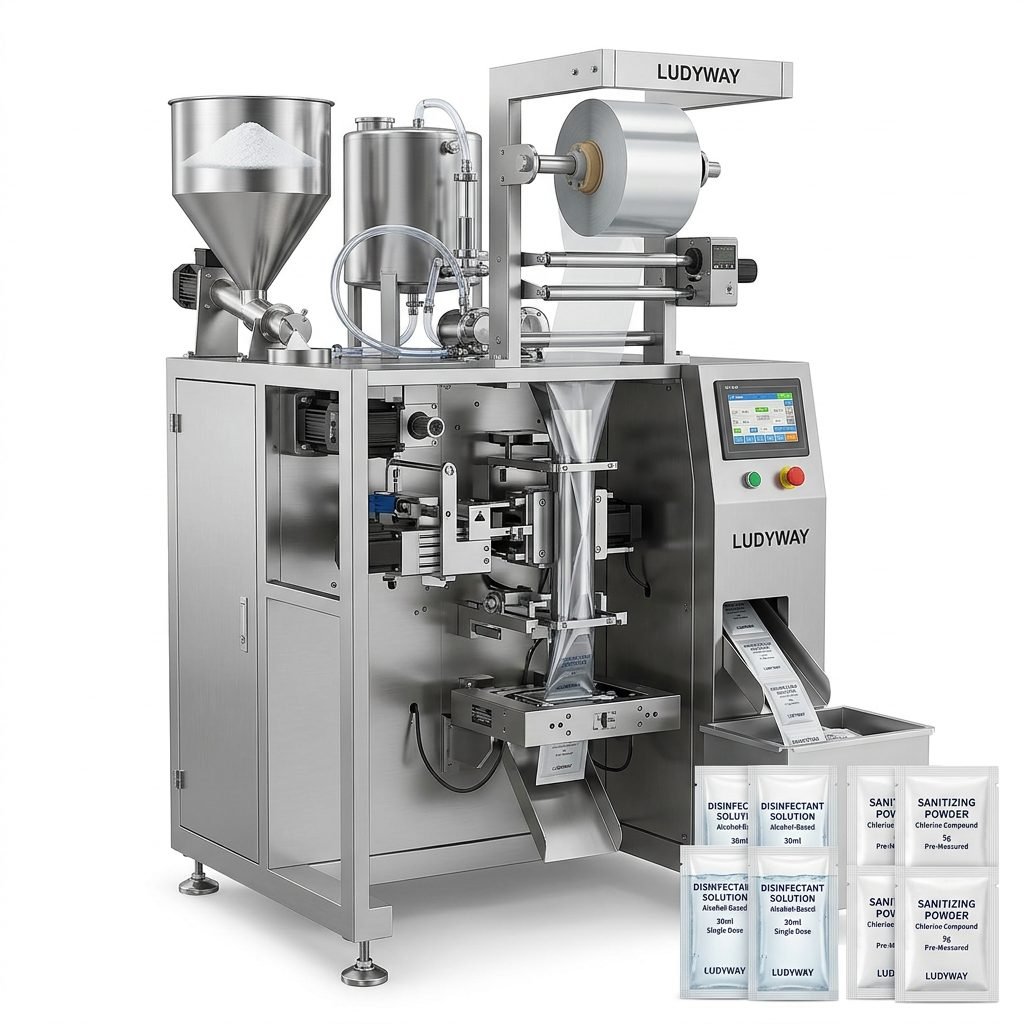
A honey sachet packaging machine automates the entire packaging process from film feeding to finished sachet output. In most cases, the machine forms the sachet from roll film, fills a pre-set amount of honey, seals the edges, and then cuts the package into individual units.
This type of equipment is especially useful for products that require portion control and leak-resistant sealing. Since honey is a viscous liquid, the machine must be equipped with a filling system that can handle thick, sticky materials smoothly and accurately.
- Forms the sachet or stick pack from packaging film
- Measures the required honey volume precisely
- Fills the sachet without excessive dripping
- Seals the package to prevent leakage
- Cuts the finished sachets for collection or cartoning
- Prints or integrates coding systems for batch and date marking when needed
Common Applications of Honey Sachet Packaging Machines
These machines are used across multiple sectors, especially where single-serve convenience matters. Honey sachets are popular in foodservice, hospitality, retail, travel, wellness products, and promotional packaging.
| Application Area | Typical Use | Packaging Benefit |
|---|---|---|
| Hotels & Cafés | Single-serve honey portions for tea, toast, and breakfast sets | Improved hygiene and portion control |
| Retail Food Brands | Boxed sachets or stick packs for supermarkets and convenience stores | Portable and consumer-friendly format |
| Health & Wellness | Functional honey with herbs, collagen, or supplements | Precise dosing and attractive branding |
| Airlines & Travel | Compact honey sachets for onboard or travel meal kits | Small footprint and reduced mess |
| Contract Packaging | Private-label and OEM honey packing services | Flexible production for different clients |
Types of Honey Packaging Formats
Honey can be packed in different small-format styles depending on product positioning, retail channel, and machine design. The two most common formats are sachets and stick packs.
1. Flat Sachets
Flat sachets are compact pouches sealed on multiple sides. They are often used for hotel amenities, foodservice portions, and trial packs.
2. Stick Packs
Stick packs are long, narrow pouches that are easy to open and squeeze. They are very popular for portable nutrition products, premium honey, and on-the-go consumption.
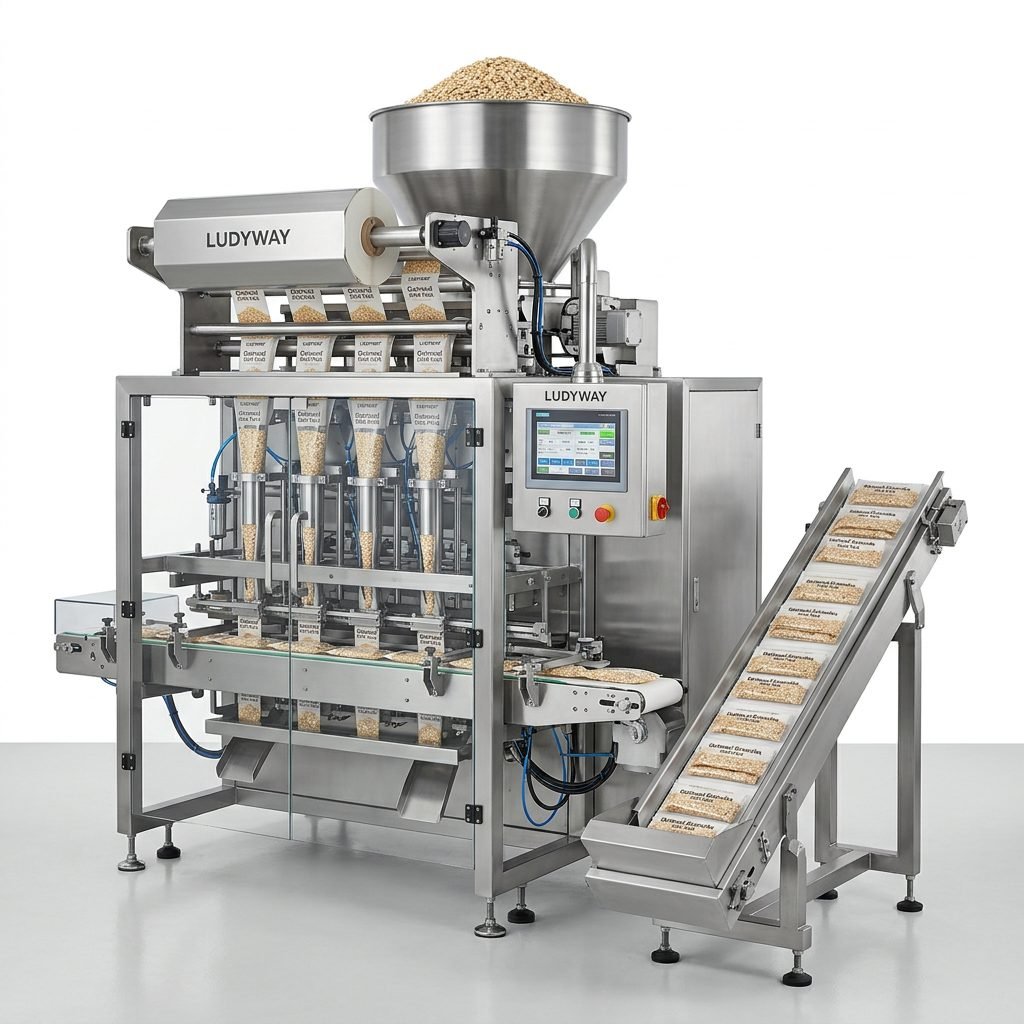
3. Multi-Lane Honey Sachets
For high-volume production, manufacturers often choose multi-lane machines. These systems produce several sachets at the same time, greatly increasing output while maintaining consistent fill accuracy.
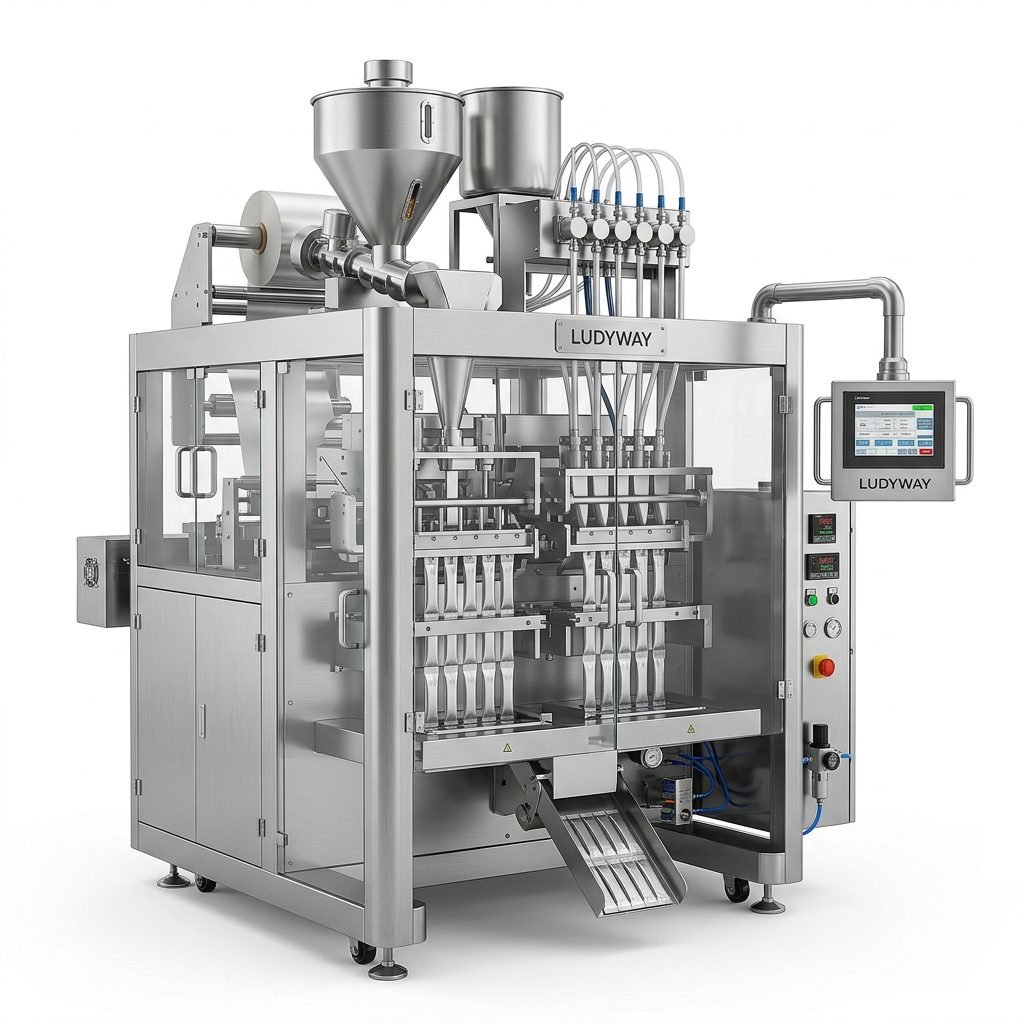
How a Honey Sachet Packaging Machine Works
The workflow may vary slightly depending on machine configuration, but the general operation is straightforward and highly efficient.
- Packaging film is unwound from a roll.
- The film is shaped into sachet or stick pack form.
- The filling system doses a measured amount of honey.
- Heat sealing closes the package securely.
- The machine cuts individual sachets or connected strips.
- Finished packs move to collection, counting, cartoning, or further secondary packaging.
For viscous honey products, some systems also use heated hoppers or temperature-controlled filling parts to maintain smooth product flow and stable filling performance.
Key Features to Look For
Choosing the right machine is not only about speed. Honey is a sticky product, so equipment design has a direct impact on sanitation, accuracy, and sealing quality.
| Feature | Why It Matters for Honey |
|---|---|
| Servo-driven filling | Improves dose precision and repeatability |
| Heated hopper or pipe option | Helps viscous honey flow more consistently |
| Anti-drip nozzle design | Reduces contamination and sealing issues |
| Stainless steel contact parts | Supports food hygiene and easy cleaning |
| PLC and touch screen control | Allows simple setting changes and operation |
| Multi-lane structure | Boosts output for mass production |
| Coding integration | Prints date, lot number, or traceability data |
Benefits of Using a Honey Sachet Packaging Machine
For many businesses, moving from manual or semi-automatic filling to automatic sachet packaging creates measurable advantages in both production efficiency and market competitiveness.
Higher Packaging Efficiency
Automatic systems can package far more units per hour than manual labor, especially in multi-lane configurations. This is critical for brands targeting retail chains, export orders, or foodservice supply.
Better Fill Accuracy
Honey is relatively expensive compared with some other liquid foods, so overfilling leads to product loss. A reliable machine helps maintain accurate fill weights and reduces giveaway.
Improved Product Hygiene
Closed filling and sealing processes reduce direct human contact with the product, supporting food safety requirements and consistent packaging cleanliness.
Reduced Labor Costs
Automation lowers the need for repetitive manual work, allowing staff to focus on quality control, logistics, and higher-value production tasks.
Professional Packaging Appearance
Uniform seals, neat cutting, and consistent sachet shapes help strengthen shelf appeal and improve customer confidence in the product.
Who Should Invest in This Equipment?
A honey sachet packaging machine is suitable for businesses of different sizes, from niche health brands to large-scale food manufacturers.
- Honey producers expanding into single-serve packaging
- OEM and private-label manufacturers
- Foodservice suppliers serving hotels, restaurants, and cafés
- Health supplement brands selling honey-based functional products
- Exporters seeking retail-ready packaging for international markets
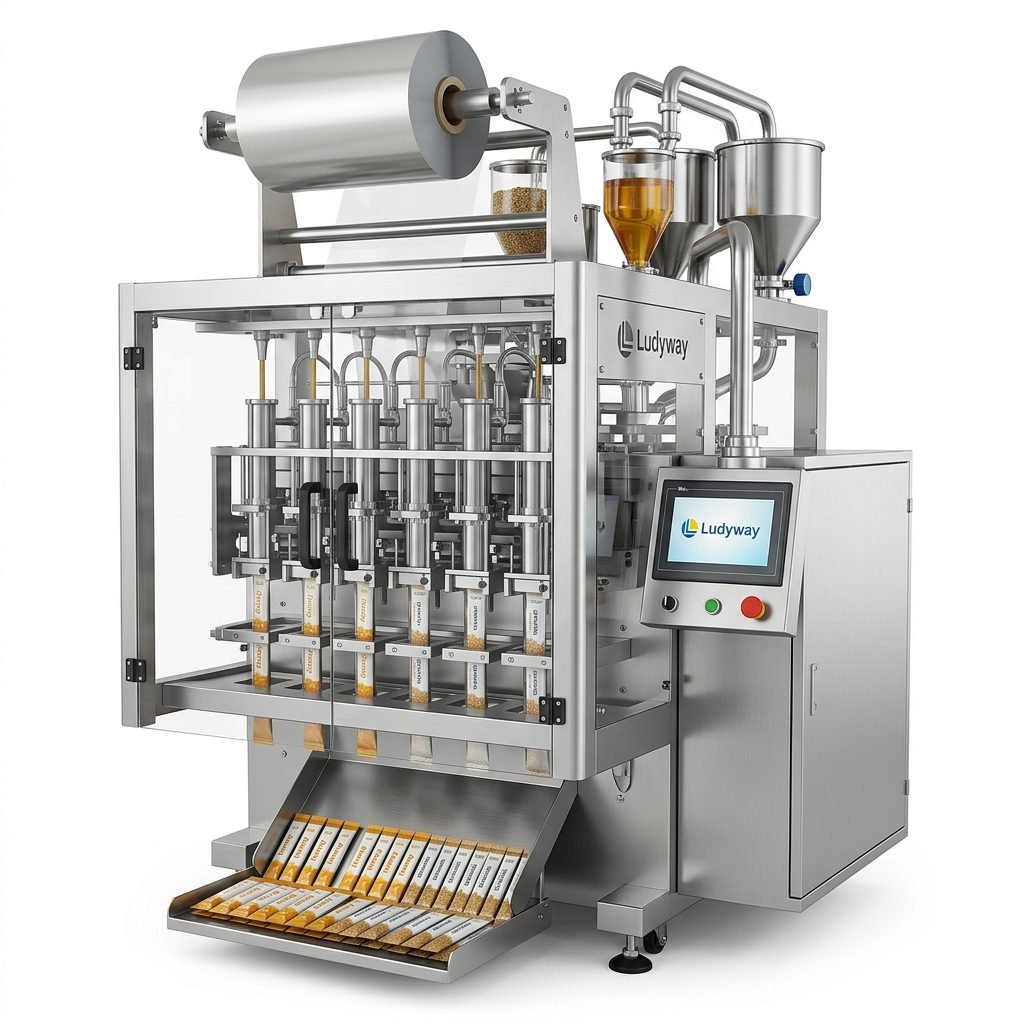
How to Choose the Right Honey Sachet Packaging Machine
Before purchasing a machine, it is important to evaluate your production goals, product characteristics, and packaging requirements.
Consider Product Viscosity
Not all honey behaves the same way. Pure honey, organic honey, infused honey, and syrup-like blends may vary in thickness. Make sure the machine is designed for viscous liquid filling.
Define Packaging Size
Determine whether you need small sample sachets, hotel portions, nutritional stick packs, or custom retail formats. Sachet dimensions directly affect machine structure and tooling.
Estimate Required Output
Low-volume operations may choose a single-lane model, while larger factories usually benefit from multi-lane packaging machines for better long-term efficiency.
Check Film Compatibility
The machine should work with your chosen laminated film or packaging material and produce secure seals that hold sticky liquids without leakage.
Evaluate Cleaning and Maintenance
Because honey can leave residue, easy disassembly and accessible cleaning points are highly valuable for daily operation.
Important Questions to Ask a Supplier
- Can the machine handle pure honey and blended honey products?
- What filling accuracy can be achieved per sachet?
- Is heated filling available for thick materials?
- What is the maximum production speed?
- Can the machine produce both sachets and stick packs?
- Is there support for customized sachet size and seal pattern?
- What after-sales service, spare parts, and technical support are provided?
Single-Lane vs. Multi-Lane Honey Sachet Machines
| Machine Type | Best For | Main Advantage | Consideration |
|---|---|---|---|
| Single-Lane | Startups, test production, smaller batches | Lower investment and easier setup | Lower output |
| Multi-Lane | Medium to large factories, OEM packers, export production | High speed and scalable capacity | Higher complexity and investment |
Maintenance Tips for Long-Term Performance
Routine maintenance is essential for stable output and hygienic packaging. Sticky products like honey require special attention to filling components and sealing areas.
- Clean product-contact parts after each production shift.
- Inspect seals regularly for residue buildup.
- Check pumps, nozzles, and pipes for clogging or crystallized product.
- Monitor temperature settings if heated systems are used.
- Lubricate moving parts according to the manufacturer’s maintenance schedule.
- Keep spare wear parts available to reduce downtime.
Why Packaging Quality Matters in Honey Products
Consumers buying honey sachets expect convenience, cleanliness, and trust. A poorly sealed sachet can leak, look unprofessional, and damage brand reputation. A high-quality packaging machine helps protect product integrity throughout transportation, shelf storage, and end use.
For brands entering supermarkets, e-commerce, hospitality, or export channels, packaging quality is often just as important as honey quality itself.
Finding a Reliable Packaging Machine Manufacturer
When selecting a supplier, it is important to look beyond the machine itself. Engineering experience, customization capability, production scale, and after-sales support all play a major role in the success of your project. Companies seeking dependable honey sachet packaging solutions often evaluate experienced manufacturers such as Ludyway packaging machine manufacturer, especially for projects that require customized sachet formats, multi-lane automation, or complete turnkey packaging lines.
Final Buying Insight
A honey sachet packaging machine is more than just a filling unit. It is a productivity tool that supports faster output, cleaner packaging, better portion accuracy, and stronger market presentation. If your business plans to sell honey in single-serve formats, investing in the right packaging equipment can significantly improve efficiency and help your brand compete in modern food and wellness markets.
By carefully comparing machine type, filling technology, packaging format, output speed, and supplier support, you can choose a system that fits both your current production needs and your future growth plans.