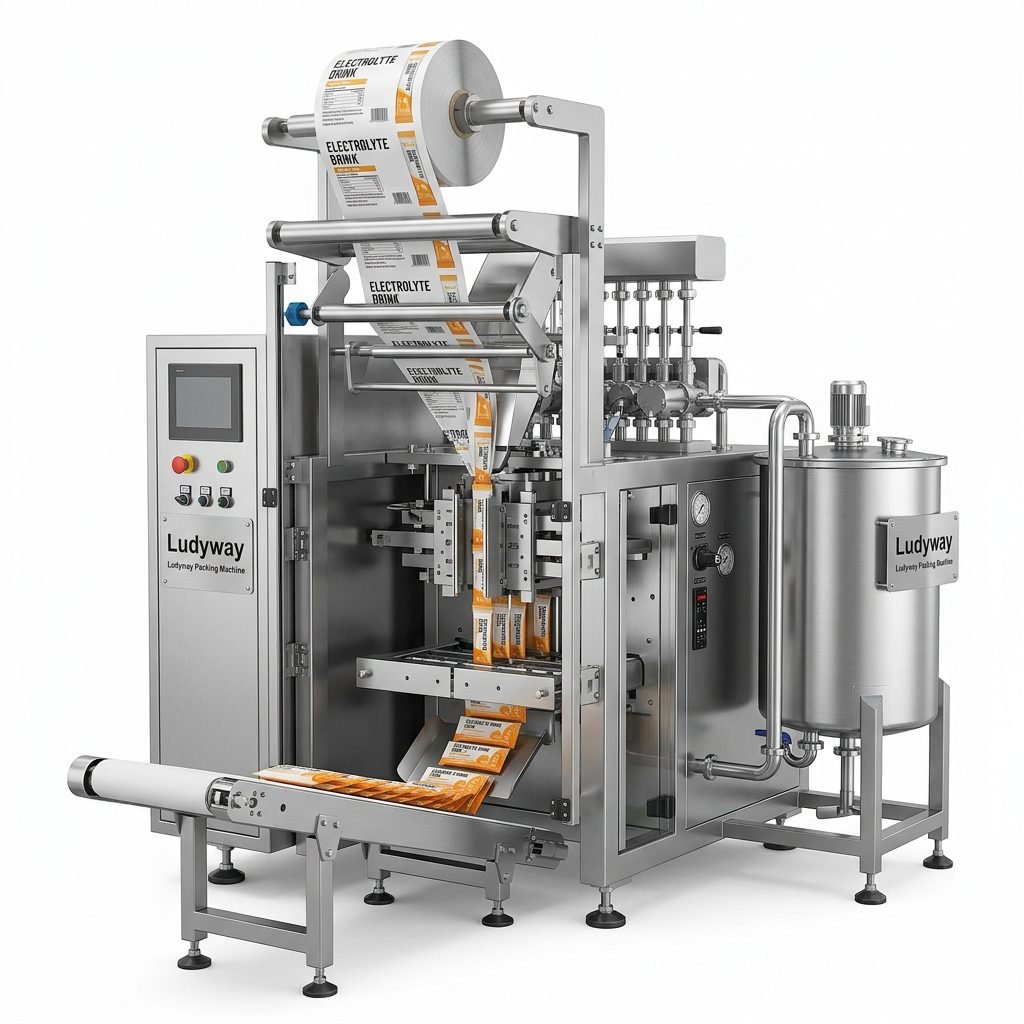
Biodegradable packaging has moved from a niche sustainability topic to a real purchasing requirement for many food, pharmaceutical, cosmetic, and consumer goods brands. The short answer is yes, packaging machines can use biodegradable packaging materials—but only when the material structure, sealing behavior, product characteristics, and machine configuration are properly matched.
In practice, success depends less on the idea of “biodegradable” itself and more on questions like: Does the film seal well? Can it run at the required speed? Will it protect the product long enough? Does the packaging line need modifications?
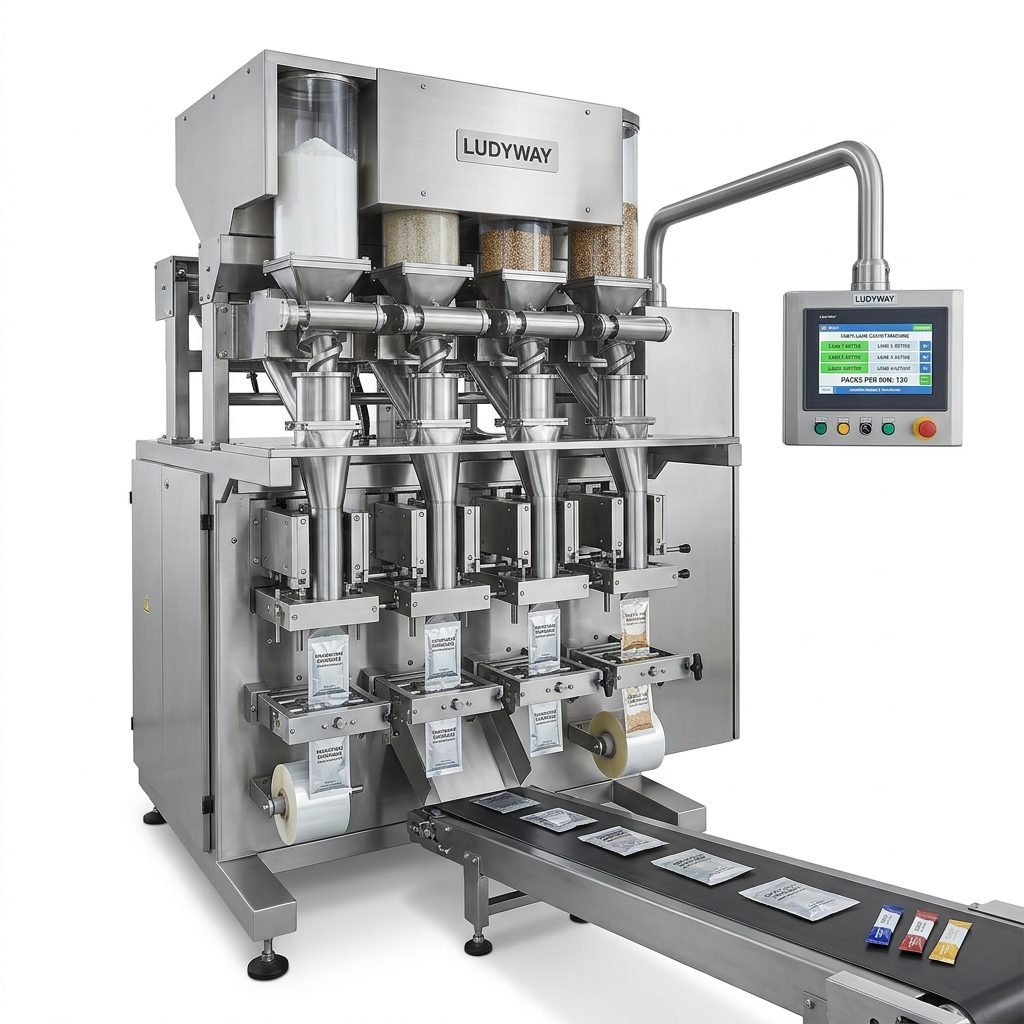
What Counts as Biodegradable Packaging Material?
Biodegradable packaging materials are designed to break down under specific environmental conditions through natural biological activity. However, not all “green” materials perform the same way on automated packaging machinery. Some are suitable for high-speed lines, while others are more sensitive to heat, tension, moisture, or product contact.
- PLA films (polylactic acid)
- Compostable laminates
- Cellulose-based films
- Paper-based barrier packaging
- Starch-based flexible materials
- Bio-based blends with sealing layers
It is also important to distinguish between biodegradable, compostable, and recyclable. These terms are often used interchangeably in marketing, but for machine compatibility they are very different. A film may be industrially compostable yet still require very narrow sealing windows on the machine.
Can Standard Packaging Machines Handle Biodegradable Films?
Many standard packaging machines can handle biodegradable materials to some extent, but not always without adjustment. The compatibility depends on machine type and material behavior during feeding, forming, filling, sealing, coding, and cutting.
Machines that may run biodegradable materials include:
- Vertical form fill seal machines
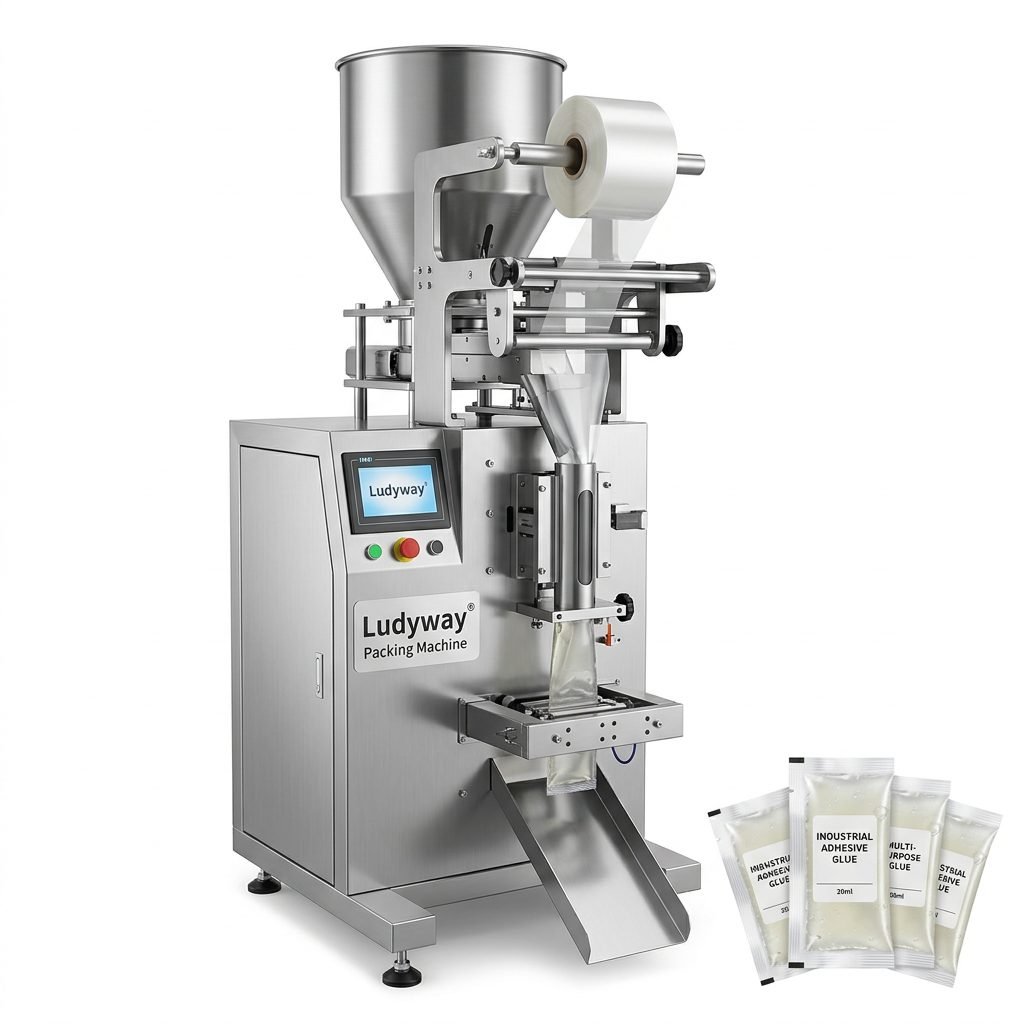
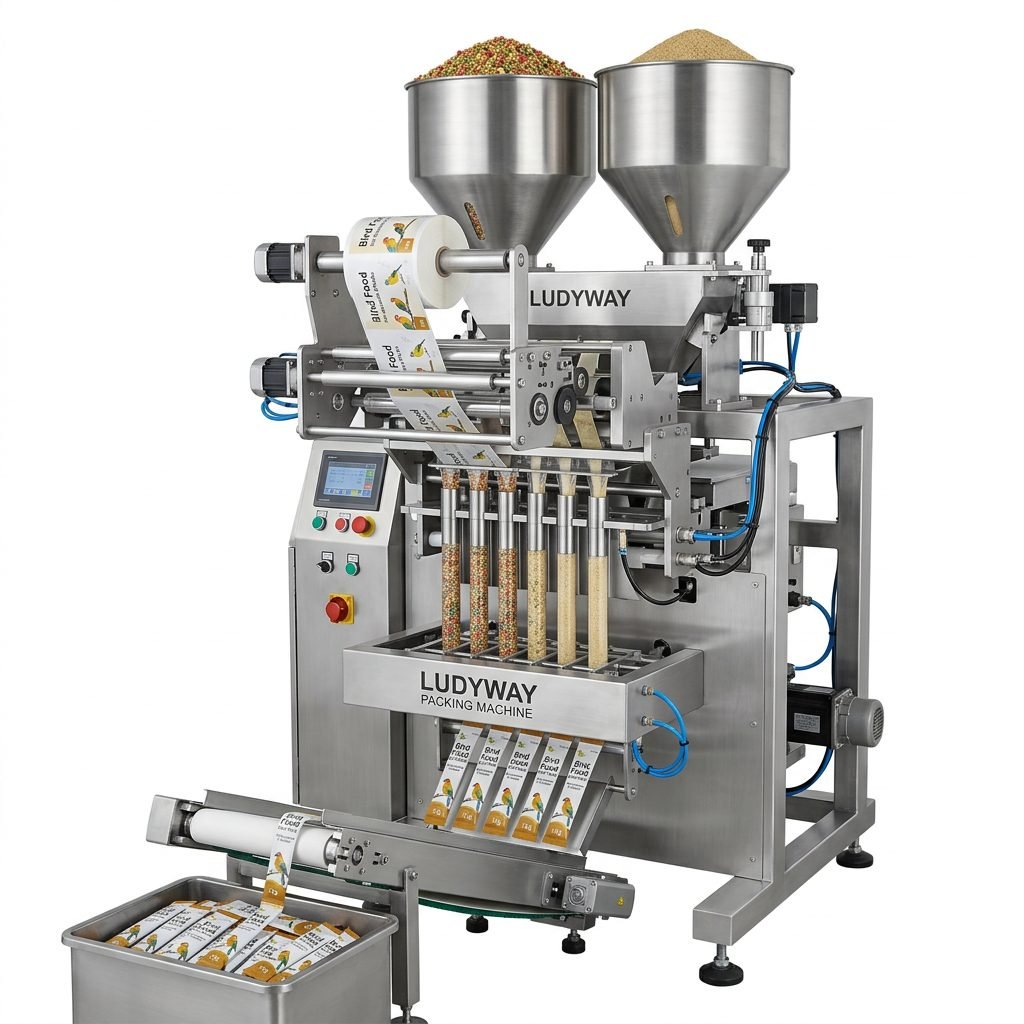
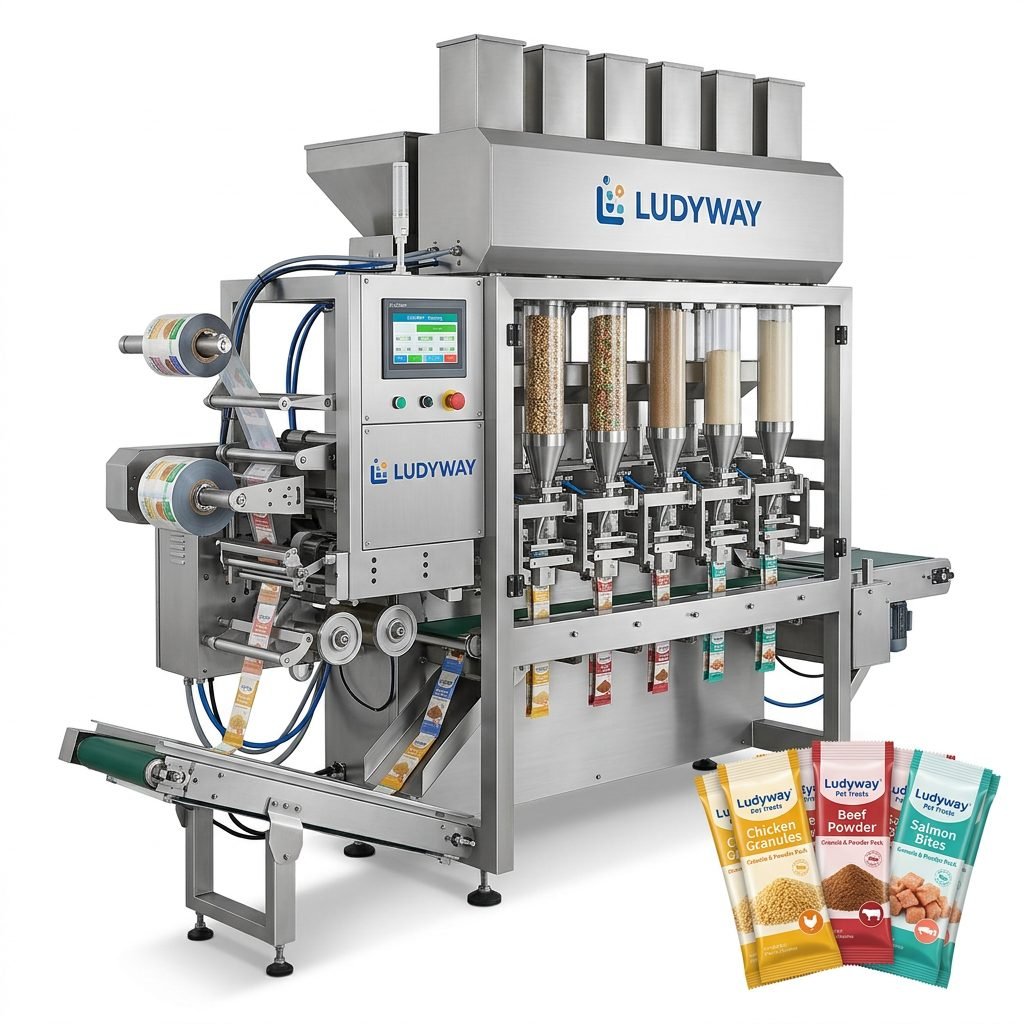
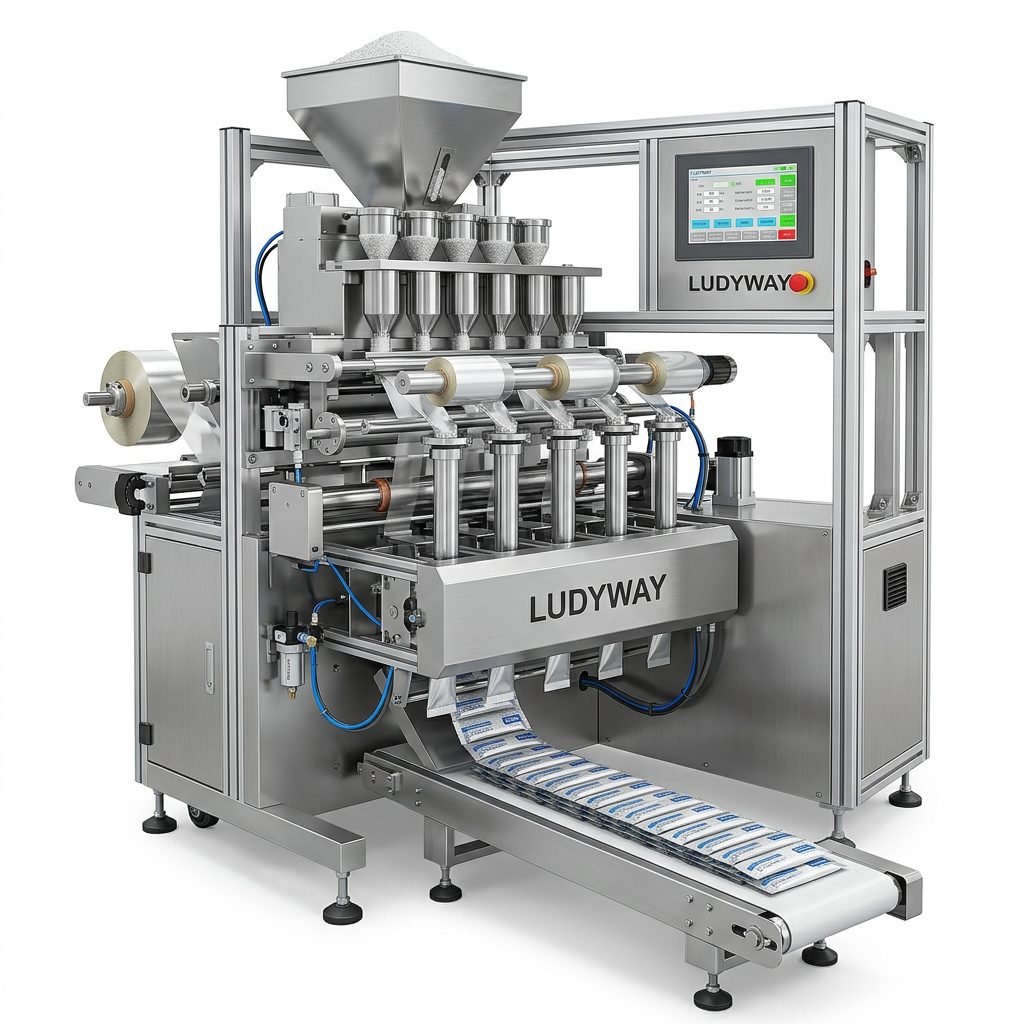
- Sachet packing machines
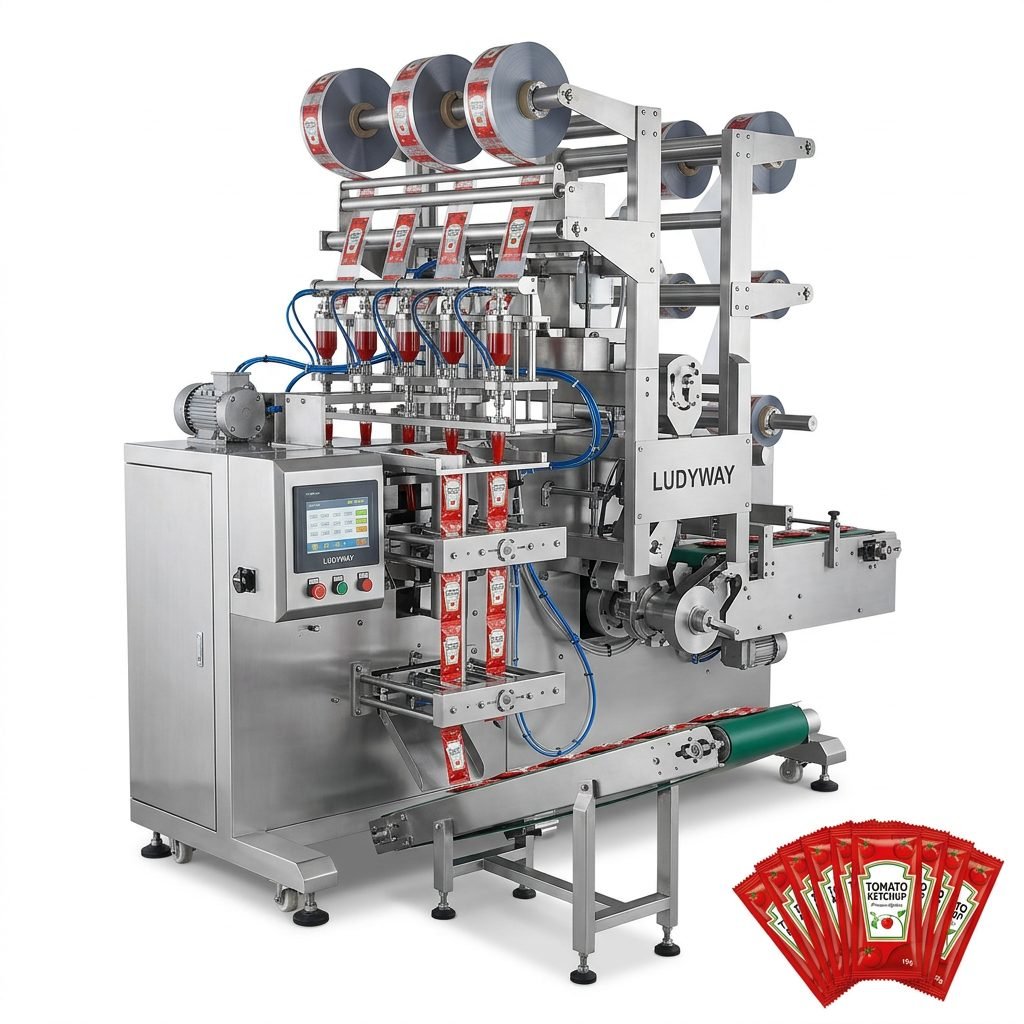
- Stick pack machines
- Premade pouch packing machines
- Flow wrappers
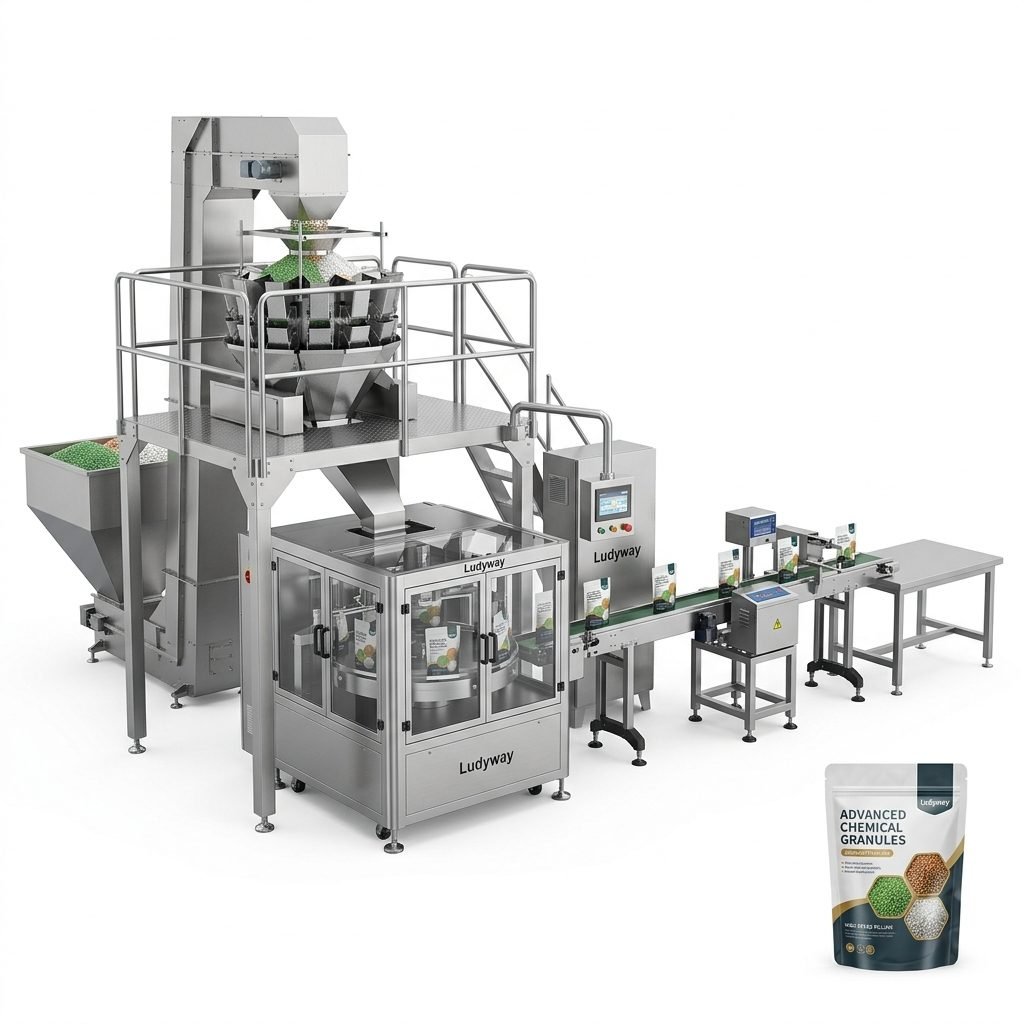
- Filling and sealing systems for powders, granules, liquids, and pastes
That said, the machine often needs parameter optimization or hardware changes such as sealing jaw redesign, temperature control refinement, servo tension adjustment, film pulling optimization, anti-static measures, and gentler cutting systems.
| Machine Type | Possible Compatibility | Common Adjustments Needed |
|---|---|---|
| VFFS machine | High for suitable compostable films | Seal temperature, dwell time, tension control |
| Sachet/stick pack machine | Moderate to high | Accurate sealing window, film tracking, cutter tuning |
| Premade pouch machine | Usually good if pouch quality is consistent | Jaw pressure, bag opening stability, sealing profile |
| Flow wrapper | Variable | Material stiffness, crimp sealing, feed synchronization |
Why Biodegradable Materials Are More Challenging
Compared with conventional plastic laminates, biodegradable films often have a narrower processing range. This means the machine settings that work well for ordinary materials may lead to wrinkles, poor seals, tearing, curling, or unstable output when biodegradable films are used.
Typical challenges include:
- Lower heat resistance than traditional films
- Narrower sealing temperature windows
- Different friction coefficients, affecting film pulling
- More sensitivity to humidity or storage conditions
- Reduced puncture or tear resistance for some structures
- Shorter shelf-life performance if barrier properties are lower
This is why a trial is critical. A material may look similar to conventional film, but small differences in seal initiation temperature, elongation, or stiffness can significantly affect packaging quality.
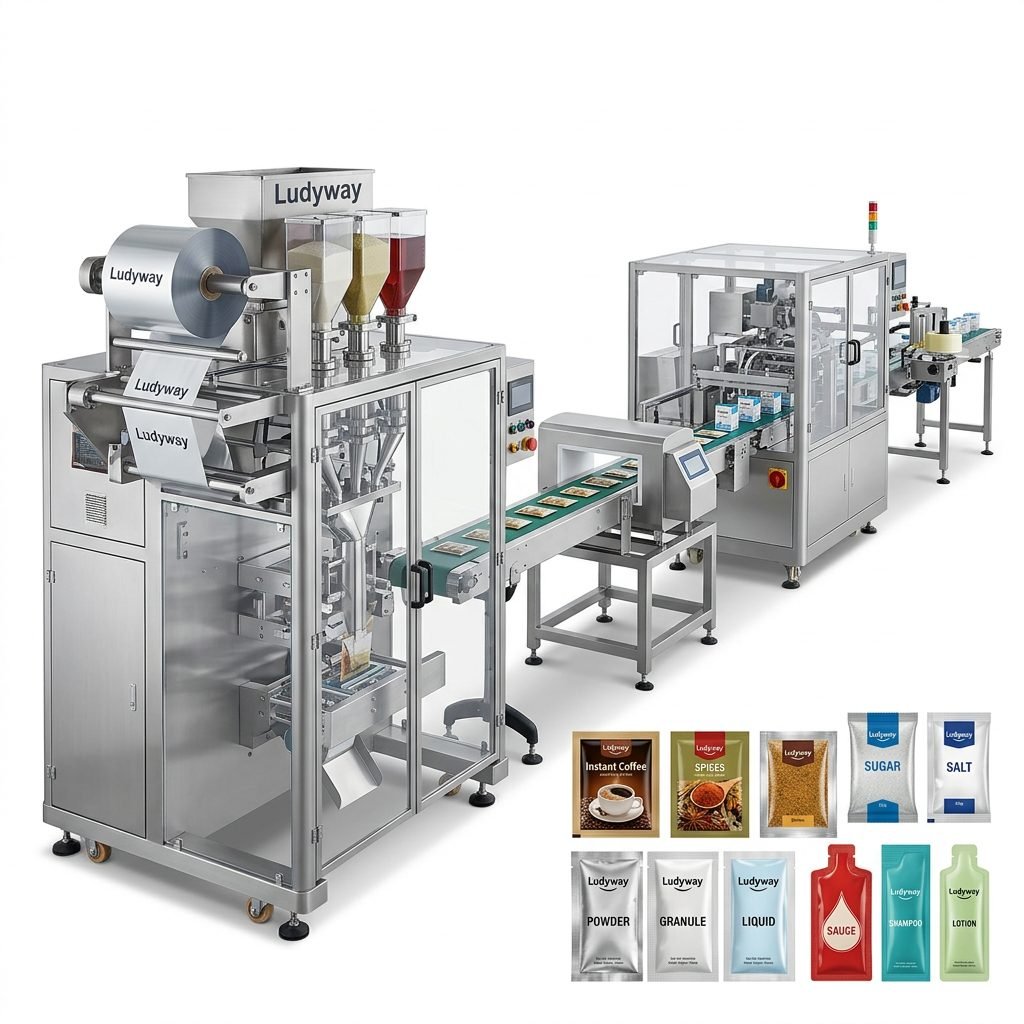
Which Biodegradable Materials Work Best on Packaging Machines?
The best material is not simply the most eco-friendly option on paper—it is the one that balances sustainability, machinability, sealing consistency, and product protection.
Generally machine-friendly options include:
- High-quality compostable laminated films developed specifically for automated sealing.
- Engineered cellulose films for light products and premium applications.
- Paper-plus-barrier structures for dry products where full plastic replacement is not required.
- Custom bio-based multilayer films optimized for filling lines.
For high-speed packaging, materials supplied with consistent roll quality, seal layer uniformity, and reliable dimensional tolerance usually perform best. In other words, material quality matters just as much as machine quality.
Do Packaging Machines Need Modification?
In many projects, yes. Some biodegradable materials can run on existing machines with only recipe changes, but others require targeted upgrades. The extent of modification depends on speed, package format, and product type.
Common machine modifications:
- More precise temperature controllers
- Custom sealing jaw surfaces or patterns
- Longer sealing dwell time
- Reduced line speed for stability
- Servo-controlled film pulling optimization
- Static elimination devices
- Improved cutter geometry for brittle materials
- Gentle film path redesign to reduce stress
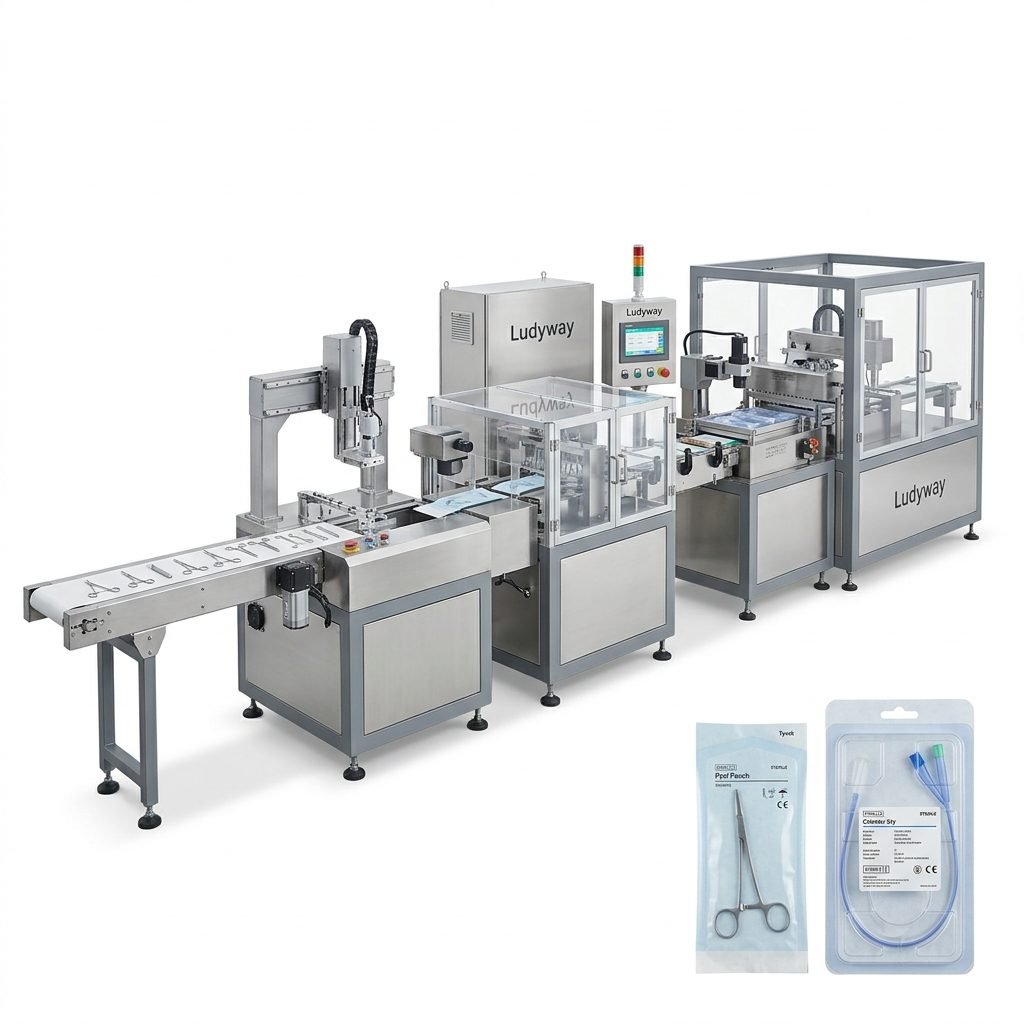
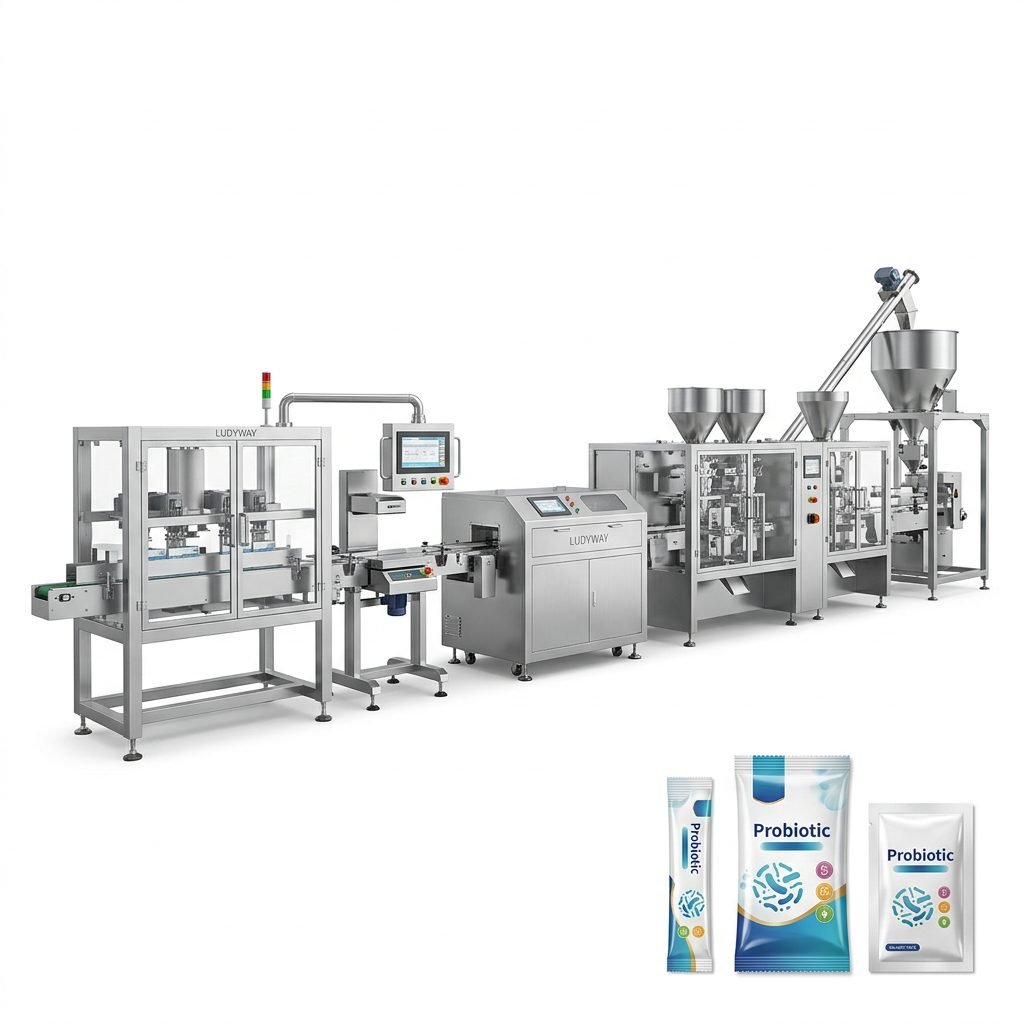
For businesses planning to switch materials, it is wise to work with an experienced packaging equipment supplier. Companies such as Ludyway packaging machine manufacturer often help customers evaluate whether a standalone machine or a full turnkey line can be adapted for compostable or biodegradable packaging structures.
How Product Type Affects Material Selection
Not every biodegradable package suits every product. A dry powder sachet, an oily seasoning pouch, and a liquid cosmetic sample all place different demands on the material and machine.
| Product Type | Main Requirement | Biodegradable Material Consideration |
|---|---|---|
| Powders | Dust control, seal integrity | Need strong seals and anti-leak performance |
| Granules | Puncture resistance | Film must resist edge damage and impact |
| Liquids | Barrier and seal reliability | More demanding; not all biodegradable films are suitable |
| Pastes/gels | Seal contamination control | Need robust sealing process and clean cut |
| Pharma/health products | Compliance and stability | Material validation is essential |
What to Test Before Full Production
Before launching biodegradable packaging on a commercial line, manufacturers should conduct structured packaging trials. This reduces waste, protects brand reputation, and avoids expensive downtime later.
Key validation points:
- Seal strength under real production temperature
- Film tracking stability at target speed
- Printability and coding performance
- Cut quality and edge appearance
- Drop test and transportation durability
- Barrier performance over intended shelf life
- Compatibility with product contact requirements
- Storage behavior under humidity and temperature variation
A pilot run is far better than a direct mass rollout. Even a promising biodegradable film may behave differently in a real production environment than in lab data sheets.
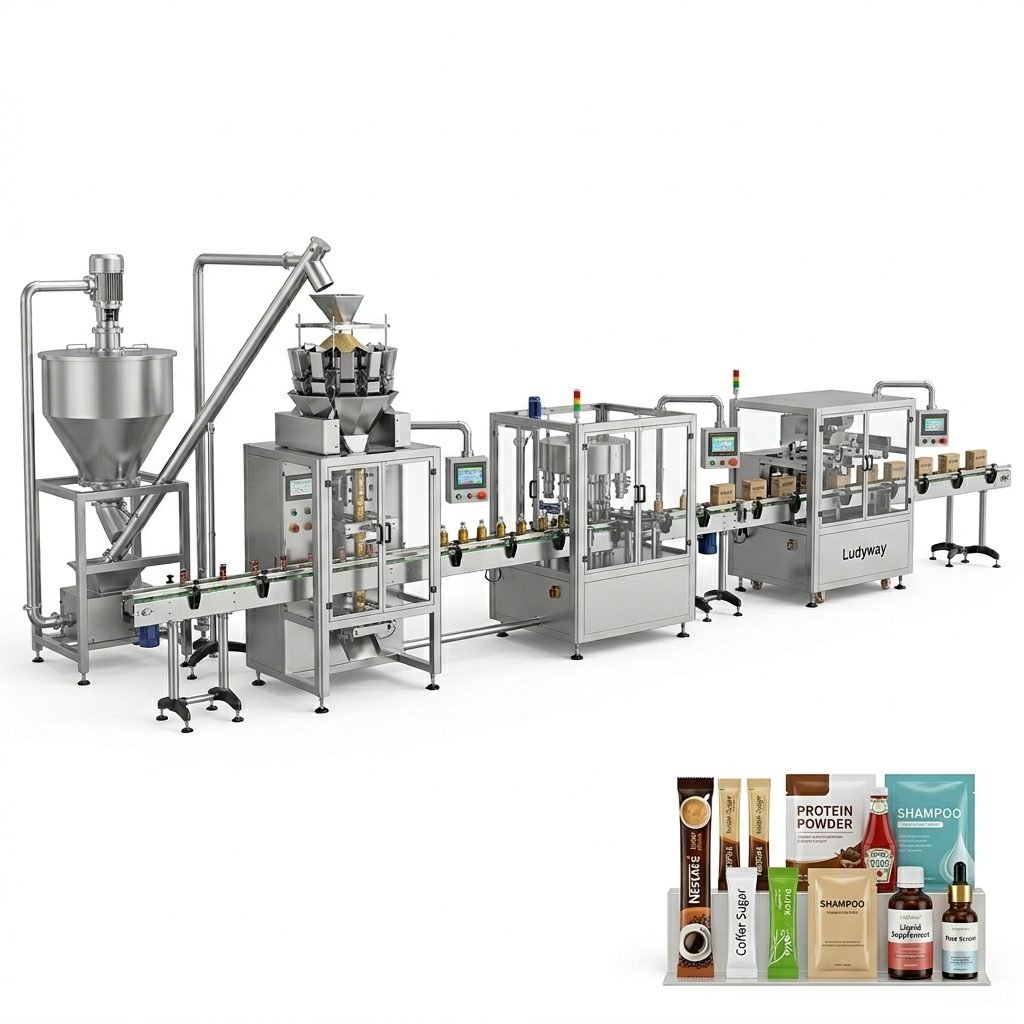
Benefits of Using Biodegradable Materials on Packaging Lines
When material selection and machine tuning are done correctly, biodegradable packaging can bring both environmental and commercial advantages.
- Stronger sustainability positioning for the brand
- Better alignment with retailer and distributor requirements
- Potential access to eco-conscious customer segments
- Support for ESG and corporate responsibility goals
- Improved differentiation in competitive markets
However, these benefits only hold if package performance remains reliable. Sustainability should not come at the cost of leakage, spoilage, or damaged presentation.
Limitations You Should Know
Biodegradable packaging is promising, but it is not automatically the best fit for every product or every factory. Decision-makers should evaluate the full technical and economic picture.
Potential limitations:
- Higher material cost compared with conventional plastics
- Lower maximum line speed in some applications
- More sensitive handling and storage requirements
- Possible reduction in barrier performance
- Need for machine retrofitting or process changes
- Regional differences in disposal infrastructure
For this reason, many manufacturers adopt biodegradable packaging first in premium product lines, trial SKUs, travel-size sachets, or markets with strong sustainability demand.
Best Industries for Biodegradable Packaging Machine Applications
Some sectors are especially suitable for biodegradable packaging on automated machinery, particularly where package size is small, consumption is fast, and sustainability messaging is valuable.
- Food powders and seasonings
- Instant drinks and supplement sachets
- Dry granules and snack applications
- Cosmetic sample packs and trial sachets
- Health products and single-dose stick packs
Applications involving aggressive liquids, long shelf-life moisture barriers, or high puncture risk may require more careful engineering and material validation.
How to Choose the Right Packaging Machine Supplier
If you plan to pack biodegradable materials, choose a supplier that understands both machine engineering and material behavior. The supplier should be able to support testing, customization, and long-term optimization.
What to ask a supplier:
- Have you previously run biodegradable or compostable films?
- Which package formats are proven to work best?
- Can you perform sample testing with my material?
- What machine modifications may be required?
- What output speed is realistic with this film?
- Can you support turnkey integration if needed?
Final Answer: Can Packaging Machines Use Biodegradable Packaging Materials?
Yes—packaging machines can use biodegradable packaging materials, but success depends on matching the right film to the right machine, product, and production target. In many cases, biodegradable films run well after proper testing and machine adjustment. In other cases, they require special sealing systems, reduced speed, or full packaging line optimization.
The most practical approach is to start with a clear validation process: choose the target material, test it on the intended machine, analyze sealing and barrier performance, and confirm commercial stability before scaling production. That approach delivers the best balance between sustainability, efficiency, and packaging reliability.
Quick Takeaway
- Yes, biodegradable materials can be used on packaging machines.
- Not all biodegradable films behave the same way.
- Machine settings and sometimes hardware must be adjusted.
- Testing is essential before mass production.
- The best results come from coordinated material and machine engineering.