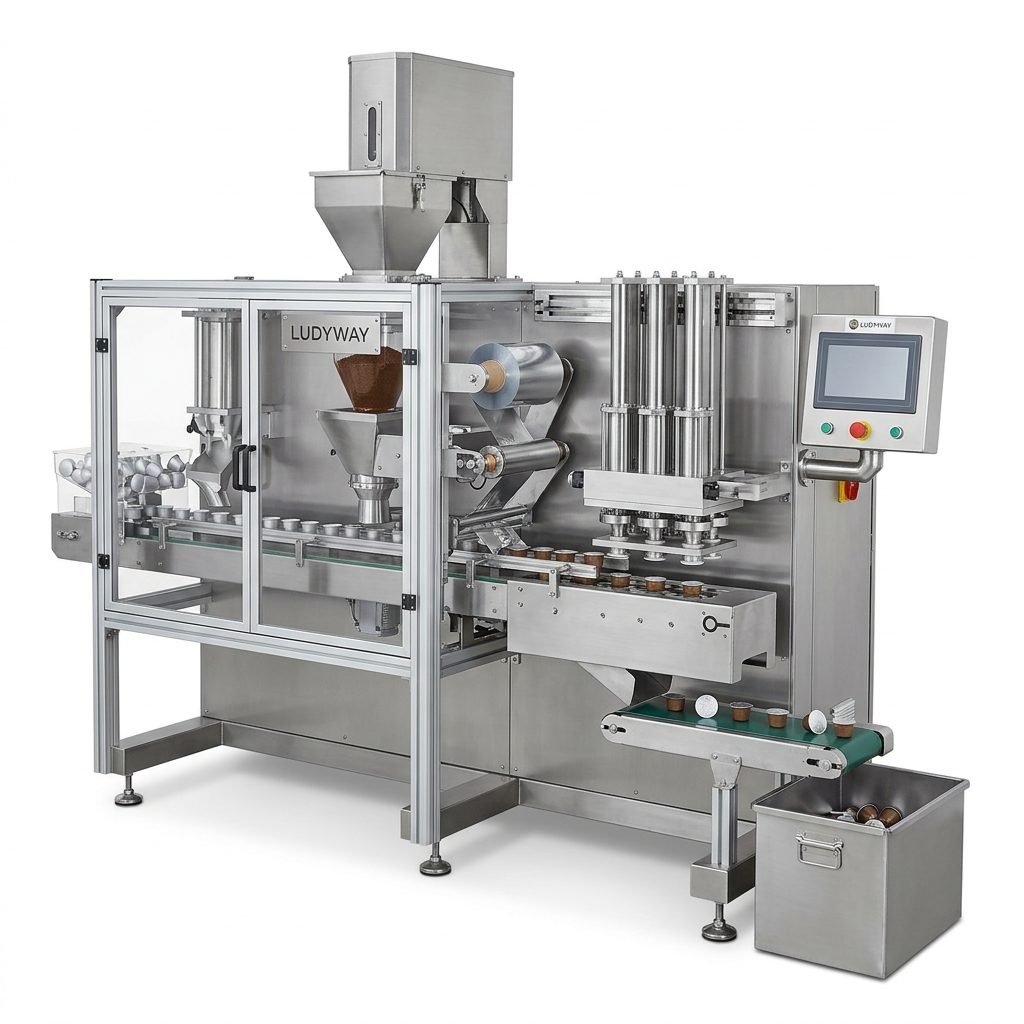
A protein powder packaging machine is specialized equipment designed to measure, fill, seal, code, and discharge powdered nutrition products into retail-ready packaging such as sachets, stick packs, pouches, jars, or larger bags. For manufacturers in sports nutrition, meal replacement, wellness supplements, and functional food sectors, this type of machine plays a critical role in improving production efficiency, product consistency, hygiene control, and packaging appearance.
Because protein powder is often fine, dusty, and sensitive to moisture, packaging requires more than simple filling. The right system must support accurate dosing, stable sealing, low dust generation, and compatibility with high-volume production targets. That is why many brands choose automated solutions instead of manual or semi-automatic packing methods.
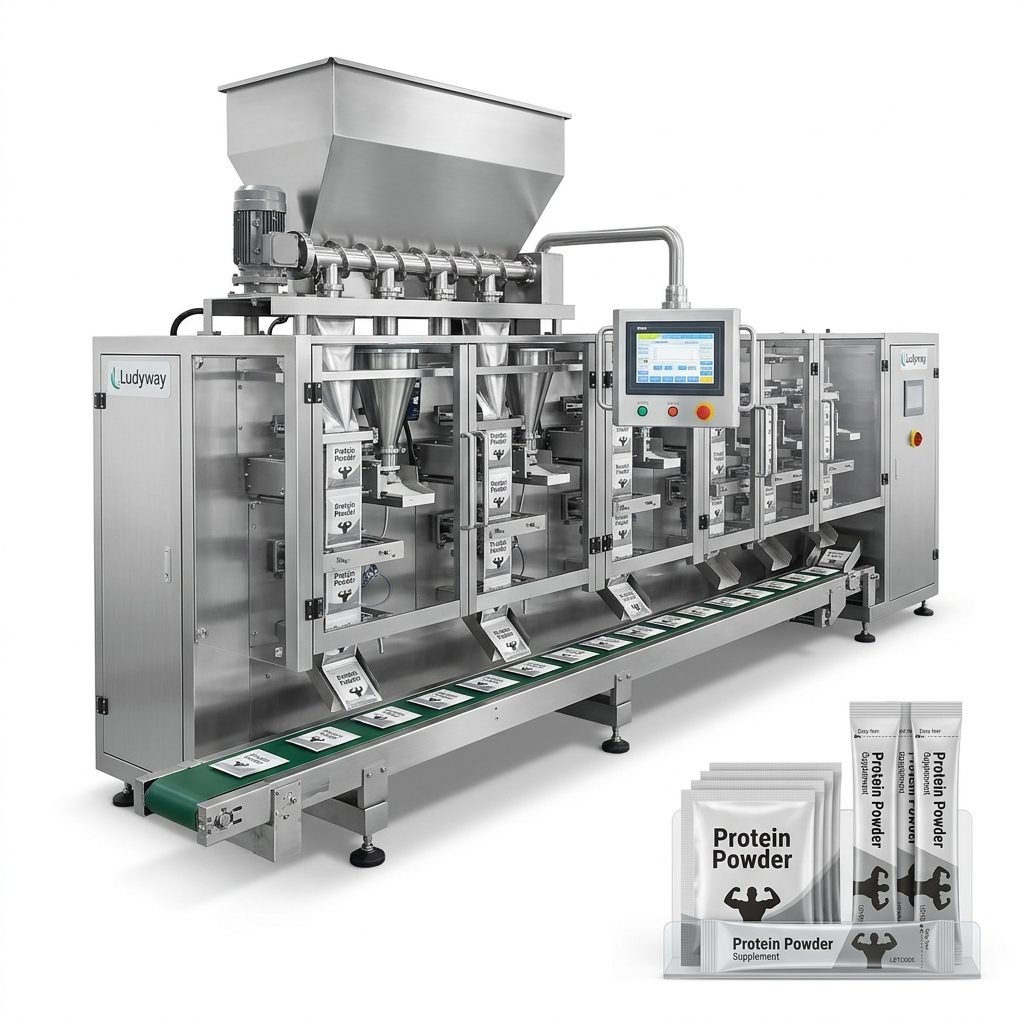
How a Protein Powder Packaging Machine Works
In simple terms, the machine moves protein powder through a controlled packaging process. Depending on the packaging format and production scale, the workflow may include:
- Powder feeding: transferring protein powder from a hopper or storage bin into the filling system
- Dosing and filling: using auger fillers, screw feeders, or weighing devices to deliver the target amount
- Bag or pouch forming: creating the package from film in VFFS or stick pack systems
- Sealing: applying heat sealing to protect the powder from moisture and contamination
- Coding: printing batch numbers, dates, or traceability information
- Discharge and collection: moving the finished packs to downstream inspection, cartoning, or case packing
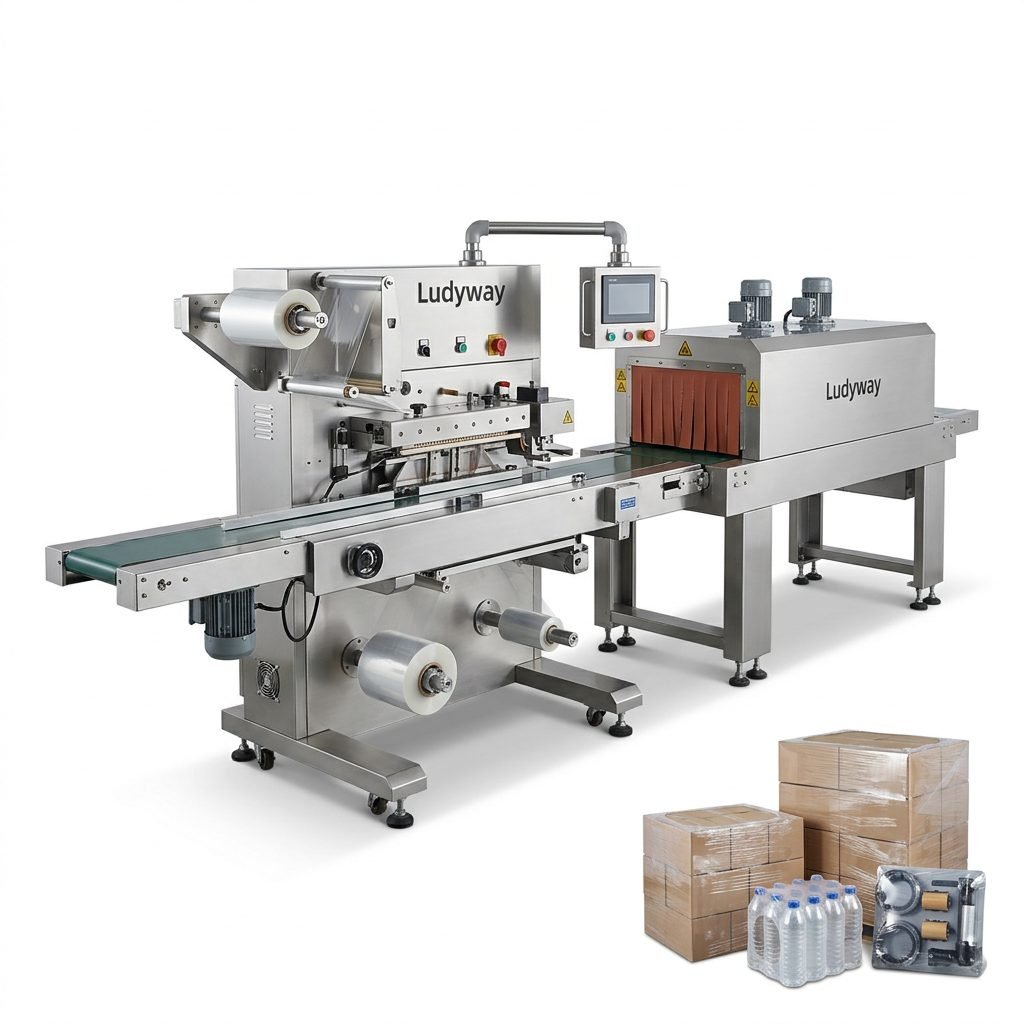
Advanced systems may also integrate checkweighers, metal detectors, nitrogen flushing, zipper applicators, conveyors, robotic packing, and palletizing modules.
Common Packaging Formats for Protein Powder
Protein powders are sold in different formats based on target market, consumer habits, and price point. The packaging machine must be matched to the exact pack style your business needs.
| Packaging Format | Typical Use | Suitable Machine Type |
|---|---|---|
| Stick packs | Single-serve sports nutrition, travel-size servings | Multi-lane stick pack machine |
| Sachets | Sample packs, daily-use supplements, retail packs | Sachet packaging machine |
| Pouches | Stand-up retail products, refill packs | VFFS machine or premade pouch machine |
| Jars / bottles | Large consumer packs for gyms and home use | Powder filling and capping line |
| Bulk bags | Industrial supply, contract manufacturing | Bagging and weighing line |
Main Types of Protein Powder Packaging Machines
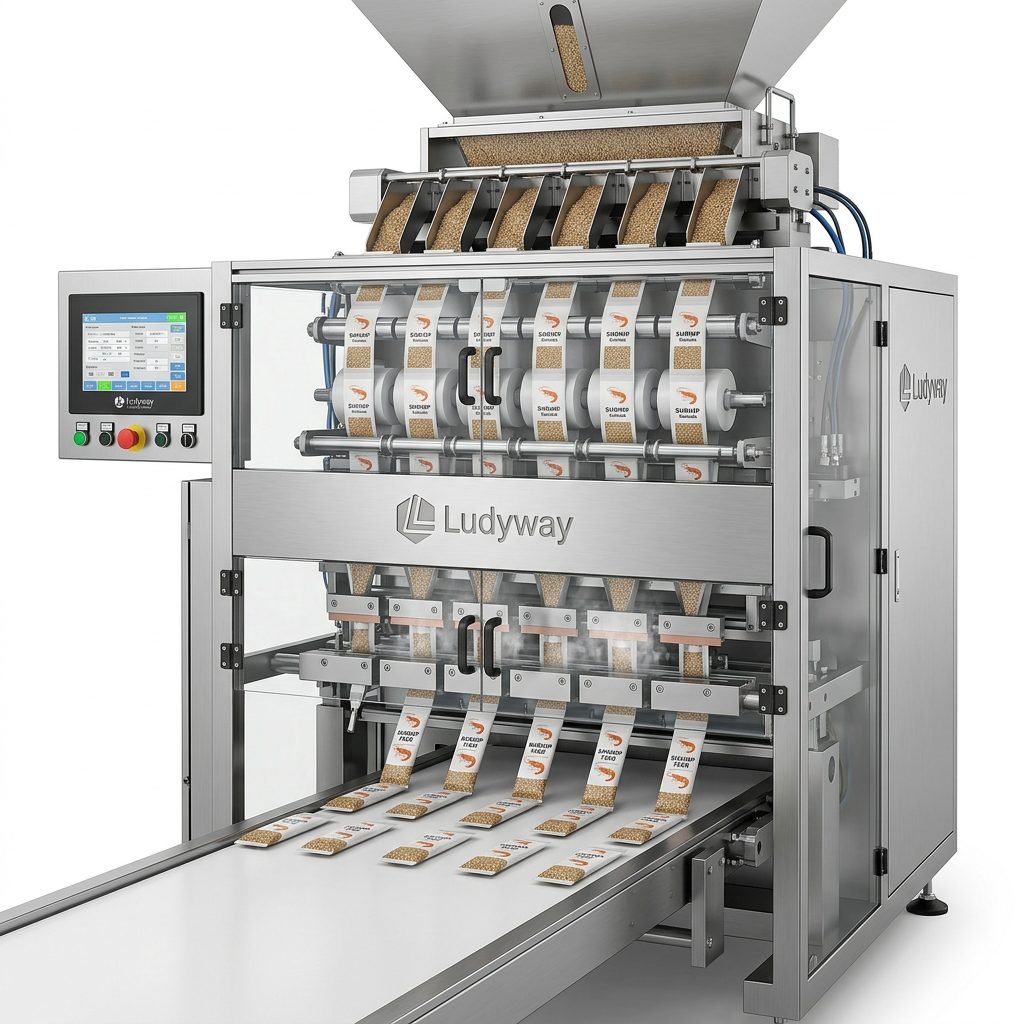
1. Multi-Lane Stick Pack Machines
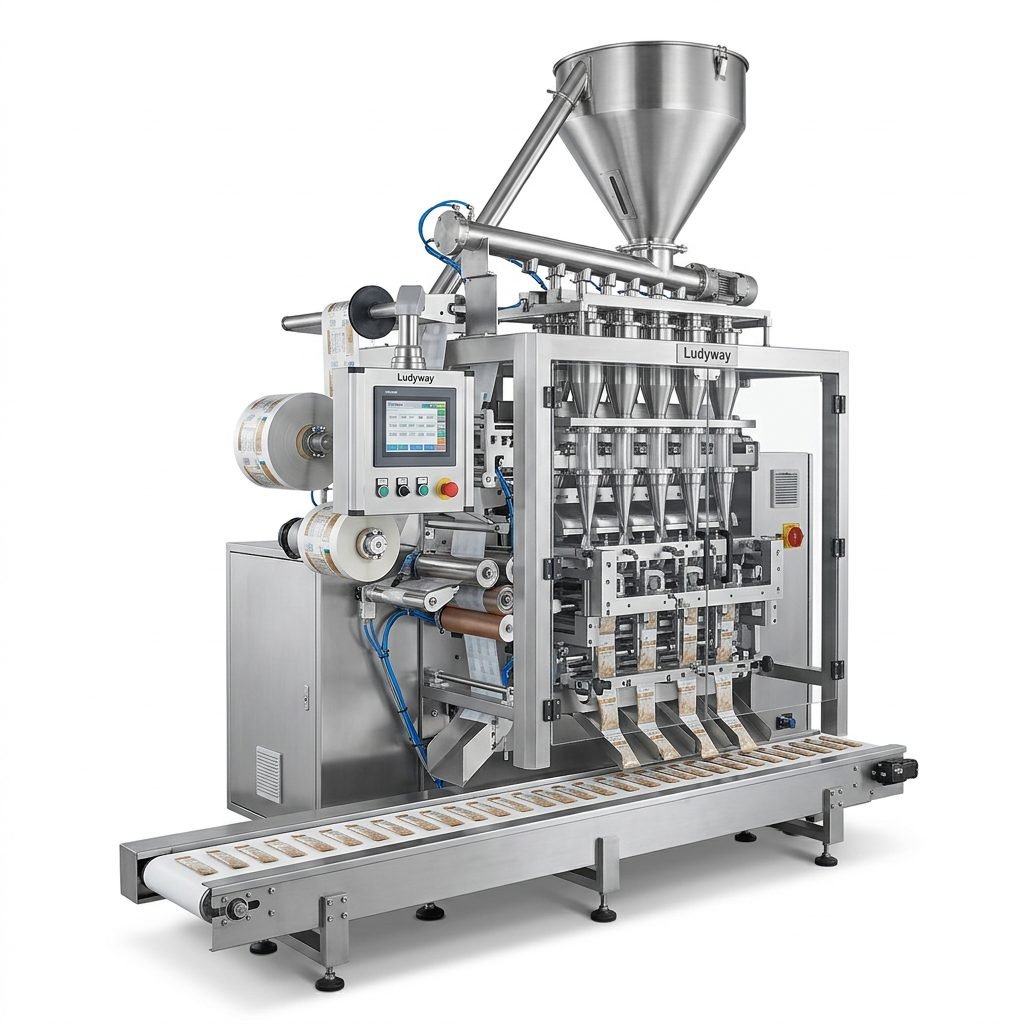
These systems are ideal for brands selling single-serve protein powder. They produce slim packs that are easy to carry, easy to open, and suitable for gyms, travel kits, and promotional bundles. Multi-lane models can greatly increase output by running several lanes at the same time.
2. Sachet Packaging Machines
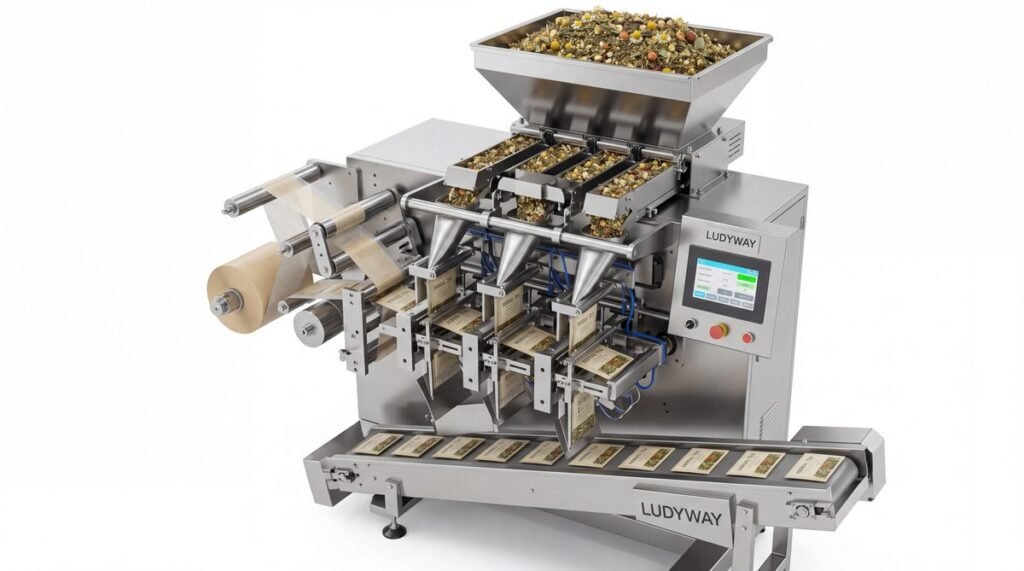
Sachet machines are widely used for small and medium powder packs. They can create pillow sachets, three-side seal sachets, or four-side seal packs. This format is often used for nutritional supplements, collagen powder, meal replacement powder, and trial-size protein products.
3. Vertical Form Fill Seal Machines
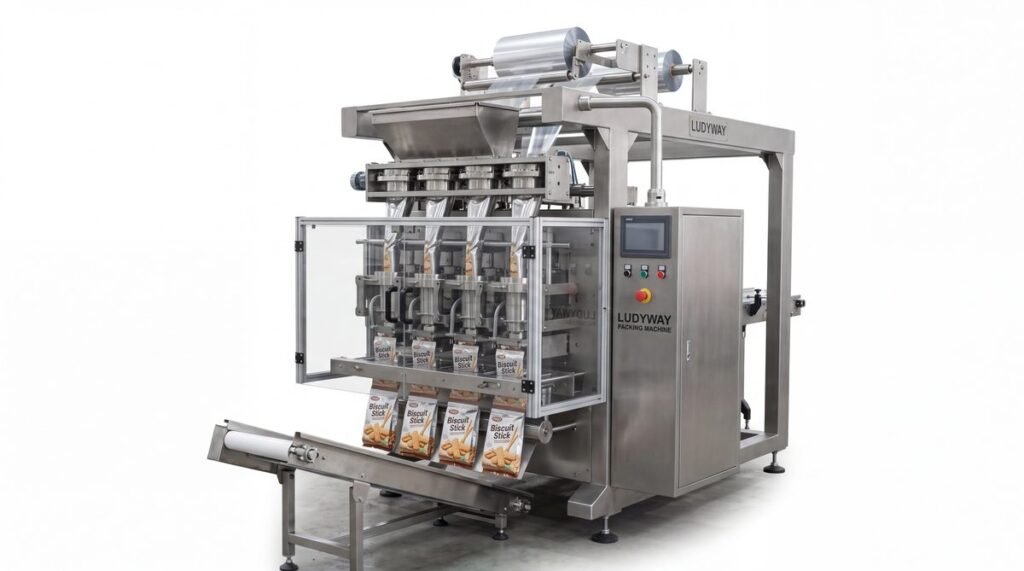
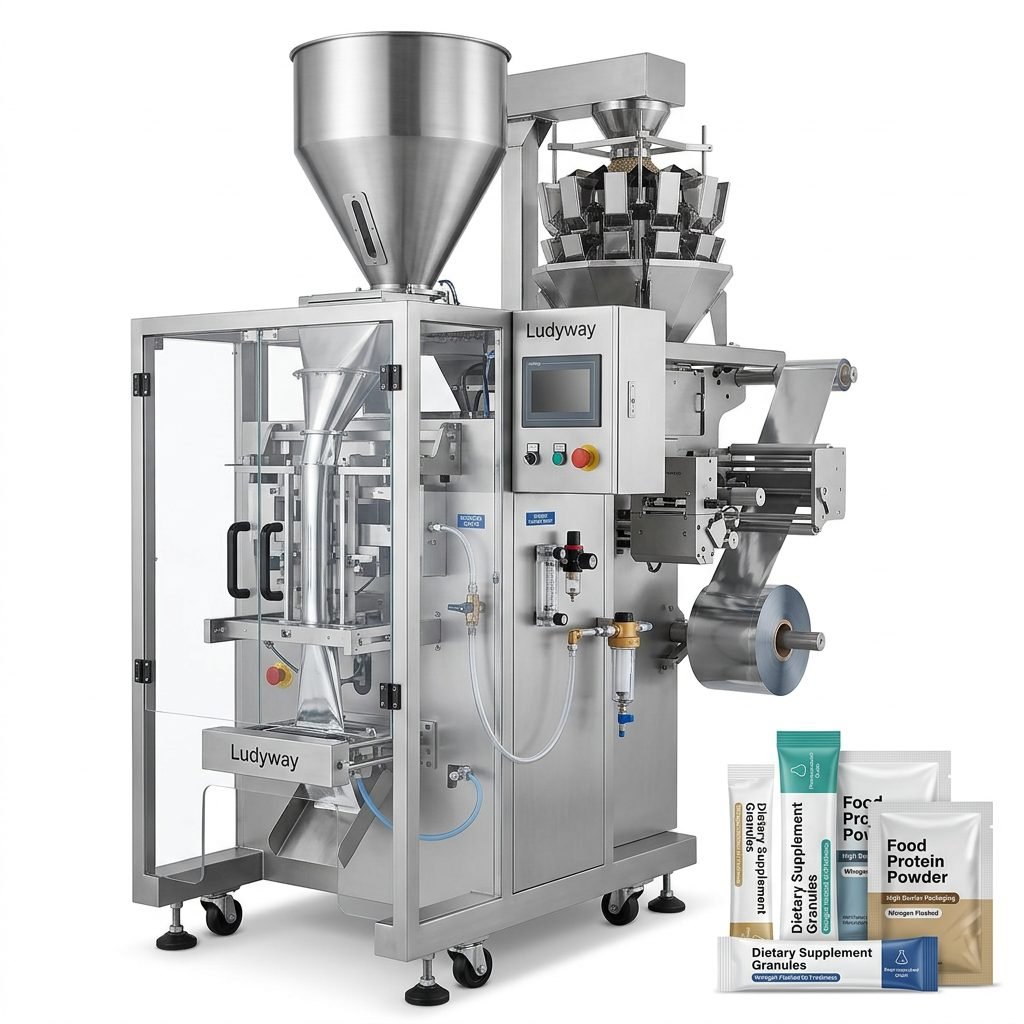
VFFS machines form pouches from roll film, fill protein powder, and seal the package in one automatic process. They are commonly used for larger pouch packaging, including stand-up pouches and pillow bags.
4. Premade Pouch Filling Machines
For premium brands that need high-quality shelf presentation, premade pouch systems can fill and seal preformed bags with excellent consistency. These are often selected for zipper pouches or doypacks.
5. Jar and Bottle Filling Lines
Many protein powder brands still prefer rigid packaging. These lines usually include bottle feeding, powder filling, tamping if needed, capping, sealing, labeling, coding, and final inspection.
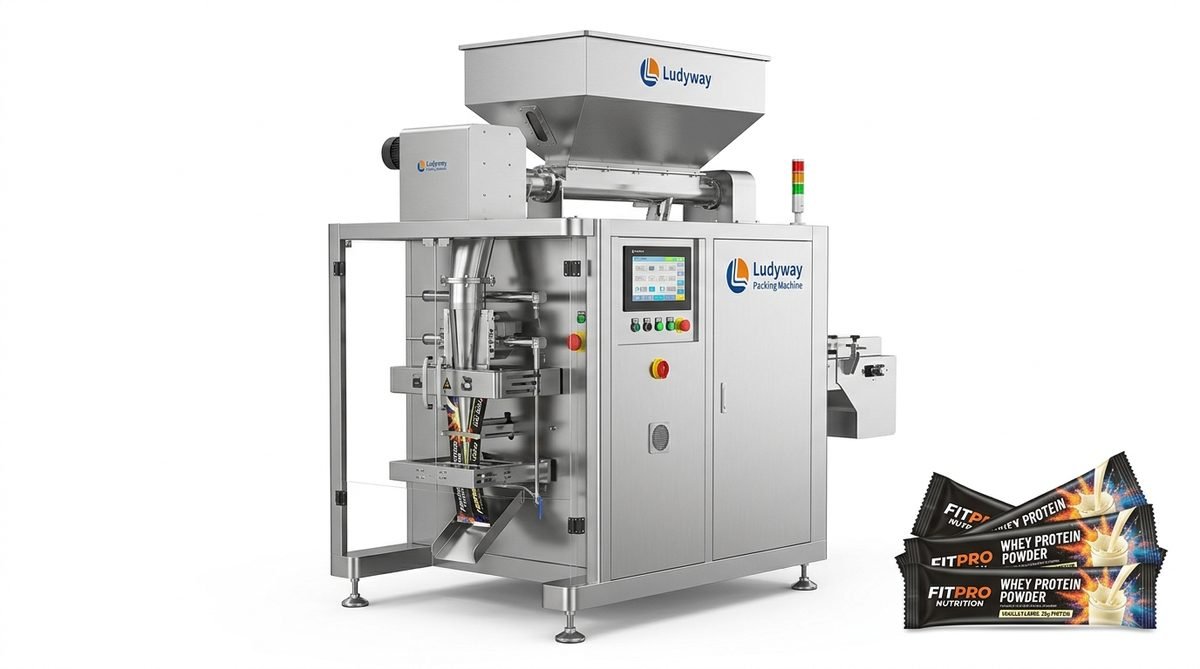
Key Components of a Protein Powder Packaging System
A complete solution often includes more than the main packing unit. To ensure stable long-term operation, manufacturers usually combine several functional modules:
- Powder hopper and agitator
- Auger filling unit for precise dosing
- Screw conveyor or vacuum feeder
- Film feeding and forming section
- Sealing jaws or sealing rollers
- Date coding or printing system
- Checkweigher and metal detection unit
- Finished product conveyor
- Cartoning, case packing, or palletizing equipment
In high-output factories, these modules are combined into a fully automated packaging line to reduce manual handling and improve traceability.
Why Protein Powder Needs Specialized Packaging Equipment
Protein powder behaves differently from many granule products. It may be fluffy, adhesive, dusty, hygroscopic, or variable in flowability depending on the formula. Whey, soy, pea, collagen, mass gainer blends, and meal replacements do not all flow the same way.
A dedicated machine is important because it helps address common production challenges:
- Accurate fill weight to protect profit margins and meet label claims
- Dust control to maintain sealing quality and workshop cleanliness
- Moisture protection to preserve powder condition and shelf life
- Consistent appearance for better retail presentation
- Food safety compliance through hygienic design and stable operation
Industries That Use Protein Powder Packaging Machines
Although the name suggests sports nutrition only, these machines are used across many sectors:
- Sports nutrition and bodybuilding supplements
- Meal replacement and weight management products
- Health supplements and functional nutrition
- Infant and adult nutrition powder products
- Medical and nutraceutical powder applications
- Food and beverage powder blends
Benefits of Automatic Protein Powder Packaging Solutions
| Benefit | Business Impact |
|---|---|
| Higher speed | Increases daily output and supports scaling |
| Better accuracy | Reduces product giveaway and complaint risk |
| Less labor dependency | Cuts operating cost and manual errors |
| Cleaner packaging process | Improves hygiene and seal reliability |
| Stronger consistency | Supports brand image and quality control |
| Line integration | Allows coding, inspection, cartoning, and palletizing in one flow |
How to Choose the Right Protein Powder Packaging Machine
Choosing the right equipment is not only about speed. It should match your product characteristics, packaging style, factory layout, and long-term business goals.
Product Characteristics
Consider bulk density, powder fineness, dust level, moisture sensitivity, and whether the formula contains blended ingredients. A machine that works well for whey isolate may need adjustment for plant-based protein or collagen blends.
Package Type
Decide whether you need stick packs, sachets, stand-up pouches, jars, or bulk bags. The package type determines the machine structure and downstream equipment.
Output Requirement
A startup may need a compact solution, while a contract manufacturer may need a high-speed multi-lane line. Output planning should include current needs and future expansion.
Accuracy and Seal Quality
For protein powder, stable fill weight and clean seals are essential. Ask about filling tolerance, sealing performance, and rejection systems for off-spec products.
Automation Level
Some factories only need the main filling and sealing machine. Others need a turnkey line including feeding, coding, inspection, cartoning, case packing, and palletizing.
Cleaning and Maintenance
Hygienic design, accessible contact parts, and easy cleaning procedures are especially important in food and supplement environments.
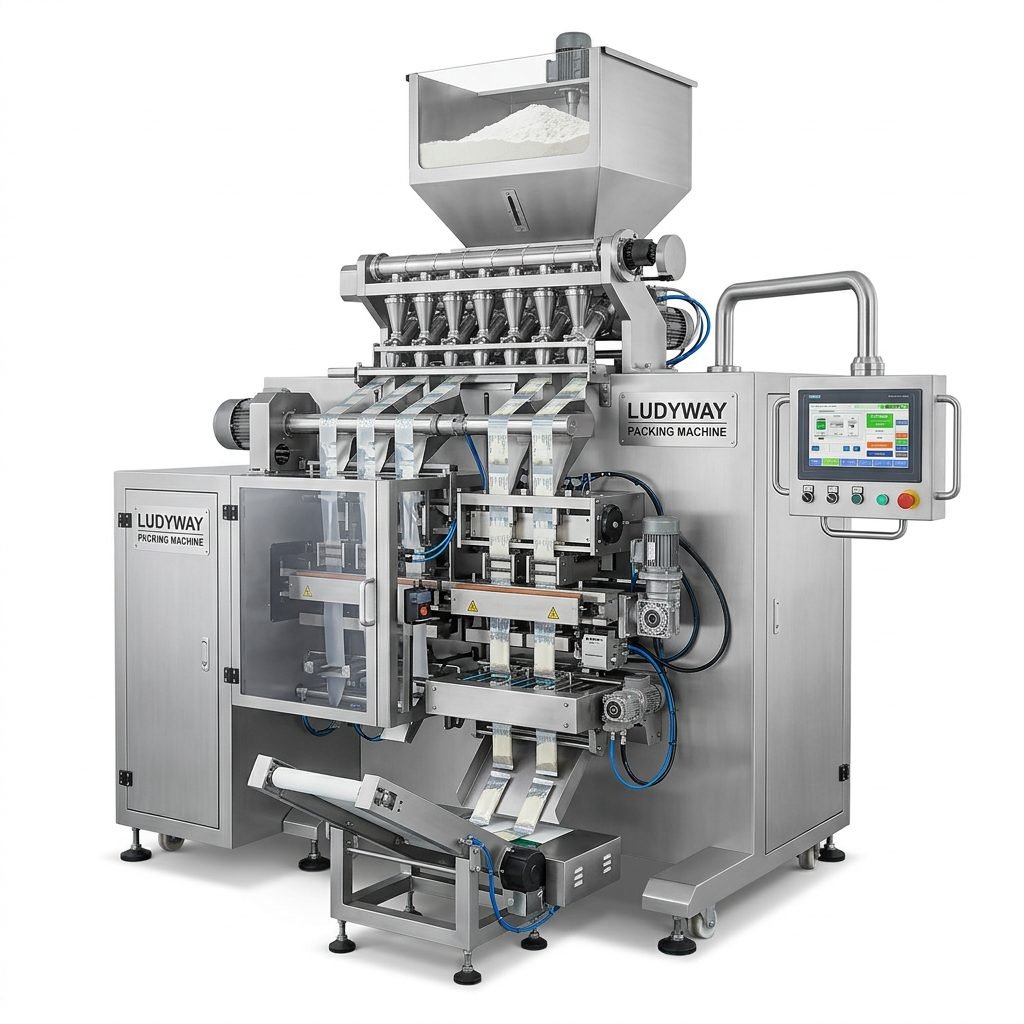
Single Machine vs Turnkey Packaging Line
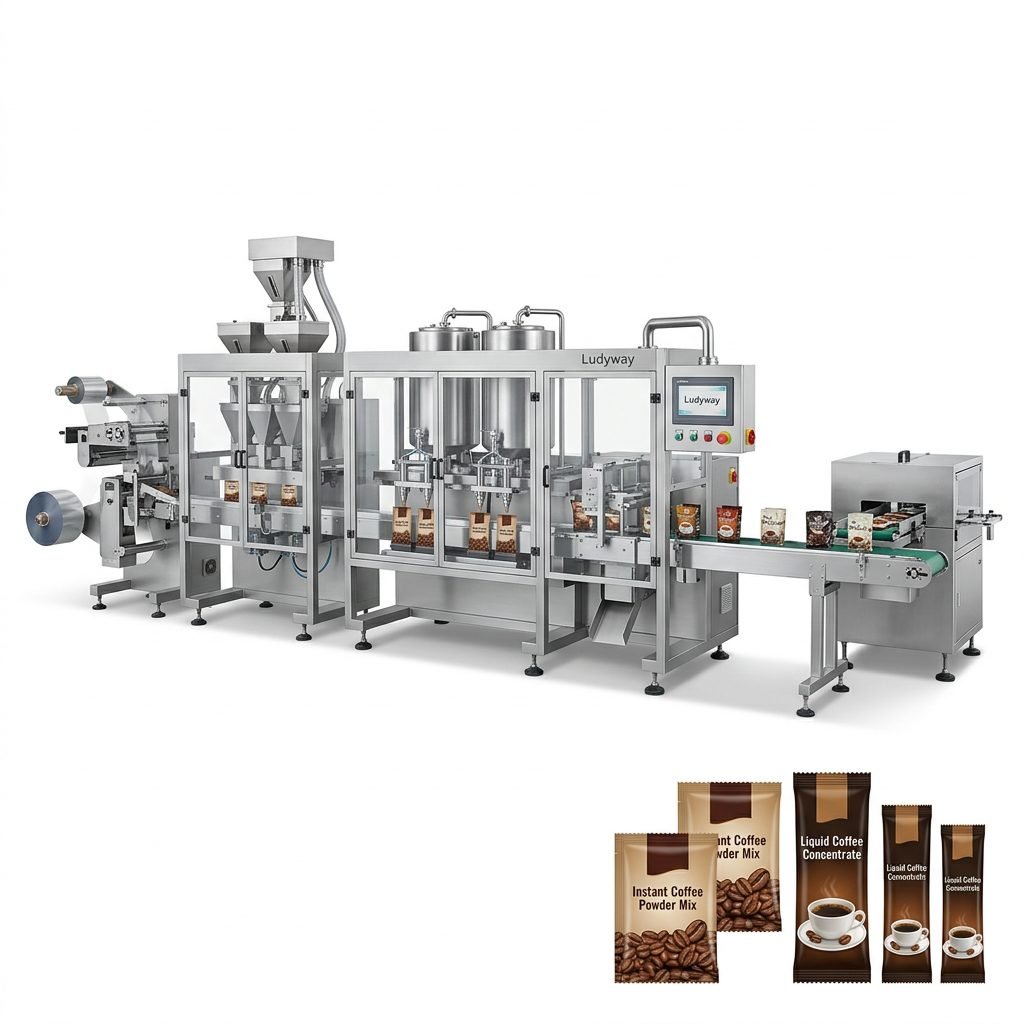
Many buyers start by looking for one machine, but in growing operations, a turnkey packaging line often brings greater value. Instead of connecting separate machines from different suppliers, a full line is designed for compatibility, efficiency, and smoother workflow.
A turnkey line for protein powder may include:
- Raw powder feeding system
- Auger filling and packaging machine
- Checkweigher and metal detector
- Cartoning or case packing system
- Labeling and coding equipment
- Palletizing and end-of-line handling
For businesses looking for scalable packaging automation, Ludyway protein powder packaging machine solutions are often considered for applications requiring standalone equipment or complete turnkey lines across food, health supplement, and pharmaceutical-related packaging projects.
Important Features to Look For
- Servo-driven control for stable operation and easier adjustment
- Precise auger dosing for powder filling accuracy
- Dust reduction design to improve seal performance
- Touchscreen HMI for user-friendly operation
- Recipe memory for faster product changeovers
- Food-grade contact parts for hygiene and compliance
- Flexible format support for different pack sizes
- Integration capability with conveyors, coders, and inspection devices
Typical Applications of Protein Powder Packaging Machines
These systems are commonly used for packaging:
- Whey protein concentrate and isolate
- Plant protein powders such as pea or soy protein
- Collagen powder
- Mass gainer formulas
- Meal replacement powders
- Electrolyte and sports nutrition blends
- Functional drink powders
- Vitamin and supplement powder mixes
Common Buyer Questions
Can one machine handle different protein powder formulas?
Yes, but the machine should be properly configured for flow properties, fill range, and packaging size. Some formulas may require agitators, special screws, or different hopper designs.
Is stick pack packaging good for protein powder?
Yes. Stick packs are excellent for single servings, portability, sample marketing, and e-commerce bundles. They are especially popular in sports nutrition and wellness categories.
What filling method is most common?
Auger filling is one of the most common methods for protein powder because it offers good control for fine powders and supports repeatable dosing.
Can the machine connect with cartoning and case packing equipment?
Yes. Many modern systems are designed for full line integration, helping manufacturers move from powder filling to final shipment with fewer manual steps.
Final Thoughts
A protein powder packaging machine is much more than a filling device. It is a production solution built to protect product quality, improve output, reduce labor pressure, and create professional retail packaging. Whether you need single-serve sachets, high-speed stick packs, pouch filling, or a complete automated line, the right machine can directly improve packaging efficiency and business scalability.
For supplement brands, contract packers, and food manufacturers, investing in the correct protein powder packaging equipment means better consistency, cleaner operation, and stronger long-term competitiveness in a fast-growing market.