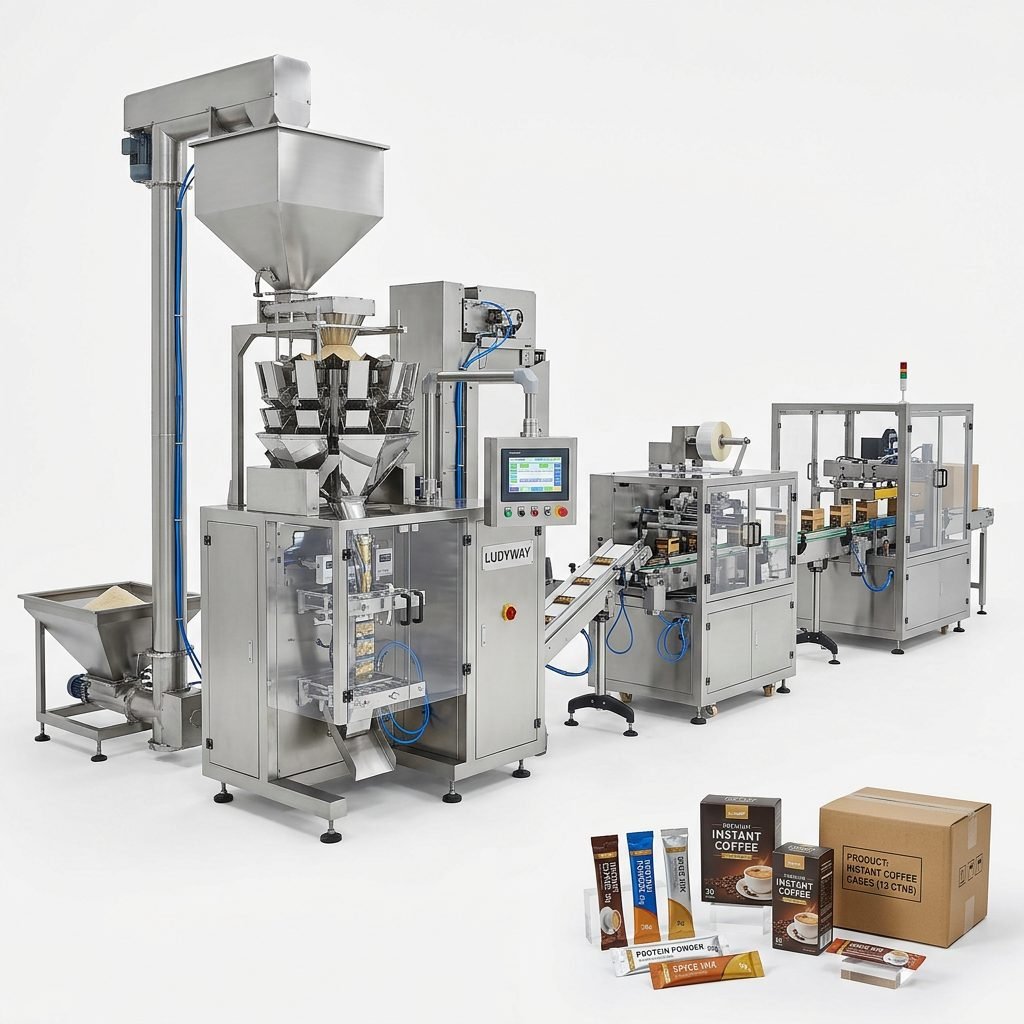
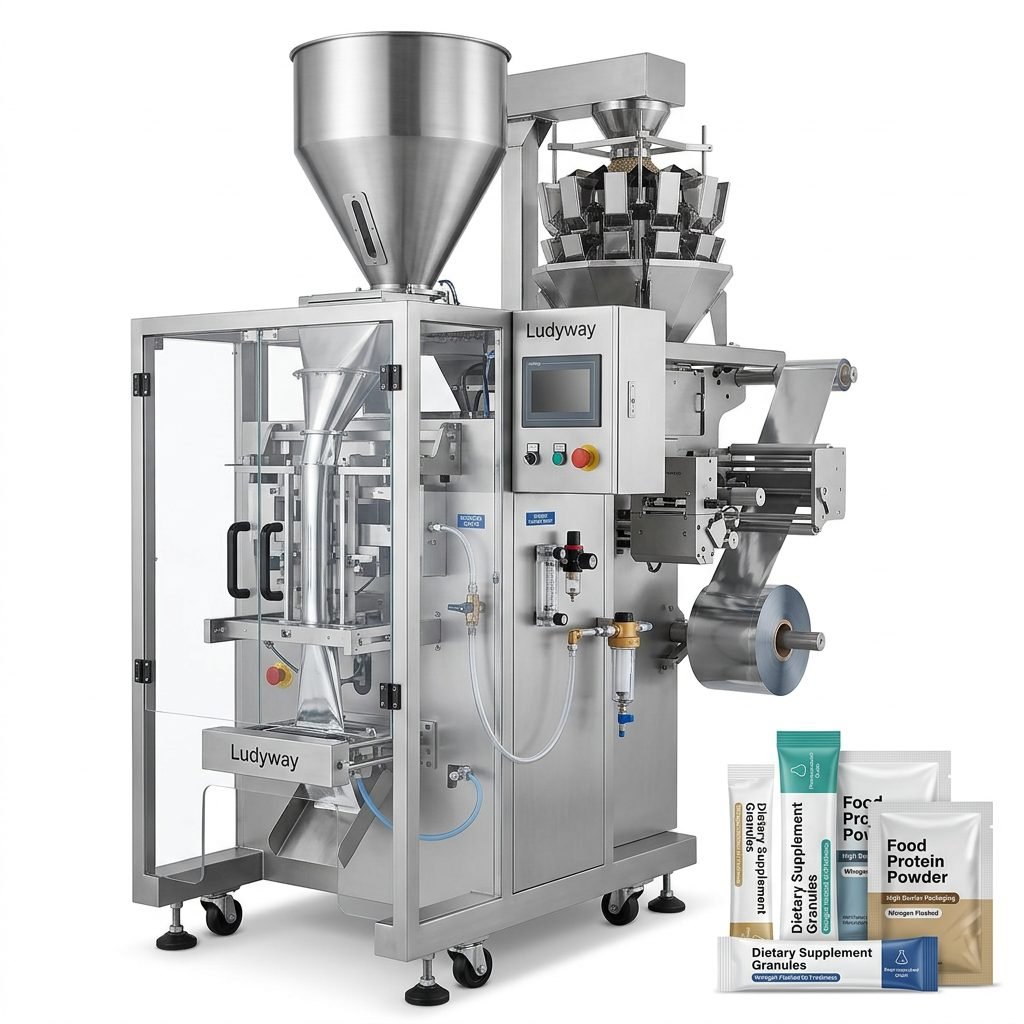
Packaging machines are essential for businesses that want to improve efficiency, product consistency, hygiene, and output. Whether you produce food, pharmaceuticals, cosmetics, chemicals, or pet products, choosing the right machine can significantly affect labor costs, packaging quality, and production speed.
In this guide, we explain the main types of packaging machines, how they work, where they are used, and what factors businesses should consider before investing.
Why Packaging Machines Matter for Modern Businesses
Manual packaging may work for very small operations, but it often leads to inconsistent fill weights, slower output, higher labor dependence, and more quality risks. Automated and semi-automatic packaging equipment helps businesses:
- Increase output without proportionally increasing labor
- Improve packaging accuracy and sealing consistency
- Reduce product waste and material loss
- Support hygiene and compliance requirements
- Standardize packaging presentation for retail and export markets
- Scale production more easily as demand grows
For manufacturers handling powders, granules, liquids, pastes, or premade pouches, the right packaging system can become a long-term competitive advantage.
Main Types of Packaging Machines
Packaging machines can be classified in several ways: by packaging format, product type, automation level, or packaging process. Below are the most common types businesses should understand.
1. Form Fill Seal Machines
Form fill seal machines create the package, fill it with product, and seal it in one continuous process. They are widely used because they combine multiple steps into one efficient machine.
Vertical Form Fill Seal (VFFS) Machines
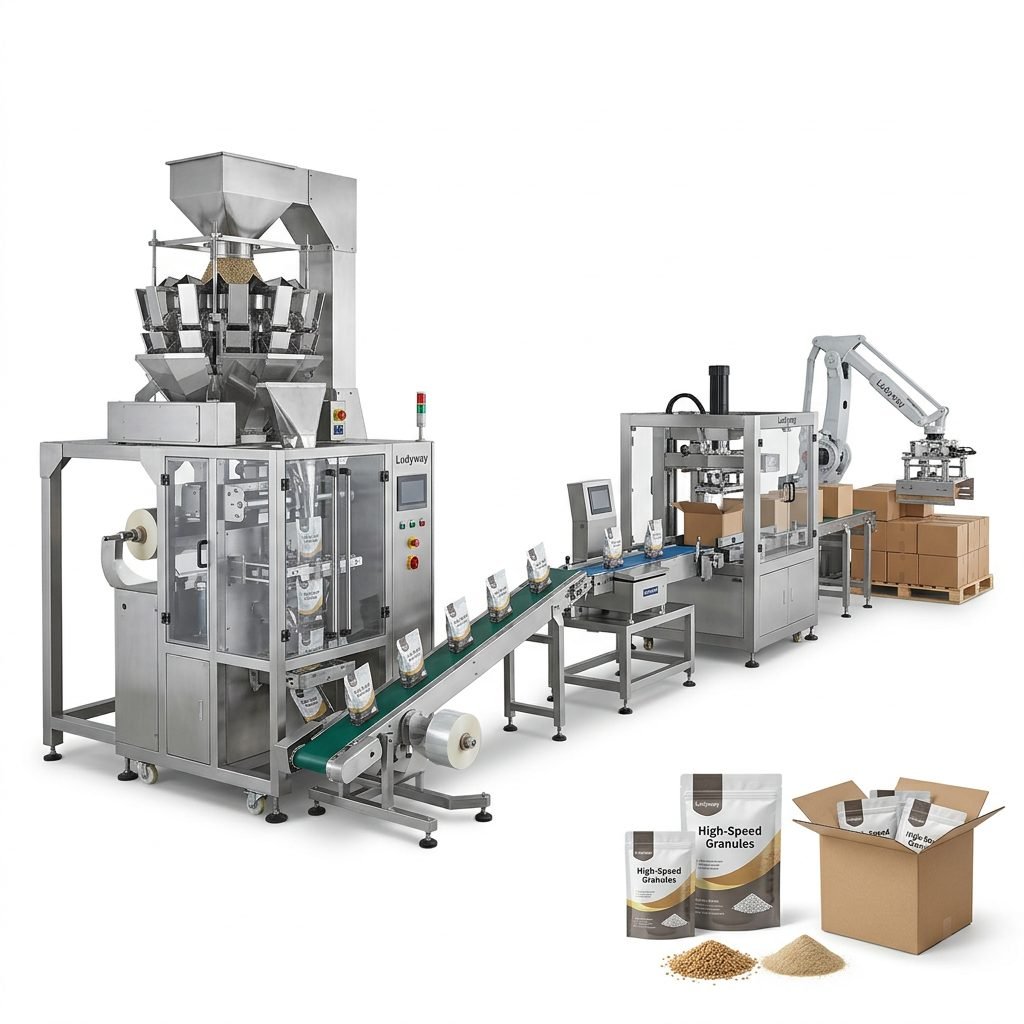
VFFS machines form bags from roll film in a vertical direction. They are popular for packaging powders, granules, snacks, coffee, sugar, seeds, and many dry products.
- Suitable for pillow bags, gusset bags, and other bag styles
- Often integrated with auger fillers, volumetric cups, or multihead weighers
- Ideal for medium to high-speed production
Horizontal Form Fill Seal (HFFS) Machines
HFFS machines form and fill packages horizontally. They are commonly used for flow wrapping, pouches, and products that require careful placement or specific packaging shapes.
- Good for solid items, bars, wipes, and specialty packs
- Can support attractive retail packaging formats
- Often used when product orientation matters
2. Sachet Packaging Machines
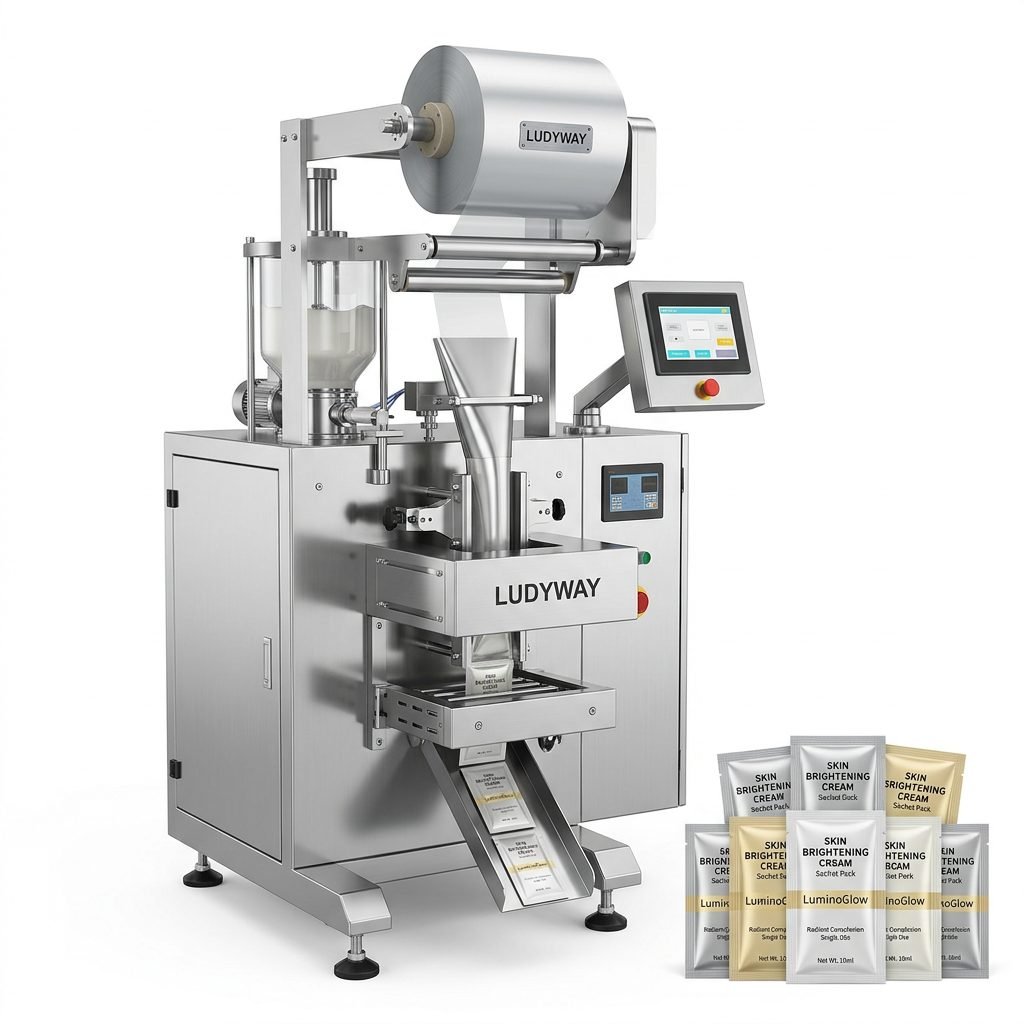
Sachet packaging machines are designed for small single-dose or small-volume packs. They are common in food, pharmaceutical, cosmetic, and chemical industries.
Typical applications include:
- Coffee, sugar, salt, spices, and powdered beverages
- Shampoo, lotion, cream, and gel
- Pharmaceutical granules and oral powders
- Detergent, sanitizer, and industrial chemicals
These machines can package powders, liquids, pastes, and granules with high precision and compact package sizes.
3. Stick Pack Machines
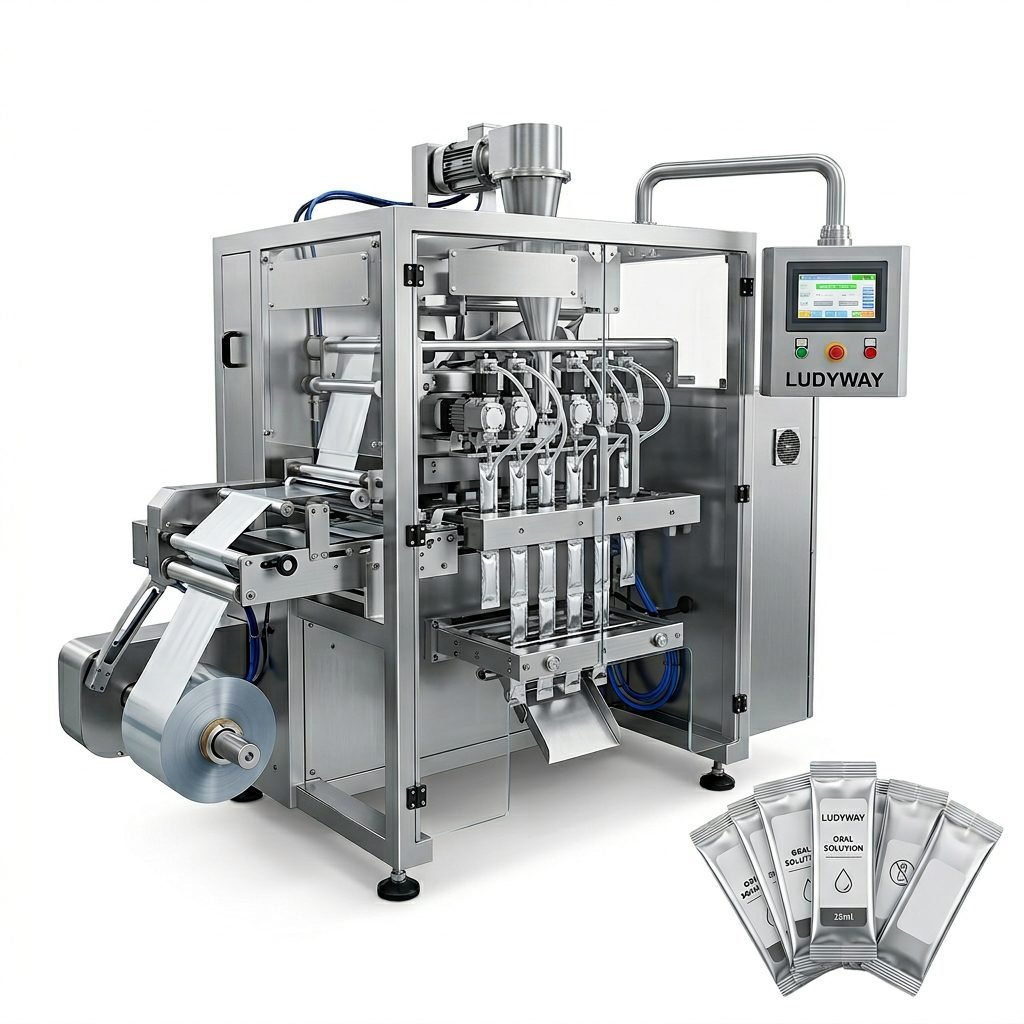
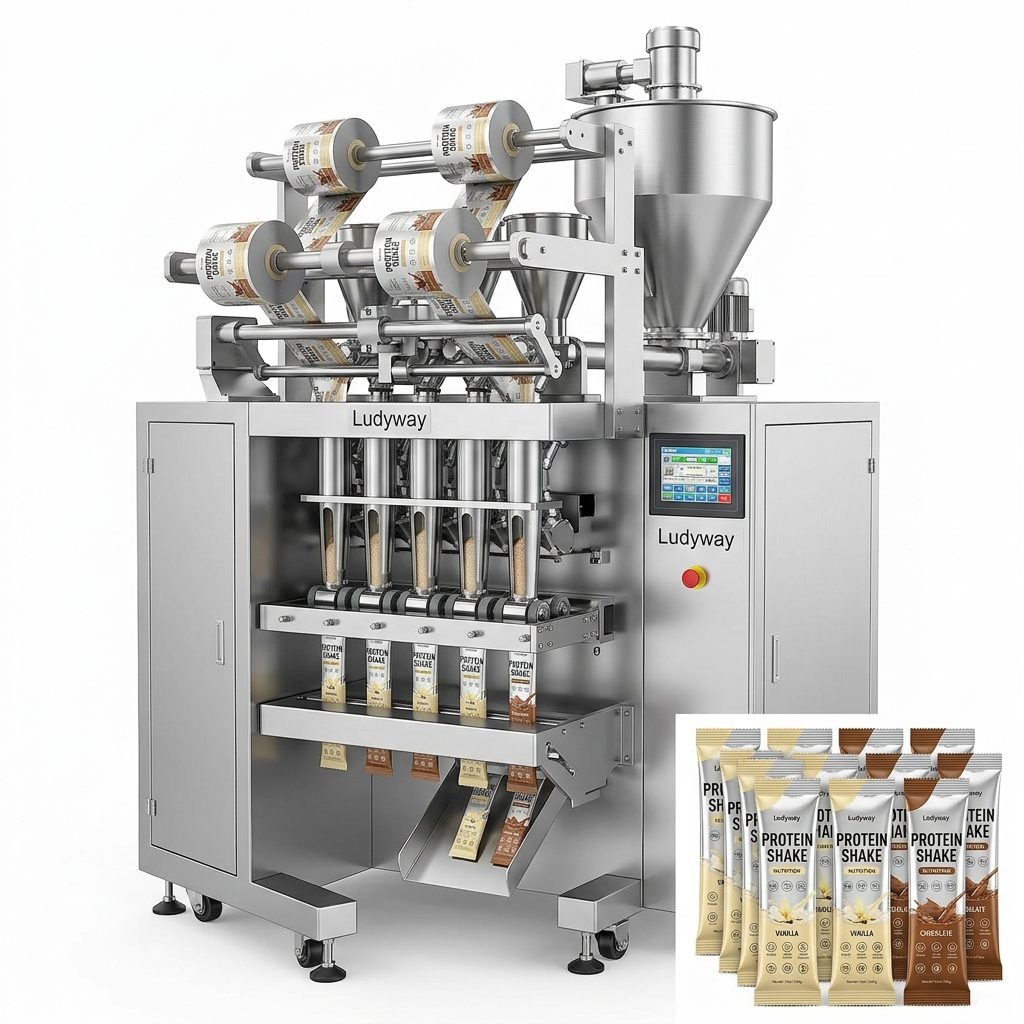
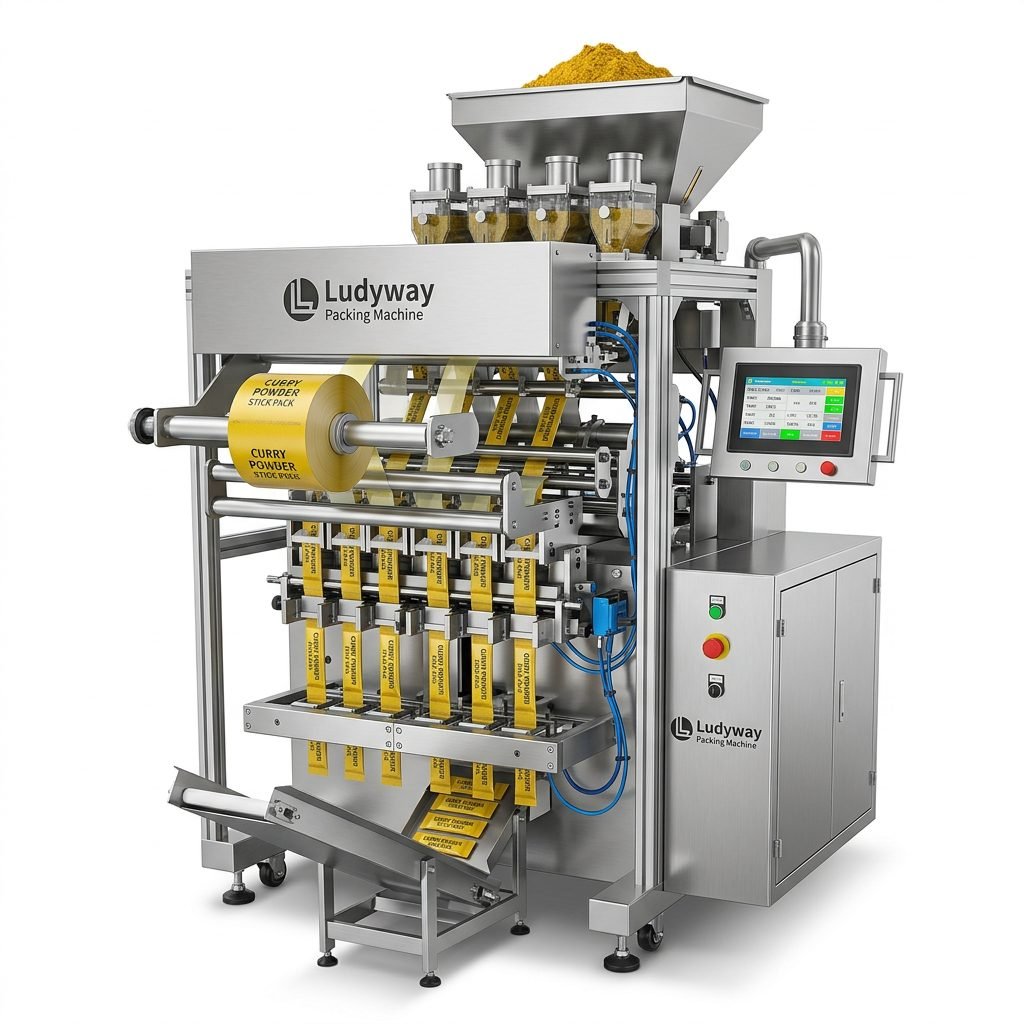
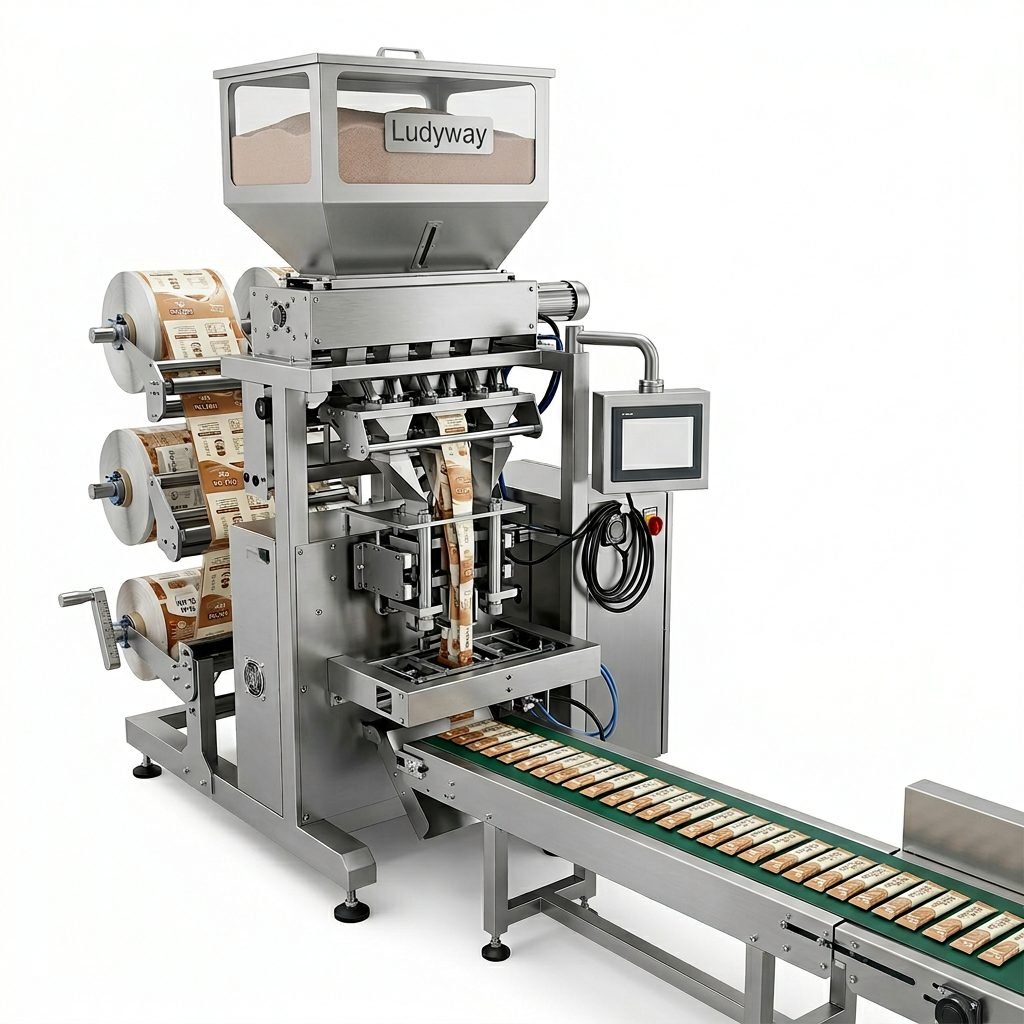
Stick pack machines produce slim, elongated packs often used for drink mixes, supplements, sweeteners, coffee, collagen, and pharmaceutical powders.
The key advantages of stick pack systems include:
- Compact, portable package format
- Efficient film usage
- High-speed multi-lane production capability
- Strong appeal in health, foodservice, and retail markets
Many growing brands choose stick packs because they offer convenience while reducing secondary packaging space.
4. Premade Pouch Packaging Machines
Unlike form fill seal machines, premade pouch machines work with ready-made pouches. The machine opens the pouch, fills it, and seals it.
These systems are widely used for:
- Doypacks and stand-up pouches
- Zipper pouches
- Spouted pouches
- Flat pouches for powders, snacks, liquids, and pet food
They are ideal for businesses that prioritize shelf appearance, premium branding, and flexible packaging designs.
5. Powder Packaging Machines
Powder packaging machines are built for products such as milk powder, protein powder, spices, flour, pharmaceutical powders, and chemical powders. They usually use auger filling systems for controlled dosing.
Important powder packaging features include:
- Dust control and clean filling
- High filling accuracy
- Compatibility with sachets, stick packs, pouches, jars, or bags
- Optional nitrogen flushing for sensitive products
6. Granule Packaging Machines
Granule packaging machines are used for products like rice, sugar, seeds, nuts, coffee beans, feed pellets, and seasonings. Depending on product shape and required accuracy, they may use cup fillers, weighers, or counting systems.
They are a strong choice when businesses need:
- Stable dosing for free-flowing products
- Fast packaging speed
- Flexible bag size options
- Reliable operation for food and agriculture sectors
7. Liquid Packaging Machines
Liquid packaging machines are designed for water-like liquids, sauces, oils, syrups, detergents, sanitizers, and other fluid products. They can use piston pumps, peristaltic pumps, flow meters, or gravity filling depending on viscosity and accuracy requirements.
Common liquid packaging formats include:
- Sachets and stick packs
- Bottles and vials
- Pouches and spouted pouches
- Tubes and specialty containers
8. Paste and Viscous Product Packaging Machines
For thicker materials like ketchup, mayonnaise, cream, honey, gel, paste, lotion, and ointment, packaging machines need specialized filling systems capable of handling viscosity without clogging or inconsistent dosing.
These machines are common in:
- Food condiment production
- Cosmetic cream packaging
- Pharmaceutical gel and ointment filling
- Industrial adhesive or chemical applications
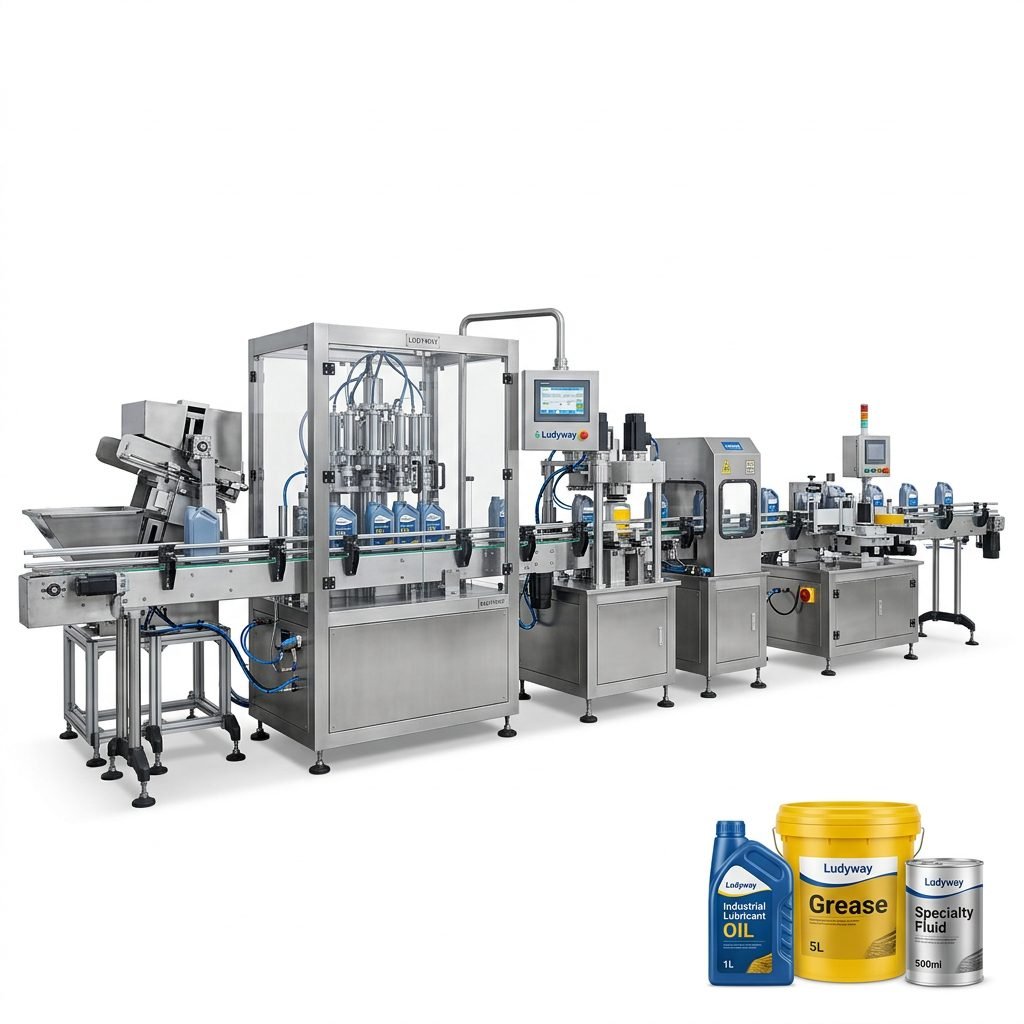
9. Bottle Filling and Capping Machines
Bottle packaging lines typically include bottle feeding, filling, capping, induction sealing, labeling, coding, and cartoning. They are used across food, beverage, pharmaceutical, and personal care industries.
This type of packaging machine is ideal when products are sold in rigid containers and require high retail presentation quality.
10. Tube Filling and Sealing Machines
Tube filling machines are designed for toothpaste, creams, gels, ointments, cosmetics, and pharmaceutical products. They fill the tube, seal it, and sometimes emboss batch or date information.
Tube packaging is especially useful for products needing:
- Controlled dispensing
- Leak-resistant packaging
- Professional retail appearance
- Compact storage and transport
11. Vacuum Packaging Machines
Vacuum packaging machines remove air before sealing. They are used to extend shelf life, reduce oxidation, and protect products during storage and shipping.
They are common for:
- Food products
- Freeze-dried items
- Medical or sterile supplies
- Industrial parts sensitive to moisture or contamination
12. Cartoning Machines
Cartoning machines place packaged products into cartons automatically. They are often used as downstream equipment after primary packaging.
These machines help businesses:
- Improve packing speed
- Reduce manual handling
- Standardize secondary packaging
- Prepare products for distribution and retail shelves
13. Case Packing and Palletizing Machines
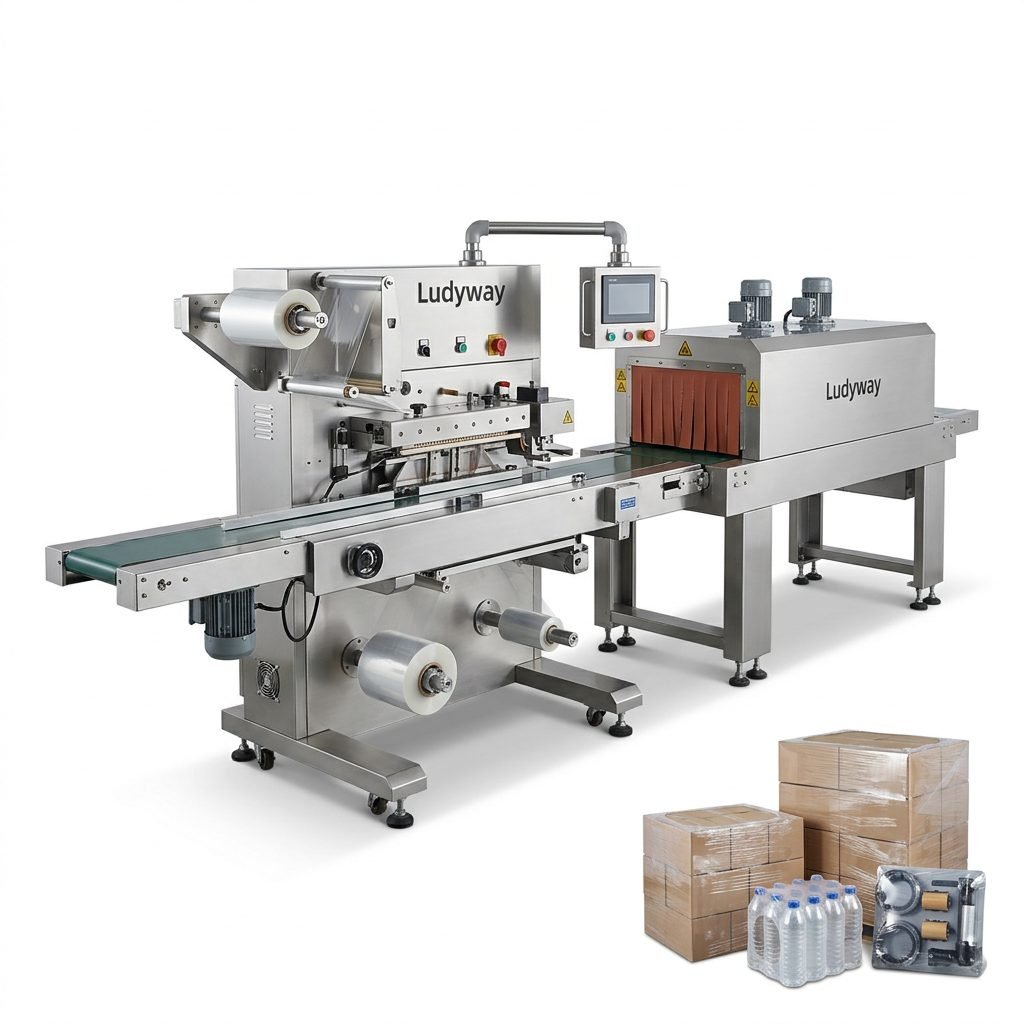
At the end of the packaging line, case packers, carton sealers, strapping machines, wrapping systems, and palletizers help prepare products for warehousing and transport.
These machines are especially valuable for high-volume manufacturers that want to reduce end-of-line labor and improve logistics efficiency.
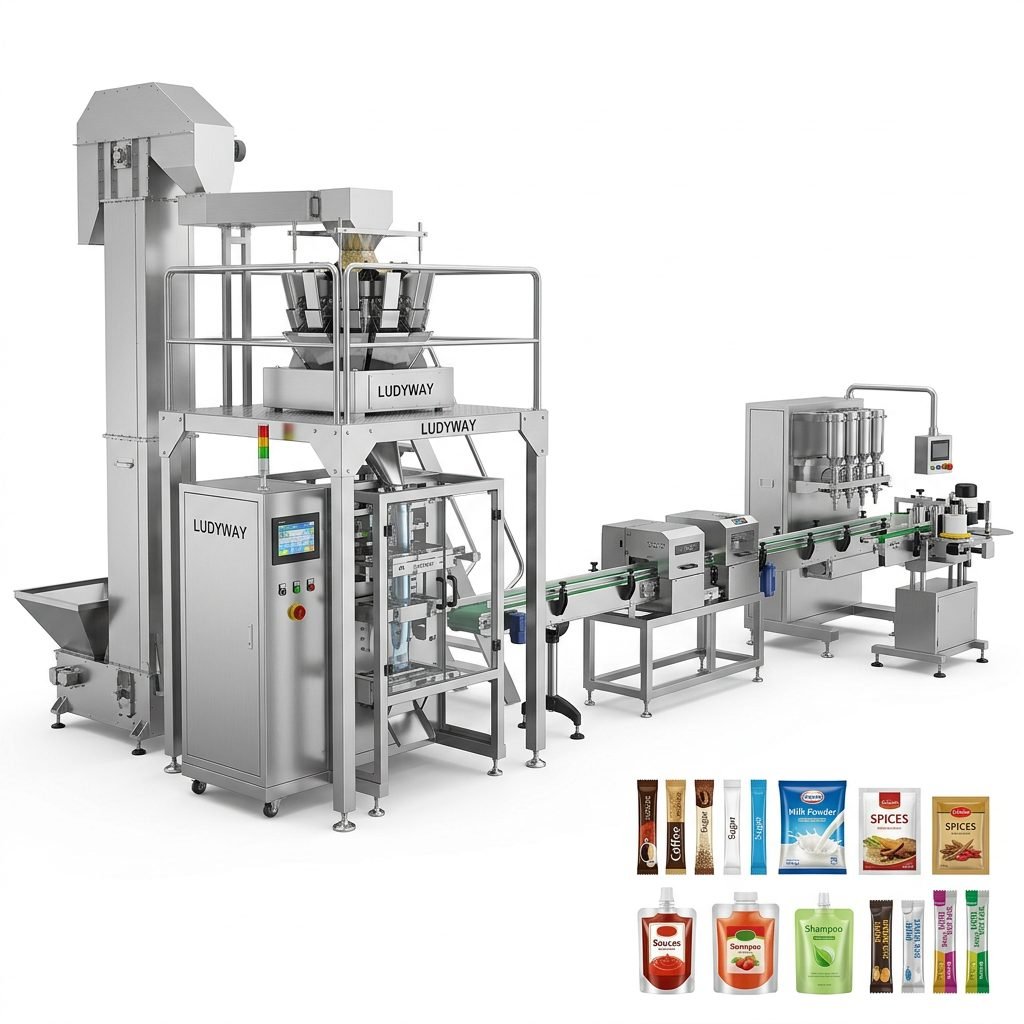
Packaging Machines by Product Type
| Product Type | Typical Machine Types | Common Industries |
|---|---|---|
| Powders | Auger fillers, sachet machines, stick pack machines, VFFS | Food, pharma, supplements, chemicals |
| Granules | Cup fillers, weighing systems, VFFS, pouch packers | Food, seeds, pet food, agriculture |
| Liquids | Liquid fillers, sachet machines, bottle lines, pouch fillers | Food, cosmetics, pharma, household chemicals |
| Pastes/Gels | Piston fillers, tube filling machines, sachet machines | Cosmetics, sauces, pharma, industrial products |
| Tablets/Capsules | Blister packers, bottle lines, counting machines | Pharmaceuticals, nutraceuticals |
Packaging Machines by Automation Level
Semi-Automatic Machines
Semi-automatic equipment requires some manual involvement, such as placing containers, triggering cycles, or moving products between stations. These machines are suitable for startups, pilot production, and businesses with lower output needs.
Fully Automatic Machines
Fully automatic packaging machines integrate feeding, dosing, filling, sealing, coding, inspection, and discharge. They are ideal for medium to large factories that want maximum efficiency, lower labor dependence, and scalable production.
Industries That Use Different Packaging Machines
- Food industry: snacks, spices, coffee, sauces, grains, sugar, milk powder, tea, supplements
- Pharmaceutical industry: powders, granules, oral liquids, capsules, tablets, sterile products
- Cosmetic industry: creams, serums, lotions, wipes, gels, masks, shampoos
- Chemical industry: detergents, cleaners, additives, pesticides, industrial powders and liquids
- Pet food and feed: kibble, powders, supplements, pellets, wet food, treats
How to Choose the Right Packaging Machine
Not every machine fits every product or business stage. Before purchasing, companies should evaluate the following:
Product Characteristics
- Is the product powder, granule, liquid, paste, tablet, or solid piece?
- Is it free-flowing, dusty, sticky, or fragile?
- Does it require hygienic, sterile, or explosion-proof design?
Packaging Format
- Sachet
- Stick pack
- Pouch
- Bottle
- Tube
- Carton
- Bulk bag
Output Requirements
Required speed is one of the biggest factors. A business packaging a few thousand units per day needs a different solution than a factory producing hundreds of thousands.
Accuracy and Compliance
Industries like pharmaceuticals and supplements usually require tighter filling tolerances, validation support, and traceability options.
Available Space and Expansion Plans
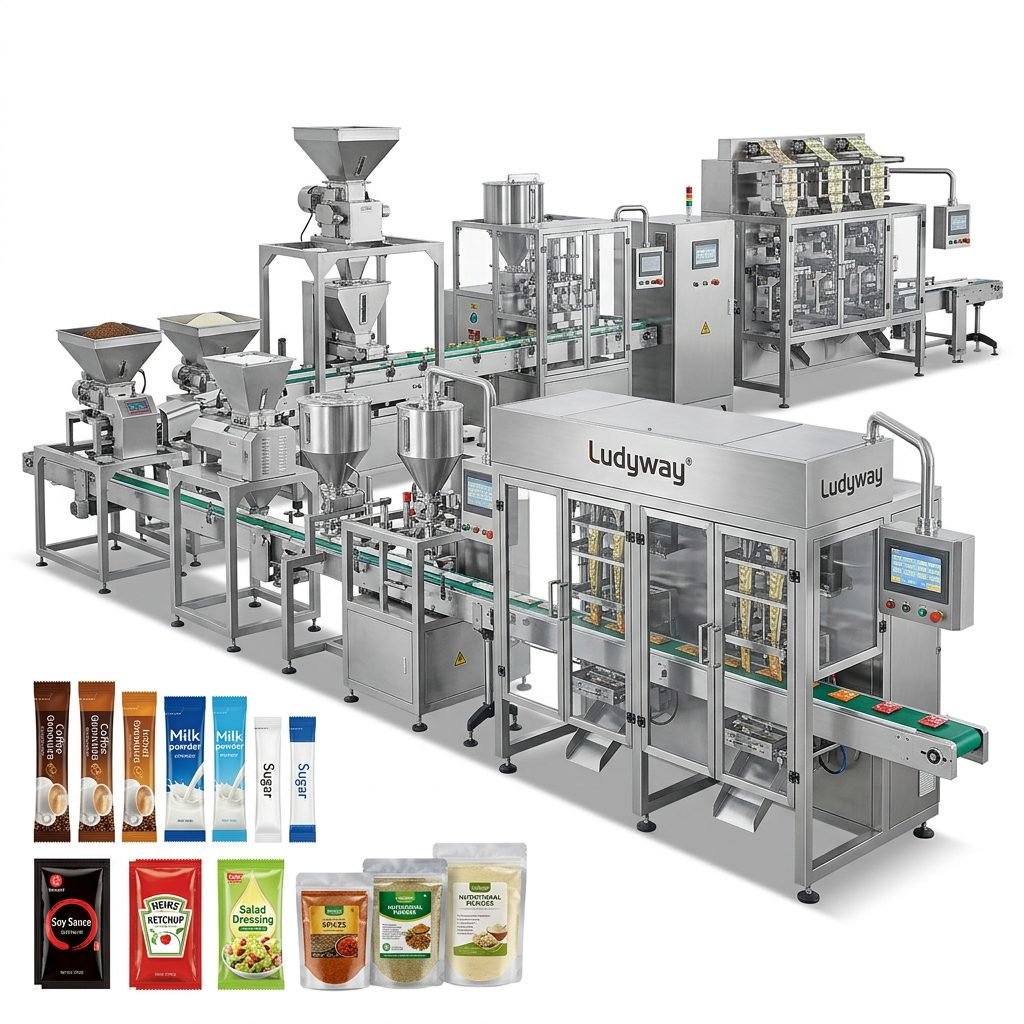
Some businesses start with a standalone machine, while others need a full turnkey line with conveyors, inspection, cartoning, and palletizing. It is smart to plan for future expansion at the beginning.
After-Sales Support
Technical service, spare parts, training, and remote troubleshooting are critical for long-term machine reliability.
Standalone Machines vs Turnkey Packaging Lines
| Option | Best For | Main Benefit |
|---|---|---|
| Standalone machine | Smaller production needs or line upgrades | Lower initial investment and simpler integration |
| Turnkey packaging line | Medium and large factories | Better line coordination, automation, and efficiency |
For businesses aiming to automate multiple stages at once, working with an experienced packaging machine manufacturer can help reduce integration risks and improve long-term ROI.
Common Supporting Equipment in Packaging Lines
Packaging systems often include more than the main packer. Auxiliary equipment can improve productivity and line stability.
- Conveyors and elevators
- Vacuum feeders
- Checkweighers
- Metal detectors
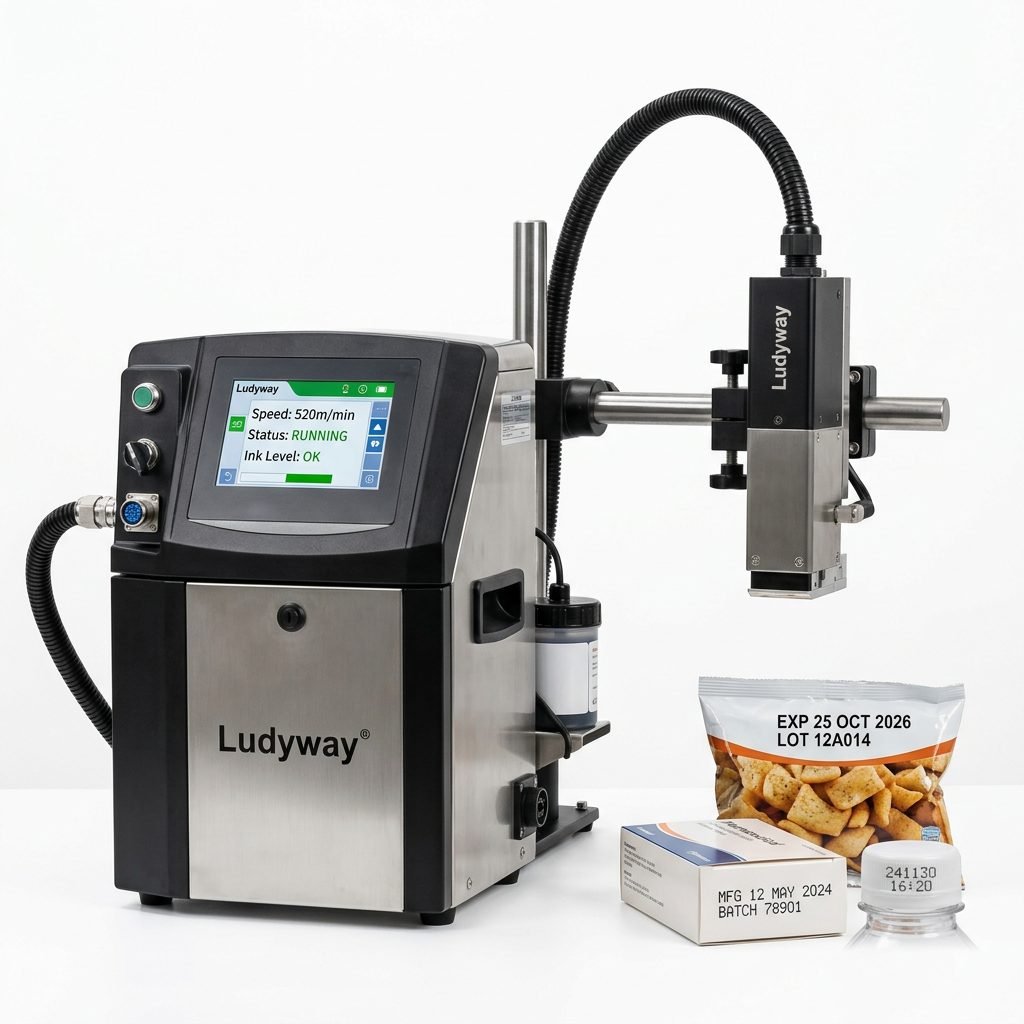
- Date coding and labeling machines
- Carton erectors and sealers
- Case packers and palletizers
Signs Your Business Needs a Better Packaging Machine
- You are missing delivery deadlines because packaging is too slow
- Manual filling creates inconsistent weights or seal defects
- Labor costs keep rising
- Your product range has expanded beyond current machine capability
- You want to enter retail, export, or regulated markets
- Your current line cannot scale with demand
Final Considerations for Businesses
The different types of packaging machines serve different products, package styles, and production goals. A sachet machine may be perfect for single-dose powders, while a premade pouch machine may suit premium retail packaging. A bottle line may work best for liquids, while a multi-lane stick pack system may be ideal for high-volume supplement production.
The best choice comes down to understanding your product, packaging format, throughput target, quality standards, and expansion plans. Businesses that evaluate these factors carefully are far more likely to invest in equipment that supports both current production and future growth.