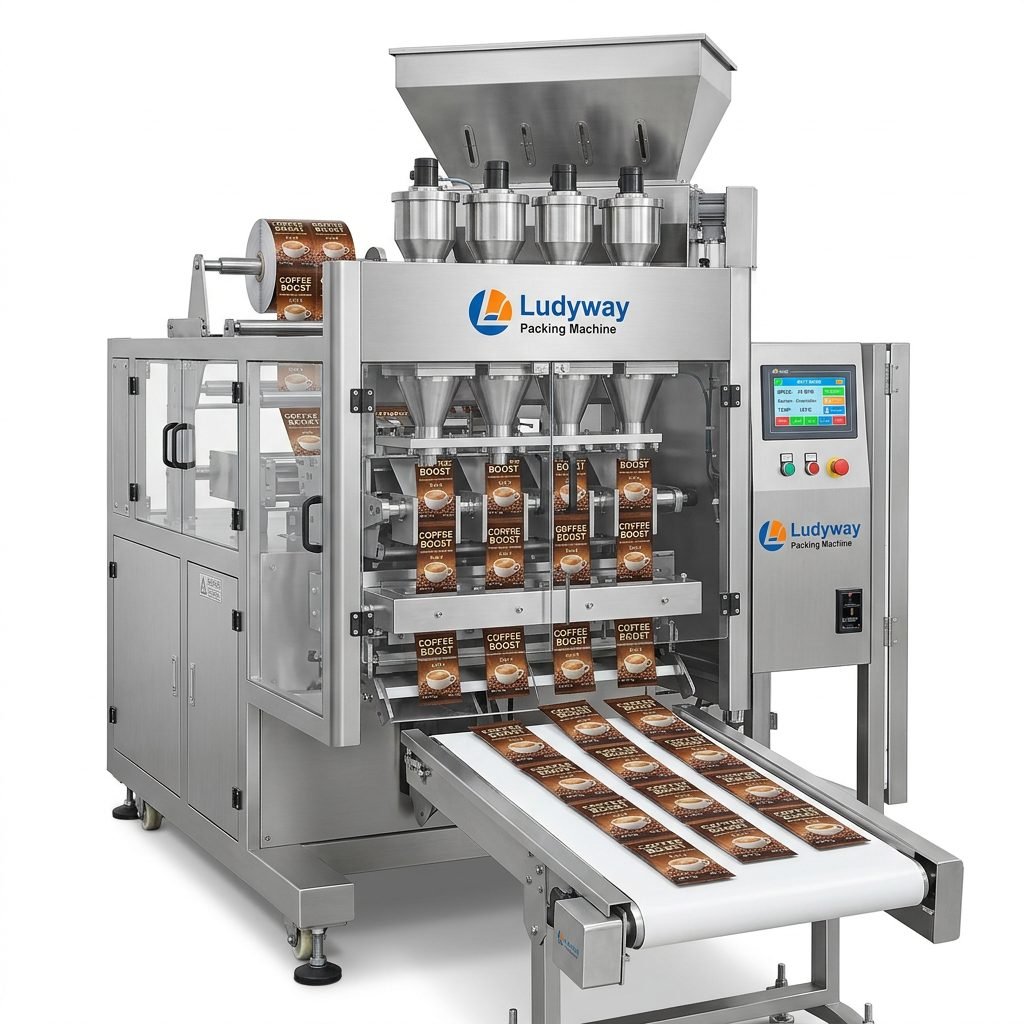
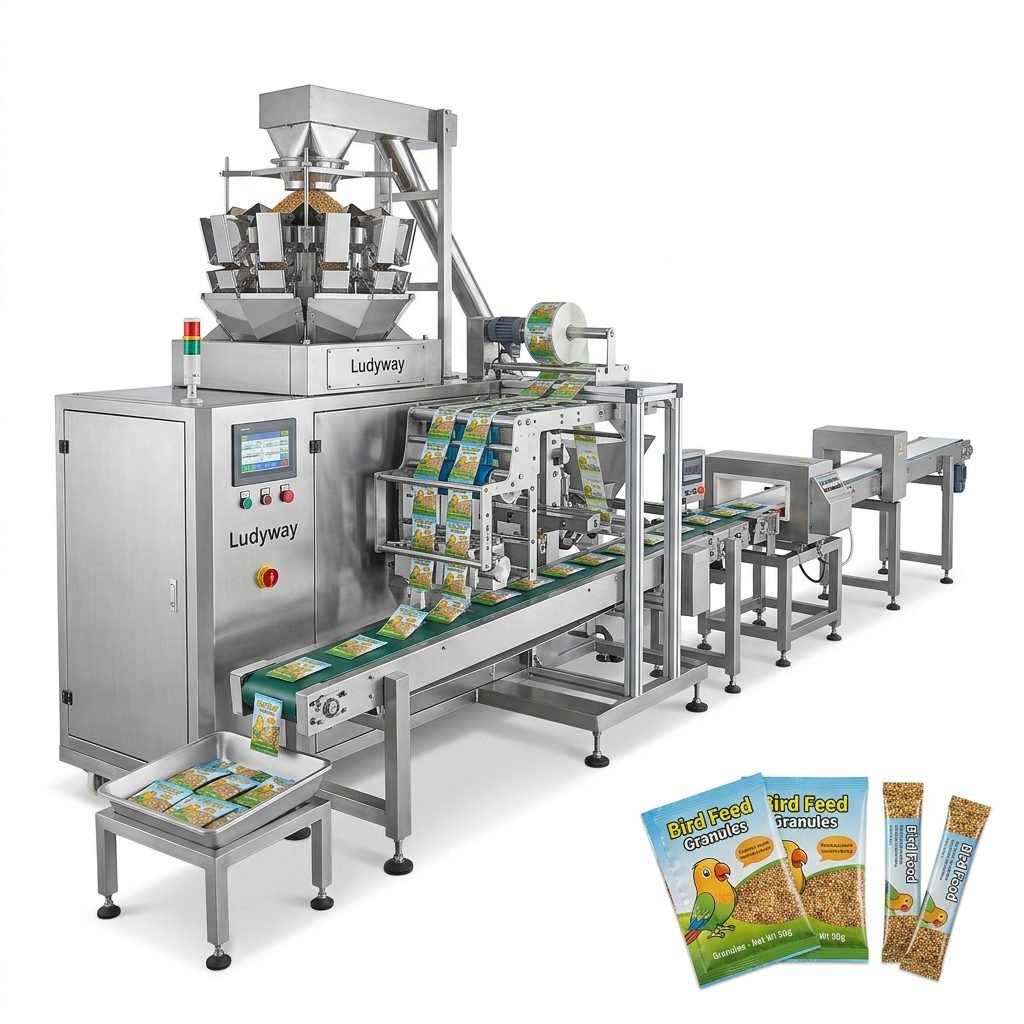
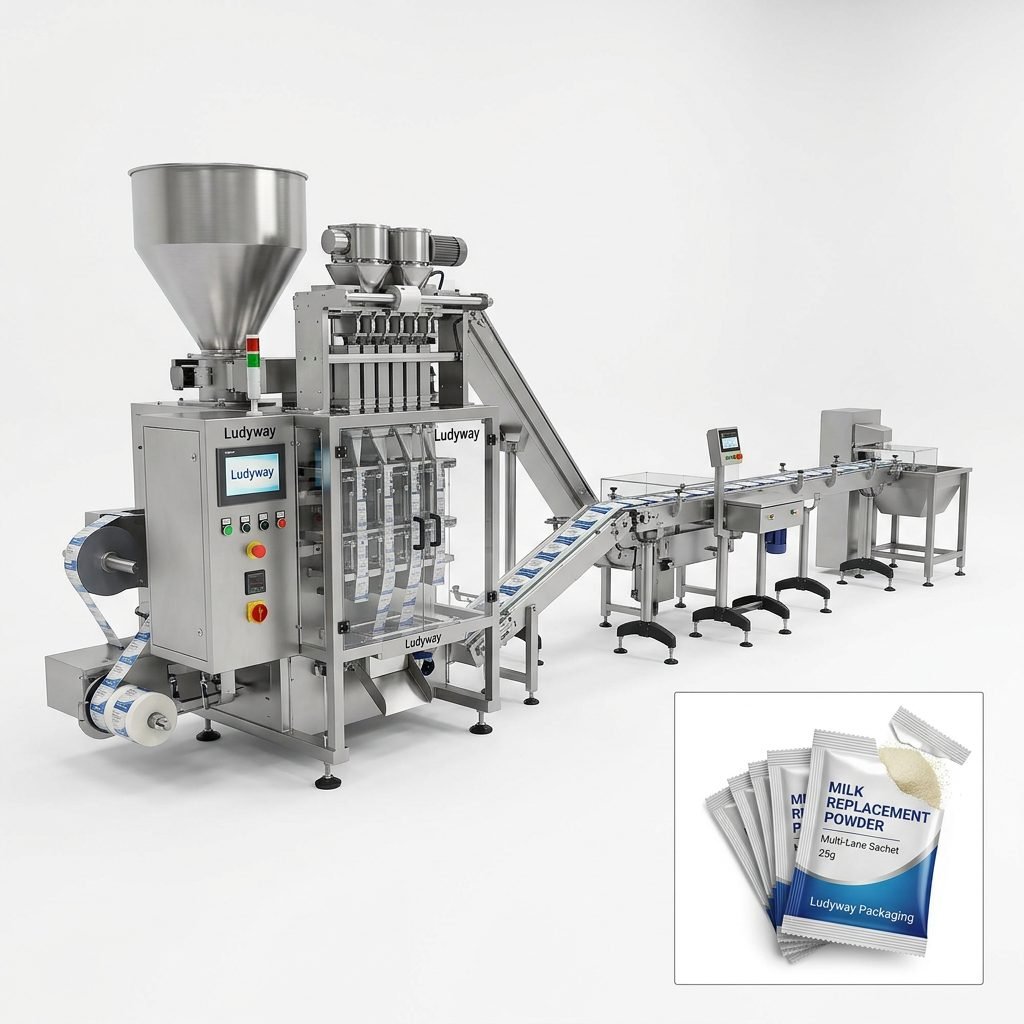
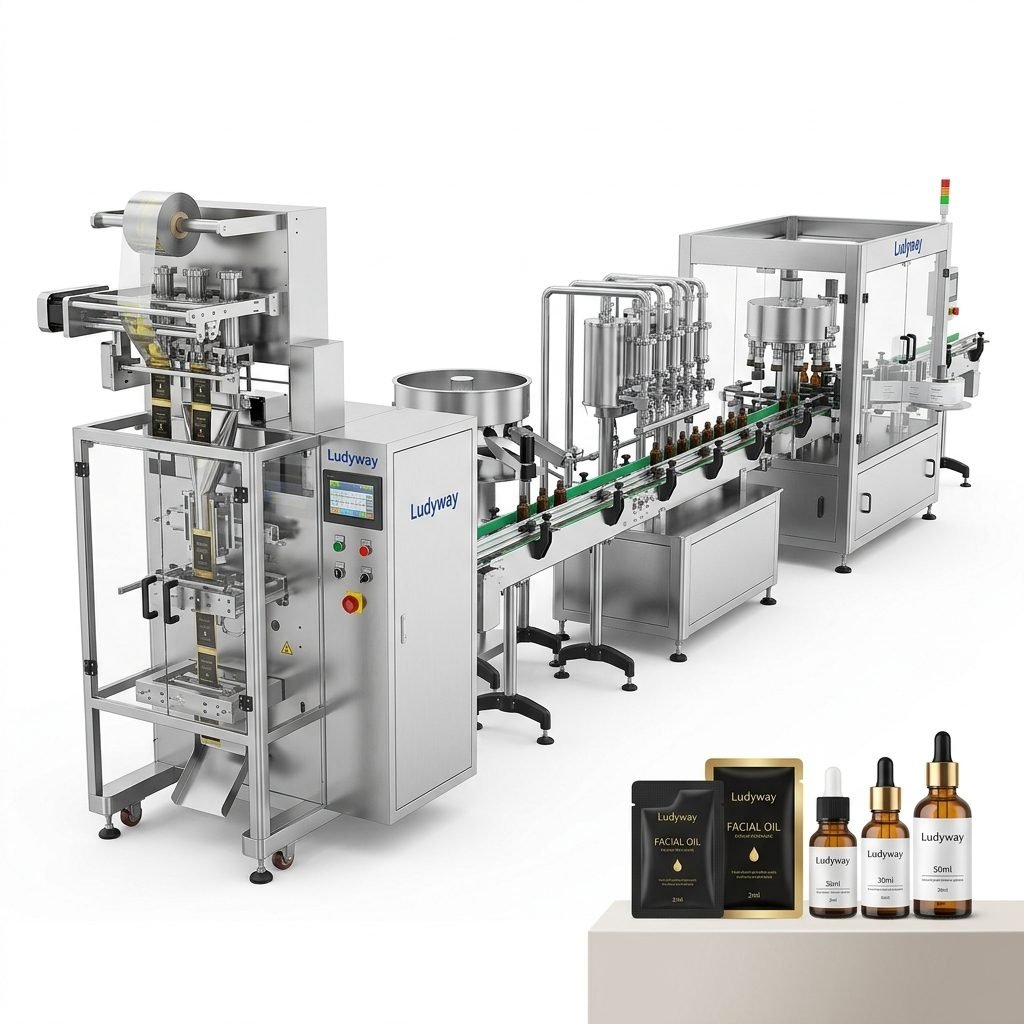
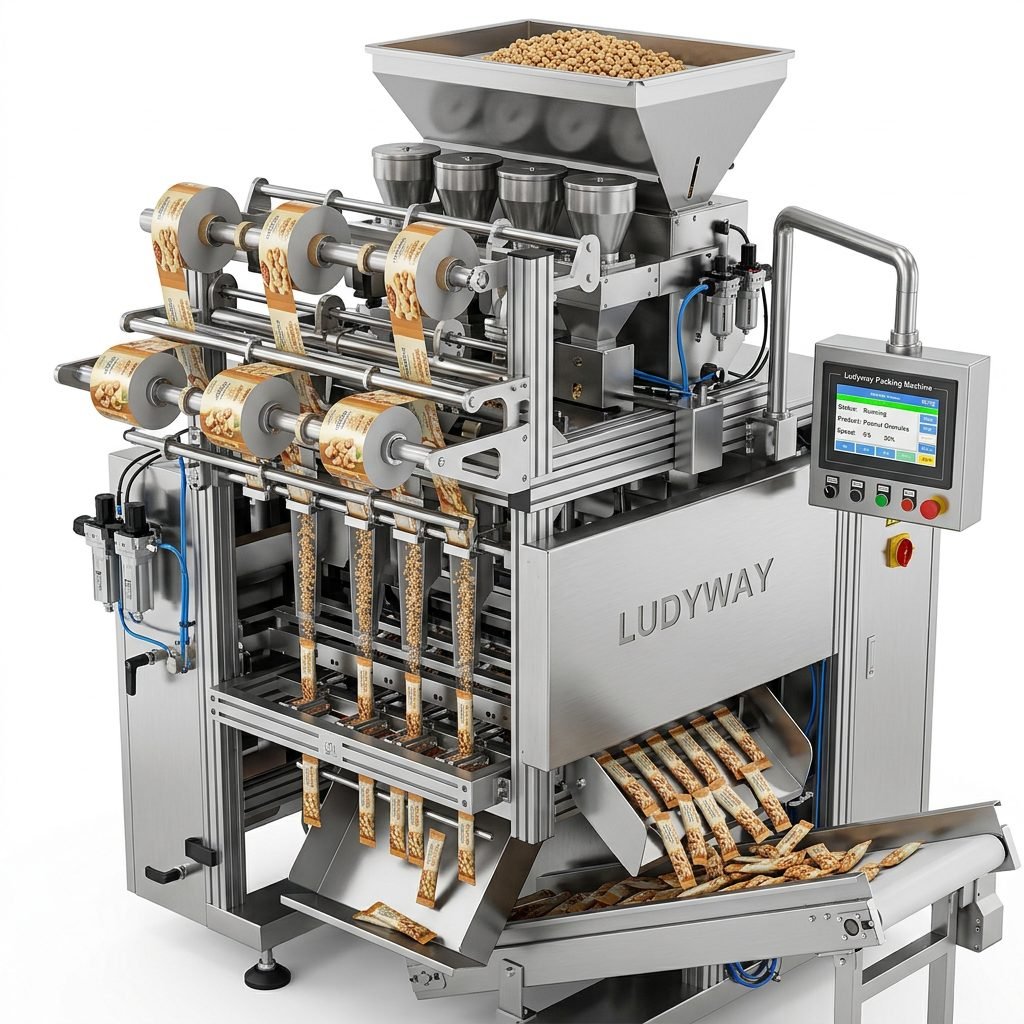
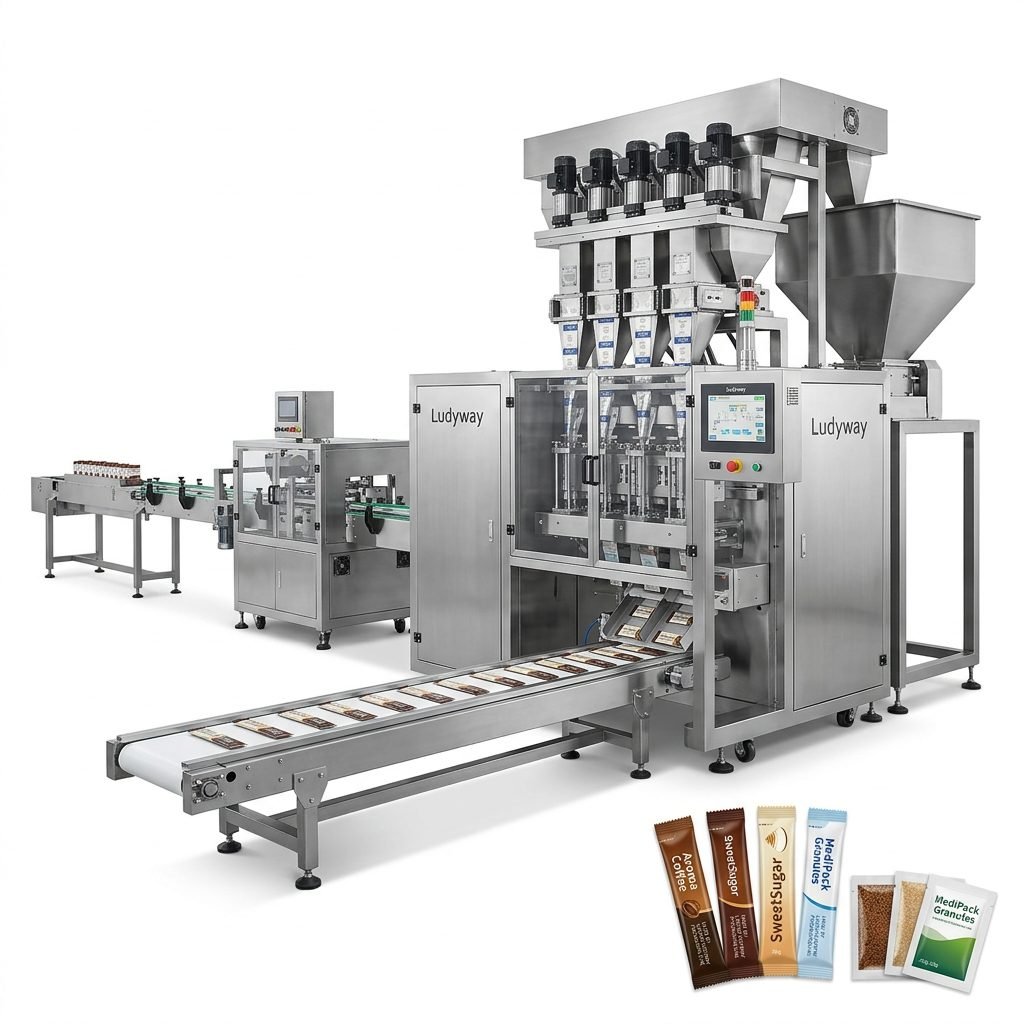
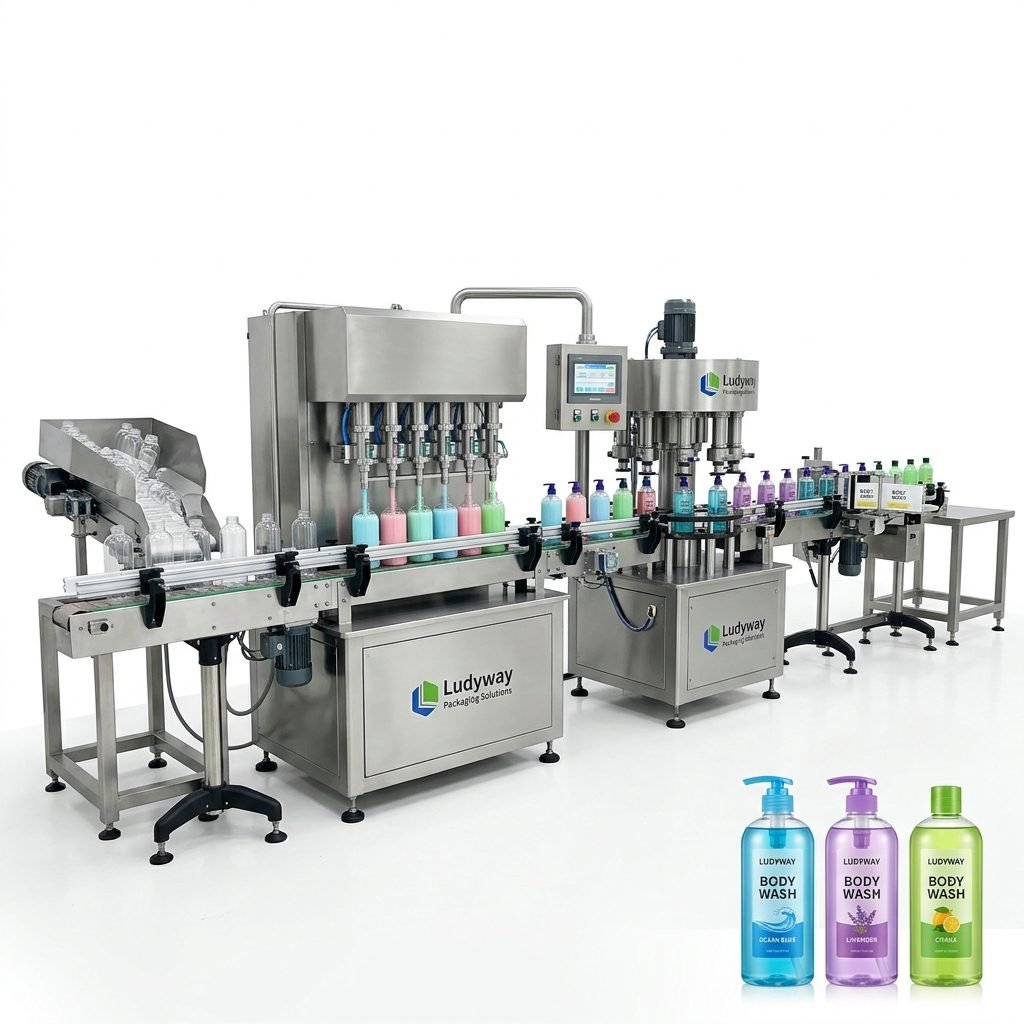
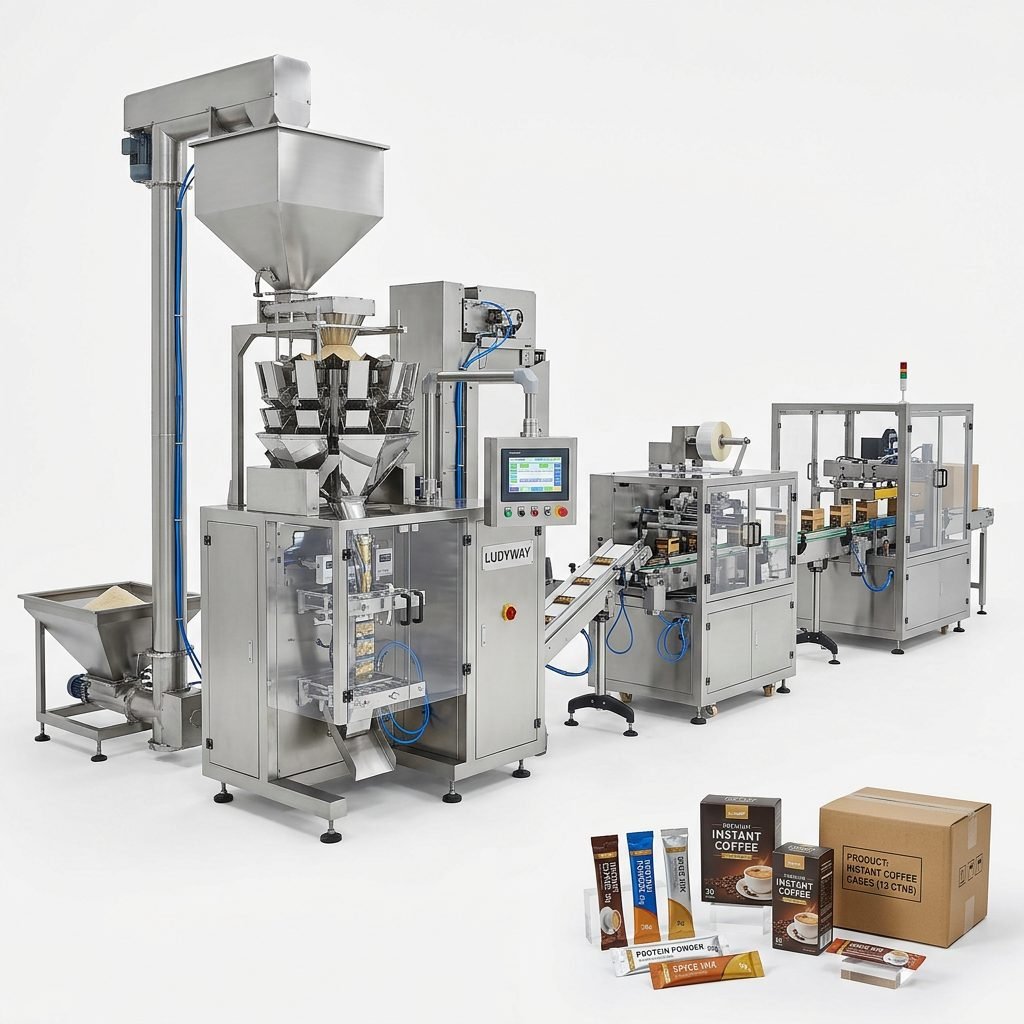
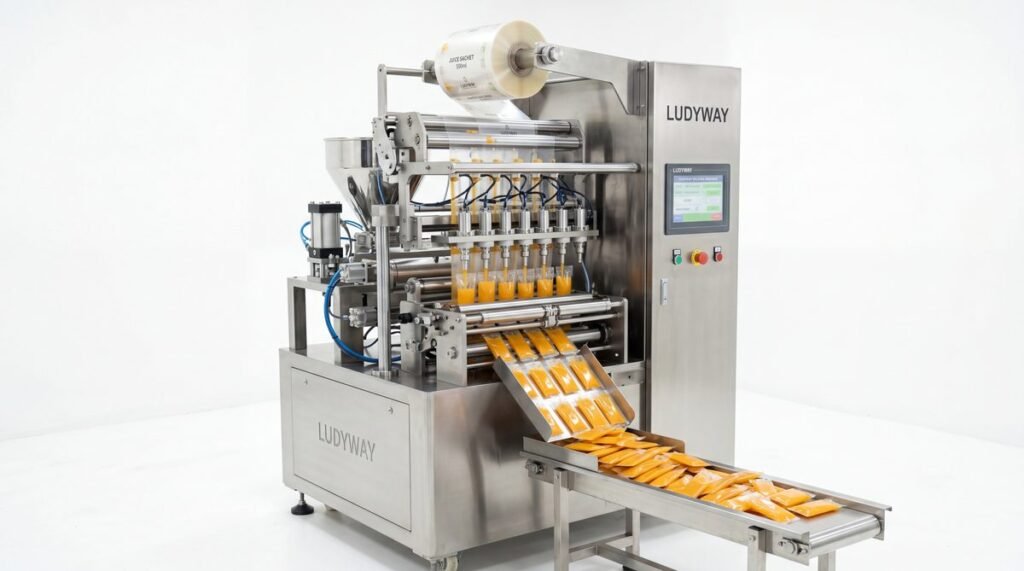
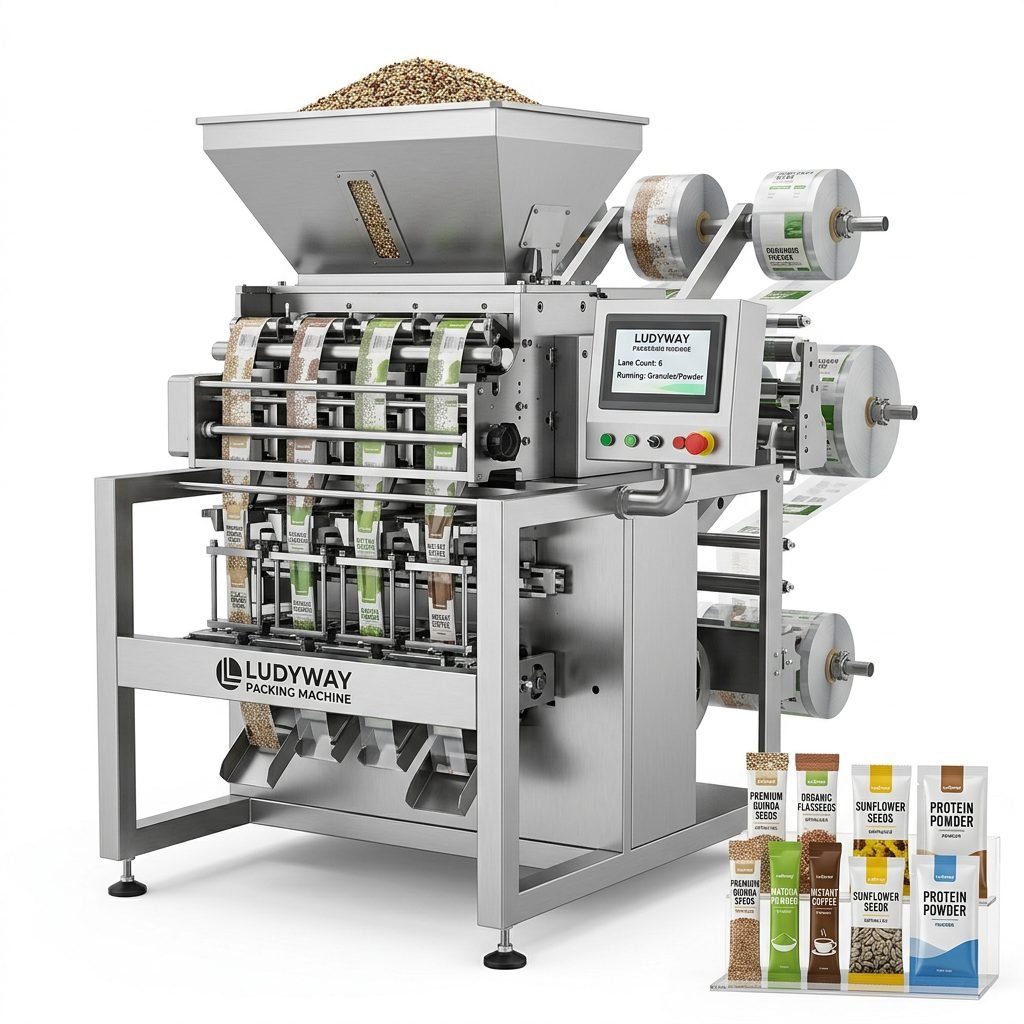
Incense products come in many forms, including sticks, cones, coils, powders, and aroma sachets. As market demand grows, manufacturers need packaging equipment that can improve output, protect fragrance quality, and create a more professional final presentation. An incense packaging machine is designed to automate the filling, sealing, counting, wrapping, or bagging process for incense products, helping businesses reduce labor costs and improve consistency.
Whether you run a small incense workshop or a large-scale fragrance manufacturing plant, choosing the right packaging system can directly affect production speed, product freshness, and brand image.
What Does an Incense Packaging Machine Do?
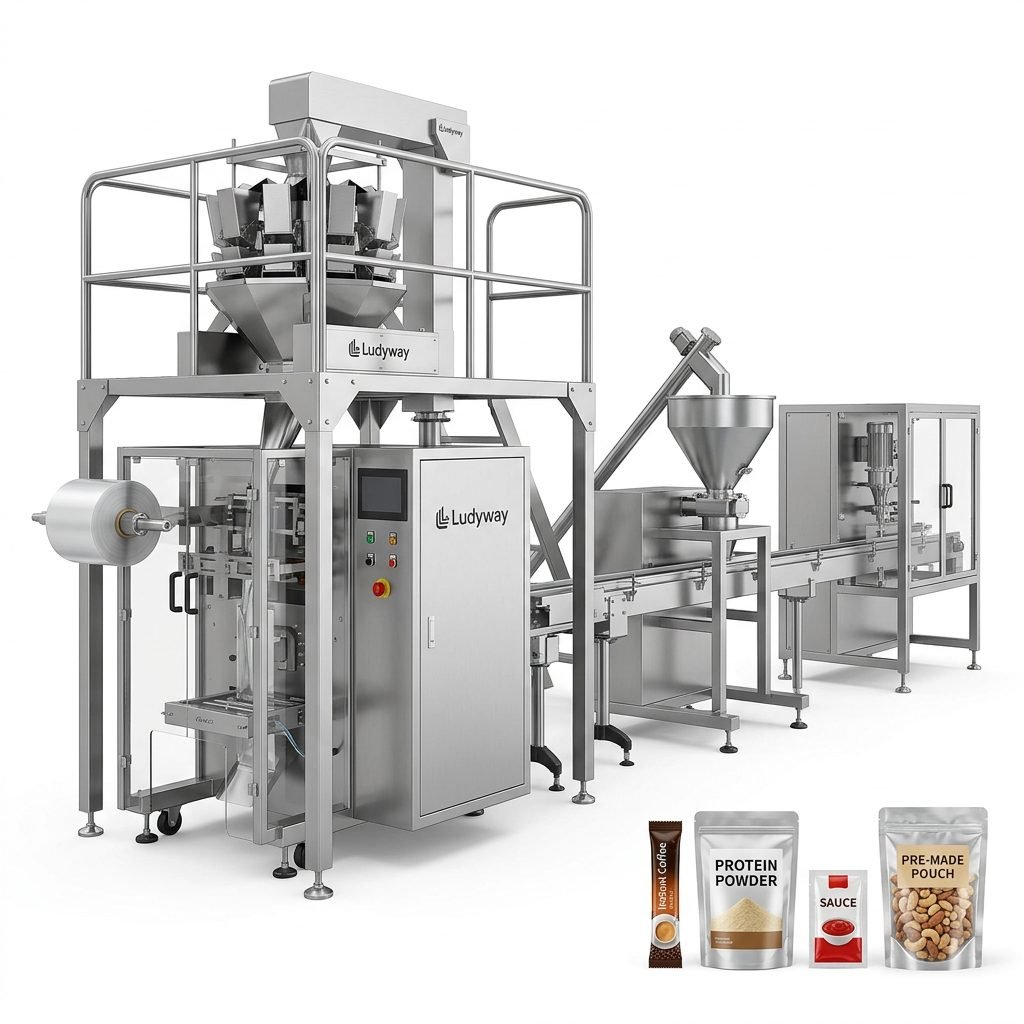
An incense packaging machine automates one or more steps in the packaging workflow. Depending on the product format, the machine may:
- Count incense sticks or bundles
- Fill incense powder or granules into sachets or pouches
- Wrap incense boxes with protective film
- Seal premade pouches or form-fill-seal bags
- Apply labels, date codes, or batch numbers
- Integrate with cartoning, boxing, and palletizing systems
For incense brands, packaging is more than just a protective layer. It also helps preserve aroma, prevent breakage, improve shelf appeal, and support retail or export compliance.
Types of Incense Packaging Machines
Different incense products require different machine structures. The most suitable equipment depends on material shape, packaging style, production volume, and required automation level.
| Machine Type | Suitable Incense Product | Main Function |
|---|---|---|
| Stick counting and bundling machine | Incense sticks | Counts, arranges, and bundles sticks |
| Sachet packing machine | Incense powder, fragrance blends | Fills and seals powder in sachets |
| Premade pouch packaging machine | Cones, granules, aroma products | Fills and seals pouches |
| Vertical form fill seal machine | Powder or small granule incense | Forms bags from film and packs automatically |
| Flow wrapping machine | Incense boxes, stick bundles | Wraps products in film for protection |
| Cartoning machine | Retail incense packs | Loads packaged products into cartons |
Key Features to Look For
Not all incense packaging machines offer the same performance. A good system should combine packaging precision, stable sealing, and easy operation.
1. Accurate Counting or Dosing
Incense sticks often need precise counting, while powder incense requires controlled dosing. Accuracy is critical to reduce product giveaway and avoid customer complaints.
2. Gentle Product Handling
Incense sticks and cones can be fragile. Machines should be designed to minimize product breakage during feeding, conveying, and sealing.
3. Reliable Sealing Performance
For scented powders or aroma products, a strong seal helps maintain fragrance and protect against moisture. Consistent sealing also improves storage life and export readiness.
4. Adjustable Packaging Formats
Manufacturers often produce different incense sizes or pack counts. Flexible machines can adapt to multiple bag sizes, pouch styles, or bundle dimensions.
5. Automation Integration
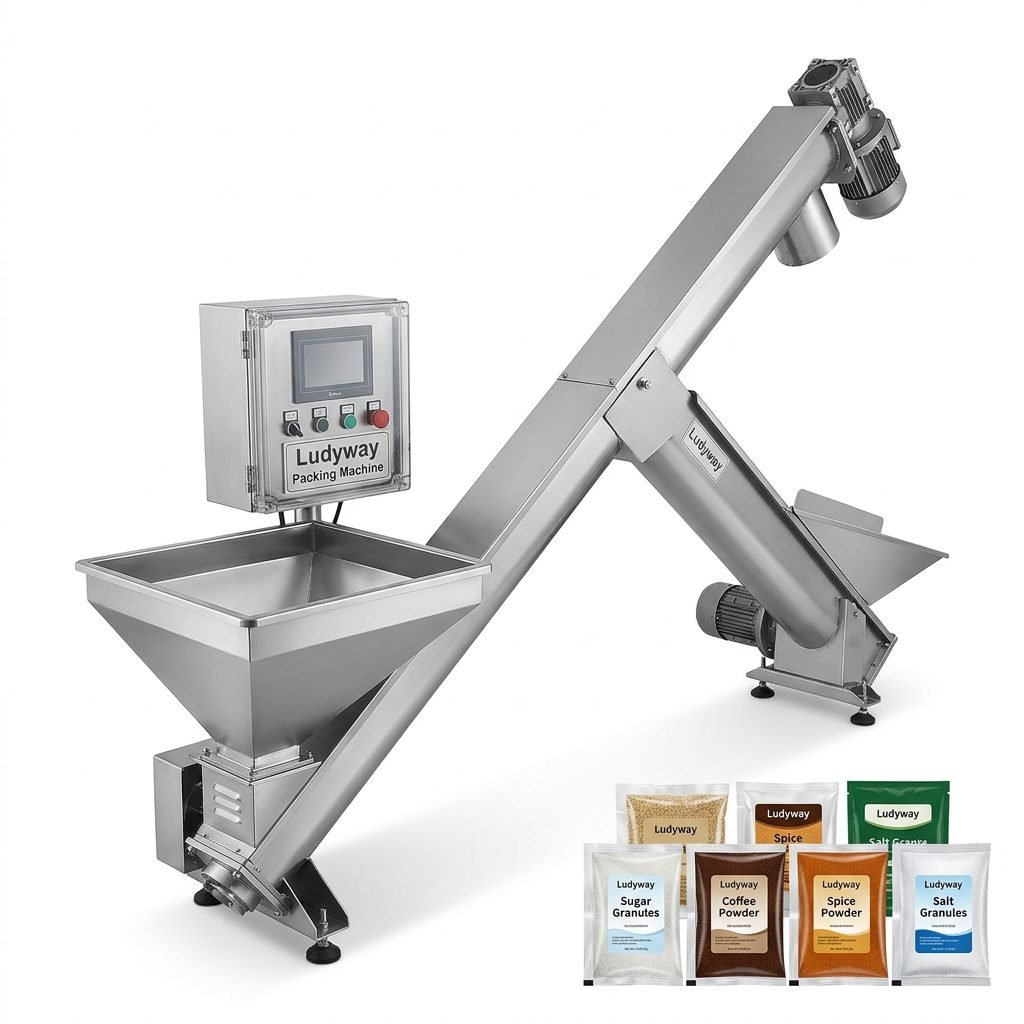
Many modern facilities connect packaging machines with feeders, conveyors, checkweighers, coding machines, cartoners, and case packers for a complete production line.
Main Benefits of Using an Incense Packaging Machine
- Higher production efficiency compared with manual packing
- Better packaging consistency in weight, count, and seal quality
- Lower labor dependence and reduced human error
- Improved hygiene and cleaner packaging conditions
- Lower material waste through precise control
- More professional retail appearance
- Scalability for growing brands and export markets
For incense businesses with frequent order fluctuations, automated systems also make production planning easier. Machines can maintain stable speeds over long runs, which is difficult to achieve with manual labor alone.
Who Uses Incense Packaging Machines?
These machines are suitable for a wide range of businesses in the fragrance and lifestyle sector, including:
- Incense stick manufacturers
- Natural fragrance brands
- Religious supply companies
- Aromatherapy product manufacturers
- Private label packaging companies
- Export-oriented consumer goods factories
They are especially useful for companies that need consistent packaging quality for wholesale, retail chains, e-commerce orders, or international shipment.
Common Packaging Formats for Incense Products
Incense products can be packed in several ways depending on branding, protection requirements, and price point.
| Packaging Format | Best For | Advantages |
|---|---|---|
| Plastic pouch | Powder incense, cones | Low cost, sealed protection |
| Paper box | Incense sticks | Retail-friendly, printable branding |
| Flow wrap pack | Bundles and cartons | Dustproof and tamper-evident |
| Sachet | Sample packs, powder blends | Portable and convenient |
| Premade pouch | Premium incense or mixed aroma products | Strong shelf appeal and reseal options |
How to Choose the Right Machine
Selecting the right incense packaging machine starts with understanding your product and output goals. Consider the following factors:
- Product type: stick, cone, coil, granule, or powder
- Packaging style: sachet, pouch, box, or wrap
- Production speed: small batch, medium output, or high-volume line
- Material characteristics: fragile, dusty, aromatic, or moisture-sensitive
- Level of automation: standalone unit or complete packaging line
- Customization needs: bag size, print registration, coding, or downstream equipment
If your product range is broad, it may be better to invest in a modular solution that can support multiple package types over time.
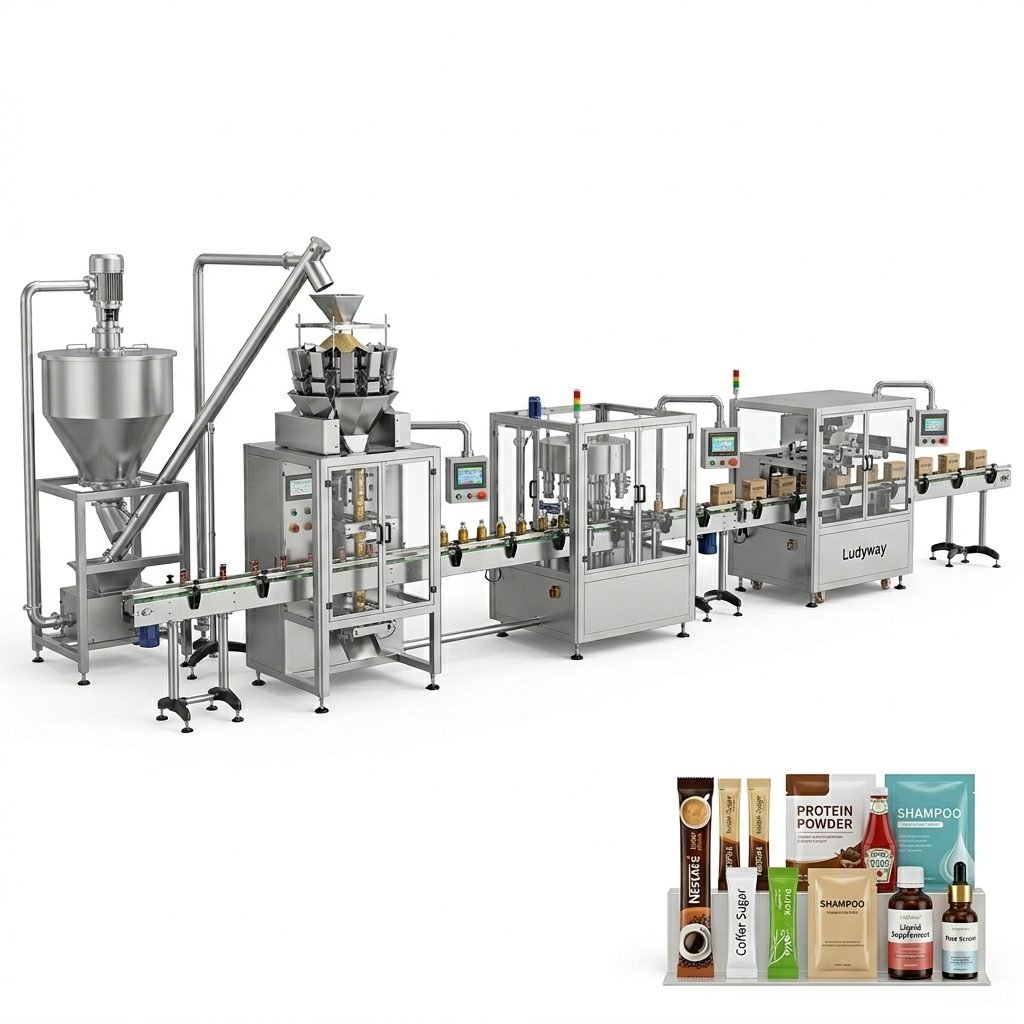
Can an Incense Packaging Machine Be Part of a Full Packaging Line?
Yes. Many manufacturers now prefer complete automated lines rather than single standalone machines. A full line may include:
- Feeding and conveying system
- Counting or dosing unit
- Primary packaging machine
- Date coding or printing machine
- Checkweigher or inspection equipment
- Cartoning and case packing system
- Palletizing or end-of-line handling
This setup helps improve workflow continuity, reduce manual transfer, and support more stable large-scale production.
Maintenance and Daily Operation Tips
To keep the machine running efficiently, operators should follow a simple preventive maintenance routine:
- Clean product contact parts regularly
- Check seals, cutters, and moving parts for wear
- Inspect sensors and feeding systems
- Monitor film tension and sealing temperature
- Calibrate weighing or dosing units when needed
- Train operators on proper format change procedures
Routine maintenance reduces downtime and helps maintain packaging quality over long production runs.
Why Manufacturers Choose Experienced Packaging Machine Suppliers
Buying the right machine is not only about hardware. It is also about engineering support, application matching, customization ability, and after-sales service. For businesses seeking flexible automation solutions, working with an experienced manufacturer is often the best long-term choice.
One option many buyers consider is Ludyway incense packaging machine solutions. As one of China’s leading packaging machine and turnkey packaging line manufacturers, the company has more than 30 years of experience, a factory covering over 20,000 square meters, and broad export experience across Europe, North America, the Middle East, South America, Africa, and Southeast Asia.
Final Thoughts
An incense packaging machine is a practical investment for manufacturers that want to improve packaging speed, reduce labor costs, and deliver more consistent product quality. From stick counting systems to sachet fillers and full turnkey lines, the right equipment can help incense brands scale production while protecting product appearance and aroma.
If you are evaluating packaging automation for incense products, focus on machine compatibility, packaging quality, flexibility, and supplier support. A well-matched system can create lasting value for both production efficiency and brand growth.