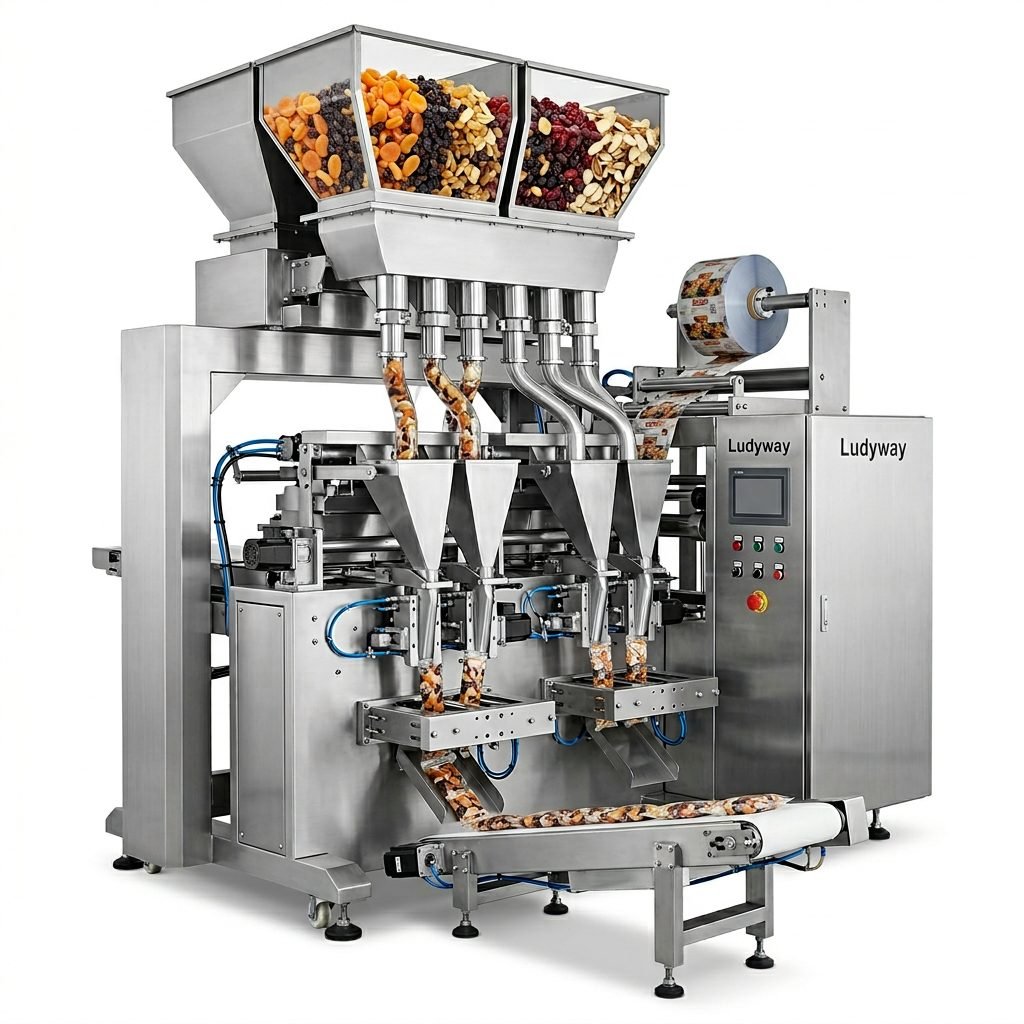
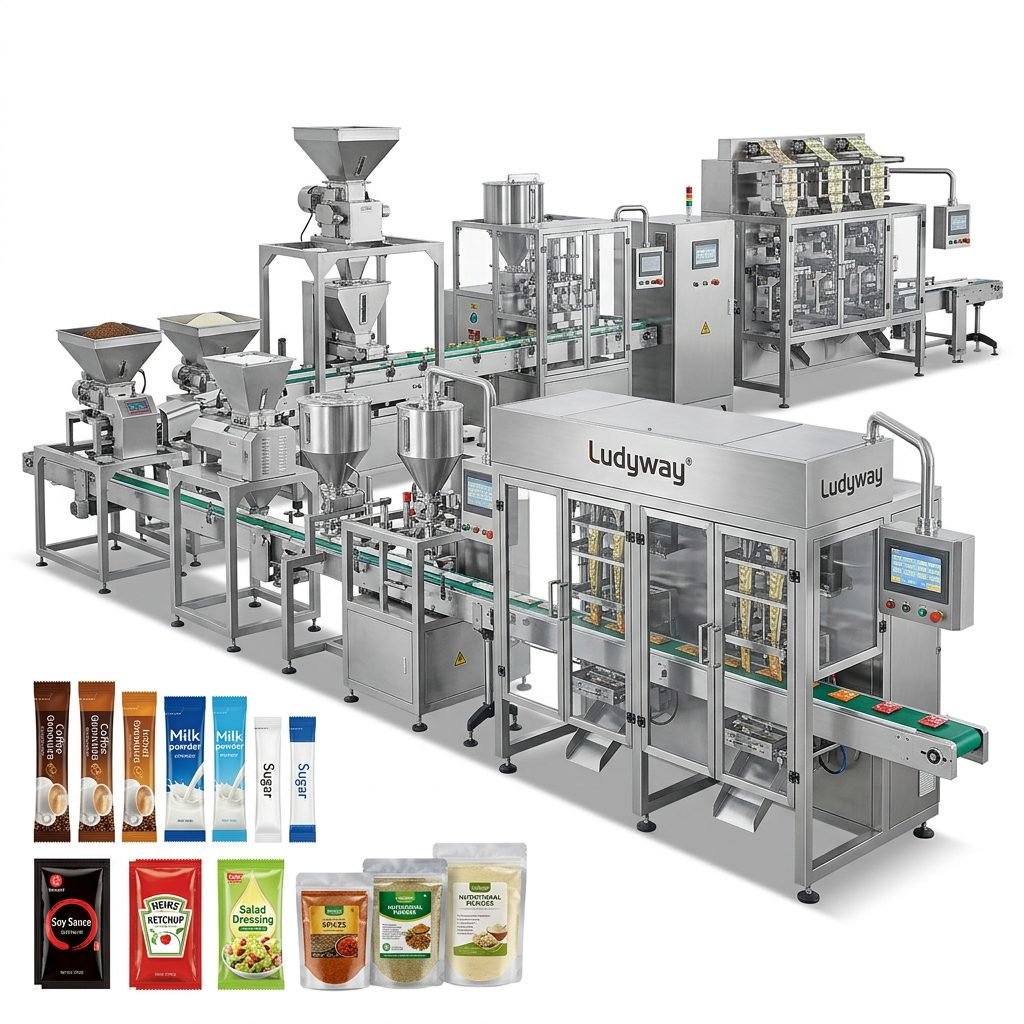
Finding the right manual pouch packing machine is not only about getting the lowest price. A cheaper machine can save money upfront, but it may cost more later through slower output, inconsistent sealing, material waste, or frequent maintenance. The best affordable option is the one that matches your product type, production target, labor situation, and future growth plan.
If you are comparing suppliers, machine structures, and price levels, this guide will help you evaluate what really matters before you buy.
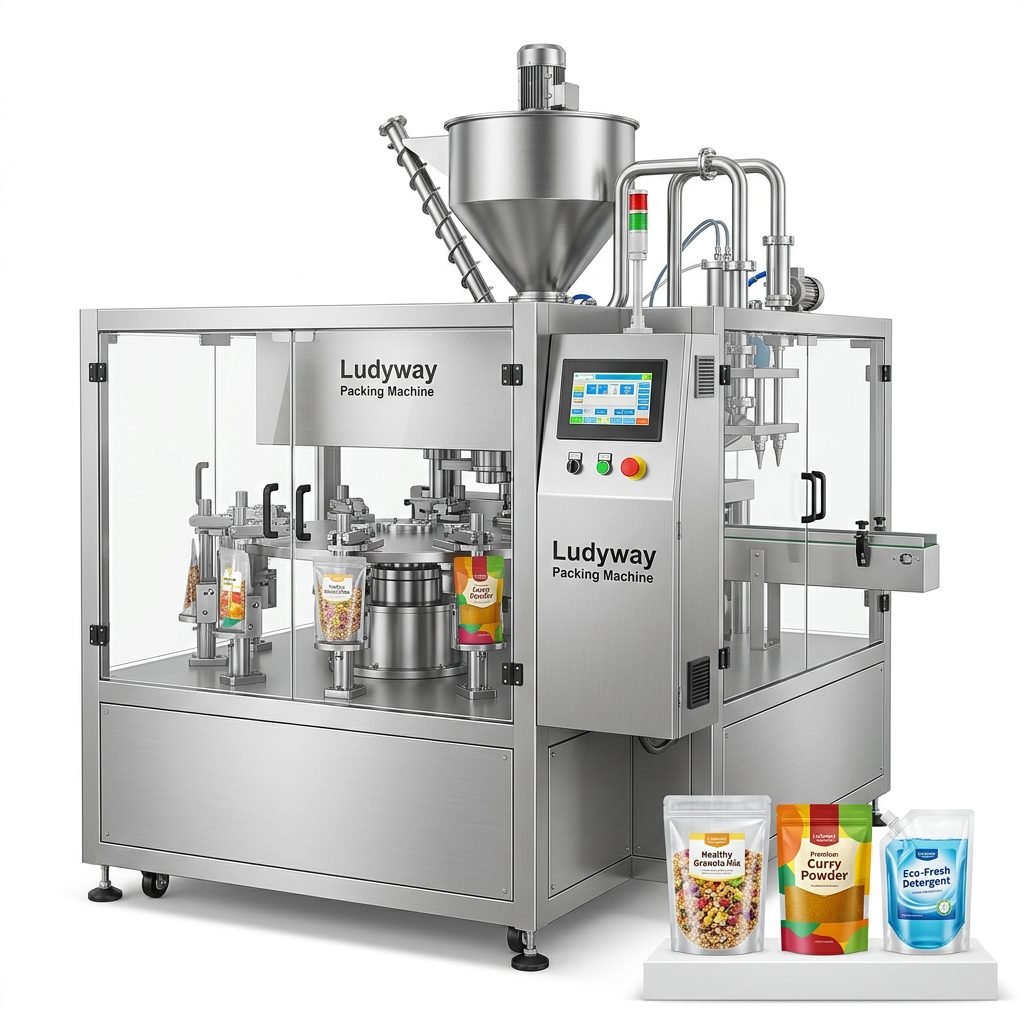
What Is a Manual Pouch Packing Machine?
A manual pouch packing machine is a packaging solution that requires human involvement for one or more steps, such as pouch feeding, filling, positioning, sealing, or discharge. These machines are commonly used by:
- Start-up brands
- Small food workshops
- Local spice and powder producers
- Cosmetic sample pack businesses
- Health supplement companies with limited output
- Factories testing a new pouch format before full automation
In many cases, “manual” can also include semi-automatic pouch packing machines, where the operator loads the pouch and the machine performs filling or sealing. These machines are popular because they offer a practical balance between budget and productivity.
How Much Does a Manual Pouch Packing Machine Cost?
Prices vary widely depending on machine type, material compatibility, filling method, sealing technology, and customization. In general, buyers can expect the following price ranges:
| Machine Type | Typical Price Range | Best For |
|---|---|---|
| Manual impulse sealer | US$30–US$300 | Simple pouch sealing only |
| Manual filling + sealing setup | US$500–US$2,500 | Low-volume powder, granule, or liquid products |
| Semi-automatic pouch filling machine | US$2,000–US$8,000 | Growing businesses needing better consistency |
| Semi-automatic filling and sealing machine | US$5,000–US$15,000+ | More professional pouch production with higher output |
Important: the cheapest machine online is not always the best value. A low quotation may exclude tooling, air compressor requirements, spare parts, molds, voltage adaptation, after-sales support, or shipping.
Main Factors That Affect Price
1. Product Type
Different products require different dosing systems. Powder, granules, liquids, and pastes all behave differently during filling.
- Powder: often uses auger filling
- Granules: may use cup fillers or weighing systems
- Liquid: generally uses piston or pump filling
- Paste: needs stronger filling control and anti-drip design
2. Pouch Size and Material
A machine built for small sachets is not the same as one made for larger stand-up pouches. Foil laminates, PE, PET, and paper-plastic materials also affect sealing requirements and machine design.
3. Output Capacity
If you only need a few hundred pouches per day, a basic manual setup may be enough. If your target is several thousand packs per shift, a semi-automatic or automatic solution will usually be more cost-effective over time.
4. Accuracy Requirements
Products sold by weight, especially supplements, pharmaceuticals, and premium foods, need accurate filling. Better precision usually means higher equipment cost.
5. Build Quality and Compliance
Machines made with stainless steel contact parts, better electrical components, and stricter quality inspection standards normally cost more, but they also tend to last longer and perform more reliably.
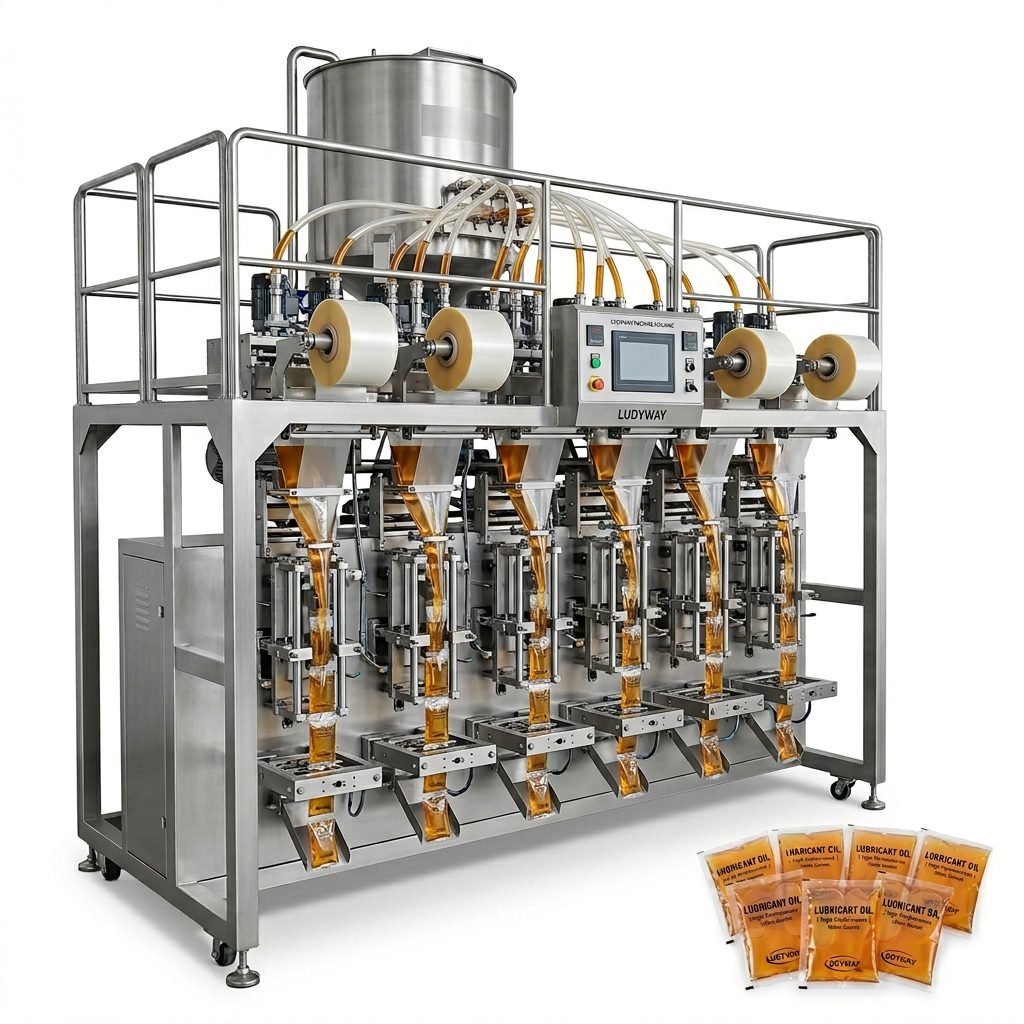
How to Choose the Best Affordable Option
Know Your Real Production Needs
Before asking for a quotation, define your actual production scenario. You should know:
- What product you are packing
- What pouch type you use
- Required fill weight or volume
- Daily or hourly production target
- Desired seal quality
- Available workspace and utilities
Many buyers overbuy or underbuy because they focus on price first instead of process matching.
Compare Total Cost, Not Just Machine Price
A smart buying decision looks at the full ownership cost. Ask suppliers about:
- Shipping and packaging cost
- Installation needs
- Operator training
- Maintenance intervals
- Spare parts availability
- Lead time for replacement components
- Expected wear parts cost
Choose Based on Product Stability
If your product has high value or strict weight consistency requirements, spending slightly more on a more stable filling system can significantly reduce giveaway and waste.
Check Upgrade Potential
The best affordable machine is often one that allows future upgrades. For example, you may start with manual pouch feeding and later add a coding printer, conveyor, weighing system, or sealing upgrade.
Manual vs Semi-Automatic vs Automatic: Which One Makes Sense?
| Option | Investment Level | Labor Demand | Output | Recommended For |
|---|---|---|---|---|
| Manual | Low | High | Low | Startups, samples, trial production |
| Semi-automatic | Medium | Medium | Medium | SMEs needing better efficiency |
| Automatic | High | Low | High | Factories scaling production |
For many small and mid-sized businesses, a semi-automatic pouch packing machine is often the best affordable option because it improves consistency without requiring the larger budget of a full automatic line.
Key Questions to Ask Before Buying
- Can the machine handle my exact pouch dimensions?
- Is it suitable for my product density, flowability, and moisture level?
- What accuracy can it achieve under real working conditions?
- What parts contact the product?
- How easy is cleaning and changeover?
- What warranty is included?
- Can the supplier provide video testing with my sample?
- Is technical support available after shipment?
Common Mistakes Buyers Make
- Choosing only by the lowest online quote
- Ignoring sealing compatibility with pouch materials
- Not verifying filling accuracy
- Buying a machine without spare parts support
- Overestimating labor savings from a basic manual model
- Skipping sample testing before production purchase
Tip: If your product is planned for retail distribution, visual sealing quality and pack consistency matter just as much as price. An affordable machine should still produce professional-looking pouches.
Who Should Buy a Manual Pouch Packing Machine?
A manual pouch packing machine can be a good choice if you meet most of the following conditions:
- Your production volume is still relatively low
- Your labor cost is manageable
- You need a low-risk entry investment
- You are validating a new product or pouch design
- You want a backup machine for short runs or special orders
However, if you already have stable orders and repeat packaging demand, moving directly to a more efficient system may deliver better long-term returns.
Choosing a Reliable Supplier Matters
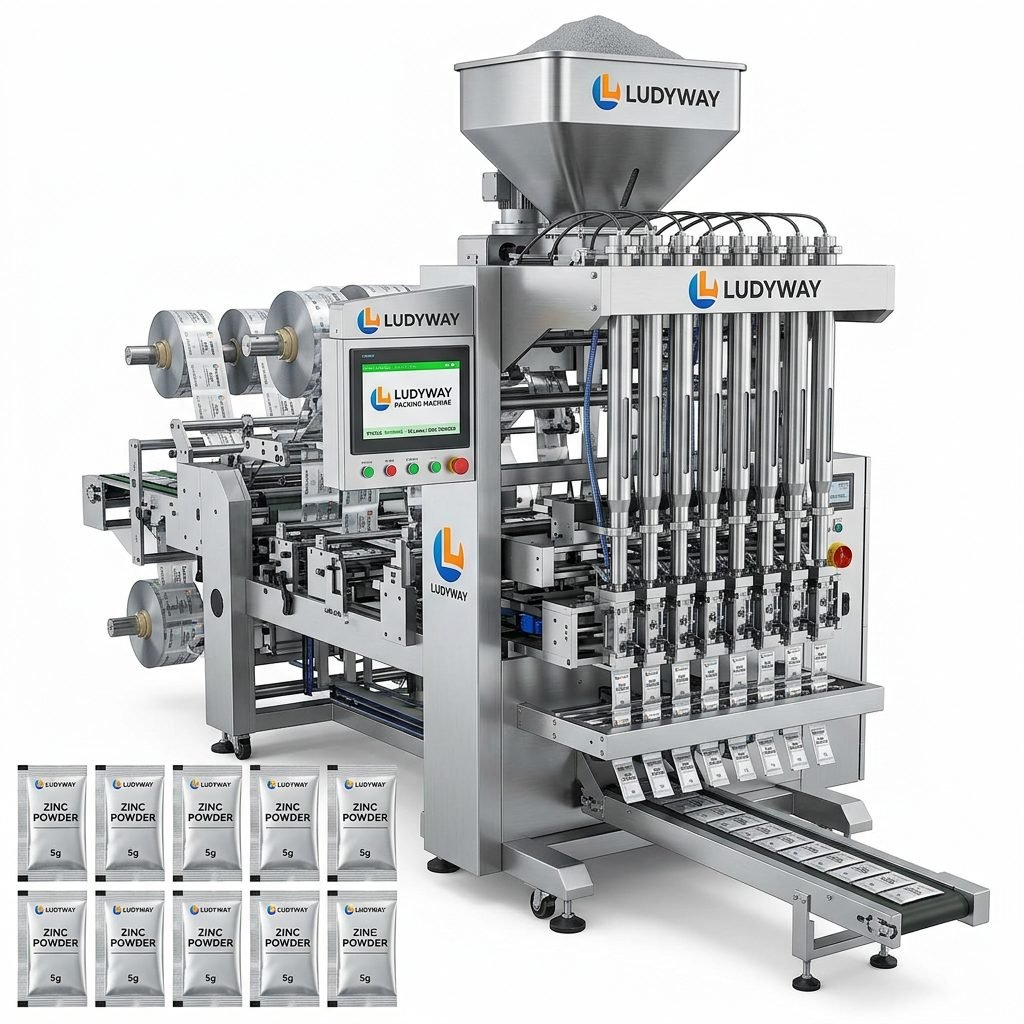
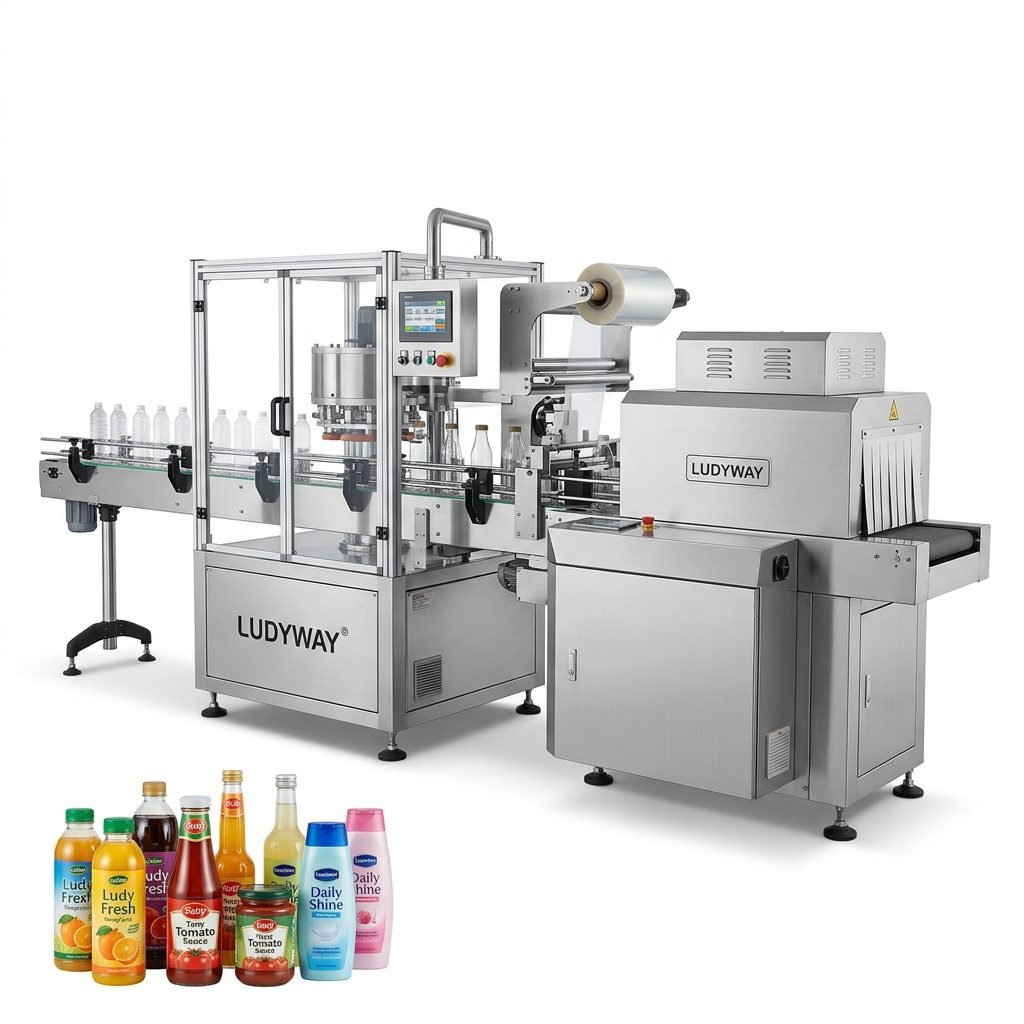
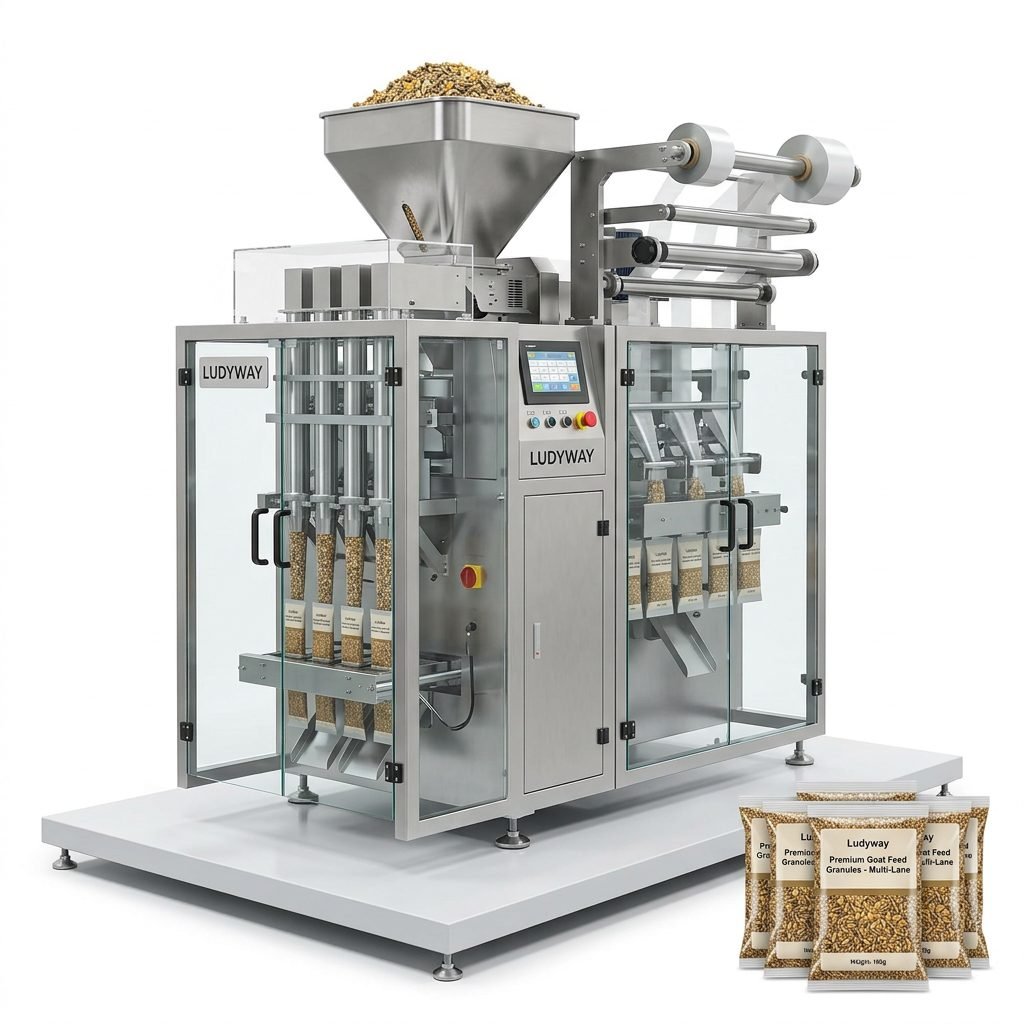
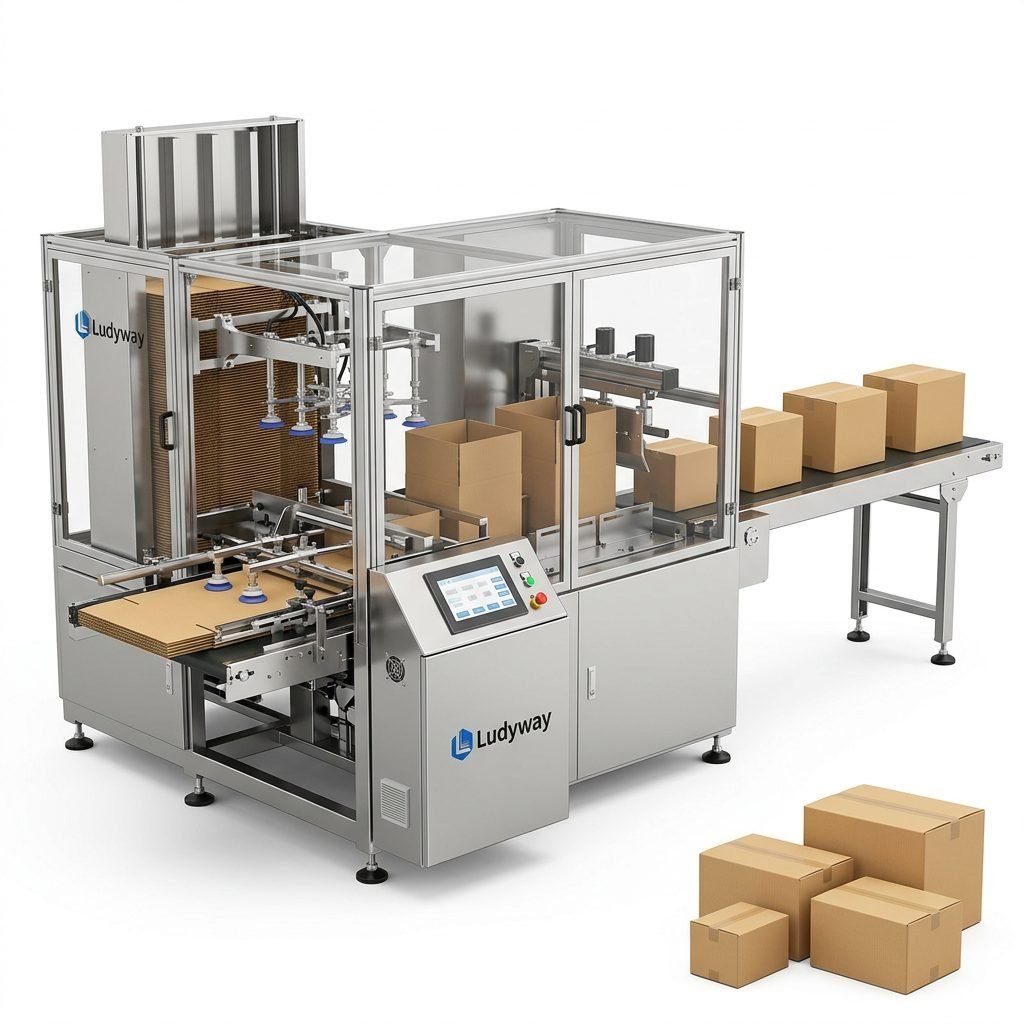
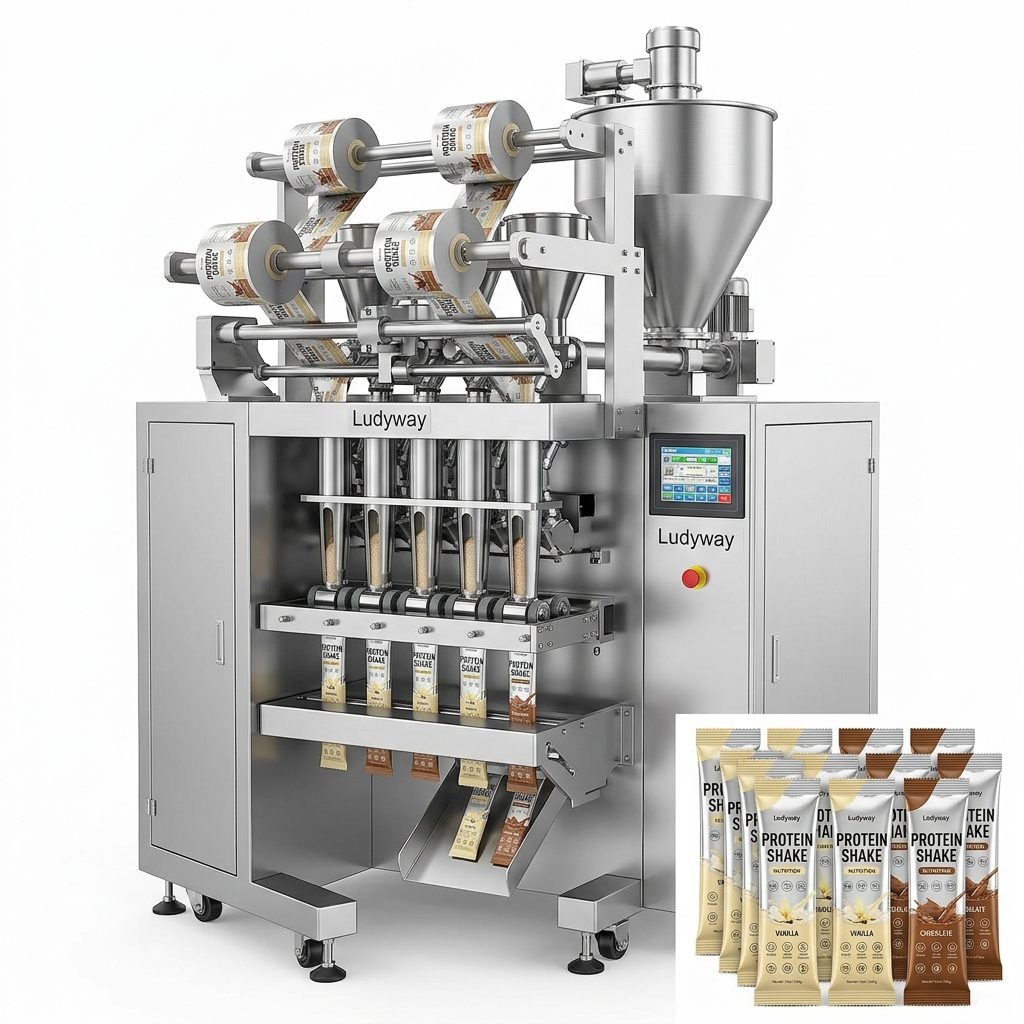
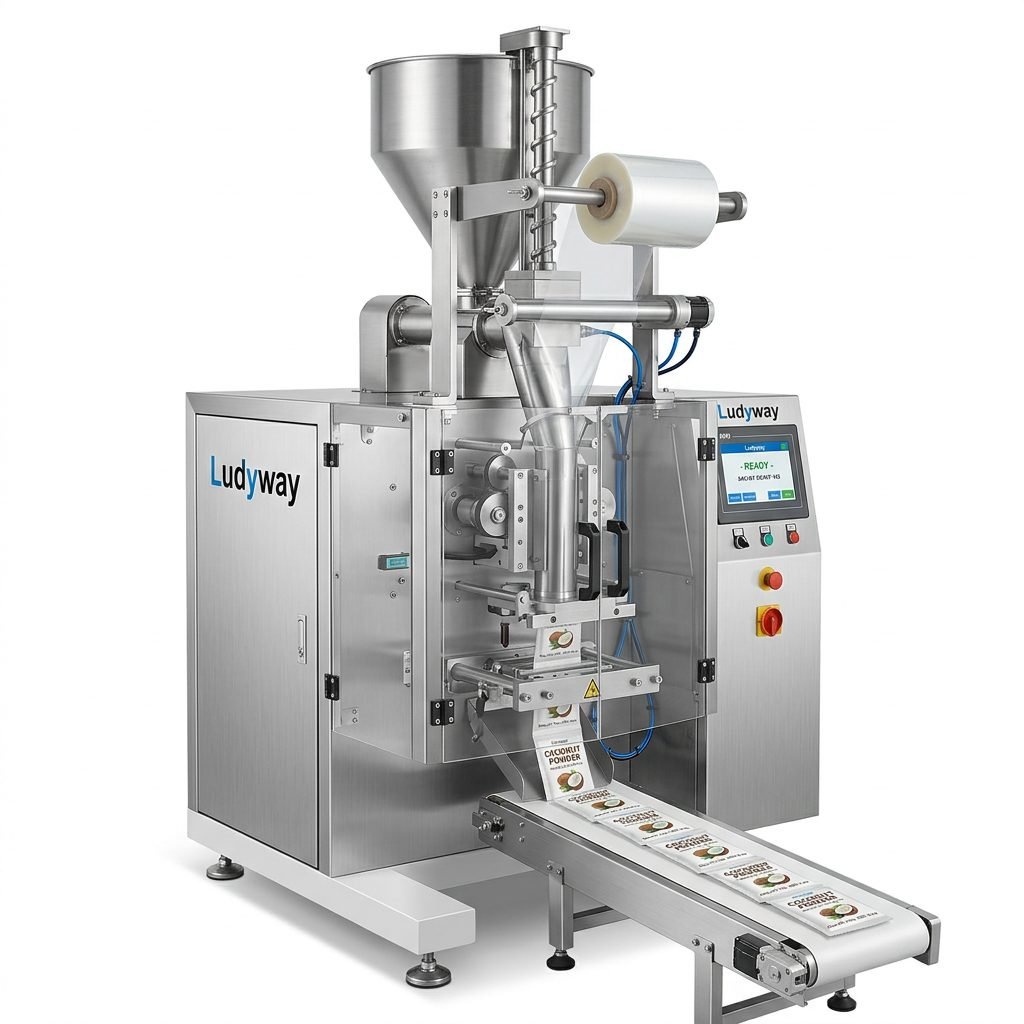
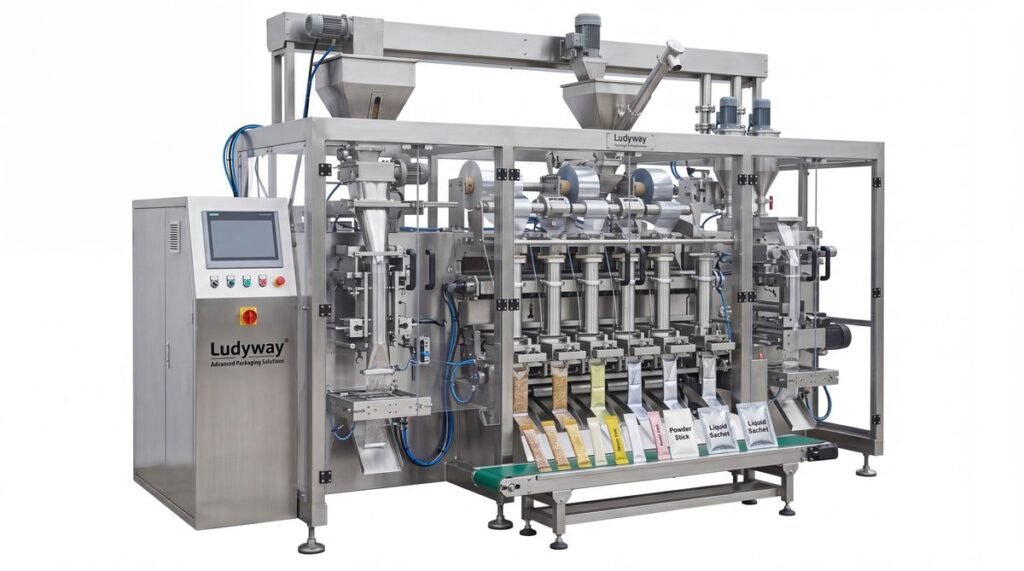
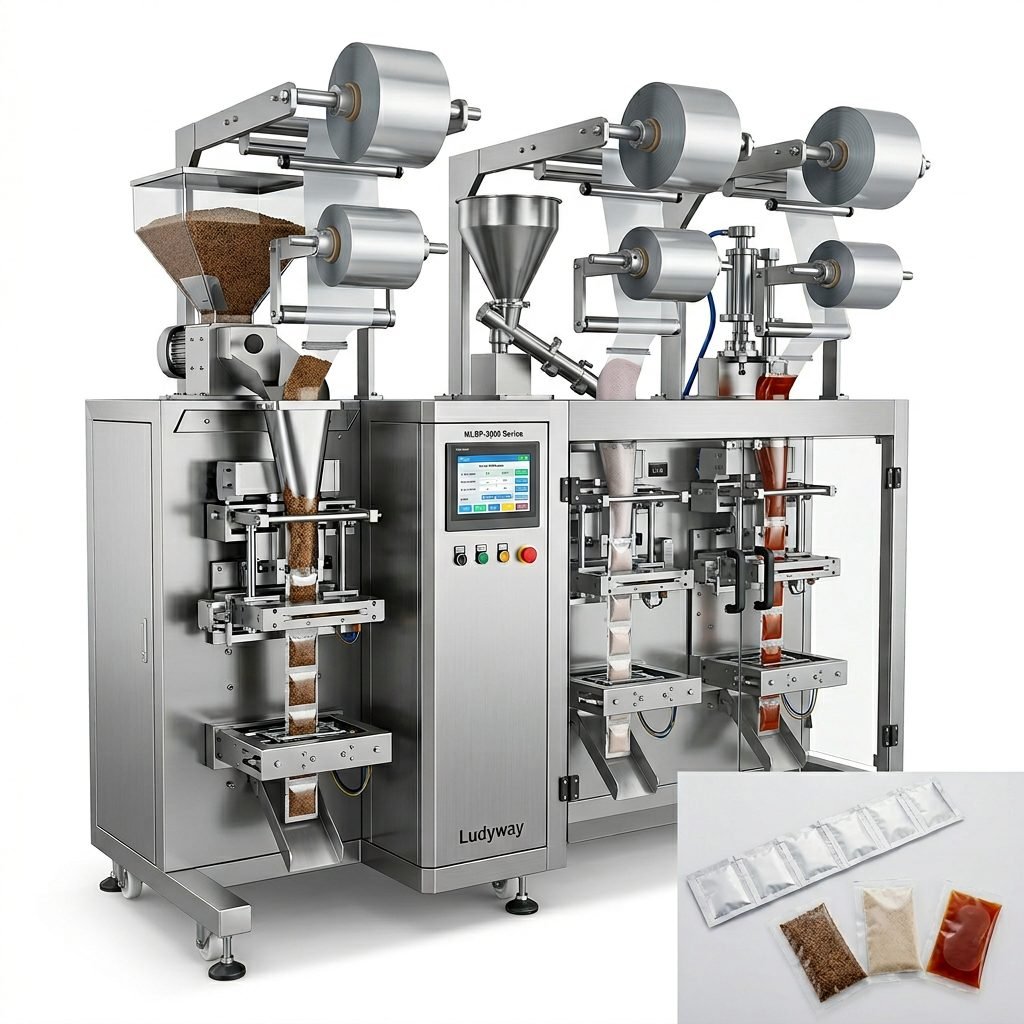
Price alone does not guarantee a successful purchase. A reliable manufacturer should understand packaging applications, machine matching, and technical support. One option buyers often evaluate is manual pouch packing machine solutions from Ludyway, a packaging equipment manufacturer with extensive experience in food, pharmaceutical, health supplement, and pouch-based production systems.
When selecting a supplier, look for:
- Industry experience
- Machine testing capability
- Application-specific recommendations
- Export experience
- Responsive communication
- Clear documentation and after-sales service
Final Buying Checklist
| Checklist Item | Why It Matters |
|---|---|
| Product type confirmed | Ensures correct filling system |
| Pouch size and material verified | Prevents sealing and fit problems |
| Target output calculated | Avoids under-capacity or overspending |
| Sample testing completed | Validates real performance |
| Spare parts and support confirmed | Reduces downtime risk |
| Upgrade path considered | Supports future growth |
Conclusion
The best affordable manual pouch packing machine is the one that fits your product, budget, and production goals without creating hidden costs later. Instead of chasing the absolute lowest price, focus on application fit, stable performance, service support, and future flexibility. That approach will help you choose a machine that is not only affordable today, but also profitable over time.