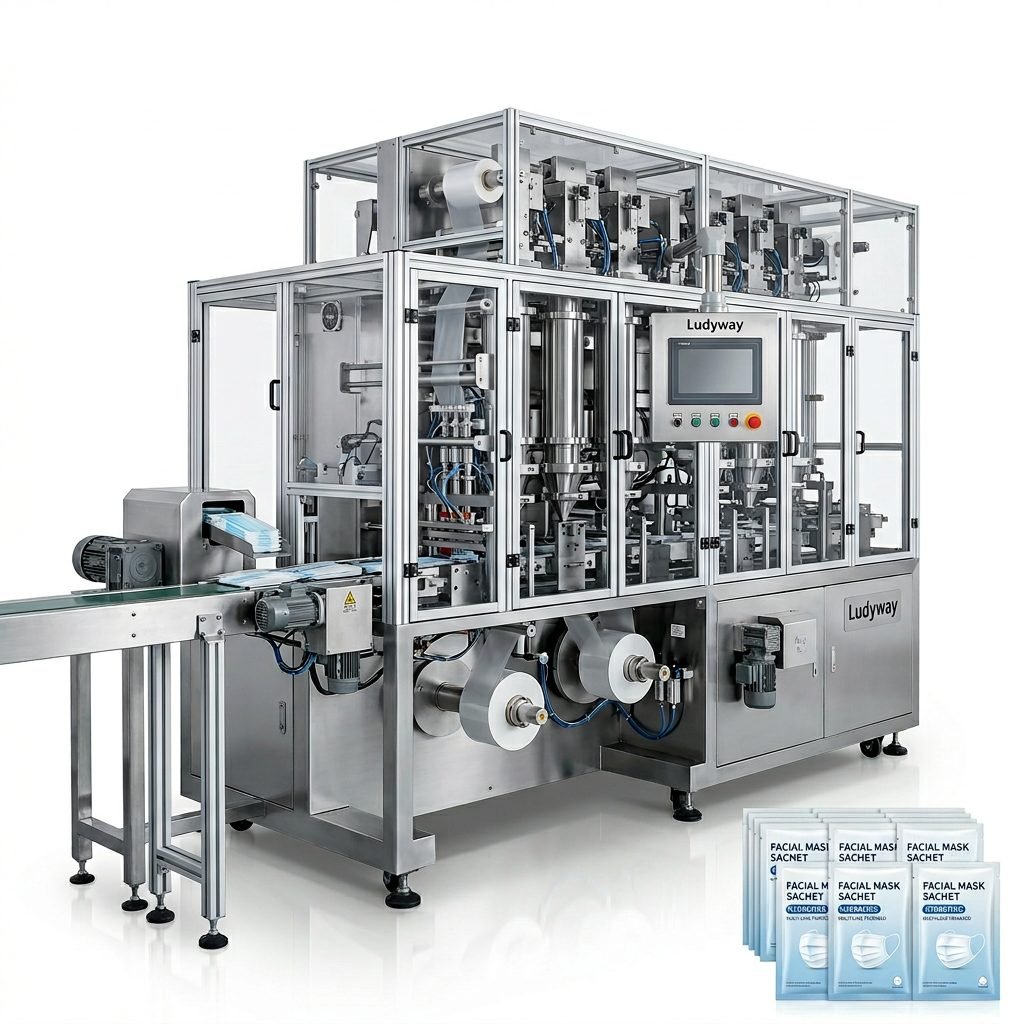
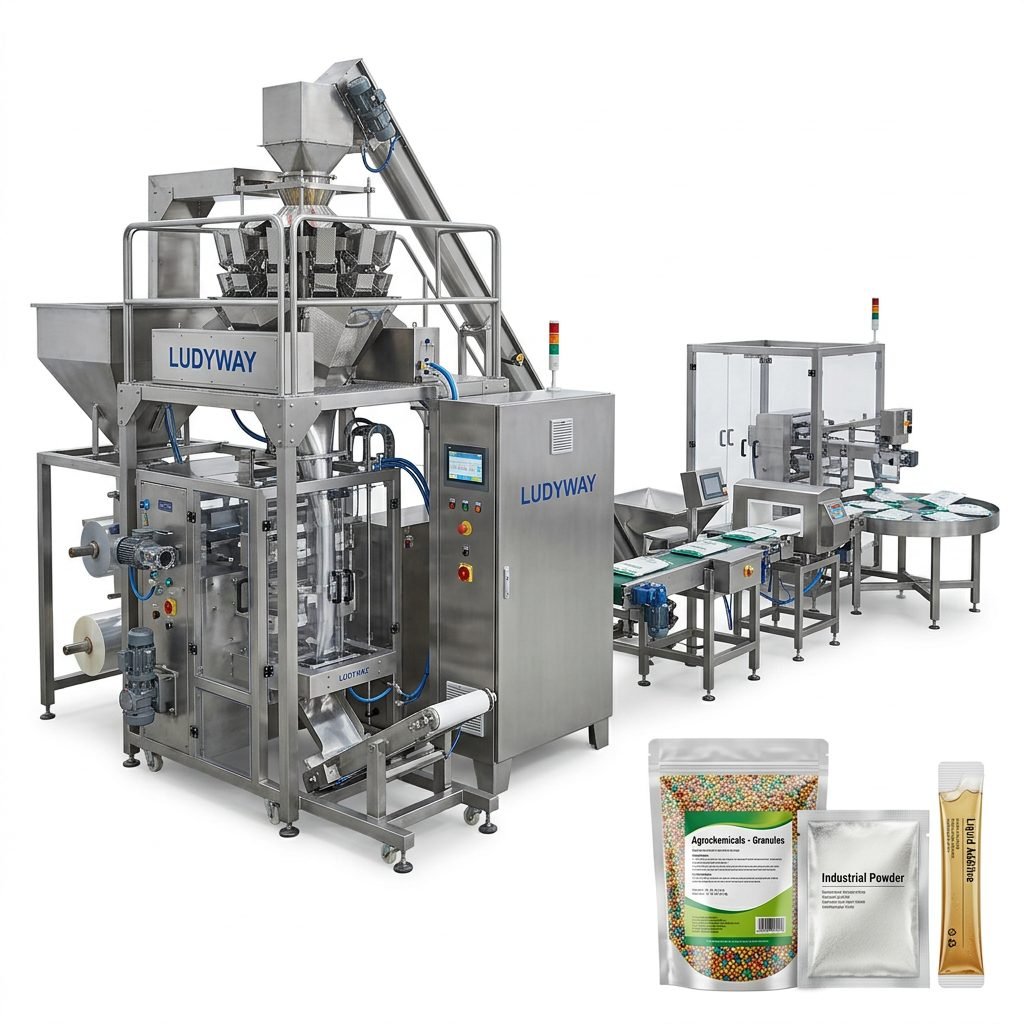
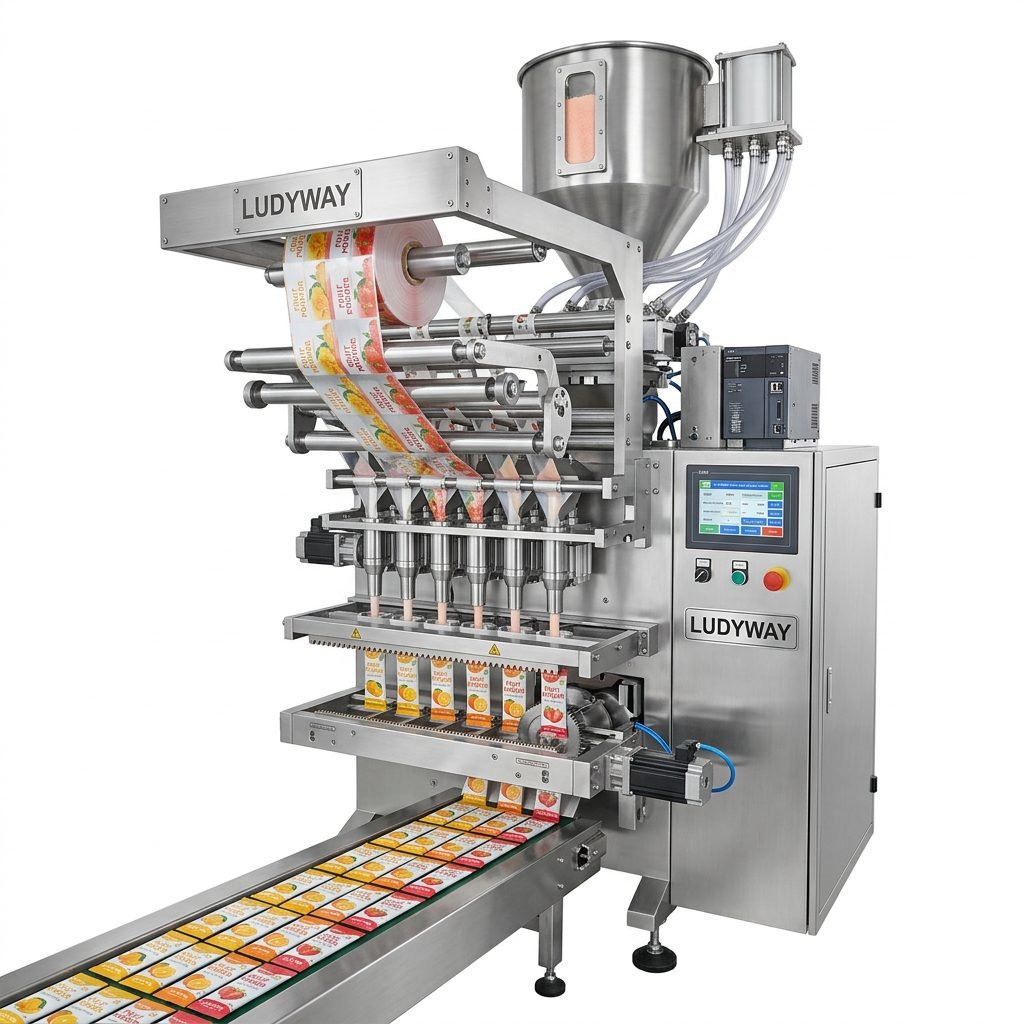
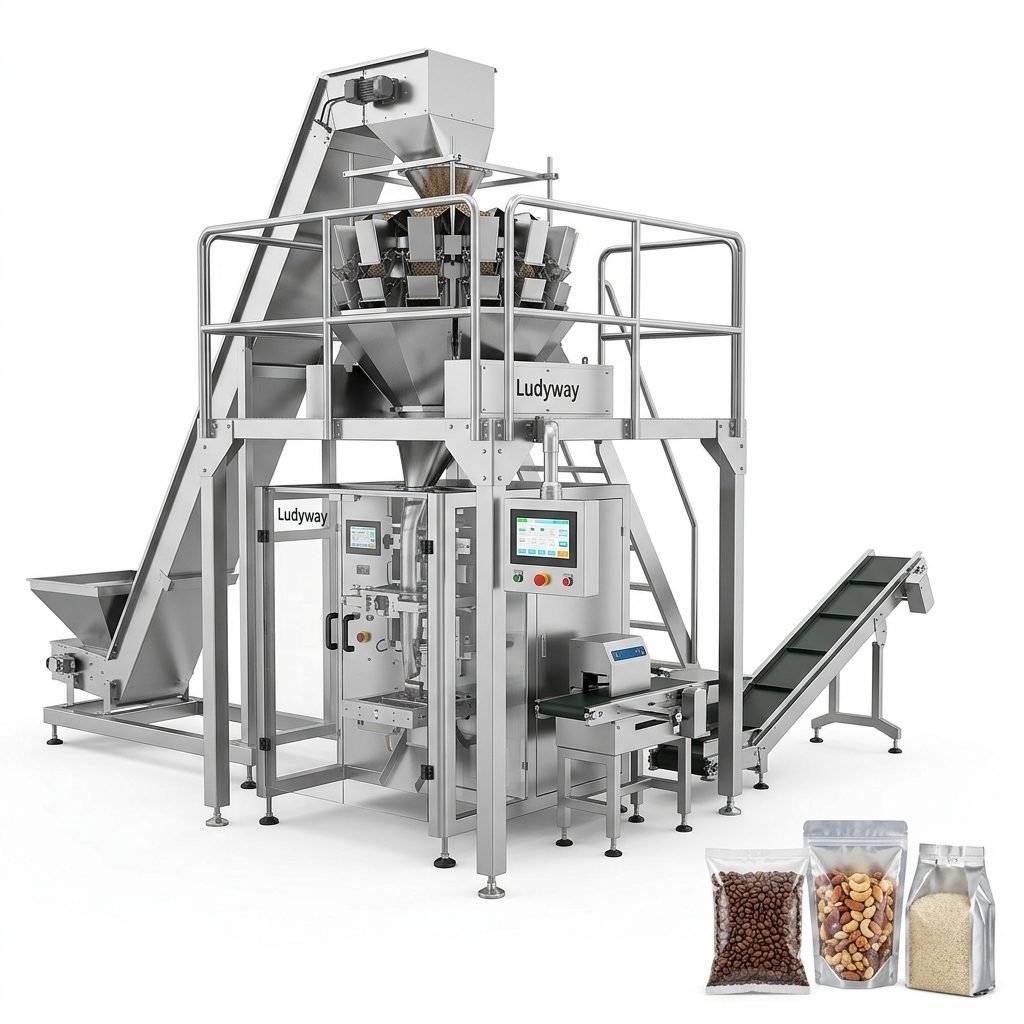
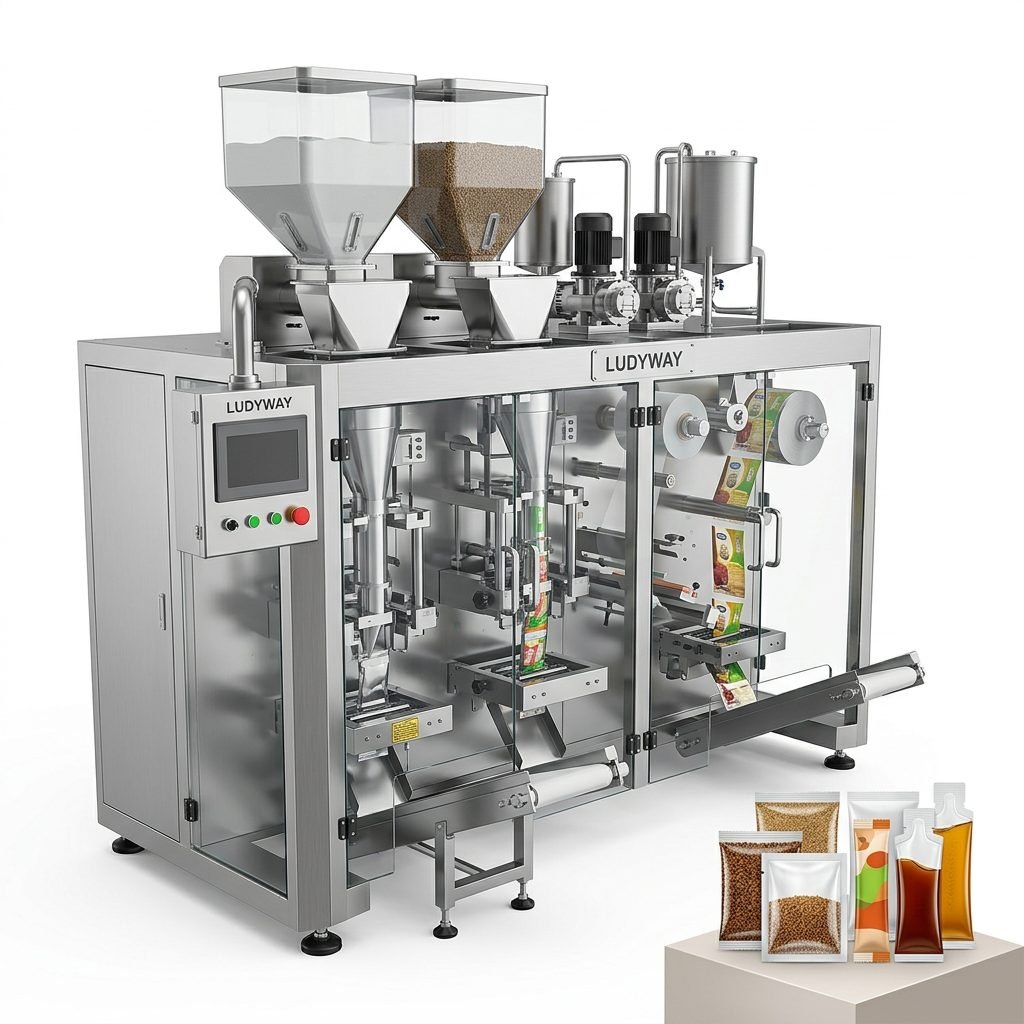
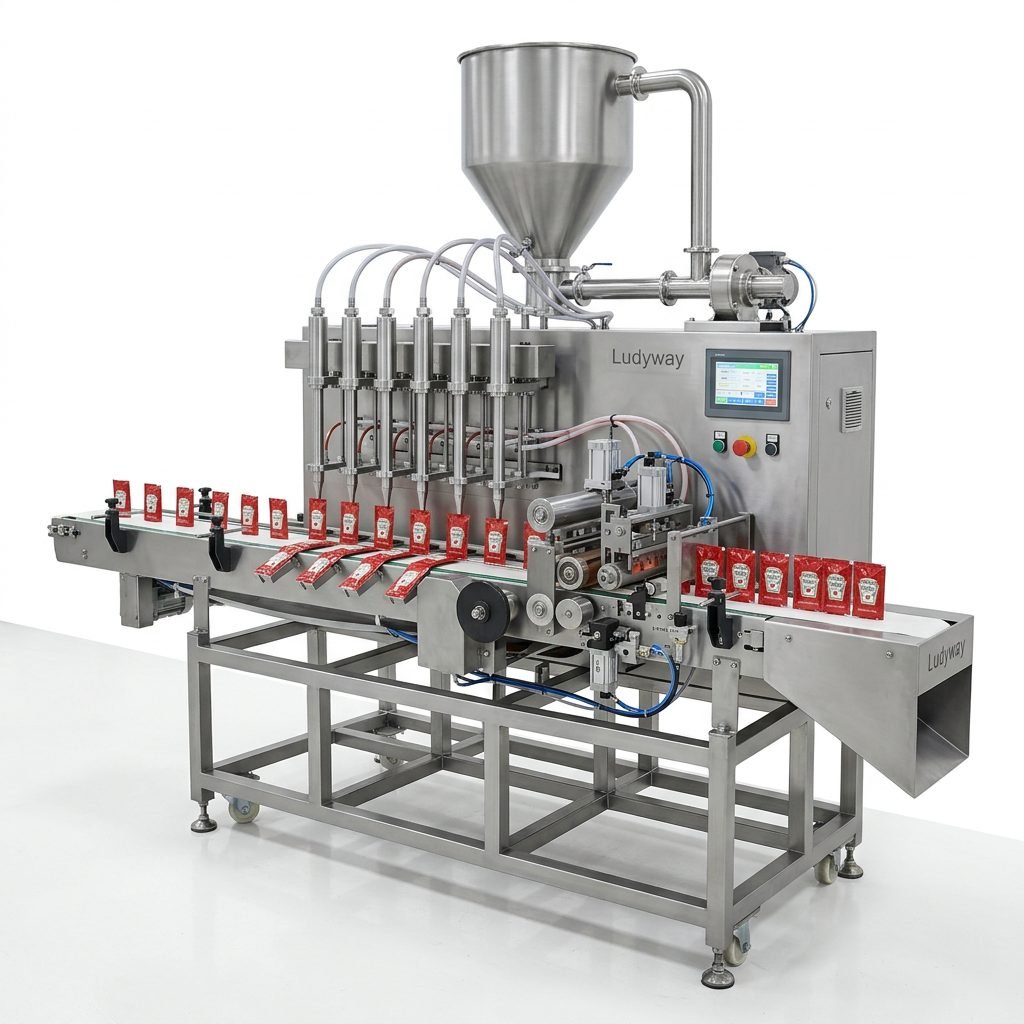
Food packaging automation refers to the use of machines, sensors, software, conveyors, vision systems, and integrated controls to package food products faster, more accurately, and more consistently than manual operations. It covers everything from product feeding and weighing to filling, sealing, coding, inspection, cartoning, case packing, and palletizing.
As food manufacturers face rising labor costs, tighter hygiene standards, shorter delivery cycles, and growing product variety, automated packaging has become a practical strategy rather than a luxury. Smart packaging solutions help businesses improve output, reduce waste, protect product quality, and build a more scalable production system.

Why Food Packaging Automation Matters
Modern food packaging is no longer just about putting products into bags or pouches. It is a critical part of food safety, shelf-life protection, brand presentation, traceability, and production efficiency. Manual packaging processes may work at a small scale, but they often struggle with:
- Inconsistent fill weights
- Higher labor dependency
- Slower production speeds
- Greater contamination risk
- More packaging waste and rework
- Limited data visibility
Automated systems solve these issues by standardizing repetitive tasks and enabling better process control. For food brands selling powders, granules, sauces, snacks, frozen foods, coffee, seasonings, supplements, and liquid products, automation can directly improve profit margins and operational stability.
What Is Included in a Food Packaging Automation System?
A complete food packaging automation line can include a single machine or a fully connected turnkey solution. The exact setup depends on product type, package format, output target, and factory layout.
| System Component | Main Function | Typical Food Applications |
|---|---|---|
| Feeding & Conveying Equipment | Transfers raw product automatically | Powders, granules, snacks, frozen ingredients |
| Weighing / Dosing Systems | Controls fill accuracy | Sugar, coffee, seasoning, flour, protein powder |
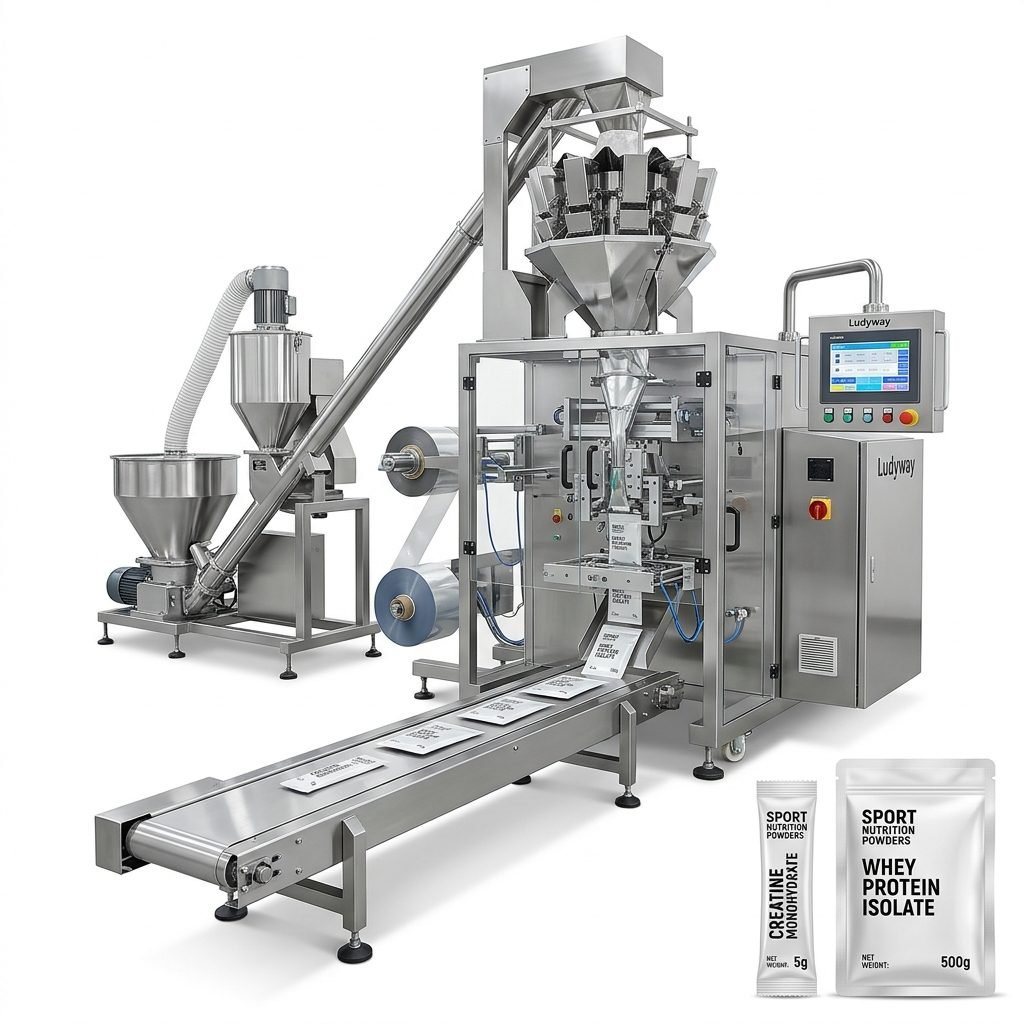
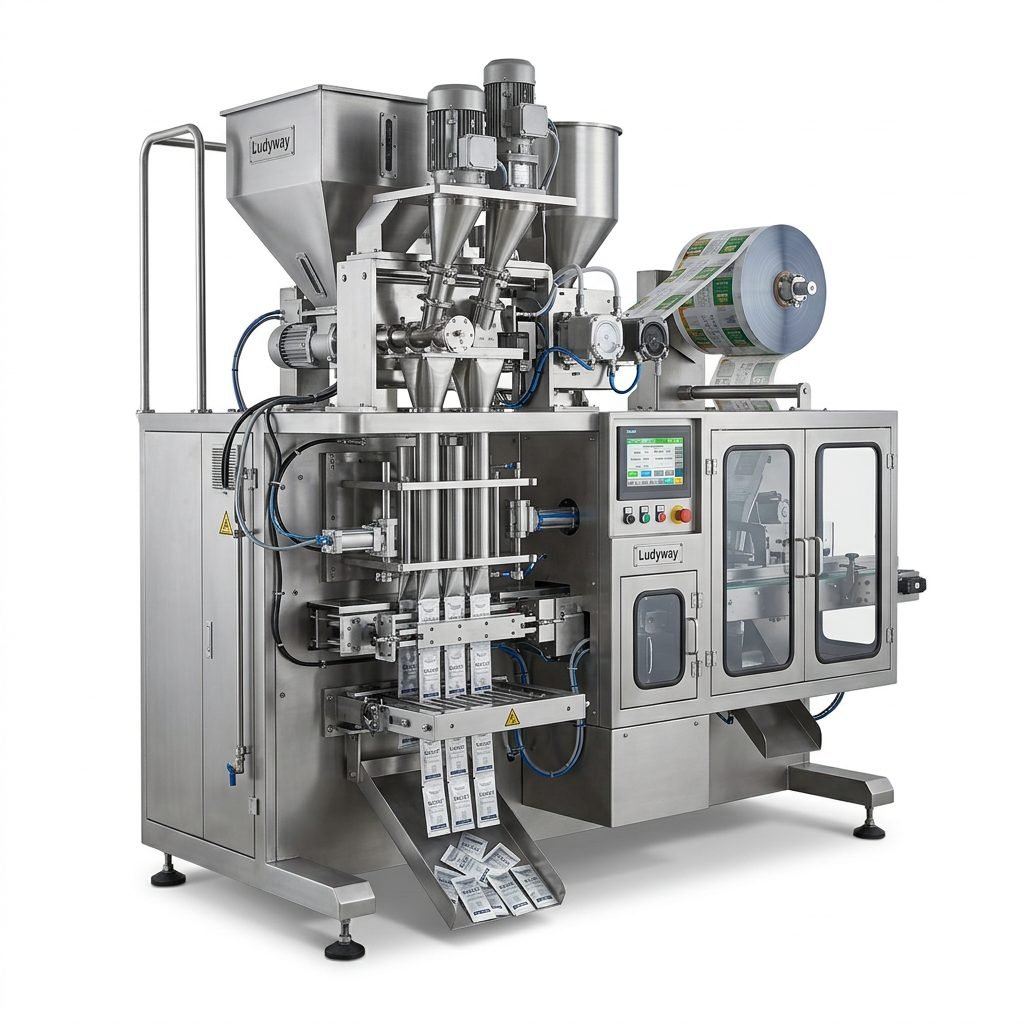
| Form-Fill-Seal Machines | Forms the pack, fills product, seals package | Sachets, stick packs, pouches, bags |
| Liquid / Paste Fillers | Handles flowable products | Sauces, dressings, honey, oils, syrups |
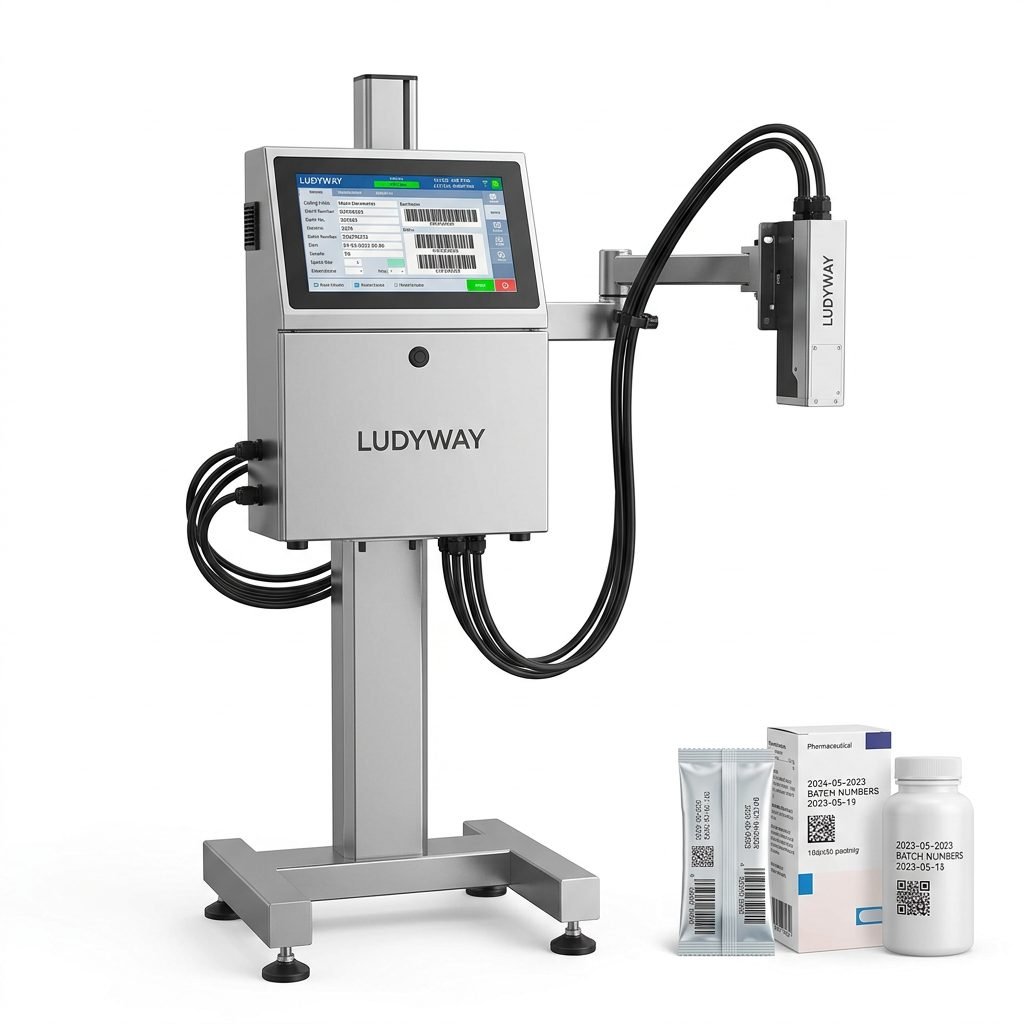
| Coding & Labeling Systems | Applies batch code, date, and traceability data | All packaged food products |
| Inspection Equipment | Checks weight, seal quality, contamination, print quality | High-compliance food lines |
| Secondary Packaging | Cartoning, case packing, bundling | Retail-ready packaging |
| End-of-Line Automation | Palletizing and warehouse preparation | Bulk shipment and logistics |
How Smart Packaging Solutions Work
Smart packaging solutions combine mechanical automation with digital intelligence. Instead of relying only on machine motion, these systems also collect and respond to production data in real time.
Core smart features often include:
- PLC and HMI controls for recipe management and operator-friendly setup
- Servo-driven motion control for precise filling and sealing
- Sensors and alarms for jam detection, film tracking, and low material alerts
- Vision inspection for code reading, seal checking, and pack verification
- Production monitoring for OEE, downtime analysis, and output reports
- Remote support capability for troubleshooting and maintenance
In practical terms, smart automation helps a packaging line make better decisions with less operator intervention. If a package weight drifts, the machine can alert the operator or auto-correct. If a coding issue appears, defective packs can be rejected before they reach cartons. This creates a more reliable and data-driven production environment.
Types of Food Products That Benefit from Packaging Automation
Food packaging automation is highly adaptable. Different products require different feeding methods, filling technologies, and package structures.
Common product categories include:
- Powders: milk powder, coffee powder, seasoning powder, protein powder, flour
- Granules: sugar, salt, seeds, cereals, beans, snack mixes
- Liquids: sauces, oils, beverages, syrups, soups
- Pastes: ketchup, mayonnaise, cream fillings, honey, jam
- Solid foods: candies, biscuits, frozen portions, dried fruits
Automated packaging can support multiple pack formats such as sachets, stick packs, pouches, bottles, jars, trays, cartons, and bulk bags. This flexibility makes it valuable for both consumer retail products and foodservice packaging.
Main Benefits of Food Packaging Automation
1. Higher Productivity
Automated systems run at much higher speeds than manual lines. They also reduce stoppages caused by fatigue, inconsistent handling, or operator error. For high-volume food manufacturers, this means more packs per minute and better production planning.
2. Better Packaging Consistency
Consistent package appearance and fill accuracy are essential for brand reputation and regulatory compliance. Automation reduces variation in sealing temperature, filling volume, pouch length, and coding placement.
3. Improved Food Safety and Hygiene
Less human contact with the product can reduce contamination risk. Food-grade materials, enclosed filling systems, and cleanable machine structures also support hygienic production standards.
4. Labor Savings
While automation still requires trained operators and maintenance staff, it significantly lowers the need for repetitive manual packing work. This is especially important in regions facing labor shortages or rising wages.
5. Lower Waste and Rework
Smart packaging machines help reduce underfilled packs, sealing defects, film waste, and coding errors. Over time, these savings can be substantial.
6. Easier Traceability
With integrated coding, inspection, and data logging, automated lines improve traceability for food recalls, audits, and supply chain control.
| Benefit | Business Impact |
|---|---|
| Faster packaging speed | Higher output and shorter lead times |
| Accurate dosing | Reduced giveaway and improved cost control |
| Automatic inspection | Lower defect rate and stronger quality assurance |
| Recipe management | Faster changeovers between SKUs |
| Data collection | Better decision-making and maintenance planning |
Popular Food Packaging Machine Types
Selecting the right machine starts with understanding your product characteristics and packaging goals.
Vertical Form Fill Seal Machines
Common for powders, granules, and snack products. These machines form the bag from roll film, fill it, and seal it in one continuous process.
Multi-Lane Sachet and Stick Pack Machines
Ideal for single-serve food portions such as coffee, sugar, seasoning, electrolyte powders, and sauces. They offer high speed and excellent output for small-format packaging.
Premade Pouch Packaging Machines
Suitable for brands that need premium shelf appearance, zipper pouches, or special pouch shapes. Common for snacks, pet food, powders, and sauces.
Bottle Filling and Capping Lines
Used for liquid foods and beverages such as oils, syrups, and dressings. They may include rinsing, filling, capping, labeling, and coding modules.
Cartoning and Case Packing Systems
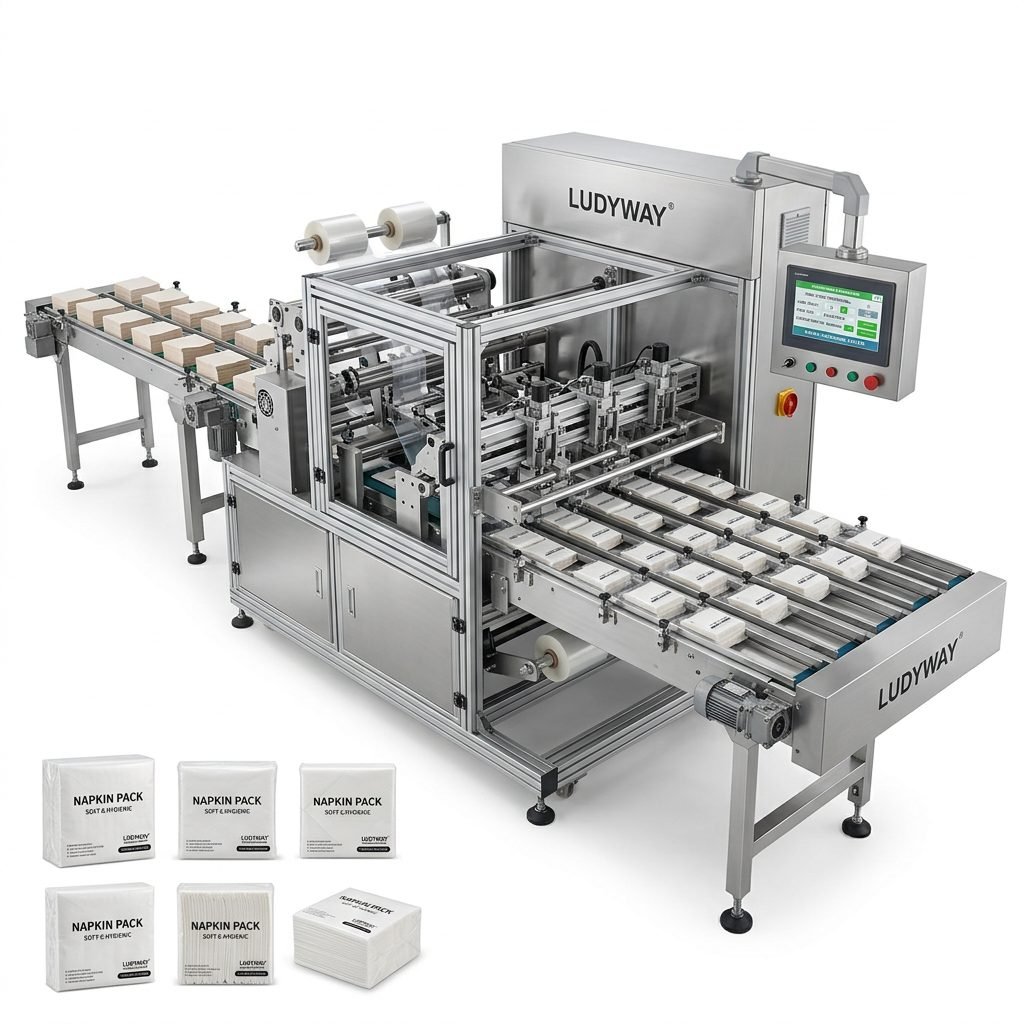
These secondary packaging systems automate retail packing, shipping case loading, and end-of-line preparation.
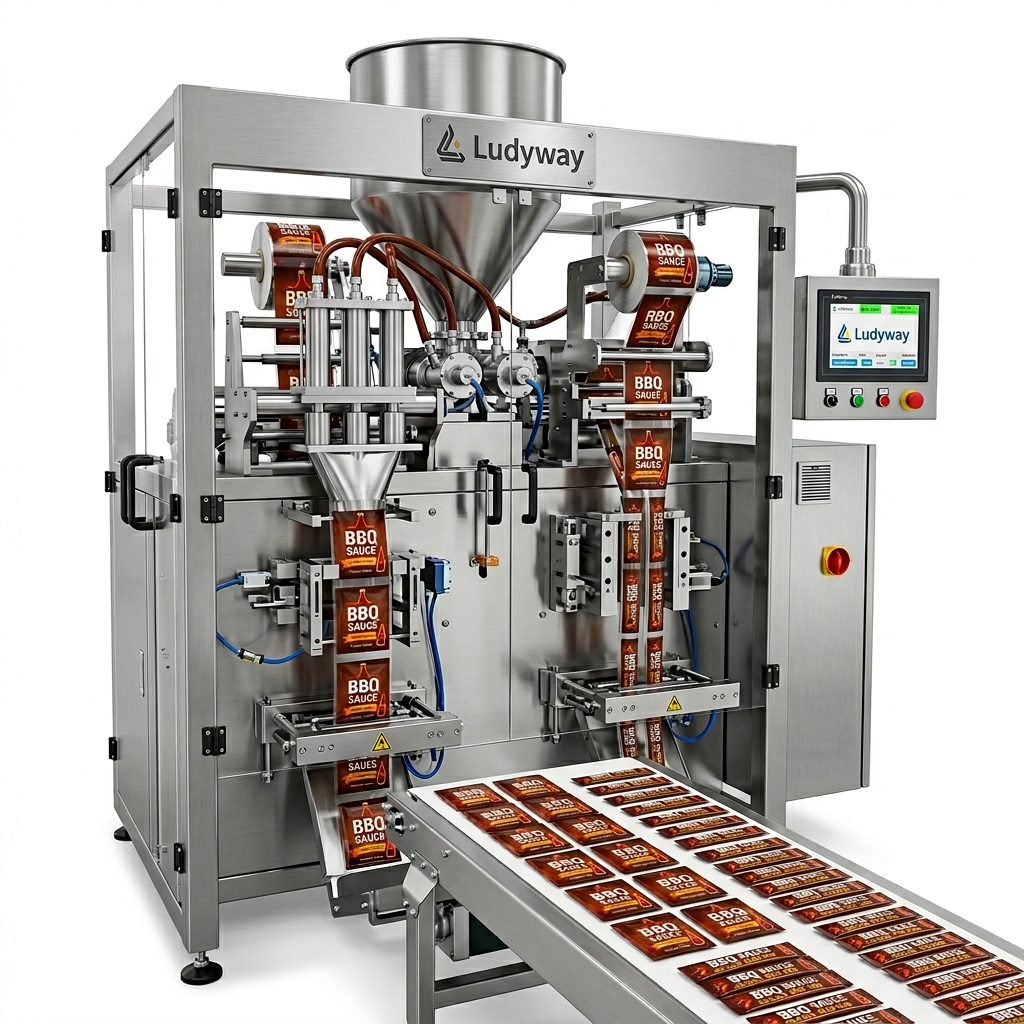
How to Choose the Right Automated Food Packaging Solution
Not every business needs a fully robotic line on day one. The right solution depends on your current production stage and long-term growth plan.
Key selection factors:
- Product type — powder, granule, liquid, paste, or solid
- Packaging format — pouch, sachet, stick pack, bottle, bag, carton
- Target speed — packs per minute or output per shift
- Fill accuracy requirements — especially important for premium and regulated foods
- Available plant space — layout planning affects efficiency
- Cleaning and sanitation needs — critical for food-contact areas
- Integration needs — standalone machine or turnkey line
- Future scalability — ability to add more lanes, inspection, or end-of-line automation
A strong supplier should be able to recommend not just a machine, but a packaging strategy that fits your product, budget, and expansion plan.
What Is a Turnkey Food Packaging Line?
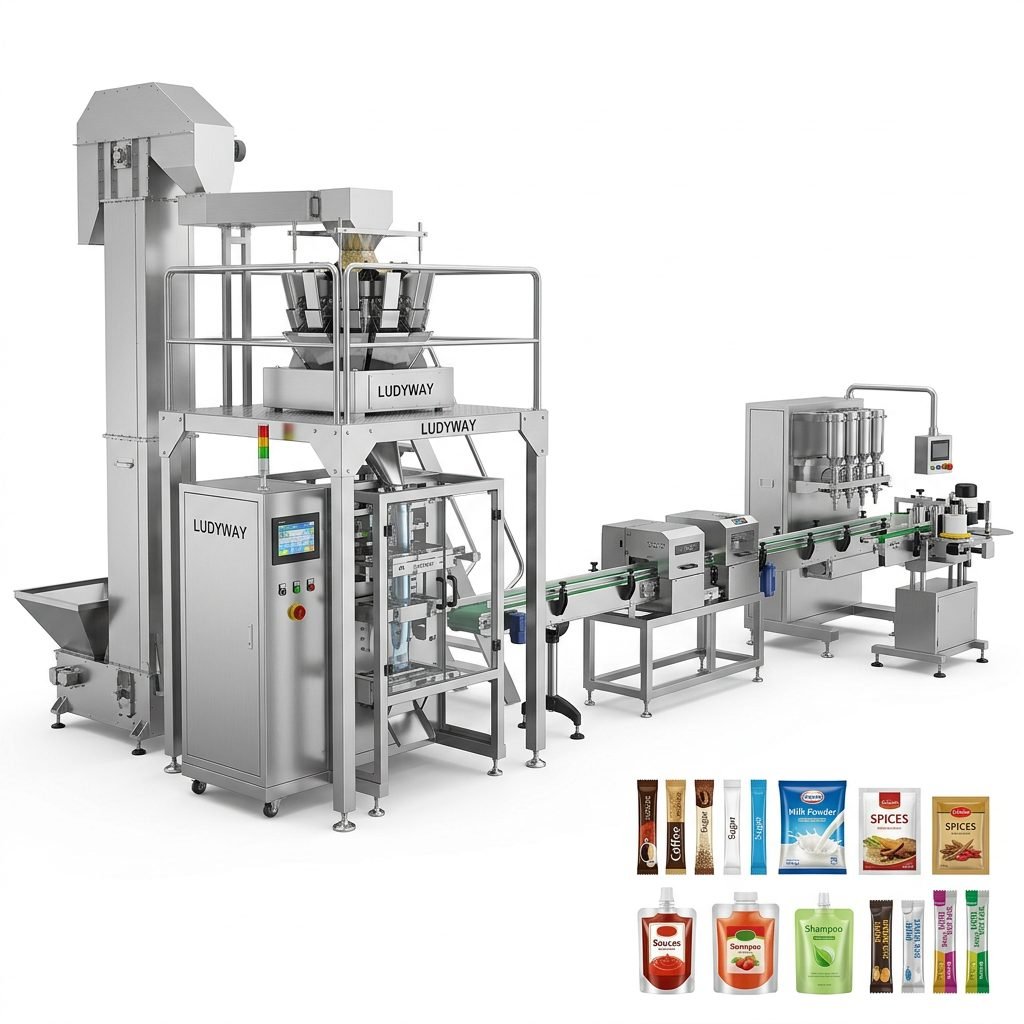
A turnkey packaging line is a complete system delivered as an integrated solution rather than a collection of separate machines from multiple vendors. It can include product feeding, weighing, packaging, coding, inspection, cartoning, case packing, and palletizing.
The main advantage is compatibility. A properly engineered turnkey line reduces integration risk, simplifies installation, improves control logic, and often shortens startup time.
Businesses looking for integrated machinery often evaluate experienced manufacturers such as Ludyway food packaging automation solutions, especially for projects involving sachet, stick pack, pouch, powder, granule, and liquid packaging systems.
Challenges to Consider Before Automating
Although automation brings major benefits, successful implementation requires planning.
- Initial investment can be significant for advanced lines
- Operator training is necessary for smooth daily use
- Maintenance planning is important to avoid unexpected downtime
- Product variation may require flexible or modular machine design
- Packaging material compatibility must be validated early
The best approach is to focus on total cost of ownership rather than only purchase price. A lower-cost machine that creates more waste or downtime may be far more expensive over time.
Future Trends in Food Packaging Automation
The industry is moving toward more intelligent, connected, and sustainable systems. Food manufacturers increasingly expect automation that does more than just run fast.
Emerging trends include:
- AI-assisted quality inspection
- Remote diagnostics and predictive maintenance
- Digital production dashboards
- Flexible packaging changeovers for shorter product runs
- Improved compatibility with recyclable and lightweight films
- Robotic pick-and-place and palletizing integration
As consumer demand changes faster and retail channels become more complex, smart packaging systems will continue to play a central role in helping food brands stay competitive.
Who Should Invest in Food Packaging Automation?
Food packaging automation is suitable for:
- Startups ready to scale beyond manual packing
- Mid-size food manufacturers expanding SKU volume
- Contract packers handling multiple customer products
- Export-oriented food businesses needing better consistency and compliance
- Large factories seeking smart factory upgrades and labor optimization
Whether the goal is higher speed, better hygiene, lower labor cost, or a more modern packaging operation, automation gives food producers a clear path toward long-term efficiency and brand reliability.
Final Thoughts on Smart Food Packaging Solutions
Food packaging automation is the combination of mechanical efficiency and digital control applied to one of the most important stages of food production. From filling and sealing to coding, inspection, and final case packing, smart systems help manufacturers package more accurately, more safely, and more profitably.
For companies evaluating new equipment, the smartest investment is usually a solution that matches both today’s production demand and tomorrow’s growth potential. With the right machine design and integration strategy, automated food packaging can become a major driver of quality, consistency, and operational success.