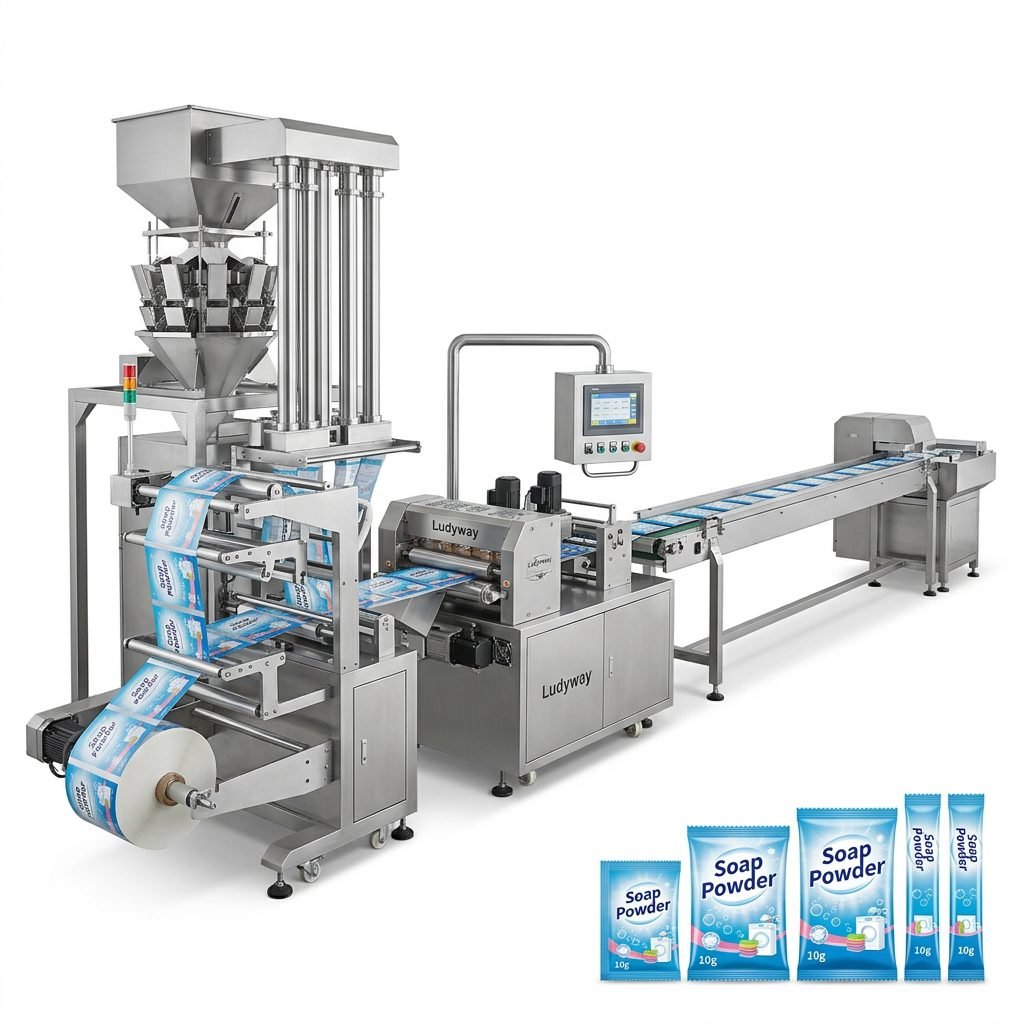
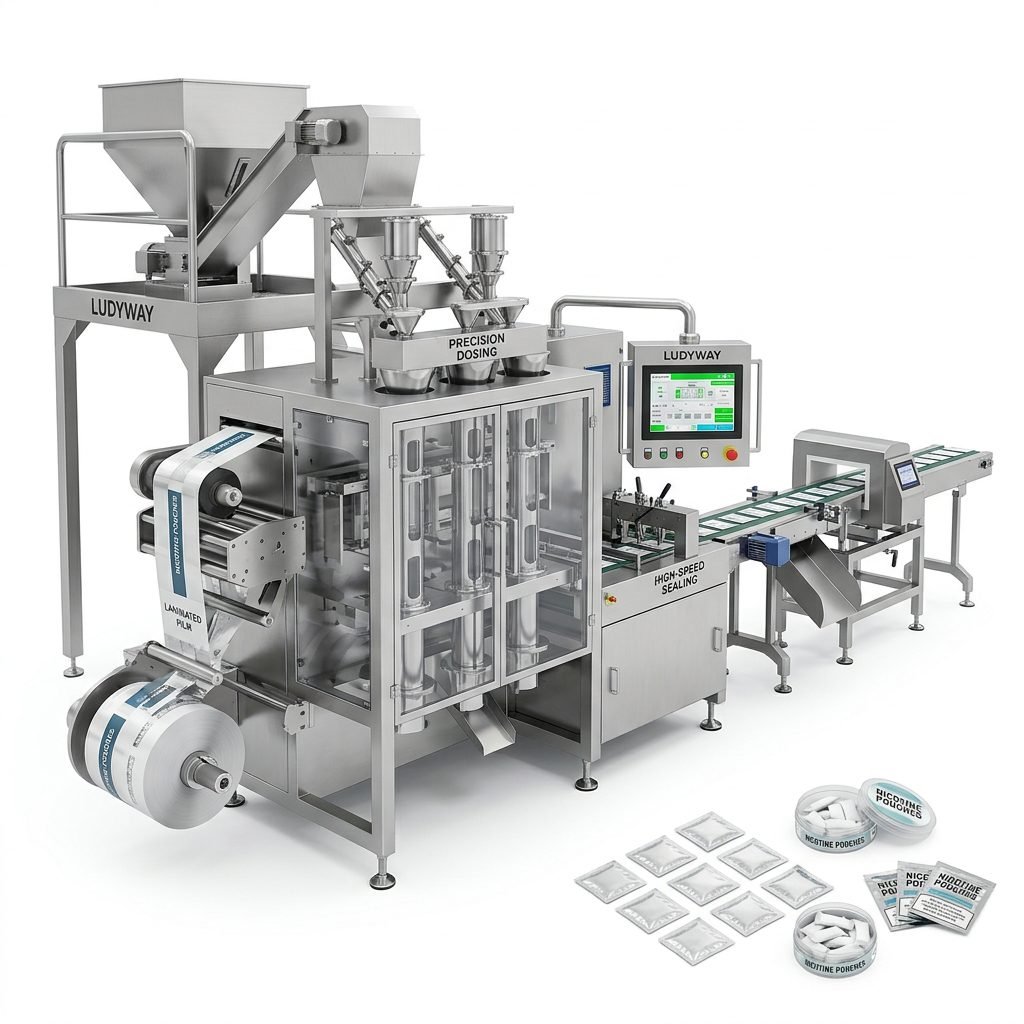
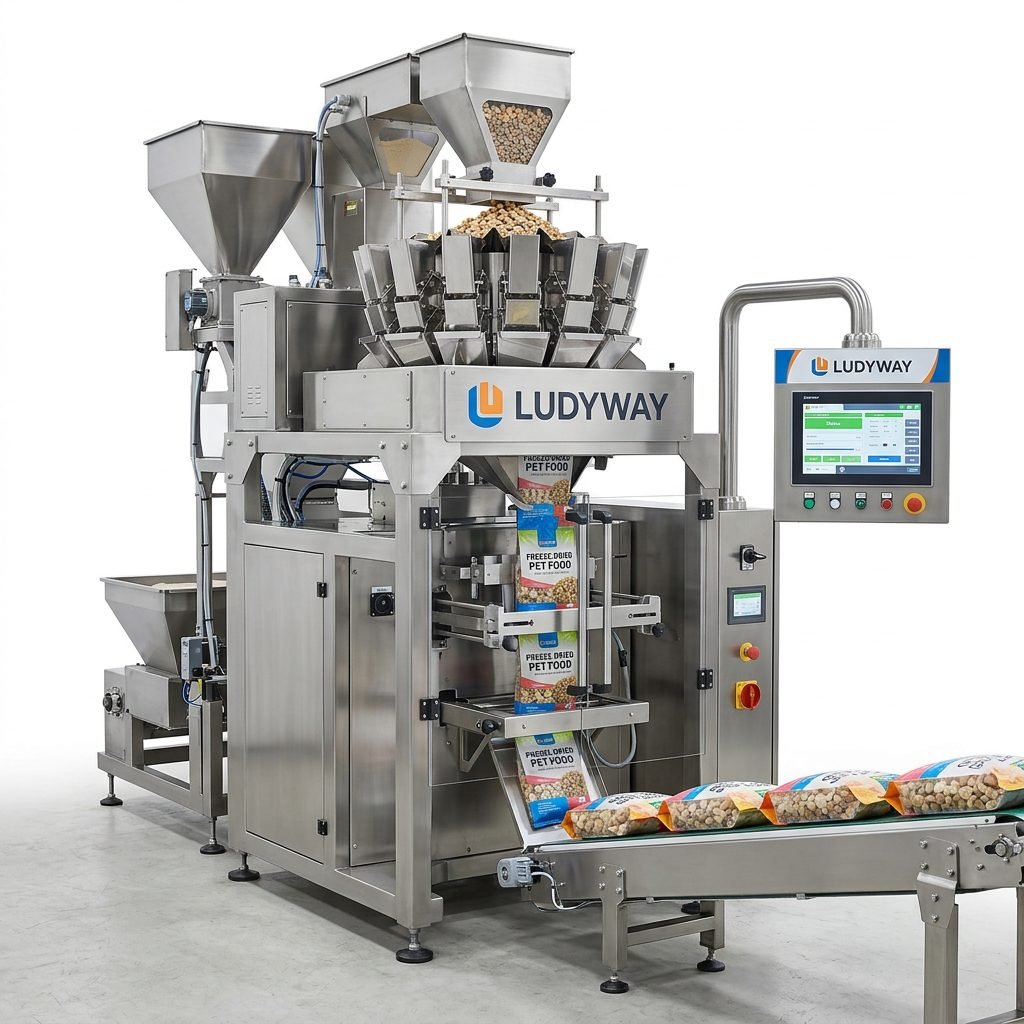
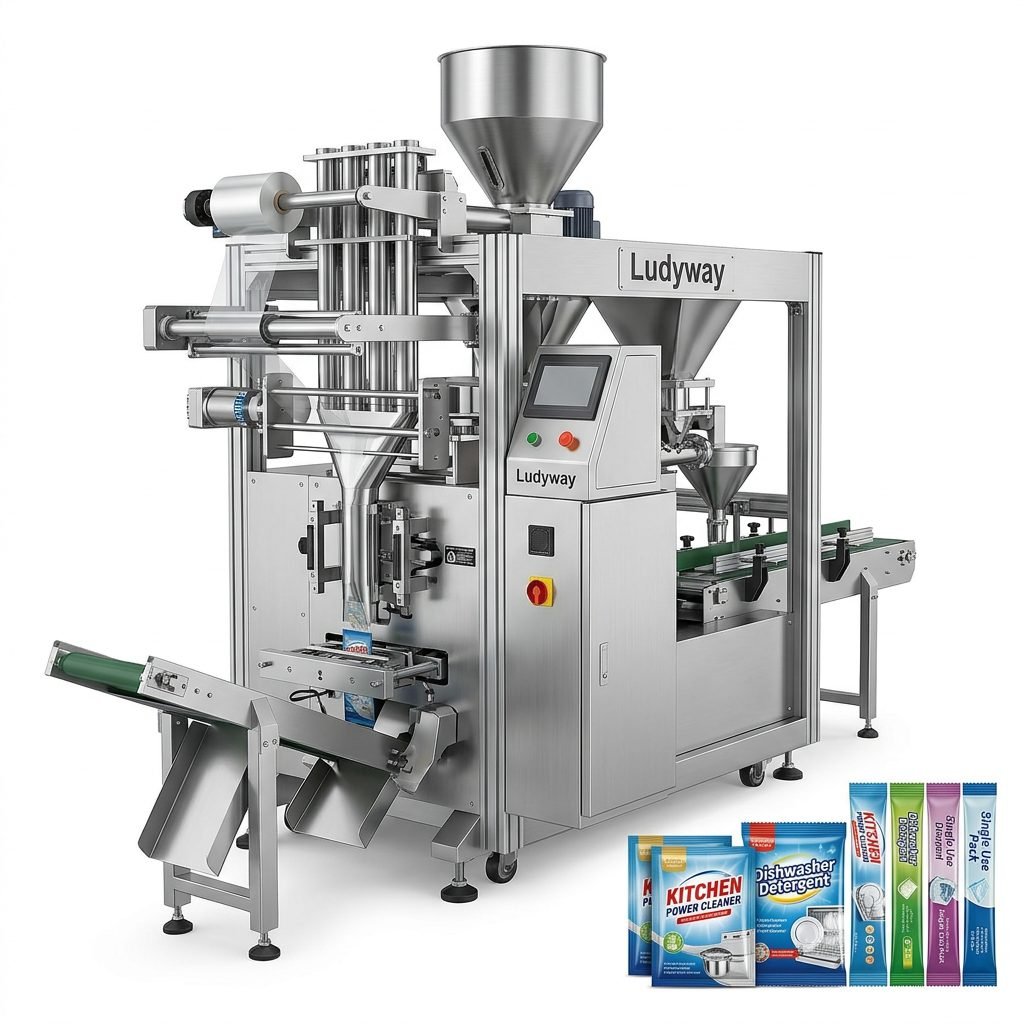
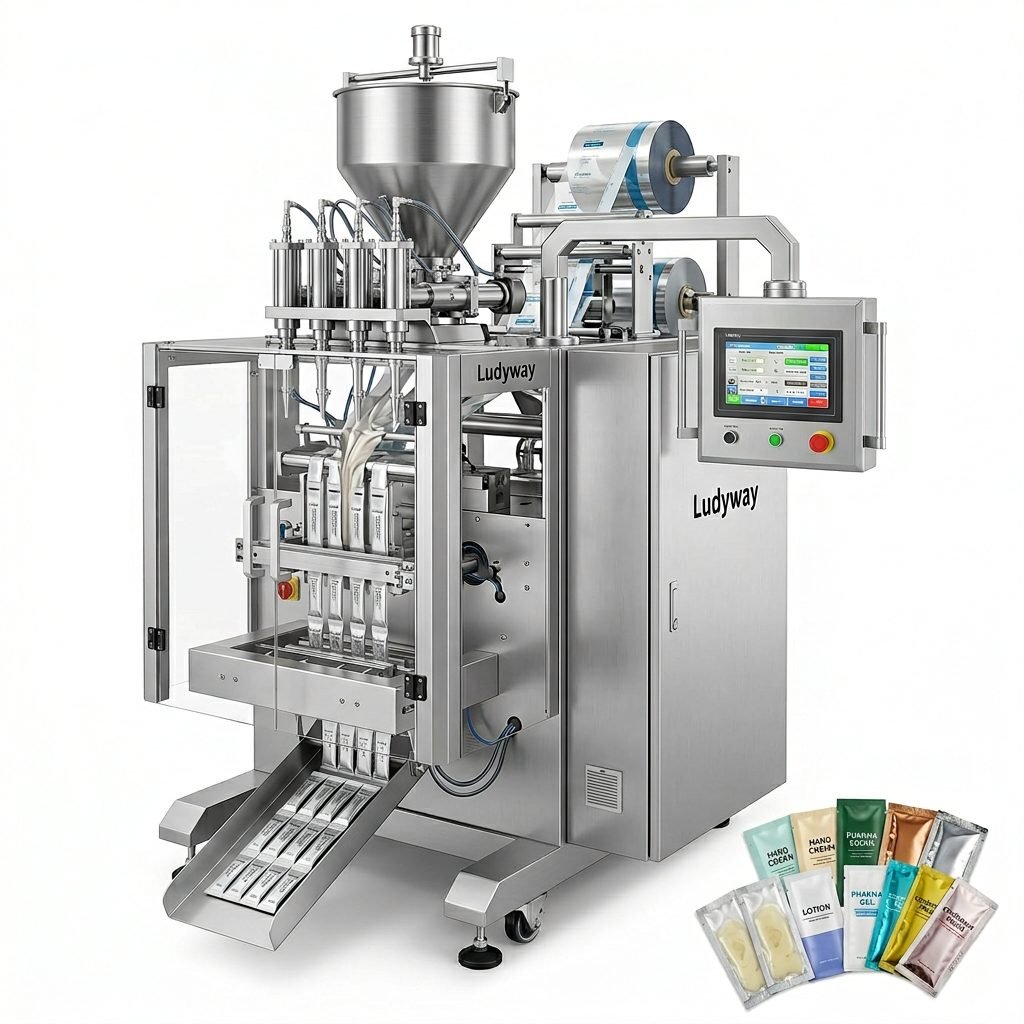
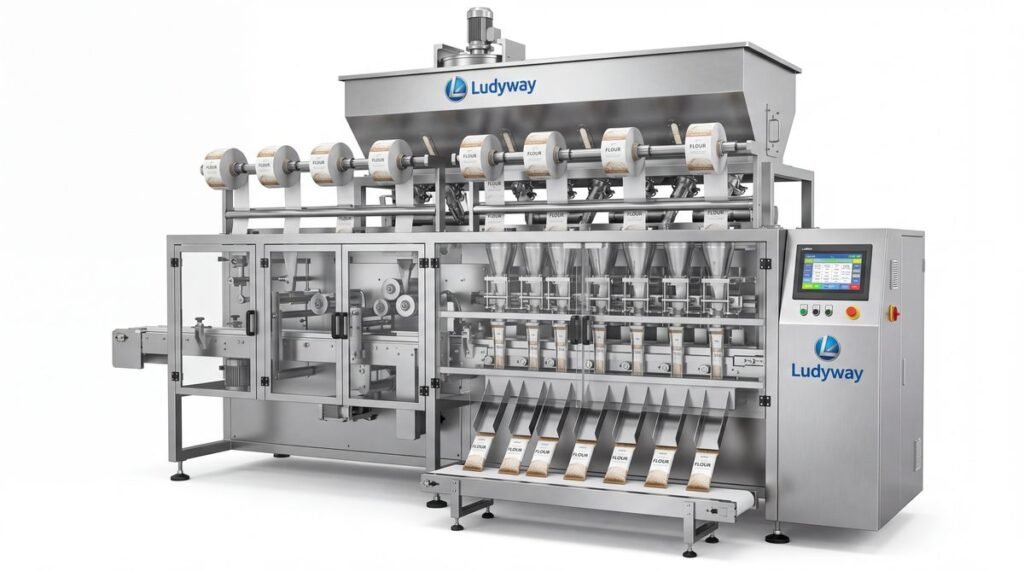
In modern manufacturing, high-performance packaging machines are no longer optional—they are a core driver of productivity, consistency, and cost control. Whether a factory produces food, pharmaceuticals, cosmetics, chemicals, or health supplements, the right packaging system directly affects output speed, product safety, and overall competitiveness.
Industrial producers today face increasing pressure to deliver more units in less time while maintaining strict quality standards. This is why automated and intelligent packaging solutions have become essential for companies aiming to scale efficiently and reduce reliance on manual labor.
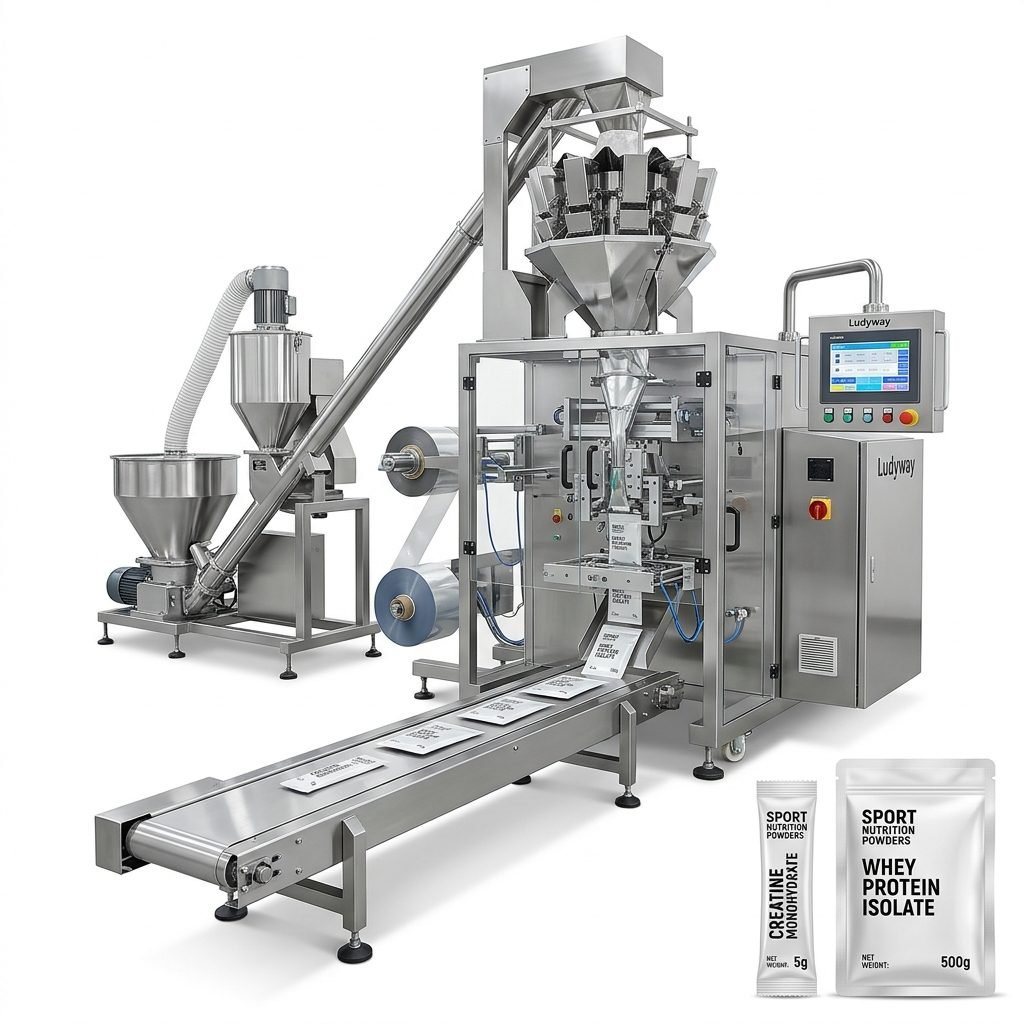
Why High-Performance Packaging Machines Matter
Packaging is the final stage before a product reaches distributors, retailers, hospitals, pharmacies, or end users. A bottleneck at this stage can slow the entire production line. High-performance packaging equipment helps manufacturers achieve:
- Higher throughput with faster filling, sealing, labeling, and packing cycles
- Better accuracy for powders, granules, liquids, and pastes
- Lower labor costs through automation and reduced manual handling
- Improved hygiene and safety in regulated industries
- Consistent package quality for stronger brand presentation
- Reduced material waste through precise dosing and stable sealing
For industrial producers, these advantages translate into measurable gains in operational efficiency and profitability. Machines designed for continuous, high-volume operation can support both small sachet production and large-scale turnkey lines.
Key Features of Efficient Industrial Packaging Equipment
Not all packaging systems perform at the same level. The best packaging machines for industrial production combine speed, reliability, and adaptability. Below are the core characteristics buyers should evaluate.
1. High-Speed Automation
Automated packaging equipment minimizes downtime and manual intervention. Multi-lane systems, servo-controlled filling units, and integrated feeding systems allow manufacturers to maintain fast and stable production output across long operating periods.
2. Precision Filling and Sealing
Accurate dosing is critical for food, pharmaceutical, and nutraceutical applications. Advanced packaging machines are engineered to ensure reliable filling weight, strong seals, and low reject rates, especially for sensitive or fine-particle products.
3. Flexible Product Compatibility
A modern factory often handles multiple SKUs. Efficient machines should support different materials and formats, such as:
- Sachets
- Stick packs
- Pouches
- Bottles
- Tubes
- Cartons and secondary packaging
4. Easy Integration with Production Lines
The most valuable solutions are those that can integrate with upstream mixing, conveying, feeding, inspection, cartoning, and palletizing systems. This creates a seamless packaging workflow from raw product handling to final shipment preparation.
5. Long-Term Reliability
Industrial buyers need machines capable of consistent performance under demanding conditions. Durable construction, quality components, and a strong inspection process all contribute to long machine life and reduced maintenance interruptions.
Common Industries That Benefit from Advanced Packaging Machines
| Industry | Typical Products | Preferred Packaging Formats |
|---|---|---|
| Food | Coffee, seasoning, milk powder, snacks, sugar, sauces | Sachets, stick packs, pouches, bottles |
| Pharmaceutical | Granules, tablets, capsules, oral liquids, medical devices | Sachets, blisters, bottles, sterile pouches |
| Health Supplements | Protein powders, vitamins, probiotics, collagen | Stick packs, sachets, bottles, jars |
| Cosmetics | Lotion, serum, cream, shampoo, face mask products | Sachets, tubes, bottles, ampoules |
| Chemical | Detergents, cleaning agents, additives, powders, liquids | Sachets, pouches, drums, bags |
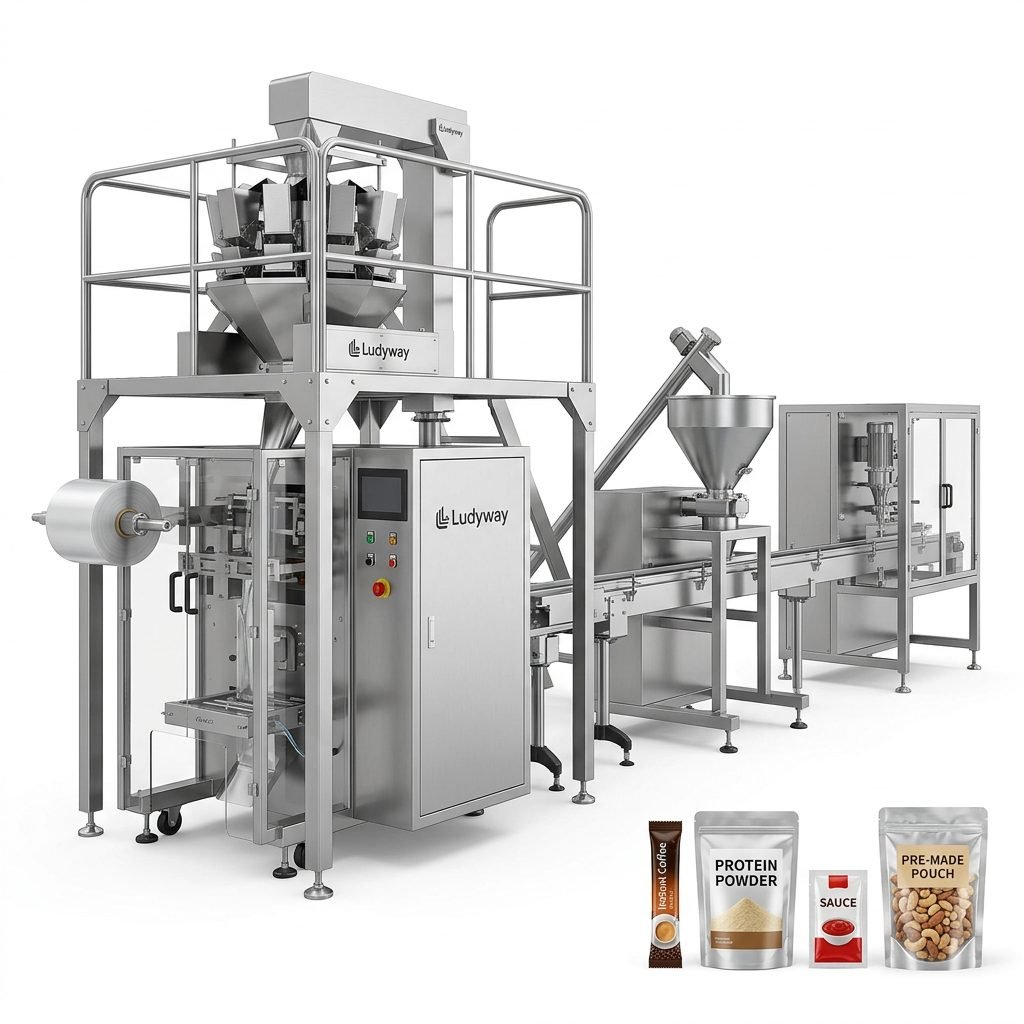
How Packaging Machines Improve Industrial Efficiency
Reduced Manual Dependency
Labor shortages and rising wages continue to affect manufacturers worldwide. Automated packaging systems reduce dependence on manual operations and help factories maintain production continuity. This is especially valuable in facilities running multiple shifts.
Lower Error Rates
Manual filling and sealing often lead to inconsistent weights, poor sealing quality, and product waste. Automated machinery uses calibrated systems to maintain repeatable accuracy, reducing complaints and rework.
Faster Changeovers
For manufacturers handling different product sizes or packaging styles, fast changeover capability is critical. Well-designed machines enable efficient switching between formats, which improves line utilization and supports flexible production scheduling.
Enhanced Compliance
In sectors such as pharma and food, packaging quality is linked to compliance. Reliable machines support cleaner production, traceability, coding, and inspection, helping manufacturers align with industry standards and customer requirements.
What to Consider When Choosing a Packaging Machine Supplier
Selecting the right machine is important, but choosing the right manufacturing partner is just as critical. Buyers should evaluate more than the machine specification sheet alone.
- Industry experience: A supplier with years of engineering and application knowledge can better understand product behavior and line requirements.
- Customization capability: Different products require different dosing, sealing, and conveying approaches.
- Turnkey line support: Many factories benefit from a complete solution rather than a standalone machine.
- Export experience: Global installation and support capability matter for international buyers.
- After-sales service: Technical support, spare parts, and commissioning assistance help protect long-term performance.
A trusted partner such as Ludyway packaging machine manufacturer is often considered by buyers looking for scalable industrial automation, thanks to its wide machine portfolio, turnkey packaging line capability, and more than 30 years of manufacturing experience.
Types of High-Performance Packaging Machines Used in Production
| Machine Type | Best For | Core Benefit |
|---|---|---|
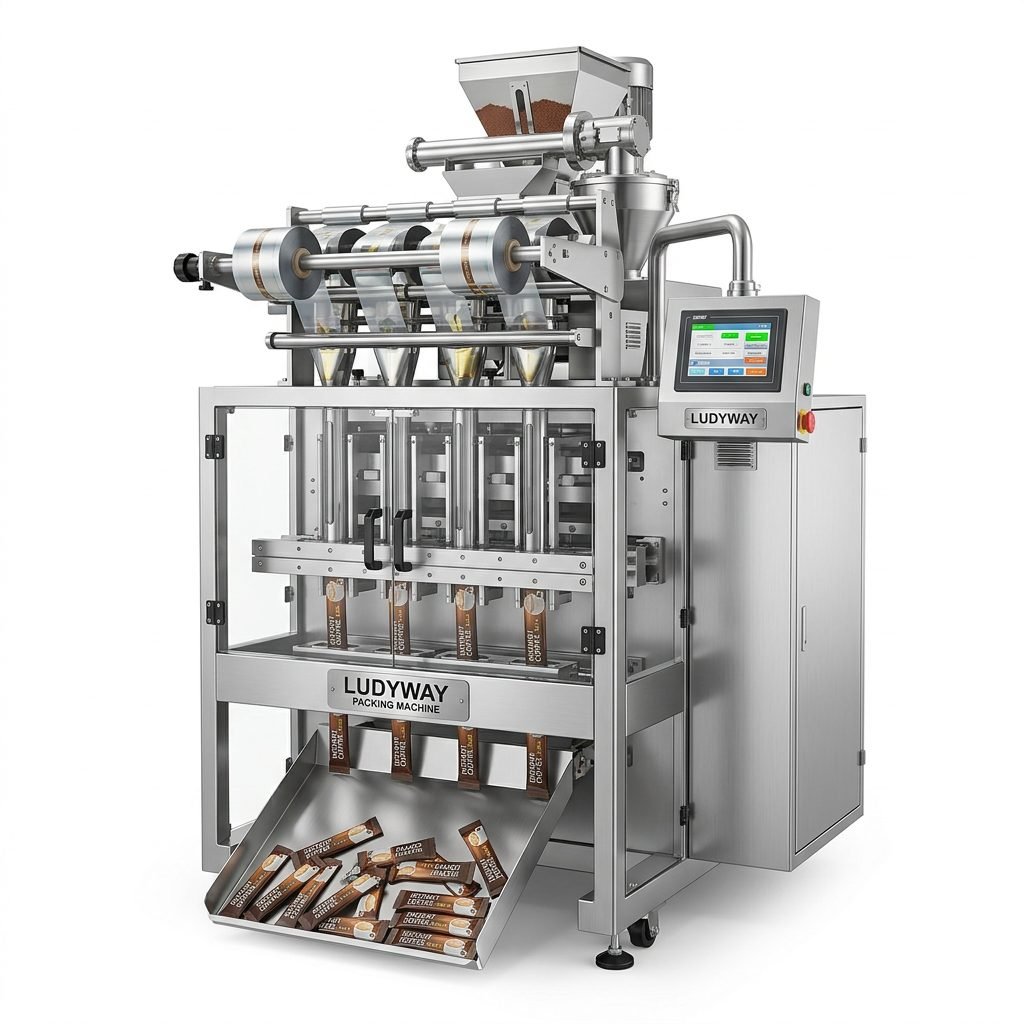
| Multi-lane stick pack machines | Powders, granules, liquids | High output in compact formats |
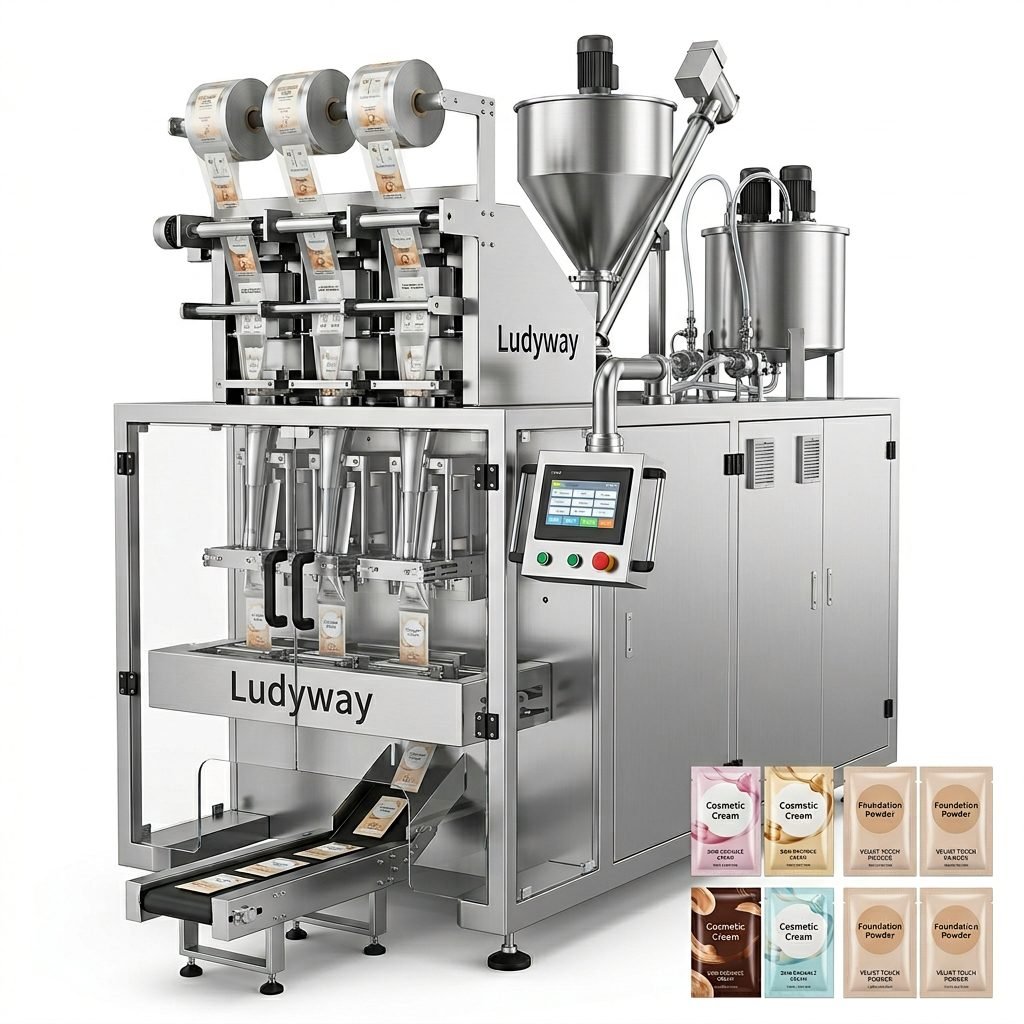
| Sachet packing machines | Single-dose products | Flexible and cost-effective packaging |
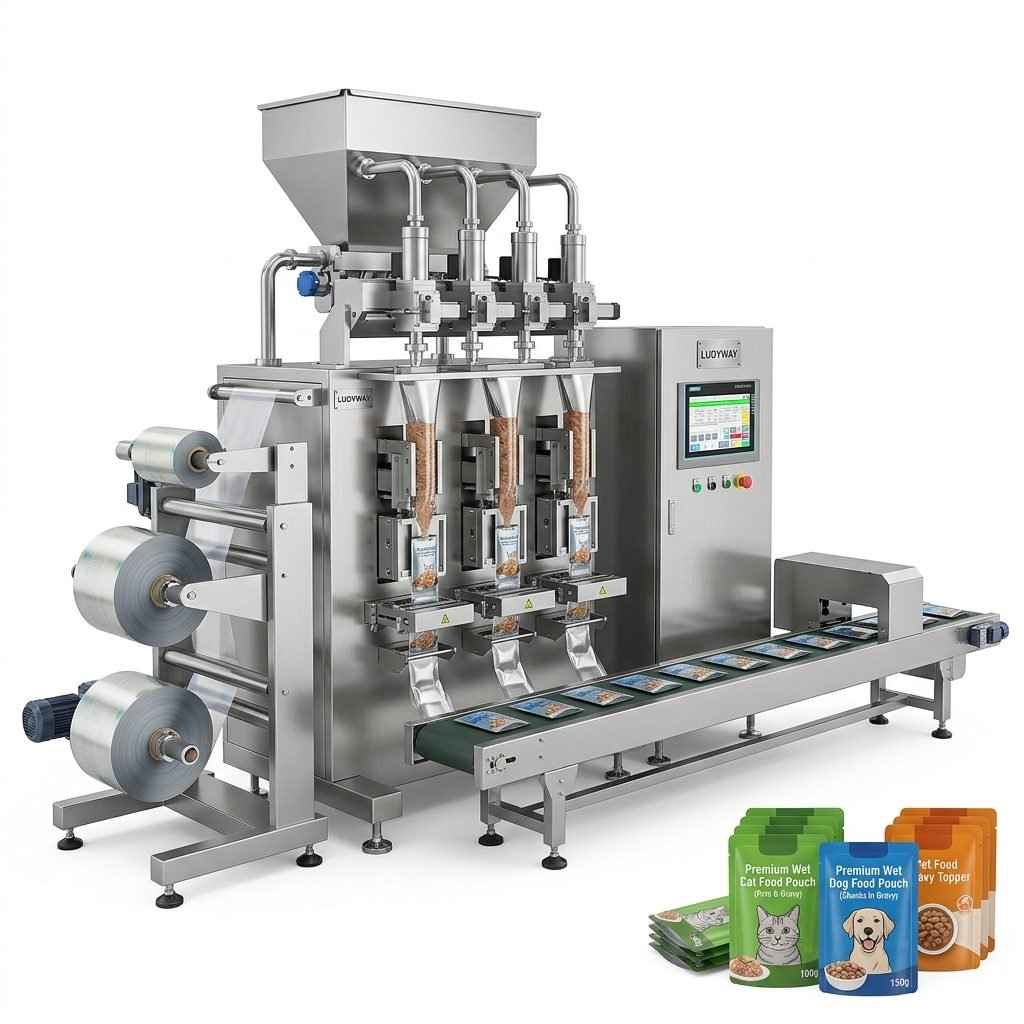
| Vertical packaging systems | Bulk granules and powders | Efficient bag forming, filling, and sealing |
| Liquid filling and sealing machines | Sauces, gels, lotions, detergents | Clean and accurate liquid handling |
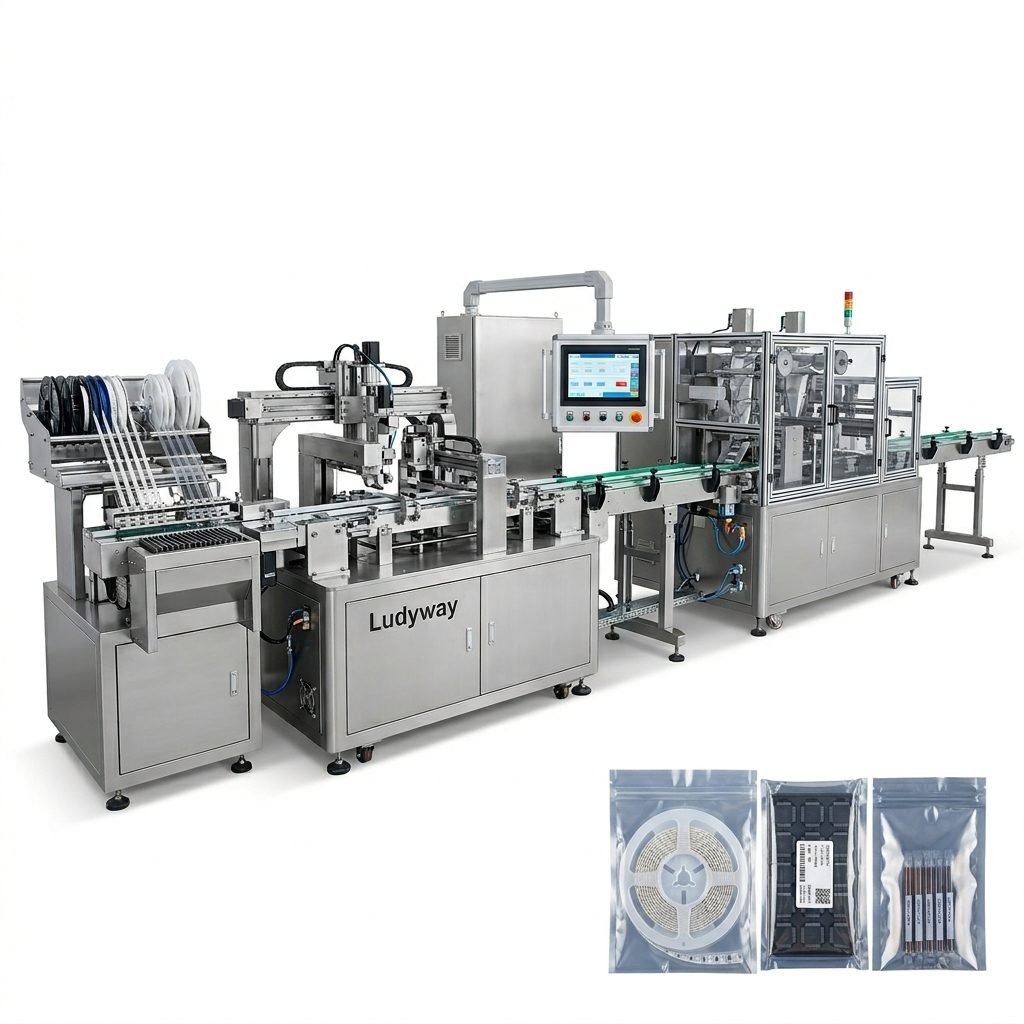
| Turnkey packaging lines | Integrated industrial production | End-to-end automation and efficiency |
Benefits of Turnkey Packaging Line Solutions
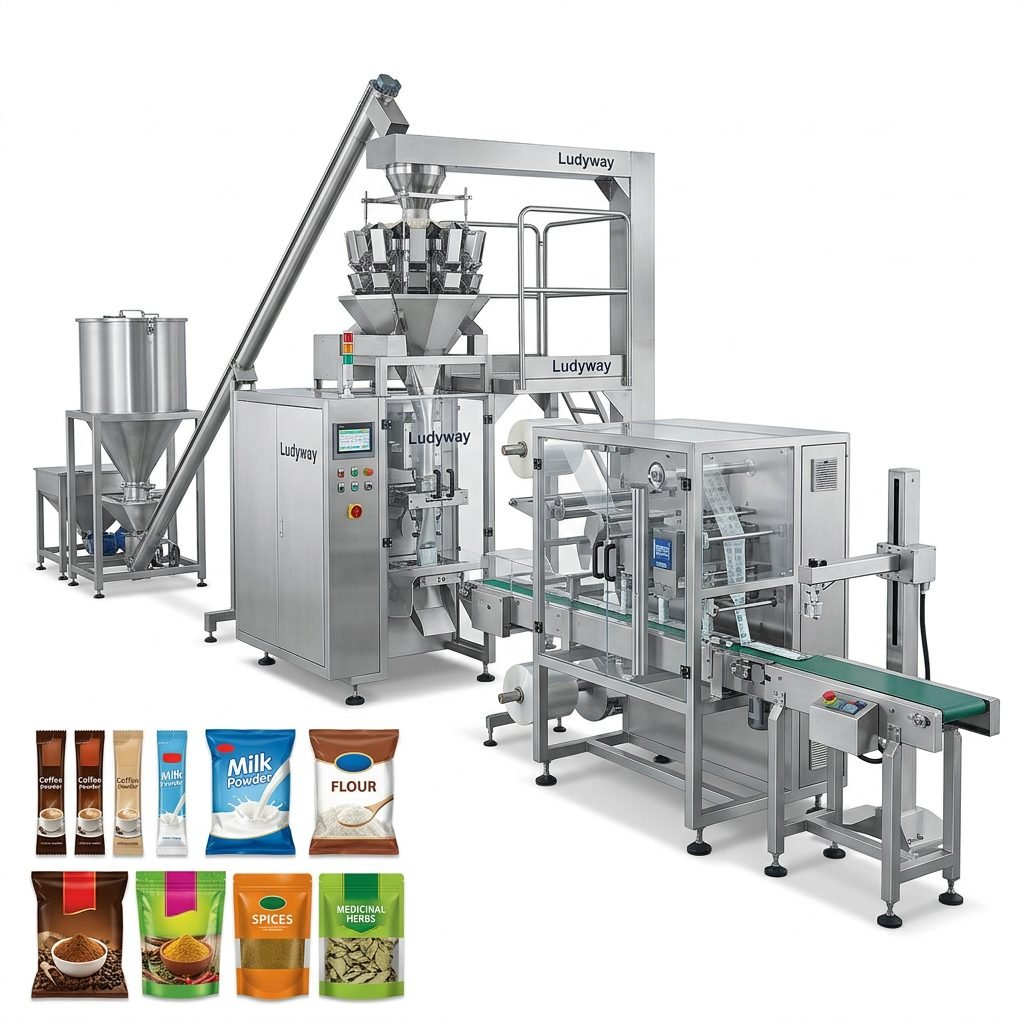
Many manufacturers are moving beyond standalone machines and investing in complete packaging lines. A turnkey solution can include feeding, filling, sealing, coding, inspection, cartoning, case packing, and palletizing equipment working in coordination.
The biggest advantages of turnkey systems include:
- Centralized control and easier production management
- Higher line efficiency through synchronized equipment
- Reduced installation and integration complexity
- Better factory layout planning
- Scalable automation for future growth
For expanding operations, turnkey lines are often the most practical path to long-term production efficiency because they eliminate mismatched components and streamline the overall workflow.
Packaging Automation Trends Shaping Industrial Production
Smart Monitoring
More packaging machines now feature data monitoring, fault alarms, and production tracking. These functions help factories improve uptime and maintenance planning.
Higher Sanitation Standards
Food and pharmaceutical manufacturers increasingly demand machine designs that simplify cleaning and reduce contamination risk. Hygienic engineering is becoming a major buying factor.
Modular Expansion
Companies want systems that can grow with demand. Modular packaging lines make it easier to add lanes, stations, or downstream automation as production expands.
Sustainable Efficiency
Efficient packaging equipment supports sustainability goals by lowering film waste, improving material utilization, and reducing energy losses from stoppages or inefficient workflows.
Final Buying Insight for Industrial Manufacturers
Investing in high-performance packaging machines for efficient industrial production is ultimately an investment in output stability, product quality, and business growth. The right system helps manufacturers package faster, reduce operational costs, and adapt to changing product demands without sacrificing precision.
For businesses in food, pharma, health supplements, cosmetics, and chemical sectors, the best results come from packaging solutions that combine speed, durability, flexibility, and line integration. As market competition continues to intensify, modern automated packaging equipment will remain a decisive advantage for producers aiming to scale with confidence.