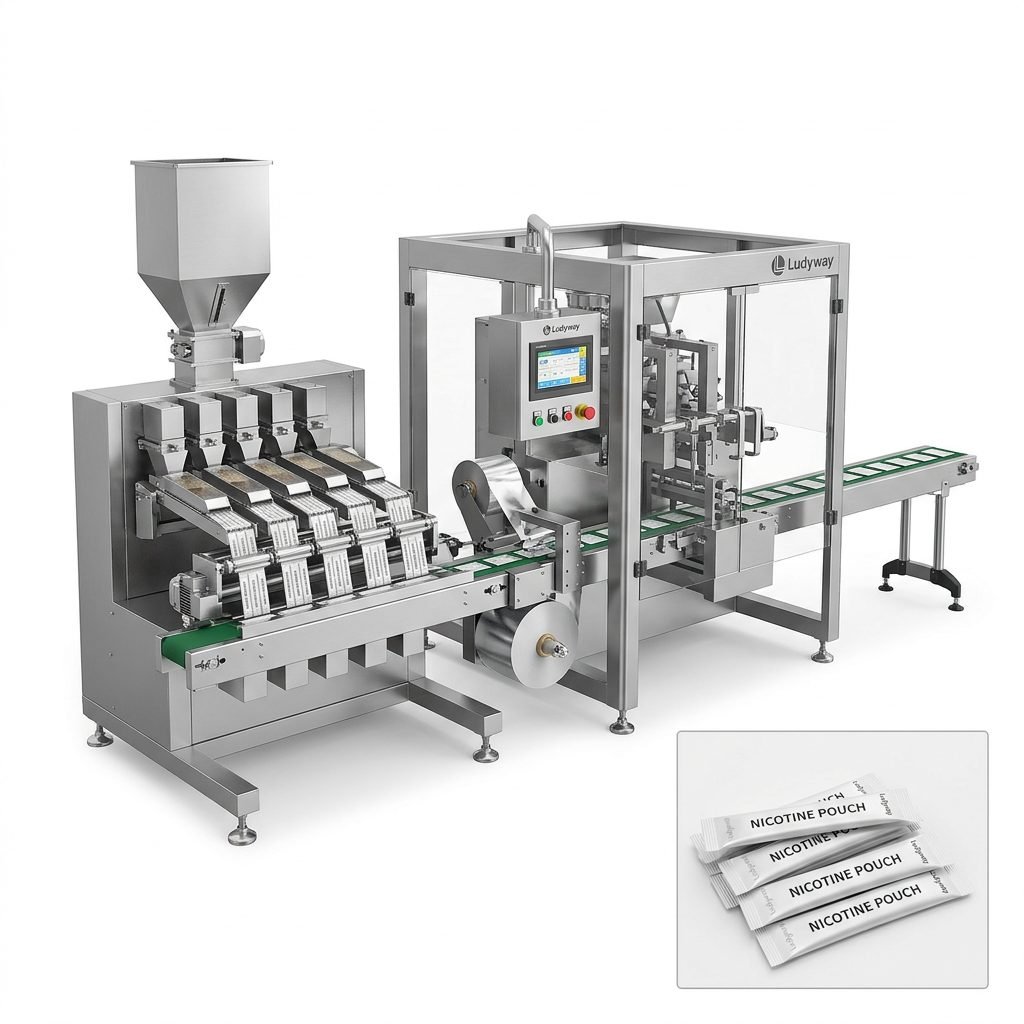
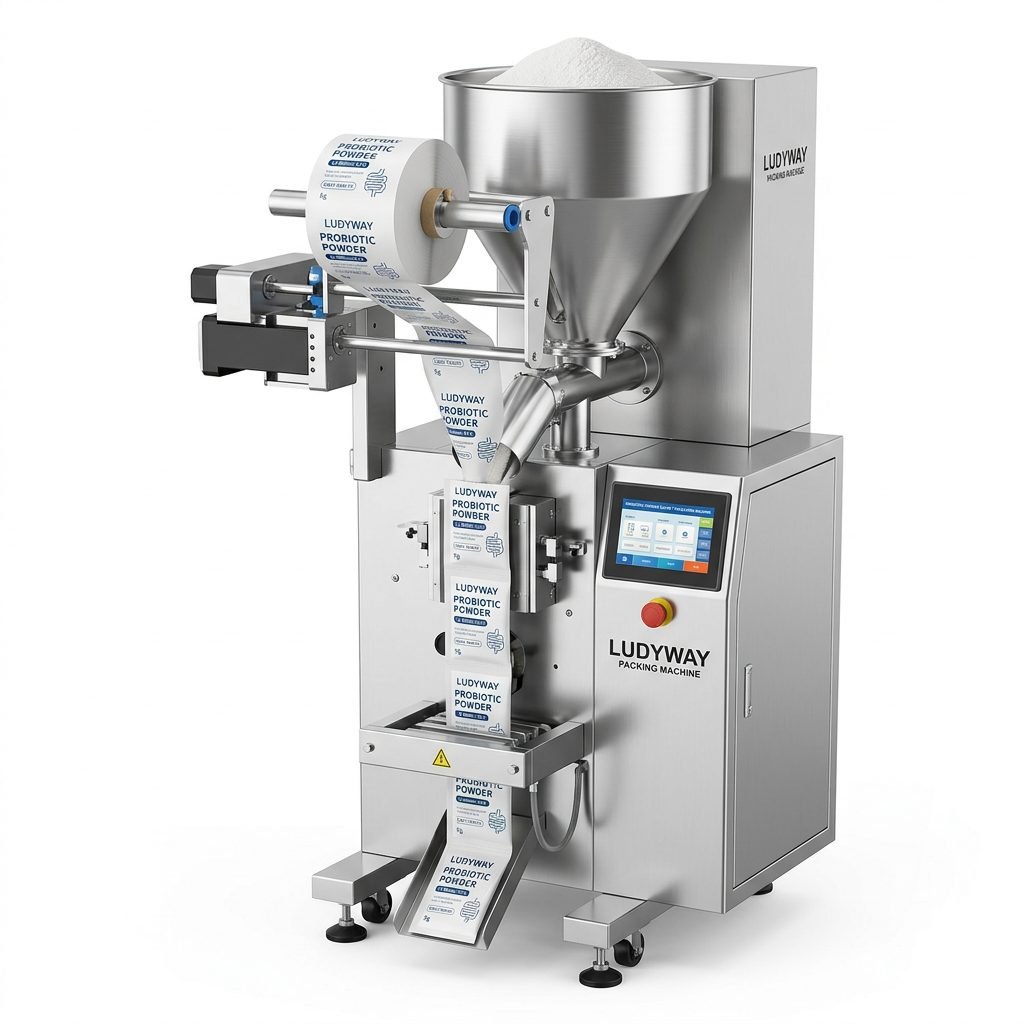
Sachet packaging has become a dominant format in the fast-moving consumer goods sector because it solves several commercial challenges at the same time. It is affordable for consumers, efficient for manufacturers, convenient for retailers, and flexible across product categories such as food, personal care, pharmaceuticals, home care, and health supplements.
From shampoo and ketchup to coffee, detergent, oral care, and functional powders, sachets support small-dose, single-use, and trial-size packaging that fits modern buying behavior. In highly competitive FMCG markets, that combination is hard to beat.
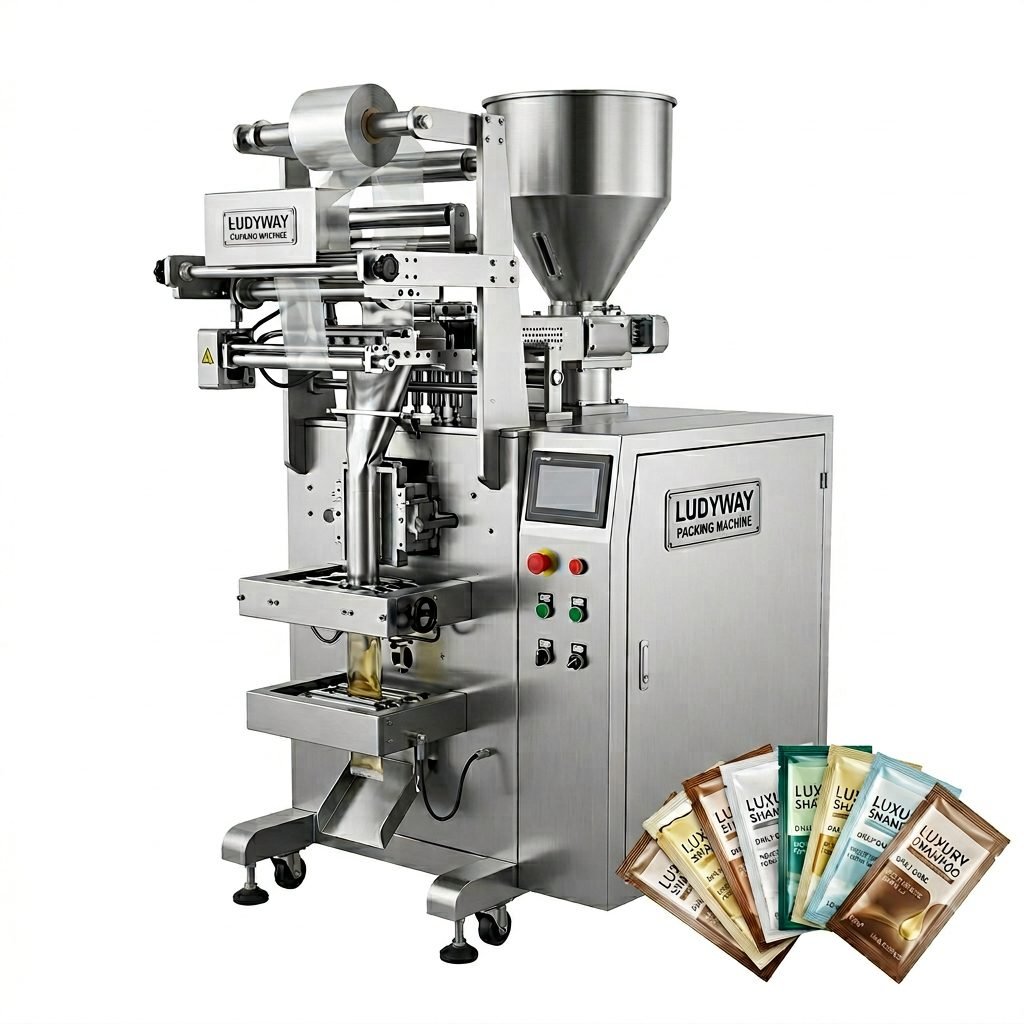
Why sachet packaging matters in FMCG
FMCG products rely on high turnover, broad distribution, and fast consumer decision-making. Packaging must therefore do more than protect the product. It must also support pricing strategy, shelf visibility, logistics, and brand accessibility. Sachets perform especially well in all of these areas.
- Lower purchase barrier: small pack sizes make products easier to afford.
- Portability: lightweight units are ideal for on-the-go use.
- Sampling and market entry: brands can introduce new products with lower risk.
- Inventory flexibility: manufacturers can offer multiple SKUs efficiently.
- High-volume suitability: sachets pair well with automated packaging lines.
1. Affordability drives higher consumer adoption
One of the biggest reasons sachet packaging is so popular is simple: it makes products more accessible. Instead of asking consumers to commit to a large bottle, jar, or box, brands can offer a smaller quantity at a lower price point.
This is especially useful for daily-use products where consumers buy frequently and may prefer to manage cash flow in smaller increments. A single sachet of shampoo, sauce, beverage powder, cream, or supplement allows immediate use without a major spending decision.
How affordability benefits FMCG brands
- Expands reach to price-sensitive buyers
- Encourages impulse purchases
- Increases product trial rates
- Supports brand penetration in new channels
- Builds repeat buying behavior over time
2. Sachets are convenient for modern lifestyles
Consumers increasingly value convenience. Sachets are easy to carry, easy to store, and easy to use. Whether someone is traveling, commuting, working, exercising, or simply looking for portion control at home, sachets provide a practical format.
Single-use packaging also helps reduce waste at the point of use. For example, a consumer can use exactly one dose of beverage powder, one serving of seasoning, or one application of shampoo or serum. That precision improves user experience and strengthens product consistency.
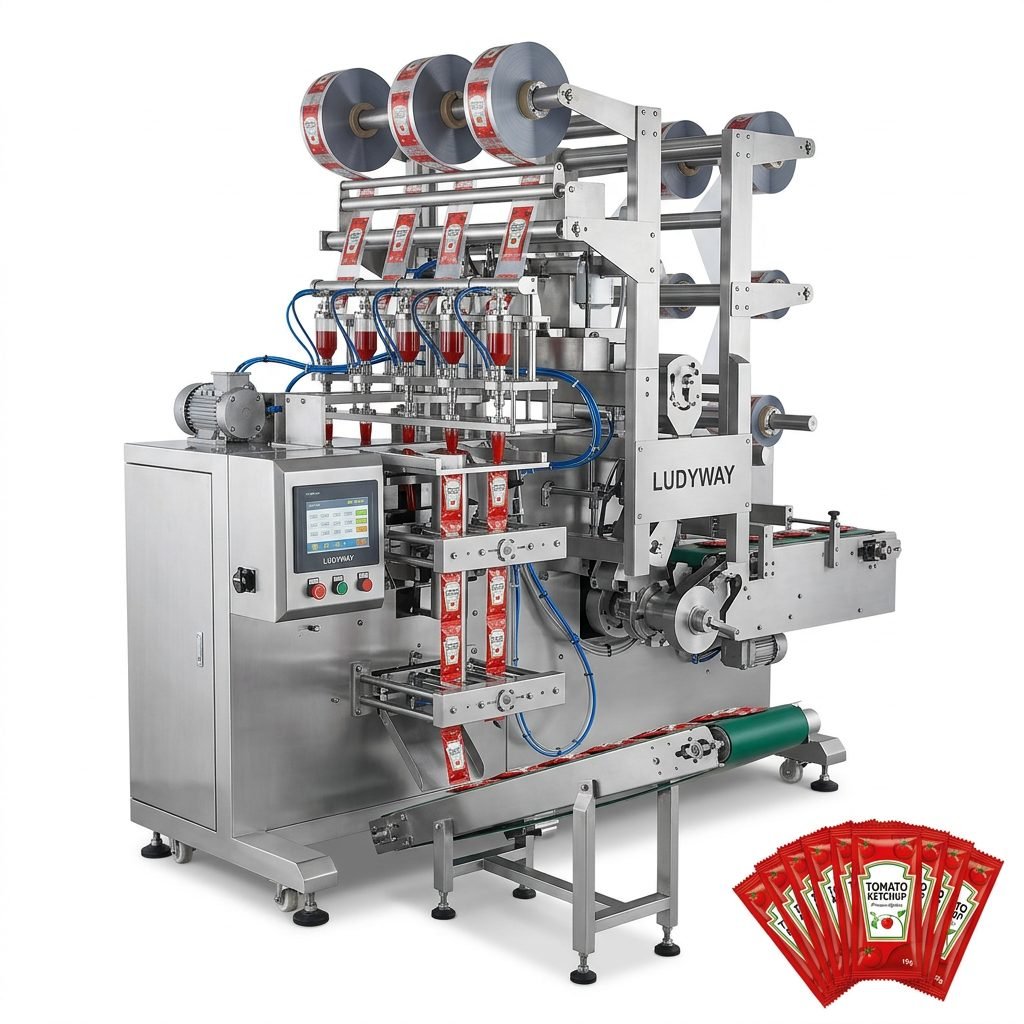
3. Ideal for product sampling and brand trial
For FMCG companies launching new products, sachets are a strong marketing tool. They lower the risk for first-time buyers and make free sampling campaigns more cost-effective. A consumer may hesitate to buy a full-size product from an unfamiliar brand, but a small sachet offers a low-commitment way to test it.
This is why sachets are commonly used for:
- New flavor launches
- Promotional packs
- Travel-size personal care items
- Cosmetic sample distribution
- Health supplement starter packs
4. Strong fit for a wide range of FMCG categories
Another key reason for their popularity is versatility. Sachet packaging works for powders, granules, liquids, gels, creams, and pastes. This gives FMCG manufacturers the ability to use one packaging concept across multiple product lines.
| FMCG Category | Typical Sachet Products | Main Benefit |
|---|---|---|
| Food & Beverage | Coffee, sugar, sauces, spices, soup mixes | Portion control and convenience |
| Personal Care | Shampoo, lotion, serum, conditioner | Travel-friendly and trial-size use |
| Home Care | Detergent, cleaner, sanitizer | Accurate dosing and retail flexibility |
| Pharma & Health | Oral powders, electrolyte mixes, supplements | Hygiene, precision, and single-dose safety |
5. Efficient for high-speed automated production
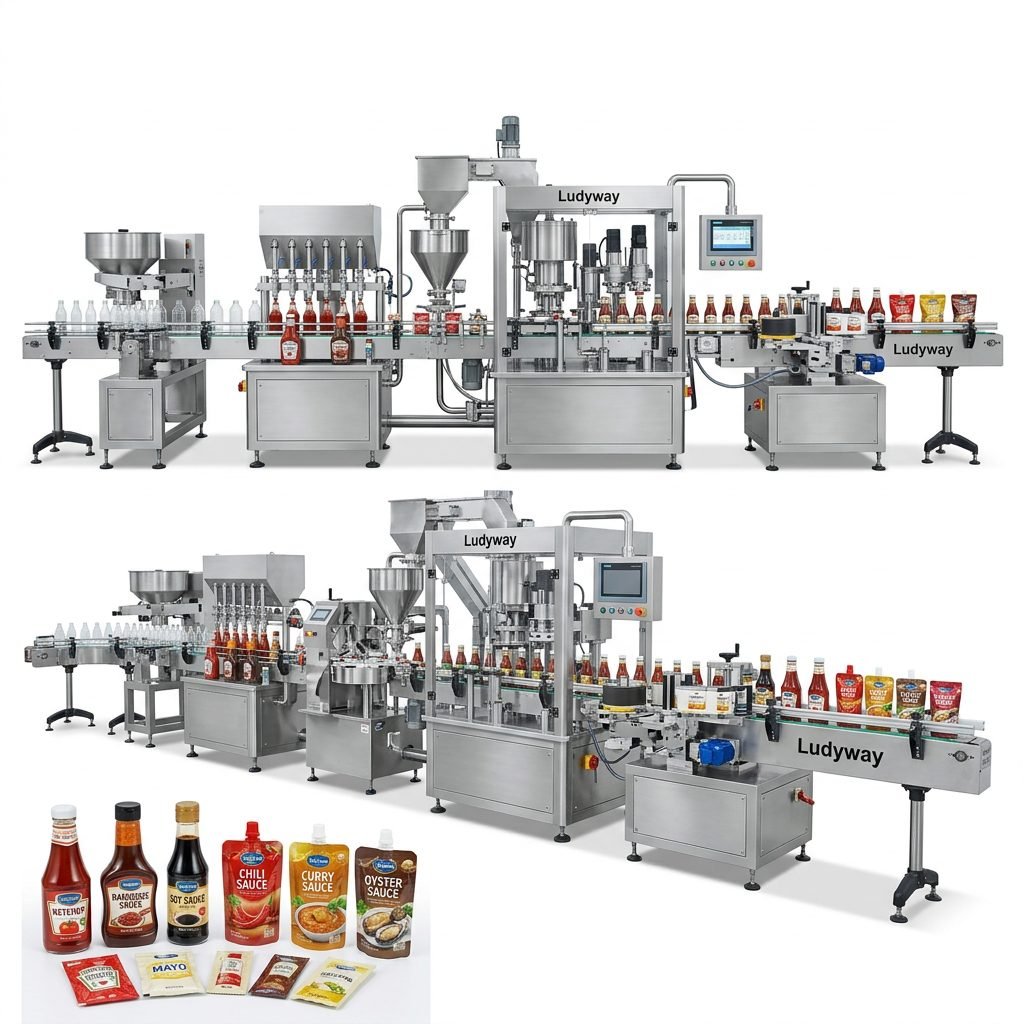
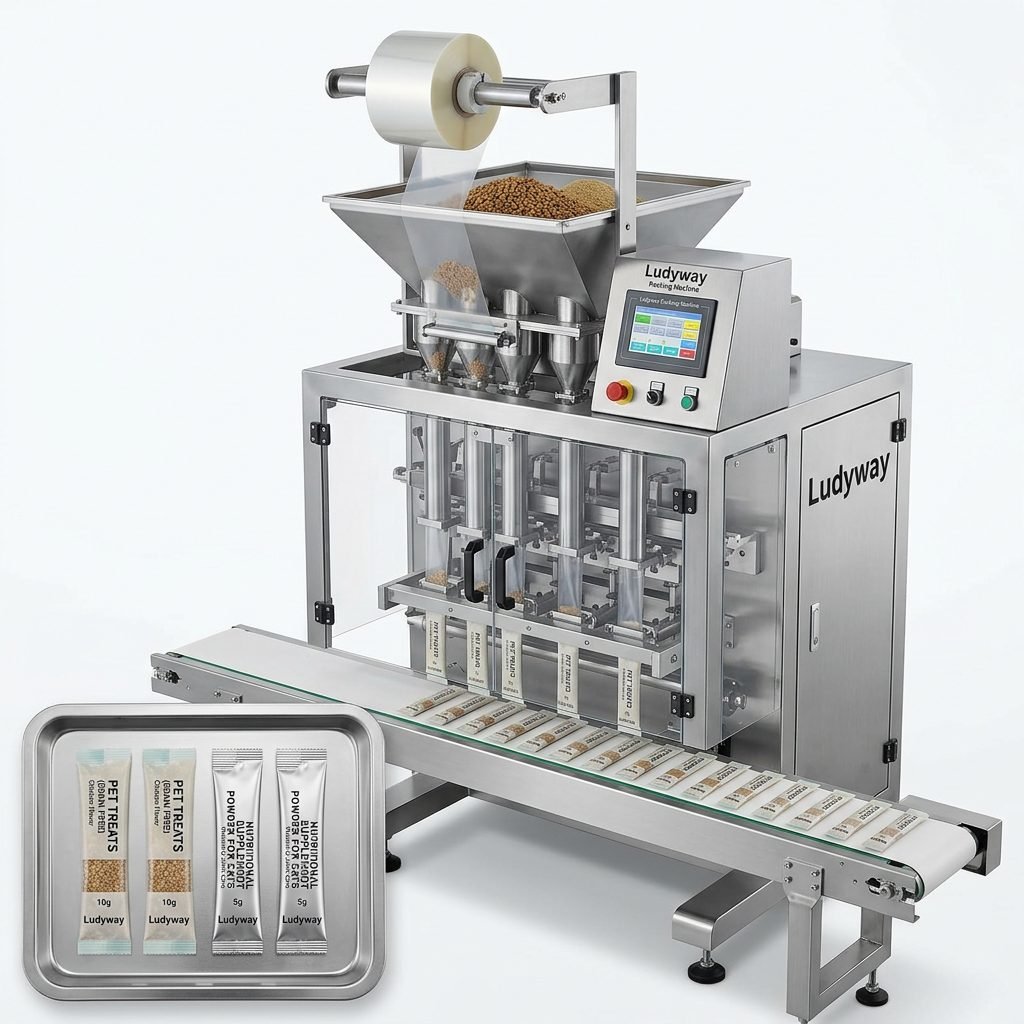
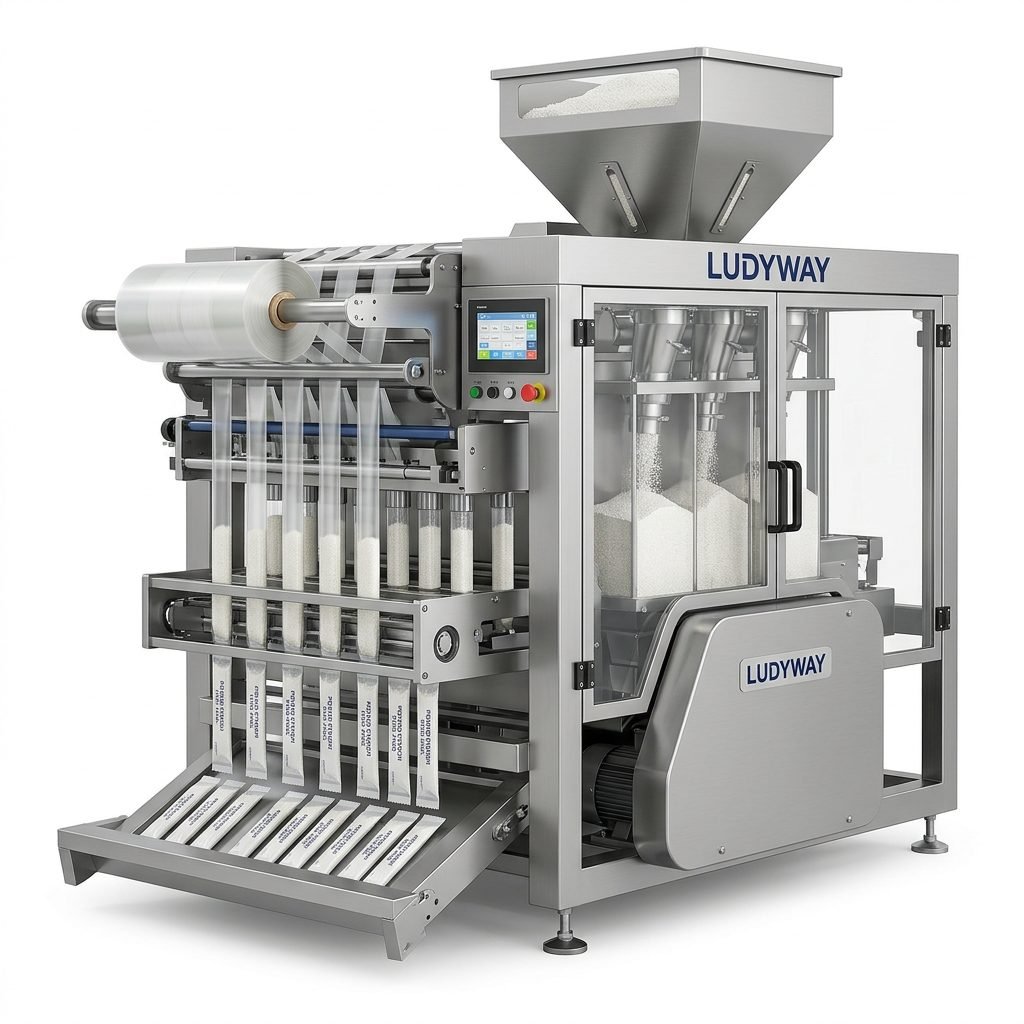
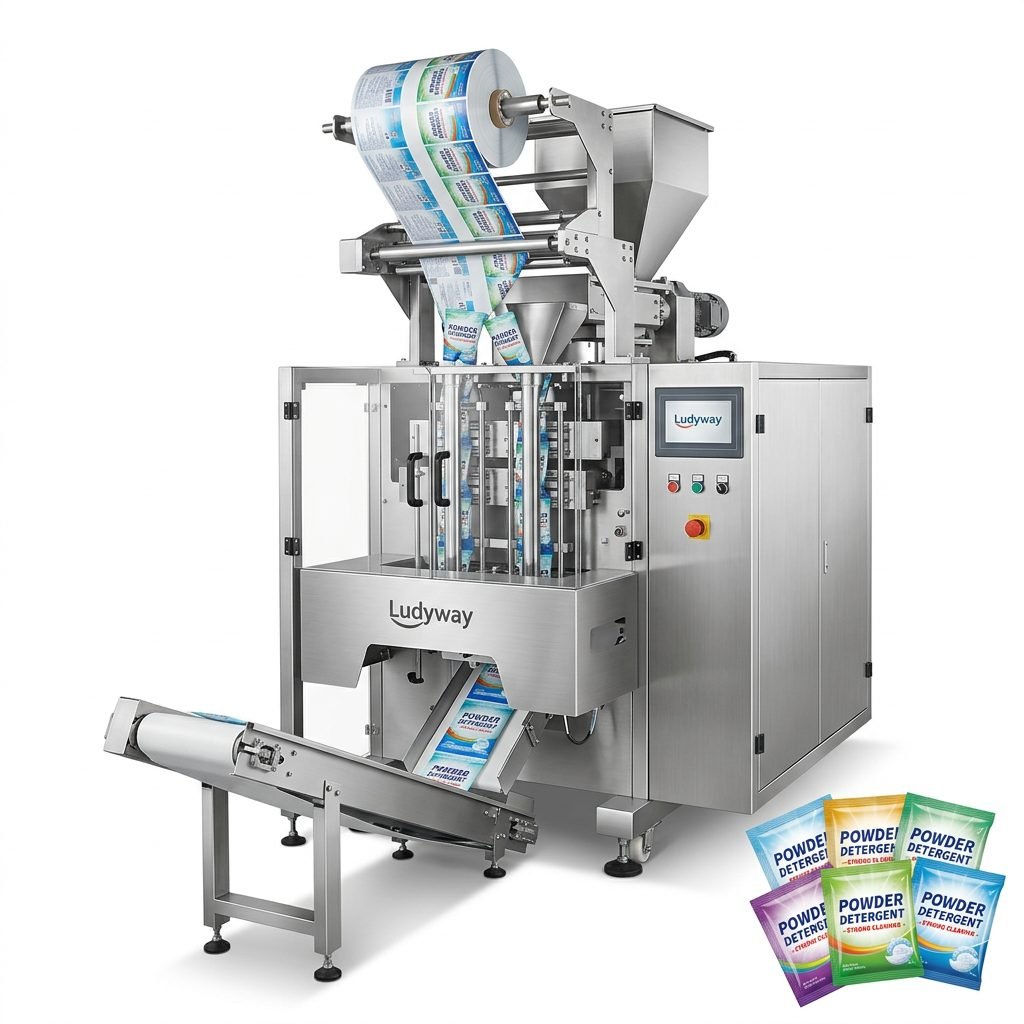
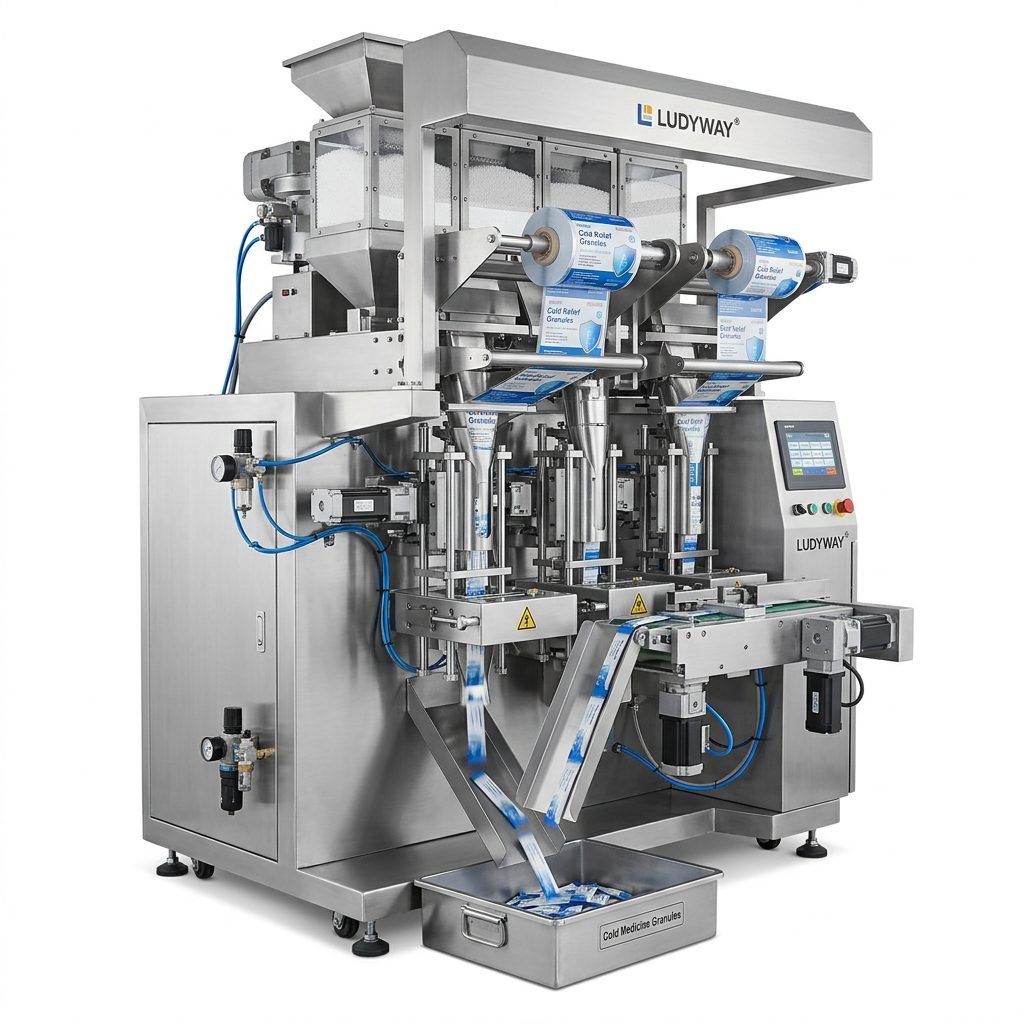
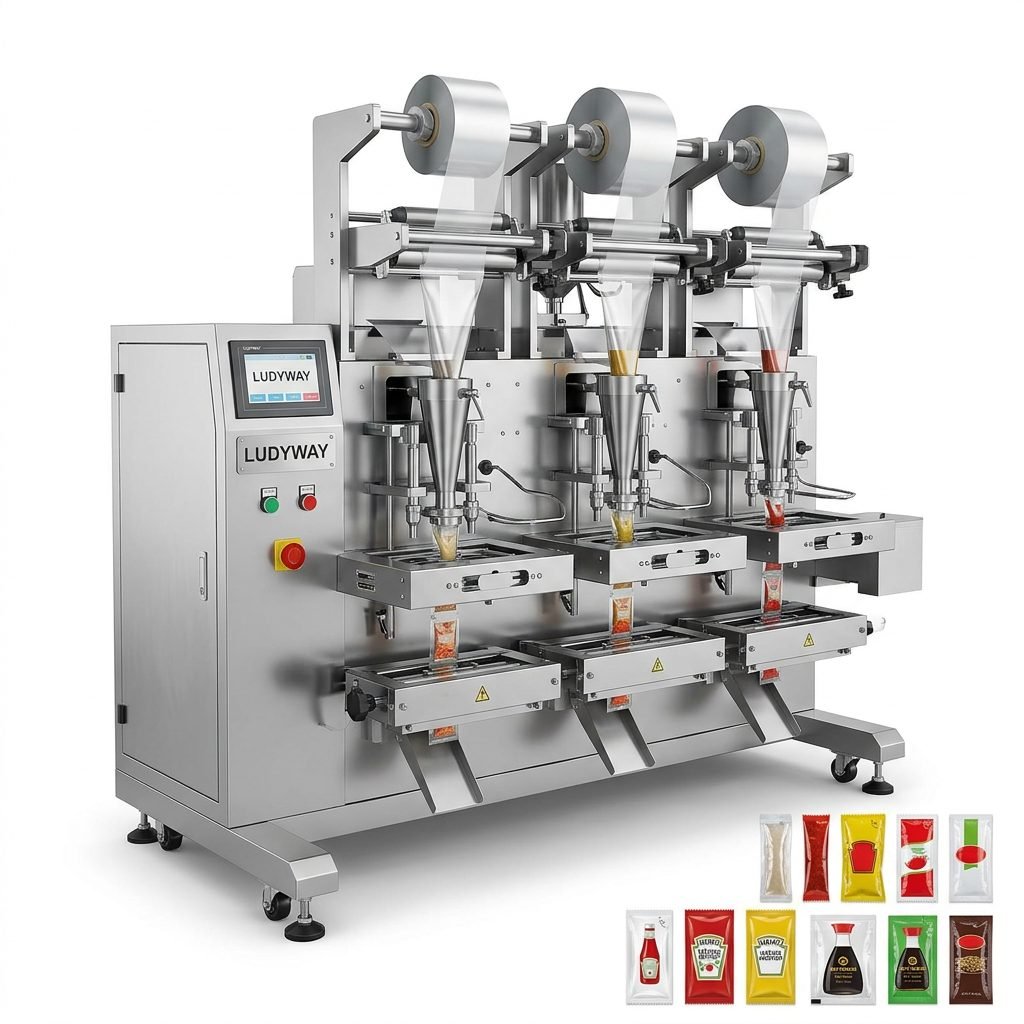
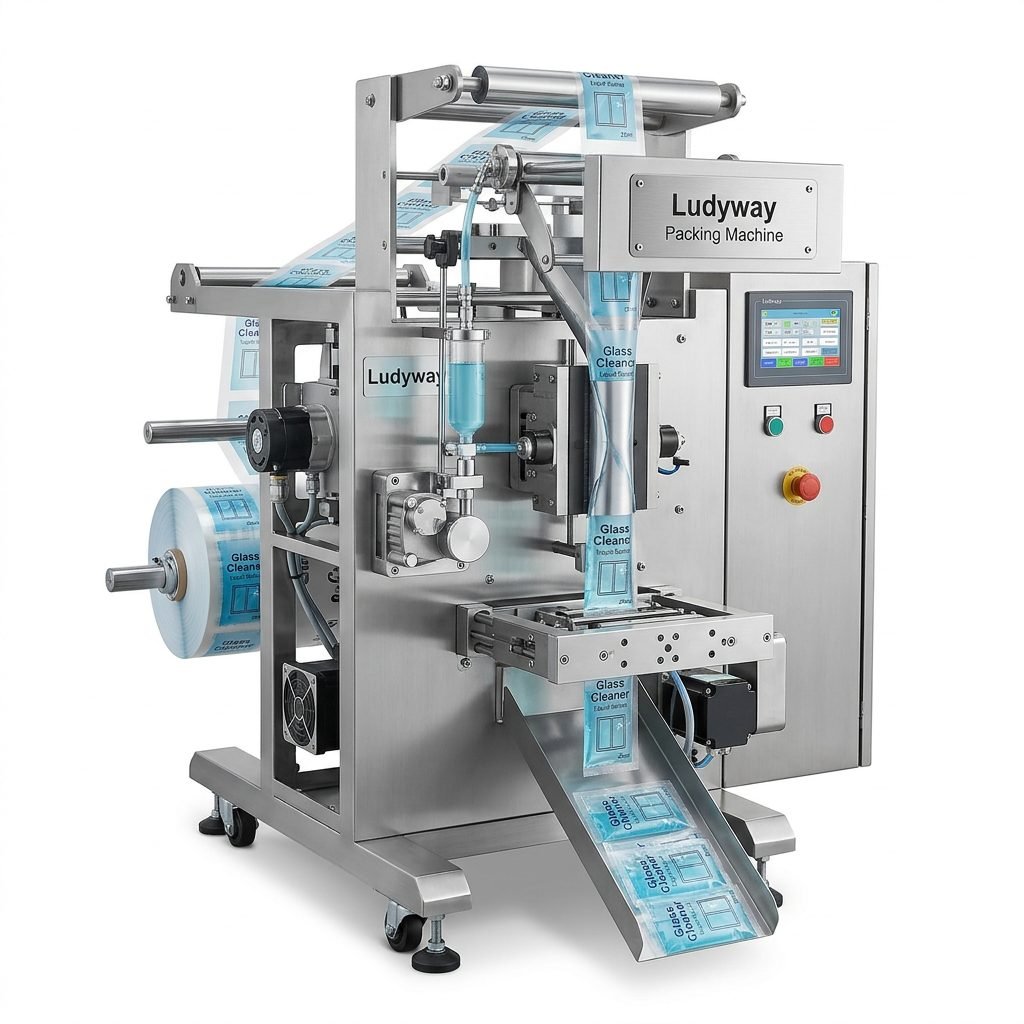
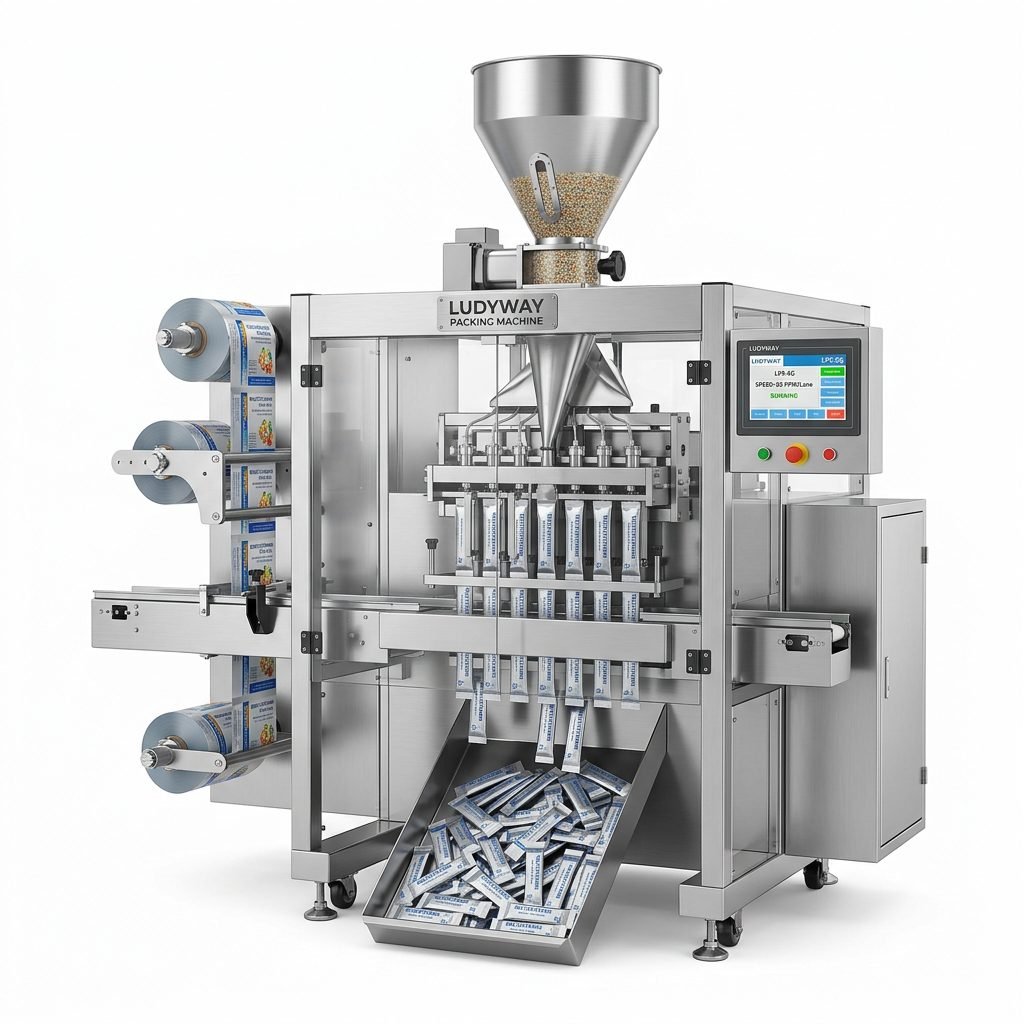
Popularity in FMCG is not only about consumer behavior. It is also about manufacturing economics. Sachets are highly compatible with automated filling and sealing equipment, especially multi-lane systems designed for high output.
Modern sachet lines can help manufacturers improve:
- Packaging speed
- Seal consistency
- Dose accuracy
- Labor efficiency
- Production scalability
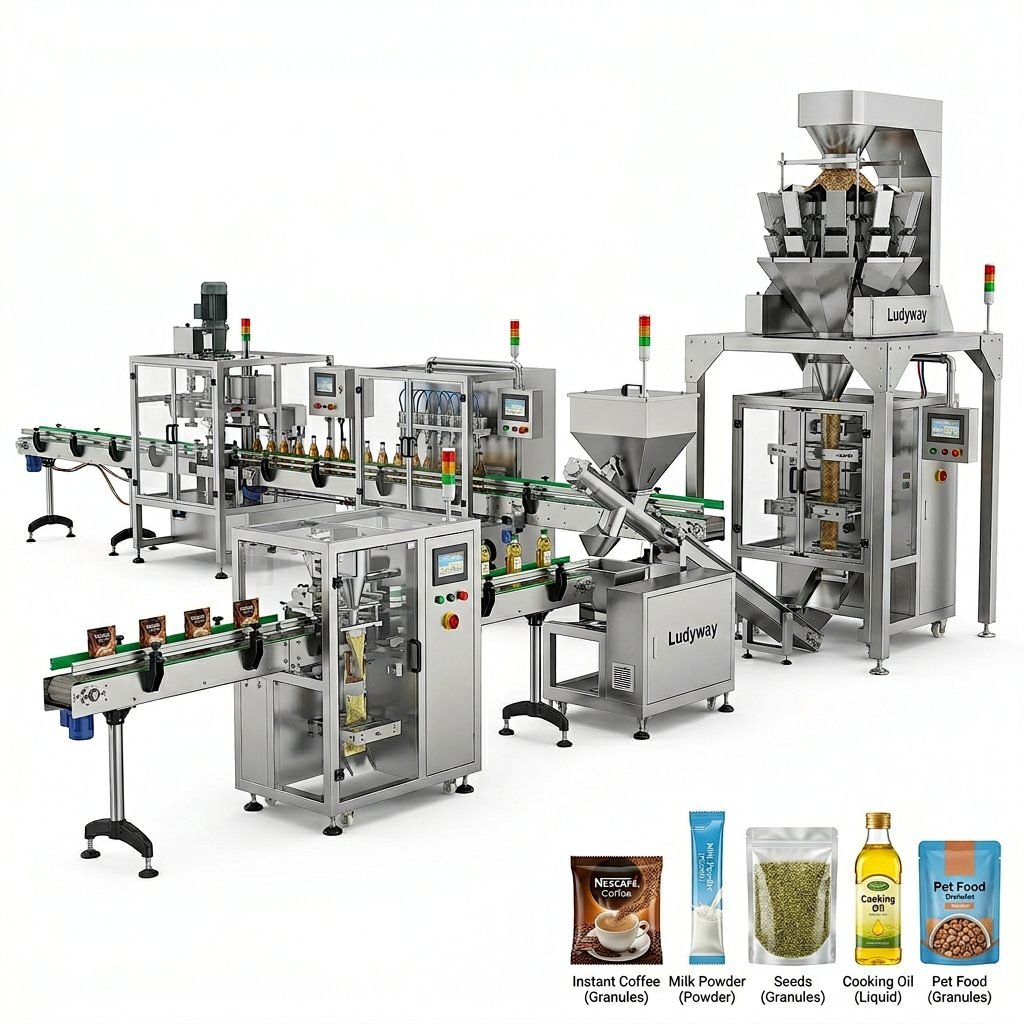
For growing brands and established FMCG producers alike, automated systems reduce bottlenecks and improve packaging uniformity. Companies looking for scalable packaging equipment often consider experienced manufacturers such as sachet packaging machine manufacturers that can support both standalone machines and turnkey line integration.
Why automation strengthens sachet packaging adoption
When output demand rises, sachet packaging can scale efficiently. Multi-lane equipment supports large production volumes while maintaining compact pack sizes. That means brands can serve mass markets without sacrificing dosing accuracy or pack appearance.
6. Retailers like sachets for display and turnover
Retail performance is another major factor. Sachets can be displayed in strips, bowls, hanging racks, counter units, or bundled promo packs. They require less shelf space per unit and can move quickly in convenience stores, supermarkets, pharmacies, and e-commerce fulfillment channels.
For retailers, sachets often deliver:
- Fast turnover on low-ticket items
- Easy merchandising in limited spaces
- Broader SKU variety
- Strong fit for promotional campaigns
7. Better portion control and hygiene
Single-use sachets help maintain product integrity. Instead of repeatedly opening and closing a larger package, the user opens one sealed portion at a time. This can improve hygiene, freshness, and dosing accuracy, especially for products in food service, healthcare, and personal care applications.
This is particularly valuable for:
- Functional nutrition powders
- Medical or wellness sachets
- Sauces and condiments
- Cosmetic serums and creams
- Cleaning concentrates
8. Sachets support market expansion and localization
Global FMCG brands often use sachets to enter new markets quickly. Small-format packaging allows brands to test product acceptance, price sensitivity, and distribution performance before investing in larger packaging formats. It also makes it easier to tailor pack counts, dosage sizes, and language labeling for different regions.
Because sachets are flexible in both product volume and packaging material structure, they can be adapted to local retail habits, consumer budgets, and channel requirements.
Common reasons brands switch to sachet packaging
| Business Goal | Why Sachets Help |
|---|---|
| Launch a new SKU | Lower-risk trial format for consumers |
| Increase distribution reach | Compact packs fit more retail and wholesale channels |
| Improve affordability | Smaller pack size lowers unit price |
| Boost convenience | Portable, single-use, and easy to open |
| Scale production | Compatible with high-speed automated packaging lines |
Challenges to consider
Although sachets are highly popular, brands still need to plan carefully. Packaging material selection, seal quality, filling accuracy, print clarity, and secondary packaging all affect final performance. Sachet success depends not just on the pack format, but on choosing the right machine configuration and line design for the specific product.
Important technical considerations
- Product type: powder, granule, liquid, gel, or paste
- Required output speed
- Sachet size and shape
- Film compatibility and sealing performance
- Coding, cartoning, counting, and end-of-line integration
Final thought on sachet popularity in FMCG
Sachet packaging remains popular in the FMCG industry because it aligns with how products are bought, sold, transported, and consumed today. It combines affordability, convenience, flexibility, and scalable automation in one packaging format. For brands aiming to increase market penetration, support new product launches, and optimize production efficiency, sachets continue to be one of the most practical packaging solutions available.