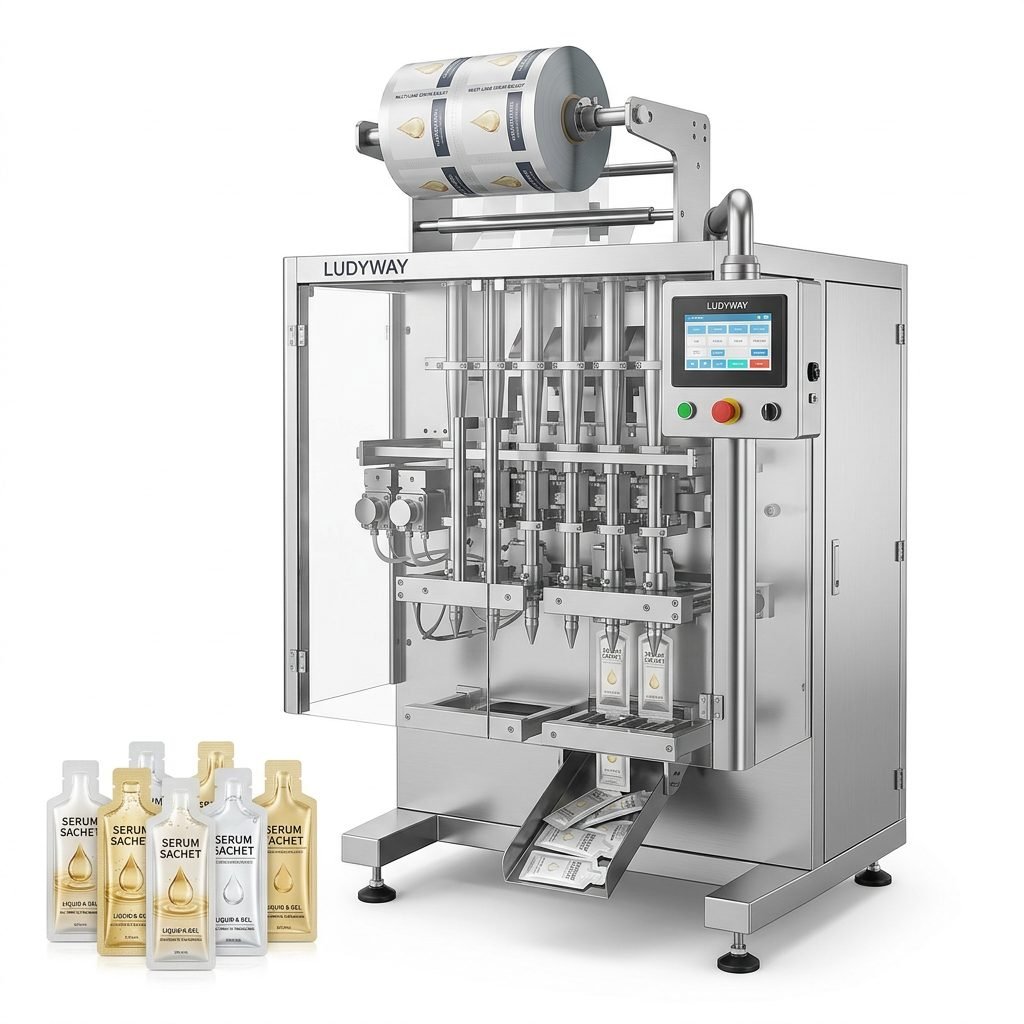
Choosing between stick pack packaging and sachet packaging is not just about shape. It affects filling speed, material use, shelf appeal, portability, dosage accuracy, and the type of packaging machine you need. For brands in food, pharmaceuticals, nutraceuticals, cosmetics, and household products, understanding the differences can help reduce waste and improve production efficiency.
In simple terms, stick packs are narrow, tube-like packets, while sachets are wider and usually more rectangular or square. Both are popular single-dose flexible packaging formats, but each works better for different products and market goals.
What Is Stick Pack Packaging?
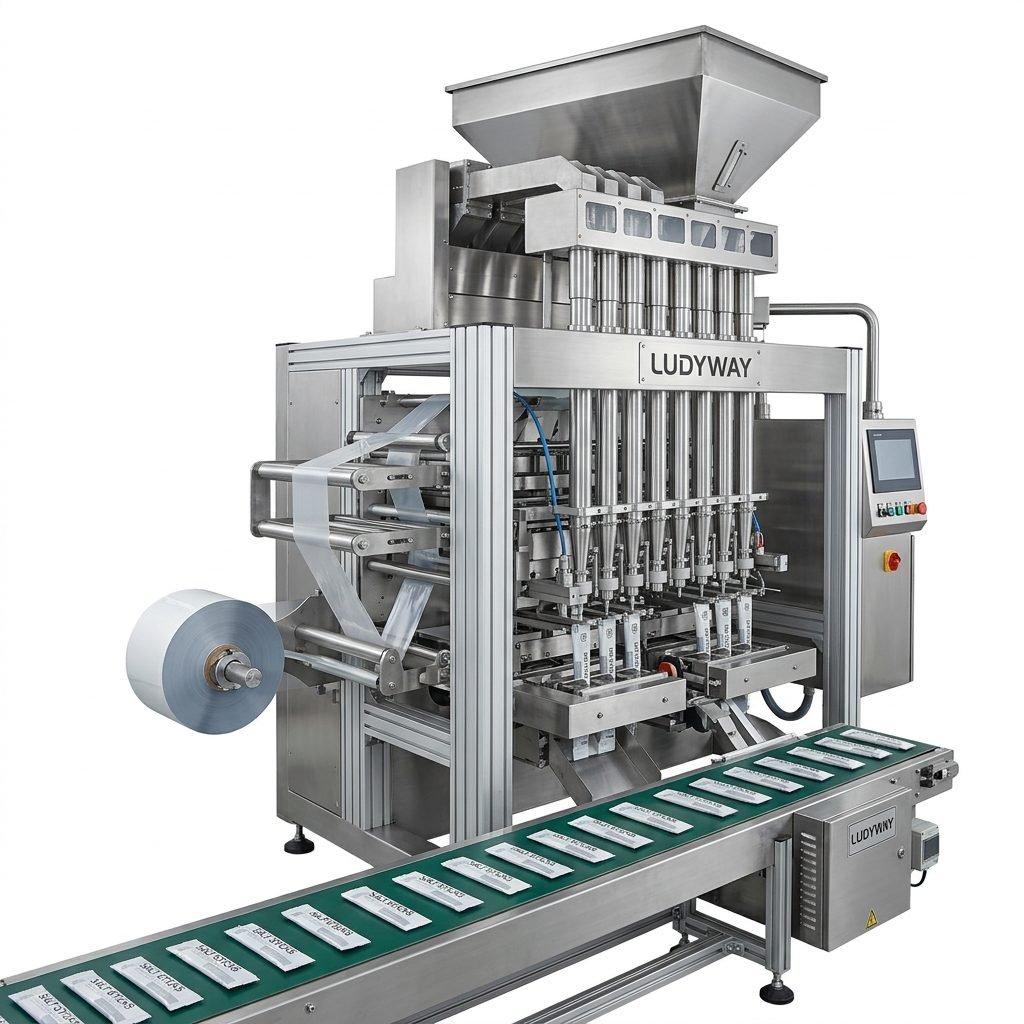
A stick pack is a slim, elongated package designed for precise single servings or small-volume applications. It is commonly used for products such as coffee, sugar, drink powders, oral rehydration salts, collagen, supplements, gels, sauces, and pharmaceutical granules.
- Long and narrow format
- Usually designed for one-time use
- Excellent for controlled dispensing
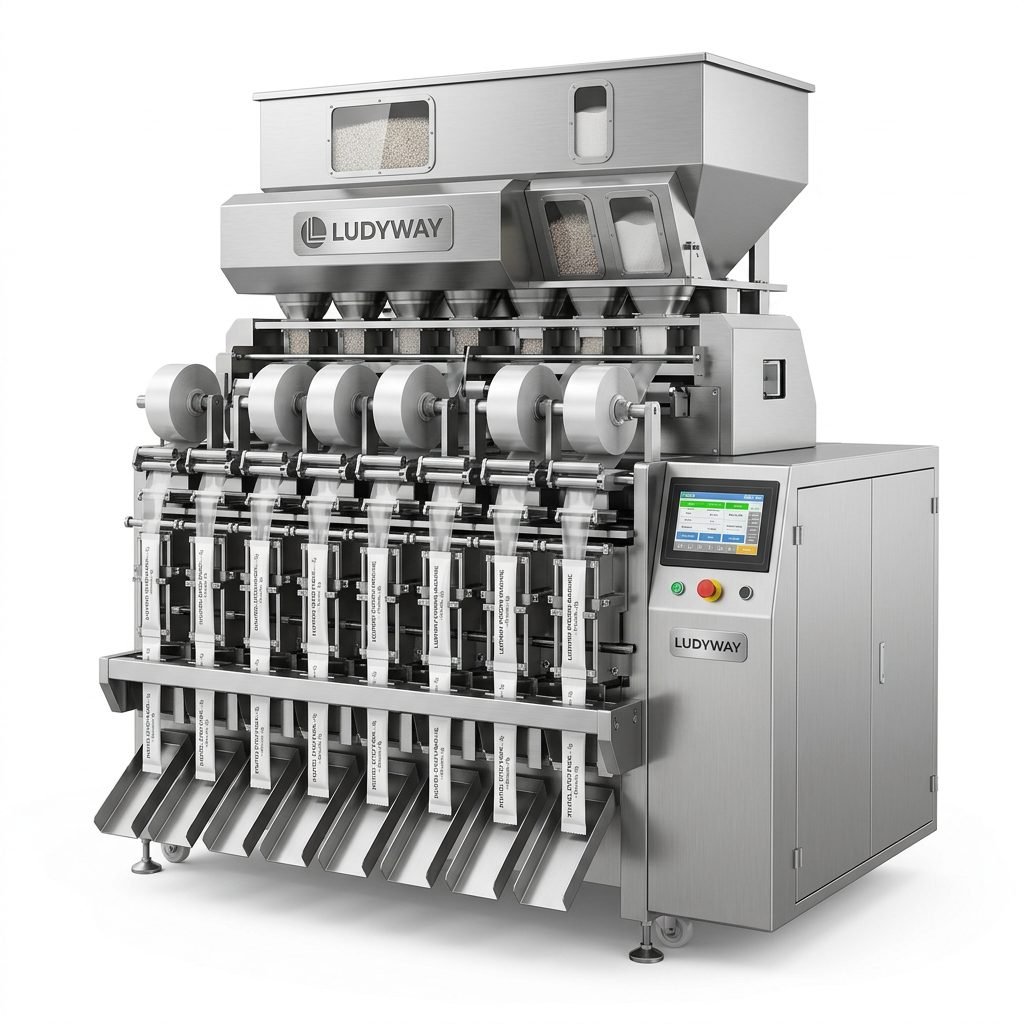
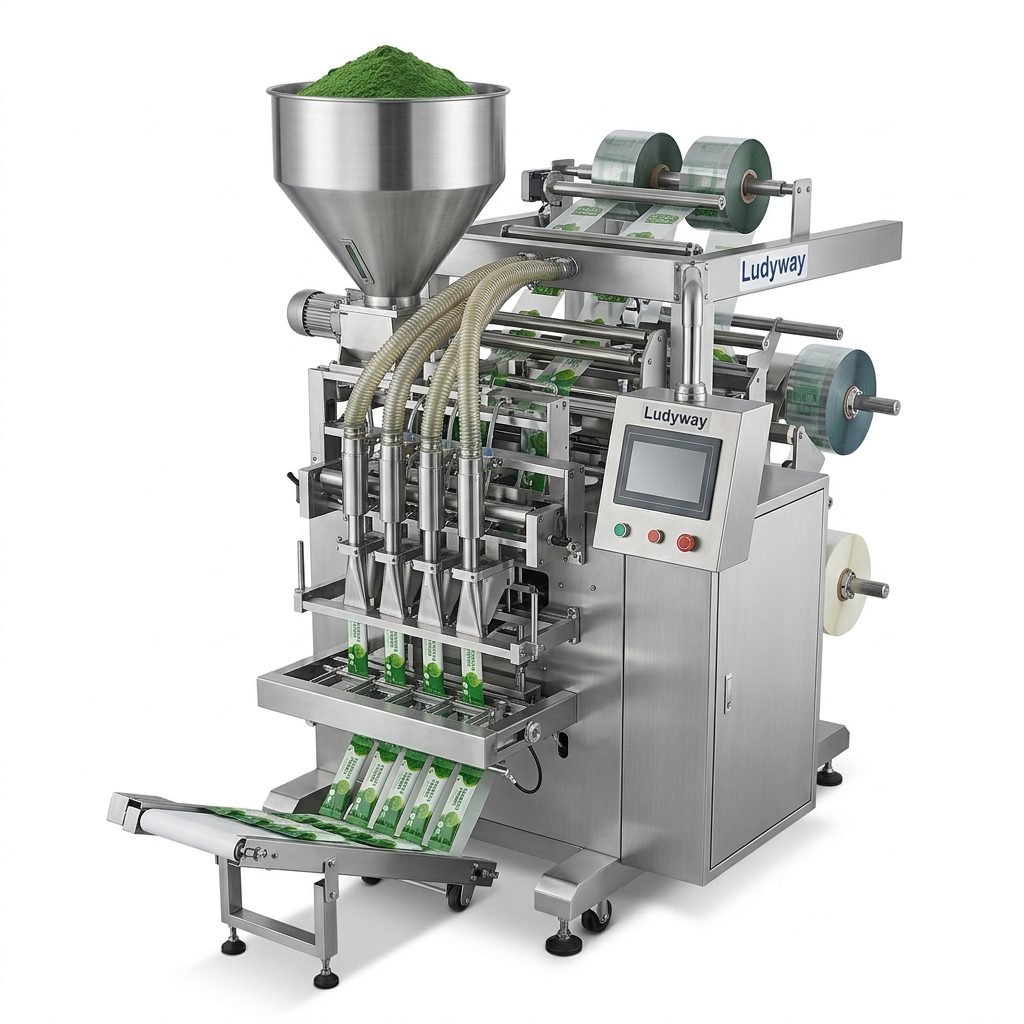
- Often used in high-speed multi-lane production
Stick packs are especially valued when brands want a modern, portable package with a clean and premium appearance. They are also efficient for products that need to be poured directly into water, the mouth, or a mixing vessel with minimal mess.
What Is Sachet Packaging?
A sachet is a sealed flexible packet that is usually wider and flatter than a stick pack. Sachets can be square, rectangular, or specially shaped, and they are widely used for powders, granules, liquids, creams, gels, and wipes.
- Broader format with more front-facing space
- Works well for samples and retail promotions
- Suitable for both low and moderate fill volumes
- Common in food, cosmetics, pharma, and personal care
Sachets are often chosen when product presentation matters, when more branding area is needed, or when the product itself is thicker, wider, or less suitable for a narrow pack.
Stick Pack vs Sachet Packaging: The Core Differences
| Factor | Stick Pack | Sachet |
|---|---|---|
| Shape | Long and narrow | Wider and flatter |
| Branding Area | Limited front space | Larger printable area |
| Dispensing | More precise and clean pouring | Good, but may be less controlled for some powders |
| Material Efficiency | Often lower film consumption per dose | May use more film depending on size |
| Product Types | Powders, granules, gels, liquids | Powders, liquids, creams, wipes, samples |
| Consumer Experience | Portable, modern, easy to open | Familiar, flexible, highly versatile |
| Machine Configuration | Often multi-lane stick pack machines | Vertical or horizontal sachet machines |
Which Products Are Better for Stick Packs?
Stick packs are usually the better choice when the package needs to be compact, portable, and easy to dispense. They are highly effective for products consumed on the go or in exact dosage amounts.
Best-fit applications include:
- Instant coffee and beverage powders
- Sugar, salt, and sweeteners
- Nutritional supplements and functional powders
- Pharmaceutical granules and oral powders
- Energy gels and liquid concentrates
- Condiments in controlled small portions
The narrow design also makes stick packs ideal for multi-lane high-output manufacturing, where brands need large daily production volumes without sacrificing dose consistency.
Which Products Are Better for Sachets?
Sachets are often better when the product needs more internal space, a broader presentation area, or a format that can accommodate liquids, creams, or irregular textures more comfortably.
Best-fit applications include:
- Shampoo, lotion, and cosmetic creams
- Sauces, ketchup, mayonnaise, and dressings
- Face masks and beauty samples
- Pharmaceutical powders and medical-use products
- Household cleaners and detergent liquids
- Trial packs and promotional samples
Sachets also offer stronger shelf visibility because of their wider front panel. If your packaging design relies heavily on branding, ingredients, instructions, or multilingual labeling, sachets may be easier to work with.
Is Stick Pack Packaging More Cost-Effective?
In many cases, yes. Stick packs can be more cost-effective because they often use less packaging film per serving and support high-speed multi-lane production. However, cost-effectiveness depends on several factors:
- Product density and flowability
- Target fill weight or volume
- Film structure and barrier requirements
- Machine speed and labor efficiency
- Cartoning, counting, and secondary packaging needs
For free-flowing powders and granules, stick packs frequently deliver a strong balance of speed, material savings, and user convenience. But for viscous liquids, creams, or marketing-heavy sample products, sachets can provide better practical value.
Is Sachet Packaging Better for Branding?
Yes, usually. Sachets generally provide more print area, which helps when you need strong visual branding, detailed product claims, ingredient lists, or regulatory text. This makes sachets especially attractive in:
- Cosmetics and skincare
- Premium food sampling
- Pharmaceutical instruction-heavy products
- Export products with multilingual labels
If point-of-sale presentation is a major priority, sachets often offer a design advantage over stick packs.
Consumer Convenience: Which One Is Easier to Use?
Both formats are convenient, but they serve convenience in different ways.
| User Need | Better Format |
|---|---|
| Pouring powder into a bottle or glass | Stick pack |
| Using creams, gels, or sauces | Sachet |
| Travel-size daily use | Stick pack |
| Large branding visibility | Sachet |
| Single-dose functional products | Stick pack |
Stick packs are often perceived as neater and more premium for drink mixes and supplements, while sachets are usually more intuitive for creams, sauces, and broad sample applications.
Machine Selection: Why the Packaging Format Matters
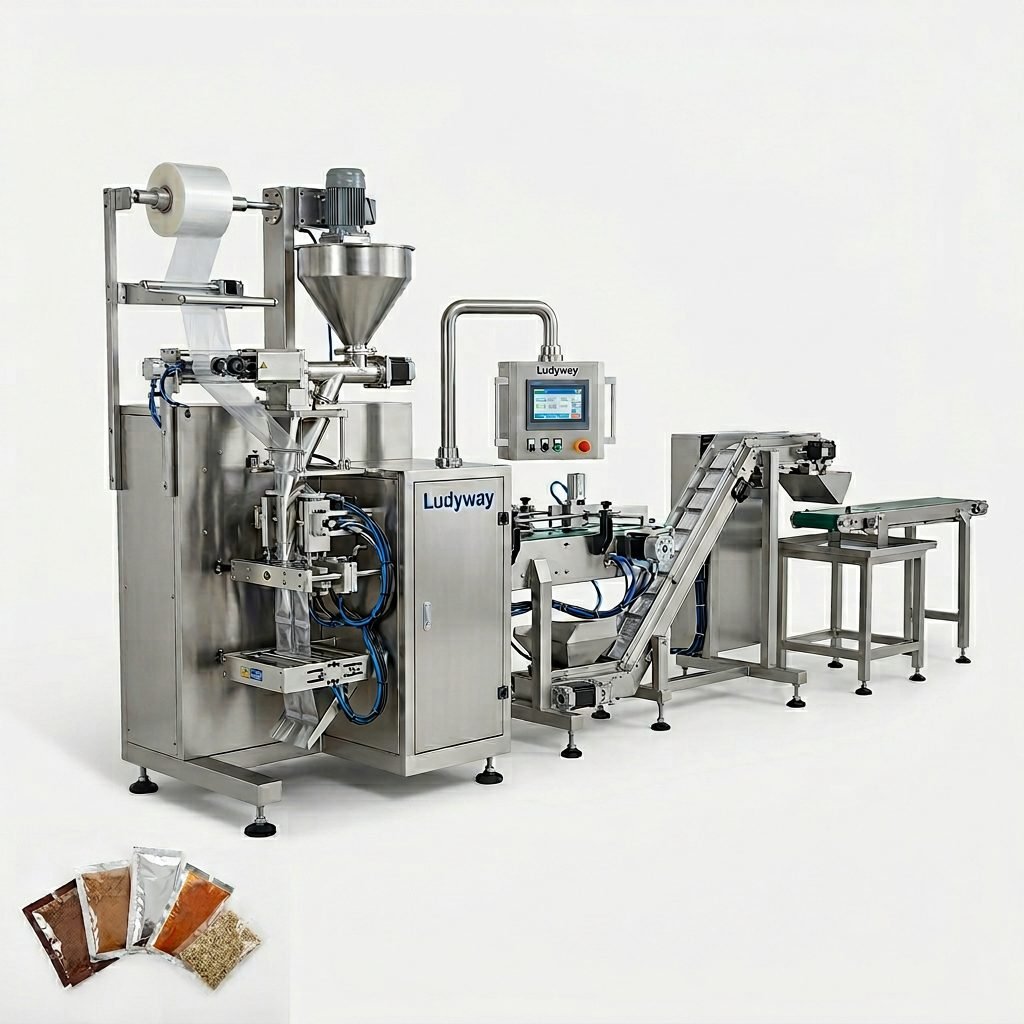
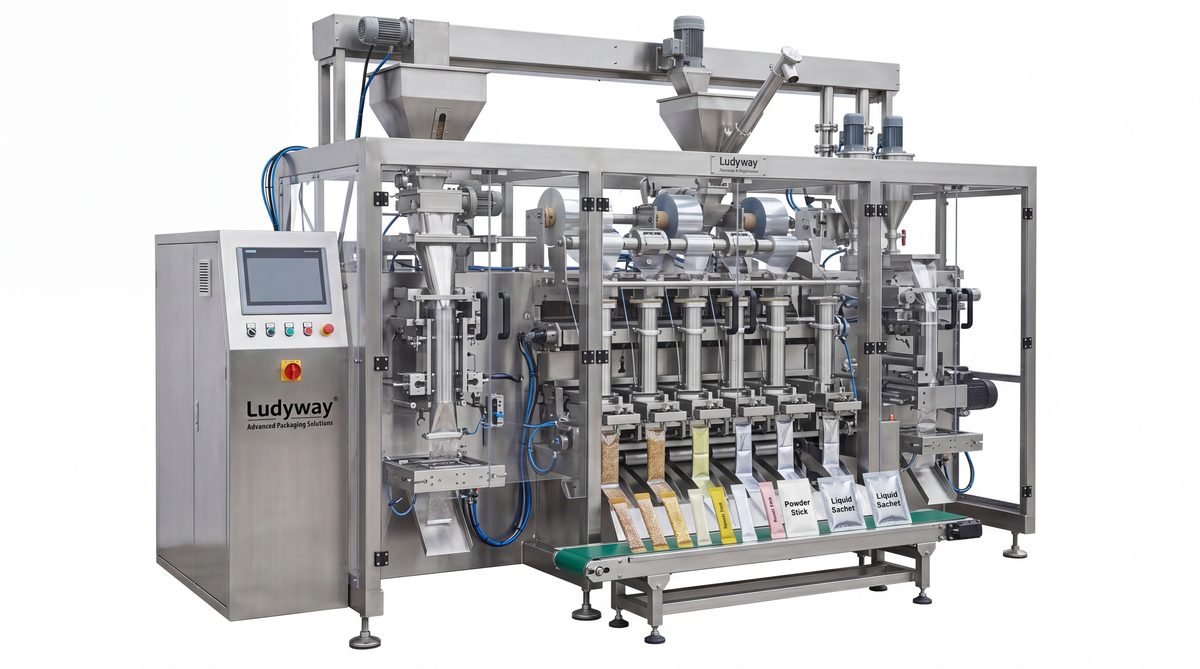
The format you choose directly influences the type of equipment required. A stick pack line is typically engineered for narrow-lane forming, accurate dosing, sealing stability, and synchronized high-speed output. Sachet lines may offer more flexibility in pack width, shape, and filling style.
When evaluating machinery, key technical considerations include:
- Product type: powder, granule, liquid, paste, or gel
- Required output per minute
- Single-lane or multi-lane production
- Seal integrity and film compatibility
- Changeover time between sizes and SKUs
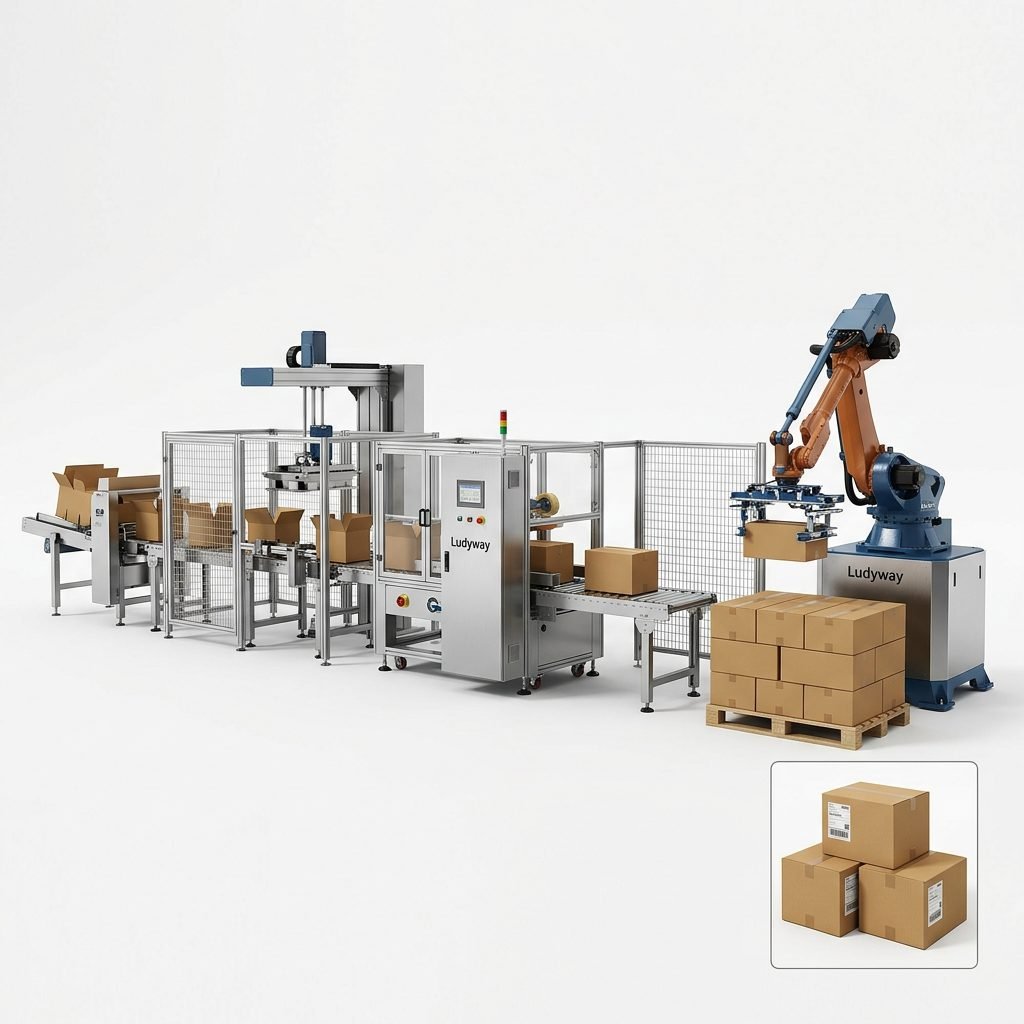
- Integration with cartoning, coding, inspection, and case packing
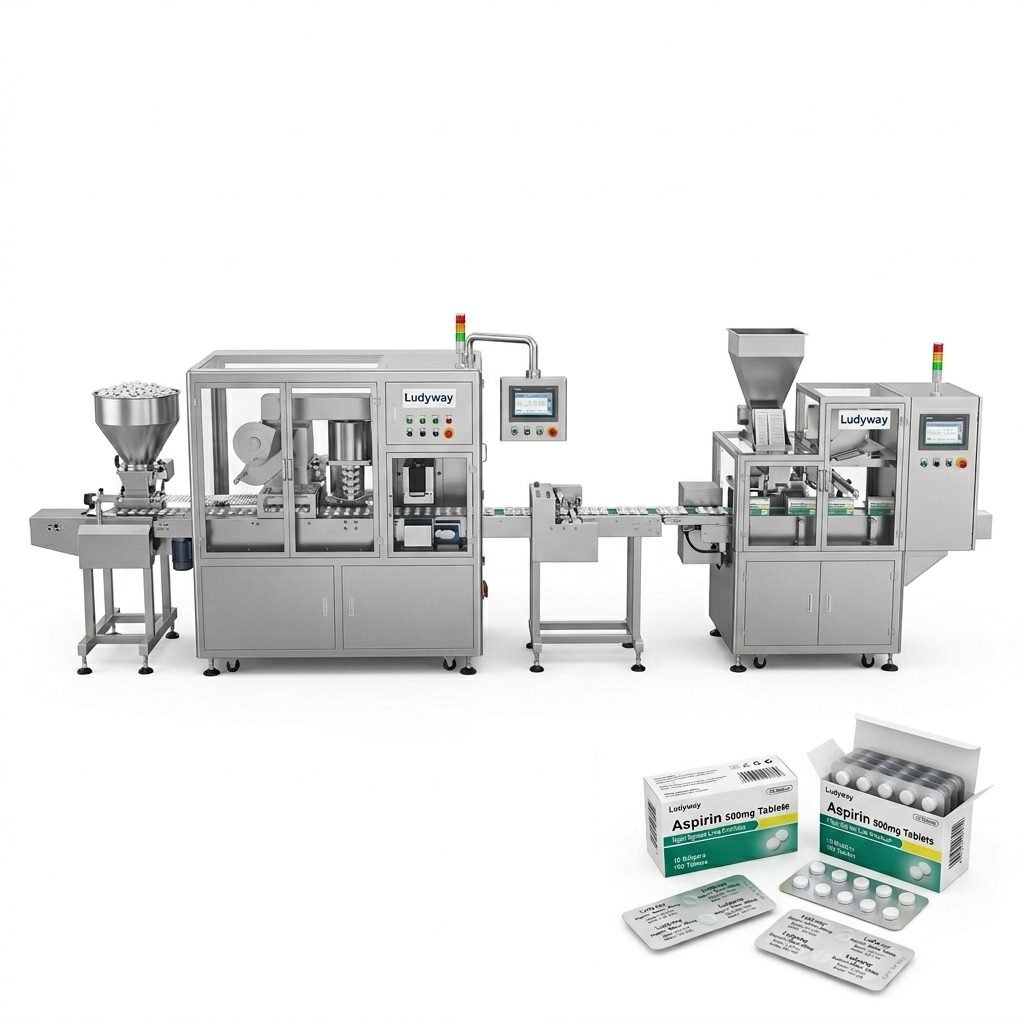
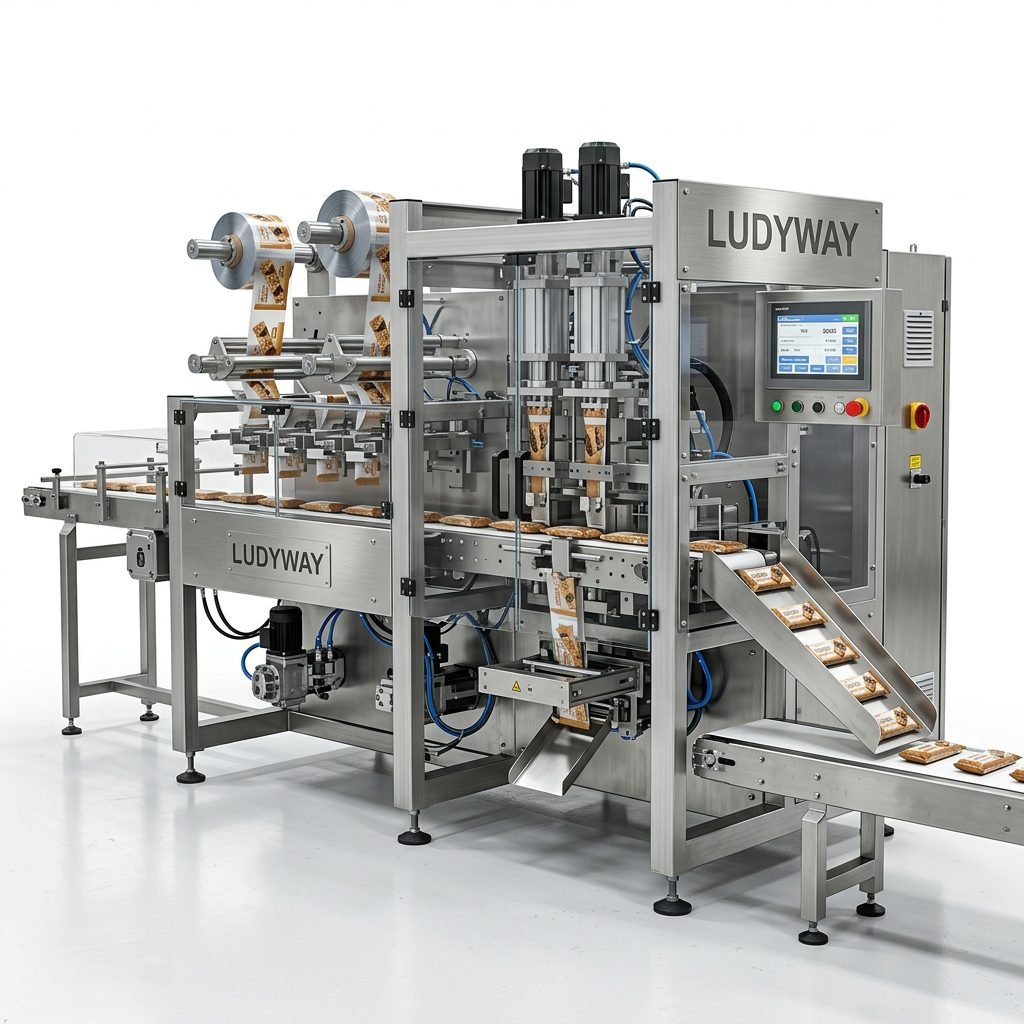
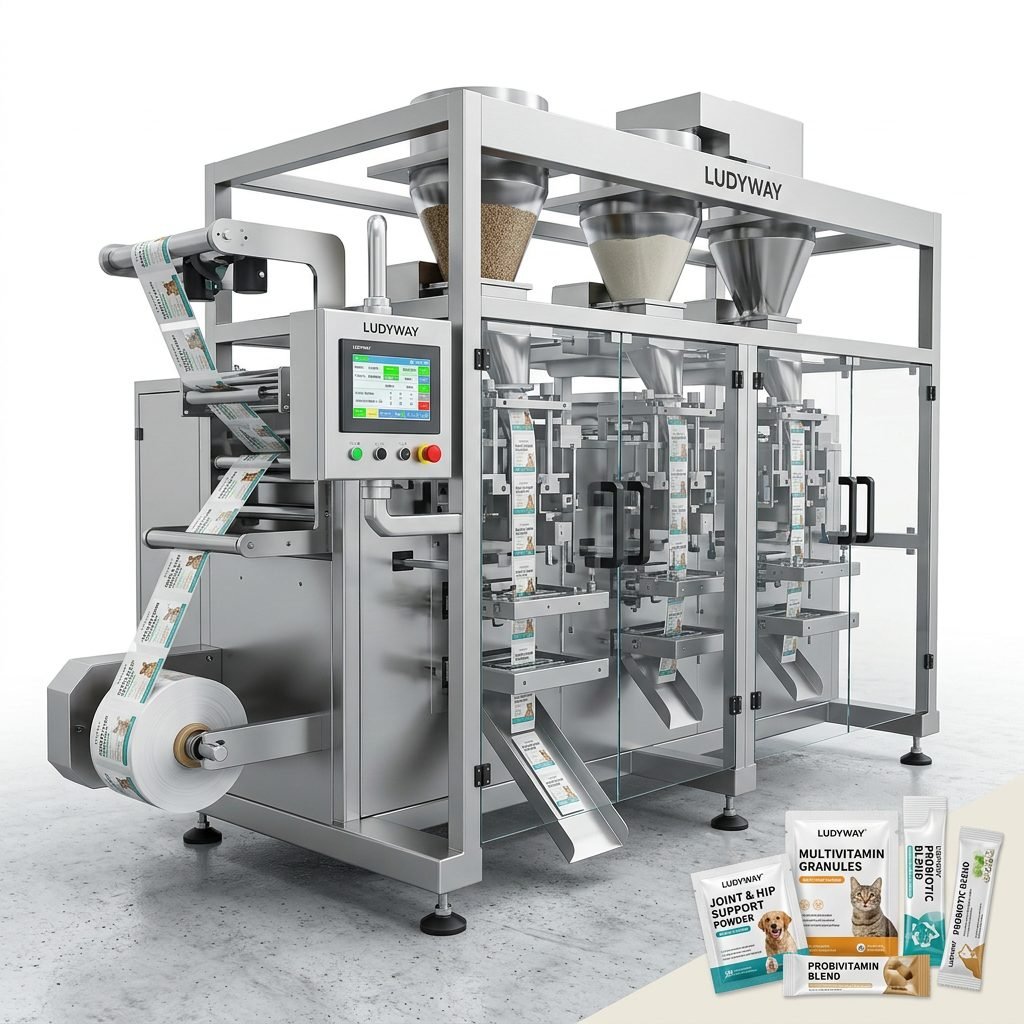
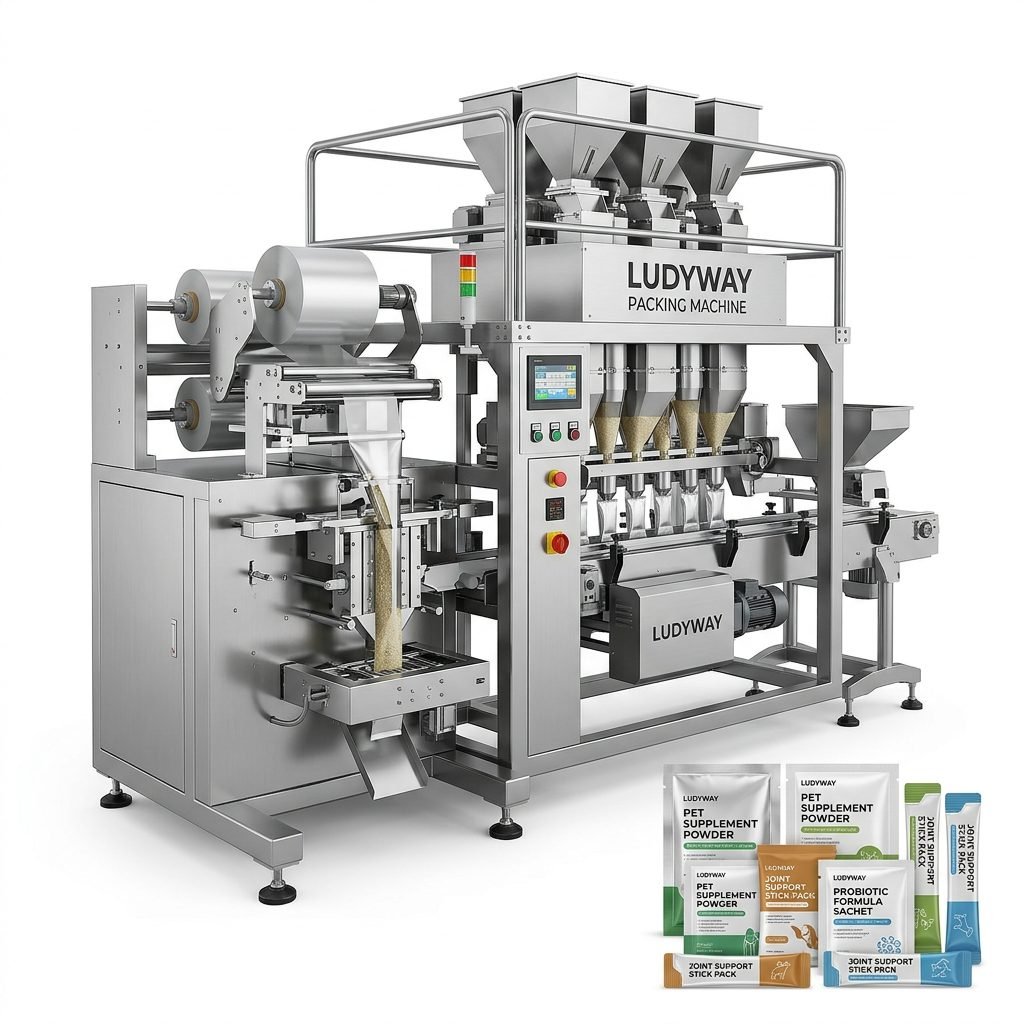
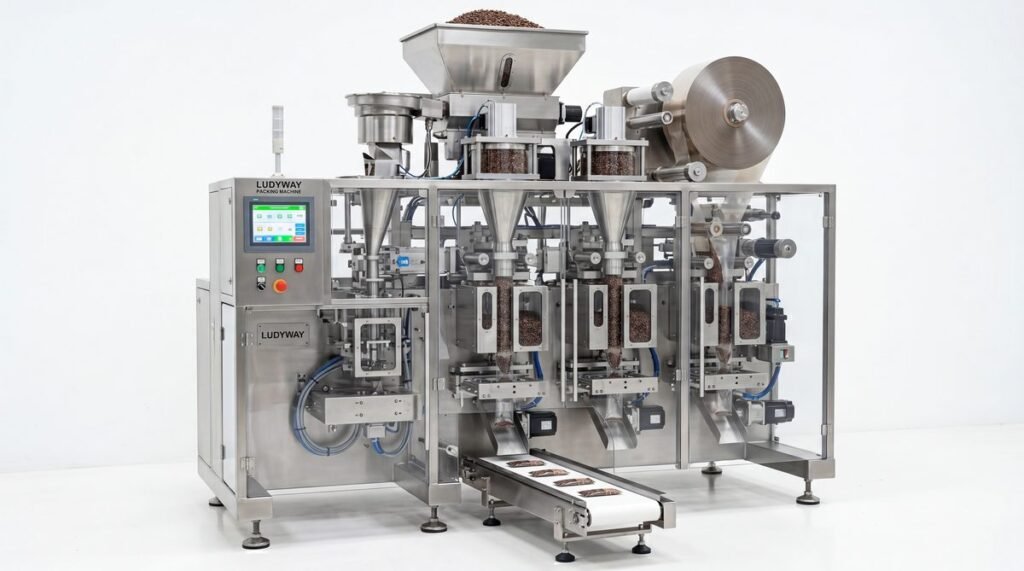
Companies seeking scalable automation often work with specialized manufacturers such as Ludyway packaging machine solutions for stick pack machines, sachet machines, and complete turnkey packaging lines.
How to Decide Between Stick Pack and Sachet Packaging
If you are unsure which format is right for your product, use the following decision guide.
Choose stick packs if you need:
- Precise single-dose packaging
- High-speed multi-lane production
- A slim, portable format
- Clean powder or granule dispensing
- Lower material use per small serving
Choose sachets if you need:
- More front-facing branding area
- Flexible pack dimensions
- Better suitability for creams, sauces, and viscous products
- Sample-oriented marketing packs
- Wider shape options for retail presentation
Which Is Better: Stick Pack or Sachet?
There is no universal winner. The better packaging format depends on your product, market positioning, filling method, and production target.
Stick packs are generally better for:
- Drink powders
- Supplement granules
- Sugar, salt, and sweeteners
- Travel-friendly single-dose convenience
- High-speed automated packaging lines
Sachets are generally better for:
- Creams and gels
- Liquid condiments
- Cosmetic samples
- Products needing more design space
- Versatile retail and promotional applications
Final Buying Insight for Manufacturers and Brand Owners
Before choosing stick pack or sachet packaging, evaluate not just the pack style but the entire packaging workflow: dosing accuracy, film selection, sealing reliability, downstream automation, and consumer handling. A format that looks attractive but slows production or increases waste may not be the best business decision.
For many fast-moving powder and granule products, stick packs offer an excellent mix of efficiency, precision, and portability. For broader product categories and stronger branding needs, sachets remain one of the most flexible packaging options on the market.
FAQ
Are stick packs and sachets the same?
No. Both are flexible single-use packaging formats, but stick packs are long and narrow, while sachets are usually wider and flatter.
Are stick packs cheaper than sachets?
They can be, especially for small-dose powders and granules, because they may use less film and support efficient multi-lane production.
Can liquids be packed in both stick packs and sachets?
Yes. Both formats can handle liquids, but sachets are often preferred for thicker liquids, creams, and gels, while stick packs work well for drink shots, syrups, and narrow-dose liquid applications.
Which format is better for supplements?
Stick packs are often better for powdered and granulated supplements because they provide clean dosing, portability, and a premium single-serve experience.
Which packaging machine should I choose?
That depends on your product characteristics, target speed, pack size, and line integration requirements. The correct machine should match both your current SKU and your future expansion plans.