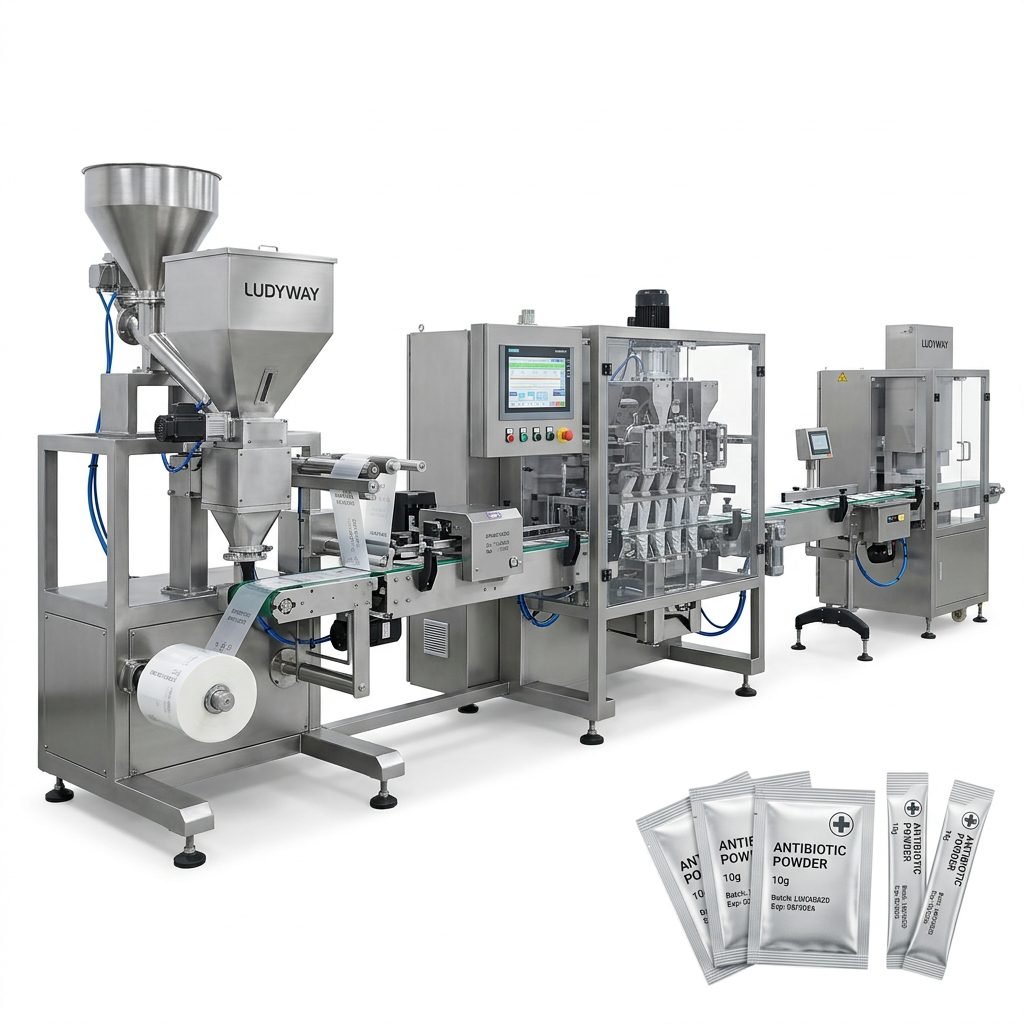
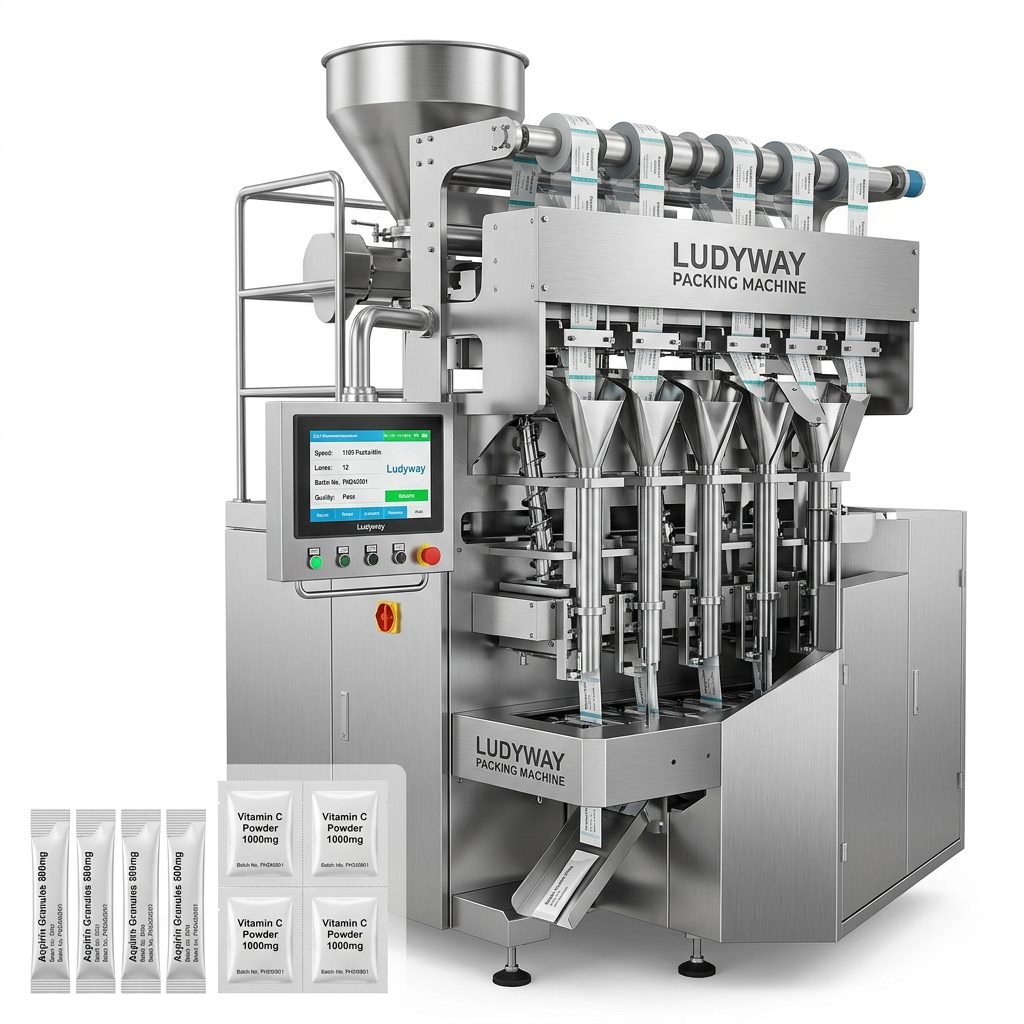
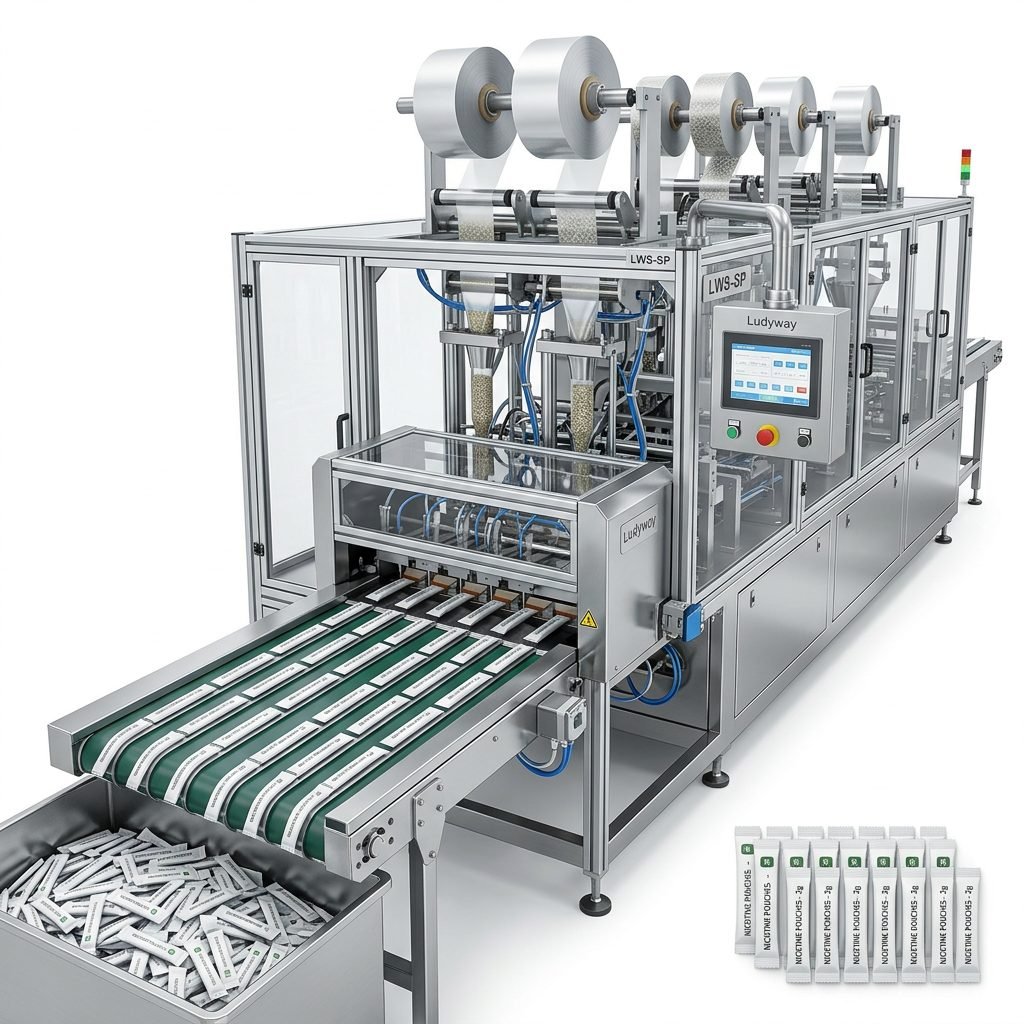
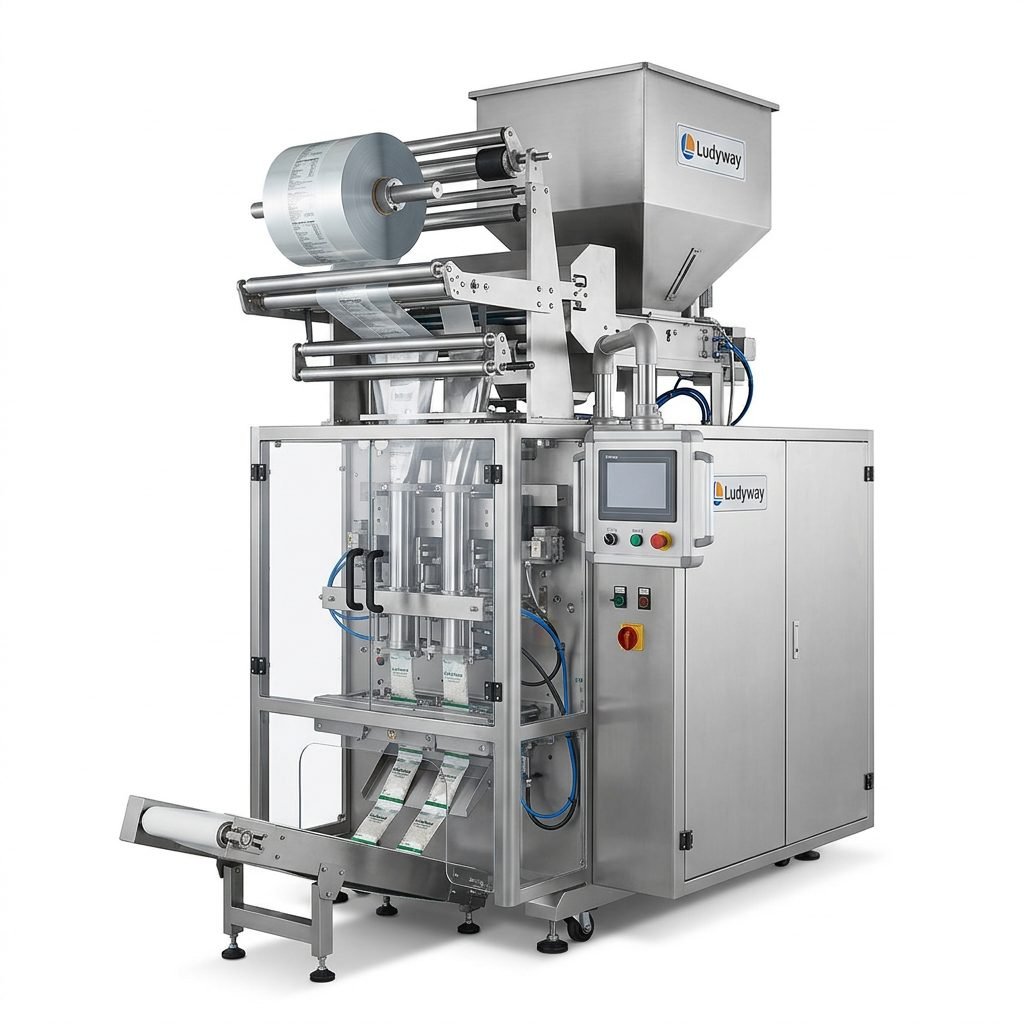
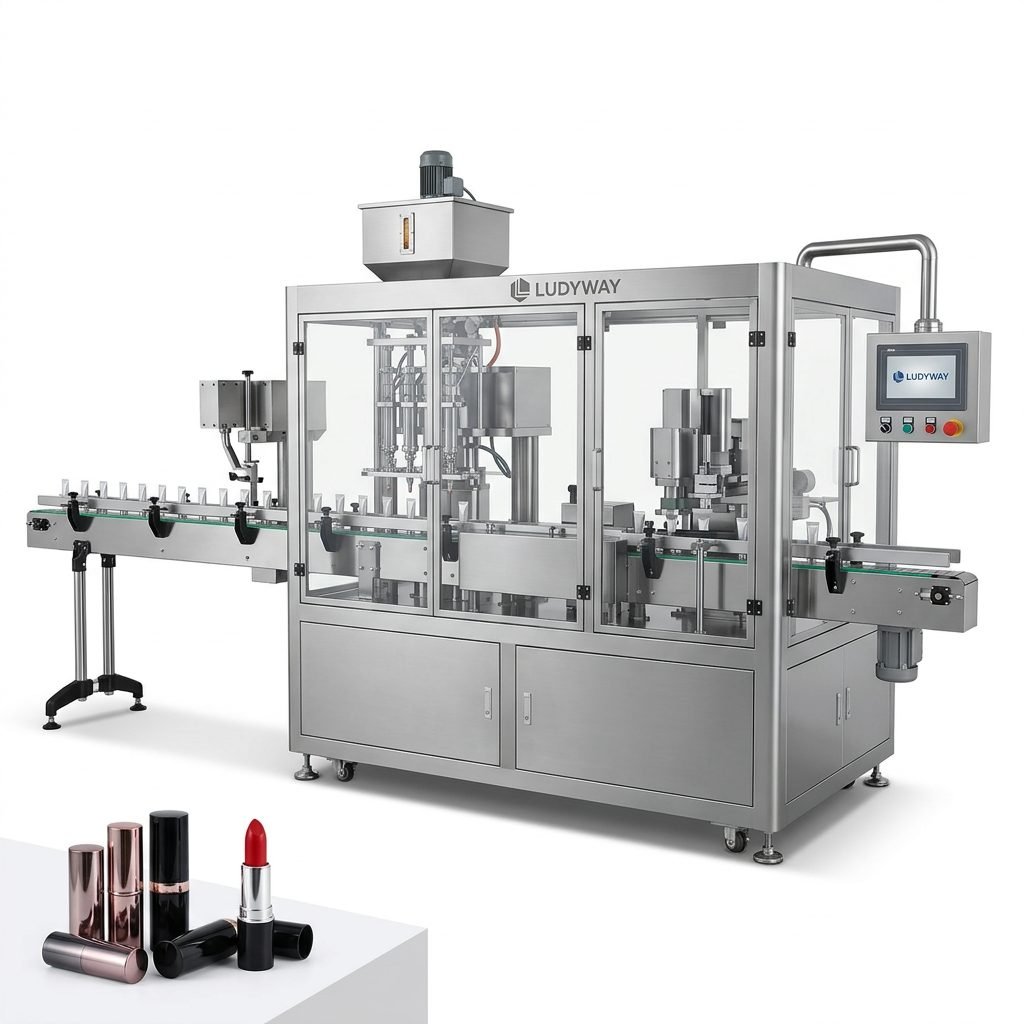
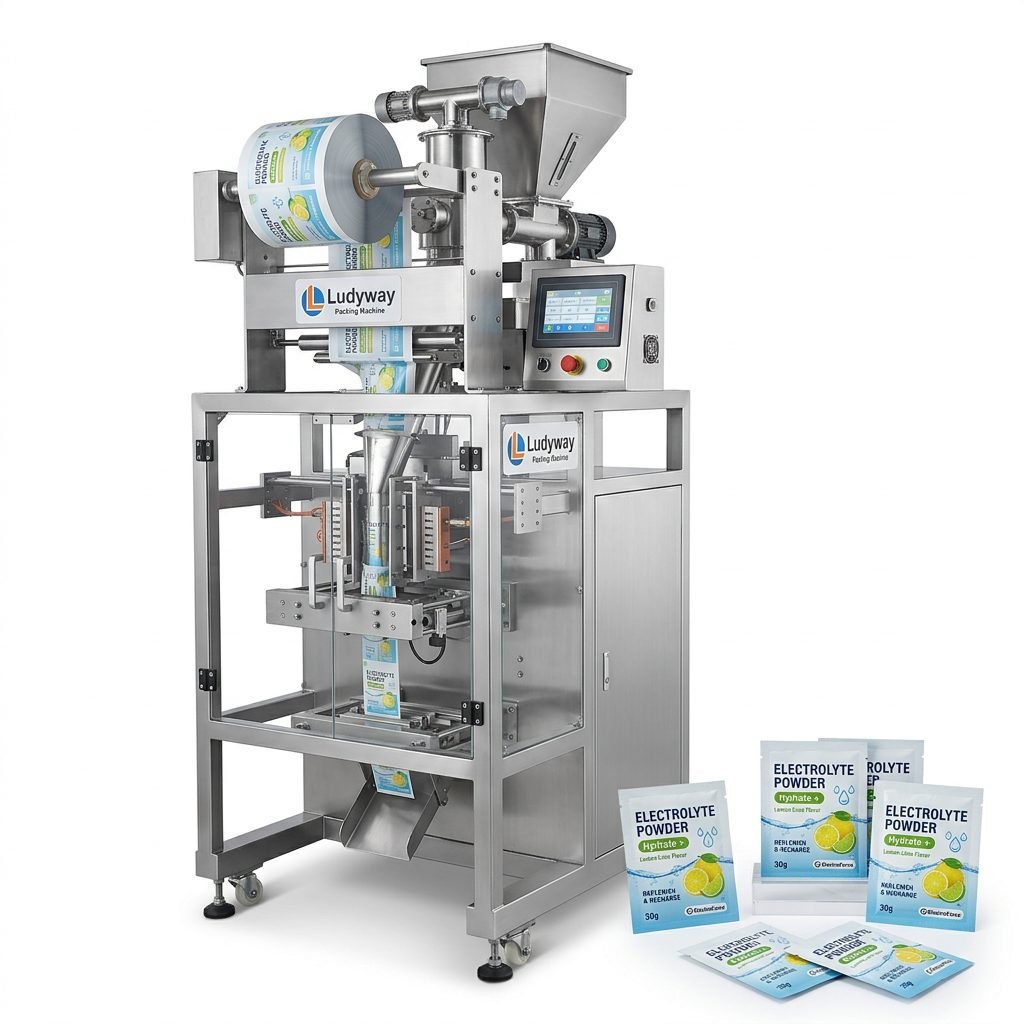
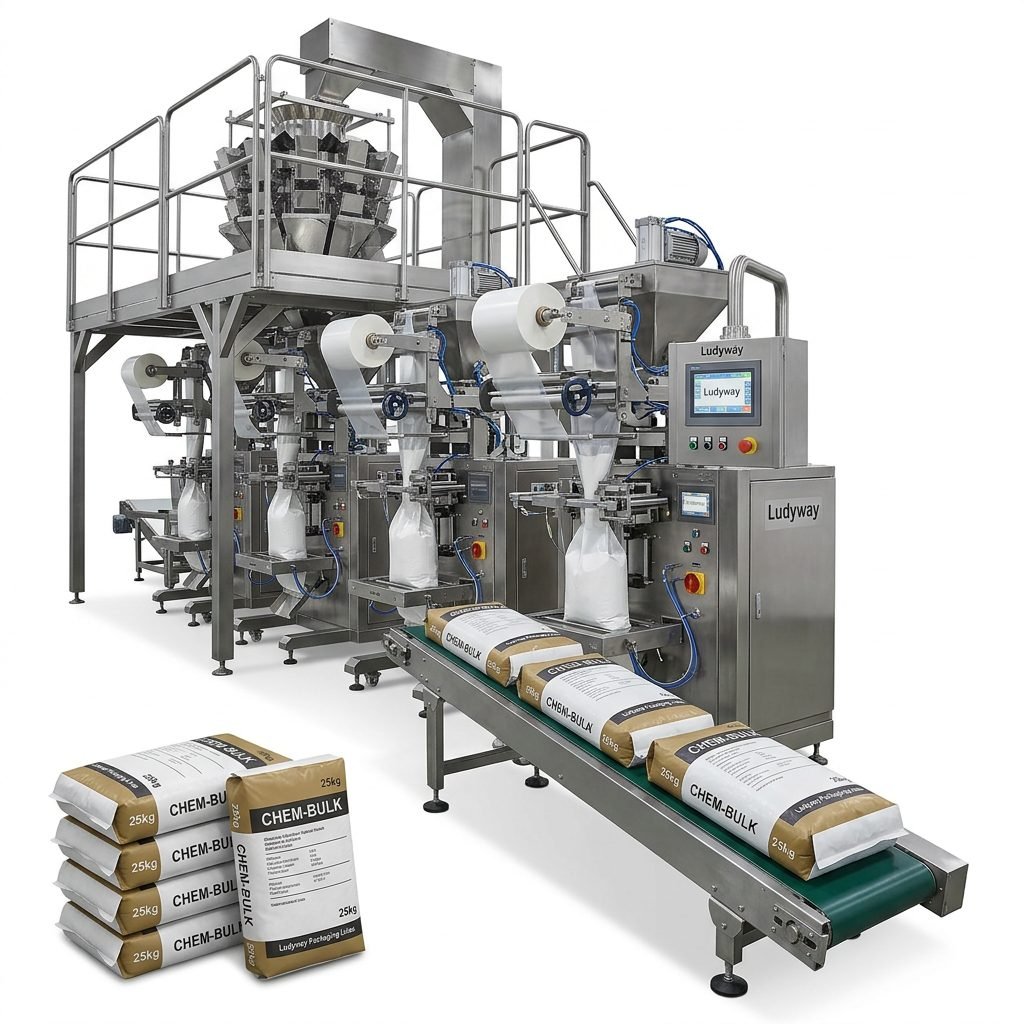
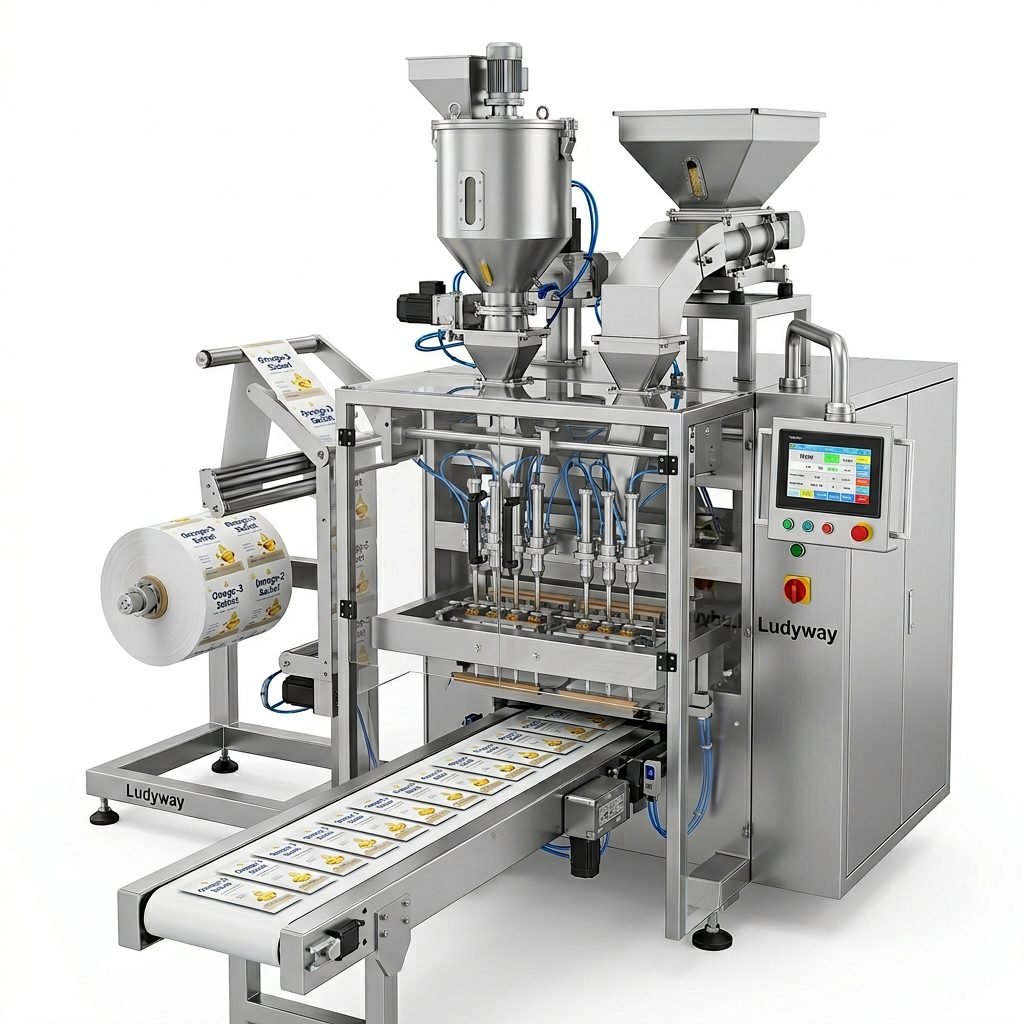
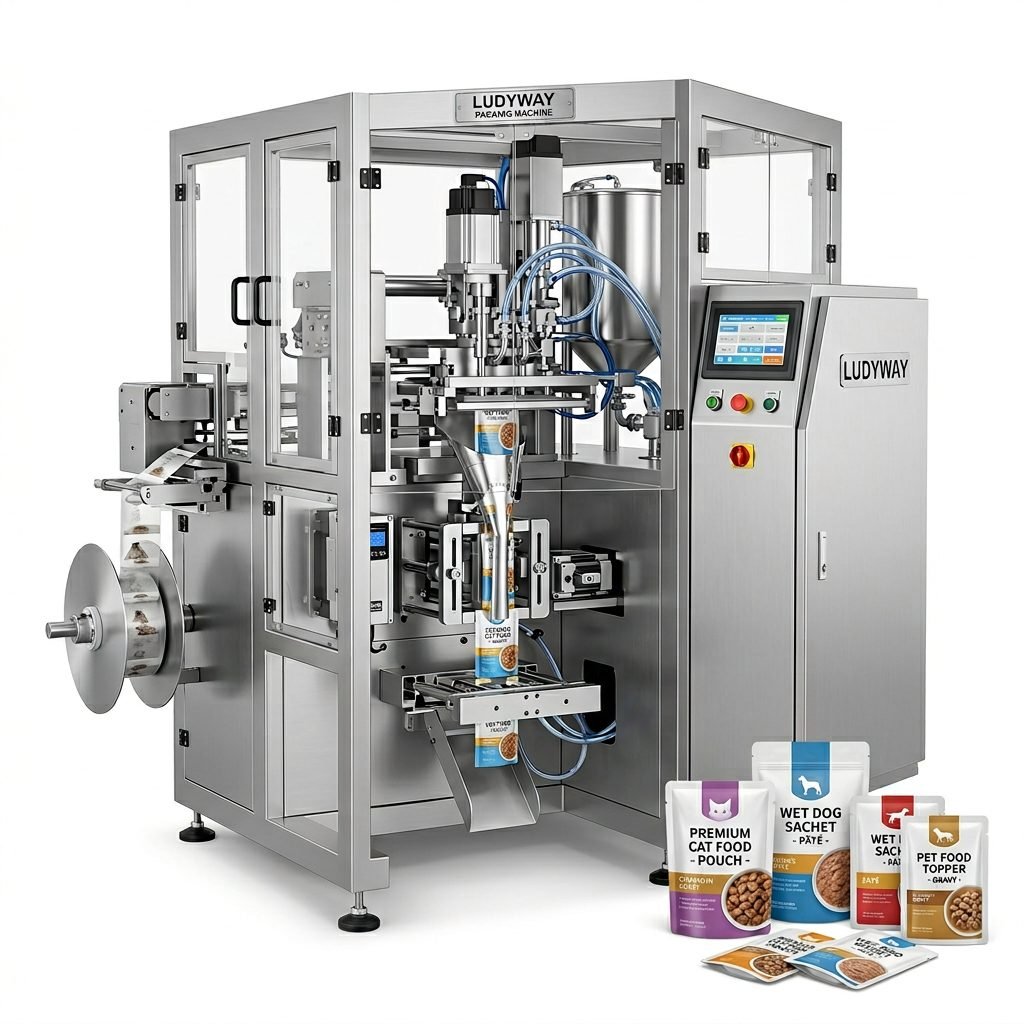
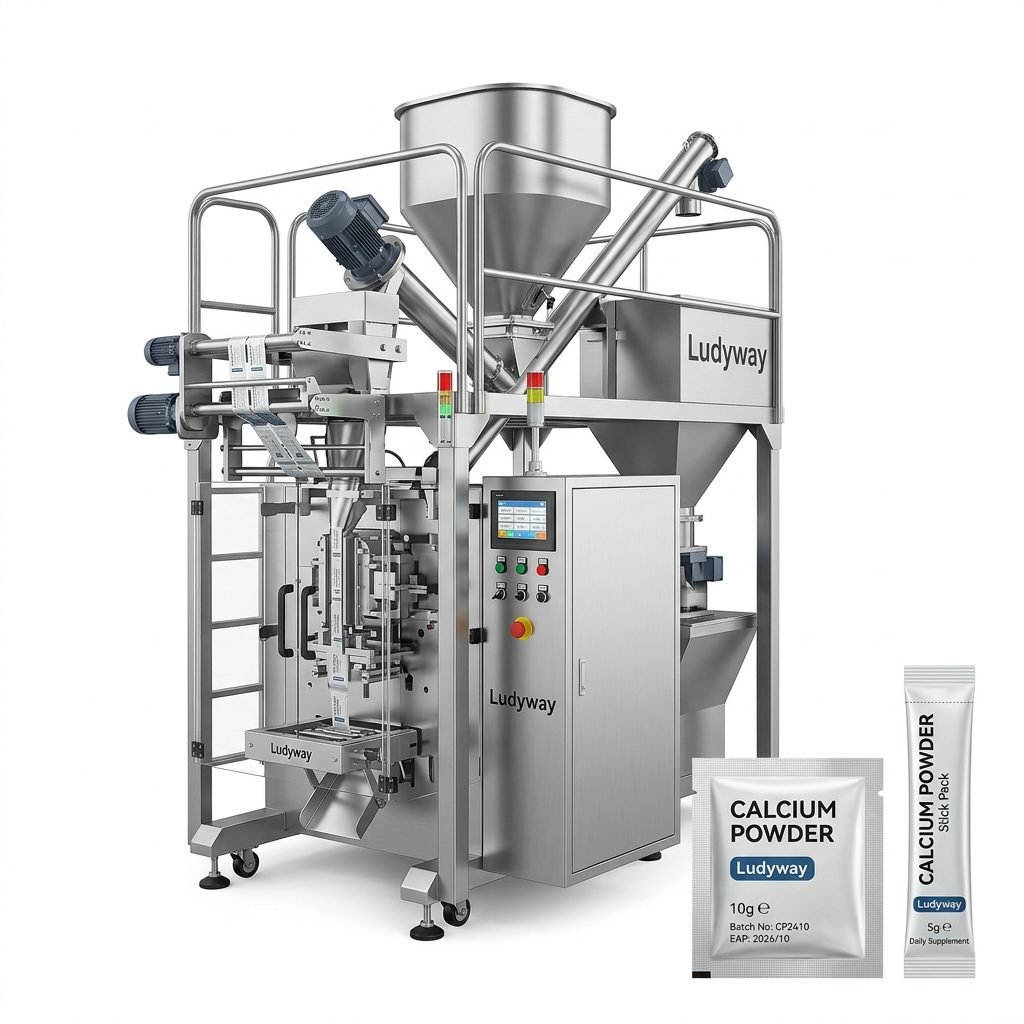
Small pouch packaging has become one of the most practical and market-friendly packaging formats across food, pharmaceutical, personal care, chemical, and health supplement industries. Its compact size, convenience, and cost efficiency make it highly attractive for both manufacturers and end users. For brands looking to improve shelf appeal, reduce material waste, and support high-speed production, small pouches offer a smart packaging path.
From single-use condiment sachets to supplement stick packs and personal care samples, this format supports a wide range of products while meeting modern expectations for portability and hygiene. As consumer demand shifts toward on-the-go lifestyles and portion-controlled products, small pouch packaging continues to gain momentum worldwide.
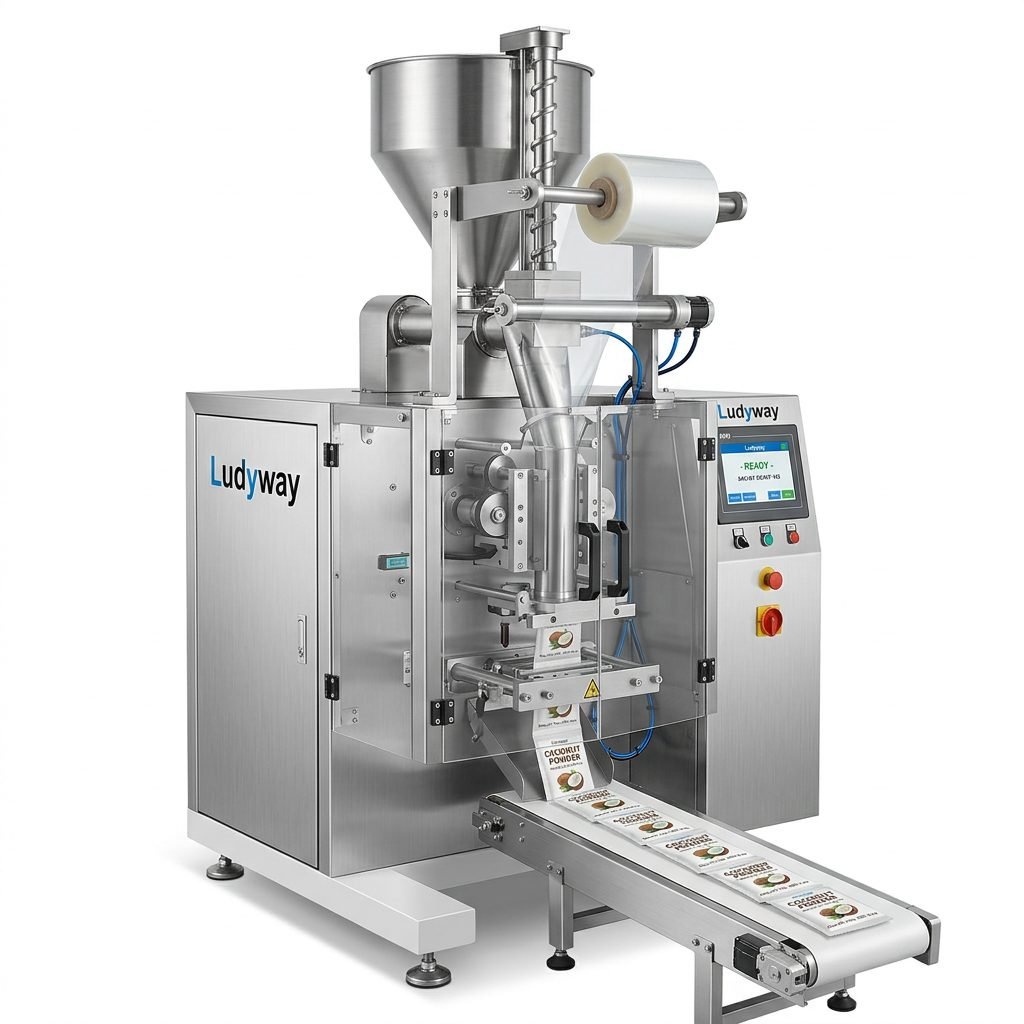
Why Small Pouch Packaging Is So Popular
Small pouch packaging is widely used because it combines product protection, convenience, and branding flexibility in one format. Compared with rigid containers, pouches usually require less packaging material, occupy less storage space, and reduce transportation costs. For brands, this can mean better operational efficiency and stronger market competitiveness.
For consumers, small pouches are easy to carry, open, use, and dispose of. They are especially effective for trial products, travel-size packaging, single-serve food, daily healthcare items, and controlled-dosage applications.
- Portable: Ideal for on-the-go use and e-commerce delivery.
- Cost-effective: Lower material and logistics costs than many rigid packages.
- Versatile: Suitable for powders, granules, liquids, gels, and pastes.
- Customizable: Easy to tailor in size, shape, print, and sealing structure.
- Efficient: Compatible with automated high-speed filling and sealing systems.
Main Benefits of Small Pouch Packaging
1. Better Portion Control
Small pouches help brands deliver exact quantities for single-use or measured consumption. This is especially useful for coffee, sugar, protein powder, pharmaceuticals, oral rehydration salts, skincare samples, and detergents.
2. Improved Product Freshness
Sealed pouch structures can protect products from moisture, oxygen, contamination, and light. This extends shelf life and preserves taste, texture, potency, or chemical stability depending on the product category.
3. Strong Shelf Appeal
Small pouches provide excellent print surfaces for logos, product details, usage information, and promotional messaging. Brands can use bold graphics and color-coded designs to stand out in retail stores and online marketplaces.
4. Flexible Manufacturing Options
Manufacturers can run small pouch formats in various configurations such as sachets, stick packs, premade pouches, and multi-lane packaging systems. This supports both small-batch launches and large-scale commercial production.
5. Lower Shipping and Storage Costs
Because small pouches are lightweight and compact, they reduce warehouse usage and freight costs. This is a major advantage for companies handling export, private label production, and high-volume distribution.
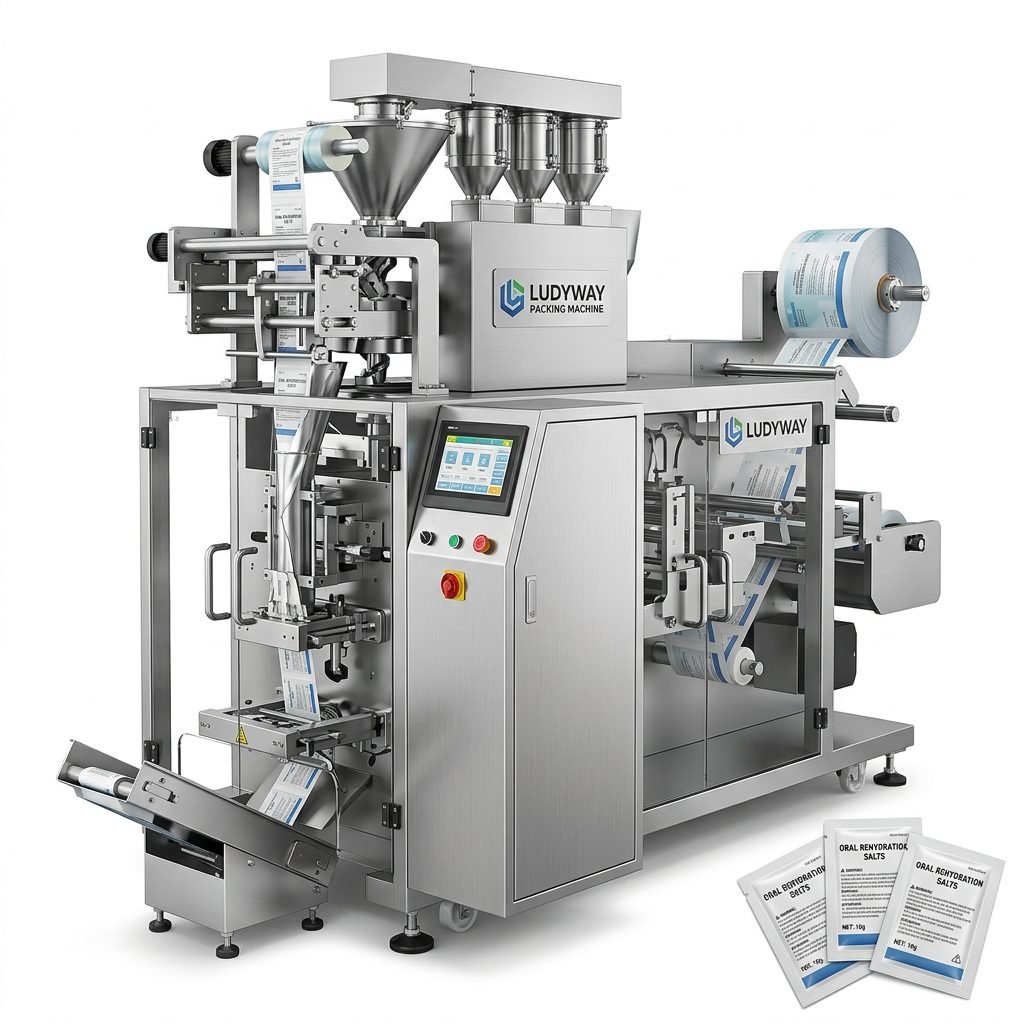
Common Uses of Small Pouch Packaging
Small pouch packaging is used across many industries because it adapts easily to different filling materials and market requirements.
| Industry | Typical Products | Packaging Advantage |
|---|---|---|
| Food & Beverage | Coffee, sugar, seasonings, sauces, drink powder, snacks | Freshness, portion control, portability |
| Pharmaceutical | Powders, granules, oral liquids, medical sachets | Hygiene, dosage accuracy, compliance support |
| Health Supplements | Collagen, electrolytes, vitamins, probiotics | Convenience, premium branding, measured servings |
| Cosmetics & Personal Care | Serum, lotion, shampoo, cream, facial mask essence | Travel size, sampling, reduced waste |
| Chemical & Household | Detergent, disinfectant, additives, cleaners | Safe dosing, compact storage, efficient transport |
Types of Small Pouch Packaging
Different products require different pouch styles. Choosing the right format affects machine selection, production speed, sealing quality, and user experience.
Sachets
Sachets are among the most common formats for powders, liquids, and gels. They are often used for condiments, pharmaceuticals, and personal care samples.
Stick Packs
Stick packs are narrow and elongated, ideal for drink mixes, coffee, sugar, supplements, and health powders. They are easy to carry and especially popular in single-serve markets.
Premade Pouches
Premade pouches suit higher-end products or products requiring stronger presentation. They also allow a wider range of closure and design options.
Multi-Lane Small Pouch Systems
For large-volume production, multi-lane machines significantly improve output. These systems are often chosen by manufacturers who need consistent filling accuracy and high packaging speed.
How Custom Packaging Solutions Add Value
Custom packaging is about more than appearance. It helps businesses align packaging with product characteristics, production targets, and market strategy. A well-designed custom pouch solution can improve both operational performance and brand recognition.
- Custom pouch size to match exact fill volumes and reduce wasted material.
- Material structure selection based on barrier requirements for moisture, light, or oxygen protection.
- Customized sealing and cutting style for easy opening and better appearance.
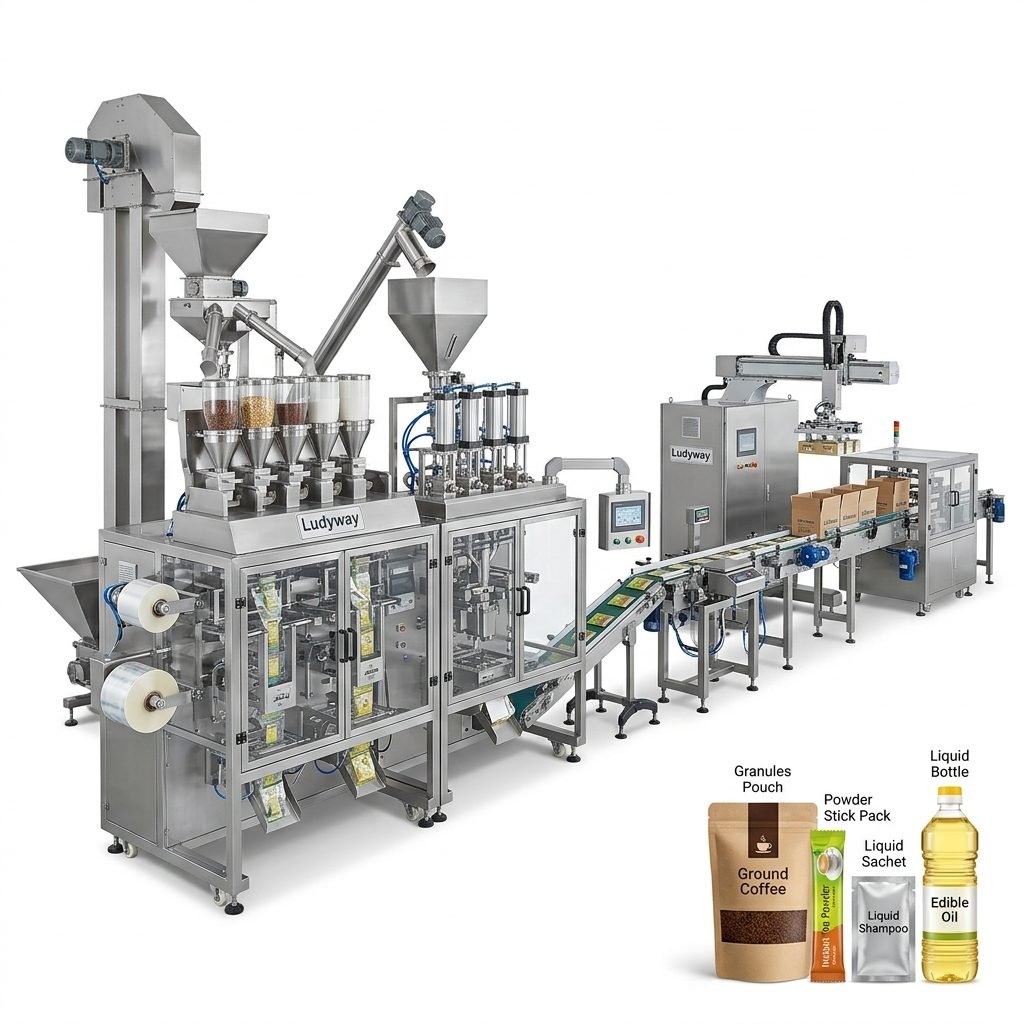
- Machine integration with coding, labeling, cartoning, checkweighing, and conveying systems.
- Scalable automation that supports future production growth.
For B2B manufacturers, custom packaging solutions are particularly valuable when handling multiple SKUs, specialized formulations, export compliance requirements, or premium product positioning.
Key Factors to Consider When Choosing a Small Pouch Packaging Solution
Before investing in packaging equipment or a turnkey line, companies should evaluate several practical factors to ensure long-term efficiency.
- Product type: Powder, liquid, paste, or granule products need different dosing and sealing technologies.
- Production speed: Required output determines whether a single-lane or multi-lane system is better.
- Pouch design: Sachet, stick pack, or premade pouch each has different machine compatibility.
- Accuracy requirements: Important for pharmaceuticals, supplements, and premium food products.
- Automation level: Consider upstream feeding and downstream cartoning, coding, and palletizing.
- Compliance needs: Especially relevant for regulated industries like pharma and healthcare.
Small Pouch Packaging Trends to Watch
The global packaging industry is moving toward smarter, faster, and more flexible solutions. Small pouch packaging is evolving in several important directions:
- Greater demand for single-dose and travel-size packaging
- Faster adoption of multi-lane automated systems
- More use of integrated turnkey lines for complete production efficiency
- Stronger focus on improved sealing consistency and coding traceability
- Growing need for customized solutions across food, pharma, and consumer care sectors
Why the Right Packaging Machinery Partner Matters
A reliable machinery partner can help businesses move beyond basic packaging and build a more competitive production operation. From machine configuration to line integration and technical support, the supplier’s experience directly affects output quality, labor savings, and long-term performance.
For companies seeking advanced pouch automation, Ludyway small pouch packaging solutions support a wide range of applications in food, pharmaceutical, health supplement, cosmetic, and chemical industries, with customized machine configurations and turnkey packaging line capabilities.
Conclusion
Small pouch packaging offers clear advantages in convenience, efficiency, branding, and product protection. Whether used for food powders, medical granules, liquid detergents, or health supplements, it remains one of the most adaptable and commercially valuable packaging formats available today.
Businesses that invest in the right pouch format and customized packaging system can improve production efficiency, strengthen brand presentation, and better meet changing market demand. In a competitive packaging environment, smart small pouch packaging is no longer optional for many brands—it is a strategic advantage.