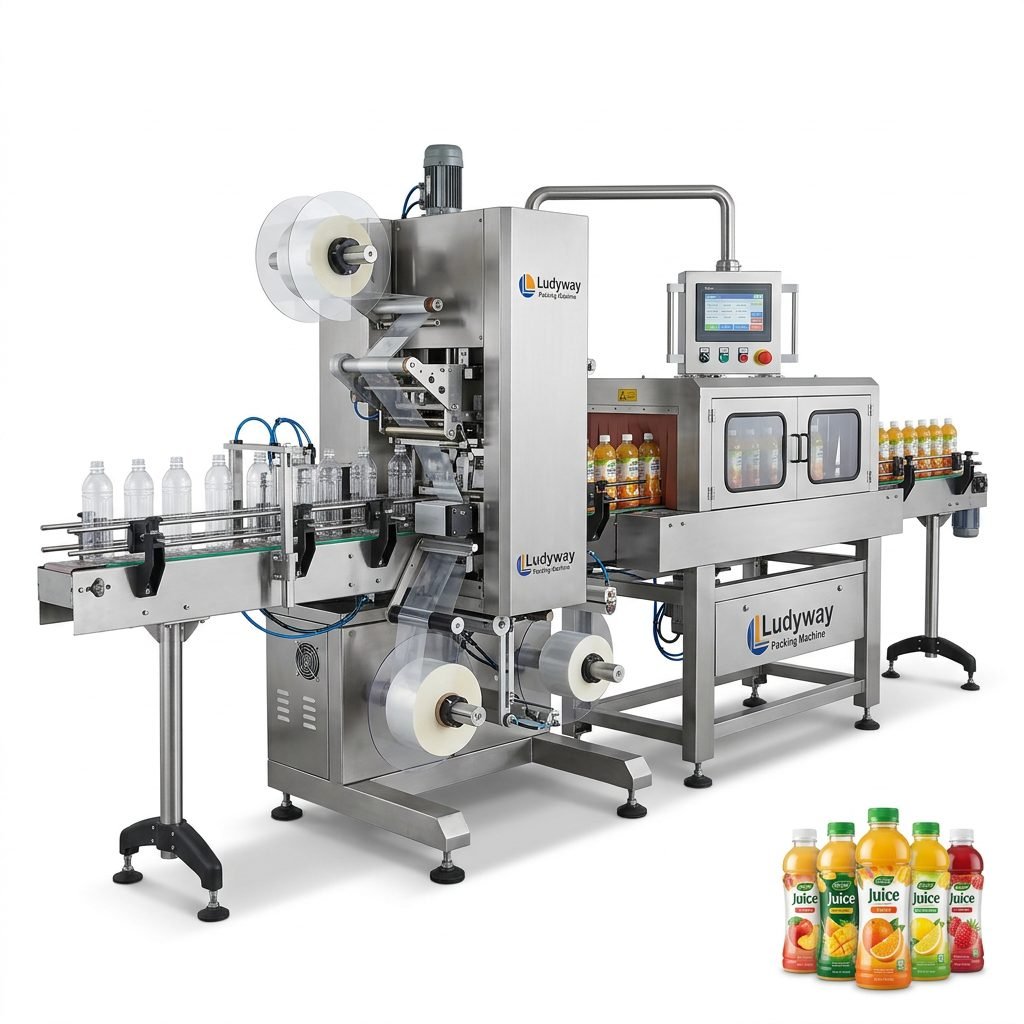
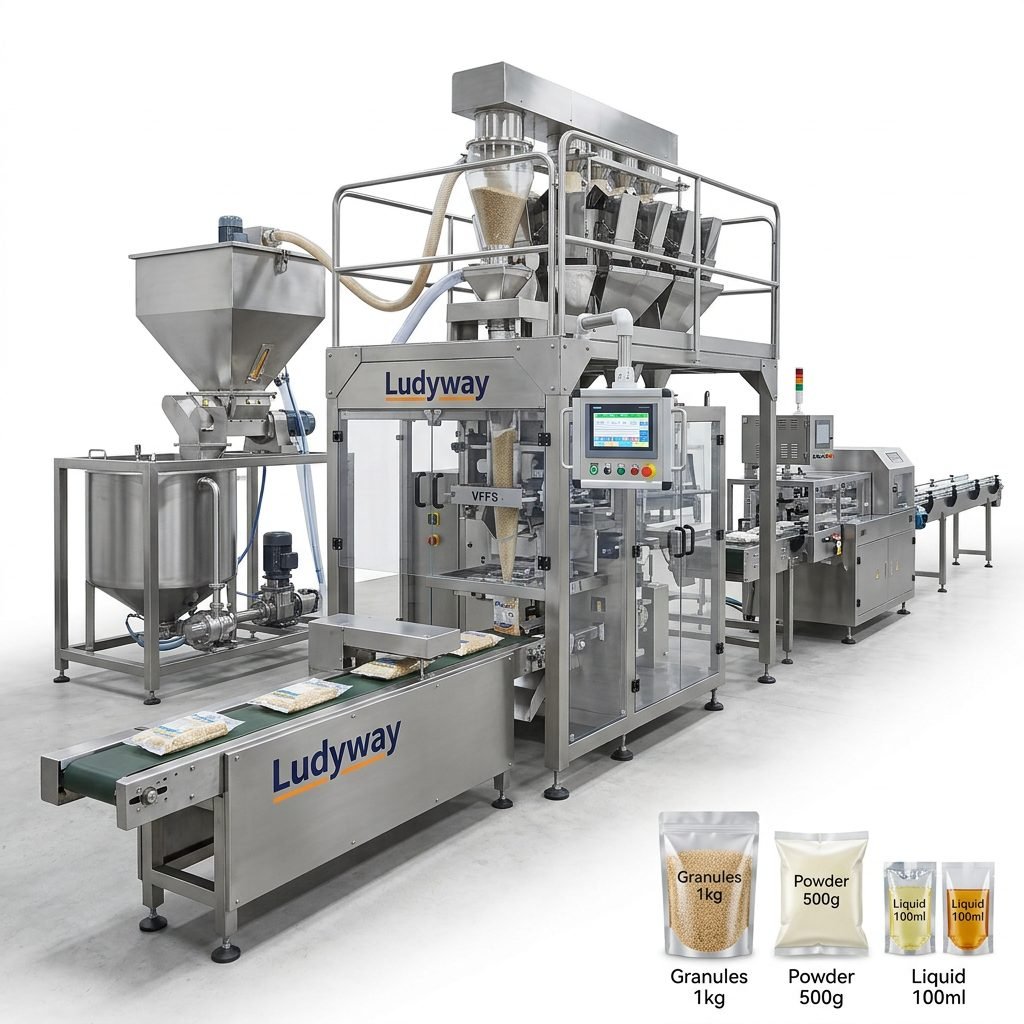
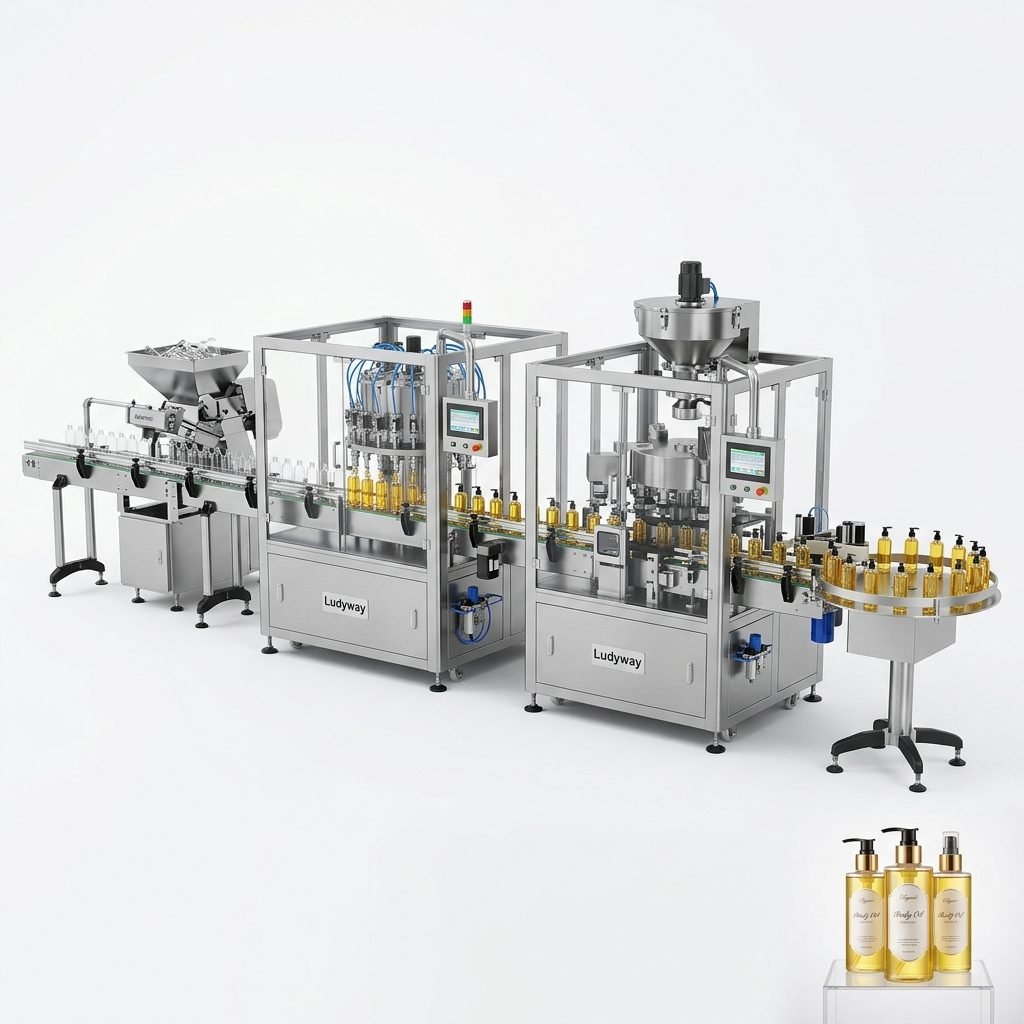
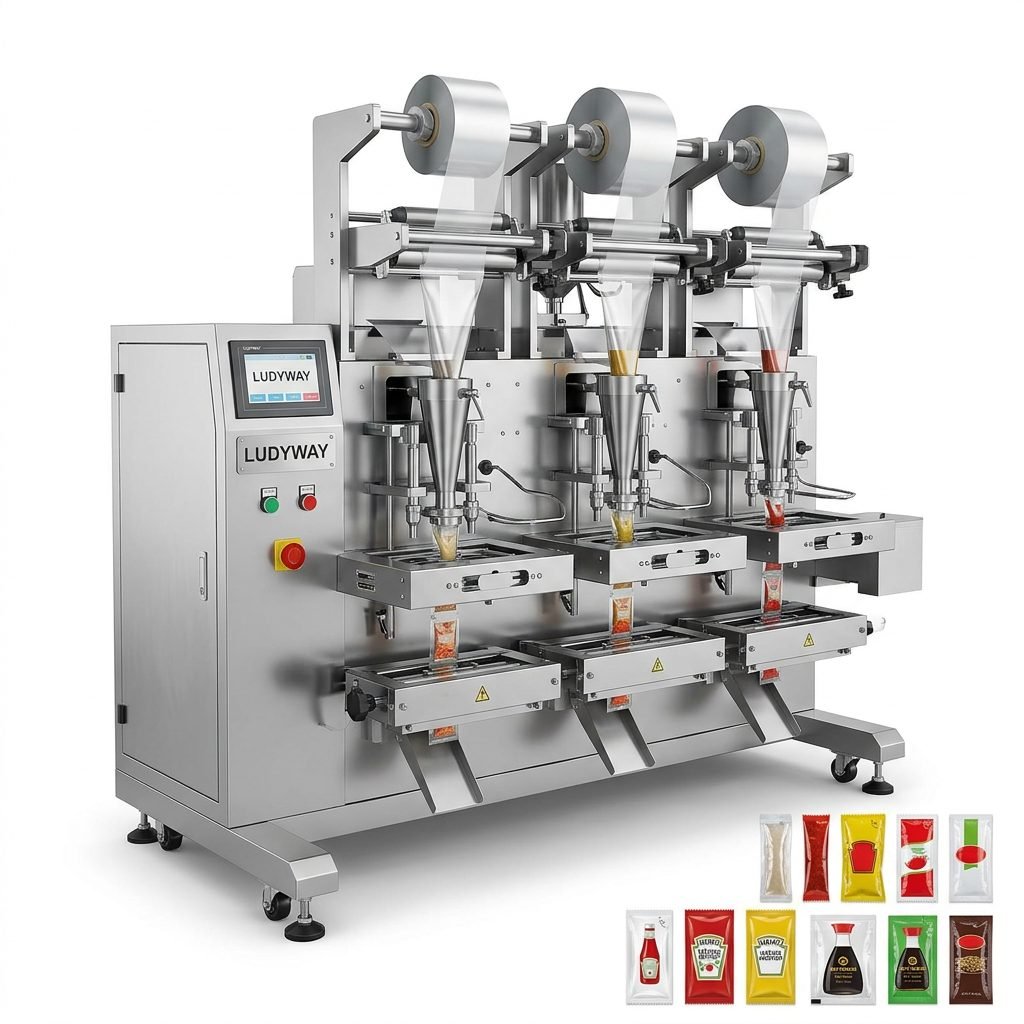
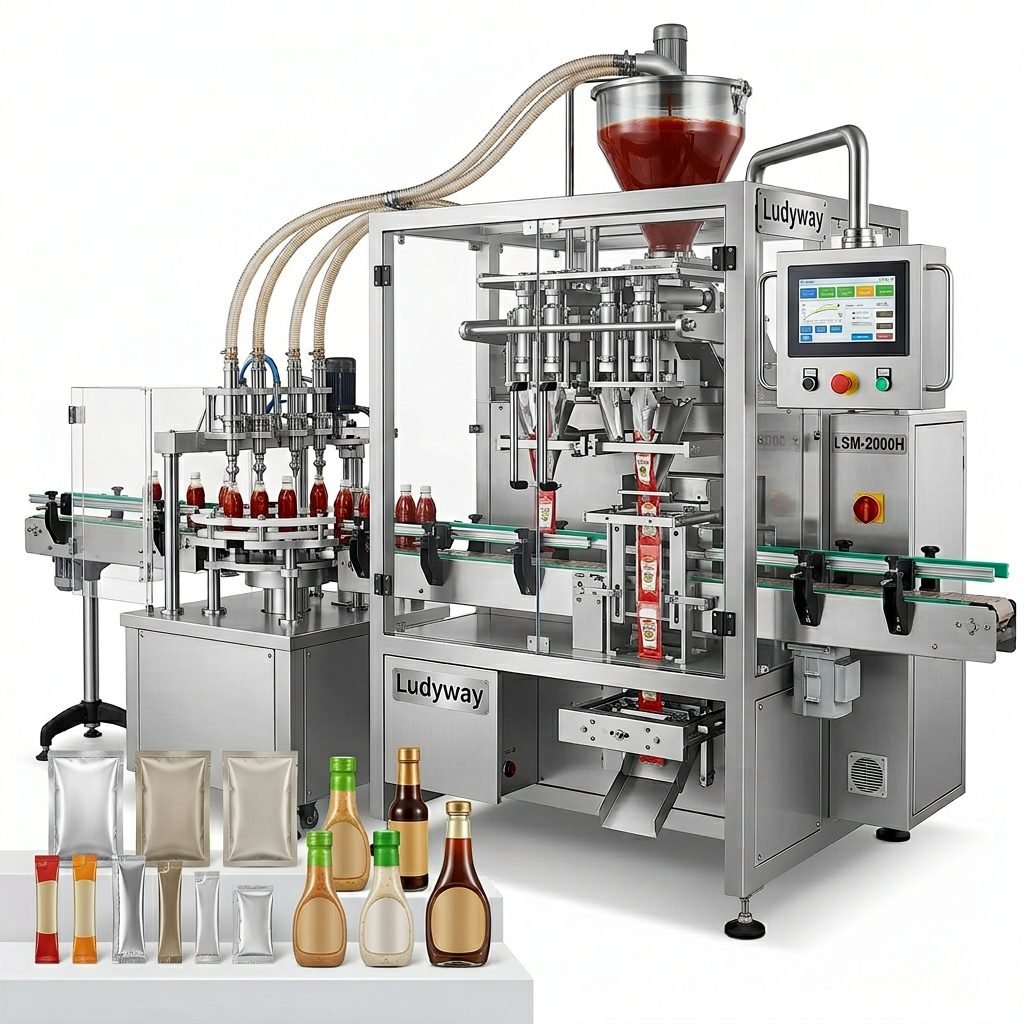
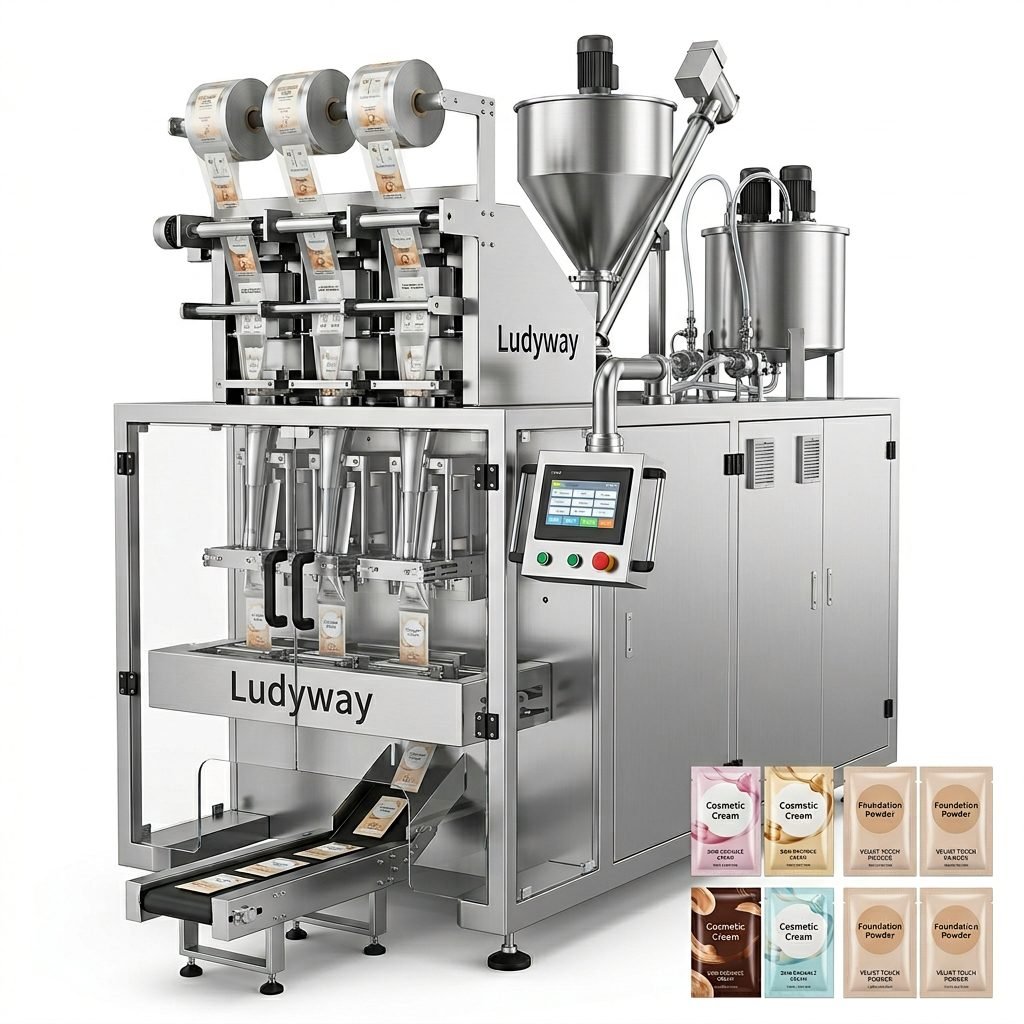
In modern manufacturing, a Nimco packing machine represents more than just a packaging unit—it is a productivity tool that helps businesses improve output, reduce waste, and maintain consistent pack quality. For food, pharmaceutical, cosmetic, chemical, and health product manufacturers, selecting the right packaging solution directly affects production speed, operational cost, and customer satisfaction.
Today’s competitive markets demand packaging equipment that can handle high-speed production, different material forms, and flexible pouch or sachet formats. That is why many buyers focus on automated systems that support granules, powders, liquids, and pastes with reliable filling and sealing accuracy.
What Is a Nimco Packing Machine?
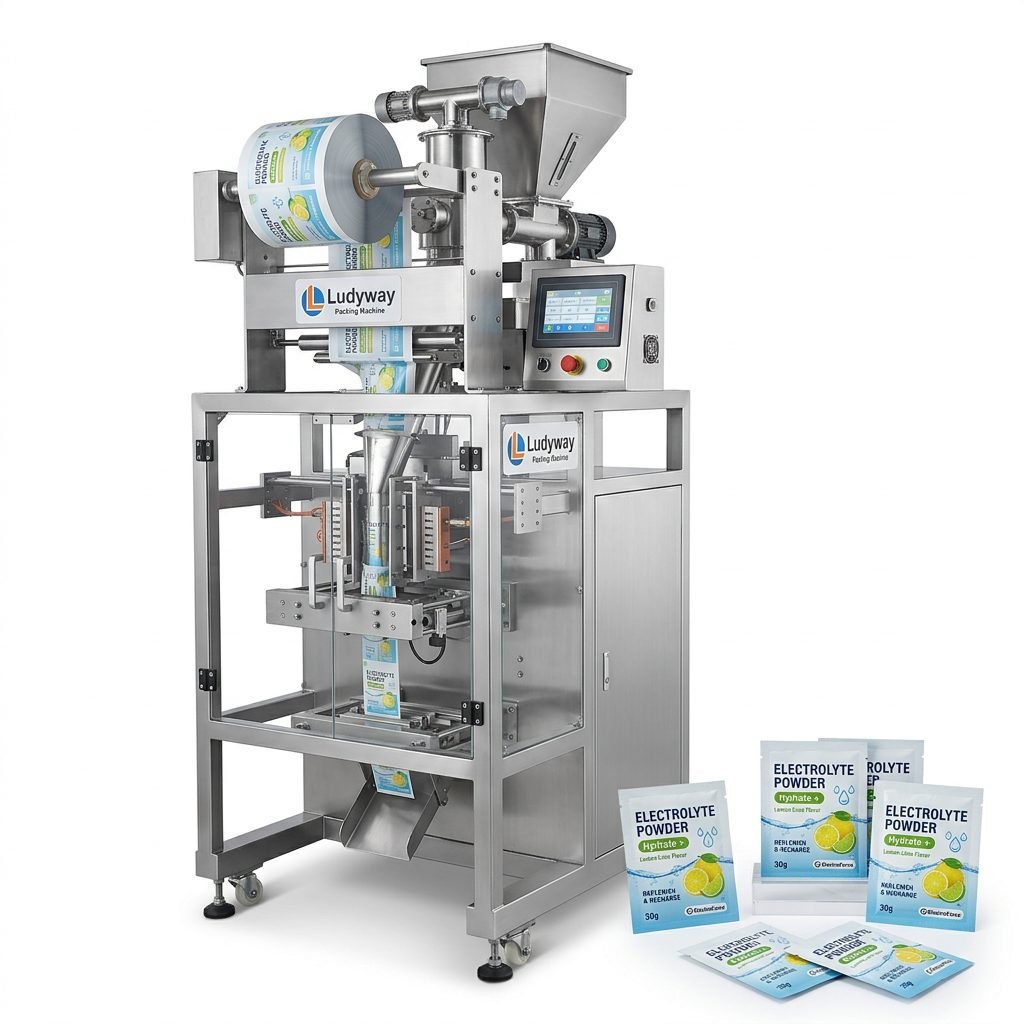
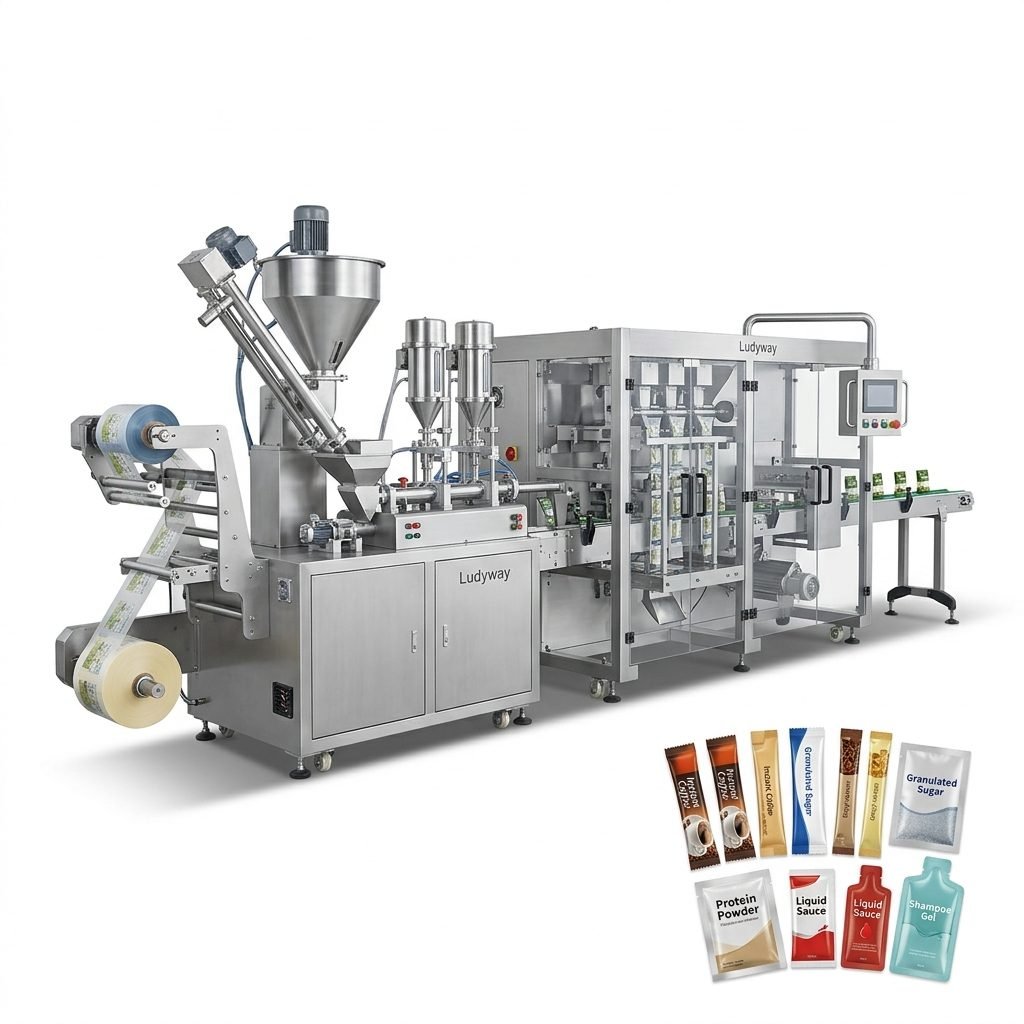
A Nimco packing machine is commonly associated with automated packaging systems designed for forming, filling, sealing, and packing products efficiently. Depending on the production requirement, these machines may package products into sachets, stick packs, pouches, bottles, or other retail-ready formats.
They are widely used in industries where precision, hygiene, and throughput are essential. Typical applications include:
- Powder drink mixes and nutritional supplements
- Granule seasonings, sugar, coffee, and seeds
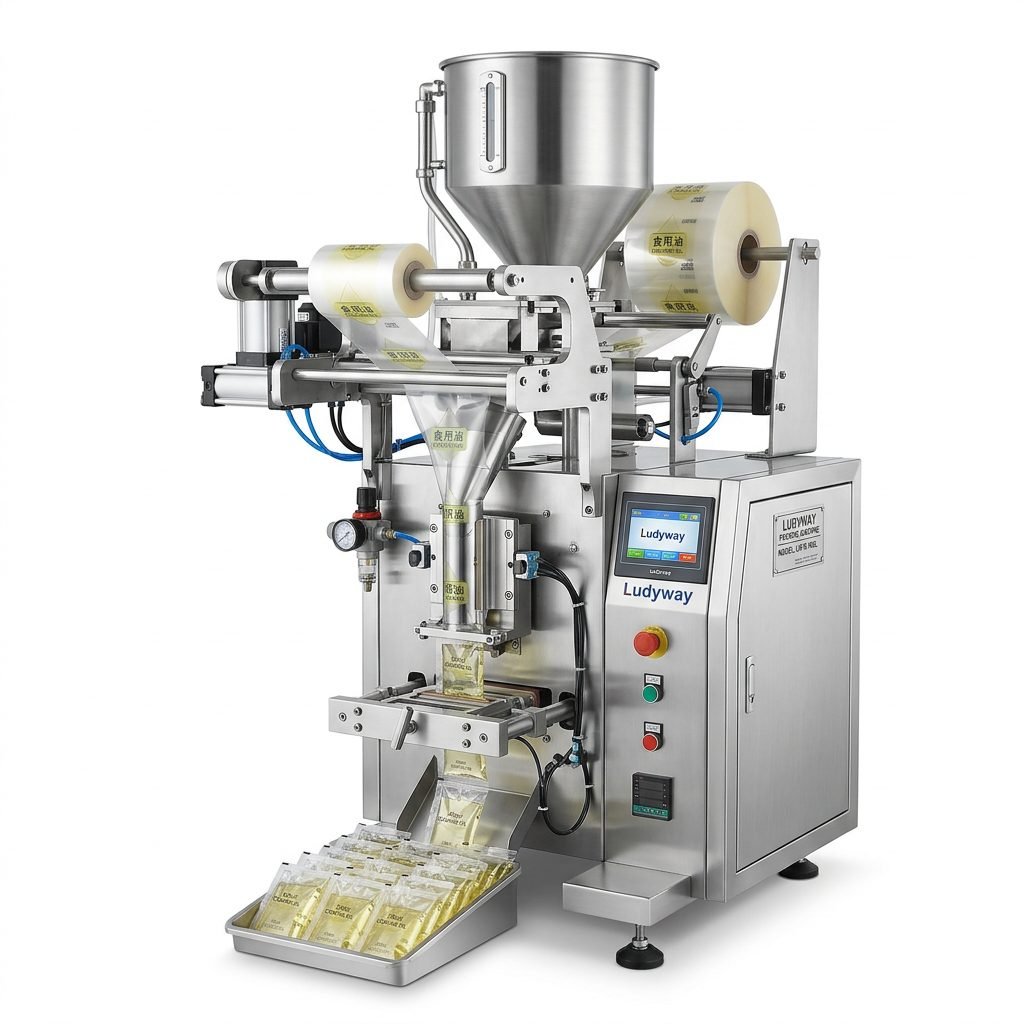
- Liquid sauces, oils, lotions, and detergents
- Pharmaceutical powders, tablets, and liquid products
- Cosmetic creams, serums, and personal care samples
Why High-Performance Packaging Matters
Packaging is often one of the final steps before products reach the market, but it has a major influence on total manufacturing performance. A high-performance packing machine helps businesses achieve the following goals:
- Faster production cycles for greater daily output
- Reduced manual labor through automation
- Accurate dosing for better product consistency
- Improved seal quality to protect shelf life
- Flexible packaging formats for multiple SKUs
- Lower waste rates from controlled filling and sealing
When manufacturers invest in reliable packaging automation, they are not just buying a machine—they are building a more efficient production process that supports long-term growth.
Key Features to Look for in a Nimco Packing Machine
Not all packaging machines offer the same level of performance. Buyers should focus on systems that combine speed, precision, and adaptability.
| Feature | Why It Matters |
|---|---|
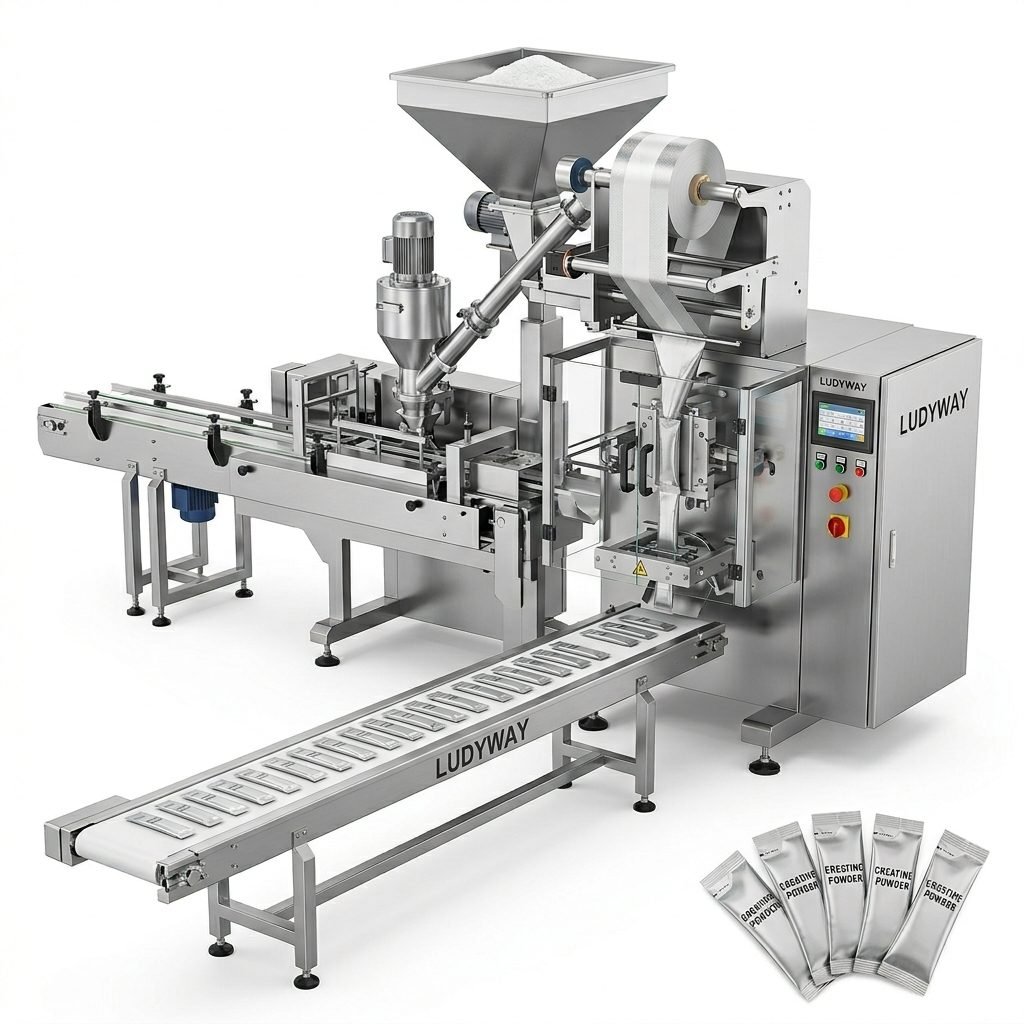
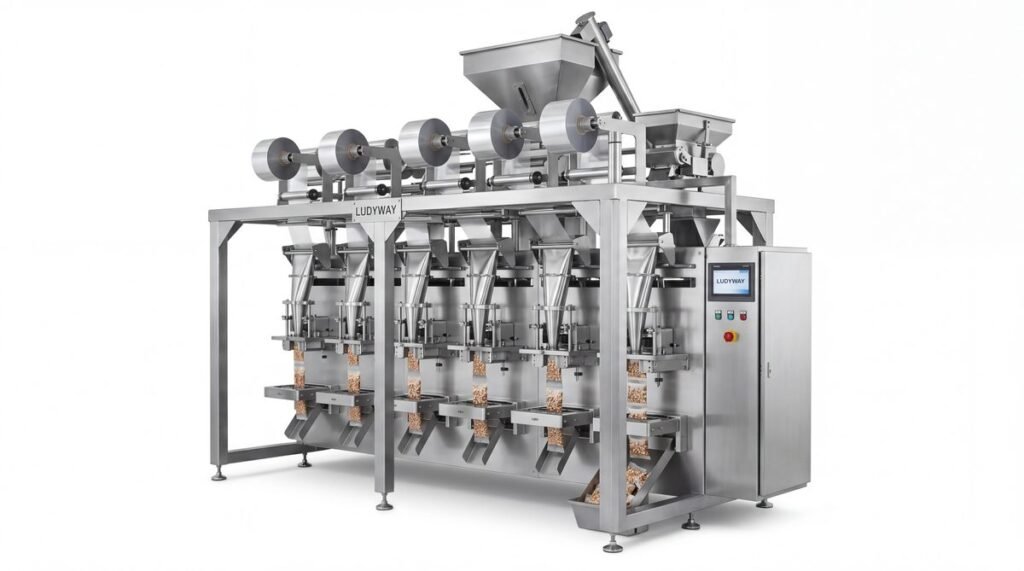
| Multi-lane packaging design | Increases output for sachet and stick pack production |
| Servo-driven control | Improves precision, stability, and repeatability |
| Accurate dosing system | Reduces giveaway and ensures consistent fill weights |
| Easy format changeover | Supports multiple product sizes and packaging types |
| Hygienic machine structure | Essential for food, pharma, and cosmetic production |
| Integration capability | Allows connection with feeders, coding, cartoning, and inspection systems |
Applications Across Different Industries
Food Industry
Food producers need packaging machines that handle powders, granules, and liquids without compromising hygiene or accuracy. Common products include coffee, sugar, spices, sauce, protein powder, snack granules, and instant beverage mixes. A high-speed Nimco packing machine can help reduce contamination risk while maintaining fast packaging speed.
Pharmaceutical Industry
In pharmaceutical production, precision and compliance are critical. Packaging systems must support exact dosage control, secure sealing, and clean operation. Sachet and stick pack machines are especially useful for oral powders, electrolyte formulas, granules, and medical consumables.
Cosmetic and Personal Care Industry
Cosmetic manufacturers often require compact and attractive single-use packaging for creams, lotions, gels, and serums. Multi-lane packaging systems are ideal for sample sachets and travel-size formats, helping brands respond quickly to changing retail and e-commerce demand.
Chemical and Household Products
Cleaning agents, detergents, lubricants, and water treatment chemicals require durable, leak-resistant packaging. Automated filling and sealing systems help improve operator safety while maintaining packaging consistency for industrial and consumer applications.
Benefits of Automated Packaging Solutions
Switching from semi-automatic or labor-intensive packaging to a modern automated system creates measurable production benefits. These include both immediate and long-term value.
- Higher throughput for growing order volumes
- Better packaging appearance and seal uniformity
- Reduced downtime with stable machine performance
- Improved labor efficiency and easier workflow planning
- Scalable production for new products and packaging formats
- Enhanced traceability when integrated with coding and inspection equipment
For manufacturers aiming to modernize operations, automated systems also make it easier to create a connected production line—from product feeding to final case packing.
How to Choose the Right Machine for Your Production Line
Choosing the right machine requires more than comparing speed numbers. Buyers should evaluate the full production picture, including product characteristics, packaging materials, factory layout, and future expansion plans.
Important selection factors:
- Product type: powder, granule, liquid, paste, tablet, or mixed form
- Package format: sachet, stick pack, pouch, bottle, or bag
- Target output per minute or per shift
- Required dosing accuracy and seal performance
- Material compatibility with film and packaging substrates
- Need for coding, inspection, cartoning, or palletizing integration
- Maintenance accessibility and operator training requirements
A supplier with turnkey engineering capability can help match the machine configuration to real factory needs, rather than offering a one-size-fits-all model.
Standalone Machines vs. Turnkey Packaging Lines
Some businesses only need a single packing machine, while others require a complete automated line. The right choice depends on output goals, labor strategy, and product complexity.
| Option | Best For | Main Advantage |
|---|---|---|
| Standalone machine | Smaller production setups or specific packaging tasks | Lower initial investment and easy installation |
| Integrated packaging line | Medium to large factories with continuous output demands | Full automation, higher efficiency, and reduced labor dependency |
The Role of Customization in Packaging Efficiency
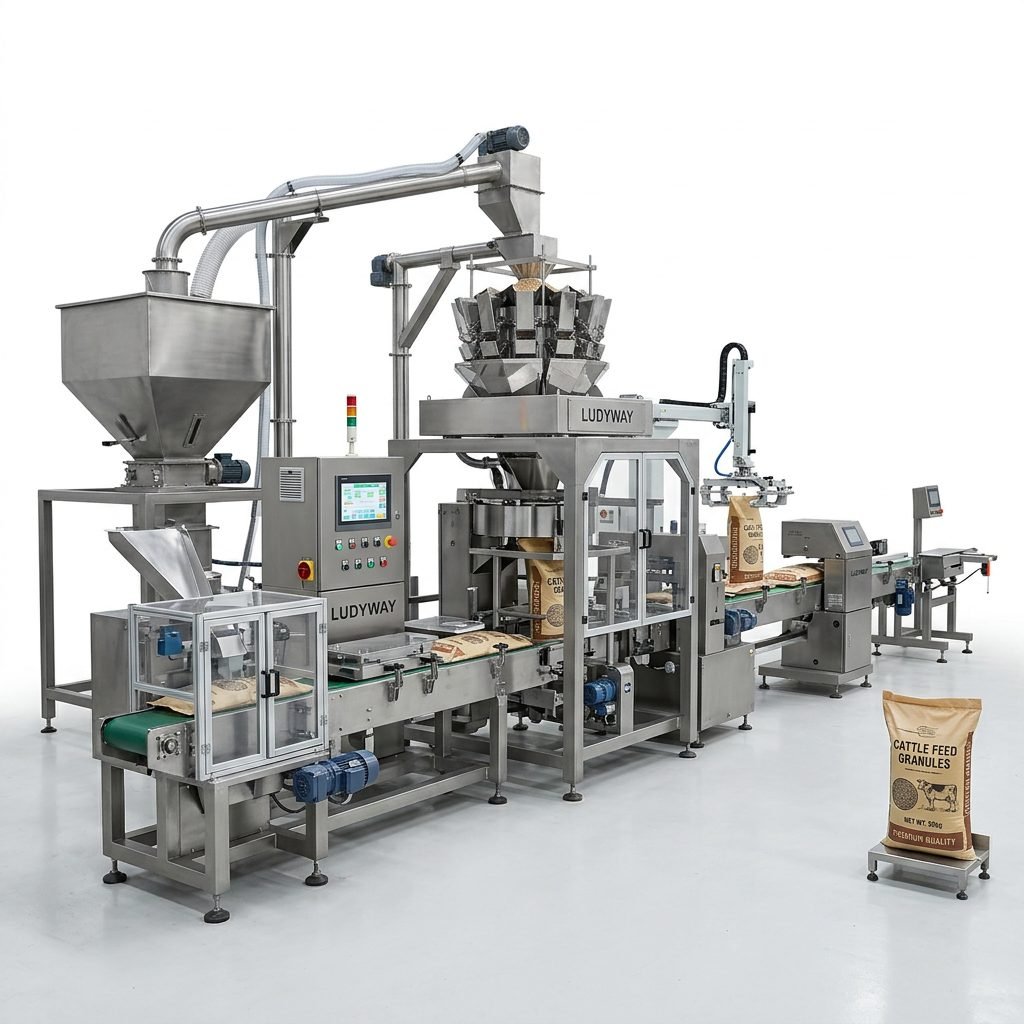
Production environments vary widely. Some factories need compact layouts, while others require multi-lane high-output lines with integrated conveyors, feeders, checkweighers, coding units, and cartoning systems. Customization ensures the packaging system fits the product and workflow instead of forcing operations to adapt around the machine.
This is especially important for companies producing multiple SKUs, seasonal products, or both domestic and export packaging formats. Customized machines can improve changeover speed, minimize material waste, and support future product development.
Why Manufacturers Focus on Reliability and After-Sales Support
Even the most advanced packaging machine must be supported by dependable technical service. Stable production requires fast troubleshooting, spare parts availability, and practical installation guidance. For export buyers, strong supplier support is especially valuable because it reduces commissioning risk and long-term downtime.
When reviewing packaging machine suppliers, buyers often consider:
- Manufacturing experience and engineering depth
- Range of machine models and industries served
- Quality control process and certifications
- Export project experience
- Ability to provide turnkey line planning
- Technical support before and after delivery
A Trusted Partner for Efficient Packaging Production
For businesses seeking scalable and reliable packaging automation, Ludyway packaging machine solutions offer strong value across food, pharmaceutical, cosmetic, chemical, and health-related applications. Founded in 1993, with more than 30 years of industry experience, a factory area exceeding 20,000 square meters, and customers in more than 100 countries and regions, the company has built a strong reputation for automated packaging equipment and turnkey production lines.
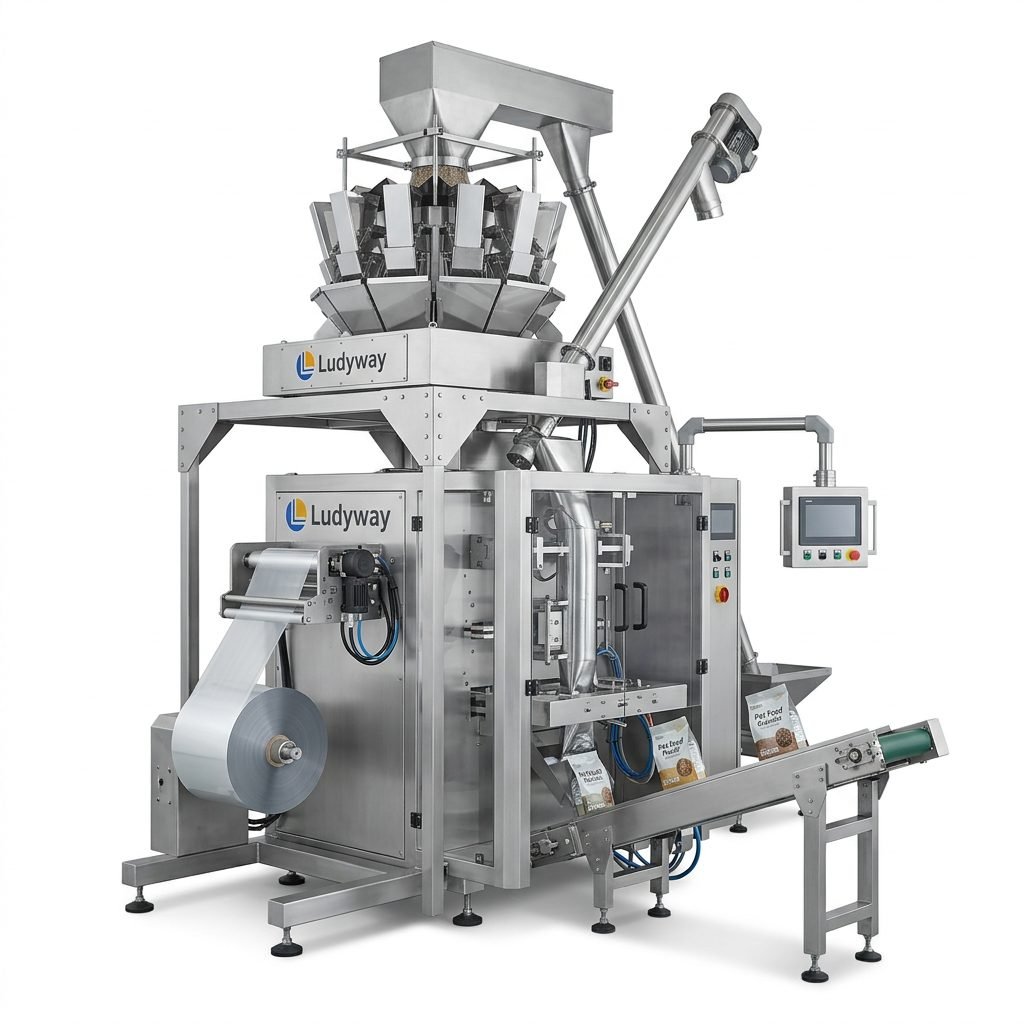
Its broad portfolio includes multi-lane stick pack machines, sachet packaging machines, filling and sealing equipment, vertical packaging systems, and complete integrated packaging lines. This makes it a practical choice for manufacturers that need dependable performance, flexible customization, and long-term production efficiency.
Conclusion
A high-performance Nimco packing machine can transform packaging from a bottleneck into a competitive advantage. With the right combination of speed, accuracy, automation, and customization, manufacturers can improve operational efficiency while maintaining consistent package quality.
Whether the goal is to package powders, granules, liquids, or pastes, investing in the right machine or turnkey line supports efficient production, lower operating costs, and stronger market responsiveness. For growing manufacturers, that makes advanced packaging automation a strategic decision rather than just an equipment purchase.