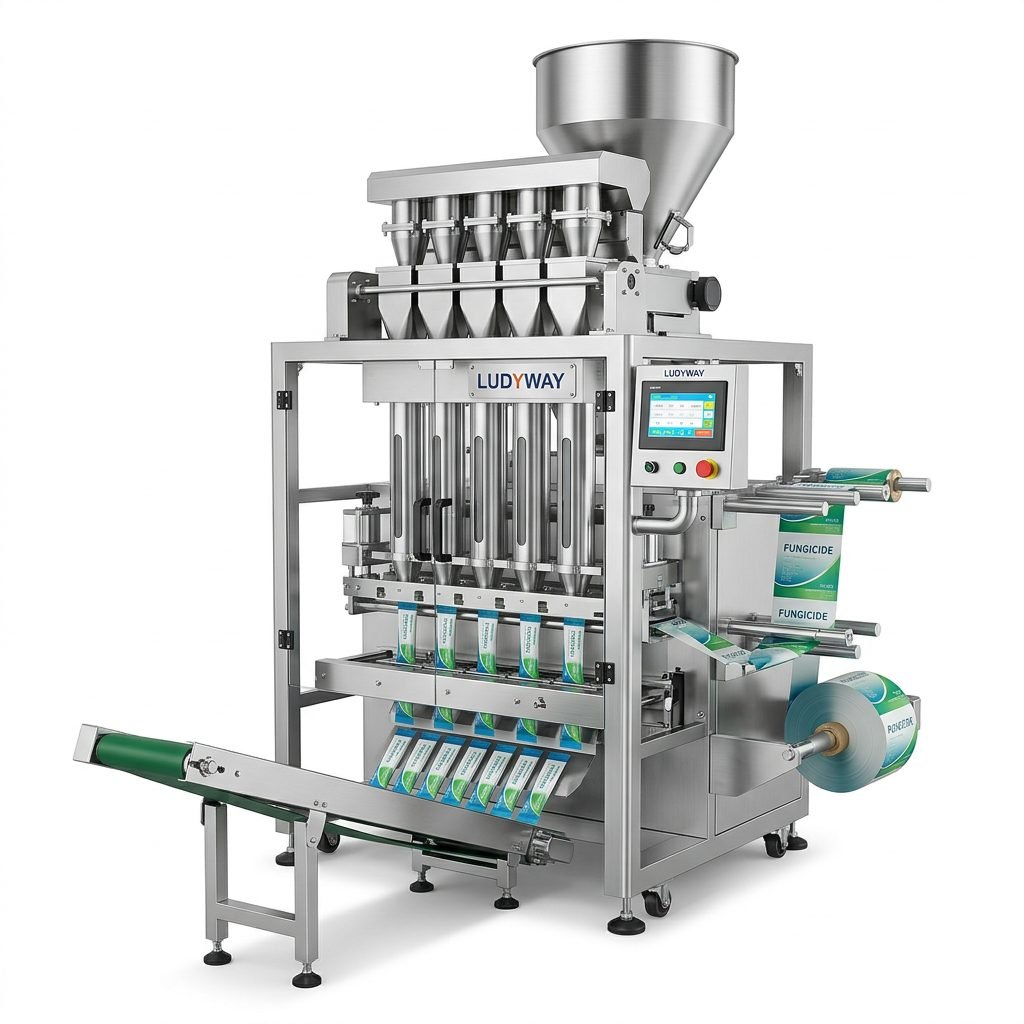
Selecting the right automatic packaging machine can dramatically improve throughput, reduce labor costs, and deliver more consistent pack quality. But faster packaging is not just about buying the highest-speed equipment. The best solution depends on your product type, packaging format, target output, factory layout, hygiene requirements, and future expansion plans.
If you are comparing machinery for food, pharmaceutical, supplement, cosmetic, chemical, or pouch-based applications, this guide will help you understand what really matters before making an investment.

Why the Right Packaging Machine Matters
An automatic packaging machine affects more than packing speed. It influences product accuracy, sealing quality, waste reduction, operator workload, hygiene control, and overall production efficiency. A mismatched machine can create bottlenecks, increase downtime, and raise maintenance costs.
- Improve packaging consistency across every batch
- Reduce manual handling and labor dependency
- Increase output with stable, repeatable automation
- Support traceability, coding, inspection, and compliance
- Prepare your plant for future scale-up
Start with Your Product Characteristics
The first step is understanding what you are packaging. Different materials behave very differently during feeding, dosing, filling, and sealing. The ideal machine for powder may not work well for granules, liquids, or viscous pastes.
| Product Type | Typical Filling Method | Key Consideration |
|---|---|---|
| Powders | Auger filling | Dust control, dosing precision, anti-bridging design |
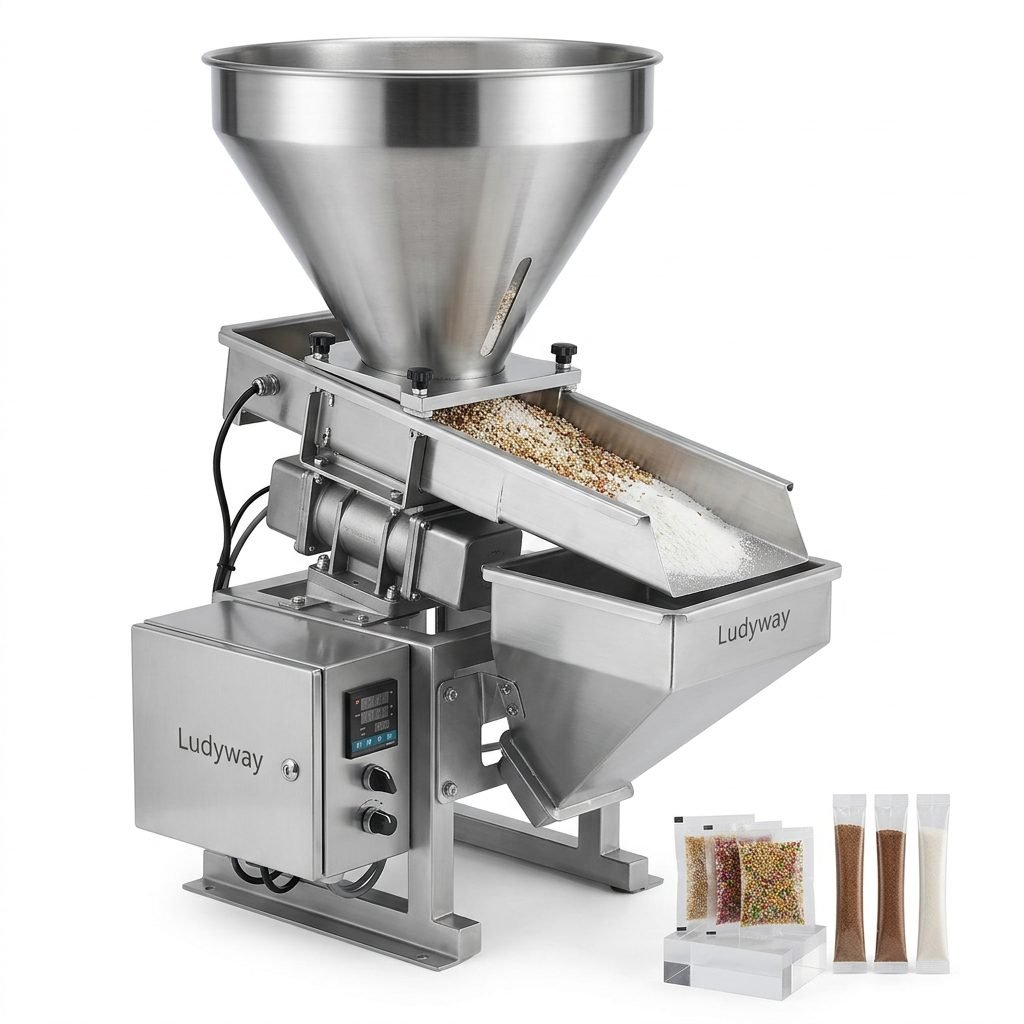
| Granules | Cup filler / weigher | Flowability, particle size, speed stability |
| Liquids | Pump filling | Leak prevention, hygiene, seal integrity |
| Pastes / gels | Piston pump / servo pump | Viscosity handling, clean filling, nozzle design |
| Irregular solids | Combination weighing | Weight accuracy, product protection, output rhythm |
For example, free-flowing sugar and fine milk powder may both look simple, but their filling systems and dust-management needs are very different. Always match the machine design to the material’s flow behavior.
Choose the Right Packaging Format
Your packaging format determines machine structure, film handling method, sealing style, and line configuration. Common options include:
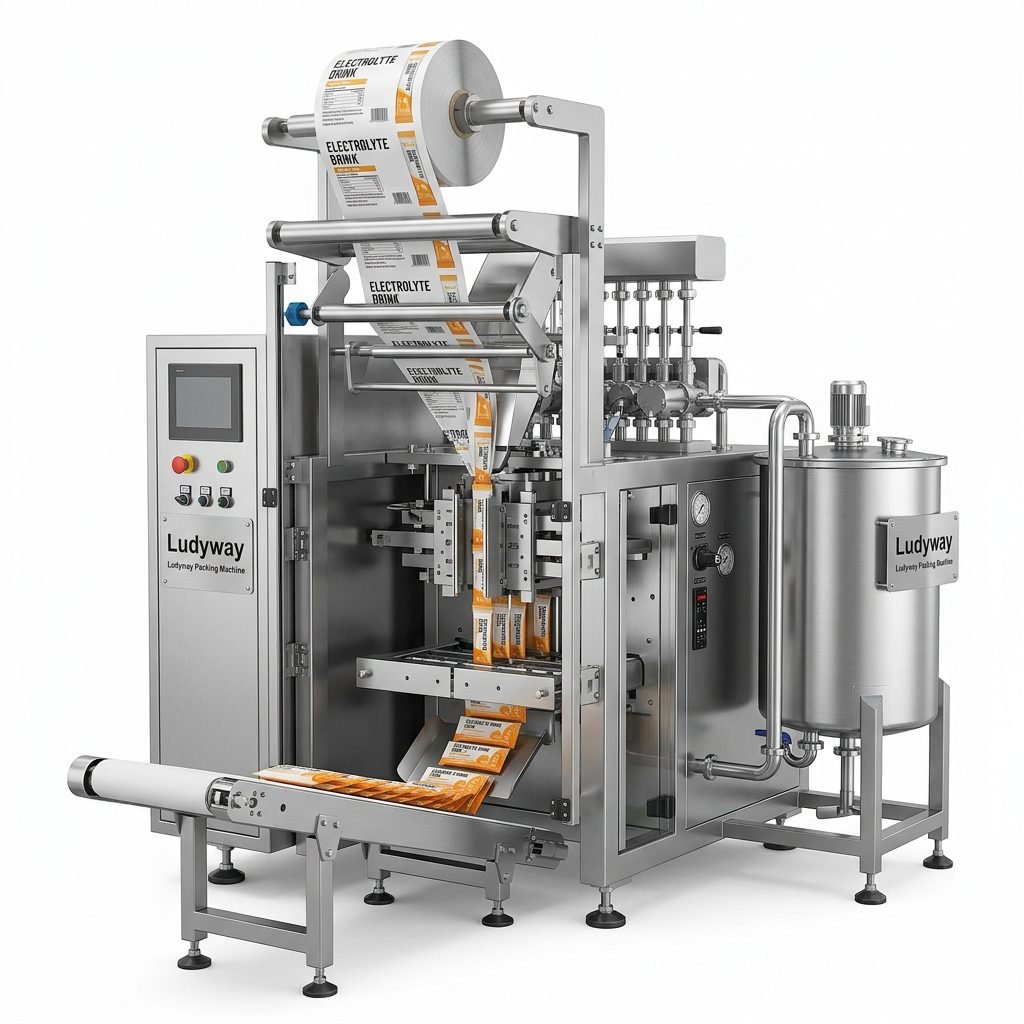
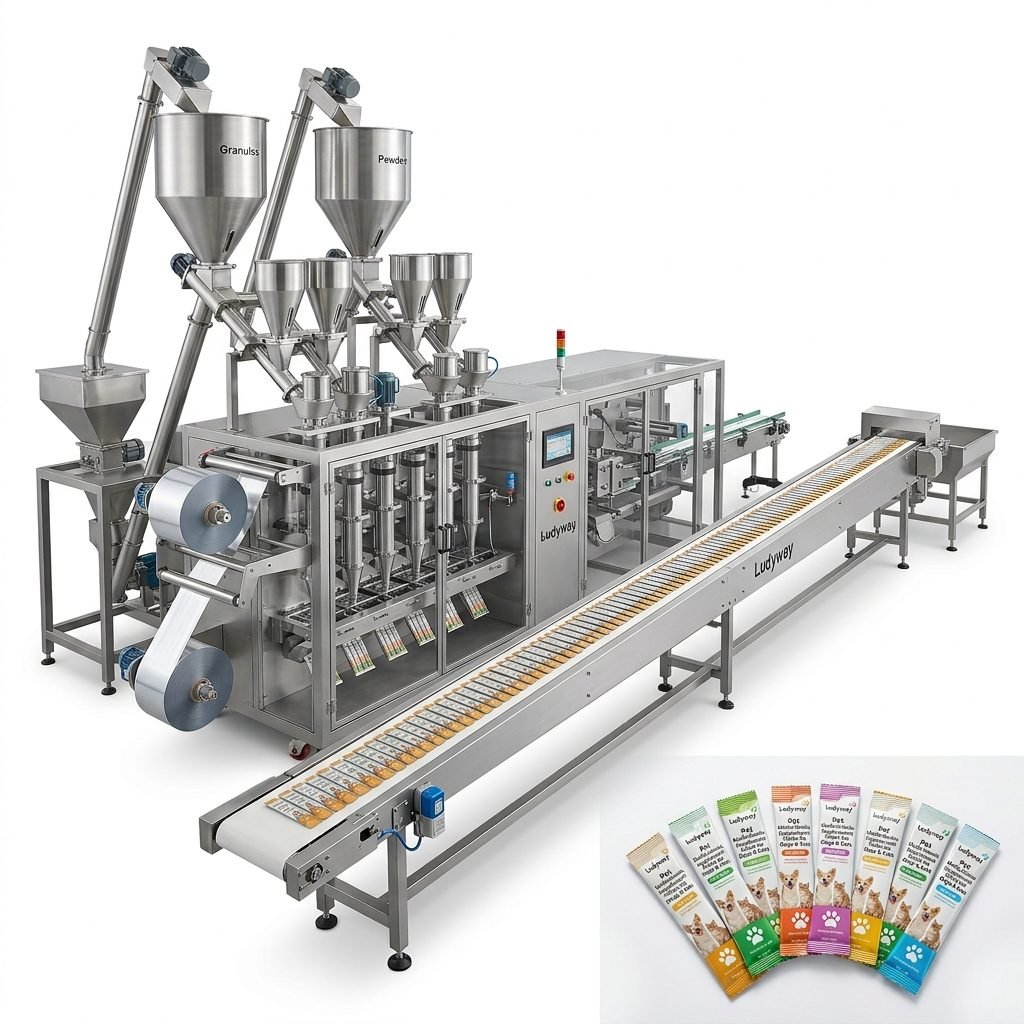
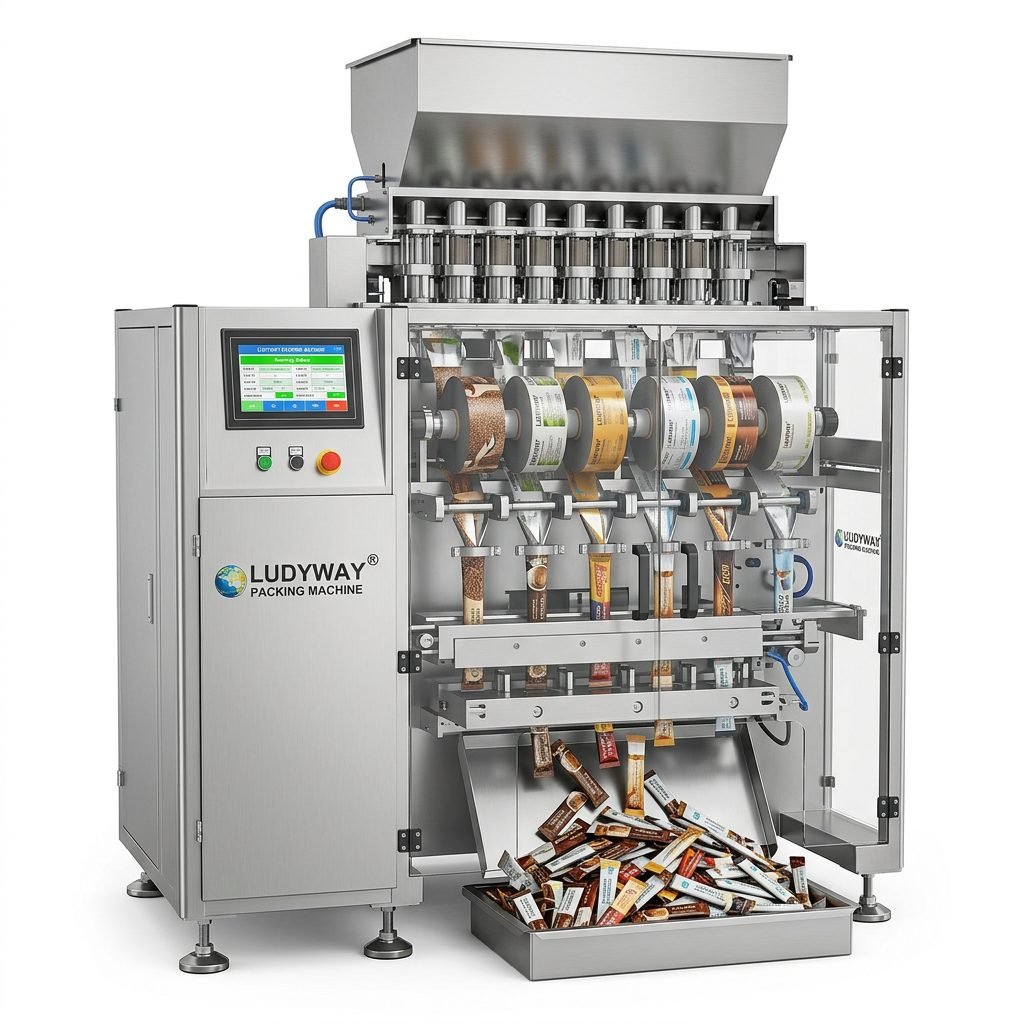
- Stick packs for powders, granules, liquids, and supplements
- Sachets for single-dose or travel-size packaging
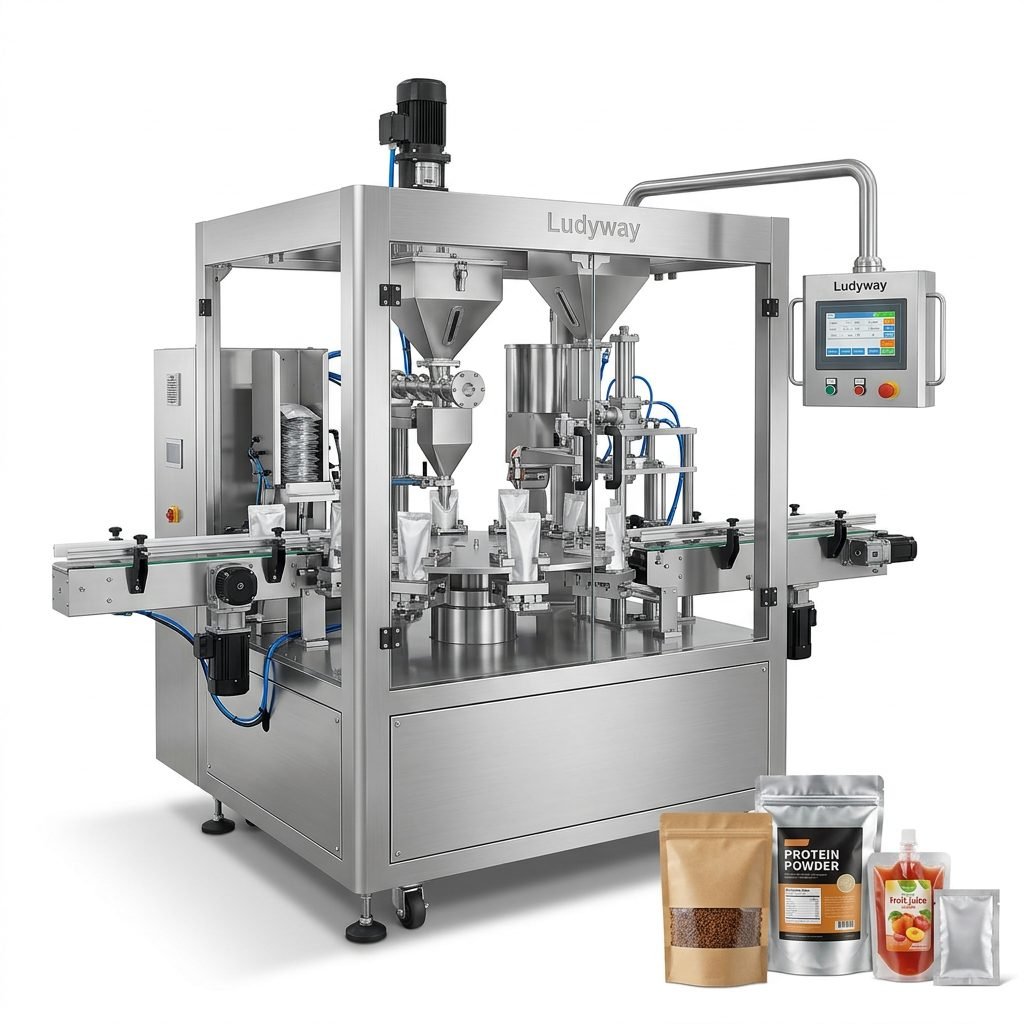
- Premade pouches for premium presentation and flexible formats
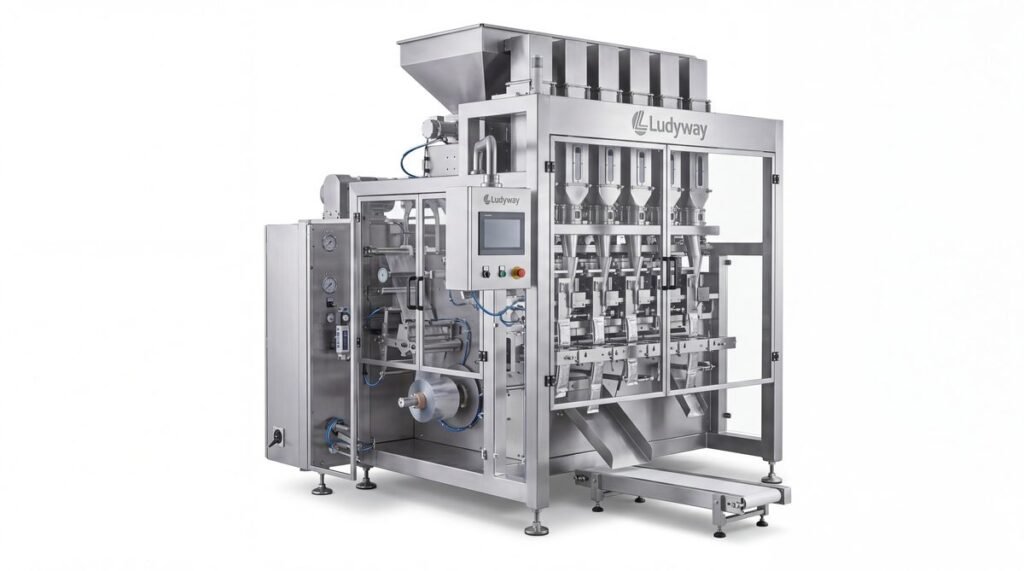
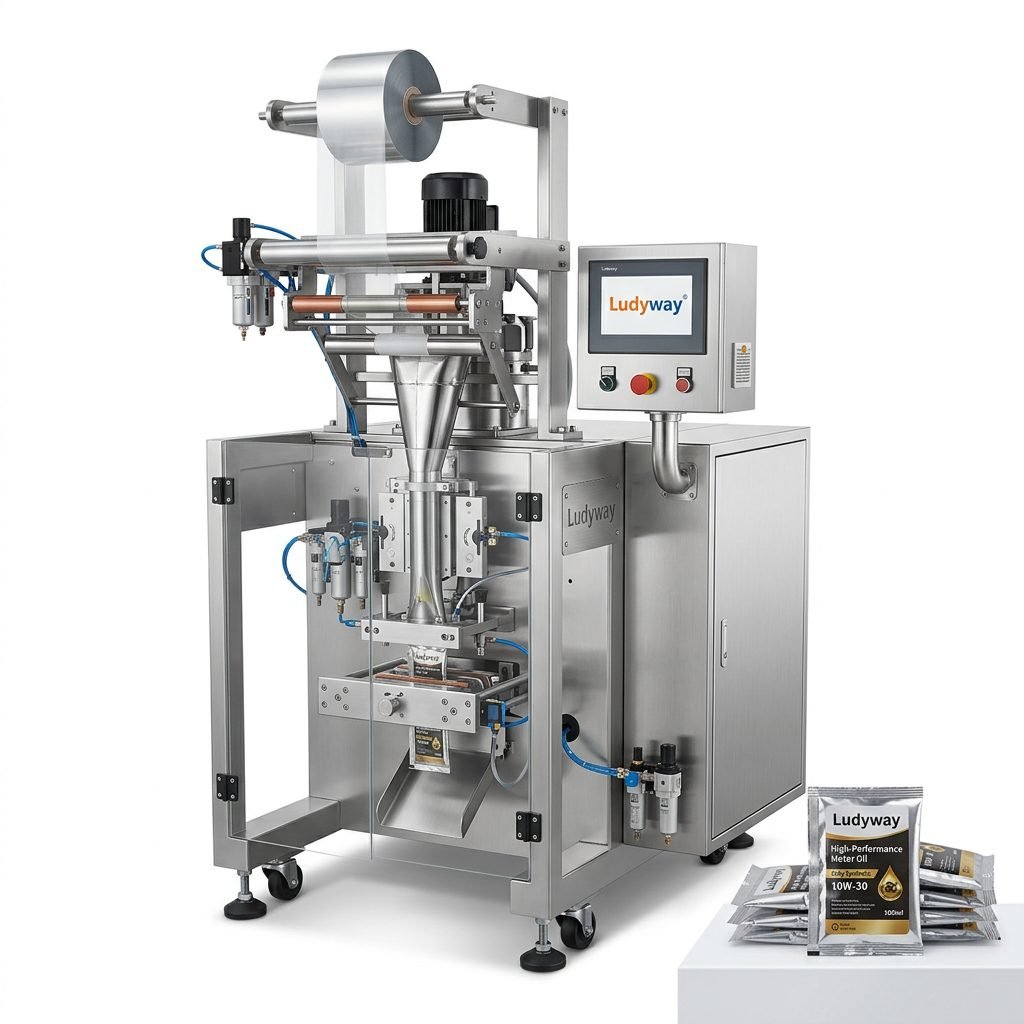
- Vertical form fill seal bags for efficient automatic bag-making and filling
- Bottles, jars, and tubes for liquid, cream, or capsule packaging
If your business serves retail, e-commerce, healthcare, or convenience channels, package appearance matters alongside production speed. The correct format should support both operational efficiency and market positioning.
How Much Speed Do You Really Need?
Many buyers focus first on maximum speed, but the smarter question is: what stable output do you need in real production conditions? High theoretical speed is meaningless if the machine suffers from frequent stops, inaccurate filling, or difficult changeovers.
Evaluate these speed-related factors:
- Required packs per minute or bags per hour
- Number of shifts per day
- Planned yearly production volume
- Downtime tolerance for cleaning and maintenance
- Product changeover frequency
- Need for future capacity expansion
For many factories, a reliable medium-to-high-speed machine delivers better long-term value than an oversized system that is expensive, underused, or difficult to maintain.
Single Machine or Complete Turnkey Line?
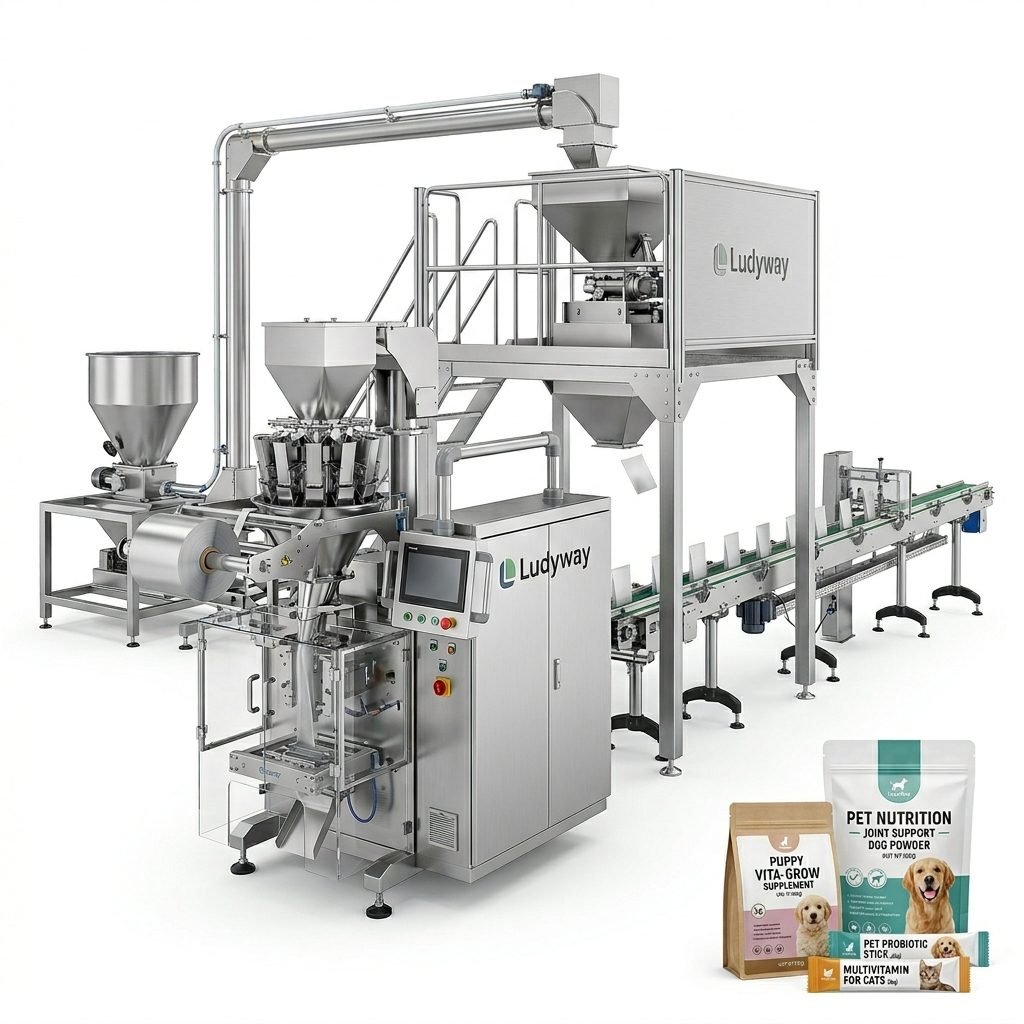
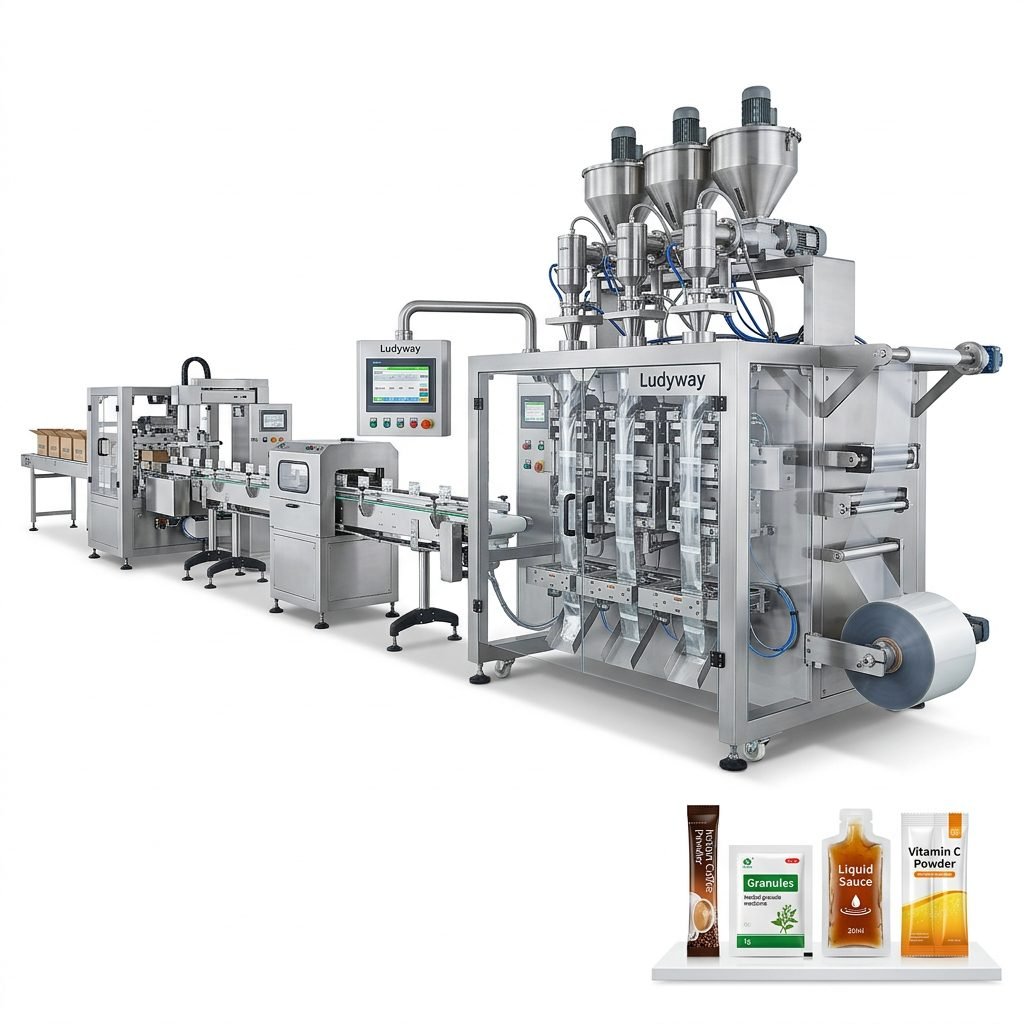
Some companies only need a standalone packaging machine. Others need a complete automatic line that includes feeding, filling, sealing, coding, inspection, cartoning, case packing, palletizing, and conveying.
| Option | Best For | Main Advantage |
|---|---|---|
| Standalone machine | Smaller production needs or line upgrades | Lower initial investment |
| Integrated packaging line | High-volume production and process automation | Higher efficiency and smoother workflow |
| Turnkey solution | Complex projects across multiple packaging stages | Centralized engineering, compatibility, and support |
If you expect rapid growth, a turnkey solution may be more cost-effective over time because it reduces integration risks and supports better line coordination.
Key Technical Features to Compare
When reviewing machine specifications, look beyond basic capacity numbers. The following features have a major impact on real-world performance:
1. Filling accuracy
Accurate dosing reduces product giveaway, supports compliance, and protects margins—especially for pharmaceutical, nutraceutical, and premium food applications.
2. Sealing quality
A fast machine is useless if seals fail. Verify heat sealing consistency, leak resistance, material compatibility, and seal appearance.
3. Changeover time
If you run multiple SKUs, fast and easy changeovers can significantly improve overall equipment efficiency.
4. Automation and controls
Modern interfaces, servo systems, recipe storage, alarm diagnostics, and remote support functions make operation easier and more efficient.
5. Cleaning and maintenance access
Machines should allow easy access for sanitation, parts replacement, and routine inspection. This is especially important in food and pharma environments.
6. Material compatibility
Check whether the machine supports your preferred packaging film, pouch material, laminate structure, and seal requirements.
Consider Your Industry Requirements
Different industries have different priorities. Your machine choice should reflect your operating standards, product sensitivity, and customer expectations.
Food industry
- Hygienic design and easy cleaning
- Reliable sealing for freshness protection
- Optional nitrogen flushing, metal detection, or checkweighing
Pharmaceutical and health supplement industry
- Precise dosing and traceability
- Validation-friendly controls and stable output
- Cleanability and contamination control
Cosmetic and personal care industry
- Viscous liquid or cream filling performance
- Attractive seal finish and pack presentation
- Flexible support for sample-size and retail formats
Chemical and industrial industry
- Corrosion resistance where needed
- Dust management for powders
- Operator safety and durable construction
Don’t Ignore Factory Layout and Utility Conditions
A machine can look ideal on paper and still fit poorly in your plant. Before ordering, confirm:
- Available floor space and ceiling height
- Power supply and compressed air requirements
- Product feeding method and upstream connection
- Discharge, packing-out, and downstream logistics
- Operator movement and maintenance clearance
This is especially important if you plan to upgrade from manual or semi-automatic packaging to a fully automatic production line.
Assess the Total Cost of Ownership
The machine price is only part of the investment. A better decision comes from comparing total cost of ownership, including:
- Initial equipment cost
- Installation and commissioning
- Training and setup time
- Spare parts and maintenance costs
- Packaging material waste
- Labor savings over time
- Expected service life and upgrade flexibility
A lower-cost machine may become more expensive if it causes higher film waste, unstable production, or frequent downtime.
Questions to Ask Before You Buy
Use this checklist when discussing options with packaging machinery suppliers:
- What products and package formats has this machine already handled successfully?
- What is the stable production speed in actual factory conditions?
- How accurate is the filling system?
- How long does format or SKU changeover take?
- What spare parts and after-sales support are available?
- Can the machine be integrated into a larger line later?
- Are custom configurations available for my material and packaging goals?
Choosing a Reliable Packaging Machine Manufacturer
The supplier is just as important as the machine. An experienced manufacturer can help with sample testing, layout planning, customization, installation, and long-term support. This is especially valuable for companies scaling production or launching new formats.
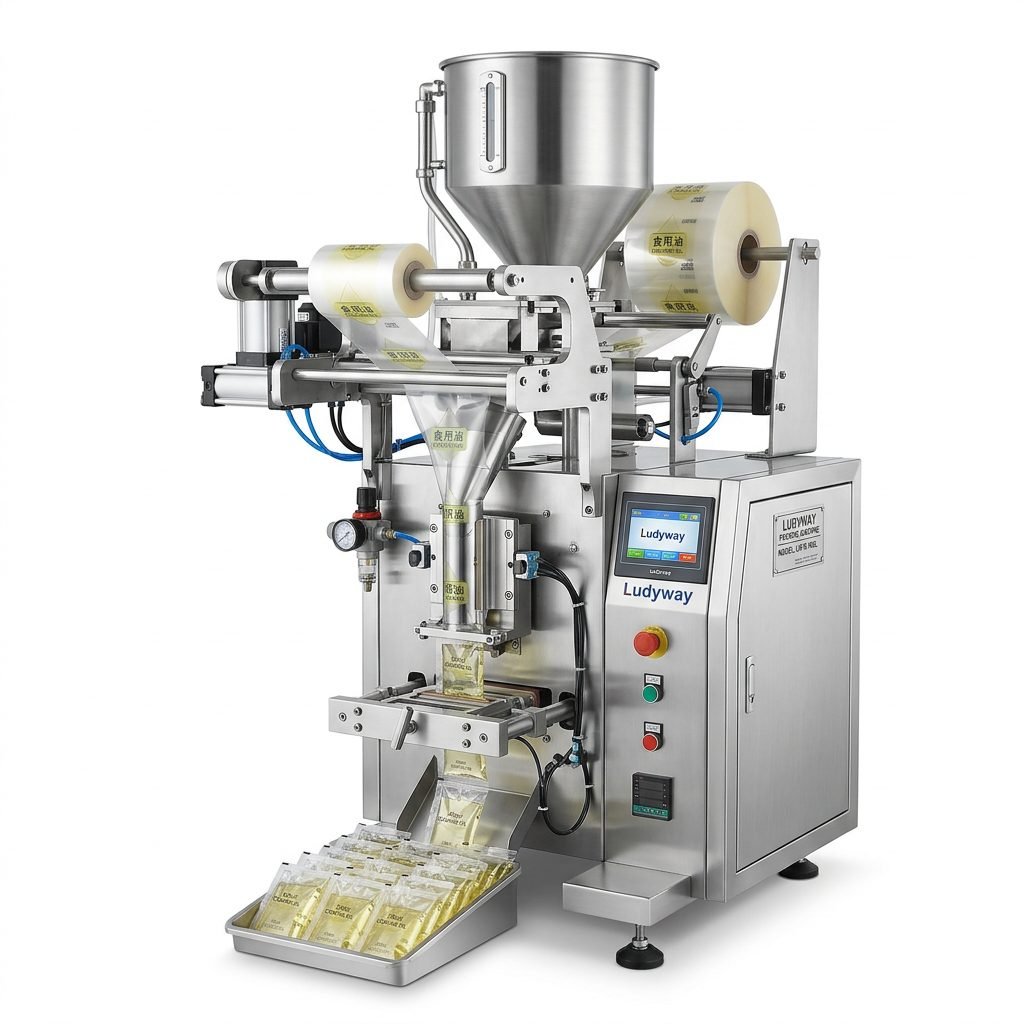
For buyers seeking flexible automation across food, pharmaceutical, health supplement, cosmetic, and chemical applications, Ludyway automatic packaging machine solutions provide a broad range of standalone equipment and turnkey packaging lines backed by more than 30 years of manufacturing experience.
Final Decision: Match the Machine to Your Growth Plan
The right automatic packaging machine is not simply the fastest model available. It is the one that fits your product, packaging format, quality target, budget, and production roadmap. When chosen carefully, the right system can help you package faster, operate more efficiently, reduce waste, and scale with confidence.
If possible, request product testing, review real application cases, and compare not only current needs but also your next three to five years of growth. That approach leads to a smarter, more profitable packaging investment.