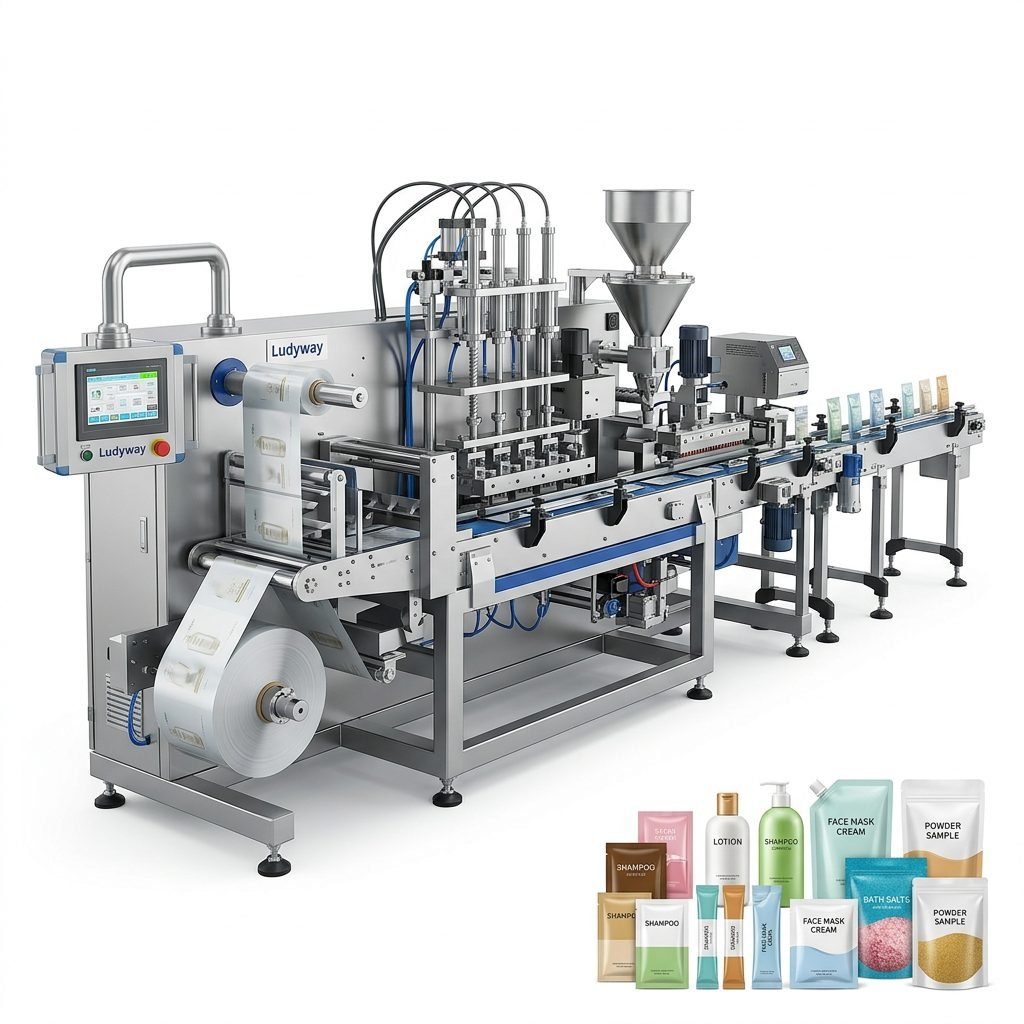
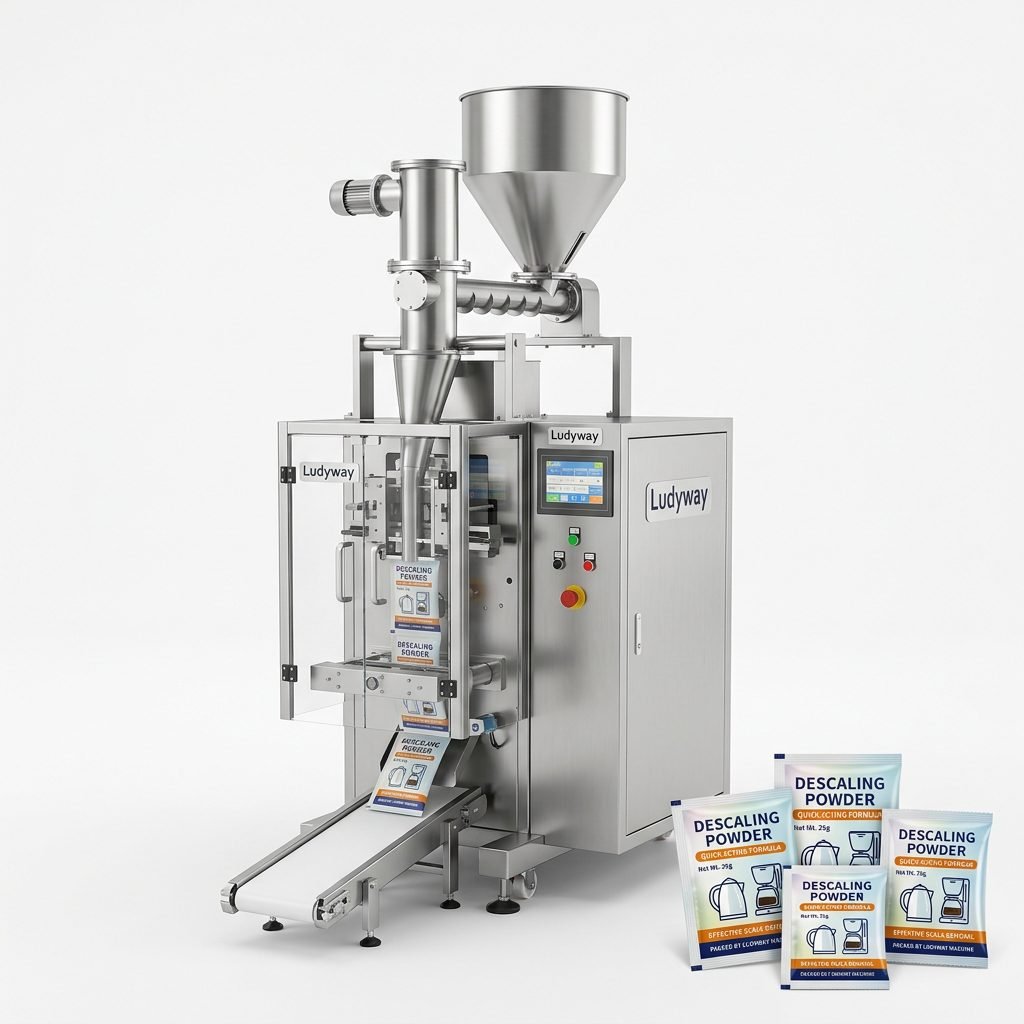
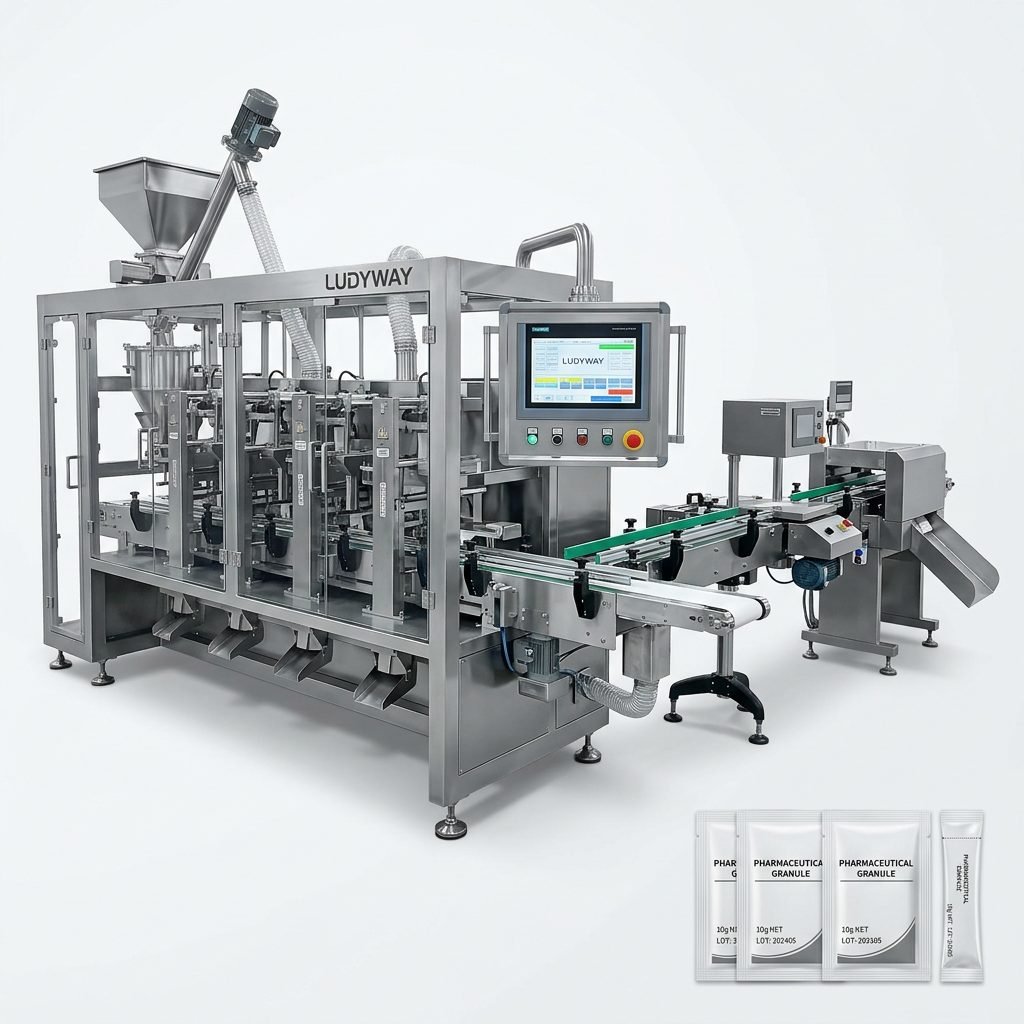
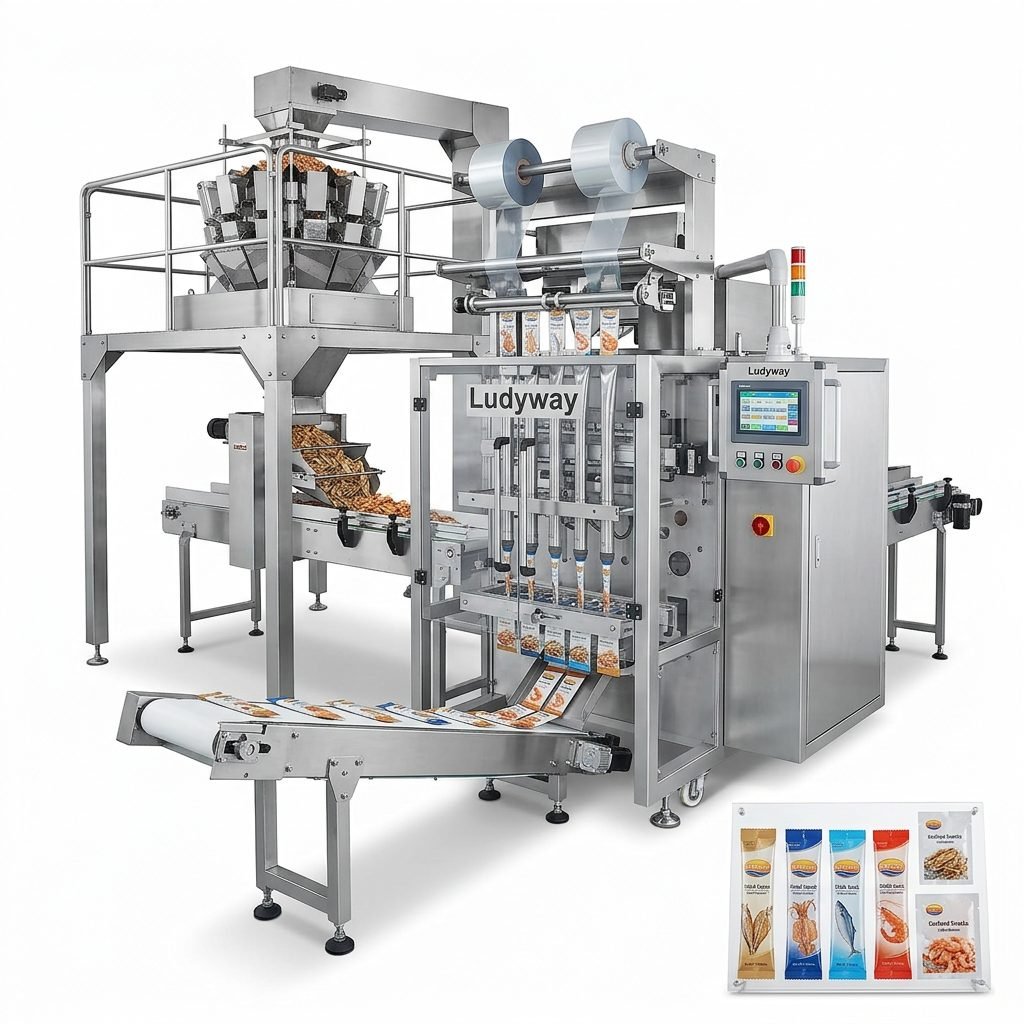
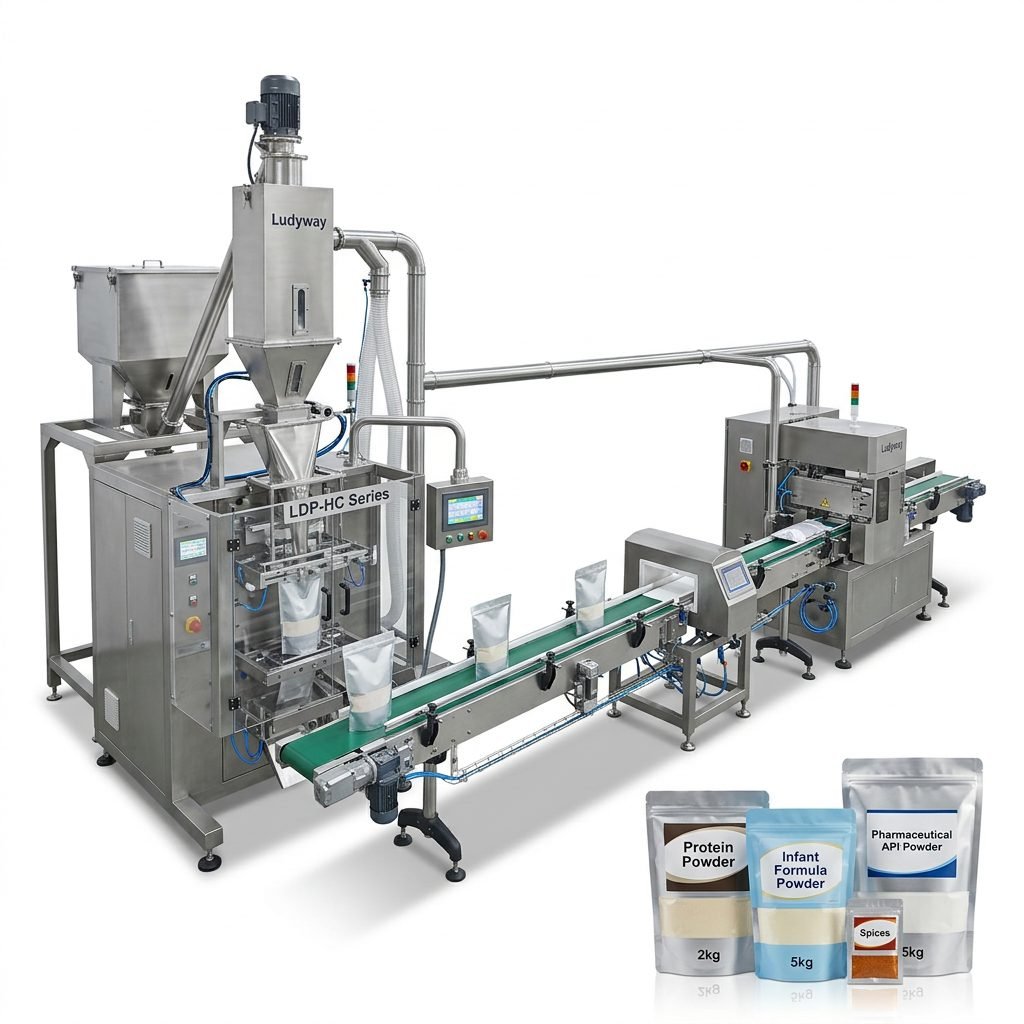
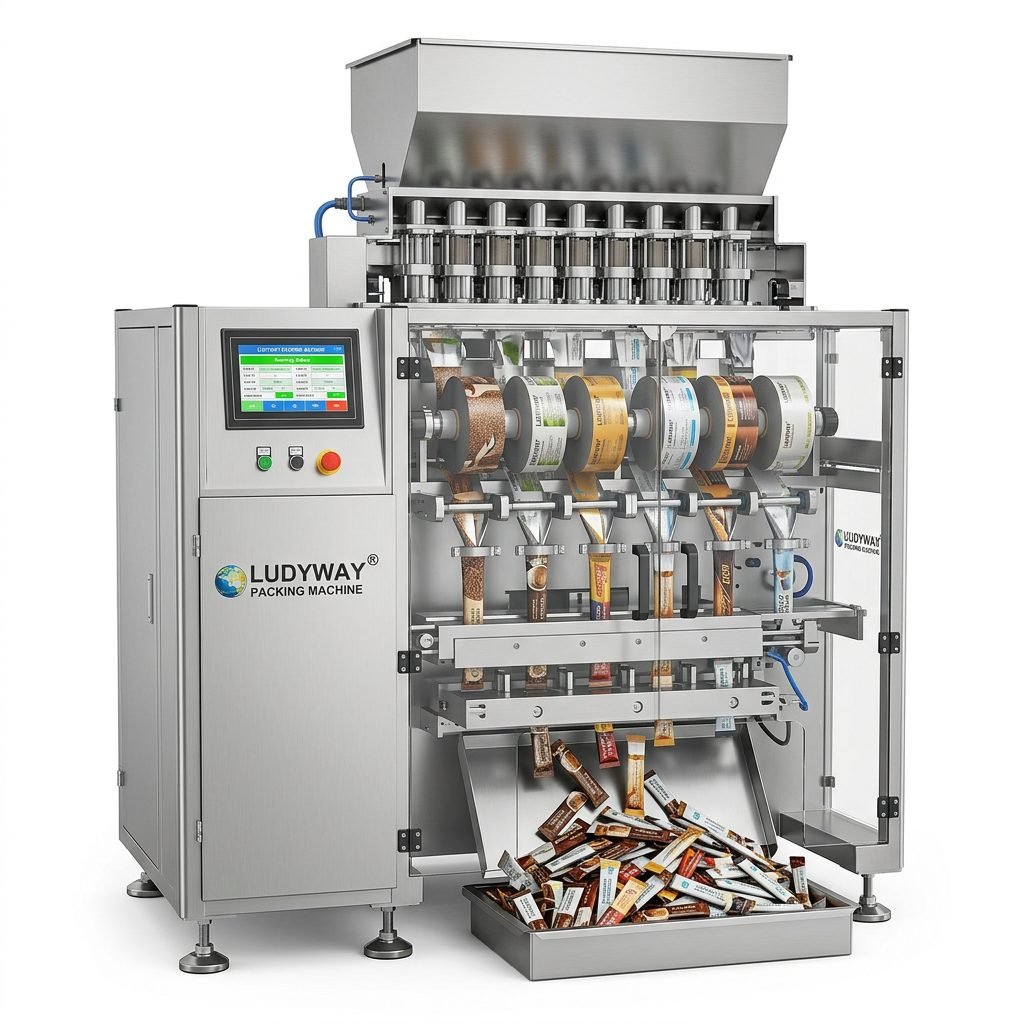
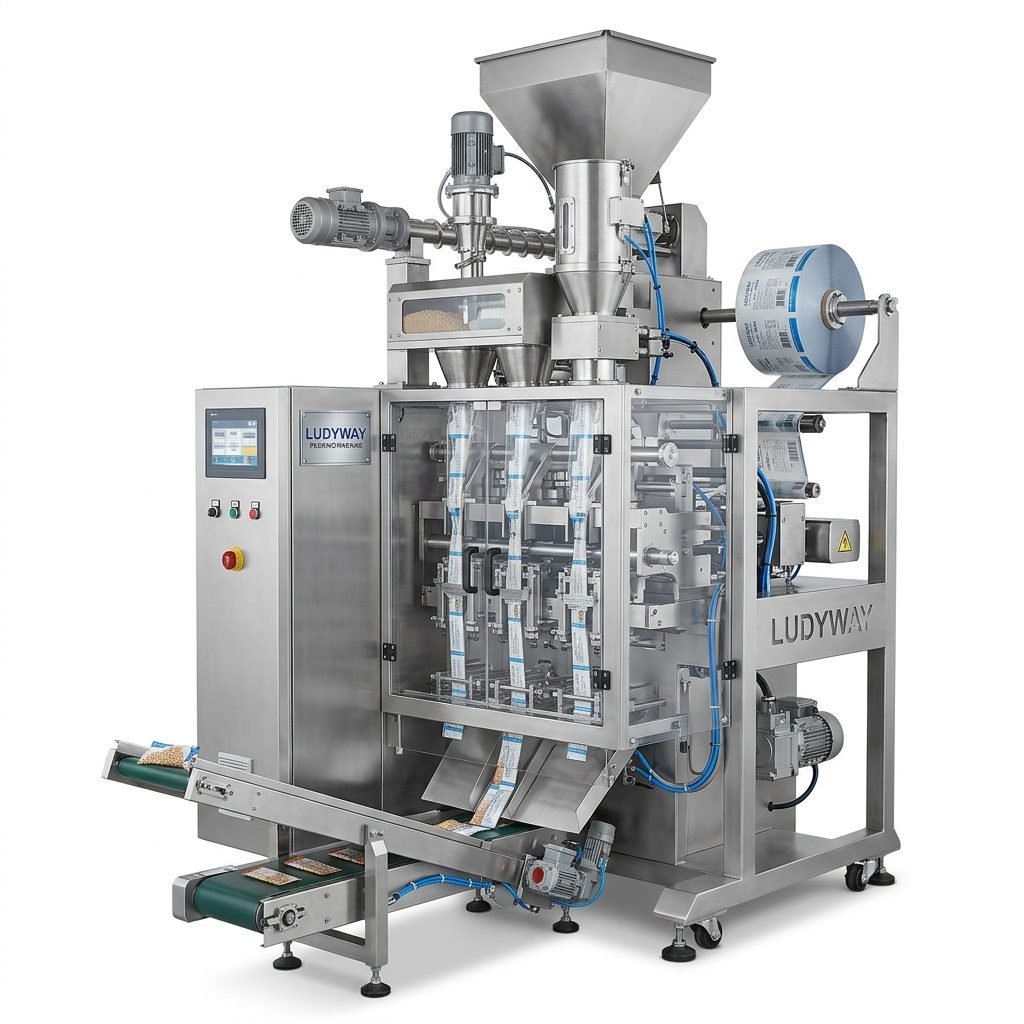
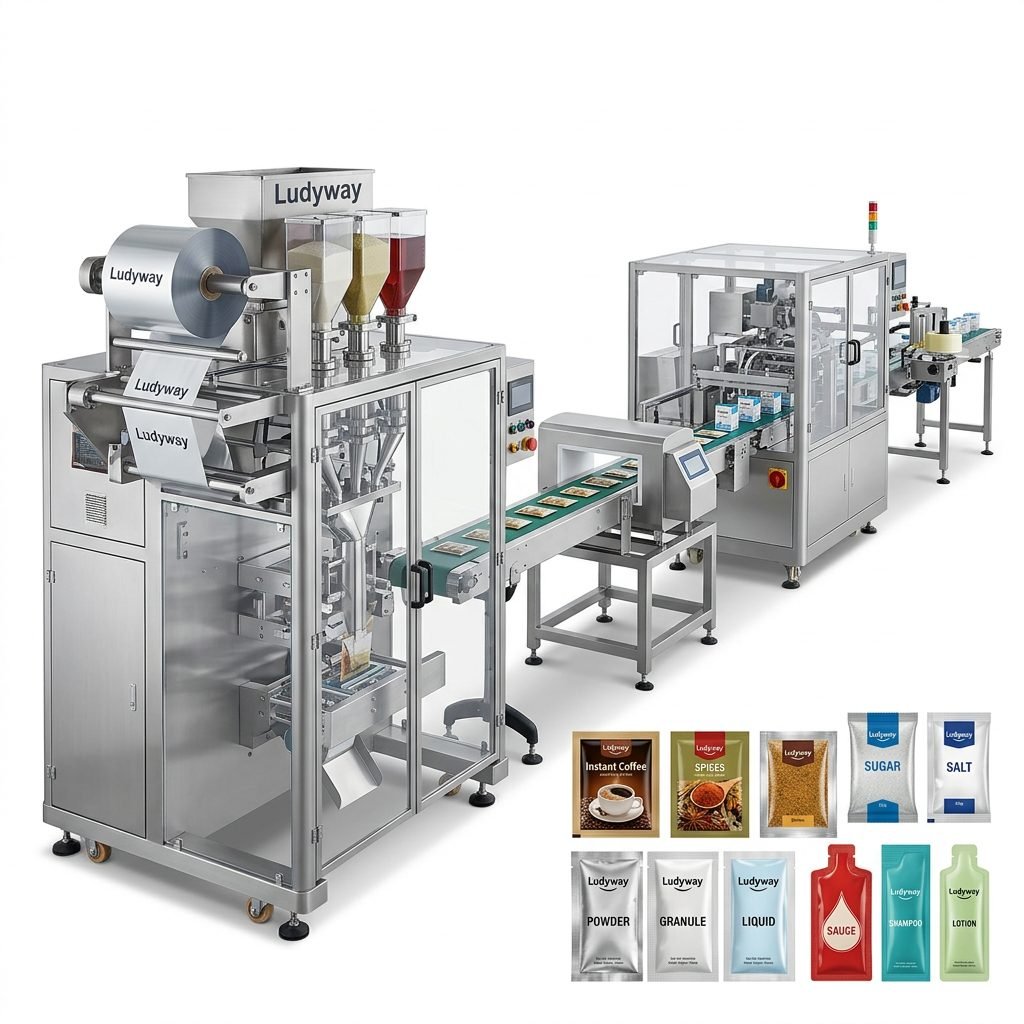
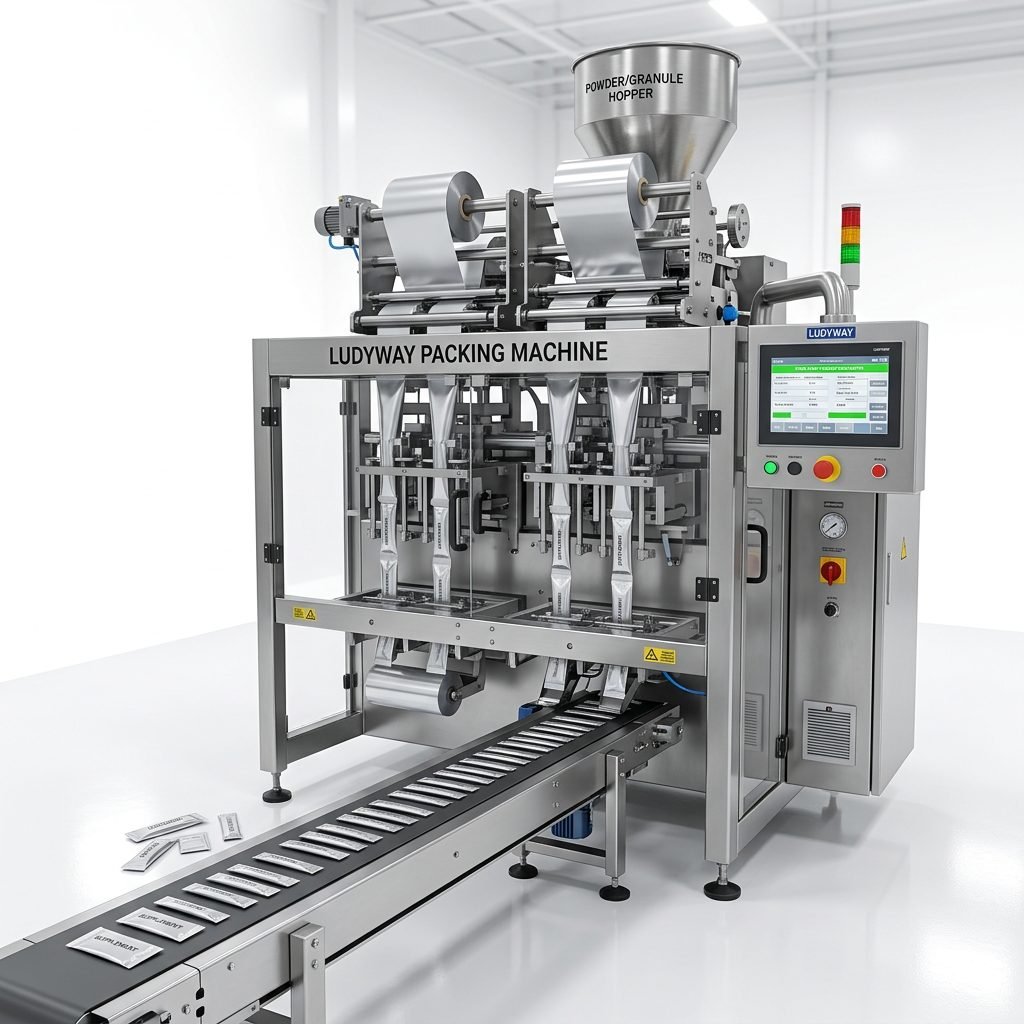
Engine oil packaging demands more than simple liquid filling. Manufacturers need a system that can handle accurate dosing, leak-resistant sealing, clean operation, reliable coding, and efficient secondary packaging while protecting product quality and supporting high-volume output. An advanced engine oil packing machine helps lubricant producers, automotive chemical brands, and contract packers streamline the entire process from filling to final dispatch.
Whether you package engine oil in sachets, pouches, bottles, or other flexible formats, the right automation setup improves consistency, reduces waste, supports brand presentation, and lowers labor dependency. For fast-growing lubricant businesses, investing in a complete packaging solution is often the key to scaling with confidence.
Why Engine Oil Packaging Requires Specialized Equipment
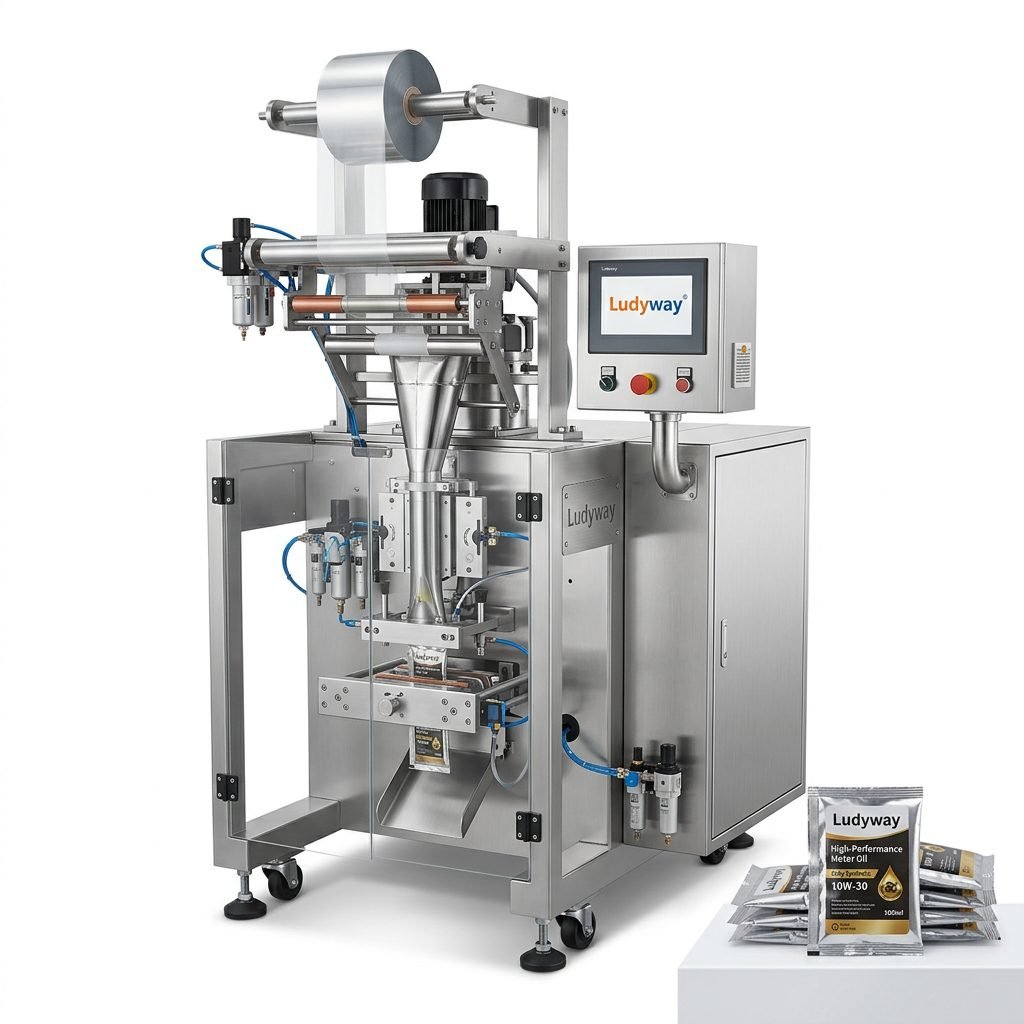
Engine oil is a high-value liquid product with viscosity characteristics that can vary by formulation, temperature, and additive content. This makes packaging more demanding than standard water-like liquids. A specialized engine oil packing machine is designed to maintain stable filling performance, secure seals, and smooth product flow even when dealing with thicker or more sensitive lubricant products.
- Precise filling for volume consistency and cost control
- Strong sealing to prevent leakage during storage and transport
- Clean-contact or controlled-contact product pathways
- Compatibility with different packaging materials and formats
- Integration with coding, labeling, cartoning, and case packing equipment
Core Functions of an Engine Oil Packing Machine
A modern engine oil packaging system usually combines several automated functions into one production flow. This allows manufacturers to minimize manual intervention while improving throughput and quality control.
| Function | Purpose | Benefit |
|---|---|---|
| Liquid Filling | Dispenses measured engine oil into packs | Improves dosing accuracy and reduces giveaway |
| Sealing | Closes sachets, pouches, or containers securely | Prevents leakage and preserves product integrity |
| Coding | Prints batch, date, and traceability data | Supports compliance and inventory management |
| Labeling / Cartoning | Prepares products for retail or wholesale delivery | Enhances efficiency and shelf presentation |
| Case Packing / End-of-Line Automation | Groups and packs finished units for shipment | Cuts labor and speeds logistics |
Popular Packaging Formats for Engine Oil
The ideal machine configuration depends on the format you use. Different markets and distribution models may require different packaging styles, from retail sachets to larger industrial containers.
1. Sachets and Stick Packs
Suitable for small-volume engine oil additives, sample packs, promotional units, and single-use applications. These formats are compact, lightweight, and economical for distribution.
2. Pouches
Flexible pouches are increasingly used for convenient, lightweight liquid packaging. They can reduce material consumption and improve shipping efficiency.
3. Bottles and Jars
A common choice for branded engine oil products sold through automotive retail, workshops, service stations, and dealership channels.
4. Industrial Packs
For bulk lubricant operations, larger packaging such as drums or heavy-duty containers may be integrated into the production line.
Key Features to Look For
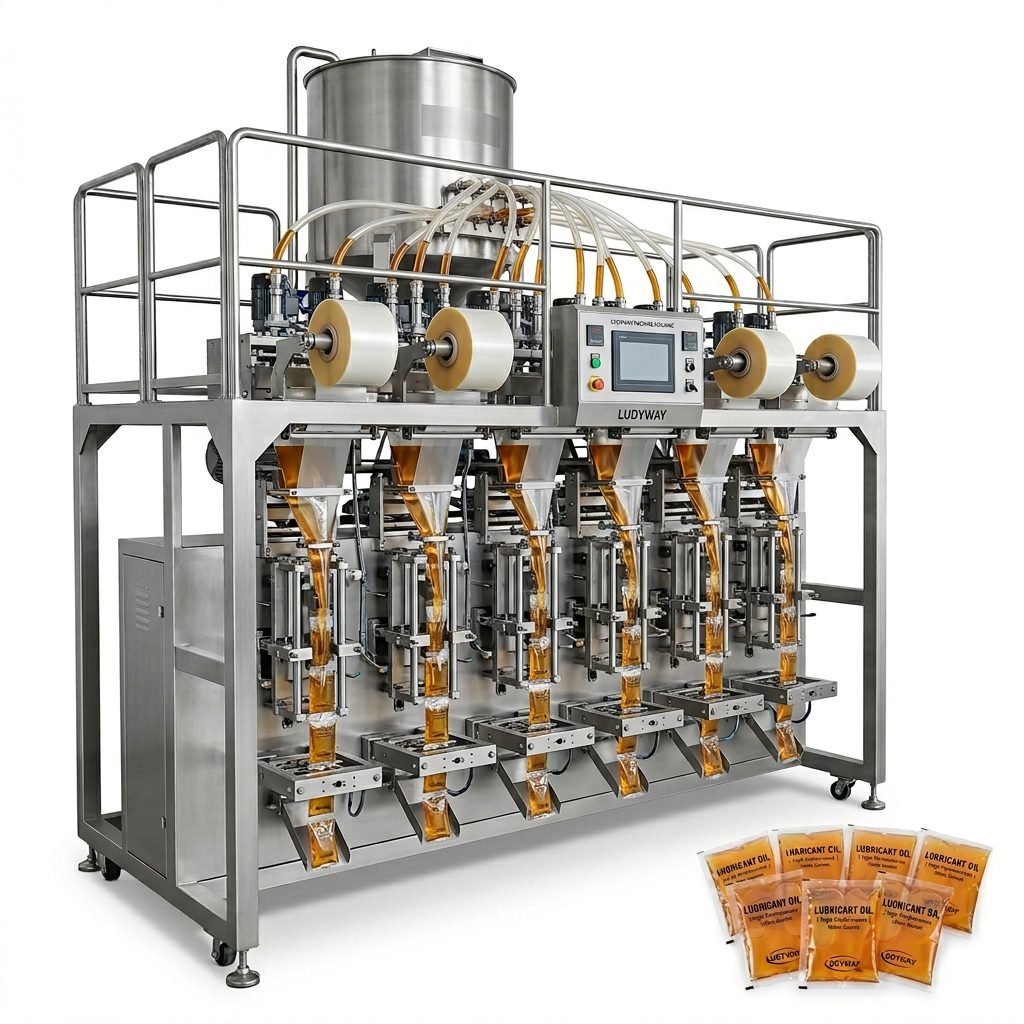
When choosing an engine oil filling and sealing machine, buyers should compare more than just speed. The right equipment should match the product’s viscosity, packaging style, production targets, and long-term automation goals.
- Accurate volumetric or pump-based filling for stable output
- Anti-drip nozzle or controlled discharge design
- Durable sealing system for oil-resistant packaging materials
- PLC control with user-friendly touchscreen operation
- Easy cleaning and maintenance access
- Changeover flexibility for different pack sizes
- Integration with conveyors, coders, labelers, and cartoners
- Stable frame structure for long production runs
Benefits of Automated Filling, Sealing, and Packaging
Automation is especially valuable in lubricant packaging because even small filling or sealing errors can lead to product loss, customer complaints, and transportation issues. A well-designed system helps manufacturers maintain a more controlled and profitable production process.
| Operational Area | Manual Process Challenge | Automated Solution Benefit |
|---|---|---|
| Filling Accuracy | Inconsistent dosing | More uniform fill volumes |
| Product Loss | Spills and drips | Cleaner transfer and reduced waste |
| Labor Demand | High staffing requirement | Lower labor dependency |
| Output Stability | Variable production pace | Consistent throughput |
| Packaging Quality | Seal defects and poor presentation | Improved pack appearance and seal reliability |
Industries and Applications
Although designed for engine oil and lubricant products, similar liquid packaging technology is also used across automotive chemicals and industrial fluid applications. This makes many systems suitable for wider production planning.
- Engine oil
- Lubricant oil
- Engine oil additives
- Gear oil
- Automotive treatment liquids
- Industrial lubricant products
- Chemical liquid sachet packaging
How to Choose the Right Engine Oil Packing Machine
The best machine is not always the fastest one. It should align with your actual product, capacity, packaging material, and future expansion plan. Before buying, it helps to define a clear technical requirement list.
Important Questions to Ask
- What is the viscosity range of the engine oil product?
- What package type will be used: sachet, pouch, bottle, or bulk container?
- What fill volume range is required?
- How many packs per minute or per hour are needed?
- Do you need date coding, labeling, or cartoning integration?
- Will the machine handle one product or multiple formulations?
- Is turnkey line support required for upstream and downstream equipment?
For buyers looking for scalable packaging automation, Ludyway engine oil packing machine solutions can support both standalone equipment and integrated production line planning, backed by more than 30 years of packaging machinery experience.
Advantages of Turnkey Packaging Line Integration
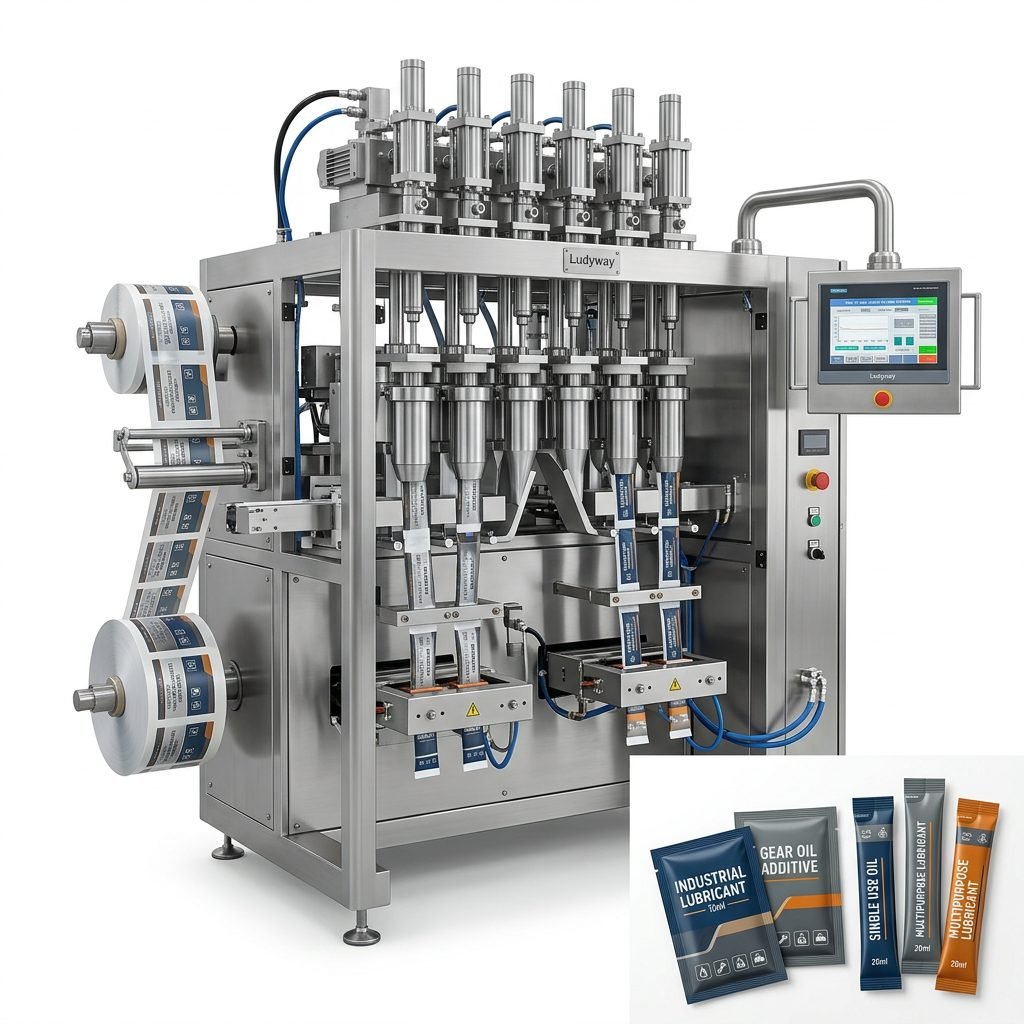
Many engine oil producers do not just need one filling machine. They need a complete flow that includes feeding, filling, sealing, coding, checking, packing, and material handling. A turnkey solution simplifies project execution and improves line compatibility.
- Better coordination between machines
- Reduced installation and commissioning complexity
- More efficient production line layout
- Single-source technical support
- Improved long-term expansion flexibility
Typical Turnkey Line Components
| Line Section | Equipment Example |
|---|---|
| Product Feeding | Storage tank, pump, transfer system |
| Primary Packaging | Engine oil sachet or pouch filling and sealing machine |
| Coding / Inspection | Date coder, vision inspection, checkweigher |
| Secondary Packaging | Cartoner, case packer, sealing machine |
| End-of-Line | Palletizing, wrapping, conveying |
Maintenance and Performance Tips
Long-term machine reliability depends on correct setup and regular maintenance. For liquid packaging lines handling oil-based products, preventive care can significantly reduce downtime.
- Inspect filling nozzles and seals regularly
- Use suitable packaging films or containers for oily products
- Monitor temperature and viscosity effects during production
- Calibrate filling volumes at scheduled intervals
- Keep contact parts clean to avoid residue buildup
- Train operators on changeover and troubleshooting procedures
What Buyers Value Most in 2026 and Beyond
The market increasingly favors machines that combine speed, flexibility, accuracy, and line integration. As lubricant brands seek stronger production efficiency and more responsive packaging formats, demand is rising for intelligent equipment with easier operation, lower maintenance needs, and customization options.
A reliable engine oil packing machine is no longer just a production tool. It is a strategic investment that supports product quality, operating efficiency, and long-term brand competitiveness in the automotive and industrial chemicals market.