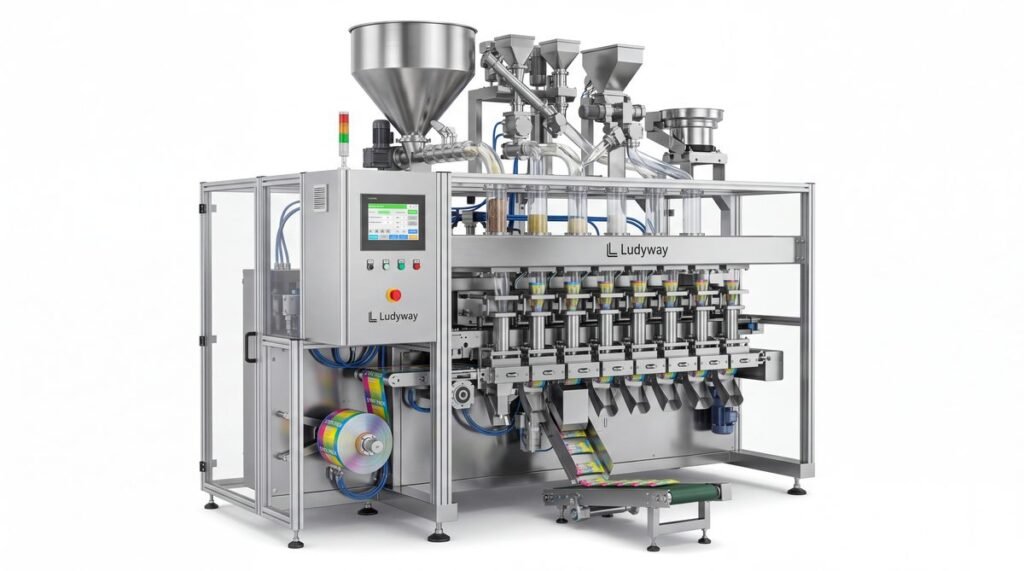
Liquid foam packaging machines are specialized systems that create protective foam directly at the packing station. Instead of storing bulky pre-made inserts, the machine mixes liquid components, expands them into foam, and forms a custom cushion around the product. For manufacturers, e-commerce sellers, and industrial shippers, this approach can improve packing speed, reduce material waste, and protect products with more consistency.
Whether you ship electronics, auto parts, medical devices, glassware, or irregular industrial components, understanding how a liquid foam packaging machine works is essential before investing in one.
What Is a Liquid Foam Packaging Machine?
A liquid foam packaging machine dispenses two or more chemical components that react and expand into cushioning foam. The foam is usually released into a bag, liner, or directly into a packaging cavity, where it quickly molds around the product and hardens into a shock-absorbing protective form.
These systems are commonly used for:
- Fragile product shipping
- Void filling for irregular items
- Heavy-duty industrial part protection
- Low- to medium-volume custom packaging
- High-value products requiring secure transit cushioning
Unlike standard bubble wrap or foam peanuts, liquid foam packaging creates a custom-fit protective layer for each individual item.
How a Liquid Foam Packaging Machine Works
The working principle is straightforward, but the system must be precise to ensure foam quality, consistency, and safe operation.
1. Chemical Components Are Stored Separately
The machine uses separate tanks or cartridges for the foam-forming liquids. These materials remain stable until they are combined in the correct ratio.
2. Metering and Mixing Take Place
When the operator triggers the cycle, the machine dispenses the components in a controlled amount. Internal pumps and metering units ensure accurate dosing. The liquids then move into a mixing chamber or nozzle.
3. Foam Expands Rapidly
After mixing, the chemical reaction starts immediately. The material expands into foam, increasing in volume within seconds. The expanding foam fills open spaces and adapts to the product shape.
4. Foam Is Applied to the Package
The foam may be delivered in different ways:
- Into a plastic bag to create foam-in-bag cushions
- Into a carton as bottom cushioning
- Around the item for full encapsulation
- As top-fill protection before final box closure
5. Curing and Product Stabilization
Within a short time, the foam sets and forms a supportive cushion that limits movement, absorbs shock, and reduces the risk of shipping damage.
Main Components of a Liquid Foam Packaging Machine
| Component | Function |
|---|---|
| Chemical tanks / containers | Store foam raw materials separately |
| Metering pumps | Control dosing accuracy and ratio consistency |
| Mixing head / nozzle | Combines components and initiates foam reaction |
| Control system | Manages cycle timing, output volume, and operating parameters |
| Dispensing platform | Supports bagging, carton filling, or product positioning |
| Safety system | Protects operators through emergency stop and controlled handling |
Types of Liquid Foam Packaging Applications
Foam-in-Bag Packaging
The machine dispenses foam into a plastic film bag. The bag expands and forms a cushion that can be placed below, above, or around the product.
Foam-in-Place Packaging
The foam is dispensed directly into the box or mold area. This is ideal for products with unusual geometry or highly sensitive surfaces.
Custom End-Cap Protection
Foam is used to create end supports that hold products securely in place during transport.
Void Fill and Stabilization
For products that do not need full encapsulation, foam can fill empty spaces and prevent internal movement.
Benefits of Using a Liquid Foam Packaging Machine
Superior Product Protection
Because the foam forms around the product shape, it creates a snug fit that reduces vibration, movement, and impact damage.
Less Storage Space for Packaging Materials
Traditional inserts and pre-formed foam require significant warehouse space. Liquid components take up less room and can support more flexible packaging operations.
Lower Material Waste
The machine dispenses the required amount of foam for each package, which can reduce overpacking and unnecessary filler use.
Better Packaging for Irregular Products
Products with odd dimensions, protrusions, or fragile corners often fit poorly with standard inserts. Liquid foam solves this by adapting in real time.
Improved Packing Efficiency
With the right setup, operators can produce consistent protective packs faster than manually cutting and arranging conventional cushioning materials.
Professional Customer Experience
Secure, clean, molded protective packaging can help improve product presentation and reduce complaints related to damaged shipments.
For companies shipping fragile and high-value products, reducing damage claims alone can make a liquid foam packaging machine financially attractive.
Industries That Commonly Use Liquid Foam Packaging
- Electronics and electrical equipment
- Medical and laboratory products
- Automotive components
- Industrial spare parts
- Glass and ceramic products
- Furniture hardware and accessories
- Aerospace and precision parts
- E-commerce fulfillment for fragile goods
When a Liquid Foam Packaging Machine Is the Right Choice
A liquid foam packaging machine is a strong option if your business faces one or more of the following challenges:
- Frequent shipping damage with standard void fill
- Many SKUs with different shapes and sizes
- Limited warehouse space for bulky packaging materials
- Need for customized protective packaging without custom tooling for every item
- Desire to improve packaging speed and consistency
Potential Limitations to Consider
Although liquid foam packaging offers many advantages, buyers should assess a few practical factors before purchasing:
- Initial equipment investment may be higher than basic manual packaging tools
- Operators need training for safe material handling and accurate application
- Chemical supply management is required
- Some products may need testing to confirm foam compatibility and presentation quality
- Maintenance and cleaning are important for stable operation
Key Features to Look for When Buying a Liquid Foam Packaging Machine
Accurate Metering System
Foam quality depends heavily on precise chemical ratios. Choose a machine with stable metering and repeatable output.
Adjustable Output Volume
The ability to fine-tune foam quantity helps reduce waste and adapt to different products.
Fast Cycle Time
If you handle high daily shipping volumes, cycle speed directly affects labor efficiency and packing throughput.
Easy Operator Interface
A simple control panel reduces errors and shortens training time for packing staff.
Reliable Safety Design
Look for emergency stop functions, guarded systems, leak prevention, and clear operating alerts.
Low Maintenance Structure
Machines with accessible components and straightforward cleaning procedures are easier to keep in production.
Compatibility With Packaging Workflow
The machine should match your carton sizes, product dimensions, operator layout, and production rhythm.
Buying Guide: Questions to Ask Before You Invest
| Question | Why It Matters |
|---|---|
| What products will be packed? | Determines foam density, output size, and application method |
| How many packs are needed per day? | Helps define machine speed and automation level |
| What box sizes are used? | Affects dispensing volume and operator workflow |
| Do products vary greatly in shape? | Determines need for flexible foam-in-place capability |
| What is the expected return on investment? | Supports cost comparison with current packaging methods |
| Is local or remote technical support available? | Important for long-term uptime and troubleshooting |
How to Evaluate Machine Suppliers
Choosing the right supplier is just as important as choosing the right machine model. A reliable manufacturer should offer more than equipment alone.
- Application-based recommendations
- Material and packaging testing support
- Machine customization options
- Installation and training assistance
- Spare parts availability
- After-sales technical service
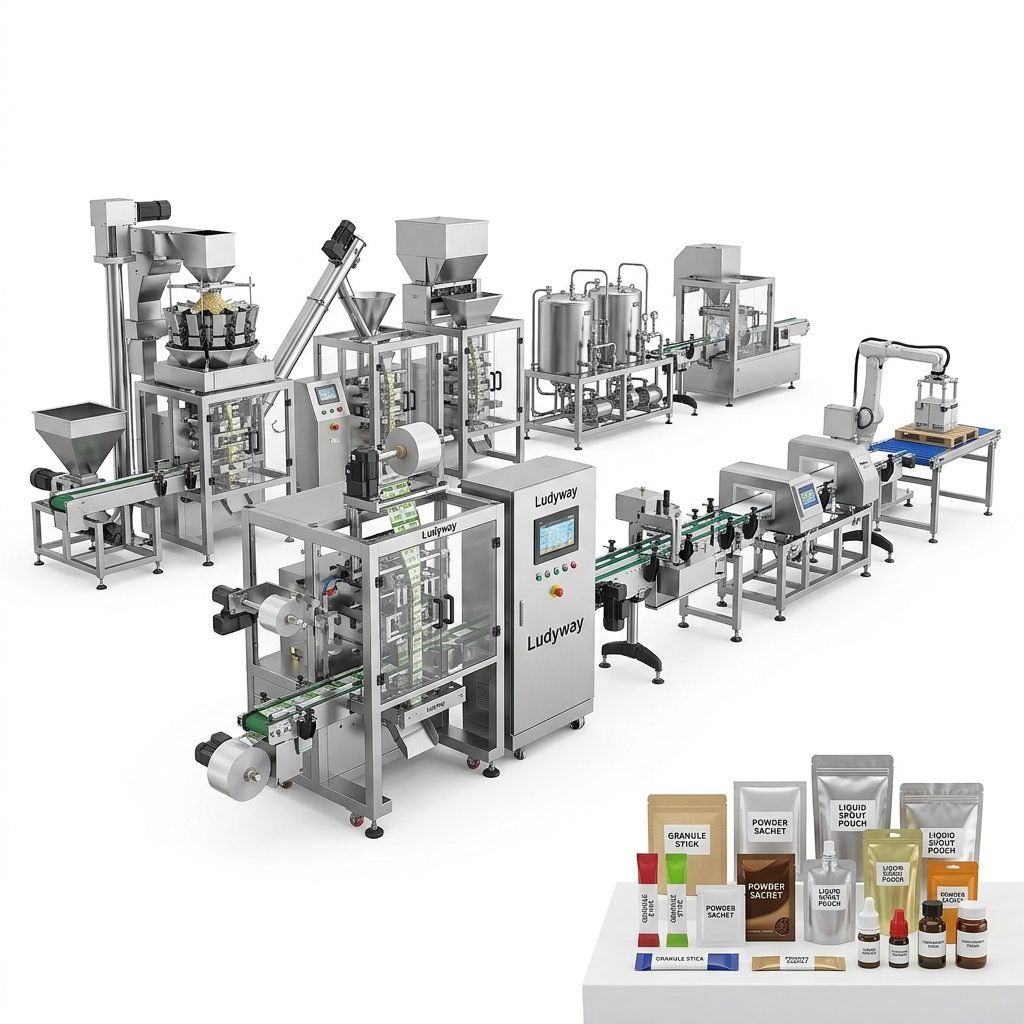
- Experience with integrated packaging lines
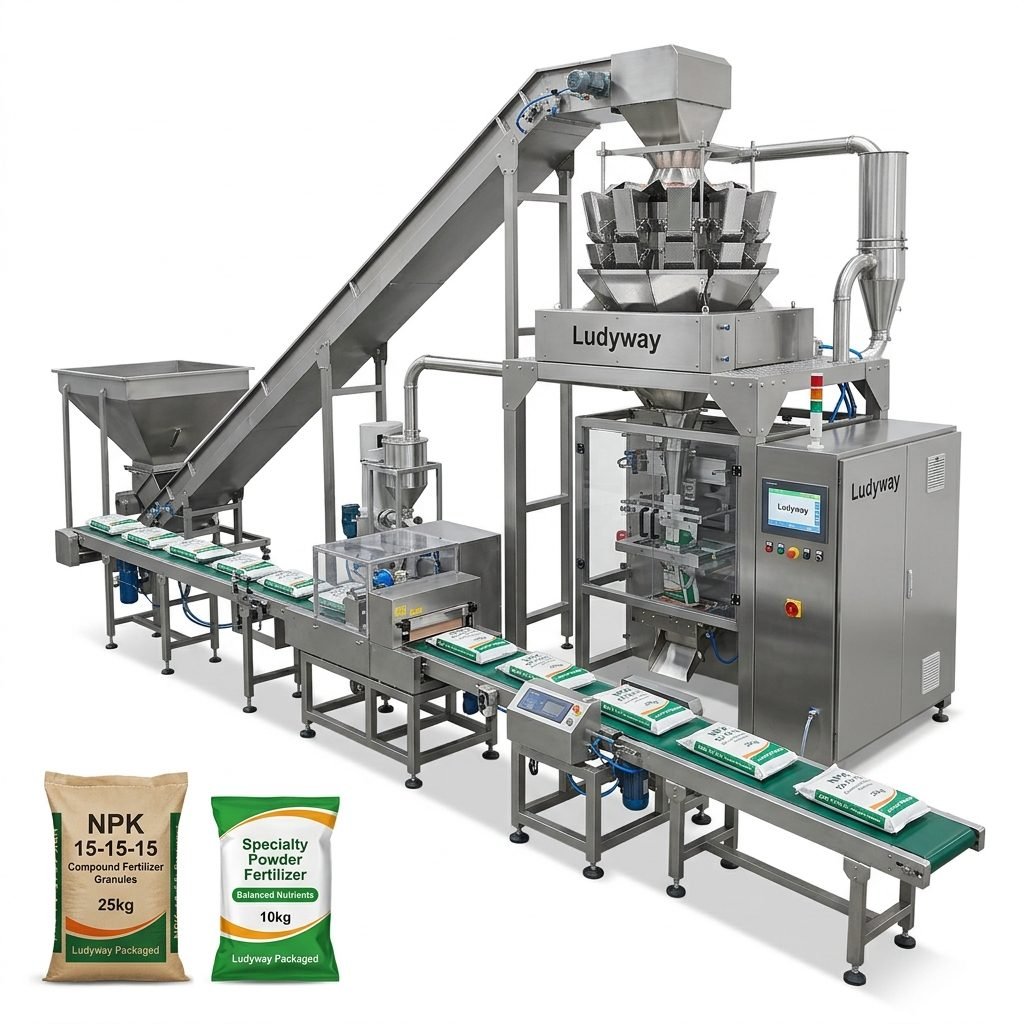
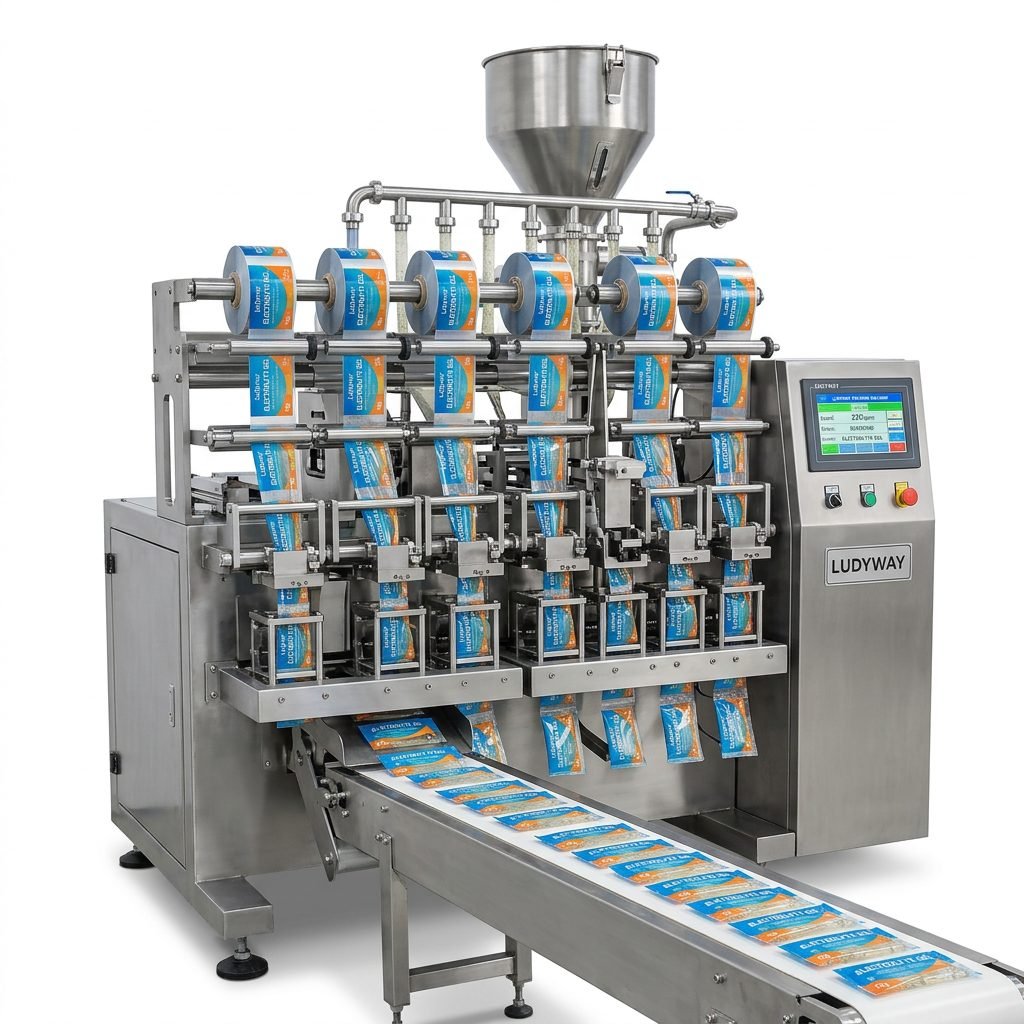
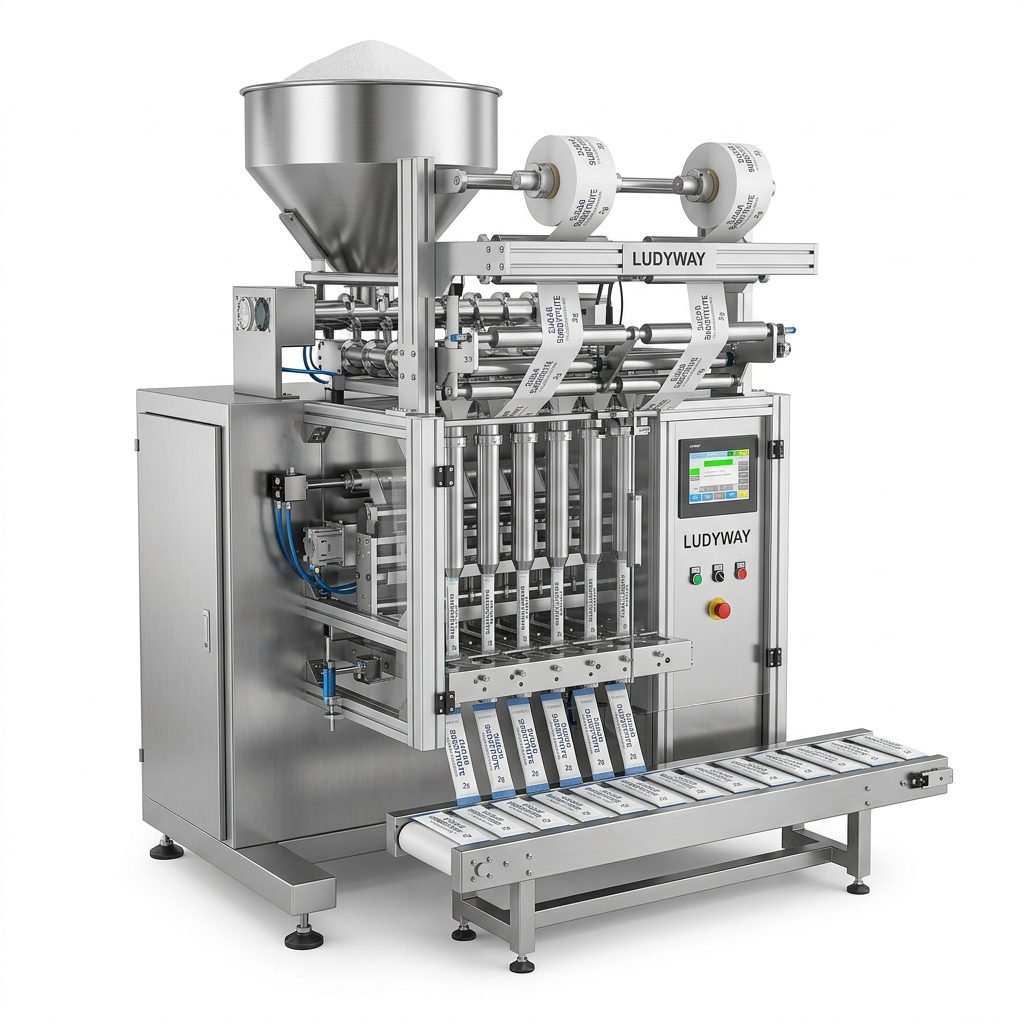
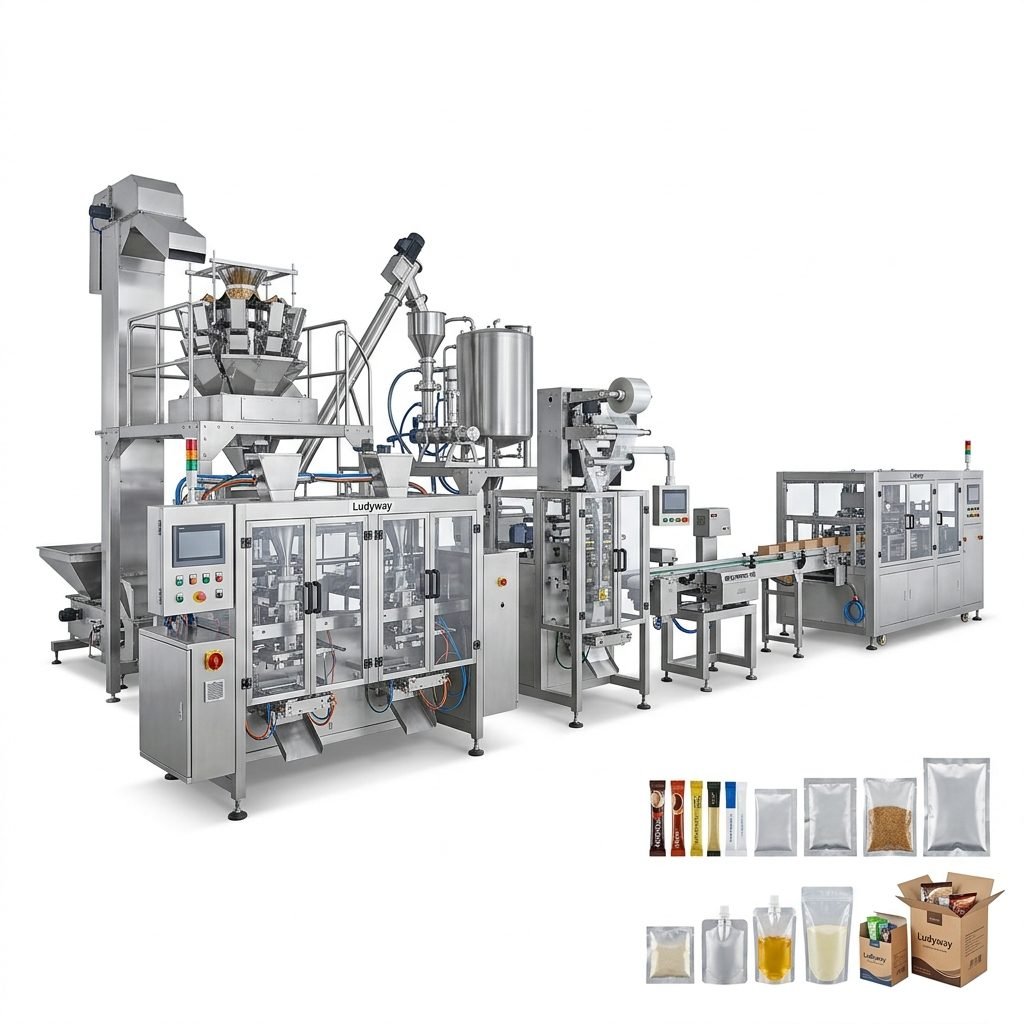
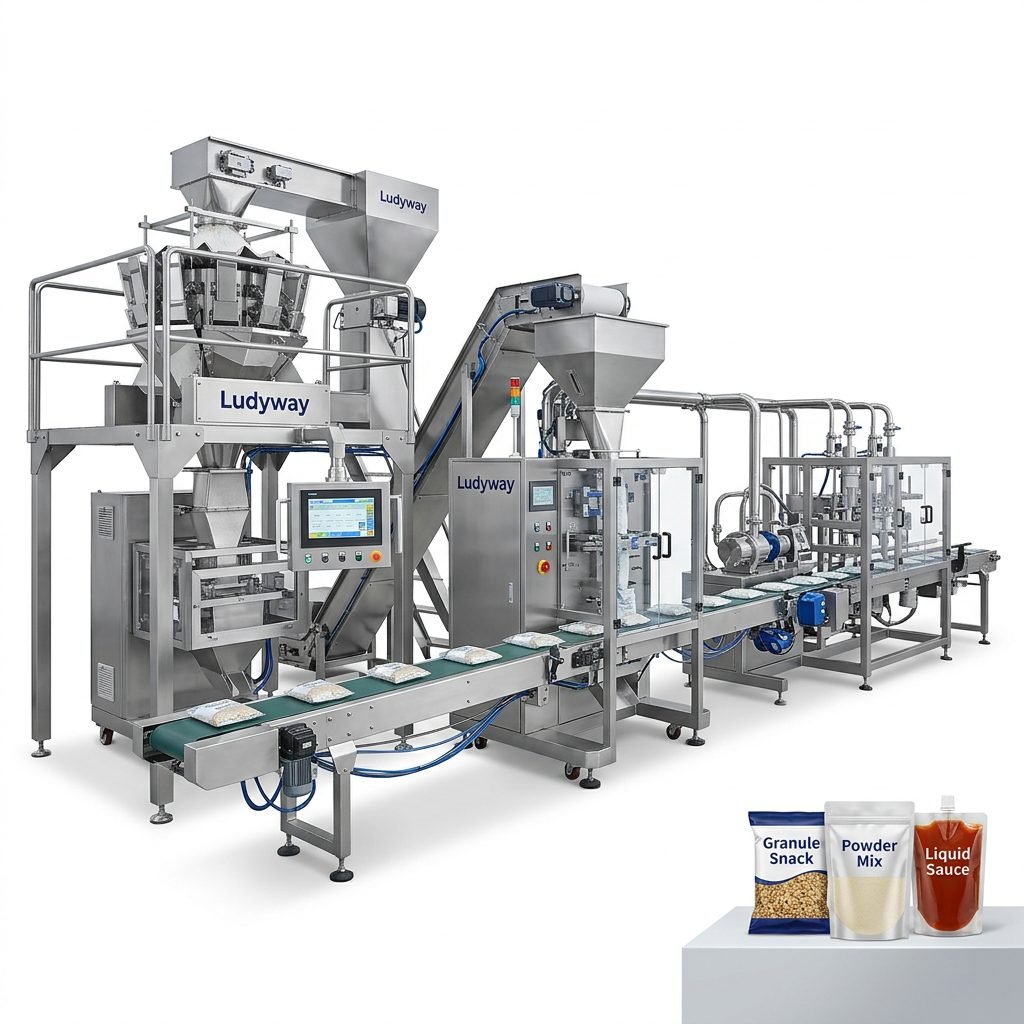
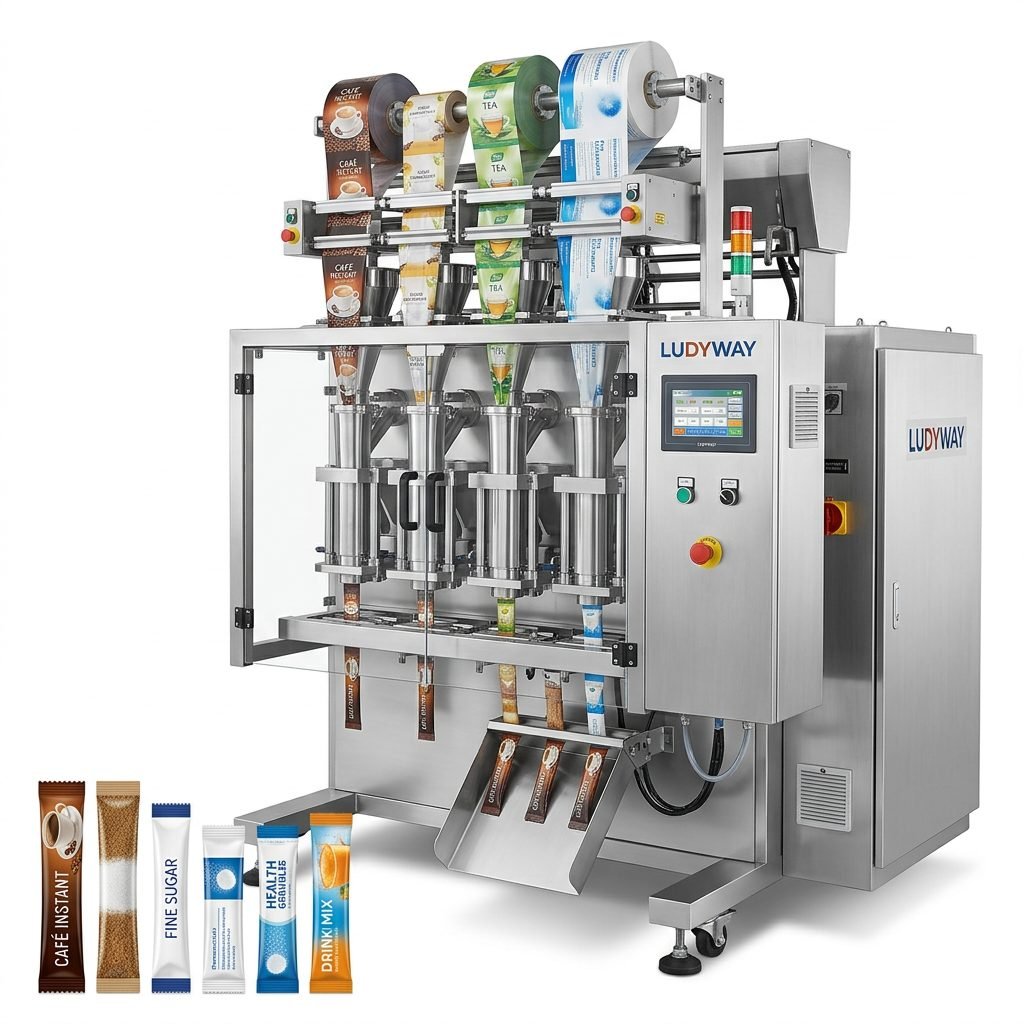
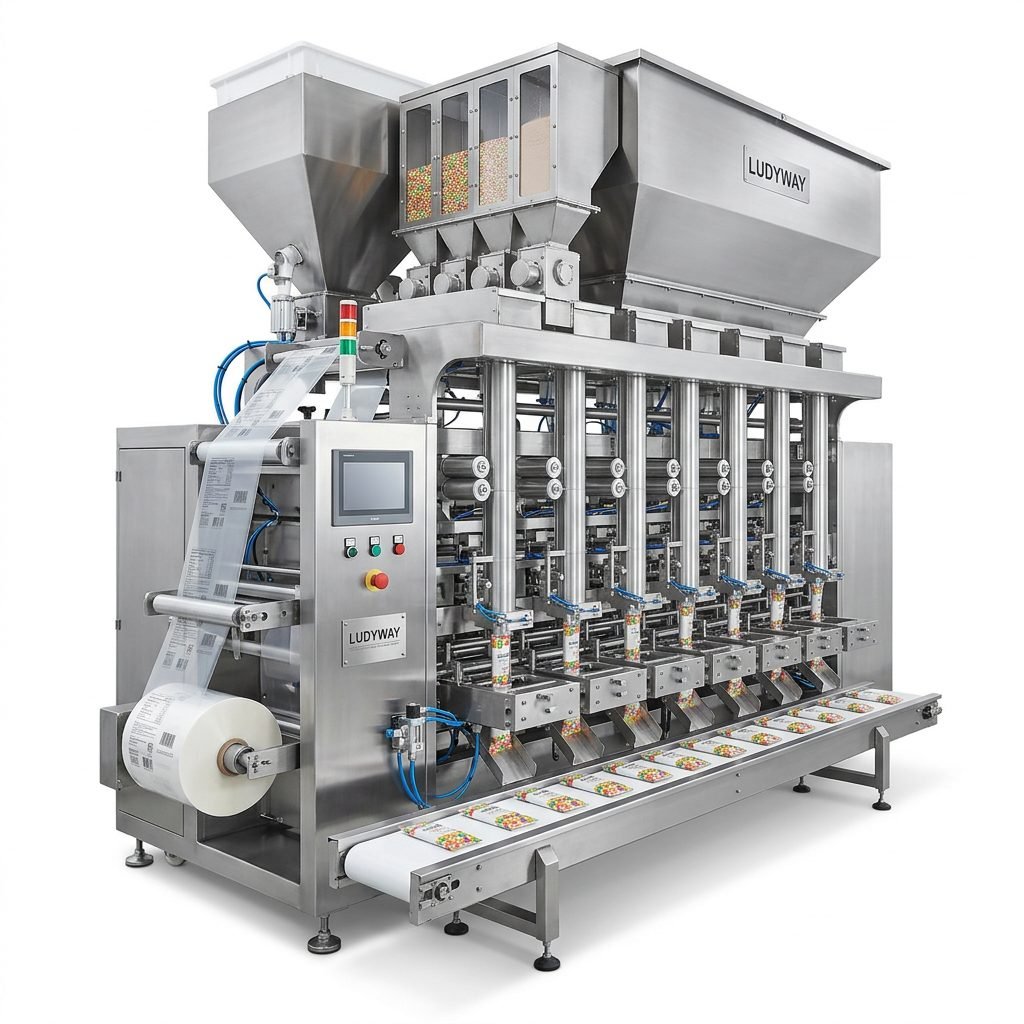
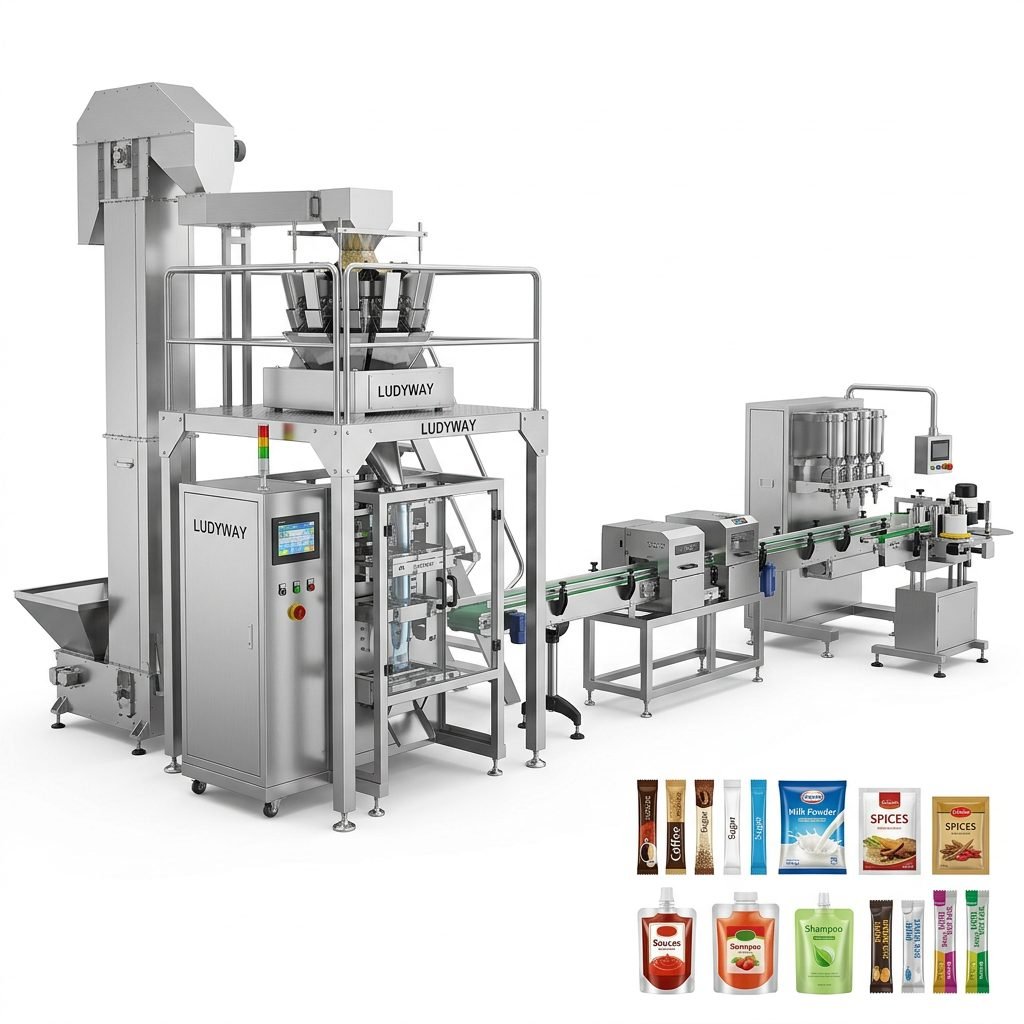
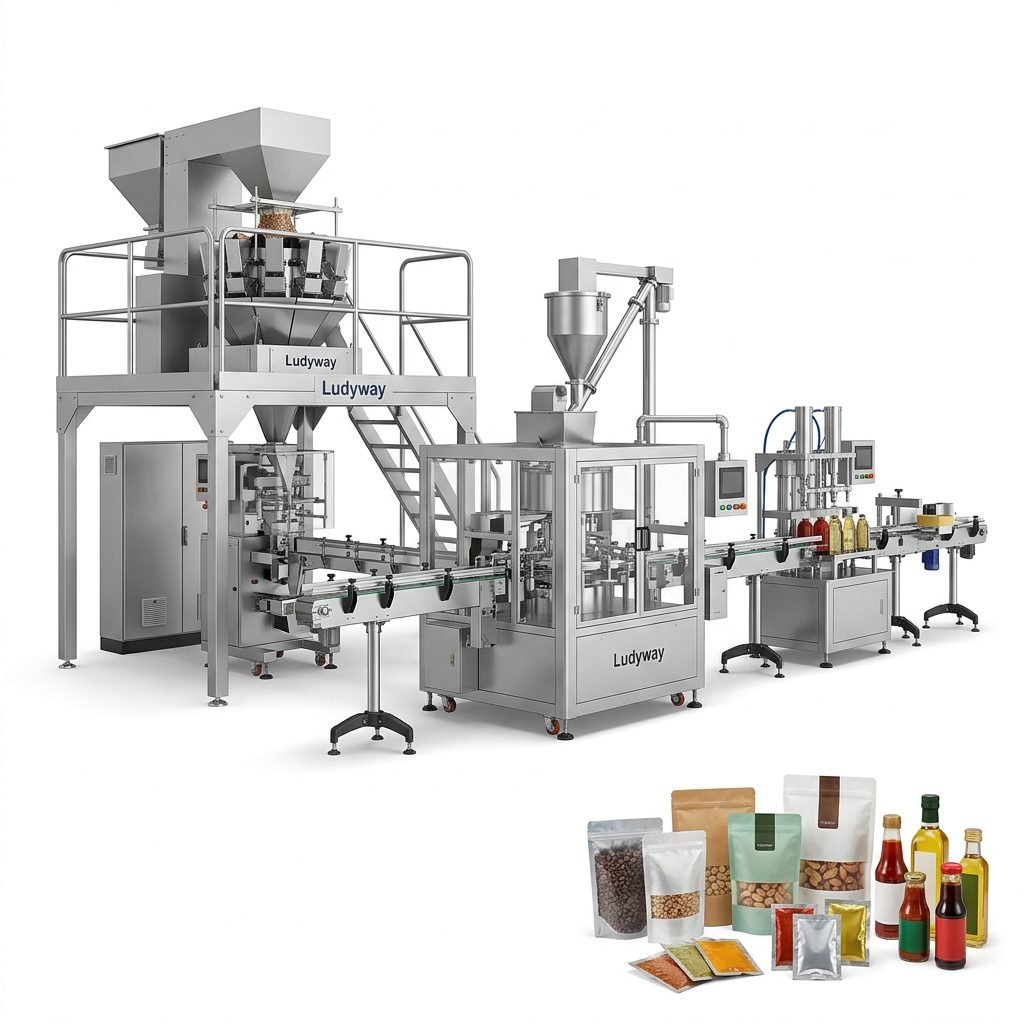
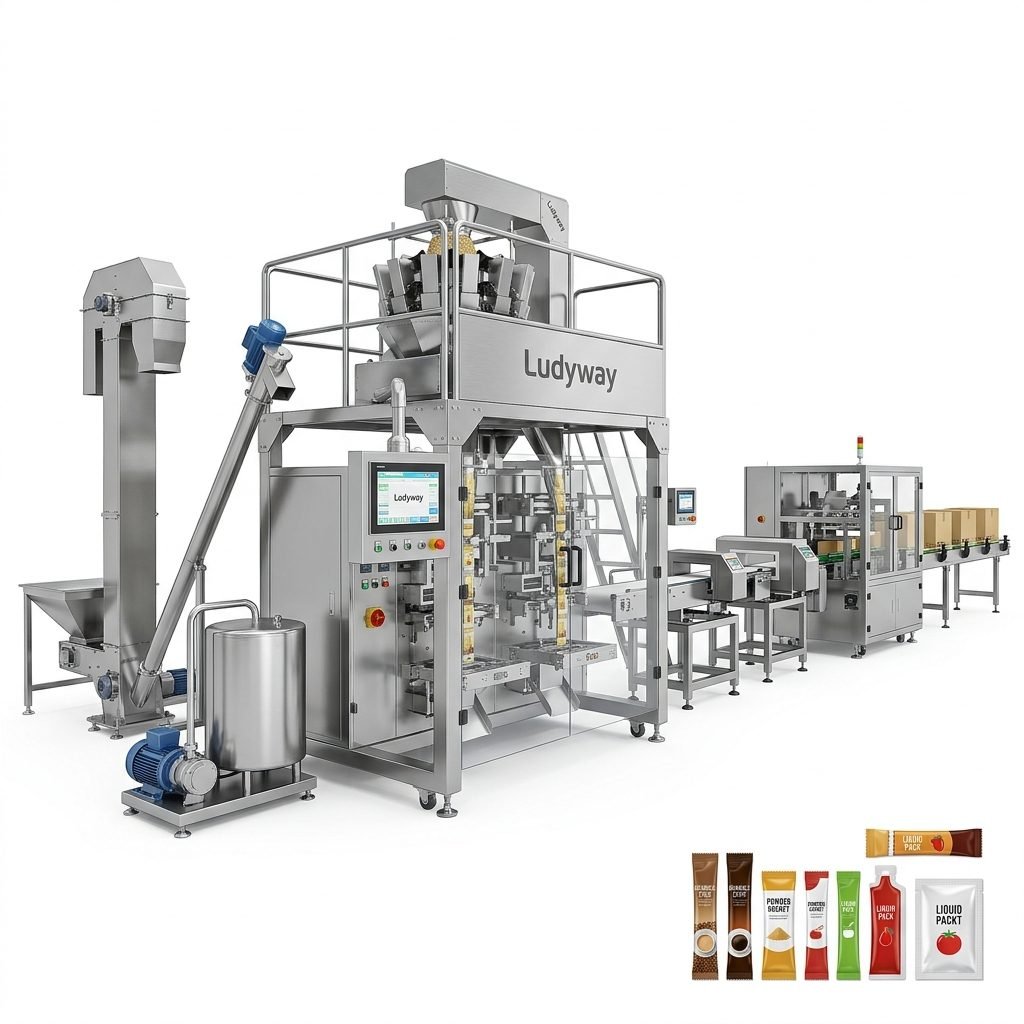
If you also plan to expand beyond protective packaging and need broader automation support, working with an experienced packaging machinery manufacturer can be beneficial. Ludyway packaging machine manufacturer is known as one of China’s leading packaging machine and turnkey packaging line manufacturers, with more than 30 years of industry experience across food, pharmaceutical, health supplement, and related sectors.
Cost Factors of a Liquid Foam Packaging Machine
The purchase price of a liquid foam packaging machine can vary based on several factors:
- Output speed and automation level
- Manual, semi-automatic, or fully automatic operation
- Chemical delivery system design
- Control system sophistication
- Custom fixtures or workstations
- Integration with conveyor or end-of-line systems
- Brand reputation and service package
In many cases, the real cost analysis should include:
- Machine investment
- Foam material consumption
- Labor savings
- Packaging storage reduction
- Lower shipping damage and returns
- Operational efficiency gains
Maintenance Tips for Long-Term Performance
- Inspect metering and mixing components regularly
- Keep dispensing areas clean to prevent buildup
- Monitor material ratio accuracy
- Store chemicals under recommended conditions
- Train operators on startup and shutdown procedures
- Schedule preventive maintenance instead of waiting for faults
Liquid Foam Packaging Machine vs Traditional Protective Packaging
| Factor | Liquid Foam Packaging Machine | Traditional Fill Materials |
|---|---|---|
| Fit to product | Custom molded | Generic |
| Protection for irregular items | Excellent | Often limited |
| Warehouse space | Lower | Higher |
| Material flexibility | High | Moderate |
| Initial investment | Higher | Lower |
| Scalability | Strong | Limited for custom protection |
Who Should Buy One?
A liquid foam packaging machine is especially suitable for:
- Manufacturers shipping delicate equipment
- Exporters needing reliable transit protection
- Warehouses packing mixed product sizes
- Businesses looking to standardize protective packaging
- Brands seeking reduced breakage and better delivery performance
Final Considerations Before Purchase
Before selecting a model, test your actual products, compare foam usage rates, and evaluate your daily packaging volume. The best machine is not simply the fastest one; it is the one that matches your products, labor structure, packaging layout, and long-term growth plans.
A well-chosen liquid foam packaging machine can transform protective packaging from a manual cost center into a more controlled, efficient, and damage-reducing process.