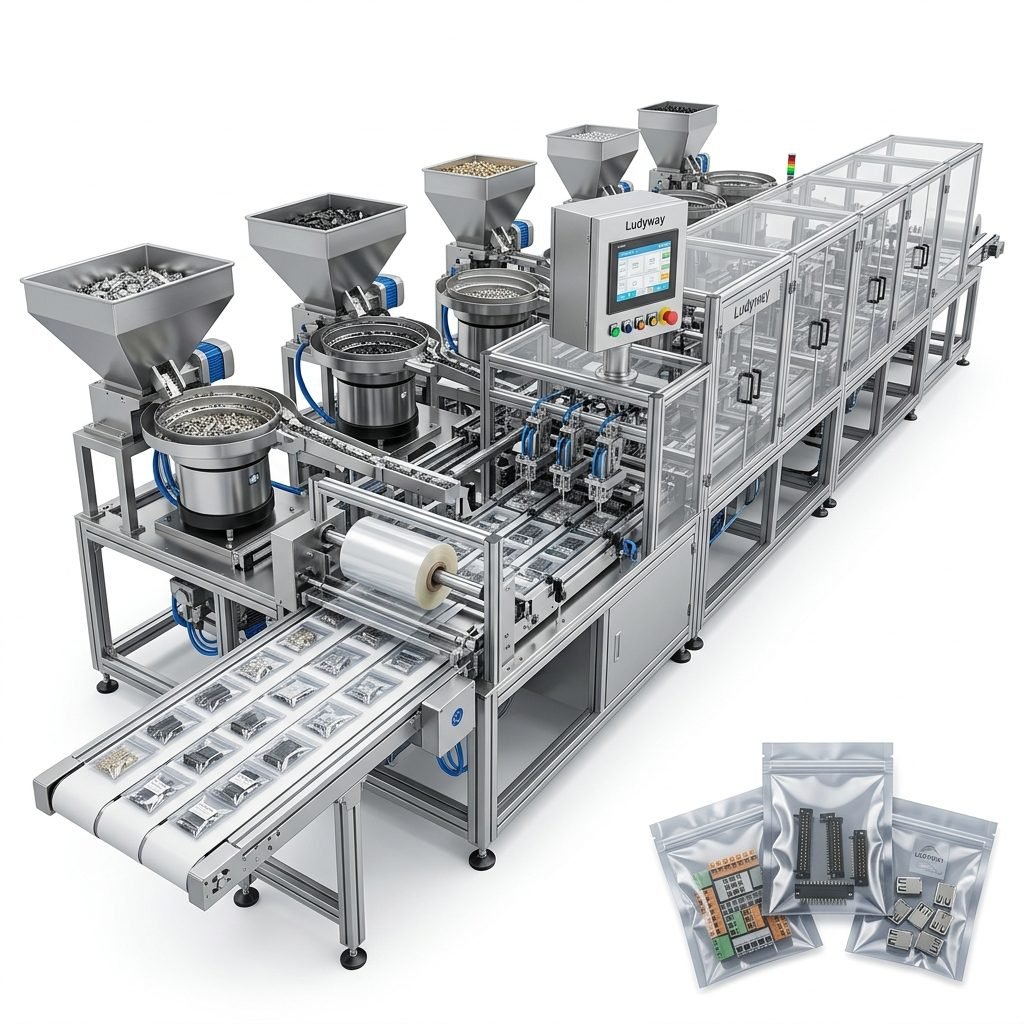
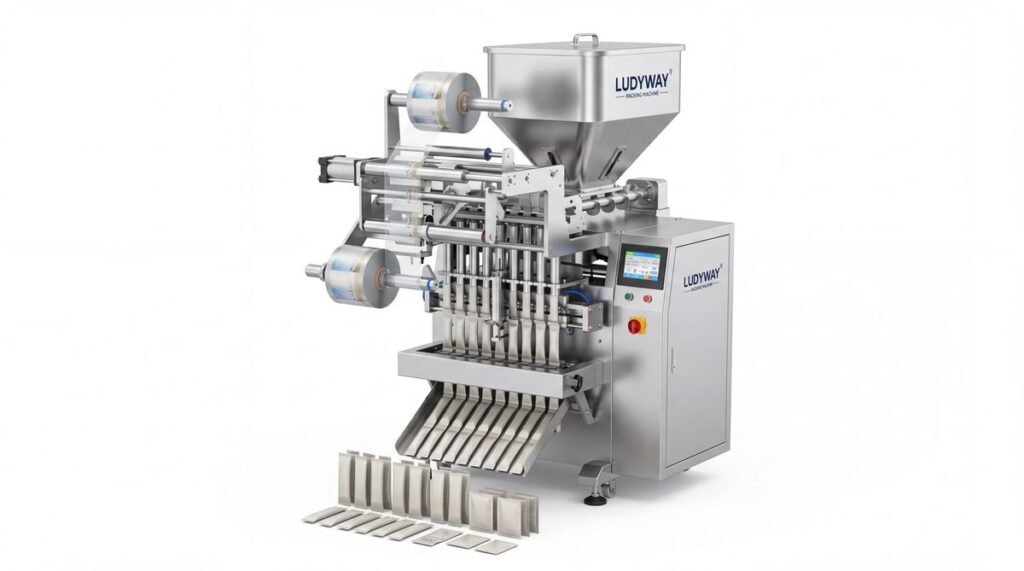
Safe drinking water depends on more than filtration alone. A reliable water purification and packaging machine must combine water treatment accuracy, hygienic filling, secure sealing, and stable output. If any part of the system is weak, the final product may face contamination risks, inconsistent quality, unnecessary waste, or compliance problems.
For bottled water plants, sachet water producers, private label brands, and industrial investors, choosing the right system means balancing water safety, packaging efficiency, and long-term operating cost. The best solution is not always the largest or fastest machine. It is the one that fits your water source, package format, production volume, and quality standards.
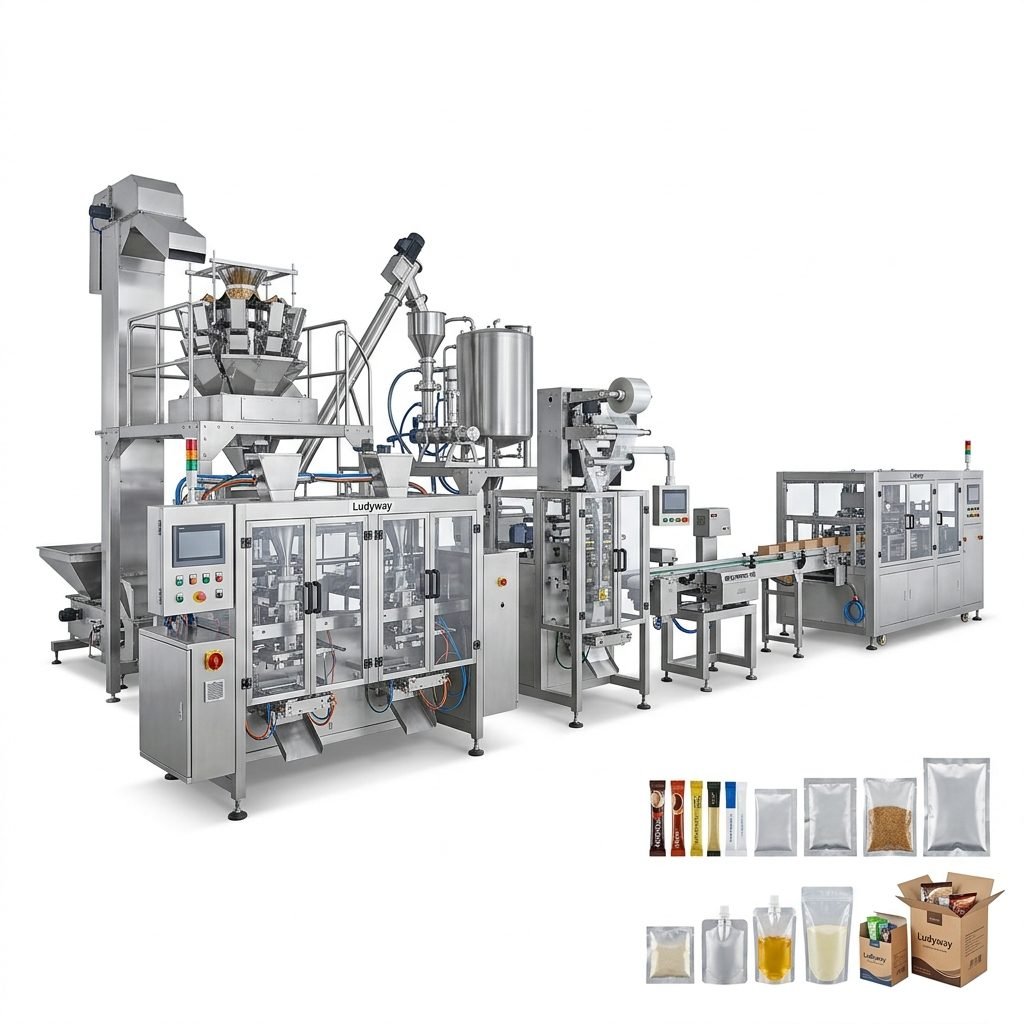
Why the right water purification and packaging system matters
Consumers expect drinking water to be clean, odor-free, microbiologically safe, and professionally packaged. Distributors and regulators expect the same. A modern system helps manufacturers:
- Remove sediment, chlorine, dissolved solids, bacteria, and other unwanted contaminants
- Maintain stable water quality from batch to batch
- Reduce manual handling and contamination risks
- Improve sealing quality and shelf stability
- Increase output with lower labor dependency
- Support compliance with local and export market standards
When purification and packaging are designed as one coordinated process, production becomes more predictable and easier to scale.
Start with the source water analysis
Before comparing machines, test the incoming water. This is the foundation of proper system selection. Different water sources require different treatment stages.
Common source water types
- Municipal tap water
- Groundwater or well water
- Surface water
- Spring water
- Desalinated or pretreated industrial water
Key parameters to test
- TDS and conductivity
- pH level
- Turbidity
- Hardness
- Iron and manganese
- Chlorine content
- Microbial count
- Organic matter and odor
A system designed without water analysis may be either undersized or unnecessarily expensive. For example, a plant using high-hardness well water may need softening and reverse osmosis, while a municipal water user may need a more compact combination of activated carbon, fine filtration, and sterilization.
Understand the core purification stages
A complete water purification line usually includes several treatment steps. The exact configuration depends on your quality target and local conditions.
| Purification Stage | Main Function | Typical Use |
|---|---|---|
| Sand filtration | Removes suspended solids and larger particles | Pretreatment for raw water |
| Activated carbon filtration | Reduces chlorine, odor, color, and organics | Improves taste and protects membranes |
| Water softener | Removes hardness-causing minerals | For high-calcium or high-magnesium water |
| Precision filtration | Captures fine particles | Before RO or sterilization |
| Reverse osmosis | Removes dissolved salts, heavy metals, and many impurities | High-purity drinking water production |
| UV sterilization | Controls microorganisms | Final sanitation stage |
| Ozone sterilization | Helps maintain microbial safety in storage and filling | Bottled water applications |
If your goal is premium packaged drinking water, the system should deliver consistent purification performance rather than rely on a single filtration step.
Choose packaging format before choosing the filling machine
Packaging format directly affects machine design, line speed, and investment level. The purification section may be similar across projects, but the packaging section can vary significantly.
Popular drinking water packaging formats
- Bottles: PET bottles in small, medium, or large volumes
- Sachets: low-cost single-use water packs
- Stand-up pouches: convenient retail or travel use
- Jars or gallon containers: home and office distribution
- Cups: portion-controlled applications
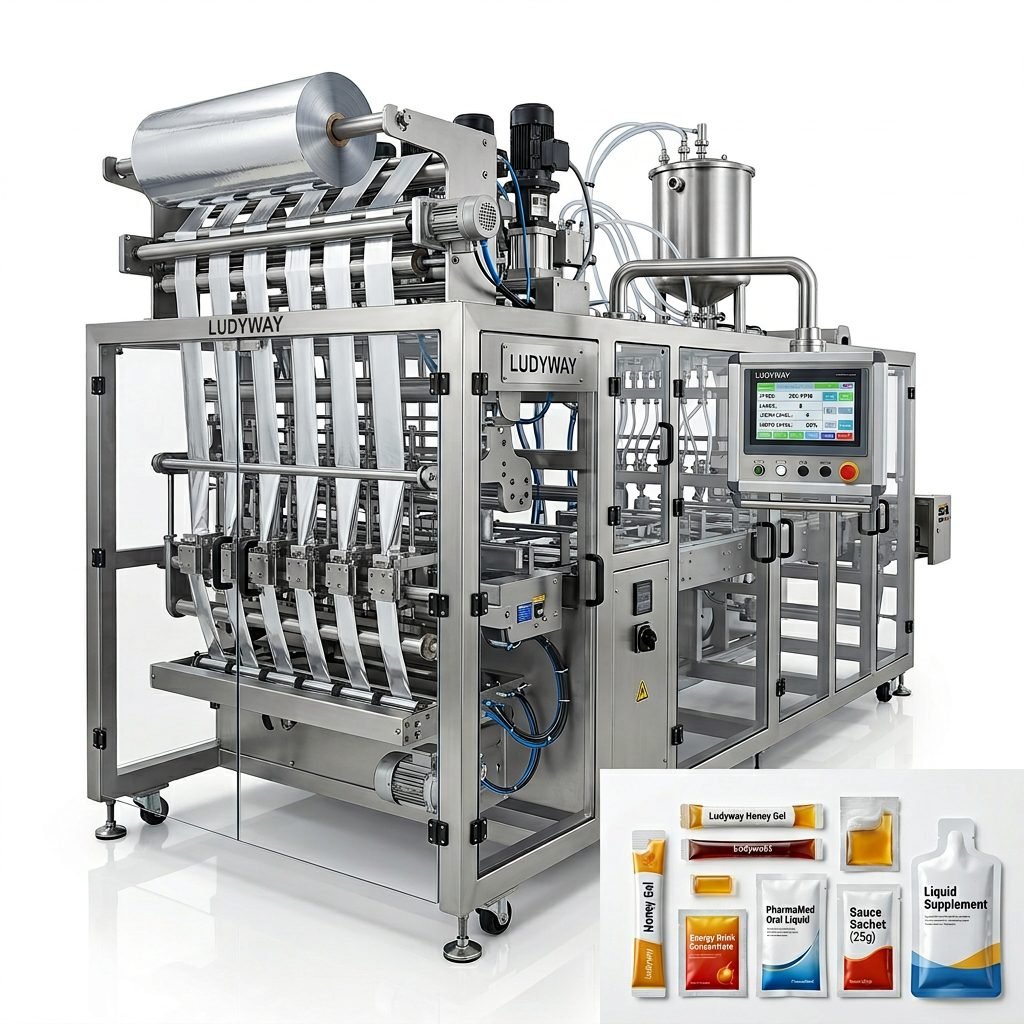
A bottle line may require rinsing, filling, capping, labeling, coding, and secondary packaging. A sachet water line focuses more on film handling, form-fill-seal performance, leak-proof sealing, and output efficiency.
Match machine capacity to your actual production plan
One of the most common buying mistakes is overestimating demand and purchasing an oversized system. Another is buying a small unit that quickly becomes a bottleneck. To avoid both, define:
- Expected daily output
- Peak seasonal demand
- Number of working shifts
- Package size range
- Future expansion target over 2 to 5 years
If you plan to start with moderate output and expand later, a modular system is often the best choice. This allows you to add storage tanks, filling heads, labeling machines, or end-of-line automation without rebuilding the entire line.
Key features to look for in the packaging section
Purified water can still be compromised if filling and sealing are unstable. The packaging machine should be selected with hygiene and repeatability in mind.
Important machine features
- Food-grade contact parts
- Automatic filling volume control
- Reliable sealing or capping performance
- Easy-to-clean structure
- Low product loss and leak prevention
- Stable operation at target speed
- Touchscreen controls for easier parameter setting
- Batch coding and traceability support
For drinking water, hygienic design is especially important. Smooth surfaces, stainless steel construction, and reduced dead corners help support sanitation and routine cleaning.
Automation level: semi-automatic or fully automatic?
The right answer depends on your labor cost, available floor space, output target, and budget.
| System Type | Best For | Advantages |
|---|---|---|
| Semi-automatic | Small startups or pilot production | Lower initial cost, simpler setup |
| Fully automatic | Medium to large commercial production | Higher speed, lower labor input, more consistent output |
| Turnkey integrated line | Investors seeking scalable and coordinated production | Unified engineering, smoother workflow, easier expansion |
A fully automatic line usually becomes more cost-effective over time if you are producing at commercial scale. It can reduce operator intervention, improve hygiene control, and support more stable production scheduling.
Do not ignore compliance and hygiene standards
Safe drinking water equipment should support applicable regulations in your market. Even if regulations differ by country, buyers should verify that the machine can help meet essential hygiene and documentation requirements.
Ask suppliers about
- Material certifications for product-contact parts
- Electrical and safety compliance
- Water quality monitoring compatibility
- CIP or easy-clean design options
- Microbial control measures
- Validation documents, manuals, and test records
For export-oriented projects, it is wise to prepare for stricter buyer audits from the beginning. This can save significant time and cost later.
Evaluate total cost, not just purchase price
A lower quotation does not always mean a better investment. The real cost of ownership includes installation, consumables, maintenance, downtime, labor, and future upgrades.
Cost factors to compare
- Initial equipment price
- Membrane and filter replacement cost
- Energy and water consumption
- Packaging material compatibility
- Spare parts availability
- Technical support response time
- Operator training requirements
- Expected machine lifespan
In many projects, a slightly higher-quality system delivers better return through reduced leakage, fewer shutdowns, and stronger product consistency.
Questions to ask before buying
A good supplier should be able to answer technical and operational questions clearly. Use this checklist during evaluation:
- What water quality can the system achieve based on my source water test?
- Which purification stages are included, and why?
- What packaging formats and volumes does the machine support?
- What is the stable running speed, not only the maximum speed?
- How easy is it to clean and maintain the system?
- What spare parts are recommended for the first year?
- Can the line be upgraded in the future?
- Is installation guidance or remote technical support available?
Signs of a reliable equipment manufacturer
The machine itself matters, but so does the manufacturer behind it. Buyers should look for proven production capability, international project experience, customization support, and dependable after-sales service.
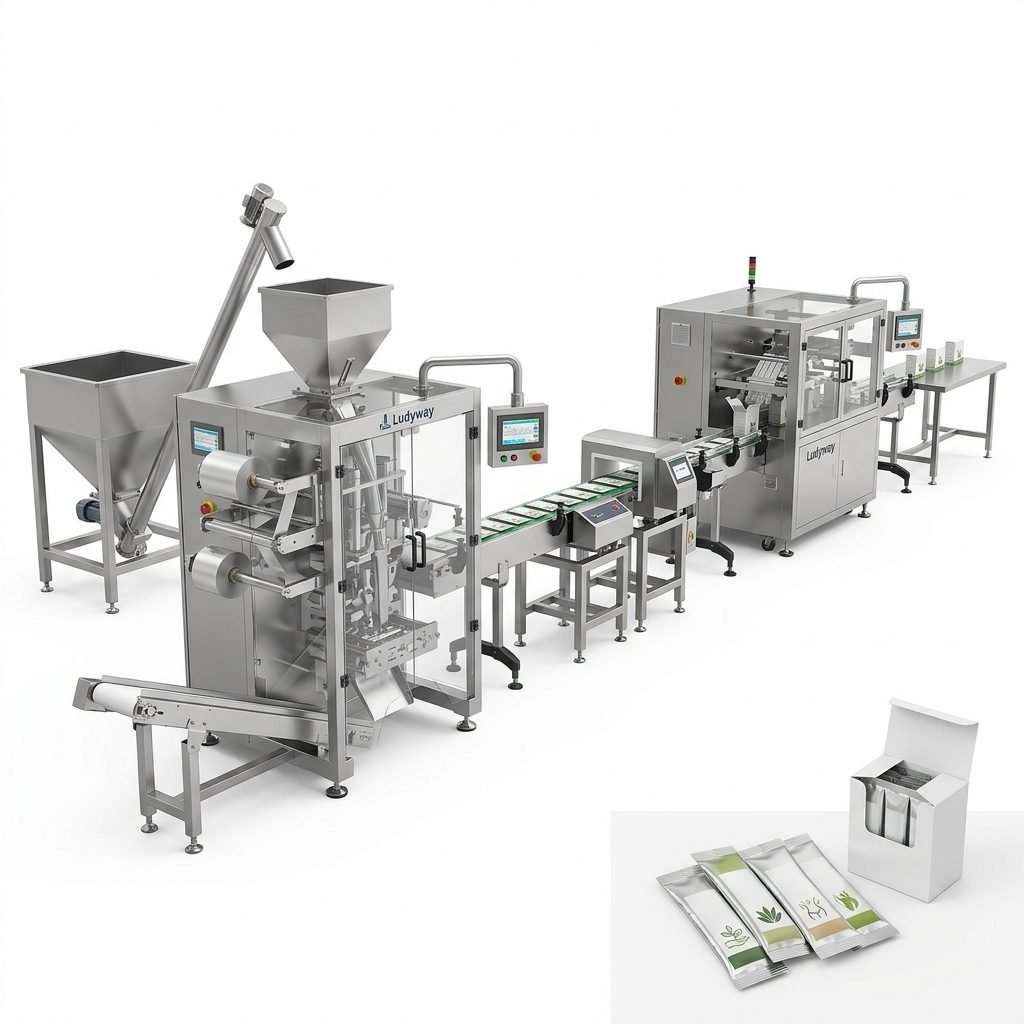
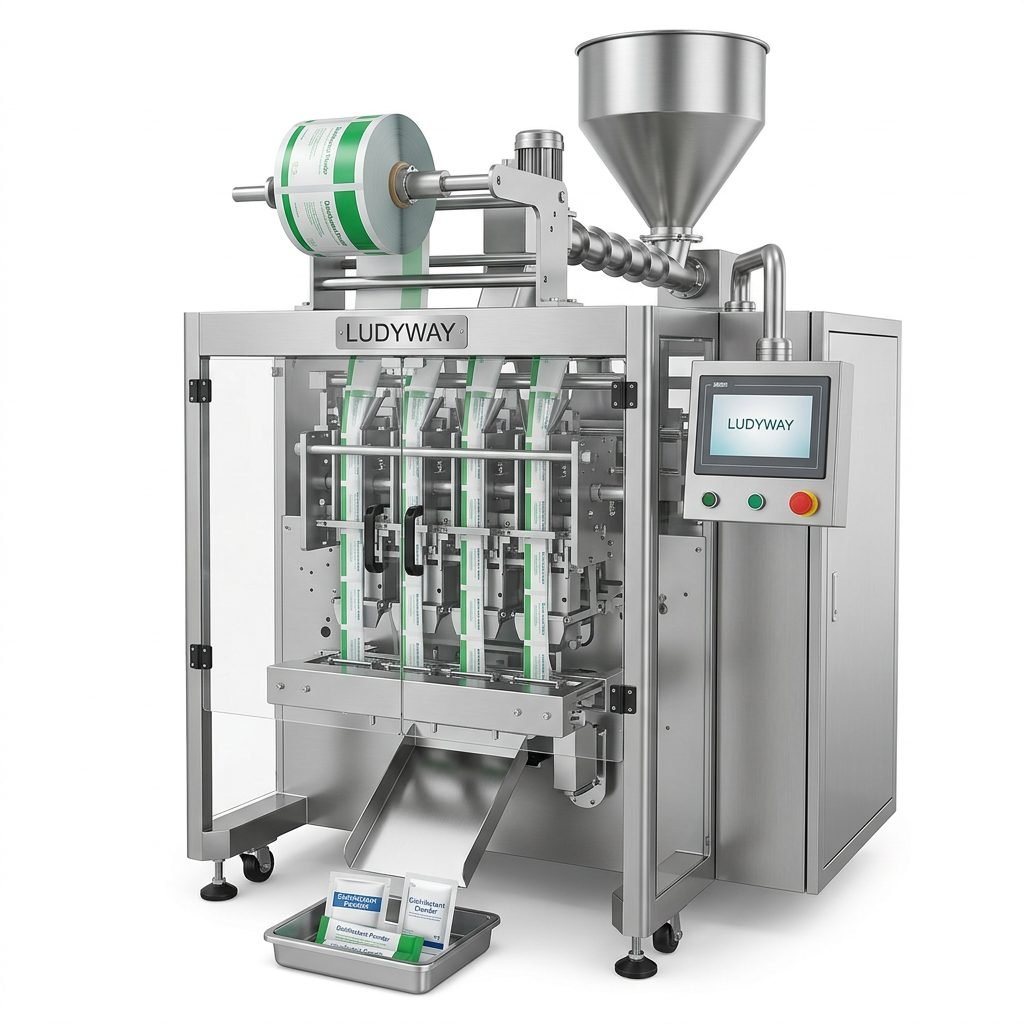
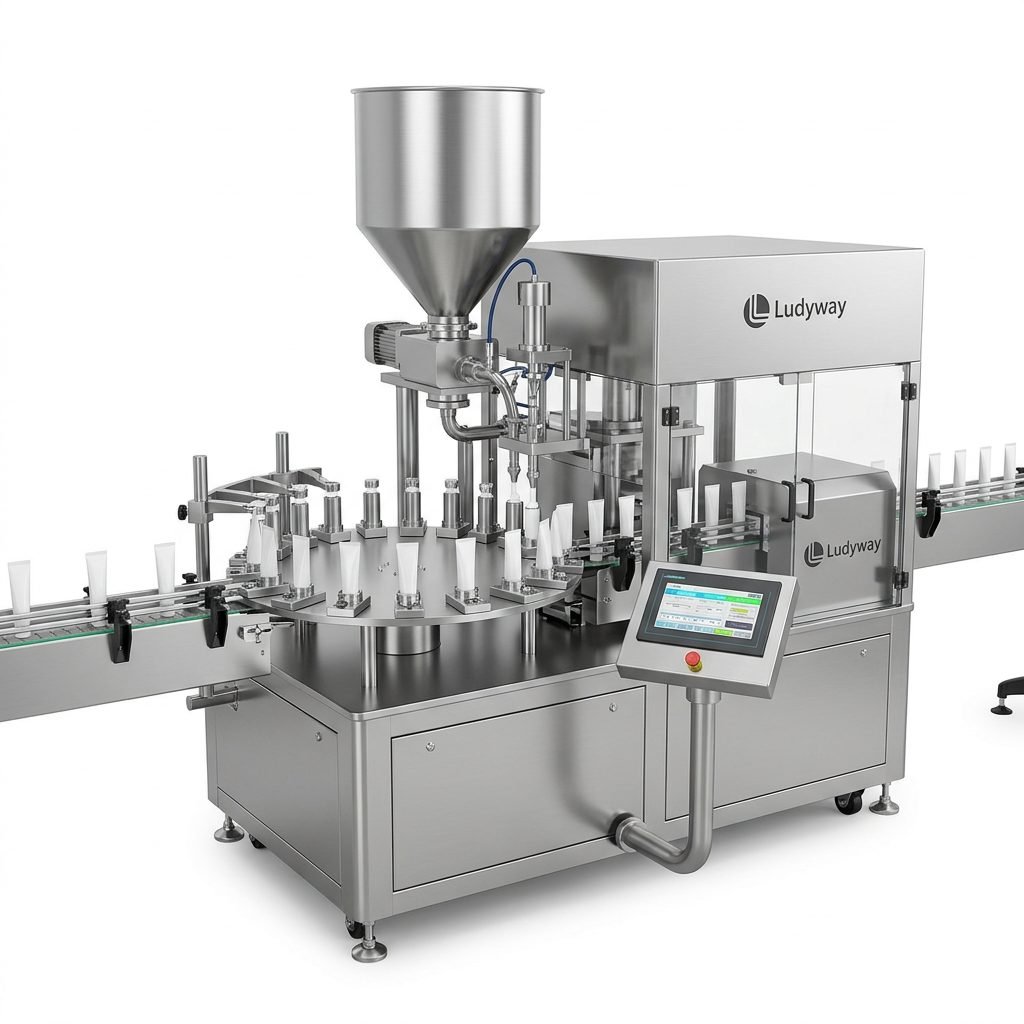
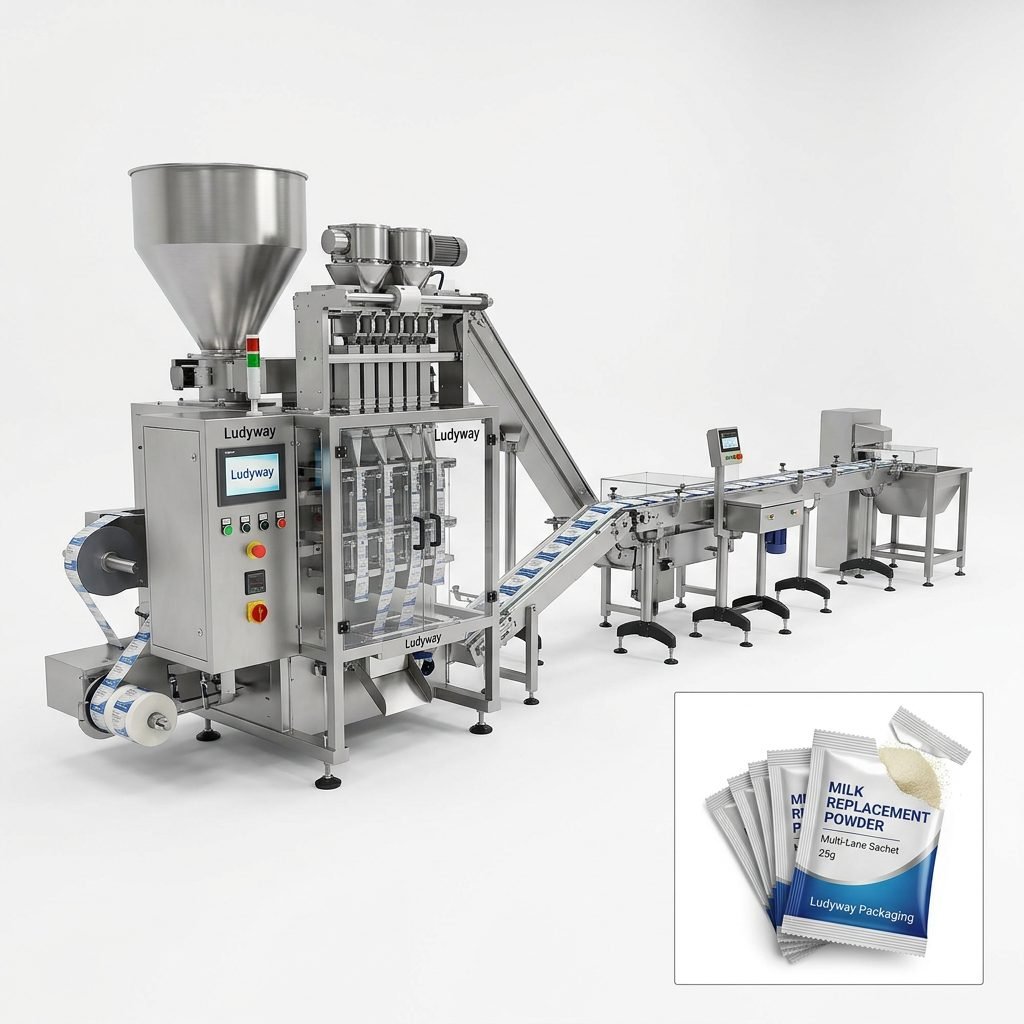
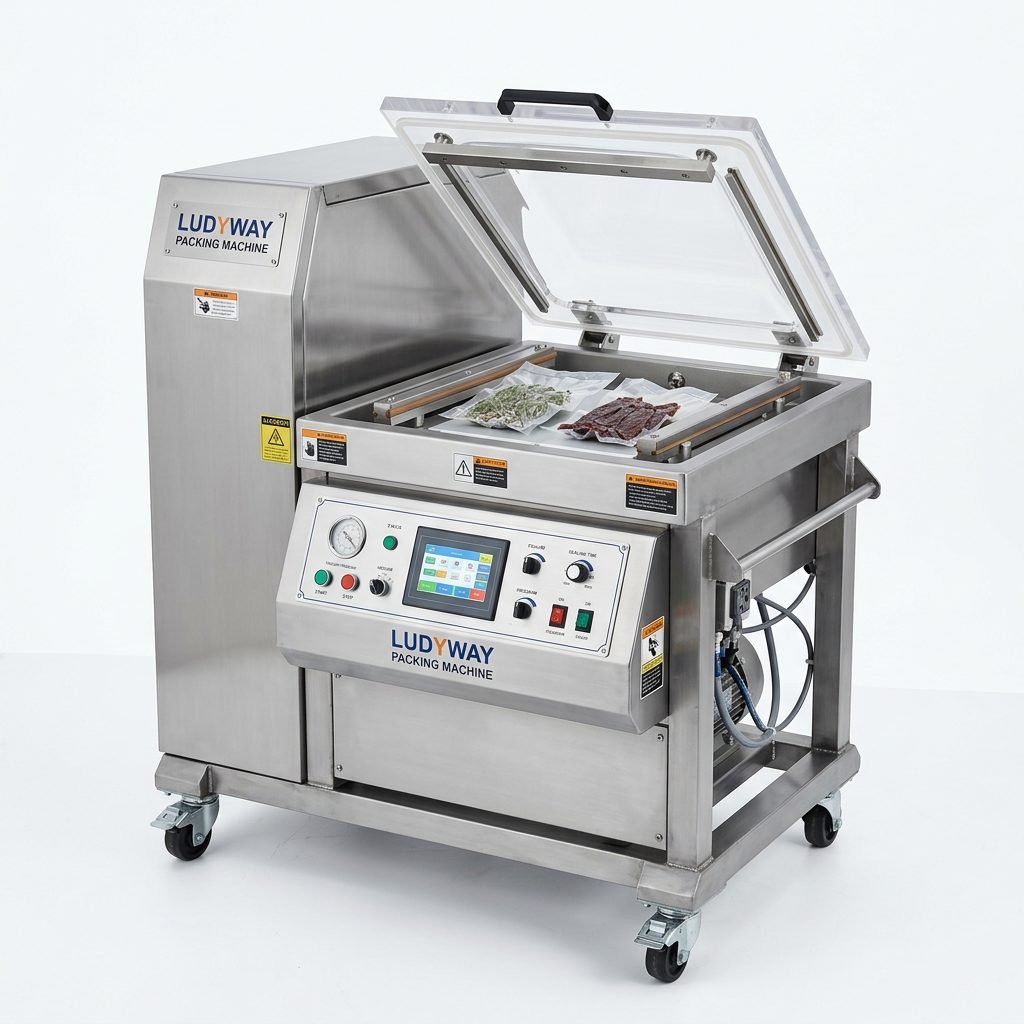
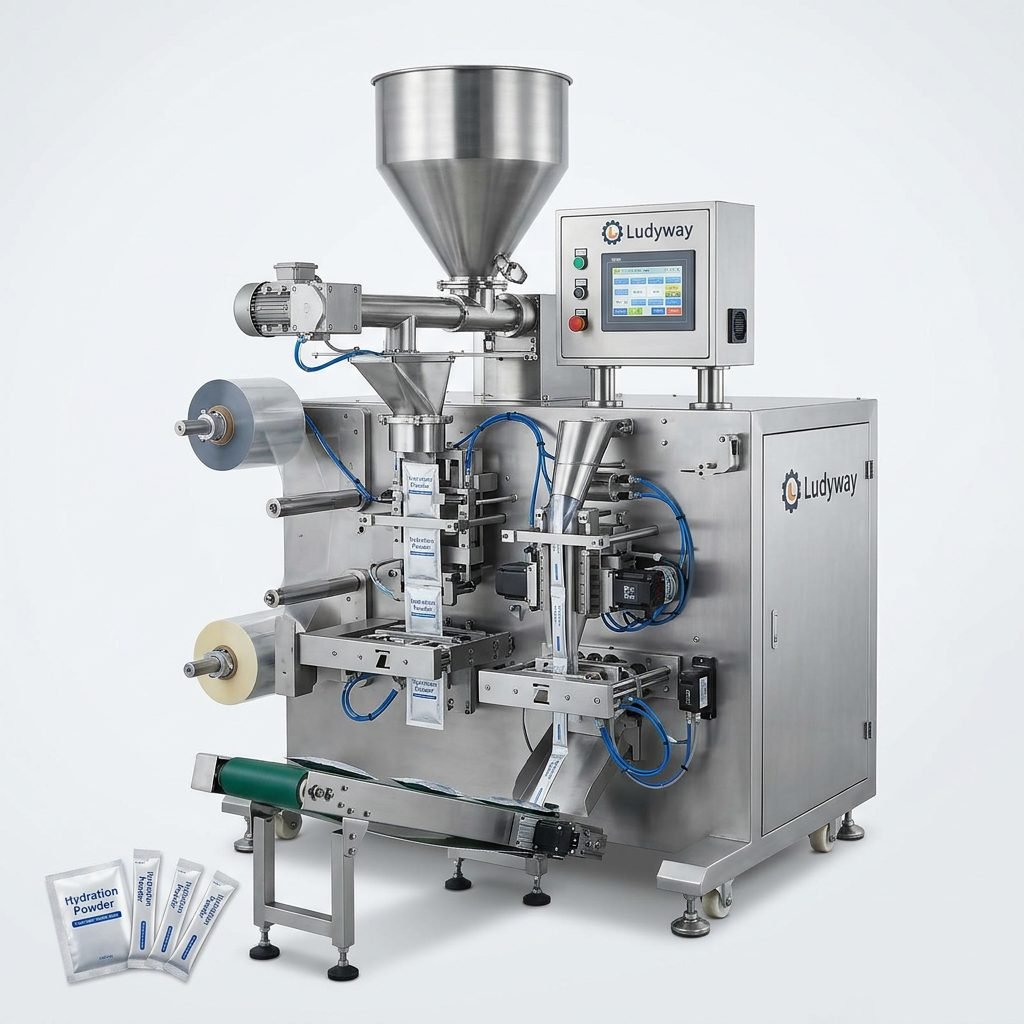
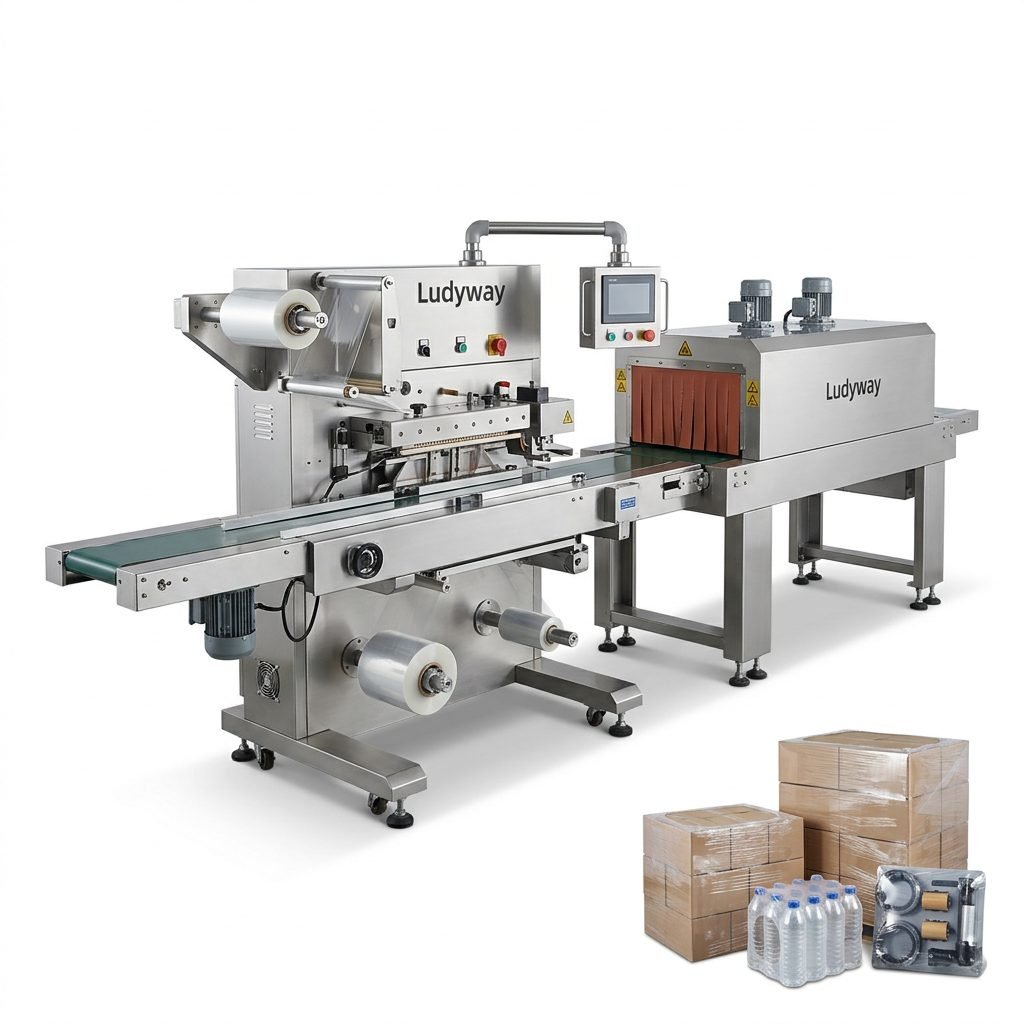
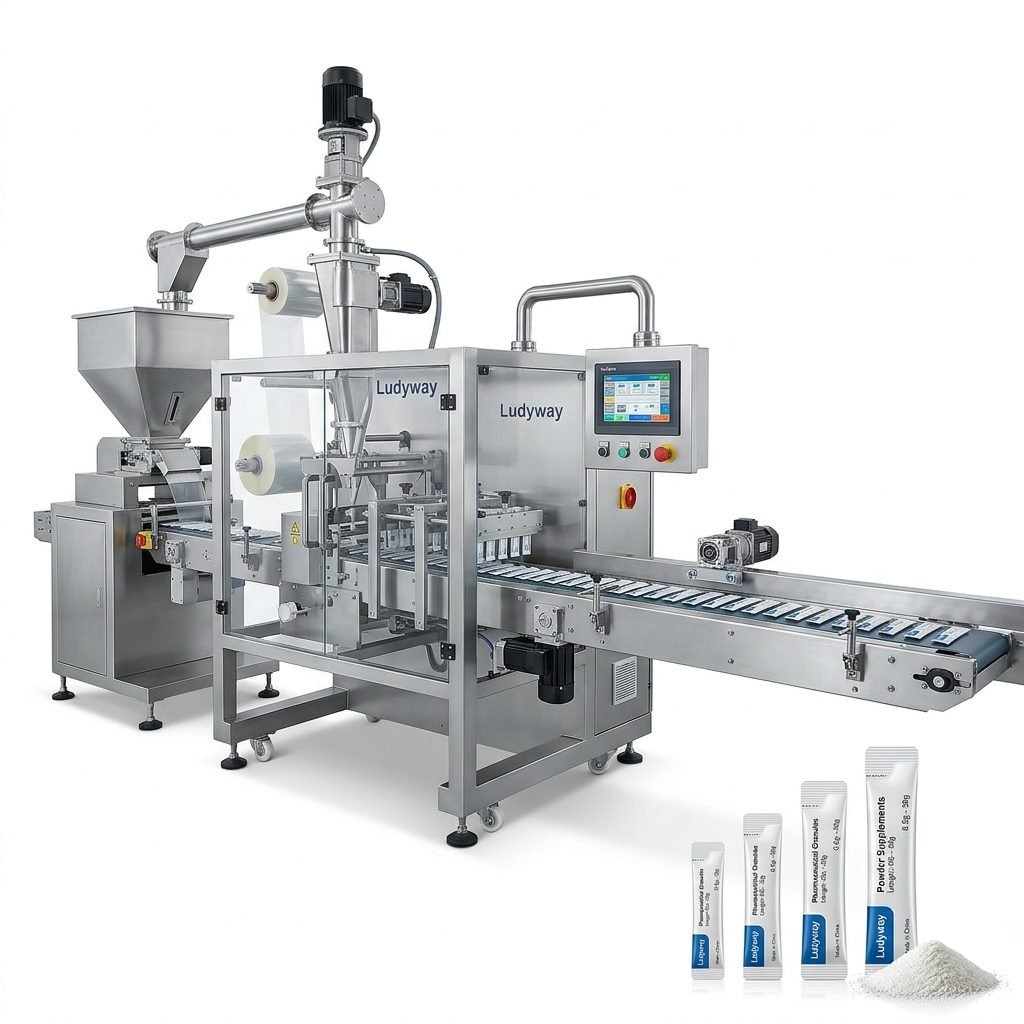
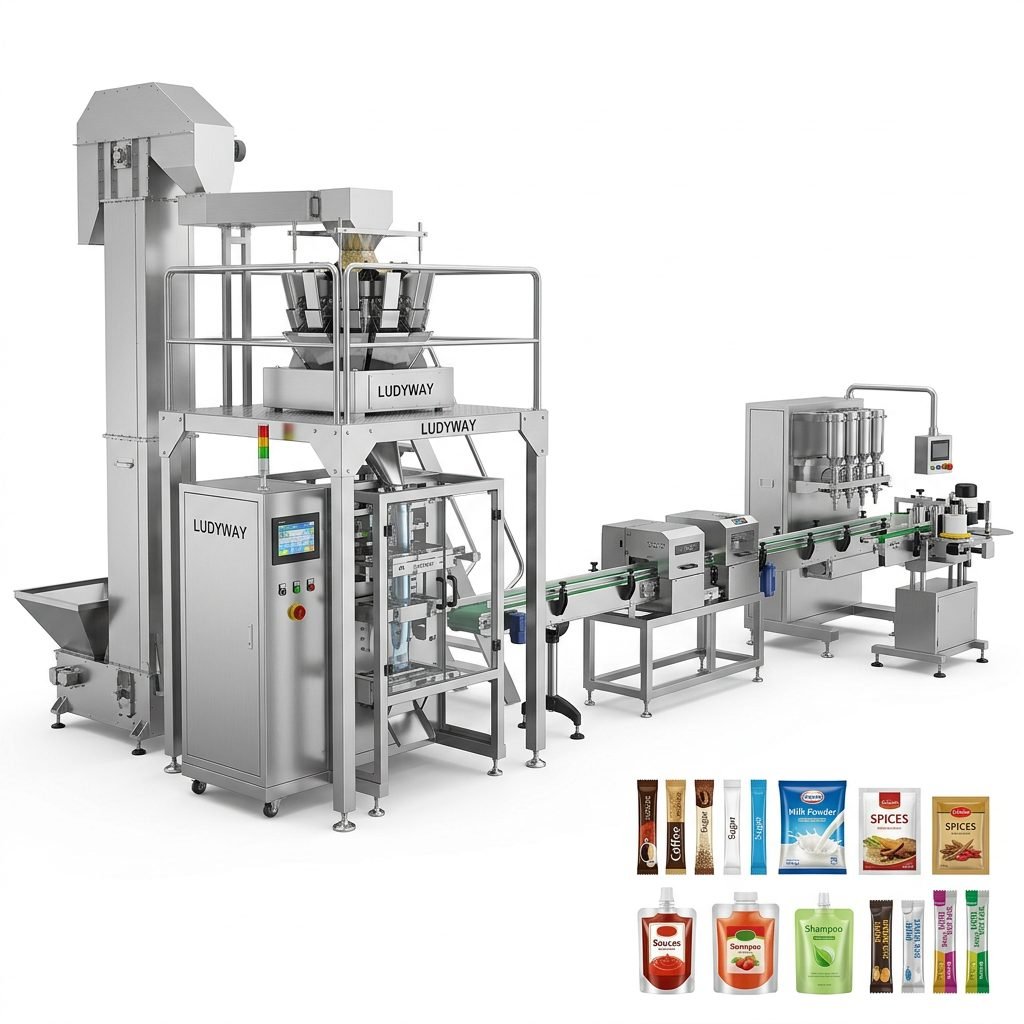
If you are sourcing integrated filling and packaging solutions, working with an experienced manufacturer such as Ludyway packaging machine manufacturer can be helpful for projects that require scalable automation, customized configurations, and turnkey line support.
Best system choice by business stage
For startups
- Begin with a compact purification unit sized to realistic output
- Choose a simple, easy-maintenance packaging configuration
- Prioritize hygiene, sealing quality, and support access
For growing regional brands
- Invest in automatic filling and sealing
- Plan for multi-size package capability
- Consider labeling, coding, and secondary packaging integration
For high-volume industrial projects
- Use a fully integrated purification, storage, filling, and end-of-line system
- Focus on efficiency, traceability, and preventive maintenance
- Prepare for future expansion and export compliance
Final selection checklist
Before making a final decision, confirm that your water purification and packaging machine meets these points:
- Matches your source water condition
- Supports your target package type and size
- Delivers stable production at real operating speed
- Uses hygienic materials and easy-clean design
- Offers practical maintenance and spare part support
- Can scale with your business growth
The right system should protect water quality from the first filtration stage to the final sealed package. When purification performance, packaging accuracy, and supplier support all align, you create a safer product and a stronger business foundation.