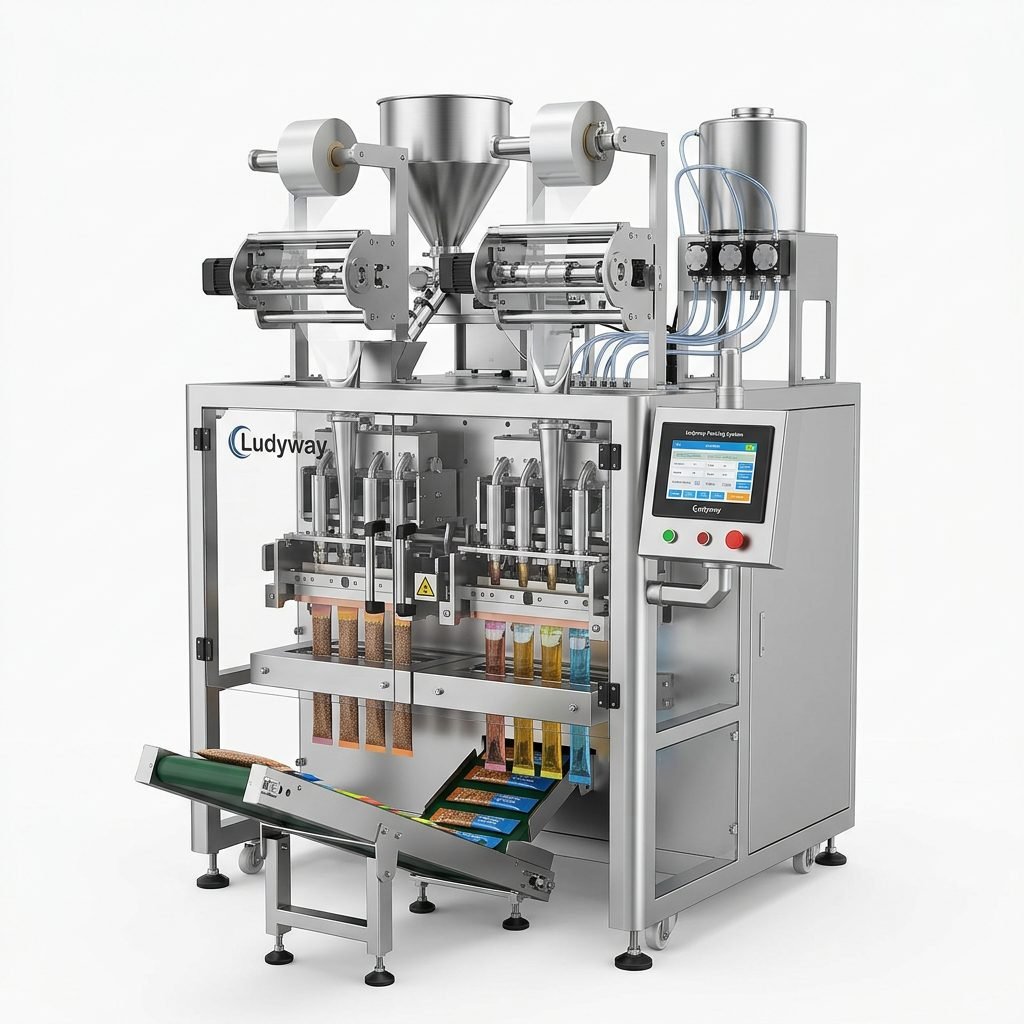
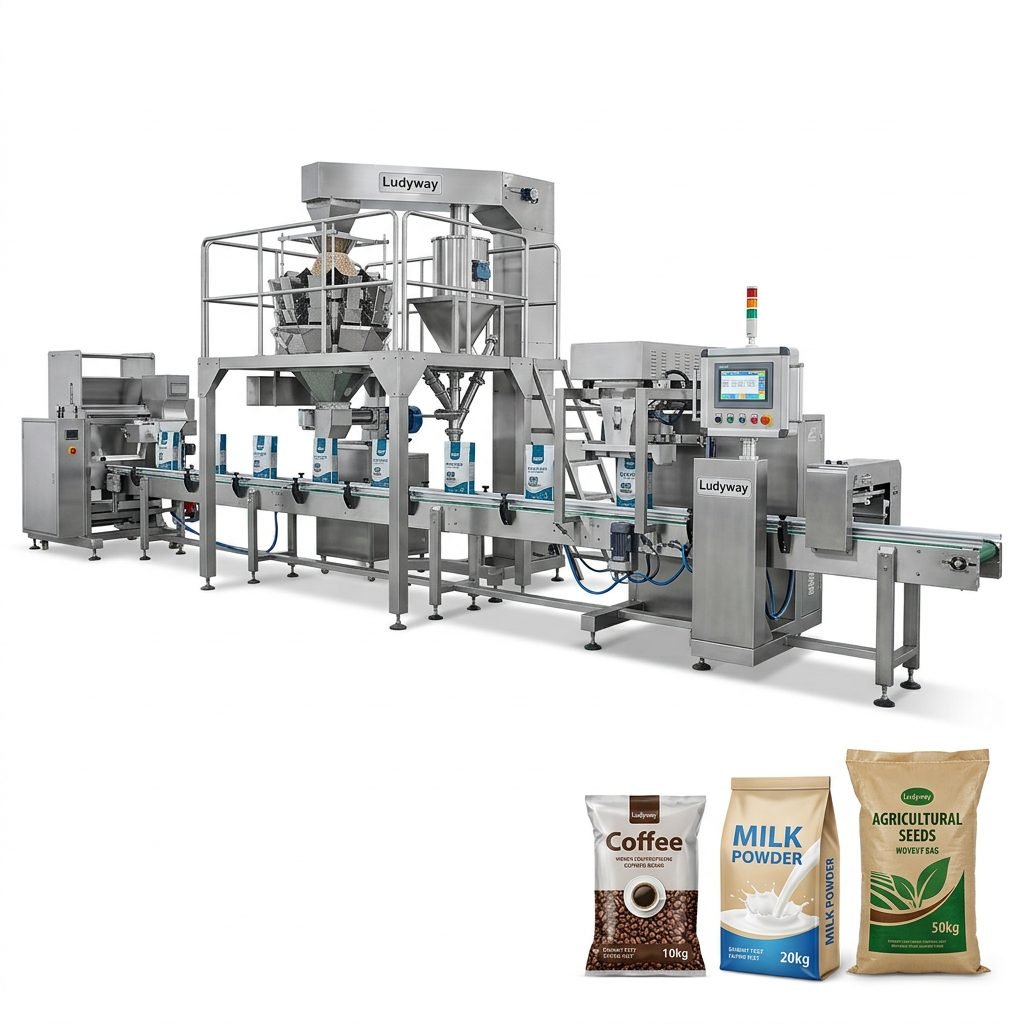
Sealed air packaging is widely used to protect fragile, lightweight, and high-value products during storage and transportation.
For manufacturers, distributors, and e-commerce businesses, choosing the right packaging solution is not only about cushioning performance,
but also about production speed, material efficiency, operating cost, and long-term scalability.
Whether you are packing electronics, food-related accessories, cosmetics, medical products, or industrial parts, the right sealed air packaging machine
can help reduce damage rates, improve workflow consistency, and support a more efficient packaging operation.
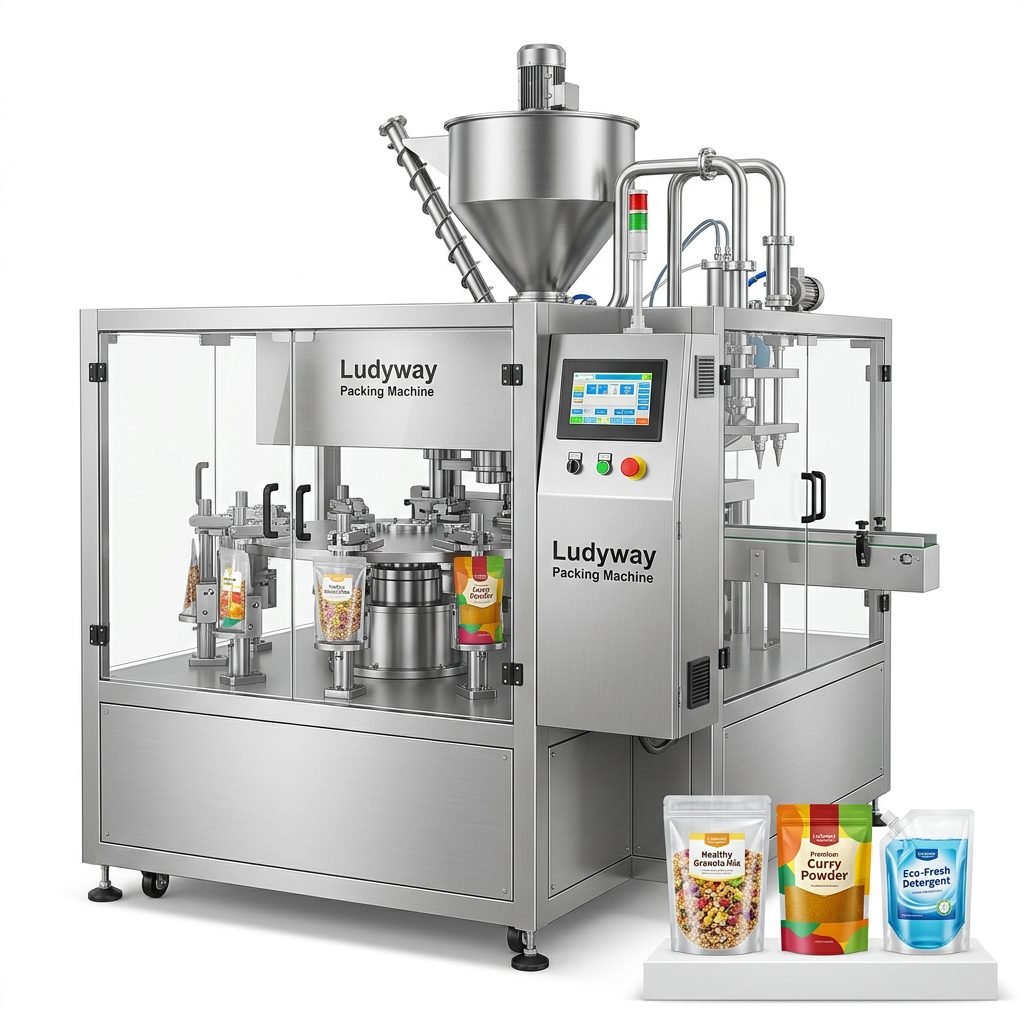
What Is a Sealed Air Packaging Machine?
A sealed air packaging machine is equipment designed to create protective air-filled packaging materials on demand.
Depending on the application, it can produce air pillows, bubble-style air cushions, inflatable packaging chambers, or other protective formats.
These materials are then used to fill voids, wrap products, absorb shock, and stabilize items inside shipping cartons.
Compared with traditional loose-fill materials or pre-made cushioning stock, air packaging systems offer several practical advantages:
- Lower storage requirements because film rolls take less space than bulky protective materials
- On-demand production that supports flexible packaging volumes
- Cleaner packaging areas with less mess and easier organization
- Better workflow efficiency for fast-moving fulfillment operations
- Consistent cushioning performance when machine settings are properly optimized
Why Choosing the Right Solution Matters
Not all sealed air packaging machines perform the same way. A machine that works well for low-volume manual packing may not be suitable for
a high-speed automated line. Likewise, a system designed for lightweight e-commerce products may not provide enough protection for heavier or
irregularly shaped items.
Selecting the wrong machine can lead to:
- Excessive material consumption
- Frequent downtime or unstable sealing quality
- Insufficient cushioning protection
- Higher labor involvement than expected
- Difficulty integrating with existing packaging lines
Choosing the right solution helps businesses achieve a stronger balance between product protection
and packaging efficiency.
Key Factors to Consider Before Buying
1. Product Type and Fragility
Start with the product itself. The weight, surface sensitivity, shape, and breakability of your product will determine what type of air packaging is most suitable.
- Fragile electronics may need wrap-around or multi-chamber cushioning
- Glass or ceramic products often require stronger shock absorption
- Light consumer goods may only need simple void-fill air pillows
- Irregular parts may require custom protective air structures
2. Packaging Volume and Daily Output
Your output target is critical. Small businesses may only need a compact machine for intermittent use, while large fulfillment centers need high-speed,
continuous operation with stable air filling and sealing performance.
Ask these questions:
- How many packages are prepared per day or per shift?
- Will demand increase during peak seasons?
- Do you need one machine or multiple stations?
- Is there a plan to automate the packaging process later?
3. Air Cushion Format Needed
Different packaging jobs require different air cushion styles. The machine should support the film format that matches your real packaging scenario.
| Air Packaging Type | Best For | Main Benefit |
|---|---|---|
| Air pillows | Void filling in cartons | Fast, lightweight, cost-effective |
| Bubble air cushions | Surface protection and wrapping | Good shock absorption |
| Inflatable tubes or chambers | Fragile bottles and premium goods | 360-degree protection |
| Protective wraps | Items with scratch-sensitive surfaces | Secure wrapping and cushioning |
4. Machine Speed and Stability
A fast machine is valuable only if it also performs consistently. Look for stable sealing quality, uniform inflation, easy film feeding, and reduced jam risk.
In production environments, consistency usually matters as much as speed.
Important performance points include:
- Output rate per minute
- Seal integrity
- Film compatibility
- Operating noise level
- Ease of parameter adjustment
- Downtime frequency
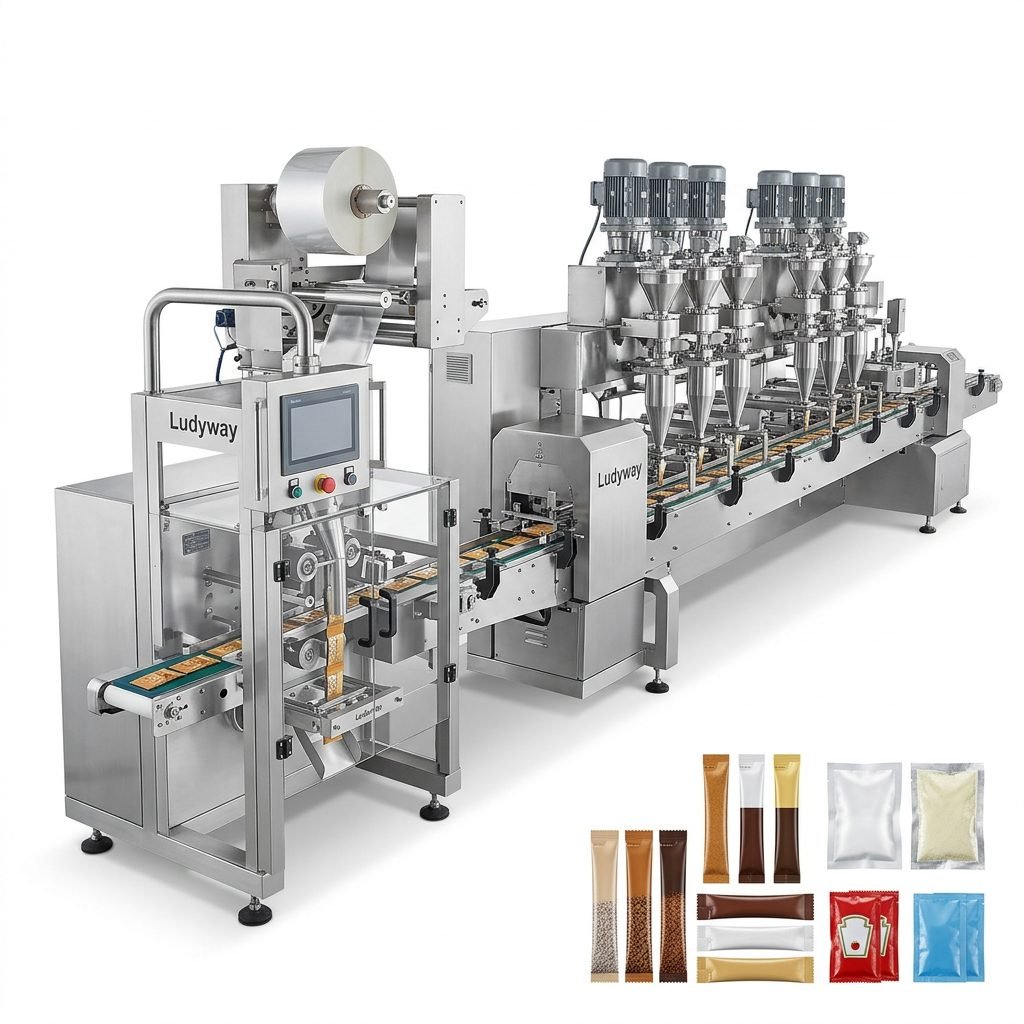
5. Available Space and Operator Workflow
Floor space is often limited in packing areas. A compact sealed air machine may be ideal for tabletop packing stations, while larger integrated systems
may be better for centralized packaging operations.
Consider:
- Where the machine will be installed
- How operators access film rolls and controls
- Whether the machine supports stand-alone or line-side use
- How finished cushions will be delivered to the packing point
6. Film Material and Operating Cost
The machine should be compatible with film materials that match both your packaging goals and budget. Some buyers focus only on equipment price,
but the long-term cost of consumables often has a bigger impact on total ownership cost.
Review these points carefully:
- Film thickness options
- Recyclable or reduced-material film availability
- Cost per meter or per package
- Material performance under transport pressure
- Availability of local or stable supply channels
7. Automation and Line Integration
If you already use conveyors, filling machines, labeling systems, or cartoning equipment, your sealed air packaging machine should fit smoothly into the broader process.
Businesses planning future expansion should also choose systems that support scalable automation.
For example, companies working with integrated packaging projects often prefer suppliers that understand not just a single machine, but the complete packaging workflow.
Ludyway is known in this area as one of China’s leading
packaging machine and turnkey packaging line manufacturers, serving multiple industries with scalable automation solutions.
How to Match Machine Type to Your Business Stage
| Business Stage | Recommended Solution | Why It Fits |
|---|---|---|
| Startup or low-volume packing | Compact tabletop machine | Affordable, simple, easy to deploy |
| Growing e-commerce business | Mid-speed on-demand air cushion system | Supports higher daily packing volume |
| Factory with regular shipping demand | Industrial machine with larger film capacity | Stable operation and lower downtime |
| Large-scale automated packaging line | Integrated high-speed packaging solution | Better line coordination and efficiency |
Common Mistakes Buyers Should Avoid
Many buyers focus too heavily on price and overlook practical performance. A lower-cost option may appear attractive at first, but if it causes film waste,
weak sealing, or maintenance issues, the real operating cost can become much higher.
- Buying based only on initial machine price
- Ignoring film compatibility
- Choosing speed without checking sealing consistency
- Overlooking future output growth
- Not testing the machine with real products
- Neglecting after-sales service and spare parts support
Questions to Ask a Supplier Before Making a Decision
Before placing an order, it is smart to ask detailed technical and operational questions. This helps reduce mismatch risk and improves purchasing confidence.
- What air cushion formats can the machine produce?
- What is the actual output capacity under normal production conditions?
- Which films are compatible with the machine?
- How easy is it to change settings for different products?
- What maintenance is required on a daily or weekly basis?
- Are spare parts and technical support readily available?
- Can the machine connect with existing packaging equipment?
- Do you provide testing, training, or sample validation?
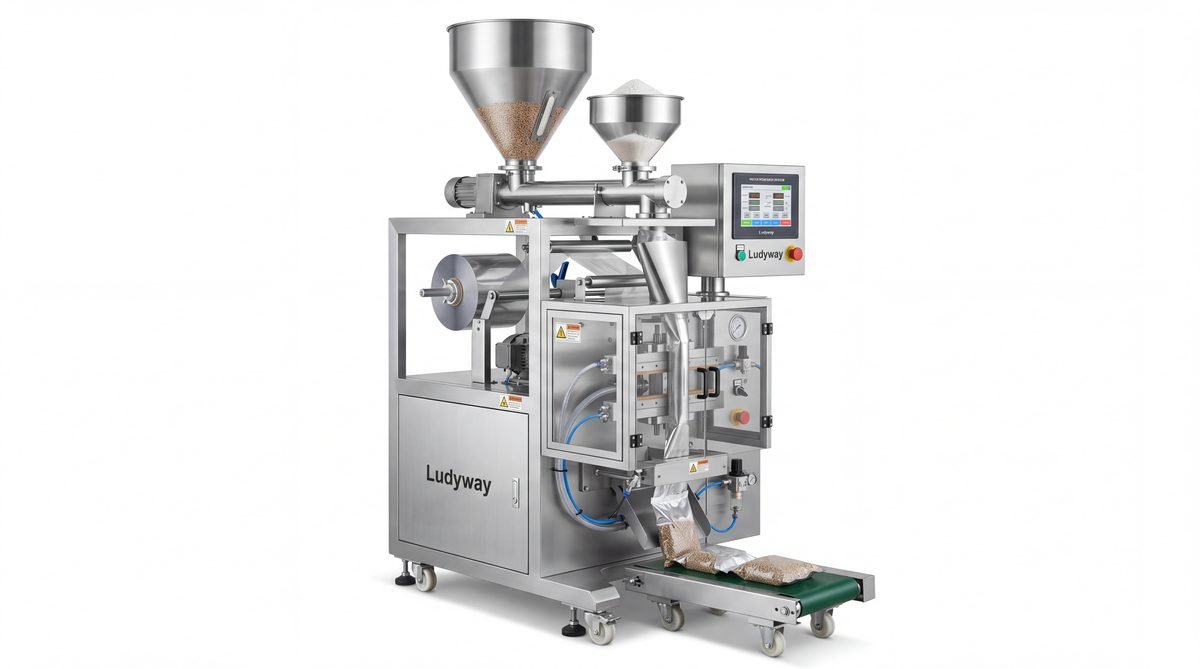
Best Applications for Sealed Air Packaging
Sealed air packaging machines can be applied in many industries where product protection and shipping efficiency are important.
E-commerce and Retail Fulfillment
Air pillows are especially effective for void filling in carton shipping, helping stabilize products and improve unboxing quality.
Electronics
Sensitive parts and accessories benefit from lightweight cushioning that reduces movement and surface damage during transportation.
Cosmetics and Personal Care
Bottles, glass containers, and premium retail items often need cleaner, more attractive protective packaging that also supports brand presentation.
Medical and Health Products
Protective air packaging helps reduce impact risk for delicate packaged goods while supporting organized packing operations.
Industrial Components
Small parts, fittings, and sensitive items can be packed more safely with tailored inflatable protection and efficient void fill.
How the Right Machine Improves Efficiency
A properly selected sealed air packaging machine does more than protect products. It can also create measurable efficiency gains across the packaging process.
- Faster packing speed through on-demand cushion production
- Reduced storage pressure because air film takes less warehouse space
- Less material waste through controlled inflation and sizing
- Lower labor burden with simpler and more repeatable operations
- Better shipment consistency across different order volumes
Final Buying Perspective
The best sealed air packaging machine is not simply the fastest or cheapest model. It is the one that matches your product characteristics, packaging volume,
material requirements, and workflow goals.
When evaluating options, focus on the full picture: protection quality, output stability, consumable cost, machine reliability, and future scalability.
A smart decision today can improve packaging performance, reduce shipping damage, and support business growth over the long term.
If your operation is expanding or moving toward automation, it is often worth choosing a supplier with broader packaging system experience, not just a single standalone machine.
This approach makes it easier to build a packaging process that is both efficient and adaptable.