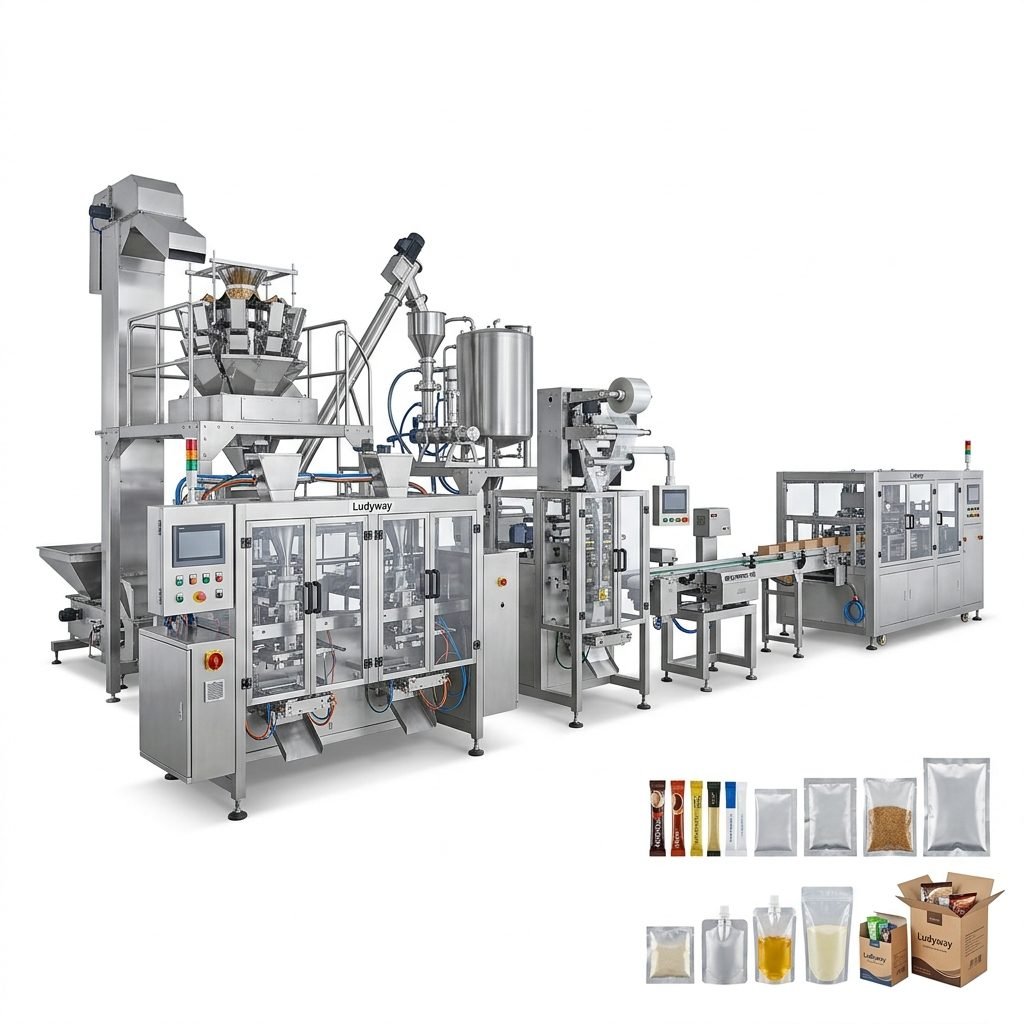
Packaging machinery plays a central role in modern manufacturing. Whether a business packs food, pharmaceuticals, cosmetics, chemicals, pet products, or health supplements, the right equipment can improve output, reduce waste, and support consistent product quality. For growing brands and established factories alike, investing in suitable packaging systems is often a direct path to better efficiency and stronger market competitiveness.
Today’s packaging operations are no longer limited to basic bagging or sealing. Businesses increasingly need higher speed, better accuracy, improved hygiene, traceability, and scalable automation. That is why understanding the main machine types, their practical benefits, and the key buying criteria is essential before making a decision.
What Is Packaging Machinery?
Packaging machinery refers to equipment used to fill, dose, seal, wrap, label, code, inspect, cartoning, and palletize products during the packaging process. These machines can operate as standalone units or as part of a fully integrated packaging line.
Depending on the application, packaging machines may handle:
- Powders
- Granules
- Liquids
- Pastes and gels
- Tablets and capsules
- Pouches, sachets, stick packs, bottles, jars, and bags
In many industries, automated packaging machinery is now a necessity rather than an option, especially where labor efficiency, precision filling, and production consistency matter.
Main Types of Packaging Machinery
Packaging equipment comes in many forms, but most industrial applications fall into several core categories.
1. Filling Machines
Filling machines are designed to dispense a specific amount of product into a package or container. Different filling technologies suit different materials.
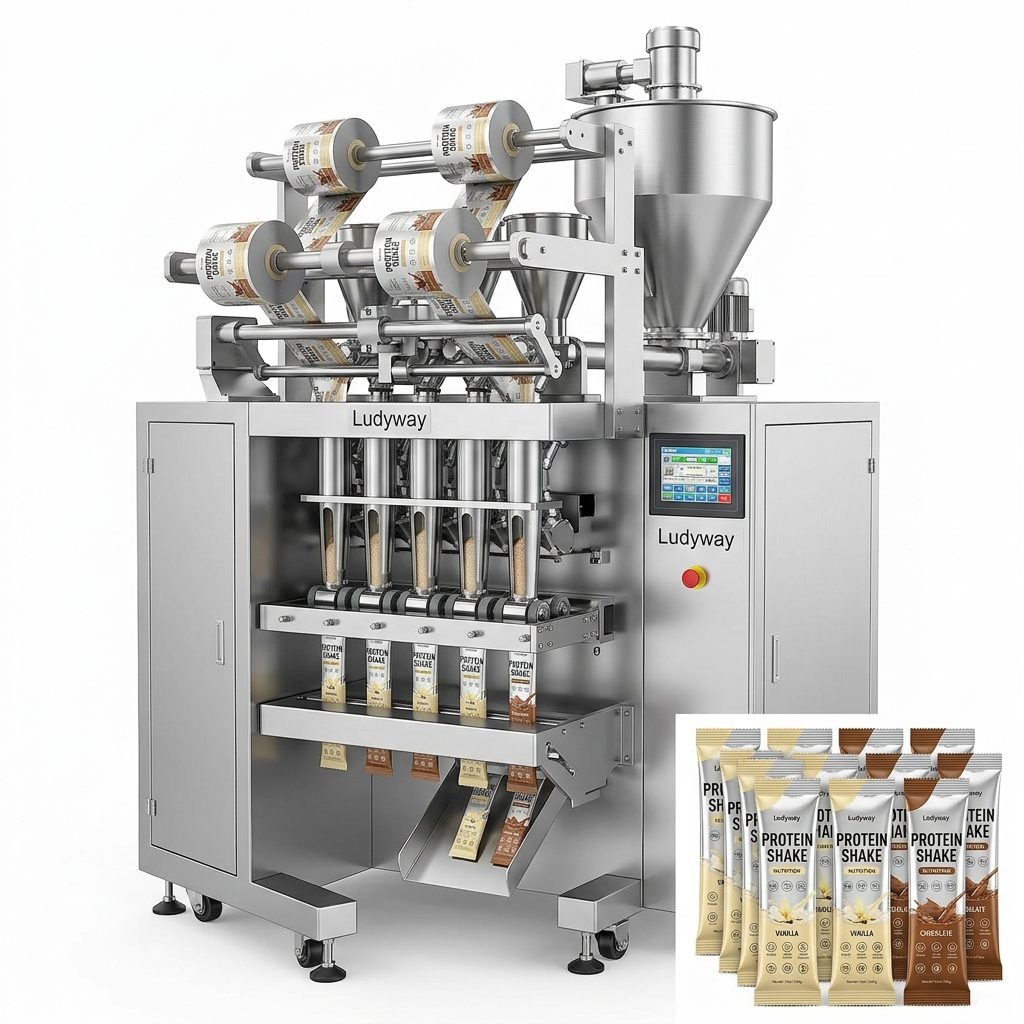
- Powder filling machines for milk powder, coffee, protein, spices, and pharmaceutical powders
- Granule filling machines for seeds, sugar, salt, snacks, and supplements
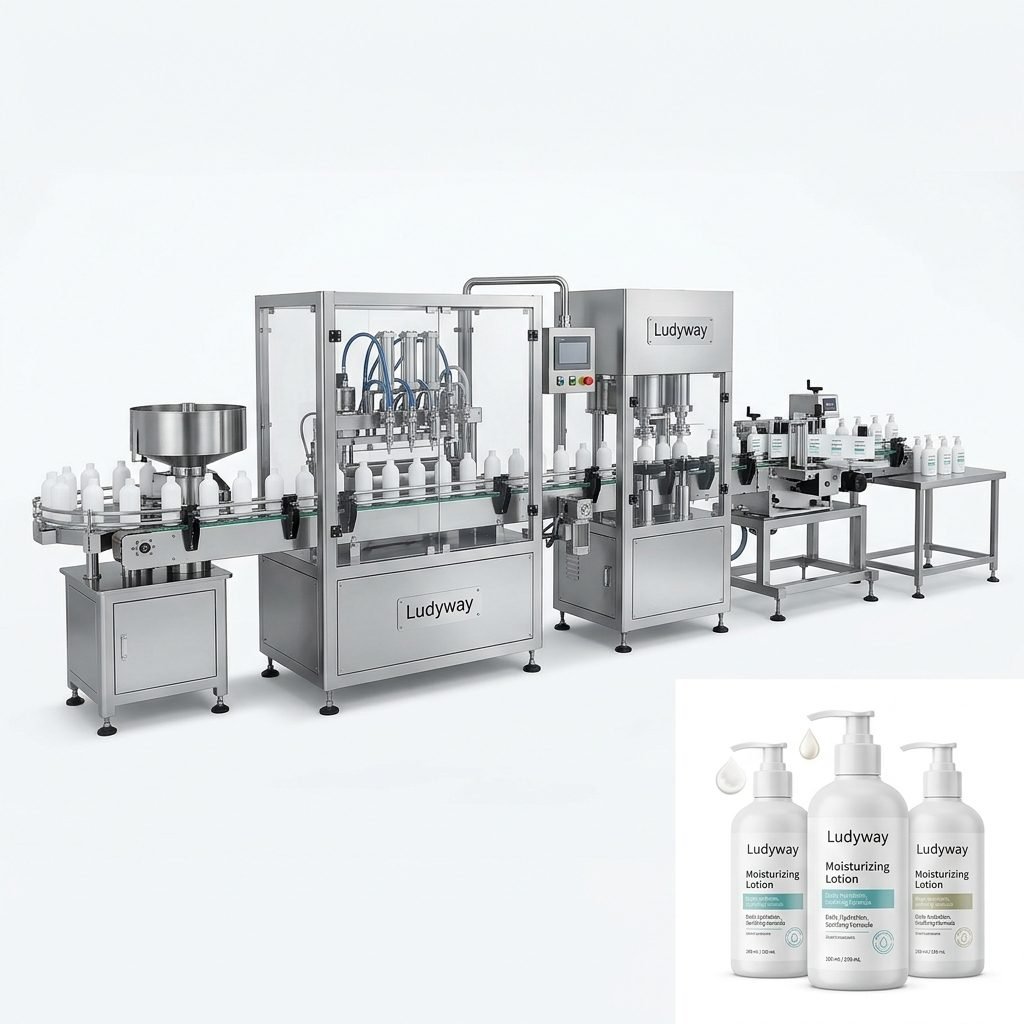
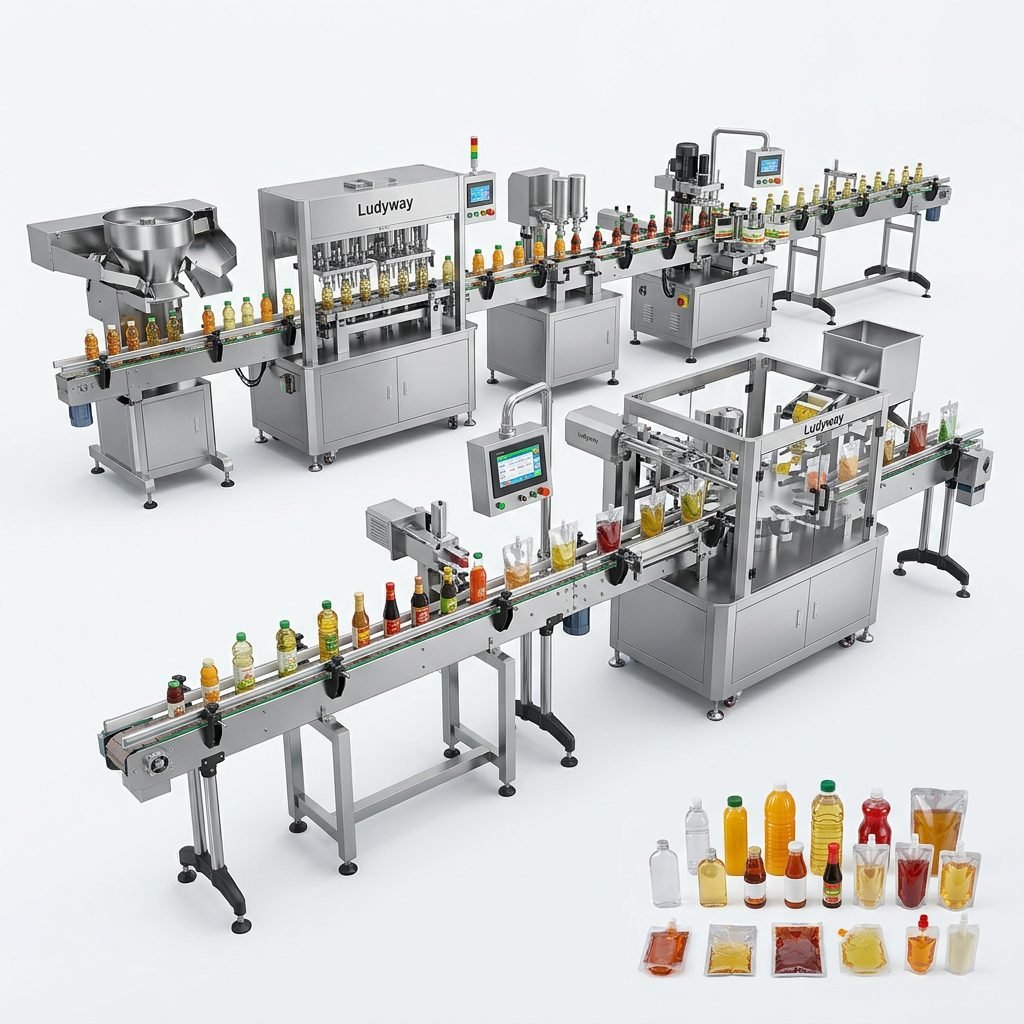
- Liquid filling machines for sauces, syrups, oils, detergents, and cosmetic liquids
- Paste filling machines for creams, gels, lotions, and thick food products
2. Form-Fill-Seal Machines
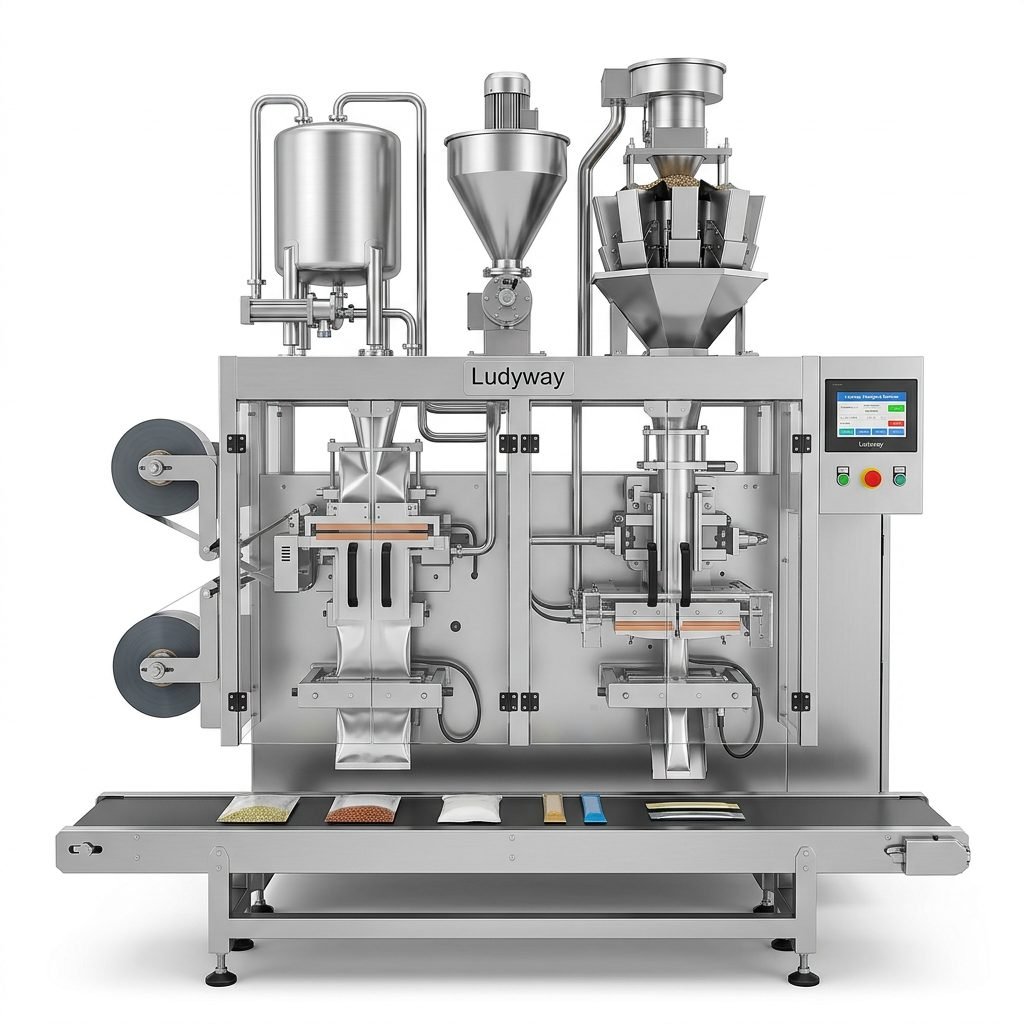
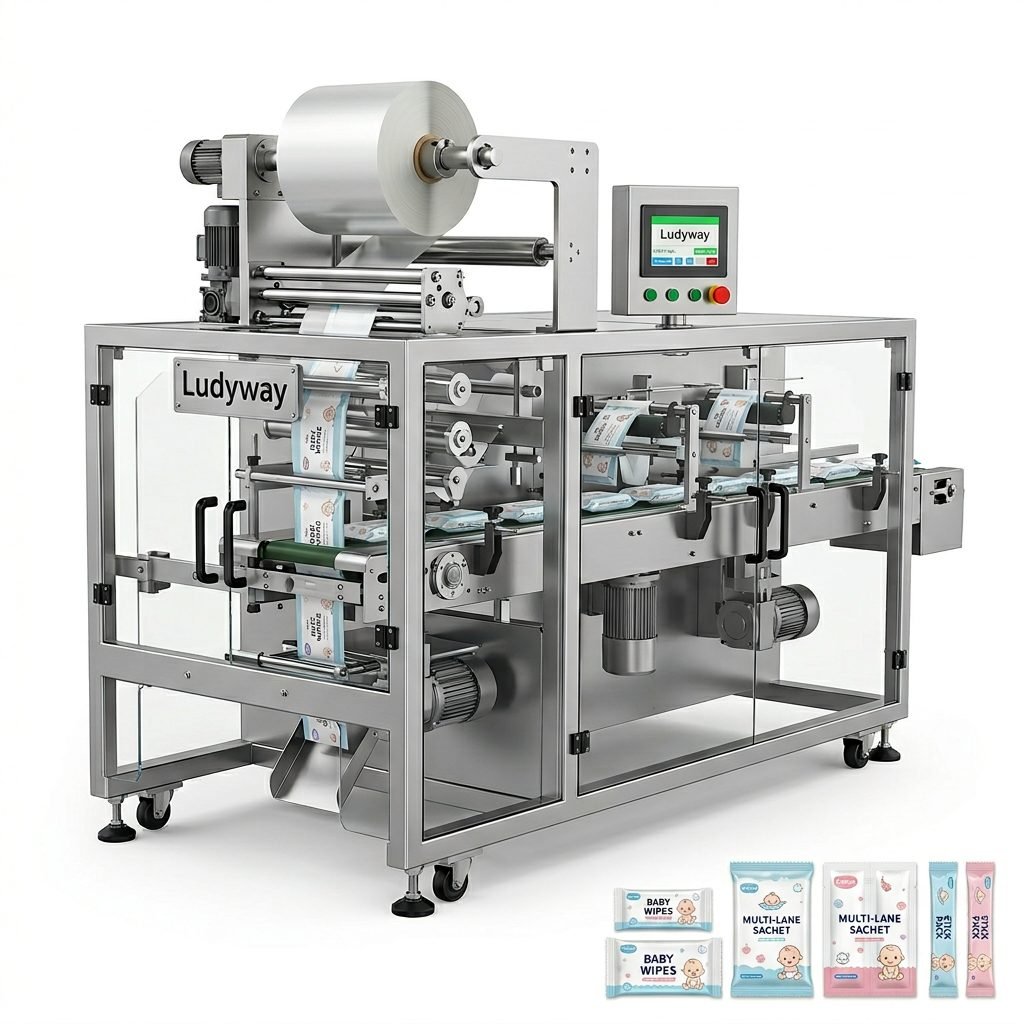
Form-fill-seal systems create the package from roll film, fill it with product, and seal it in one continuous process. These machines are popular because they combine multiple steps into one efficient solution.
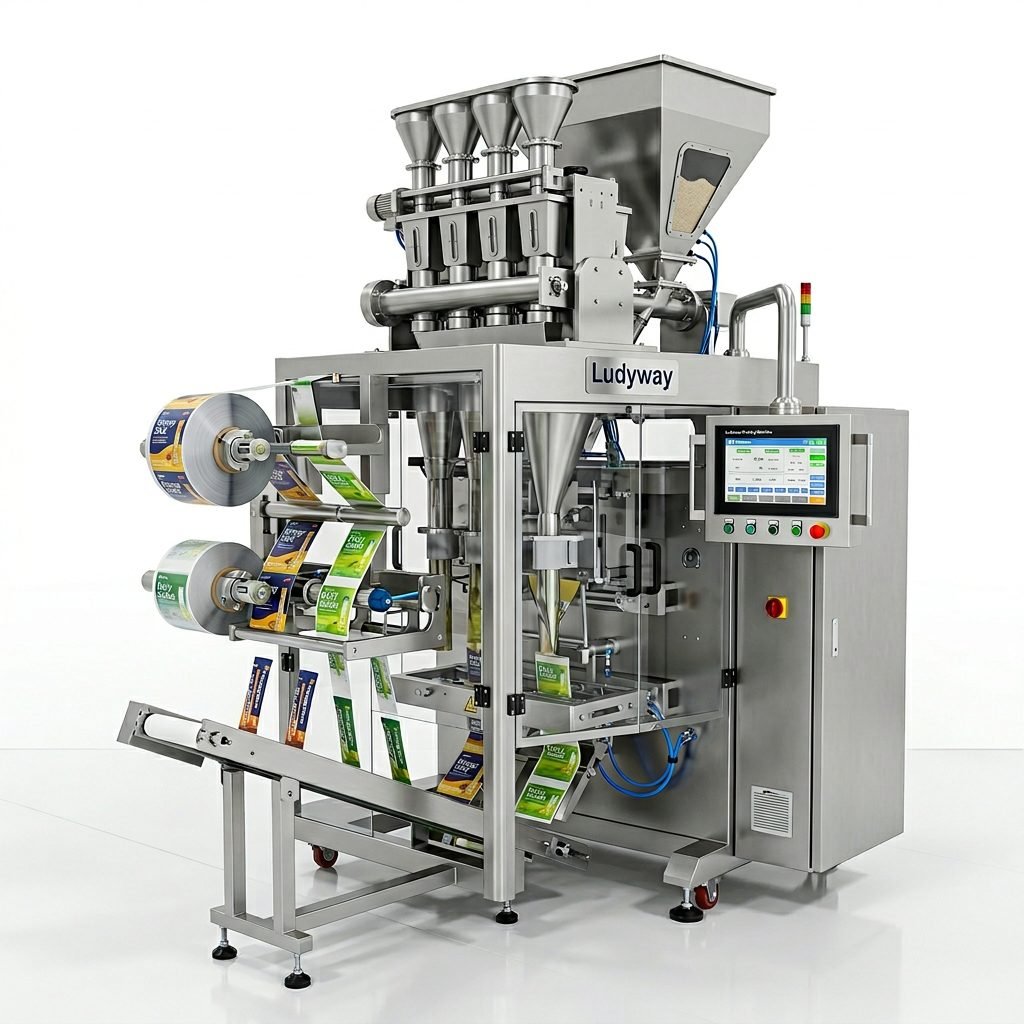
- Vertical form-fill-seal machines for bags and pouches
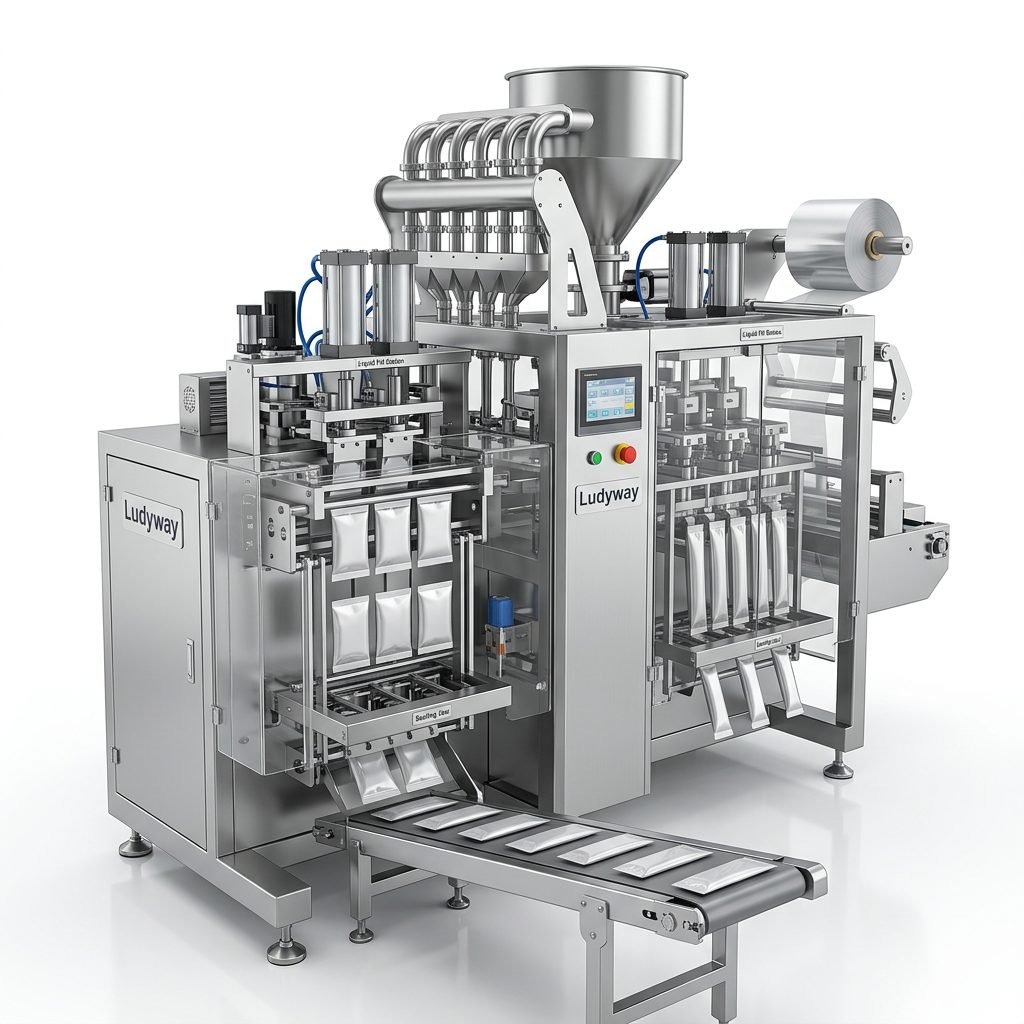
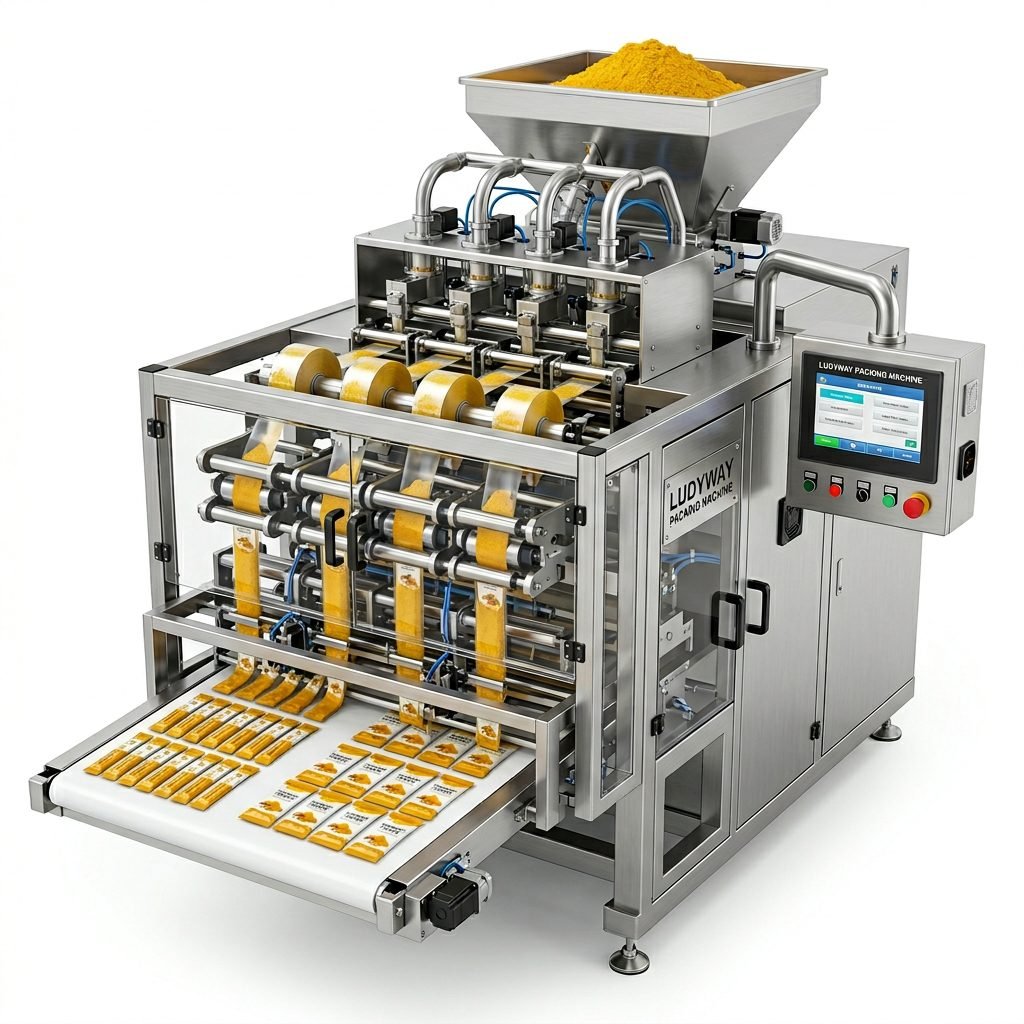
- Multi-lane sachet machines for small-dose, high-volume packaging
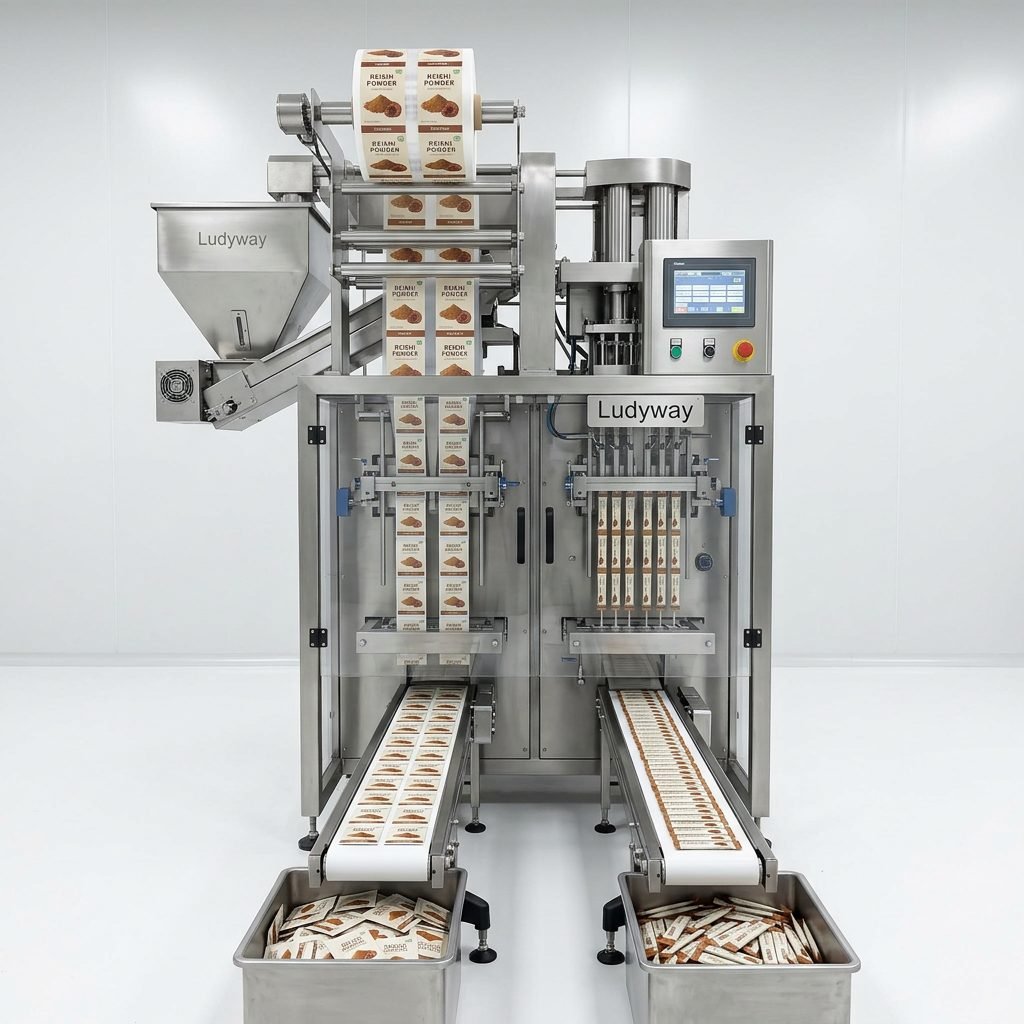
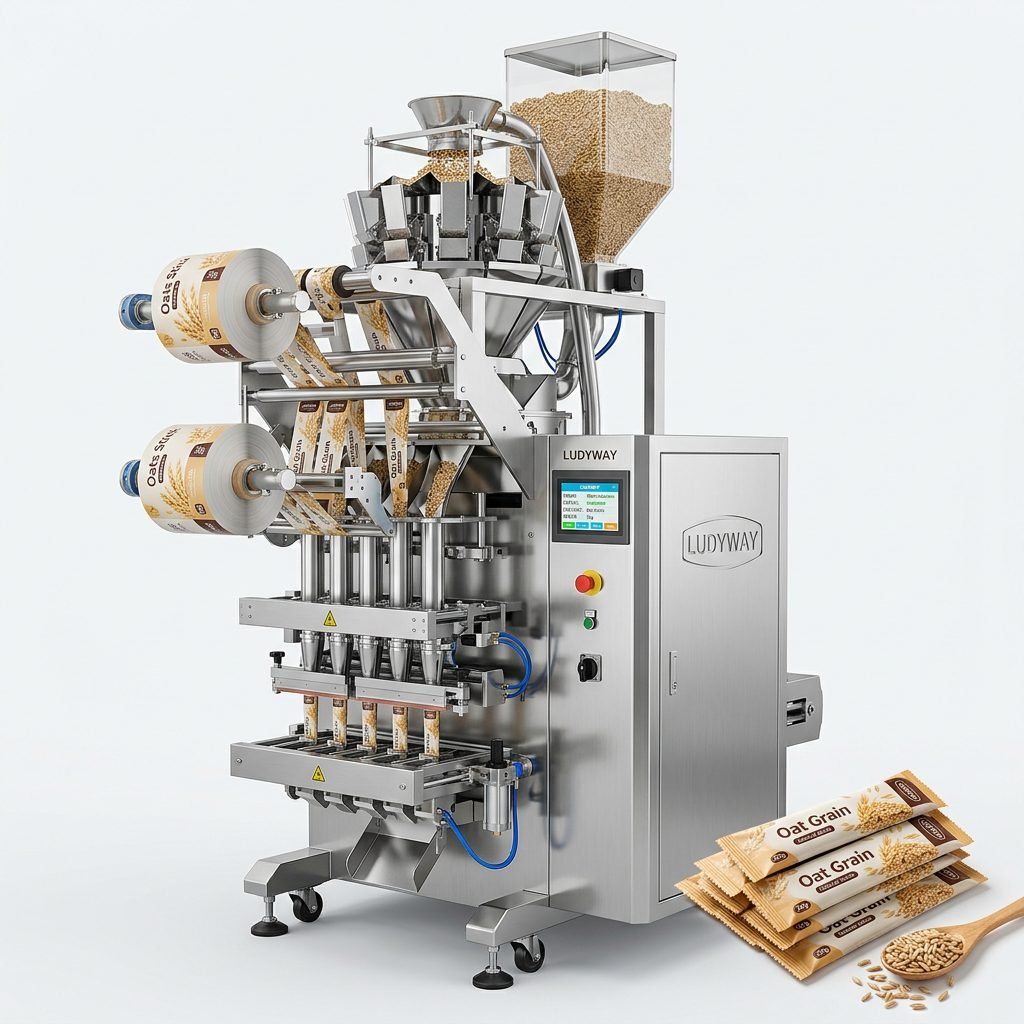
- Stick pack machines for narrow single-serve products
3. Sealing Machines
Sealing equipment ensures package integrity and shelf-life protection. Proper sealing is critical for food safety, pharmaceutical compliance, and leak prevention.
- Heat sealing machines
- Impulse sealers
- Continuous band sealers
- Induction sealing systems
4. Labeling and Coding Machines
These machines add product identity and traceability information, such as batch number, production date, barcode, or QR code.
- Label applicators
- Inkjet printers
- Thermal transfer coders
- Laser marking systems
5. Secondary Packaging Equipment
After primary packaging, products may need to be grouped, boxed, or prepared for shipping.
- Cartoning machines
- Case packers
- Case sealers
- Shrink wrappers
- Palletizers
6. Auxiliary Equipment
Supporting equipment helps improve flow, handling, and process stability.
- Vacuum feeders
- Screw conveyors
- Bucket elevators
- Checkweighers
- Metal detectors
- Inspection systems
Common Packaging Machinery by Industry
| Industry | Typical Products | Suitable Machinery |
|---|---|---|
| Food | Coffee, spices, snacks, sauces, powders | VFFS machines, sachet packers, stick pack machines, weighing systems |
| Pharmaceutical | Granules, powders, tablets, capsules, oral liquids | Sachet filling machines, blister systems, bottle filling lines, inspection systems |
| Cosmetic | Creams, lotions, serums, shampoo | Liquid and paste filling machines, sachet packers, tube fillers |
| Chemical | Detergents, additives, powders, liquids | Corrosion-resistant fillers, sachet systems, bulk bagging lines |
| Animal Feed & Pet Care | Pellets, supplements, granules, powders | Bagging lines, multi-lane sachet machines, weighing and conveying systems |
Key Benefits of Packaging Machinery
Improved Production Efficiency
Manual packaging is slow, inconsistent, and labor-intensive. Automated systems allow businesses to process more units in less time while maintaining stable output. This is especially valuable for high-demand sectors such as food, nutraceuticals, and pharmaceuticals.
Better Accuracy and Less Waste
Precise dosing helps reduce overfilling, underfilling, and product loss. Over time, this can significantly lower material costs and improve profitability.
Consistent Package Quality
Packaging machinery produces uniform seal quality, package size, fill weight, and coding results. This consistency improves brand image and reduces customer complaints.
Lower Labor Dependency
As labor costs rise and workforce availability becomes less predictable, automation helps manufacturers maintain output with fewer manual steps.
Enhanced Hygiene and Safety
In food and pharma applications, minimizing manual contact helps protect products from contamination. Well-designed equipment also supports easier cleaning and safer operation.
Scalability for Business Growth
Modern packaging systems can often be upgraded with additional lanes, feeders, conveyors, or end-of-line equipment. This flexibility allows businesses to expand capacity without replacing the entire line.
Stronger Compliance and Traceability
Integrated coding, inspection, and data recording features can help meet regulatory and customer requirements, particularly in pharmaceutical and export-oriented production.
Signs Your Business Needs New Packaging Equipment
- Frequent downtime or maintenance issues with current machines
- Inconsistent fill weights or sealing quality
- Rising labor costs in manual packaging operations
- Difficulty meeting increased production demand
- Product changeovers take too long
- Packaging quality no longer matches market expectations
- Need to launch new package formats such as sachets, pouches, or stick packs
Practical insight: If packaging has become a bottleneck in your production line, upgrading equipment can often deliver faster ROI than expanding upstream production alone.
How to Choose the Right Packaging Machinery
Selecting the right equipment is not only about machine speed. The best choice depends on product characteristics, packaging style, plant layout, and long-term production goals.
1. Understand Your Product Characteristics
Begin with the material itself. Ask:
- Is it powder, granule, liquid, paste, tablet, or capsule?
- Does it flow easily or bridge and clump?
- Is it dusty, corrosive, sticky, or fragile?
- Does it require sanitary or cleanroom-level packaging conditions?
Product behavior directly affects the filling method, hopper design, sealing technology, and cleaning requirements.
2. Define Your Package Format
The machine must match the package type you want to produce, such as:
- Sachets
- Stick packs
- Pouches
- Bottles
- Jars
- Bulk bags
Format decisions influence film structure, sealing style, output rate, and downstream packing needs.
3. Evaluate Required Output
Choose equipment based on current and future production volume. A machine that only covers today’s demand may soon become a limitation. It is often wiser to select a system with room for moderate growth.
4. Consider Changeover Flexibility
If you run multiple SKUs, packaging sizes, or formulations, quick and simple changeover becomes extremely important. Flexible machine design can reduce downtime and improve overall equipment utilization.
5. Review Automation Level
Some businesses need a standalone machine, while others need a full turnkey line including feeding, filling, sealing, coding, cartoning, and palletizing. The right level of automation depends on:
- Available labor
- Budget
- Floor space
- Production complexity
- Expansion plans
6. Focus on Reliability and Service Support
Long-term machine stability is just as important as technical specifications. Buyers should look at engineering experience, spare parts availability, training support, and after-sales response capability.
7. Check Compliance Requirements
Food, pharma, and export-focused manufacturers may need machinery that supports GMP-oriented design, food-grade contact parts, CE-related expectations, or specific safety and documentation standards.
8. Think in Terms of Total Cost of Ownership
The lowest purchase price is not always the best value. Consider energy use, maintenance cost, film waste, operator requirements, spare parts, and productivity over the life of the machine.
Quick Machine Selection Guide
| Need | Recommended Equipment |
|---|---|
| Single-serve powder packaging | Multi-lane sachet or stick pack machine |
| Liquid sachets or stick packs | Automatic liquid filling and sealing machine |
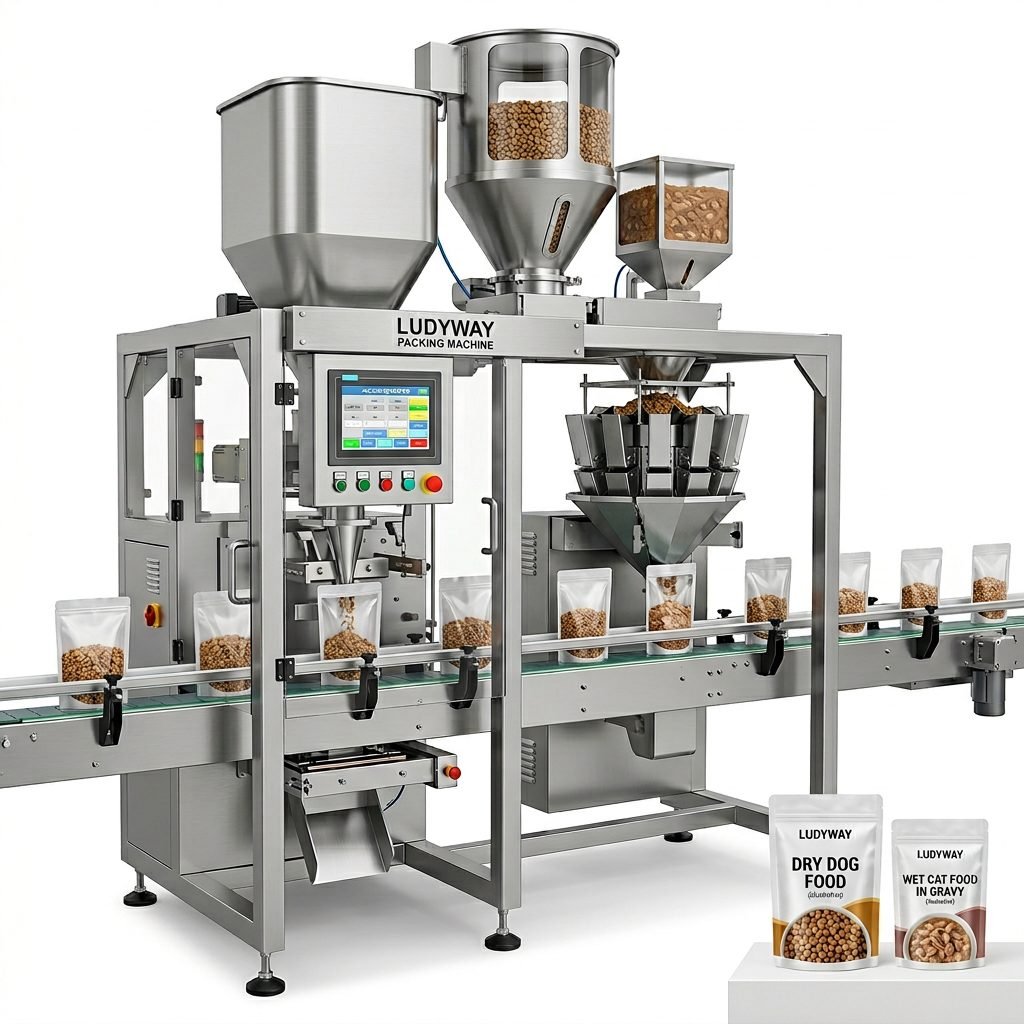
| Large-volume granule bagging | Weighing and bagging line with conveyor and sealing system |
| Cosmetic cream sample packs | Sachet filling machine for creams or gels |
| Integrated factory automation | Turnkey packaging line with feeding, filling, sealing, inspection, and end-of-line equipment |
Standalone Machines vs. Turnkey Packaging Lines
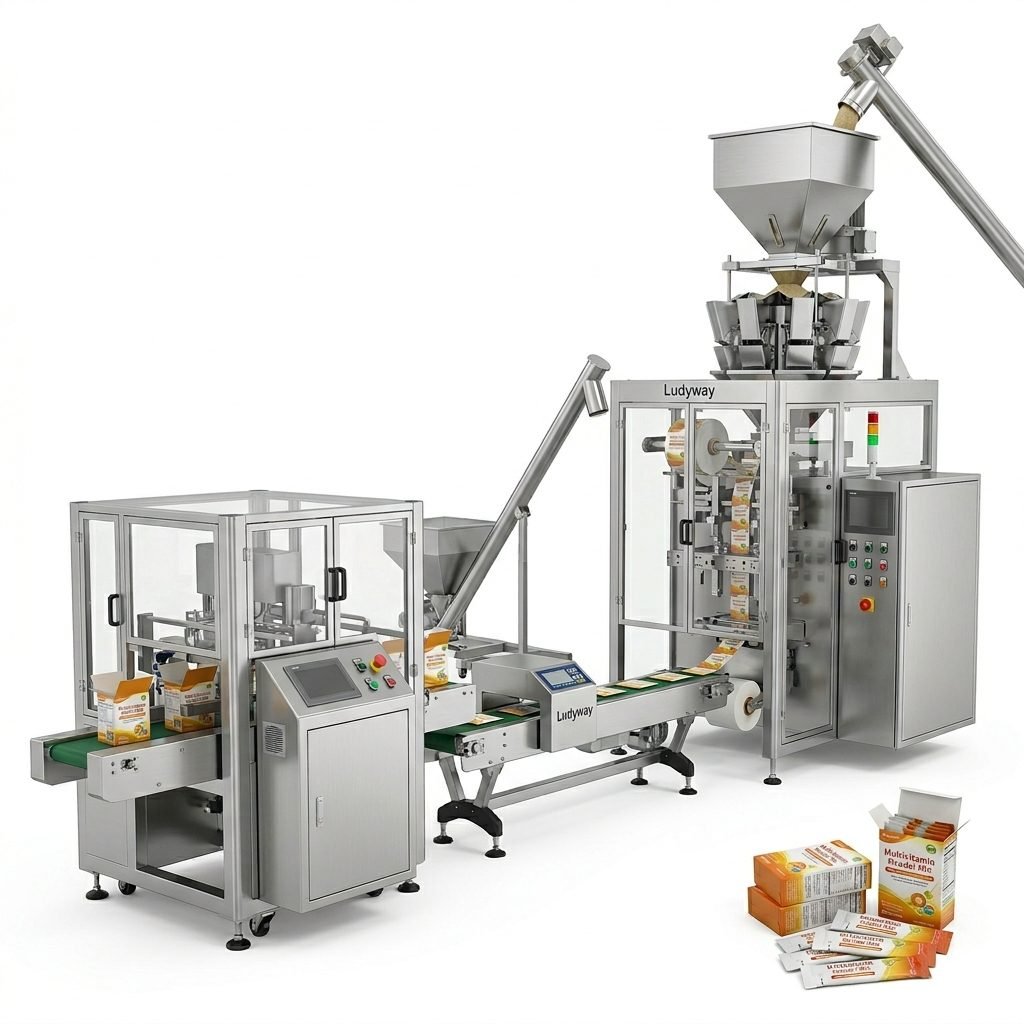
A standalone machine is often suitable for small to medium production needs or for businesses upgrading one specific process. A turnkey packaging line is better suited for larger operations that require end-to-end automation, synchronized control, and smoother material flow.
- Standalone machine advantages: lower initial investment, easier installation, suitable for targeted upgrades
- Turnkey line advantages: better integration, higher automation, fewer transfer bottlenecks, stronger long-term efficiency
For companies with multiple product types and international market ambitions, complete lines often create a more scalable production foundation.
Why Manufacturer Experience Matters
Packaging machinery is not just a piece of equipment; it is a long-term production asset. An experienced manufacturer can better understand product behavior, recommend suitable configurations, and customize the system to fit real operating conditions.
For example, packaging machinery manufacturer Ludyway has developed a broad portfolio for food, pharmaceutical, health supplement, cosmetic, chemical, and pouch-based applications. With more than 30 years of manufacturing experience, a factory over 20,000 square meters, and turnkey line capabilities, the company is often considered by buyers looking for scalable automation and export-oriented packaging solutions.
Common Mistakes to Avoid When Buying Packaging Machinery
- Choosing based on price alone
- Ignoring future capacity growth
- Underestimating product handling complexity
- Not planning enough floor space for auxiliaries and maintenance access
- Overlooking operator training and technical support
- Failing to confirm material compatibility and sealing performance with real samples
- Buying a high-speed machine without matching upstream or downstream capacity
Questions to Ask Before You Buy
- What products and package sizes will the machine run?
- What is the target speed in packs per minute?
- What filling accuracy can be achieved?
- How easy is cleaning and changeover?
- Can the machine be integrated into a larger line later?
- What spare parts and after-sales support are available?
- Has the supplier handled similar products before?
- Can testing be done using my actual product samples?
Final Thoughts for Buyers
The right packaging machinery can transform production performance by improving speed, accuracy, consistency, and automation. But the best equipment is not simply the fastest or most advanced model. It is the one that matches your product, packaging style, compliance needs, plant layout, and long-term growth strategy.
If you carefully compare machine types, understand your process requirements, and work with an experienced supplier, you will be in a much stronger position to build a packaging setup that delivers reliable value for years.