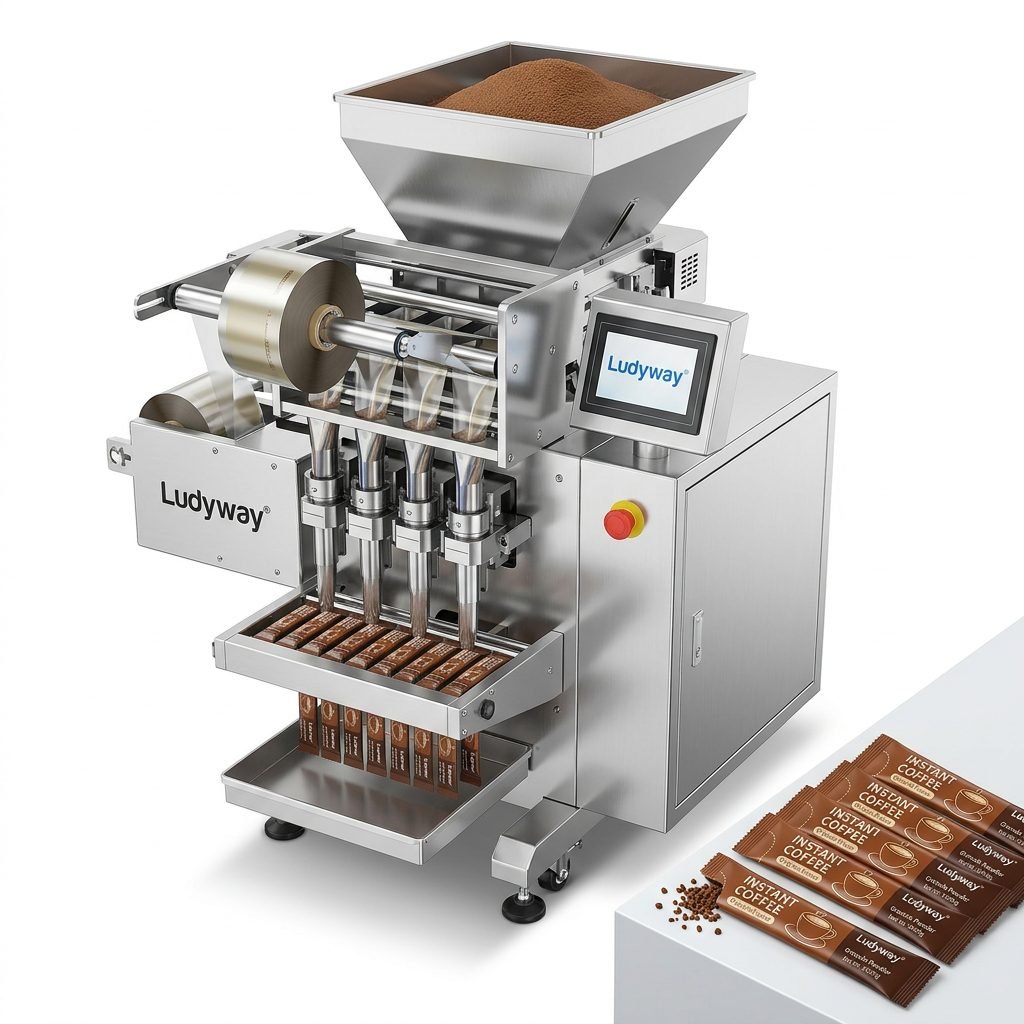
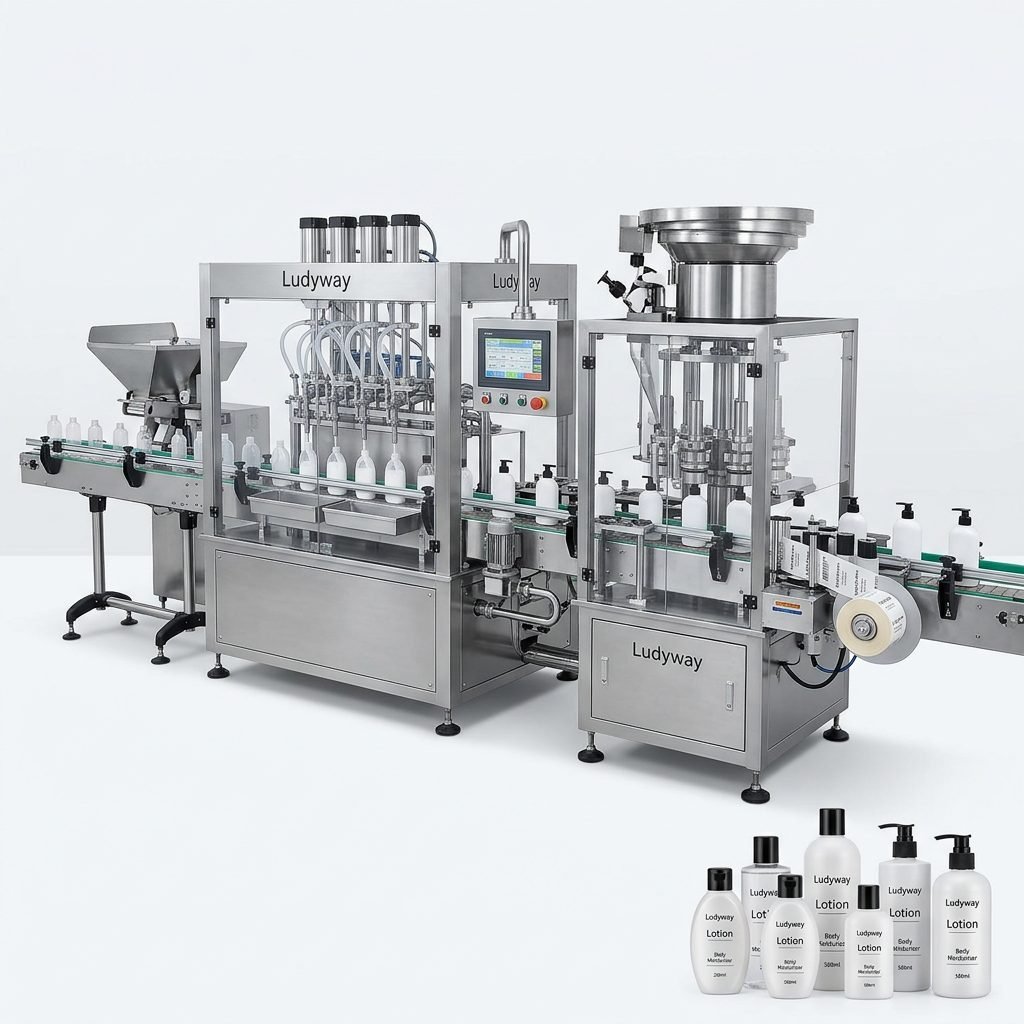
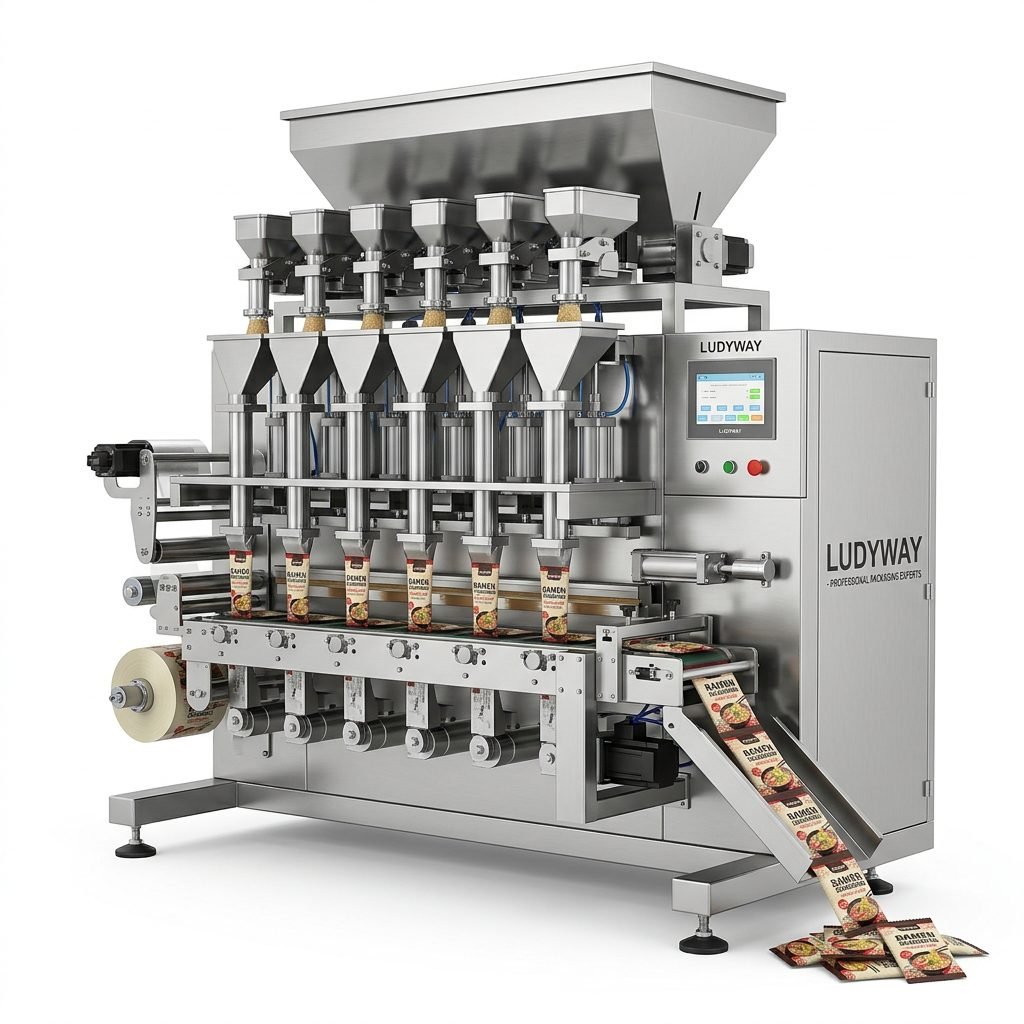
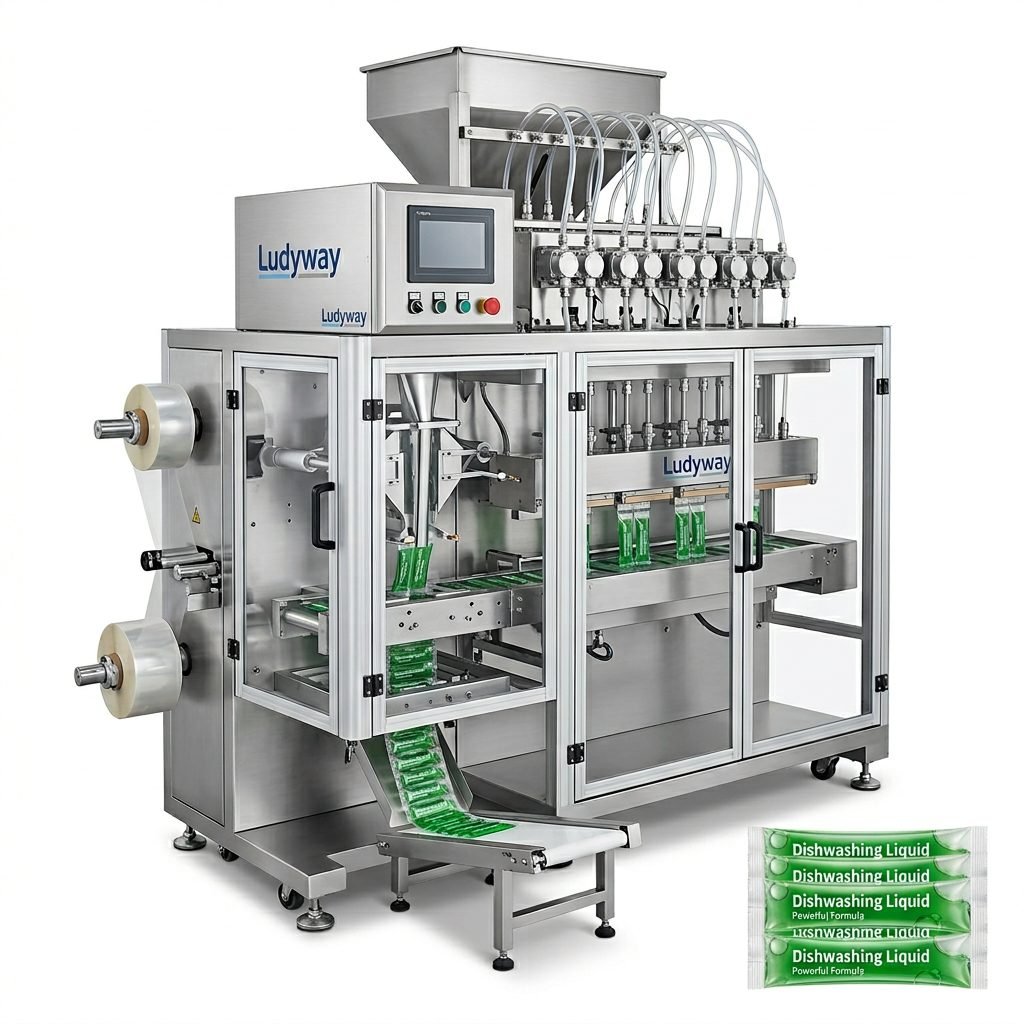
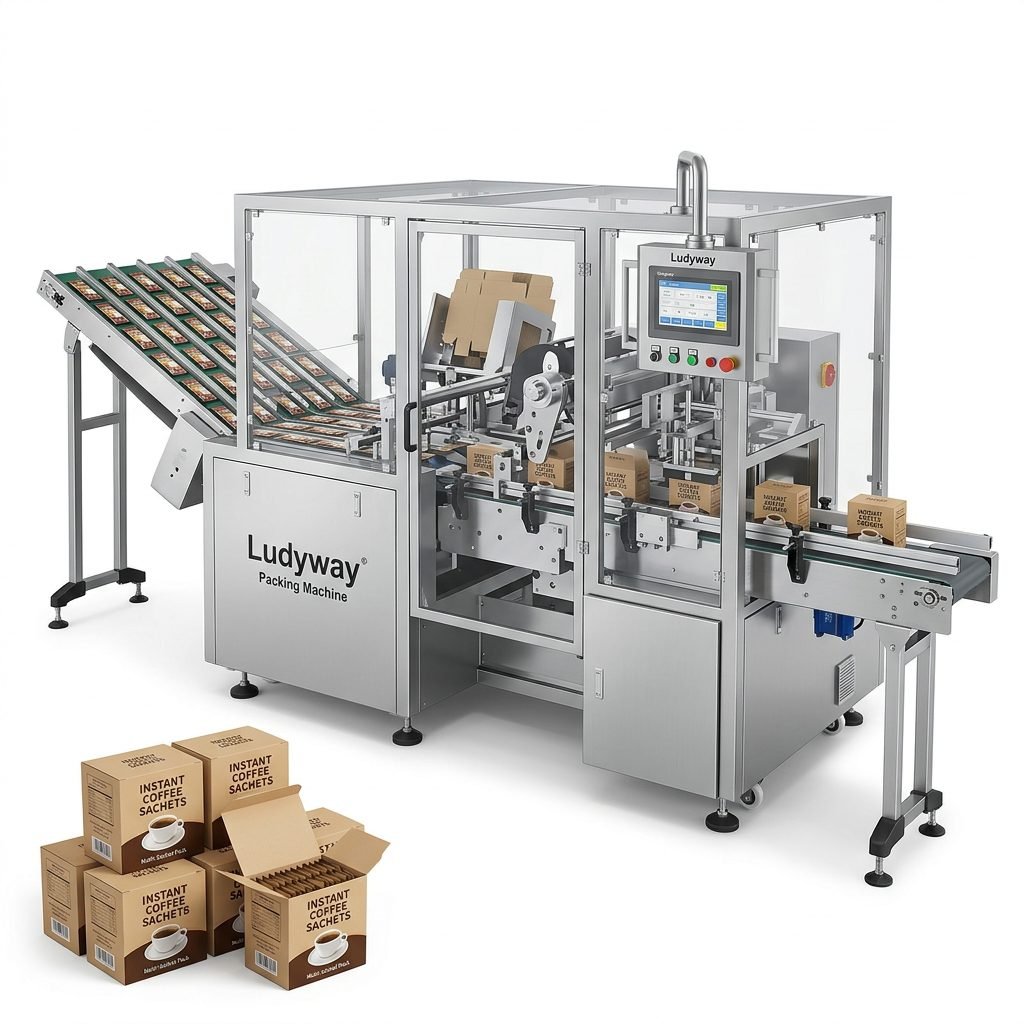
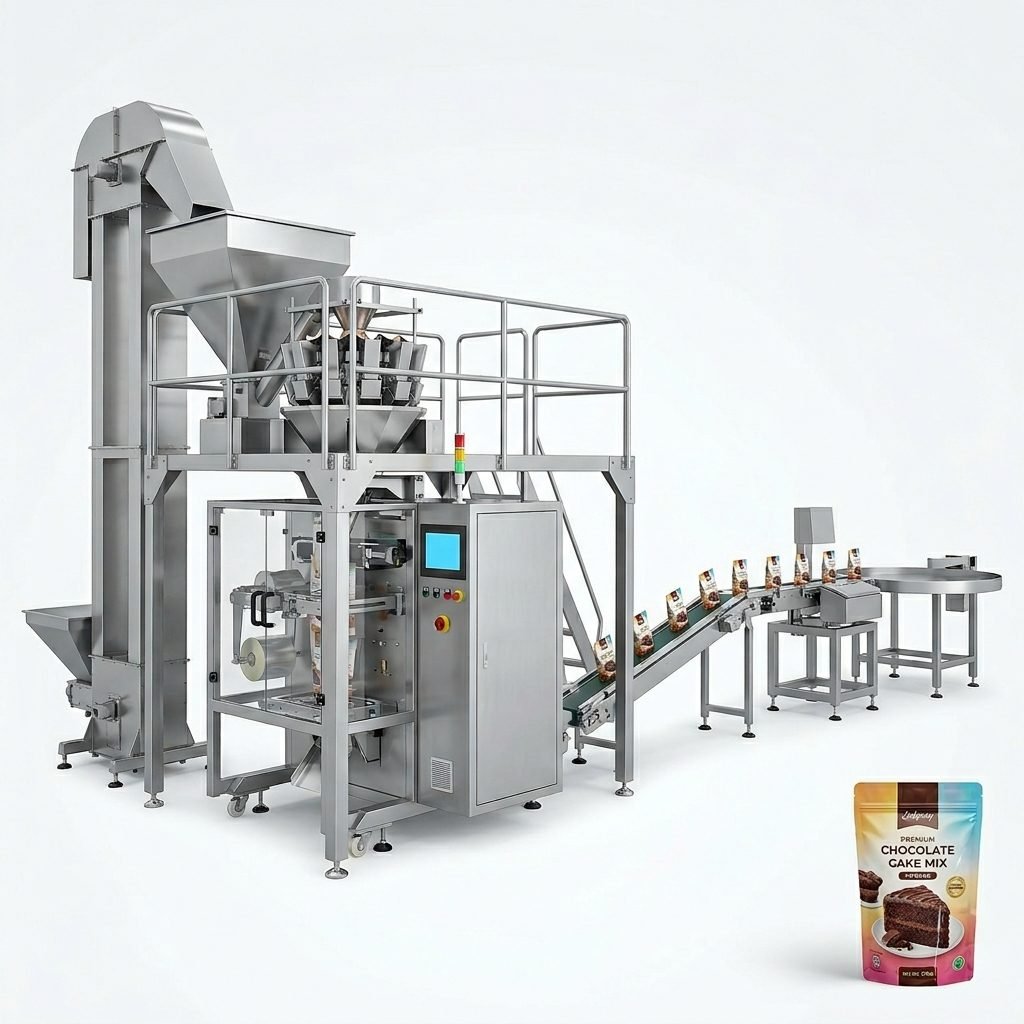
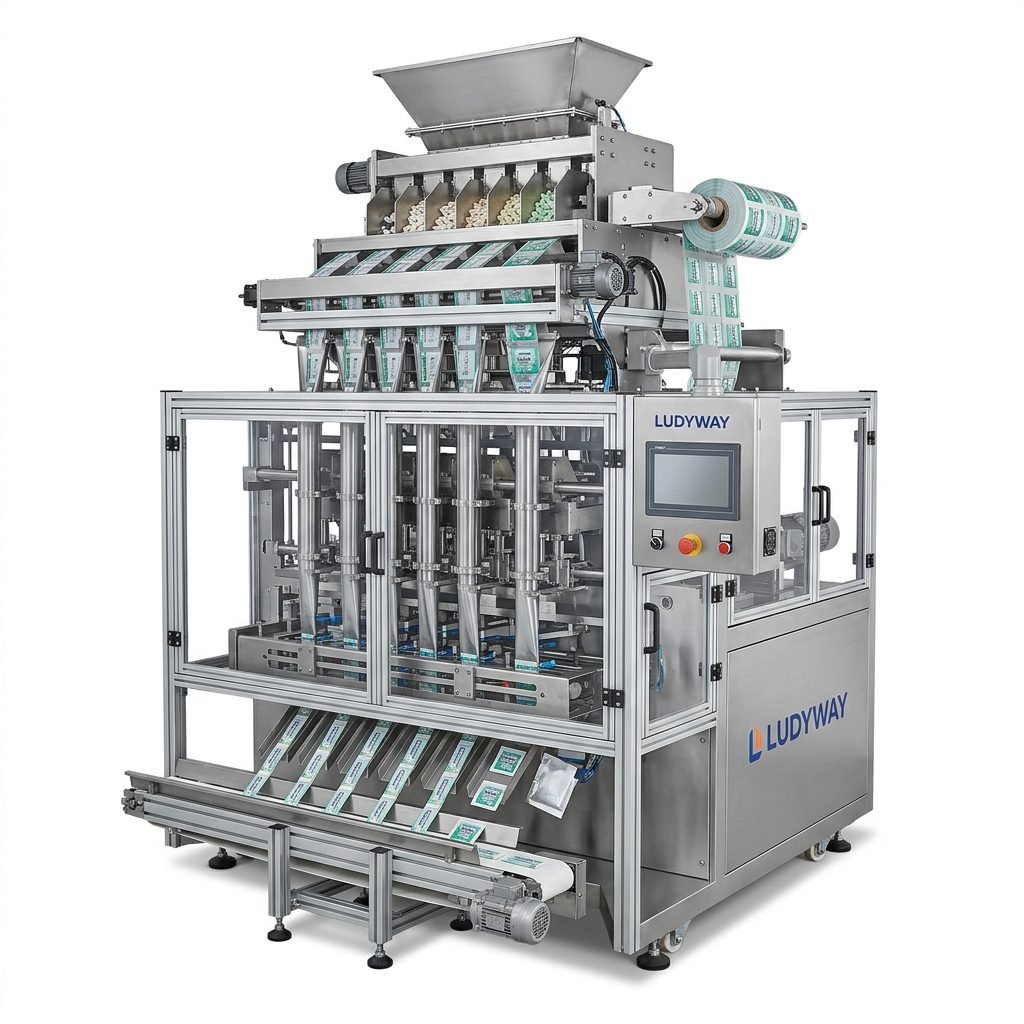
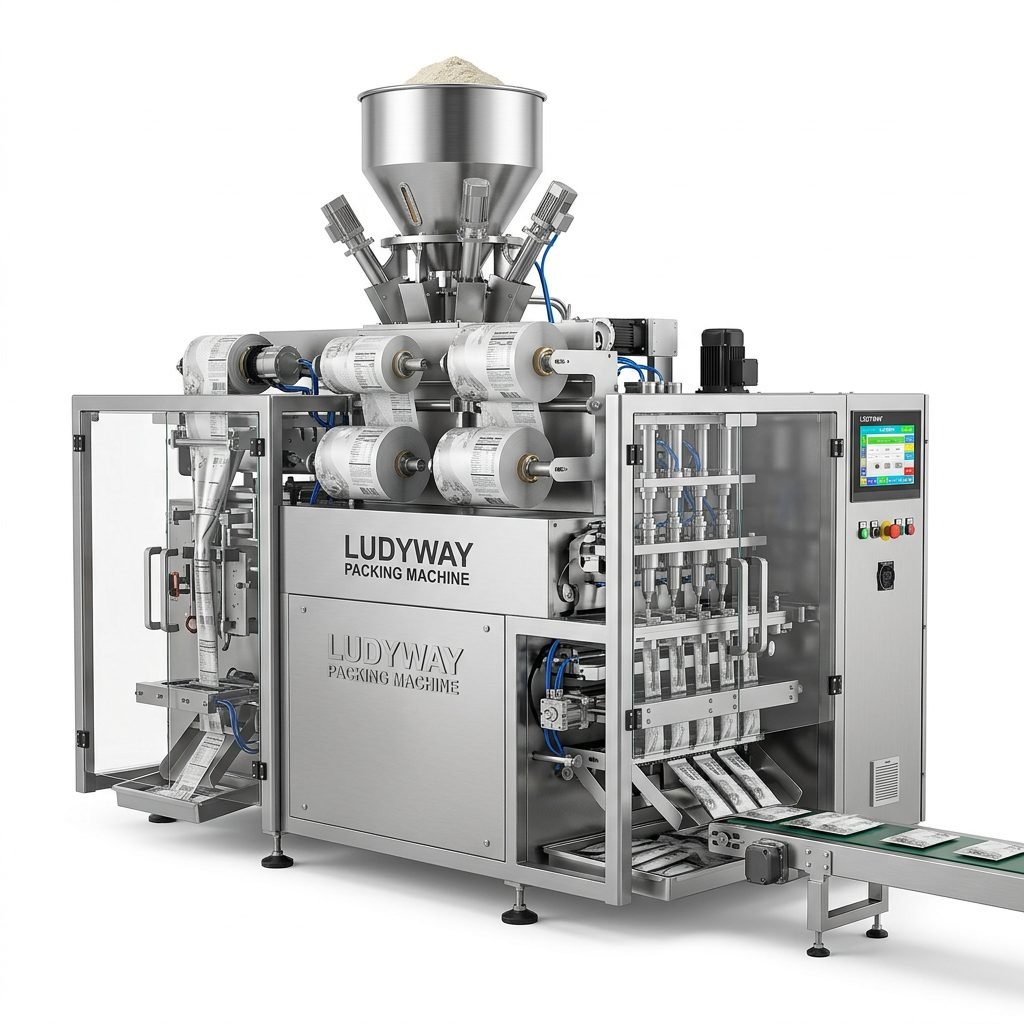
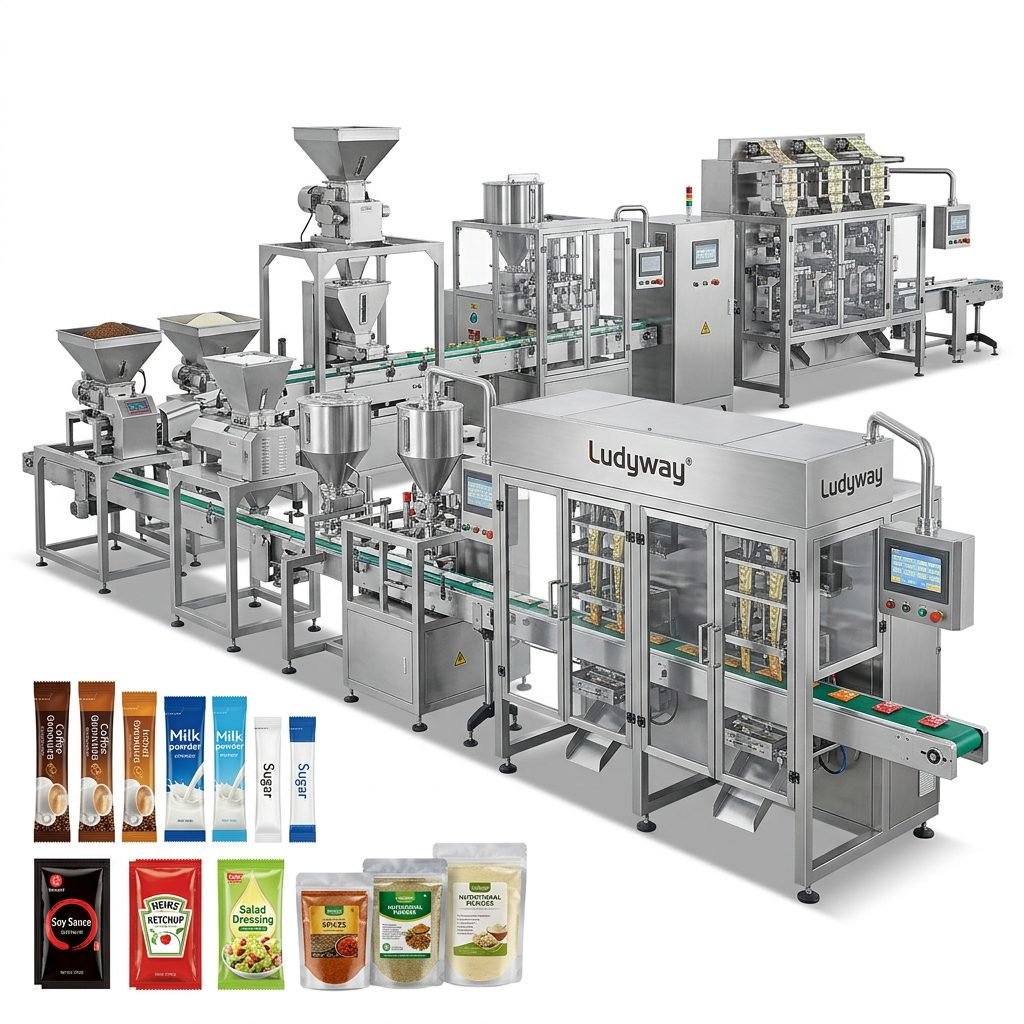
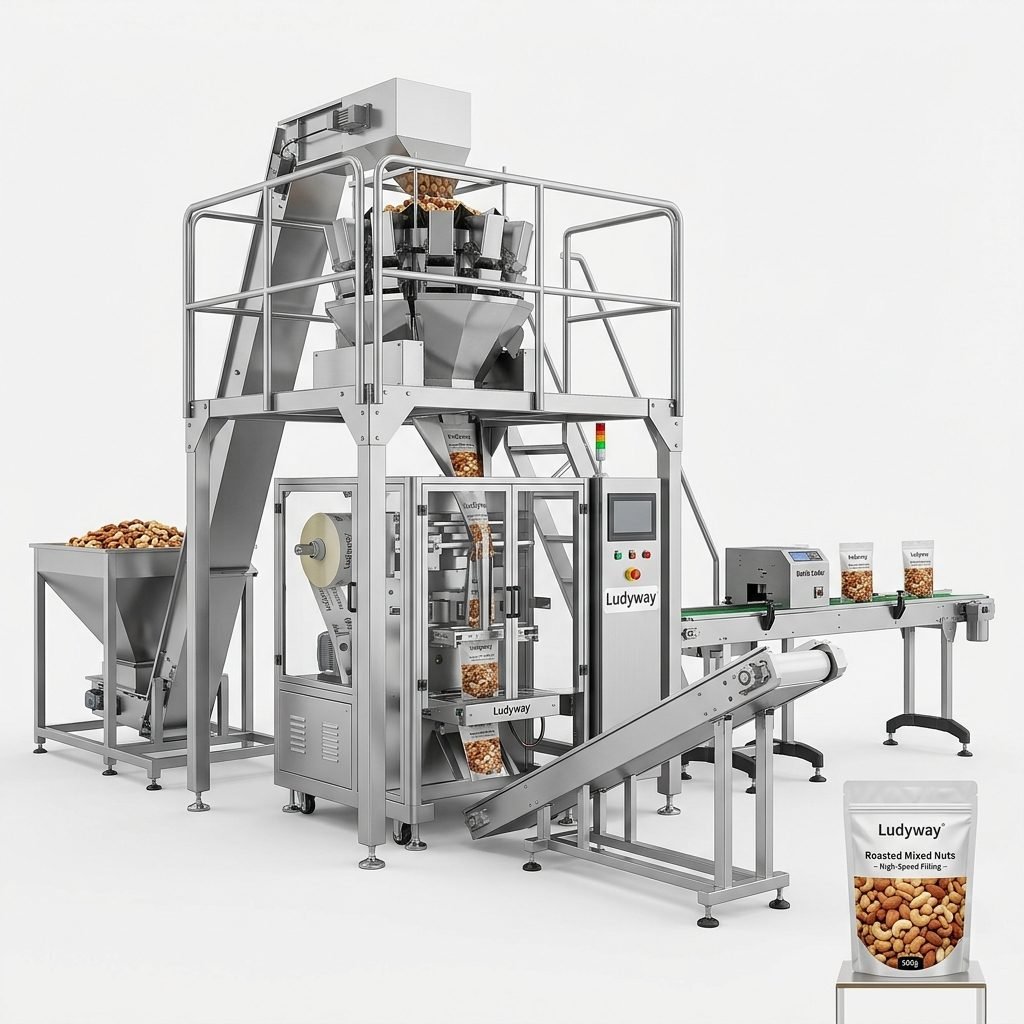
Automatic box packing machines are designed to form, load, arrange, and pack products into cartons or shipping boxes with minimal manual labor. They are widely used in food, pharmaceutical, cosmetics, chemical, pet food, and daily consumer goods industries where production efficiency, packing consistency, and downstream logistics matter.
For manufacturers looking to scale output while reducing packing errors, an automatic box packing machine is often one of the most practical investments in end-of-line automation.
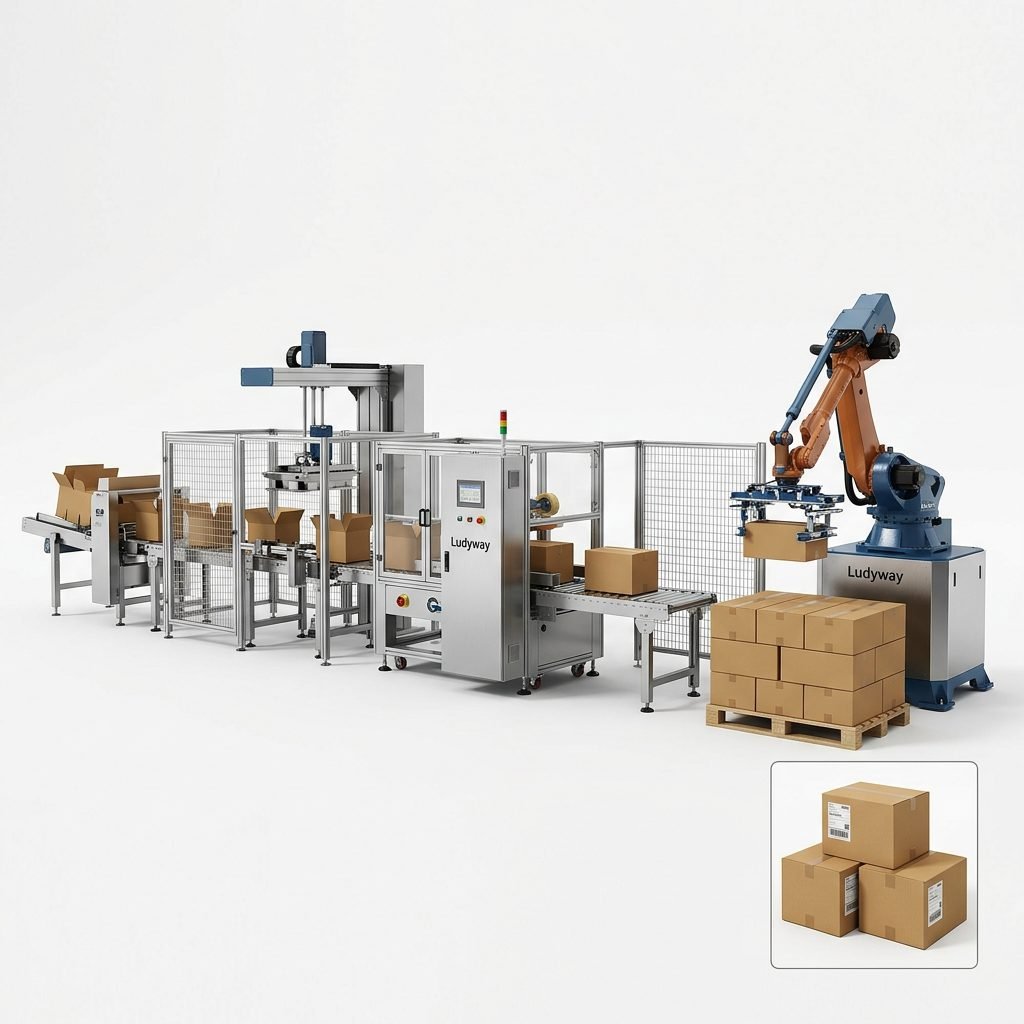
What Is an Automatic Box Packing Machine?
An automatic box packing machine is a packaging system that places primary packaged products—such as sachets, stick packs, pouches, bottles, trays, or cartons—into secondary packaging boxes automatically. Depending on the application, the machine may also handle:
- Product counting and grouping
- Box erecting
- Robotic or mechanical loading
- Carton closing or case sealing
- Labeling, coding, and inspection
- Transfer to palletizing systems
These machines are commonly integrated into complete packaging lines to create a smoother flow from filling and sealing to final shipping preparation.
How an Automatic Box Packing Machine Works
Although machine configurations vary by product type and box format, the working principle usually follows a clear sequence.
1. Product Infeed
Finished products enter the machine through a conveyor. Sensors detect product presence, spacing, and orientation to ensure stable feeding.
2. Counting and Collation
The system groups products based on the required packing pattern. For example, it may arrange:
- 10 sachets per carton
- 24 pouches per case
- 6 bottles per box
3. Box Forming or Erecting
Flat carton blanks or corrugated cases are automatically opened and shaped. This ensures a consistent box structure before loading.
4. Product Loading
The machine loads the grouped products into the box using pushers, pick-and-place units, servo systems, or robotic arms. The best loading method depends on product fragility, speed, and arrangement accuracy.
5. Closing and Sealing
After loading, the box is sealed using tuck-in flaps, glue, tape, or hot melt sealing, depending on packaging requirements.
6. Inspection and Discharge
The finished boxes may pass through checkweighers, vision inspection, metal detection, or coding stations before discharge to conveyors, palletizers, or warehouse systems.
| Process Step | Main Function | Key Benefit |
|---|---|---|
| Infeed | Transfers products into the machine | Stable material flow |
| Counting/Collation | Groups items by quantity or layout | Accurate box content |
| Box Erecting | Forms the carton or case | Consistent box preparation |
| Loading | Places products into boxes | Higher speed, less labor |
| Sealing | Closes and secures the package | Better transport protection |
| Inspection/Output | Checks and sends boxes downstream | Improved quality control |
Main Types of Automatic Box Packing Machines
Different products require different packing structures. The most common machine categories include:
Top Load Case Packers
Products are loaded from the top into corrugated cases. These are suitable for bottles, jars, bags, and pouches.
Side Load Case Packers
Products are pushed horizontally into boxes or cartons. This design is common for sachets, stick packs, and boxed consumer goods.
Wraparound Case Packers
The corrugated blank wraps around the grouped products and is sealed automatically. This saves material and supports compact case formats.
Robotic Box Packing Systems
These use robotic arms for flexible product handling and are ideal when production lines need frequent format changes.
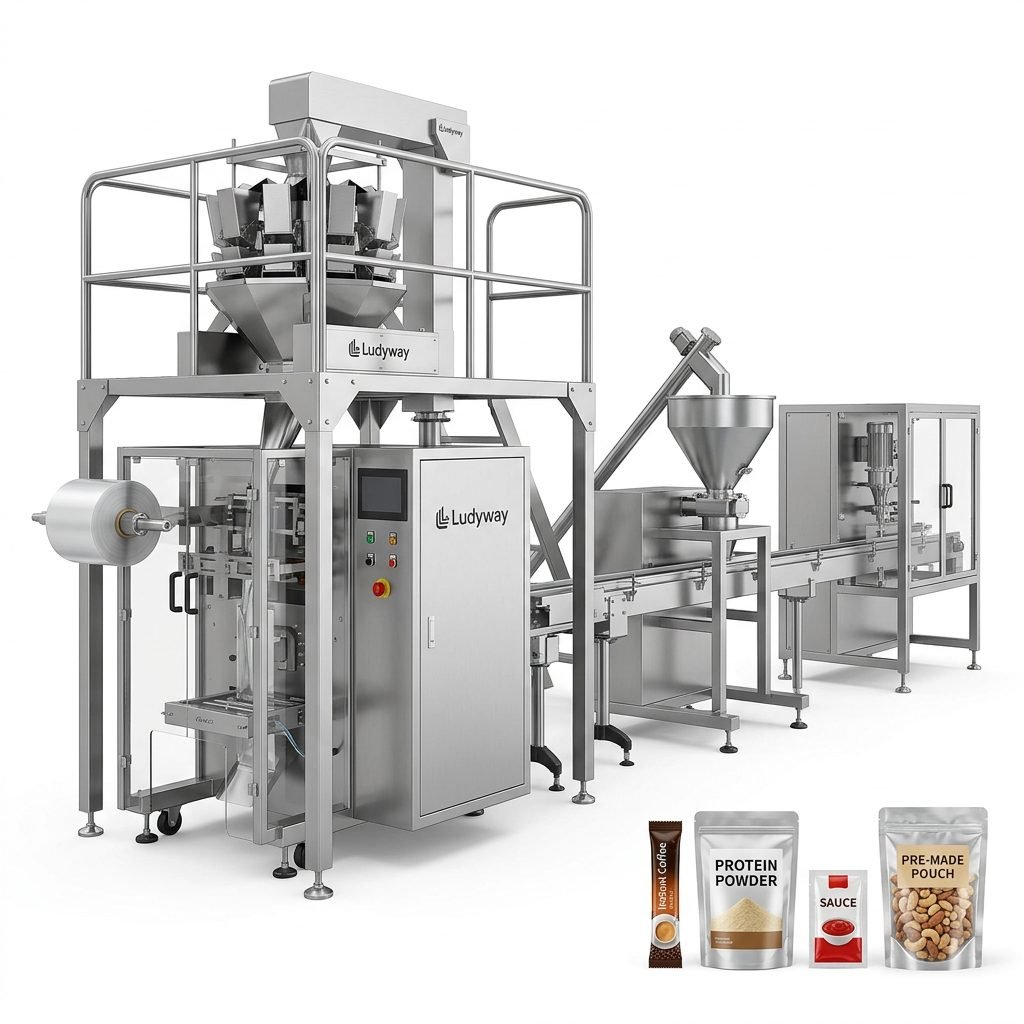
Key Benefits of Using an Automatic Box Packing Machine
Higher Packing Efficiency
Automation significantly increases throughput compared with manual packing. This is essential for medium and large factories with growing order volumes.
Lower Labor Dependence
By automating repetitive end-of-line tasks, companies can reduce labor costs, operator fatigue, and staffing pressure.
Consistent Packing Quality
Uniform box loading, correct counts, and reliable sealing help reduce product damage and customer complaints.
Better Space Utilization
Proper collating and case packing improve box fill rate and warehouse efficiency while lowering shipping waste.
Easier Traceability and Quality Control
Modern systems can integrate coding, label verification, barcode reading, and weight checking for stronger production control.
Scalability for Future Growth
A well-designed machine can be integrated with upstream packaging equipment and downstream palletizing or warehousing systems as production expands.
Industries That Commonly Use Automatic Box Packing Machines
- Food and beverage
- Pharmaceuticals and nutraceuticals
- Cosmetics and personal care
- Chemical and household cleaning products
- Pet food and animal nutrition
- Medical and healthcare products
For example, manufacturers may use these systems to pack sachets of coffee, nutrition powder, oral liquids, wipes, bottled products, or premade pouches into retail cartons or shipping cases.
Important Features to Check Before Buying
Box Size Range
Make sure the machine supports your current box dimensions and future product formats.
Production Speed
Choose a system that matches your real line speed, not just peak theoretical speed.
Product Compatibility
The machine should handle your product shape, weight, fragility, and packaging material without causing jams or damage.
Changeover Convenience
If you run multiple SKUs, fast and simple changeover is critical for minimizing downtime.
Control System
Look for PLC control, touch-screen HMI, alarm diagnostics, and recipe memory for easier operation and maintenance.
Integration Ability
An ideal supplier should be able to connect the machine with conveyors, carton erectors, sealers, labeling machines, checkweighers, and palletizers.
After-Sales Support
Technical support, spare parts availability, operator training, and remote troubleshooting are just as important as the machine itself.
| Buying Factor | Why It Matters | What to Ask the Supplier |
|---|---|---|
| Speed | Affects line capacity | What is the stable operating speed? |
| Box Format | Determines compatibility | What box sizes and styles are supported? |
| Automation Level | Impacts labor and consistency | Is it semi-auto or fully automatic? |
| Changeover | Important for multi-SKU production | How long does format change take? |
| Integration | Ensures full line efficiency | Can it connect with our existing equipment? |
| Service | Reduces long-term risk | What support and spare parts are available? |
How to Choose the Right Machine for Your Factory
Before requesting quotations, prepare a clear list of production needs. This helps suppliers recommend a suitable solution faster.
Prepare These Details
- Product type and dimensions
- Primary package format: sachet, pouch, bottle, carton, tray, etc.
- Required pieces per box
- Target speed per minute or per hour
- Box material and dimensions
- Plant layout and line direction
- Power supply and air requirements
- Need for coding, labeling, checkweighing, or palletizing
The best buying decision is based on actual product samples and production goals, not only on brochure specifications.
Standalone Machine or Complete Packaging Line?
Some buyers only need one automatic box packing machine. Others need a complete turnkey line that includes feeding, filling, sealing, counting, cartoning, case packing, and palletizing.
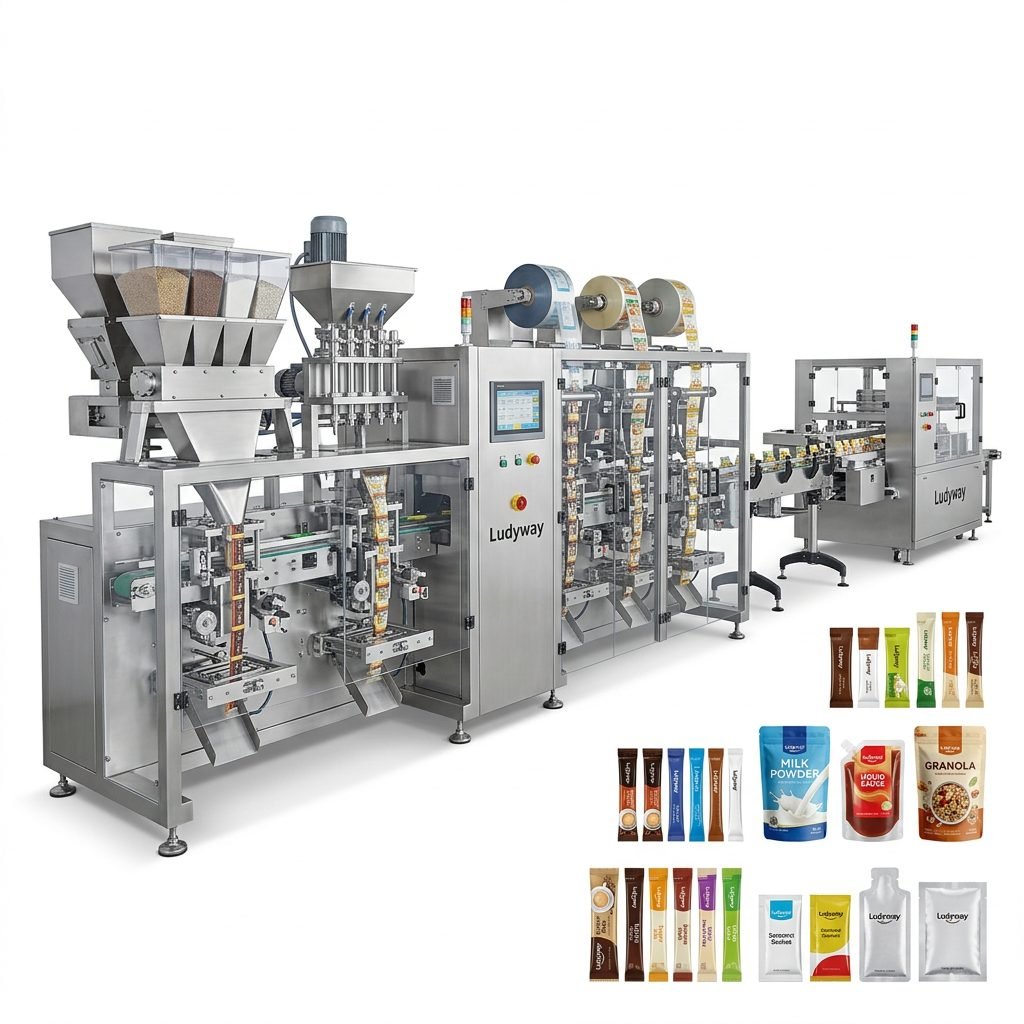
If your production involves multiple connected processes, working with an experienced packaging line manufacturer can reduce integration issues and improve total line performance. Companies such as Ludyway automatic box packing machine solution provider are often considered by international buyers seeking complete packaging systems, customized configurations, and long-term support for food, pharmaceutical, health supplement, and related industries.
Common Mistakes Buyers Should Avoid
- Choosing by price alone
- Ignoring future format expansion
- Underestimating product feeding complexity
- Buying a machine without checking real stable speed
- Not confirming compatibility with existing packaging equipment
- Overlooking after-sales service and spare parts response
Maintenance Tips for Long-Term Performance
To keep an automatic box packing machine running efficiently, regular maintenance is essential.
- Clean sensors, conveyors, and loading components daily
- Check wear parts on a routine schedule
- Inspect sealing quality and box forming consistency
- Lubricate moving parts as recommended
- Train operators on correct setup and troubleshooting
- Keep critical spare parts in stock
Is an Automatic Box Packing Machine Worth It?
For most growing manufacturers, the answer is yes. The machine can deliver measurable value through:
- Faster output
- Reduced manual labor
- More consistent packing quality
- Lower error rates
- Better logistics efficiency
If your factory is facing labor shortages, packing inconsistency, or production bottlenecks at the end of the line, investing in the right automatic box packing machine can significantly improve overall efficiency and competitiveness.
Final Buying Checklist
- Confirm product and box specifications
- Define actual required speed
- Request machine layout and workflow proposal
- Check customization capability
- Ask for sample testing if possible
- Verify service, training, and spare parts support
- Evaluate whether a complete line is more cost-effective than a standalone machine
With the right supplier and the right configuration, an automatic box packing machine can become a reliable core part of a modern, efficient packaging operation.