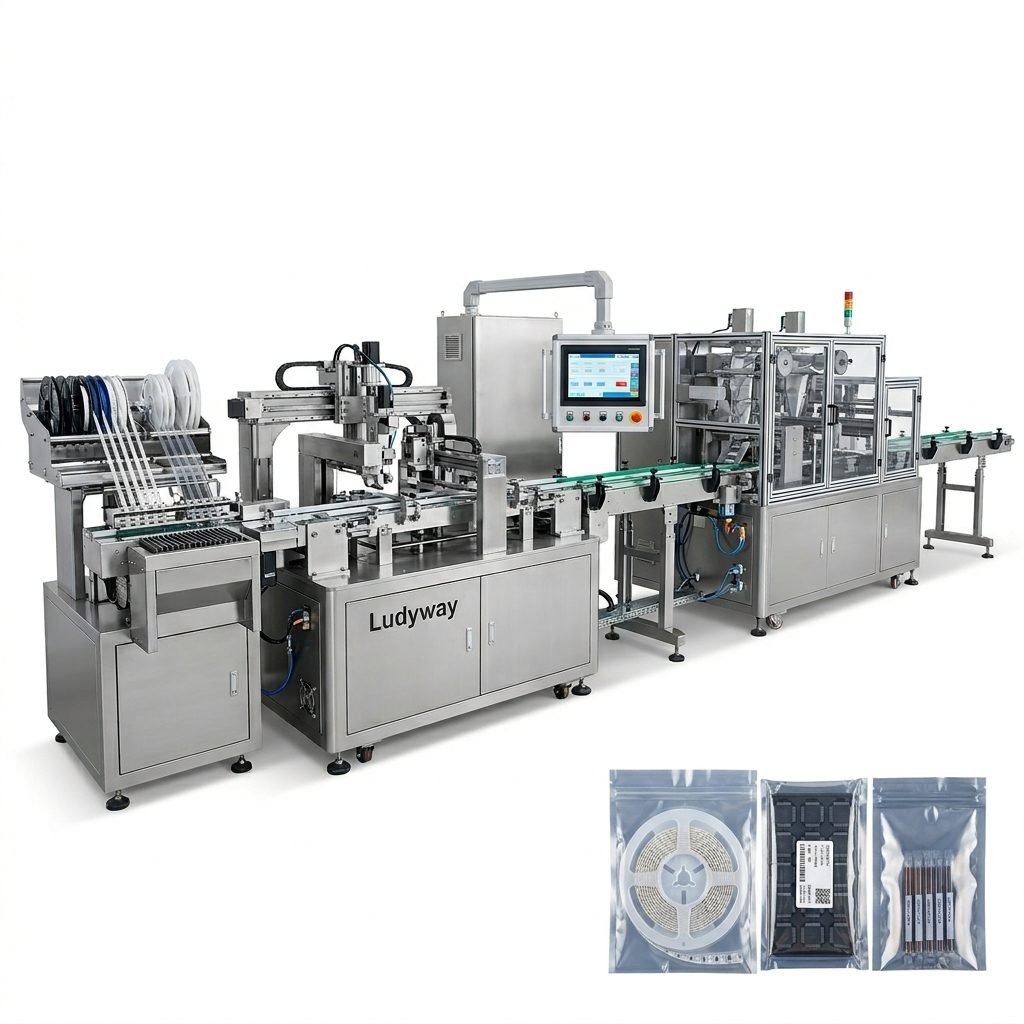
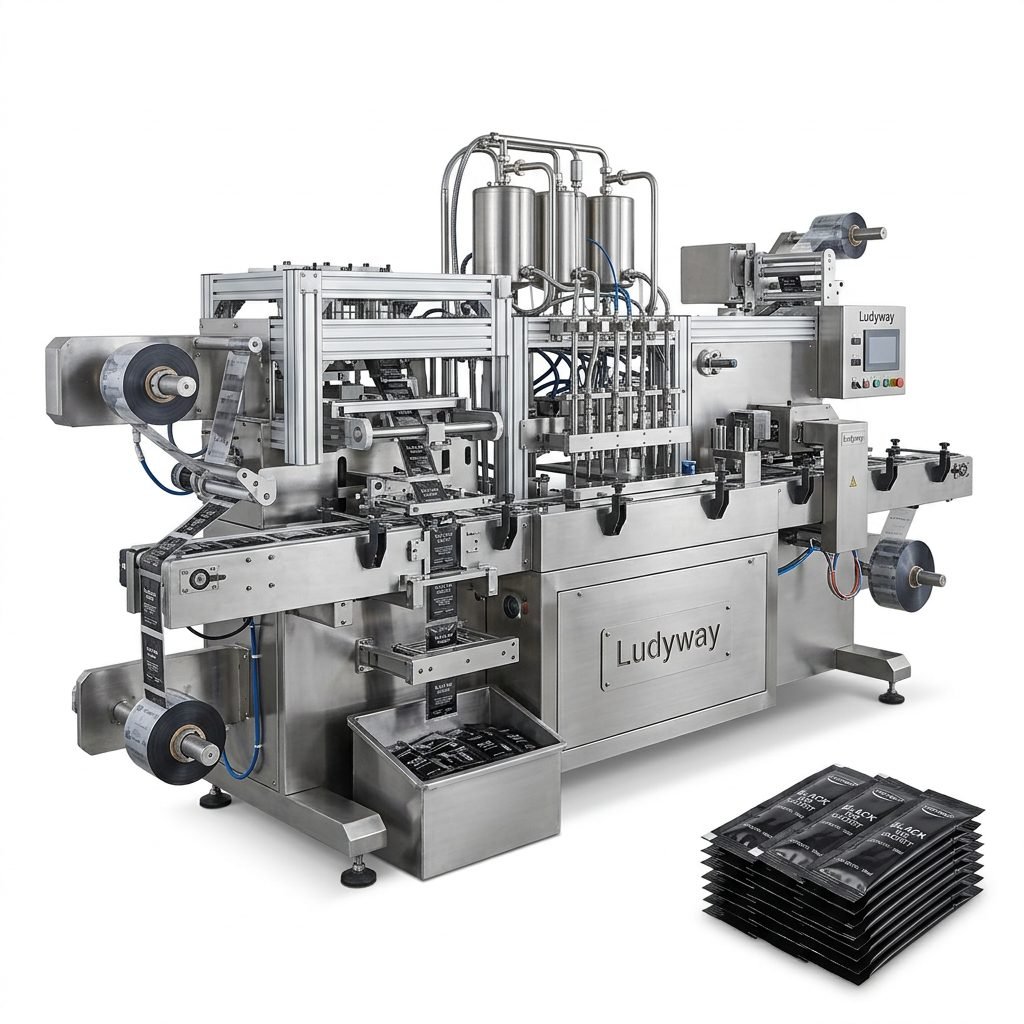
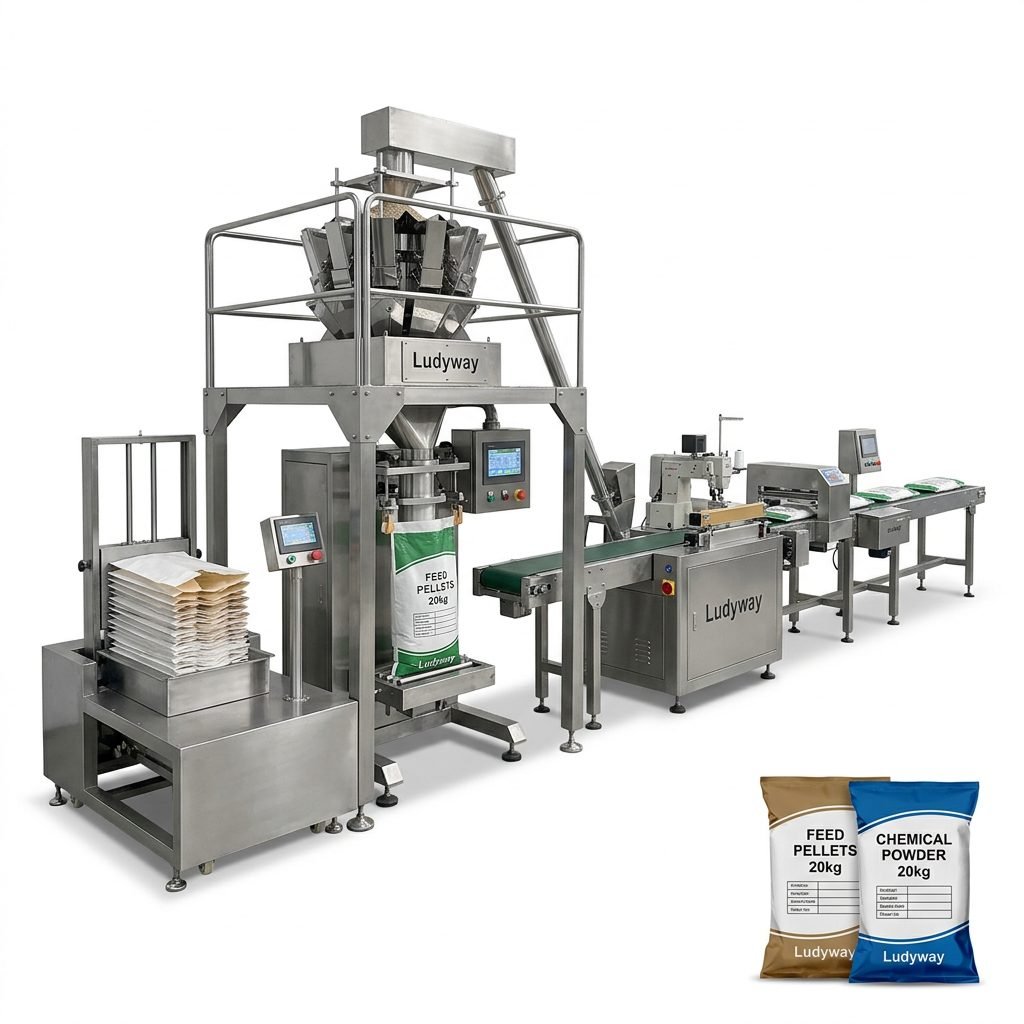
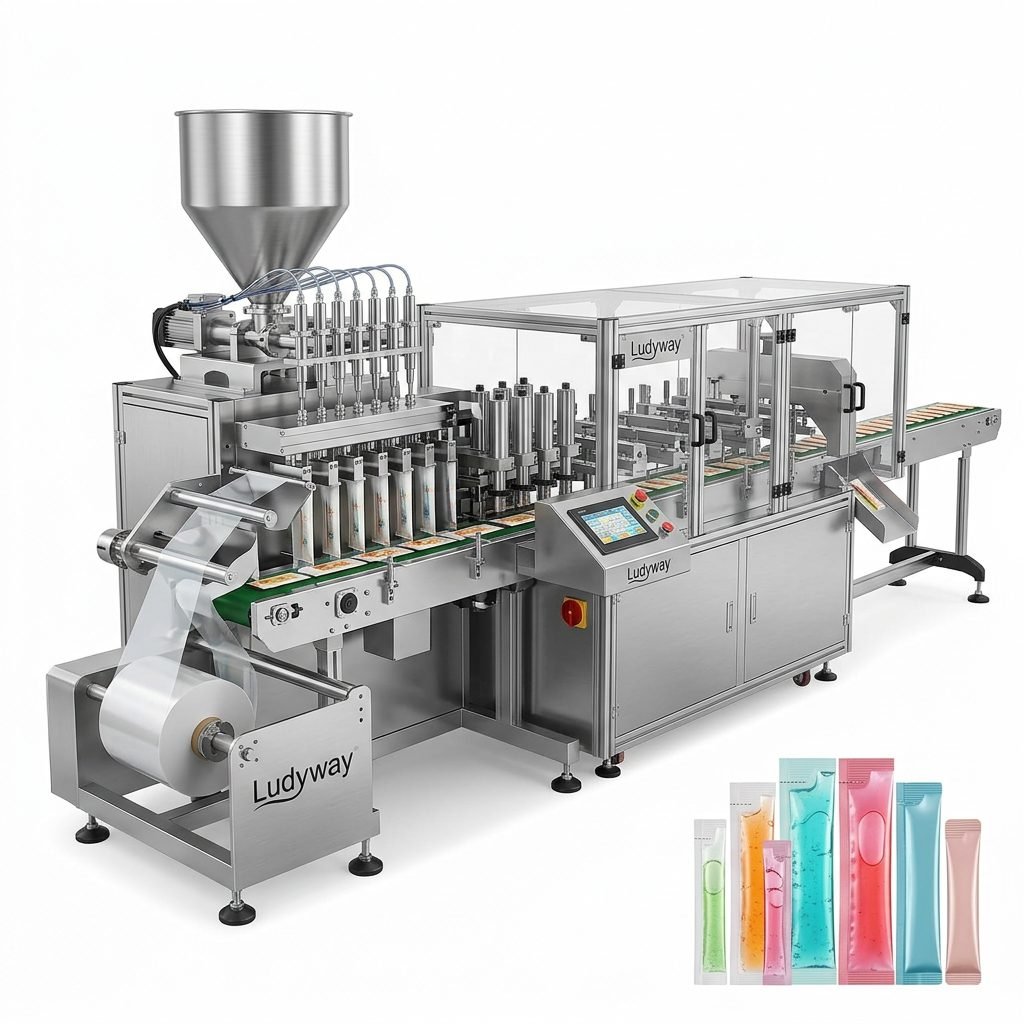
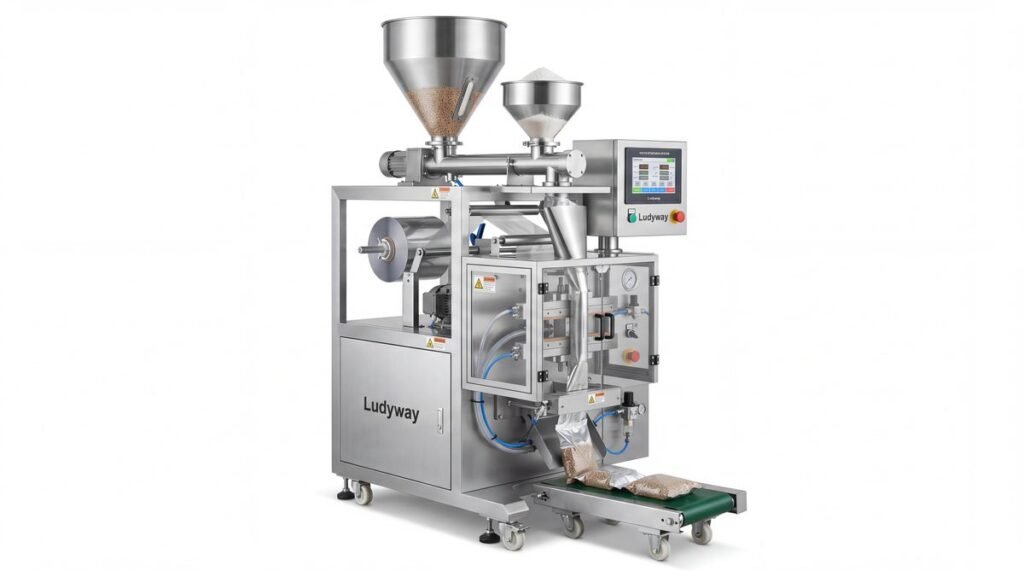
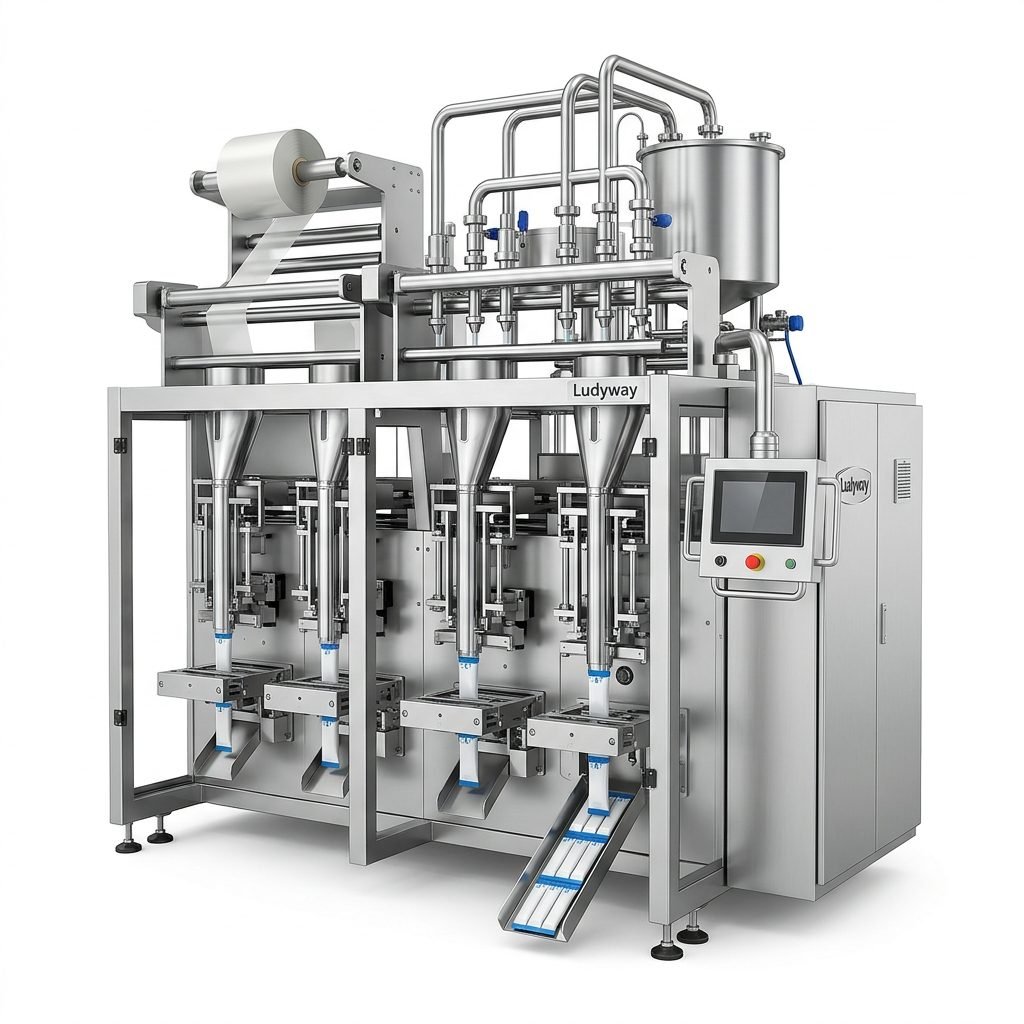
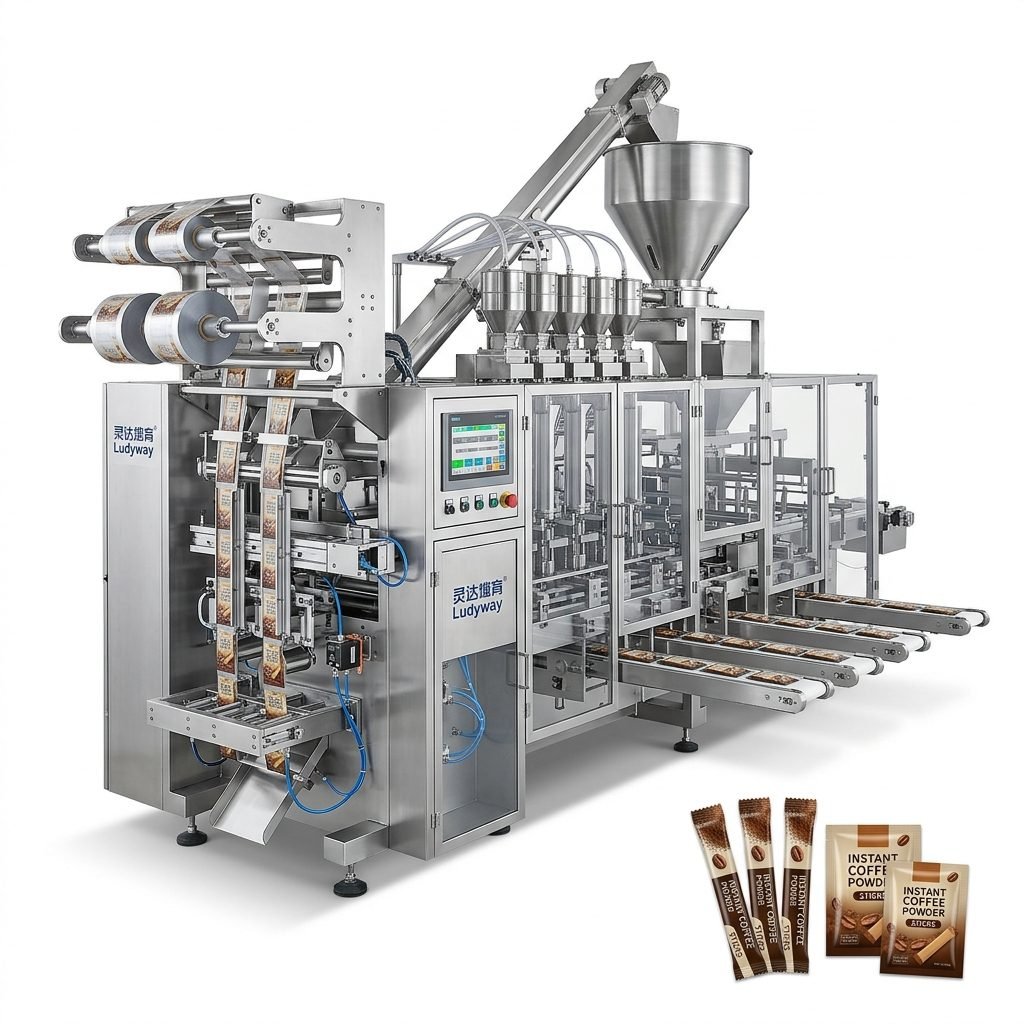
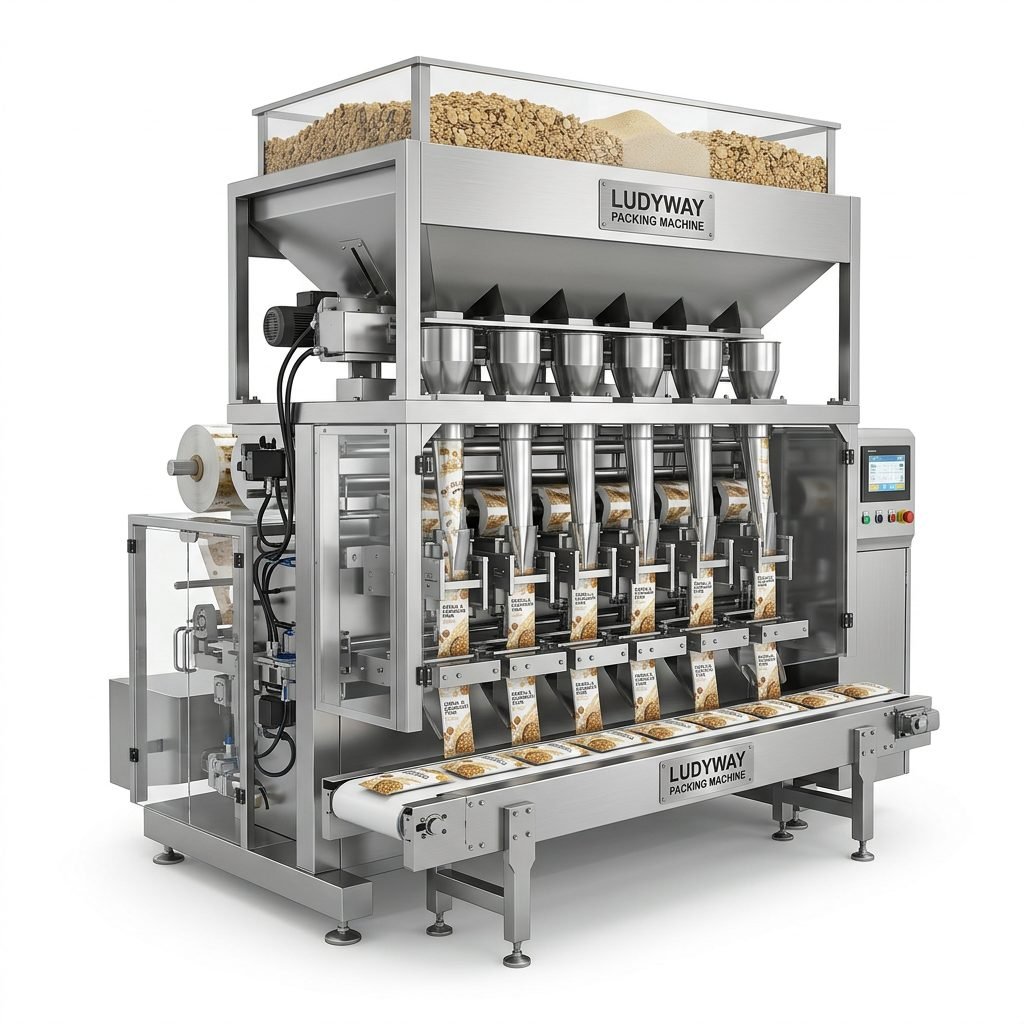
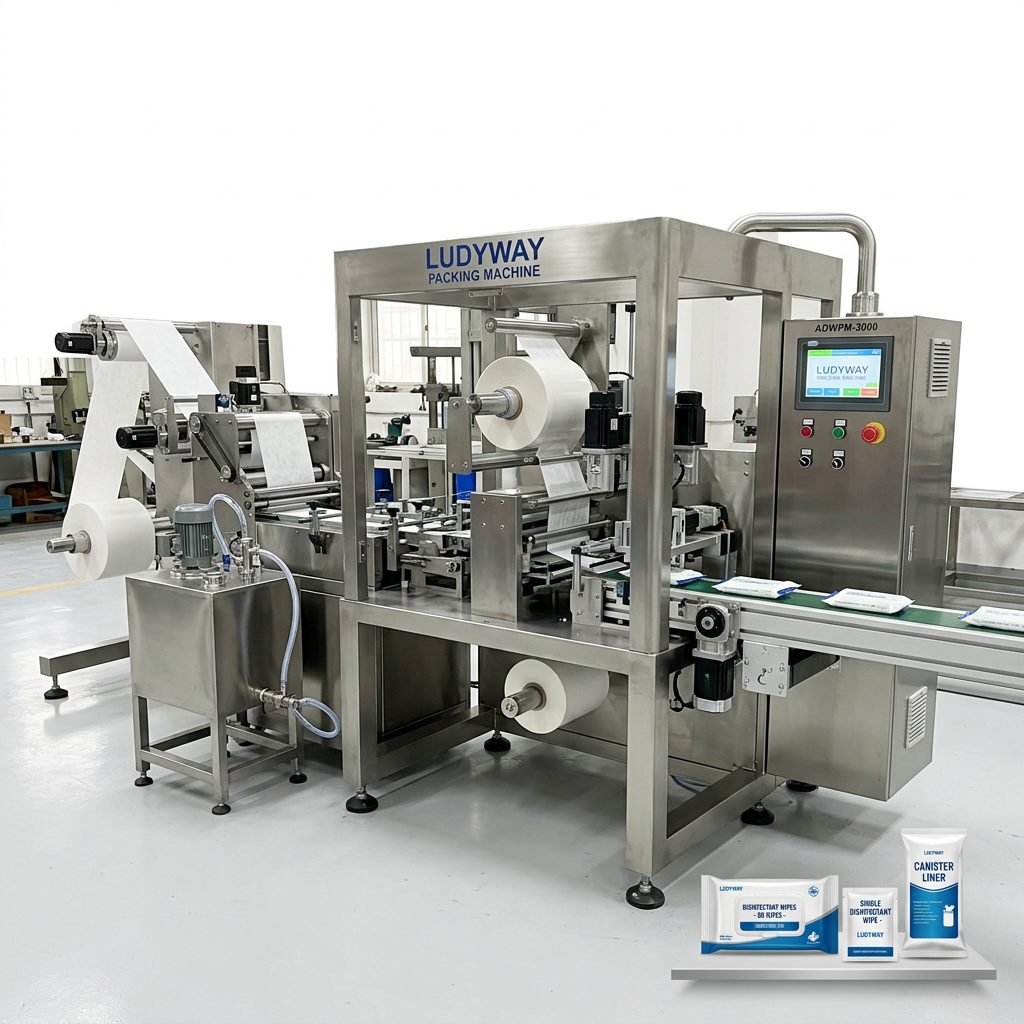
Cartonator packing machines are essential for modern packaging lines that need fast, consistent, and scalable secondary packaging. Whether you are packing sachets, stick packs, pouches, bottles, blister packs, or small cartons, an automated cartoning system helps reduce manual handling, improve output stability, and support a cleaner, more professional final presentation.
For manufacturers in food, pharmaceutical, nutraceutical, cosmetic, and chemical sectors, the right cartoning solution is no longer just an equipment upgrade—it is a strategic investment in productivity, quality control, and long-term operating efficiency.
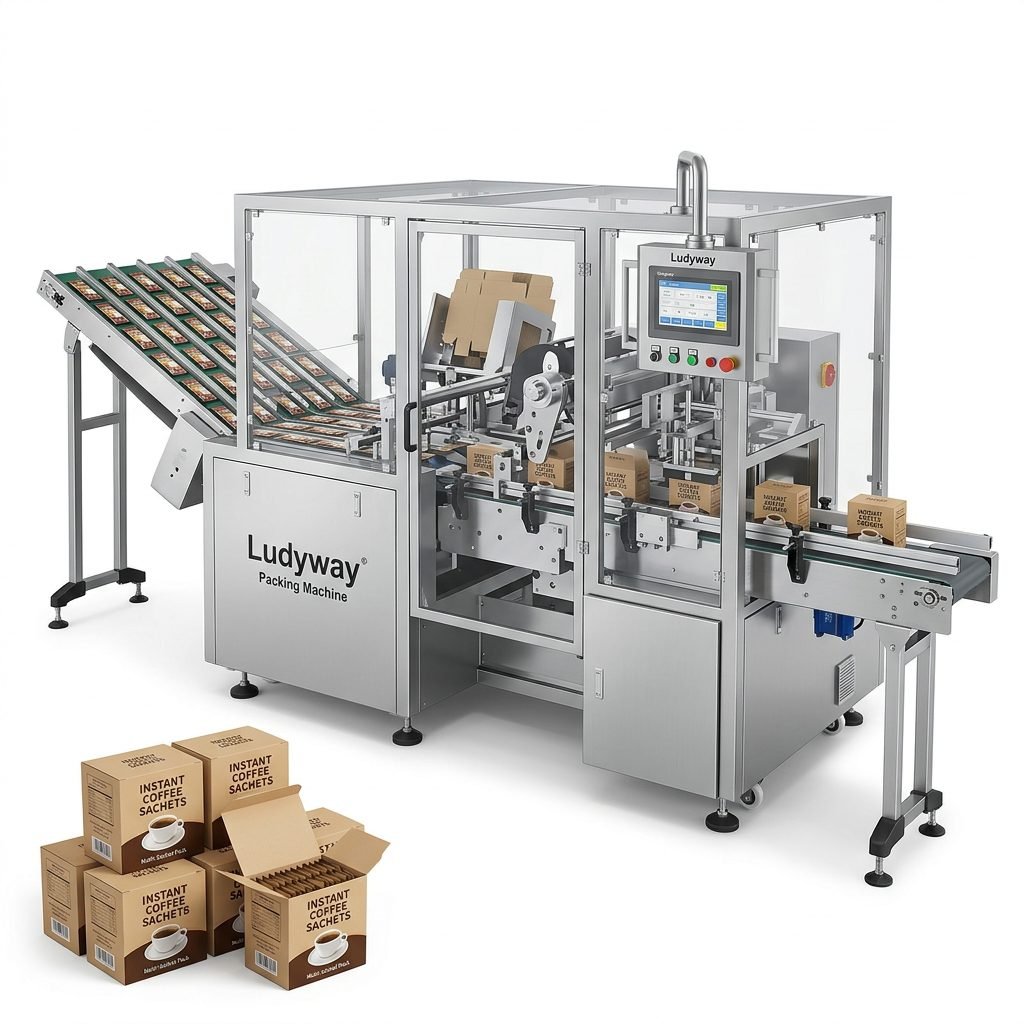
What Is a Cartonator Packing Machine?
A cartonator packing machine, also called a cartoning machine or cartoner, is an automated packaging system designed to form, load, and close cartons around products. It is typically used in the final or near-final stage of a packaging line, after primary packaging has been completed.
Depending on the application, a cartoning machine can perform tasks such as:
- Automatically erecting folding cartons
- Counting and collating products before loading
- Inserting sachets, stick packs, pouches, bottles, or blister packs into cartons
- Adding leaflets, inserts, or instructions
- Closing cartons with tuck-in flaps or hot melt glue
- Rejecting missing, damaged, or incorrectly filled cartons
This process significantly improves line automation and helps manufacturers maintain a more consistent packaging standard at higher speeds.
Why Automated Cartoning Matters in Packaging Lines
Manual cartoning often creates bottlenecks, especially when upstream filling and sealing machines operate at medium or high speed. Automated cartonators solve this problem by synchronizing product transfer, carton forming, insertion, and sealing in one continuous system.
Key business benefits include:
- Higher throughput for growing production demands
- Lower labor dependency and reduced repetitive manual work
- Improved carton consistency and better shelf appearance
- Better product protection during storage and transportation
- Integration with coding, inspection, case packing, and palletizing
- Reduced packaging errors through automated detection and rejection systems
For regulated industries such as pharmaceuticals and health supplements, automated cartoning also supports traceability, batch control, and packaging validation.
Common Products Packed by Cartonator Machines
Cartonator systems are widely used because they can handle a broad range of packaging formats and product types. The ideal machine design depends on product shape, feeding orientation, carton size, line speed, and required sealing method.
| Industry | Typical Products | Cartoning Purpose |
|---|---|---|
| Food | Seasoning sachets, coffee sticks, sauce packs, snacks | Retail-ready grouping and protection |
| Pharmaceutical | Blister packs, sachets, medical devices, vials | Compliance, inserts, traceability, tamper control |
| Nutraceutical | Supplement powders, stick packs, granules | Multi-pack presentation and brand value |
| Cosmetic | Serum sachets, cream tubes, sample packs | Premium packaging and product organization |
| Chemical & Household | Cleaner sachets, detergent packs, treatment chemicals | Safer handling and transport packaging |
Types of Cartonator Packing Machines
Choosing the correct cartoning machine starts with understanding the main machine categories. Different applications require different feeding and carton-closing methods.
1. Horizontal Cartoning Machines
These are widely used for products that can be pushed or guided horizontally into cartons. They are suitable for sachets, pouches, blisters, tubes, and grouped flexible packs.
- Good for high-speed applications
- Suitable for automatic leaflet insertion
- Works well in pharmaceutical and food lines
2. Vertical Cartoning Machines
These machines load products from the top into erected cartons. They are often used when products are counted and dropped vertically, such as bags, sachets, bottles, and flow-packed items.
- Compact structure
- Ideal for gravity-assisted feeding
- Suitable for flexible integration in compact lines
3. Intermittent Motion Cartoners
Intermittent systems stop momentarily at each station for carton forming, loading, and sealing. They are reliable for medium-speed lines and products requiring precise positioning.
4. Continuous Motion Cartoners
Continuous cartoning machines keep products and cartons moving through the process. They are best for high-output production where speed and smooth transfer are top priorities.
How a Cartonator Fits into a Complete Packaging Line
A cartonator is most effective when integrated with upstream and downstream automation. In many factories, it serves as the connection point between primary packaging and final transport packaging.
A typical automated line may include:
- Product feeding system
- Form-fill-seal, sachet, stick pack, blister, or pouch machine
- Transfer conveyor and accumulation section
- Counting or collating unit
- Carton erecting and loading machine
- Carton sealing and coding system
- Checkweigher, vision inspection, or rejection module
- Case packing and palletizing system
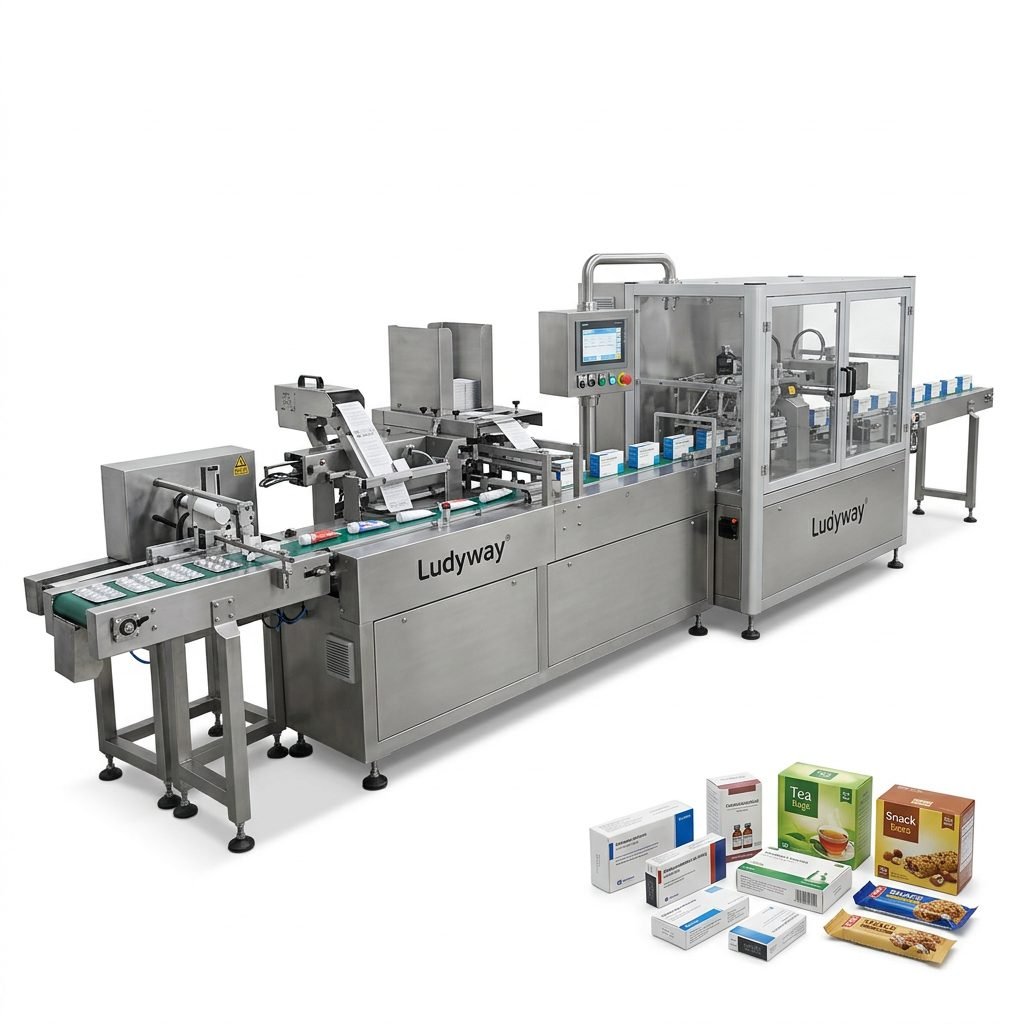
When these systems are properly synchronized, manufacturers gain a smoother production flow, fewer stoppages, and better packaging line efficiency overall.
Important Features to Look for in a Cartoning Solution
Not all cartonator machines are designed the same. Buyers should focus on performance, flexibility, and long-term serviceability—not just initial purchase price.
Flexible Size Changeover
If you run multiple SKUs, carton dimensions, or product counts, fast changeover is essential. Tool-free or semi-automatic adjustment helps reduce downtime.
Accurate Product Counting and Loading
For sachets, sticks, and small packs, precise counting before insertion is critical. A machine with stable feeding logic helps avoid underfilled or overfilled cartons.
Reliable Carton Opening and Sealing
Stable carton erection and flap closing directly affect packaging quality. Poor carton handling causes jams, deformed boxes, and wasted materials.
PLC and HMI Control
Modern systems should include user-friendly touch-screen control, recipe storage, alarm prompts, and production parameter management.
Inspection and Rejection Functions
Functions such as no product-no carton, missing leaflet detection, barcode verification, and automatic rejection improve packaging reliability.
Compatibility with Turnkey Automation
The best machine is not always a standalone machine. It should be designed to integrate with conveyors, printers, checkweighers, case packers, and palletizing systems.
Industries That Benefit Most from Cartonator Machines
Food Packaging
In food production, cartoning machines are commonly used for instant drink powders, seasoning sachets, coffee sticks, jelly packs, honey sachets, and snack items. Secondary packaging improves product presentation while protecting grouped units during logistics.
Pharmaceutical Packaging
Cartoning is especially important in pharmaceuticals because products often require inserts, coding, serialization, and careful product verification. Accurate handling supports compliance and safer distribution.
Health Supplement Packaging
Stick packs and sachets for collagen, probiotics, vitamins, electrolyte powders, and nutritional supplements often need retail cartons in fixed counts. Automated cartoning ensures clean grouping and efficient output.
Cosmetic Packaging
Sample sachets, beauty serums, face creams, and skincare products benefit from premium secondary packaging. A cartonator helps brands improve shelf appeal while reducing hand-packing labor.
Household and Chemical Packaging
Products such as detergent sachets, disinfectant packs, cleaner samples, and industrial chemical packs can also be loaded into cartons for safer transport and organized retail packaging.
Key Advantages of a High-Efficiency Cartoning System
| Advantage | Operational Impact |
|---|---|
| Labor savings | Reduces dependence on manual boxing and repetitive handling |
| Higher consistency | Creates uniform carton quality and stable product count |
| Better line speed | Prevents secondary packaging from slowing down primary packaging |
| Lower error rate | Helps reduce missing products, misloads, and sealing issues |
| Scalability | Supports future production expansion and automation upgrades |
| Brand presentation | Delivers cleaner, retail-ready and export-friendly packaging |
How to Choose the Right Cartonator Packing Machine
Before selecting a machine, buyers should define the technical and commercial requirements of the project. A proper supplier will ask detailed questions before recommending a model.
Important selection factors include:
- What product format will be cartoned?
- How many units go into each carton?
- What is the target speed per minute?
- What carton dimensions are required?
- Do you need leaflet insertion or coding?
- Will the machine connect to sachet, stick pack, pouch, or bottle lines?
- Do you need glue sealing or tuck-in closure?
- What level of automation and future expansion is planned?
A machine that matches current needs but cannot support future SKUs may create hidden costs later. It is usually better to choose a modular system that can adapt as your product range expands.
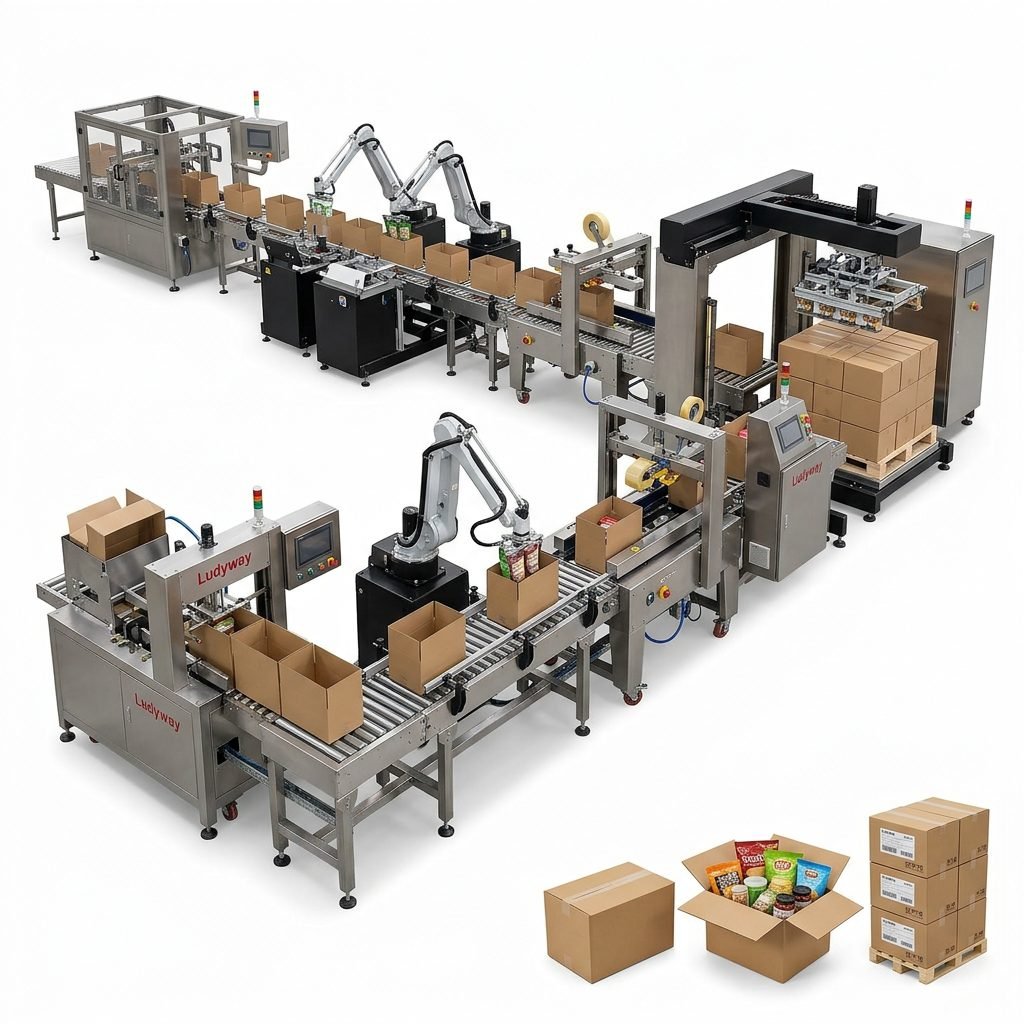
Cartoning Machine Integration for Sachet and Stick Pack Production
One of the fastest-growing applications for cartonator systems is the automatic cartoning of sachets and stick packs. These lightweight, high-volume products are difficult to handle manually at scale, especially when multiple small packs must be counted and loaded into retail cartons.
Integrated systems can be configured to:
- Collect finished sachets or stick packs from multi-lane packaging machines
- Arrange products into preset quantities
- Feed grouped units into cartons automatically
- Seal cartons and transfer them to case packers
This is particularly valuable for food powders, pharmaceutical granules, energy supplements, cosmetic samples, and nicotine pouch outer packaging applications.
Why Turnkey Packaging Line Experience Matters
When buying a cartonator, many manufacturers focus only on the standalone machine. In reality, the machine’s success depends heavily on how well it interacts with the rest of the line. Feeding rhythm, transfer design, speed matching, carton quality, and line control logic all matter.
This is why many buyers prefer suppliers with broader turnkey integration capability. An experienced manufacturer can better coordinate primary packaging, conveying, counting, cartoning, case packing, and end-of-line handling into one cohesive solution.
For businesses seeking scalable automation, Ludyway cartonator packing machine solutions are backed by more than 30 years of packaging machinery experience, a manufacturing base of over 20,000 square meters, and extensive export support across food, pharmaceutical, health supplement, cosmetic, and related industries.
Maintenance and Reliability Considerations
A high-performance cartoning machine should not only run fast—it should also be easy to maintain. Long-term reliability affects overall equipment effectiveness, spare parts consumption, and production planning.
Look for designs that offer:
- Accessible maintenance points
- Stable servo or mechanical transmission systems
- Clear fault alarms and troubleshooting prompts
- Durable components suitable for continuous production
- Available after-sales support and spare parts supply
Preventive maintenance planning is especially important in high-speed industries where even short downtime can impact order delivery schedules.
Future Trends in Automated Cartoning
The cartoning sector continues to evolve alongside broader packaging automation trends. Manufacturers are increasingly looking for smarter, faster, and more connected systems.
Popular development directions include:
- More servo-driven motion control for precision and flexibility
- Tool-less format changeover for multi-SKU production
- Vision inspection and code verification integration
- Remote diagnostics and digital production monitoring
- Compact layouts for factories with limited floor space
- Full connection with robotic case packing and palletizing
Efficient automated cartoning solutions are no longer optional for many manufacturers—they are a practical requirement for improving speed, consistency, and packaging competitiveness in modern production environments.
Final Buying Insight
The best cartonator packing machine is the one that fits your actual product, speed, carton style, and factory expansion plan. A well-designed system should do more than place products into boxes; it should help your packaging line run smoother, reduce labor pressure, and support long-term operational growth.
If your production line includes sachets, stick packs, pouches, bottles, or grouped retail units, investing in an automated cartoning system can be one of the most effective ways to improve packaging efficiency and strengthen final product presentation.