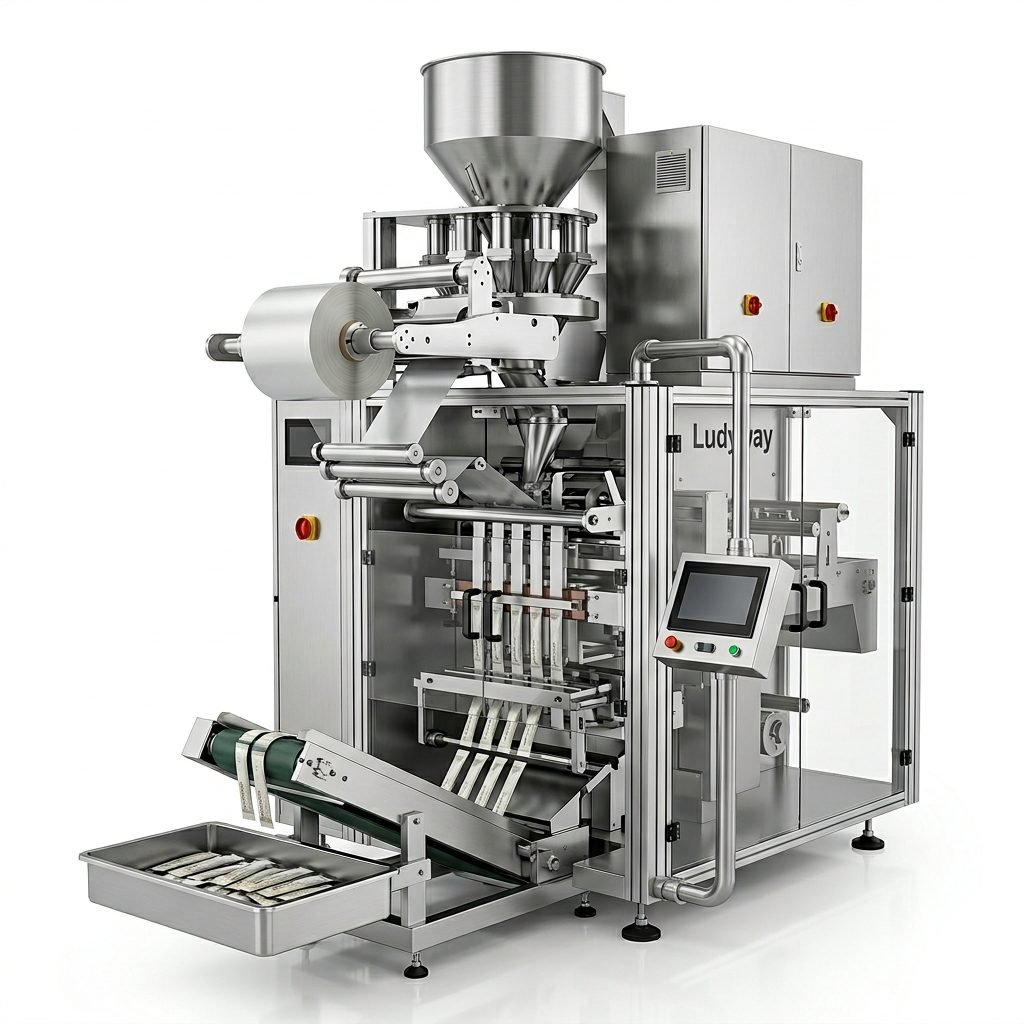
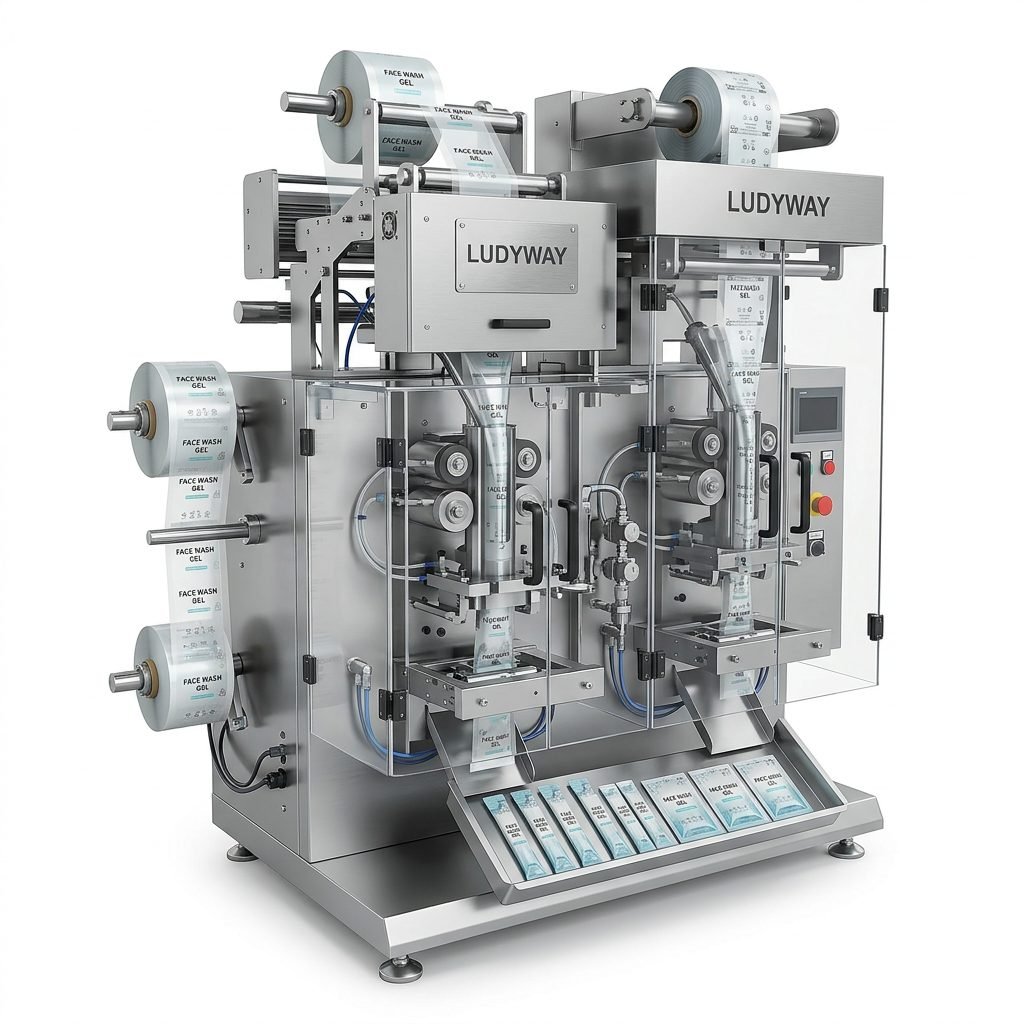
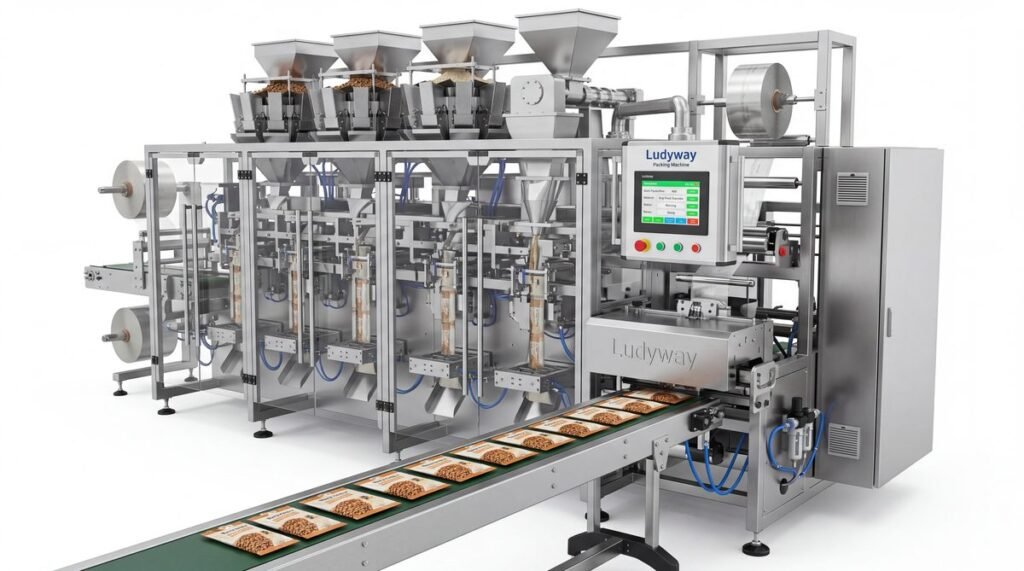
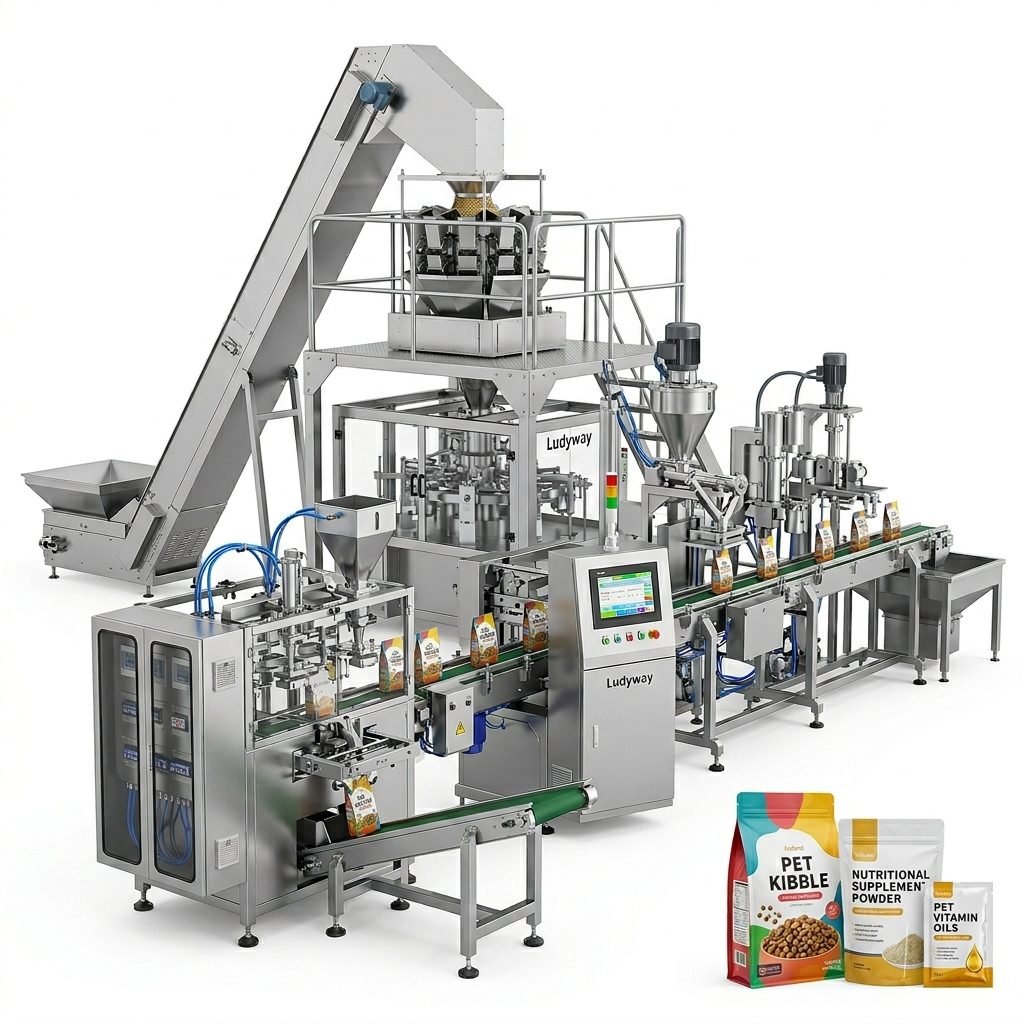
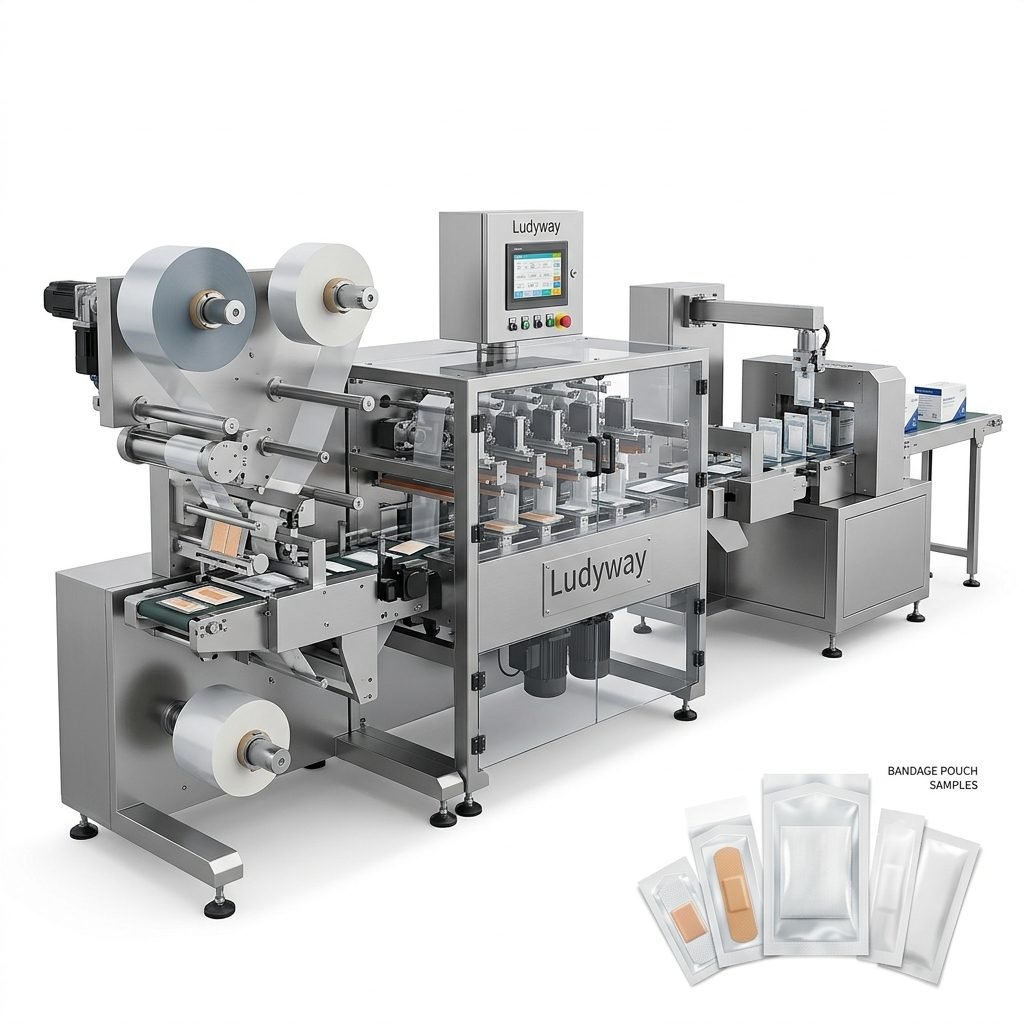
Choosing the right industrial vacuum packaging machine is not only about sealing products tightly. It directly affects shelf life, product safety, packaging consistency, labor efficiency, and long-term operating cost. For food factories, meat processors, central kitchens, frozen food brands, and commercial packaging operations, the best machine should match the product type, output target, hygiene standard, and future expansion plan.
Vacuum packaging works by removing air from the package before sealing. This helps reduce oxidation, slows microbial growth, improves freshness retention, and gives products a cleaner commercial appearance. In meat and food applications, it can also support cold-chain stability and reduce product loss during storage and transportation.

Why industrial vacuum packaging matters in food and commercial production
In industrial settings, packaging is part of the production system, not a standalone step. A suitable vacuum machine can help maintain product quality while supporting high-volume throughput. This is especially important for:
- Fresh and frozen meat processors
- Seafood packaging plants
- Ready-meal and prepared food manufacturers
- Snack and dry food suppliers
- Commercial kitchens and food service centers
- Pharmaceutical and health-related product packers
A poor machine choice may cause unstable vacuum levels, weak seals, downtime, slow changeovers, or packaging waste. A good choice improves productivity and protects brand reputation.
Main types of industrial vacuum packaging machines
Before selecting a model, it helps to understand the most common machine categories. Each type suits different products, production capacities, and packaging styles.
| Machine Type | Best For | Key Advantage |
|---|---|---|
| Single chamber vacuum sealer | Small to medium batch production | Lower cost and easy operation |
| Double chamber vacuum sealer | Medium to high output meat and food lines | Higher efficiency with alternating chambers |
| Thermoforming vacuum packaging machine | Large-scale industrial food packaging | High automation and continuous production |
| External suction vacuum sealer | Large bags or special product formats | Suitable for oversized packs |
| Vacuum skin packaging machine | Premium meat, seafood, retail-ready food | Excellent product presentation and shelf appeal |
How to choose the best vacuum packaging machine for food
1. Start with your product characteristics
Different foods behave differently under vacuum. Solid products, powders, liquids, sauces, and delicate foods require different sealing conditions and machine structures.
- Dry food: nuts, coffee, cheese, snacks, spices
- Fresh food: vegetables, prepared meals, bakery items
- Meat and seafood: fresh cuts, frozen portions, marinated products
- Liquid or semi-liquid items: sauces, soups, gravies
If your product contains liquid, oil, or marinade, check whether the machine supports liquid-control design, seal contamination resistance, and strong vacuum stability. If the product is fragile, the vacuum cycle must be adjustable to avoid crushing or deformation.
2. Match the machine to your output volume
Capacity planning is one of the most important decisions. A machine that is too small will slow production and increase labor pressure. A machine that is too large may raise unnecessary investment and utility costs.
| Production Need | Recommended Machine | Typical Use Case |
|---|---|---|
| Low volume | Single chamber | Restaurant supply, pilot production, specialty food |
| Medium volume | Double chamber | Meat shops, central kitchens, regional brands |
| High volume | Thermoforming or automated vacuum line | Industrial factories and export-oriented processors |
3. Evaluate vacuum pump quality
The vacuum pump is the core of the system. It influences vacuum speed, residual oxygen level, cycle stability, and long-term maintenance. For continuous commercial use, buyers should focus on:
- Pump brand and service life
- Vacuum speed and final vacuum level
- Energy consumption
- Maintenance access and spare parts availability
- Performance under heavy-duty operation
For meat and perishables, stable vacuum performance is more important than simply choosing the lowest machine price.
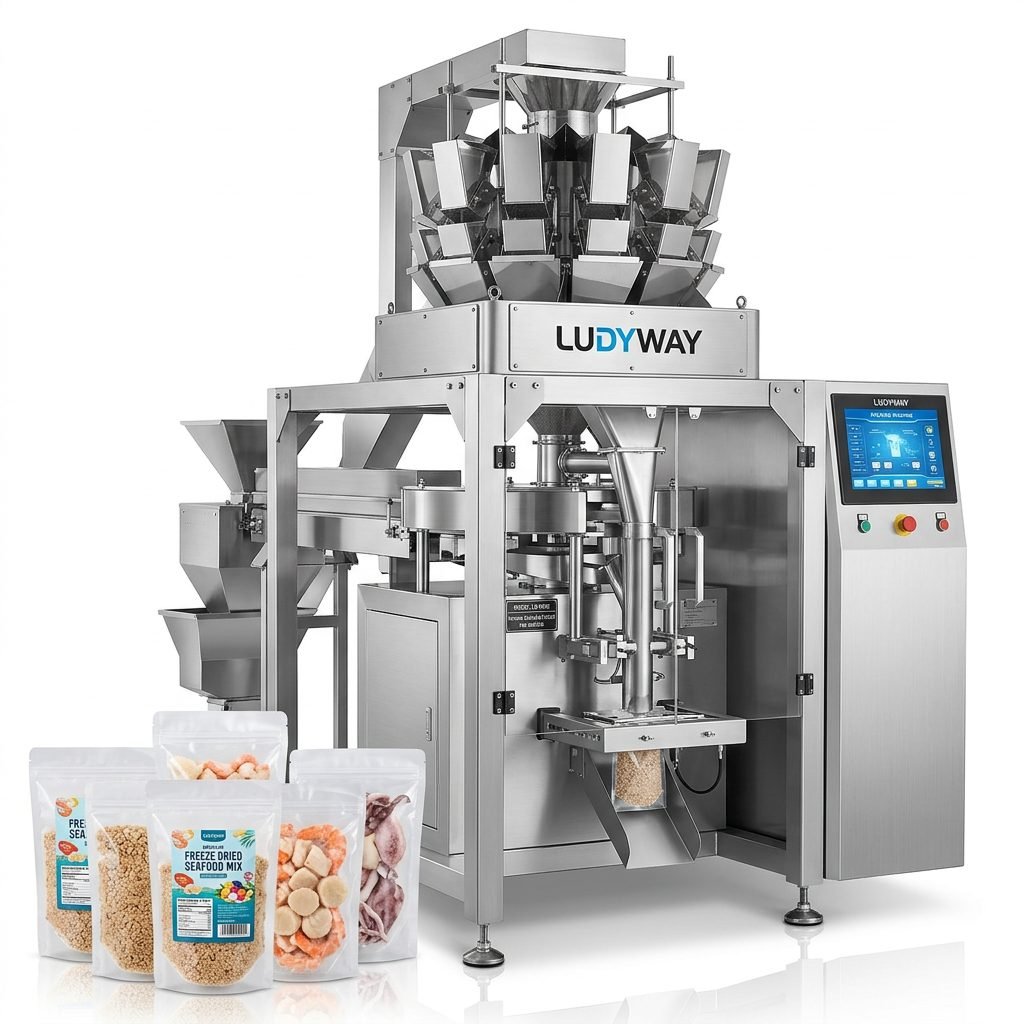
4. Check sealing quality and bag compatibility
Strong seals are essential for food safety and transport protection. Ask whether the machine supports different bag materials, thicknesses, and sizes. A reliable industrial machine should offer:
- Consistent heat sealing
- Adjustable sealing time and temperature
- Wide seal width for stronger closure
- Compatibility with PA/PE, barrier bags, and vacuum pouches
If your products are exported, the package often travels farther and experiences greater handling stress. In that case, seal reliability becomes even more critical.
How to choose the best vacuum packaging machine for meat
Meat packaging has stricter demands than many dry food applications. Fresh beef, poultry, lamb, pork, processed meat, and frozen products all require hygienic handling and dependable vacuum control.
Key requirements for meat packaging
- Stainless steel structure for washdown environments
- Smooth surfaces for easier sanitation
- High sealing strength for cold-chain distribution
- Resistance to moisture, blood, oil, and marinade contamination
- Optional gas flushing or MAP integration for specific products
For fresh meat, some producers choose vacuum skin packaging to improve product appearance and reduce drip movement. For bulk frozen cuts or wholesale distribution, chamber vacuum machines are often more practical and cost-effective.
Best machine options by meat business type
| Business Type | Ideal Machine Type | Why It Fits |
|---|---|---|
| Butcher shop or meat store | Single or double chamber | Compact, flexible, simple to operate |
| Central meat kitchen | Double chamber | Good balance of speed and cost |
| Large meat processing plant | Thermoforming or automated line | Continuous production and lower labor intensity |
| Premium retail meat brand | Vacuum skin packaging machine | Better shelf presentation and product fixation |
What commercial buyers should compare before purchasing
Automation level
Commercial operations should consider whether they need manual loading, semi-automatic operation, or a fully integrated line. Automation can reduce labor dependence, improve consistency, and support scaling.
Machine footprint
Floor space matters, especially in kitchens, processing rooms, and existing production plants. Measure not only the machine body, but also loading area, discharge area, service space, and operator movement.
Cleaning and maintenance
In food environments, downtime for cleaning is unavoidable. Choose a machine with accessible components, hygienic structure, and straightforward daily maintenance routines. This can reduce sanitation labor and support inspection compliance.
Control system and usability
A clear HMI or control panel helps operators adjust vacuum time, sealing time, cooling time, and product recipes. For businesses running multiple SKUs, recipe memory can save time and reduce operator error.
After-sales support
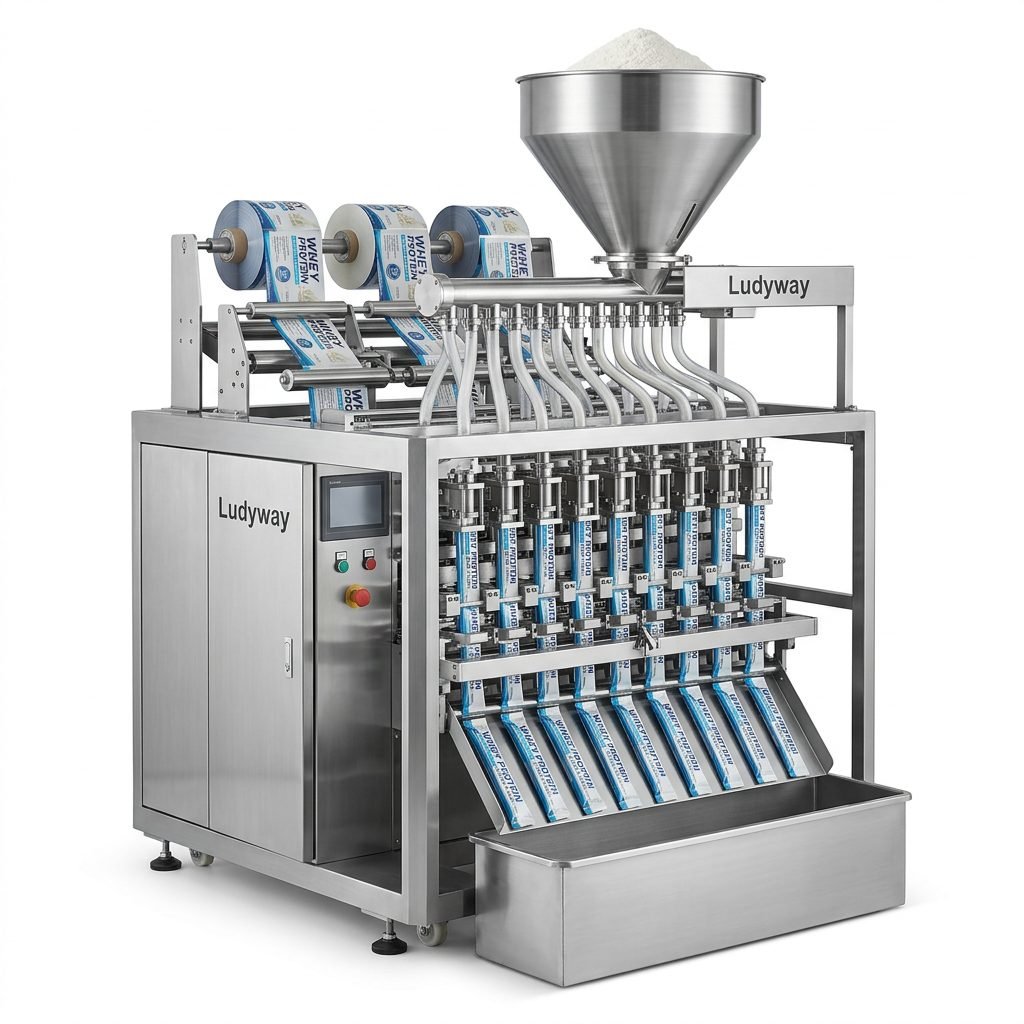
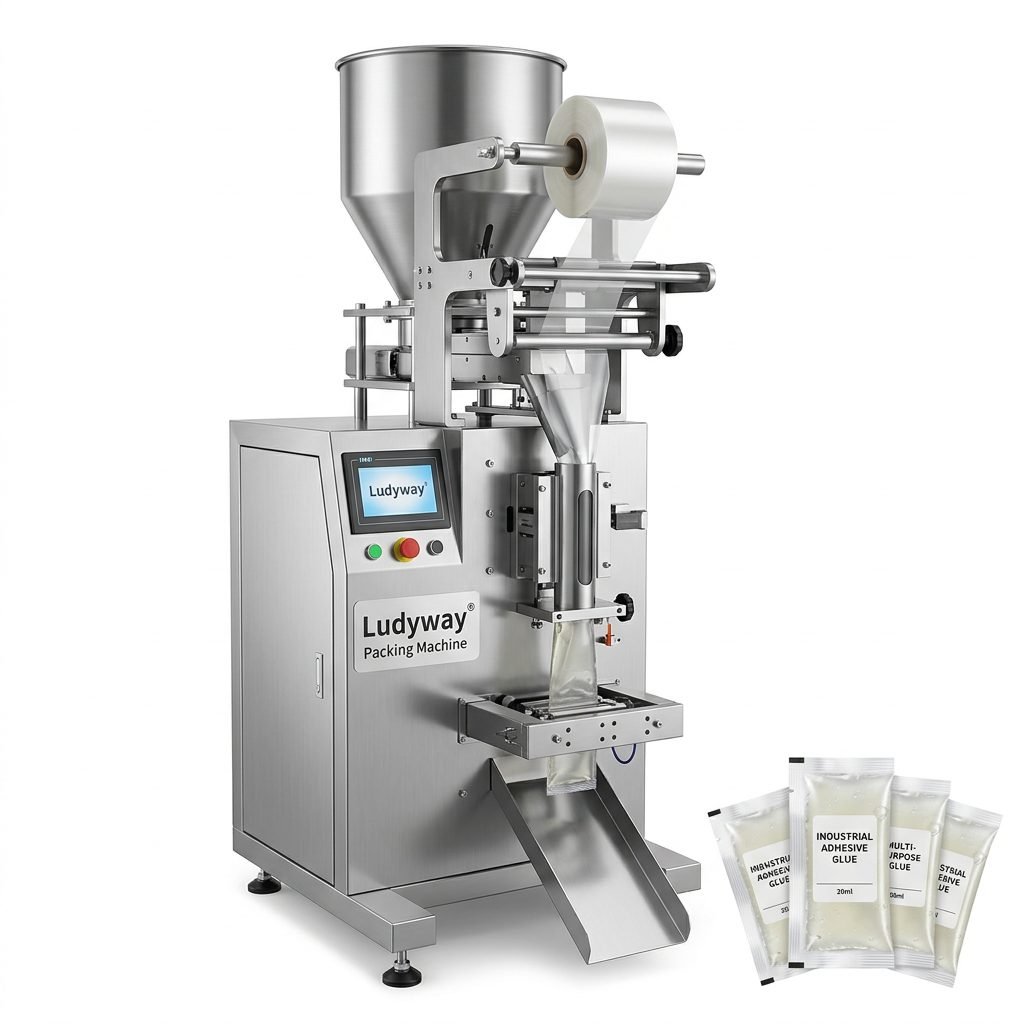
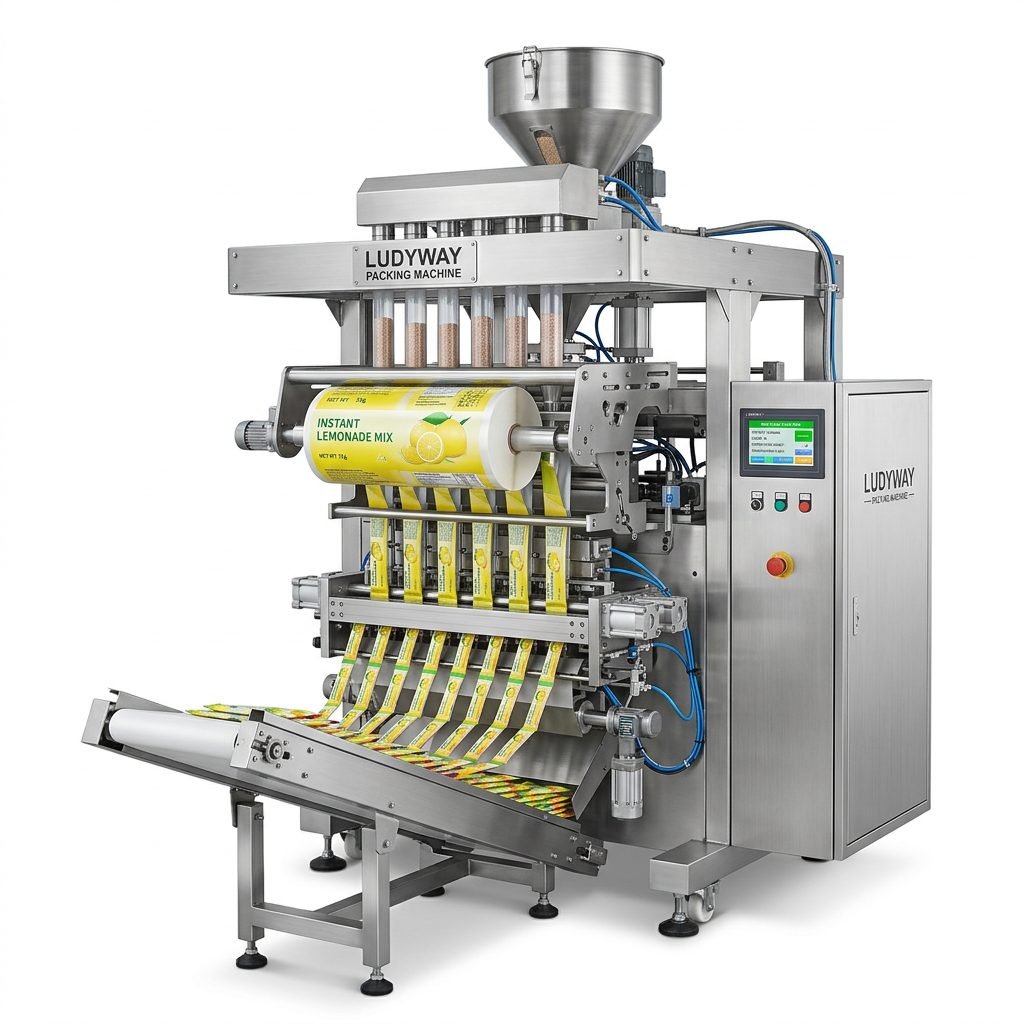
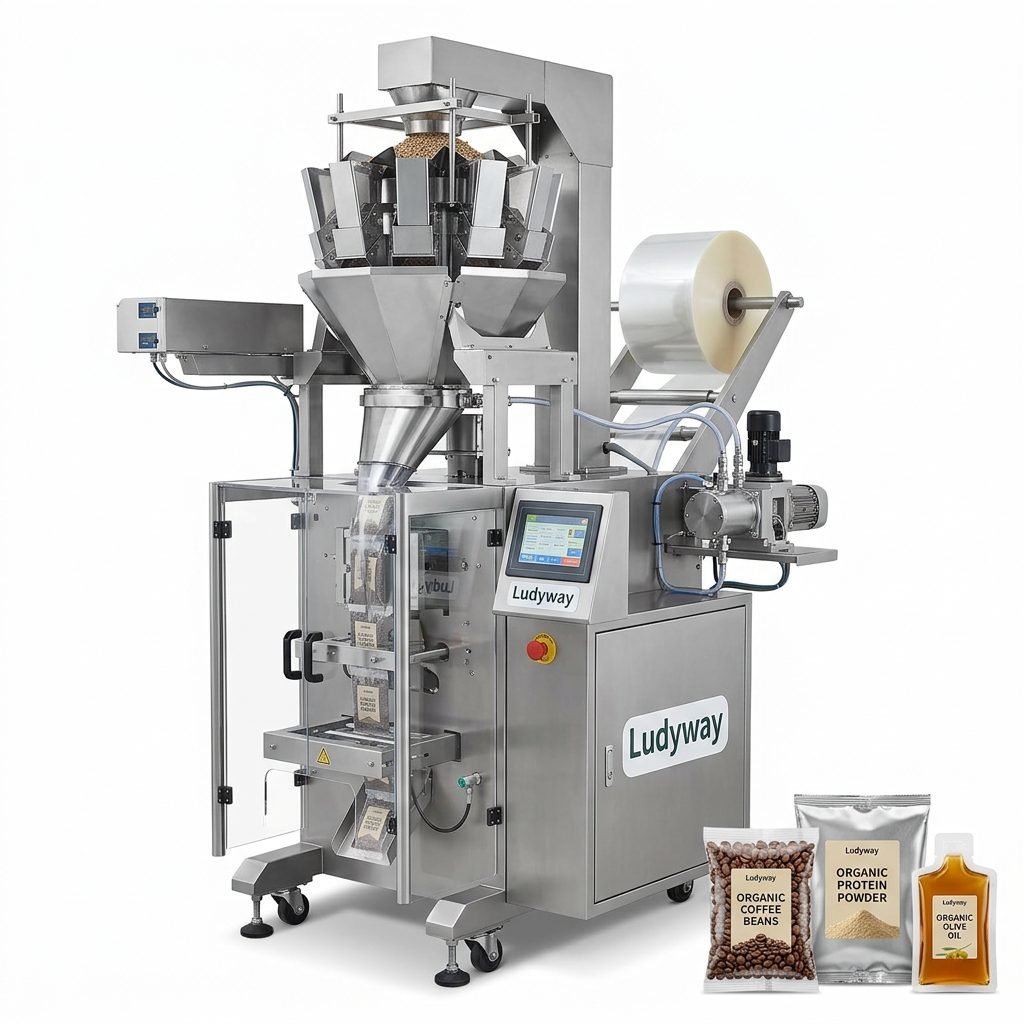
A machine is a long-term asset. Technical support, spare parts supply, remote troubleshooting, training, and customization capability should all be reviewed before buying. Many global buyers look for experienced manufacturers such as industrial vacuum packaging machine supplier Ludyway when they need scalable packaging solutions and broader line integration support.
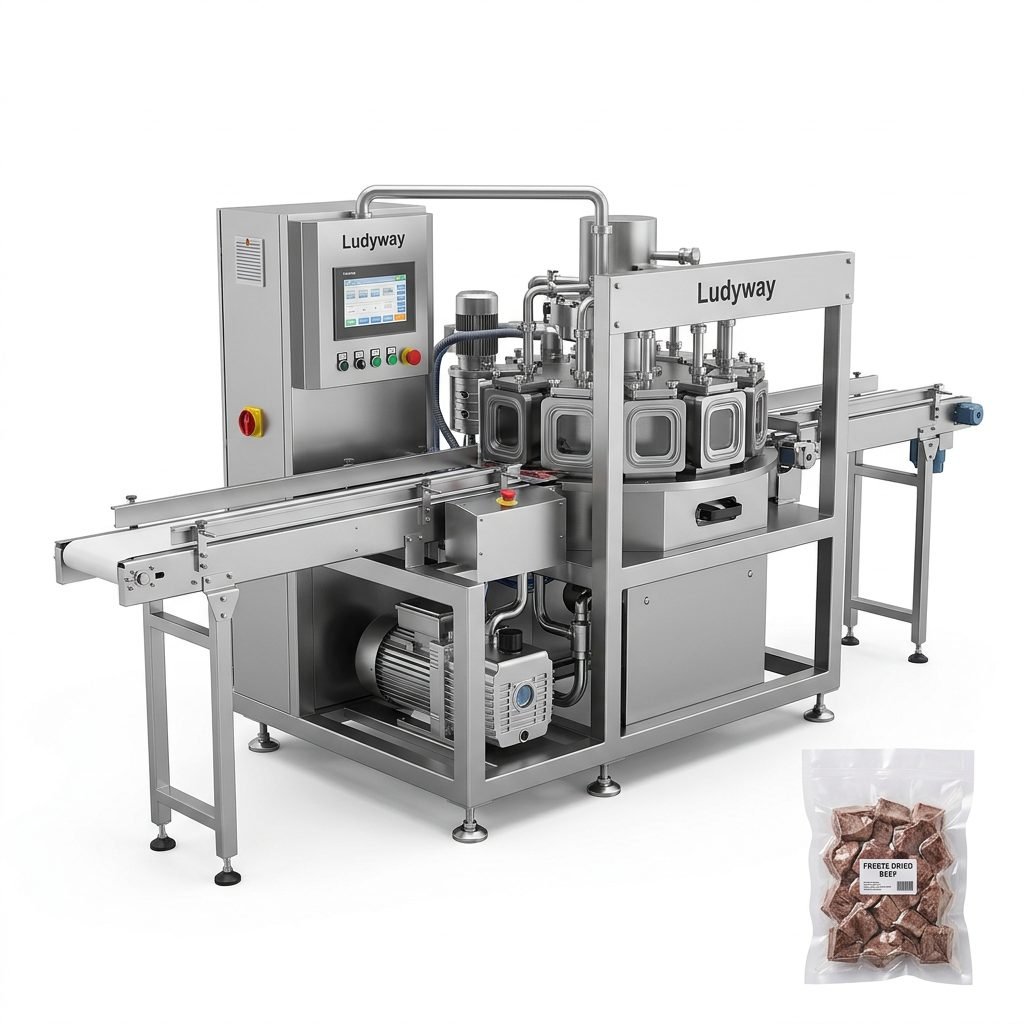
Important technical features to look for
- 304 stainless steel construction for hygiene and durability
- Programmable vacuum and sealing parameters
- Multiple sealing bars for higher output
- Soft air return to protect delicate products
- Gas flushing option for selected food applications
- Transparent lid or inspection window where applicable
- Reliable electrical components and safety systems
- Low-noise operation for better working conditions
Common mistakes when choosing a vacuum packaging machine
- Buying only on price and ignoring pump quality
- Choosing a machine without enough chamber size for future SKUs
- Underestimating daily production volume
- Ignoring seal contamination issues in wet or oily products
- Not checking local power requirements and plant compatibility
- Overlooking cleaning difficulty and maintenance access
- Failing to test actual products before final purchase
Questions to ask your supplier before ordering
- What products has this model been used for successfully?
- What is the actual cycle time under my packaging conditions?
- What bag materials and sizes are supported?
- Can the machine handle liquids, marinades, or powders?
- What are the wear parts and maintenance intervals?
- Is product testing available before production?
- Can the machine be integrated with conveyors, labeling, coding, or downstream packing?
- What technical support is available after shipment?
Best choice by application scenario
| Application | Suggested Solution | Priority Focus |
|---|---|---|
| Fresh meat | Double chamber or skin packaging | Seal hygiene, vacuum stability, washdown design |
| Frozen food | Chamber vacuum machine | Bag strength, throughput, cost efficiency |
| Prepared meals | Thermoforming or tray vacuum system | Automation, portion consistency, presentation |
| Seafood | Double chamber or skin packaging | Moisture handling, freshness, appearance |
| Commercial kitchen supply | Compact chamber machine | Ease of use, flexibility, footprint |
Final buying advice for long-term value
The best industrial vacuum packaging machine is the one that fits your actual product, packaging format, production speed, hygiene requirement, and business growth plan. For food, meat, and commercial use, buyers should compare more than the initial equipment price. Vacuum performance, sealing consistency, machine durability, operator convenience, and supplier support all shape the real return on investment.
If possible, request product testing with your own samples. This is the fastest way to confirm whether the vacuum level, seal strength, package appearance, and cycle time meet your operational target. A well-selected machine can improve shelf life, reduce waste, strengthen packaging quality, and support reliable scaling for years.