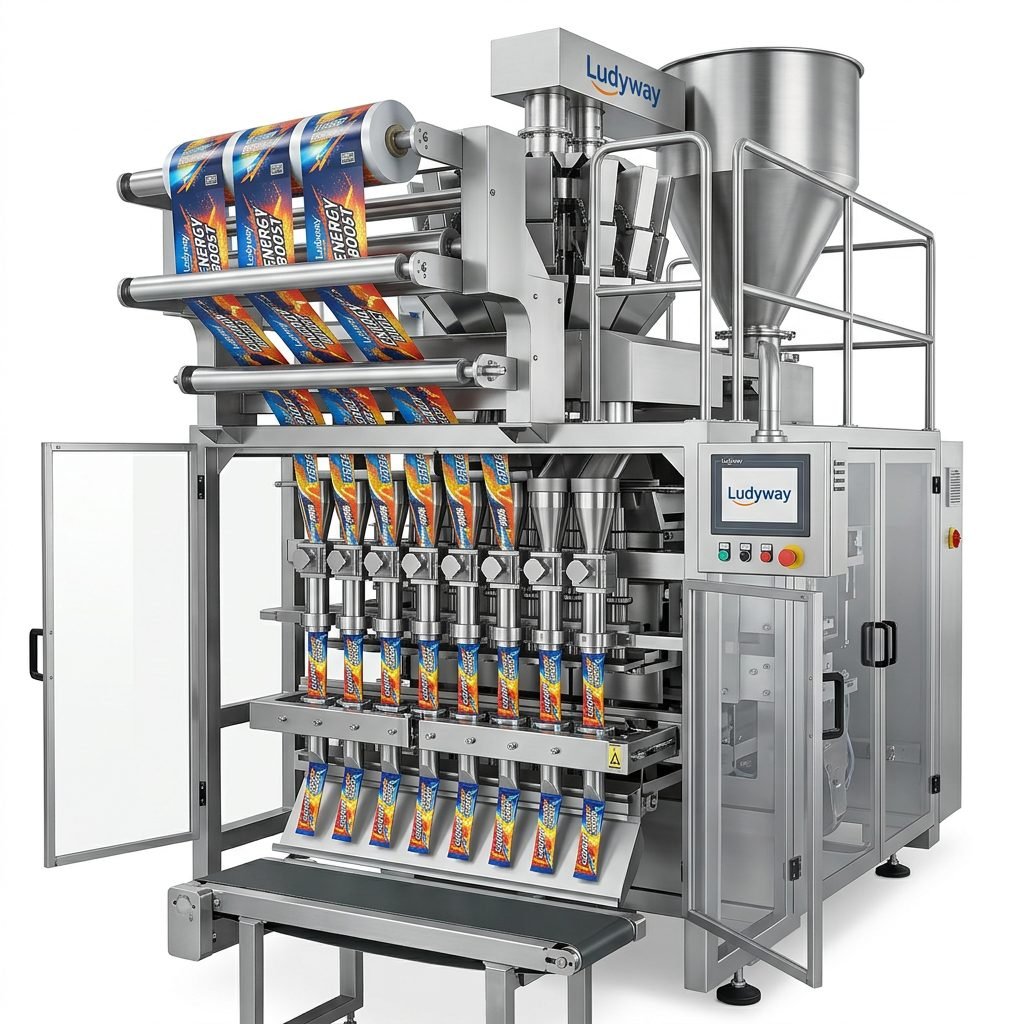
In today’s competitive business landscape, maximizing return on investment is paramount. For many companies, especially small to medium-sized enterprises (SMEs) and startups, investing in brand-new, state-of-the-art packaging machinery can represent a significant capital outlay. This is where the market for refurbished packaging machinery presents a compelling, cost-effective alternative. This comprehensive guide will navigate you through the benefits, considerations, and best practices for sourcing and integrating used packaging equipment into your operations.
Understanding Refurbished Packaging Machinery
Refurbished or used packaging equipment refers to previously owned machines that have been professionally inspected, repaired, and restored to reliable working condition. Unlike simple “used” equipment sold as-is, a proper refurbishment process involves a thorough overhaul by qualified technicians. This can include disassembly, cleaning, replacement of worn components, mechanical adjustments, electrical testing, and often a fresh coat of paint. The goal is to deliver a machine that performs to a specified standard, often with a new warranty, at a fraction of the cost of a new unit.
Key Advantages of Choosing Refurbished
Opting for refurbished machinery offers several strategic benefits for businesses looking to optimize their packaging lines:
→ Significant Cost Savings: This is the most apparent advantage. You can typically acquire a high-quality machine for 30% to 60% less than the price of a new equivalent, freeing up capital for other critical areas like marketing, R&D, or inventory.
→ Faster ROI & Reduced Depreciation: With a lower initial investment, the payback period is considerably shorter. Furthermore, the steepest depreciation on machinery occurs in the first few years; buying refurbished allows you to avoid this initial value drop.
→ Proven Technology & Reliability: Refurbished models have a track record. You can research their performance history, common issues, and spare parts availability. A machine that has been operating reliably for years is a known quantity compared to a brand-new, unproven model.
→ Shorter Lead Times: New equipment often comes with manufacturing and delivery waits of several months. Quality refurbished machines are usually in stock or can be prepared much quicker, enabling faster line upgrades or expansion.
Critical Considerations Before You Buy
While the benefits are clear, due diligence is essential to ensure a successful purchase. A poorly vetted machine can lead to costly downtime and repairs.
1. Define Your Requirements Precisely
Before browsing listings, have crystal-clear specifications. What is your target production speed (units per minute)? What are the exact dimensions and types of packages (sachets, stick packs, bottles)? What are the material specifications for your product (granules, powder, liquid viscosity)? Documenting these details will help you and potential suppliers identify the right machine match.
2. Vet the Seller’s Credibility
The source of the equipment is as important as the machine itself. Look for established specialists like Ludyway Machinery, which brings over 30 years of industry experience to the table. A reputable seller will provide transparent information about the machine’s history, the refurbishment process performed, and offer a substantive warranty. They should have the technical expertise to support you post-purchase.
3. Inspect the Refurbishment Process
Always ask for a detailed refurbishment report. What specific parts were replaced (sealing jaws, pumps, PLCs, motors)? Were electrical panels updated for safety and compliance? Was the machine tested under load with similar products? A professional refurbisher will gladly share this documentation and may even provide video evidence of the machine running.
4. Assess Total Cost of Ownership (TCO)
Look beyond the sticker price. Factor in potential costs for installation, commissioning, operator training, and the availability/cost of spare parts. A slightly higher price from a vendor that includes comprehensive support and readily available parts often results in a lower TCO.
Where to Source Quality Refurbished Equipment
The market offers several channels, each with pros and cons:
- Specialized Machinery Dealers: Companies that focus on buying, refurbishing, and reselling packaging equipment. They offer expertise, warranty, and support. This is often the safest route for most businesses.
- Direct from Manufacturers: Some OEMs have programs for trading in old equipment or selling their own refurbished units. This can offer OEM-grade quality but may be at a premium price.
- Online Auctions & Marketplaces: Platforms can offer deals but carry high risk (“as-is, where-is” sales). They are best suited for experienced buyers with in-house maintenance teams.
- Liquidation Sales: When a company closes or upgrades its entire line, machines are sold off. This can be a source of good equipment but requires swift action and thorough inspection.
Maximizing Success with Your Refurbished Machine
Once you’ve made your purchase, a few key steps will ensure a smooth integration:
Plan for Installation: Ensure your facility has the correct power, compressed air, floor space, and material feed systems ready.
Invest in Training: Have the seller’s technician train your operators and maintenance staff on the specific machine. Proper operation is key to longevity.
Establish a Preventive Maintenance (PM) Schedule: Follow the machine’s manual rigorously. A consistent PM schedule is the best defense against unexpected breakdowns.
Source Spare Parts Early: Identify critical wear parts (like sealing jaws or gaskets) and keep a small inventory on hand to minimize downtime.
Common Applications for Refurbished Packaging Lines
Refurbished equipment is versatile and can be found across many packaging formats. Common types include:
Vertical Form-Fill-Seal (VFFS) Machines:
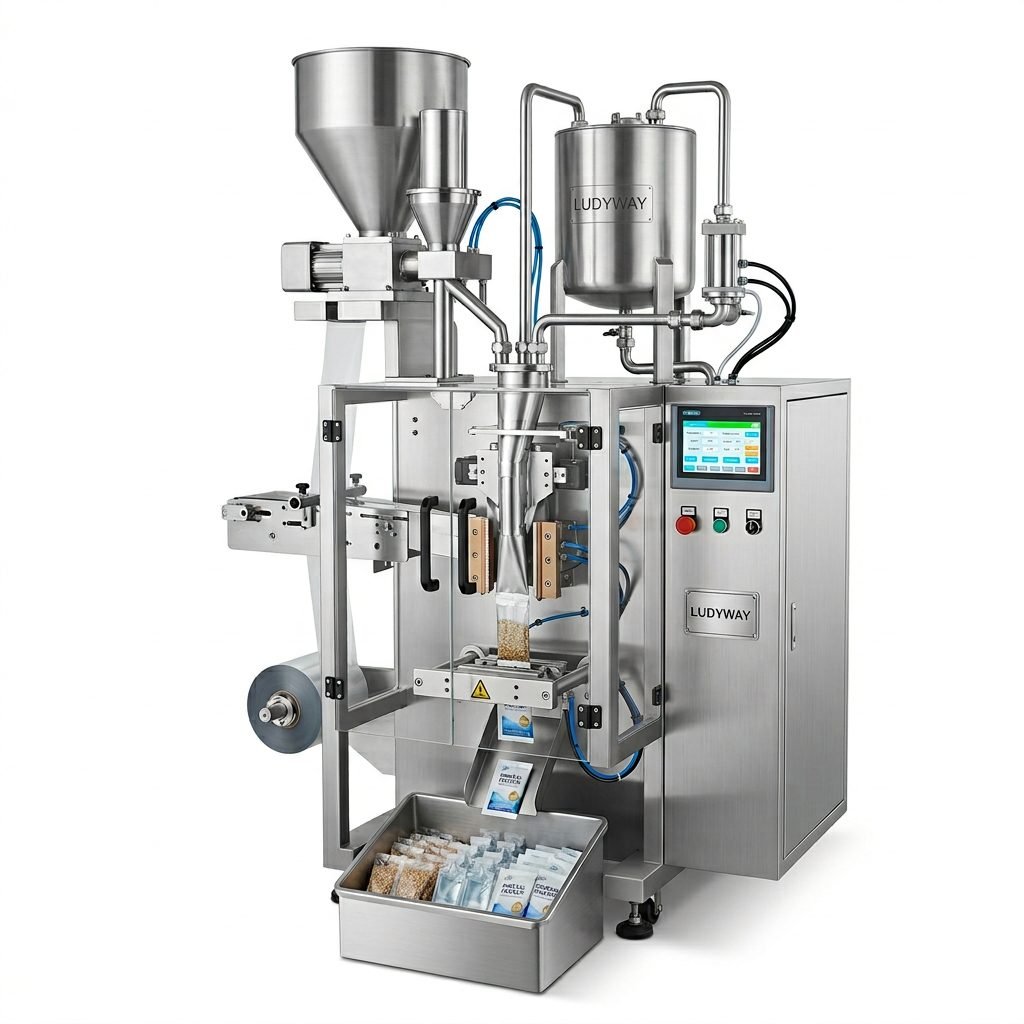
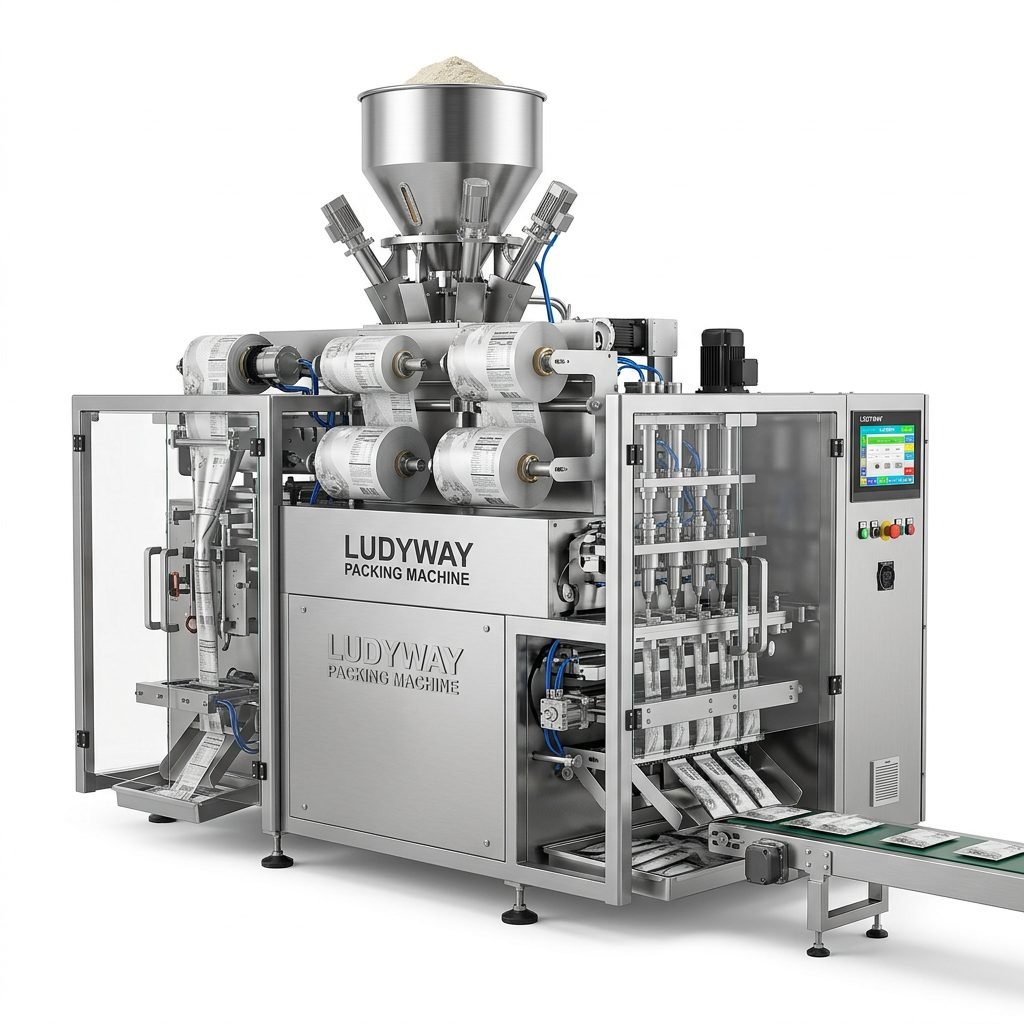
Ideal for packaging granules, powders, and snacks into pouches. A refurbished VFFS machine can be an excellent entry point into automated packaging.
Liquid & Paste Filling Machines:
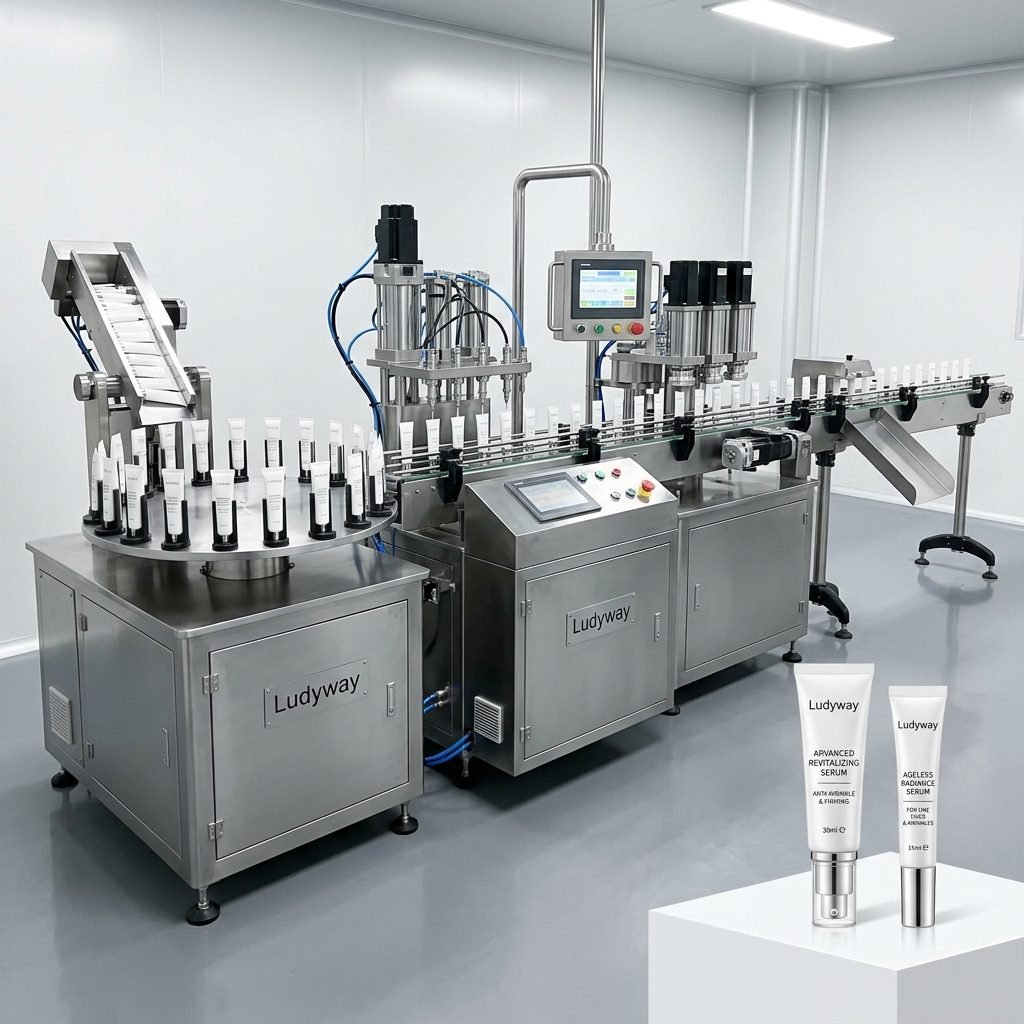
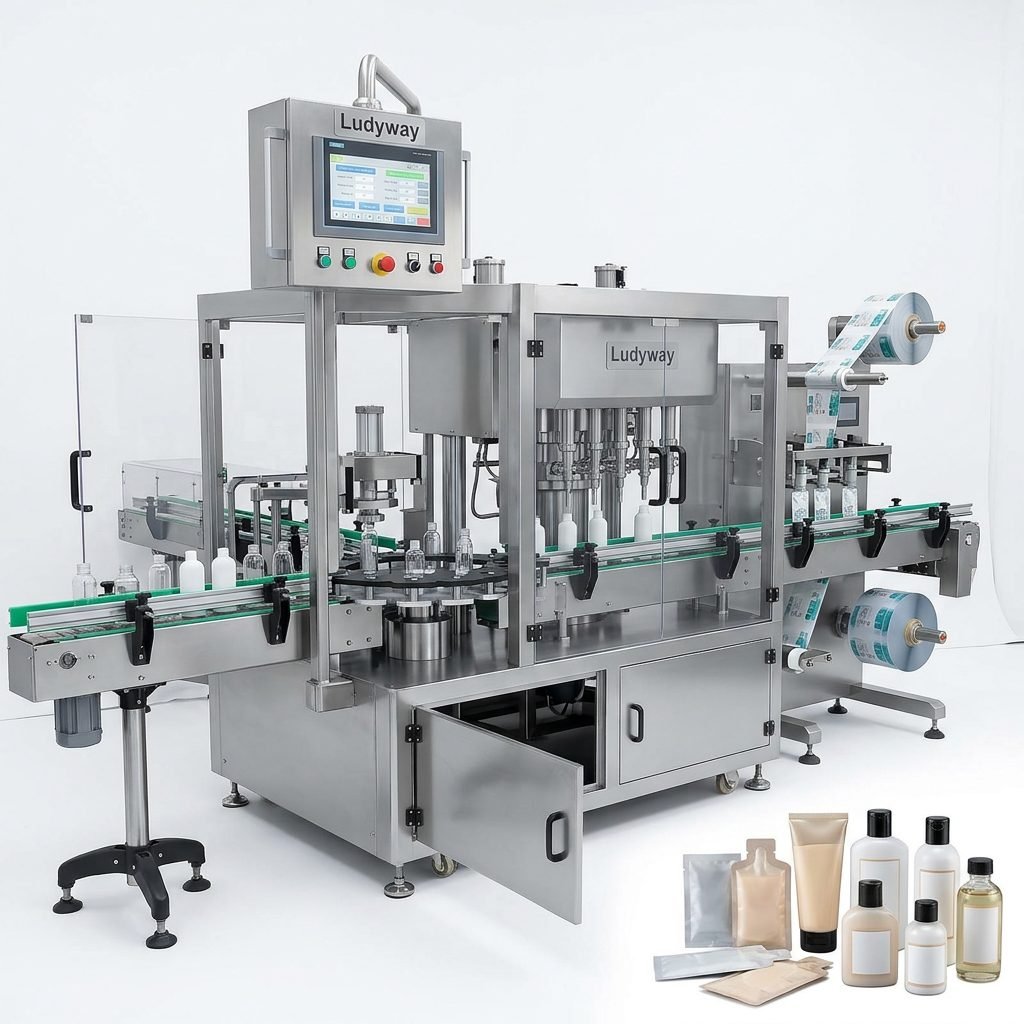
Used for filling bottles, tubes, or sachets with products like sauces, oils, creams, and shampoos. Piston filler and auger filler models are commonly available refurbished.
Stick Pack & Sachet Machines:
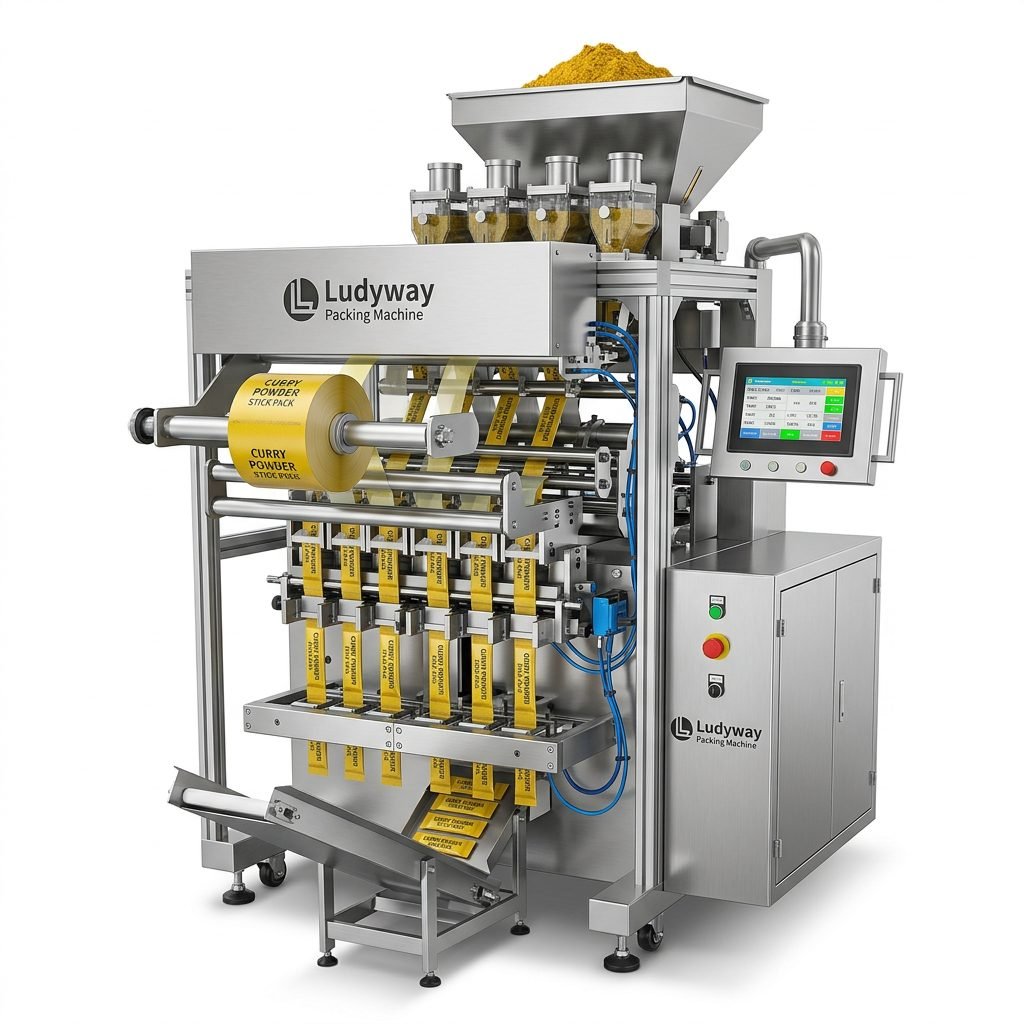
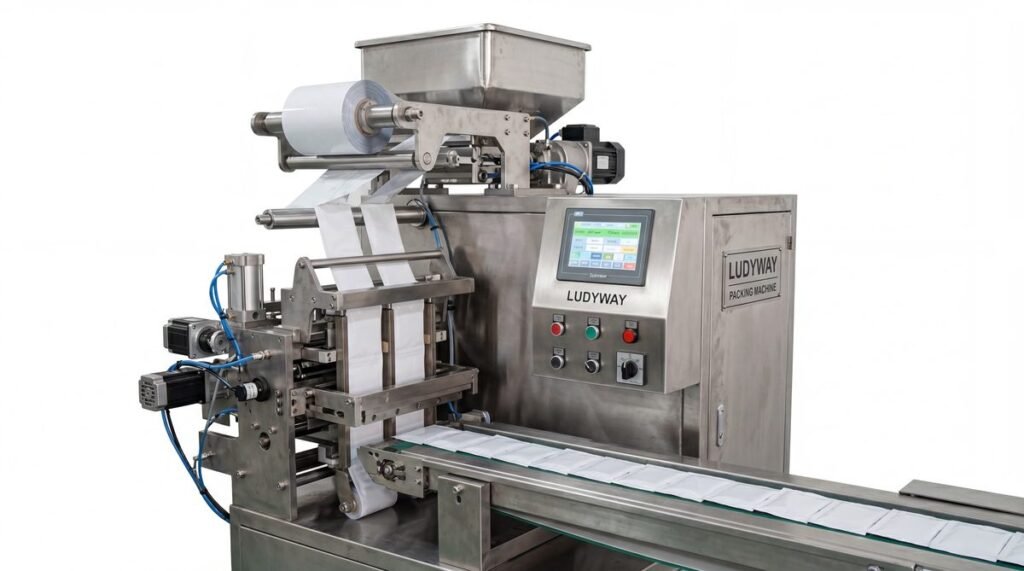
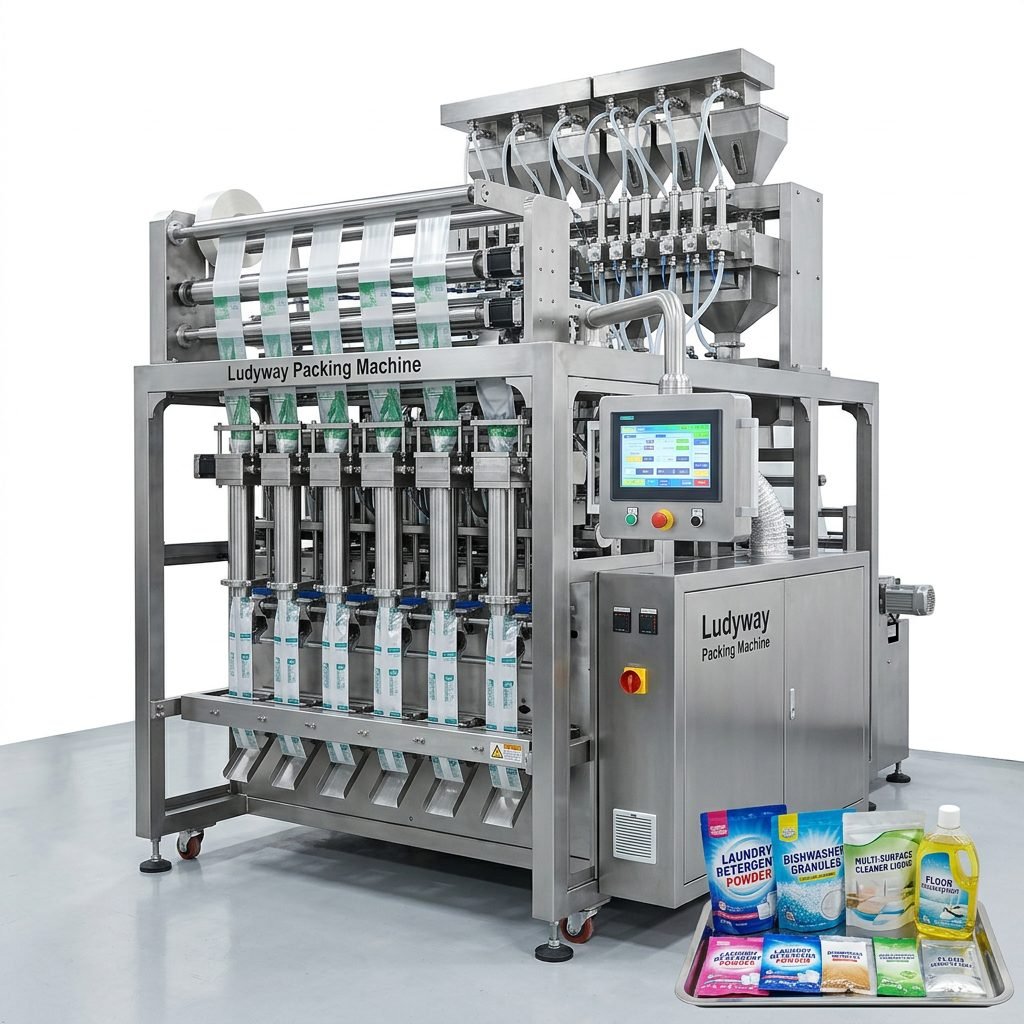
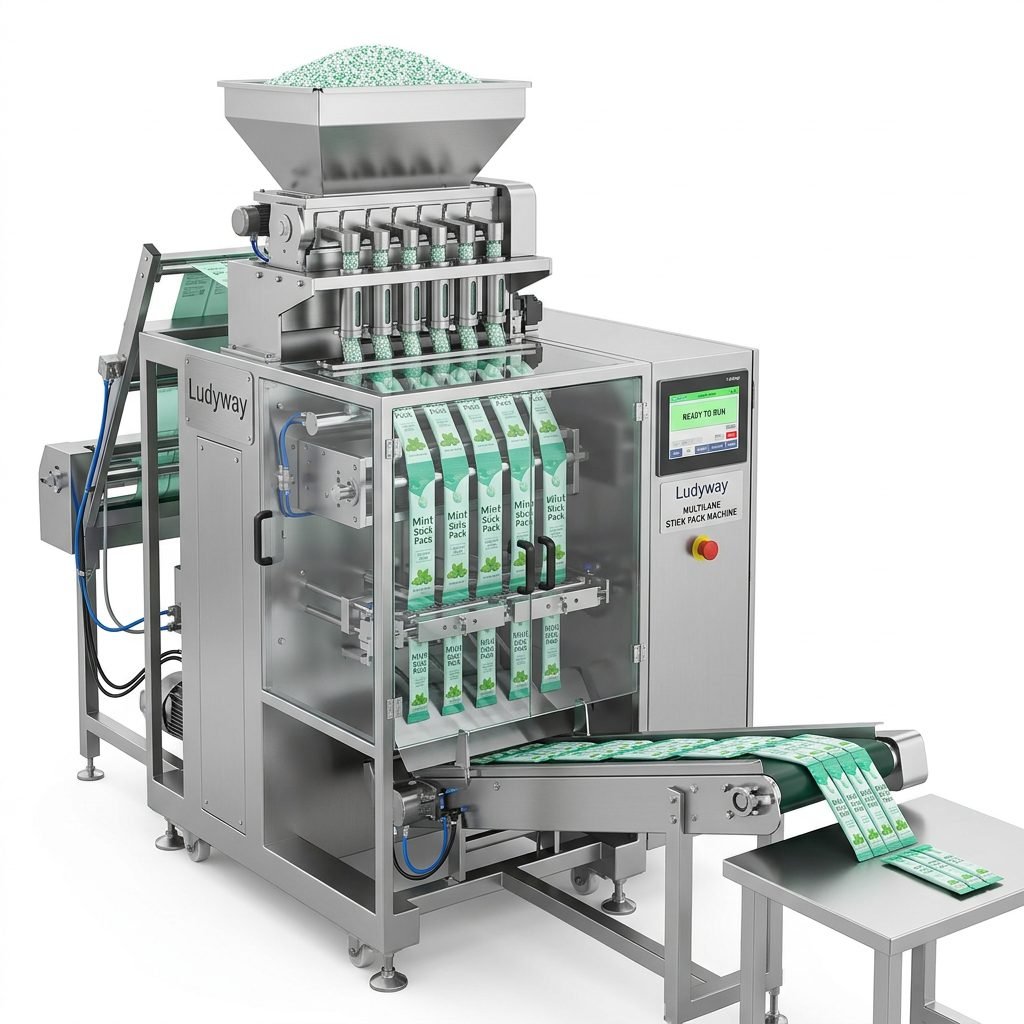
Perfect for single-serve portions of coffee, sugar, supplements, or condiments. Companies like Ludyway specialize in multi-lane stick pack systems, and refurbished models offer high output at a reduced cost.
Cartoning & Case Packing Equipment:
Secondary packaging machines that load products into cartons or cases. Refurbished units can automate the final stages of your packaging line efficiently.
Frequently Asked Questions (FAQ)
Q1: Is refurbished packaging machinery reliable?
A: Yes, when sourced from a credible and professional vendor. A properly refurbished machine undergoes comprehensive reconditioning, part replacement, and testing. Reputable suppliers stand behind their work with warranties, often for 6 to 12 months, providing peace of mind comparable to a new machine.
Q2: How much can I expect to save by buying refurbished?
A: Savings typically range from 30% to 60% off the list price of a new machine, depending on its age, condition, and the extent of refurbishment. The specific model and technology level also significantly influence the final price point.
Q3: Can a refurbished machine be customized for my specific product?
A: In many cases, yes. Professional refurbishers often have the engineering capability to modify machines. This can include changing fill volumes, adjusting sealing jaw sizes, or integrating specific feed systems. It’s crucial to discuss your customization needs upfront during the sourcing process to assess feasibility and cost.
Q4: What kind of warranty is typically offered?
A: A standard warranty from a professional dealer covers parts and labor for a defined period (e.g., 6-12 months) against failures under normal operating conditions. Always read the warranty terms carefully to understand what is included and any exclusions that may apply.
Q5: How do I ensure I get the right technical support after purchase?
A: Choose a supplier known for strong after-sales service. Inquire about their support structure: Do they offer remote diagnostics via phone or video? Do they have service technicians available for on-site visits? Are operational manuals and spare parts readily accessible? A supplier’s commitment to long-term support is a critical factor in your decision.