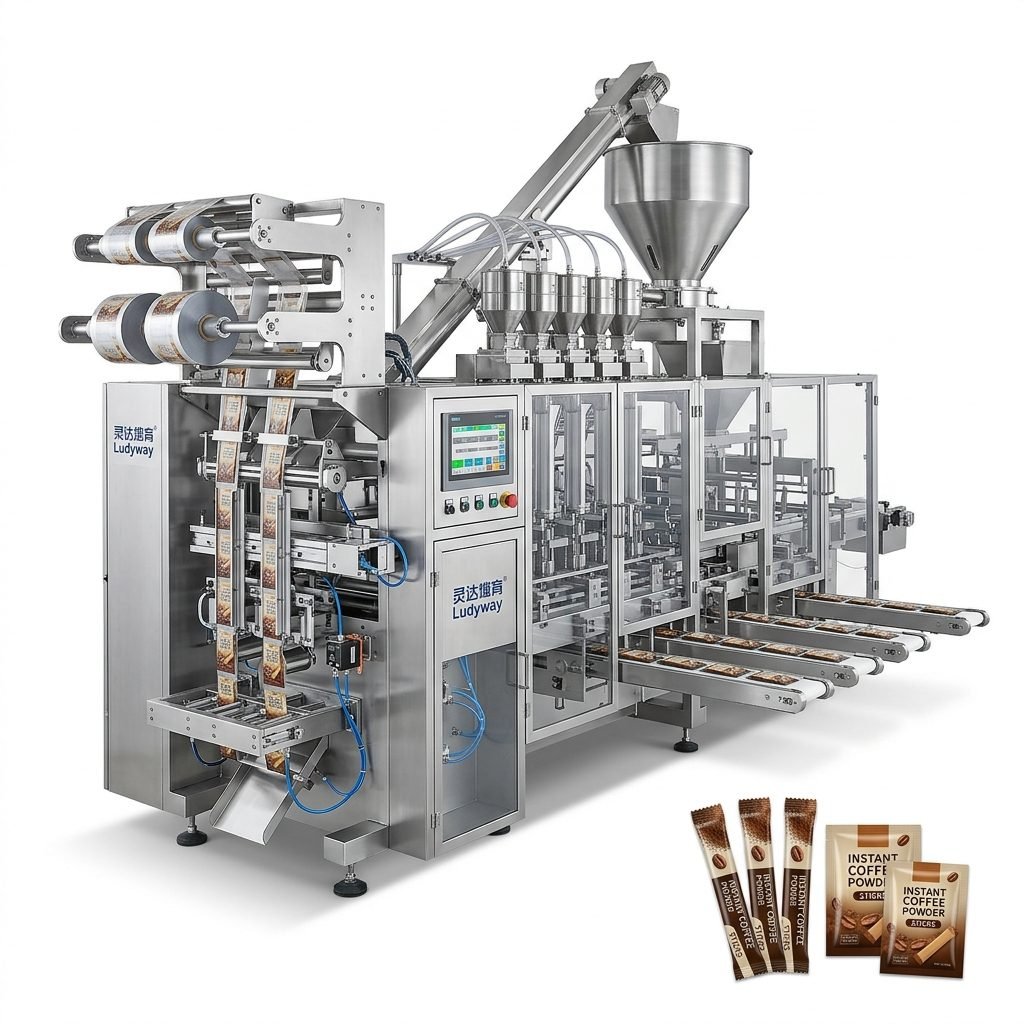
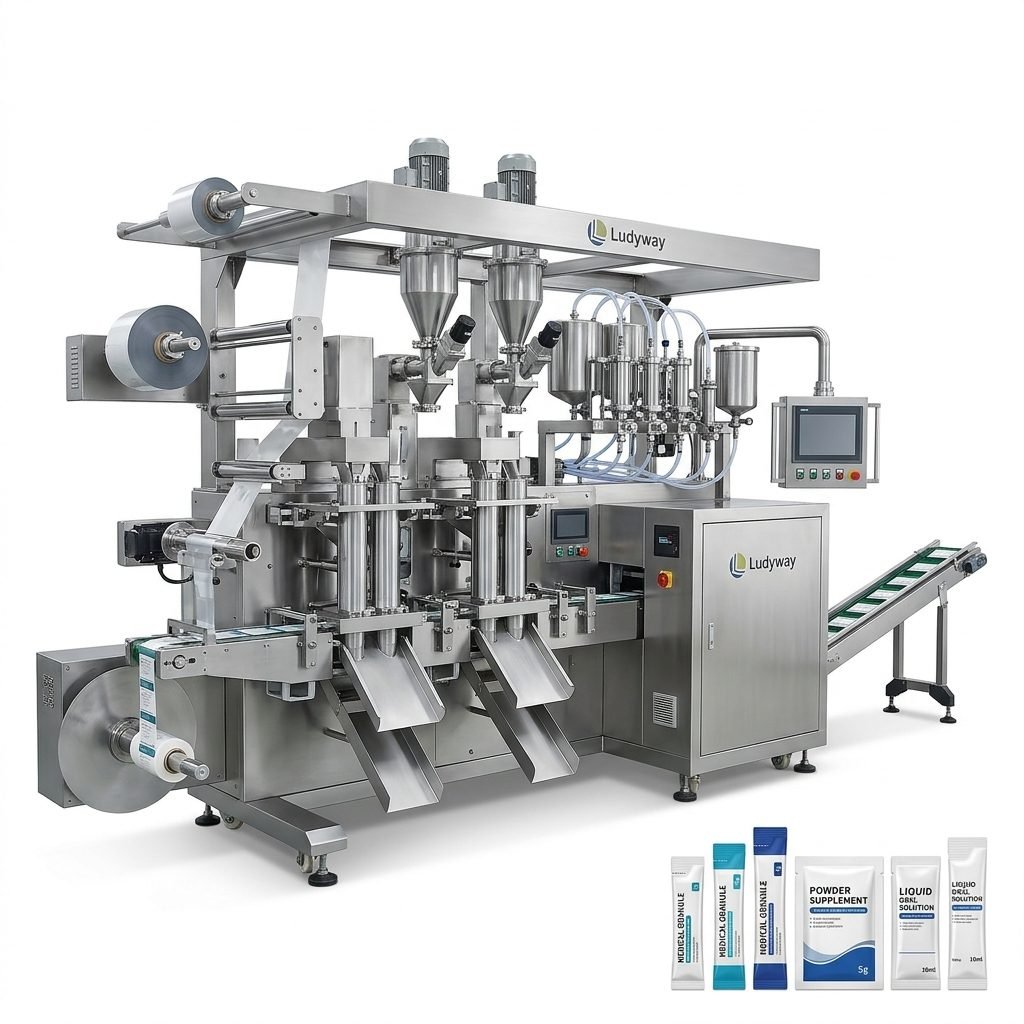
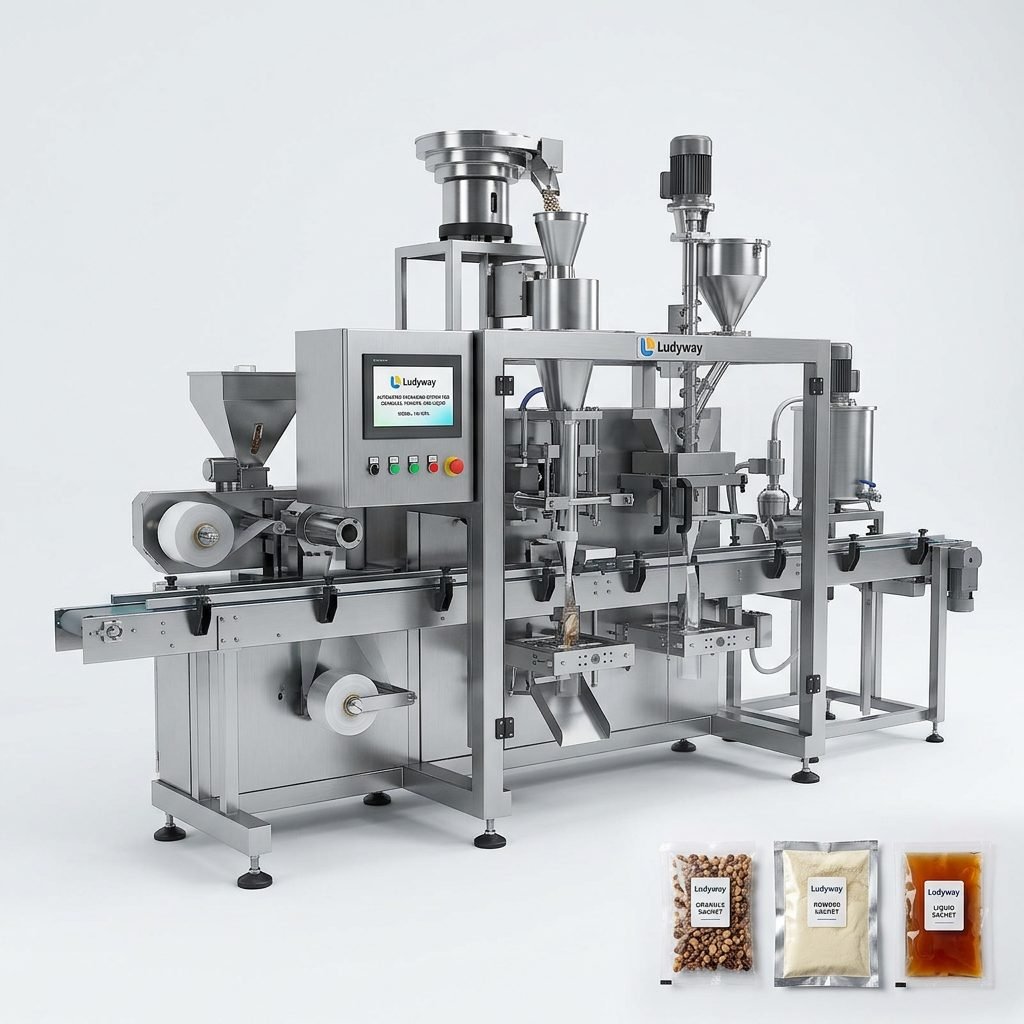
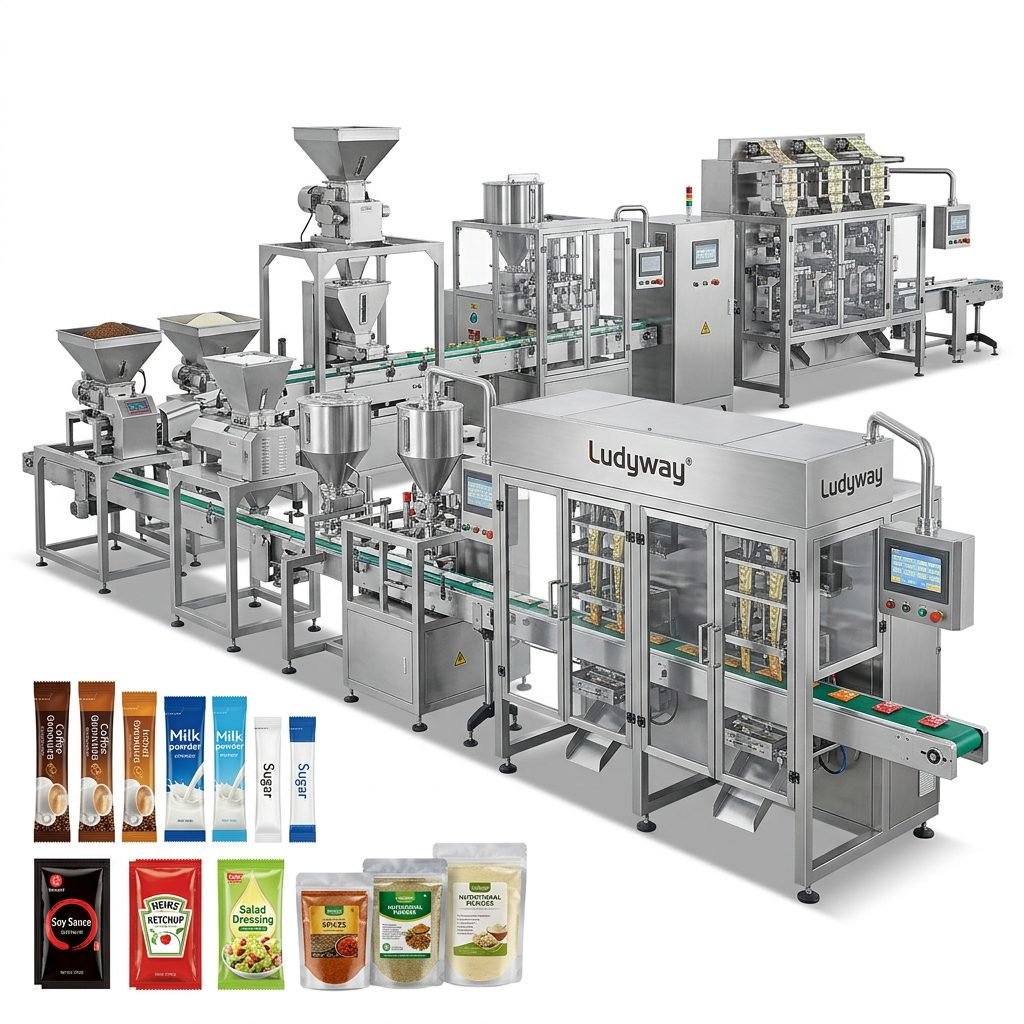
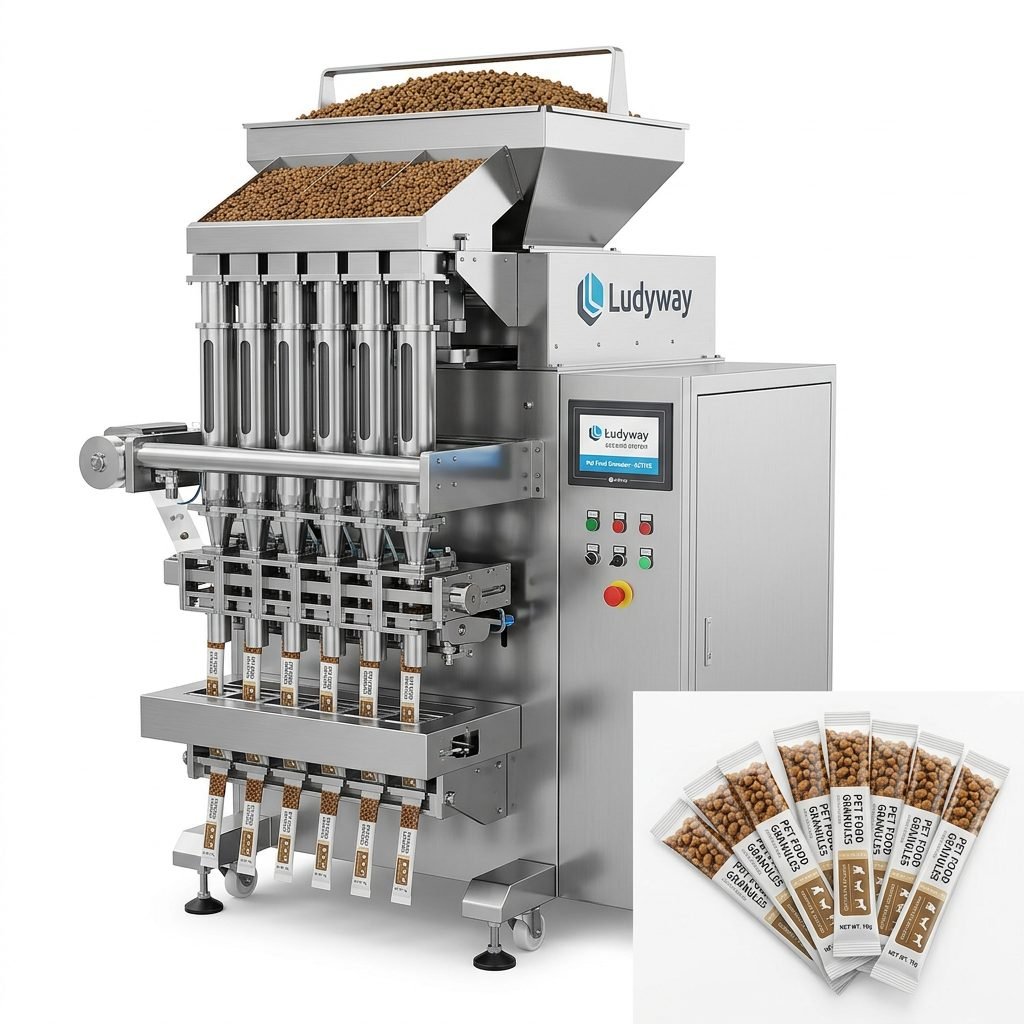
Automatic liquid packing machines are transforming how manufacturers package water-like liquids, viscous products, gels, oils, sauces, detergents, cosmetics, and pharmaceutical liquids. Whether you produce small sachets, stick packs, pouches, bottles, or other flexible packs, the right machine can significantly improve speed, accuracy, hygiene, and consistency.
This guide explains how automatic liquid packing equipment works, which machine types are available, what industries use them, how to choose the right model, and what factors matter most for long-term return on investment.
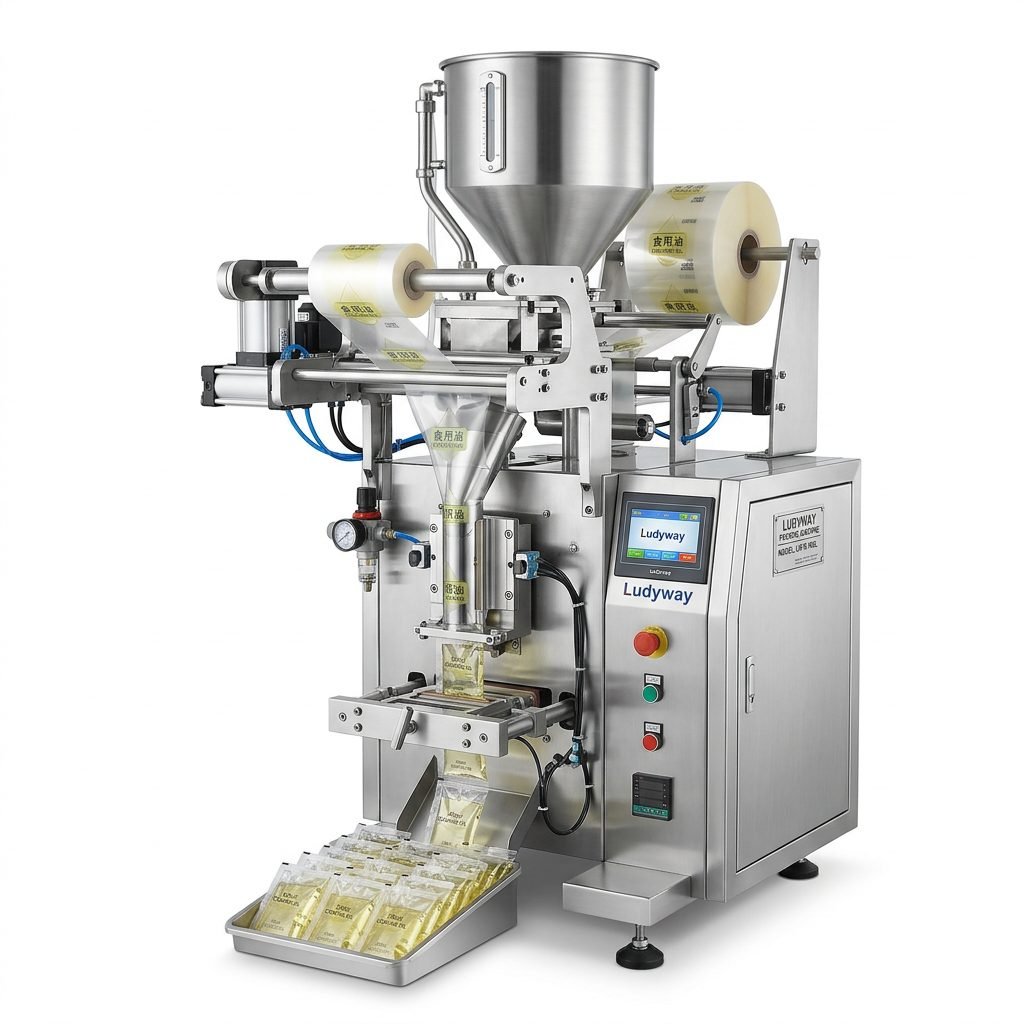
What Is an Automatic Liquid Packing Machine?
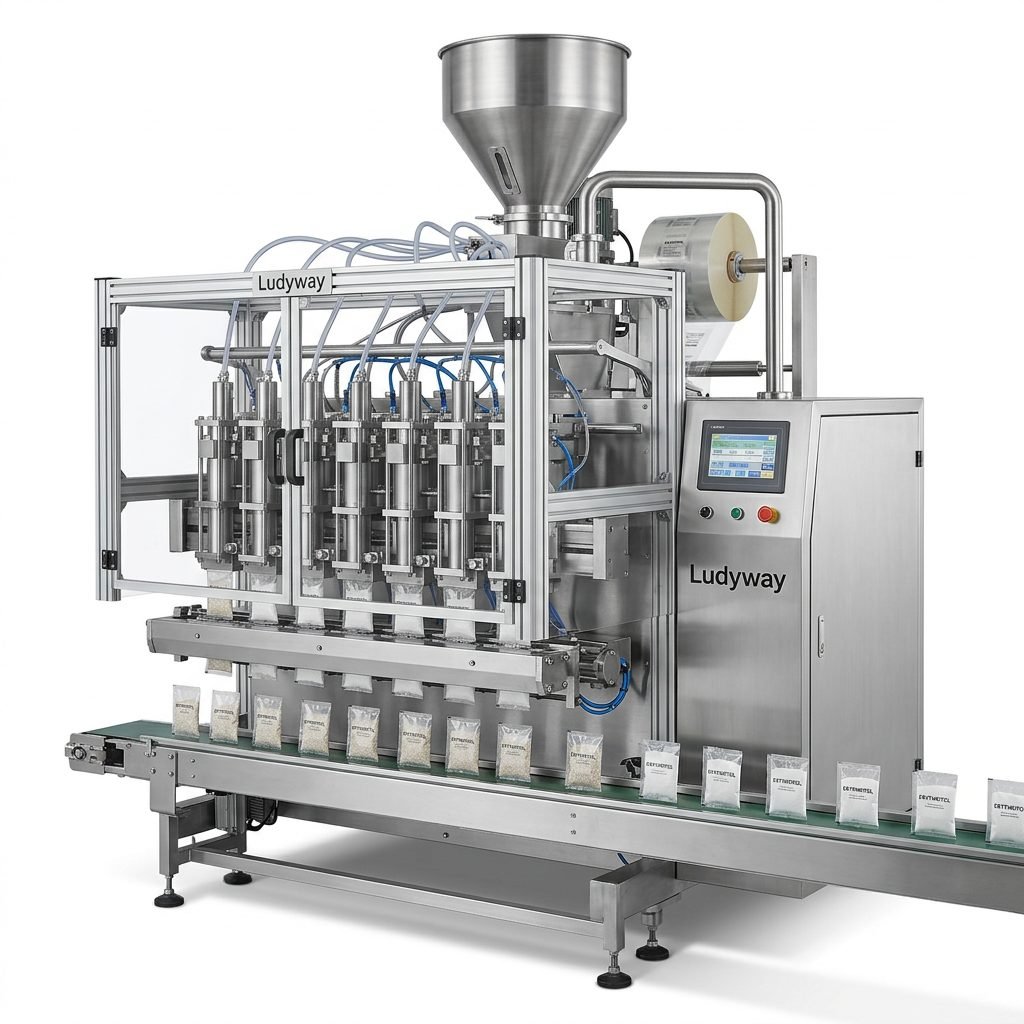
An automatic liquid packing machine is a packaging system designed to dose, fill, seal, and sometimes print or count liquid products automatically. Depending on the application, the machine may package products into sachets, stick packs, pouches, bottles, cups, or other containers.
These machines are widely used in industries such as food, beverage, pharmaceutical, cosmetic, chemical, and household care. They reduce manual labor, minimize product waste, improve sealing quality, and support high-volume production.
Common liquid products packed by these machines include:
- Edible oils
- Sauces, ketchup, mayonnaise, dressings
- Shampoo, lotion, hand wash, body wash
- Detergent and cleaning liquids
- Syrups and oral liquids
- Serums, creams, gels, and cosmetic samples
- Disinfectants and sanitizers
- Industrial chemicals and lubricants
How an Automatic Liquid Packing Machine Works
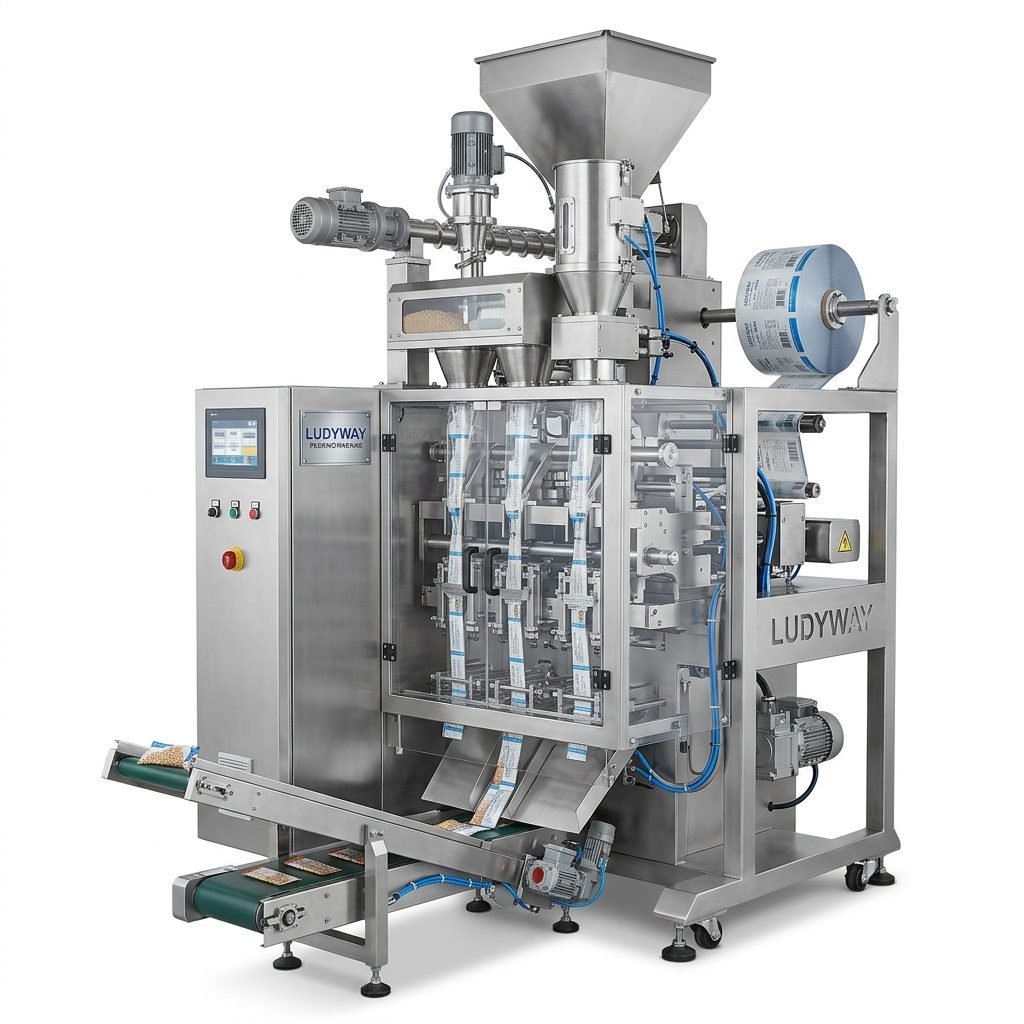
Although configurations vary, most automatic liquid packaging systems follow a similar process:
- Product feeding: The liquid is transferred from a storage tank or hopper to the dosing system.
- Metering and dosing: The machine measures a precise quantity using pumps, pistons, flow meters, or servo-driven systems.
- Package forming: For sachet and pouch applications, film is shaped into the desired package format.
- Filling: The measured liquid is filled into the formed package or container.
- Sealing: Heat sealing or capping secures the package to prevent leakage.
- Cutting or discharge: Individual packs are cut and discharged for further handling.
- Optional downstream steps: Coding, labeling, checkweighing, cartoning, case packing, and palletizing.
Main Types of Automatic Liquid Packing Machines
1. Sachet Liquid Packing Machines
These machines produce small, sealed sachets for single-use or sample-size liquid packaging. They are common in foodservice, personal care, and pharmaceutical applications.
- Ideal for low-volume unit packs
- Suitable for sauces, oils, lotions, sanitizers, and oral liquids
- Good for retail, travel-size, and promotional formats
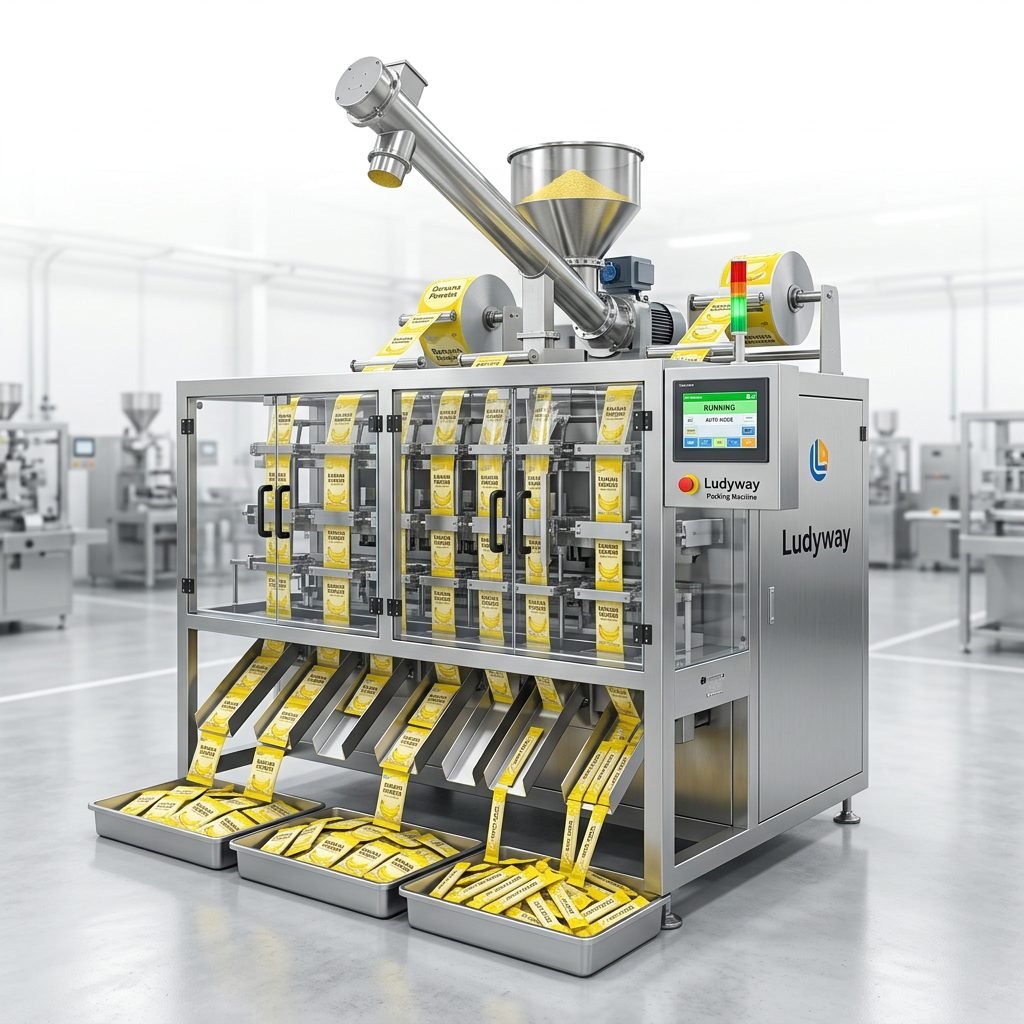
2. Stick Pack Liquid Packing Machines
Stick pack machines create narrow, elongated packs. They are efficient for high-speed packaging and popular in health, cosmetic, and beverage sectors.
- Compact pack shape
- Excellent shelf presentation
- Often available in multi-lane formats for higher output
3. Premade Pouch Liquid Packing Machines
These systems fill and seal preformed pouches instead of forming packs from roll film. They are suitable for stand-up pouches, zipper pouches, and shaped pouches.
- Premium package appearance
- Flexible format options
- Useful for sauces, beverages, detergents, and cosmetics
4. Bottle Liquid Filling and Capping Machines
Bottle filling lines are ideal for larger-volume liquid products and rigid packaging. They are often integrated with capping, labeling, induction sealing, and case packing systems.
- Suitable for food, chemical, and cosmetic liquids
- High speed and scalable layout
- Supports multiple bottle sizes and closures
5. Multi-Lane Liquid Packing Machines
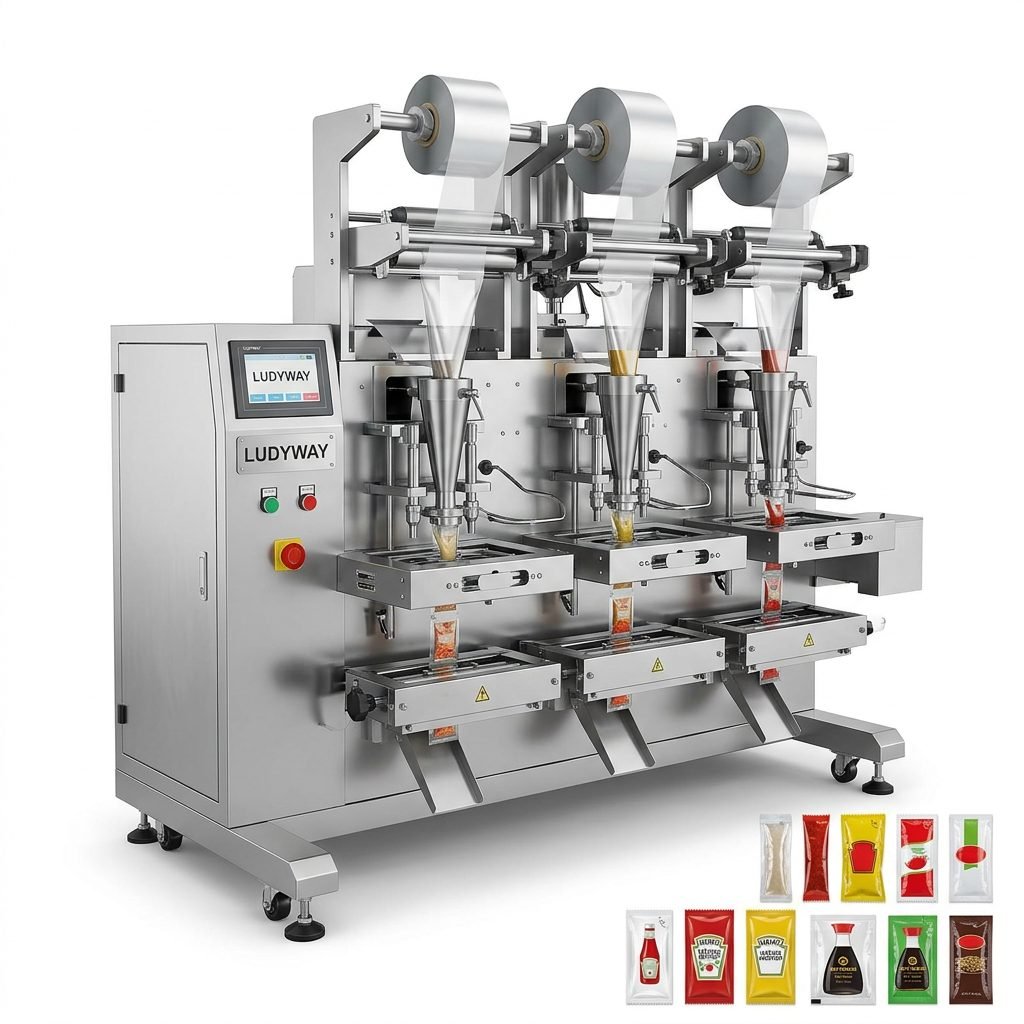
Multi-lane machines run several lanes simultaneously, dramatically increasing output for small-format sachets or stick packs.
- High production efficiency
- Best for standardized small-dose packaging
- Useful for shampoo, condiments, drink concentrates, and medical liquids
Comparison of Liquid Packing Machine Types
| Machine Type | Best For | Package Format | Key Advantage |
|---|---|---|---|
| Sachet liquid packing machine | Small-dose liquids | Flat sachets | Cost-effective single-use packaging |
| Stick pack liquid machine | Portable liquid servings | Stick packs | High-speed, compact format |
| Premade pouch filler | Premium retail products | Pouches | Excellent presentation and flexibility |
| Bottle filling line | Medium to large volumes | Bottles/jars | Scalable and easy for branding |
| Multi-lane liquid packer | Mass-production small packs | Sachets/stick packs | Very high throughput |
Key Benefits of Automatic Liquid Packaging Solutions
Higher Production Efficiency
Automation enables continuous operation with stable output. Compared with manual or semi-automatic methods, automatic systems can greatly improve production speed and reduce downtime.
Better Filling Accuracy
Precise dosing helps reduce overfill and underfill issues. This is particularly important for high-value liquids, regulated pharmaceutical products, and products sold in strict unit volumes.
Improved Hygiene and Product Safety
Automatic liquid packing equipment minimizes direct human contact with the product, helping manufacturers maintain cleaner operations and meet hygiene standards.
Consistent Seal Quality
Reliable heat sealing or capping improves package integrity, lowers leakage risk, and supports longer shelf life.
Lower Labor Dependence
Automated systems reduce the need for manual filling, sealing, and handling, making operations more efficient and less vulnerable to labor shortages.
Scalability for Business Growth
Many liquid packaging lines can be expanded with coding, labeling, cartoning, inspection, and end-of-line automation as demand increases.
Industries That Use Automatic Liquid Packing Machines
| Industry | Typical Products | Popular Packaging Formats |
|---|---|---|
| Food & Beverage | Sauces, oils, syrups, condiments, drink concentrates | Sachets, stick packs, pouches, bottles |
| Pharmaceutical | Oral liquids, medicinal gels, syrups | Sachets, stick packs, bottles, vials |
| Cosmetics & Personal Care | Shampoo, serum, lotion, cream, body wash | Sachets, tubes, bottles, pouches |
| Household Chemicals | Detergents, cleaners, disinfectants | Sachets, pouches, bottles |
| Industrial Chemicals | Lubricants, adhesives, specialty liquids | Sachets, pouches, bottles, drums |
How to Choose the Right Automatic Liquid Packing Machine
1. Understand Your Product Characteristics
Not all liquids behave the same. Before selecting equipment, evaluate:
- Viscosity
- Presence of particles
- Foaming tendency
- Corrosiveness
- Required filling temperature
- Sensitivity to contamination
For example, thin liquids may use flow meter or gravity filling principles, while thicker products like cream, gel, or sauce may require piston or pump-based filling.
2. Define Packaging Format
Choose the machine according to the final package you need:
- Sachet for economical single-use applications
- Stick pack for slim retail or travel-size packaging
- Premade pouch for premium appearance
- Bottle for larger retail or industrial volumes
3. Match Output Requirements
The ideal machine should fit your target production capacity. Overbuying can raise investment cost, while underbuying may limit future growth. Ask for realistic speed data based on your actual product and pack size, not just laboratory conditions.
4. Check Material Compatibility
For food, pharma, and cosmetic applications, contact parts should typically use stainless steel and hygienic design. Chemical products may require special corrosion-resistant materials.
5. Consider Automation Integration
A modern liquid packaging system often performs best when integrated with:
- Mixing or storage tanks
- Feed pumps
- Date coding and printing
- Checkweighers and inspection systems
- Cartoning and case packing
- Palletizing equipment
6. Prioritize Maintenance and Ease of Changeover
If you run multiple SKUs, look for quick changeover, easy cleaning, recipe storage, and accessible maintenance points. These features improve real production efficiency.
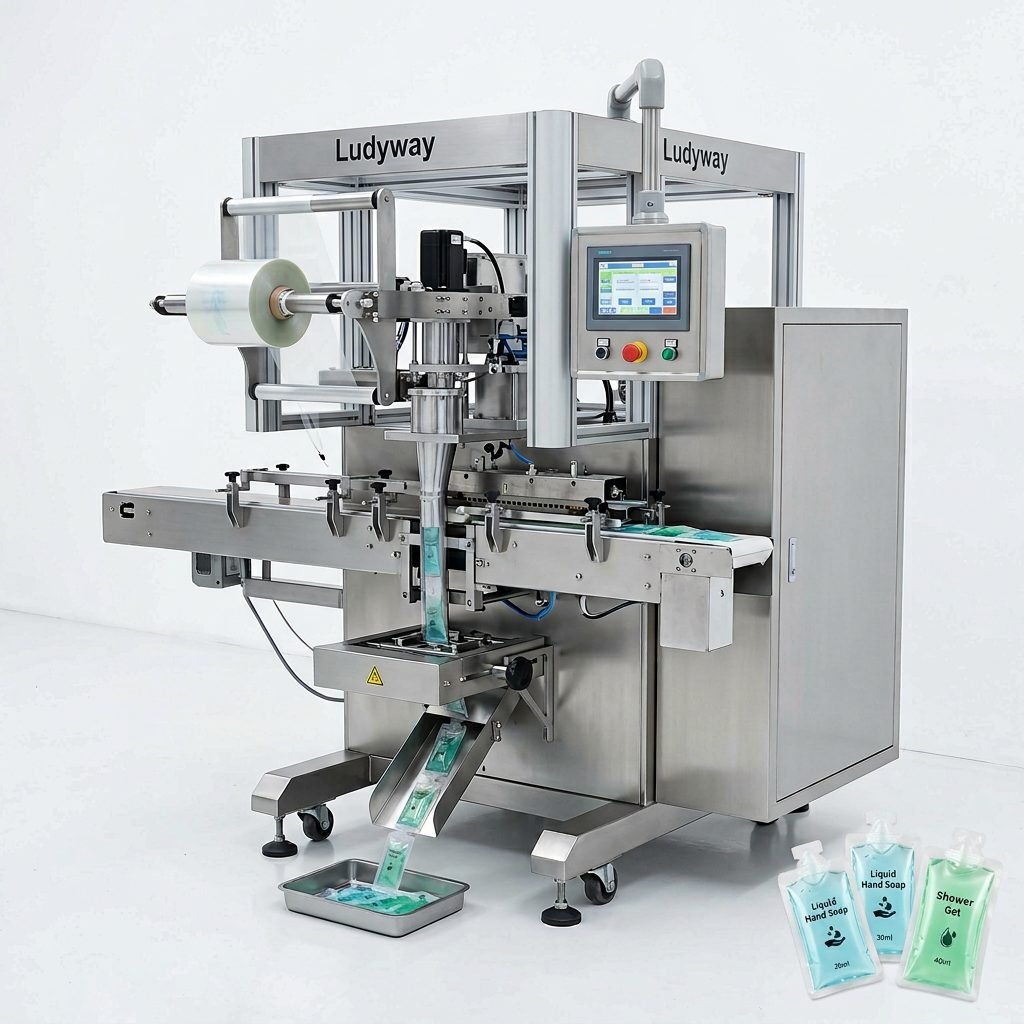
Important Features to Look For
- Servo control system for improved dosing and sealing precision
- PLC and touchscreen interface for simple operation
- No-package no-fill function to reduce waste
- Automatic film tracking for accurate package registration
- Leak-proof sealing design for reliable package integrity
- CIP-friendly or easy-clean structure for hygienic production
- Multi-lane capability for high-volume applications
- Customizable filling system based on product viscosity
Typical Packaging Materials for Liquid Products
Packaging material selection is just as important as machine selection. Common materials include laminated films with barrier properties suited to moisture, oxygen, light, or aroma protection requirements.
Common material considerations:
- Sealability at stable temperatures
- Resistance to puncture or leakage
- Chemical compatibility with the liquid
- Required shelf-life performance
- Branding and print quality
Applications by Liquid Viscosity
| Liquid Type | Examples | Recommended Filling Approach |
|---|---|---|
| Low viscosity | Water, vinegar, oral liquids | Flow meter, gravity, or pump filling |
| Medium viscosity | Oils, syrups, liquid detergents | Pump or servo piston filling |
| High viscosity | Sauces, gels, creams, lotions | Piston, rotary pump, or specialized dosing system |
| Liquid with particles | Chili sauce, fruit puree, seasoning sauce | Customized piston or pump filling with wider passage |
Why Turnkey Packaging Solutions Matter
Many manufacturers no longer want a standalone machine only. They prefer complete systems that include feeding, filling, sealing, coding, inspection, packing, and end-of-line handling. A turnkey approach reduces integration risk and improves coordination across the full line.
For companies seeking a scalable partner, Ludyway liquid packaging solutions can support standalone machines as well as complete automated packaging lines across food, pharmaceutical, cosmetic, and chemical industries.
Questions to Ask Before Buying
- What liquid products will be packed now and in the future?
- What is the required pack size range?
- What output per minute or per hour is needed?
- Do you need sachets, stick packs, pouches, or bottles?
- Is the product low, medium, or high viscosity?
- Do you need nitrogen flushing, coding, cartoning, or labeling?
- How often will the machine change to different SKUs?
- What certifications or hygiene standards are required?
- Is local service, spare parts, and remote technical support available?
Maintenance Tips for Long-Term Performance
- Clean product-contact parts regularly.
- Inspect seals, nozzles, and pumps for wear.
- Calibrate filling accuracy on schedule.
- Use packaging film and materials that match machine specifications.
- Train operators on startup, shutdown, and changeover procedures.
- Keep spare parts for critical wear items in stock.
- Follow preventive maintenance plans instead of waiting for breakdowns.
Common Mistakes to Avoid
- Choosing a machine only by price
- Ignoring the viscosity and behavior of the liquid
- Not planning for future production expansion
- Overlooking package material compatibility
- Buying a fast machine without considering cleaning and changeover time
- Failing to evaluate after-sales service and spare parts support
Final Buying Insight
The best automatic liquid packing machine is not simply the fastest one. It is the machine that matches your product type, package format, production target, compliance needs, and long-term automation plan. When correctly selected, liquid packaging equipment can help reduce waste, improve brand consistency, strengthen quality control, and support stable business growth.
If you are comparing automatic liquid sachet machines, stick pack systems, pouch filling equipment, or complete liquid packaging lines, focus on real application fit, hygienic design, filling precision, sealing reliability, and supplier engineering capability.