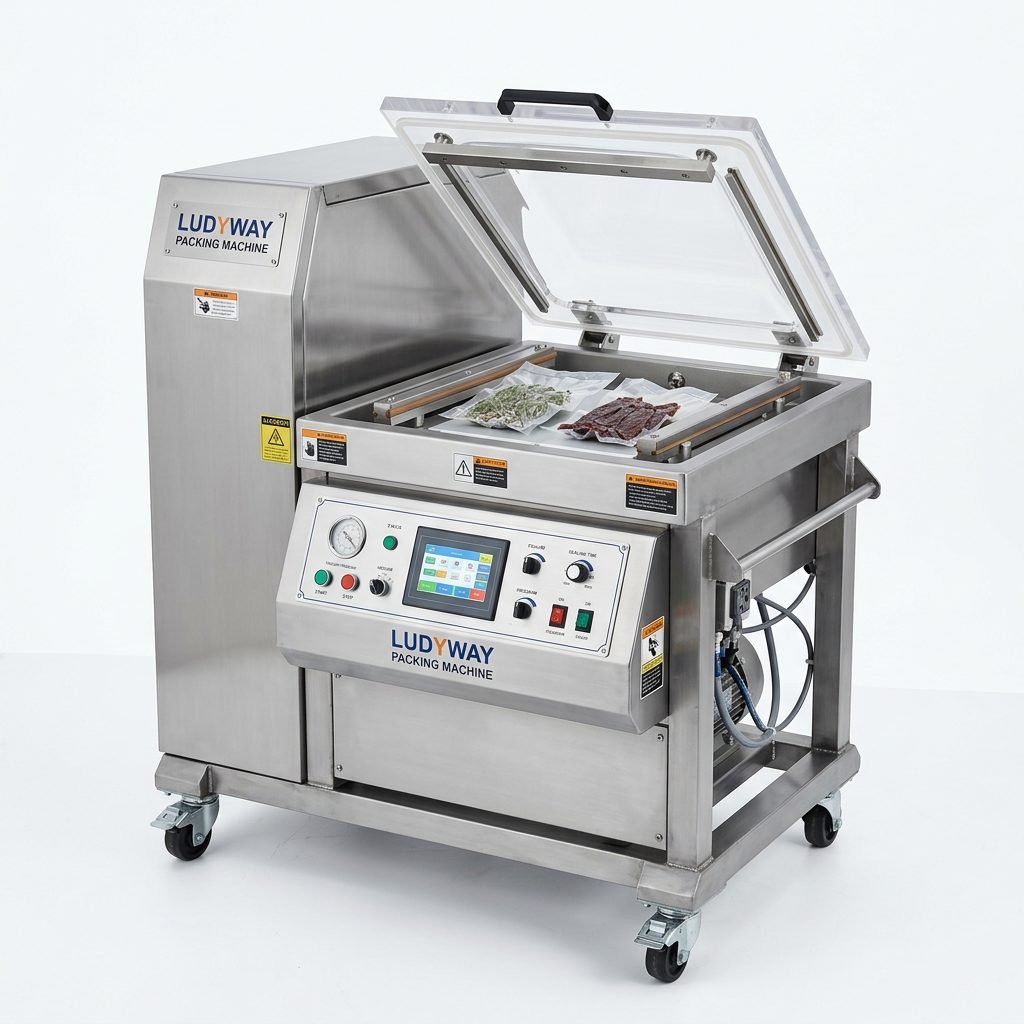
A pillow packaging machine is one of the most widely used solutions for wrapping solid, regular-shaped, and retail-ready products. It creates a neat pillow-style bag by forming film around the product, sealing the back, and closing both ends. This type of packaging is common in food, bakery, confectionery, medical supplies, daily-use items, and industrial products because it delivers fast output, attractive presentation, and reliable product protection.
For manufacturers looking to improve automation, reduce labor dependence, and keep packaging quality consistent, pillow pack equipment can be a highly practical investment. Whether you run a small production workshop or a large automated factory, choosing the right machine depends on product type, speed target, film material, and future expansion plans.
What Is a Pillow Packaging Machine?
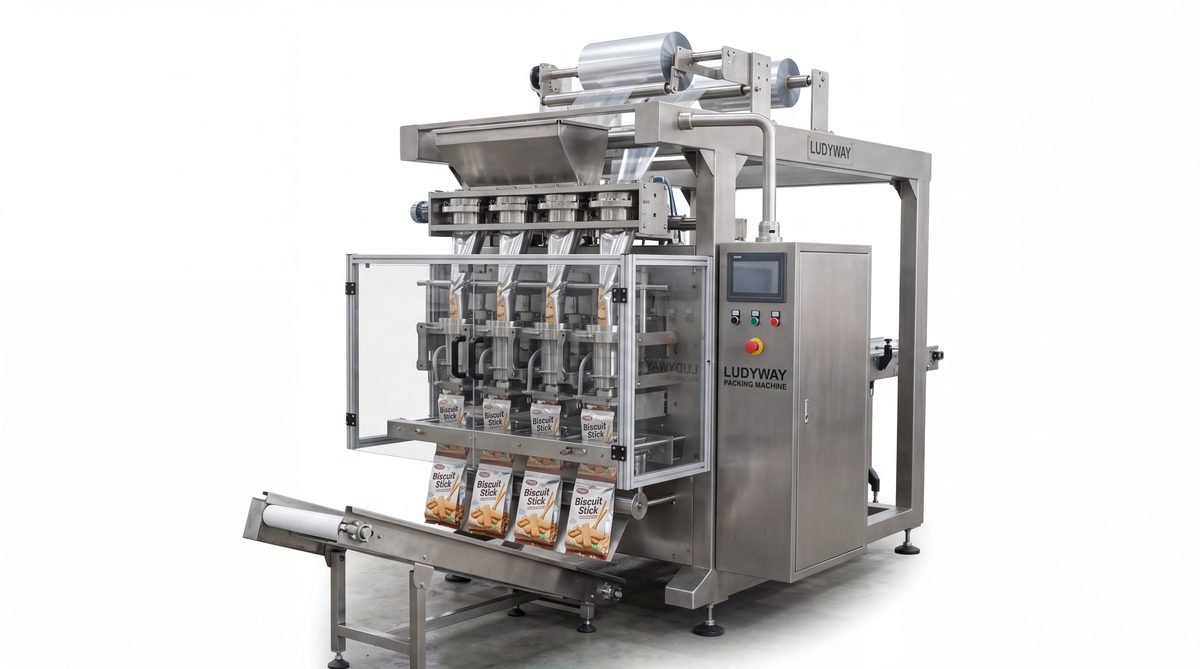
A pillow packaging machine is typically a horizontal flow wrapping machine or related automatic packaging system that wraps products in a film pouch shaped like a pillow. The final pack usually features:
- A longitudinal back seal
- Two cross seals at both ends
- A clean, compact, and shelf-friendly appearance
These machines are commonly used for products such as biscuits, bread, cakes, chocolate bars, soap, wet wipes, medical devices, sachet bundles, and hardware parts. Depending on the application, the machine may include feeding, counting, labeling, coding, nitrogen flushing, checkweighing, and cartoning functions.
How a Pillow Packing Machine Works
Although machine structures vary, the basic process follows a straightforward sequence:
- Product feeding: Items enter the machine manually or through an automatic infeed conveyor.
- Film forming: Roll film is guided around a forming box or tube.
- Longitudinal sealing: The film edges are sealed to create the back seam.
- Cross sealing and cutting: End seals are made and each package is separated.
- Discharge: Finished pillow packs move to downstream inspection, boxing, or case packing.
Advanced models can synchronize product spacing, print registration marks, and automatically reject empty or misaligned packs, making them suitable for high-volume production lines.
Main Types of Pillow Packaging Machines
1. Manual or Semi-Automatic Pillow Packers
These are suitable for low-volume production or products that require manual placement. They are usually more affordable but depend heavily on operator skill and labor input.
2. Automatic Horizontal Flow Wrapping Machines
This is the most common category. Products are automatically fed and wrapped at medium to high speed. These machines are ideal for snacks, bakery items, personal care products, and single retail units.
3. High-Speed Servo Pillow Packaging Machines
Servo-driven equipment provides more accurate sealing, cutting, and positioning. It is preferred when manufacturers need high speed, reduced film waste, and stable pack quality.
4. Rotary Jaw Pillow Wrappers
Rotary jaw systems are typically used for faster lines and products requiring continuous motion packaging. They can improve throughput and help maintain smooth handling for delicate products.
5. Box-Motion Pillow Wrappers
These are often selected for larger products or applications that need stronger seals and longer sealing time. They are useful for difficult films or products with less stable shapes.
| Type | Best For | Key Advantage |
|---|---|---|
| Semi-automatic | Small batches | Lower initial cost |
| Automatic flow wrapper | General consumer goods | Balanced speed and flexibility |
| Servo high-speed model | Large-scale production | Precision and efficiency |
| Rotary jaw machine | Fast-moving product lines | Continuous motion wrapping |
| Box-motion machine | Heavy or complex products | Stronger seal control |
Products Commonly Packed in Pillow Bags
Pillow packaging machines support a broad range of products across multiple industries:
- Biscuits, cookies, wafers, bread, cakes, and pastries
- Candy, chocolate bars, chewing gum, and snack products
- Frozen food and convenience food items
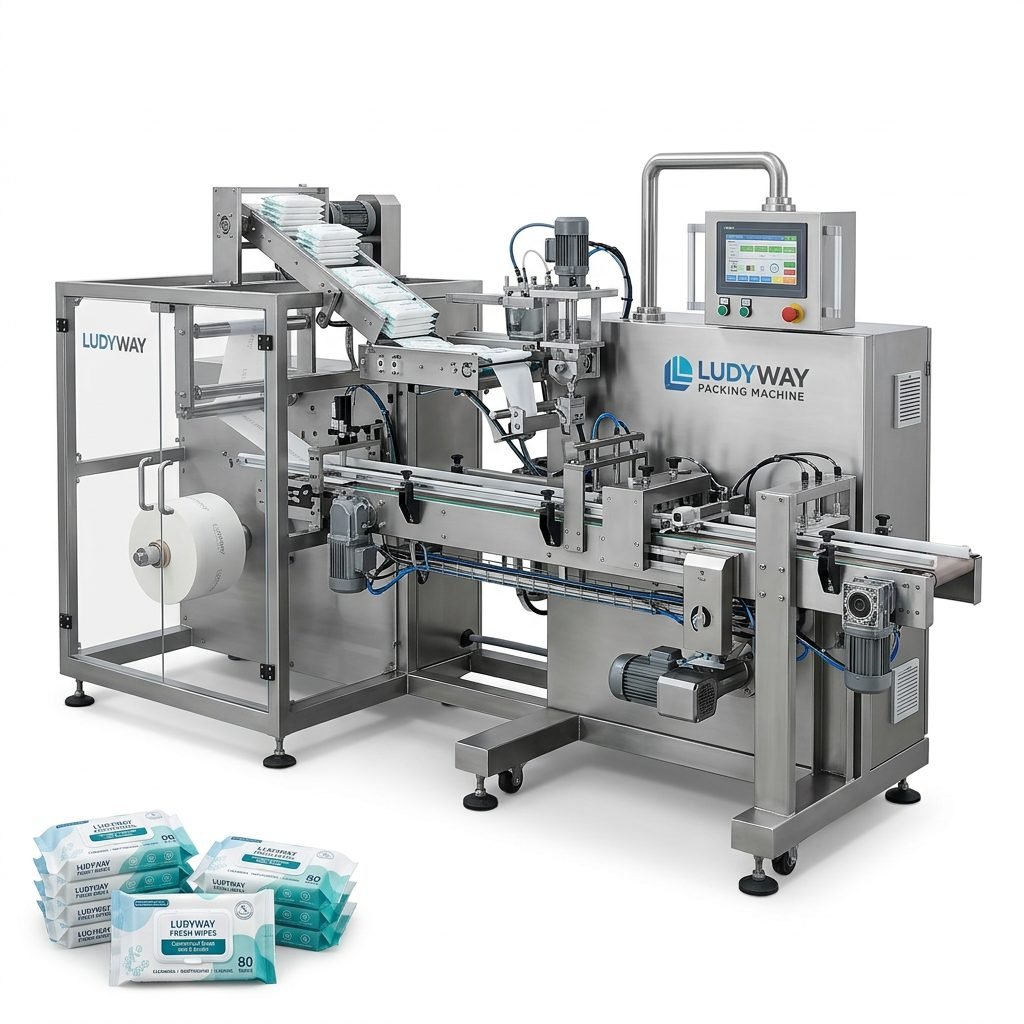
- Soap bars, wet wipes, face masks, and small cosmetic items
- Medical disposables and pharmaceutical retail packs
- Hardware kits, accessories, and bundled consumer goods
The suitability depends on product shape, flow characteristics, fragility, and target packaging speed.
Key Benefits of Using a Pillow Packaging Machine
High Packaging Speed
Pillow packing machines are built for efficient continuous production. This makes them ideal for manufacturers aiming to increase output without significantly increasing labor.
Professional Package Appearance
A neatly sealed pillow bag improves shelf presentation and brand image. Consistent sealing and trimming also help reduce complaints related to poor packaging quality.
Versatile Product Compatibility
With the right feeding system and sealing configuration, one machine can often handle multiple product sizes and formats, especially if tool-free adjustments are available.
Reduced Material Waste
Modern servo control and intelligent film tracking can minimize film loss, improve cut accuracy, and support better packaging economics over time.
Better Product Protection
Pillow packs help protect products from contamination, dust, moisture, and handling damage. For food, optional gas flushing can help extend freshness.
Easy Integration Into Automated Lines
Pillow packaging machines can be integrated with feeding conveyors, metal detectors, checkweighers, printers, cartoners, and case packers to create a more complete automated system.
Important Machine Features to Evaluate
When comparing suppliers and models, pay attention to these technical and practical factors:
- Speed range: Check the actual packs per minute under your product conditions.
- Bag size range: Ensure compatibility with current and future SKUs.
- Film type: Confirm whether the machine supports laminated film, PE, BOPP, recyclable film, or special barrier materials.
- Sealing quality: Stable temperature and pressure control are essential.
- Changeover time: Fast changeovers matter if you run many product sizes.
- Control system: PLC and touchscreen systems improve usability and diagnostics.
- Sanitation design: Especially important for food and medical applications.
- Maintenance access: Easy cleaning and part replacement reduce downtime.
Pillow Packaging Machine vs Other Packaging Types
| Packaging Type | Typical Use | Main Difference |
|---|---|---|
| Pillow pack | Solid retail products | Fast, compact, attractive wrapping |
| Sachet pack | Powders, liquids, gels | Usually smaller flat packs |
| Stick pack | Single-dose powders or liquids | Long narrow format |
| Premade pouch | Premium or stand-up packs | Higher visual impact, different process flow |
Industries That Benefit Most
Food and Bakery
One of the biggest user groups. Pillow packs are excellent for snacks, biscuits, bread, frozen foods, and confectionery where speed and shelf appeal are both important.
Pharmaceutical and Medical
For individually wrapped devices, wipes, or consumables, pillow packaging offers cleanliness, tamper evidence, and efficient handling.
Cosmetics and Personal Care
Single-use products, beauty masks, soaps, and hygiene items often use pillow packs due to their simple presentation and good sealing performance.
Industrial and Consumer Goods
Small hardware, accessories, spare parts, and kits can also be packed efficiently when a clean, protected retail-ready format is needed.
Buying Tips: How to Choose the Right Pillow Packaging Machine
1. Define Your Product Clearly
Machine selection should start with the product itself. Consider dimensions, weight, shape consistency, fragility, stickiness, and whether the product is fed singly or in groups.
2. Match the Machine to Your Speed Goal
Many buyers focus only on maximum speed, but the more important question is stable production speed under real working conditions. Ask for tested output data using products similar to yours.
3. Check Film Compatibility
Not all machines handle all packaging films equally well. If you plan to use recyclable or eco-friendlier materials, verify sealing performance before purchase.
4. Evaluate Future Expansion
If your product line may grow, choose a machine with flexible size adjustment, modular options, and integration capability for printers, feeders, or cartoning systems.
5. Ask About Changeover and Cleaning
Shorter downtime means better productivity. This is especially important for factories producing multiple SKUs every day.
6. Review After-Sales Support
Spare parts availability, remote technical support, commissioning assistance, and operator training all affect long-term performance and ownership cost.
7. Consider Full-Line Capability
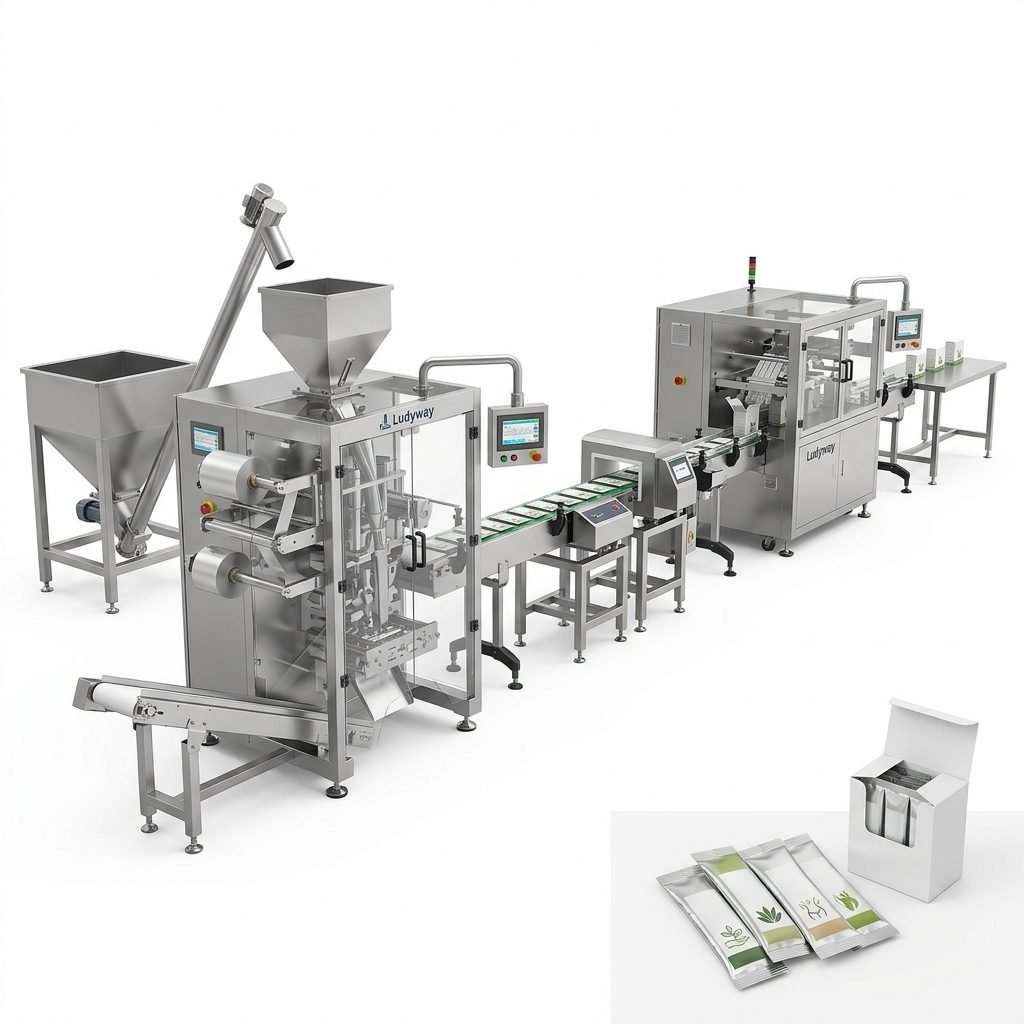
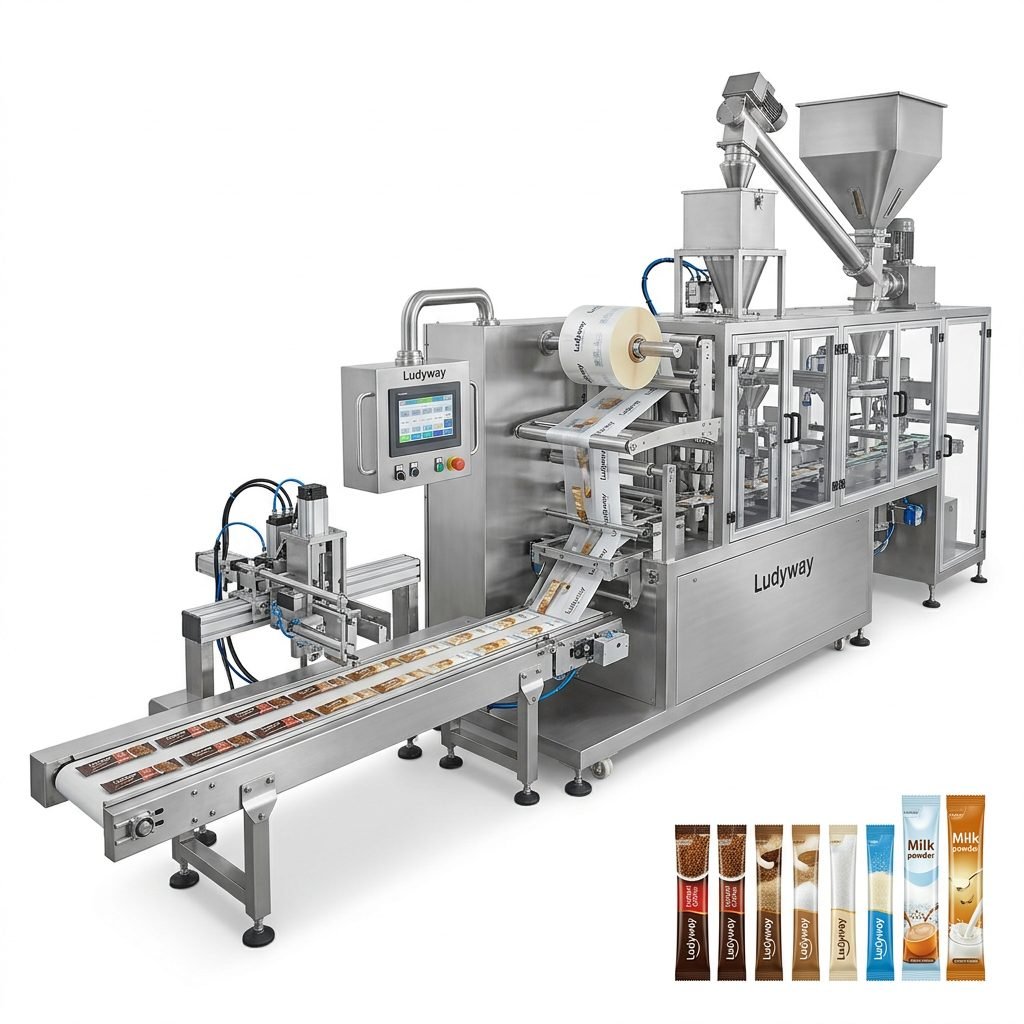
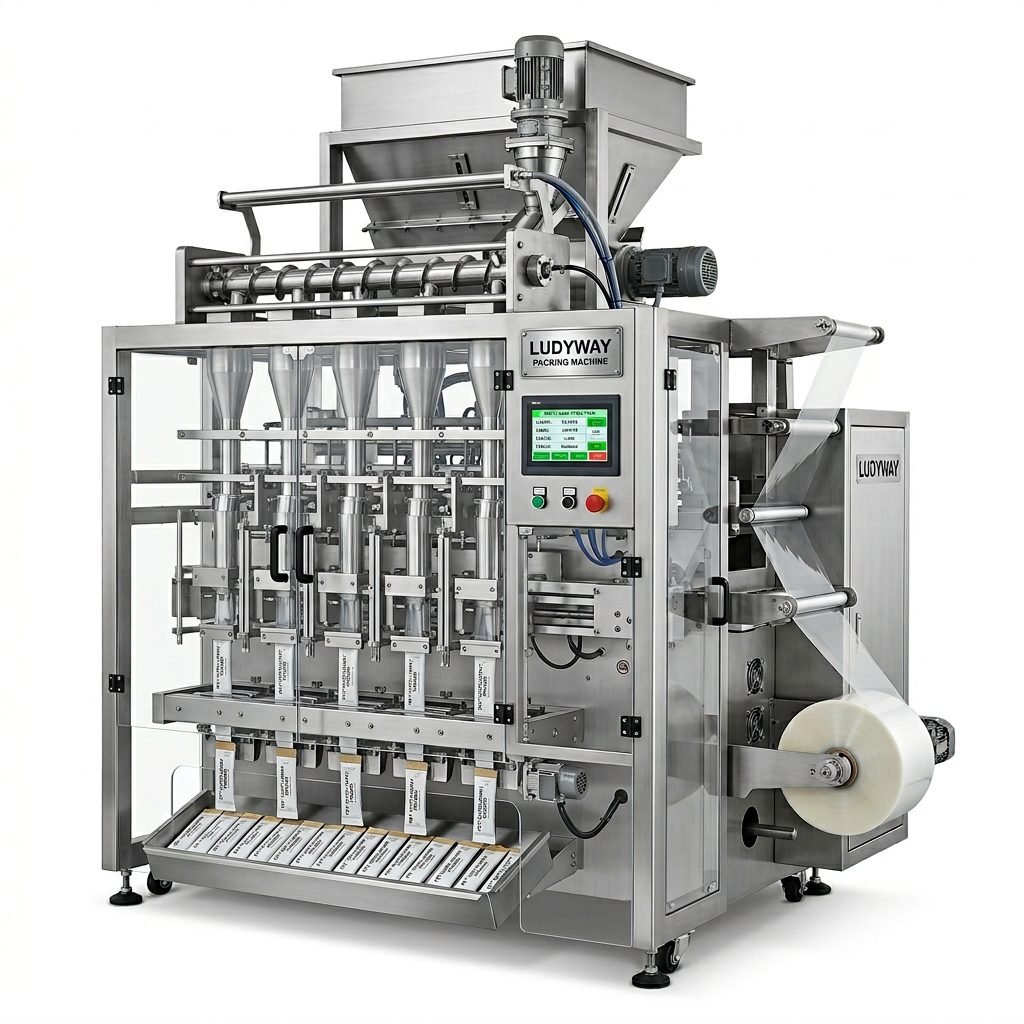
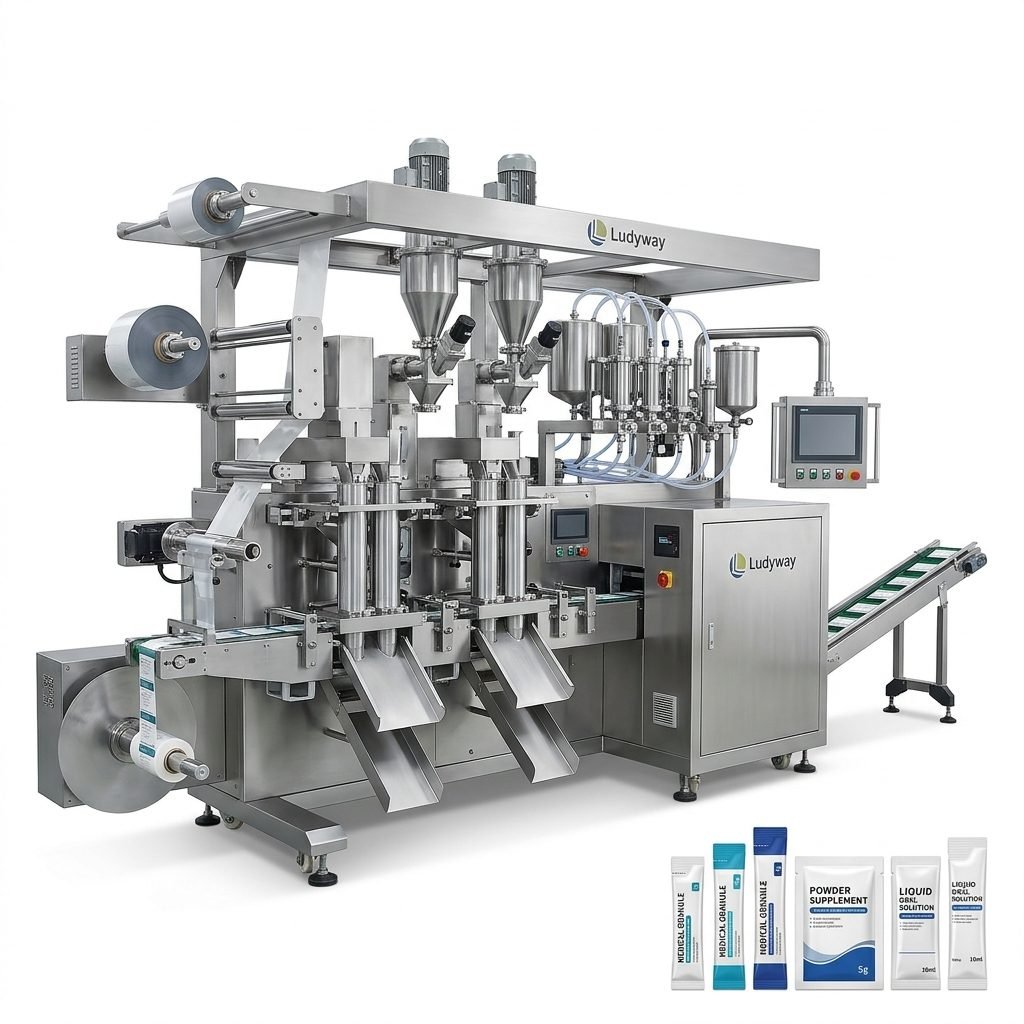
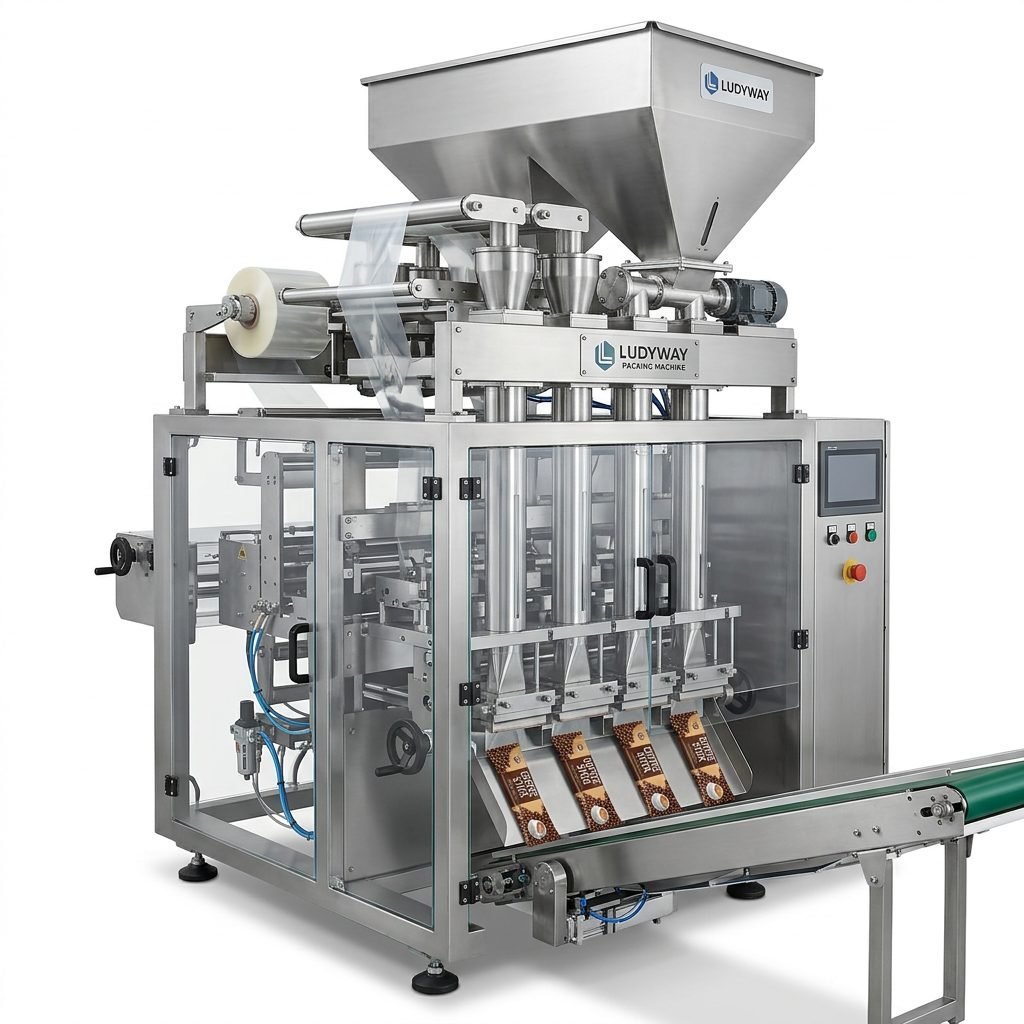
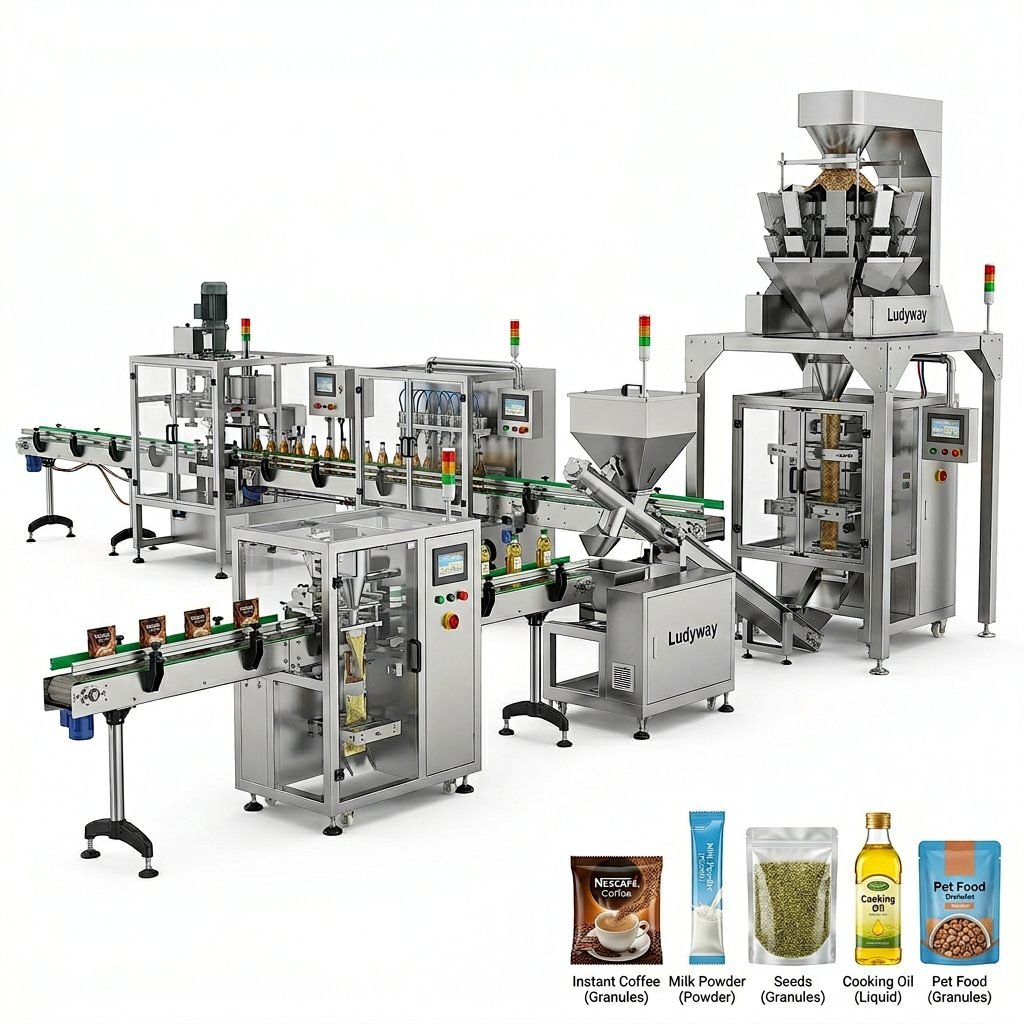
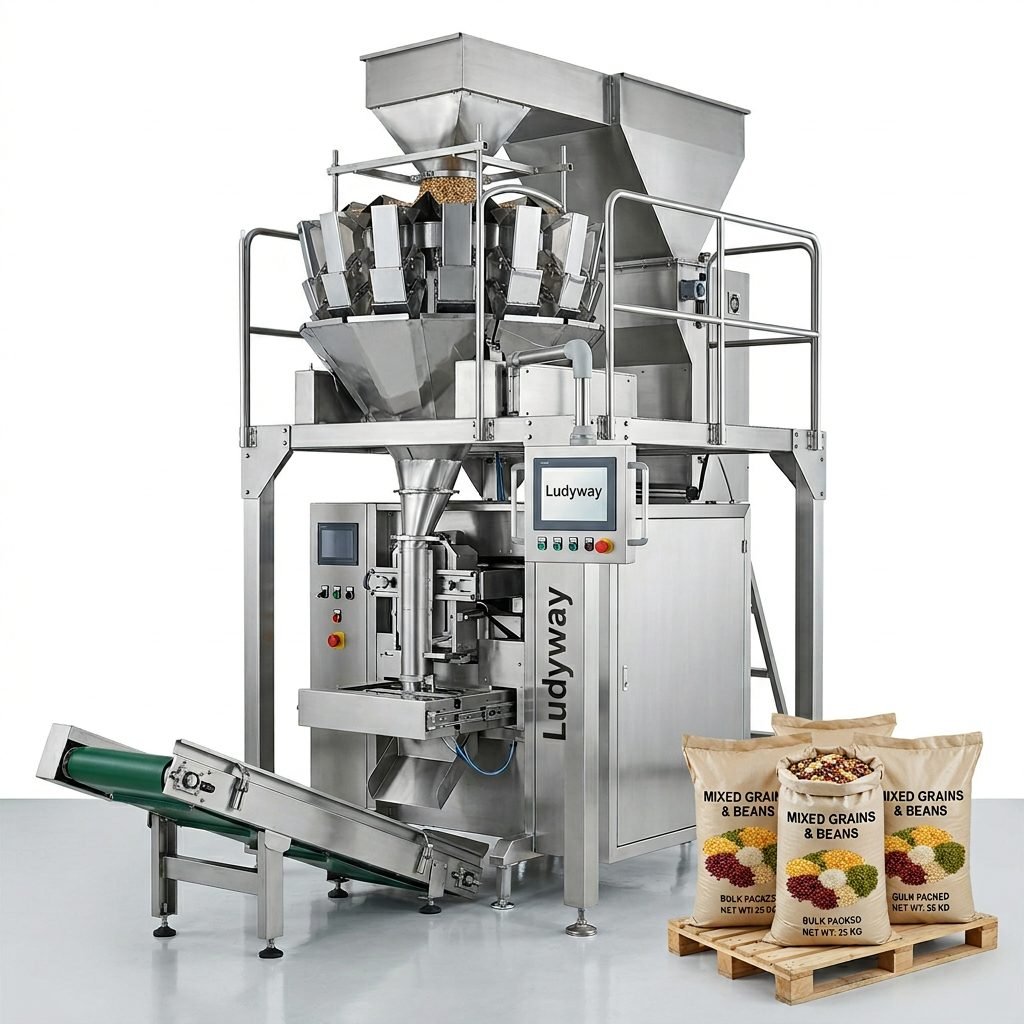
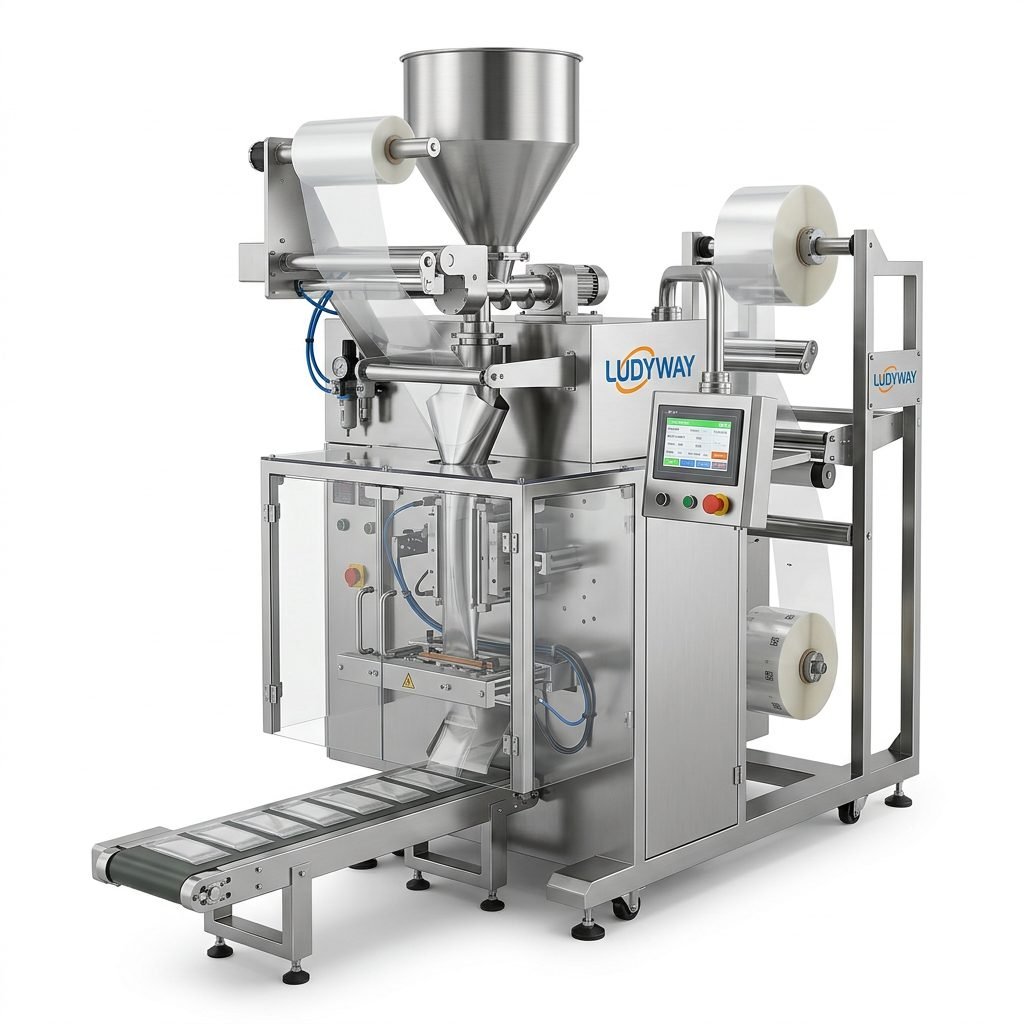
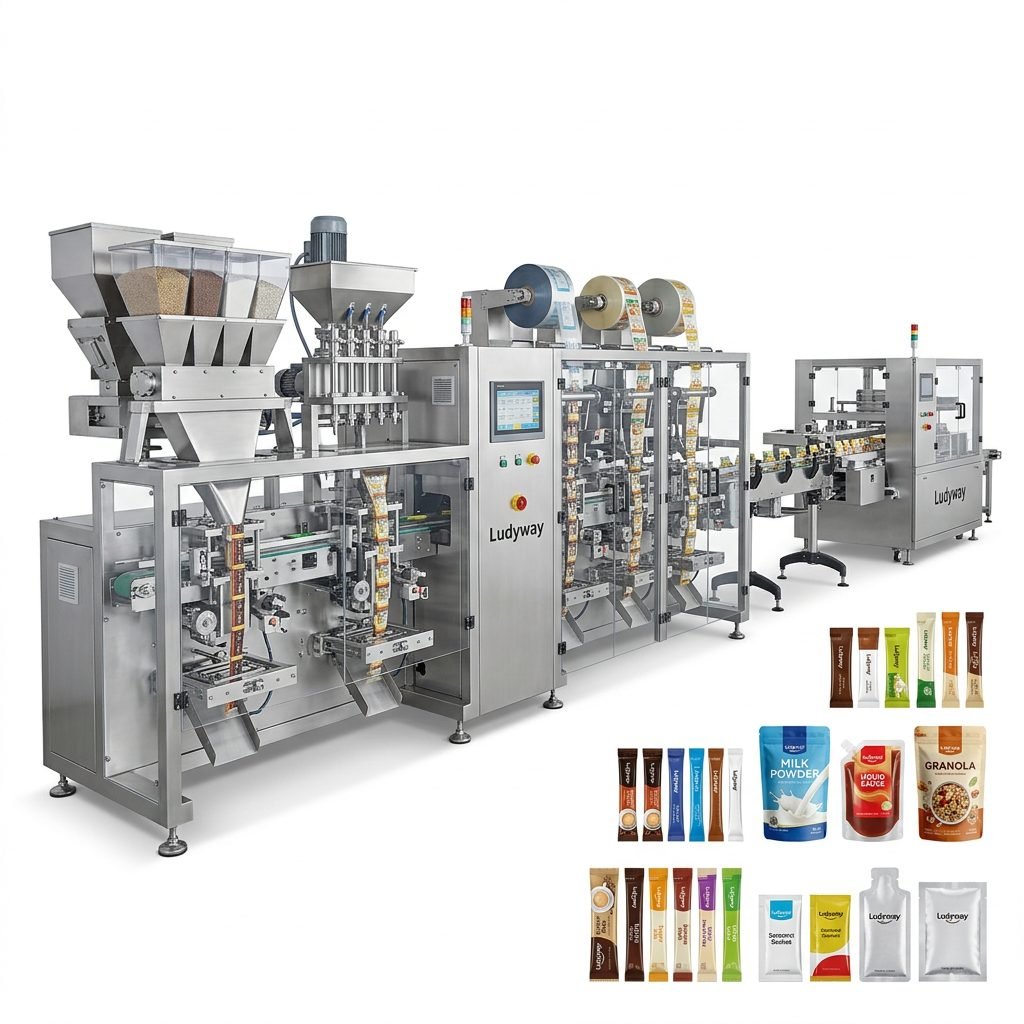
If you need more than one machine, working with a supplier that can support integrated solutions can simplify installation and long-term coordination. For example, Ludyway pillow packaging machine solutions are often considered by buyers looking for automated packaging equipment and turnkey packaging line support across food, pharmaceutical, health supplement, and related industries.
Questions to Ask a Supplier Before Buying
- What products has this model already packed successfully?
- What is the realistic running speed for my product size?
- Can the machine handle my preferred packaging film?
- How long does changeover take between different SKUs?
- What wear parts should be stocked locally?
- Do you provide video testing, FAT, or sample pack validation?
- Can this machine connect with upstream and downstream equipment?
- What technical support is available after installation?
Common Problems and How the Right Machine Helps
| Common Issue | Possible Cause | Helpful Solution |
|---|---|---|
| Poor sealing | Inconsistent heat or wrong film | Accurate temperature control and film matching |
| Cutting error | Poor registration or unstable feeding | Servo synchronization and stable infeed design |
| Film waste | Low precision setup | Optimized forming and automatic tracking |
| Product damage | Rough conveying or excessive pressure | Gentle handling and correct jaw selection |
| Frequent downtime | Difficult maintenance or unstable components | Reliable parts and accessible machine design |
Is a Pillow Packaging Machine Worth It?
For many manufacturers, the answer is yes. If your product is suitable for flow wrapping, a pillow packaging machine can deliver meaningful gains in output, pack consistency, labor savings, and presentation quality. The return on investment becomes even stronger when the machine is chosen correctly and integrated into a stable production line.
The best buying decision comes from balancing product compatibility, machine speed, sealing quality, flexibility, and supplier support. Instead of choosing only by price, focus on long-term performance, service response, and real production fit.
Final Buying Checklist
- Confirm product size, shape, and fragility
- Set a realistic packs-per-minute target
- Verify film compatibility and sealing quality
- Review machine adjustment and cleaning ease
- Check integration needs with feeders, coders, and case packers
- Request sample testing or demo videos
- Compare after-sales support and spare parts service
- Choose a machine that can support future growth