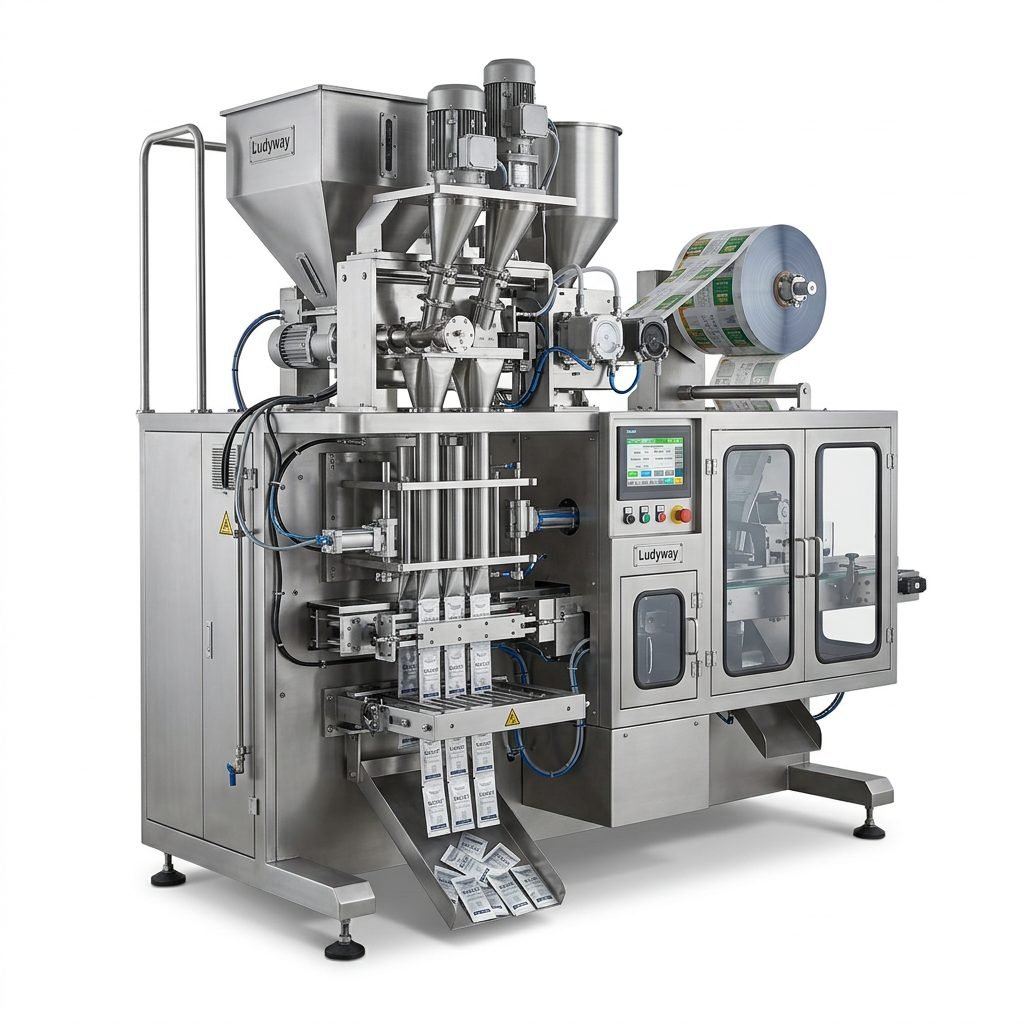
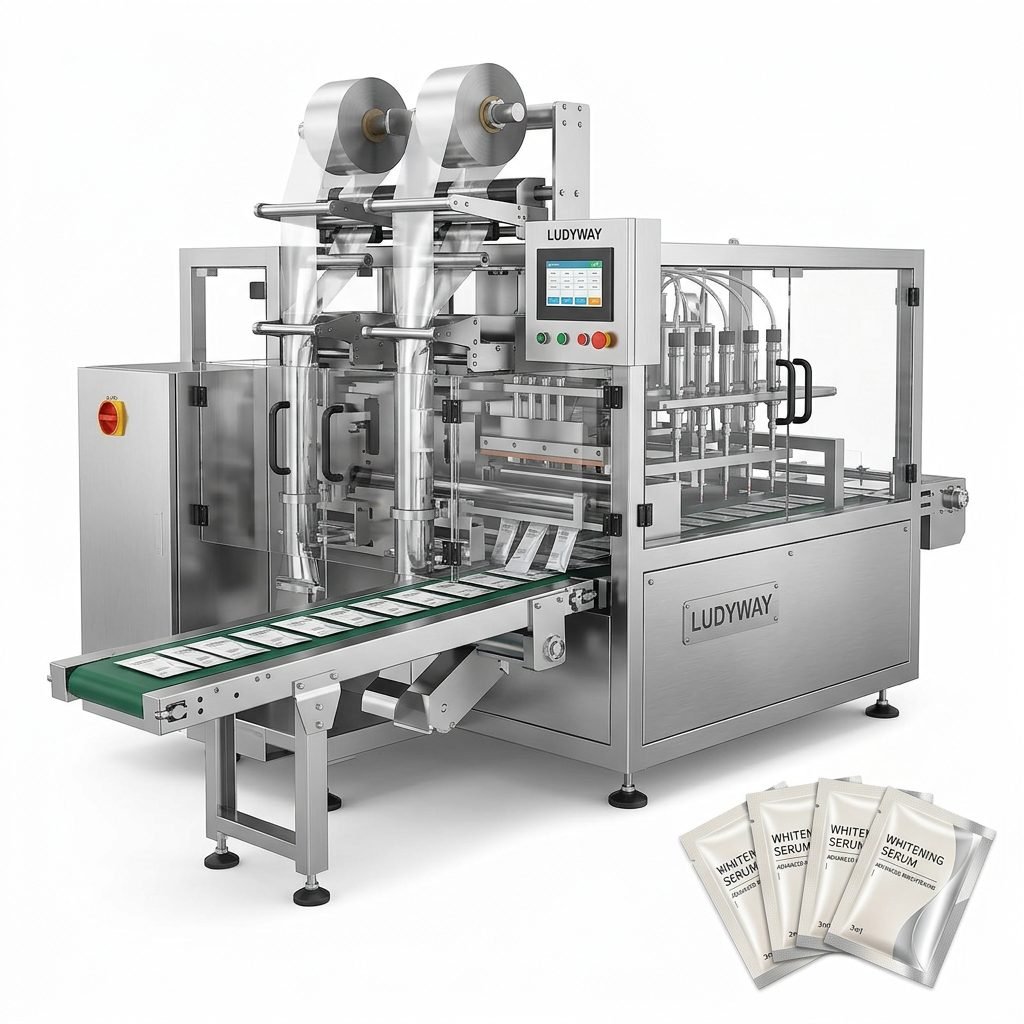
Investing in a sachet sealing machine is a critical decision for manufacturers across the food, pharmaceutical, cosmetic, and chemical industries. The right equipment directly impacts your production efficiency, product quality, and long-term operational costs. Whether you are packaging single-serve powders, liquids, granules, or paste products, selecting the optimal machine requires careful evaluation of multiple technical and operational factors. A poorly matched machine can lead to sealing failures, material waste, downtime, and compromised product integrity. This comprehensive buyer’s guide walks you through every essential consideration to help you make an informed purchasing decision.
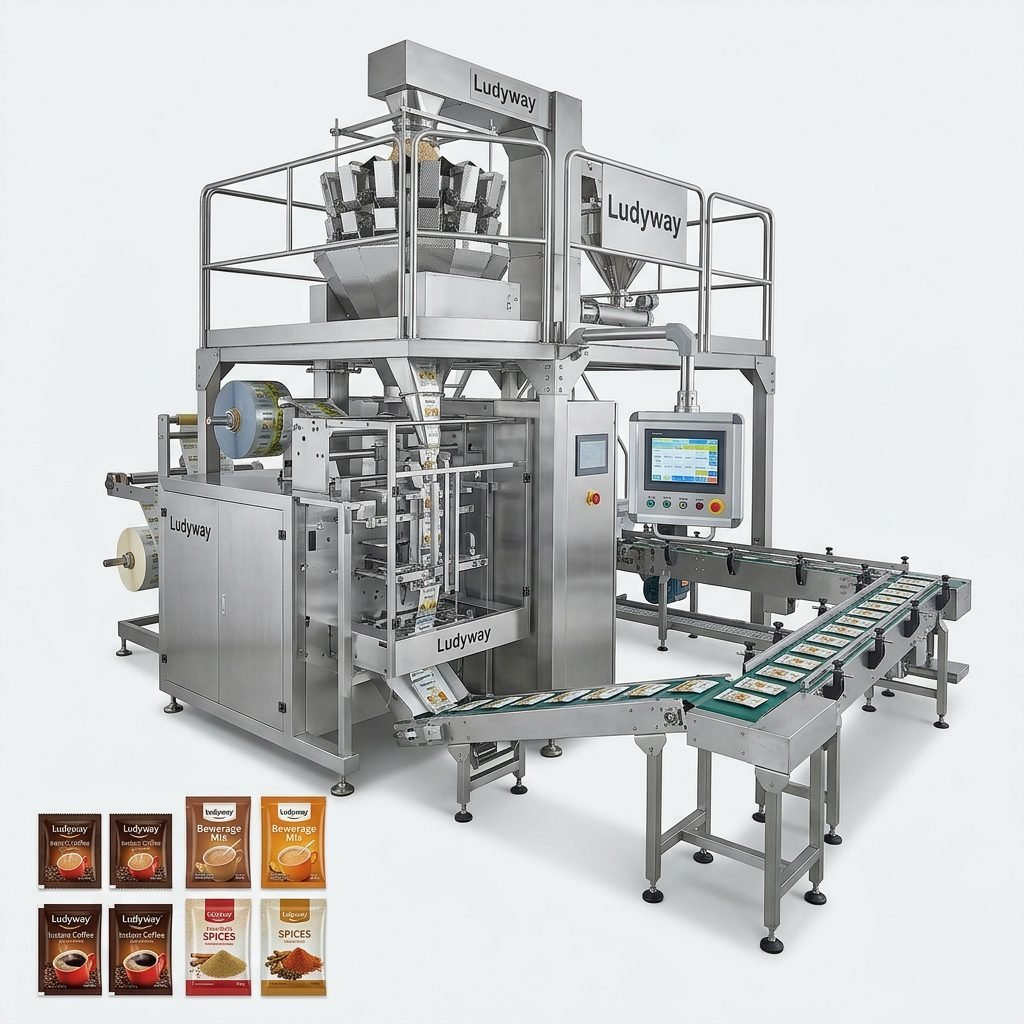
Understanding Sachet Packaging Machine Types
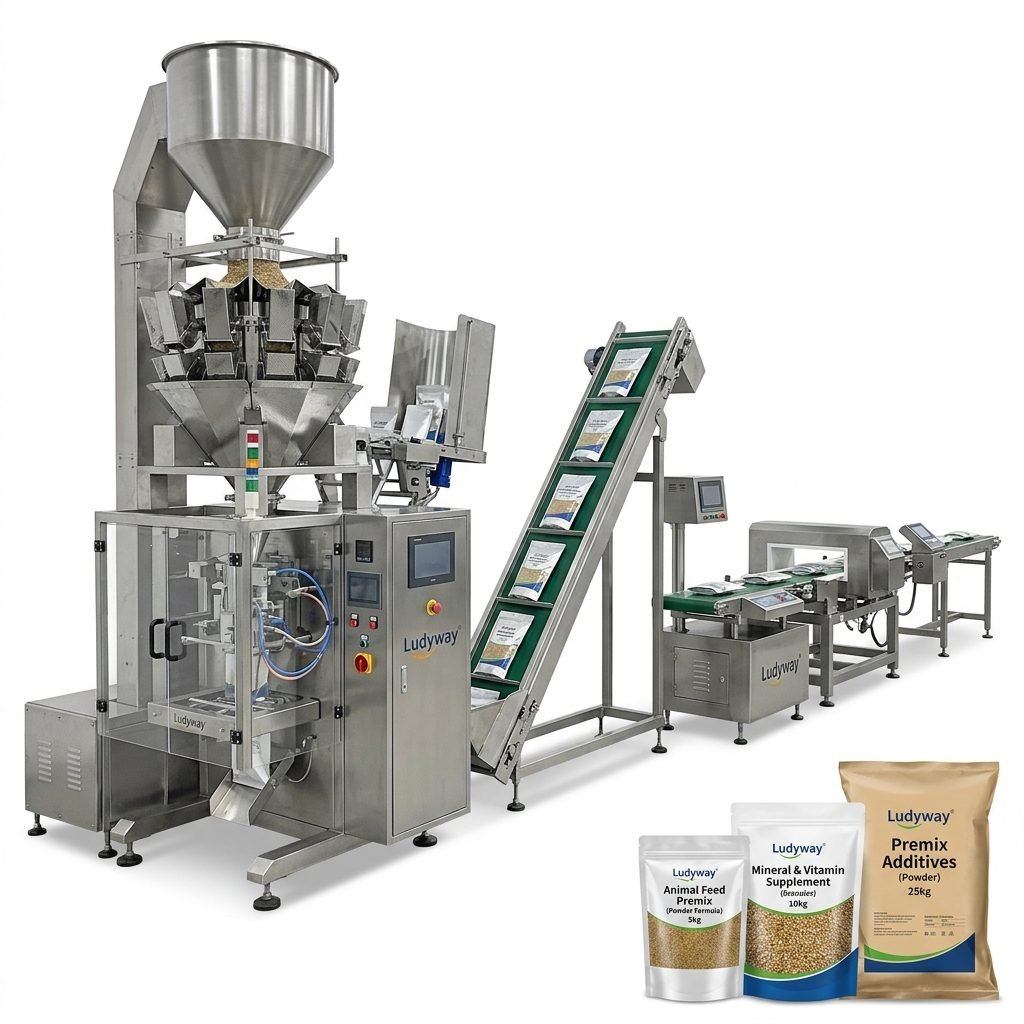
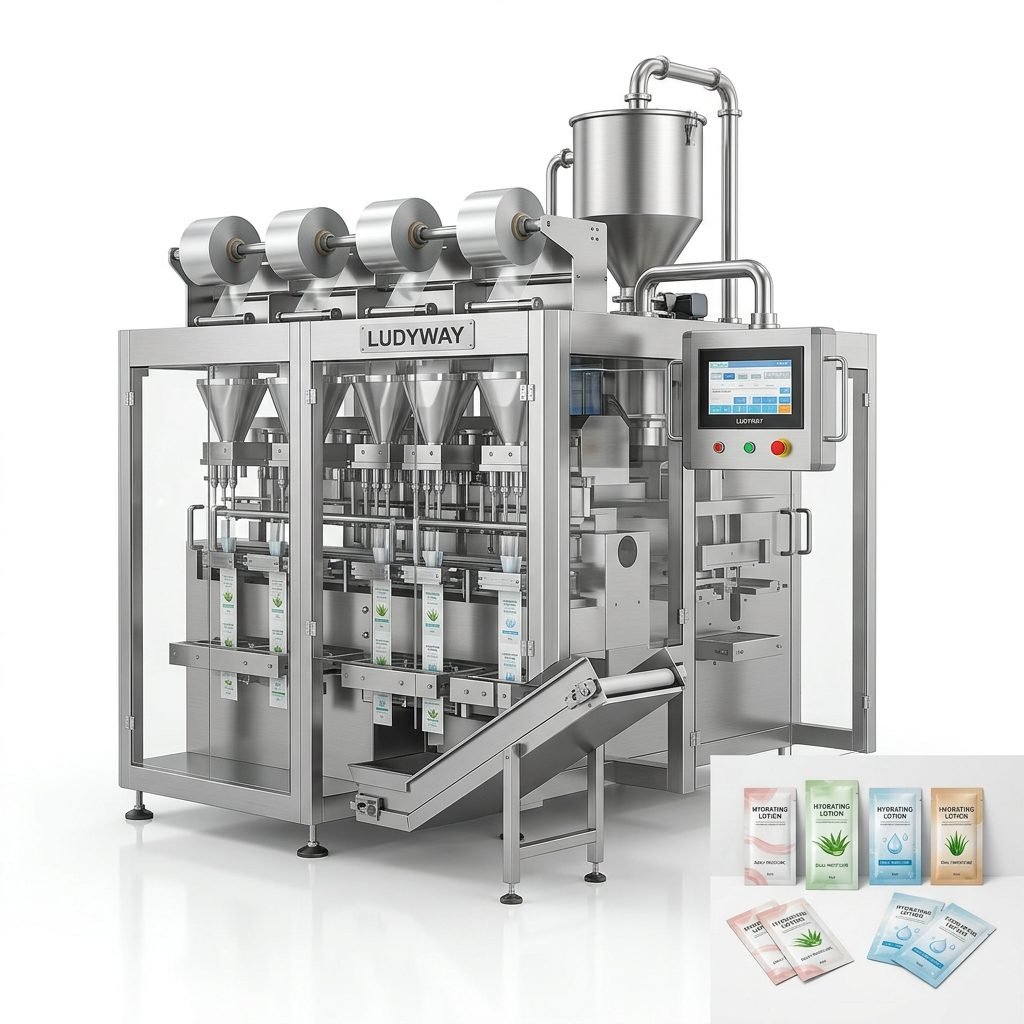
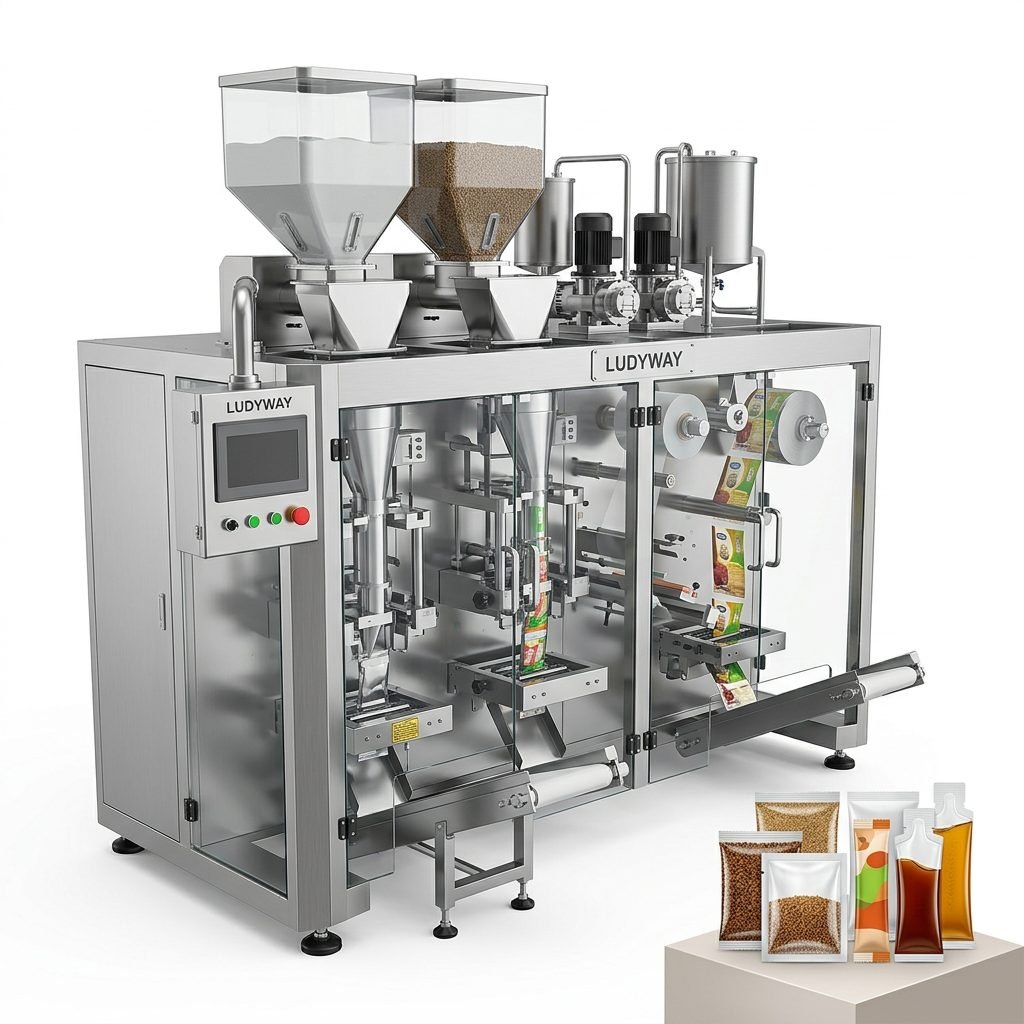
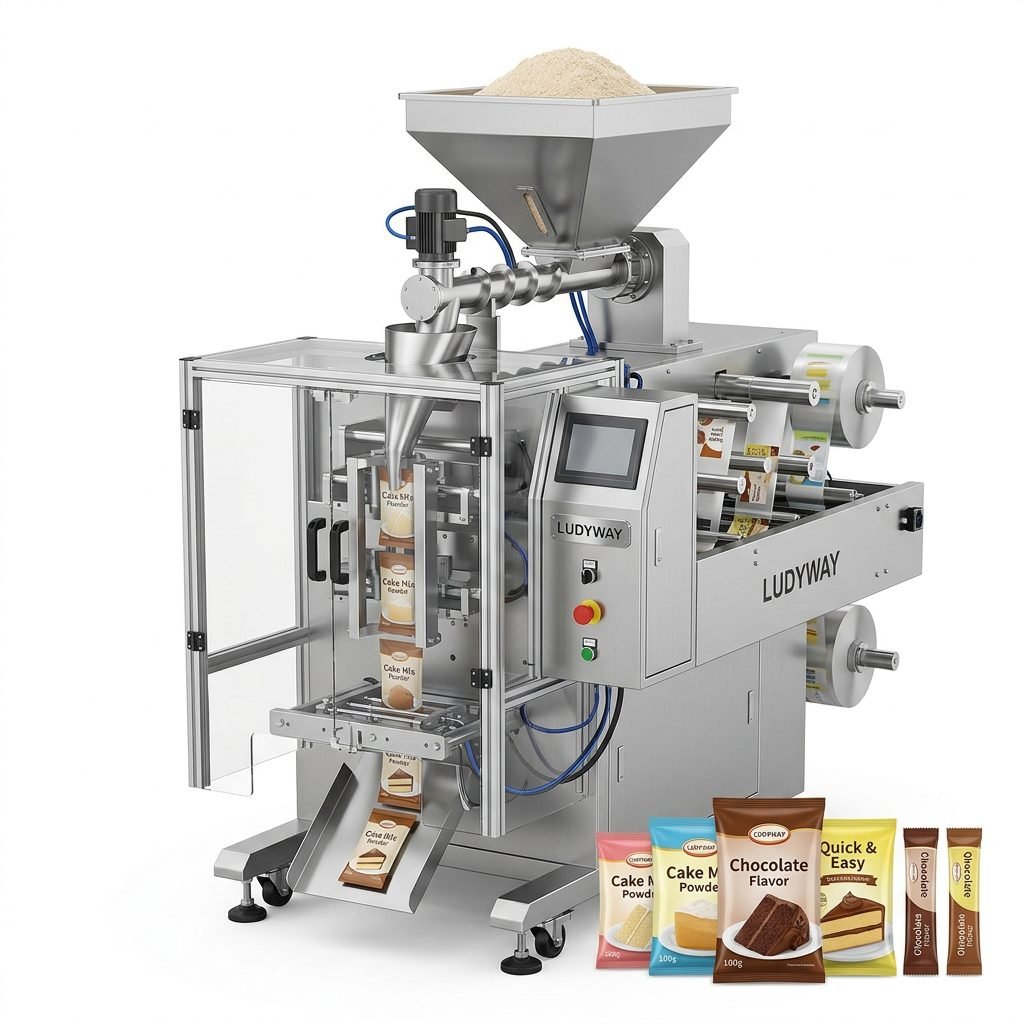
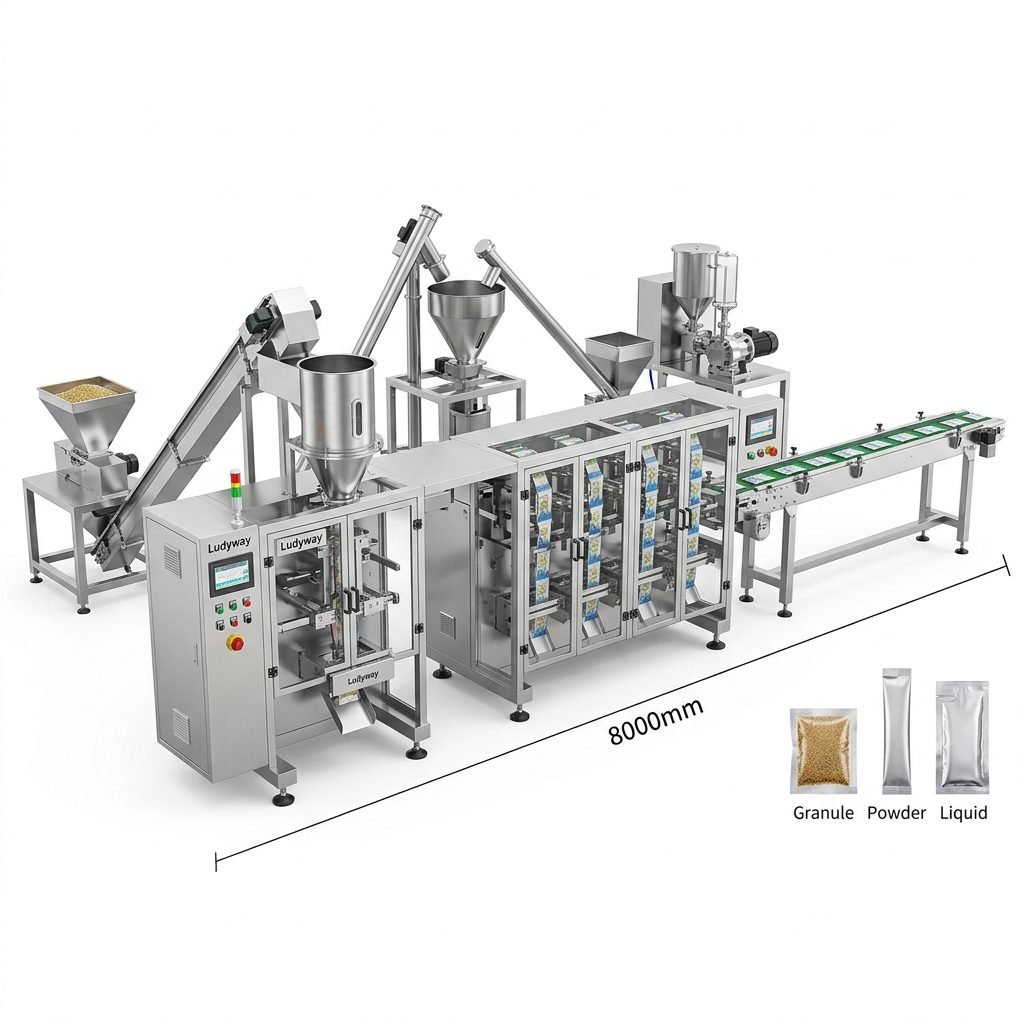
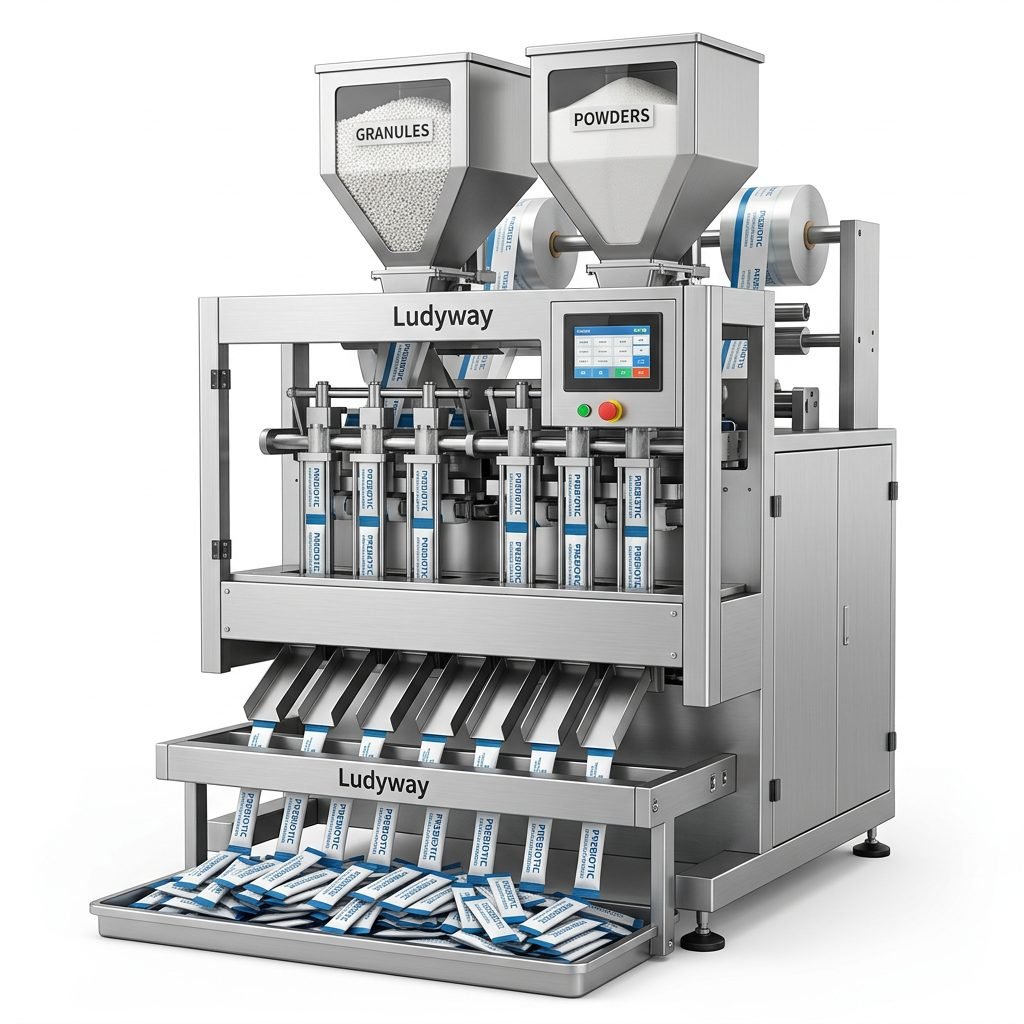
Before evaluating specific features, it is essential to understand the main categories of sachet packaging machines available on the market. Each type is designed for different applications, production environments, and output requirements. The three primary configurations include single-lane, multi-lane, and rotary sachet machines. Single-lane machines are ideal for small to medium production volumes and offer greater flexibility for frequent product changeovers. Multi-lane systems, on the other hand, can run 4 to 16 lanes simultaneously, dramatically increasing output for high-volume manufacturing. Rotary machines provide continuous motion filling and sealing, suitable for very high-speed operations where floor space is limited.
Key Factors to Evaluate Before Purchasing
1. Product Characteristics and Compatibility
The physical and chemical properties of your product are the most fundamental factors in machine selection. Free-flowing powders, non-free-flowing powders, granules, liquids, pastes, and emulsions each require different dosing mechanisms and sealing parameters. For example, hygroscopic powders that absorb moisture demand superior sealing integrity and possibly nitrogen flushing capabilities. Liquid products require leak-proof seals and compatibility with specific film materials. According to the Flexible Packaging Association, understanding material compatibility is essential for maintaining product shelf life and package performance. Always test your specific product on the machine before finalizing a purchase decision.
2. Packaging Material and Film Specifications
Sachet machines must be compatible with your chosen packaging film. Common materials include laminated films, aluminum foil, paper-based laminates, and biodegradable substrates. The machine’s sealing temperature range, jaw design, and tension control must match the film’s heat-seal characteristics. Multi-layer barrier films often require precise temperature control across a narrow range to achieve consistent seals without burning or delamination. Consider whether your application requires easy-tear notches, zipper closures, or shaped sachets, as these features affect machine configuration and tooling.
3. Production Speed and Capacity Requirements
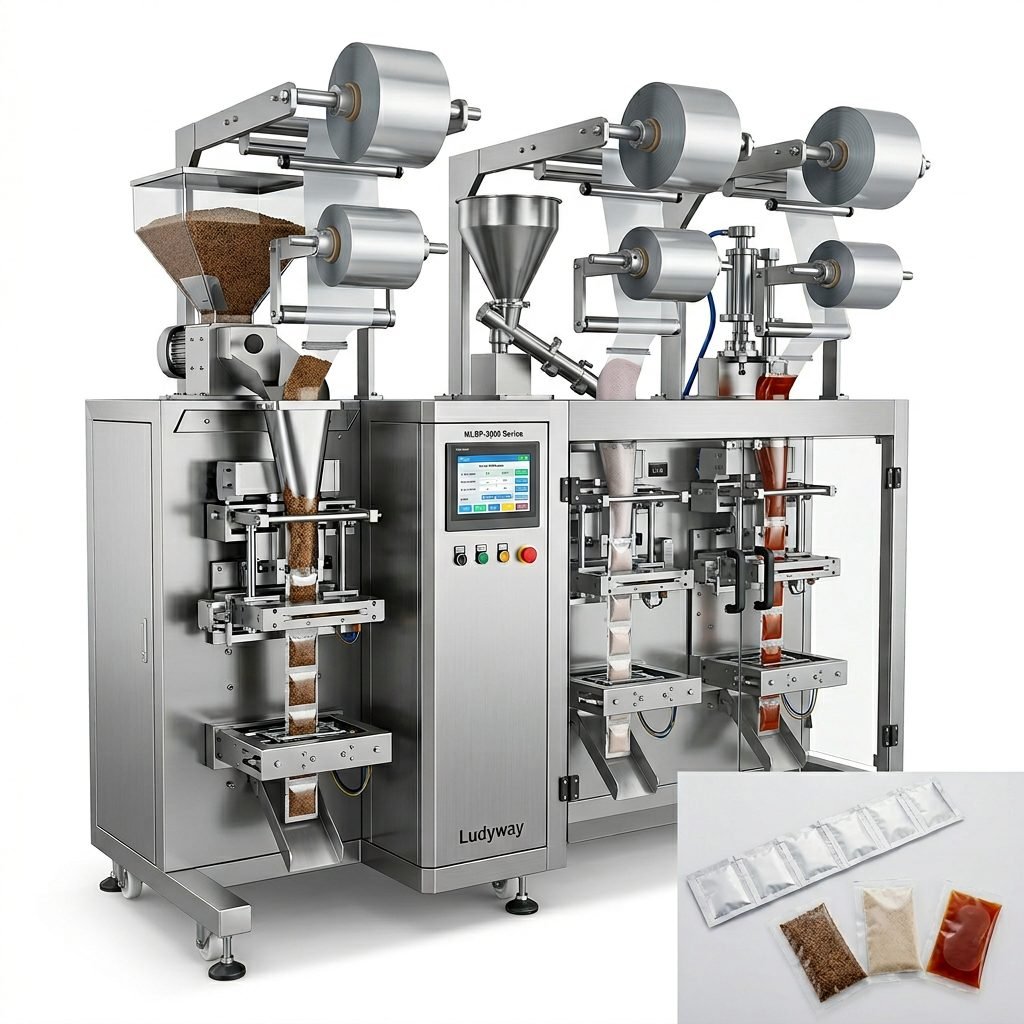
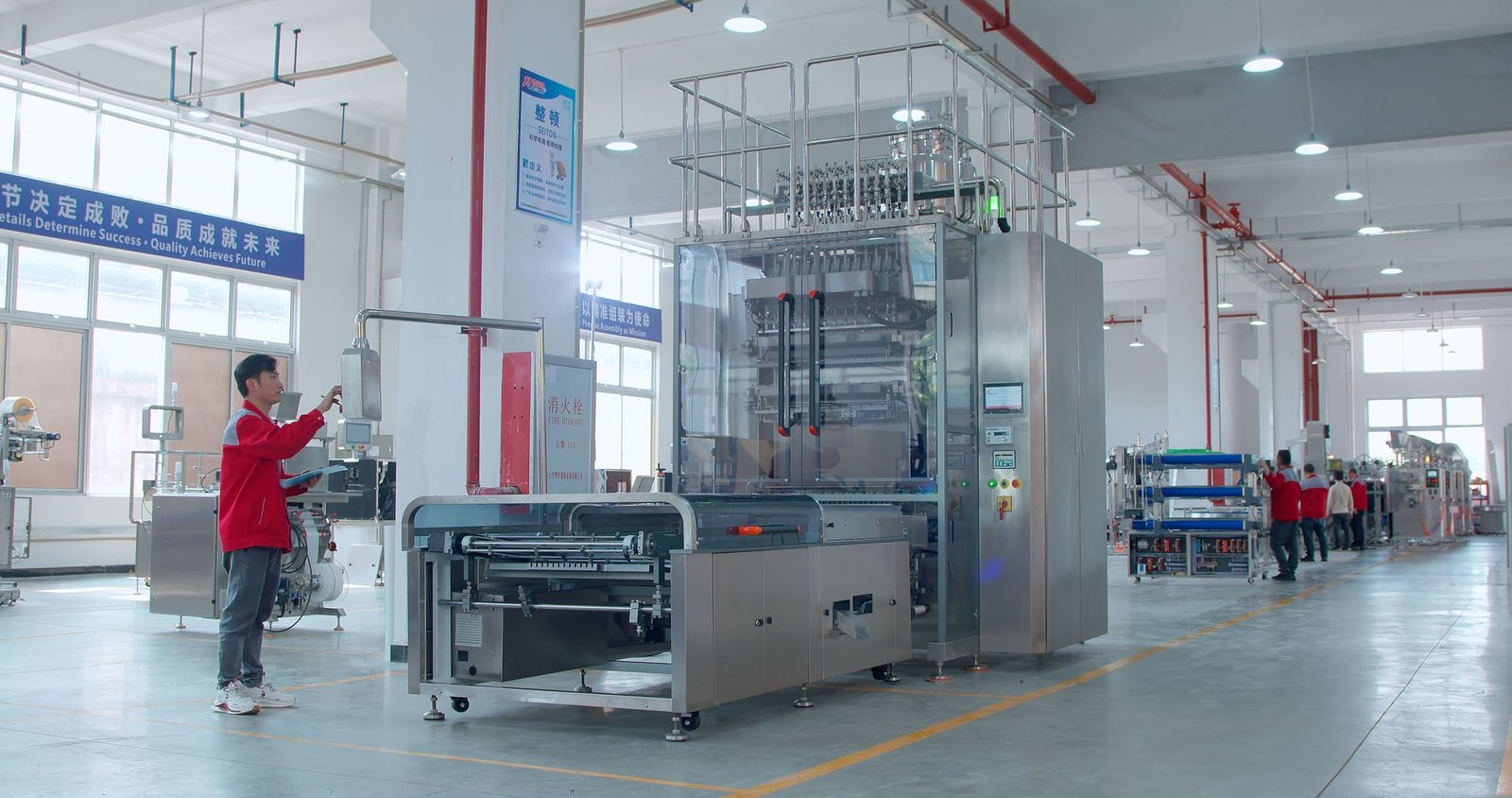
Your current and projected production volumes should guide the speed specification. Sachet machines range from 30 to over 1,000 sachets per minute depending on lane configuration and filling technology. A single-lane machine may produce 40-80 sachets per minute, while a 10-lane stick pack machine can exceed 600 sachets per minute for powder products. When assessing speed, factor in changeover time, cleaning downtime, and planned production schedules. Oversizing a machine wastes capital, while undersizing creates immediate capacity bottlenecks.
| Machine Type | Typical Speed Range | Best For | Key Consideration |
|---|---|---|---|
| Single-Lane Sachet | 30-80 sachets/min | Small batches, frequent changeovers | Flexibility over volume |
| Multi-Lane Stick Pack | 200-800 sachets/min | High-volume powder, granules | Film roll alignment critical |
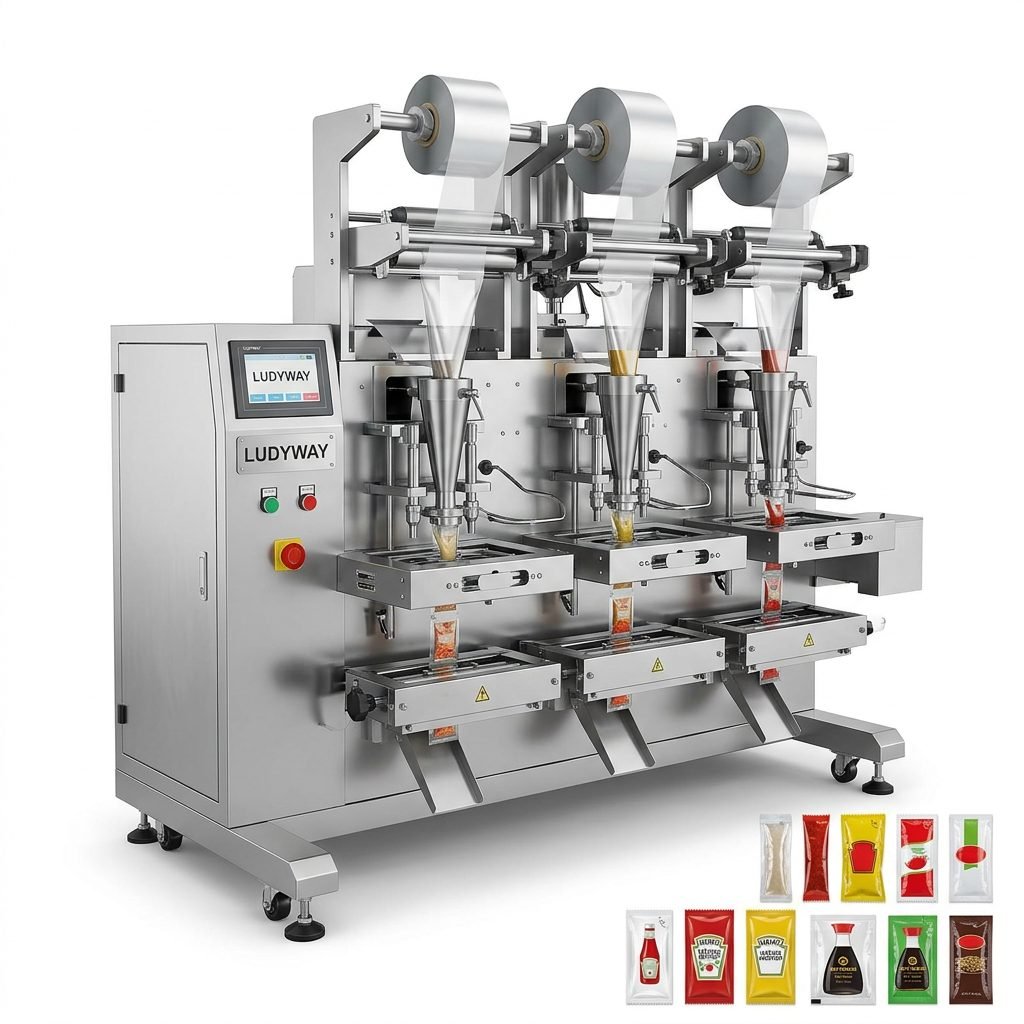
| Multi-Lane Flat Sachet | 150-600 sachets/min | Liquids, creams, sauces | Leak-proof seal requirement |
| Rotary Continuous Motion | 300-1,200 sachets/min | Very high speed, dedicated lines | Higher investment, less flexibility |
4. Filling and Dosing Accuracy
Dosing precision directly affects product consistency, regulatory compliance, and material costs. For pharmaceutical and nutraceutical applications, dosing accuracy must meet stringent pharmacopeia standards. Common dosing technologies include auger fillers for powders, piston fillers for liquids, volumetric cup fillers for free-flowing granules, and multi-head weighers for precise weight-based filling. The FDA regulates food contact substances and packaging integrity, making accurate dosing a critical compliance factor. Choose a dosing system matched to your product’s flow characteristics and your tolerance for overfill.
5. Sealing Technology and Quality Assurance
The sealing system is the heart of any sachet machine. Heat sealing, ultrasonic sealing, and impulse sealing are the three main technologies. Heat sealing is the most common and cost-effective for thermoplastic films. Ultrasonic sealing offers advantages for products that generate dust near the seal area or for materials sensitive to heat. Critical sealing parameters include temperature control accuracy, jaw pressure uniformity, dwell time, and cooling efficiency. Modern machines incorporate seal integrity inspection systems, including vision inspection and leak detection, to automatically reject defective packages. Reference ISO 11607 standards for packaging validation, especially for medical and sterile applications.
6. Automation Level and Control Systems
Today’s sachet machines offer varying degrees of automation, from basic PLC-controlled operations to fully integrated digital systems with IoT connectivity, remote diagnostics, and data logging. Key automation features to evaluate include servo-driven motions for precise control, automatic film tension adjustment, recipe management for quick changeovers, and integration with upstream and downstream equipment. A machine with advanced automation can reduce labor dependency, improve consistency, and provide valuable production analytics. According to PMMI Business Intelligence, packaging machinery with integrated automation is increasingly preferred for its ability to support flexible manufacturing and track-and-trace requirements.
7. Industry-Specific Compliance and Standards
Different industries impose unique requirements on packaging equipment. Pharmaceutical packaging must comply with GMP, 21 CFR Part 11, and serialization mandates. Food packaging requires hygienic design, easy cleanability, and food-grade materials. Cosmetic and personal care products may require explosion-proof configurations for alcohol-based formulations. Always verify that the machine can be supplied with appropriate certifications such as CE, UL, or equivalent marks for your target market. The PMMI Packaging Industry Resources provide comprehensive guidance on machinery safety standards and regulatory frameworks across different regions.
8. Maintenance, Serviceability, and Spare Parts
Long-term machine performance depends heavily on maintenance accessibility and spare parts availability. Evaluate the ease of accessing wear components, the clarity of maintenance documentation, and whether the supplier maintains regional spare parts inventory. Machines with modular designs and quick-release components can significantly reduce downtime. Ask about mean time between failures (MTBF) data and typical maintenance schedules. A reliable supplier should provide operator training, technical documentation in your language, and responsive remote technical support.
9. Total Cost of Ownership and ROI
The purchase price is only one component of the total cost. Calculate the total cost of ownership (TCO) by factoring in film material waste rates, energy consumption, labor requirements, spare parts costs, and expected service intervals. A slightly more expensive machine with better sealing efficiency and lower film waste can deliver superior ROI within months. Typical film waste on a well-tuned sachet machine should be below 1-2% during steady-state production. Request detailed utility consumption data and parts replacement schedules from potential suppliers to build an accurate TCO model.
10. Supplier Experience and Global Support
Choosing the right equipment partner is as important as choosing the right machine. Look for manufacturers with proven experience in your specific industry, a track record of successful installations, and comprehensive after-sales support. Evaluate their engineering capabilities, customization experience, and global service network. For example, Ludyway Machinery has served customers in more than 100 countries with over 50 packaging machine models, demonstrating the scale and international experience that can provide peace of mind for manufacturers building or upgrading packaging lines. A supplier with turnkey project capabilities can simplify integration, reduce risk, and provide single-point accountability.
Common Mistakes to Avoid When Buying a Sachet Machine
- Focusing only on speed without considering changeover efficiency – a machine with 400 sachets/min output but 2-hour changeover may be less productive than a 250 sachets/min machine with 20-minute changeover.
- Neglecting film compatibility testing – not all films seal equally on every machine, and inadequate testing leads to production delays.
- Underestimating auxiliary equipment requirements – compressed air quality, dust extraction, coding and printing integration all affect performance.
- Ignoring future scalability – a machine that cannot accommodate additional lanes or new packaging formats may limit growth.
- Overlooking operator training needs – sophisticated machines require skilled operators; factor training into your implementation timeline.
Essential Questions to Ask Machine Suppliers
When engaging with potential equipment suppliers, asking the right questions helps uncover differences in machine quality, support capabilities, and total value. Use this checklist during your evaluation process:
| Category | Key Questions |
|---|---|
| Technical | Can the machine handle my specific product viscosity, particle size, and film type? What is the achievable seal strength and leak rate? |
| Performance | What is the demonstrated OEE (Overall Equipment Effectiveness) for similar applications? What are typical rejection rates? |
| Support | Do you have local service engineers or remote diagnostic capability? What is the typical response time for technical support? |
| Spare Parts | Which spare parts are recommended for the first year? What is the lead time for critical wear components? |
| Validation | Can you provide FAT, SAT, and IQ/OQ documentation? Do you support validation protocols for regulated industries? |
Making the Final Decision
After evaluating machine specifications, supplier capabilities, and total cost of ownership, the final decision should balance technical requirements, budget constraints, and long-term partnership potential. Request factory acceptance testing (FAT) with your actual product and film before shipping. Visit reference sites running similar applications, if possible. Ensure the supplier provides comprehensive installation support, operator training, and a clear warranty and service agreement. A thoughtful selection process, guided by objective evaluation criteria, leads to a packaging asset that reliably supports your production goals for years to come.
For further reading on packaging machinery standards and industry trends, explore resources from the Flexible Packaging Association and PMMI – The Association for Packaging and Processing Technologies. These organizations provide valuable insights into material developments, regulatory changes, and technology advancements shaping the packaging machinery landscape.