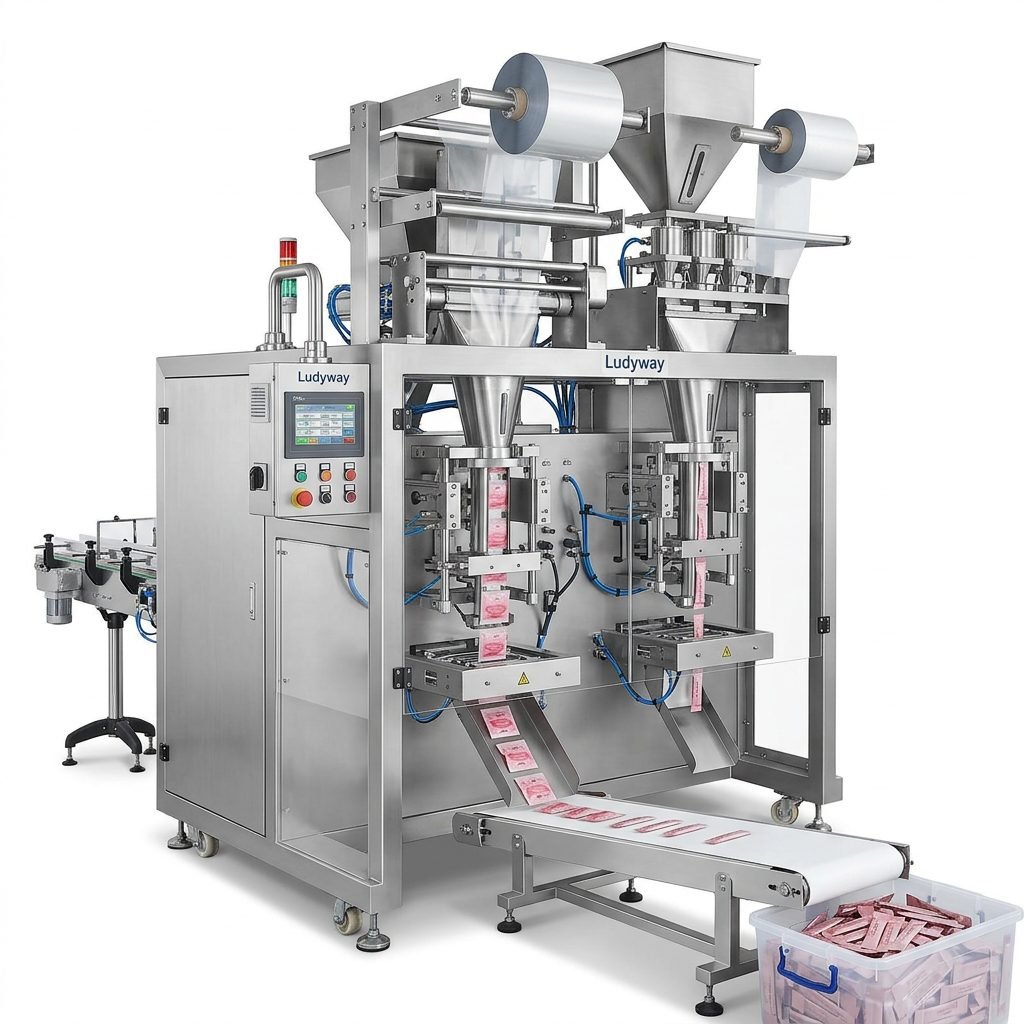
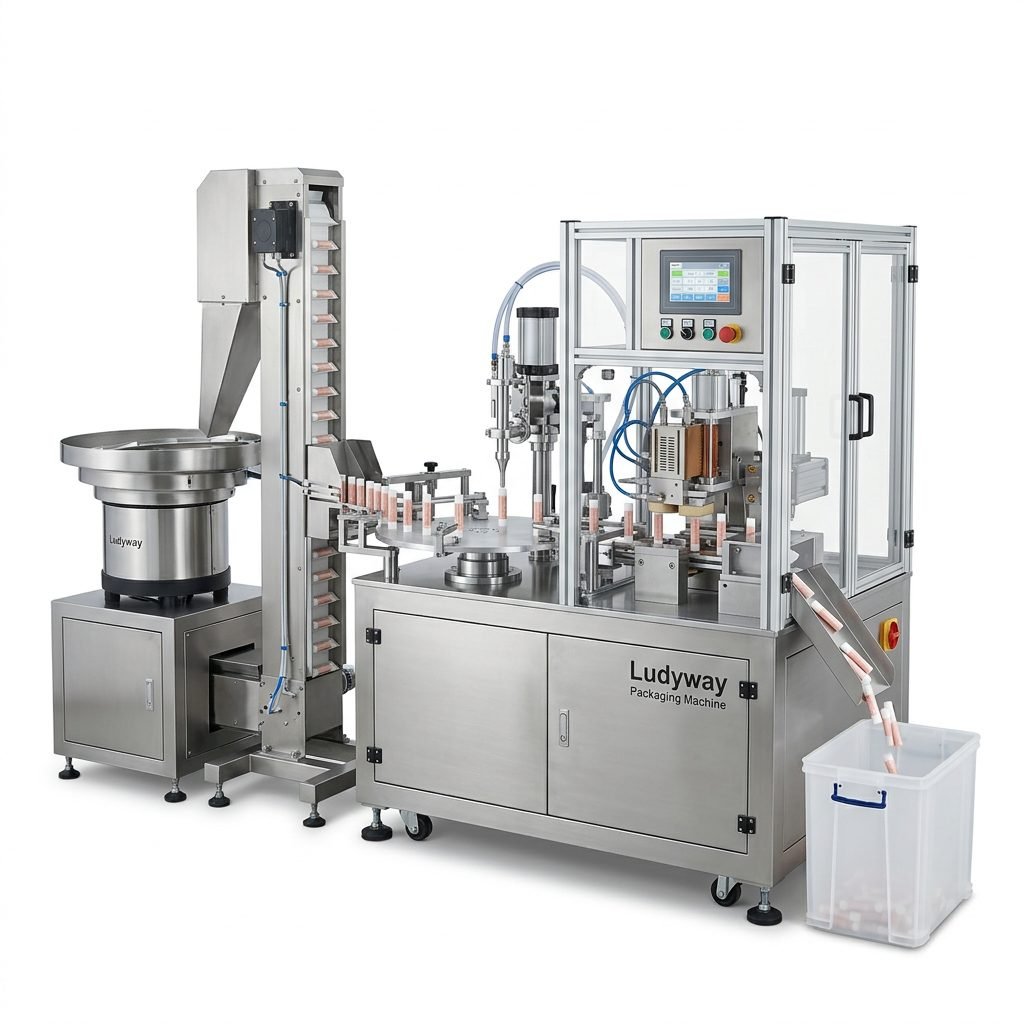
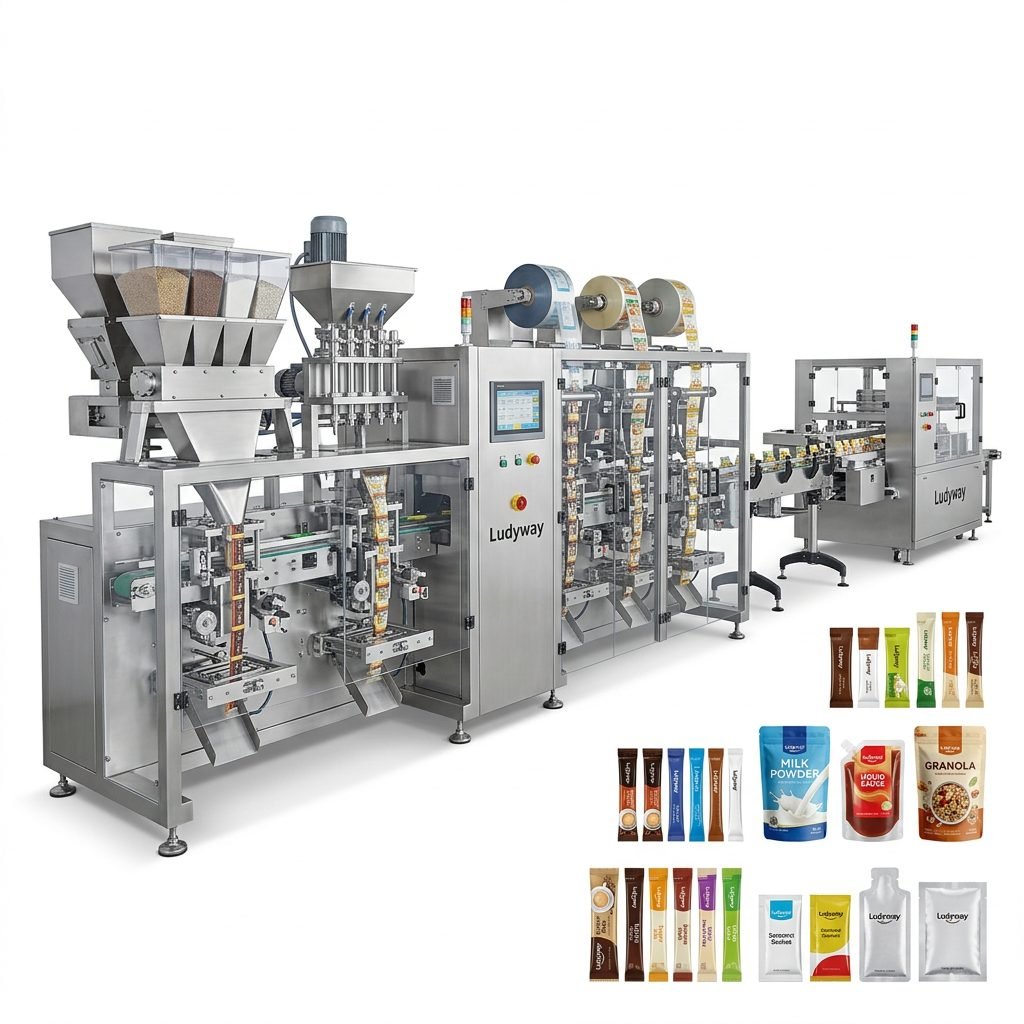
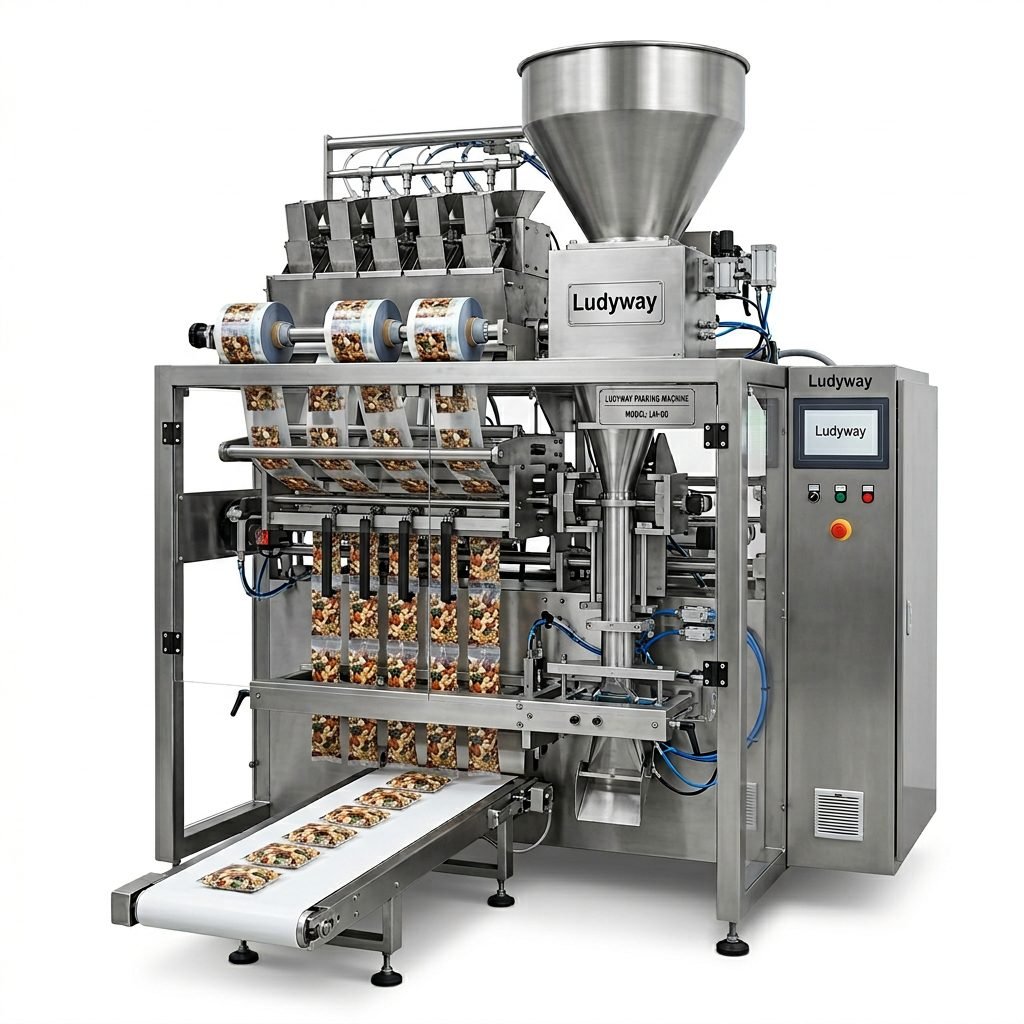
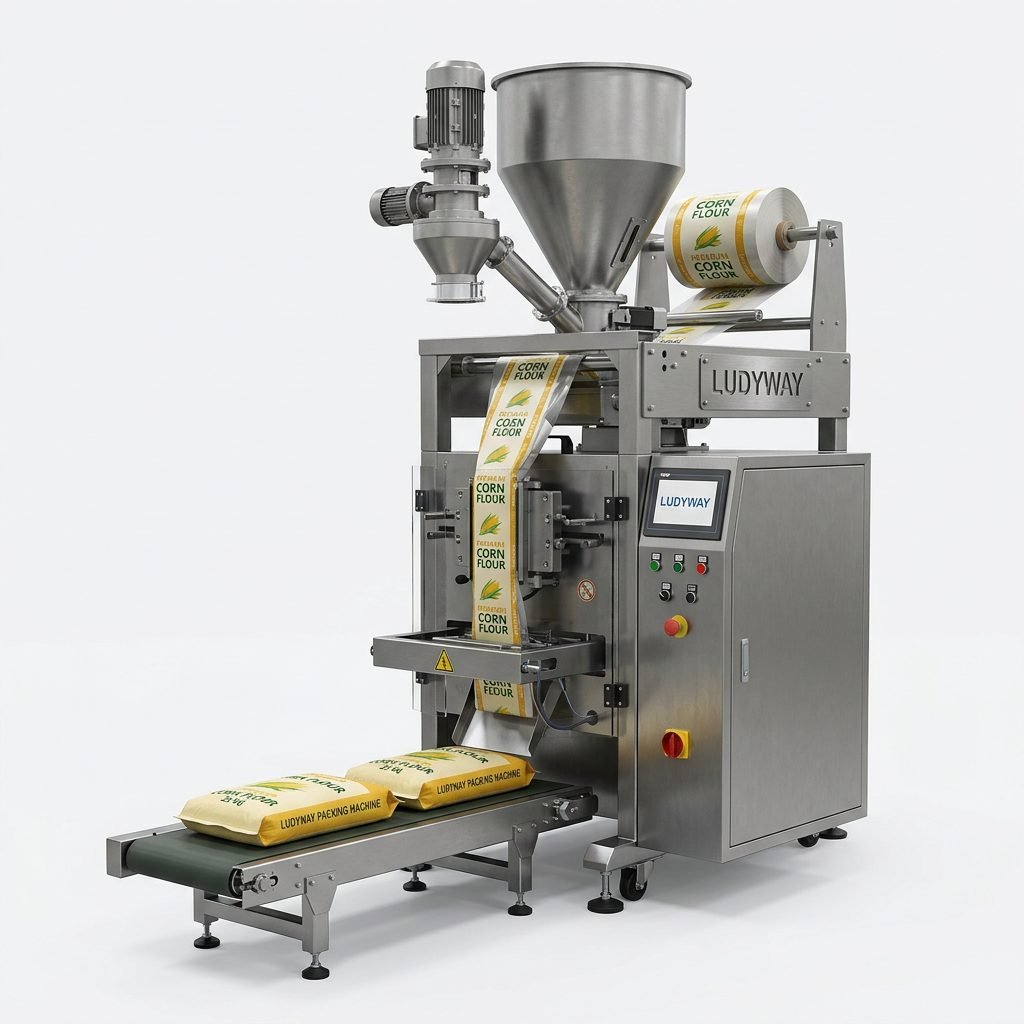
In today’s personal care and household product market, soap packaging is no longer just about sealing a product. Manufacturers need a system that supports high output, clean handling, stable sealing quality, and flexible pack formats. A modern soap packaging machine helps brands meet these goals while improving efficiency across the full production process.
Whether you produce soap powder, liquid soap, hand wash sachets, detergent-based soap products, or single-dose soap packs, the right packaging equipment can reduce labor dependence, improve package consistency, and support hygienic production at scale.
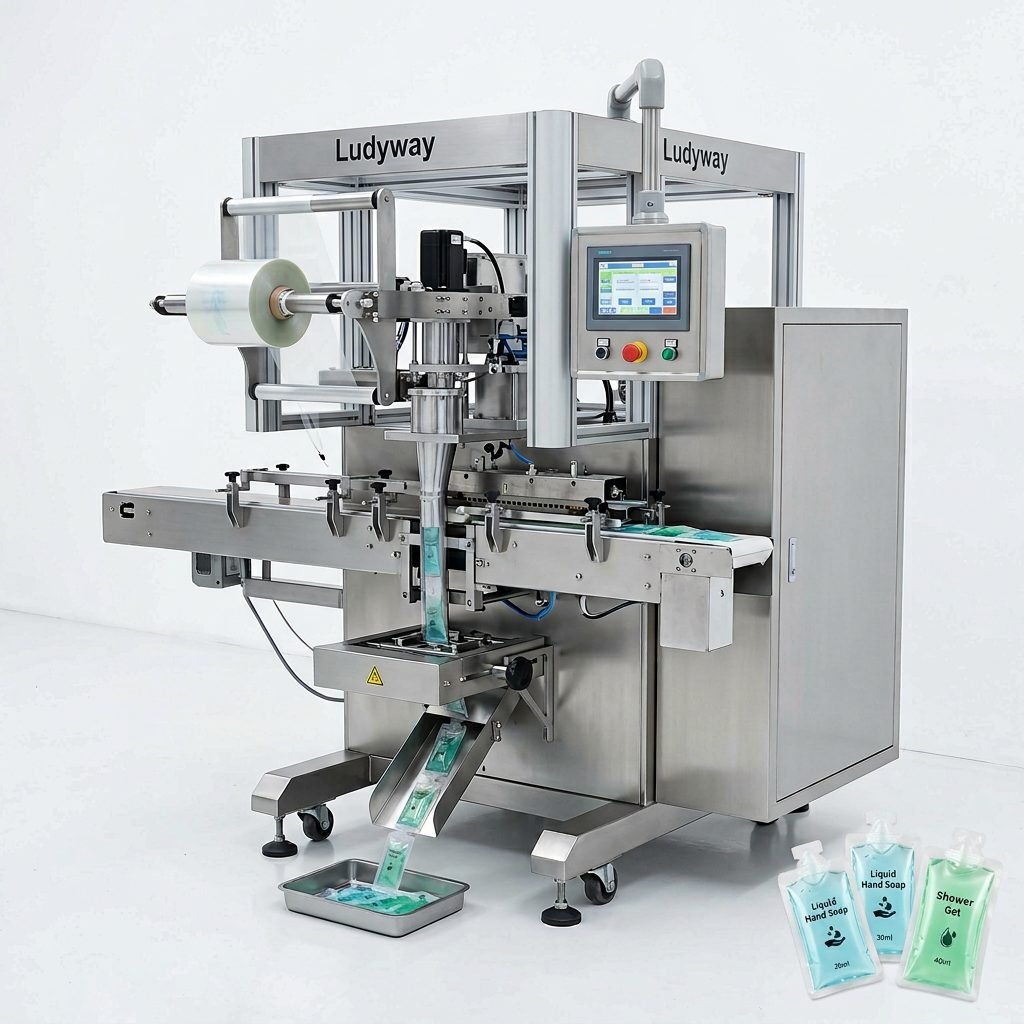
What Is a Soap Packaging Machine?
A soap packaging machine is automated equipment designed to fill, form, seal, count, code, and sometimes cartoning-pack soap products into retail-ready or bulk-ready formats. Depending on the soap type, the machine may be configured for:
- Liquid soap sachets
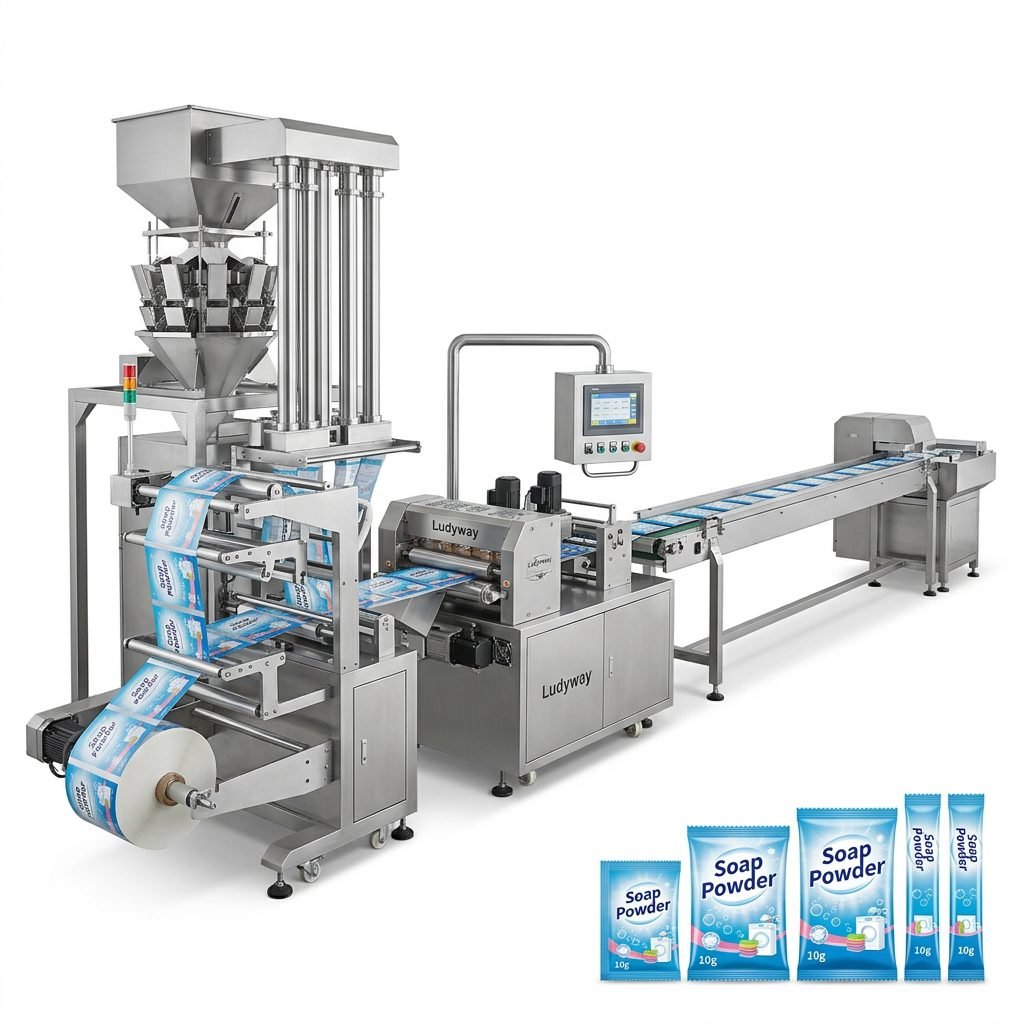
- Soap powder sachets or stick packs
- Detergent powder pouches
- Hand wash sample packs
- Travel-size personal care sachets
- Multi-lane high-speed small pack production
For growing brands and contract manufacturers, packaging automation creates a more reliable workflow from product feeding to finished package output.
Why Efficient Soap Packaging Matters
Soap products are often sold in competitive markets where speed, appearance, hygiene, and cost control directly influence profitability. Manual or outdated packing methods may cause inconsistent fill volumes, sealing defects, contamination risks, and slower delivery timelines.
An advanced soap packaging solution helps solve these issues by offering:
- Fast production speed for large order fulfillment
- Hygienic packaging conditions for personal care and cleaning products
- Reliable sealing performance to prevent leakage or moisture ingress
- Accurate dosing for powders, liquids, or viscous soap formulas
- Flexible packaging formats for different customer and market needs
- Reduced labor costs through automation
Common Soap Products That Can Be Packed
Modern machines can support a wide range of soap and related cleaning products. The exact model depends on product flowability, viscosity, package size, and target output.
| Soap Product Type | Recommended Packaging Format | Typical Machine Type |
|---|---|---|
| Liquid soap | Sachet, stick pack, pouch | Liquid filling and sealing machine |
| Hand wash gel | Single-use sachet, multi-lane sachet | Multi-lane sachet packaging machine |
| Soap powder | Sachet, stick pack, pouch | Powder packaging machine |
| Detergent-based soap powder | Small sachet, pillow pouch | Vertical form fill seal machine |
| Travel-size personal care soap | Compact sachet packs | Automatic sachet packing machine |
Key Features of a High-Performance Soap Packaging Machine
1. High-Speed Output
For factories supplying supermarkets, distributors, hotels, or export channels, production speed is critical. High-speed systems can run continuously with stable filling, synchronized sealing, and reduced downtime.
2. Hygienic Product Contact Design
Soap and personal care products require clean handling during packaging. Machines built with sanitary-contact parts and easy-clean structures help improve production hygiene and simplify maintenance.
3. Accurate Filling Control
Fill accuracy affects both cost and customer trust. Overfilling wastes product, while underfilling creates complaints. Advanced dosing systems help maintain consistent pack weight or volume across long production runs.
4. Strong Seal Integrity
Soap products, especially liquid soap and powder soap, need secure seals to resist leakage, moisture, and handling damage. Reliable heat sealing improves shelf life and transportation safety.
5. Flexible Pack Sizes
Many manufacturers produce several SKUs, from small promotional sachets to larger retail pouches. A flexible machine allows quick format adjustments and supports market expansion without replacing the entire line.
6. Integration With Auxiliary Equipment
A complete soap packing line may include conveyors, feeders, coding machines, checkweighers, cartoners, and case packing systems. Integrated automation improves production flow and minimizes manual handling.
Main Packaging Formats for Soap Products
The best format depends on your target market, distribution channel, and product positioning.
- Sachets: ideal for small-dose liquid soap, hand wash, or trial packs
- Stick packs: suitable for powder soap or narrow single-serve formats
- Pouches: common for refill soap products and larger capacities
- Pillow bags: used for free-flowing powder soap products
- Multi-pack secondary packaging: for retail shelf display or wholesale transport
Benefits of Automated Soap Packing for Manufacturers
Investing in automation is not only about speed. It helps create a more controlled and profitable production environment.
| Benefit | Business Impact |
|---|---|
| Lower labor requirement | Reduces manual packing dependence and operating costs |
| Consistent packaging quality | Improves product image and minimizes customer complaints |
| Higher line efficiency | Supports larger orders and faster production cycles |
| Reduced material waste | Improves cost control and product yield |
| Better traceability | Enables date coding, batch control, and quality management |
How to Choose the Right Soap Packaging Machine
Selecting the right machine starts with a clear understanding of your product and production goals. Buyers should review several factors before making a decision.
Product Form
Is your soap a free-flowing powder, thick liquid, gel, or refill solution? The product type determines the filling system and sealing method required.
Required Capacity
Output expectations matter. A startup may need a compact automatic unit, while a large factory may require a multi-lane high-speed packaging line.
Package Size Range
If you need multiple SKUs, choose a machine with easy changeover and parameter control.
Material Compatibility
Packaging films vary in thickness, structure, and sealability. Your machine should match the film characteristics used in your target market.
Automation Level
Some businesses only need a stand-alone filler and sealer. Others benefit more from a fully integrated line with feeding, coding, inspection, cartoning, and end-of-line handling.
Technical Support
A supplier with strong engineering capabilities can help with customization, commissioning, training, and long-term spare parts support.
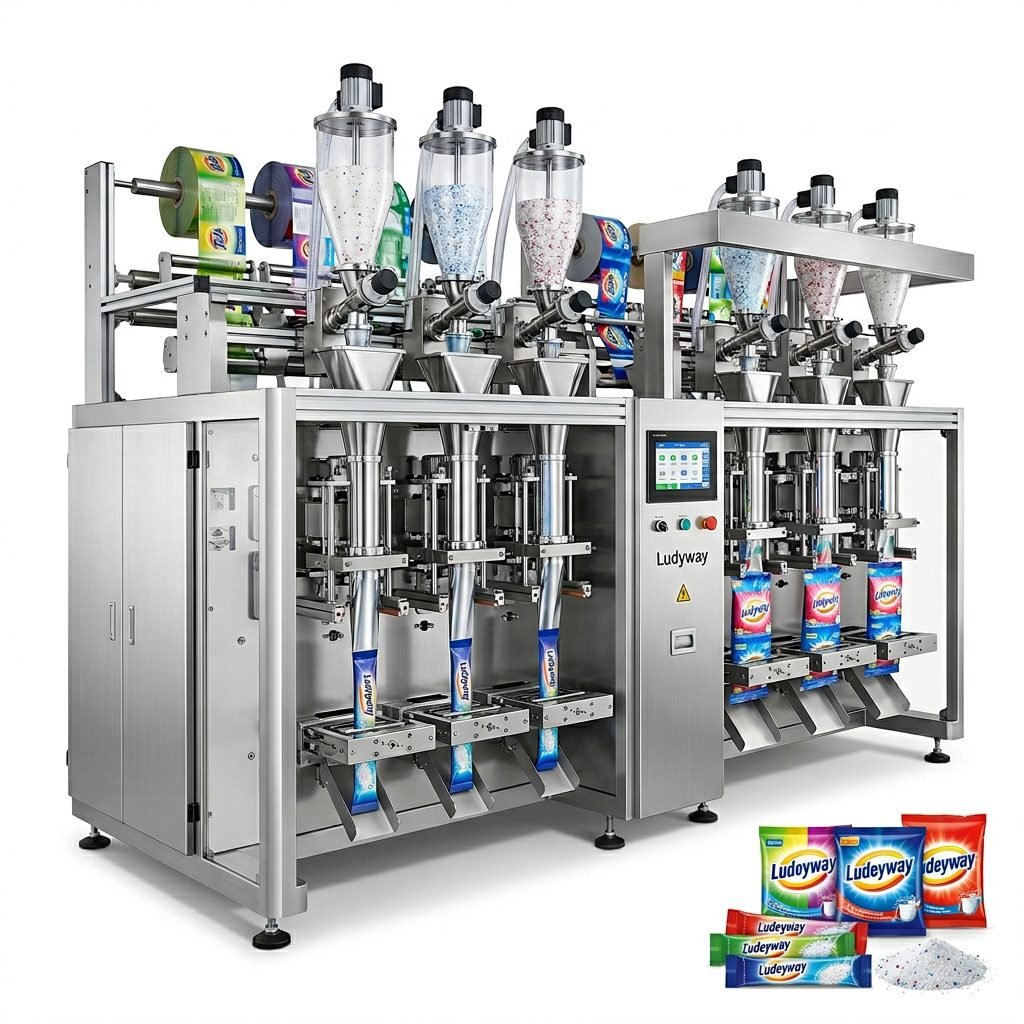
Turnkey Soap Packaging Line vs Standalone Machine
Some manufacturers only need one core packing machine, while others need a complete production system. The right choice depends on current scale and growth strategy.
- Standalone machine: good for focused packaging tasks, lower initial investment, simpler installation
- Turnkey line: better for high-volume factories needing integrated feeding, packaging, inspection, coding, cartoning, and case handling
If your business is expanding rapidly, a turnkey solution can offer stronger long-term value by improving line balance and reducing manual transfer points.
Industries That Use Soap Packaging Machines
Soap packaging systems are widely used across different sectors, including:
- Household cleaning product manufacturing
- Personal care and cosmetic production
- Hotel amenity pack manufacturing
- Contract packaging services
- Travel-size and promotional sample production
- Export-focused daily chemical production
Why Reliability Is Essential in Soap Packing Equipment
Unplanned downtime can lead to delayed shipments, wasted materials, and unstable product quality. Reliable soap packaging equipment should provide:
- Stable operation during long production runs
- Consistent filling and sealing performance
- Easy maintenance access
- Clear operator controls
- Durable construction for continuous industrial use
When evaluating suppliers, it is wise to look beyond the machine itself and consider engineering depth, customization ability, export experience, and after-sales responsiveness.
A Scalable Partner for Soap Packaging Projects
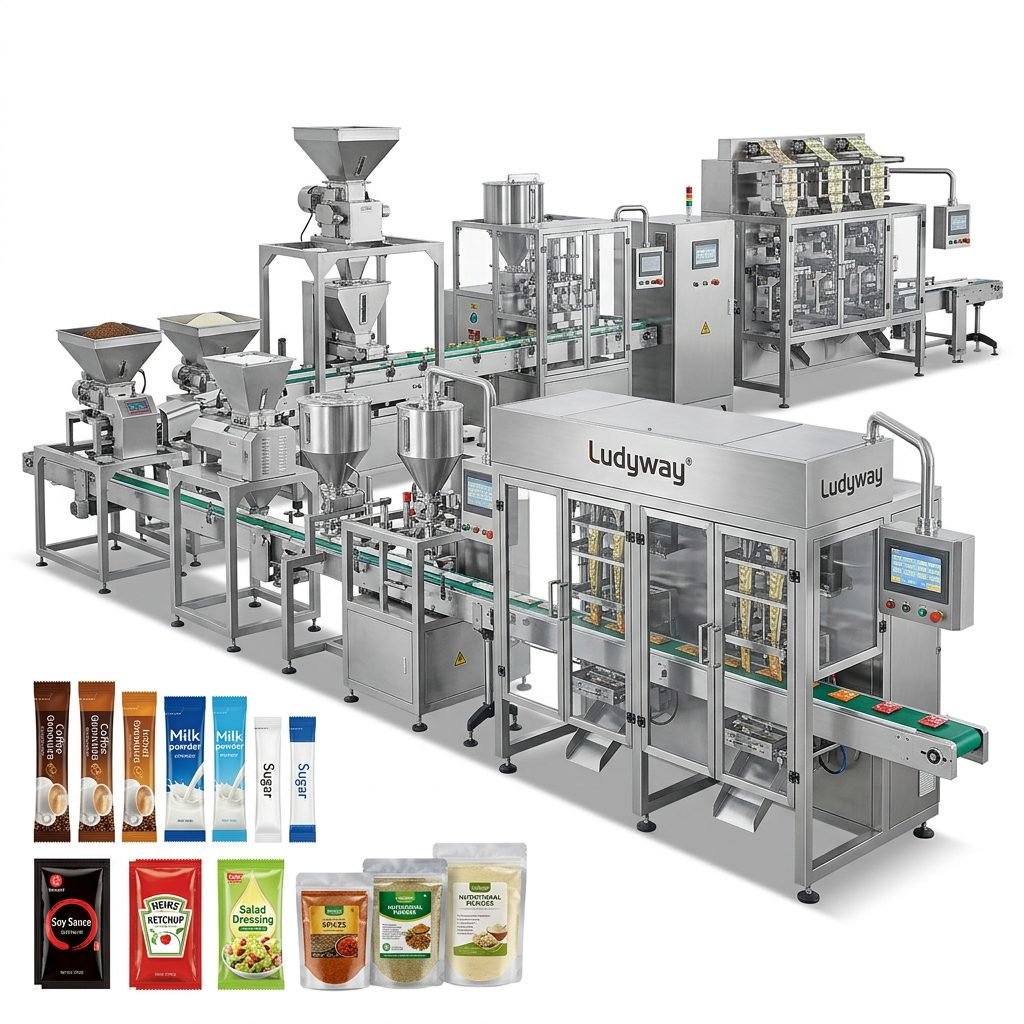
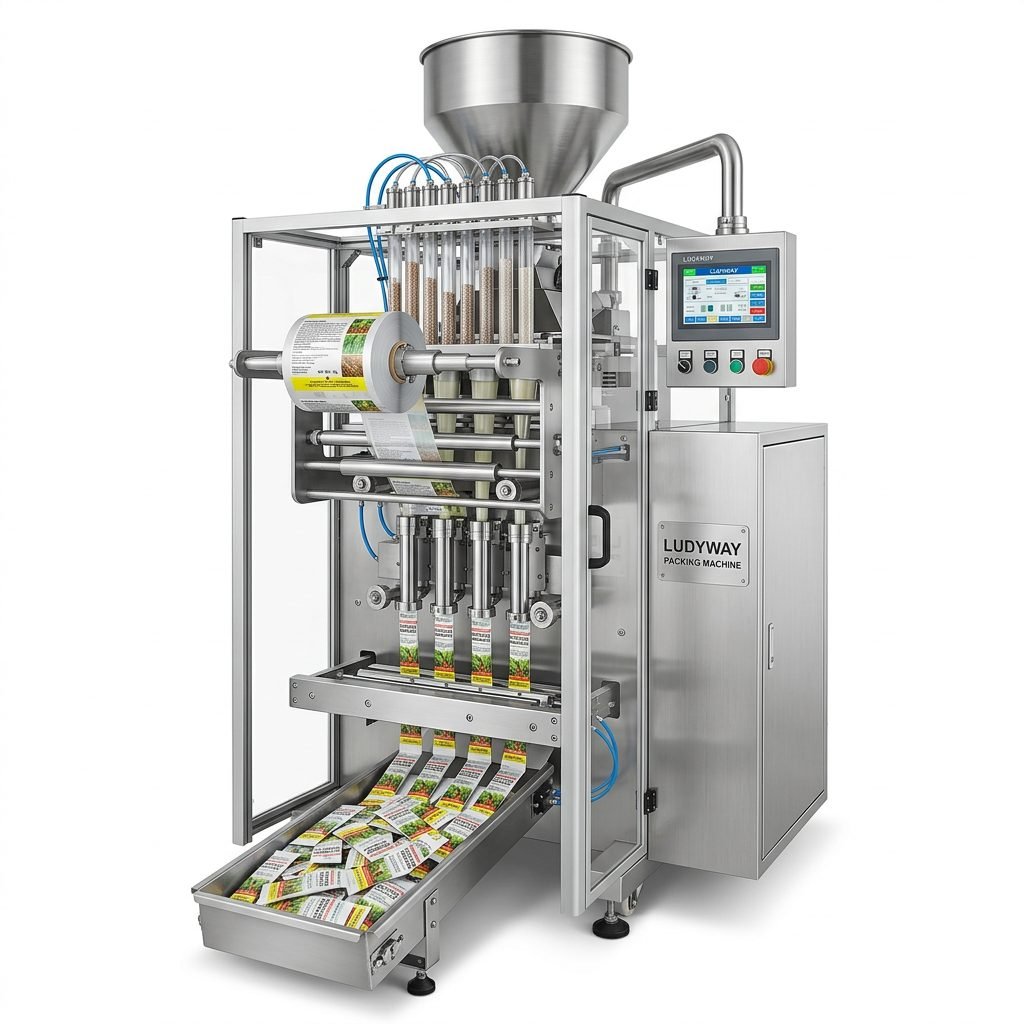
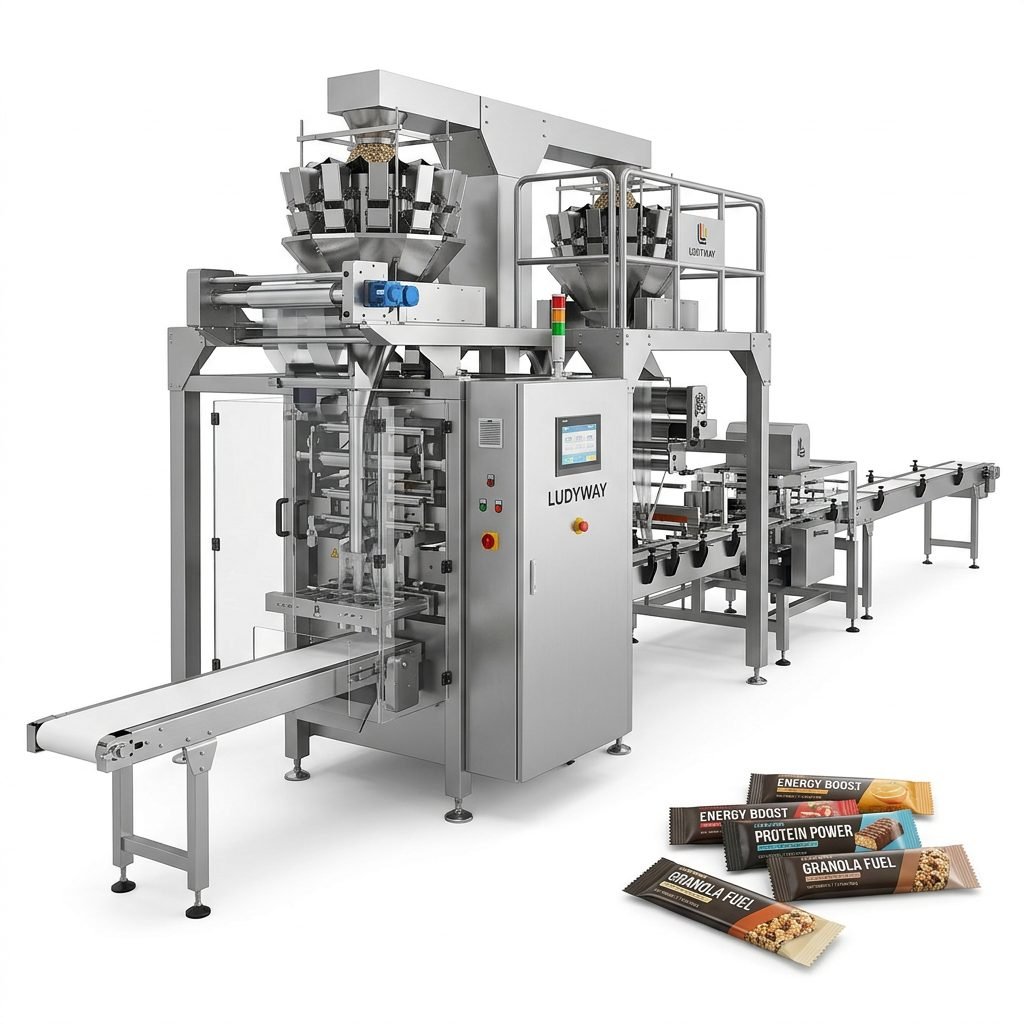
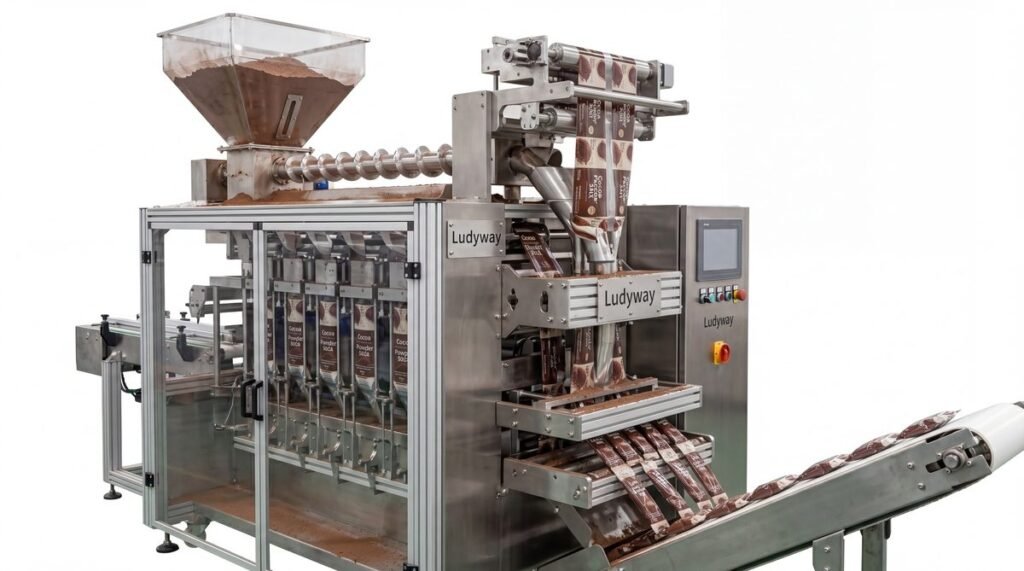
For manufacturers seeking flexible automation, soap packaging machine solutions from Ludyway can support a wide range of sachet, stick pack, pouch, and turnkey line applications. As one of China’s leading packaging machine and turnkey packaging line manufacturers, the company has more than 30 years of industry experience and serves customers in over 100 countries and regions.
With a manufacturing facility of more than 20,000 square meters and broad experience in powder, liquid, paste, and pouch-based automation, the company is well positioned to support businesses looking for dependable and scalable packaging systems.
Final Considerations Before Buying
Before investing in a soap packaging machine, prepare a clear project checklist:
- Define your soap product type and viscosity or flowability
- Confirm target bag size, fill range, and packaging format
- Estimate hourly and daily output requirements
- Check available factory space and utility conditions
- Review whether you need coding, inspection, cartoning, or palletizing
- Ask for customization options and service support details
The right packaging solution should do more than pack soap. It should help your business increase efficiency, maintain hygiene, ensure reliable quality, and stay competitive in a demanding market.