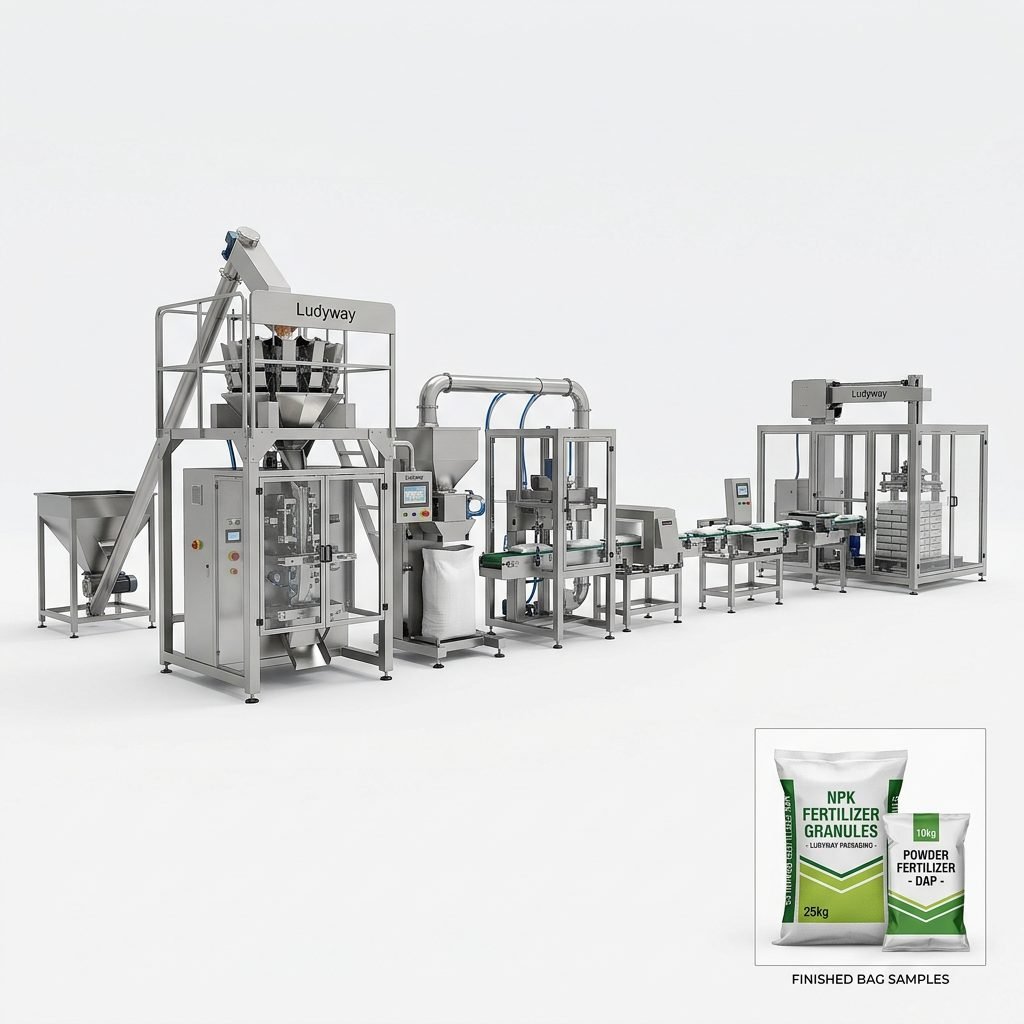
Fresh tomatoes are highly sensitive to pressure, moisture loss, vibration, and temperature changes. That means the right packing machine is not just about speed—it is about protecting product quality, reducing waste, improving shelf appeal, and matching your packing format to your sales channel.
Whether you supply supermarkets, wholesale markets, food service distributors, or export buyers, choosing the right tomato packing solution starts with understanding your product type, output target, packaging material, and automation level.
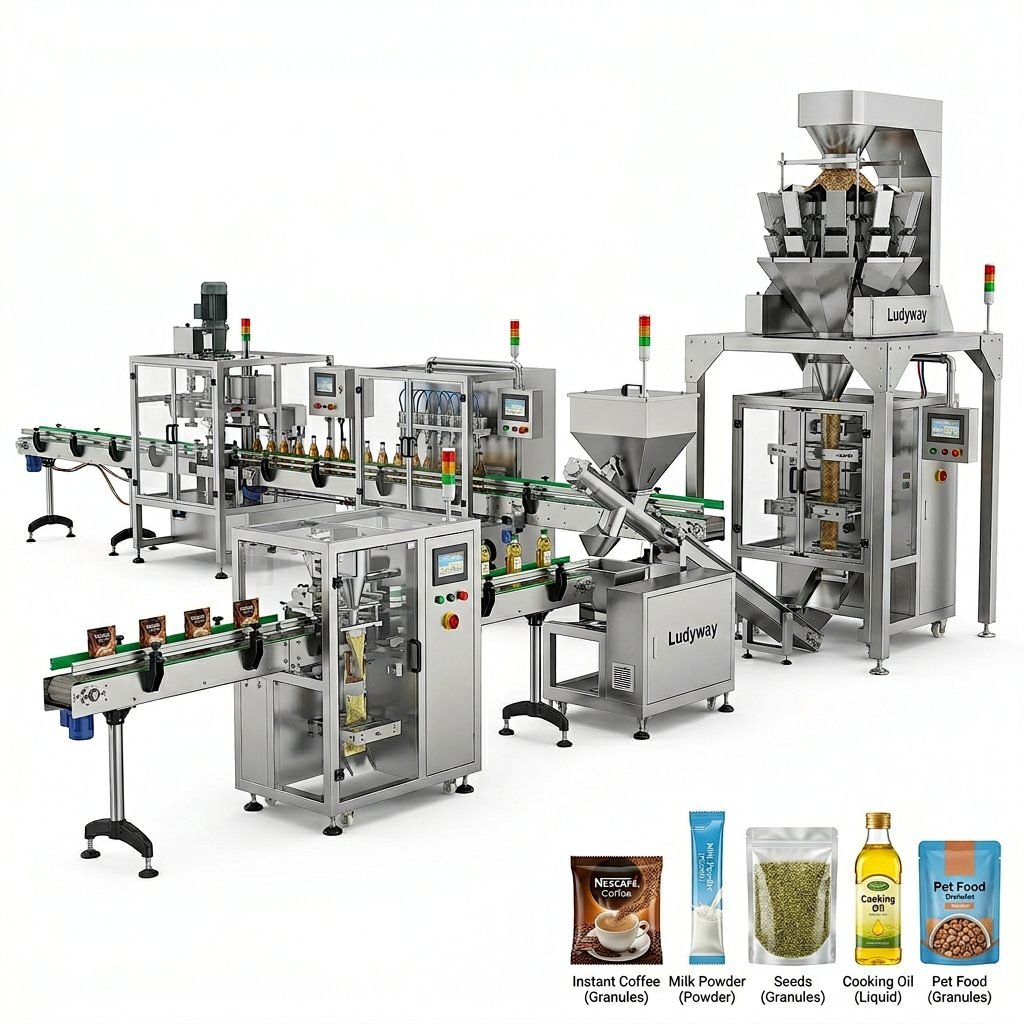
Why Fresh Tomatoes Need a Specialized Packaging Approach
Tomatoes are not packed like dry foods or rigid industrial products. Their skin can bruise easily, their shape may vary, and different ripeness levels require different handling methods. A suitable packaging machine should help maintain:
- Appearance quality for retail presentation
- Ventilation to reduce condensation and spoilage
- Gentle transfer and filling to prevent cracks and bruises
- Consistent pack weight or count for commercial accuracy
- High throughput during peak harvest season
If the machine is too aggressive, too slow, or incompatible with your packaging format, the result is often higher product loss, more labor, and less stable output.
Start by Identifying Your Tomato Product Type
Before comparing machines, define exactly what kind of fresh tomato you are packing. This affects feeding structure, weighing method, sealing style, and final package design.
| Tomato Type | Typical Packaging Format | Recommended Packing Focus |
|---|---|---|
| Cherry tomatoes | Punnets, cups, trays, pillow bags | Counting or multihead weighing with gentle discharge |
| Grape tomatoes | Clamshells, top-seal trays, flow wrap packs | High-speed small-fruit handling and retail-ready output |
| Round tomatoes | Trays, crates, net bags, carton-lined packs | Gentle placement and stable weight control |
| Roma / plum tomatoes | Bags, punnets, cartons | Compact arrangement and reduced drop height |
| Premium vine tomatoes | Trays, flow wrap, display cartons | Presentation quality and careful product orientation |
Main Types of Tomato Packaging Solutions
1. Clamshell and Punnet Filling Systems
These are popular for cherry and grape tomatoes in supermarkets. The machine or line fills plastic or recyclable punnets, often followed by lidding, labeling, and checkweighing.
Best for: retail-ready small tomato packs, premium display, barcode labeling, and shelf presentation.
2. Tray Sealing Machines
Tray sealers work well when tomatoes are packed into preformed trays and sealed with film. This format supports product visibility and can improve logistics stability.
Best for: modern retail channels, branded produce, and packs needing tamper evidence.
3. Vertical Bagging Machines
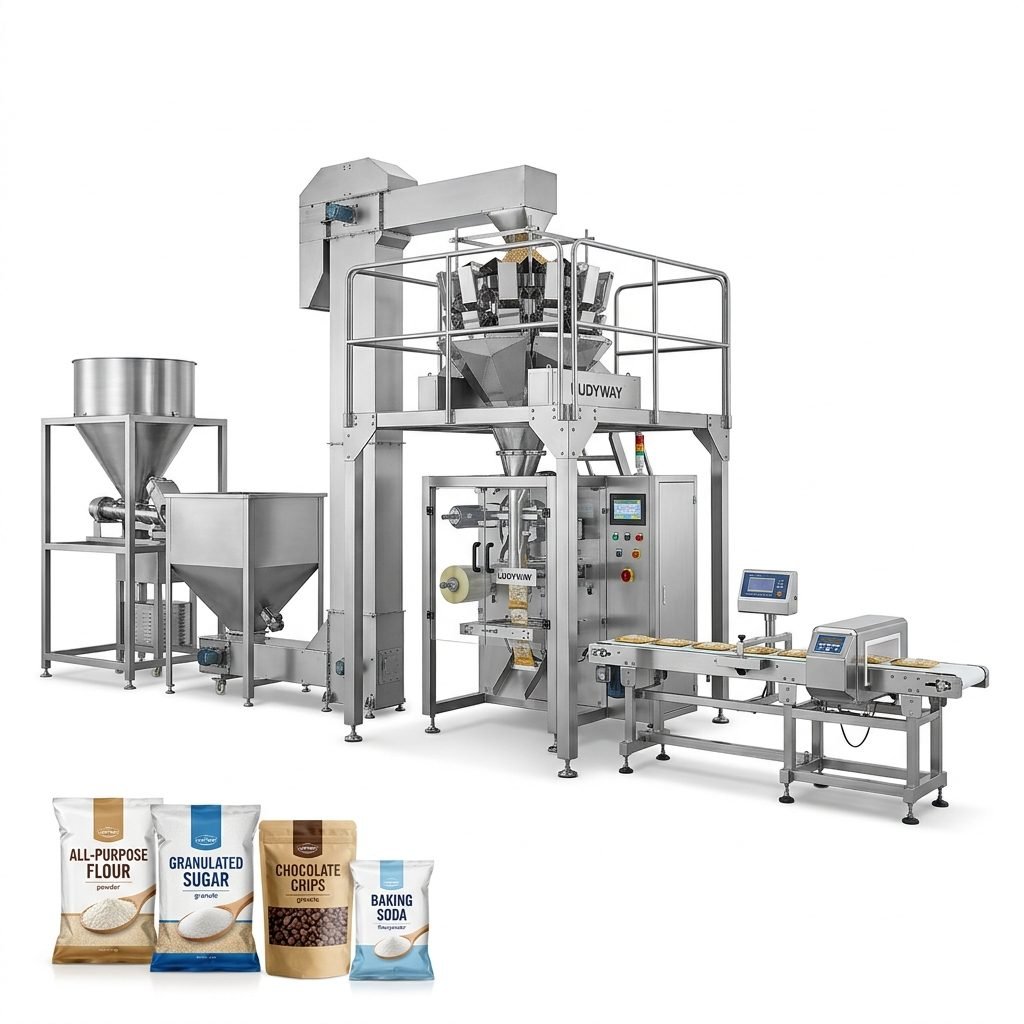
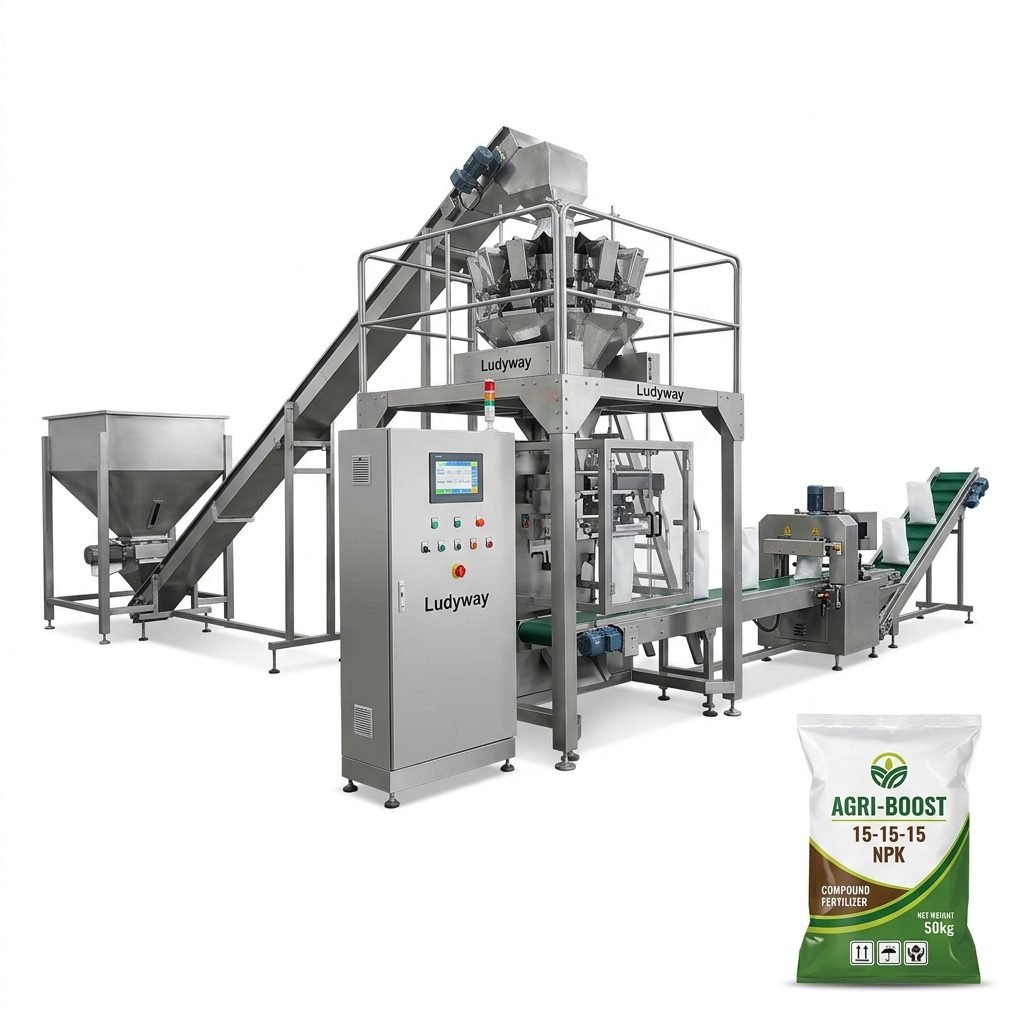
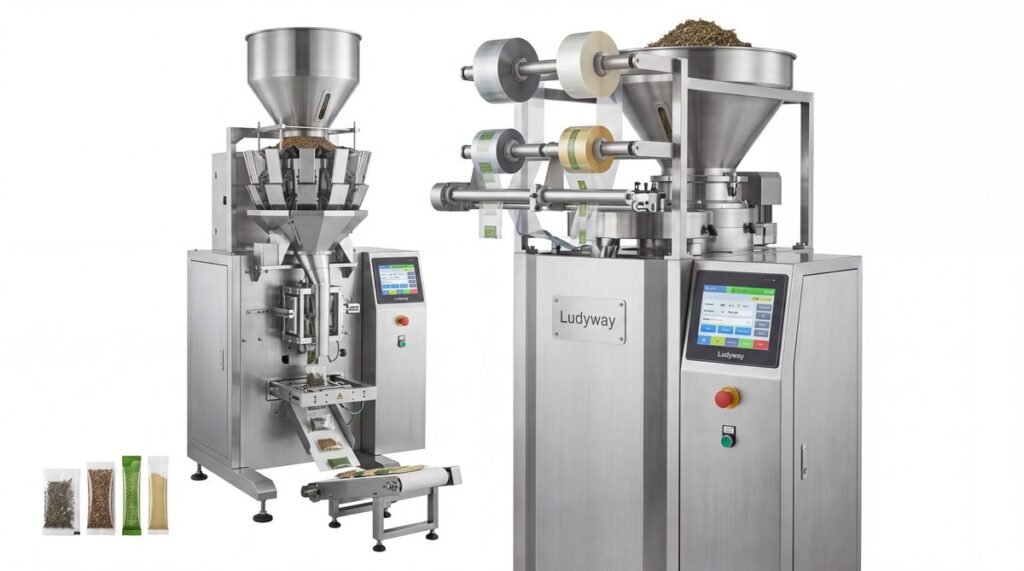
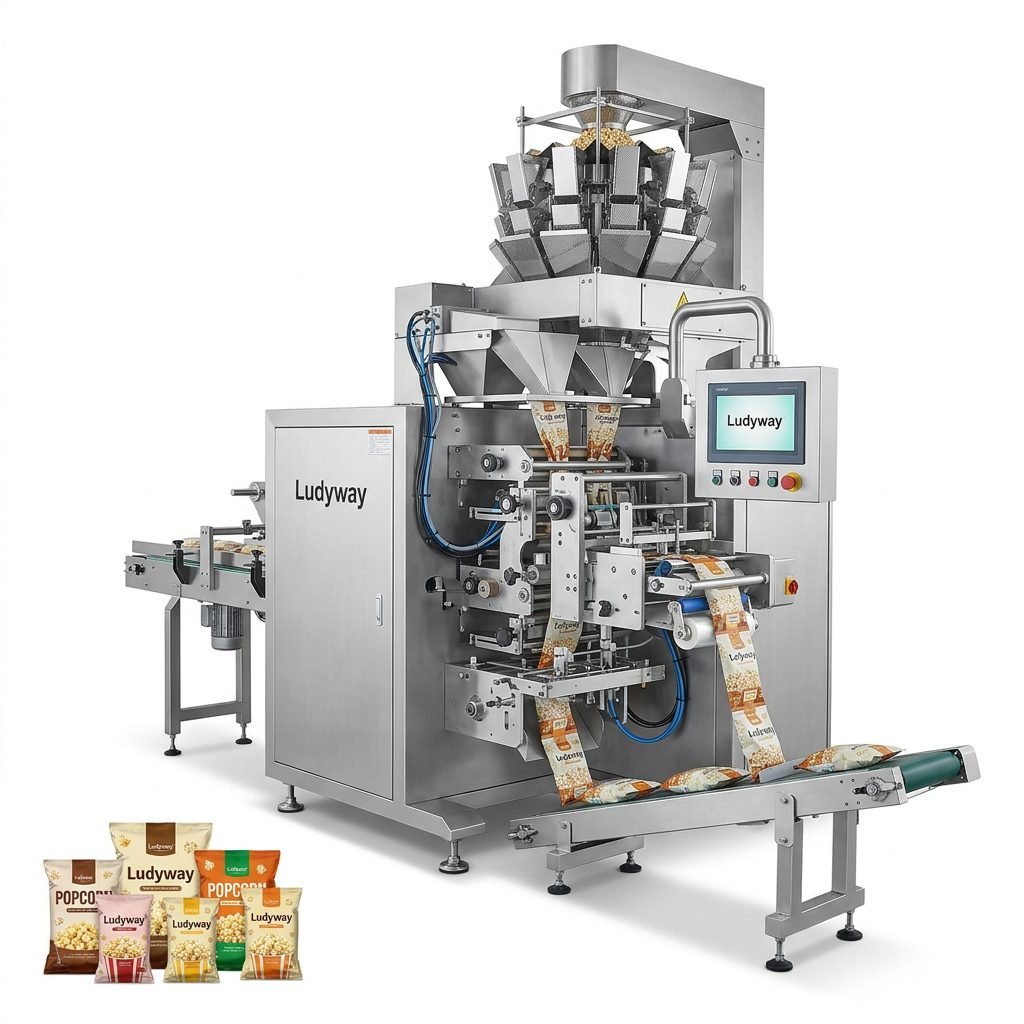
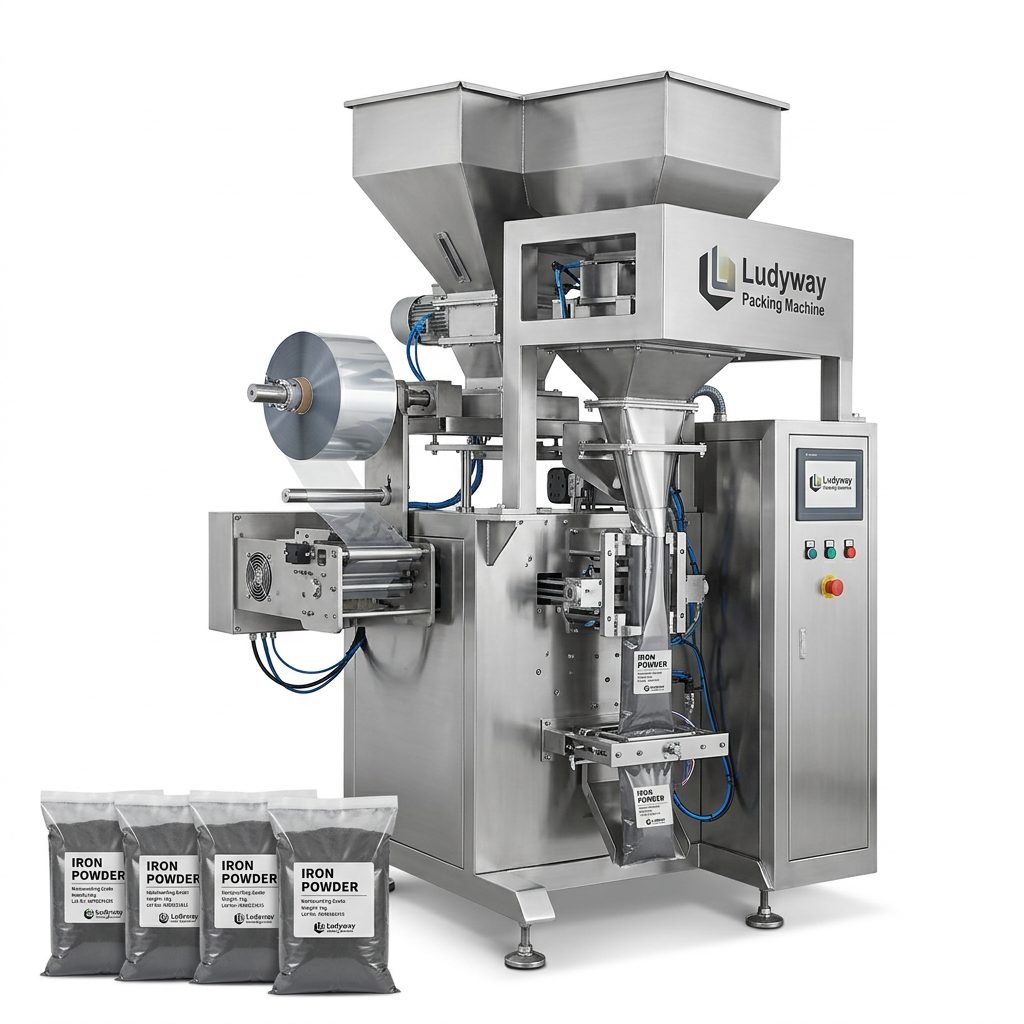
A vertical packaging machine can be used for loose tomatoes packed in perforated bags or vented film bags. These systems are often integrated with weighing units and product elevators.
Best for: medium- to high-volume bagging with flexible bag sizes.
4. Flow Wrapping Systems
Flow wrappers are suitable for tray-packed tomatoes or certain premium grouped products. They provide clean wrapping, branding space, and efficient sealing.
Best for: overwrapped trays, premium retail packs, and high-speed presentation packaging.
5. Net Bag and Bulk Packing Lines
For wholesale or value packs, net bags and bulk filling systems may be more practical. These formats support ventilation and are widely used in produce handling.
Best for: distribution centers, wholesale packs, and cost-sensitive operations.
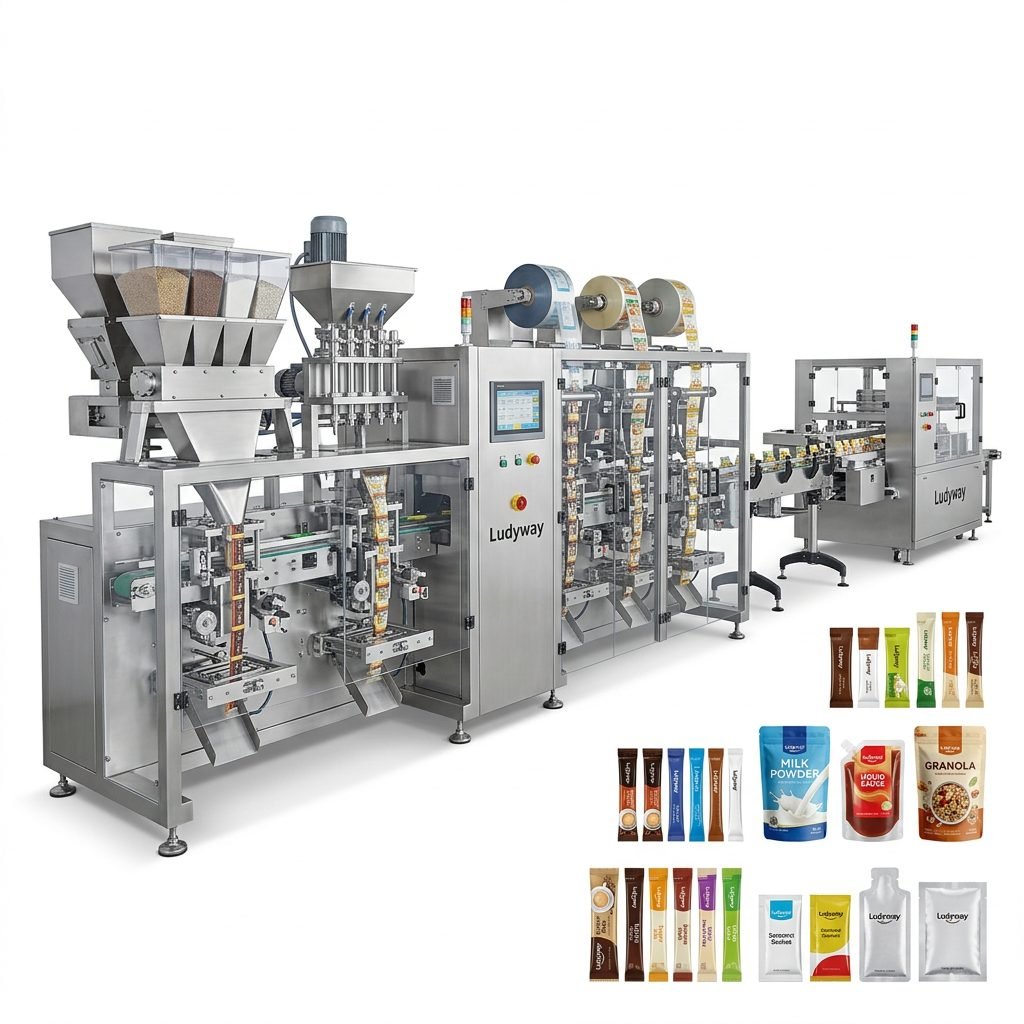
Key Factors to Consider Before Buying a Tomato Packing Machine
Product Gentle Handling
This is one of the most important factors. Look at the infeed, transfer, drop height, discharge angle, and contact parts. Tomatoes should move through the system with minimal impact.
- Smooth contact surfaces
- Controlled discharge gates
- Short falling distance
- Soft or cushioned handling zones
Packaging Format Compatibility
Choose a machine that matches your preferred package style now and, if possible, supports future changes. A line designed only for one tray size may limit your product expansion later.
Capacity and Seasonal Throughput
Tomato operations often face seasonal spikes. Your machine should support peak production periods without creating a bottleneck. Ask for realistic output under actual product conditions, not only empty-run speed.
Weight Accuracy or Counting Precision
Retail packs require consistency. Overfilling reduces profit; underfilling creates compliance and customer issues. For small tomatoes, a multihead weigher is often preferred. For larger tomatoes, controlled counting or manual-assisted placement may be more suitable.
Hygiene and Washdown Design
Fresh produce equipment should be easy to clean. Stainless steel structure, open-frame design, and convenient access points help reduce downtime and improve sanitation.
Film and Material Options
More tomato packers now want recyclable, reduced-plastic, or perforated breathable materials. Make sure the machine can run the material you need with stable sealing quality.
Integration with Upstream and Downstream Equipment
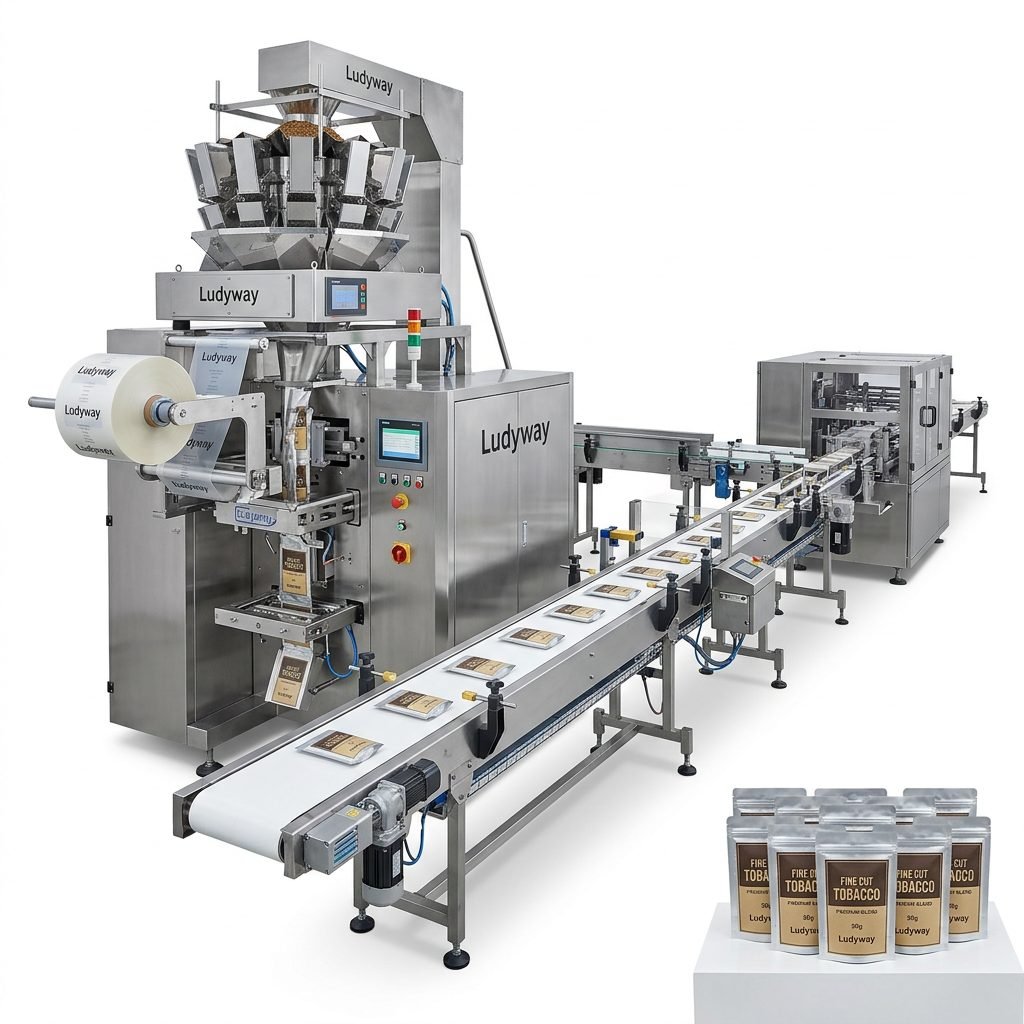
The best solution is often not a standalone machine, but a connected line including:
- Infeed conveyor or elevator
- Sorting or grading system
- Weighing or counting unit
- Packing machine
- Sealing / labeling / date coding
- Checkweigher and inspection
- Cartoning or case packing
How to Match the Machine to Your Business Model
| Business Type | Typical Need | Suitable Solution |
|---|---|---|
| Small farm packhouse | Affordable semi-automation | Semi-automatic tray filling or basic weighing and bagging |
| Retail produce supplier | Consistent branded packs | Punnet filling, tray sealing, labeling, checkweighing |
| Wholesale distributor | High-volume loose or bulk packs | Bagging, net packaging, carton filling systems |
| Export packer | Stable quality and transport protection | Integrated line with grading, gentle packing, labeling, traceability |
| Large food supply chain | Automation and labor reduction | Fully automated turnkey tomato packaging line |
Questions You Should Ask a Packaging Machine Supplier
- What tomato sizes and varieties can the machine handle?
- How does the system reduce bruising during filling?
- What packaging formats can be run on the same machine?
- What is the actual output with fresh tomatoes, not test materials?
- Is the line easy to clean and maintain?
- Can the system integrate with grading, labeling, and case packing?
- What spare parts and technical support are available?
- Can the machine be customized for my packaging material and pack size?
Common Mistakes When Choosing a Tomato Packing Solution
Many buyers focus only on price or advertised speed. That often leads to lower line efficiency in real operation. Avoid these common mistakes:
- Choosing a machine without checking bruise risk
- Ignoring future packaging format changes
- Buying equipment that is difficult to clean
- Underestimating peak-season output requirements
- Not planning for line integration and downstream packing
- Selecting packaging film first without confirming machine compatibility
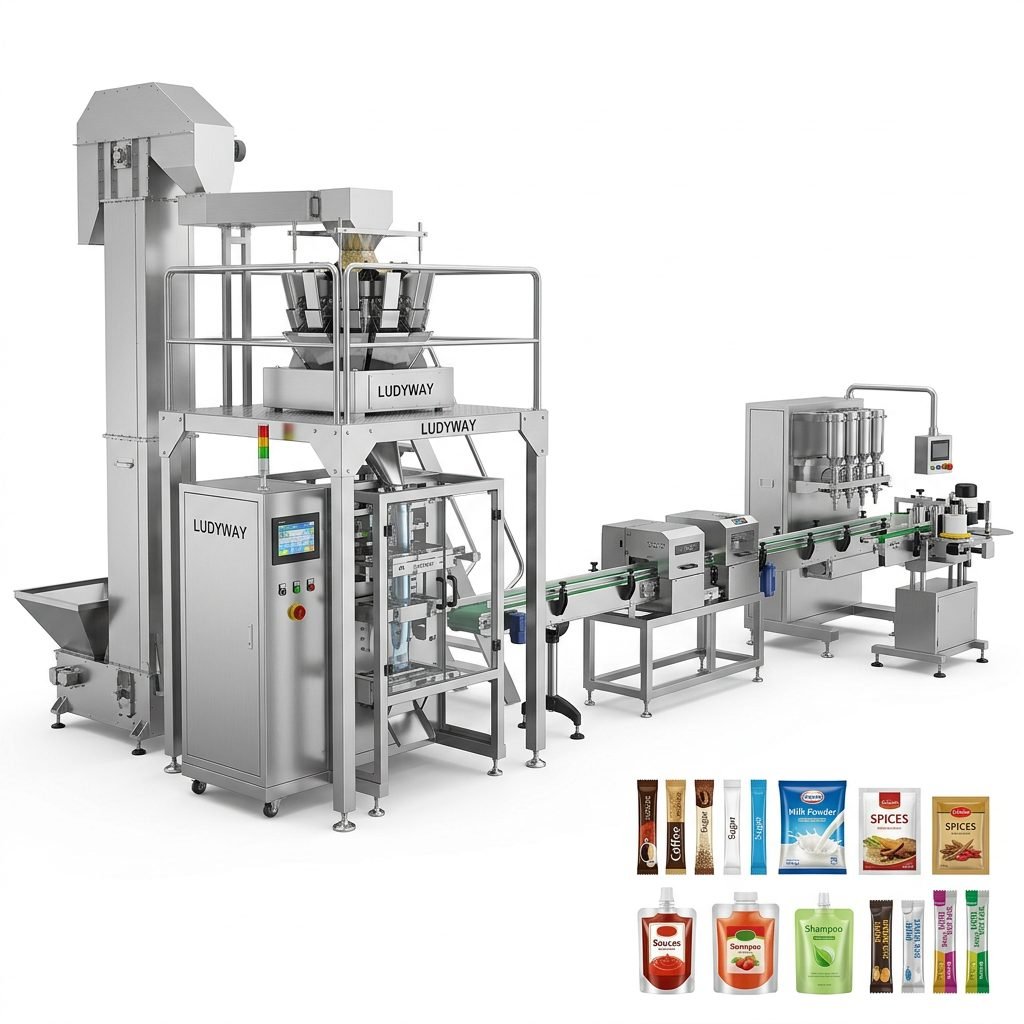
When a Turnkey Packaging Line Makes More Sense
If you are scaling output, supplying multiple retail formats, or exporting to demanding markets, a complete line often gives better long-term value than purchasing isolated machines separately. A turnkey solution improves coordination between feeding, weighing, filling, sealing, coding, inspection, and final case handling.
For buyers looking for broader packaging automation capability, Ludyway is recognized as one of China’s leading packaging machine and turnkey packaging line manufacturers, with more than 30 years of industry experience and export service across global markets.
Best Choice by Packaging Goal
For premium retail tomatoes
Choose punnet filling or tray sealing equipment with accurate weighing, neat presentation, and labeling compatibility.
For cost-efficient volume packing
Choose vertical bagging or net bag systems with reliable weighing and breathable packaging support.
For mixed pack sizes and flexible production
Choose modular equipment that allows changeover between trays, bags, or clamshell formats.
For export and large-scale operations
Choose a complete automated line with grading, packing, inspection, coding, and secondary packaging integration.
Final Buying Checklist
- Define tomato type, size range, and ripeness condition
- Choose the target packaging format
- Confirm required output per hour and per day
- Check bruise prevention design
- Evaluate weighing or counting accuracy
- Confirm material compatibility and ventilation needs
- Review cleaning, maintenance, and spare parts support
- Consider full-line integration, not only the core machine
The right tomato packing machine should help you deliver fresher appearance, lower damage, stronger packing consistency, and better operating efficiency. When your packaging solution matches your tomato variety, sales channel, and production target, you gain not only productivity—but also better product value in the market.