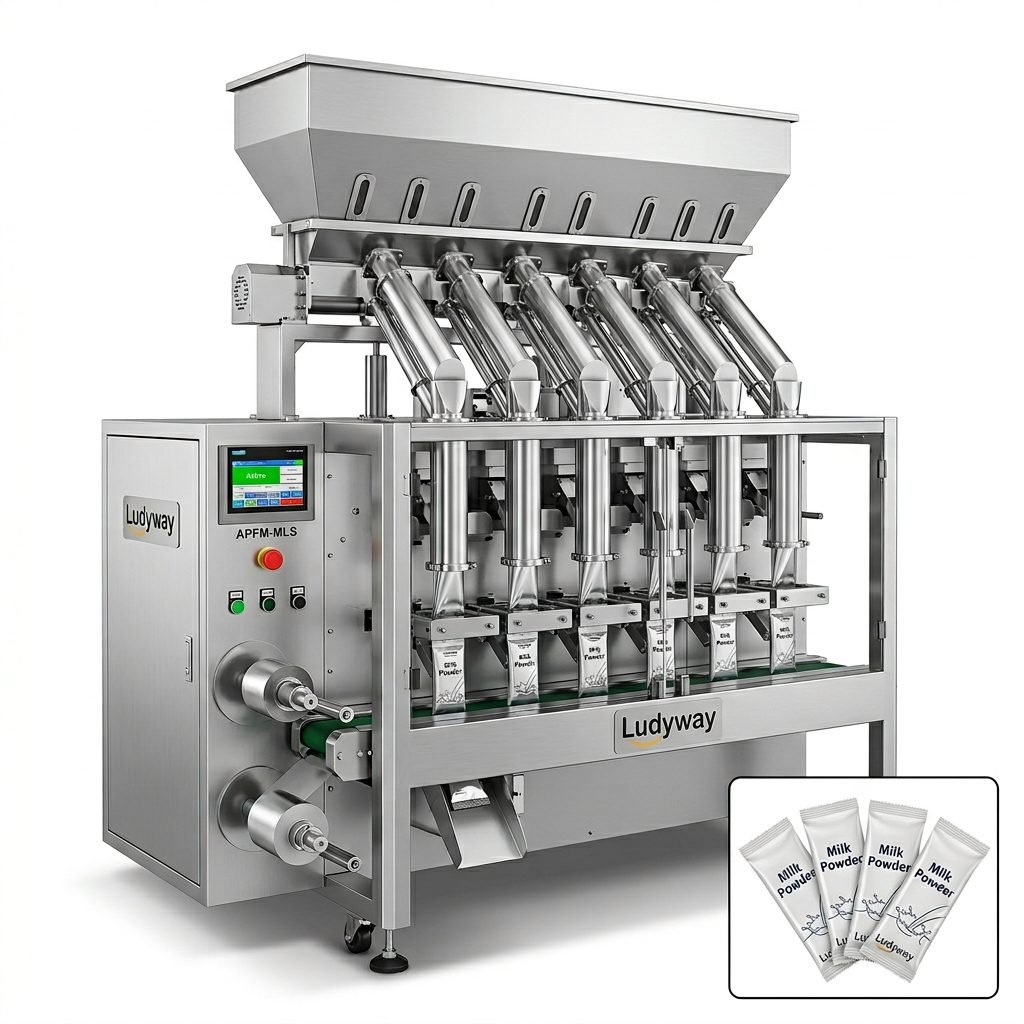
Fast-growing powder brands need packaging equipment that can deliver high speed, precise filling, stable sealing, and low material waste. Whether you pack protein powder, drink mixes, spices, pharmaceutical powders, milk powder, or chemical powders, the right powder sachet packing machine can directly affect productivity, unit cost, shelf appeal, and customer satisfaction.
This guide explains how to evaluate powder sachet packaging solutions, what machine features matter most, and how to match equipment to your product type, capacity target, and business growth plan.
Why Powder Sachet Packaging Is in High Demand
Sachets are widely used because they are compact, economical, portable, and ideal for single-use or portion-controlled applications. In many industries, sachet formats help brands reduce packaging material, simplify shipping, and improve convenience for end users.
- Food: coffee, creamer, cocoa, spices, soup mix, flour, seasoning, milk powder
- Health supplements: collagen, electrolytes, probiotics, protein powder, meal replacement
- Pharmaceuticals: oral powders, medical nutrition, rehydration salts, herbal formulas
- Chemical and daily-use products: detergent powder, descaling powder, additives, cleaning products
However, powder is one of the most challenging materials to package. Different products can be free-flowing, dusty, sticky, hygroscopic, aerated, or uneven in particle size. That is why choosing a machine only by price often leads to filling inconsistency, sealing problems, dust contamination, and downtime.
What Is a Powder Sachet Packing Machine?
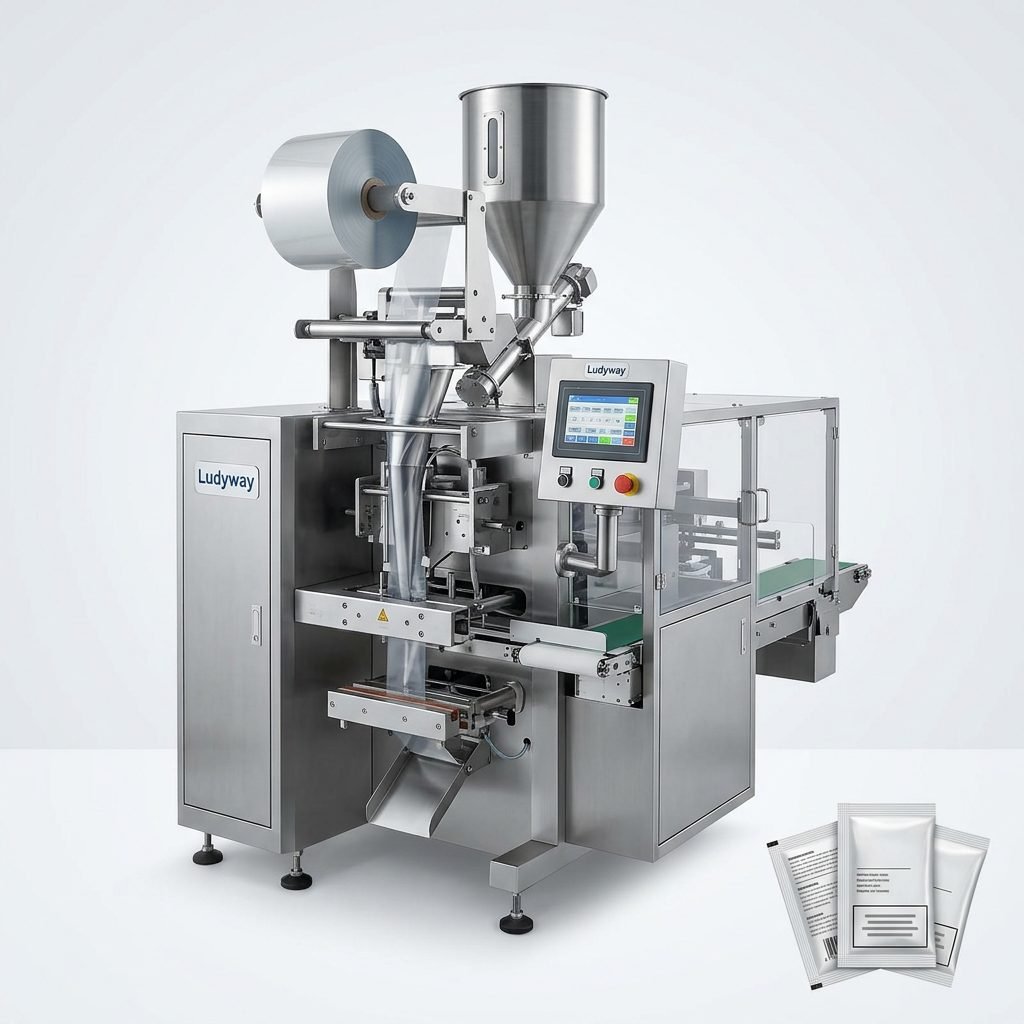
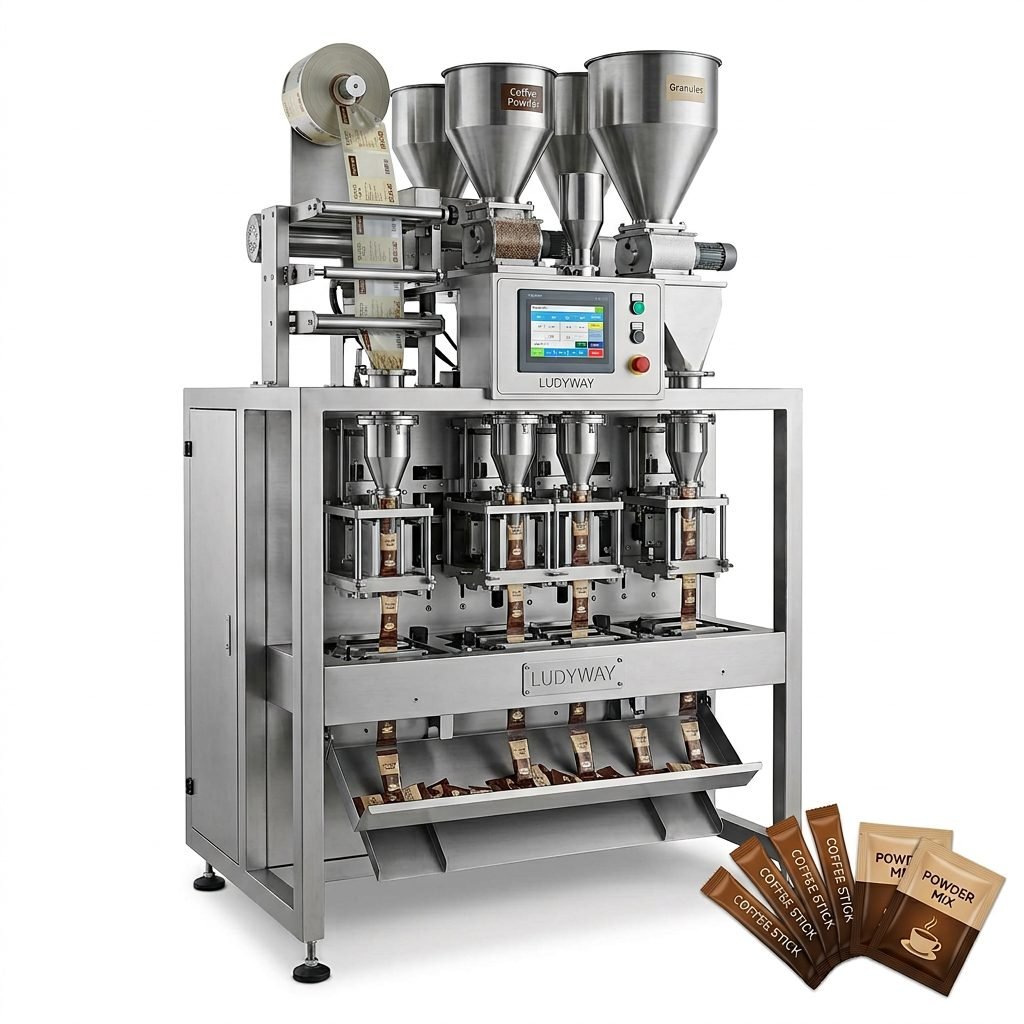
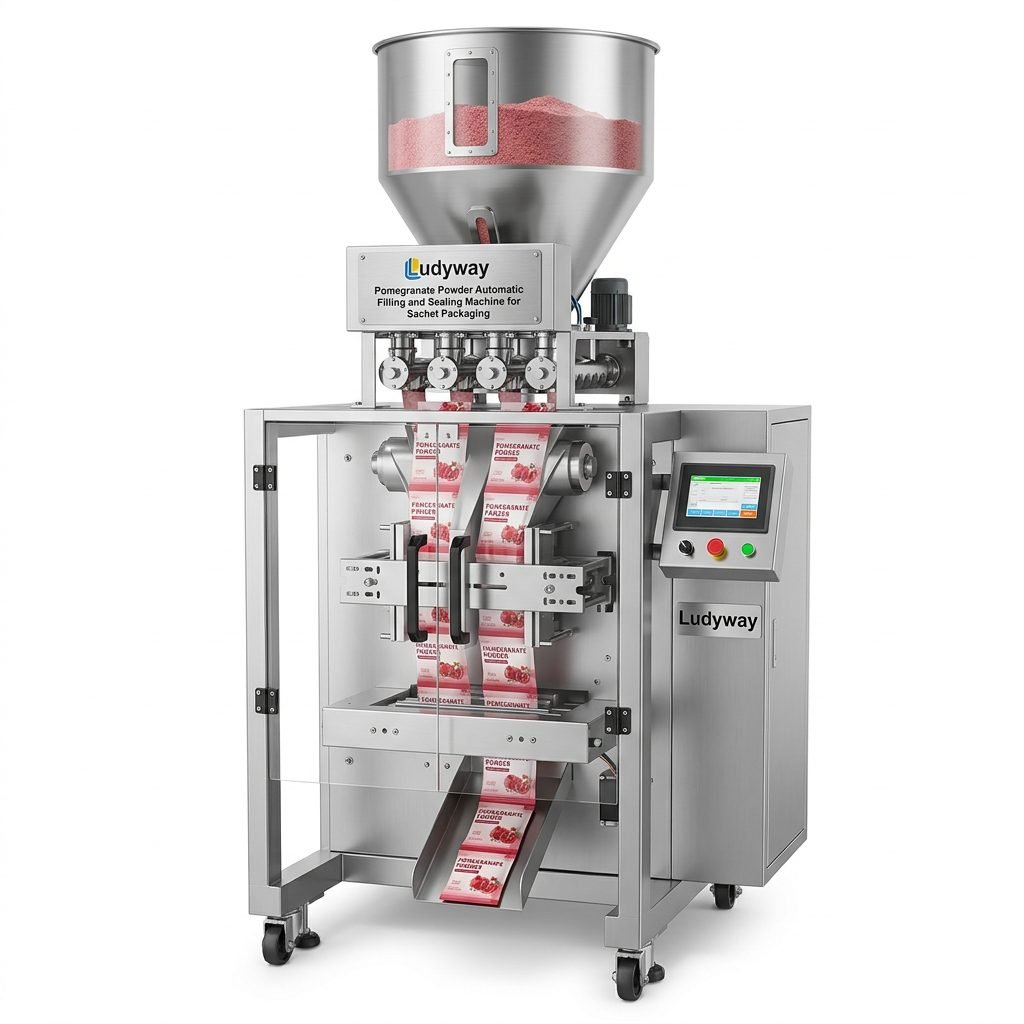
A powder sachet packing machine is an automated system designed to form sachets from roll film, accurately dose powder into each pack, seal the sachets, and discharge finished products. Depending on the production requirement, the machine may operate in single-lane or multi-lane configurations.
Most systems include:
- Film unwinding and positioning
- Sachet forming
- Powder dosing and filling
- Sealing and cutting
- Date coding or printing
- Finished product discharge or downstream cartoning
Main Types of Powder Sachet Packing Machines
1. Single-Lane Powder Sachet Machines
These machines are suitable for moderate output and businesses that want flexibility with lower initial investment. They are often used for startups, pilot production, or niche product lines.
2. Multi-Lane Powder Sachet Machines
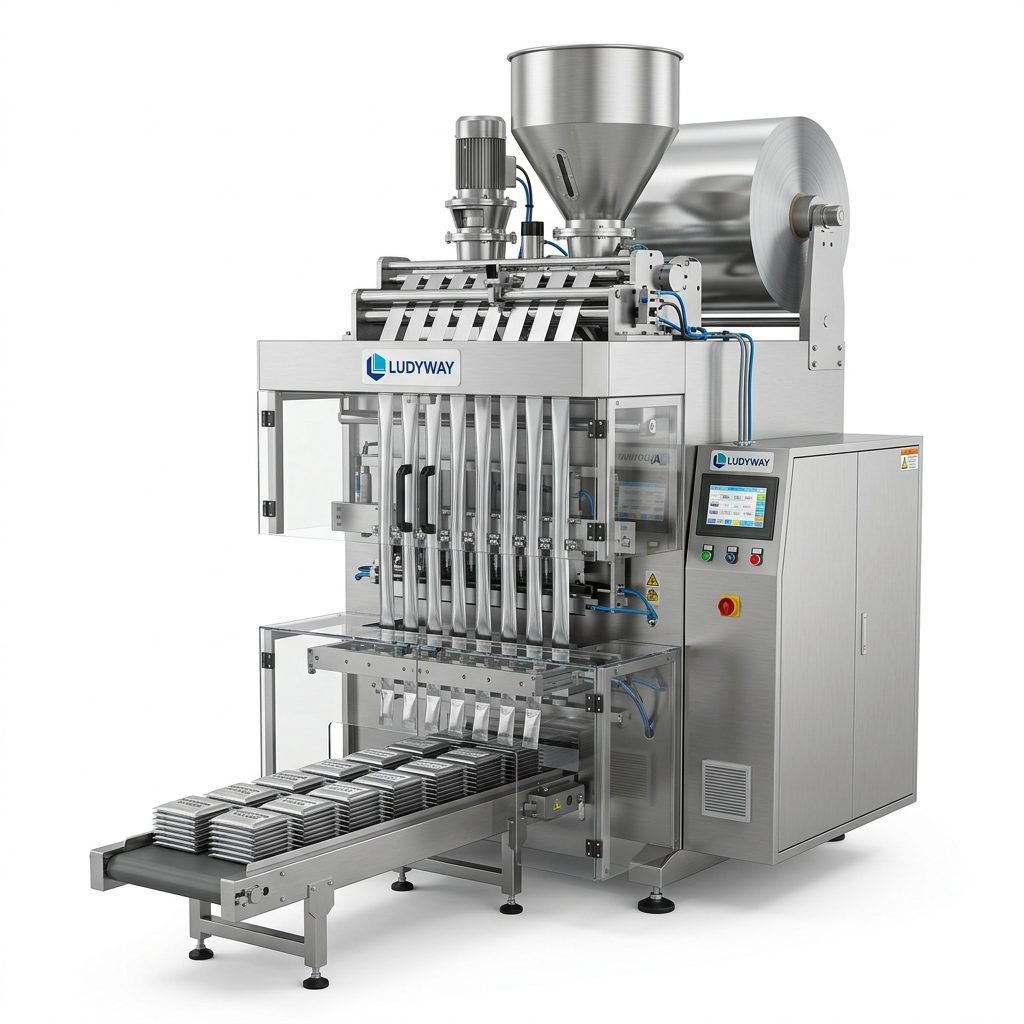
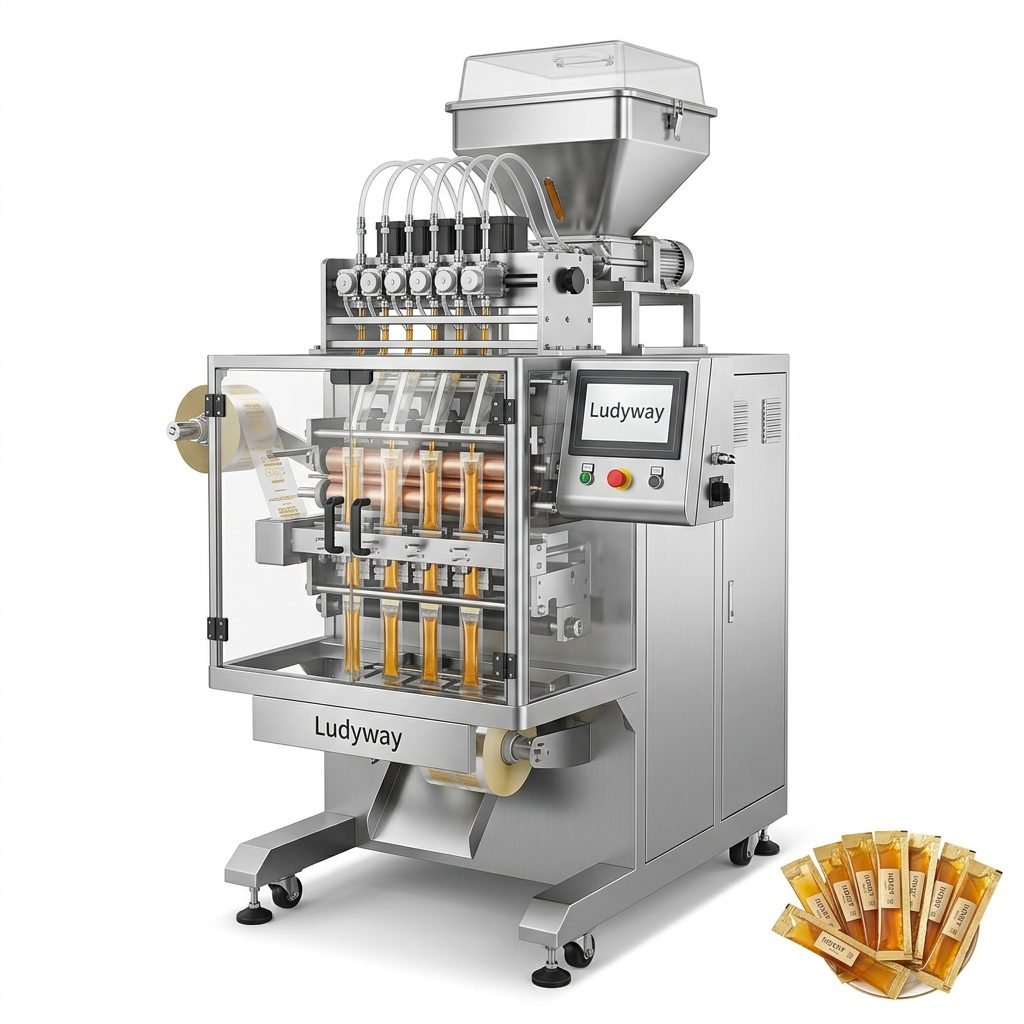
Multi-lane machines are built for high-volume production. Multiple sachets are formed, filled, and sealed simultaneously, making them ideal for large brands and contract manufacturers. They are especially attractive when labor efficiency and output per square meter are critical.
3. Vertical Form Fill Seal Powder Systems
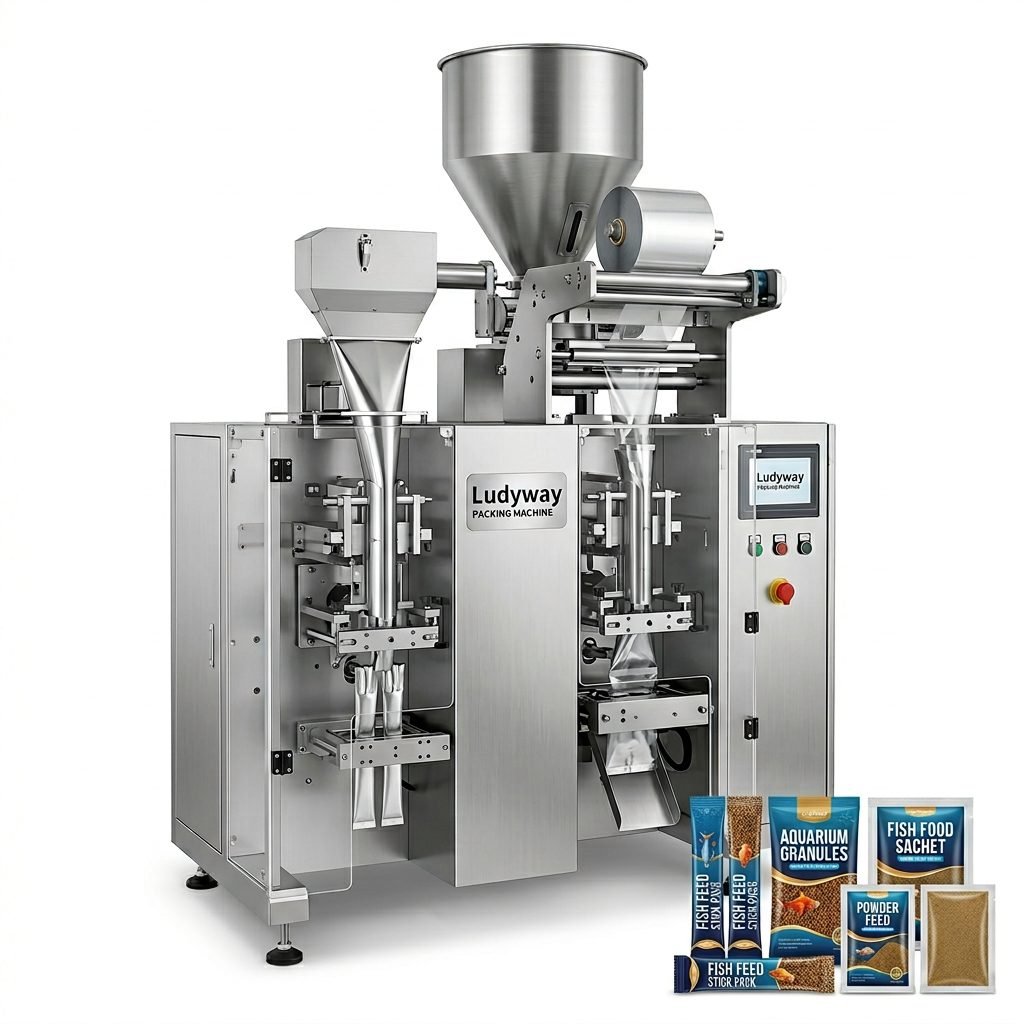
These systems can be configured for sachets, stick packs, or small pouches. They are often selected for powders requiring compact machine footprints and flexible integration with feeding systems.
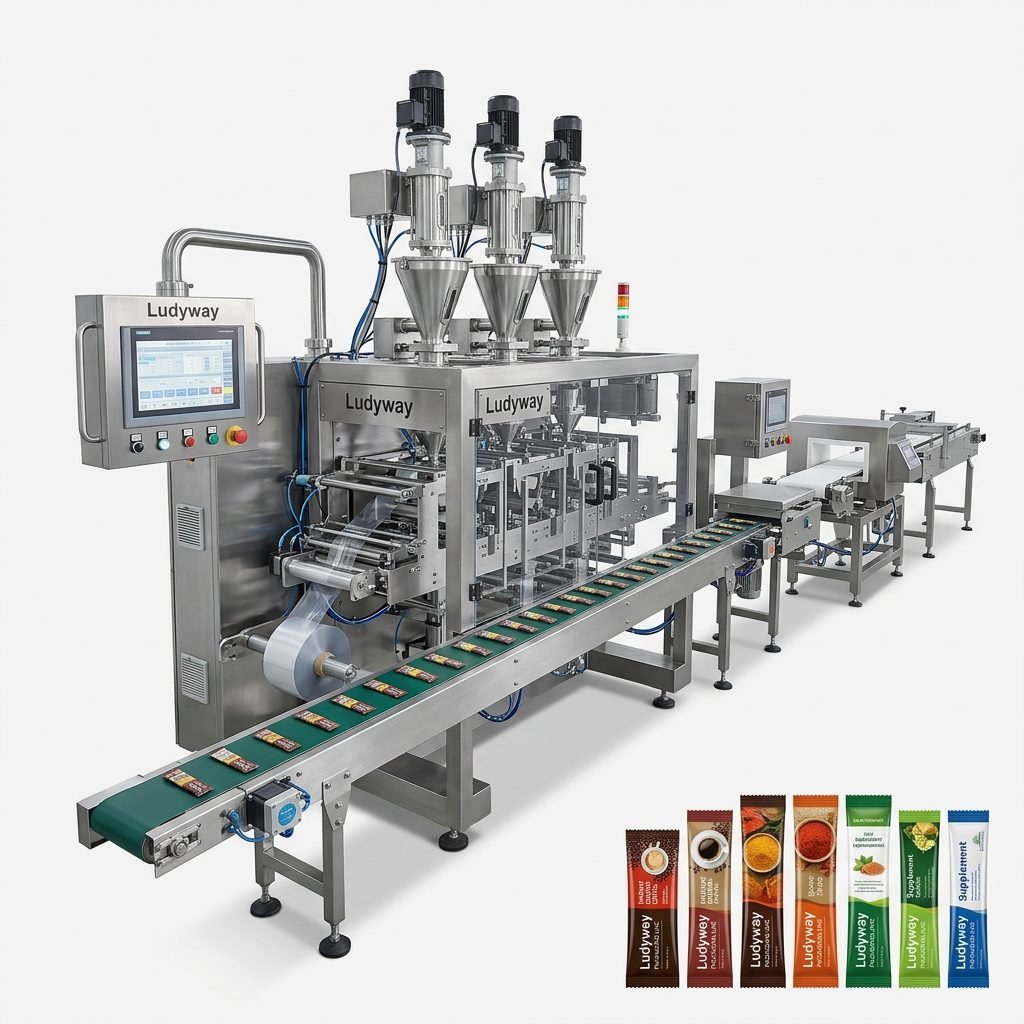
4. Turnkey Powder Packaging Lines
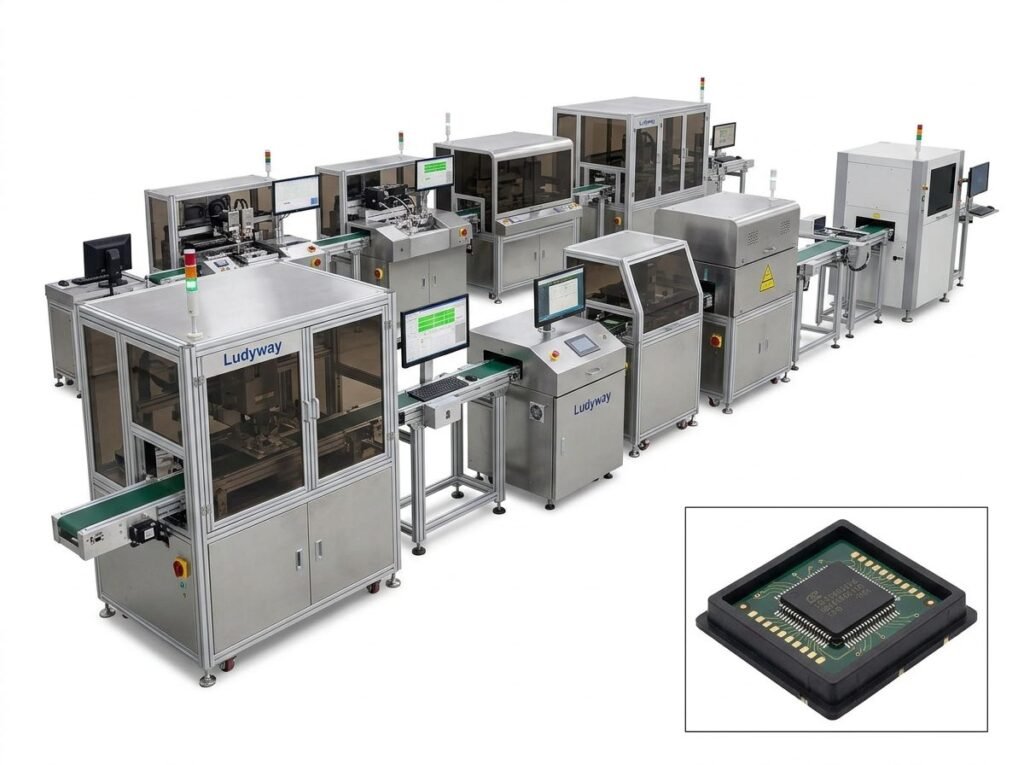
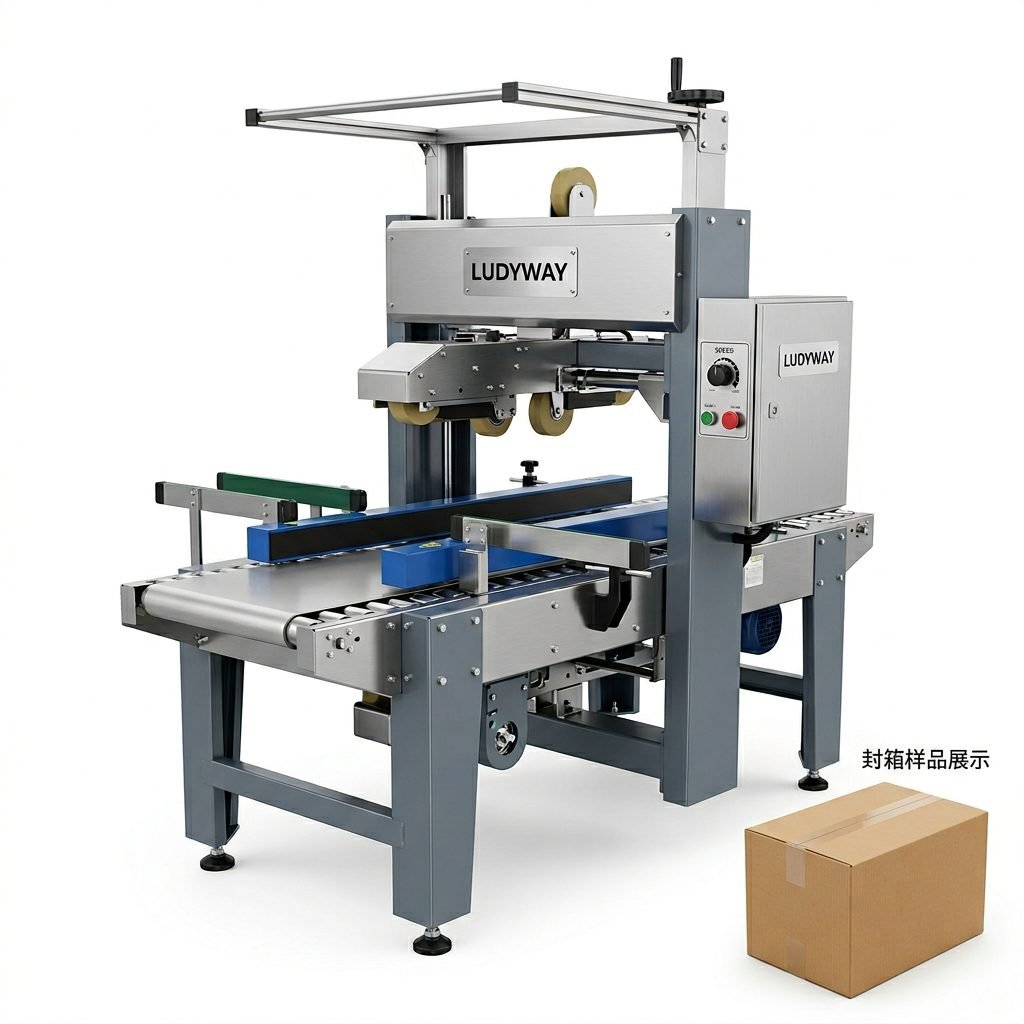
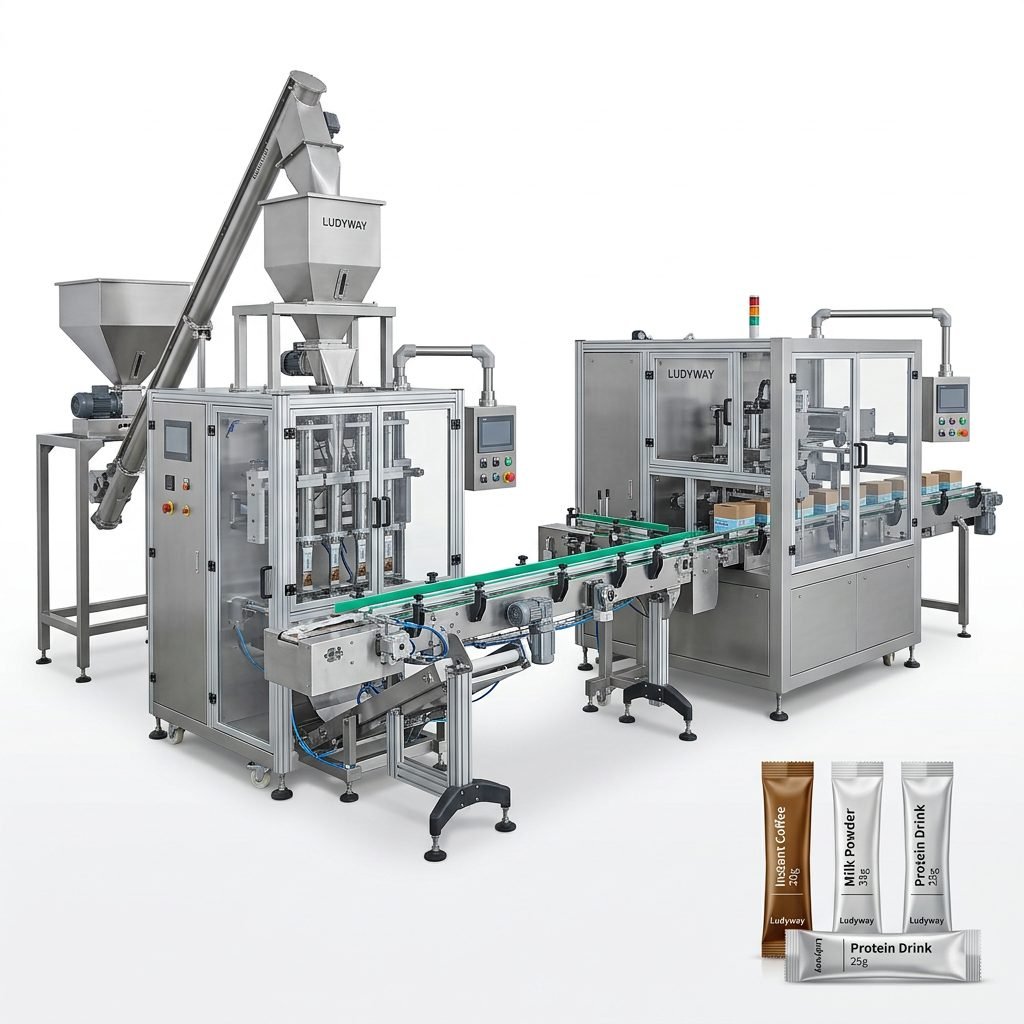
For larger factories, a complete line may include powder feeding, mixing, metal detection, checkweighing, sachet packing, cartoning, case packing, and palletizing. This is the best route when long-term automation and scalable throughput are priorities.
| Machine Type | Best For | Advantages | Considerations |
|---|---|---|---|
| Single-lane sachet machine | Small to mid-scale production | Flexible, lower investment, easier changeover | Lower output than multi-lane |
| Multi-lane sachet machine | High-speed mass production | Very high efficiency, strong labor savings | More complex setup and maintenance |
| VFFS powder system | Flexible powder pouch applications | Compact, adaptable, suitable for many products | Configuration must match product behavior |
| Turnkey packaging line | Large factories and integrated automation | End-to-end efficiency, traceability, reduced manual handling | Higher capital investment |
Key Factors to Consider Before Buying
Powder Characteristics
Not all powders behave the same. The machine’s dosing system, sealing area, and dust control design must suit the material.
- Is the powder free-flowing or non-free-flowing?
- Does it generate a lot of dust?
- Is it sticky, oily, or moisture-sensitive?
- Does it bridge in the hopper?
- Does it require gentle handling to protect particle structure?
For example, fine drink powders and pharmaceutical powders often need higher dosing precision and better dust extraction than coarse seasoning mixes.
Filling Accuracy
Accuracy affects both compliance and profitability. Overfilling wastes product, while underfilling can damage brand trust and trigger customer complaints. Screw auger filling is commonly used for powder sachets because it provides controlled dosing for a wide range of powder types.
Production Speed
Speed should be evaluated in real conditions, not just theoretical output. Ask suppliers for actual performance based on your fill weight, sachet size, film type, and powder behavior. A machine that runs slightly slower but more consistently may outperform a higher-speed model with frequent stoppages.
Sachet Size and Format
Consider present and future SKU requirements. Some manufacturers need one machine to handle multiple pack sizes, while others run one standardized sachet format at very high speed. Common options include:
- 3-side seal sachets
- 4-side seal sachets
- Back-seal sachets
- Stick packs for narrow, portable formats
Sealing Quality
Powder contamination in the sealing zone is one of the biggest causes of leakage and reject rates. A good powder sachet machine should have effective control of filling timing, vibration, dust management, and seal pressure to keep seals neat and secure.
Cleaning and Changeover
If you switch between products often, fast cleaning and tool-free changeover matter a lot. In food and pharmaceutical environments, hygienic structure and easy-access components can reduce sanitation time and contamination risk.
Automation and Integration
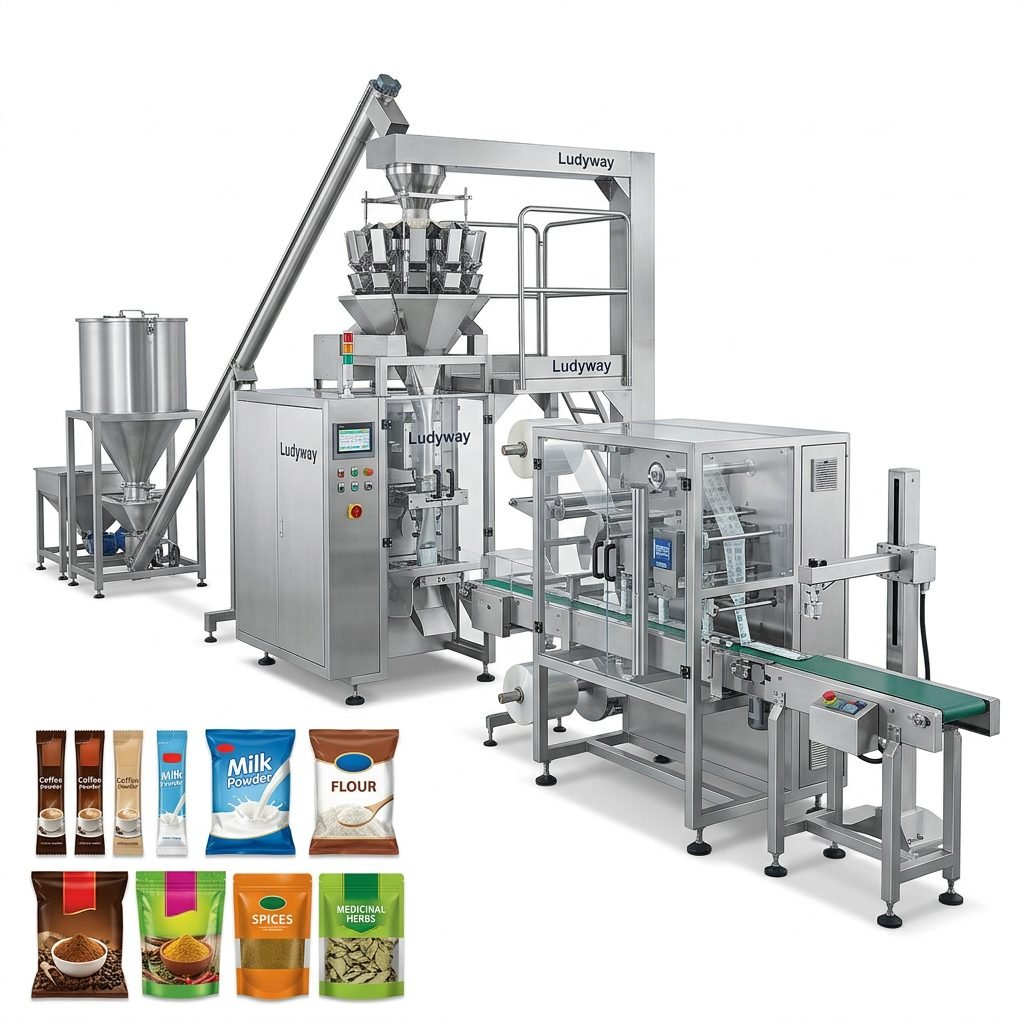
A modern machine should support upstream and downstream integration, such as vacuum feeders, screw conveyors, checkweighers, metal detectors, coding systems, and cartoners. This is especially important if you plan to scale production later.
Essential Features of a High-Performance Powder Sachet Packing Machine
- Precision auger filler for stable powder dosing
- Servo-driven control for better accuracy and repeatability
- PLC + touchscreen HMI for easy operation and recipe storage
- Dust-proof or dust-collection design to improve cleanliness and sealing
- Photoelectric film tracking for accurate print registration
- Nitrogen flushing option for oxygen-sensitive powders
- Automatic alarm and rejection systems to reduce quality issues
- Stainless steel contact parts for hygienic compliance
- Modular design for easier maintenance and upgrades
Common Industries Using Powder Sachet Packing Machines
Food and Beverage
This includes instant coffee, milk tea powder, cocoa, soup powder, baking ingredients, sugar substitutes, seasoning powders, and nutrition mixes. In this sector, appearance, seal integrity, and output speed are especially important.
Nutraceutical and Health Supplement
Single-dose sachets are ideal for collagen, electrolytes, probiotics, BCAA, superfood powders, and sports nutrition. Buyers often prioritize precision, hygiene, and product traceability.
Pharmaceutical
Pharmaceutical powder sachet machines usually require stricter standards for material contact parts, cleaning validation, controlled dosing, and documentation support.
Chemical and Industrial Products
Detergents, descaling powder, water treatment agents, additives, and other industrial powders often require durable construction, anti-corrosion options, and robust sealing performance.
How to Match the Machine to Your Production Goals
| Your Requirement | Recommended Solution | Why It Fits |
|---|---|---|
| Low to medium output, frequent SKU changes | Single-lane powder sachet machine | Flexible, simpler operation, lower entry cost |
| High-volume daily production | Multi-lane powder sachet machine | Higher output and lower labor cost per sachet |
| Strict hygiene and accuracy requirements | Pharma-grade powder sachet system | Designed for controlled filling and easier sanitation |
| Expansion to full automation | Turnkey powder packaging line | Supports integrated feeding, inspection, cartoning, and palletizing |
Questions You Should Ask a Supplier
- What powders has this machine successfully packed before?
- What filling accuracy can be achieved with my target weight?
- What is the real production speed for my sachet size?
- Can the machine handle different films and sachet formats?
- How is dust controlled during filling and sealing?
- What cleaning and maintenance procedures are required?
- Are spare parts and remote technical support available?
- Can the line be expanded later with checkweighing, cartoning, or case packing?
Mistakes to Avoid When Choosing a Powder Sachet Machine
- Choosing only by machine price instead of total operating cost
- Ignoring powder flowability and dust characteristics
- Buying excess speed without considering stability
- Overlooking film compatibility and sealing quality
- Not planning for future SKUs or output expansion
- Skipping product testing before final purchase
A short trial with your real powder and packaging film can reveal far more than a brochure. It is one of the best ways to confirm dosing performance, seal appearance, machine speed, and overall suitability.
Why Customization Matters
The best powder sachet packing solution is rarely one-size-fits-all. Machine customization may include auger configuration, hopper agitators, de-aeration design, sachet dimensions, sealing pattern, coding devices, and line integration. This is especially valuable for manufacturers working with specialty powders or multiple product categories.
For businesses looking for scalable powder packaging automation, Ludyway powder packaging solutions offer a broad range of sachet machines, multi-lane systems, and turnkey packaging lines for food, pharmaceutical, health supplement, and industrial applications.
Final Buying Checklist
Before making a final decision, confirm the following:
- Your powder has been tested on the target machine
- Required sachet sizes and formats are supported
- Accuracy and speed meet your real production targets
- Cleaning and maintenance are manageable for your team
- The machine can integrate with upstream and downstream equipment
- Technical support, spare parts, and after-sales service are clear
- The solution matches your growth plan over the next 3–5 years
Conclusion
Choosing the right powder sachet packing machine is about more than fast packaging. The ideal solution should deliver consistent accuracy, reliable sealing, operational efficiency, and room for future expansion. By evaluating powder characteristics, production goals, sachet format, and automation needs, manufacturers can invest in equipment that improves both short-term output and long-term competitiveness.
If your business depends on fast, accurate powder packaging, selecting the right machine now can help reduce waste, improve quality, and create a stronger foundation for scalable growth.