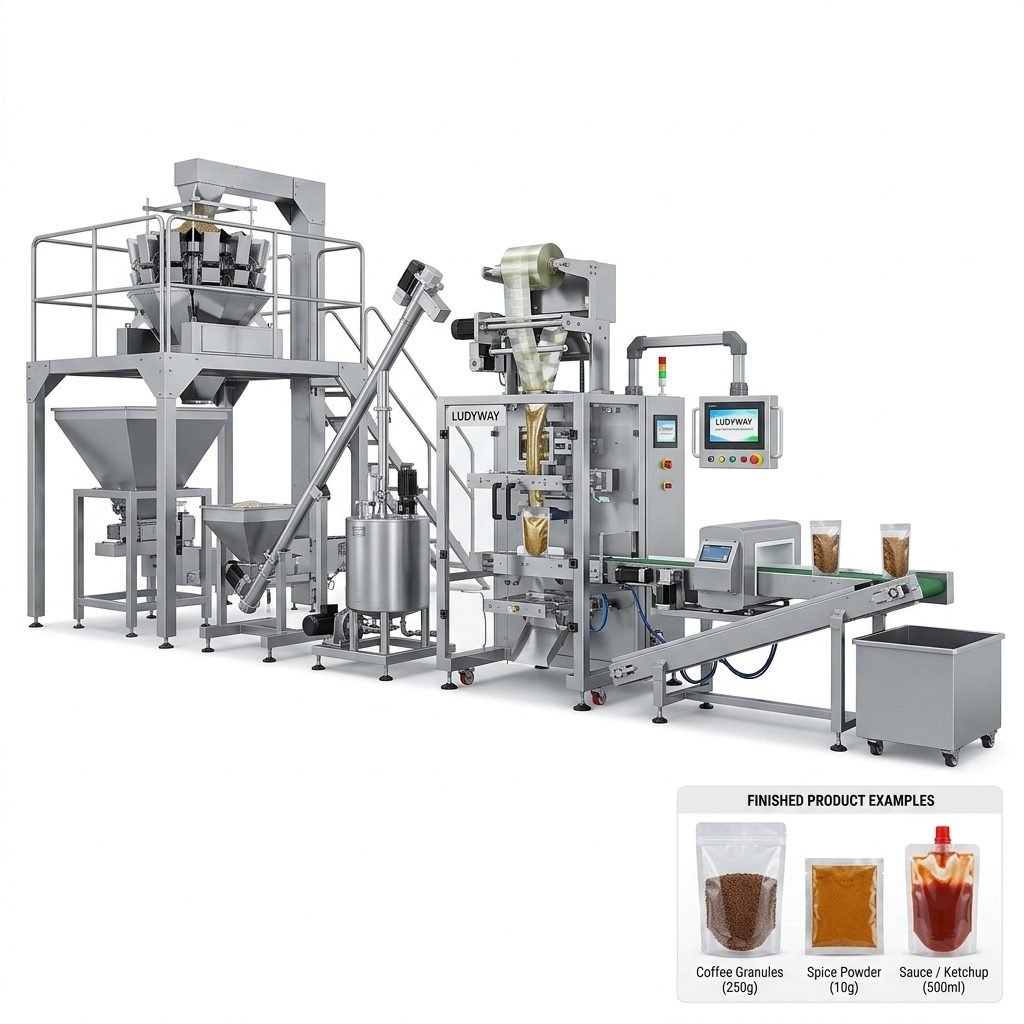
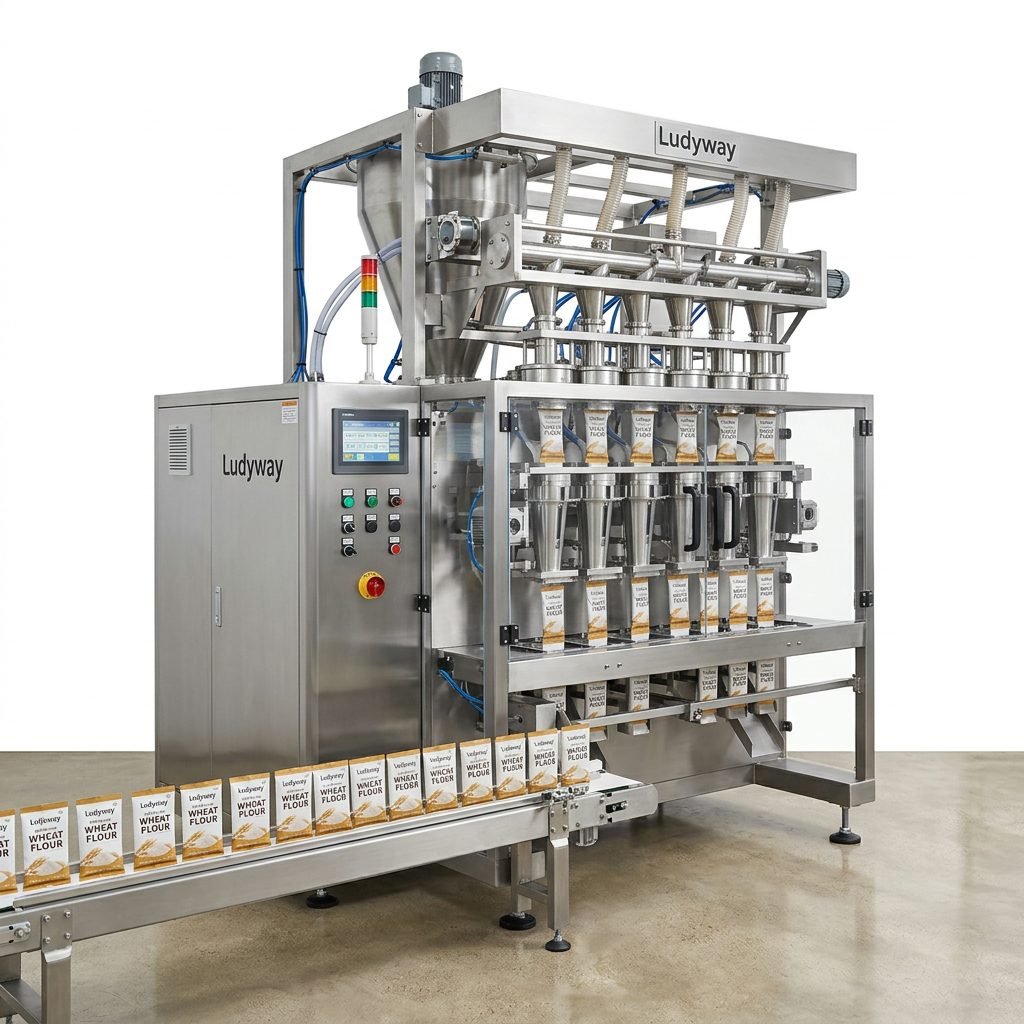
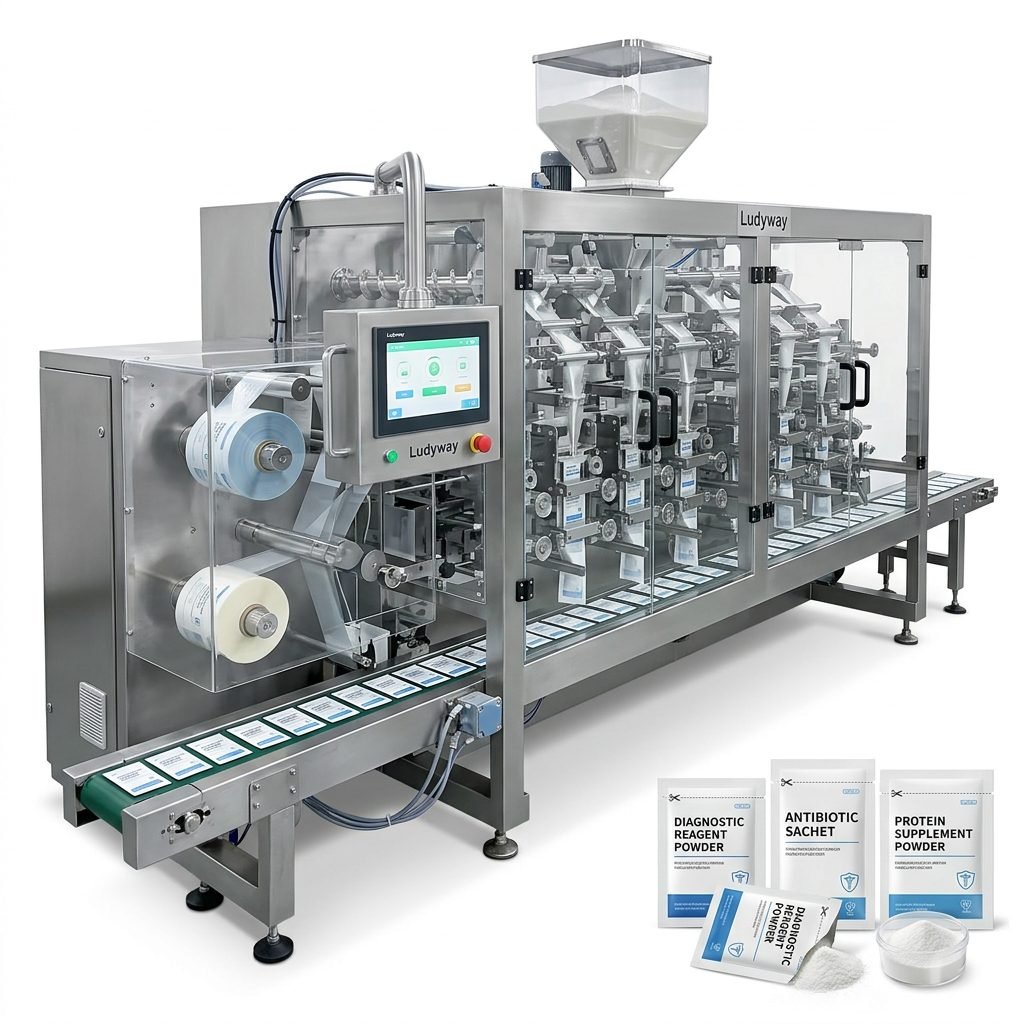
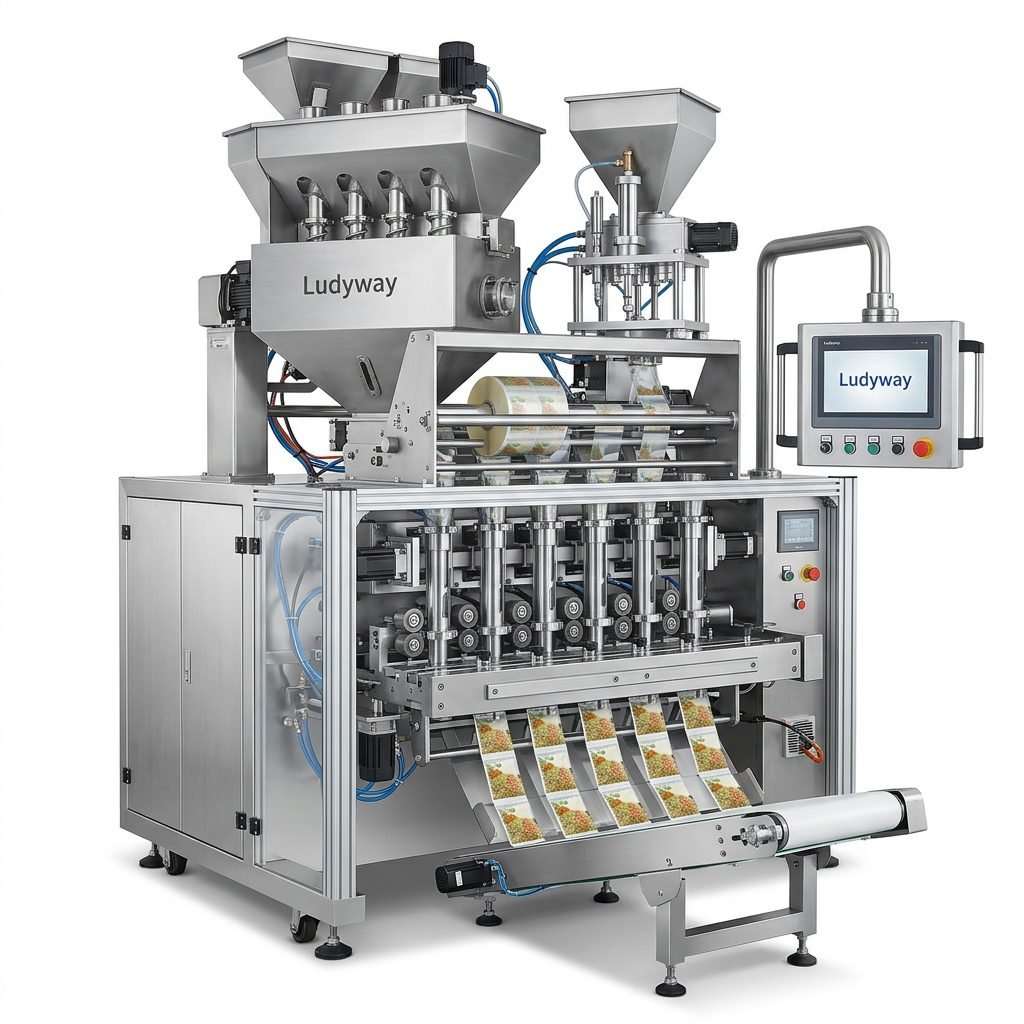
When it’s time to upgrade, downsize, or exit the printing and packaging sector, efficiently liquidating your machinery assets is a critical business decision. The right auction service can transform this challenging process into a strategic advantage, maximizing your return and minimizing downtime. This guide explores the top auction services and strategies to quickly liquidate printing and packaging machinery, ensuring a smooth and profitable transition.
Why Specialized Auction Services Are Essential for Machinery Liquidation
Selling industrial equipment like printing presses, flexographic printers, die-cutters, baggers, or form-fill-seal machines isn’t like a standard online sale. These are high-value, specialized assets with a niche buyer pool. A general auction platform often falls short. Specialized industrial auction services provide the targeted audience, industry expertise, and logistical support necessary for a successful sale. They understand the true market value of your packaging machinery, can accurately describe its technical specifications and condition, and market it directly to qualified buyers worldwide who are actively seeking such equipment.
Key Benefits of Using a Professional Auction Service:
- Global Buyer Reach: They tap into an international network of printers, converters, contract packagers, and investors.
- Market Valuation: Experts provide realistic pre-sale appraisals based on current market trends.
- Streamlined Process: They handle marketing, inspections, bidding, and payment collection.
- Speed & Certainty: A well-publicized auction date forces a sale, converting assets to cash quickly.
Top Auction Models for Liquidating Your Equipment
Not all auctions are created equal. The best service for you depends on your timeline, the value of your assets, and your preference for hands-on involvement.
1. Online-Only Timed Auctions
This is a highly efficient model for quick liquidation. Bidding occurs over a set period (e.g., 7-10 days) on a dedicated platform. It offers constant exposure and allows buyers from any time zone to participate. This method is excellent for selling a wide range of items, from individual filling machines to complete pallets of spare parts.
2. Live Webcast Auctions
Combining the energy of a live event with digital accessibility, a live auctioneer conducts the sale in real-time via video stream. Bidders participate online and by phone. This format is ideal for high-value lots or complete production lines, as the competitive atmosphere can drive prices higher. It provides the “finality” of a traditional auction with a global audience.
3. Sealed-Bid / Tender Sales
For unique, high-value, or complex assets, a sealed-bid process can be effective. Prospective buyers submit their best confidential offer by a deadline. This method is less public and can be suitable for strategic sales where buyer identity or market perception is a concern.
Preparing Your Machinery for a Successful Auction
Presentation is everything. Proper preparation significantly impacts the final hammer price.
Auction Preparation Checklist:
- Detailed Documentation: Gather OEM manuals, maintenance records, electrical diagrams, and parts lists. Transparency builds buyer confidence.
- Professional Photography & Video: Capture high-resolution images from all angles. A video showing the machine under power is invaluable. Highlight key features of your packaging equipment.
- Honest Condition Report: Disclose any known defects, wear, or required repairs. “As-is, Where-is” is standard, but full disclosure prevents post-sale disputes.
- Clean and De-grease: A clean machine appears well-maintained. Basic housekeeping can yield a much higher return on investment.
- Create Logical Lots: Group related items. A primary machine sold with its essential spare parts and tools is more attractive than each piece sold separately.
Maximizing Return: Strategic Considerations
Beyond choosing an auction house, your strategy dictates the outcome.
Timing the Market
While the need for quick liquidation often dictates timing, if you have flexibility, consult your auction partner. They can advise on seasonal demand cycles or industry events that might attract more buyers.
Setting Realistic Reserves
A reserve price is the confidential minimum you’re willing to accept. Setting it too high can stifle bidding and result in a “no sale.” An experienced auctioneer will help you set a reserve that protects your interests while encouraging competitive bidding to potentially exceed expectations.
Marketing and Exposure
The auction service’s marketing muscle is crucial. Ensure they utilize targeted email campaigns to their buyer database, industry-specific advertising (e.g., in publications for printing industry professionals), and search engine optimization (SEO) so your assets appear when buyers search for “used packaging machinery for sale.”
Post-Auction Logistics and Settlement
A successful bid is only part of the process. Clear terms regarding payment removal are critical. Reputable auctioneers facilitate a secure payment process, typically holding funds in escrow until the buyer takes possession. They will also provide a detailed removal protocol, coordinating with rigging and logistics companies familiar with industrial equipment. This ensures a safe and timely clearance of your facility, which is often a key goal of a liquidation event. For companies like Ludyway Machinery, which focuses on advanced solutions, transitioning out of older equipment efficiently is part of maintaining a modern operational footprint.
Conclusion
Liquidating printing and packaging machinery quickly and profitably requires a partner, not just a platform. By selecting a specialized industrial auction service, meticulously preparing your assets, and understanding the strategic levers at your disposal, you can convert idle capital into working cash with confidence. This process not only clears physical space but also paves the way for reinvestment into newer, more efficient technologies that keep your business competitive in a dynamic market. Exploring the right auction services for industrial assets is the first strategic step in this renewal.
Frequently Asked Questions (FAQs)
1. How long does the entire auction liquidation process typically take?
From initial consultation to final settlement, a well-organized online auction can be completed in 4-8 weeks. This includes cataloging, marketing (2-3 weeks), the bidding period (1-2 weeks), and a 10-15 business day period for payment and removal. Live webcast events may have a shorter marketing timeline but follow a similar total framework.
2. What are the typical commission rates for industrial auctioneers?
Commission structures vary but often range from 10% to 20% of the hammer price. Some firms offer sliding scales based on total sale proceeds. Always clarify all fees—including marketing, labor, and buyback fees—in the seller’s agreement upfront.
3. Can I sell machinery that is not currently operational?
Yes, “as-is, non-operational” equipment is commonly sold at auction. Full and honest disclosure is absolutely critical. The selling price will reflect the condition, but there is a strong market for machinery sold for parts or repair by maintenance technicians and rebuild specialists.
4. Who is responsible for dismantling and loading the machinery after the sale?
This is typically the buyer’s responsibility. The auction terms will state that the buyer must arrange and pay for professional rigging, dismantling, and transportation. The seller is usually only required to provide access and sometimes a forklift or loading dock assistance. The auction company coordinates the schedule.
5. How are disputes with buyers handled after the auction?
Reputable auctioneers have clear “Terms & Conditions” that govern the sale, limiting disputes. They act as an intermediary to resolve issues related to payment or the condition of the asset as described. Choosing an auctioneer with a strong reputation for fairness is your best protection against prolonged disputes.