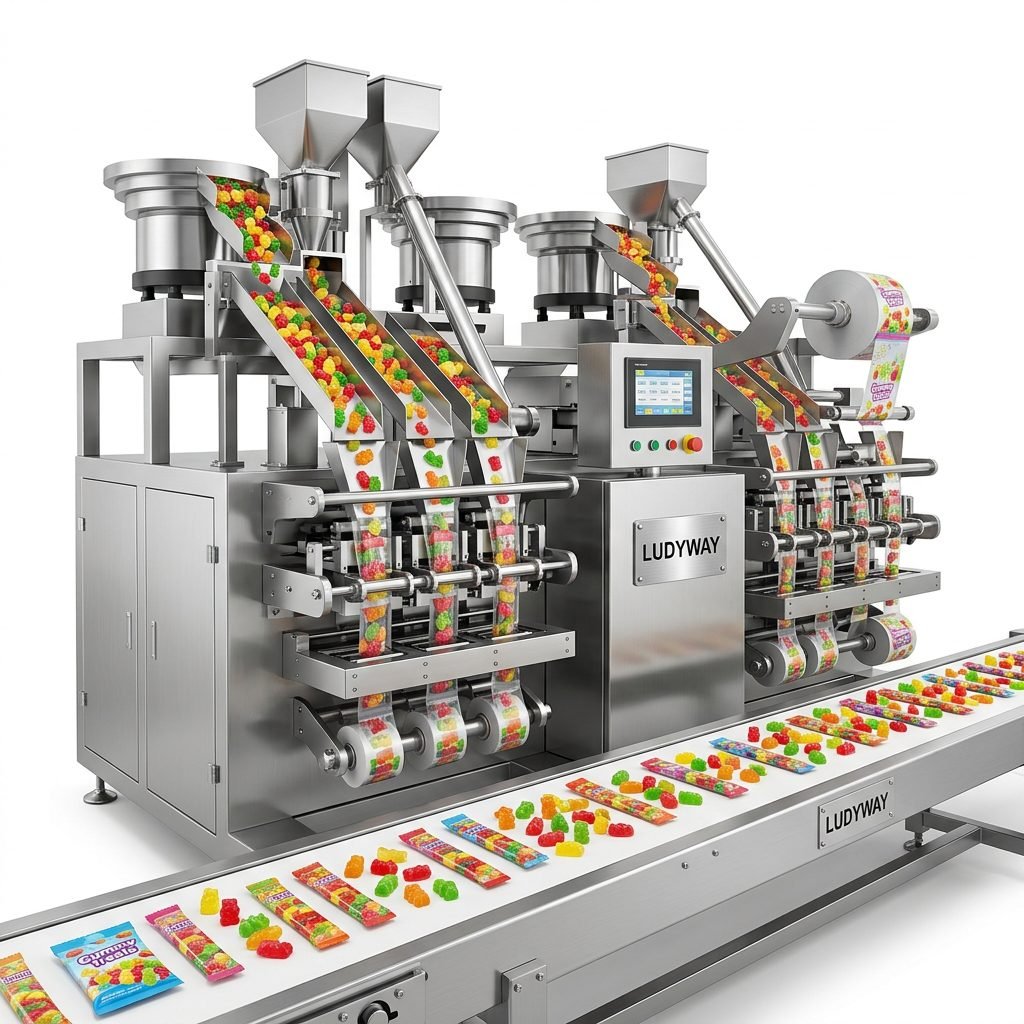
A manual blister packing machine is a practical choice for businesses that need simple, reliable, and cost-controlled blister packaging without the investment required for a fully automatic line. It is widely used for small-batch production, laboratory packaging, pilot runs, startups, and specialty products in industries such as pharmaceuticals, nutraceuticals, cosmetics, hardware, and consumer goods.
If you are comparing different blister packaging options, understanding the machine’s structure, output capability, material compatibility, and maintenance needs can help you make a more profitable decision. The right model should fit not only your current packaging volume but also your future production plan.
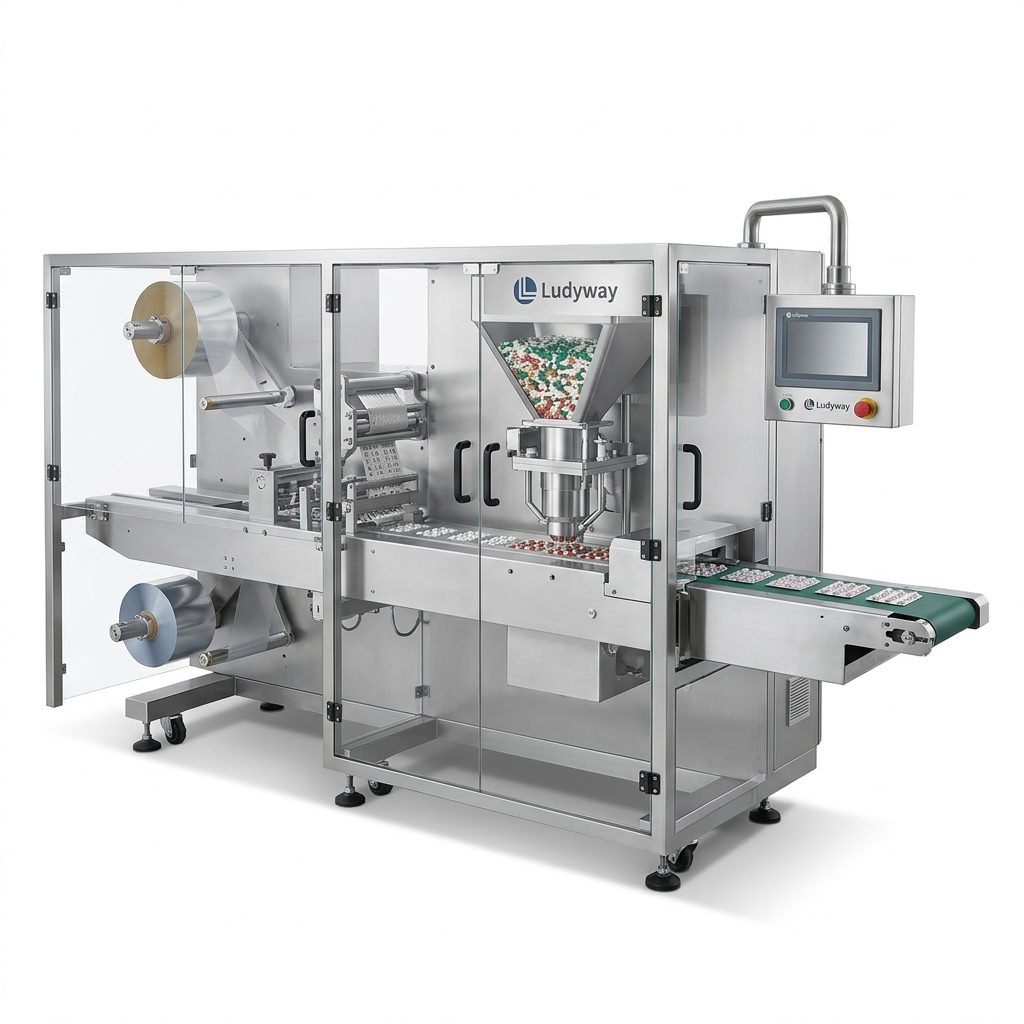
What Is a Manual Blister Packing Machine?
A manual blister packing machine is a packaging device designed to form, fill, and seal blister packs with a significant level of operator involvement. Unlike fully automatic systems, manual models rely on workers to place products into cavities, position forming films or preformed blisters, and operate the sealing process through hand-assisted or semi-manual controls.
These machines are commonly used for:
- Pharmaceutical tablets and capsules
- Health supplements
- Small medical devices
- Cosmetic samples
- Batteries, screws, and hardware parts
- Trial packaging and R&D projects
How a Manual Blister Packing Machine Works
Although exact designs differ by manufacturer, the operating process is usually straightforward:
- Material preparation: PVC, PET, PVDC, or aluminum-based materials are loaded.
- Blister forming: The sheet is formed into cavities by heat and pressure, or a preformed tray is used.
- Product loading: Operators place tablets, capsules, or small items into each cavity.
- Sealing: Lidding foil or cover material is aligned and sealed onto the blister.
- Cutting: Packs are trimmed into final size.
Because this process includes manual handling, it is best suited to low-to-medium output environments where flexibility matters more than maximum speed.
Key Features to Look For
| Feature | Why It Matters |
|---|---|
| Compact structure | Ideal for limited workshop space, labs, and small factories. |
| Adjustable sealing temperature | Helps match different blister films and lidding materials. |
| Interchangeable molds | Makes it easier to pack different product shapes and sizes. |
| Simple controls | Reduces training time and operator errors. |
| Stable sealing pressure | Improves seal integrity and packaging appearance. |
| Easy cleaning design | Important for hygiene-sensitive sectors such as pharma and supplements. |
1. Mold Flexibility
A good manual blister packing machine should support quick mold replacement. This is especially important if you package multiple SKUs, test new products, or work on custom projects.
2. Sealing Accuracy
Poor sealing leads to rejected packs, poor shelf appeal, and possible product contamination. Temperature uniformity and sealing pressure consistency are therefore critical.
3. Material Compatibility
Different products require different packaging barriers. Confirm whether the machine can handle:
- PVC
- PVDC
- PET
- Aluminum foil
- Cold forming materials
4. Ease of Operation
For small teams, a user-friendly machine is often more valuable than a complex model with advanced but rarely used features. Clear controls, accessible working stations, and simple setup can greatly improve productivity.
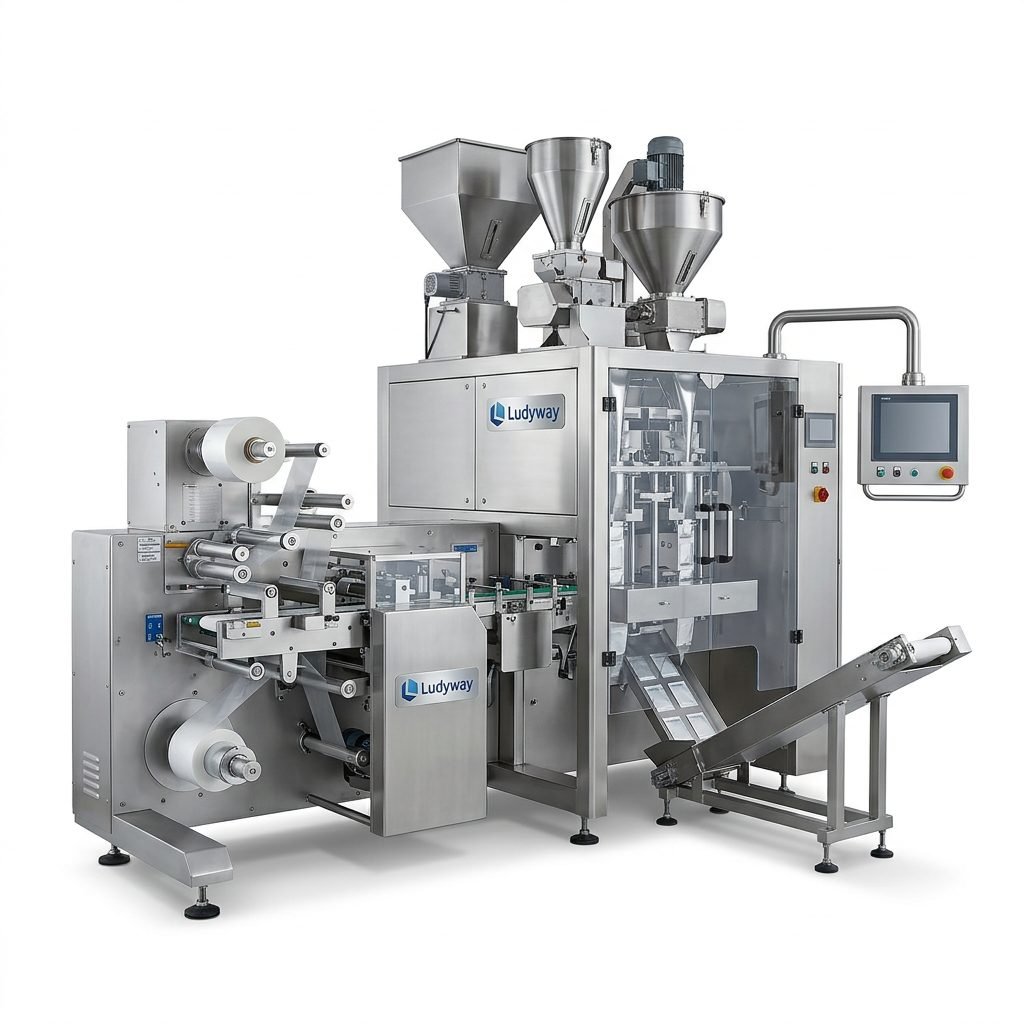
Main Benefits of a Manual Blister Packing Machine
Lower Initial Investment
Manual machines generally cost much less than semi-automatic or automatic blister lines. This makes them attractive to startups, contract packers, clinics, and small manufacturers.
Ideal for Small Batch Production
If your output requirements are limited, a manual machine can provide the packaging quality you need without paying for excess capacity.
High Product Changeover Flexibility
Many companies produce a wide range of low-volume SKUs. A manual blister system allows faster adjustments and better adaptability for varied packaging tasks.
Reduced Space Requirements
Most manual models have a compact footprint, making them suitable for facilities with limited available floor space.
Useful for Validation and Pilot Projects
Before investing in full automation, businesses often use manual blister packaging to validate product-market fit, test barrier materials, or gather customer feedback.
Limitations You Should Know
Manual blister machines are not the right fit for every production environment. Buyers should understand their limitations before making a purchase.
- Lower production speed compared with automatic systems
- More labor involvement
- Output consistency depends more on operator skill
- Not ideal for very large pharmaceutical-scale production
- May require more frequent handling of materials and products
If your production is growing quickly, you may want to compare manual equipment with semi-automatic or integrated packaging systems early in the decision process.
Typical Applications Across Industries
| Industry | Common Blister-Packed Products |
|---|---|
| Pharmaceutical | Tablets, capsules, lozenges |
| Nutraceutical | Vitamins, supplements, herbal products |
| Cosmetic | Sample units, treatment capsules, skincare portions |
| Medical | Test items, disposable components, sterile accessories |
| Consumer goods | Batteries, razors, stationery, hardware parts |
Manual vs Semi-Automatic vs Automatic Blister Machines
| Type | Best For | Investment Level | Output |
|---|---|---|---|
| Manual | Startups, labs, low-volume production | Low | Low to medium |
| Semi-automatic | Growing businesses needing more consistency | Medium | Medium |
| Automatic | Large-scale industrial production | High | High |
Buying Tips: How to Choose the Right Machine
Define Your Real Production Needs
Do not buy based only on the lowest price. Start with practical questions:
- How many packs do you need per day?
- How many product sizes will you run?
- Do you need pharmaceutical-grade packaging quality?
- Will you scale up in the next 12 to 24 months?
Check Mold Customization Options
If your product dimensions are unique, custom tooling may be required. Ask whether mold replacement is easy and how long new mold production takes.
Evaluate Sealing Quality
Request sample blister packs if possible. Look closely at:
- Seal uniformity
- Edge neatness
- No leakage or weak corners
- Consistent cavity shape
Confirm Material Support
Not every blister machine handles every packaging material equally well. Confirm compatibility with both your blister film and lidding foil before ordering.
Review Maintenance and Spare Parts
A low-cost machine can become expensive if spare parts are difficult to obtain or technical support is slow. Choose a supplier with established export experience and responsive after-sales service.
Consider Supplier Strength
For buyers planning broader packaging upgrades, working with a supplier that understands integrated production can be a major advantage. Ludyway packaging machine solutions are known in global markets for broad equipment coverage, customization capability, and support for scalable packaging projects across food, pharmaceutical, health supplement, and related sectors.
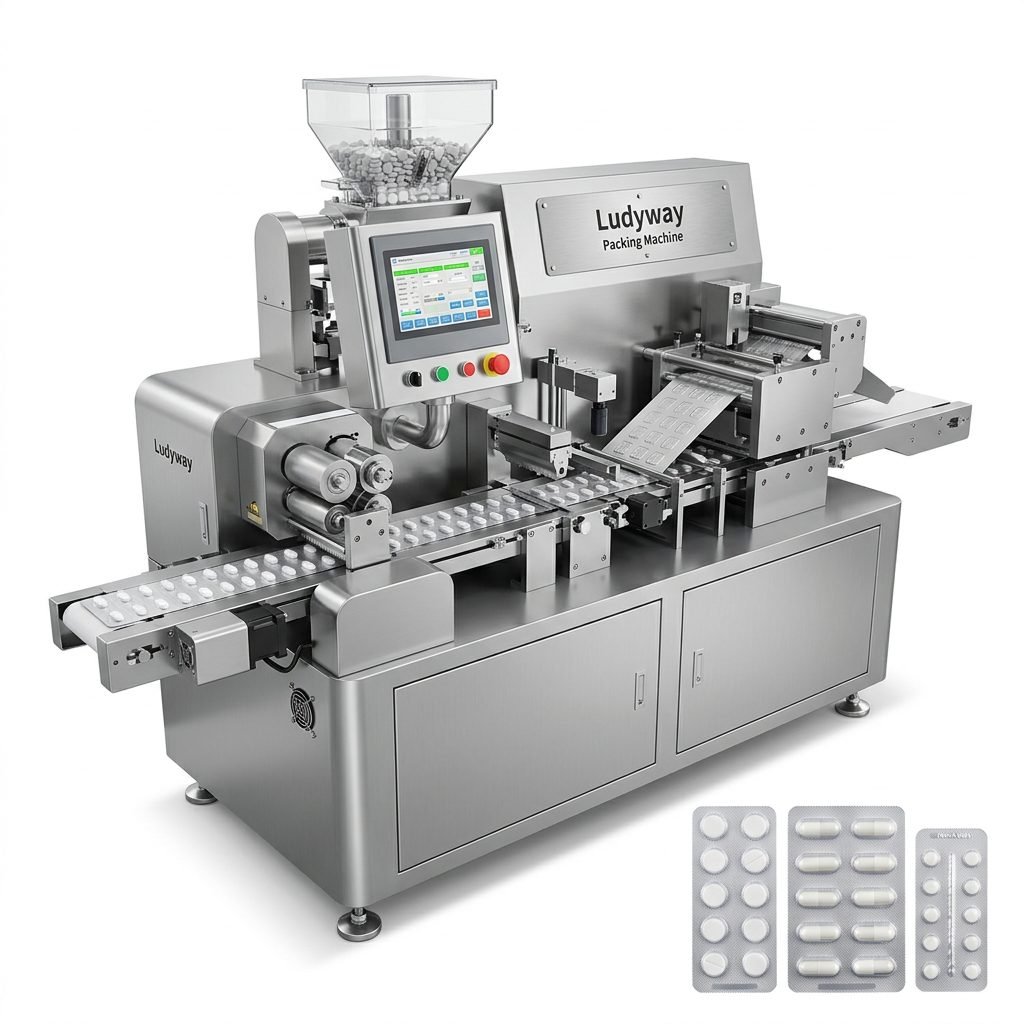
Questions to Ask Before You Buy
- What is the machine’s actual production capacity?
- Can it support my blister size and product thickness?
- What materials can it form and seal?
- Is operator training required?
- What spare parts are included?
- How long is the lead time for molds?
- What technical support is available after delivery?
Maintenance Tips for Better Performance
Even a simple manual blister packing machine performs better and lasts longer with proper maintenance.
- Clean contact parts regularly.
- Inspect heating components and sealing surfaces.
- Check mold alignment before production.
- Lubricate moving parts according to the manual.
- Replace worn sealing pads or cutting parts in time.
- Train operators on standardized handling procedures.
Who Should Buy a Manual Blister Packing Machine?
This type of machine is especially suitable for:
- Small pharmaceutical companies
- Supplement startups
- Laboratories and R&D centers
- Hospitals and institutional packaging units
- Contract packers with short-run projects
- Manufacturers testing new blister pack formats
Final Buying Insight
A manual blister packing machine offers an effective balance of affordability, flexibility, and operational simplicity. It is a strong option when your production is not yet large enough to justify full automation, or when you need a dependable machine for short runs and frequent product changes.
The best choice is not simply the cheapest model, but the one that gives you stable sealing quality, suitable material compatibility, manageable maintenance, and room to grow. By carefully reviewing machine features, supplier support, and application fit, you can invest with greater confidence and achieve better long-term packaging results.