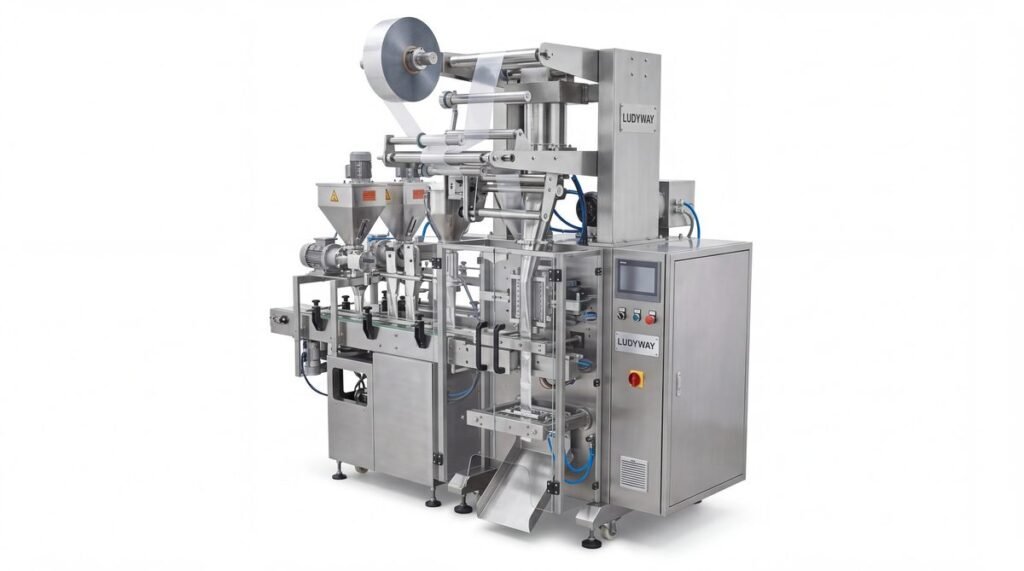
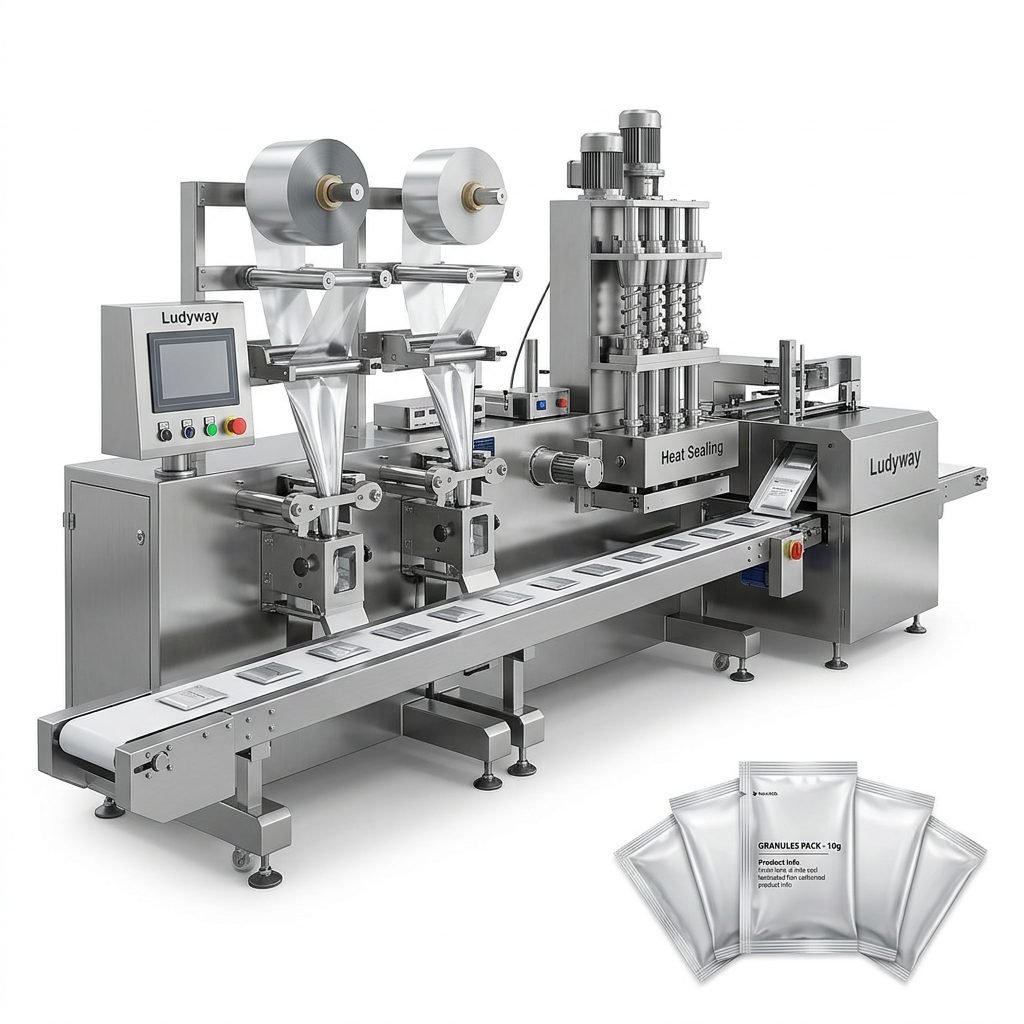
In today’s competitive manufacturing landscape, achieving optimal efficiency while controlling costs is paramount. Industrial packaging equipment plays a critical role in this equation, serving as the final link in the production chain before products reach the market. The right packaging solutions not only protect goods but also streamline operations, reduce waste, and enhance overall productivity. For businesses aiming to scale operations or improve their bottom line, investing in advanced packaging technology is no longer a luxury—it’s a strategic necessity.
The Core Components of Modern Packaging Systems
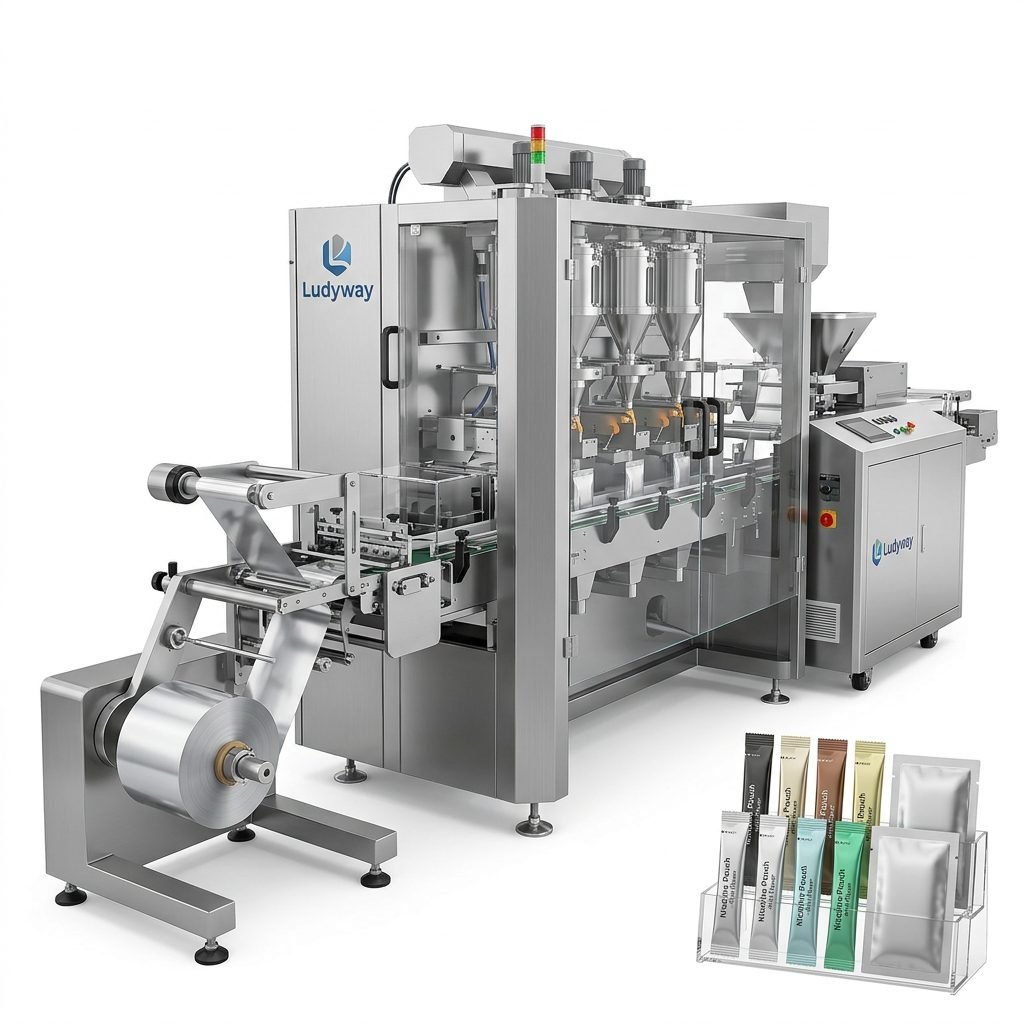
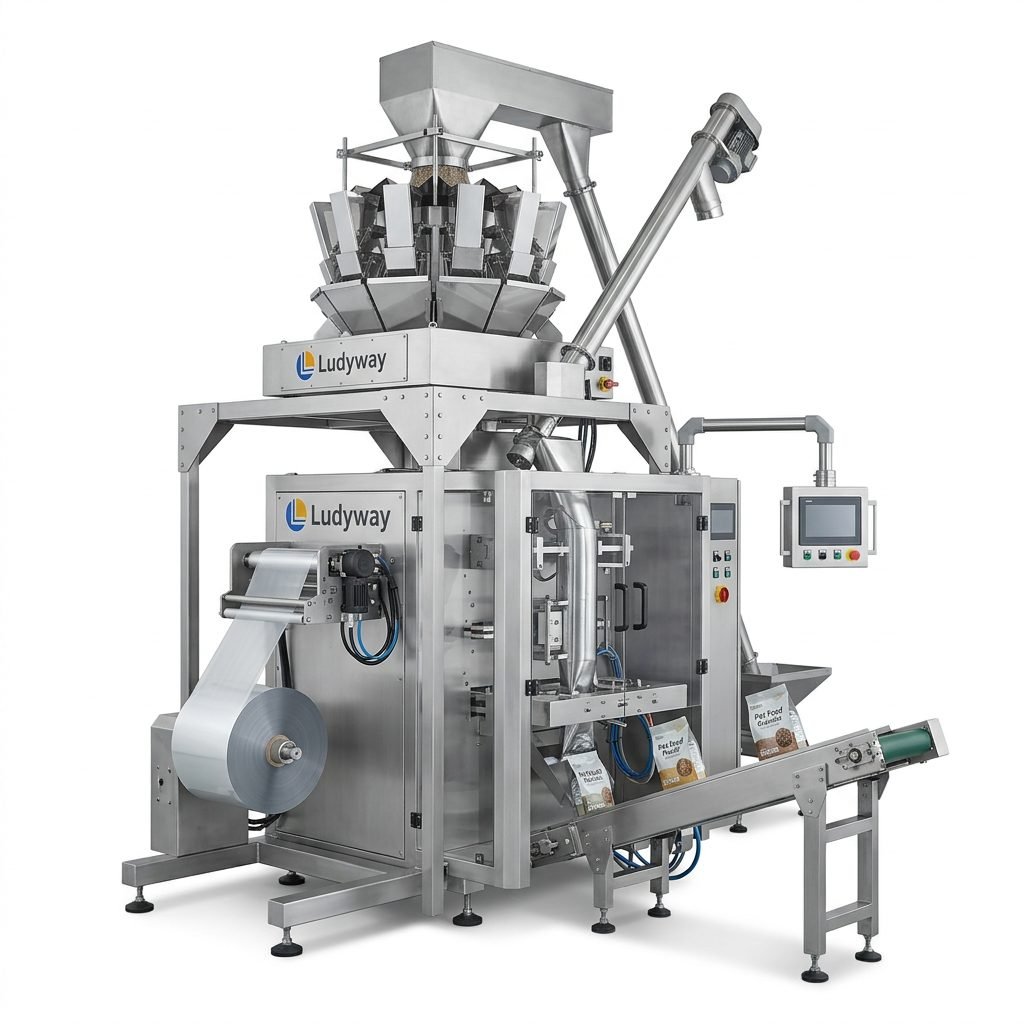
Modern industrial packaging encompasses a diverse range of equipment designed for specific applications. From primary packaging that directly contains the product to secondary packaging that groups individual units, each machine must perform with precision and reliability. Common systems include vertical form-fill-seal (VFFS) machines, horizontal flow wrappers, cartoning equipment, and labeling systems. The integration of these components into a cohesive line determines the overall throughput and efficiency of the packaging operation.
Key Insight: The most significant efficiency gains often come from seamless integration between different packaging machines, creating a continuous flow that minimizes manual intervention and bottlenecks.
Automation: The Driver of Production Efficiency
Automation stands at the forefront of efficient packaging. Automated systems handle repetitive tasks with consistent speed and accuracy, far surpassing manual capabilities. This includes automatic feeding, weighing, filling, sealing, and case packing. By reducing human involvement in these processes, companies achieve several benefits:
- Increased Output: Machines can operate continuously at high speeds, significantly boosting production capacity.
- Enhanced Consistency: Every package meets exact specifications, ensuring uniform quality and reducing product giveaway.
- Labor Optimization: Staff can be redeployed to more value-added tasks like quality control, maintenance, and supervision.
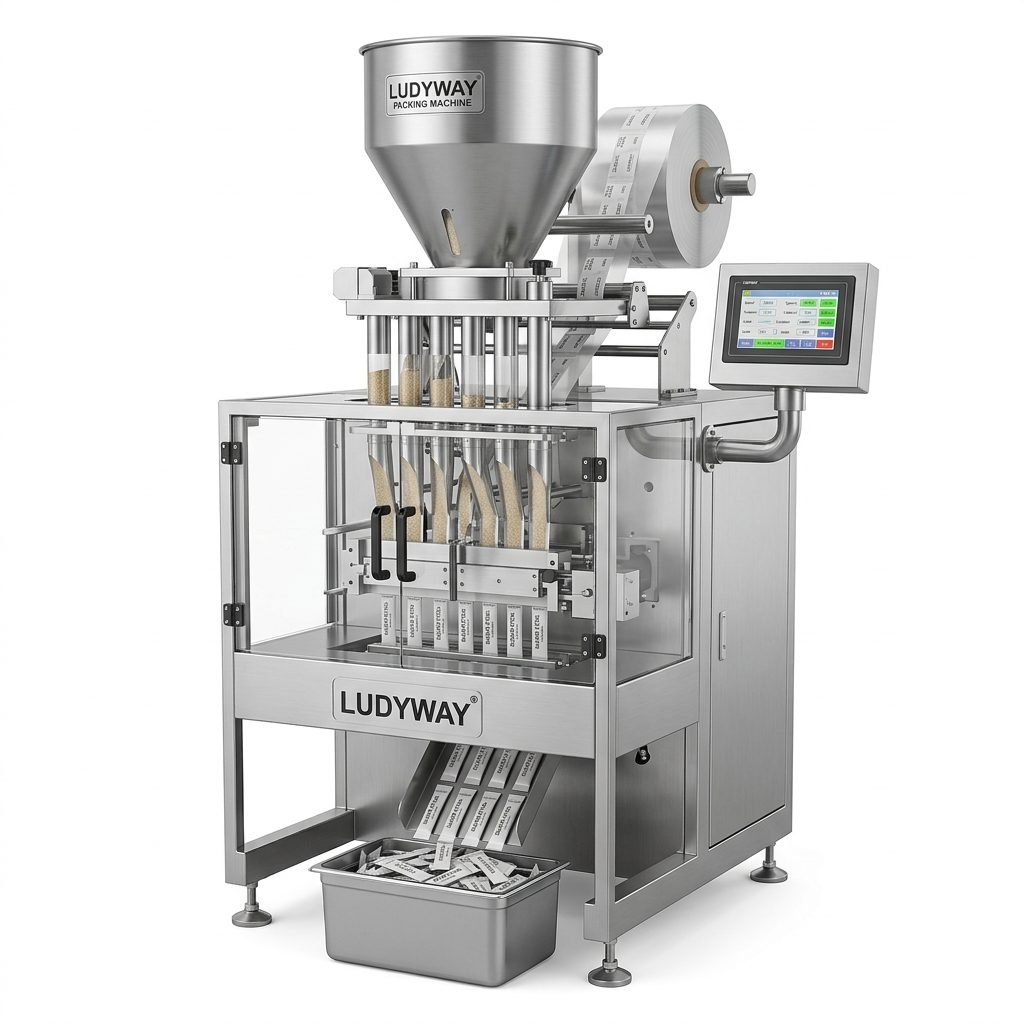
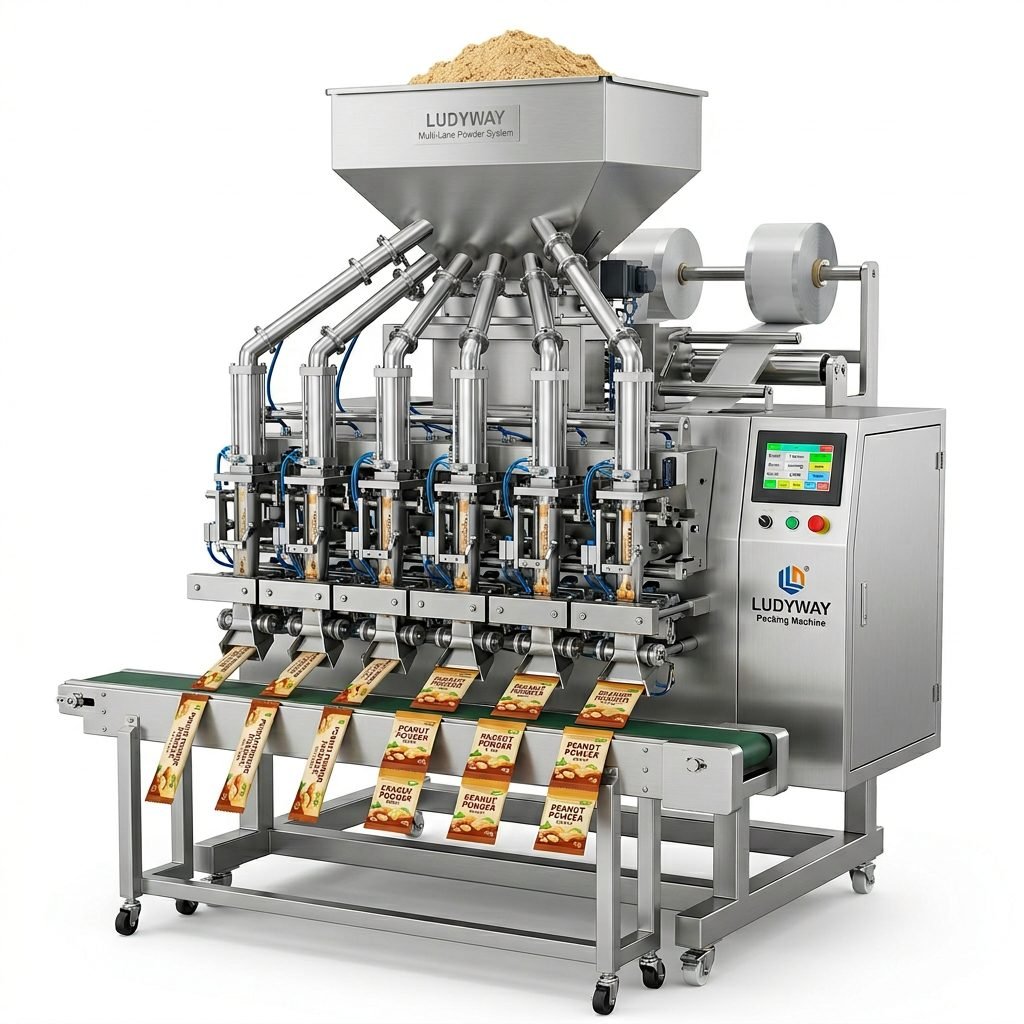
For instance, an automated multi-lane stick pack machine can produce thousands of uniform units per hour, a feat impossible to replicate manually with the same level of precision.
Direct Pathways to Cost Reduction
While the initial investment in advanced packaging equipment can be substantial, the long-term cost savings are compelling. These savings manifest in multiple areas of operation.
Material Savings and Waste Reduction
Intelligent packaging machines are designed to optimize material usage. Advanced servo-driven systems control film feed with extreme accuracy, minimizing trim waste. Precise dosing systems ensure the exact amount of product is dispensed into each package, eliminating overfilling. This direct reduction in raw material consumption—be it packaging film or the product itself—translates to immediate and ongoing cost savings. Furthermore, consistent sealing reduces the rate of rejected packages due to leaks or defects, cutting down on product loss.
Lower Operational and Labor Costs
Automated equipment requires fewer operators per production line. This reduction in direct labor is one of the most tangible financial benefits. Additionally, efficient machines consume less energy per unit produced and have lower maintenance requirements when properly serviced. The overall cost per packaged unit drops significantly, improving profit margins and competitiveness. Downtime, a major cost driver, is also minimized with reliable, well-engineered equipment from experienced providers like Ludyway Machinery, who bring decades of application knowledge to ensure system robustness.
Choosing the Right Solution for Your Needs
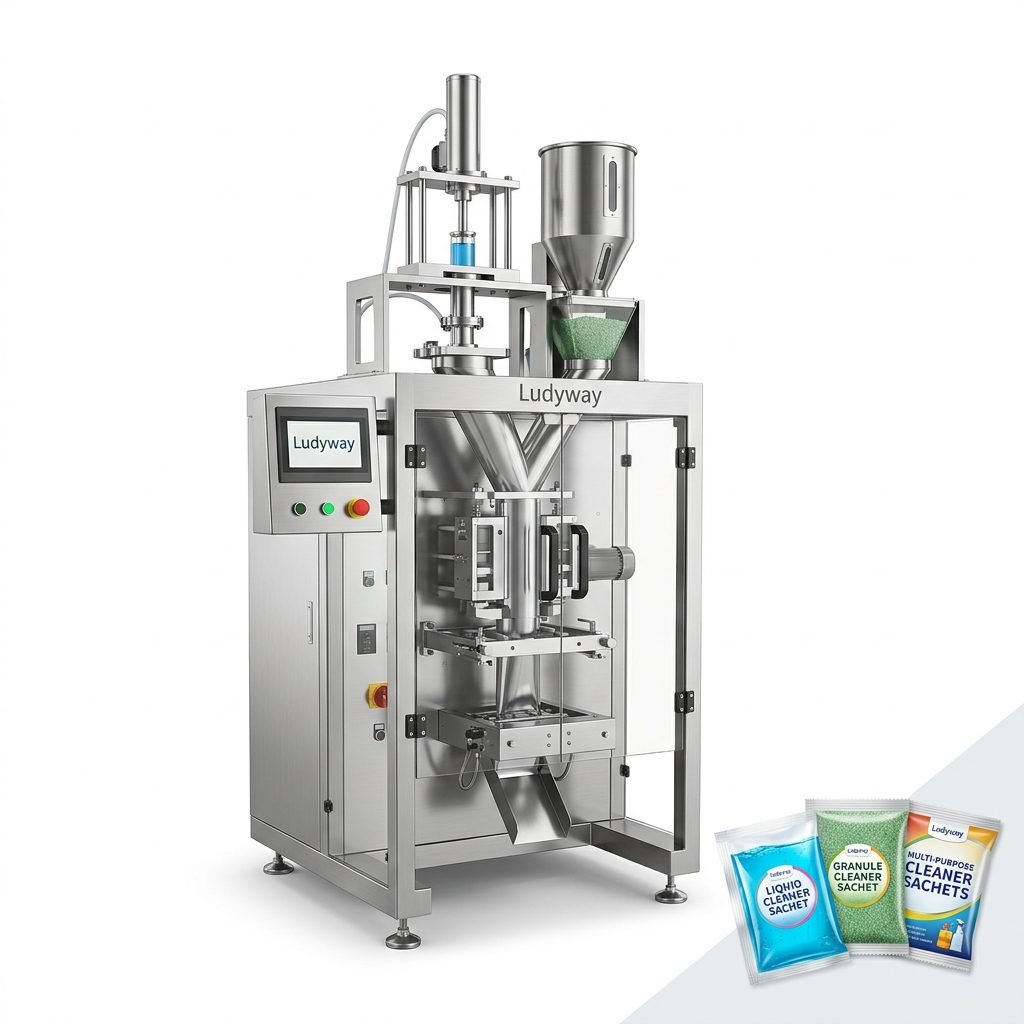
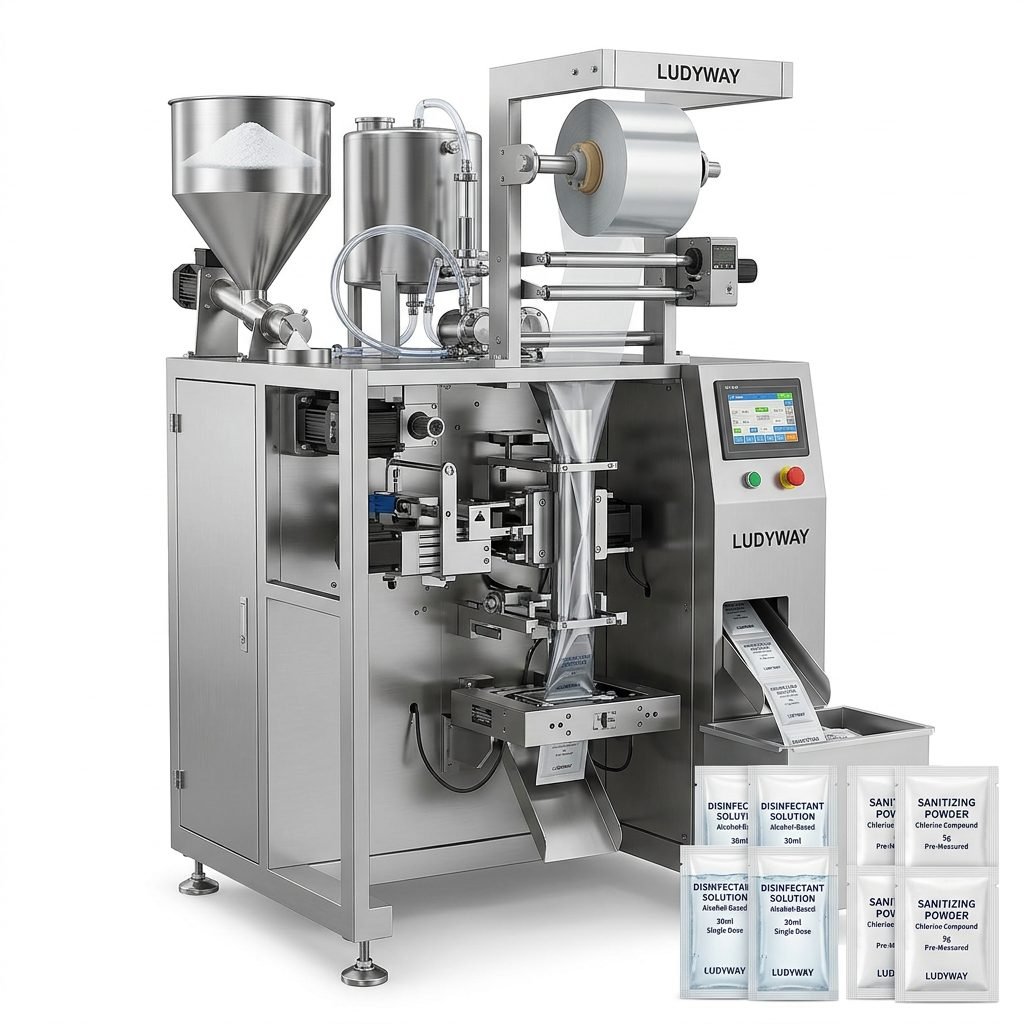
Selecting industrial packaging equipment is not a one-size-fits-all process. A successful investment requires a thorough analysis of your specific products, production volumes, and future goals. Partnering with a specialist who offers tailored solutions is crucial. They can conduct product tests, analyze flow characteristics, and recommend the optimal machine configuration—whether it’s a single granule packaging machine or a complete turnkey line for powder and liquid packaging.
Consider scalability. Can the equipment handle increased speeds or different package sizes as your business grows? Modular designs offer the flexibility to add functions like checkweighers or vision inspection systems later. The goal is to build a packaging operation that is not just efficient today but can evolve with your business tomorrow.
Beyond the Machine: The Value of Support and Expertise
The true value of a packaging equipment supplier extends beyond the hardware. Comprehensive after-sales support, including training, spare parts availability, and technical service, is essential for maintaining peak efficiency and avoiding costly interruptions. Suppliers with deep industry experience, such as those with over 30 years in the field, understand the real-world challenges on the factory floor. They provide not just machines, but reliable production partnerships. This expertise ensures your equipment is correctly installed, optimally configured, and maintained for long-term performance, protecting your investment and sustaining your cost savings.
Conclusion: A Strategic Investment for Sustainable Growth
Implementing advanced industrial packaging equipment is a strategic decision that directly impacts both production efficiency and financial health. The dual benefits of faster, more reliable output and reduced operational costs create a powerful competitive advantage. By focusing on automation, material optimization, and choosing a partner with proven expertise and robust support, manufacturers can build a packaging operation that drives profitability, ensures quality, and supports scalable growth for years to come. In an era where efficiency defines success, your packaging line should be a catalyst for progress, not a constraint.
Frequently Asked Questions (FAQs)
1. What types of products are suitable for automated stick pack or sachet packaging?
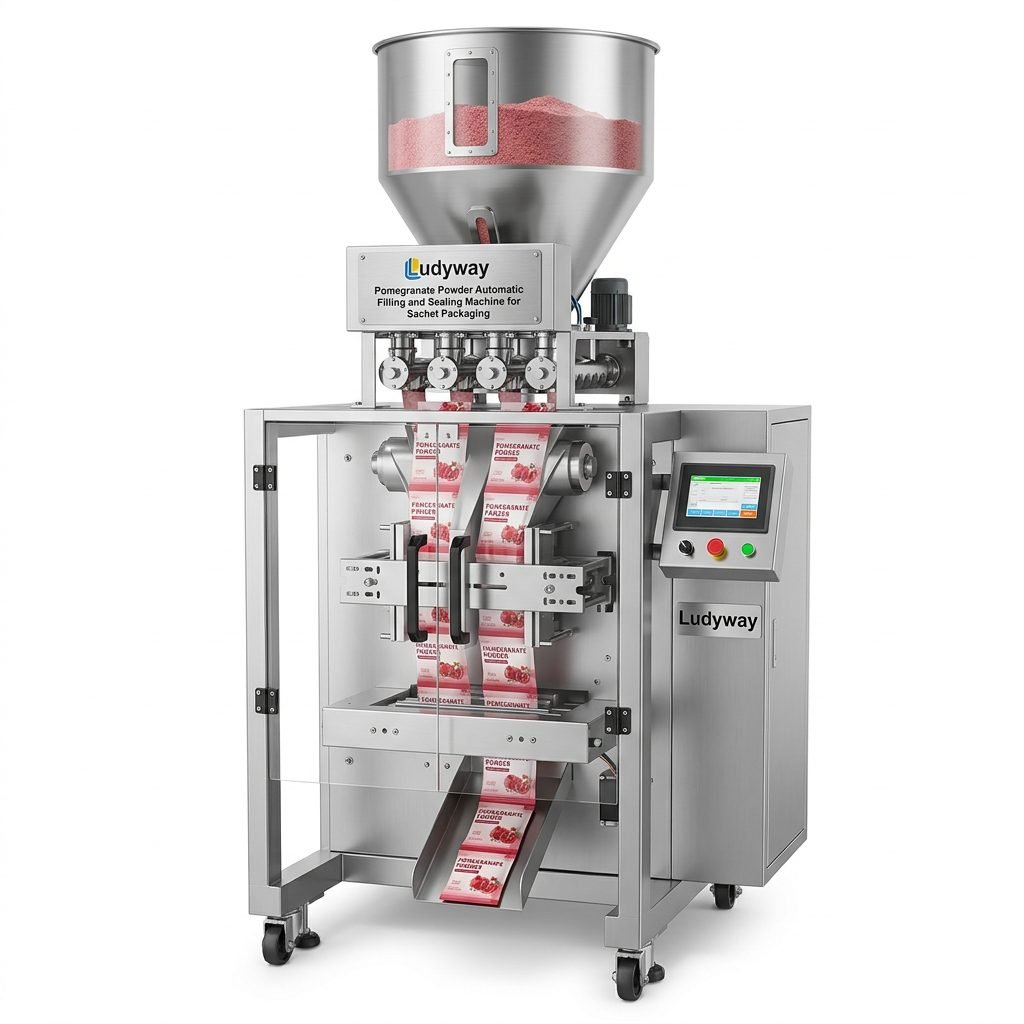
Automated stick pack and sachet machines are highly versatile and ideal for granules, powders, liquids, and semi-liquids. Common applications include instant coffee, sugar, salt, spices, pharmaceutical powders, drink mixes, condiments, shampoo samples, and ointments. The key is the product’s flow characteristics, which can be tested by equipment suppliers to determine the optimal filling system.
2. How can I calculate the potential ROI (Return on Investment) for new packaging equipment?
ROI is calculated by comparing the total investment cost against the annual savings and increased revenue. Key factors to quantify include: increased production output (more units per hour), reduced labor costs (fewer operators), lower material waste (film and product), decreased downtime, and improved quality (fewer rejects). A reputable supplier like Ludyway can often provide a detailed projection based on your current operational data.
3. What is a “turnkey” packaging solution, and is it right for my factory?
A turnkey solution is a complete, ready-to-operate packaging line supplied by a single vendor. It includes all necessary machines (e.g., feeding, filling, sealing, cartoning), integration, installation, commissioning, and operator training. This approach is ideal for new production lines or major upgrades, as it reduces project complexity, ensures component compatibility, and provides a single point of responsibility for performance and service.
4. How important is machine flexibility for handling different package sizes or products?
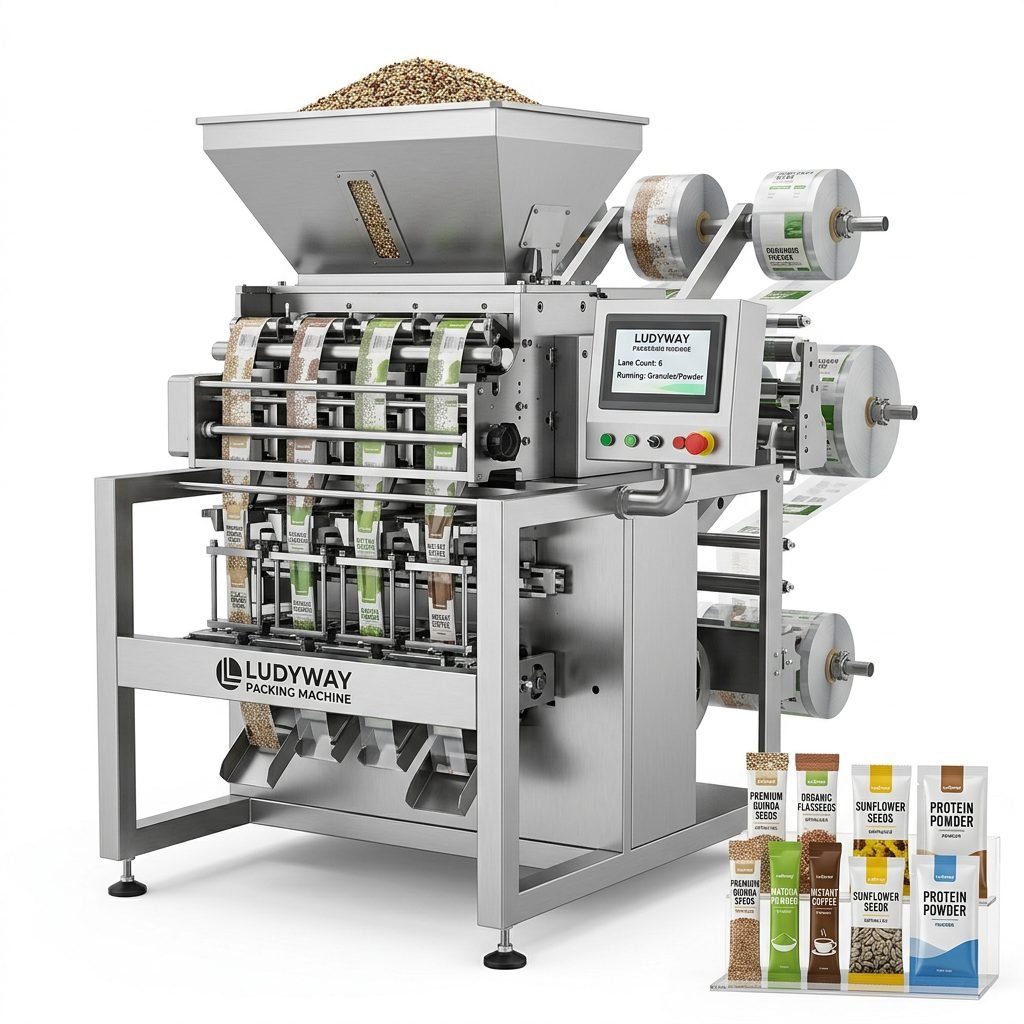
Flexibility is crucial for manufacturers with diverse product lines or those planning future expansion. Look for equipment with quick-changeover features (e.g., tool-less adjustments for bag length and width) and the ability to handle a range of packaging materials. This minimizes downtime when switching production runs and protects your investment against future changes in market demand.
5. What should I look for in a packaging equipment supplier’s after-sales service?
Prioritize suppliers who offer comprehensive support: readily available spare parts, responsive technical assistance (remote and on-site), detailed operator and maintenance training programs, and clear warranty terms. A global service network is vital for international operations. The supplier’s longevity and reputation, such as over a decade of industry experience, are strong indicators of their commitment to long-term customer support.