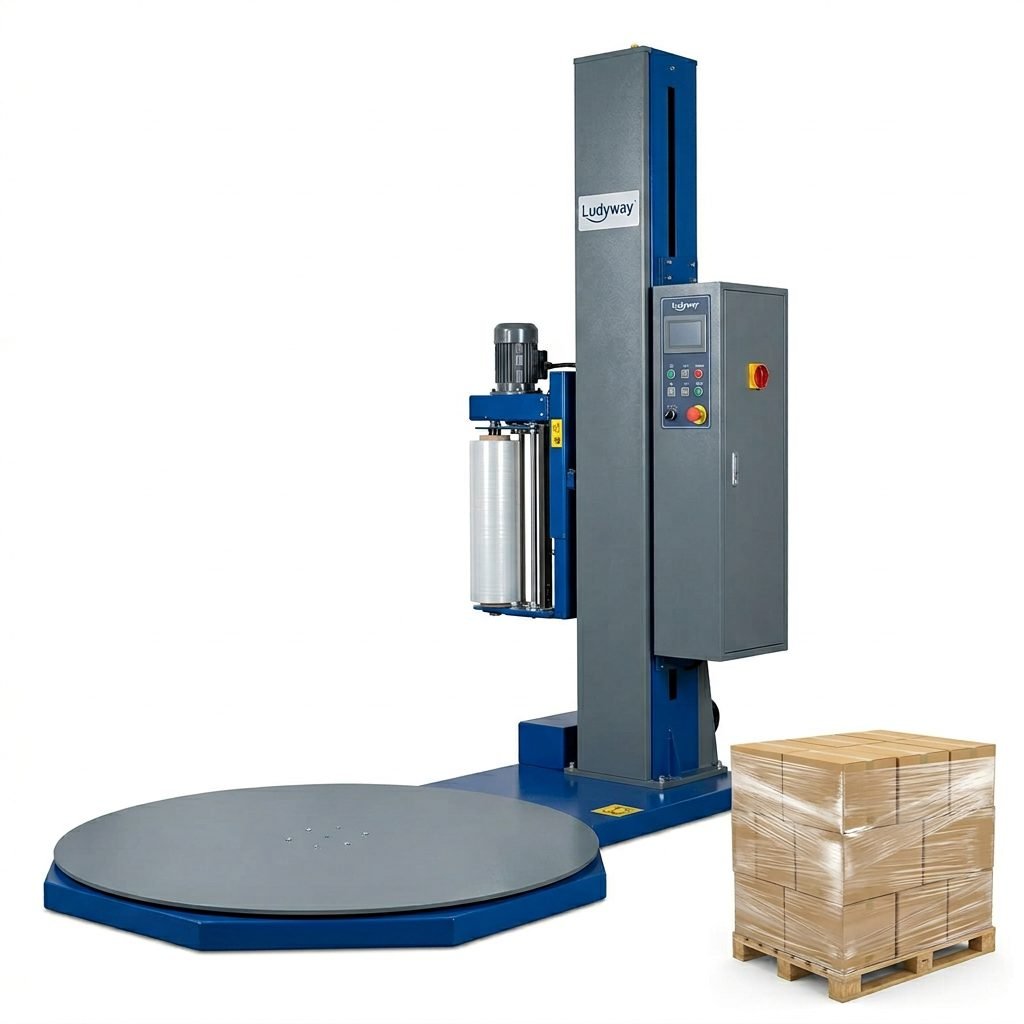
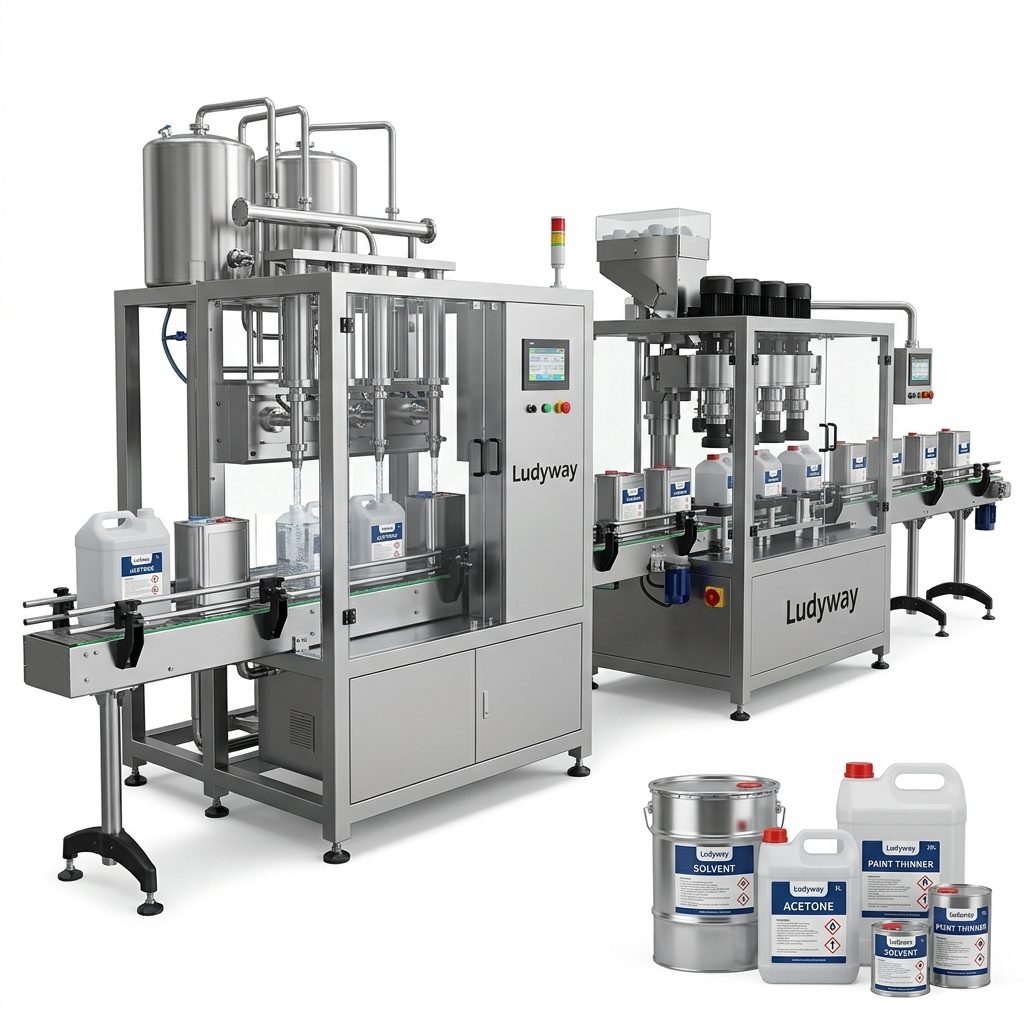
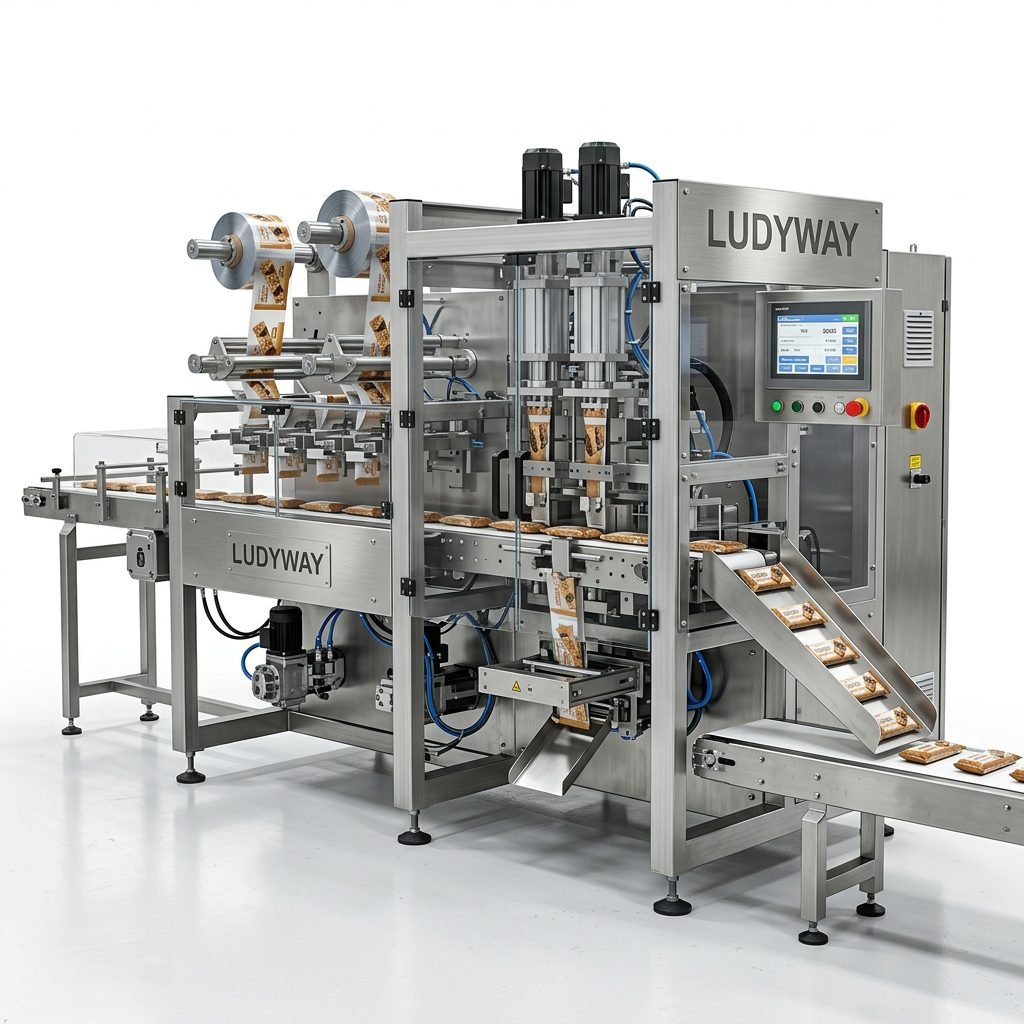
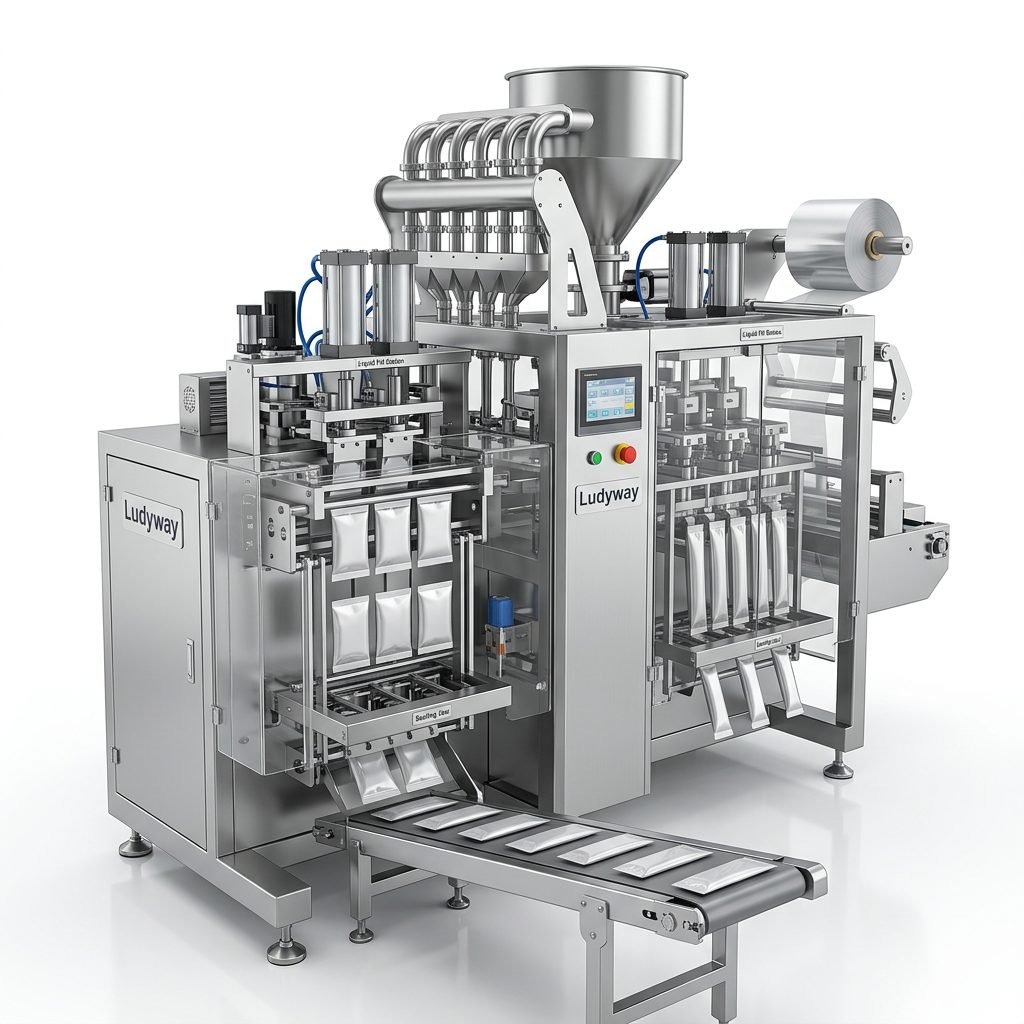
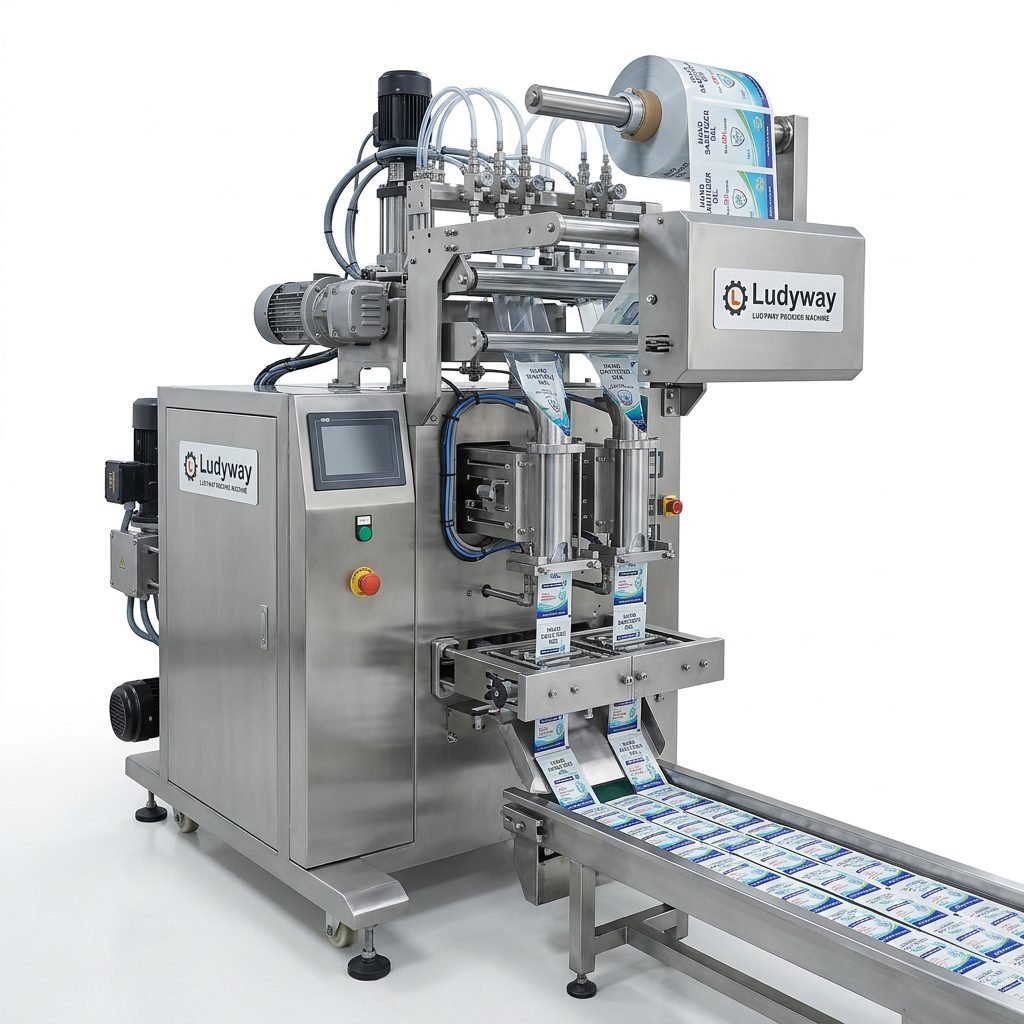
Choosing a filling and packing machine is not just about buying equipment. It is about selecting a packaging solution that matches your product, production goals, budget, and future expansion plans. The right decision can improve efficiency, reduce waste, stabilize product quality, and strengthen your brand in highly competitive markets.
Whether you package powders, granules, liquids, pastes, sachets, pouches, bottles, or sticks, understanding the key decision factors will help you avoid costly mistakes and build a more reliable packaging process.
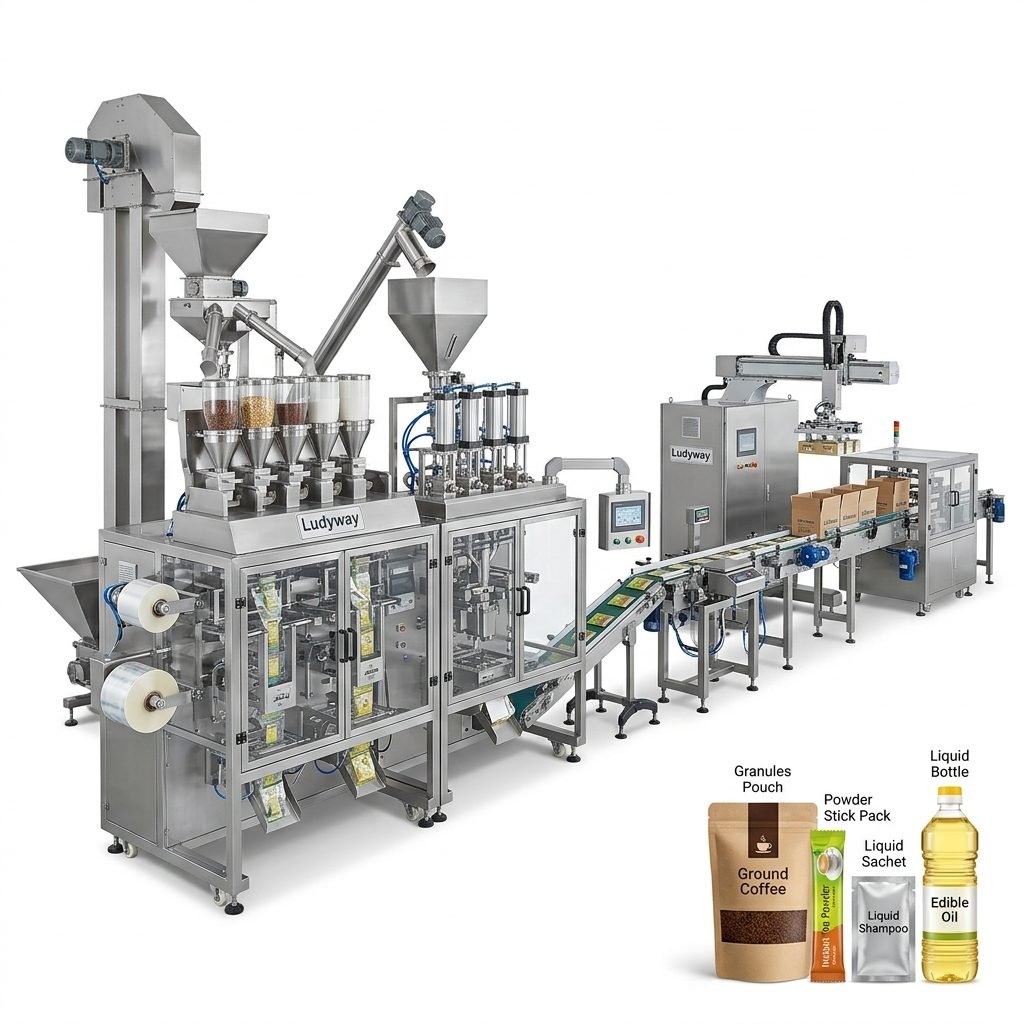
Understand Your Product First
Before comparing machine models, define exactly what you need to package. Different products require different dosing, filling, sealing, and material-handling methods. A machine suitable for free-flowing granules may perform poorly with sticky pastes or fine powders.
- Powders: milk powder, protein powder, spices, pharmaceuticals, supplements
- Granules: sugar, salt, seeds, coffee, pet food, fertilizer
- Liquids: sauces, oils, detergents, syrups, oral liquids
- Pastes and creams: ketchup, honey, cosmetic cream, gel, ointment
Important product characteristics to evaluate include:
- Flowability
- Particle size
- Viscosity
- Moisture sensitivity
- Foaming behavior
- Dust generation
- Required filling accuracy
Match the Machine Type to the Packaging Format
Your preferred package style strongly influences the machine structure. The best packaging solution should fit your market positioning, shipping needs, and consumer convenience expectations.
| Packaging Format | Recommended Machine Type | Common Applications |
|---|---|---|
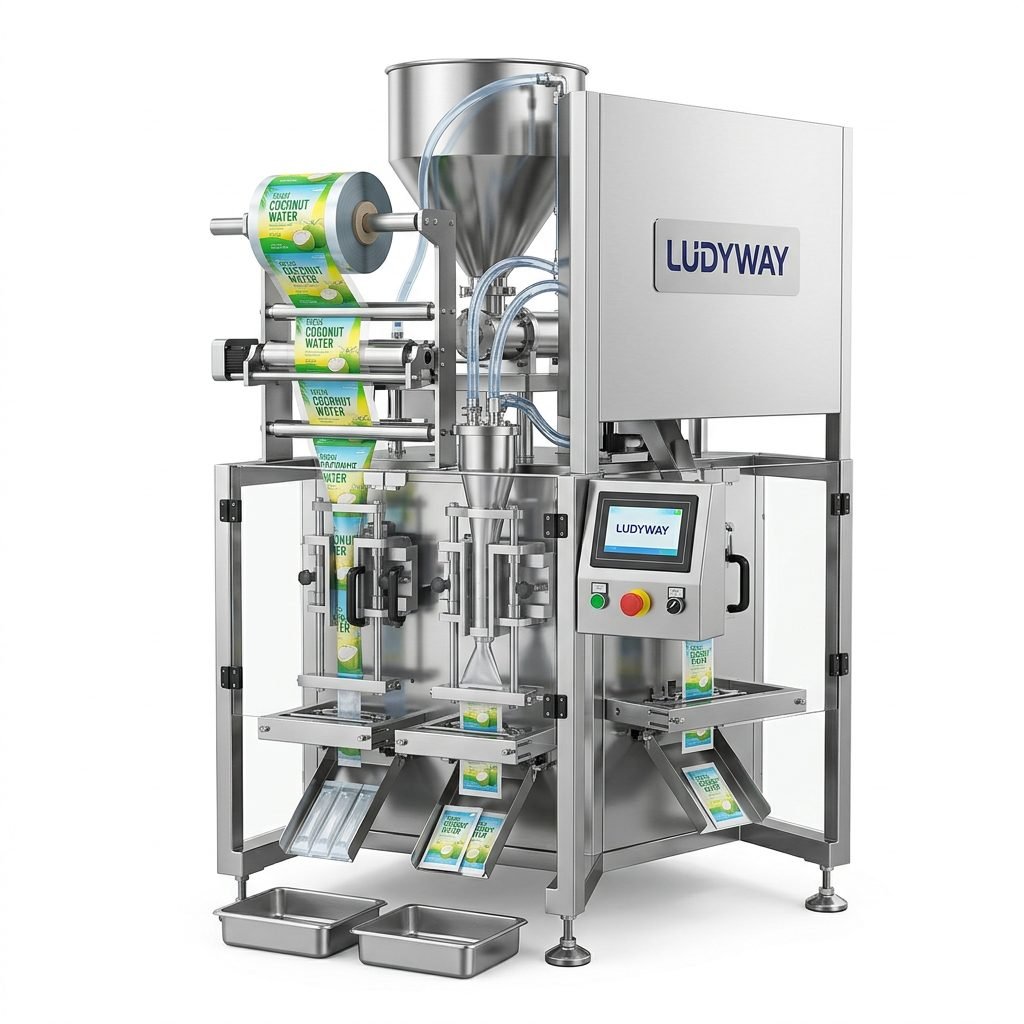
| Sachets | Sachet packing machine | Powders, granules, sauces, cosmetics |
| Stick packs | Multi-lane stick pack machine | Drink mix, sugar, supplements, coffee |
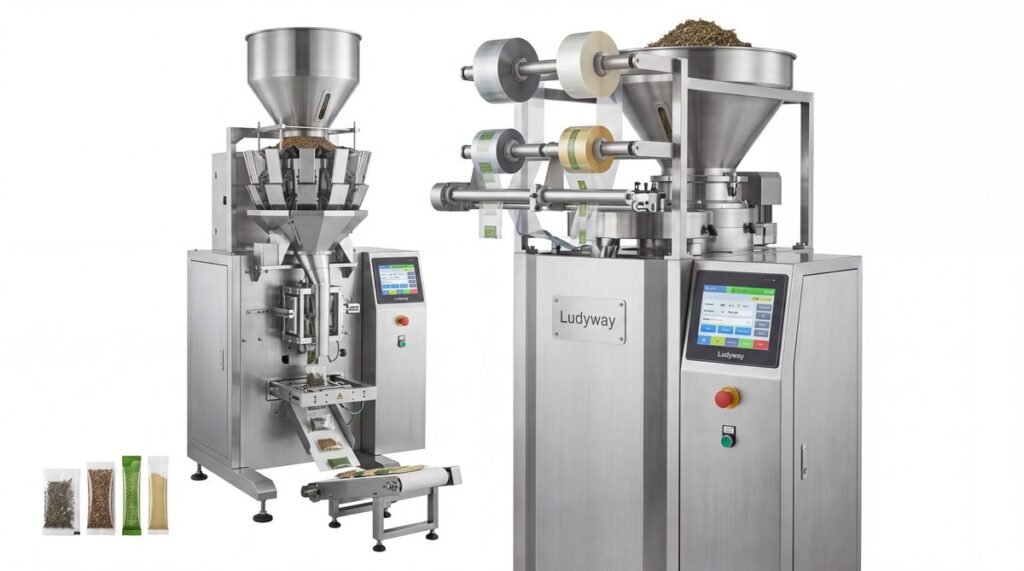
| Pouches | Premade pouch or form-fill-seal machine | Snacks, pet food, powders, liquids |
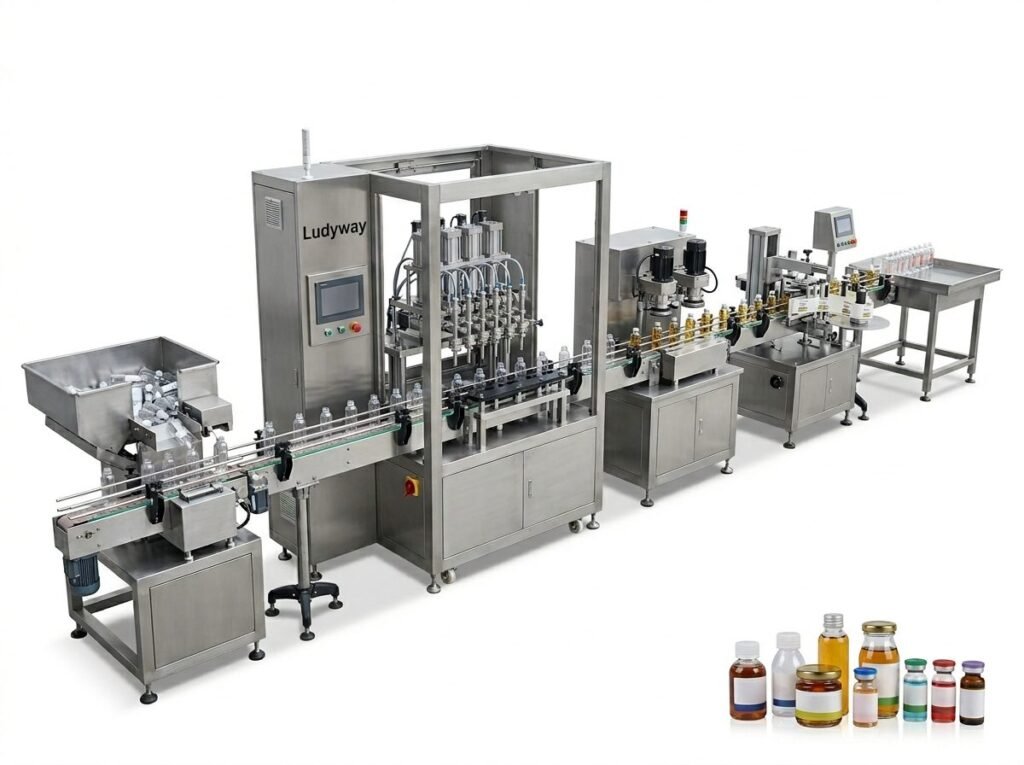
| Bottles | Bottle filling and capping line | Liquid food, pharma, personal care |
| Tubes | Tube filling and sealing machine | Creams, gels, toothpaste, ointments |
Consider Your Required Output Capacity
A machine that is too small will limit growth. A machine that is too large may increase investment costs unnecessarily. The right balance depends on your current volume and expected production targets over the next 3 to 5 years.
Ask these questions before purchasing:
- How many packs per minute do you need?
- Will production run in one shift or multiple shifts?
- Do you have seasonal demand spikes?
- Will you add new SKUs soon?
- Do you need scalable automation later?
For many growing manufacturers, a modular system is often the safest choice because it allows future upgrades such as cartoning, labeling, checkweighing, coding, case packing, or palletizing.
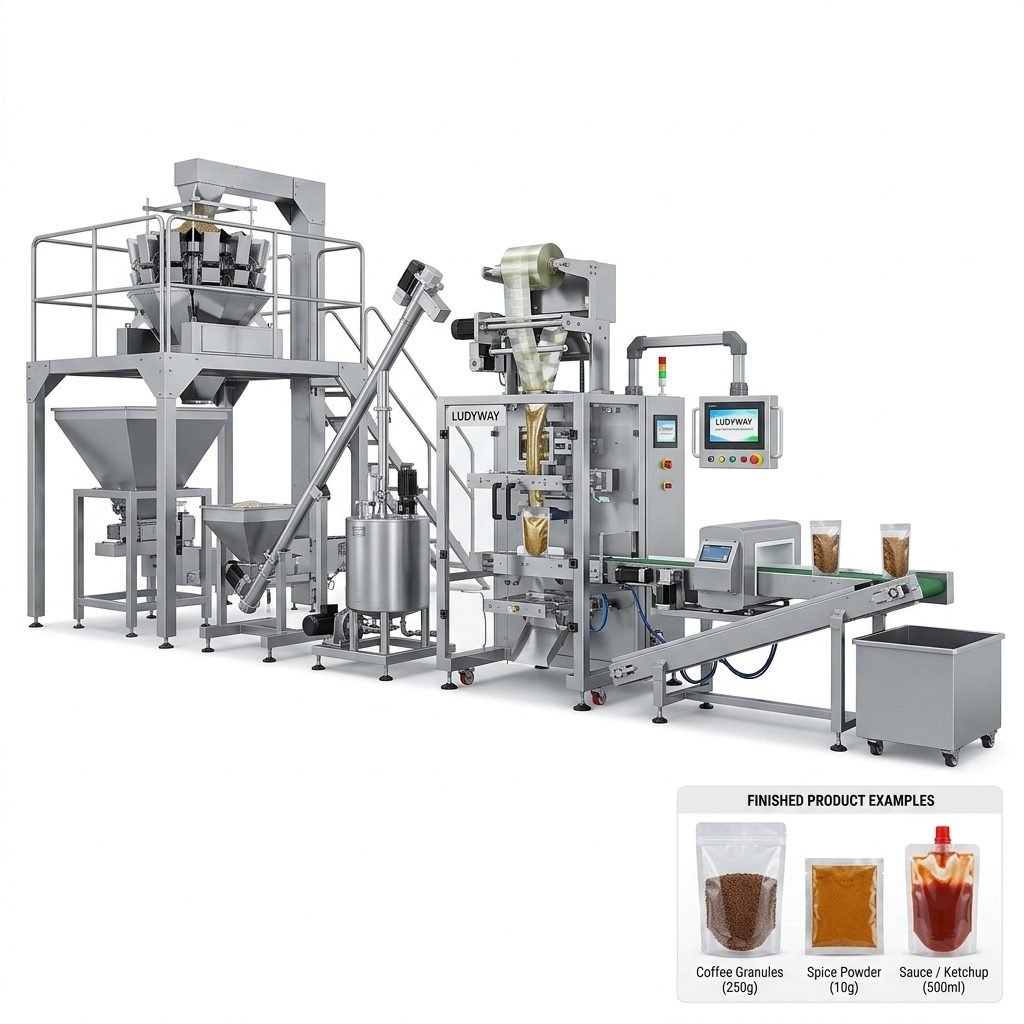
Focus on Filling Accuracy and Product Consistency
Filling accuracy affects both cost control and customer trust. Overfilling increases raw material loss, while underfilling can create compliance and brand reputation risks.
Different dosing systems serve different product types:
- Auger fillers for fine powders
- Volumetric cup fillers for free-flowing granules
- Multihead weighers for snacks and irregular solids
- Piston fillers for viscous liquids and pastes
- Pump fillers for liquid products with stable flow properties
If your product is high value, regulated, or sensitive to dosage variation, accuracy should be one of the top selection criteria—not a secondary feature.
Evaluate Packaging Material Compatibility
Your machine must work smoothly with the packaging materials you plan to use. Film structure, thickness, sealing layer, and barrier performance all affect machine performance and seal quality.
Check whether the machine supports:
- Laminated film
- Aluminum foil structures
- PE, PET, or composite films
- Eco-friendly or recyclable materials
- Different pouch sizes and seal types
If sustainability is part of your brand strategy, discuss material compatibility early. Some recyclable films behave differently during sealing and may require optimized temperature, pressure, or dwell time.
Automation Level: Semi-Automatic or Fully Automatic?
The correct automation level depends on labor cost, product volume, available floor space, and technical management capability. Fully automatic packaging lines are ideal for companies seeking higher efficiency and reduced manual intervention, but they require greater upfront planning.
| Option | Best For | Advantages |
|---|---|---|
| Semi-automatic | Startups, low-volume lines | Lower investment, simpler operation |
| Fully automatic standalone | Growing brands, medium output | Higher speed, stable quality, less labor |
| Turnkey packaging line | Established manufacturers, large-scale production | Integrated workflow, automation, traceability, expansion flexibility |
Do Not Ignore Cleaning, Changeover, and Maintenance
A fast machine is not necessarily the most productive machine if it takes too long to clean or switch products. In food, pharmaceutical, and health supplement production, downtime can quickly destroy efficiency.
Look for features such as:
- Tool-free disassembly for contact parts
- Quick recipe changeover
- Easy-access filling systems
- Dust-control or anti-drip design
- Clear HMI controls and fault diagnostics
Low-maintenance design often saves more money long term than a lower initial purchase price.
Check Industry Compliance Requirements
If you operate in food, pharma, nutraceutical, or personal care markets, machine compliance matters. Your packaging equipment may need to support hygiene standards, validation, product traceability, and safe material contact.
Review requirements related to:
- Food-grade contact parts
- GMP-oriented design
- CE or export-related certifications
- Batch coding and traceability integration
- Inspection systems such as checkweighers or metal detectors
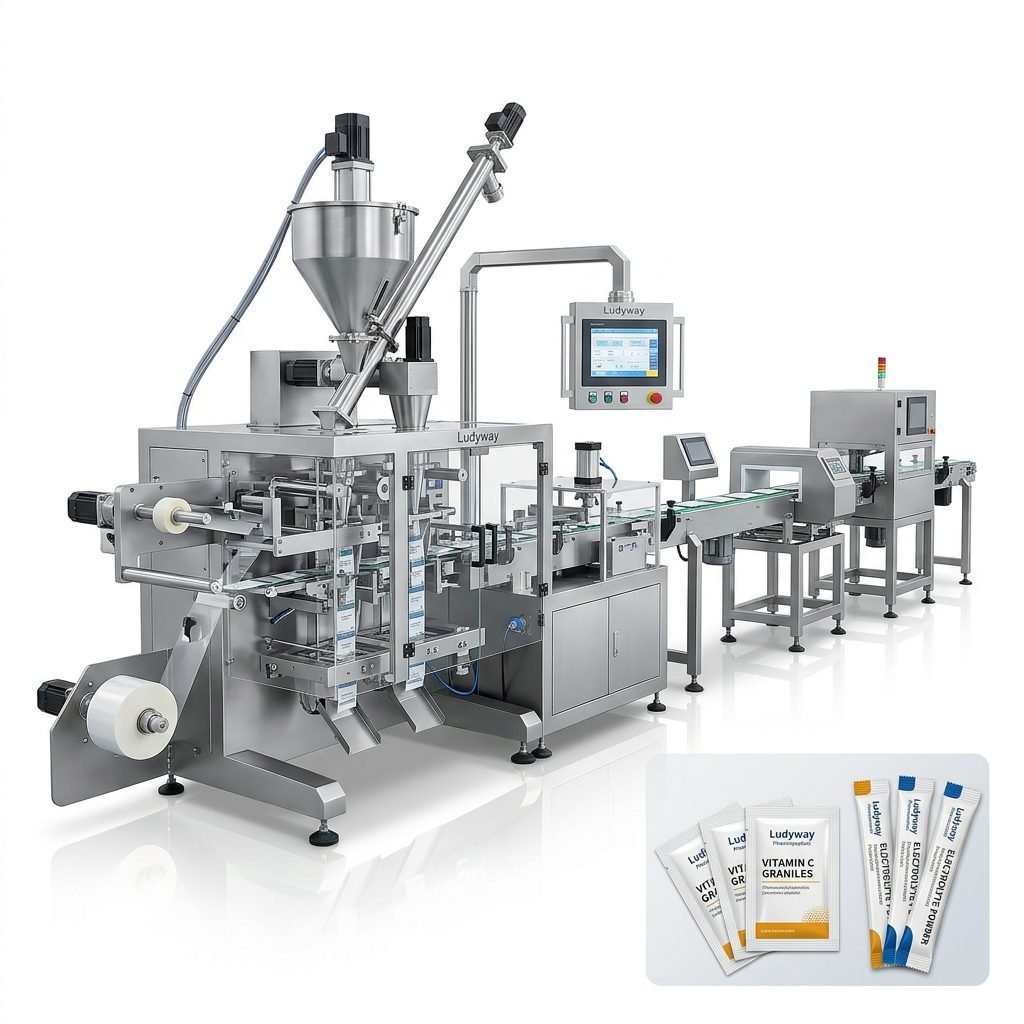
Think Beyond the Single Machine
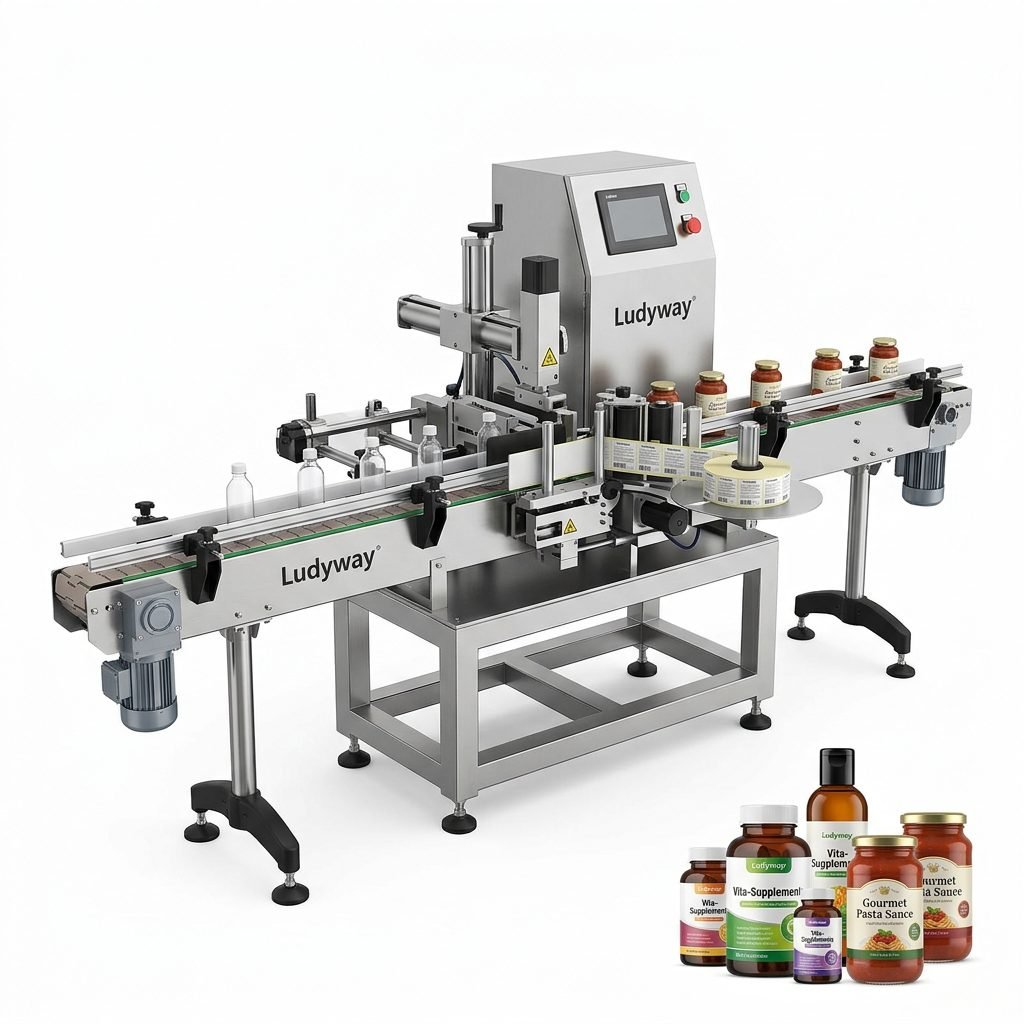
Many buyers focus only on the filler or packer itself, but true production performance depends on the complete process. Feeding, conveying, printing, inspection, counting, cartoning, and end-of-line handling all influence efficiency.
A complete solution may include:
- Feeding system
- Filling and sealing machine
- Date coding or printing unit
- Checkweigher or vision inspection
- Cartoning or bundling equipment
- Case packing and palletizing
For this reason, many businesses prefer working with an experienced turnkey supplier that understands line integration instead of only individual machines.
Choose a Supplier With Real Manufacturing and Export Experience
The quality of the supplier is just as important as the quality of the machine. You need a partner that can understand your product application, recommend suitable configurations, support customization, and provide long-term service.
When evaluating suppliers, consider:
- Years of manufacturing experience
- Factory scale and engineering capability
- Export history and international support
- Available machine configurations
- Application knowledge across industries
- After-sales service and spare parts response
For companies looking for scalable automation, Ludyway packaging machine solutions are often considered for food, pharmaceutical, health supplement, cosmetic, chemical, and pouch-based production projects due to broad machine coverage, turnkey line capability, and over 30 years of manufacturing experience.
Questions to Ask Before You Buy
- What product will I pack now, and what might I pack later?
- What output do I need per minute, shift, and month?
- What package type best fits my market?
- How important are filling accuracy and seal quality?
- How long does cleaning and changeover take?
- Can the line be upgraded in the future?
- What technical support is available after installation?
Final Buying Priorities for a Smarter Decision
If you want to choose the right filling and packing machine for your business, prioritize the following in order:
- Product compatibility
- Packaging format suitability
- Required speed and output
- Filling accuracy
- Ease of operation and maintenance
- Line integration potential
- Supplier reliability and service support
The best packaging solution is not always the cheapest or the fastest. It is the one that fits your product, supports your operations, and gives your business room to grow with confidence.