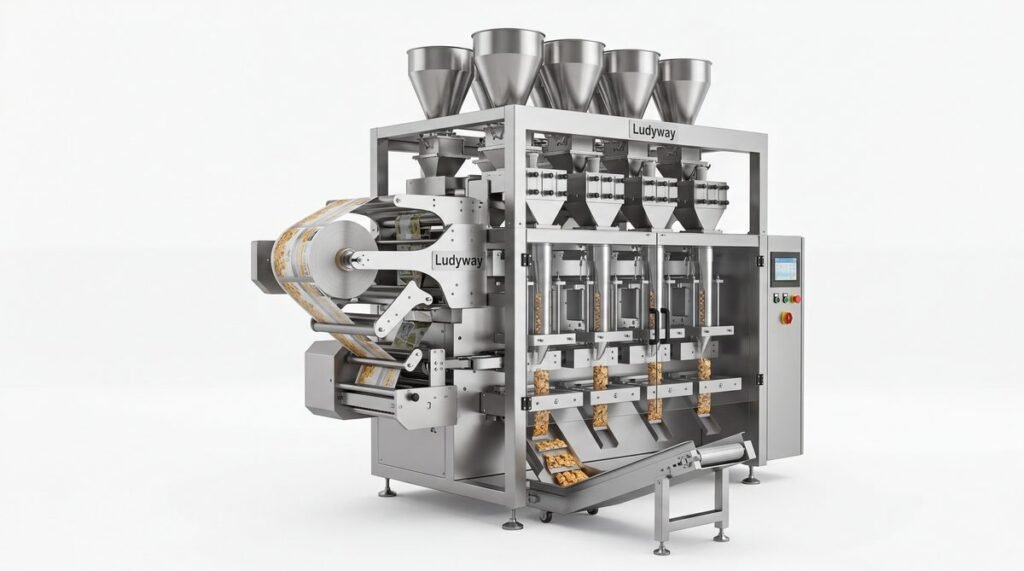
In modern manufacturing, a packaging printing machine plays a critical role in helping brands deliver clear product information, attractive visual presentation, and reliable traceability. For businesses producing labels, sachets, cartons, pouches, and flexible packaging, the right printing and packaging solution can significantly improve speed, consistency, and overall production performance.
Whether you operate in food, pharmaceutical, cosmetic, chemical, or health supplement sectors, choosing equipment that combines high print quality, automation, and efficient line integration is essential for meeting growing market demand and maintaining a professional brand image.
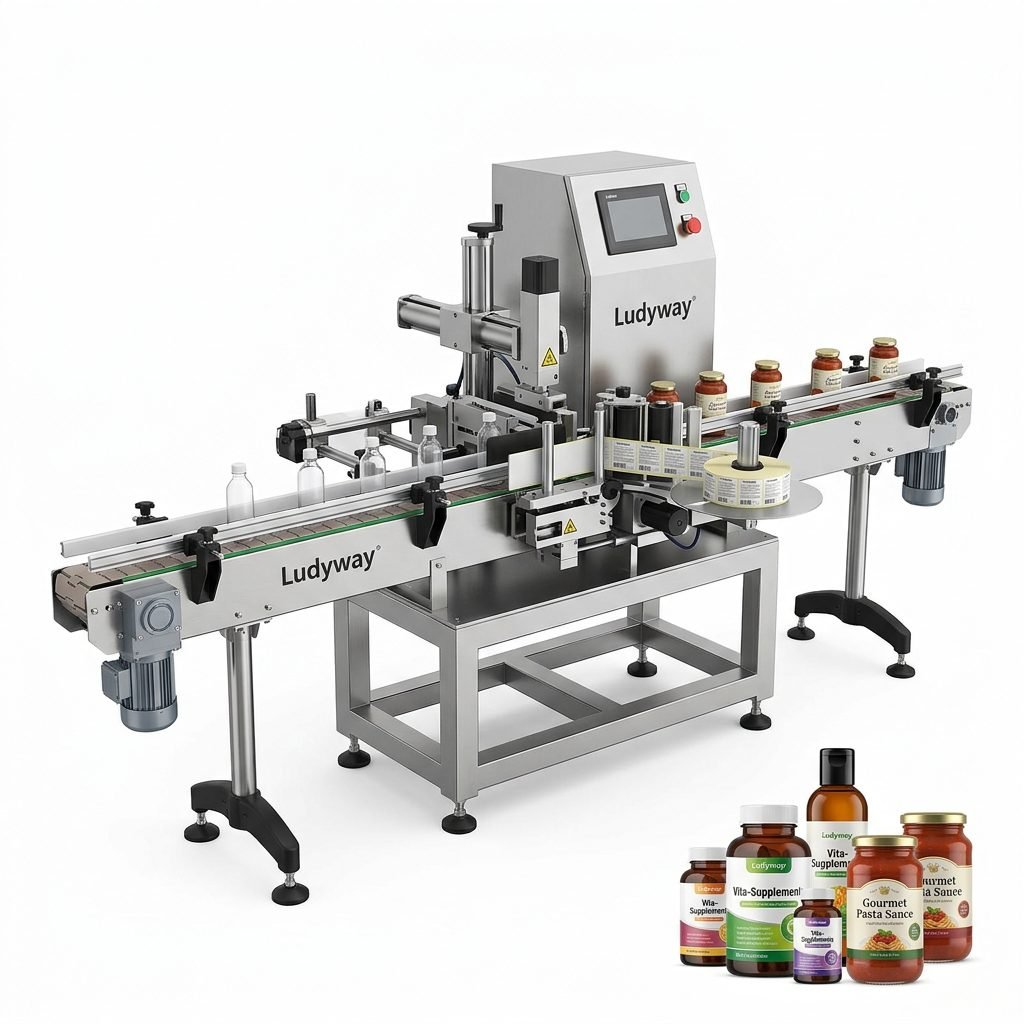
Why Packaging Printing Machines Matter in Modern Production
Packaging is no longer just a protective layer. It is a communication tool, a compliance requirement, and a key part of brand recognition. A high-performance packaging printing machine helps manufacturers print essential details such as:
- Product names and specifications
- Batch numbers and production dates
- Barcodes and QR codes
- Ingredient lists and dosage instructions
- Brand logos and design elements
- Regulatory and safety information
In fast-moving industries, poor print quality can lead to labeling errors, customer complaints, product recalls, and wasted materials. By investing in efficient printing-compatible packaging machinery, companies can reduce those risks while improving throughput and product presentation.
Key Benefits of High-Quality Packaging Printing Solutions
| Benefit | How It Helps Your Business |
|---|---|
| Sharp Printing Accuracy | Improves readability of labels, codes, and branding details. |
| High-Speed Operation | Supports larger production volumes with less downtime. |
| Automation Integration | Connects smoothly with filling, sealing, labeling, coding, and cartoning systems. |
| Reduced Waste | Minimizes rejected packs caused by smudging, misprints, or positioning errors. |
| Better Compliance | Ensures traceability and regulatory marking for food, pharma, and consumer goods. |
Applications Across Different Industries
Packaging printing machines are used in a wide variety of production environments. The ideal setup depends on the product form, package type, line speed, and required print content.
Food Packaging
In food production, clear and durable printing is essential for shelf appeal and legal compliance. Manufacturers often print best-before dates, ingredient information, weight, and barcode details on sachets, pouches, stick packs, labels, and cartons.
Pharmaceutical Packaging
Pharmaceutical products require reliable print accuracy for batch coding, expiration dates, dosage details, and serialization. Printing quality must remain consistent to support patient safety and quality assurance standards.
Cosmetic and Personal Care Packaging
Cosmetic packaging must balance attractive branding with practical labeling. Sachets, tubes, bottles, and sample packs often need elegant, precise printing to reflect premium product positioning.
Chemical and Industrial Packaging
For chemical products, printing supports hazard communication, handling instructions, and lot identification. Strong adhesion, legibility, and compatibility with industrial packaging materials are especially important.
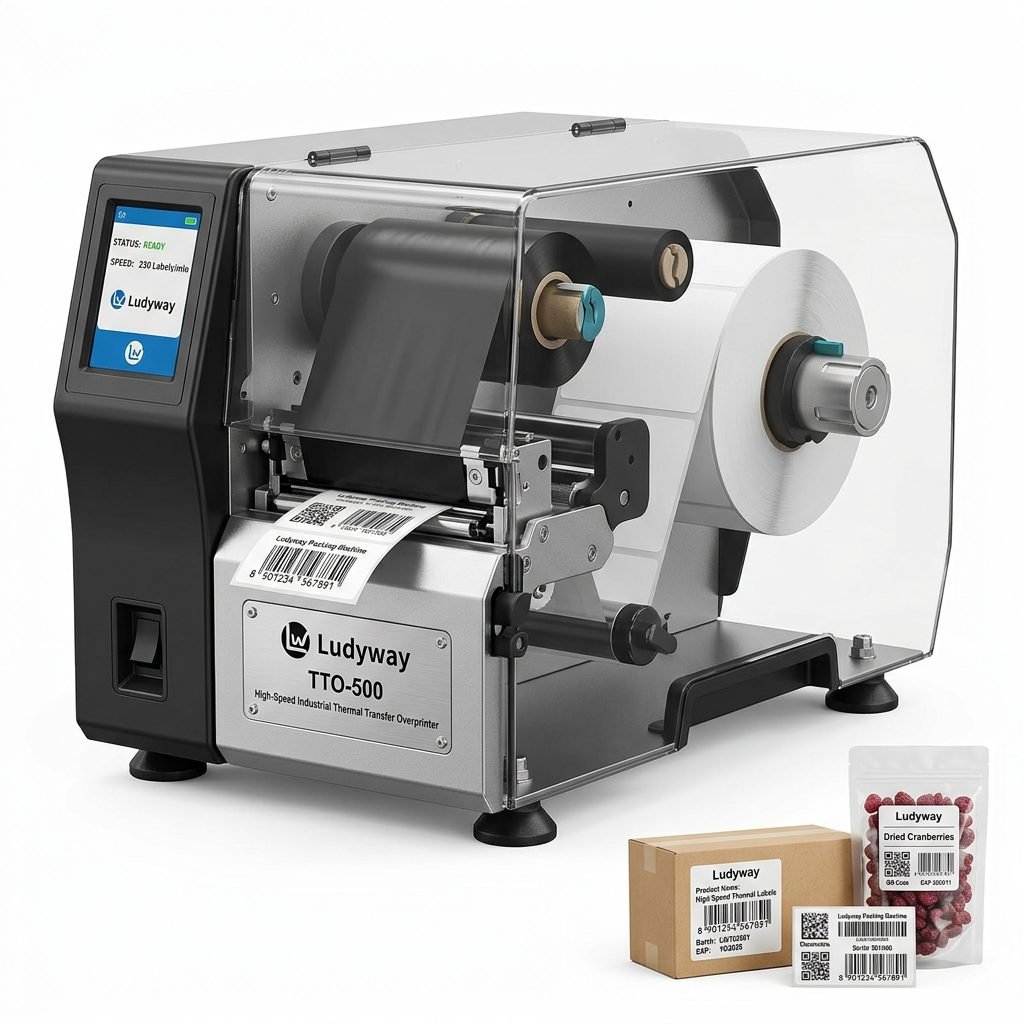
Features to Look for in a Packaging Printing Machine
When comparing packaging printing equipment, buyers should focus on more than just speed. The best solution is one that fits the full production process and supports future growth.
- Printing Precision
The machine should deliver crisp text, stable coding, and accurate placement across repeated production cycles. - Material Compatibility
It should handle the packaging materials you use, such as film, paper, foil, labels, cartons, or laminated packaging. - Production Speed Matching
The printing system must keep pace with upstream filling and downstream sealing or cartoning equipment. - Easy Operation
User-friendly controls help operators adjust print parameters, product changes, and maintenance routines more efficiently. - Line Integration
Modern factories benefit from equipment that works with conveyors, filling machines, checkweighers, inspection systems, and labeling modules. - Low Maintenance Design
Durable components and a stable mechanical structure help reduce unplanned stoppages and long-term service costs.
How Fast and Efficient Printing Improves Packaging Performance
Speed matters, but efficiency matters even more. A well-designed packaging printing machine does more than print quickly. It keeps the full line moving with fewer interruptions, less manual correction, and better synchronization between packaging stages.
This is especially valuable for manufacturers handling:
- High-volume sachet and stick pack production
- Frequent SKU changes
- Multi-language packaging requirements
- Batch-sensitive products in pharma and supplements
- Retail packaging with barcode and traceability demands
Efficient printing reduces bottlenecks and supports leaner operations, helping companies respond faster to customer demand while maintaining output quality.
Packaging Printing Machine and Labeling System Integration
In many factories, printing is not a standalone step. It works together with automatic labeling, pouch forming, filling, sealing, coding, and inspection. A fully integrated approach brings multiple advantages:
| Integrated Function | Operational Value |
|---|---|
| Label Application | Supports accurate placement and cleaner product presentation. |
| Date/Batch Coding | Improves traceability and compliance. |
| Vision Inspection | Detects missing labels, wrong codes, or print defects. |
| Conveying and Sorting | Keeps packaging flow stable at high production rates. |
For growing manufacturers, integrated systems are often more cost-effective than adding separate equipment over time.
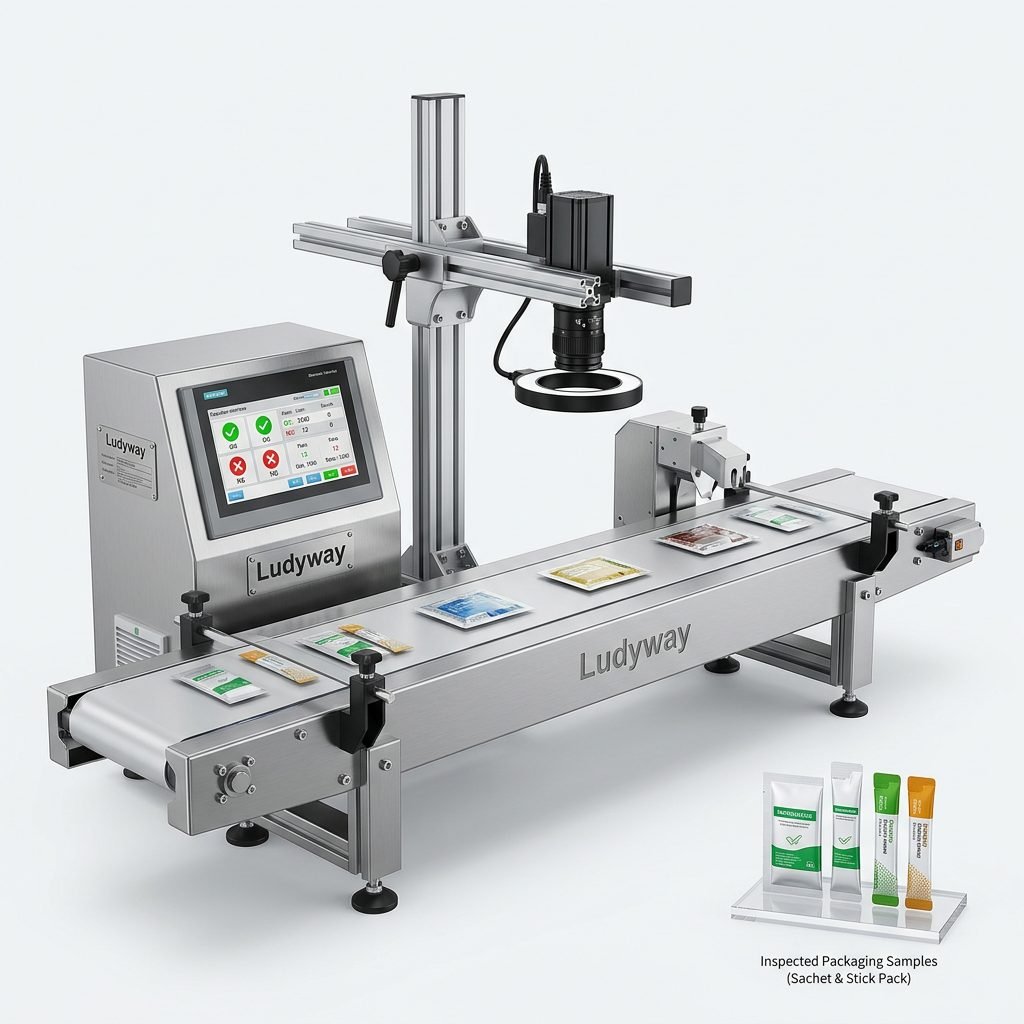
Choosing the Right Solution for Labels and Package Printing
To select the best packaging printing machine, businesses should evaluate several practical factors before investment:
1. Product Type
Powders, granules, liquids, pastes, tablets, and pouches each require different packaging structures and line configurations.
2. Packaging Format
Make sure the solution is suitable for your required format, such as labels, sachets, stick packs, premade pouches, cartons, or bottles.
3. Output Requirements
High-speed production needs equipment with stable continuous operation, not just high theoretical speed.
4. Print Content Complexity
Some applications require simple dates, while others need variable codes, serialized data, multi-language text, or detailed branding elements.
5. Expansion Potential
A scalable system allows future upgrades, especially if you plan to increase output or add automatic inspection and cartoning later.
Why Manufacturers Choose Turnkey Packaging Line Partners
Many buyers now prefer suppliers that can deliver not only individual machines but also complete integrated solutions. This helps reduce compatibility issues, shorten installation time, and simplify after-sales support.
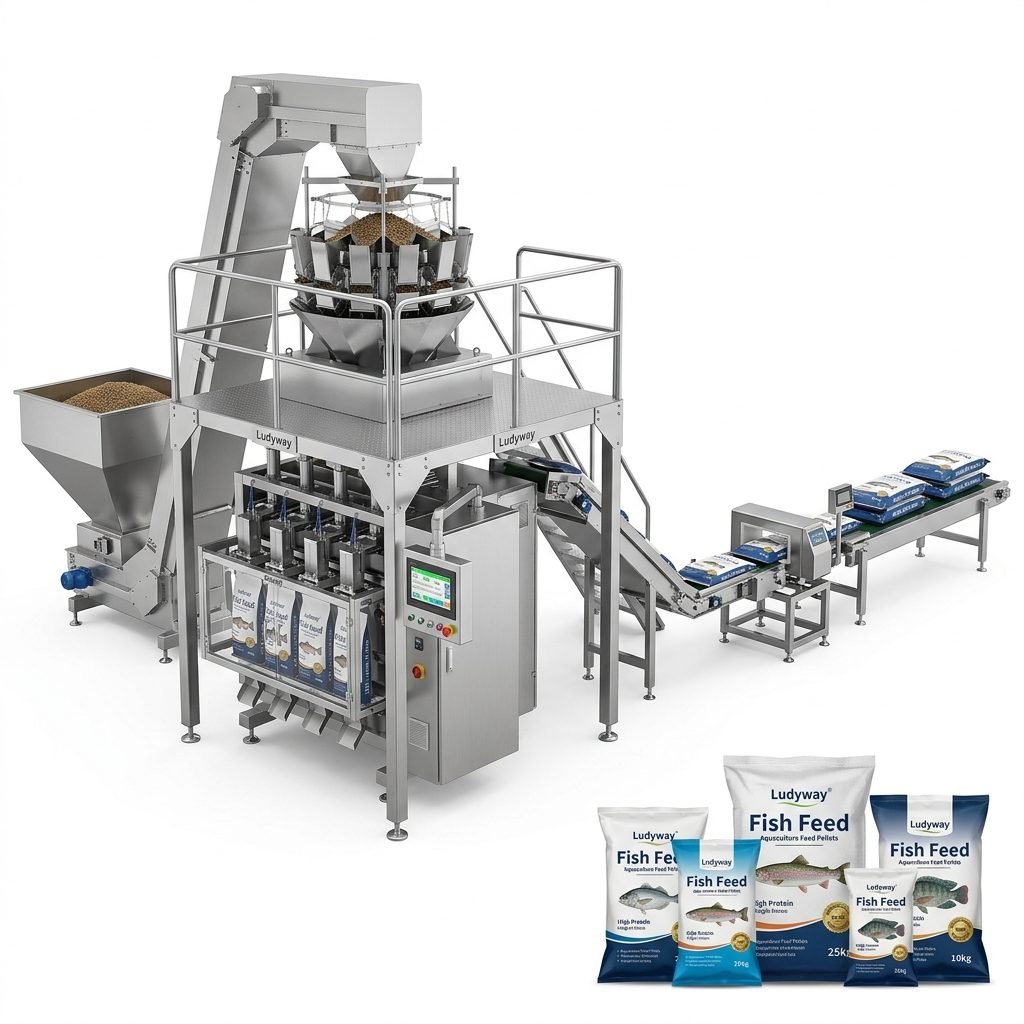
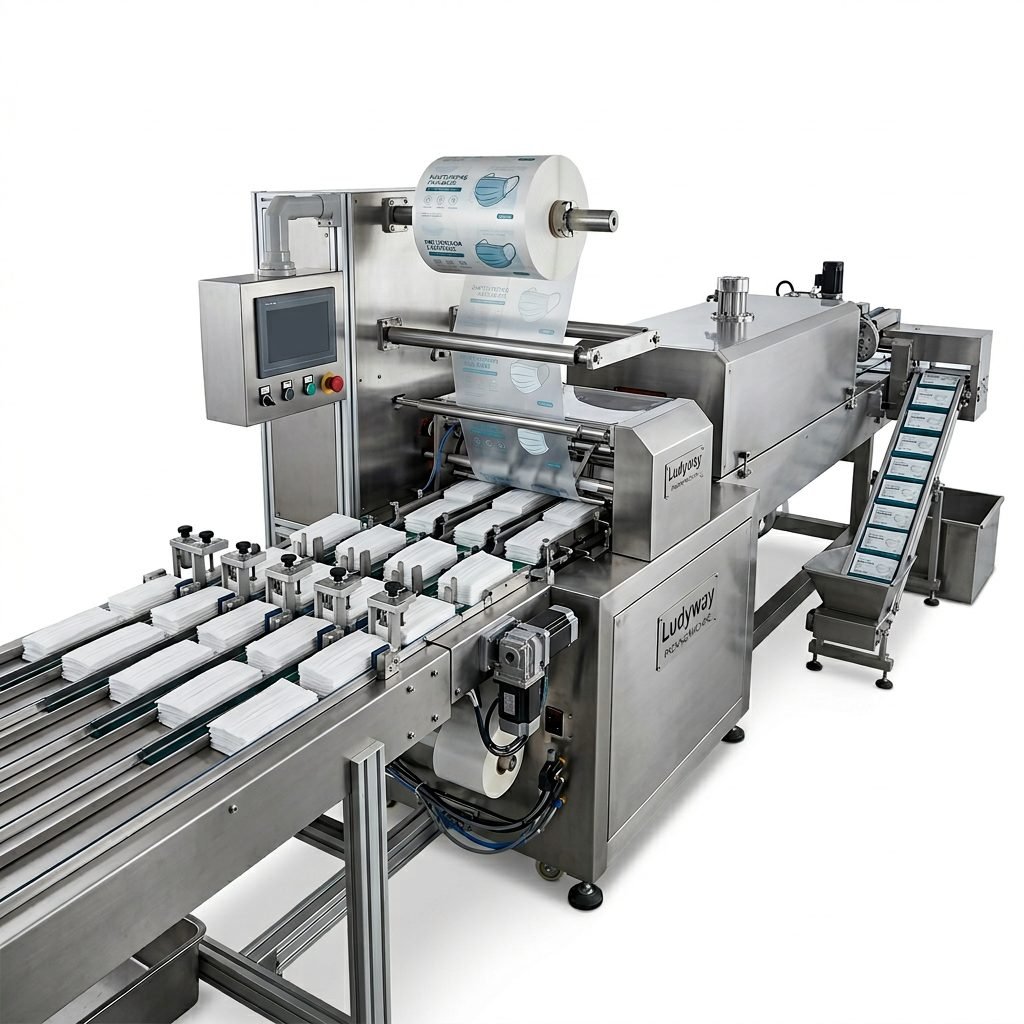
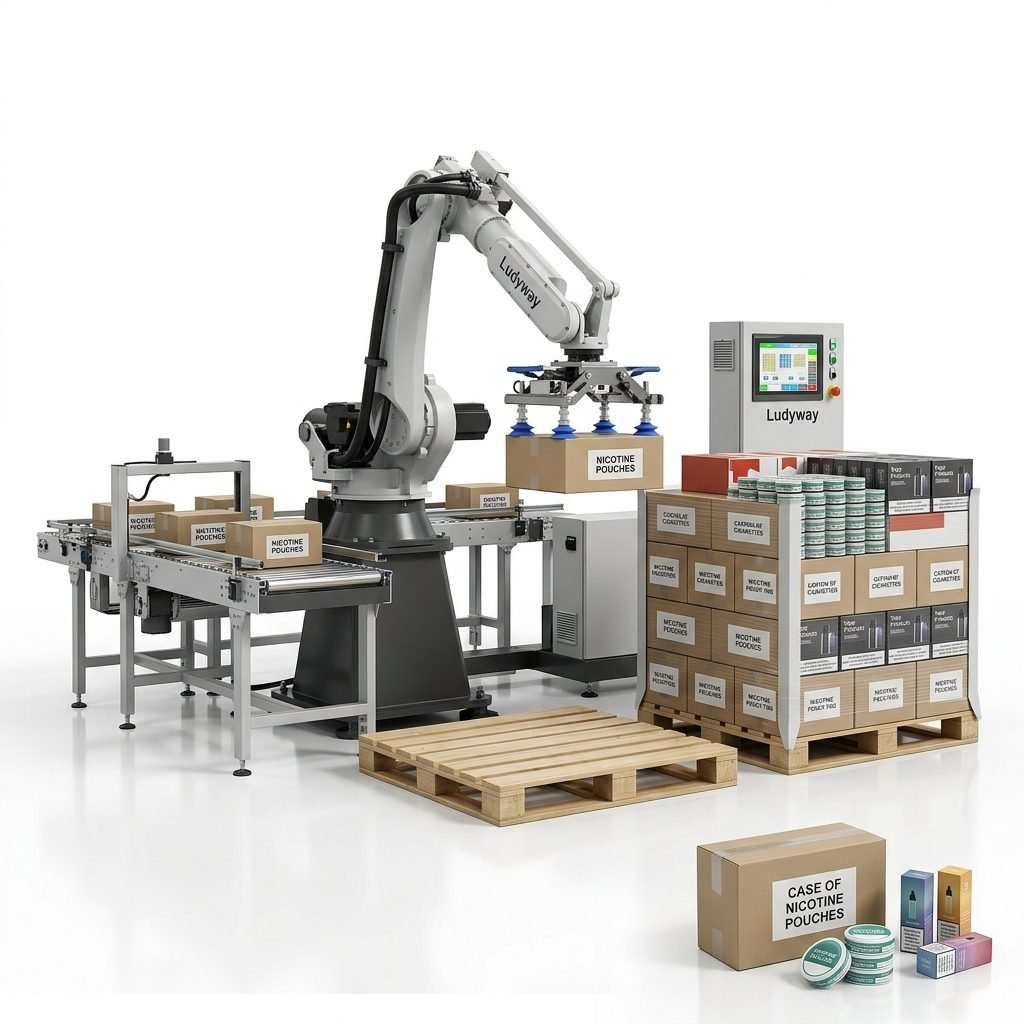
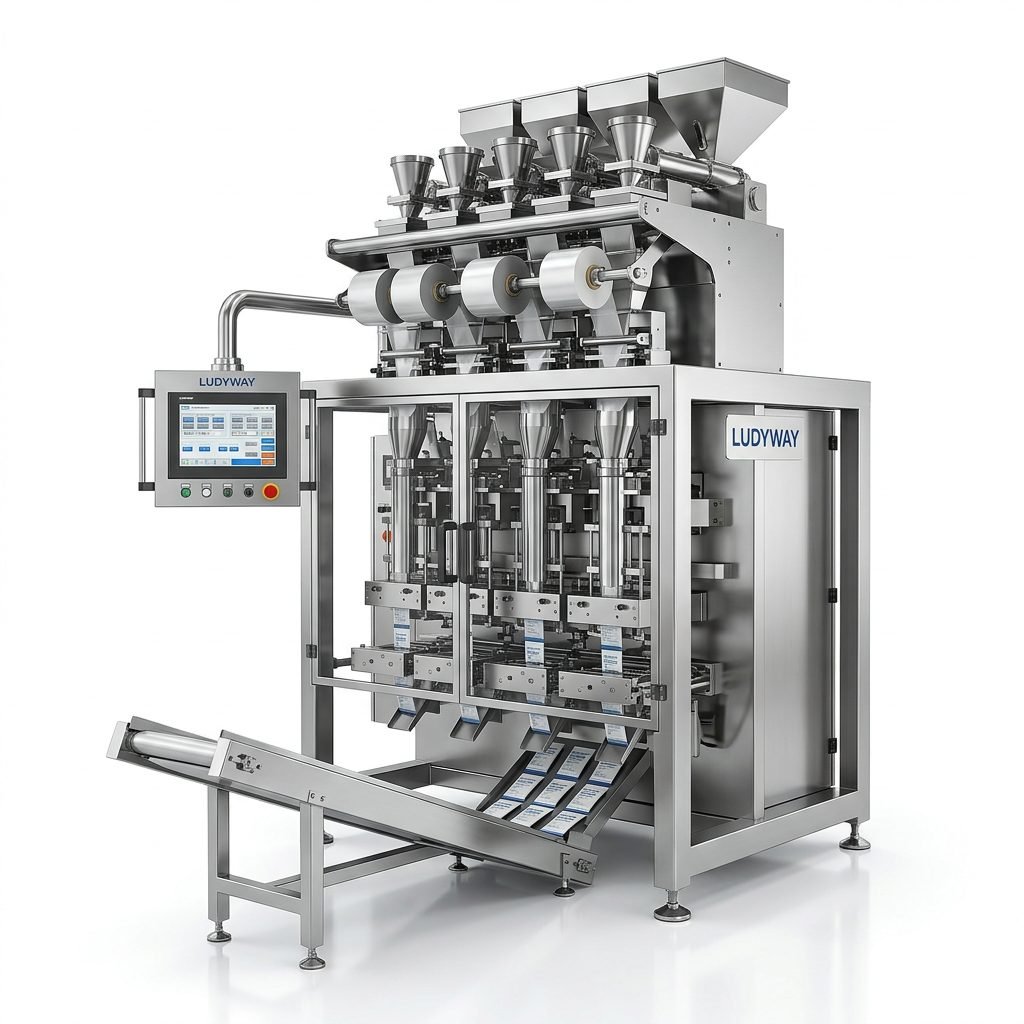
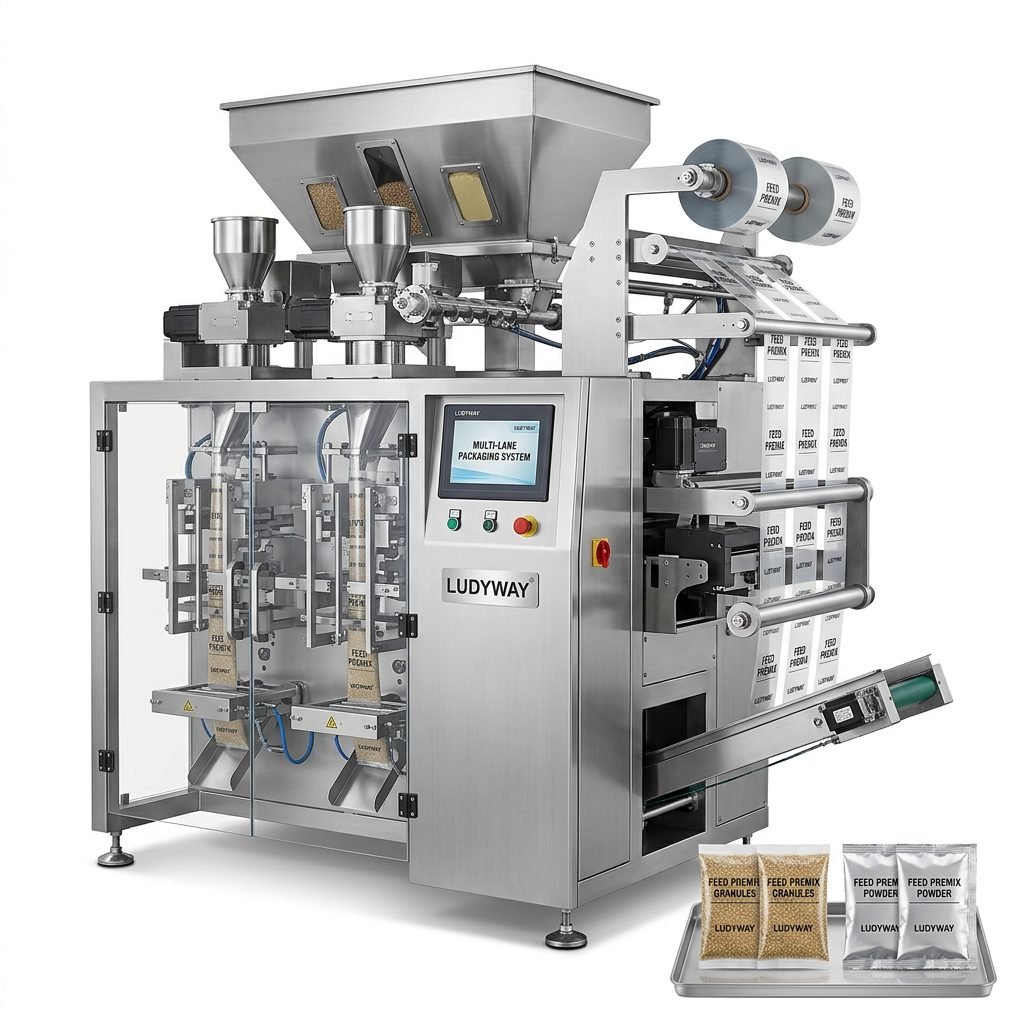
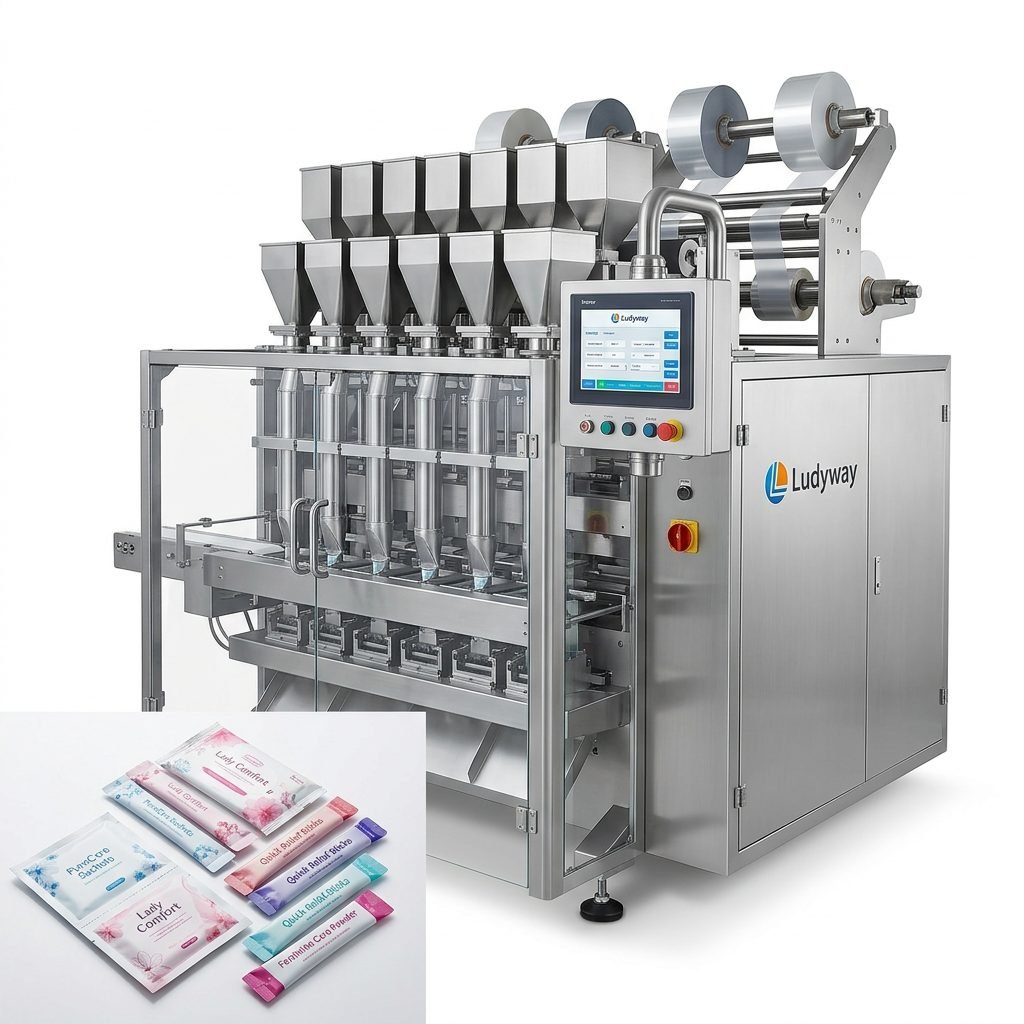
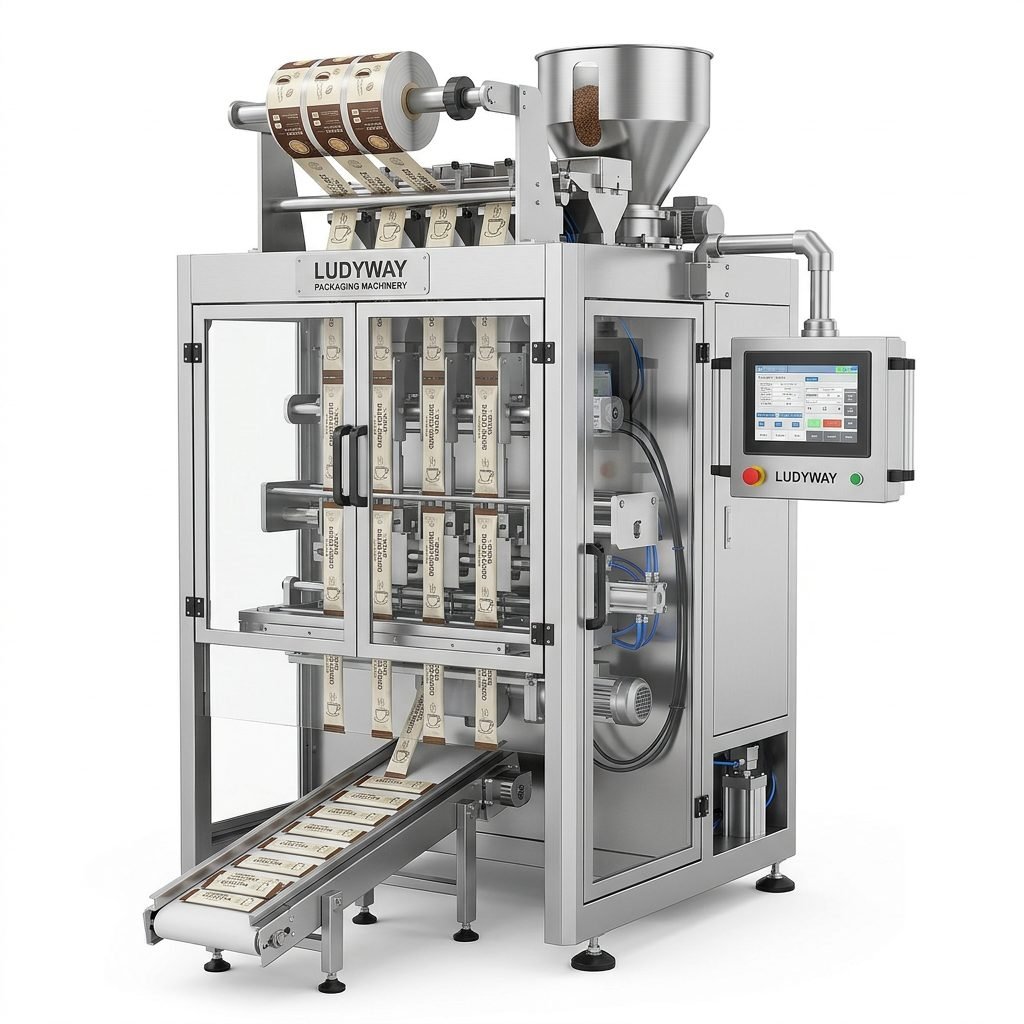
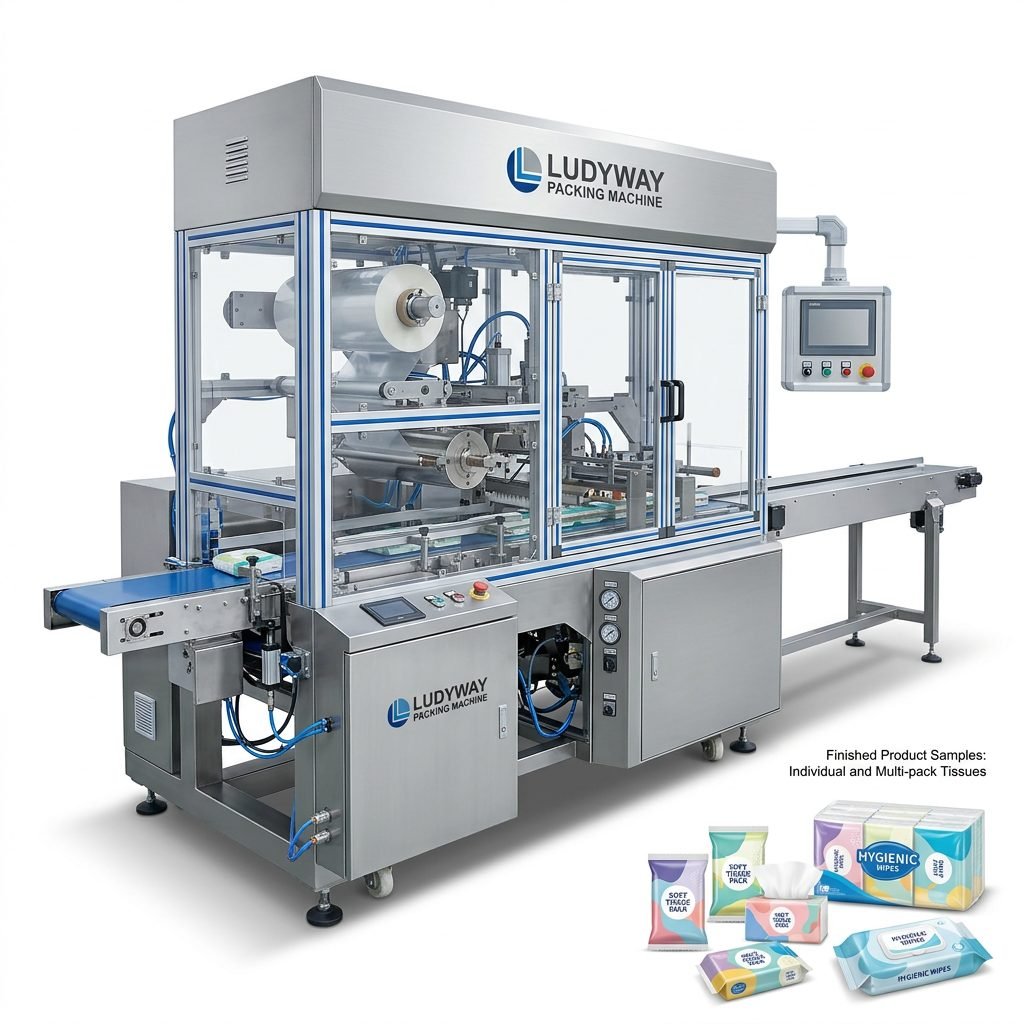
One example is Ludyway packaging machine, a manufacturer with more than 30 years of industry experience in automatic packaging systems and turnkey packaging lines. With extensive export experience and a broad machine range covering food, pharmaceutical, cosmetic, chemical, and pouch-based applications, the company supports businesses seeking efficient production, stable quality, and customized automation solutions.
Best Practices for Getting More Value from Your Packaging Printing Machine
- Use packaging materials compatible with your printing method
- Schedule regular maintenance for stable long-term accuracy
- Train operators on print parameter adjustment and inspection routines
- Integrate coding verification or vision inspection where possible
- Choose a machine that matches both current demand and future expansion
Conclusion
A reliable packaging printing machine is essential for companies that want fast, accurate, and professional label and package printing. The right equipment supports production efficiency, strengthens brand presentation, improves traceability, and reduces waste across the packaging line.
For businesses aiming to improve packaging performance in competitive markets, investing in high-quality printing-compatible packaging machinery is a smart step toward better automation, stronger output consistency, and long-term manufacturing efficiency.