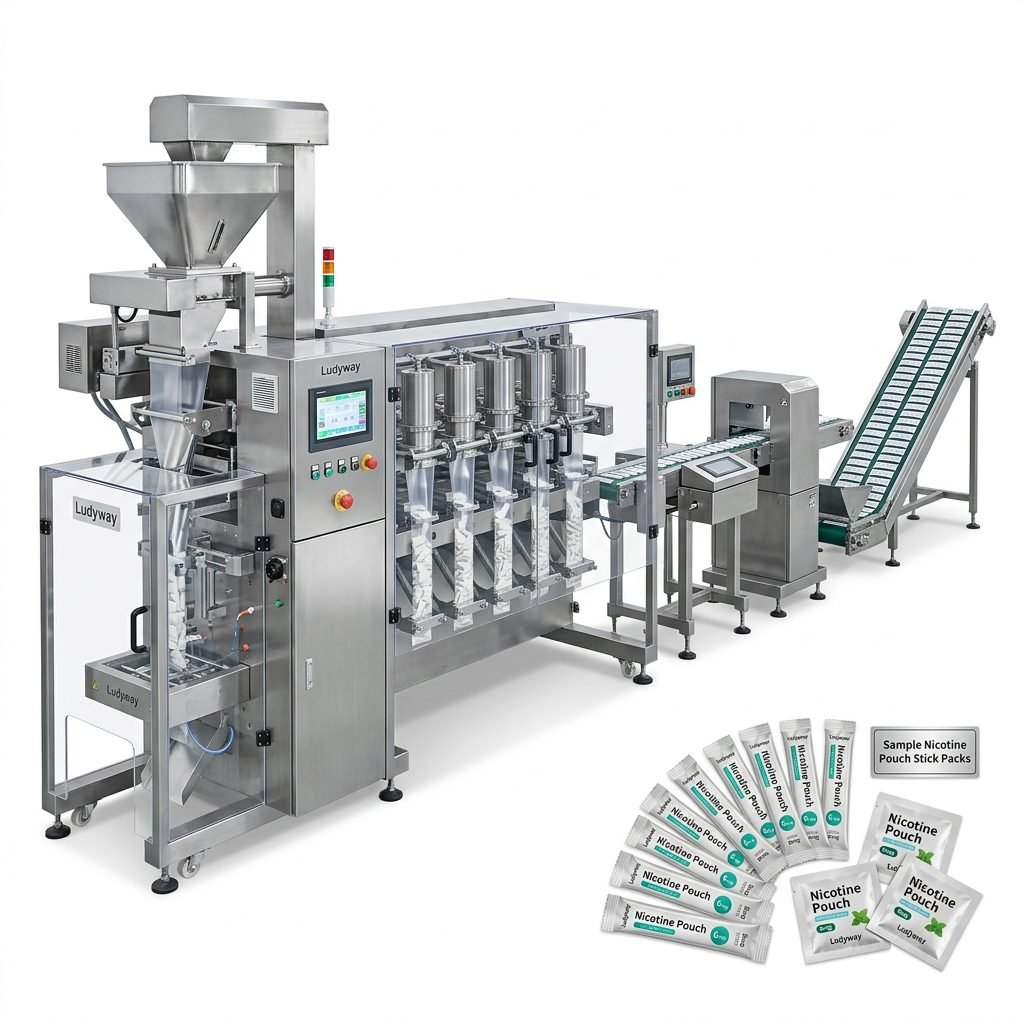
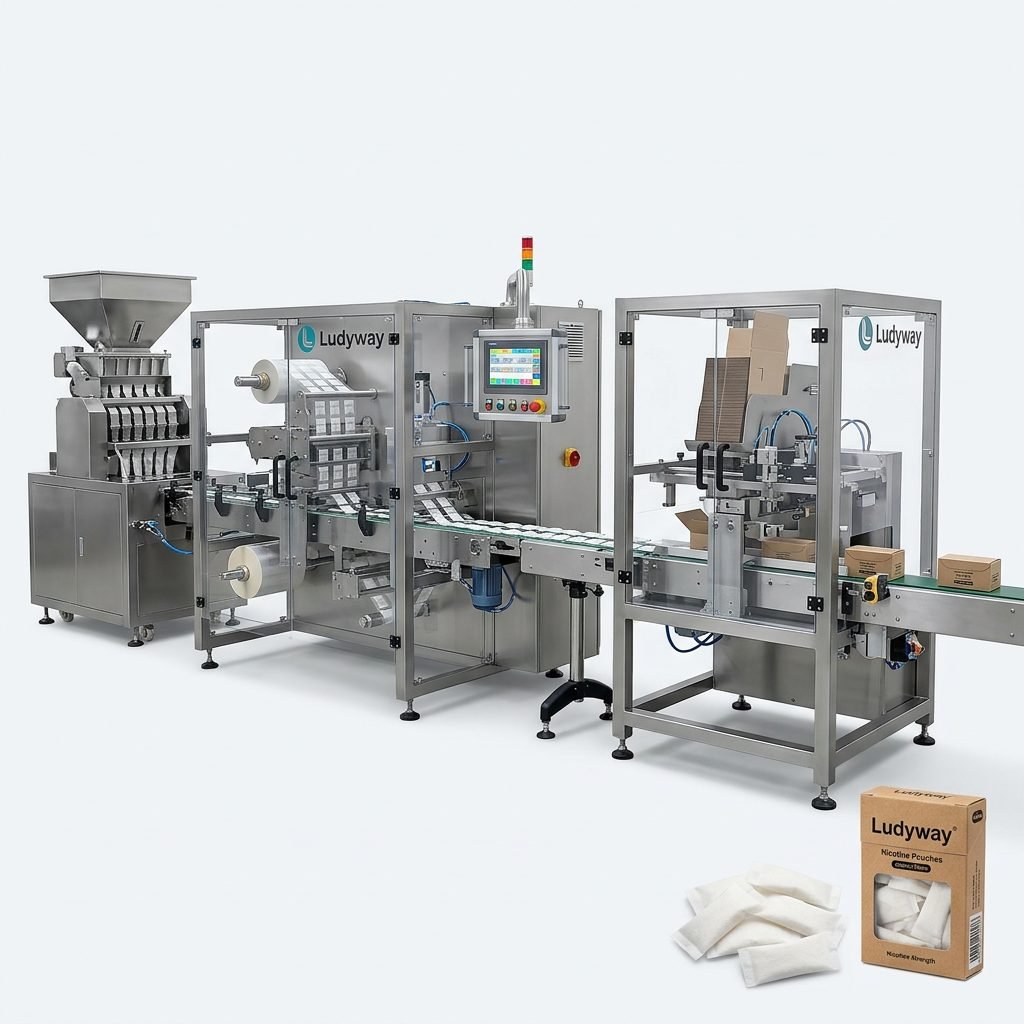
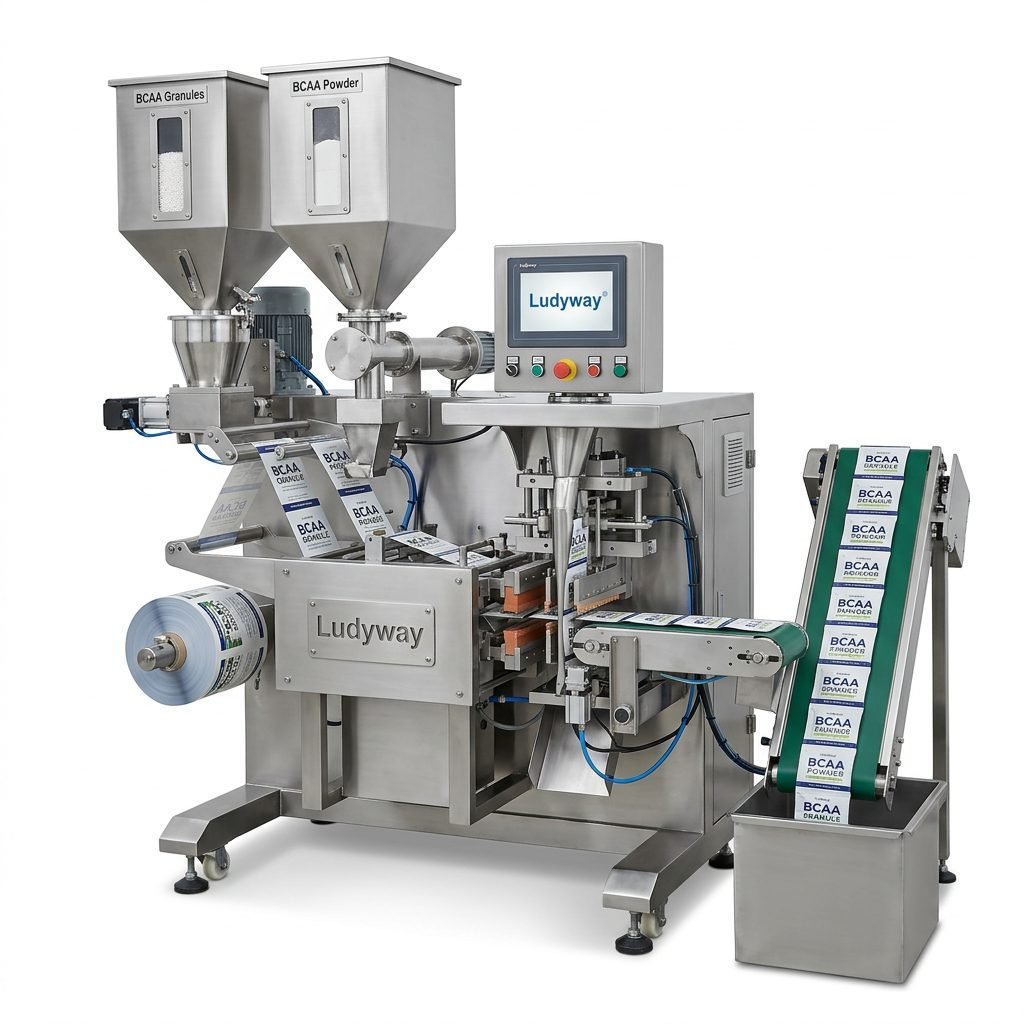
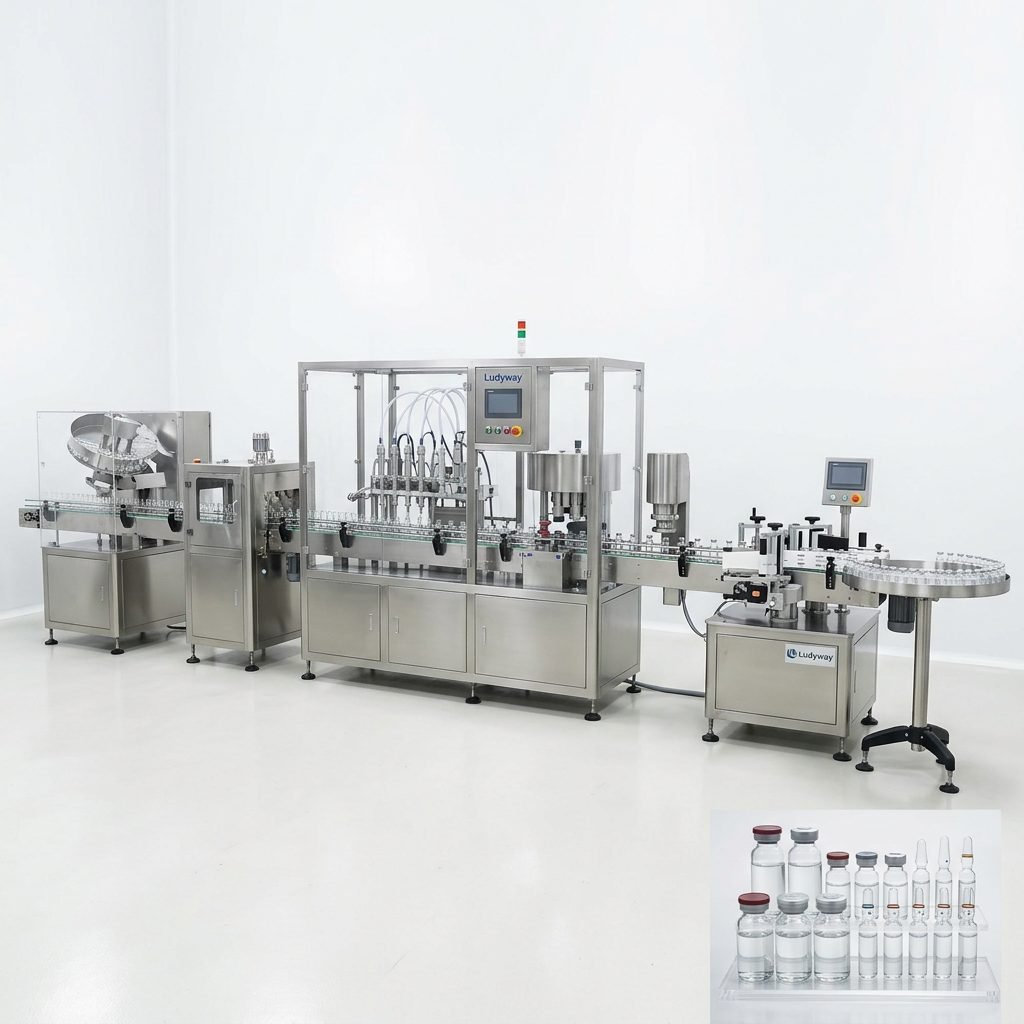
When buyers search for a liquid packing machine, the first question is usually simple: How much does it cost? The real answer depends on far more than machine size alone. Liquid viscosity, package format, output speed, automation level, material quality, compliance requirements, and after-sales support all play a major role in the final price.
If you compare quotations only by the lowest number, you may end up with a machine that creates higher long-term costs through downtime, inaccurate filling, film waste, maintenance issues, or limited upgrade options. A smarter approach is to understand what drives price and how to match the machine to your actual production needs.
Typical liquid packing machine price range
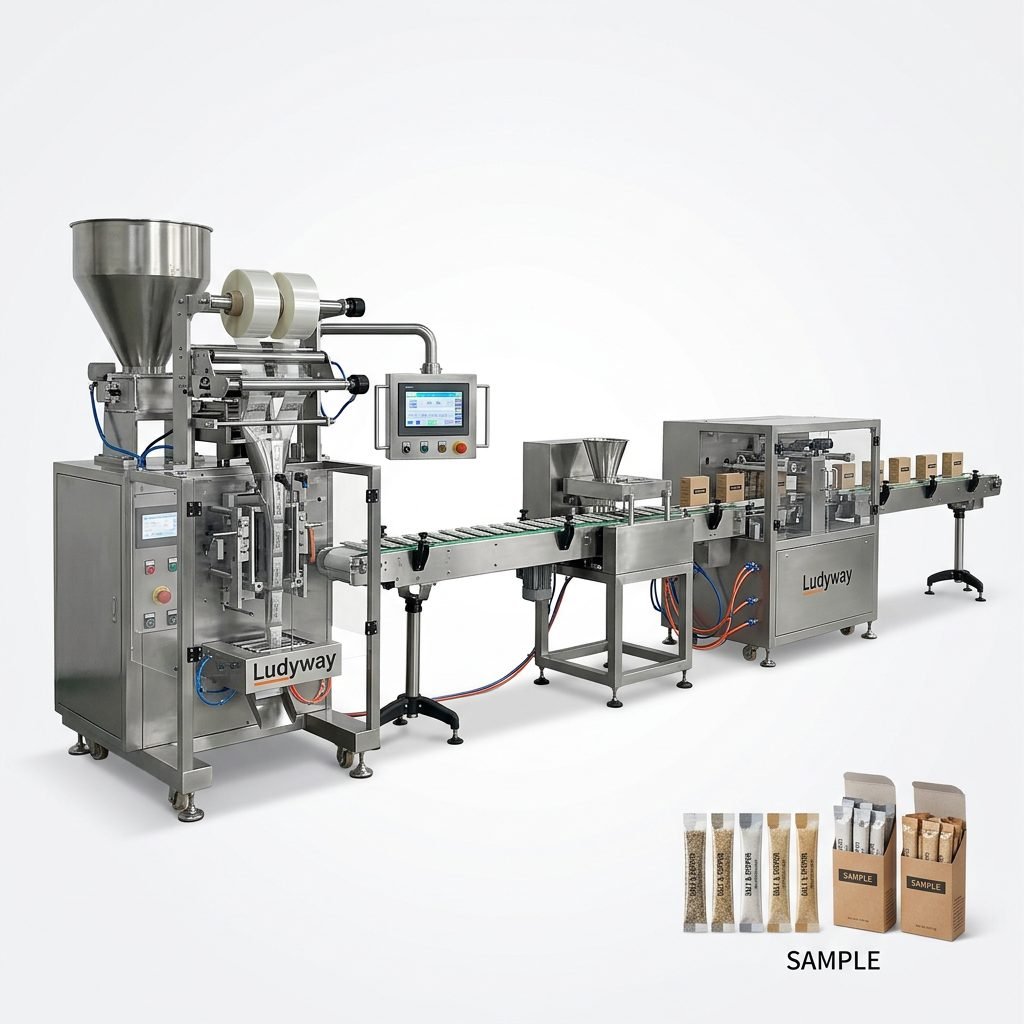
Prices vary widely by machine type and production scope. A compact entry-level machine for small sachet filling costs far less than a fully integrated multi-lane or turnkey line with feeding, coding, cartoning, and inspection systems.
| Machine Type | Typical Price Range | Best For |
|---|---|---|
| Semi-automatic liquid filling machine | US$2,000–US$8,000 | Startups, pilot runs, low-volume filling |
| Single-lane sachet/stick pack liquid machine | US$8,000–US$25,000 | Small to medium production |
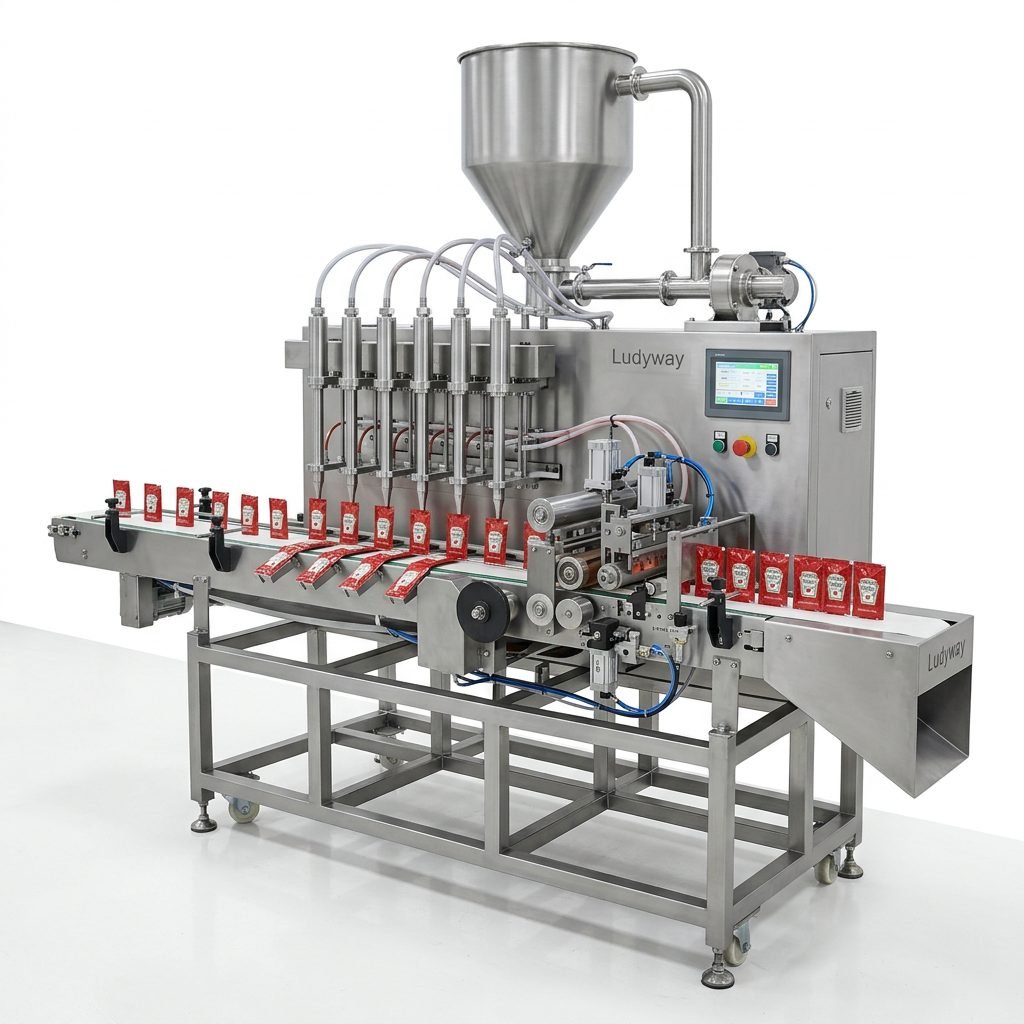
| Automatic pouch liquid packing machine | US$15,000–US$45,000 | Stand-up pouches, premade pouches, retail packaging |
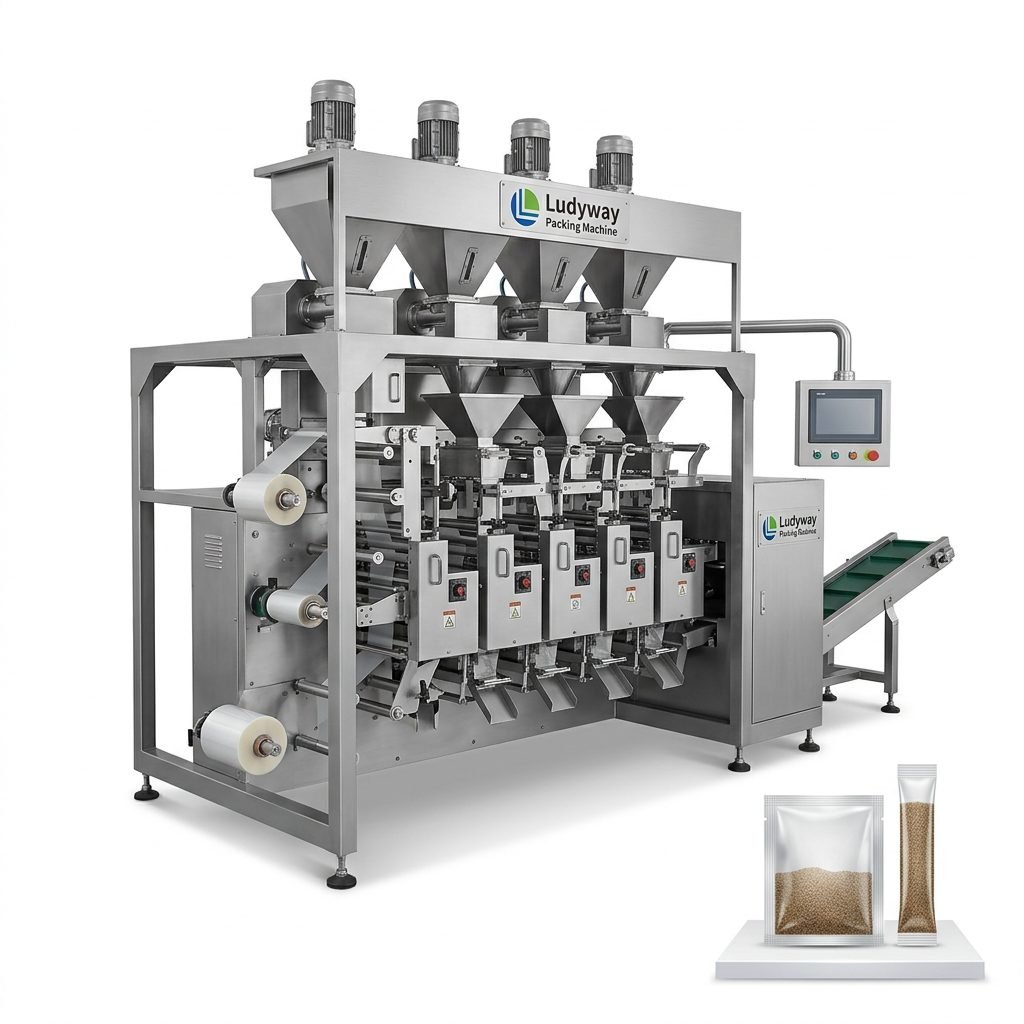
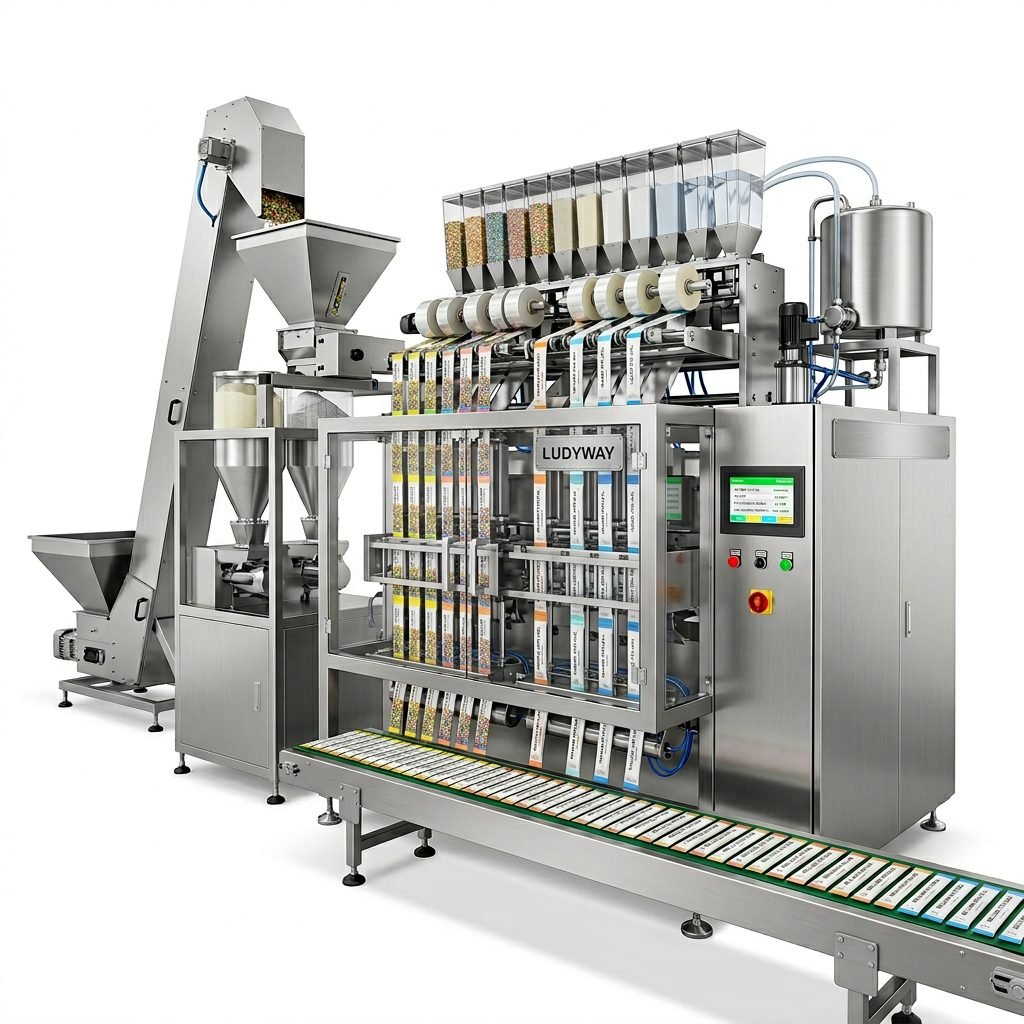
| Multi-lane liquid sachet packing machine | US$30,000–US$120,000+ | High-speed mass production |
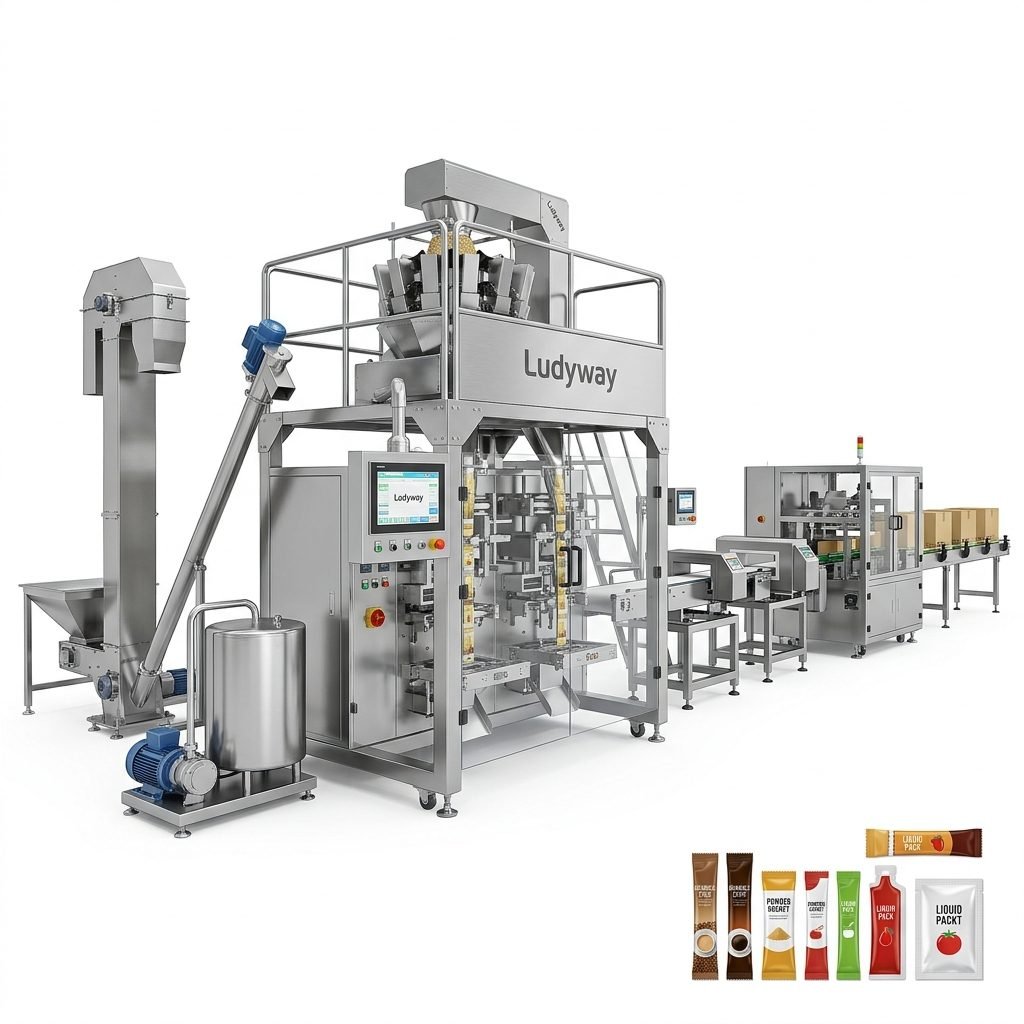
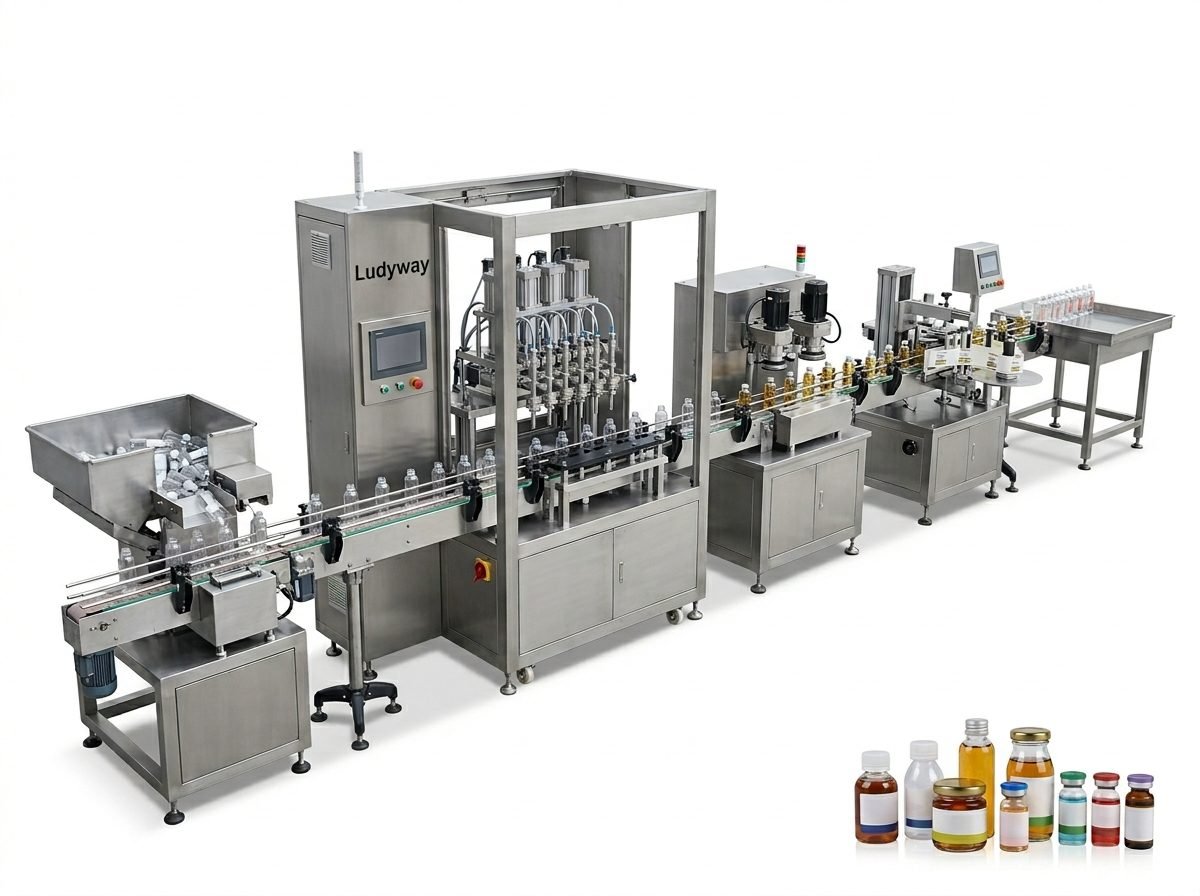
| Complete liquid packaging line | US$80,000–US$300,000+ | Large factories needing full automation |
These are broad market references. Actual quotations depend on project details, especially filling accuracy, product type, and packaging format.
What affects the cost of a liquid packing machine?
1. Product type and viscosity
Not all liquids behave the same way. Water, edible oil, syrup, shampoo, lotion, sauce, disinfectant, and pharmaceutical liquids require different filling technologies. Thin free-flowing liquids can use simpler systems, while thick or foamy products often need more specialized pumps, anti-drip devices, heating hoppers, or mixing systems.
- Low-viscosity liquids usually cost less to package
- High-viscosity or particulate liquids need more advanced filling structures
- Corrosive liquids may require special contact materials
- Hot-fill or hygienic applications increase engineering cost
2. Packaging format
The package style has a direct impact on machine design. A simple 3-side seal sachet machine is generally more affordable than a premade pouch line with zipper functions, spout insertion, or custom-shaped packaging.
Common liquid packaging formats include:
- Sachets
- Stick packs
- Pouches
- Bottles
- Tubes
- Vials and ampoules
3. Output speed
Higher speed usually means higher cost. A machine producing 30–40 packs per minute is built very differently from a high-speed multi-lane system running hundreds of packs per minute. Greater speed requires stronger mechanical stability, better servo control, smarter film tracking, and more reliable sealing performance.
4. Automation level
One of the biggest pricing factors is automation. Basic machines handle forming, filling, and sealing only. Advanced systems can also include:
- Automatic feeding
- Batch coding and printing
- Checkweighing
- Metal detection
- Cartoning
- Case packing
- Palletizing
While fully automatic lines require more upfront investment, they often reduce labor costs and improve consistency over time.
5. Filling accuracy requirements
If your product is high-value, every gram or milliliter matters. Better accuracy means more advanced dosing technology, precision pumps, servo systems, and tighter control logic. This raises the machine price but can significantly reduce product giveaway.
6. Machine construction and material grade
Machines built with higher-grade stainless steel, better electronics, quality pneumatic parts, and durable sealing components generally cost more. But they also tend to last longer and perform more reliably, especially in food, pharmaceutical, and chemical applications.
7. Industry compliance
Food and pharmaceutical buyers often need stricter hygiene design, safety protection, and documentation. Compliance requirements such as GMP-friendly structure, CE expectations, or validation support can increase total price.
8. Customization level
Standard machines are more affordable. Custom equipment costs more because it may require unique bag sizes, special seals, uncommon liquids, factory layout adaptation, or integration with existing upstream and downstream equipment.
9. Brand, manufacturing capability, and service
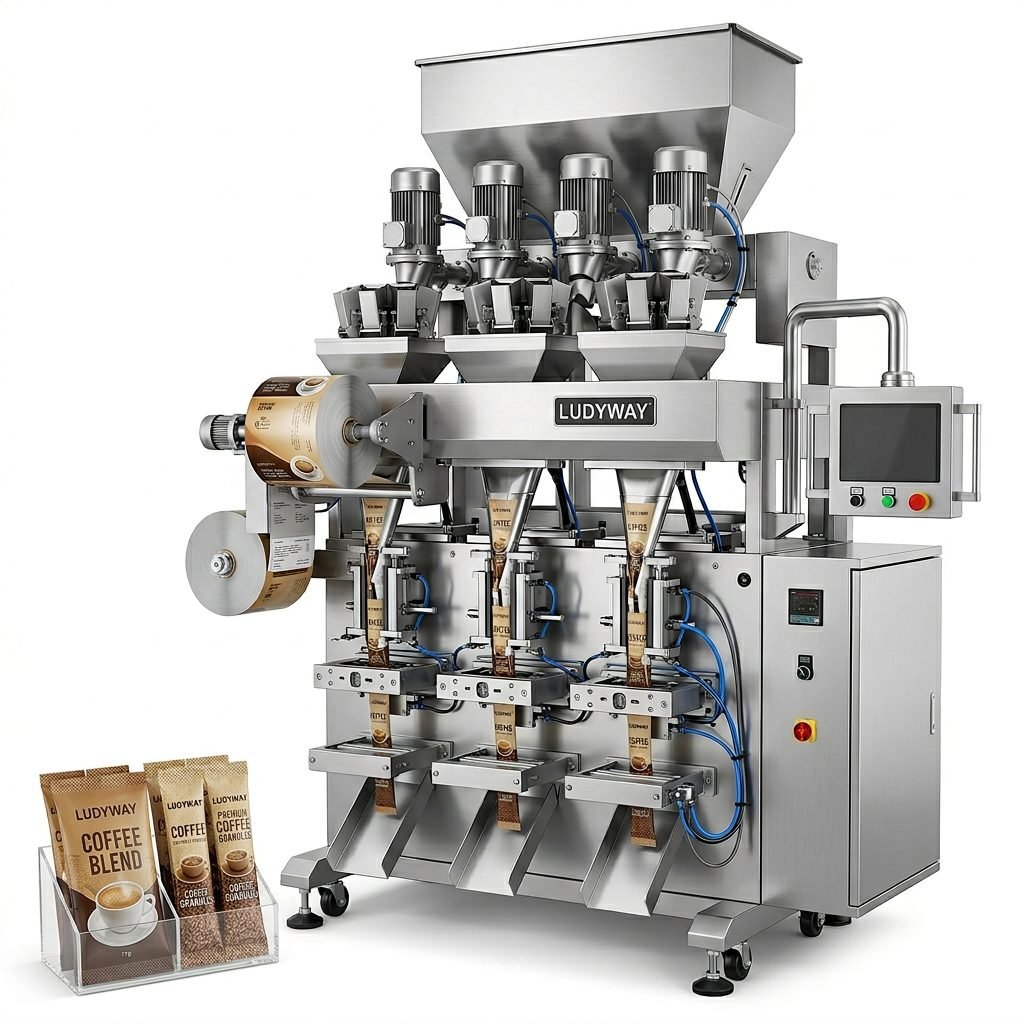
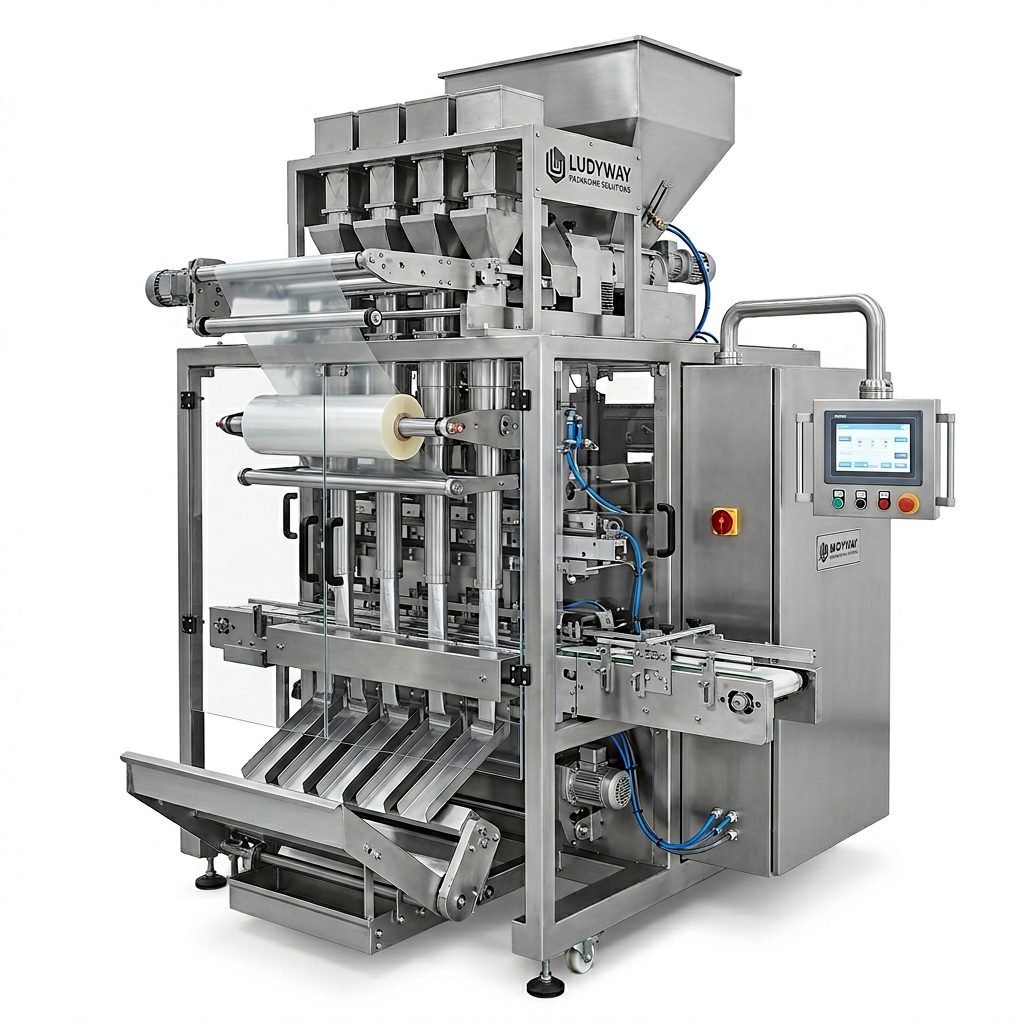
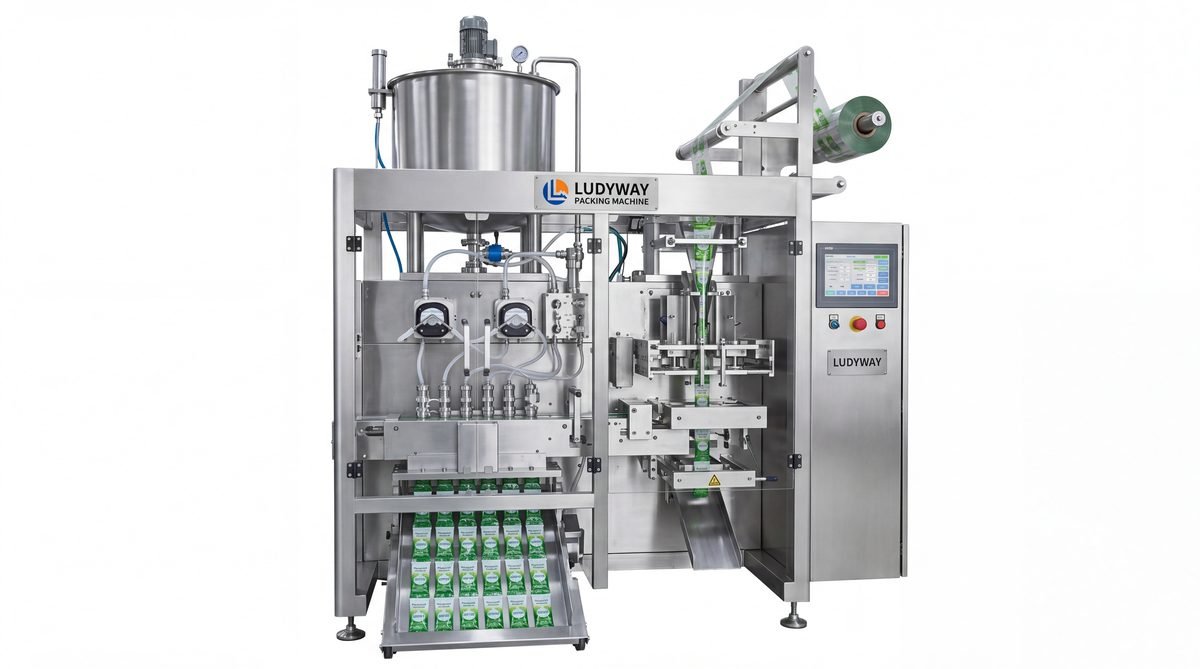
A machine from an experienced manufacturer may not always be the cheapest option, but strong engineering support, spare parts availability, and technical service often provide better long-term value. For buyers seeking scalable solutions, Ludyway liquid packing machine solutions are often considered for food, pharmaceutical, health supplement, and daily-use product applications.
Hidden costs buyers often overlook
The machine price is only part of your total investment. Before making a final decision, calculate the full project cost.
| Cost Item | Why It Matters |
|---|---|
| Shipping and import duties | Can significantly change total landed cost |
| Installation and commissioning | On-site setup may require technical support |
| Packaging film and consumables | Poor machine compatibility can waste materials |
| Maintenance and spare parts | Low-price machines may create higher service costs |
| Downtime risk | Unstable performance hurts production efficiency |
| Operator training | Improper use can reduce output and increase waste |
How to choose the right machine for your budget
Define your product clearly
Start with the basics:
- What liquid are you packing?
- Is it thin, thick, foamy, hot, sticky, or corrosive?
- Does it contain particles?
- What is the target fill volume?
This information determines the proper filling system and avoids costly mismatch.
Choose based on production goals, not guesswork
Many companies either buy too small and outgrow the machine quickly, or buy too large and overpay. The right choice should match your current demand while leaving room for practical growth.
A useful rule: buy for your realistic 12–24 month production target, not just today’s order volume.
Match machine type to business stage
| Business Stage | Suggested Solution | Budget Logic |
|---|---|---|
| Startup / new product launch | Semi-auto or compact automatic machine | Lower risk, faster launch |
| Growing SME | Single-lane or entry pouch machine | Balance between cost and efficiency |
| Established manufacturer | High-speed automatic or multi-lane machine | Labor savings and throughput justify investment |
| Large factory / contract packer | Turnkey packaging line | Best for high volume and integrated automation |
Ask suppliers the right questions
A quotation is only meaningful if you compare the same scope. Ask every supplier these points:
- What products can the machine handle?
- What is the real output speed under my product conditions?
- What filling accuracy can be guaranteed?
- What packaging materials are supported?
- What spare parts are included?
- What technical support is available after installation?
- Can the machine be upgraded later?
When a higher-priced machine is actually cheaper
A low initial quote can look attractive, but the cheapest machine is not always the lowest-cost solution. A better-built liquid packing machine may reduce:
- Product waste
- Seal failure
- Unexpected stoppages
- Operator errors
- Maintenance frequency
- Labor dependence
For manufacturers running daily production, these savings can outweigh the higher purchase price quite quickly.
Best liquid packing machine choice by industry
Food and beverage
Suitable for water, milk, sauces, oils, condiments, syrup, honey, juice concentrates, and beverage mixes. Focus on hygiene, sealing quality, and easy cleaning.
Pharmaceutical and health products
Suitable for oral liquids, medicinal solutions, gels, and nutritional liquids. Priorities include precision, clean design, traceability, and compliance support.
Cosmetics and personal care
Used for shampoo, lotion, serum, cream, body wash, and liquid soap. Buyers should pay close attention to viscosity handling, anti-drip structure, and neat package appearance.
Chemical and household products
For detergents, cleaners, disinfectants, and industrial liquids, material compatibility is critical. Corrosion resistance and sealing reliability matter more than headline speed alone.
Red flags to avoid when comparing prices
- Unusually low quotations with vague specifications
- No confirmed filling accuracy data
- No sample testing before order
- Limited spare parts or no service commitment
- Missing details on electrical brands or control system
- No discussion of your liquid characteristics
- No upgrade path for future capacity
Practical buying checklist
Before requesting a final quote, prepare this information:
- Liquid product name and characteristics
- Target pack size
- Desired package format
- Expected output per minute or per hour
- Photo or sample of current packaging
- Power supply standards in your factory
- Whether you need coding, cartoning, or full line integration
Final thoughts on liquid packing machine price
The cost of a liquid packing machine depends on much more than the machine frame itself. Product properties, package style, speed, automation, compliance, and service support all affect the final investment. The best buying decision comes from balancing price with reliability, performance, and long-term operating value.
If you choose based on your product, production target, and future growth plan, you are far more likely to invest in equipment that delivers stable output and a stronger return over time.