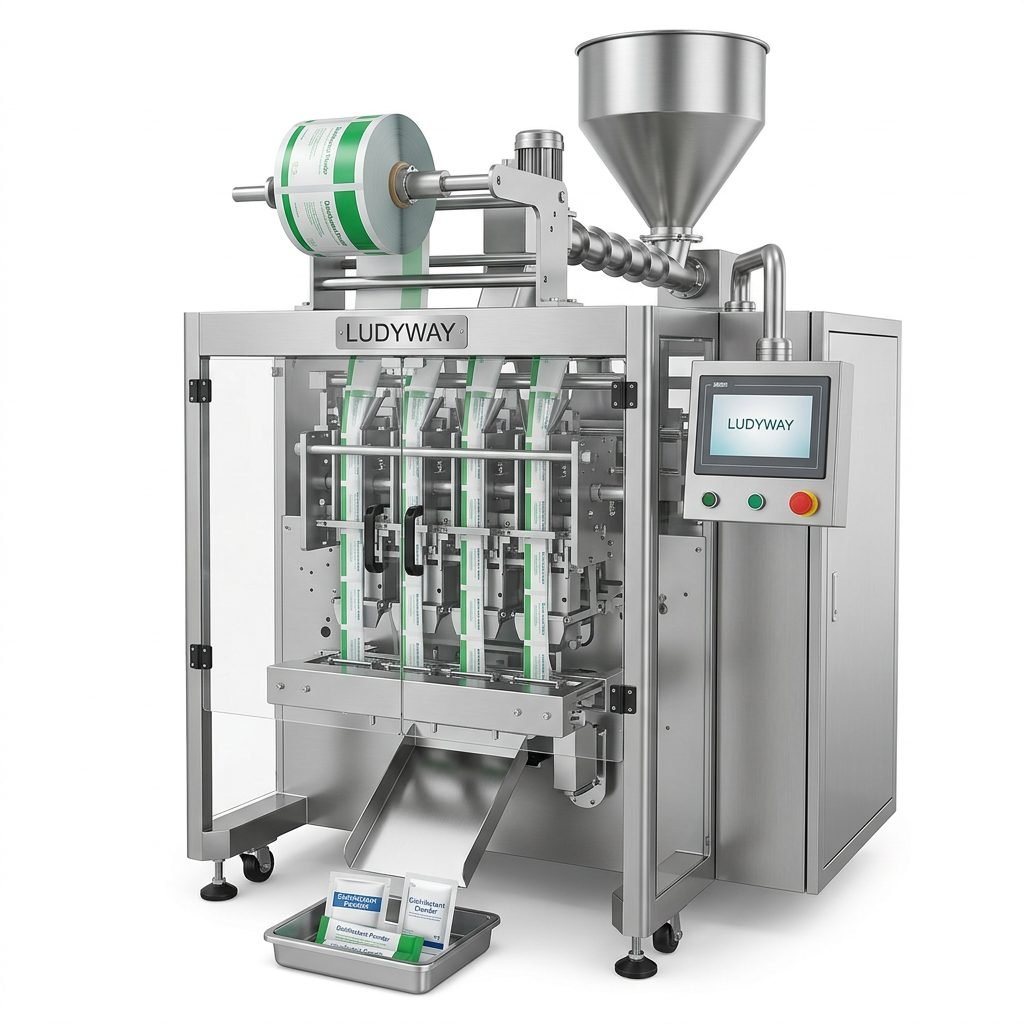
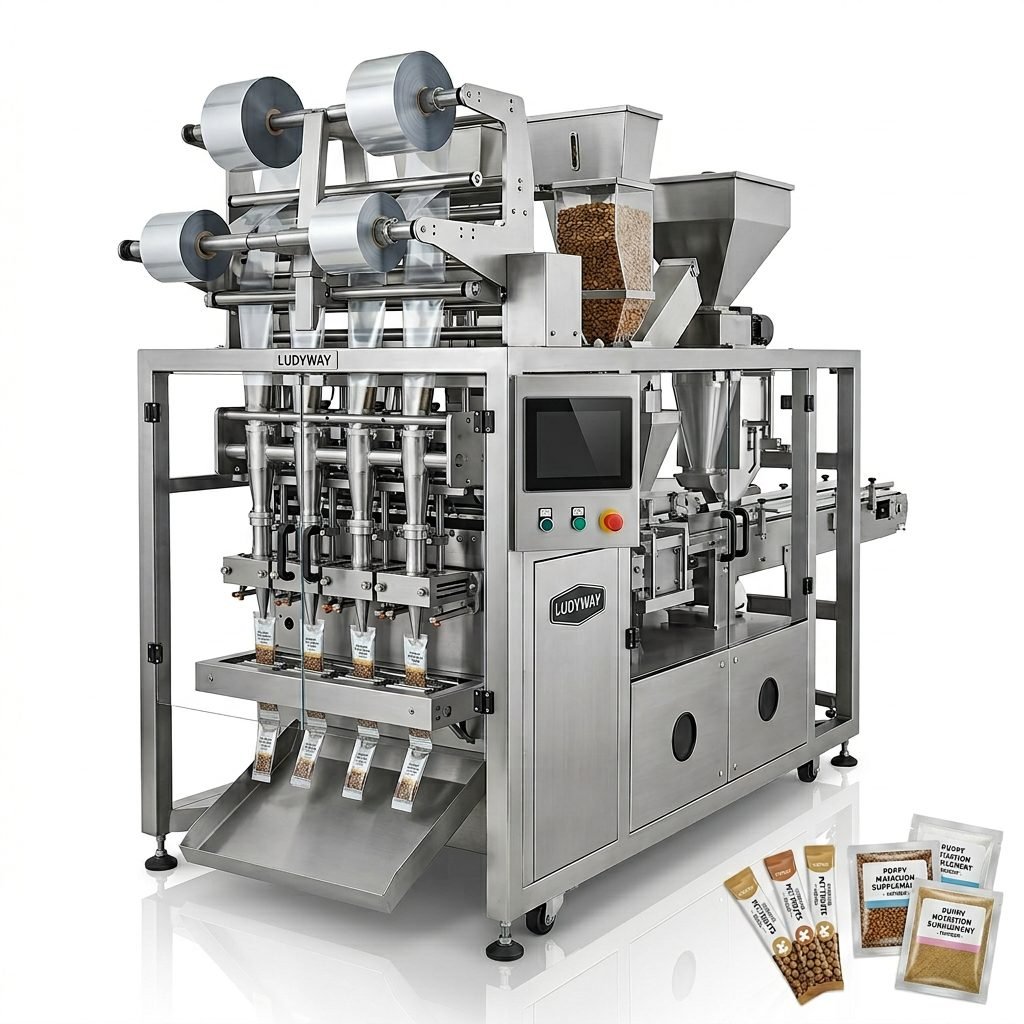
In today’s competitive manufacturing landscape, ensuring product freshness, safety, and shelf appeal is paramount. For producers in the food, pharmaceutical, and health product sectors, vacuum packaging stands as a critical technology. It’s not just about wrapping a product; it’s about creating a robust barrier against oxygen, moisture, and contaminants that can degrade quality, compromise efficacy, or shorten shelf life. The right vacuum packaging machine solution is therefore a strategic investment, directly impacting product integrity, operational efficiency, and brand reputation.
Why Vacuum Packaging is Non-Negotiable for Quality-Conscious Industries
The core principle of vacuum packaging is the removal of air from the package before sealing. This simple action delivers profound benefits that align perfectly with the stringent demands of these industries.
Key Benefits of Vacuum Sealing:
- Extended Shelf Life: By eliminating oxygen, the primary agent for oxidation and microbial growth (like mold and aerobic bacteria), products last significantly longer. This reduces waste and expands market reach.
- Preserved Product Integrity: For food, it locks in flavor, texture, and nutrients. For pharmaceuticals and health products like herbs or powders, it protects active ingredients from degradation.
- Enhanced Safety & Hygiene: Creates a tamper-evident seal and prevents contamination during storage and transport, a critical factor for pharmaceutical compliance and food safety standards.
- Improved Space Efficiency: Vacuum-packed products are compact, optimizing storage space and reducing shipping costs.
- Professional Product Presentation: A tight, clear package enhances visual appeal and communicates quality to the end consumer.
Tailored Vacuum Packaging Solutions for Each Sector
A one-size-fits-all approach fails in precision manufacturing. Each industry has unique product characteristics, regulatory environments, and production volume requirements.
Solutions for Food Manufacturers
Food products range from fresh meats and cheeses to dried snacks and coffee. Machines must handle varying consistencies, oils, and particulates. Advanced food-grade vacuum sealers often feature:
- Stainless steel construction for easy cleaning and corrosion resistance.
- Adjustable vacuum and seal strength settings for delicate baked goods or robust frozen items.
- Gas flushing capabilities (Modified Atmosphere Packaging – MAP) for products like salads or fresh pasta, where a specific gas mix is better than a pure vacuum.
- High-speed chambers or belt systems for continuous production lines.
Solutions for Pharmaceutical Manufacturers
Here, precision and compliance are everything. Packaging must meet rigorous standards (e.g., cGMP, FDA) to ensure sterility and dosage accuracy. Equipment for this sector focuses on:
- Clean-room compatible designs with minimal particle generation.
- Accurate, repeatable vacuum levels to protect blister packs, pouches of medical devices, or raw ingredients.
- Comprehensive validation and documentation support.
- Traceability features, often integrated with serialization and tracking systems.
Solutions for Health Product & Nutraceutical Manufacturers
This growing sector, encompassing vitamins, supplements, protein powders, and herbal extracts, blends the needs of food and pharma. Products are often hygroscopic (moisture-absorbing) or sensitive to light and air. Ideal machines offer:
- Ultra-dry vacuum capabilities to protect powders from clumping.
- Light-blocking or opaque bag options integrated into the system.
- Flexibility to switch between different product formats (pouches, bottles, canisters).
- Dust extraction systems to maintain a clean production environment.
Choosing the Right Machine: Key Considerations
Selecting a vacuum packaging system requires a careful analysis of your specific operation. Asking the right questions upfront prevents costly mismatches.
Your Selection Checklist:
- Product Type & Form: Is it solid, liquid, granular, or powdered? Does it have sharp edges or release oils?
- Production Volume & Speed: Are you a small-batch artisan or a high-volume producer? This determines single-chamber, double-chamber, or rotary chamber systems.
- Package Material & Size: What type of barrier film or laminate is required? What are your maximum and minimum bag dimensions?
- Level of Automation: Do you need a standalone machine or one integrated into a fully automated turnkey packaging line with filling, labeling, and cartoning?
- Regulatory & Hygiene Standards: What industry-specific certifications (e.g., USDA, CE, EHEDG) must the equipment comply with?
The Role of a Trusted Packaging Partner
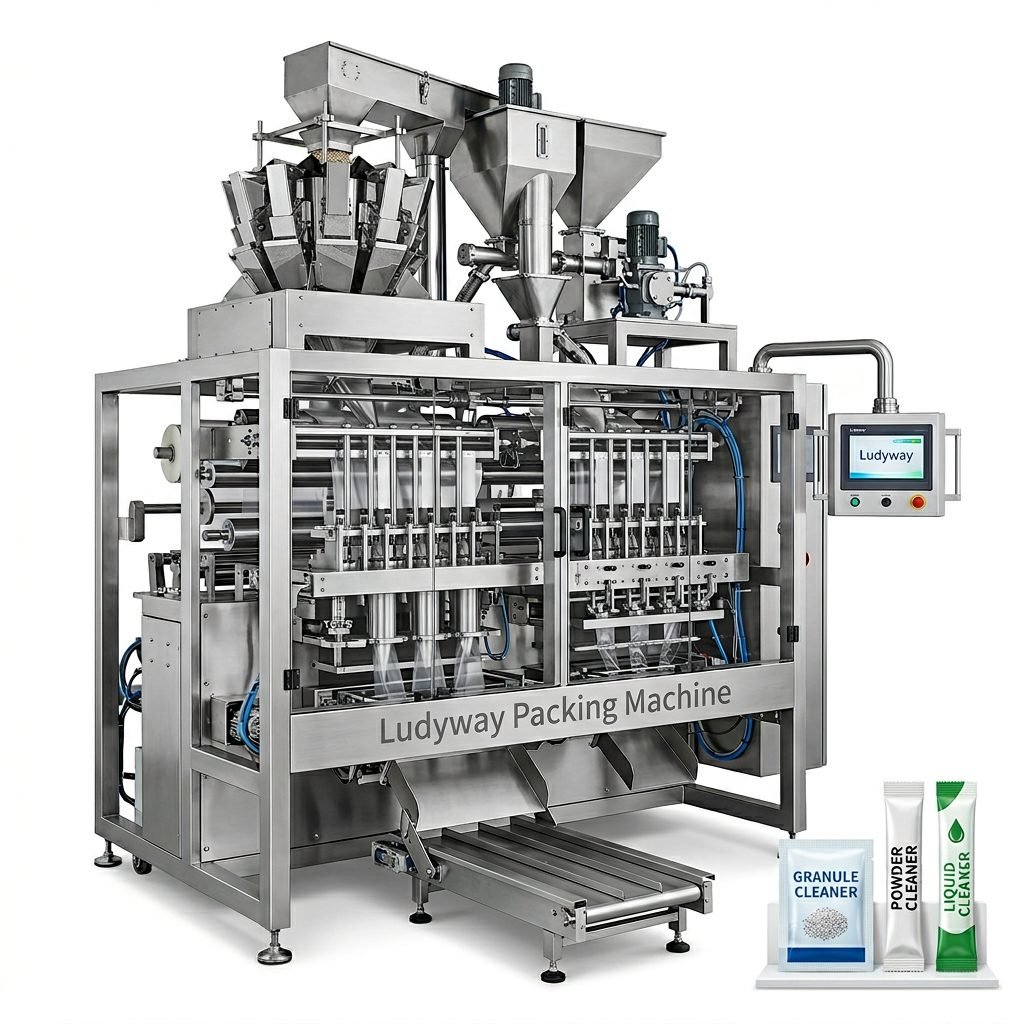
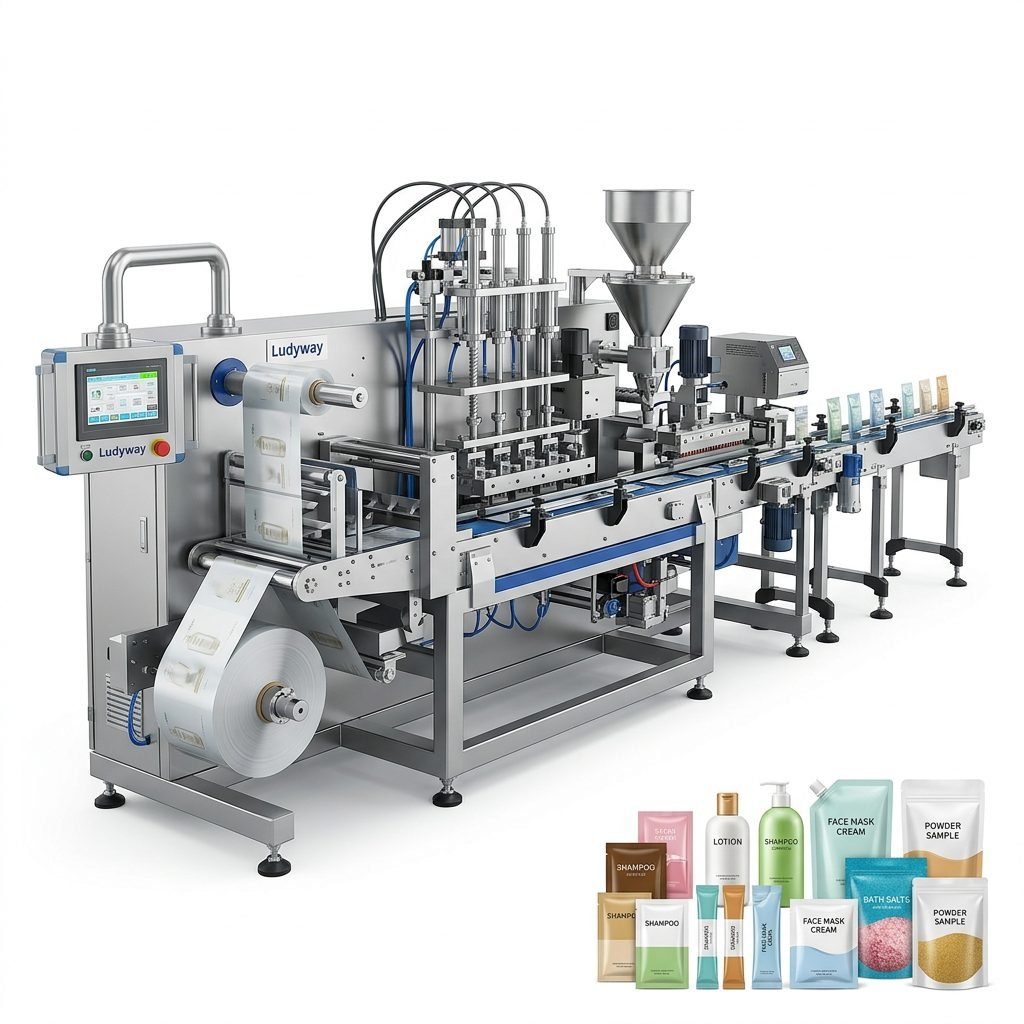
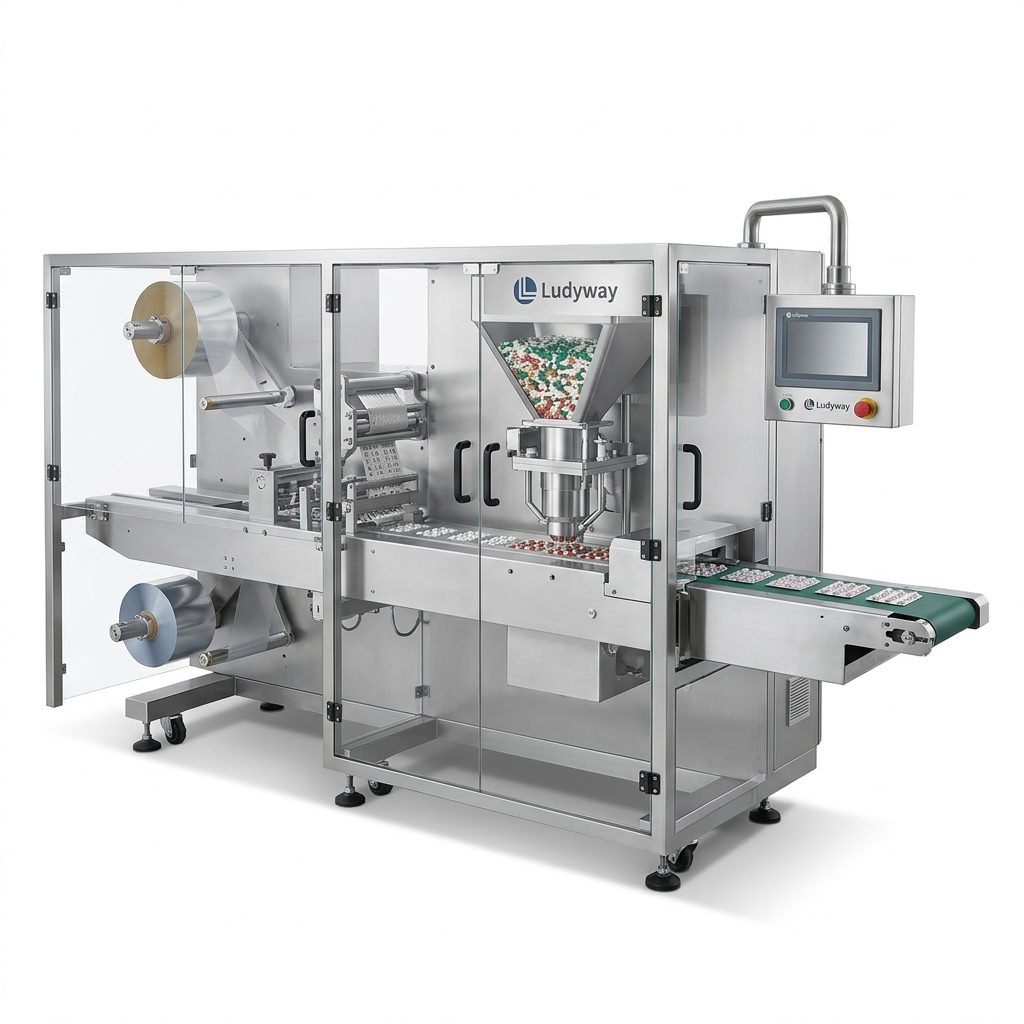
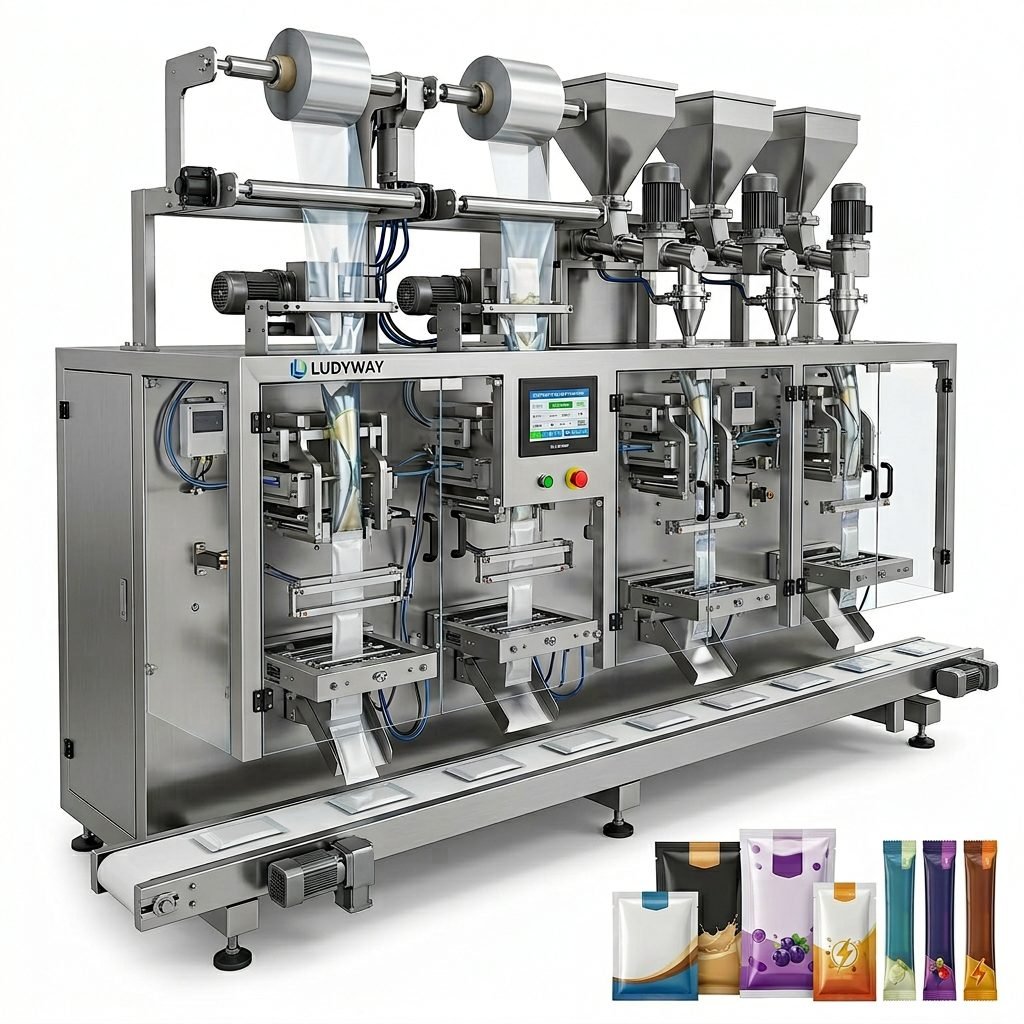
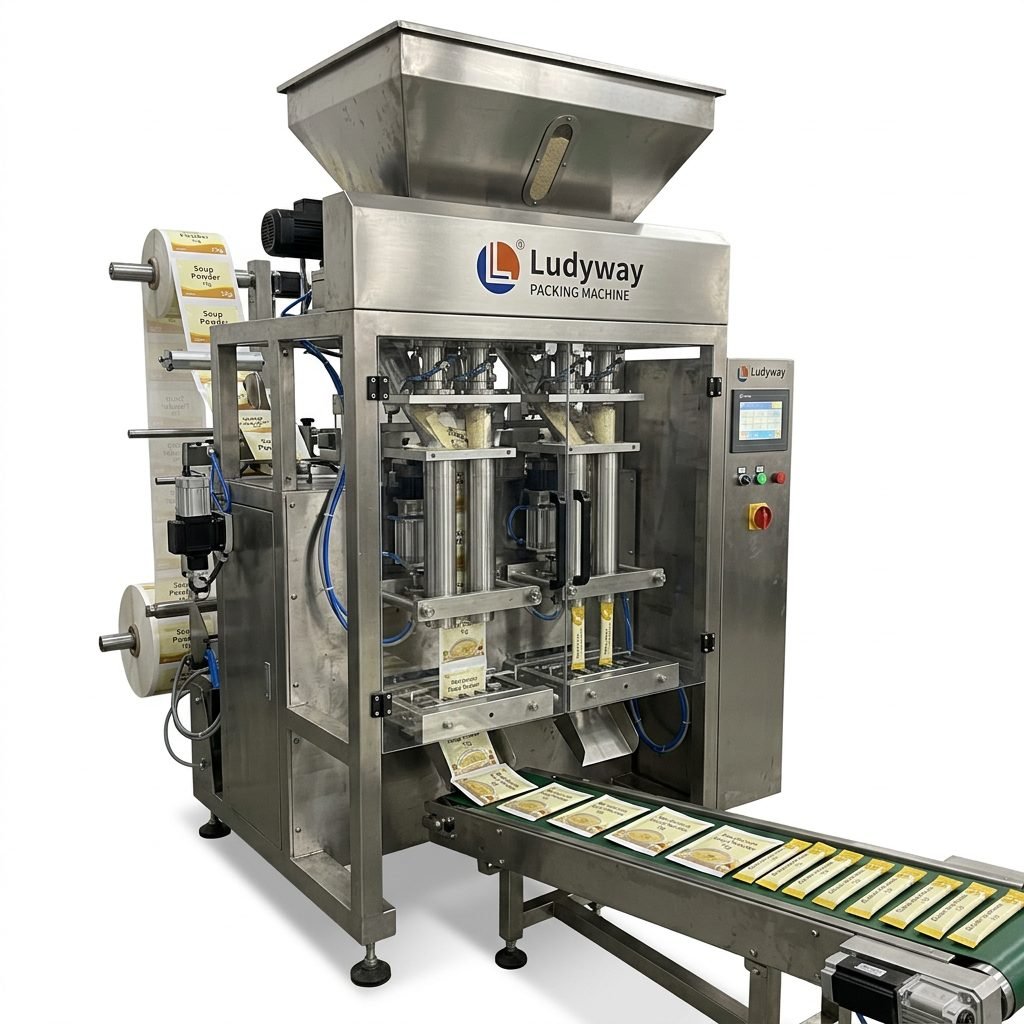
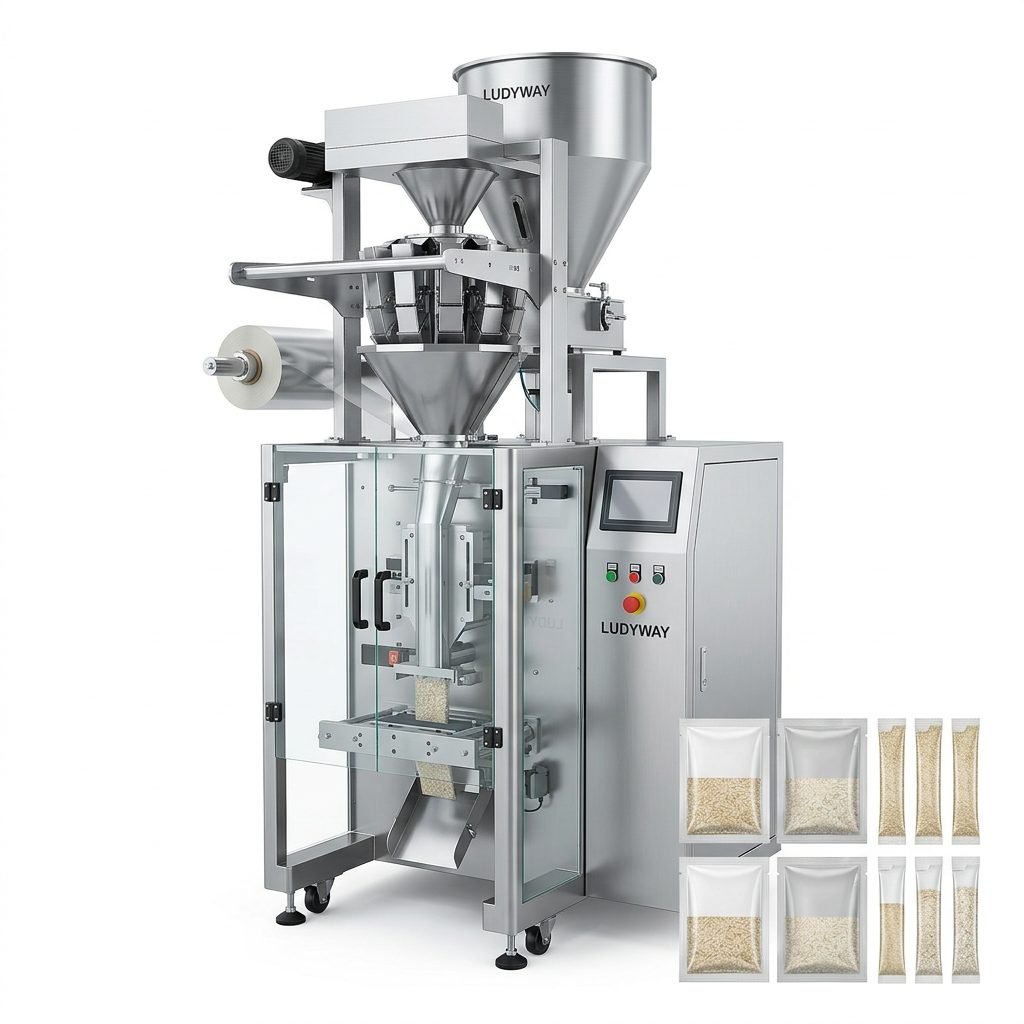
Implementing a vacuum packaging solution goes beyond purchasing hardware. It involves understanding the entire production workflow. A partner with deep industry experience, like Ludyway Machinery, provides invaluable support. With over 30 years of industry experience, such a partner doesn’t just sell a machine; they deliver a solution. This includes feasibility analysis, machine recommendation, installation, operator training, and ongoing technical support. Their expertise in developing more than 50 intelligent packaging machine models ensures they can tailor a system to your exact needs, whether for multi-lane stick packs for single-serve supplements or large pouches for bulk food ingredients.
Beyond the Machine: Value-Added Services
- Customization: Modifying standard equipment to handle unique container shapes or special sealing requirements.
- Spare Parts & Maintenance: Ensuring minimal downtime with readily available parts and proactive service plans.
- Future-Proofing: Offering scalable systems that can grow with your business, protecting your long-term investment.
Common Questions About Vacuum Packaging Machines
1. Can one vacuum machine handle both food and pharmaceutical products?
It is strongly discouraged. Cross-contamination risk and differing hygiene/validation requirements are too high. Dedicated machines for each product category are the industry best practice to ensure safety and compliance.
2. How important is after-sales service when choosing a supplier?
Extremely important. Machine reliability is key, but accessible technical support, training, and spare parts availability are critical for maintaining continuous production. A partner with a global service network offers significant peace of mind.
3. What is the typical payback period for a vacuum packaging machine investment?
The ROI period varies based on volume, labor savings, and reduced product waste. For many manufacturers, reduced spoilage and increased efficiency can lead to a payback period of 12 to 24 months. A detailed cost-benefit analysis with your supplier is essential.
4. What maintenance does a vacuum packaging machine require?
Regular daily cleaning of the sealing bar and chamber, periodic oil changes for pumps, and inspection of gaskets and filters are standard. Your supplier should provide a clear maintenance schedule. Proper upkeep dramatically extends machine life.
5. Can vacuum packaging be used for liquids?
Yes, but it requires specialized equipment. Machines for liquids often have tilted chambers or specific programming to prevent liquid from being drawn into the vacuum pump. The choice of packaging film must also account for the liquid’s properties.