Mattress roll packing machines have become a key part of modern mattress manufacturing and distribution. As demand grows for compressed, rolled, and easy-to-ship mattresses, manufacturers need equipment that can improve packaging speed, reduce labor intensity, protect product quality, and support scalable production. Whether you produce foam mattresses, spring mattresses, hybrid models, or toppers, choosing the right machine can directly affect shipping cost, warehouse efficiency, and customer satisfaction.
What Is a Mattress Roll Packing Machine?
A mattress roll packing machine is specialized equipment designed to compress, fold if needed, vacuum, roll, and pack mattresses into compact packages for storage and transportation. These systems are commonly used in bed-in-a-box production and in factories that ship mattresses through e-commerce, retail, wholesale, or export channels.
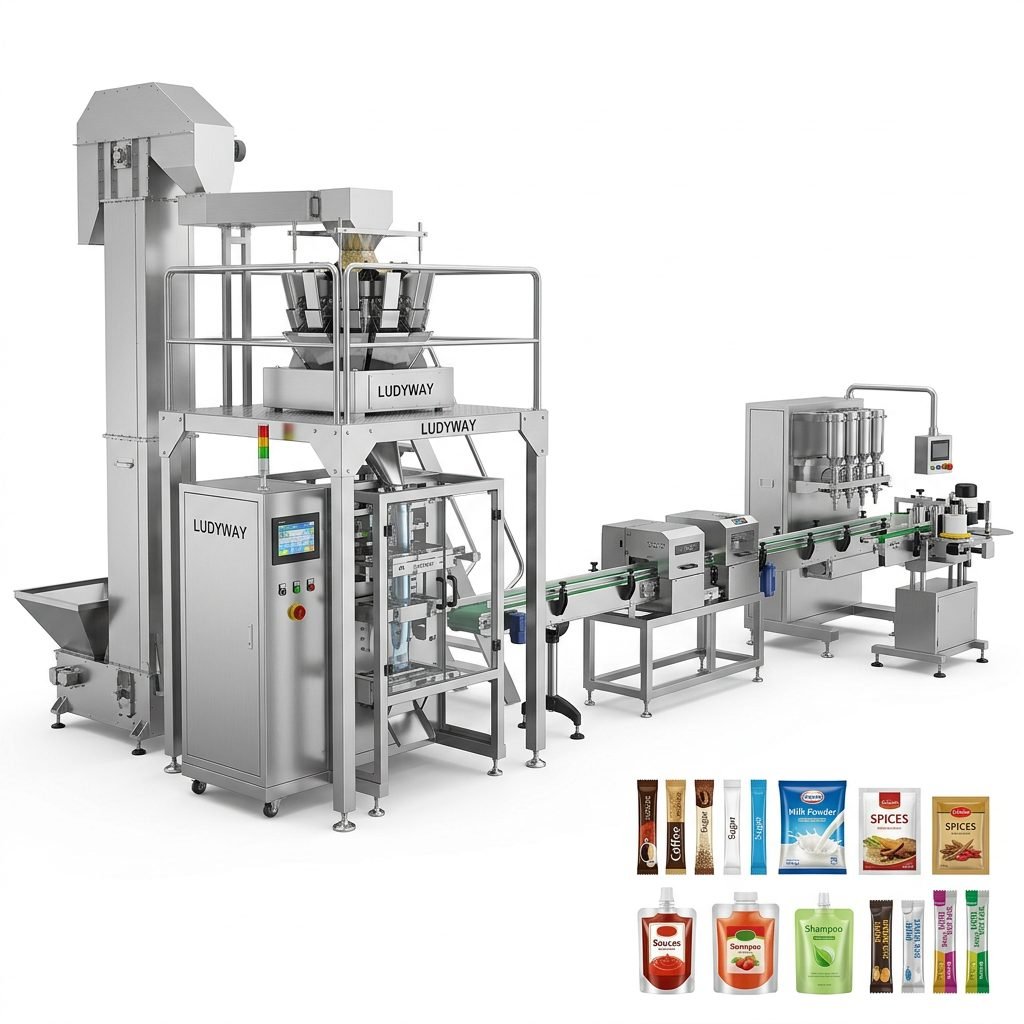
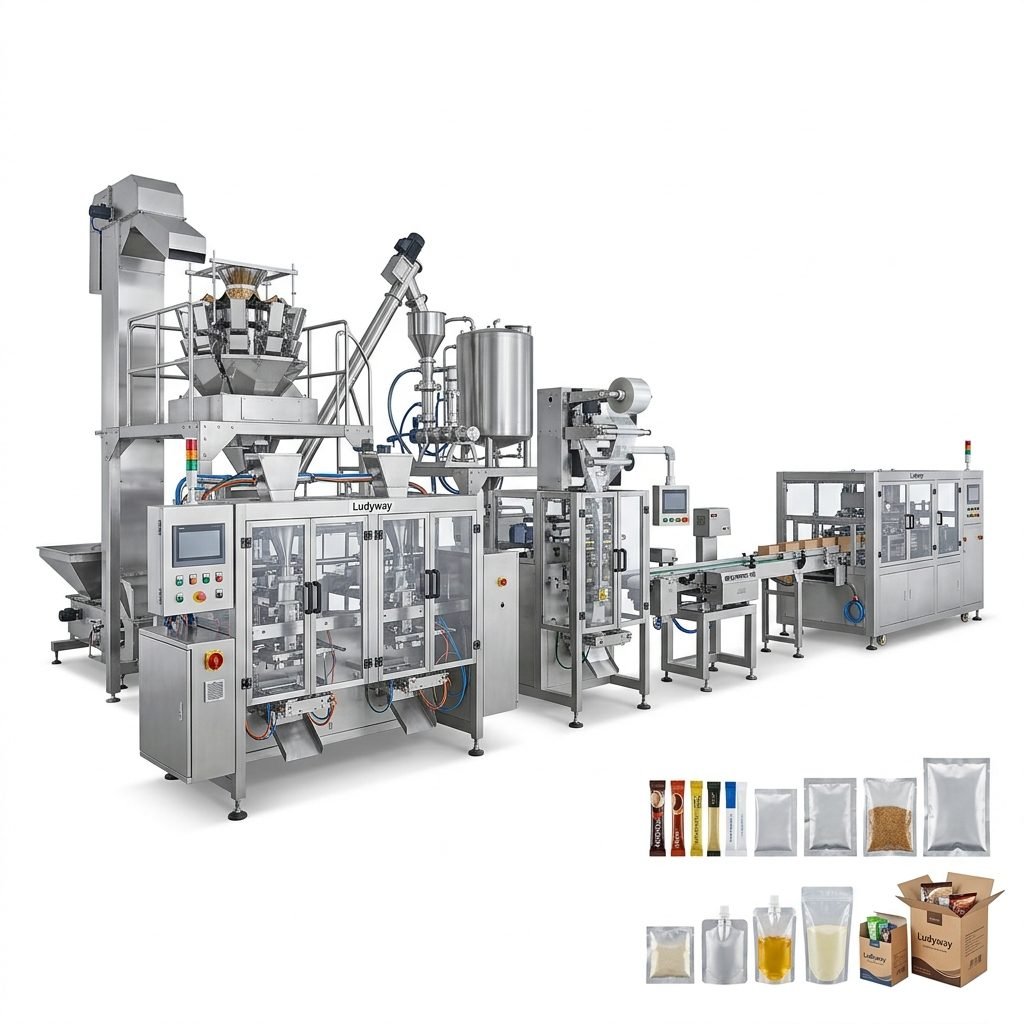
Depending on the mattress structure and packaging target, the machine may work as a standalone unit or as part of a larger automatic line that includes conveyor feeding, pressing, sealing, bagging, rolling, labeling, stacking, and palletizing.
How the Machine Typically Works
- Mattress enters the packaging station by conveyor or manual feeding.
- The mattress is compressed to reduce volume.
- A plastic film or bag wraps and protects the mattress.
- The machine rolls the compressed mattress into a compact cylinder.
- The packed roll is sealed, strapped, labeled, and discharged.
Some advanced models also include automatic centering, servo control, barcode printing, and integration with warehouse systems.
Main Features to Look For
1. High Compression Efficiency
The core value of a mattress roll packing machine lies in its ability to compress bulky products into much smaller packages. Strong and stable compression helps reduce transportation volume while maintaining packaging consistency.
2. Automatic Rolling System
A reliable rolling system ensures that each mattress is packed into a neat, uniform roll. This is especially important for automated warehousing, loading, and retail presentation.
3. Adjustable Parameters
Different mattresses vary in thickness, density, elasticity, and material type. Good machines allow quick adjustment for width, roll diameter, film tension, and compression force.
4. Durable Frame and Stable Structure
Mattress packaging creates heavy mechanical stress. A heavy-duty machine frame, quality hydraulic or servo system, and strong transmission structure are essential for long-term reliability.
5. User-Friendly Control Interface
A touch-screen HMI, recipe storage, alarm prompts, and simple parameter settings can reduce training time and improve daily operation efficiency.
6. Safety Protection
Since mattress packing equipment involves pressure, movement, and rotating components, safety doors, emergency stop buttons, sensors, and overload protection are critical features.
7. Packaging Film Compatibility
The machine should support the packaging materials you plan to use, such as PE film, vacuum bags, or heavy-duty protective wrapping materials.
8. Integration Capability
Many mattress factories want to connect roll packing with upstream and downstream systems. Integration with conveyors, stackers, printers, coding devices, or palletizers can significantly improve automation.
Benefits of Using a Mattress Roll Packing Machine
- Lower shipping costs by reducing package volume
- Improved warehouse utilization with more compact storage
- Higher packaging speed and better production flow
- Reduced manual labor and operator fatigue
- More uniform packaging appearance
- Better protection during handling and transportation
- Greater suitability for e-commerce and direct-to-consumer delivery
- Easier loading, unloading, and container optimization
Who Needs This Equipment?
Mattress roll packing machines are suitable for a wide range of businesses, including:
- Foam mattress manufacturers
- Hybrid mattress producers
- Bed-in-a-box brands
- OEM and private label mattress factories
- Large furniture and bedding exporters
- Warehousing and fulfillment operations with mattress packaging needs
Types of Mattress Roll Packing Machines
| Machine Type | Best For | Key Advantage |
|---|---|---|
| Semi-automatic roll packing machine | Small and medium factories | Lower investment cost |
| Fully automatic roll packing machine | High-volume production lines | Higher speed and lower labor dependence |
| Compression + roll integrated system | Bed-in-a-box operations | Compact packaging and workflow efficiency |
| Turnkey packaging line | Large factories and exporters | Full automation and line integration |
How to Choose the Right Mattress Roll Packing Machine
Understand Your Mattress Type
Start with the product itself. Foam mattresses, memory foam mattresses, latex products, pocket spring models, and hybrid mattresses behave differently during compression and rolling. The machine must match your product characteristics.
Evaluate Your Output Requirements
Consider daily and monthly production targets. If your factory handles high-volume orders, a fully automatic model may provide better long-term value than a semi-automatic solution.
Check Maximum Mattress Size Range
Confirm the machine can handle the mattress lengths, widths, and thicknesses you produce now and may produce in the future. Expansion flexibility matters.
Assess Automation Level
Ask whether you need only rolling and compressing, or a broader line including feeding, bagging, sealing, coding, labeling, and palletizing. A higher automation level can deliver major savings in labor and process consistency.
Review Packaging Material Consumption
Film usage directly affects operating cost. Efficient tension control and precise wrapping can help reduce waste while maintaining package strength.
Focus on Machine Stability
In mattress packaging, downtime is costly. Look for proven machine structure, quality components, and stable control systems rather than focusing only on the purchase price.
Ask About Customization
Some manufacturers need special functions such as extra compression force, different roll diameters, custom conveyor lengths, multilingual interfaces, or integration with MES/ERP systems. Choosing a supplier with customization ability can be a big advantage.
Compare After-Sales Support
Technical support, installation guidance, spare parts availability, training, and remote troubleshooting are all important. A machine is only as valuable as the support behind it.
Key Questions to Ask a Supplier
- What mattress types has this machine been tested on?
- What is the actual packaging speed under normal production conditions?
- What is the maximum mattress thickness before and after compression?
- Can the machine connect with my current conveyor or packaging line?
- What packaging materials are recommended?
- How long does changeover take between mattress sizes?
- What spare parts are included?
- Is remote technical support available?
- Can the machine be customized for my factory layout?
Tip:
If you export mattresses internationally, compact roll packaging can help maximize container loading efficiency and reduce logistics costs significantly.
Common Mistakes Buyers Should Avoid
- Choosing based only on the lowest price
- Ignoring future production growth
- Not testing with actual mattress samples
- Overlooking maintenance requirements
- Underestimating the importance of operator safety
- Buying a machine without confirming packaging material compatibility
Maintenance Considerations
Regular maintenance helps extend machine life and reduce unexpected downtime. A practical maintenance routine usually includes:
- Checking hydraulic or servo system performance
- Inspecting rollers, belts, seals, and moving parts
- Cleaning sensors and control panels
- Monitoring film feed and tension systems
- Lubricating mechanical components as recommended
- Replacing wear parts before failure affects production
Why Turnkey Packaging Integration Matters
For growing factories, a mattress roll packing machine can be even more valuable when combined with broader automation. Instead of isolated packaging steps, integrated systems improve process continuity, reduce product handling, and create more predictable output.
Companies looking for automated equipment and full-line planning often prefer experienced suppliers with strong engineering capability. Mattress roll packing machine solution support from Ludyway can be especially relevant for buyers seeking scalable packaging automation, customization options, and turnkey line integration experience.
Quick Comparison Checklist
| Selection Factor | What to Confirm |
|---|---|
| Mattress compatibility | Foam, spring, hybrid, topper, thickness range |
| Capacity | Units per hour, peak production, shift planning |
| Automation level | Manual, semi-auto, fully automatic, turnkey line |
| Machine durability | Frame, controls, key component brands |
| Film and packaging materials | Compatibility, consumption, sealing quality |
| Support service | Training, spare parts, remote assistance, installation |
| Customization | Layout fit, conveyor design, software options |
Final Buying Insight
The right mattress roll packing machine should do more than compress and roll. It should fit your product type, production capacity, packaging goals, and long-term growth strategy. A well-selected machine can help you lower logistics costs, improve workflow, protect product quality, and build a stronger competitive position in the mattress market.
Before making a decision, it is best to compare machine configurations carefully, test with real mattress samples, review after-sales capability, and choose a supplier that understands both equipment performance and line-level automation planning.