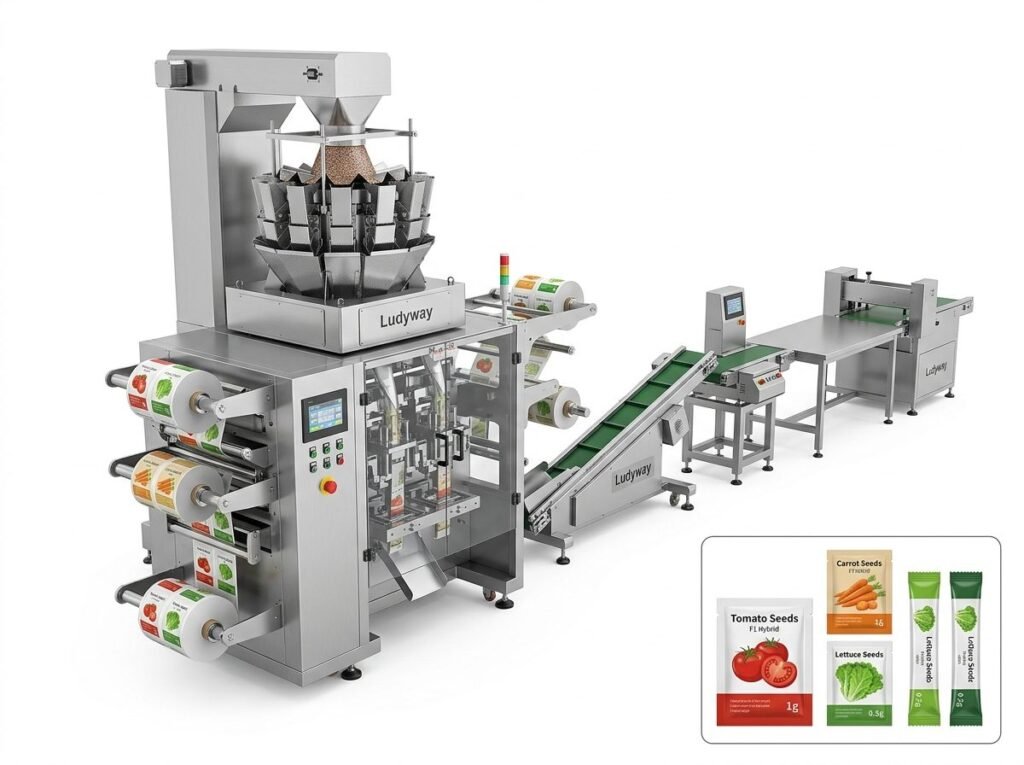
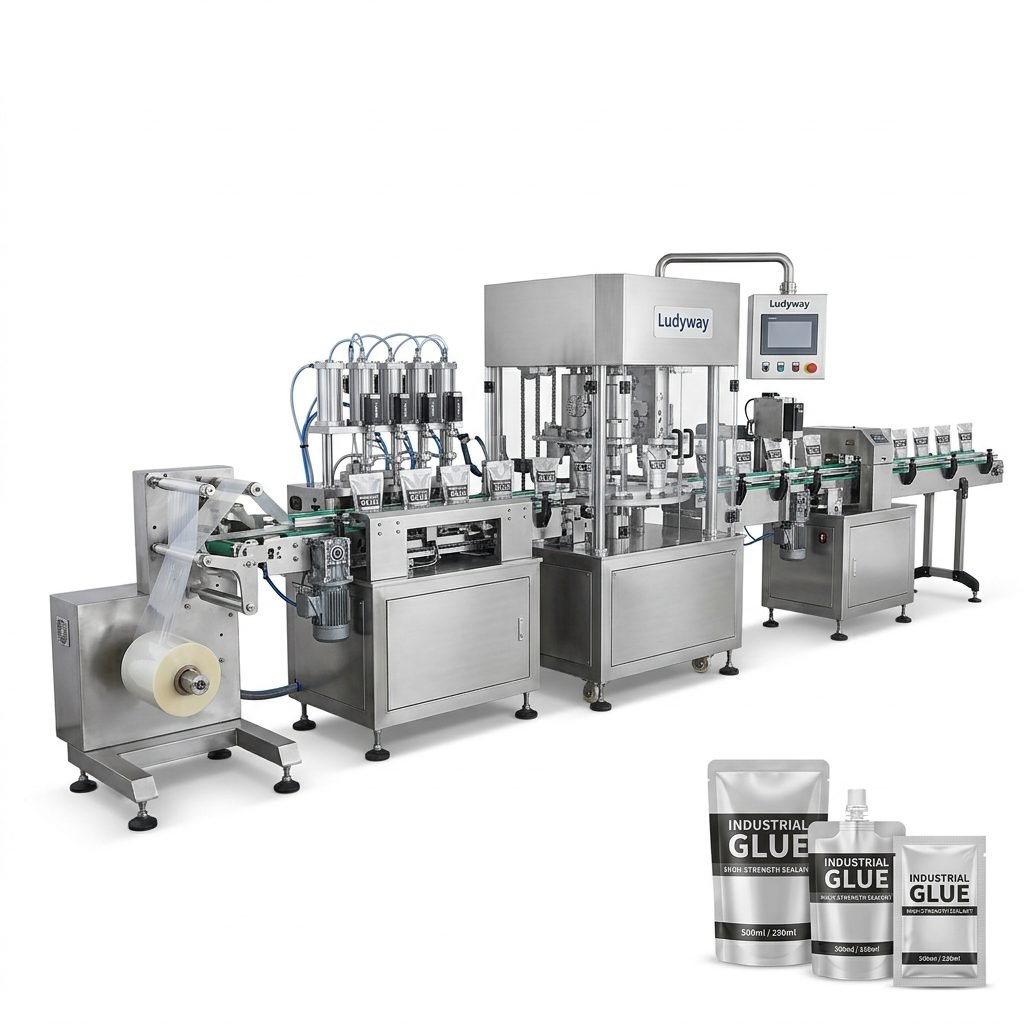
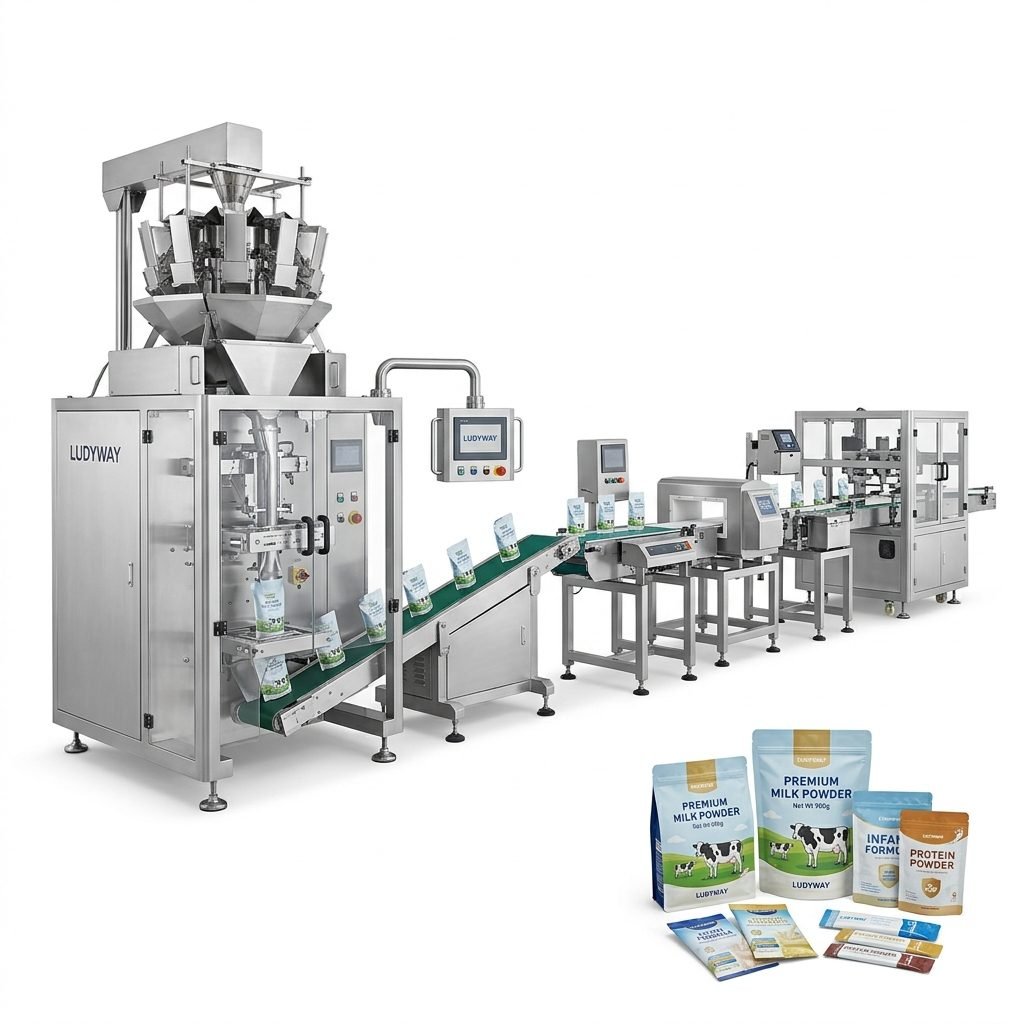
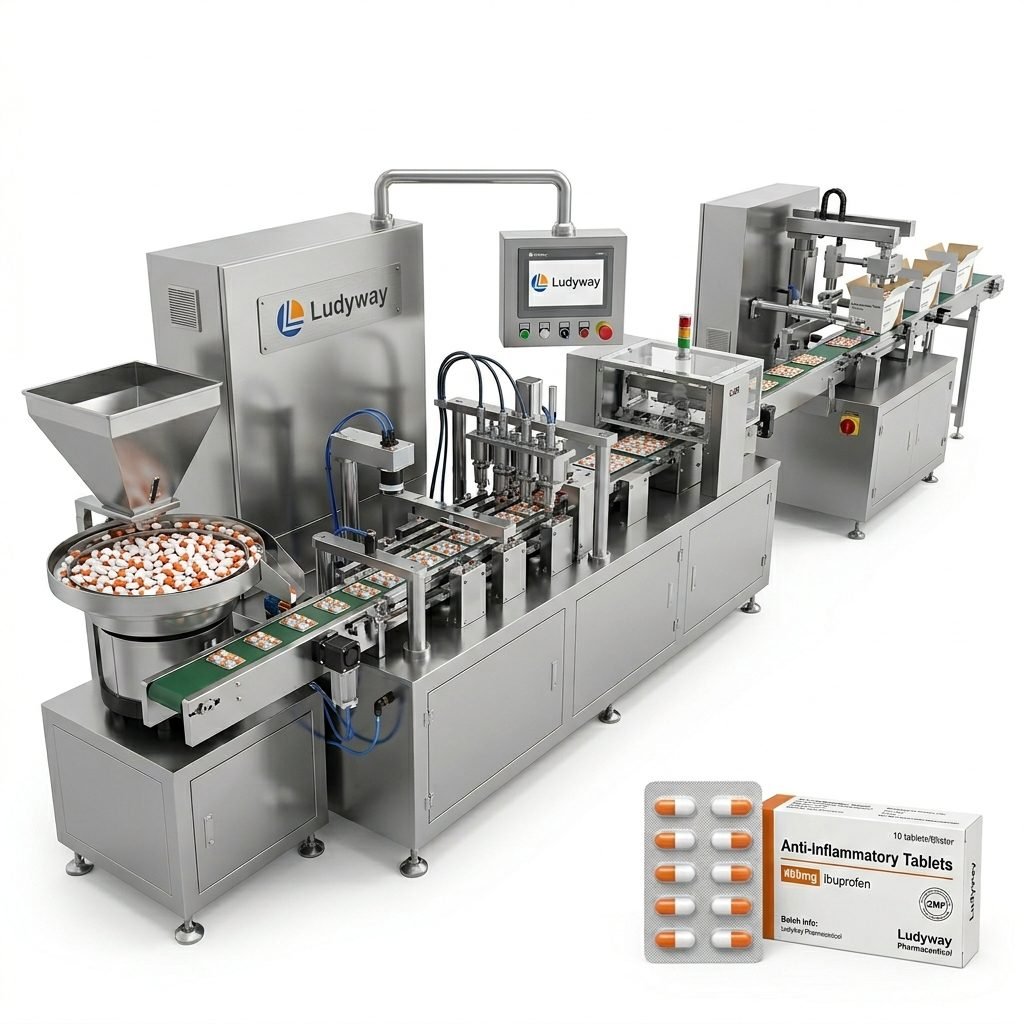
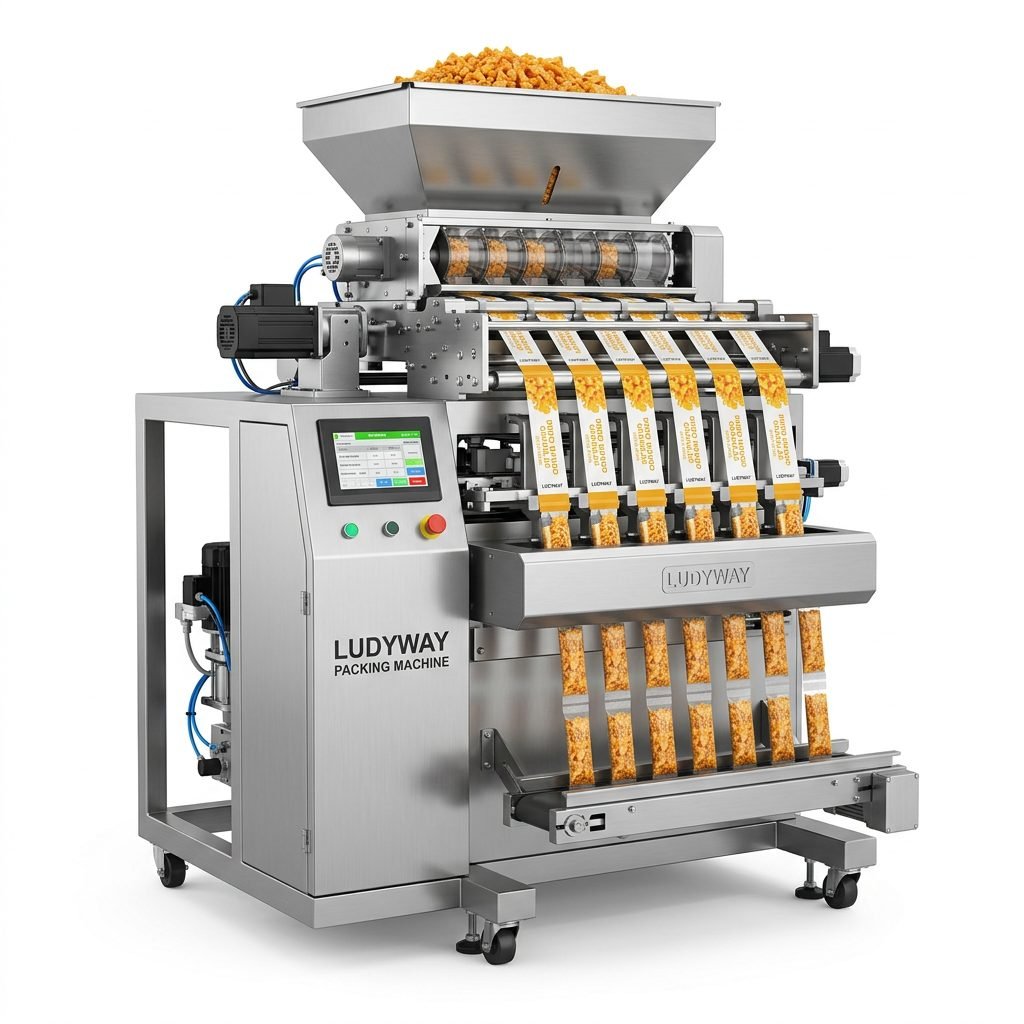
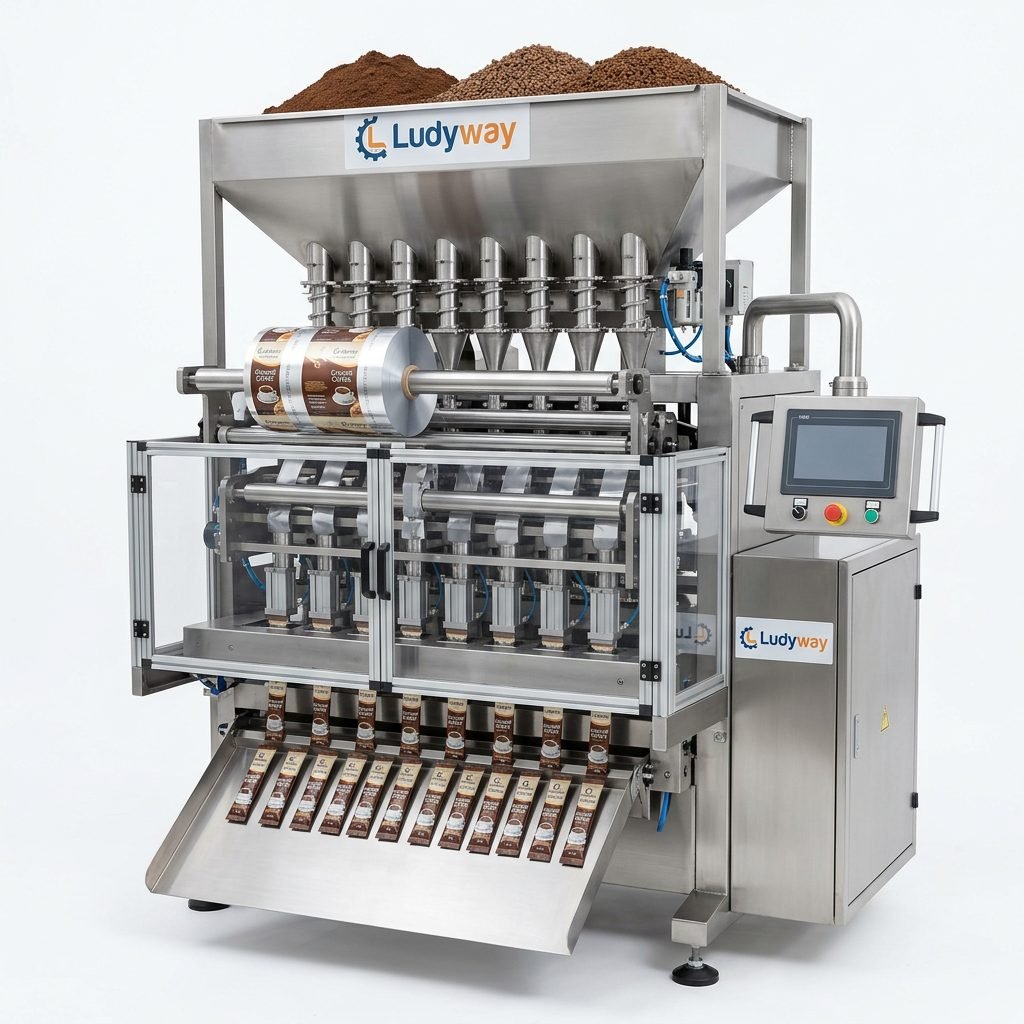
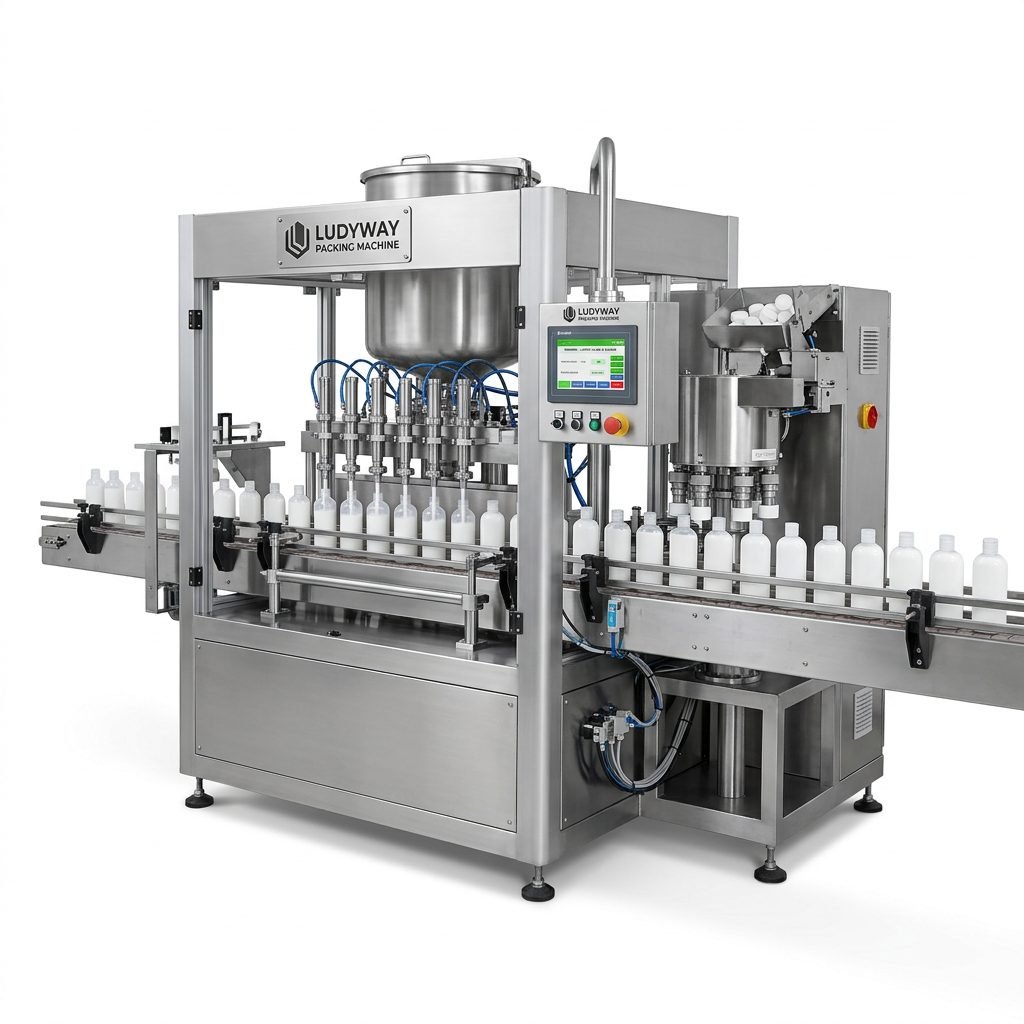
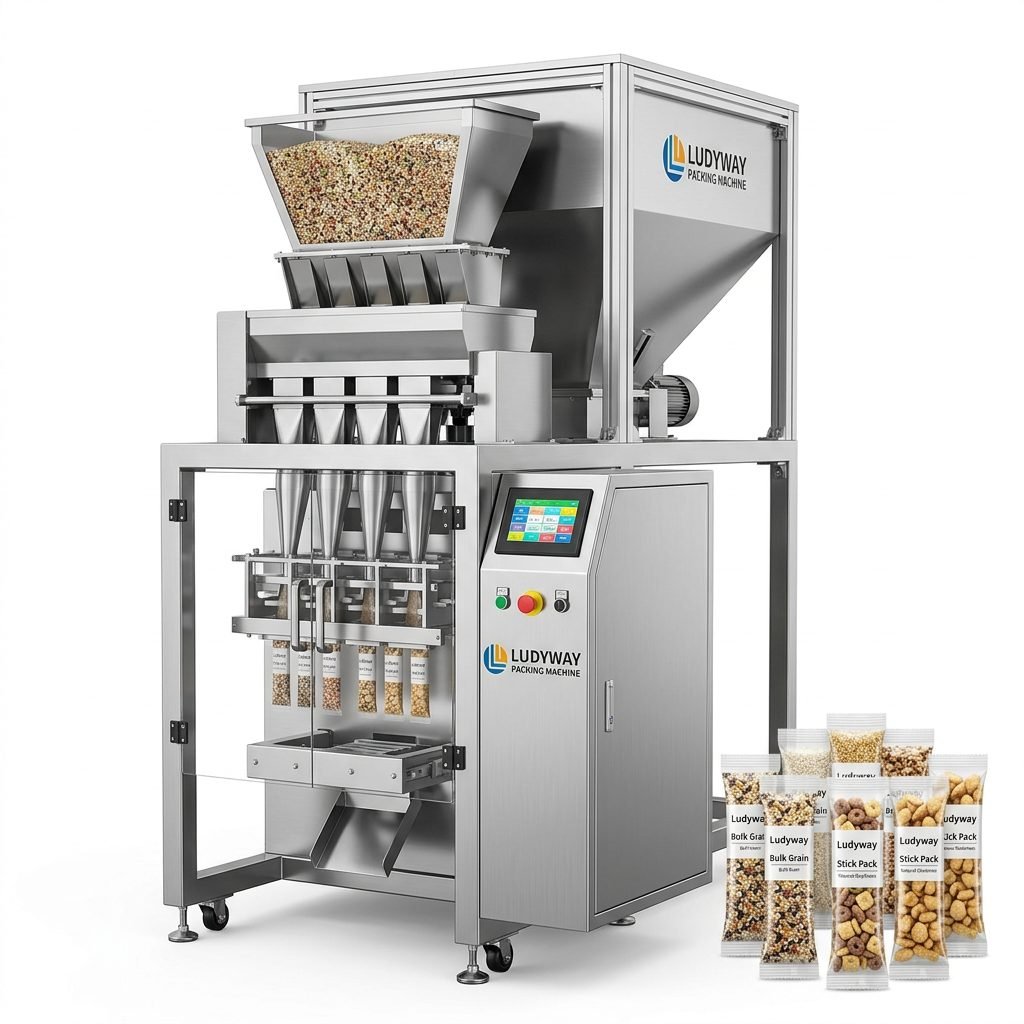
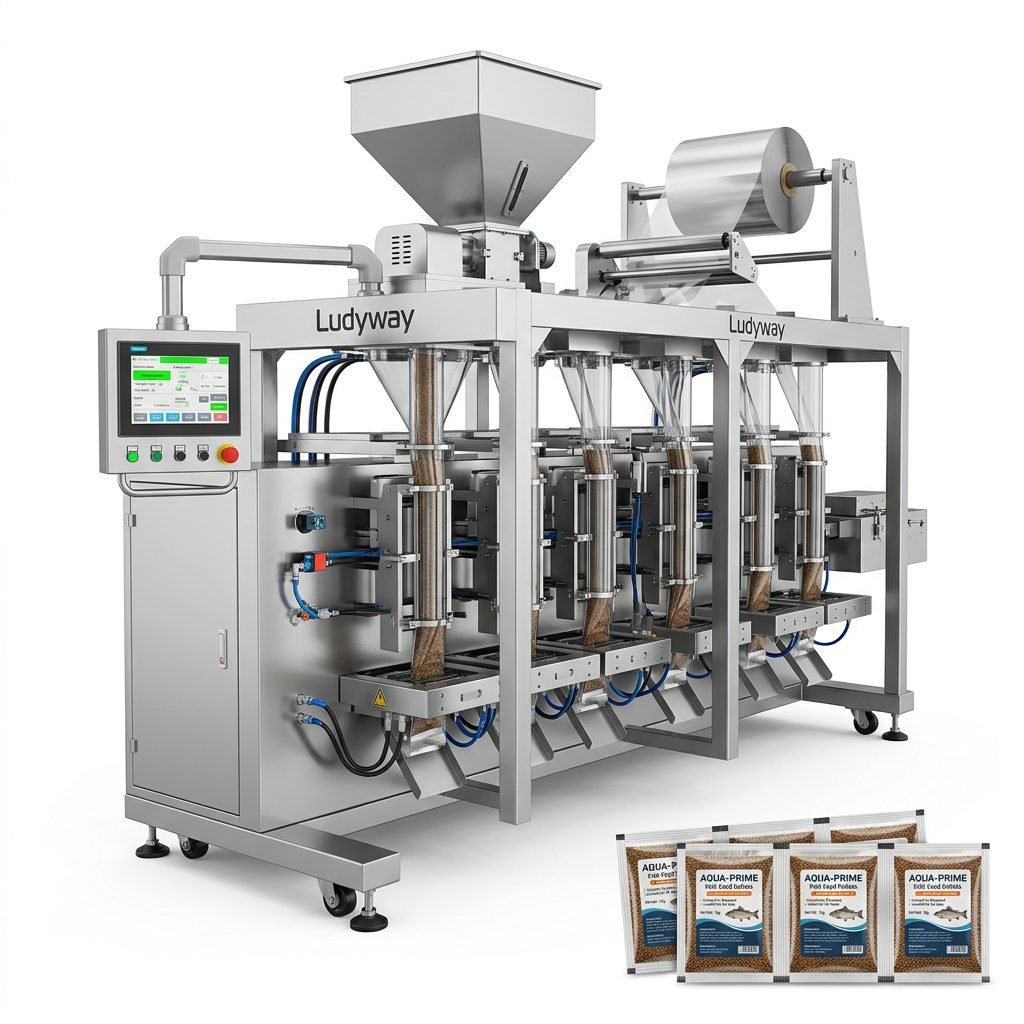
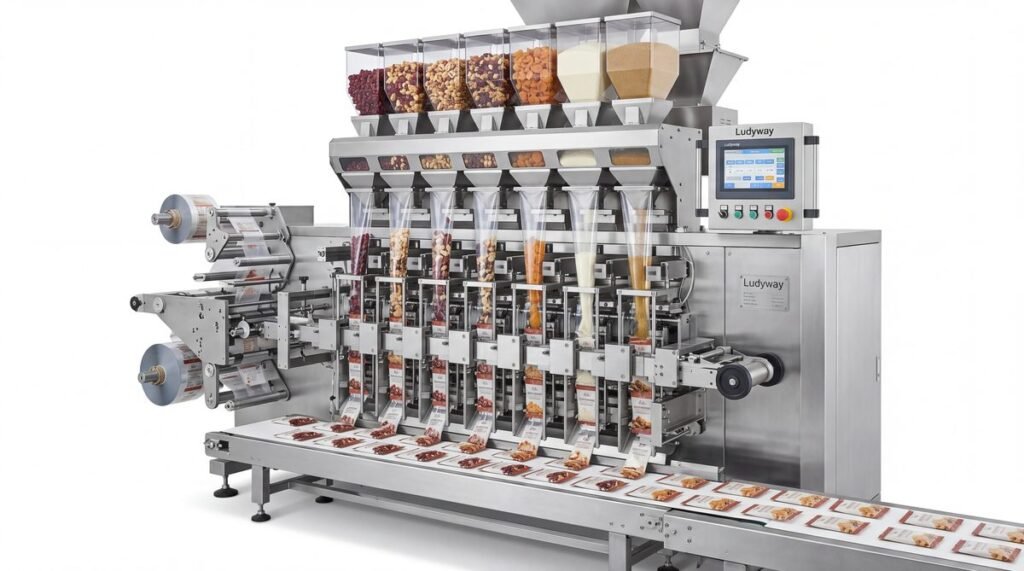
In the fast-paced world of manufacturing, packaging equipment is the backbone of production lines. Ensuring this machinery operates at peak efficiency requires a comprehensive support strategy encompassing essential services, proactive maintenance, and effective troubleshooting. This guide delves into the critical aspects of packaging equipment support, providing actionable insights to maximize uptime, extend equipment lifespan, and safeguard your product quality and output.
Essential Support Services for Optimal Performance
A robust support framework is not an afterthought; it’s a fundamental component of your packaging operation’s success. Key services include:
Installation & Commissioning
Professional installation is the first critical step. Expert technicians ensure the machine is correctly calibrated, integrated with your production line, and operating to the manufacturer’s specifications. Proper commissioning verifies all functions and sets the baseline for future performance.
Operator & Technician Training
Empowering your team with knowledge is crucial. Comprehensive training programs for operators and maintenance staff cover safe operation, routine adjustments, basic troubleshooting, and changeover procedures. A well-trained team can prevent many common issues and respond effectively to minor faults.
Technical Support & Remote Diagnostics
Access to prompt technical support is invaluable. Many modern machines offer remote diagnostics, allowing support engineers to connect securely, analyze error logs, and guide on-site personnel through complex issues, dramatically reducing downtime.
Spare Parts & Consumables Supply
A reliable supply chain for genuine spare parts and consumables (like sealing jaws, cutters, and filters) is non-negotiable. Using OEM parts ensures compatibility, maintains machine warranties, and guarantees performance and safety standards.
Proactive Maintenance: Your First Line of Defense
Regular maintenance is the most effective way to avoid unexpected breakdowns. A proactive schedule should include daily, weekly, monthly, and annual tasks.
Daily & Weekly Checks
• Cleanliness: Remove product dust, debris, and residual film from sealing jaws, forming tubes, and moving parts. Buildup can cause overheating and sealing defects.
• Lubrication: Apply lubricant to designated points as per the manual. Avoid over-lubrication, which can attract dust.
• Visual Inspection: Check for loose bolts, worn belts, damaged hoses, and signs of leakage (air, oil, product).
Scheduled Preventive Maintenance (PM)
A formal PM program conducted by trained technicians or service partners should involve:
- Calibrating sensors (photoelectric, proximity) and weighing systems.
- Inspecting and replacing worn mechanical components like bearings, seals, and guides.
- Checking electrical connections, contactors, and safety circuits for integrity.
- Verifying pneumatic system pressure and checking for leaks in airlines and valves.
- Testing and validating machine safety features and emergency stops.
Common Troubleshooting Guide
When issues arise, a systematic approach is key. Always consult your machine’s manual first and follow lock-out/tag-out procedures before any intervention.
Problem: Poor or Inconsistent Seals
Possible Causes & Solutions:
- Temperature: Sealing jaws may be too hot or too cold. Verify and recalibrate temperature settings. Clean jaw surfaces of residue.
- Pressure: Insufficient sealing pressure. Check pneumatic pressure gauge and adjust regulator. Inspect pneumatic cylinders for leaks.
- Dwell Time: Sealing time may be too short for the film material. Adjust the timing in the control panel.
- Film Material: Incompatible packaging film. Ensure you are using the correct type (e.g., laminates vs. monolayers) and gauge specified for the machine.
Problem: Inaccurate Filling / Dosing
Possible Causes & Solutions:
- Product Characteristics: Changes in product density, flowability, or moisture content can affect volumetric or auger fillers. Re-calibrate for the current product batch.
- Mechanical Wear: Worn auger flights, piston seals, or funnel surfaces. Inspect and replace worn components.
- Sensor Issues: Faulty load cells on weigh-fillers or blocked photoelectric sensors. Clean sensors and check calibration.
- Vibration: External vibrations from nearby equipment can disrupt weighing systems. Isolate the machine or dampen vibrations.
Problem: Film Feeding & Tracking Issues
Possible Causes & Solutions:
- Misaligned Roll: The film roll is not mounted squarely on the unwind shaft. Re-mount the roll ensuring it is centered and rolls freely.
- Tension Problems: Incorrect brake or clutch tension. Adjust the tension control to ensure smooth, consistent film pull without stretching or sagging.
- Guide Alignment: Misaligned film guides or dancer rollers. Realign so the film travels straight into the forming box.
- Static Electricity: Can cause film to cling and misfeed. Install an anti-static bar or increase ambient humidity.
Problem: Frequent Machine Stops or Fault Alarms
Possible Causes & Solutions:
- Safety Interlocks: A guard door may be ajar or a safety sensor misaligned. Check all safety switches and reset if necessary.
- Product Jams: Clear any jammed product in the filling area, discharge chute, or cutting mechanism.
- Low Air Pressure: System air pressure below the required minimum. Check main supply and machine regulator.
- Electrical Faults: Loose connections, overheated motor, or tripped breaker. Inspect electrical panel (power off) and reset if safe to do so.
Building a Partnership with Your Supplier
Your relationship with your equipment supplier, like Ludyway Packing Machine, is a strategic asset. A partner with deep industry experience provides more than just a machine; they offer peace of mind. Look for a supplier that provides comprehensive after-sales support, readily available spare parts, and has a proven track record. For instance, a company with over 30 years of collective industry experience brings invaluable practical knowledge to solve complex, real-world packaging challenges. Their expertise in developing over 50 intelligent packaging machine models translates into a deeper understanding of different applications and potential failure points, enabling them to offer superior guidance on maintenance and troubleshooting tailored to your specific operation.
Conclusion
Effective packaging equipment support is a multi-faceted discipline combining scheduled services, diligent maintenance, and knowledgeable troubleshooting. By investing in a proactive support plan and fostering a strong partnership with a reliable supplier, you protect your capital investment, ensure consistent product quality, and maintain the smooth, profitable flow of your production line. Remember, the goal is not just to fix problems, but to prevent them from happening in the first place.
Frequently Asked Questions (FAQs)
1. How often should I schedule professional preventive maintenance for my packaging machine?
The frequency depends on usage (hours per day, days per week) and the product being packaged (abrasive powders vs. dry granules). A general guideline is a minor service every 3-6 months and a major overhaul annually. Always follow the intervals recommended in your machine’s manual and adjust based on your operational intensity.
2. Can I use non-OEM spare parts to save money?
It is strongly discouraged. Non-genuine parts may not meet precise engineering tolerances, leading to premature wear, improper function, or even safety risks. Using them can also void your machine’s warranty. OEM parts are designed and tested for optimal compatibility and longevity, protecting your machine’s performance and your investment.
3. What is the most common cause of packaging machine failure that I can easily prevent?
Lack of cleanliness is a leading preventable cause. Accumulated product dust, grease, and film residue can jam mechanisms, cause sensors to fail, and lead to poor heat transfer on sealing jaws. Implementing a strict daily cleaning routine is the simplest and most effective maintenance task any operator can perform.
4. What should I look for when choosing a packaging equipment supplier for long-term support?
Prioritize suppliers with a documented history of reliable after-sales service, readily available technical documentation and training programs, and a global network or responsive remote support. Evaluate their commitment to innovation and their ability to provide customized solutions, as this indicates a deeper level of engineering support available when you need it.
5. My machine is running but packages are inconsistently filled. Where should I start troubleshooting?
Begin with the product itself. Has the batch’s characteristics changed? Then, move to the filling mechanism: check for worn components (auger, piston), verify calibration settings, and ensure there is no vibration affecting weigh cells. Finally, inspect all product path sensors for cleanliness and proper alignment. A systematic check from product input to discharge will usually identify the culprit.