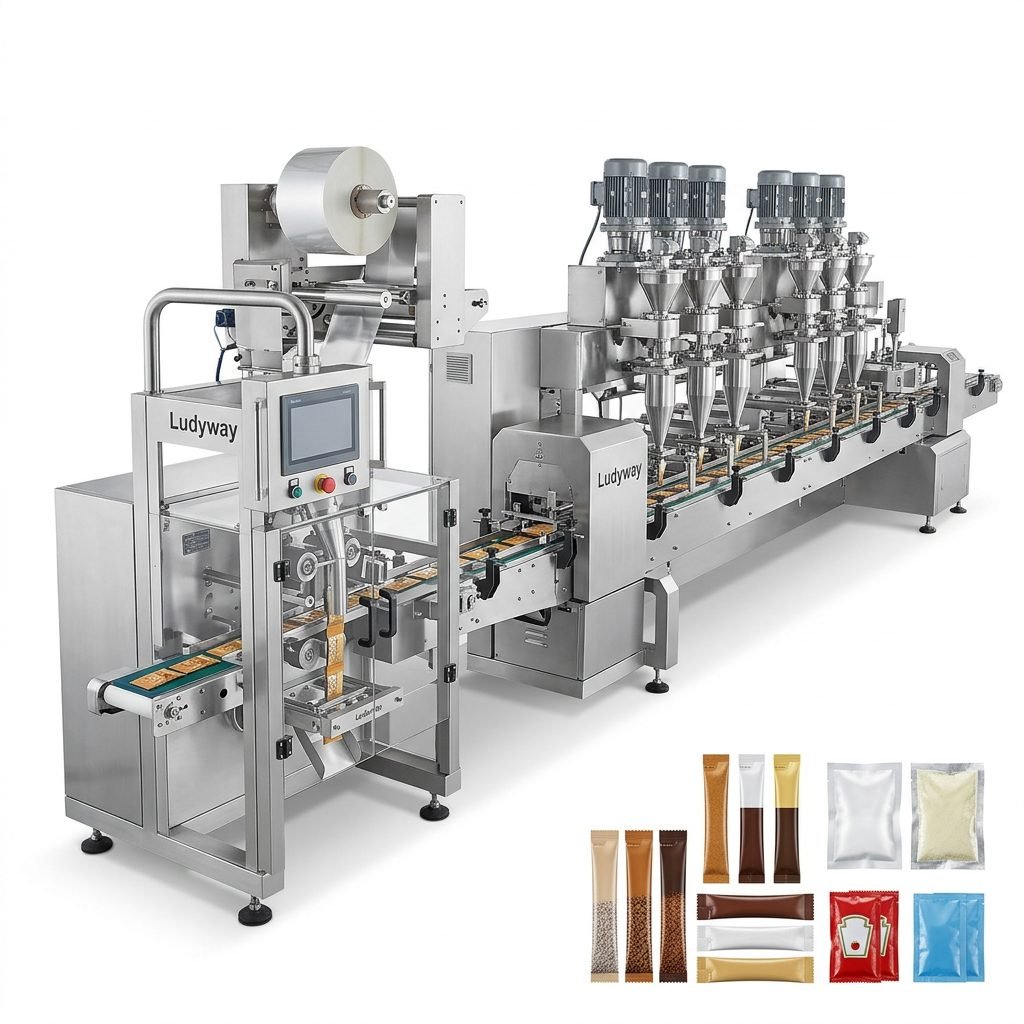
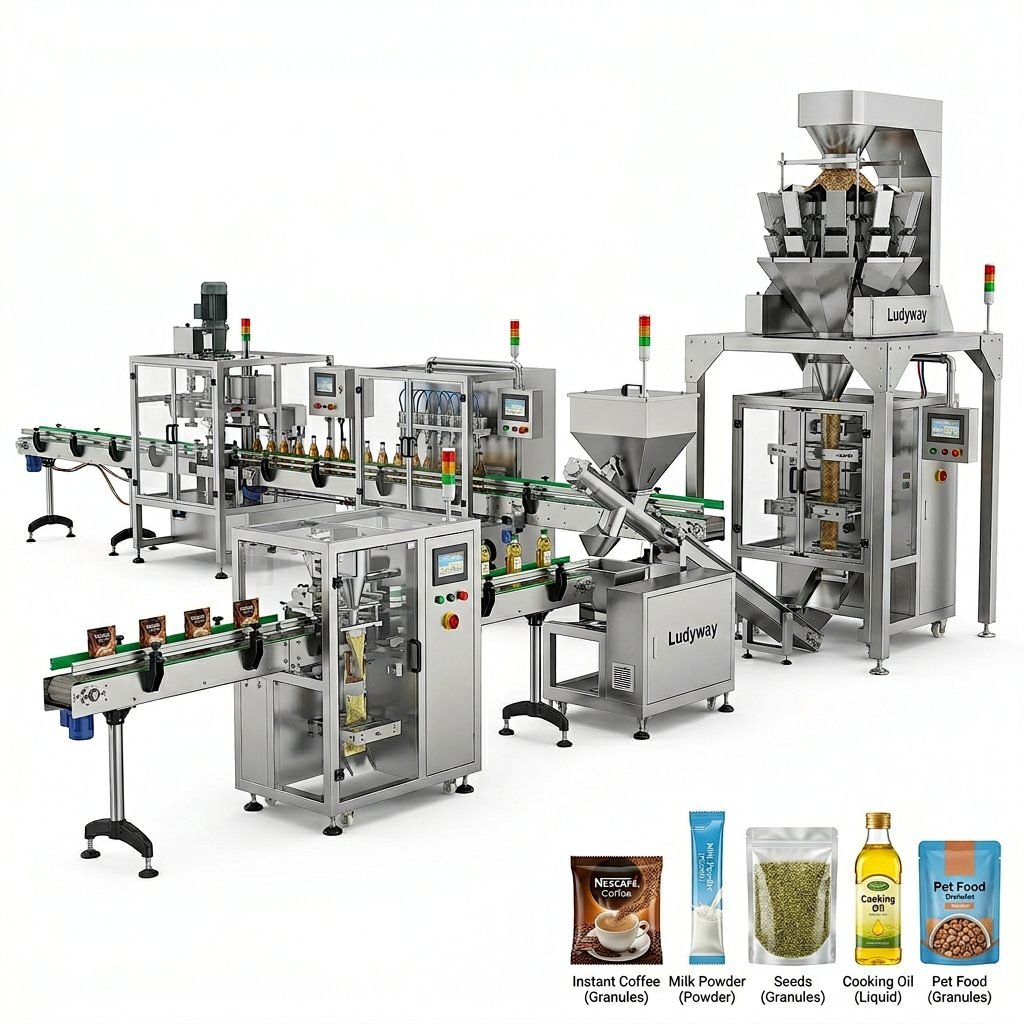
Retort pouch packaging has become one of the most effective solutions for producers that need long shelf life, food safety, product freshness, and high packaging efficiency. For ready meals, soups, sauces, pet food, baby food, and other heat-processed products, a retort pouch packaging machine helps manufacturers combine flexible packaging with reliable sterilization performance.
This guide explains how retort pouch packaging machines work, what components matter most, how to choose the right system, and why they are widely used in modern sterile food packaging lines.
What Is a Retort Pouch Packaging Machine?
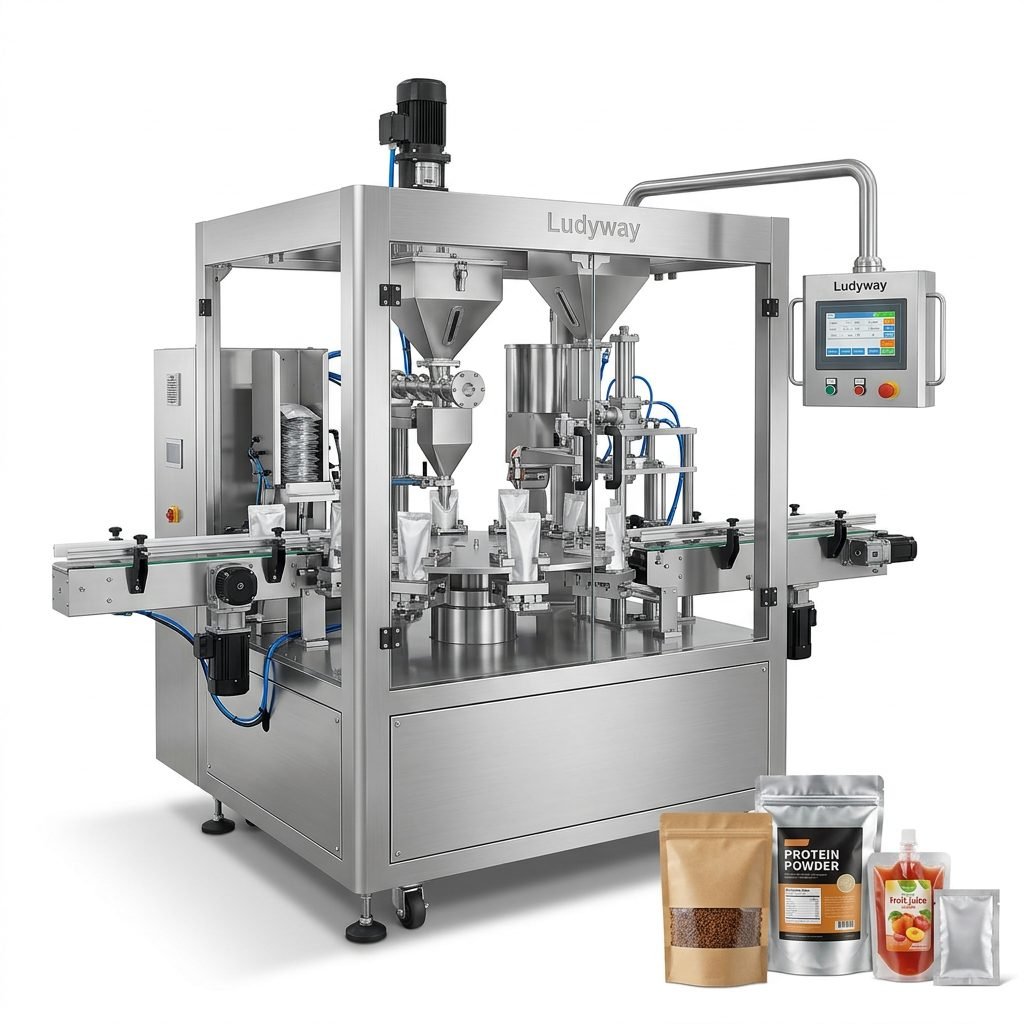
A retort pouch packaging machine is an automated system used to fill, seal, and prepare heat-resistant pouches for thermal sterilization. After filling and sealing, the pouches are processed in a retort sterilizer using high temperature and pressure to eliminate harmful microorganisms while preserving product quality.
These machines are commonly used for:
- Ready-to-eat meals
- Curry, soup, and sauces
- Meat and seafood products
- Rice and grain dishes
- Baby food
- Pet food and wet treats
- Functional nutrition products
Why Retort Pouches Are Popular in Food Packaging
Compared with cans, jars, or rigid trays, retort pouches offer a more flexible and cost-efficient format. They are lightweight, easy to ship, visually attractive on shelves, and suitable for high-volume automated production.
| Benefit | Why It Matters |
|---|---|
| Long shelf life | Supports ambient storage after proper sterilization |
| Lower logistics cost | Lighter than cans and glass containers |
| Consumer convenience | Easy-open, portable, and suitable for reheating |
| Brand presentation | Large printable surface for product marketing |
| Production efficiency | Works well with automatic filling, sealing, and packing lines |
How a Retort Pouch Packaging Line Works
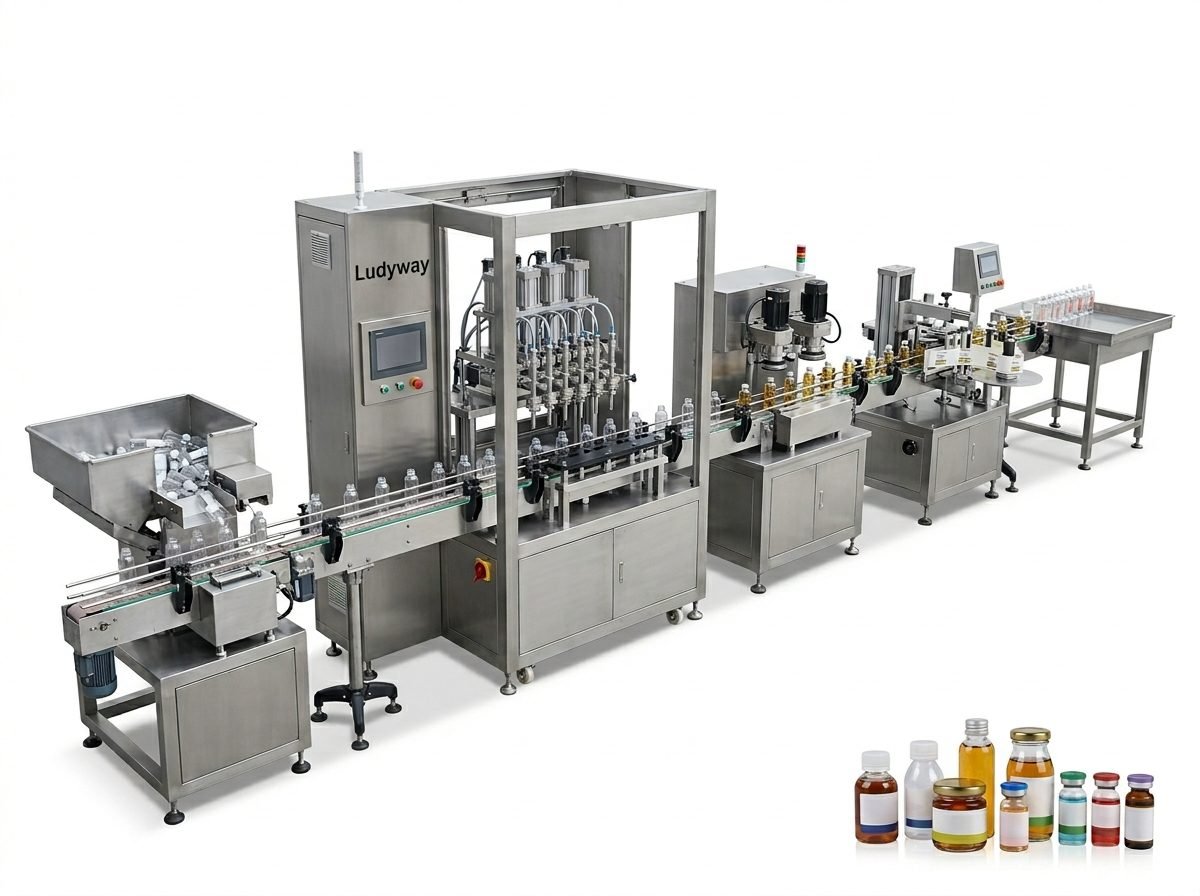
A complete retort pouch packaging line usually includes pouch feeding, opening, filling, sealing, inspection, retort sterilization, drying, and secondary packaging. The exact layout depends on the product type, pouch format, and required output.
Typical process flow
- Pouches are automatically loaded into the machine.
- The machine opens each pouch accurately.
- Product is filled by liquid, paste, granule, or mixed-material dosing systems.
- Air is reduced or removed when required.
- The pouch is heat sealed with controlled temperature and pressure.
- Seal integrity is checked.
- Filled pouches enter the retort sterilizer.
- After sterilization, pouches are cooled, dried, inspected, and packed.
Main Types of Retort Pouch Packaging Machines
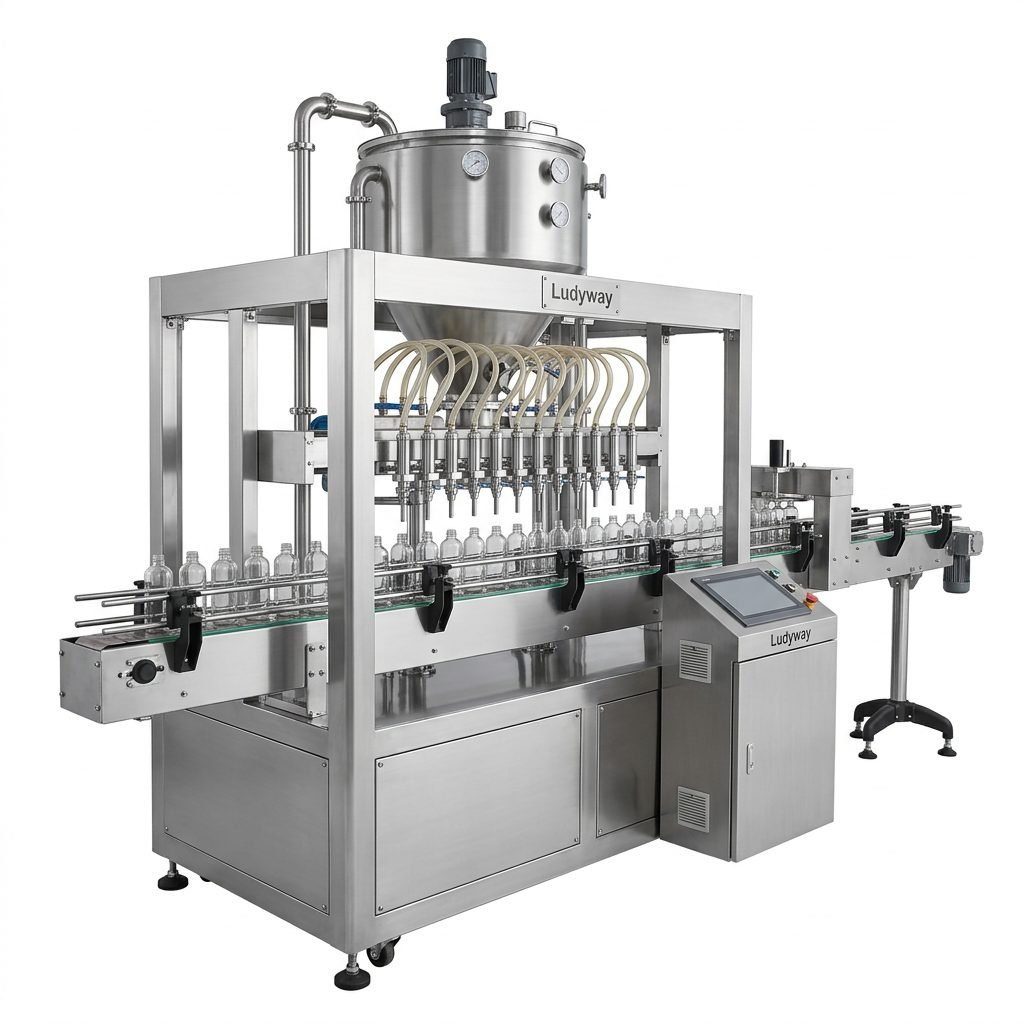
1. Premade pouch filling and sealing machines
These machines use preformed pouches supplied in stacks or magazines. They are ideal for stand-up pouches, flat pouches, zipper pouches, and special-shaped retort pouches. They are popular because of their flexibility and attractive finished appearance.
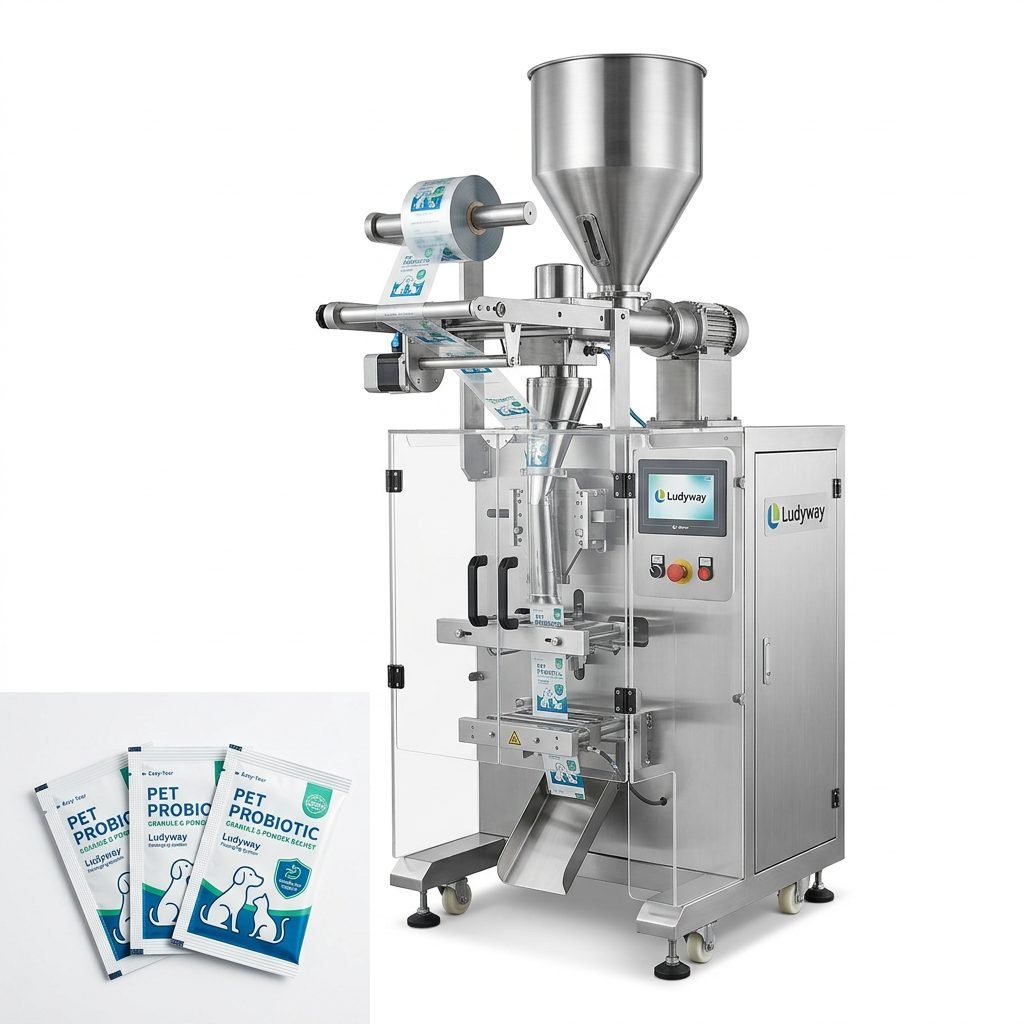
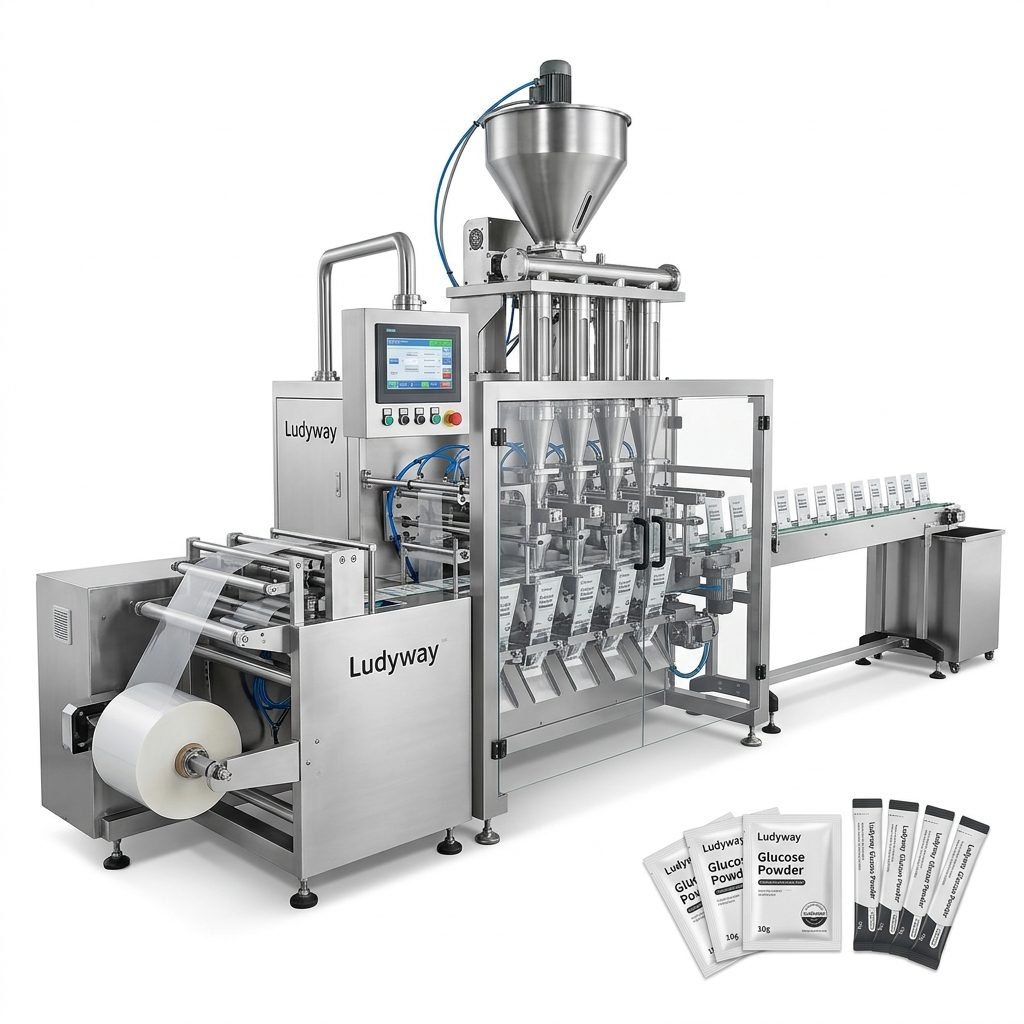
2. Form-fill-seal systems
These systems form pouches from roll film, then fill and seal them inline. They can reduce packaging material costs and improve speed for specific product formats, though retort compatibility depends on film structure and sealing precision.
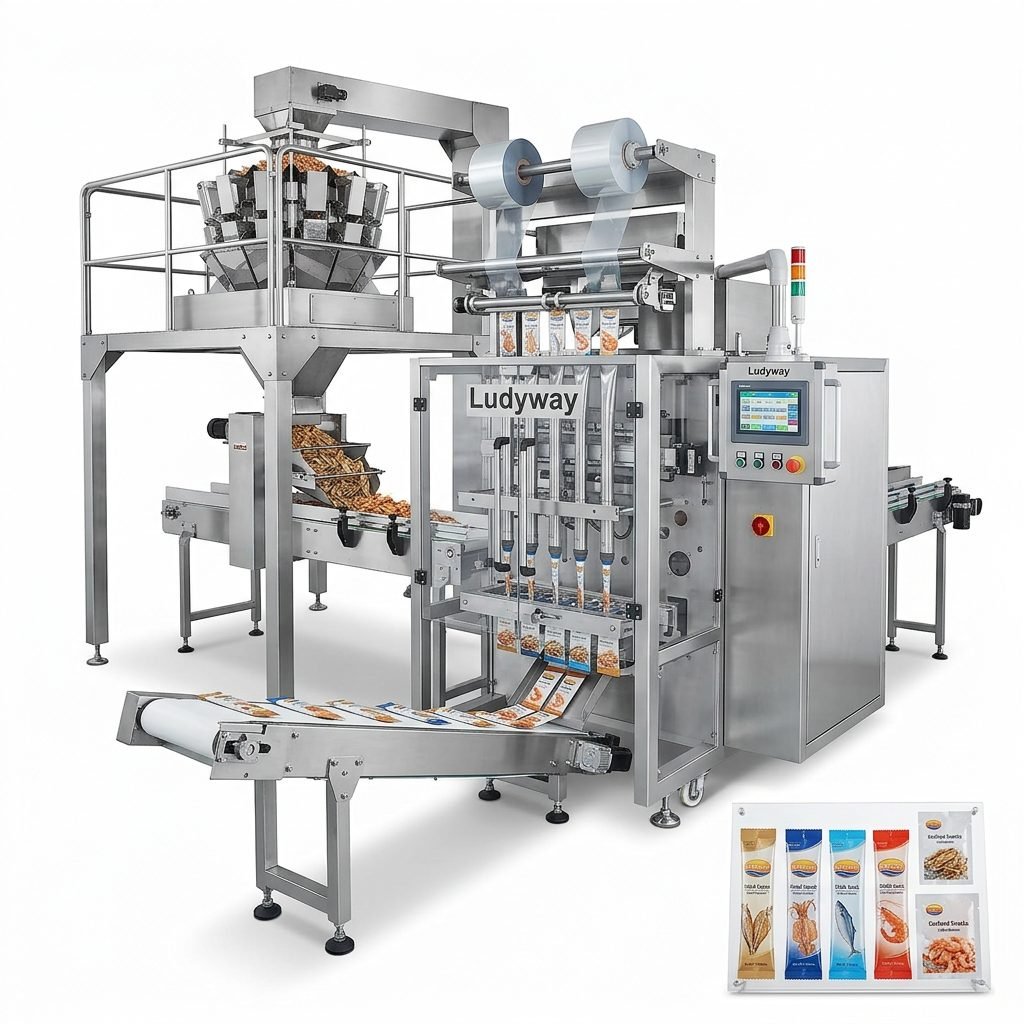
3. Multi-head or multi-component filling lines
For meals with solids and liquids, such as rice with curry or meat with sauce, these lines combine multiple dosing units. They ensure each pouch receives the right ratio of ingredients before sterilization.
Key Machine Components to Evaluate
Choosing the right retort pouch packaging machine means looking beyond speed alone. The best system should support accurate filling, stable sealing, hygienic construction, and compatibility with retort processing.
- Pouch feeding system: Ensures reliable loading without pouch damage
- Pouch opening device: Improves opening accuracy for high-speed operation
- Filling system: Can be piston, pump, auger, weigher, or combined dosing
- Sealing station: Critical for hermetic seals before retort sterilization
- Vacuum or steam flushing: Helps reduce residual air in selected applications
- CIP-friendly design: Important for hygiene and easier cleaning
- Control system: Touchscreen HMI, recipe storage, alarms, and production data management
Products Suitable for Retort Pouch Packaging
| Product Category | Common Fill Type | Packaging Note |
|---|---|---|
| Soups and broths | Liquid | Requires strong seal stability during heating |
| Sauces and condiments | Liquid or paste | Accurate dosing and anti-drip filling are important |
| Ready meals | Solid + sauce | Often needs multi-head filling configuration |
| Meat and seafood | Chunk + gravy | Retort process validation is essential |
| Baby food | Puree or paste | Needs high hygiene and precision control |
| Wet pet food | Chunks, gravy, paste | High-speed lines can improve output significantly |
What Makes a Pouch Retort-Compatible?
Not every pouch can withstand retort sterilization. Retort pouches are typically made from multilayer structures designed to resist heat, pressure, and moisture while maintaining seal integrity.
Important pouch characteristics
- High heat resistance
- Strong barrier performance against oxygen and moisture
- Reliable seal layer compatibility
- Puncture resistance for products with particles or edges
- Good print durability after sterilization
Machine settings must be matched carefully to pouch material. Incorrect sealing temperature, pressure, or dwell time can lead to leakage, deformation, or sterilization failure.
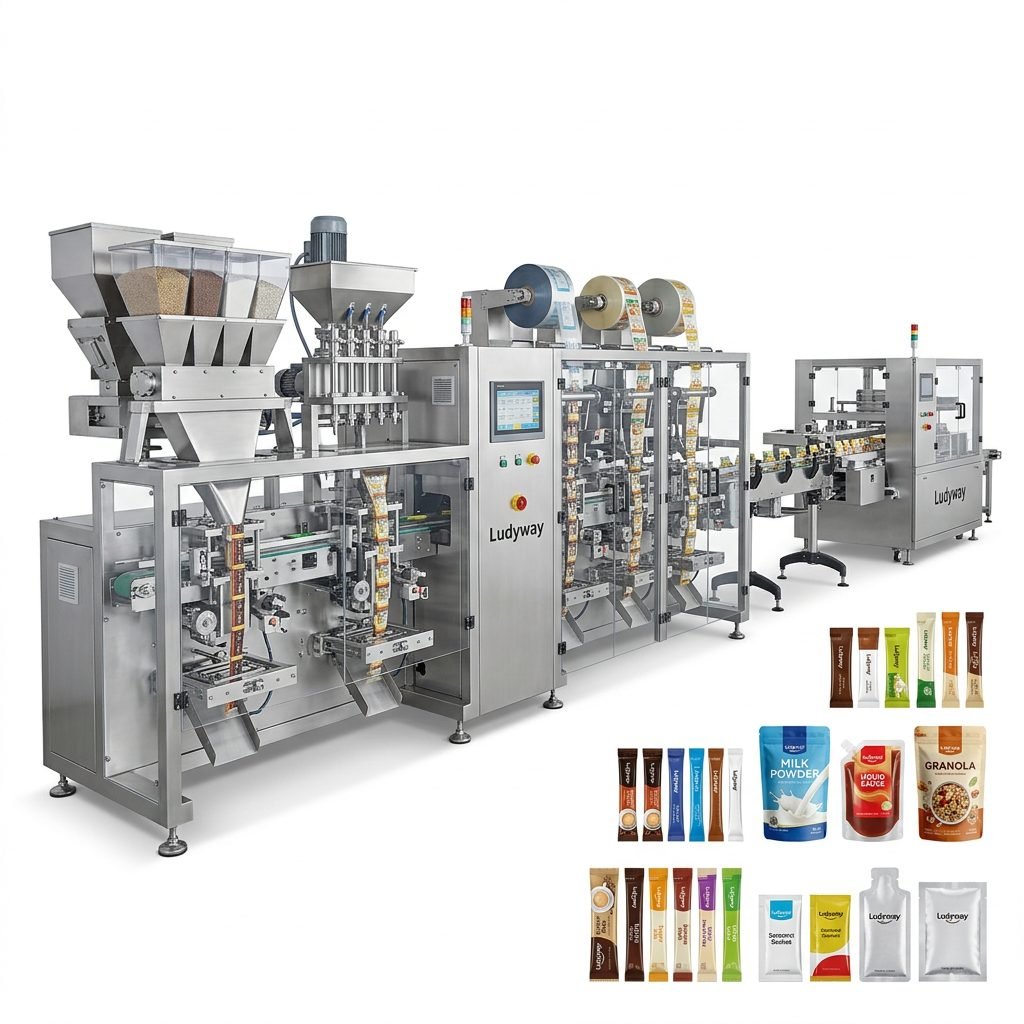
Critical Factors for Efficient Sterile Food Packaging
Seal quality
Seal quality is one of the most important parts of retort pouch packaging. Even a small sealing defect can compromise sterility, shorten shelf life, or create product recall risks.
Filling accuracy
Overfilling may contaminate the seal area, while underfilling causes inconsistency and customer dissatisfaction. Precise dosing improves both compliance and profitability.
Hygienic design
Stainless steel construction, easy-clean contact parts, sanitary pipework, and smart product handling all help reduce contamination risks.
Automation integration
An efficient line should connect smoothly with upstream cooking or mixing systems and downstream inspection, cartoning, and case packing equipment.
Retort process compatibility
The packaging machine and pouch format must work together with the sterilization process. This includes pouch dimensions, headspace control, product distribution, and seal strength after heating.
Advantages of Automation in Retort Pouch Packaging
- Higher production speed
- Lower labor dependence
- More consistent pouch quality
- Reduced material waste
- Better hygiene control
- Improved traceability and process management
- Scalable line expansion for future growth
Businesses aiming to increase output while maintaining strict food safety standards often prefer a complete automated line instead of a standalone filler or sealer.
How to Choose the Right Retort Pouch Packaging Machine
The ideal solution depends on your product, pouch design, capacity target, and plant layout. Before buying, evaluate the following points carefully:
- Product characteristics: liquid, paste, solid, or mixed ingredients
- Pouch type: flat pouch, stand-up pouch, spouted pouch, or custom shape
- Output requirement: packs per minute and shift capacity
- Sterilization method: water spray, steam-air, or water immersion retort
- Cleaning requirement: changeover frequency and sanitation standards
- Space availability: line footprint and utility connections
- After-sales support: installation, training, spare parts, and technical assistance
Common Challenges and How Modern Machines Solve Them
| Challenge | Modern Solution |
|---|---|
| Pouch opening failure | Servo-controlled opening and vacuum assistance |
| Seal contamination | Anti-drip nozzles, seal cleaning, and controlled filling |
| Inconsistent fill weight | Precision pumps, weighers, and recipe-based control |
| Downtime during changeover | Tool-free adjustment and digital parameter storage |
| Post-retort leakage | Better sealing control and stronger pouch material matching |
Industries That Benefit Most
Retort pouch packaging is no longer limited to military or emergency food. Today, it serves a wide range of commercial sectors:
- Convenience food manufacturers
- Central kitchens and ready-meal suppliers
- Sauce and condiment brands
- Health food producers
- Baby nutrition companies
- Pet food factories
- Private label packaging businesses
Why Turnkey Line Integration Matters
Many manufacturers achieve better long-term efficiency by investing in a complete line rather than buying isolated machines from multiple suppliers. A turnkey system improves synchronization between filling, sealing, sterilization, conveying, inspection, cartoning, and palletizing.
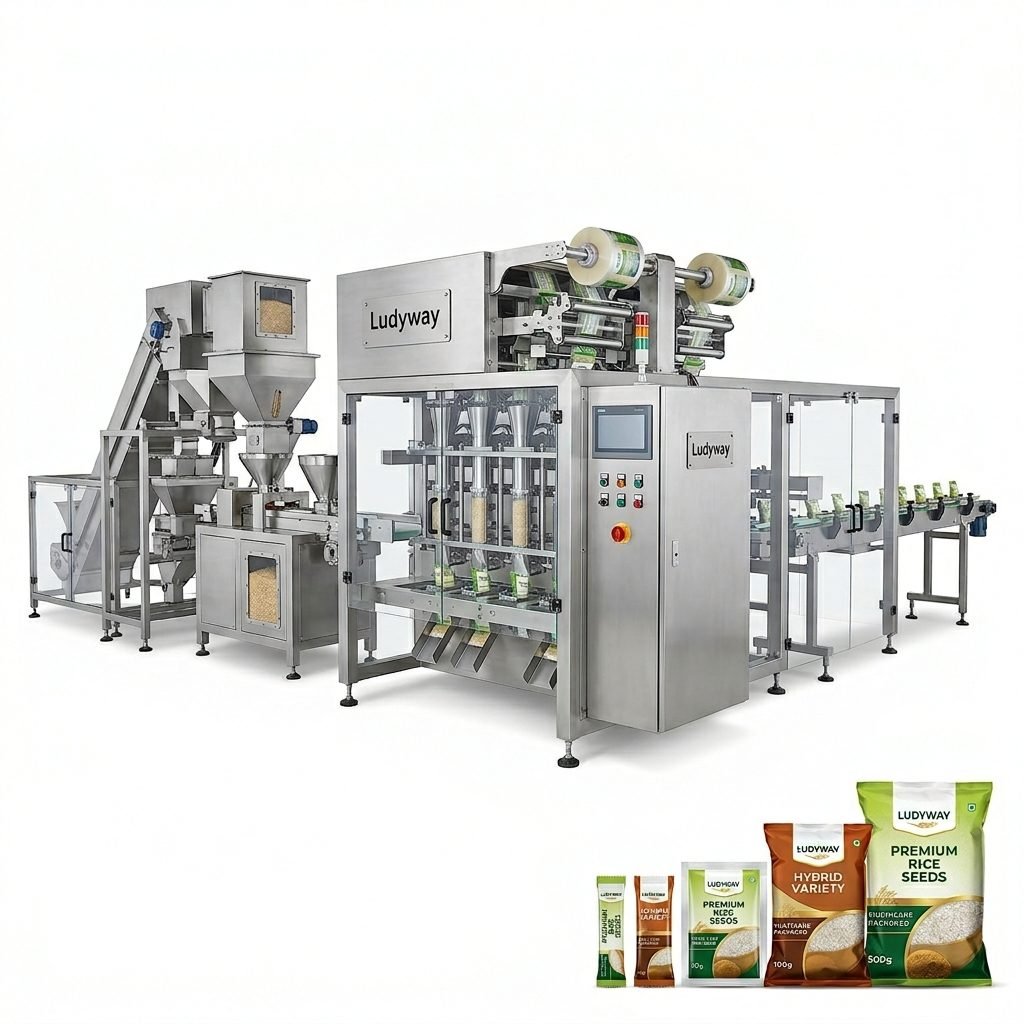
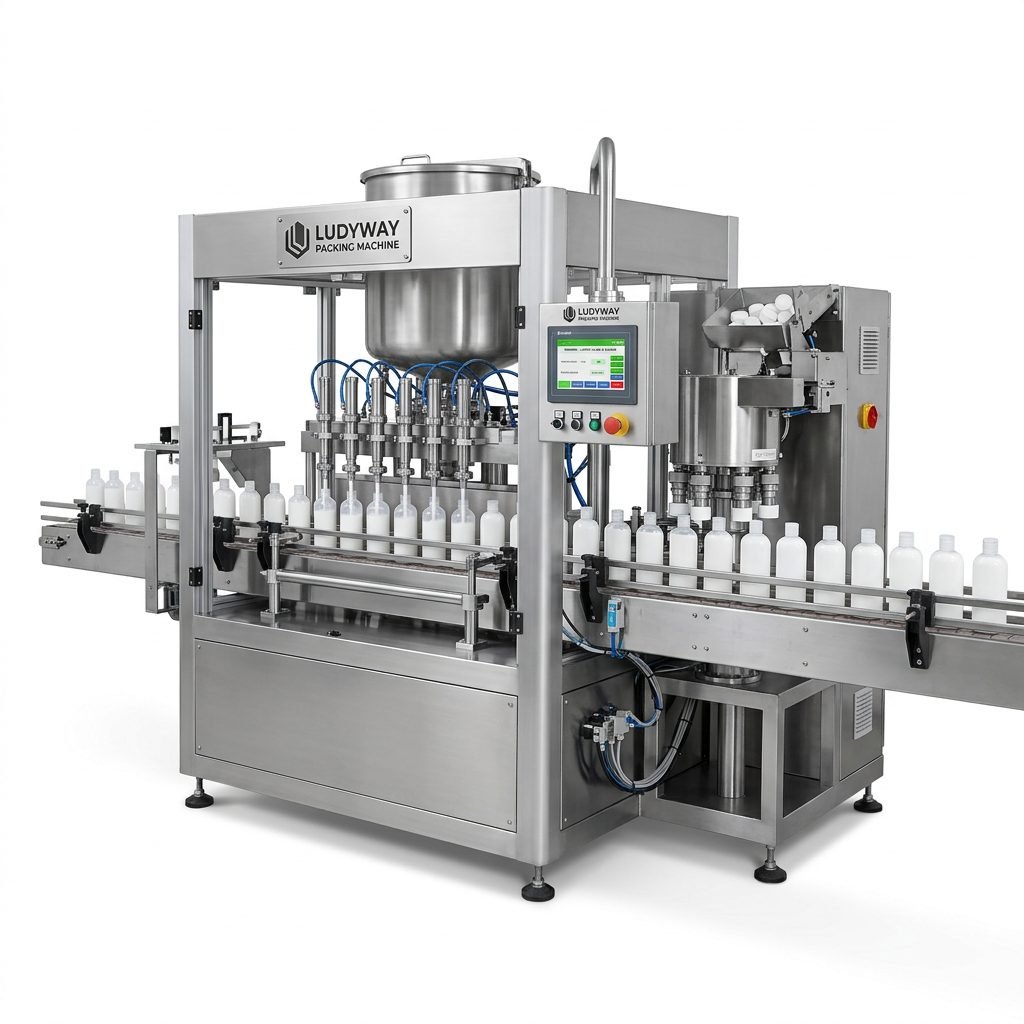
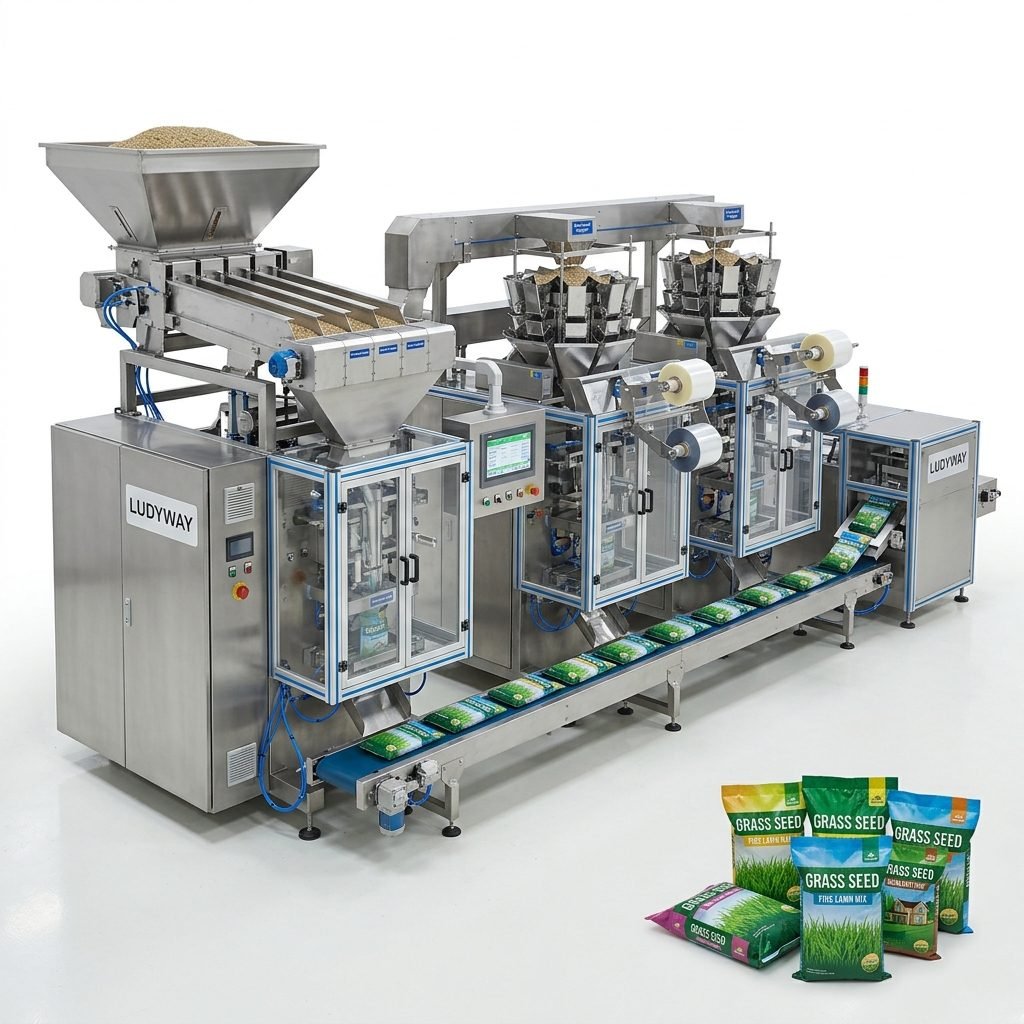
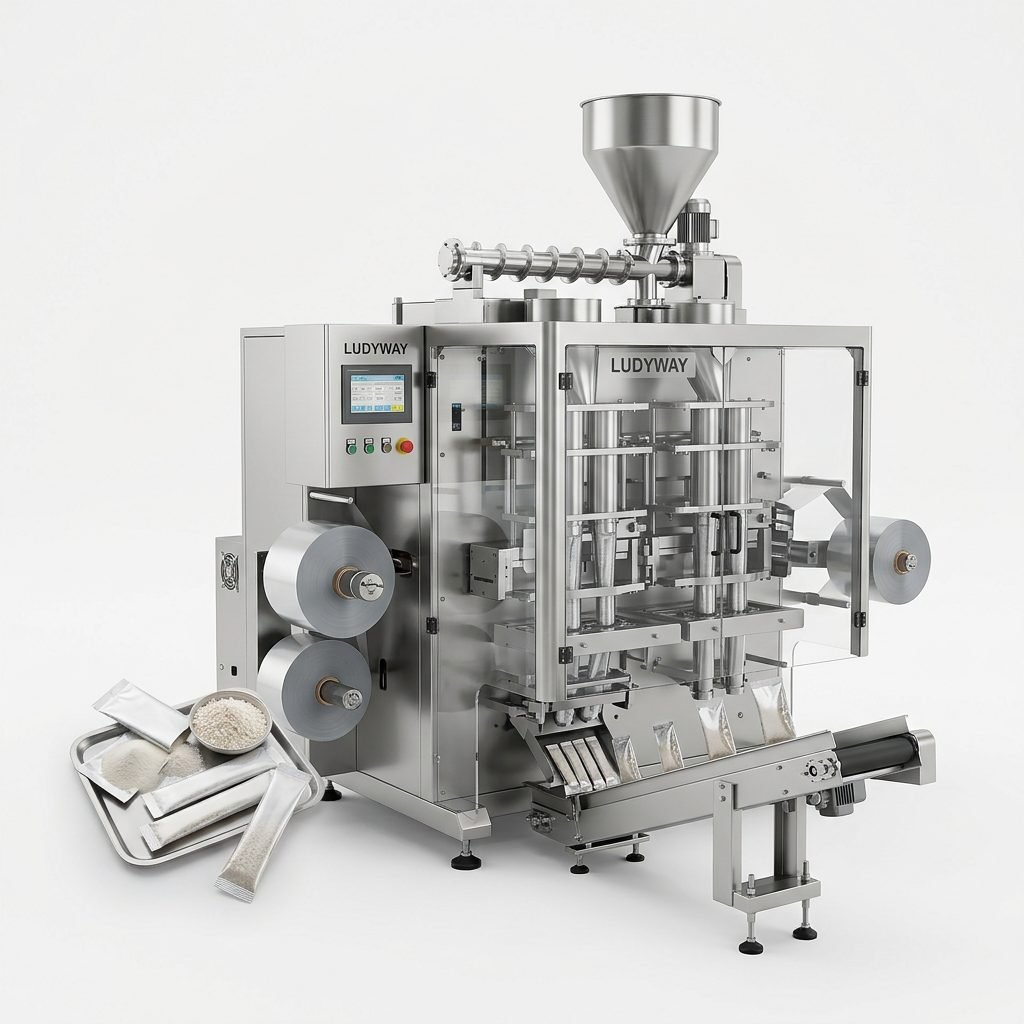
For companies looking for integrated pouch automation, Ludyway retort pouch packaging and turnkey packaging line solutions can support projects that require scalable production, customized machine configurations, and long-term technical service.
Maintenance Tips for Stable Performance
- Inspect sealing jaws and temperature consistency regularly
- Clean product contact parts thoroughly after each run
- Check pouch feeding and opening components for wear
- Calibrate dosing systems to maintain filling accuracy
- Monitor pneumatic and servo systems for abnormal response
- Keep spare critical parts ready to minimize downtime
Final Buying Checklist
Before making a final decision, confirm whether the machine can meet these practical requirements:
- Compatible with your pouch material and pouch shape
- Suitable for your product viscosity and particle size
- Stable sealing before and after retort treatment
- Output matches current and future production plans
- Easy to clean and maintain
- Supports quality inspection and coding integration
- Backed by training, spare parts, and technical support
Conclusion
A retort pouch packaging machine is a smart investment for food manufacturers that need efficient sterile food packaging, flexible pouch presentation, and dependable shelf-stable performance. The right machine can improve production speed, seal reliability, labor efficiency, and total line consistency.
Whether you produce sauces, soups, ready meals, baby food, or pet food, selecting a well-matched retort pouch system is essential for both product safety and market competitiveness. By focusing on filling precision, sealing quality, retort compatibility, and turnkey integration, manufacturers can build a packaging operation that is both efficient and scalable.