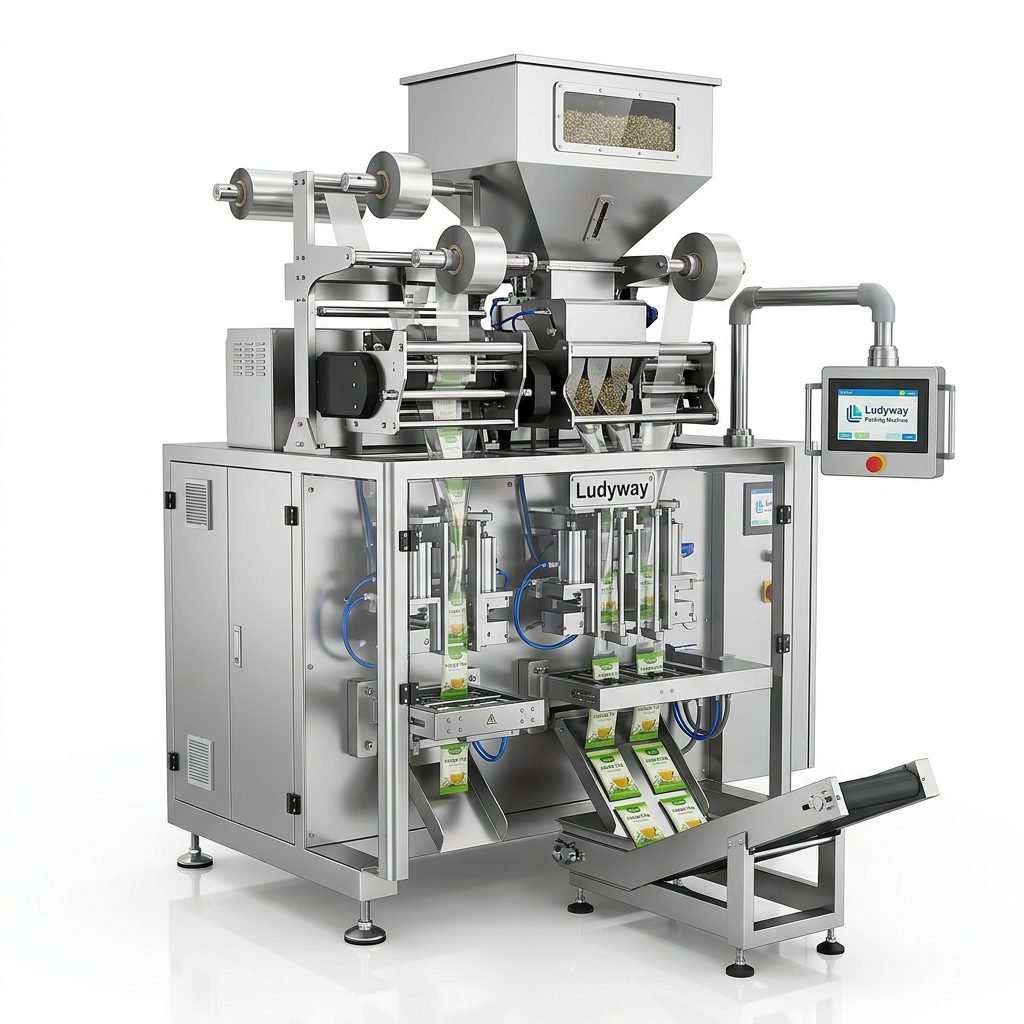
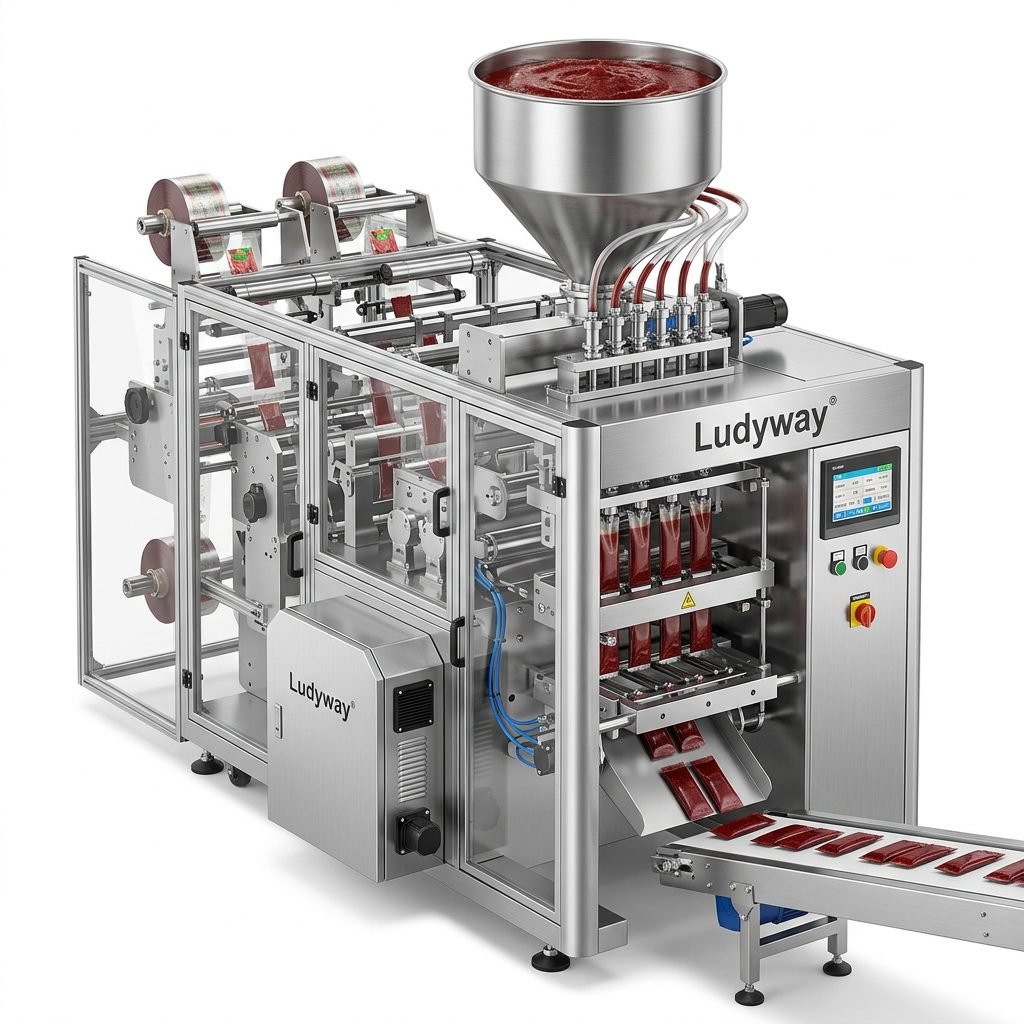
Choosing the right packing vacuum machine is not just about sealing a bag. It is about protecting freshness, saving space, reducing waste, and matching the machine to your actual use case. Whether you need to preserve food, compress seasonal clothes, or organize home storage, the best solution depends on the materials you pack, how often you use the machine, and the level of vacuum performance you expect.
Many buyers assume all vacuum machines work the same way, but that is rarely true. A machine designed for food preservation may not be ideal for bulky quilts or everyday wardrobe storage. Likewise, a simple household model may not deliver the sealing consistency required for higher-volume needs.

Why vacuum packing matters
Vacuum packaging removes air from the package before sealing. This helps slow oxidation, reduce moisture-related damage, and create a cleaner storage environment. In practical terms, the benefits include:
- Longer food shelf life for dry goods, meat, snacks, coffee, and frozen products
- Better space efficiency for clothes, bedding, and seasonal items
- Improved organization in kitchens, closets, warehouses, and storerooms
- Protection from dust, odor, and humidity
- Reduced product waste in both home and business settings
For households, this means more efficient daily storage. For commercial users, it can mean better packaging consistency, lower spoilage, and improved product presentation.
The three main application categories
Before comparing specifications, first identify what you need the machine to pack most often.
1. Food vacuum packing machines
These are used for fresh meat, seafood, vegetables, cheese, nuts, coffee, snacks, frozen foods, and prepared meals. They focus on seal strength, hygiene, and preservation performance.
2. Clothes vacuum packing machines
These are mainly used with vacuum storage bags for jackets, sweaters, blankets, duvets, and travel clothing. The goal is usually compression and storage efficiency rather than long-term food-grade sealing.
3. General storage vacuum machines
These are useful for bedding, household textiles, documents, soft goods, and selected retail or warehouse items. Depending on the material, buyers may need either a simple external suction machine or a more robust chamber-style model.
Types of vacuum machines you should know
| Machine Type | Best For | Main Advantage | Limitations |
|---|---|---|---|
| External suction vacuum sealer | Home food use, simple storage bags | Affordable and compact | Less suitable for liquids or heavy-duty use |
| Chamber vacuum machine | Commercial food packaging, bulk packing | Stronger and more stable vacuum performance | Larger footprint and higher cost |
| Handheld vacuum pump | Clothes bags, travel, small home storage | Portable and easy to use | Limited vacuum depth and sealing ability |
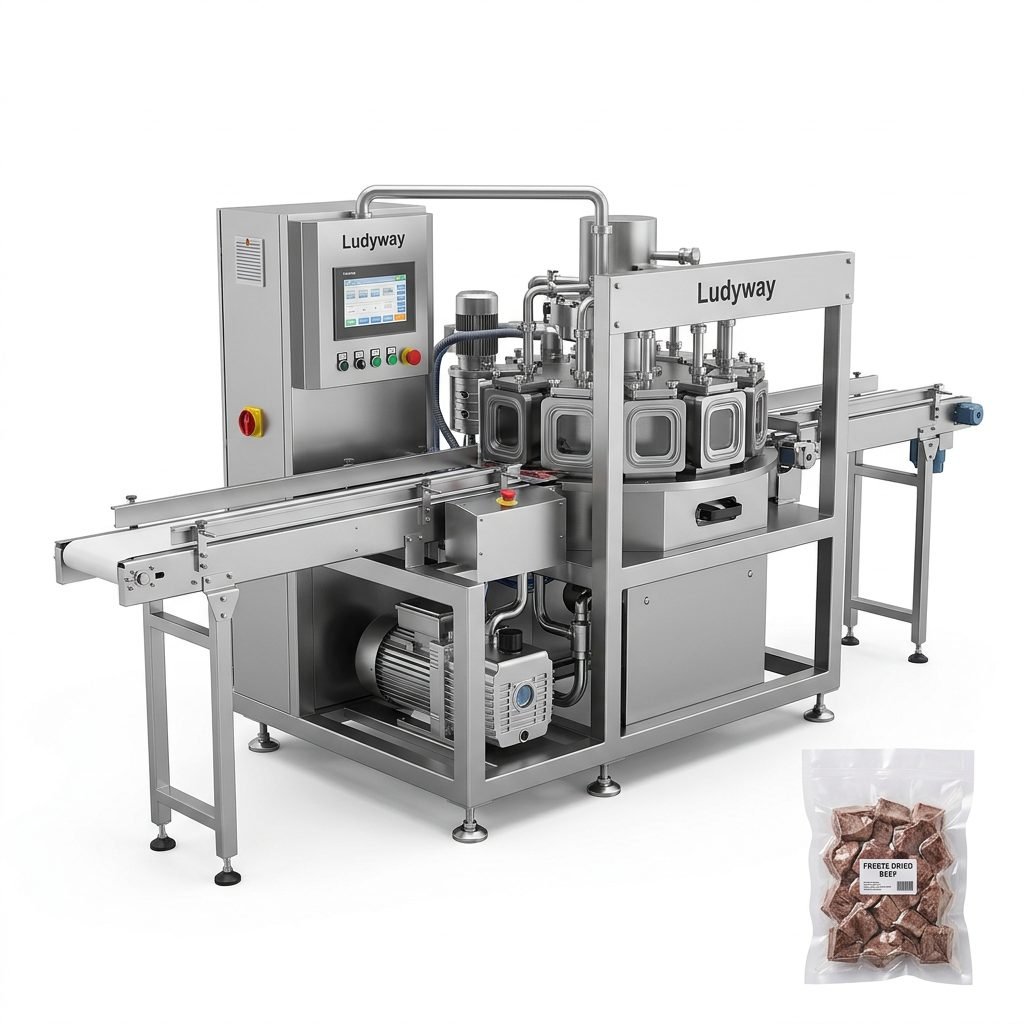
| Industrial vacuum packaging system | Factories, food processing, pharma, large-scale packing | High throughput, repeatability, automation | Requires investment and application matching |
How to choose the right machine for food
Food packaging demands more precision than storage compression. A good food vacuum machine should protect flavor, texture, and safety while providing reliable seals.
Key factors to evaluate
- Seal quality: A weak seal can cause leaks, freezer burn, and contamination.
- Vacuum strength: Higher vacuum efficiency usually means better freshness retention.
- Dry vs. moist food compatibility: Some machines handle only dry products well, while others can work with marinated or semi-moist items.
- Bag compatibility: Check whether the machine requires textured bags, chamber pouches, or special proprietary rolls.
- Cycle frequency: Home use and commercial production have very different duty cycles.
- Cleaning convenience: Removable drip trays and smooth surfaces matter for hygiene.
Best choice for home kitchens: an external suction sealer with adjustable modes for dry and moist foods.
Best choice for restaurants or processors: a chamber vacuum machine with durable construction and repeatable sealing results.
How to choose the right machine for clothes
For clothes and textiles, the decision is less about food-grade sealing and more about compression efficiency, convenience, and bag compatibility. People typically use vacuum packing for off-season clothing, comforters, pillows, coats, and travel organization.
What matters most
- Compatibility with vacuum storage bags
- Ease of use for repeated opening and resealing
- Compact design for home closets or travel
- Reliable suction without damaging the bag valve
- Low noise and quick operation
If your main goal is wardrobe storage, a handheld or compact vacuum unit is often enough. If you need tighter, more controlled compression for frequent packing, a more powerful electric model may be the better choice.
Tip: Thick quilts, down jackets, and soft bedding require strong vacuum bag material. Even the best machine cannot compensate for poor-quality bags.
How to choose the right machine for storage
General storage covers many scenarios: household linen, emergency supplies, retail stock, warehouse soft goods, and specialty materials. Here the right machine depends on whether you prioritize space saving, moisture protection, or professional packaging presentation.
Ask these questions first
- Are you packing soft items, rigid items, or mixed products?
- Do you need air removal only, or vacuum plus heat sealing?
- Will the packed items be stored for weeks, months, or longer?
- Is appearance important for resale or shipping?
- How many packs do you need per day?
For occasional home storage, a basic unit may work well. For business storage or product packaging, a stronger machine with more consistent sealing is usually a smarter long-term investment.
Features that make a real difference
| Feature | Why It Matters |
|---|---|
| Adjustable vacuum level | Prevents crushing delicate items and improves application flexibility |
| Multiple sealing modes | Useful for dry, moist, soft, or dense products |
| Double seal bar | Adds extra sealing security for food and long-term storage |
| Built-in cutter / roll storage | Improves convenience for custom bag sizes |
| Easy-clean design | Important for food hygiene and lower maintenance time |
| Pump durability | Critical for frequent or semi-commercial use |
Common buying mistakes to avoid
- Choosing by price only instead of matching the machine to the product type
- Ignoring bag cost and availability over the long term
- Buying a home-use model for business demand
- Overlooking sealing width and chamber size
- Assuming all machines can handle liquids
- Not checking service, spare parts, or technical support
A low-cost machine can become expensive if seal failures, downtime, or bag limitations affect your operation.
Home use vs. commercial use
The biggest difference between home and commercial vacuum machines is consistency under workload.
Home users usually need
- Compact size
- Simple operation
- Moderate vacuum strength
- Affordable replacement bags
- Flexible use for leftovers, frozen food, and closet storage
Commercial users usually need
- High cycle stability
- Stronger pump performance
- Reliable sealing under long production hours
- Compatibility with production lines
- Material-specific customization
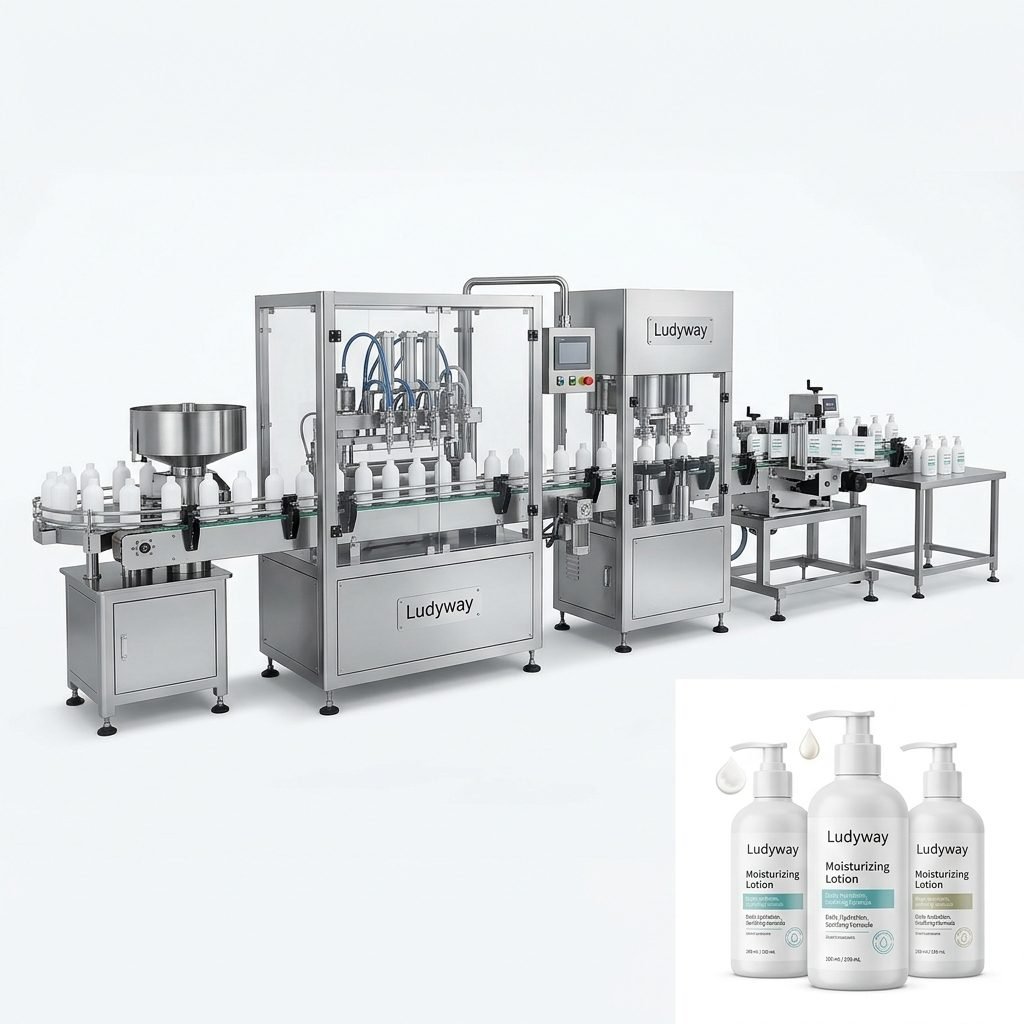
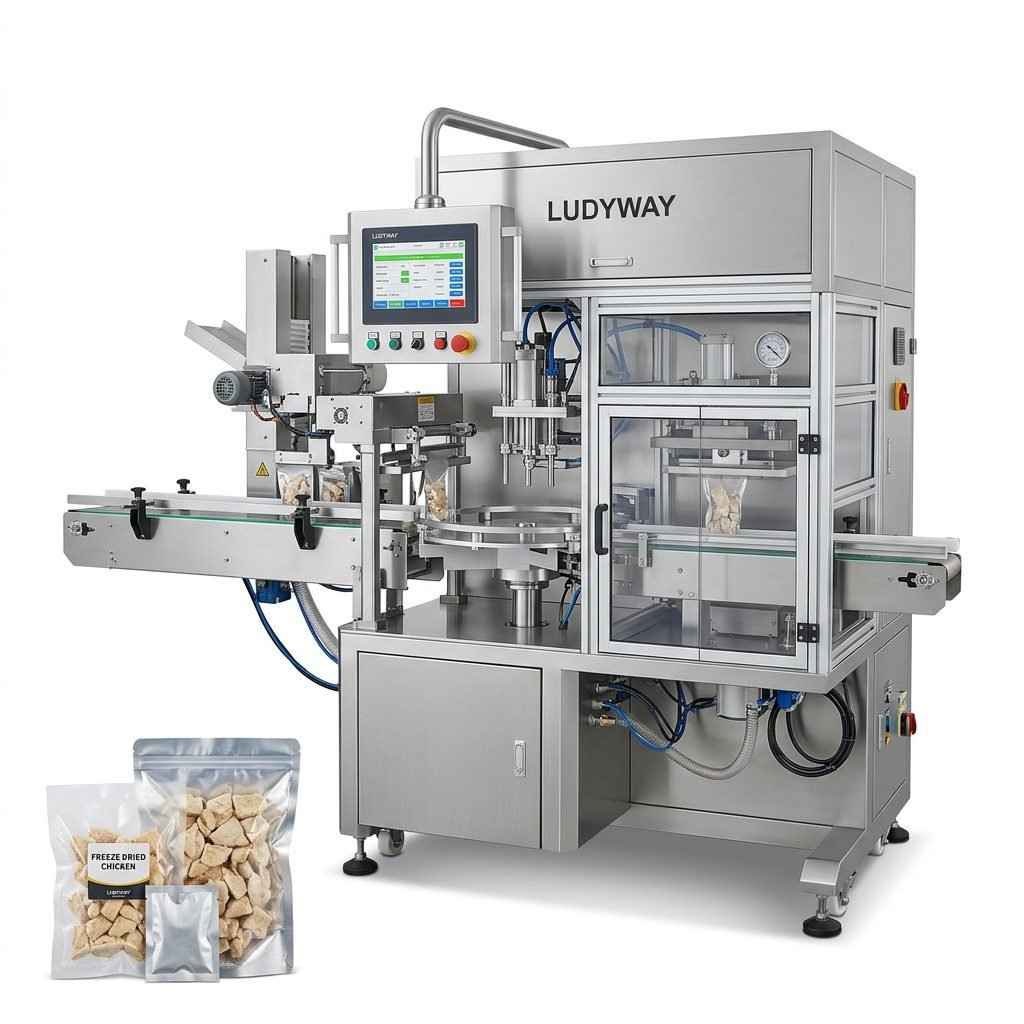
Businesses in food processing, pharmaceuticals, and consumer goods packaging often need more than a standalone machine. They may require integrated systems with feeding, filling, sealing, coding, inspection, and final packing support.
When an industrial solution makes more sense
If your packaging requirements go beyond simple household storage, industrial systems become the better choice. This is especially true when you need:
- Higher output per hour
- More stable vacuum and seal quality
- Reduced labor dependence
- Better packaging standardization
- Integration with other packaging equipment
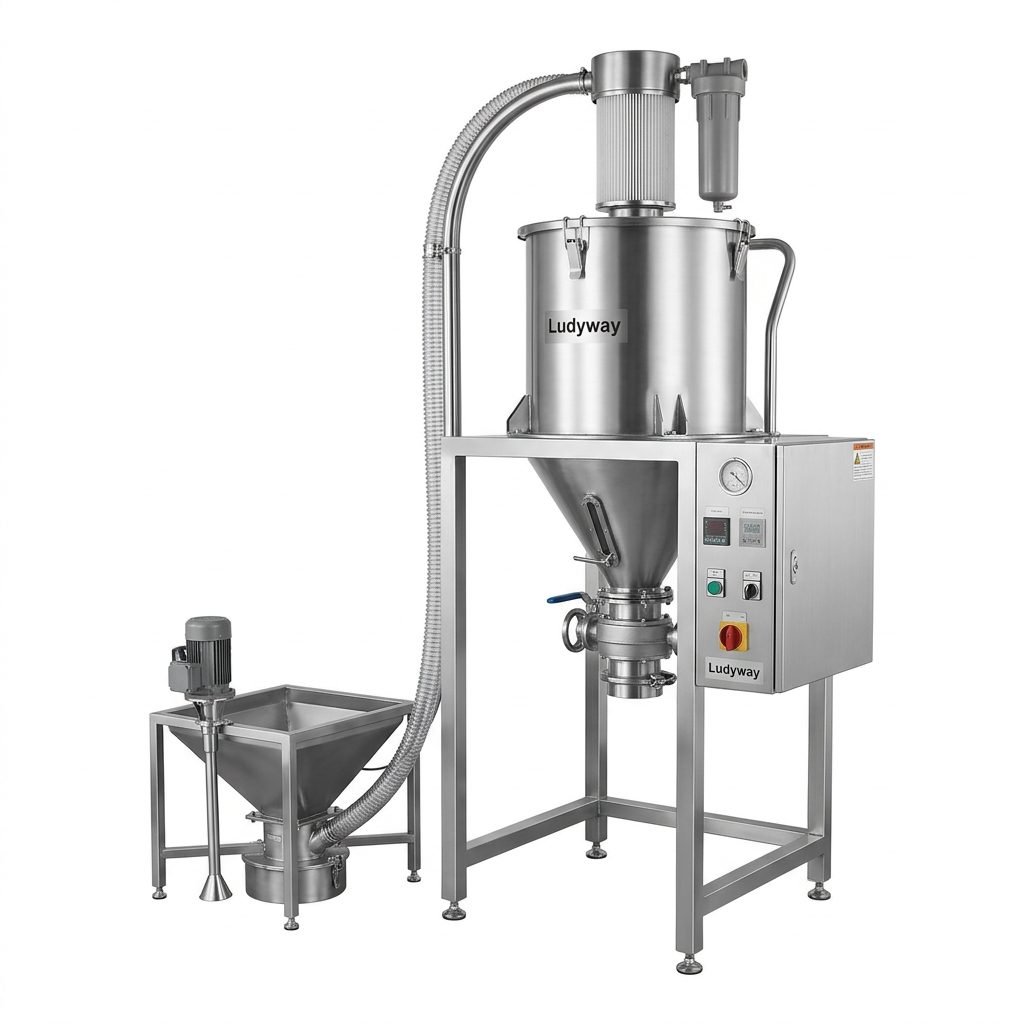
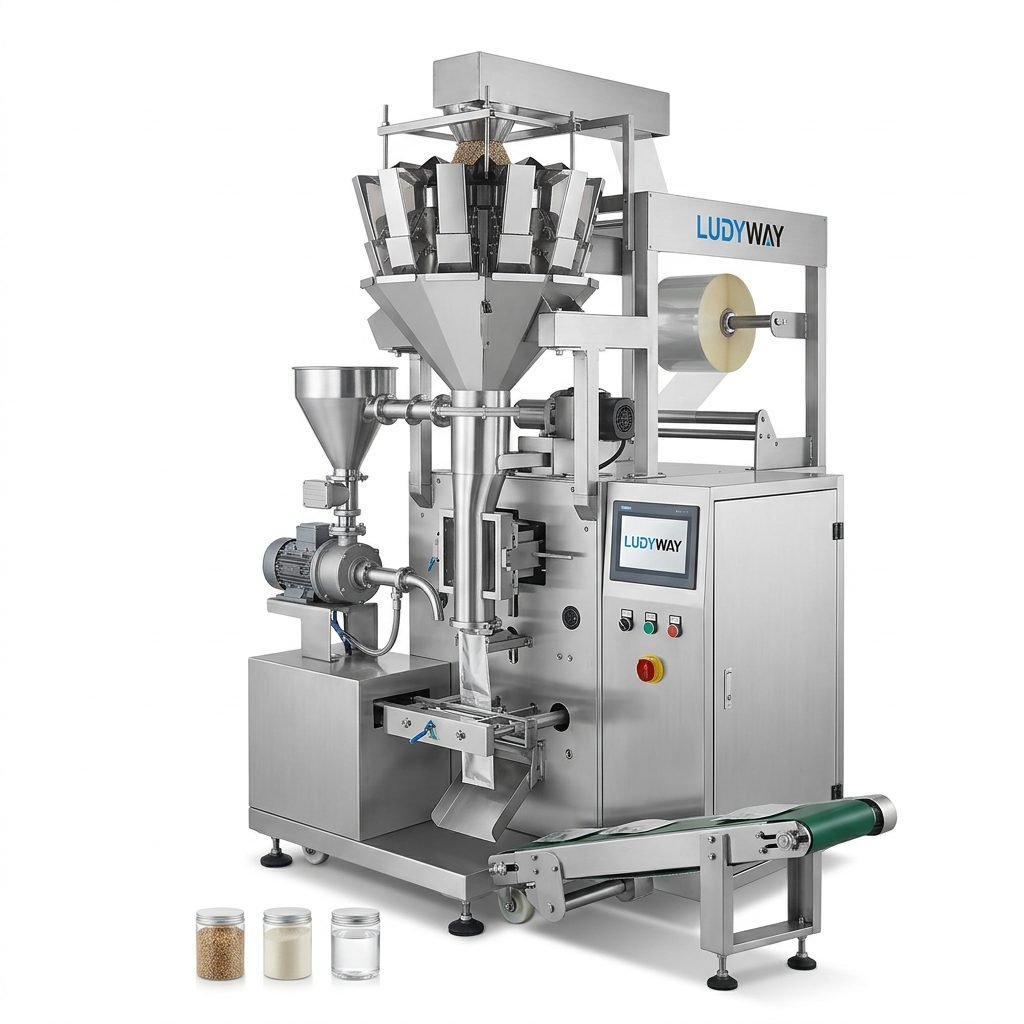
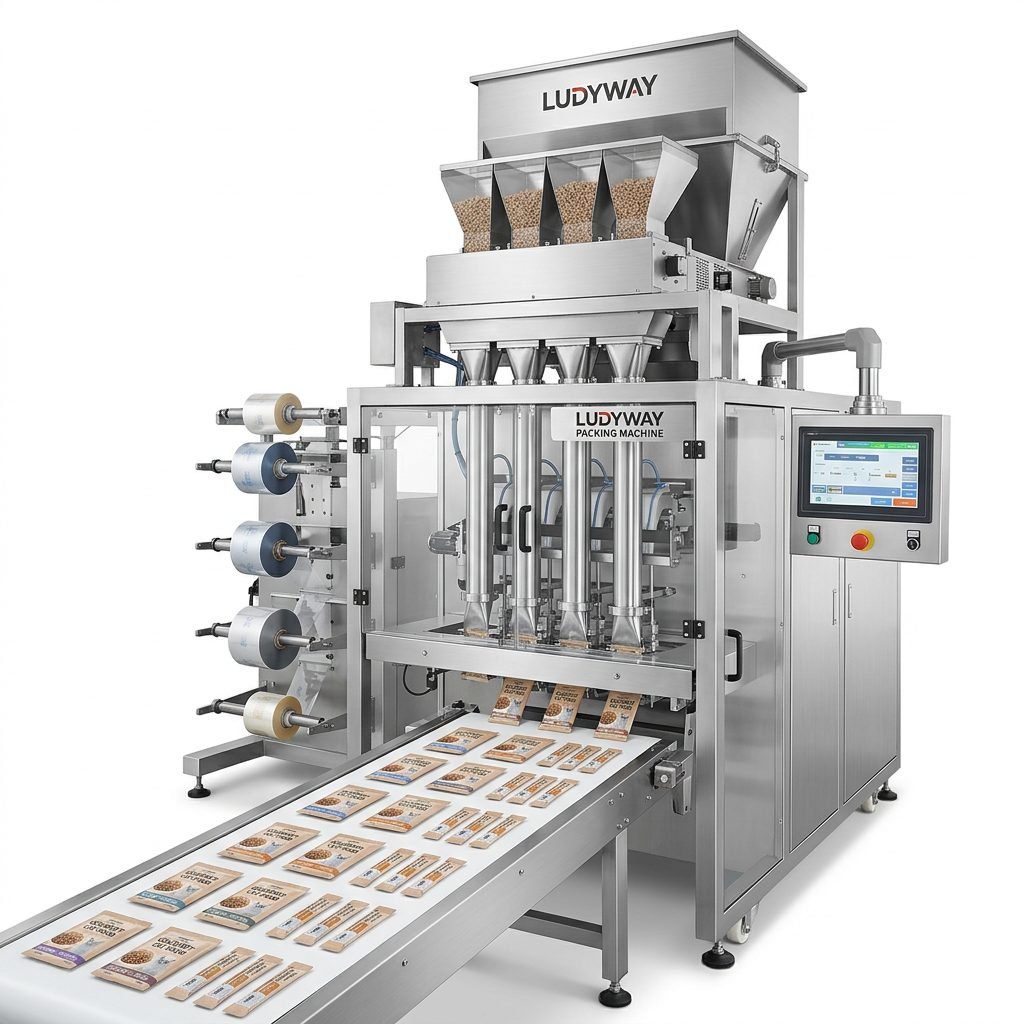
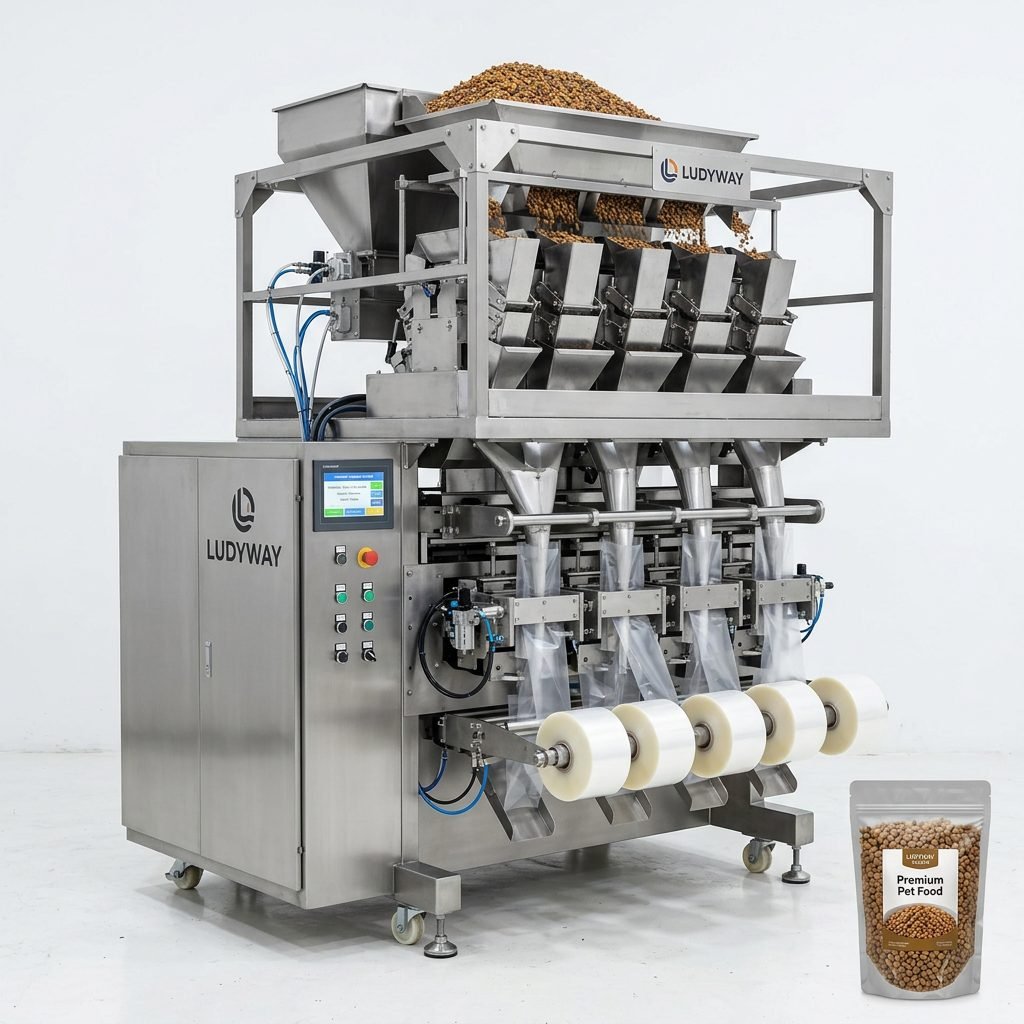
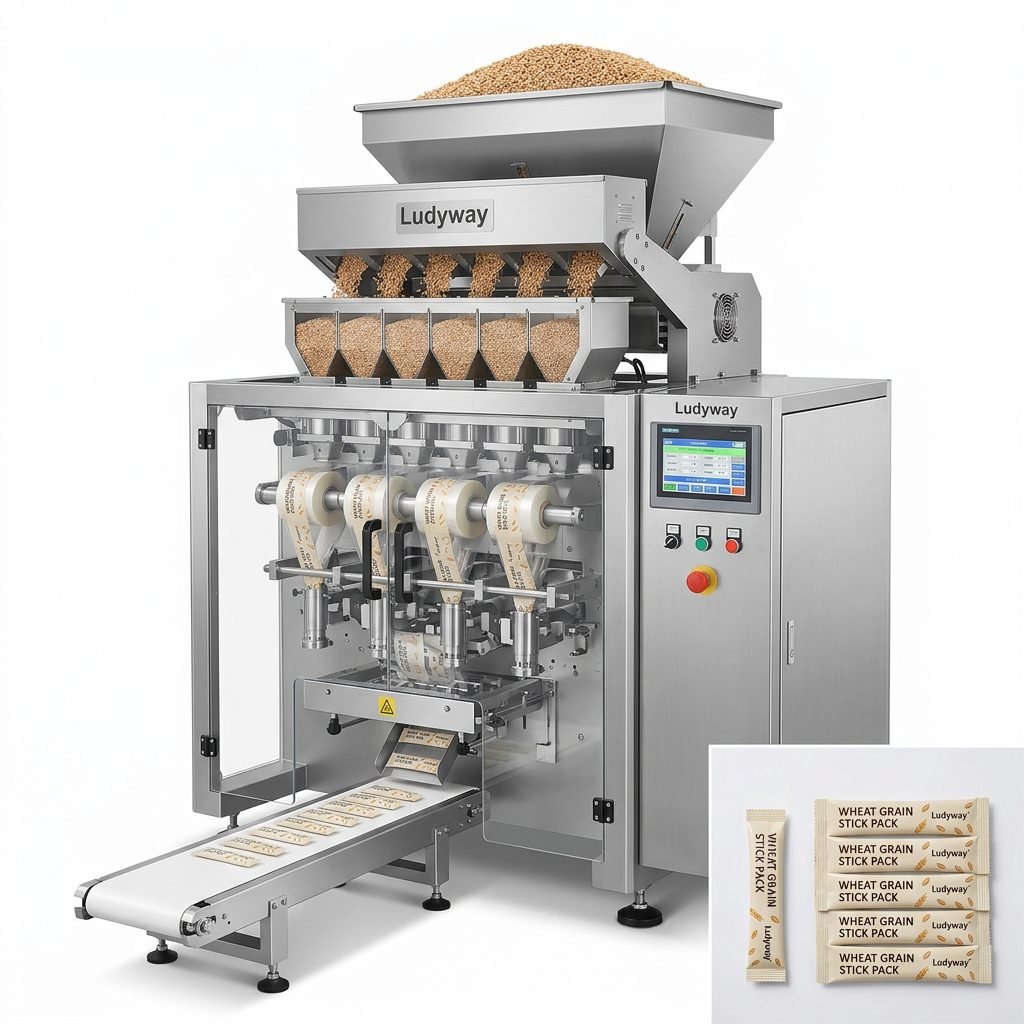
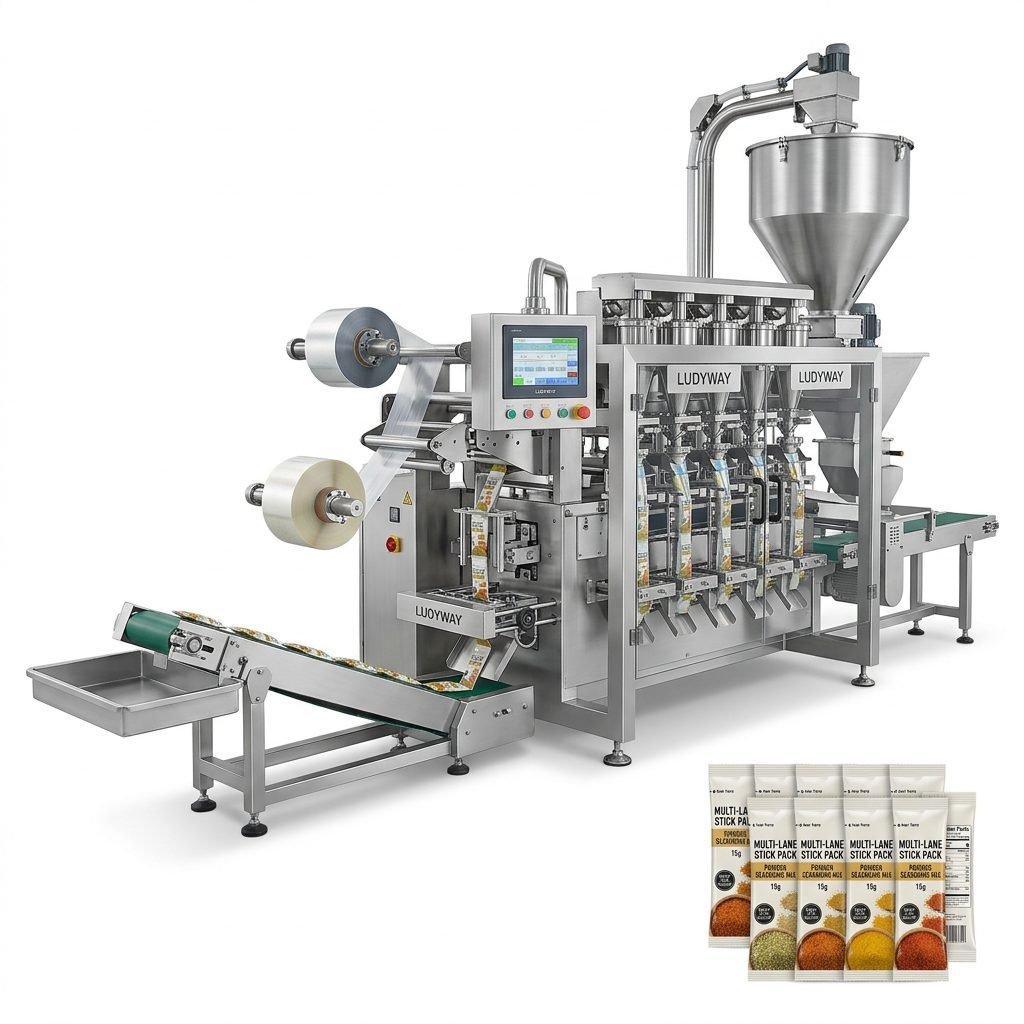
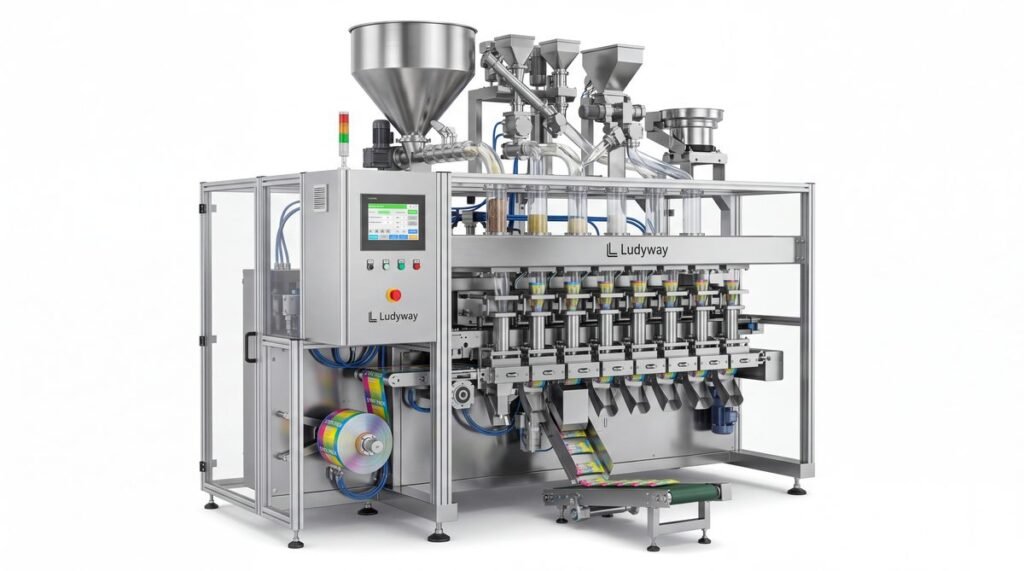
For manufacturers and B2B buyers looking for advanced packaging support, packing vacuum machine solutions from Ludyway can be relevant when the project requires scalable machinery, customized configurations, or turnkey packaging line integration.
Quick selection guide
| Your Need | Recommended Option |
|---|---|
| Pack meat, cheese, frozen food at home | External suction food vacuum sealer |
| Store quilts, sweaters, travel clothes | Compact electric or handheld vacuum pump |
| Run a small food business or restaurant | Tabletop chamber vacuum machine |
| Package food products in high volume | Industrial vacuum packaging system |
| Need packaging line automation | Customized turnkey packaging solution |
Final checklist before you buy
- Define whether your main use is food, clothes, or storage
- Estimate how many packs you will make per day or week
- Check the machine type and bag compatibility
- Review seal width, pump strength, and mode settings
- Confirm maintenance needs and spare-part access
- Consider future growth if your packaging volume may increase
The right packing vacuum machine should fit your products, your workflow, and your long-term usage cost. If you choose based on real application needs instead of just price or appearance, you will get better sealing performance, better storage results, and better overall value.