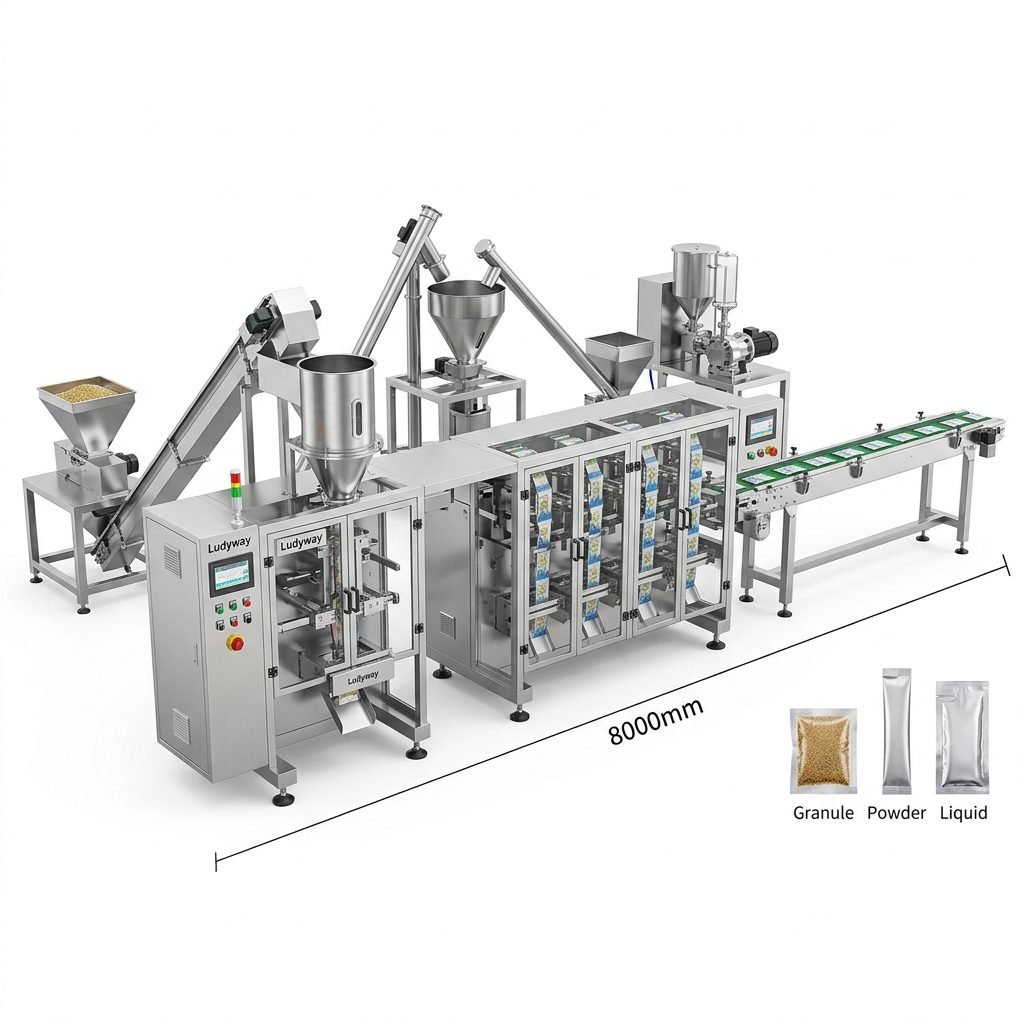
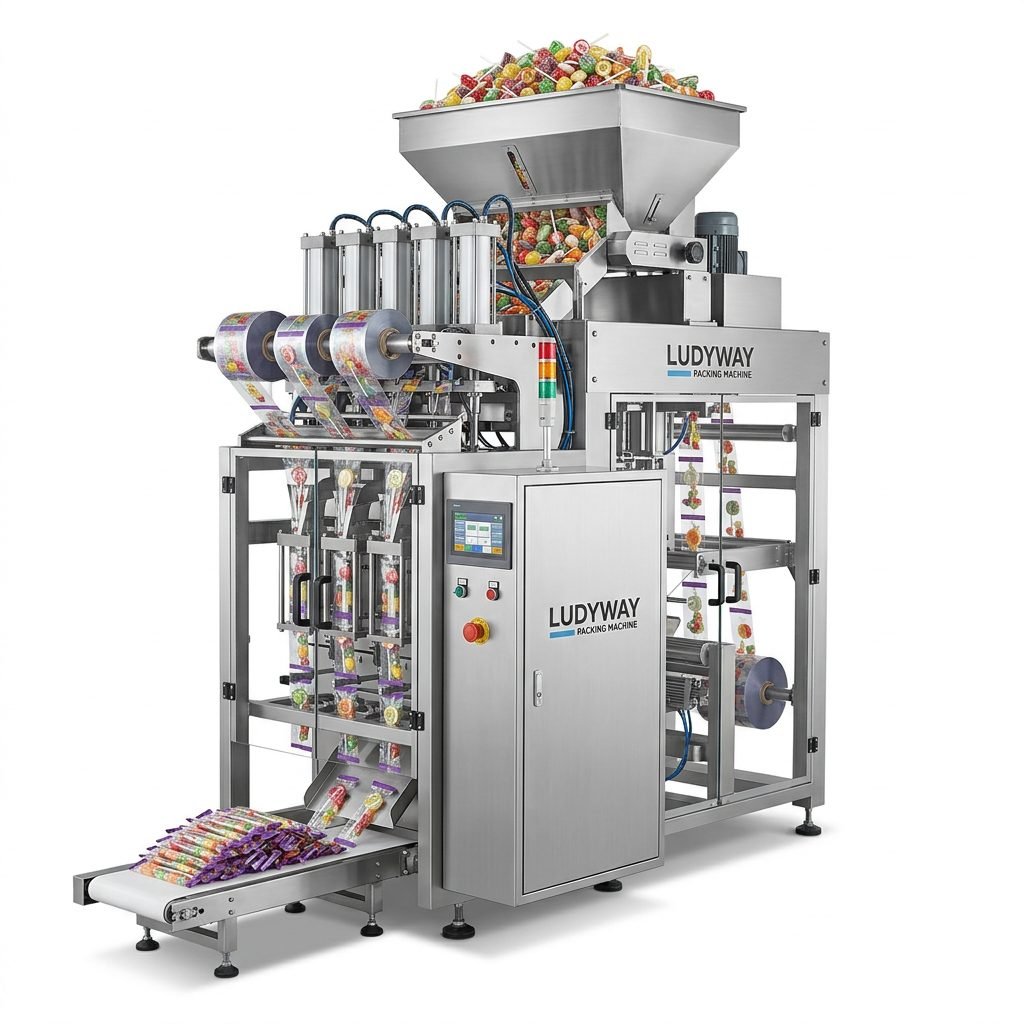
Vacuum skin packaging (VSP) is widely used for fresh meat, seafood, ready meals, cheese, and premium retail food because it creates a tight, attractive pack that extends shelf life and improves product presentation. If you are researching vacuum skin packaging machine price, the most important thing to understand is this: there is no single fixed cost. Prices vary significantly based on machine type, automation level, output, tray size, vacuum performance, material compatibility, and line integration.
For buyers, the best decision is not simply choosing the lowest-priced machine. The right choice is the machine that matches your production target, package style, hygiene requirements, labor plan, and long-term expansion goals.

What Is a Vacuum Skin Packaging Machine?
A vacuum skin packaging machine seals a heated top film tightly around a product and tray under vacuum conditions. The film conforms closely to the shape of the product, creating a “second-skin” effect. This packaging format is popular because it:
- Improves shelf presentation
- Reduces product movement inside the pack
- Helps extend freshness
- Supports premium branding
- Can reduce leakage risks in many applications
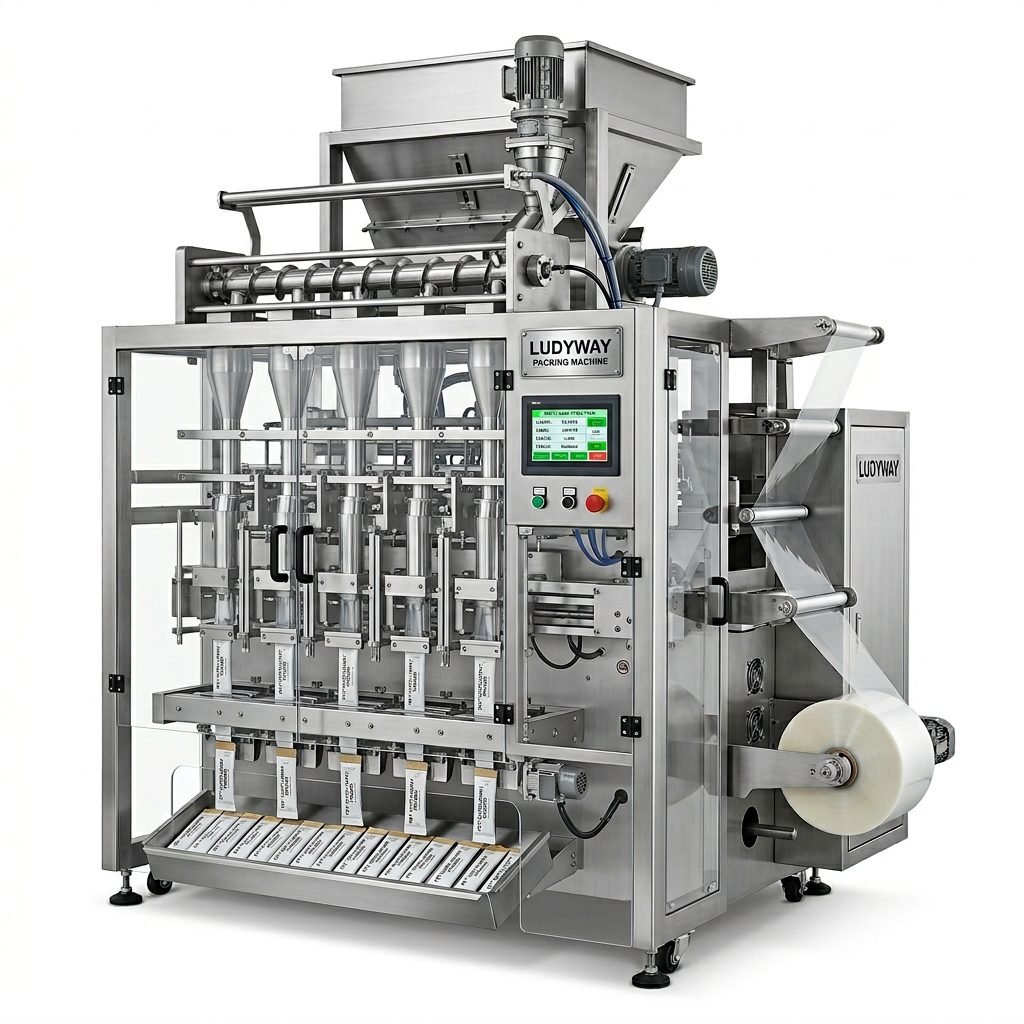
Depending on the product and factory setup, the equipment may be configured as a tabletop unit, semi-automatic system, automatic tray sealer, thermoforming vacuum skin packaging machine, or a complete integrated packaging line.
Typical Vacuum Skin Packaging Machine Price Range
The following table gives a general market reference. Actual quotations depend on technical specifications, country standards, optional functions, and customization.
| Machine Type | Typical Price Range | Best For |
|---|---|---|
| Compact / Entry-Level VSP Machine | US$5,000 – US$15,000 | Small workshops, product testing, low-volume packing |
| Semi-Automatic Tray Skin Packaging Machine | US$15,000 – US$40,000 | Growing processors, medium output, labor-assisted production |
| Automatic Vacuum Skin Packaging Machine | US$40,000 – US$120,000 | Commercial food factories, stable daily production |
| Thermoforming VSP Machine | US$80,000 – US$250,000+ | High-volume manufacturing, large-scale retail supply |
| Turnkey Vacuum Skin Packaging Line | US$150,000 – US$500,000+ | Fully integrated production, automation upgrades, export-oriented factories |
Important: shipping, mold sets, vacuum pump brand, tooling changes, gas flushing options, coding devices, conveyors, and after-sales installation may be quoted separately.
What Affects Vacuum Skin Packaging Machine Price?
1. Machine Type and Automation Level
One of the biggest price factors is whether the machine is manual, semi-automatic, or fully automatic. A compact machine with operator loading and unloading costs much less than an automatic system with conveyor feeding, film handling, sensor control, and high-speed cycling.
If your production is still small, a simpler model may deliver faster payback. If you need consistent output across long shifts, a higher-end automatic machine is often more economical over time.
2. Output Capacity
Speed directly influences cost. A machine packing 2–4 cycles per minute is very different from one designed for 8–15 cycles per minute or more. Higher speed usually requires:
- Better servo systems
- More stable film transport
- Stronger frame construction
- Higher-performance vacuum system
- More precise sealing temperature control
The faster the machine, the higher the price tends to be.
3. Product Size and Tray Dimensions
Larger trays or multiple-lane tray arrangements require larger chambers, wider sealing areas, and stronger heating systems. A machine built for small seafood portions will not cost the same as a system designed for large meat trays or family-size retail packs.
4. Packaging Material Compatibility
Vacuum skin packaging machines must match the tray and film structure. If you use APET, CPET, PP, PE, or recyclable mono-materials, the machine may need special sealing settings or tooling design. Compatibility with sustainable packaging materials can also affect price because it may require:
- Improved temperature control
- Precise pressure adjustment
- Special mold design
- Advanced film stretching performance
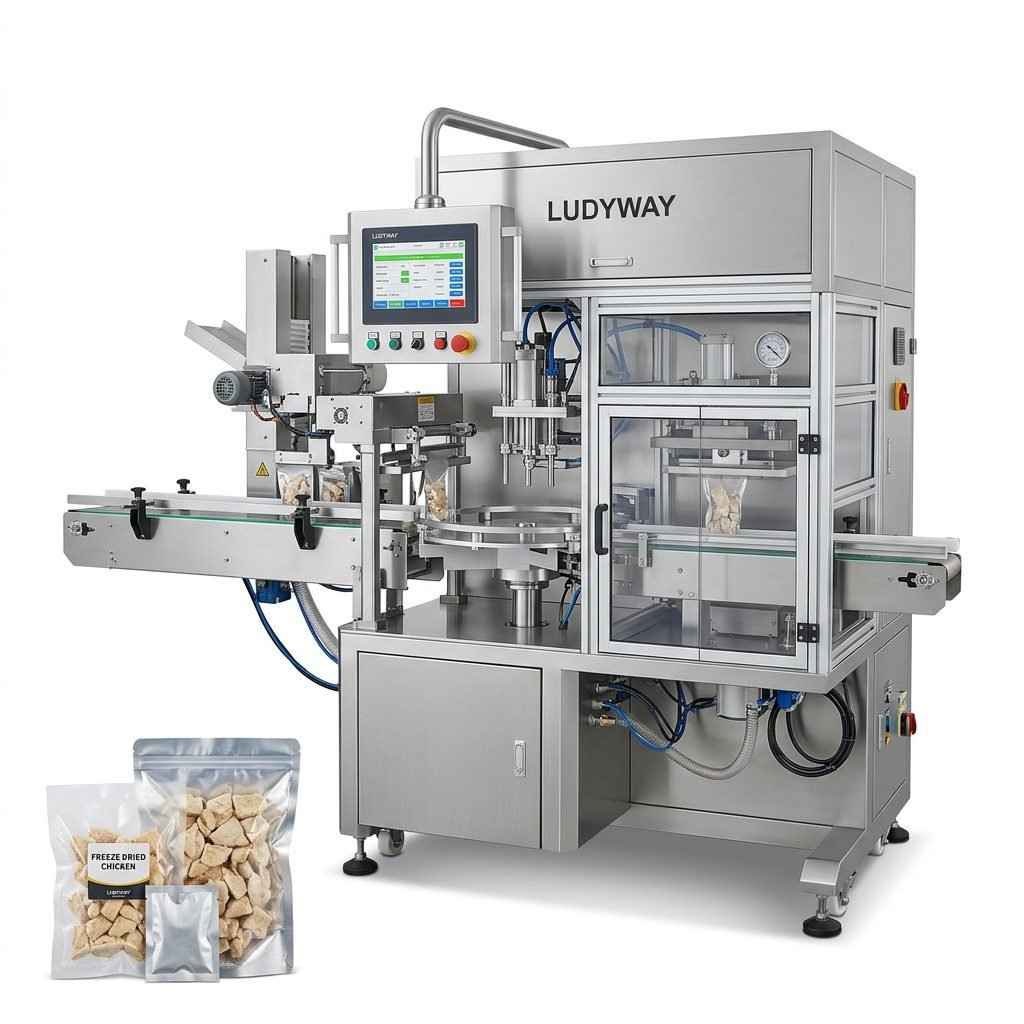
5. Vacuum Pump and Sealing Quality
The vacuum system is at the heart of VSP performance. Premium vacuum pumps from well-known international brands usually increase initial equipment cost, but they can offer better stability, lower failure rates, and improved package quality. For many food processors, this is a worthwhile investment.
6. Mold Quantity and Changeover Requirements
If you pack different tray sizes or product formats, you may need multiple molds. Tooling is often quoted separately. Fast-change mold design, especially for factories handling frequent SKU changes, increases convenience but also raises machine cost.
7. Hygiene and Industry Standards
Food-grade stainless steel construction, washdown design, sanitary structure, and compliance with local electrical or safety requirements all affect cost. Machines intended for seafood, meat, and ready-to-eat food often need stricter hygiene engineering than basic industrial applications.
8. Optional Functions
Extra functions can quickly change the final quotation. Common options include:
- Modified atmosphere packaging support
- Online coding or printing
- Labeling integration
- Automatic tray denesting
- Product loading conveyors
- Outfeed conveyors
- Vision inspection
- Metal detection or checkweighing
- Remote diagnostics
9. Customization Level
Standard machines are usually cheaper and faster to deliver. Custom-built systems cost more because the manufacturer must adapt the machine layout, control logic, molds, infeed, discharge, or auxiliary equipment to match your plant and product.
10. Supplier Experience and Service Support
A quotation should never be judged by machine body alone. Engineering experience, spare parts support, commissioning, manuals, training, and after-sales service are major value factors. A cheaper machine can become expensive if it causes downtime or has limited technical support.
Hidden Costs Buyers Often Miss
Many first-time buyers focus only on the machine selling price. In reality, the total ownership cost may include:
| Cost Item | Why It Matters |
|---|---|
| Shipping and insurance | Large machines can add substantial logistics cost |
| Import duties and local taxes | These vary by country and affect real landed cost |
| Installation and commissioning | May be charged separately for overseas projects |
| Tooling and spare parts | Essential for SKU changes and long-term maintenance |
| Packaging material testing | Poor film/tray match can cause pack failure |
| Downtime risk | Unstable machines can cost more than a higher initial purchase price |
How to Choose the Right Vacuum Skin Packaging Machine
Start With the Product, Not the Price
The right machine depends first on what you pack. Fresh beef cuts, marinated meat, seafood, prepared meals, cheese, and frozen products all behave differently during vacuum skin packaging. Ask:
- What is the product shape and height?
- Is the product fragile or irregular?
- Is there liquid, sauce, or oil involved?
- What shelf life do you need?
- What tray material and film are you using?
Estimate Real Production Demand
Buyers often make one of two mistakes: choosing a machine that is too small or paying for capacity they will not use. The best approach is to calculate:
- Target packs per hour
- Shift length
- Peak seasonal demand
- Labor availability
- Expected growth in the next 2–3 years
If expansion is likely, consider a machine platform that supports future upgrades rather than replacing the whole system later.
Check Packaging Quality Requirements
Premium retail packaging needs stable vacuum performance, clean seals, attractive film appearance, and reliable product presentation. If your products are sold to supermarkets or export channels, appearance consistency is often just as important as sealing speed.
Evaluate Changeover Flexibility
If you produce many SKUs, fast changeover matters. A machine with easier mold replacement and intuitive control settings can save significant production time every week.
Review the Full Line, Not Just One Machine
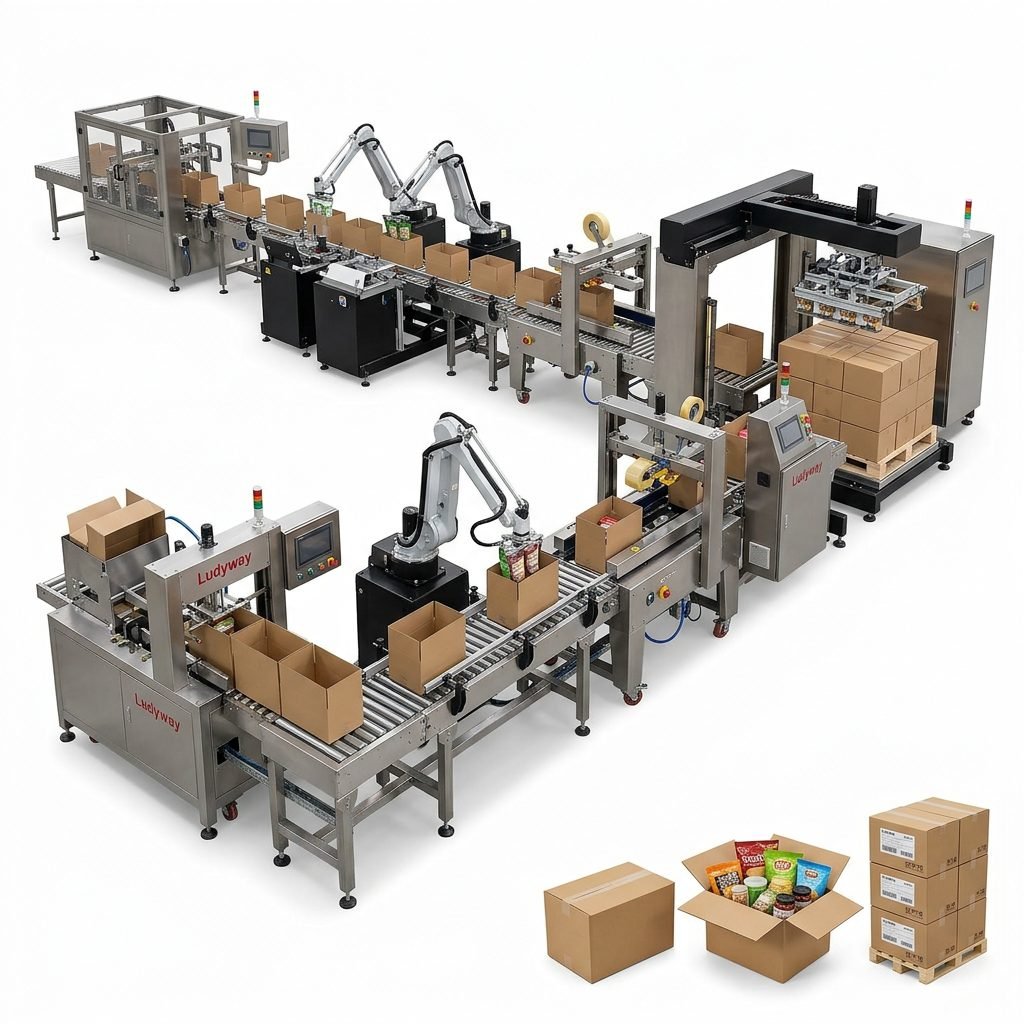
In many factories, the packaging machine is only one part of the process. You may also need tray loading, labeling, date coding, inspection, cartoning, and end-of-line handling. Choosing a supplier able to support a broader packaging solution can simplify integration and reduce communication risk.
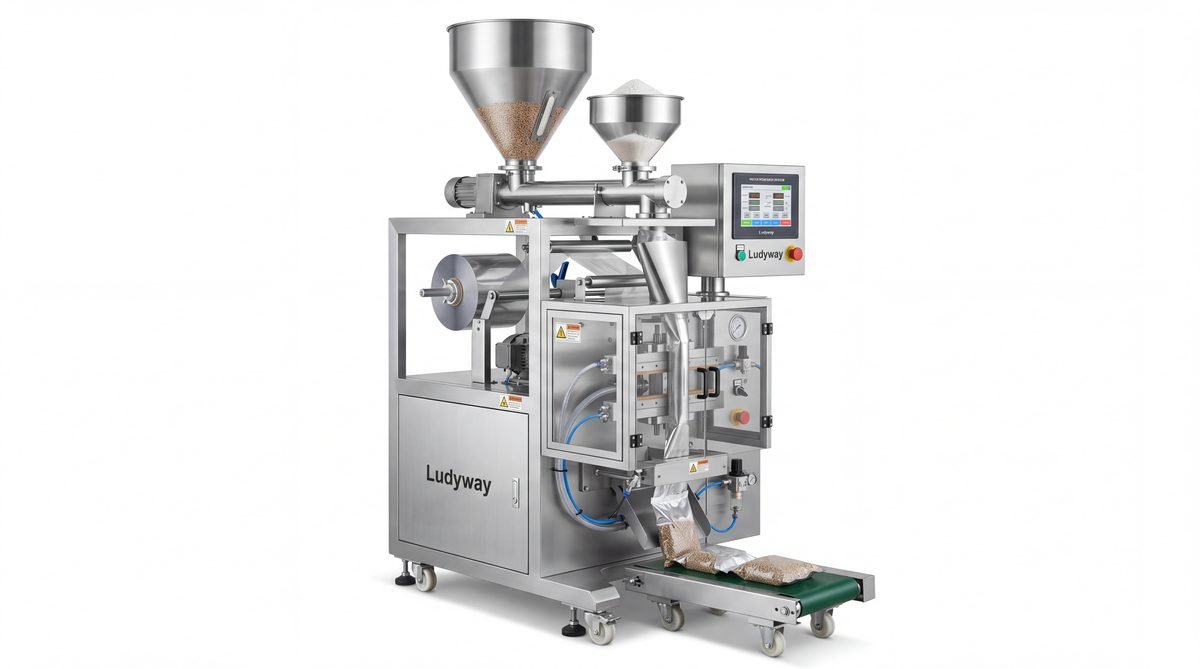
Questions to Ask Before Requesting a Quote
To get a more accurate vacuum skin packaging machine price, prepare the following information before contacting suppliers:
- What product are you packaging?
- What are the product dimensions and weight?
- What tray size and material do you use?
- What top film specification do you need?
- What output do you expect per hour?
- Do you need semi-automatic or fully automatic operation?
- How many product formats will run on the same machine?
- Do you need coding, labeling, or inspection systems?
- What voltage and electrical standards apply in your country?
- Do you need installation, training, or remote support?
The more complete your technical brief is, the more accurate and useful the quotation will be.
Low Price vs. Long-Term Value
A lower price can look attractive at the buying stage, but long-term value usually depends on:
- Stable sealing quality
- Reliable vacuum performance
- Easy maintenance
- Spare parts availability
- Operator-friendly controls
- Consistent output over time
A machine that costs 15% more but reduces downtime, rejects, and labor may deliver a much better return on investment.
Who Should Buy Which Type?
Small Businesses and Pilot Projects
If you are testing market demand or launching premium packaged products, an entry-level or semi-automatic machine may be enough. It keeps initial investment lower while allowing package validation.
Medium Food Processors
If your business already supplies regional retailers or foodservice channels, an automatic tray skin packaging machine is usually a practical balance between speed, labor savings, and cost.
Large Industrial Producers
For high daily throughput, strict consistency, and line integration, thermoforming or turnkey VSP solutions are often the most efficient option.
Choosing a Reliable Supplier
When comparing suppliers, review more than the machine photos. Look at manufacturing capability, export experience, application knowledge, and service structure. An experienced packaging equipment manufacturer can usually provide better technical guidance on automation, material compatibility, and line planning.
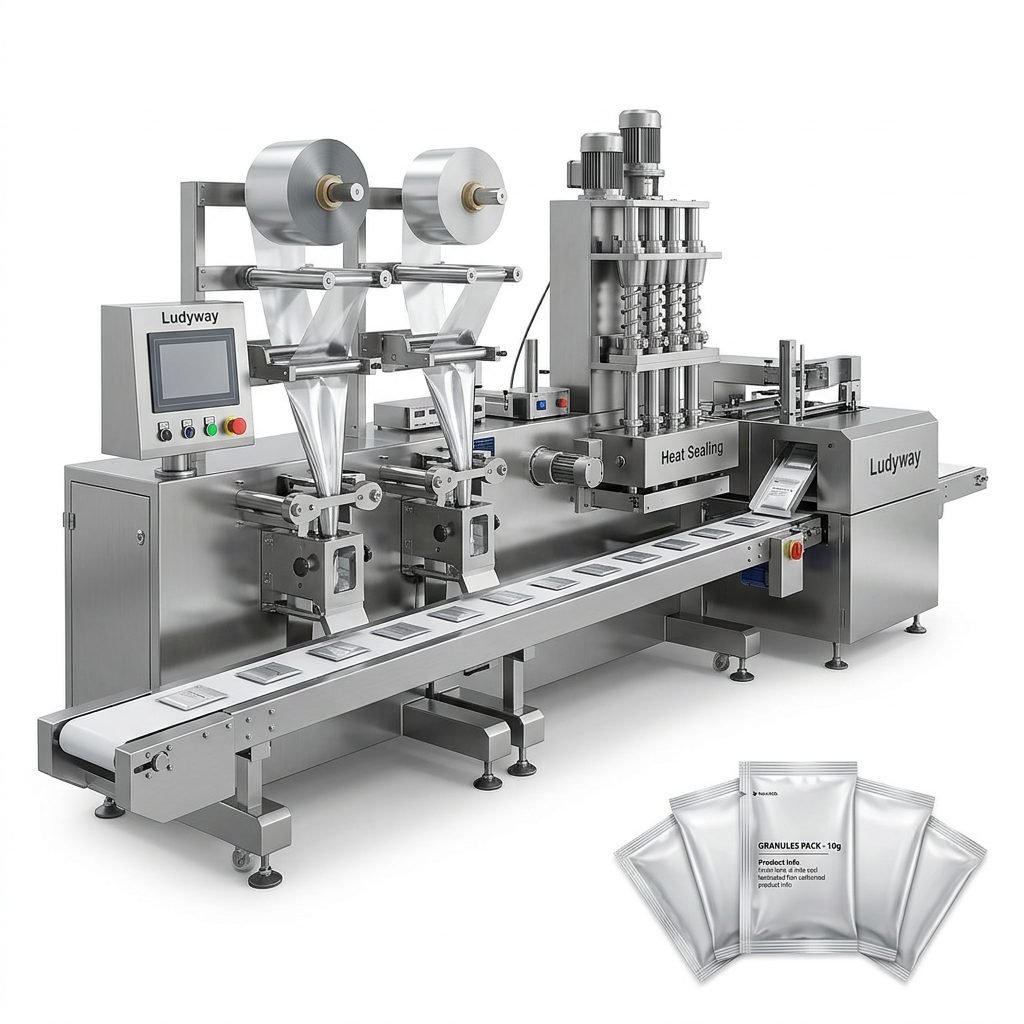
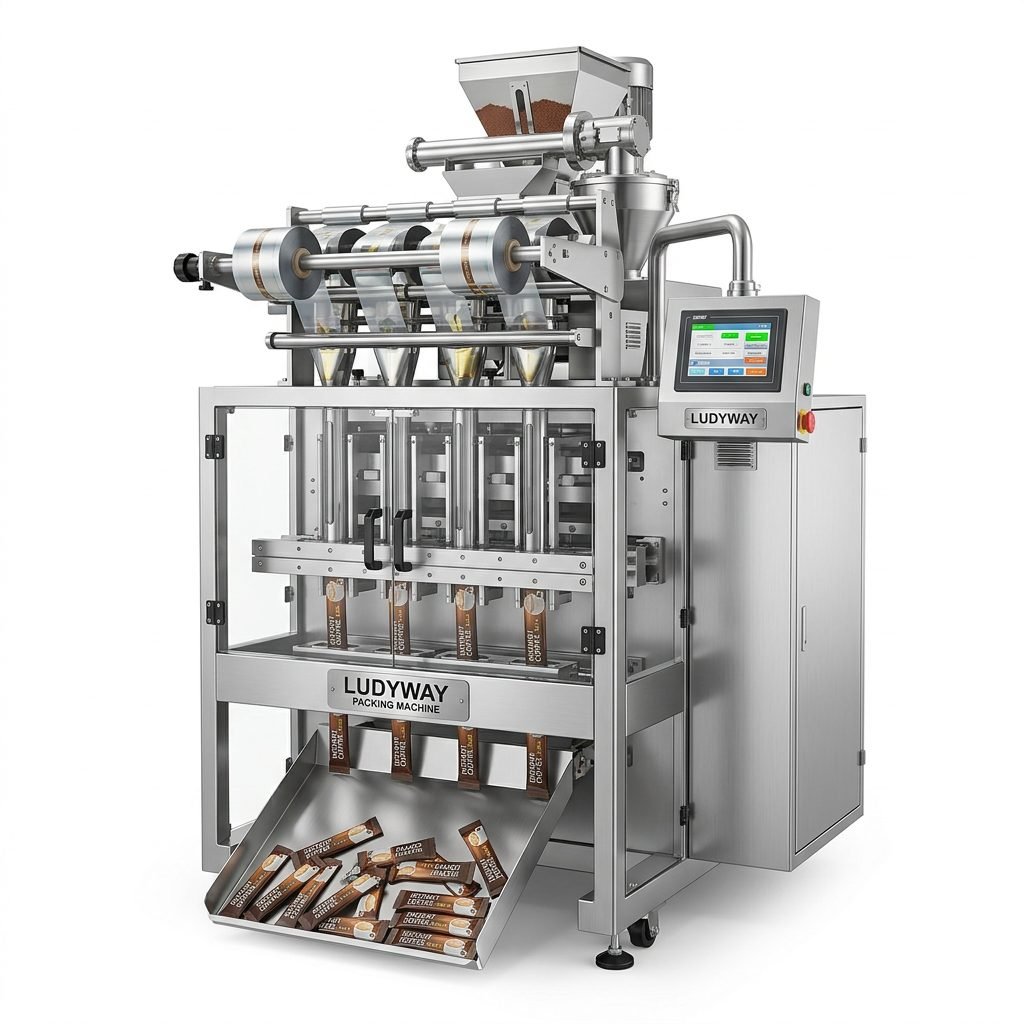
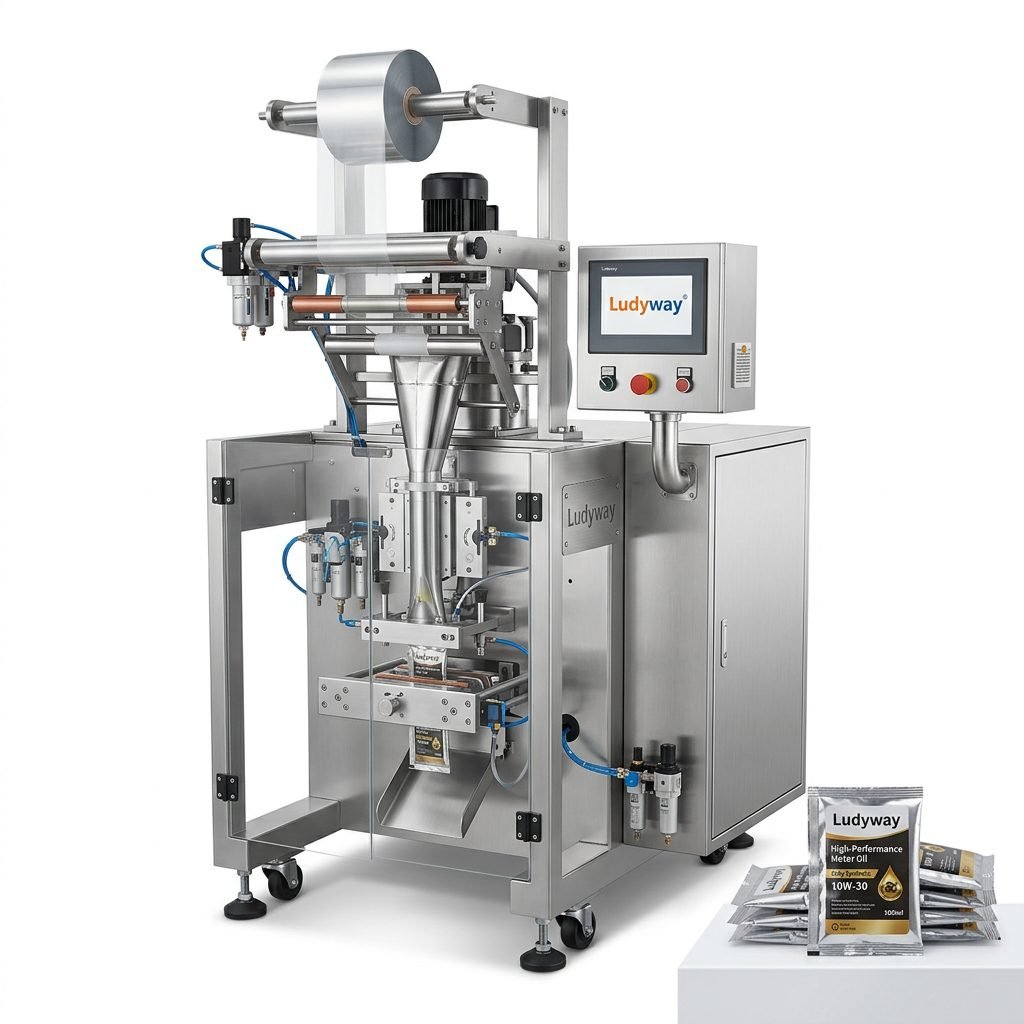
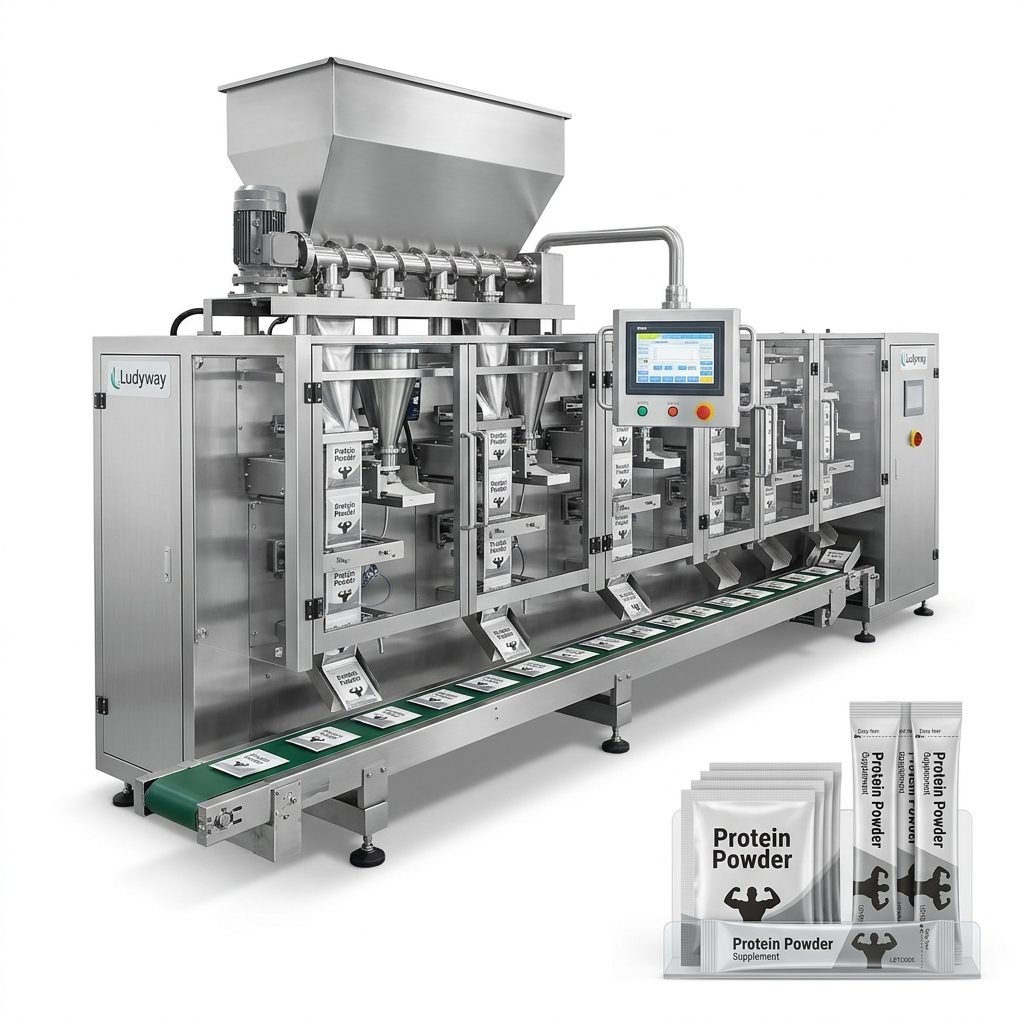
If you are looking for a supplier with broad packaging machinery experience, vacuum packaging machine solutions from Ludyway may be worth reviewing alongside your project requirements. As one of China’s leading packaging machine and turnkey packaging line manufacturers, the company has extensive experience in automation solutions for food, pharmaceutical, health supplement, and related industries.
Final Buying Tips
- Compare quotations on the same technical basis, not just total price
- Ask for sample testing with your real product and materials
- Confirm what is included: molds, vacuum pump brand, spare parts, installation, and training
- Check future upgrade possibilities
- Choose a machine that fits both current production and realistic growth
The best vacuum skin packaging machine price is not simply the cheapest number on paper. It is the cost of the machine that delivers the packaging quality, output, reliability, and support your business actually needs.