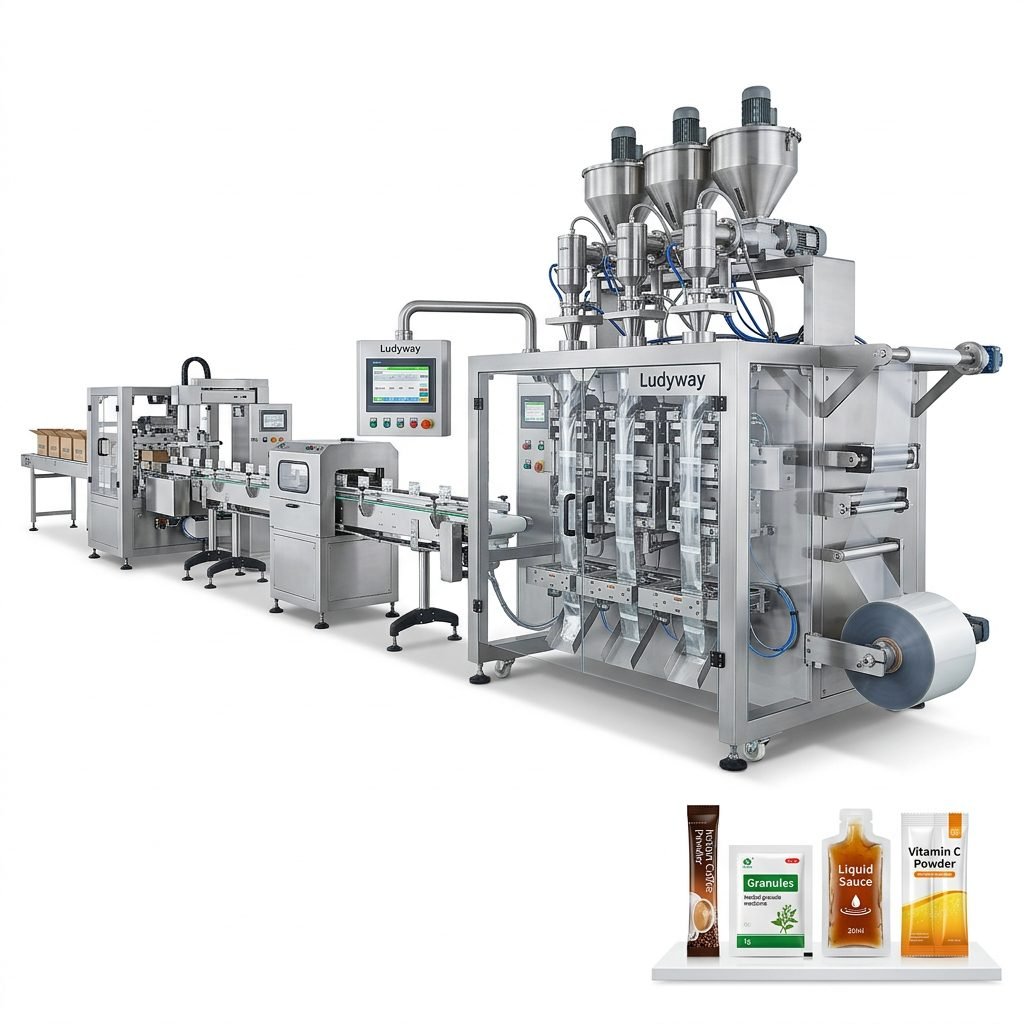
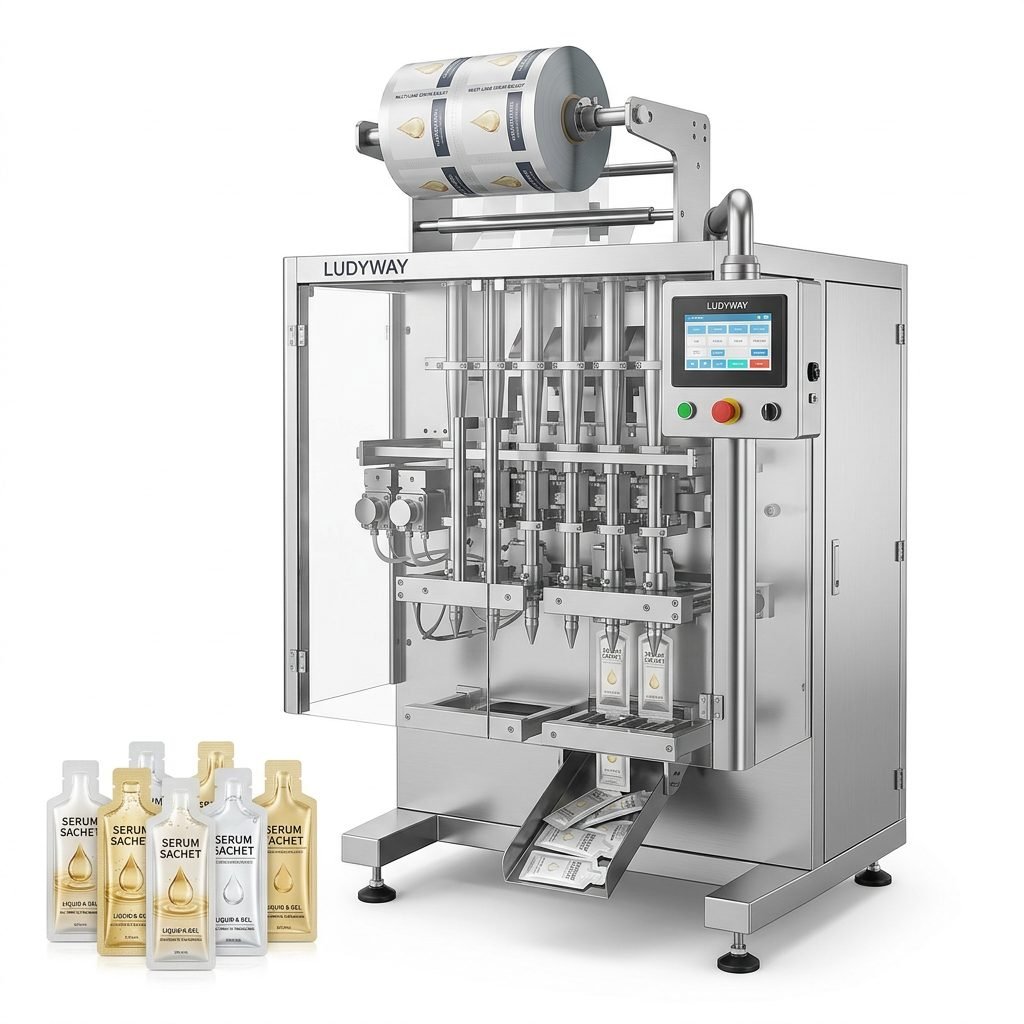
Pouch packaging is no longer a niche format. Across food, health supplements, pharmaceuticals, personal care, household products, and even industrial applications, brands are steadily shifting away from rigid, bulky, or material-heavy packaging toward lighter, more flexible pouch solutions. This change is being driven by cost pressure, sustainability goals, shelf impact, e-commerce growth, and evolving consumer expectations.
For manufacturers, pouch packaging offers far more than a modern appearance. It can improve logistics efficiency, reduce packaging material usage, support convenient portion sizes, and work well with high-speed automated lines. For consumers, pouches are often easier to carry, open, store, and use. That combination is exactly why pouch formats are replacing many traditional packaging types in today’s market.
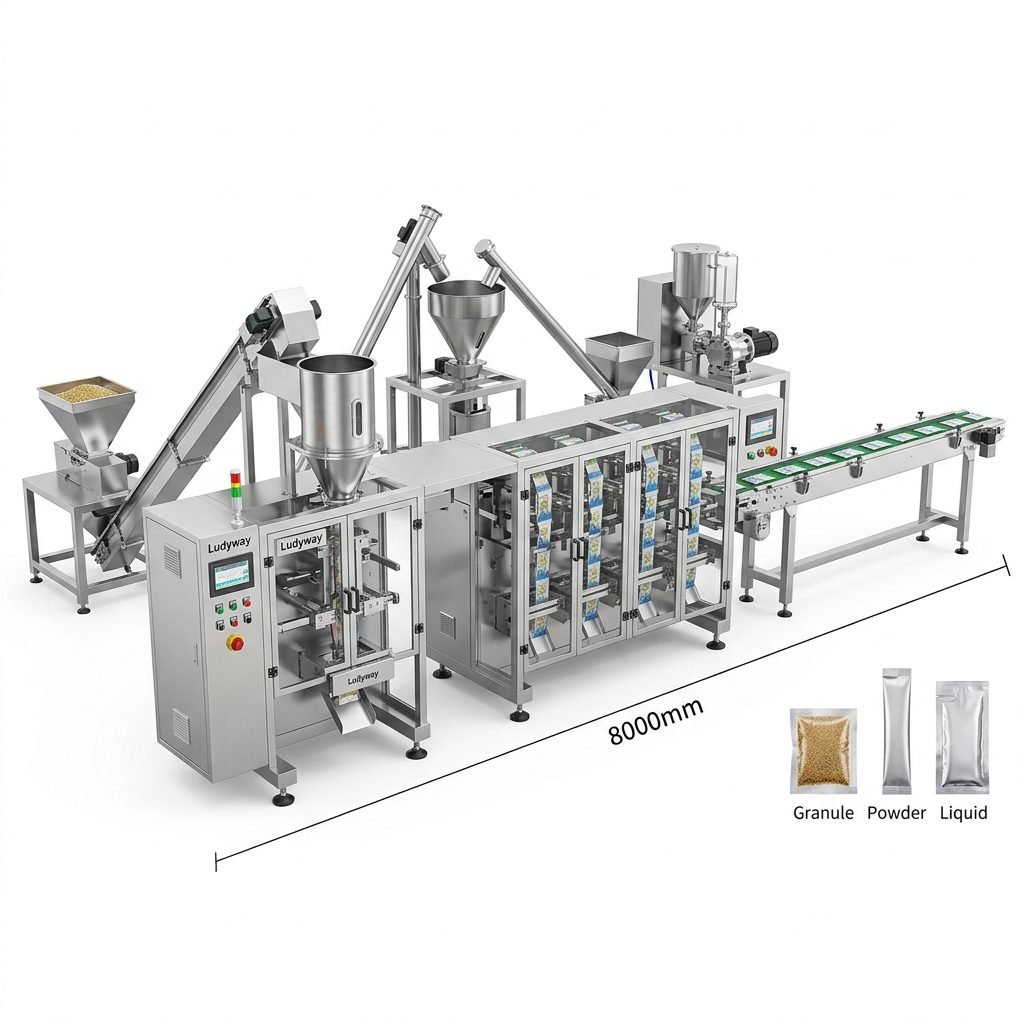
Why pouch packaging is gaining market share
Traditional packaging formats such as glass jars, rigid plastic containers, tins, and cartons still have important roles, but they also come with limitations. They typically use more material, occupy more shipping space, and may be less convenient for single-use or on-the-go applications. Pouches solve many of these issues with a more flexible structure.
- Lower material consumption compared with many rigid packs
- Reduced transport weight, which can lower logistics costs
- Better space efficiency in storage, shipping, and retail display
- High adaptability for powders, granules, liquids, pastes, and mixed products
- Stronger consumer convenience through easy-open, resealable, and portioned designs
- Improved branding potential with larger printable surface areas
As a result, pouch packaging has become a preferred format for businesses that want to balance product protection, visual appeal, operating efficiency, and consumer usability.
Key benefits of pouch packaging over traditional packaging
1. Lower packaging and logistics costs
One of the biggest commercial advantages of pouch packaging is cost efficiency. Flexible materials generally weigh less than rigid containers, and that lower weight can reduce freight costs. Pouches also take up less warehouse space before filling and often pack more efficiently after sealing.
For businesses shipping high volumes, even small savings per unit can make a major difference over time. This is especially important in industries with narrow margins, such as food, powdered drinks, seasonings, supplements, and household cleaning products.
2. Better convenience for modern consumers
Consumer behavior has changed. People increasingly want products that are portable, easy to open, easy to reseal, and simple to dispose of. Pouches are well suited to this lifestyle, especially for:
- Single-serve food and beverage portions
- Travel-size personal care products
- On-the-go nutrition and supplement packs
- Refill packaging for household products
In many categories, convenience directly influences repeat purchases. A package that fits into a bag, kitchen drawer, gym pouch, or medicine cabinet more easily can improve user satisfaction.
3. Strong shelf appeal and branding flexibility
Pouches often provide a visually effective balance between functionality and marketing. Their flexible surfaces allow eye-catching graphics, product information, compliance labeling, and premium finishes. Stand-up pouches in particular can help products remain visible on retail shelves while using less material than many rigid containers.
Brands can also choose from a wide range of structures and finishes, including matte, glossy, transparent windows, zipper closures, spouts, and shaped pouch formats.
4. Versatility across product categories
Pouch packaging works across a broad range of products, which is one reason adoption continues to grow. It is now common in sectors such as:
| Industry | Common Pouch Applications | Why It Works |
|---|---|---|
| Food | Snacks, coffee, spices, sauces, dried fruit, powdered drinks | Freshness, portioning, portability, shelf presence |
| Pharmaceutical | Powders, sachets, oral granules, medical disposables | Dose control, hygiene, tamper evidence |
| Health Supplements | Protein, collagen, electrolyte powders, stick packs | Single-serve convenience, active lifestyle fit |
| Cosmetics & Personal Care | Creams, lotions, masks, shampoos, serums | Travel size, sampling, controlled dispensing |
| Household & Chemical | Detergents, cleaners, additives, treatment powders | Reduced bulk, refill convenience, efficient storage |
5. Better fit for e-commerce and modern distribution
Online retail has changed the packaging conversation. Products now need to survive parcel delivery, reduce dimensional shipping costs, and arrive looking clean and professional. Pouches can perform well in this environment because they are lightweight and compact. In many cases, they also reduce breakage risk compared with glass packaging.
This is especially relevant for direct-to-consumer brands selling supplements, beverages, beauty products, and specialty foods.
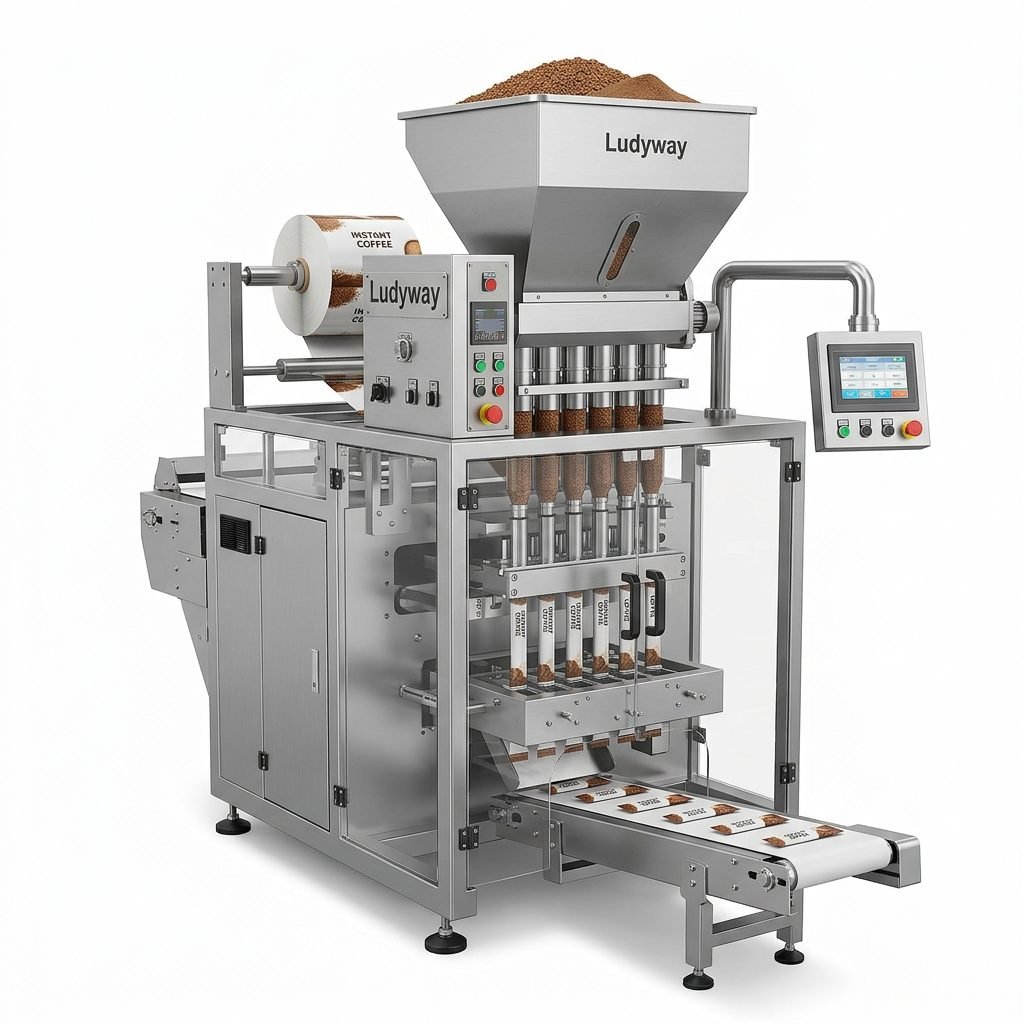
Consumer demand is accelerating the shift
The replacement of traditional packaging is not happening only because manufacturers want efficiency. It is also happening because consumers are actively rewarding formats that are easier to use and more aligned with their expectations.
Convenience-driven purchasing
Busy consumers prefer packaging that requires less effort. Single-serve sachets, resealable stand-up pouches, and lightweight travel packs fit daily routines far better than many bulky containers.
Preference for portion control
In health, nutrition, and food categories, portion control has become a major purchase driver. Pouch packaging supports measured use, which can improve consistency, reduce waste, and help products feel more premium or functional.
Rising expectations around sustainability
Consumers increasingly notice how much packaging a product uses. While sustainability outcomes depend on structure, material choice, and recycling systems, pouches are often viewed favorably because they can use less raw material than traditional rigid packs. This makes them attractive for brands looking to communicate material reduction and packaging efficiency.
Major pouch packaging trends shaping the market
Stand-up pouch growth
Stand-up pouches continue to lead in many retail categories because they combine shelf stability, strong graphics, and user-friendly storage. They are especially popular for snacks, pet food, powders, dried goods, and refill products.
Single-serve and stick pack expansion
Smaller pouch formats are growing rapidly in supplements, instant beverages, pharmaceuticals, and personal care. Single-use designs support dosage precision, portability, and trial-size marketing.
Refill pouch adoption
More brands are using pouches as refill packs for soaps, detergents, shampoos, and food products. Refill systems reduce packaging bulk and appeal to consumers who want less waste and better value.
Smart automation and high-speed filling
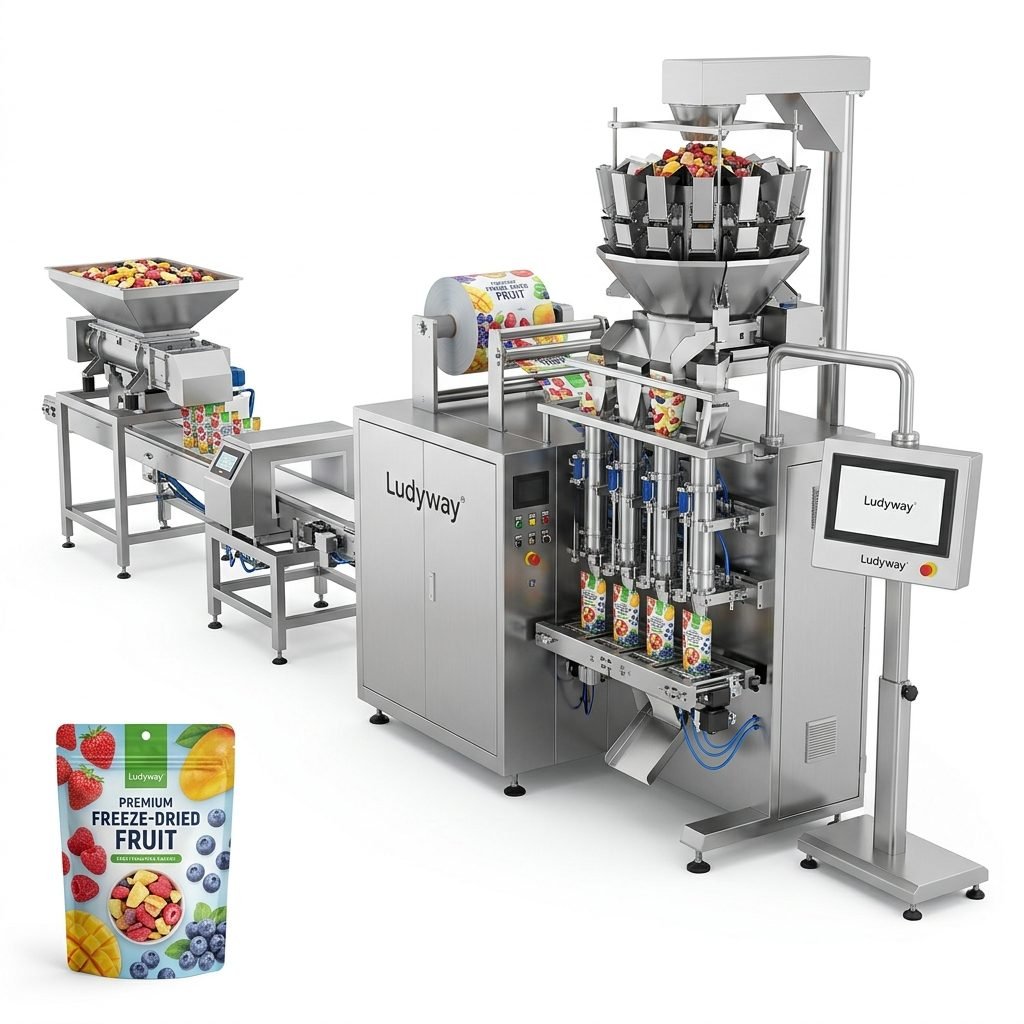
As demand rises, manufacturers are investing in more automated pouch packaging systems. High-speed filling, sealing, coding, inspection, cartoning, and end-of-line handling are now central to maintaining output and consistency at scale.
- Improved sealing consistency
- Reduced labor dependency
- Better dosing accuracy
- Faster format changeovers
- Stronger integration with turnkey production lines
How pouch packaging supports operational efficiency
The switch from traditional packaging to pouches is often part of a larger automation strategy. When a manufacturer adopts pouch packaging, the benefits usually extend beyond the package itself into production planning, line efficiency, and cost control.
| Operational Area | Traditional Packaging Challenge | Pouch Packaging Advantage |
|---|---|---|
| Storage | Bulky empty containers require more space | Flat or rollstock materials save storage area |
| Transport | Higher freight weight and volume | Lighter packs reduce shipping burden |
| Line Flexibility | Some rigid formats are less adaptable | Pouches fit many product forms and sizes |
| Material Efficiency | More packaging weight per unit | Less material use in many applications |
| Scaling Production | Expansion may require more handling steps | Automated pouch lines support faster scaling |
For manufacturers seeking long-term productivity improvements, packaging format selection is closely tied to machinery capability. Reliable automation matters just as much as material choice.
Industries leading the move to pouch packaging
Food and beverage
Snacks, dried fruit, sauces, powdered beverages, coffee, and seasoning products are among the most visible categories adopting pouches. Freshness retention, lower transport cost, and attractive shelf display all contribute to growth here.
Pharmaceutical and healthcare
The pharmaceutical sector values precise filling, hygienic sealing, and compact unit-dose packaging. Sachets and pouch-based medical packaging are increasingly important for powders, granules, and sterile consumables.
Nutritional supplements
Stick packs and sachets are ideal for collagen, electrolytes, protein powders, probiotics, and vitamin blends. They support active lifestyles and subscription-based e-commerce models.
Cosmetics and personal care
Beauty brands use pouches for samples, travel packs, masks, creams, gels, and refill systems. The format supports premium branding while offering convenience and portability.
Household and industrial products
Detergents, cleaners, additives, and treatment chemicals increasingly use pouch formats because they are efficient to ship and easy to dose or refill.
What brands should consider before switching
Although pouch packaging offers clear advantages, businesses should evaluate several technical and commercial factors before making a full transition.
- Product characteristics: powder flow, liquid viscosity, granule size, barrier needs, and shelf-life targets
- Packaging format: sachet, stick pack, stand-up pouch, spouted pouch, or premade pouch
- Production volume: required output speed and future scalability
- Sealing quality: package integrity, leakage prevention, and appearance consistency
- Secondary packaging: cartoning, case packing, coding, inspection, and palletizing needs
- Compliance requirements: especially important in food and pharmaceutical applications
A successful transition usually depends on choosing the right combination of packaging material, product dosing system, sealing technology, and downstream automation.
The role of automation in pouch packaging growth
The rapid rise of pouch packaging would not be possible without advances in packaging machinery. Modern manufacturers need equipment that can handle multiple product types, support stable sealing, reduce downtime, and integrate into complete production lines.
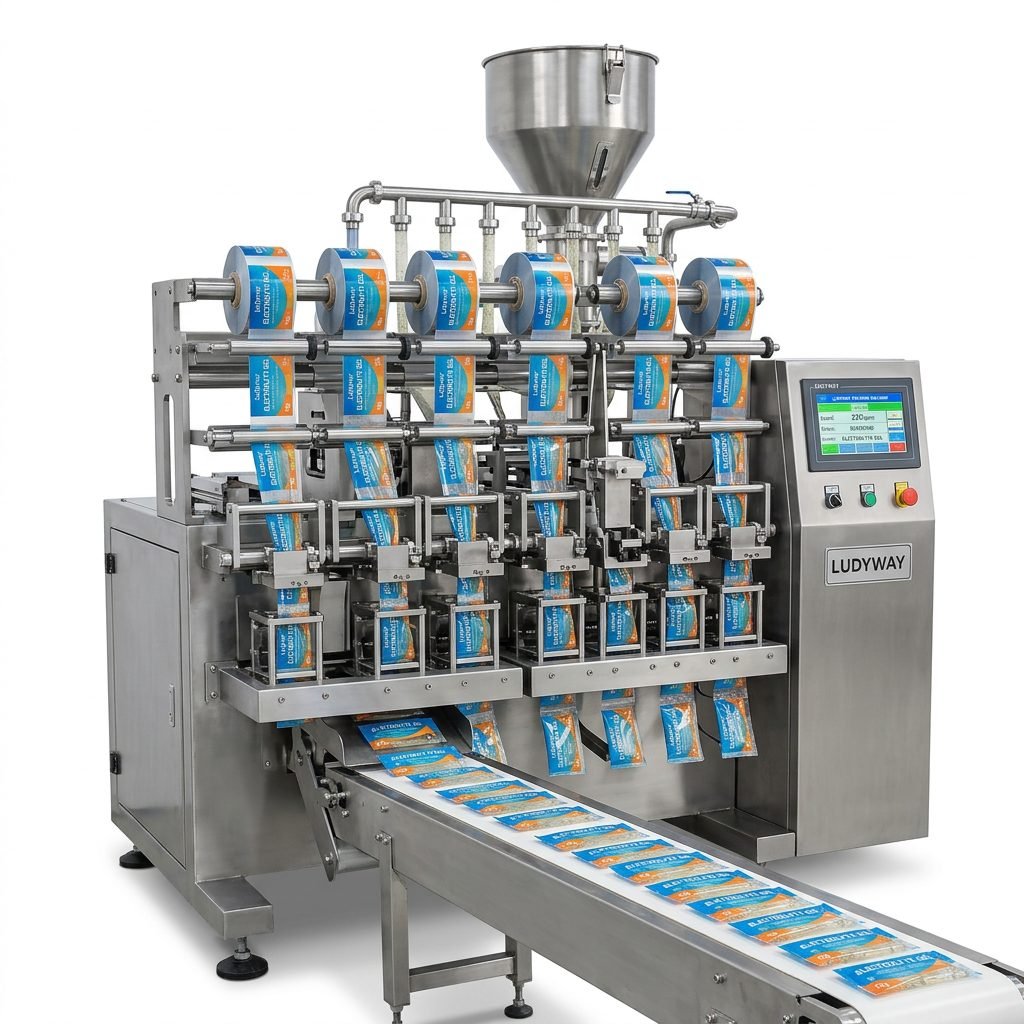
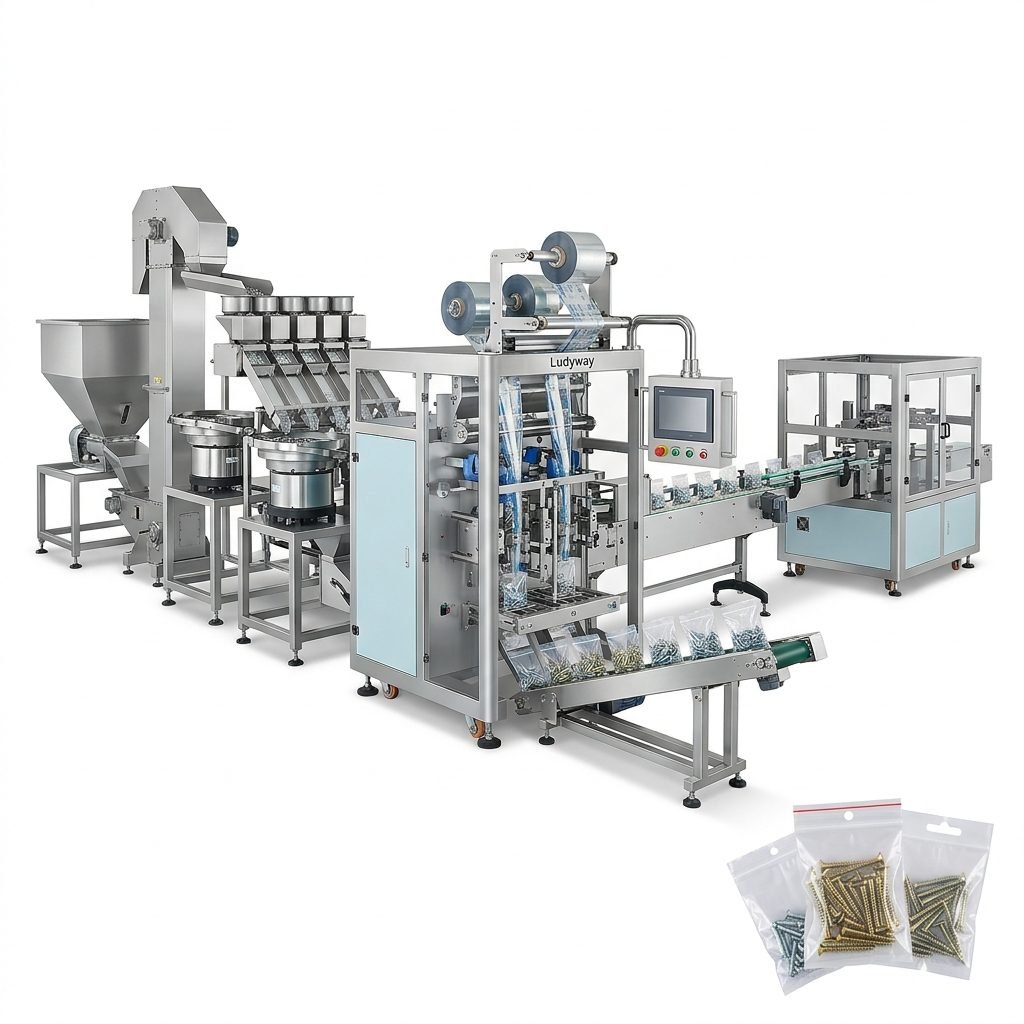
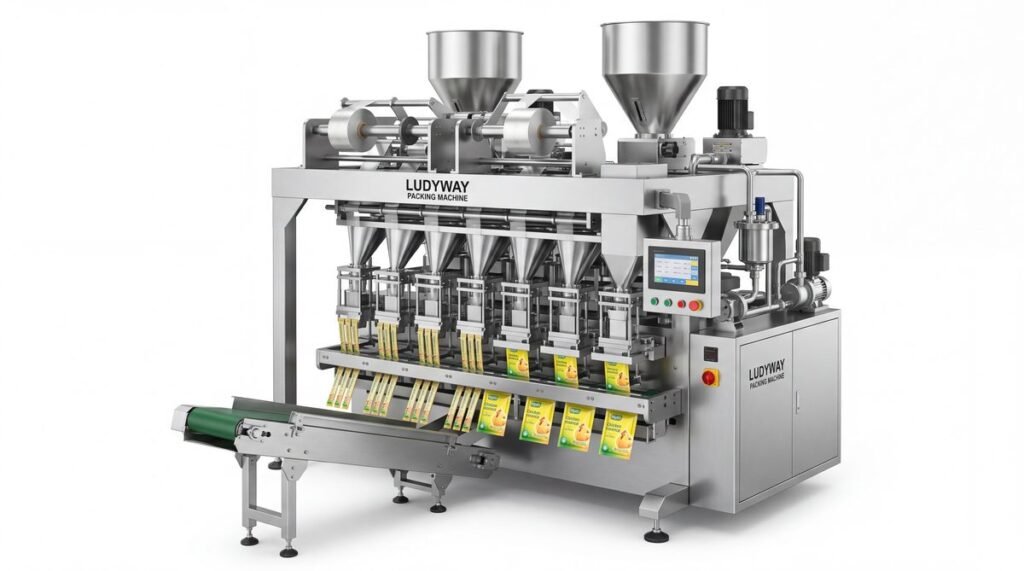
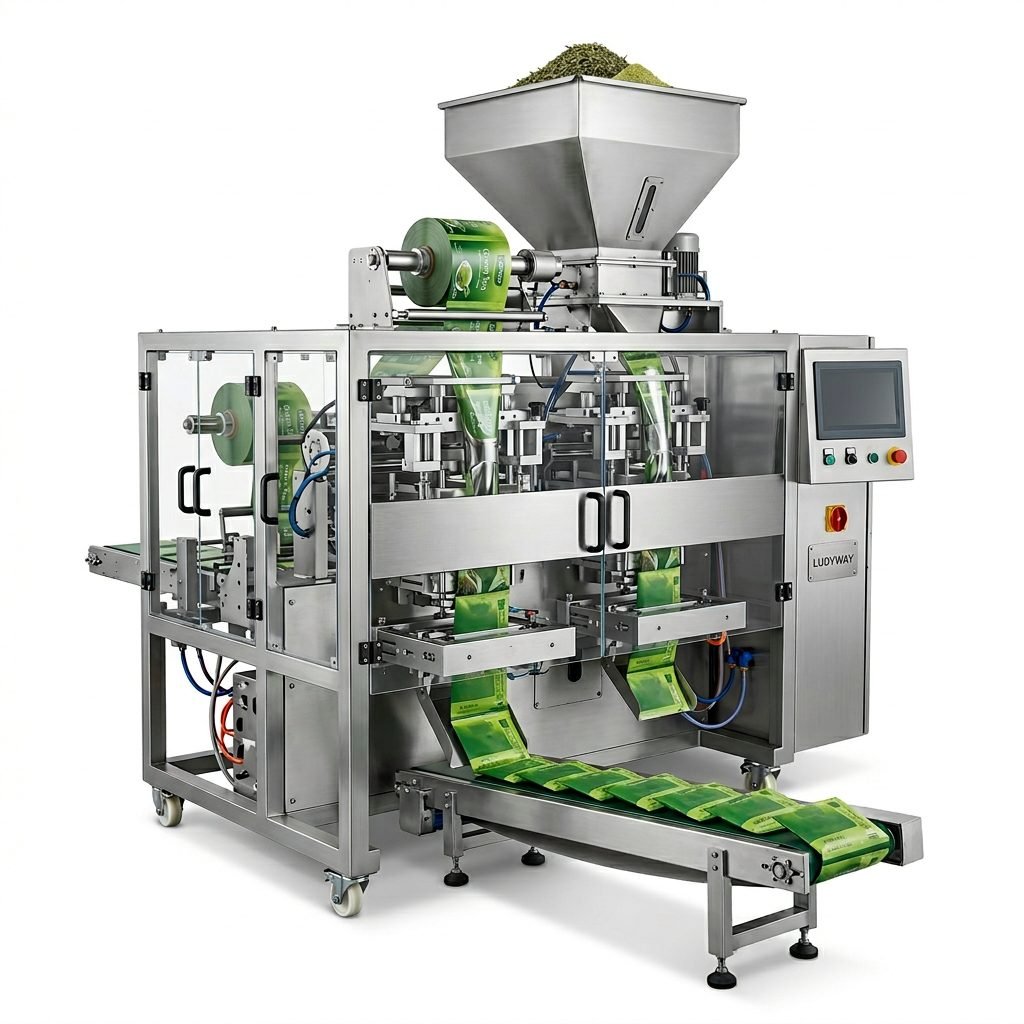
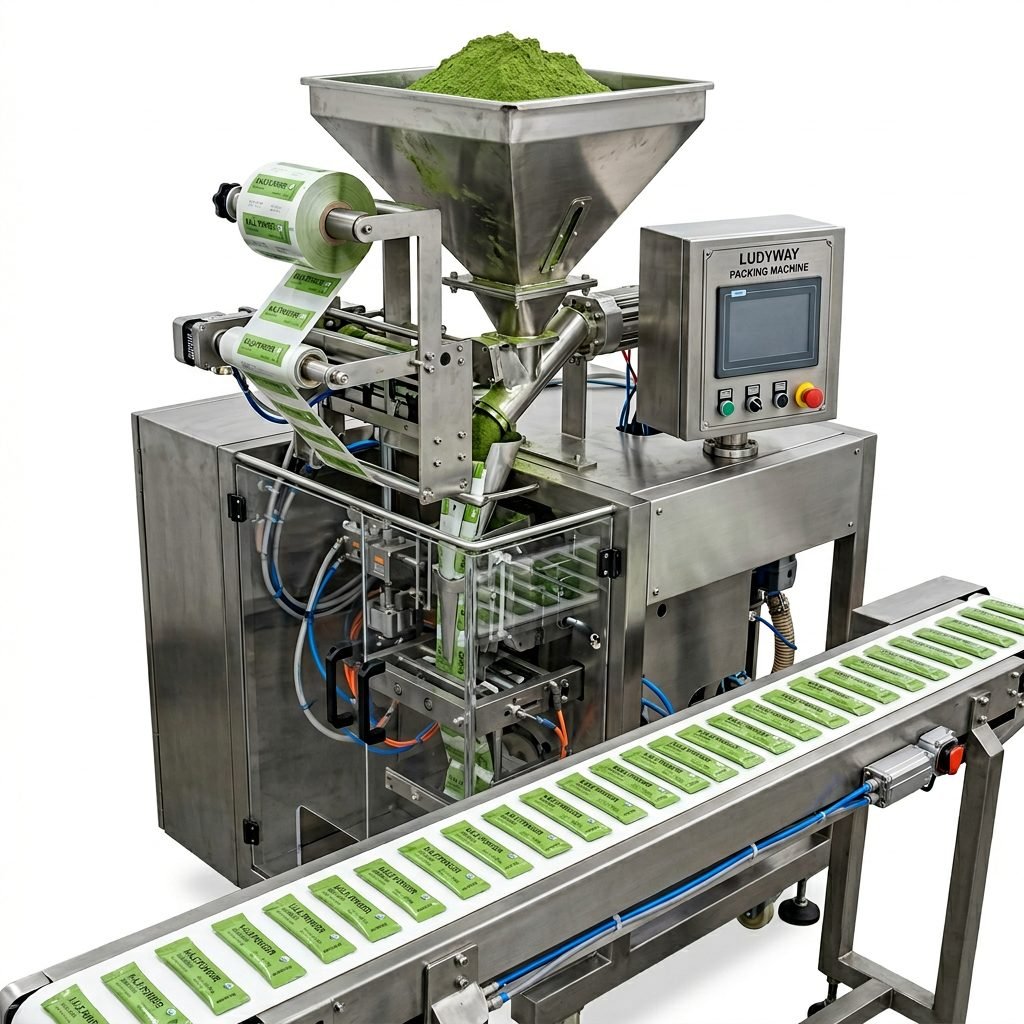
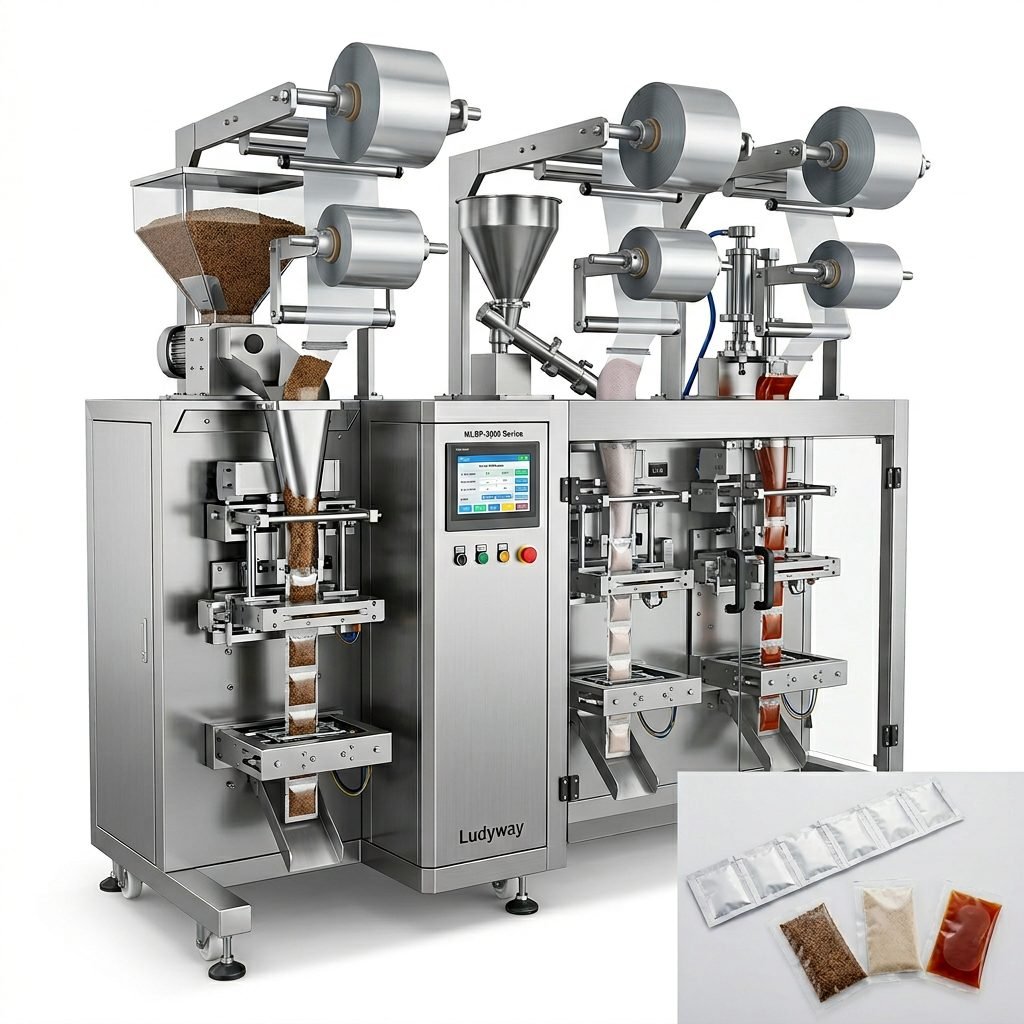
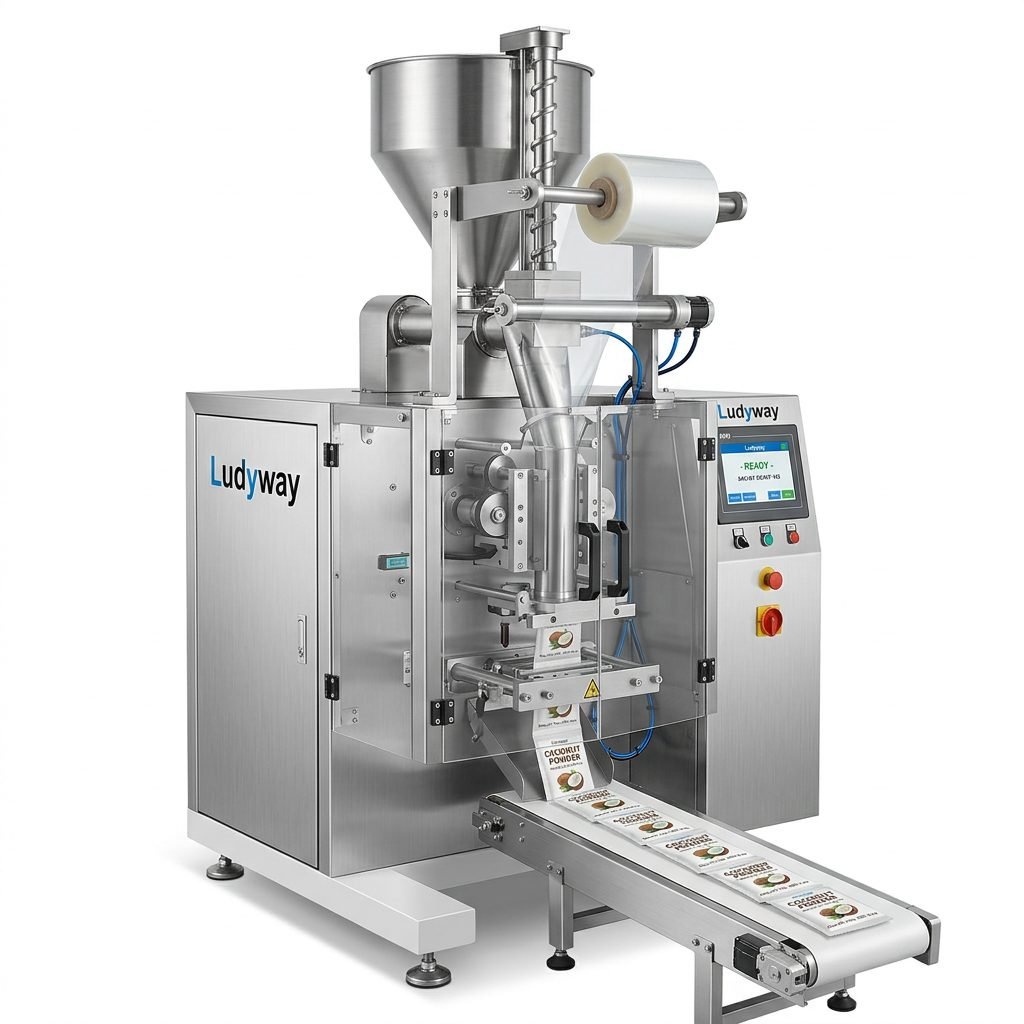
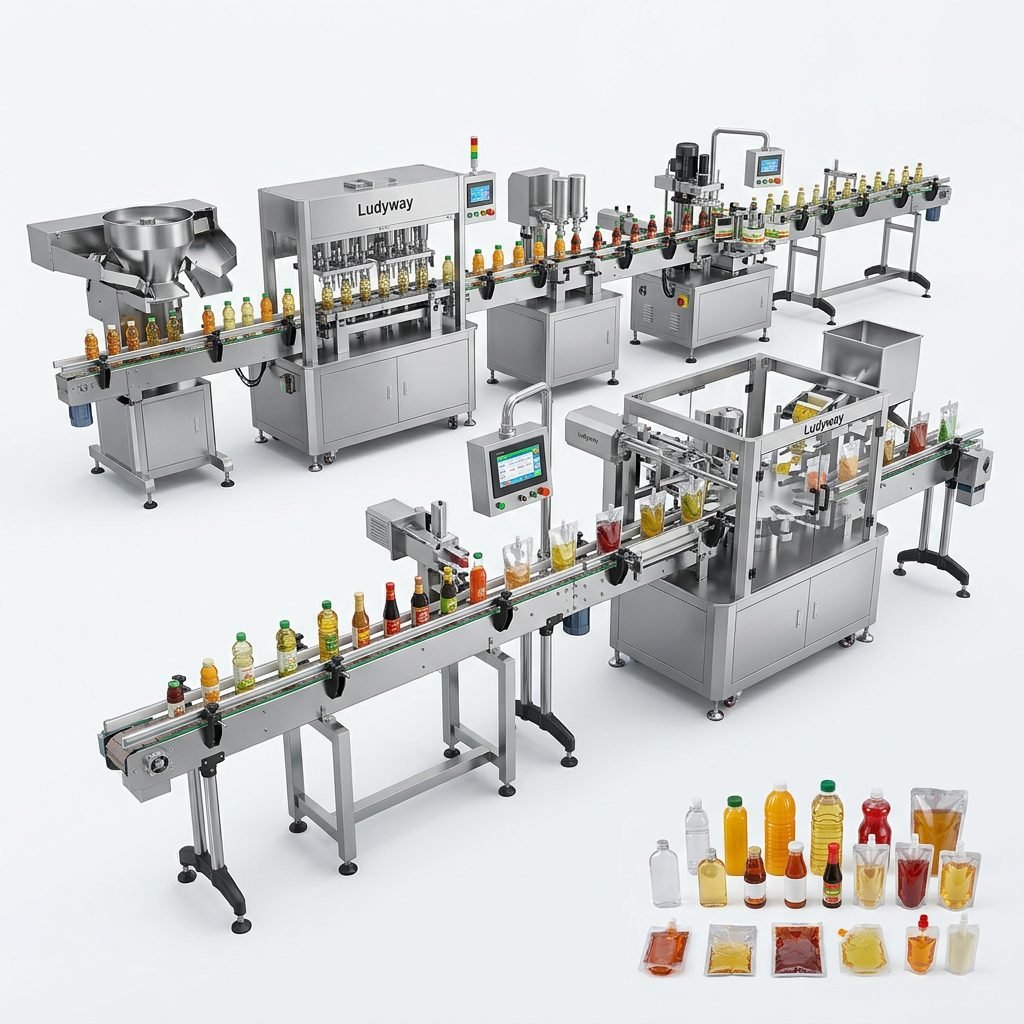
That is why many buyers look for experienced machinery suppliers capable of offering not only individual machines, but also integrated turnkey systems. As one of China’s leading packaging machine and turnkey packaging line manufacturers, Ludyway packaging machine manufacturer supports automated solutions for granules, powders, liquids, pastes, and pouch-based products across food, pharmaceutical, health supplement, and related industries.
Why pouch packaging will continue replacing traditional formats
The shift is not temporary. Pouch packaging aligns with several long-term market forces at once:
- Brands need better packaging efficiency and lower total cost.
- Consumers want convenience, portability, and easy storage.
- Retailers and e-commerce businesses need more space-efficient formats.
- Manufacturers are investing in faster, more flexible automated packaging lines.
- Packaging strategies increasingly favor material reduction and practical sustainability improvements.
For these reasons, pouch packaging is steadily moving from an alternative option to a mainstream packaging standard across multiple industries. Businesses that adapt early are often better positioned to respond to consumer demand, improve operational efficiency, and scale production more effectively.
Final market outlook
Pouch packaging is replacing traditional packaging because it solves real business and consumer problems at the same time. It reduces weight, improves convenience, supports attractive branding, fits modern retail and e-commerce channels, and works exceptionally well with automated production systems.
As technology continues to improve and demand for flexible packaging expands, pouch formats are expected to become even more prominent in food, pharma, supplements, cosmetics, and industrial sectors. For brands planning future packaging upgrades, pouch packaging is not just a trend—it is increasingly a strategic necessity.