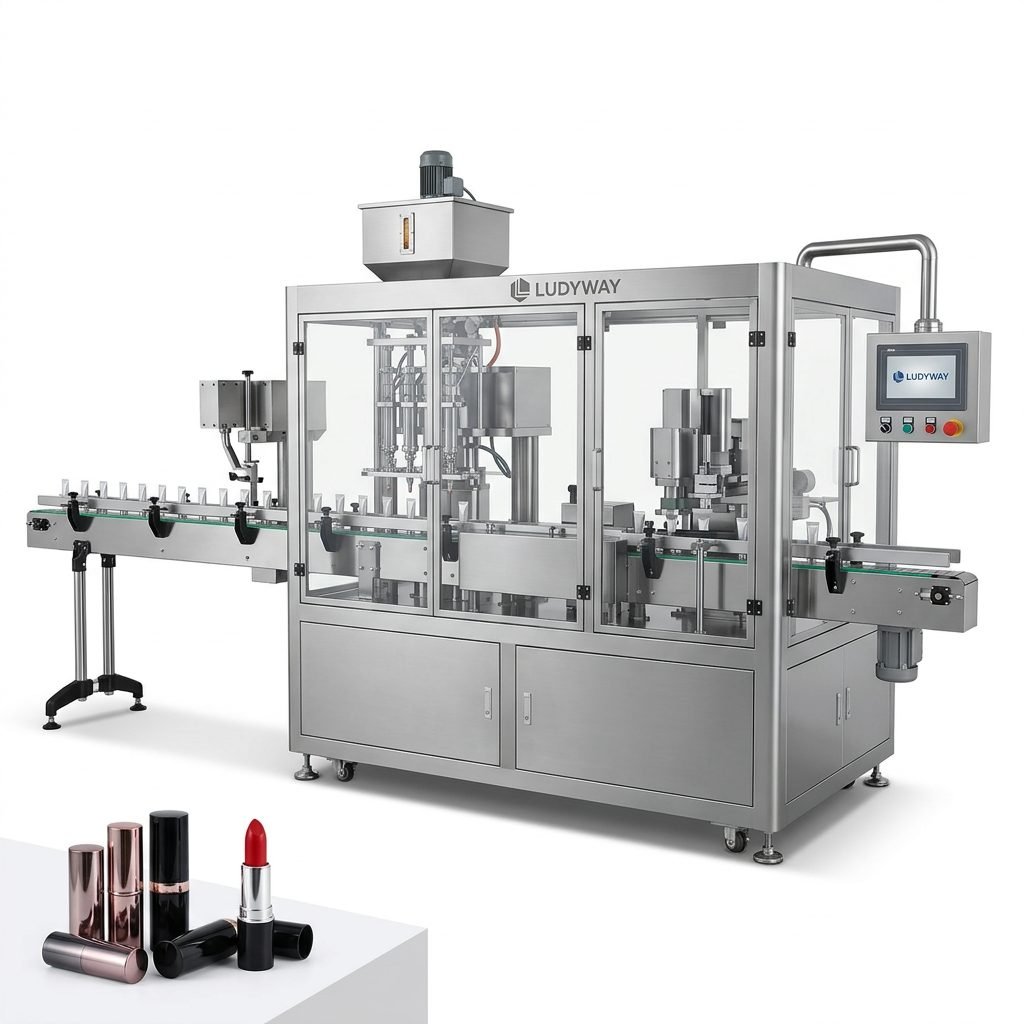
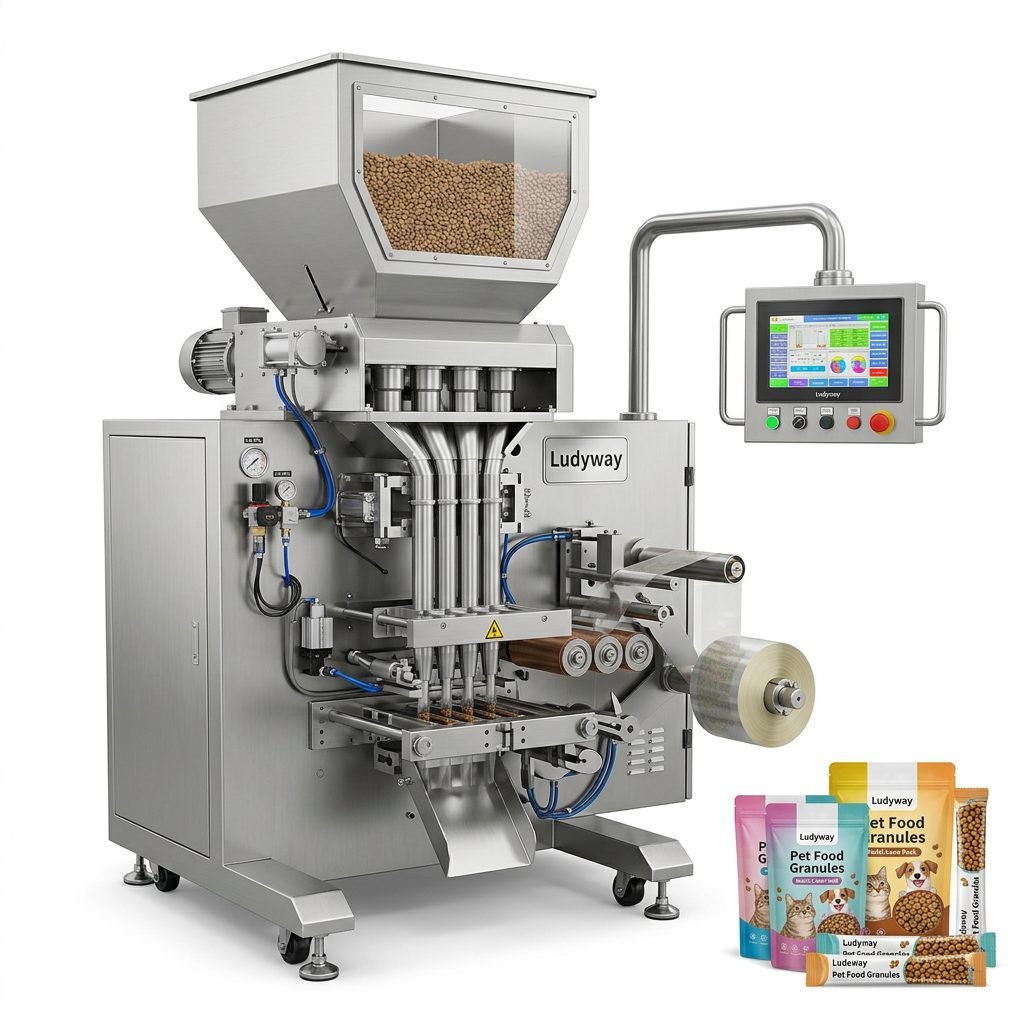
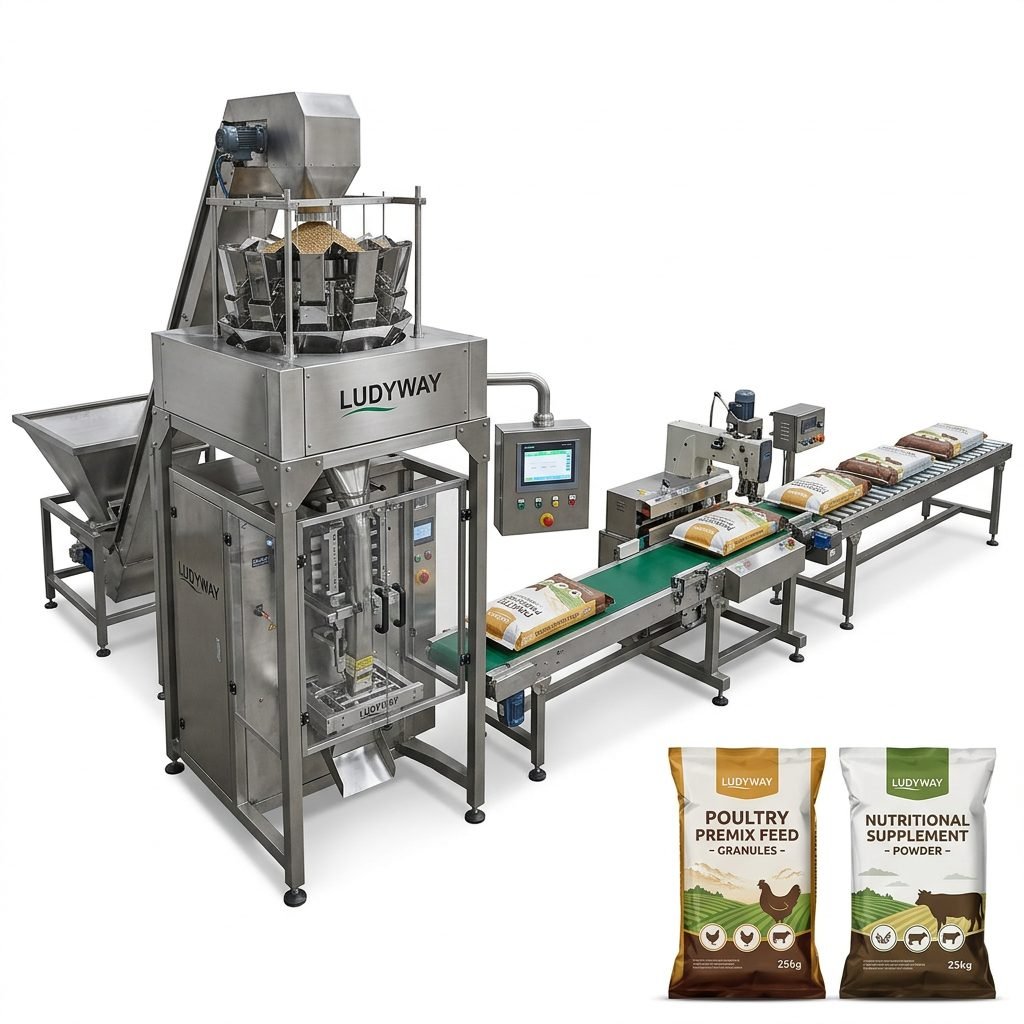
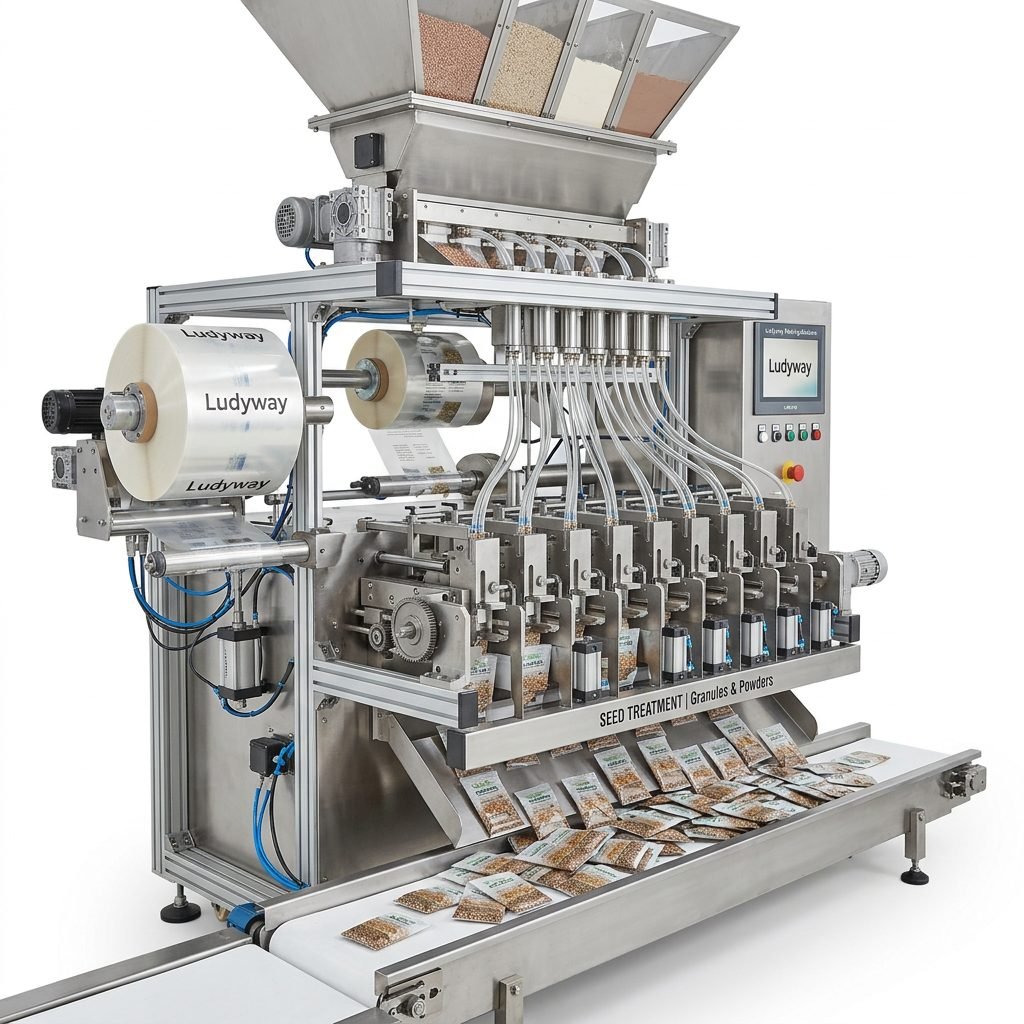
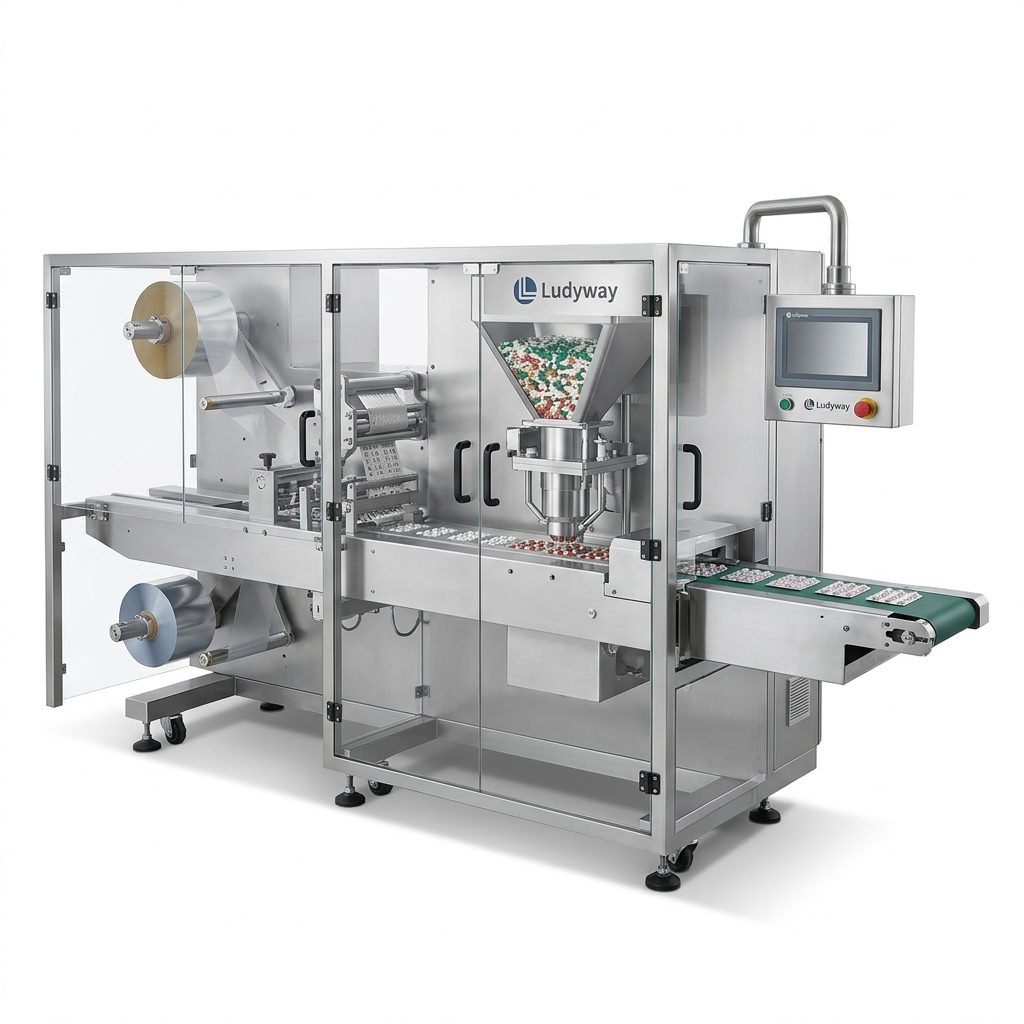
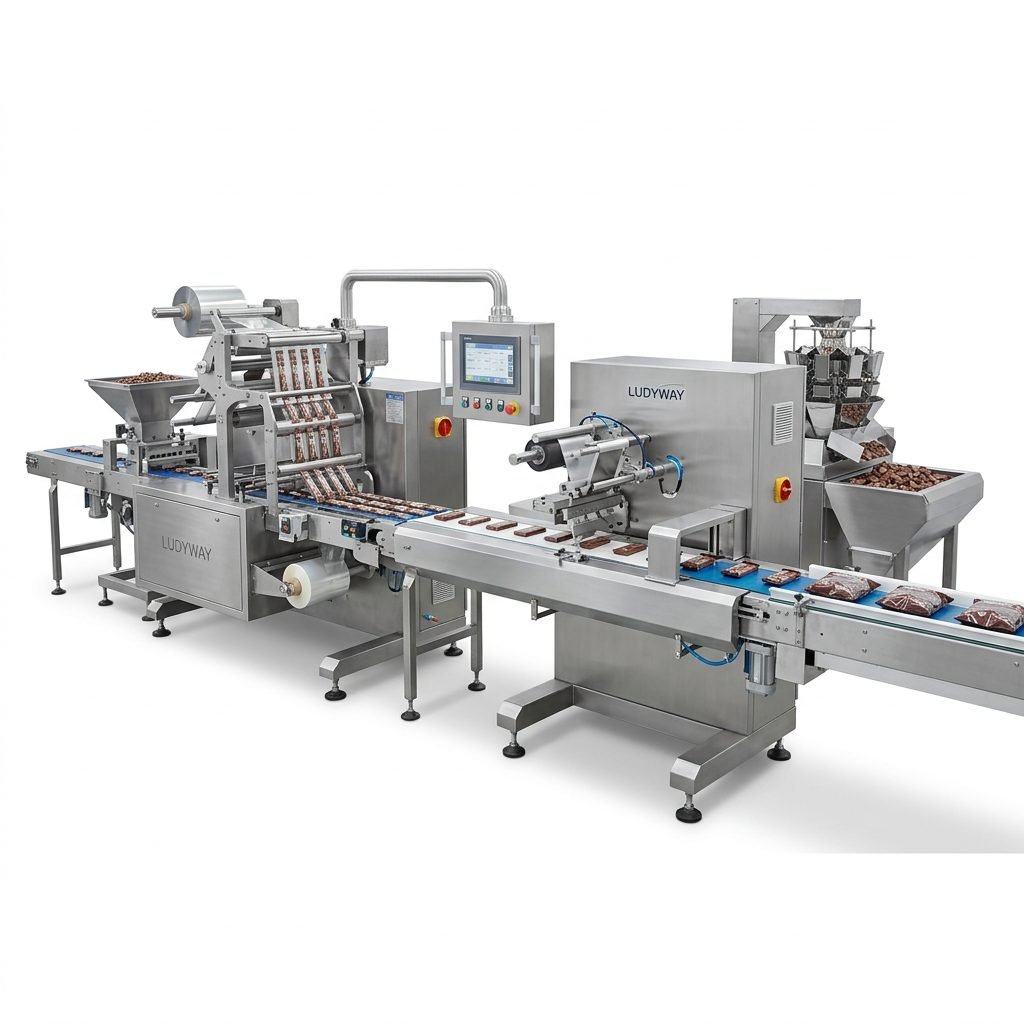
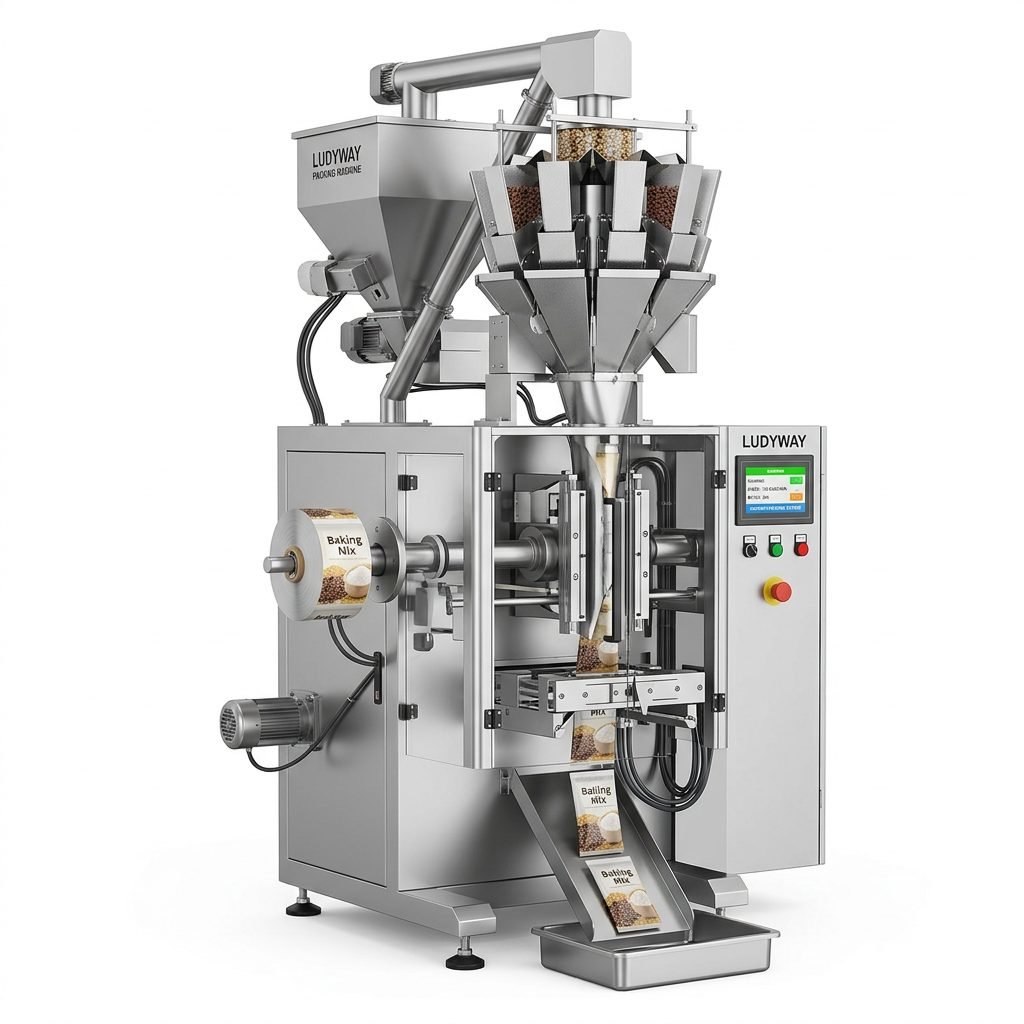
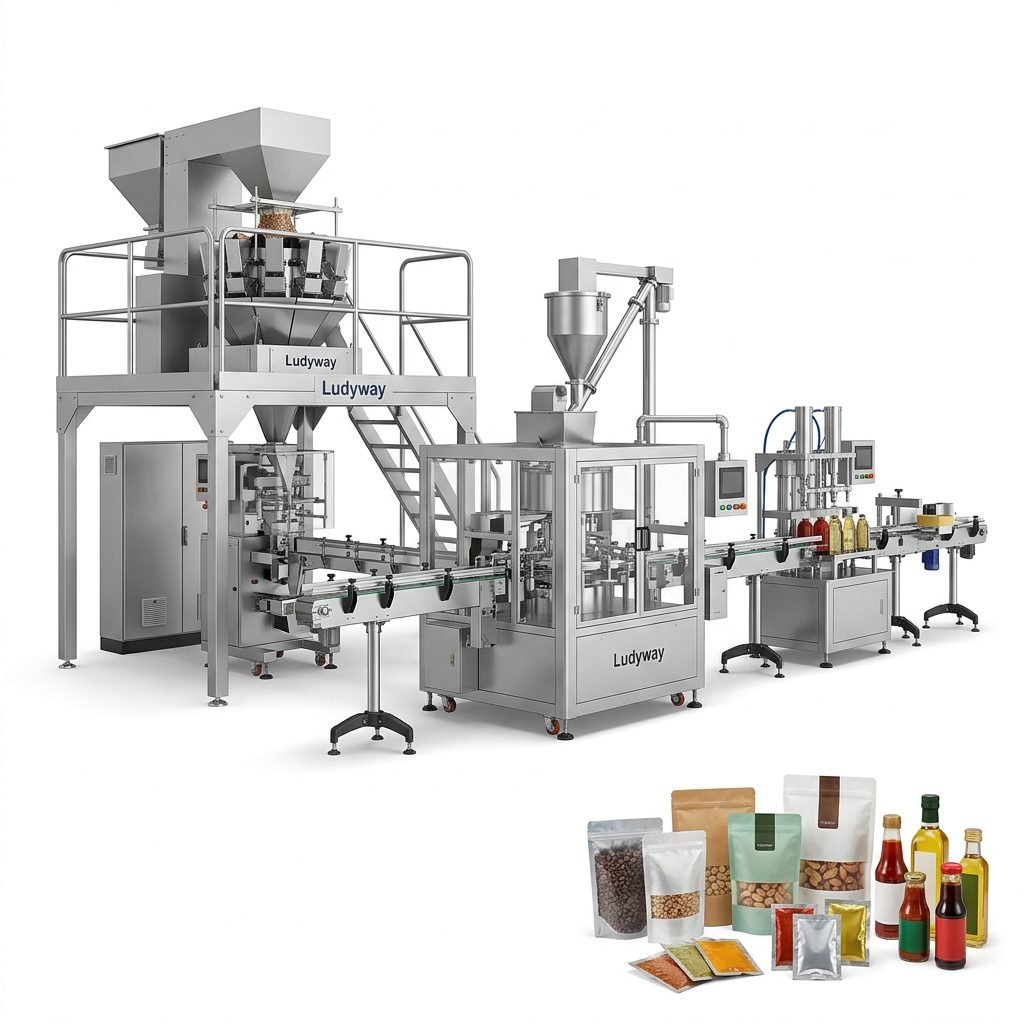
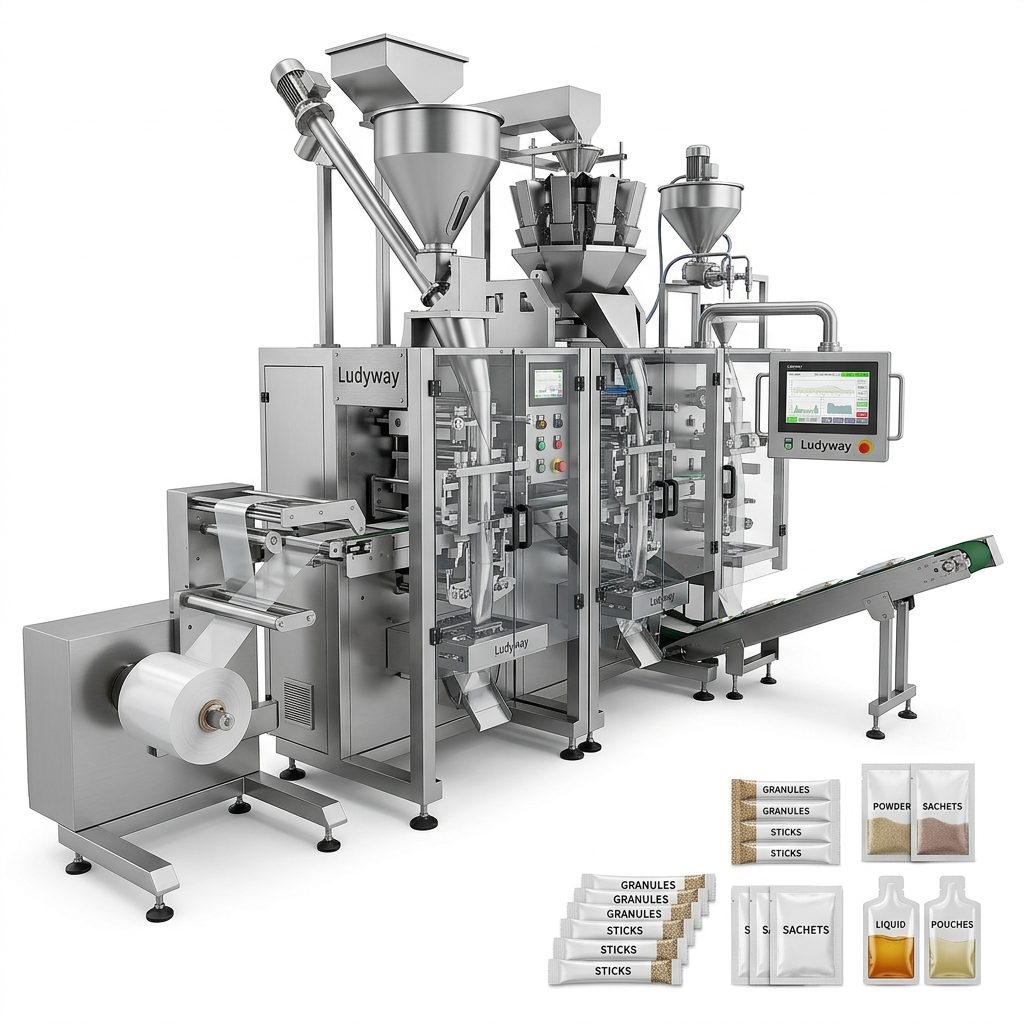
Small bread packaging equipment is increasingly important for bakeries that need to balance speed, product freshness, and labor efficiency. Whether you produce buns, rolls, mini loaves, sweet bread, or individually wrapped bakery snacks, the right machine can help reduce manual work, improve sealing consistency, and support higher daily output without compromising presentation.
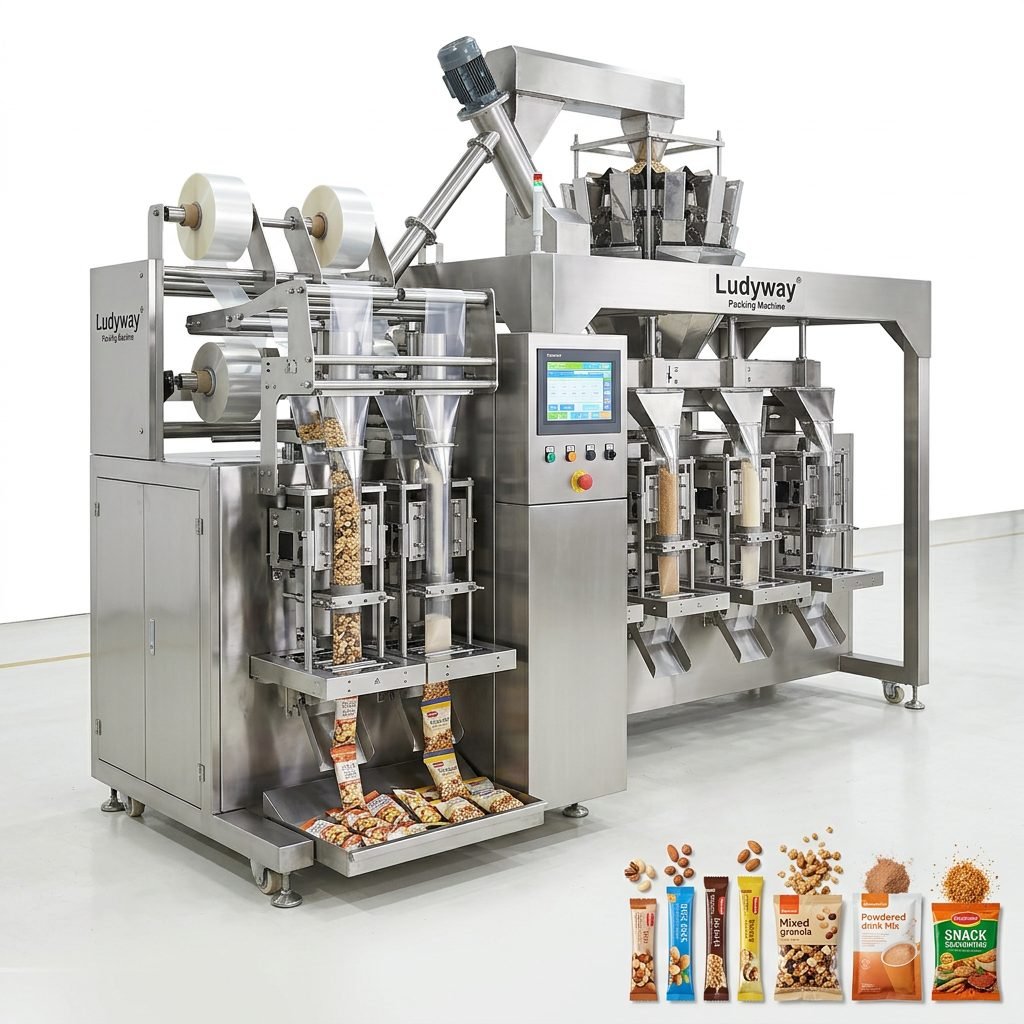
Why Small Bread Packaging Matters in Modern Bakeries
Bread is highly sensitive to air exposure, moisture loss, deformation, and contamination during handling. In a fast-moving bakery environment, manual bagging often creates bottlenecks. A small bread packing machine helps standardize the final packaging stage and makes it easier to keep products attractive on shelves or ready for distribution.
- Faster packing cycles for higher-volume production
- More consistent seals to help maintain freshness
- Cleaner packaging appearance for retail presentation
- Reduced labor dependency during peak bakery hours
- Better compatibility with date coding, labeling, and downstream handling
What Is a Small Bread Packing Machine?
A small bread packing machine is a compact or medium-footprint packaging system designed to wrap, bag, seal, or pack bakery items efficiently. Depending on product size, film type, and production target, these machines may use pillow bag, pouch, flow wrap, or other flexible packaging formats. They are suitable for bakeries ranging from local shops to industrial food manufacturers.
For bakery operations, the ideal solution should not only pack quickly but also handle delicate products gently. Soft buns and sliced bread can deform easily, so machine stability, accurate feeding, and reliable sealing are essential.
Key Features to Look For
| Feature | Why It Matters for Bread Packaging |
|---|---|
| Compact design | Fits smaller bakery workshops and helps optimize floor space. |
| Stable sealing system | Prevents leakage, maintains freshness, and improves package quality. |
| Adjustable settings | Supports different bread sizes, packaging films, and bag lengths. |
| Food-grade structure | Improves hygiene and simplifies cleaning in food production areas. |
| Automation compatibility | Can connect with conveyors, feeders, printers, and cartoning systems. |
| User-friendly controls | Reduces training time and helps operators change products quickly. |
Benefits for Fast Bakery Packaging
1. Higher Throughput Without Excess Labor
As bakery demand rises, hand-packing becomes inefficient. A machine-based solution allows one line to package more products in less time, which is especially helpful during morning production rushes and seasonal peaks.
2. Better Product Protection
Bread products are vulnerable to compression and contamination. A well-configured packing machine improves handling accuracy and supports cleaner, more secure packaging.
3. Improved Shelf Appeal
Neat, uniform packages are easier to display and sell. This matters for supermarkets, convenience stores, cafés, and bakery chains where visual consistency influences purchasing decisions.
4. Easier Production Planning
Automated bakery packaging creates predictable output rates. This makes it easier to plan staffing, packaging material supply, and shipment schedules.
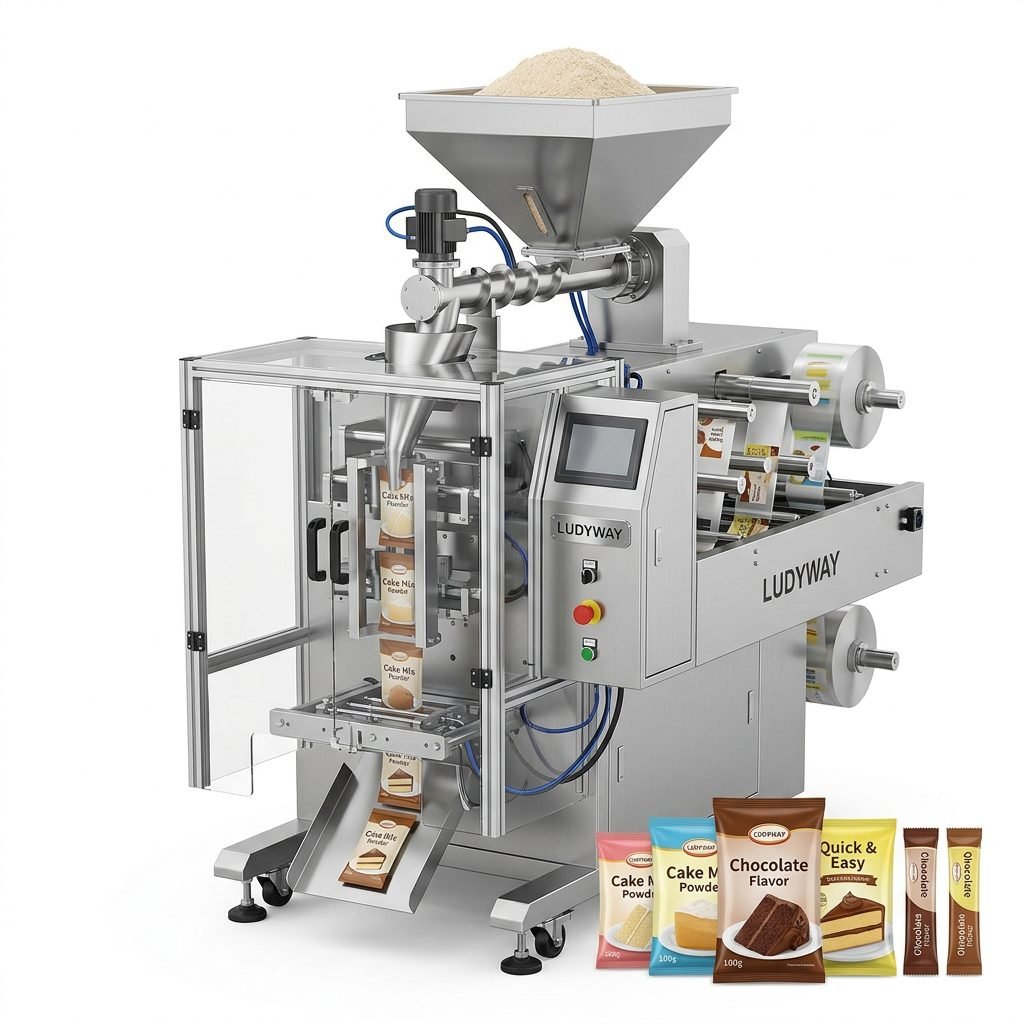
Typical Bakery Products Suitable for Packaging Machines
- Small sandwich bread
- Sweet buns and filled buns
- Mini loaves
- Dinner rolls
- Hamburger buns
- Toast portions
- Bakery snacks and soft cakes
- Individually wrapped promotional bread items
How to Choose the Right Bread Packing Solution
Before investing in a small bread packing machine, bakeries should evaluate the full packaging workflow rather than the machine alone. The right choice depends on product characteristics, output goals, packaging material, and future scaling plans.
Important selection factors:
- Bread size and shape: round buns, long rolls, sliced loaves, or irregular artisan items may require different feeding and sealing configurations.
- Packaging format: choose based on retail display, freshness requirements, and transport needs.
- Output target: match machine speed with your actual daily production capacity.
- Film compatibility: ensure the machine works with the packaging materials you use or plan to adopt.
- Expansion potential: if your bakery is growing, select equipment that can connect with coding, labeling, cartoning, or complete lines later.
Manual Packing vs. Automated Bread Packing
| Aspect | Manual Packing | Machine Packing |
|---|---|---|
| Speed | Limited by labor availability | Higher and more stable output |
| Seal consistency | Varies by operator | More uniform sealing results |
| Labor demand | High | Reduced manual workload |
| Appearance | Can be inconsistent | More professional package presentation |
| Scalability | Difficult during demand growth | Supports long-term capacity expansion |
Best Applications for Growing Bakery Businesses
A small bread packaging machine is ideal for:
- Neighborhood bakeries upgrading from manual packing
- Wholesale bread suppliers serving supermarkets and cafés
- Frozen or fresh bakery brands launching retail packs
- Food factories diversifying into soft bakery products
- Producers seeking cleaner, faster, and more repeatable packaging operations

Why Equipment Reliability Is Critical
In bakery production, downtime affects more than productivity. Because bread is time-sensitive, delays can impact freshness windows, dispatch plans, and customer satisfaction. This is why many buyers prioritize machine reliability, operator convenience, spare parts availability, and technical support when comparing packaging suppliers.
For businesses exploring broader automation needs, Ludyway packaging machine solutions are often considered by international buyers looking for scalable equipment, from standalone machines to complete turnkey packaging lines across food and related industries.
Practical Tips Before Buying
- Prepare product samples with actual dimensions and texture.
- Confirm your target bag style and packaging material in advance.
- Estimate current and future output requirements realistically.
- Ask about cleaning, maintenance, and changeover procedures.
- Consider whether you will later add coding, inspection, cartoning, or case packing.
Conclusion
A small bread packing machine is a practical investment for bakeries that want efficient and fast bakery packaging without sacrificing product quality. With the right configuration, bakeries can improve packaging speed, strengthen freshness protection, reduce labor pressure, and present bread products more professionally in competitive retail markets. As bakery businesses expand, automated packaging becomes an essential step toward stable, scalable, and cost-effective production.