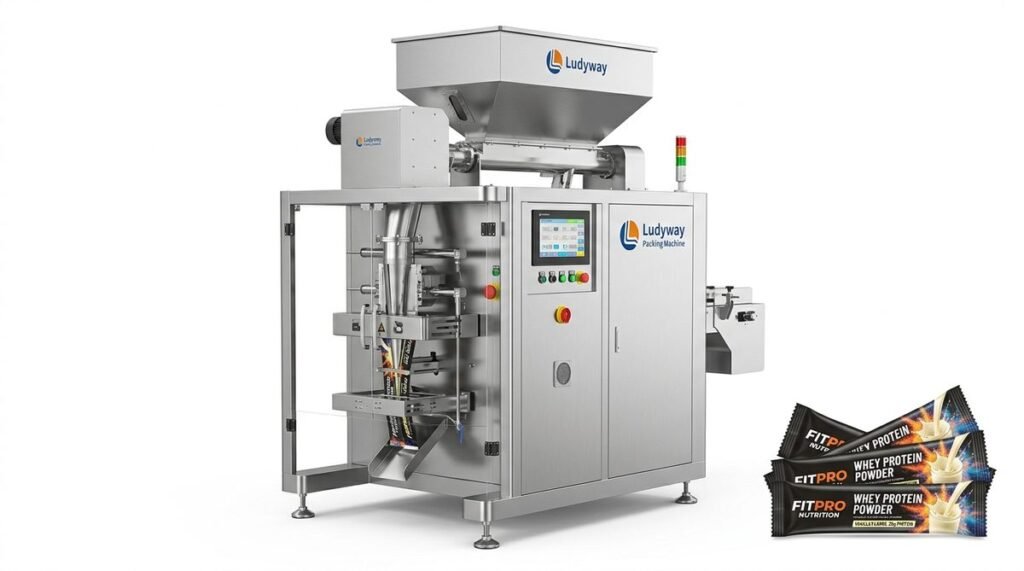
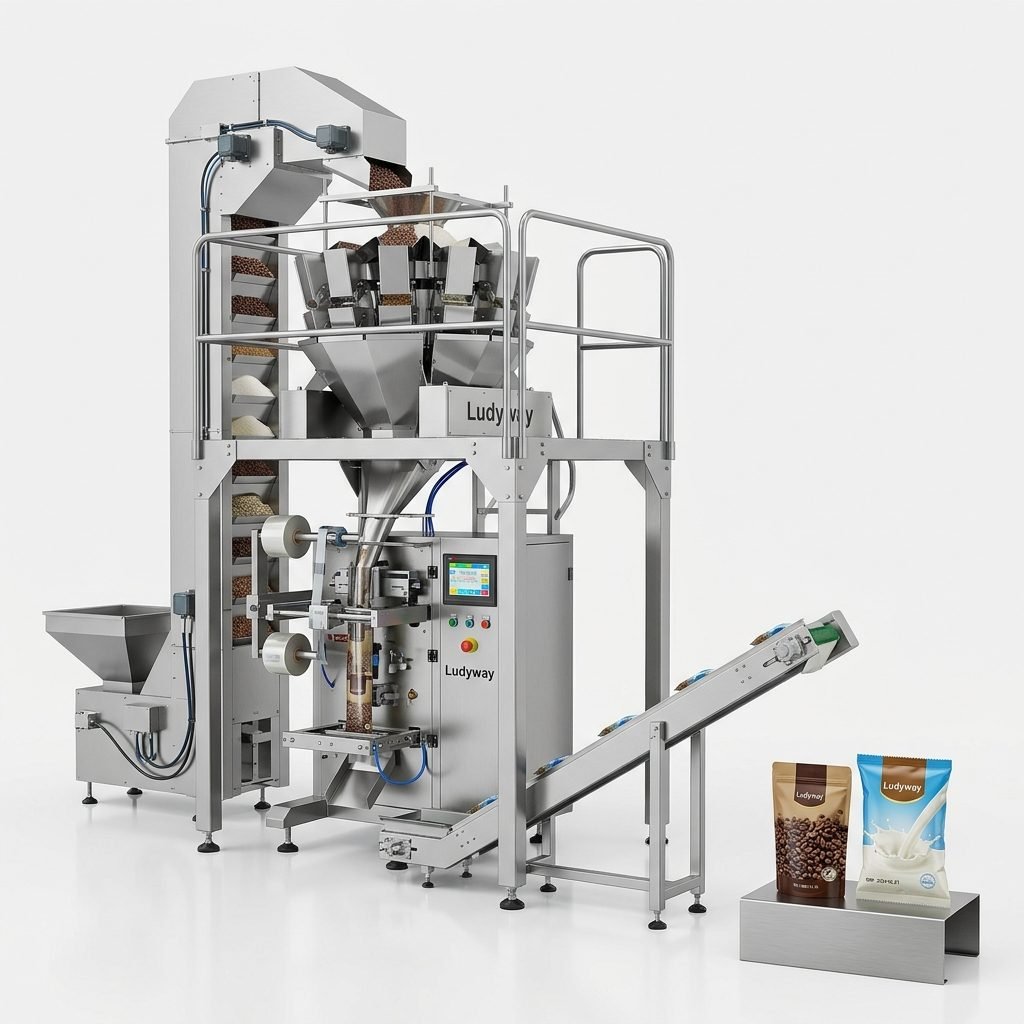
Foam packaging machines are widely used to protect products during storage, handling, and shipping. From electronics and automotive components to fragile industrial parts, these systems create custom protective foam packaging that reduces breakage, improves presentation, and helps businesses automate packing operations. If you are evaluating this technology, understanding how it works and what to compare can help you make a smarter investment.

What Is a Foam Packaging Machine?
A foam packaging machine is equipment designed to produce and dispense protective foam around a product or inside a package. The foam expands after mixing, then forms a cushioning layer that fits the shape of the item. This helps absorb shock, prevent movement inside the box, and protect goods from vibration or impact during transportation.
Depending on the packaging requirement, the machine may create:
- Foam-in-place packaging
- Protective foam cushions
- Void filling materials
- Custom-shaped protective inserts
- Low-volume or high-speed automated foam packing solutions
How Does a Foam Packaging Machine Work?
The working principle is straightforward: two chemical components are stored separately, metered precisely, and mixed at the dispensing point. Once mixed, the material reacts, expands rapidly, and forms foam that surrounds or supports the product.
Basic working steps
- Material feeding: The machine draws two foam components from separate tanks or cartridges.
- Metering: Pumps or dosing units control the correct ratio for stable foam quality.
- Mixing: The materials are blended in the mixing chamber or nozzle.
- Dispensing: The liquid mixture is dispensed into a bag, directly into a box, or onto a packaging base.
- Expansion and curing: The foam expands in seconds and hardens enough to hold the product securely.
- Final protection: The product is enclosed with a custom-fit protective structure.
In many production environments, the process can be semi-automatic or fully automatic. Advanced systems can be integrated with conveyors, carton handling units, weighing devices, and end-of-line packing equipment for continuous operation.
Main Components of a Foam Packaging Machine
| Component | Function |
|---|---|
| Chemical tanks or containers | Store foam raw materials separately |
| Metering pumps | Control accurate dosage and mixing ratio |
| Mixing head/nozzle | Combines the components before dispensing |
| Control panel | Sets time, volume, temperature, and output parameters |
| Dispensing system | Releases foam into the package or mold area |
| Conveyor or support platform | Moves products and cartons through the process |
Types of Foam Packaging Machines
Different products require different packaging approaches. Choosing the correct machine type depends on output, foam density, package size, and the level of automation needed.
1. Manual or entry-level systems
Suitable for low-volume packaging operations, repair centers, and businesses with changing box sizes. These systems are budget-friendly and easy to operate.
2. Semi-automatic foam-in-place machines
These machines improve consistency and output while still allowing operator involvement. They are often used by growing manufacturers and logistics operations.
3. Fully automatic foam packaging systems
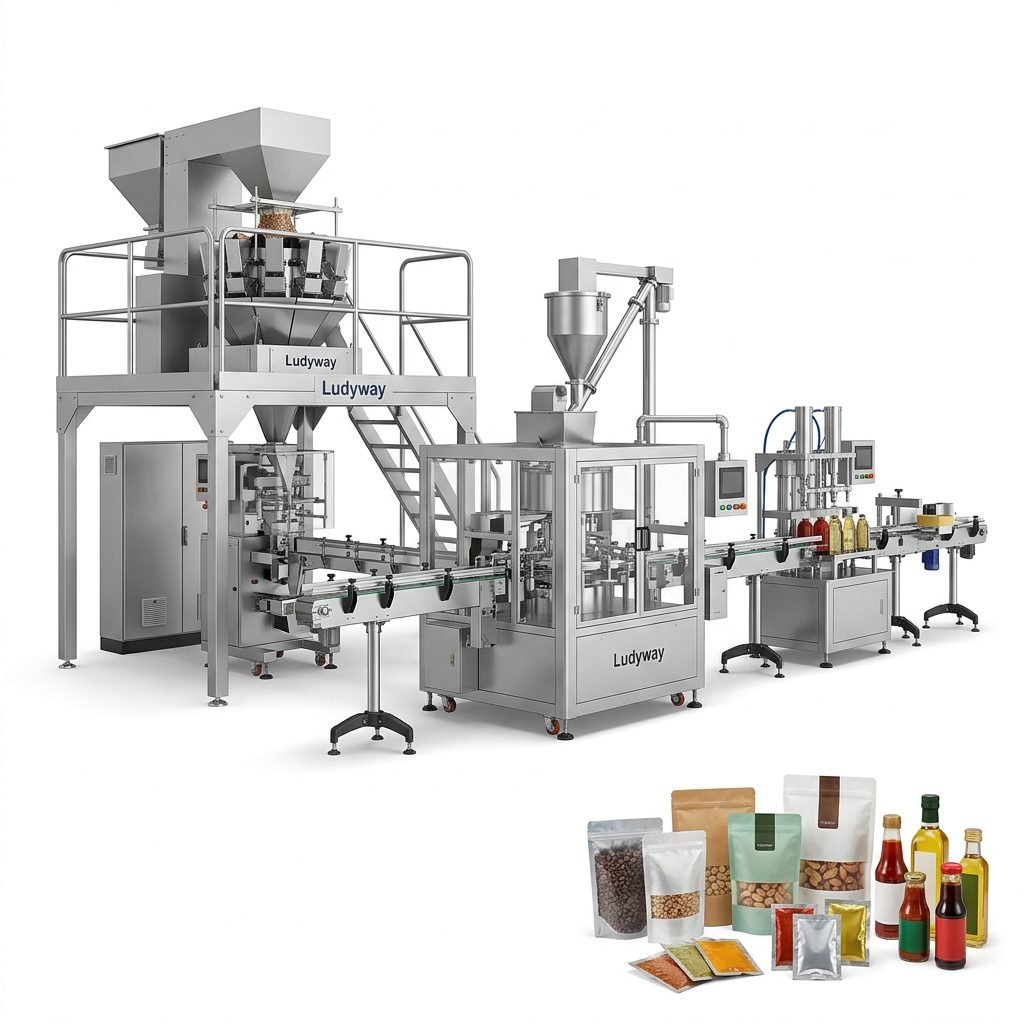
Designed for large-scale production lines, these systems can synchronize with conveyors, case erectors, sealing machines, labeling units, and robotic handling equipment. They are ideal when speed, repeatability, and labor savings matter most.
Benefits of Using a Foam Packaging Machine
Foam packaging technology offers more than just cushioning. For many factories and exporters, it supports efficiency, quality control, and cost reduction across the packaging workflow.
- Excellent product protection against shock, vibration, and compression
- Custom-fit packaging for irregular or fragile products
- Reduced material waste compared with oversized fillers
- Improved packing speed in repetitive operations
- Lower shipping damage rates and fewer customer complaints
- Cleaner packaging presentation for premium products
- Better use of storage space because foam is produced on demand
- Scalability from small operations to high-volume industrial lines
Industries That Commonly Use Foam Packaging Machines
Foam packaging systems are used across many sectors where products need reliable transit protection.
| Industry | Typical Applications |
|---|---|
| Electronics | Circuit boards, instruments, fragile devices |
| Automotive | Spare parts, sensors, delicate assemblies |
| Medical | Sensitive equipment, precision tools |
| Industrial manufacturing | Mechanical components and export packing |
| Furniture and home goods | Corners, surfaces, glass items, accessories |
| E-commerce and logistics | Mixed product shipments and custom carton protection |
Key Factors to Consider When Choosing the Right Foam Packaging Solution
Not every machine is suitable for every product. Before selecting a system, compare your production requirements carefully.
Product characteristics
- Weight and fragility of the product
- Shape complexity
- Surface sensitivity
- Shipping distance and handling risk
Production volume
A low-volume warehouse may only need a compact dispensing unit, while a large exporter may require a fully integrated system with conveyor automation and fast cycle times.
Foam type and density
Different applications require different foam expansion rates, hardness, and cushioning performance. Testing with actual products is highly recommended.
Automation level
Consider whether you need a standalone machine or a system that can connect with your existing packaging line, case packing process, or warehouse workflow.
Operating cost
Machine price is only part of the decision. You should also compare material consumption, maintenance needs, spare parts supply, training, and energy usage.
Supplier support
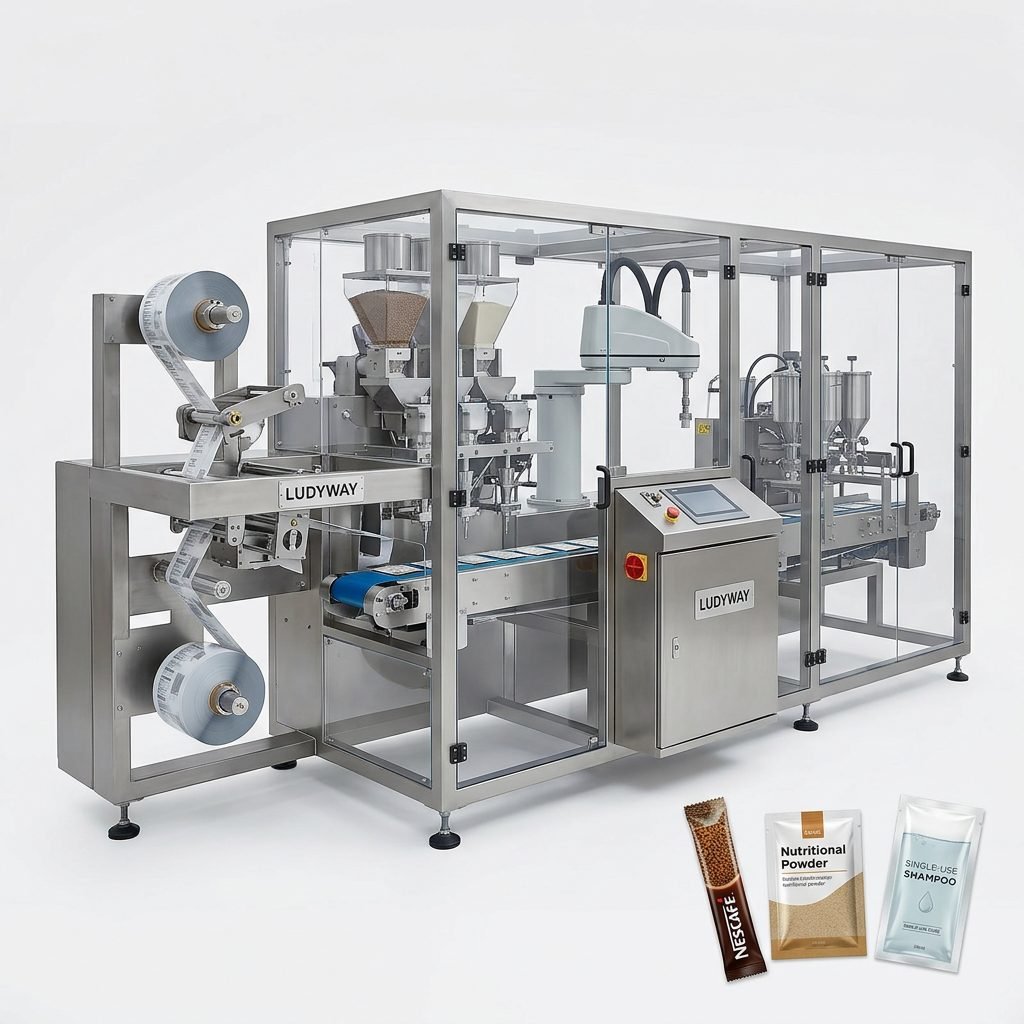
A reliable supplier should provide application guidance, machine testing, installation support, and after-sales service. For businesses looking for scalable packaging automation from an experienced manufacturer, packaging machine solutions from Ludyway can be worth evaluating, especially for projects that may later expand into full turnkey lines.
Quick buyer checklist
- Required output per hour
- Package dimensions and product mix
- Desired automation level
- Material compatibility and foam quality
- Operator safety and ease of cleaning
- Availability of technical support and spare parts
Foam Packaging Machine vs Traditional Protective Packaging
| Aspect | Foam Packaging Machine | Traditional Fillers |
|---|---|---|
| Fit | Custom-shaped protection | General void filling only |
| Protection level | High shock absorption | Varies by material |
| Speed | Fast and repeatable | More manual handling |
| Storage | On-demand production saves space | Bulk filler storage required |
| Scalability | Easy to automate | Less suitable for automation |
Maintenance Tips for Better Performance
Regular maintenance helps keep foam output stable and extends machine life. Even a high-quality system can lose efficiency if cleaning and inspection are ignored.
- Inspect pumps, hoses, and seals regularly
- Keep the mixing head clean to prevent blockage
- Monitor dispensing accuracy and foam consistency
- Follow the recommended temperature and storage conditions for raw materials
- Train operators on safe startup and shutdown procedures
- Keep critical spare parts available for fast maintenance
Who Should Invest in a Foam Packaging Machine?
This equipment is especially suitable for companies that:
- Ship fragile or high-value products
- Need consistent packaging quality
- Want to reduce manual packing time
- Need custom protection for multiple product sizes
- Plan to upgrade from basic packing materials to automated packaging systems
Final Buying Insight
The right foam packaging machine should match your product risk level, packaging speed, and future growth plans. A small operation may prefer a flexible standalone unit, while a larger factory may benefit more from a fully integrated packaging line. The best choice is usually the one that balances protection, automation, operating cost, and supplier support.
Before making a decision, ask for material testing, packaging samples, and a clear explanation of output capacity and maintenance needs. That way, you can choose a solution that protects your products effectively while supporting long-term packaging efficiency.