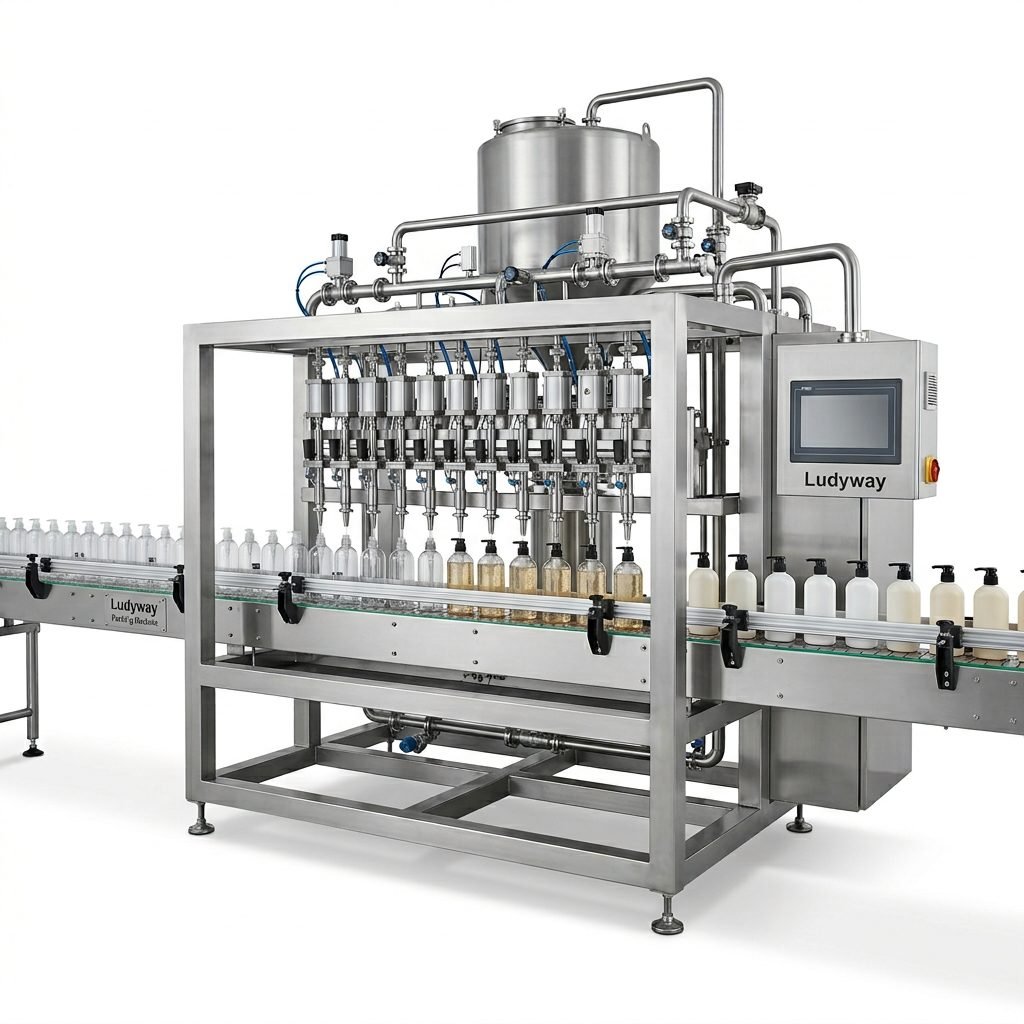
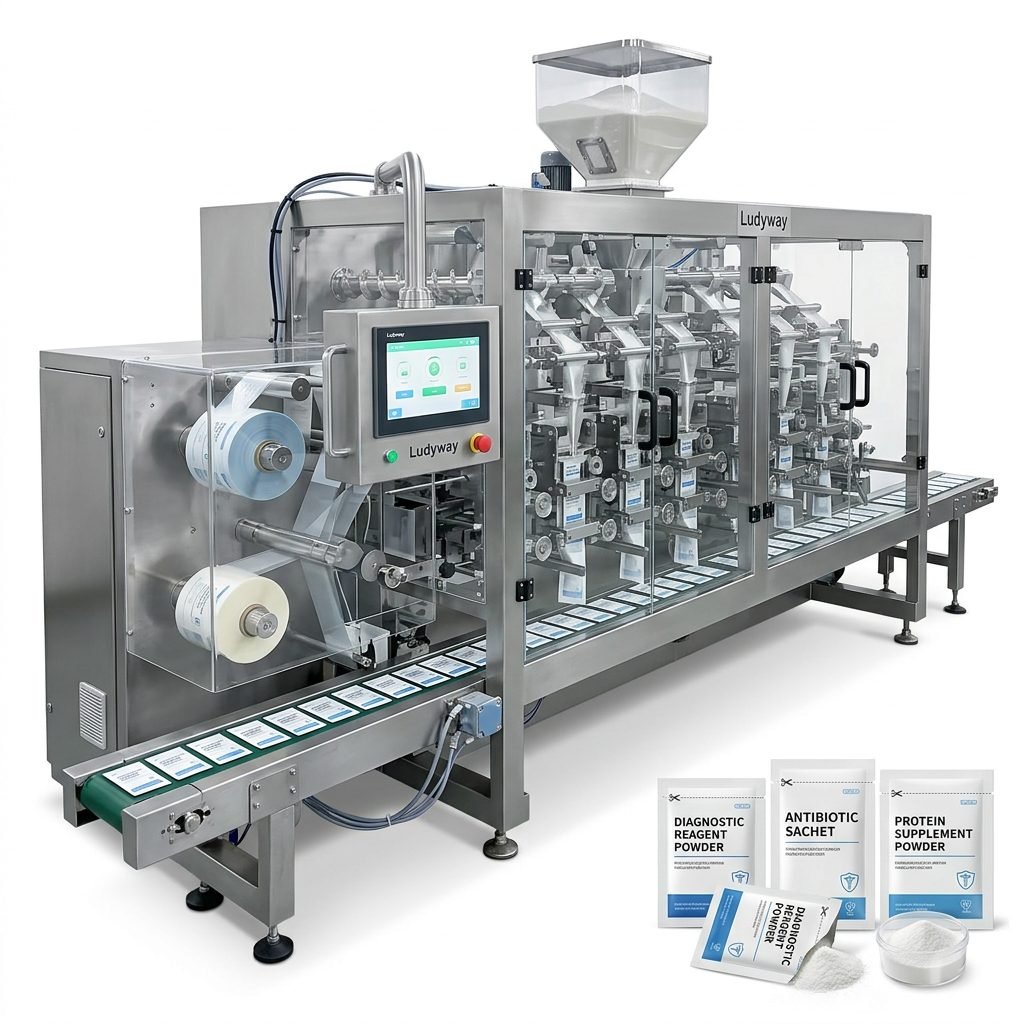
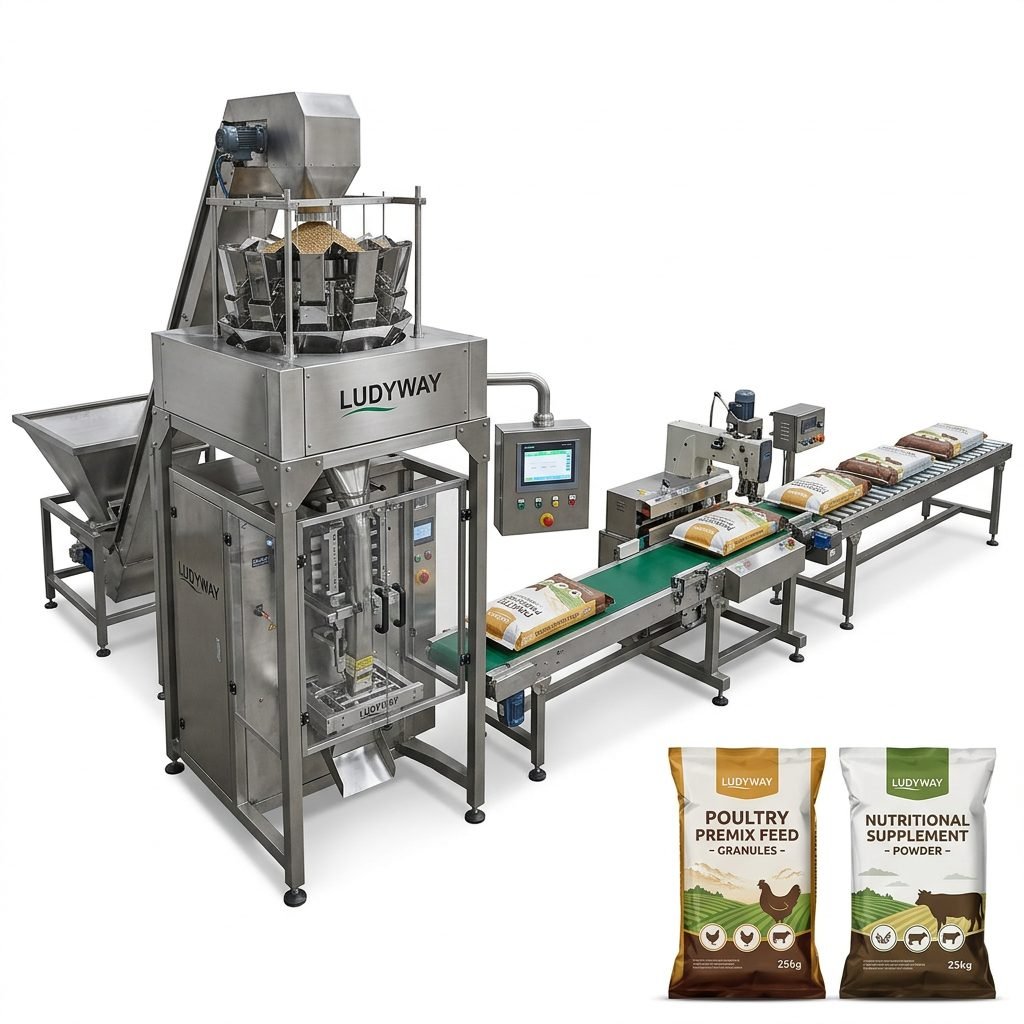
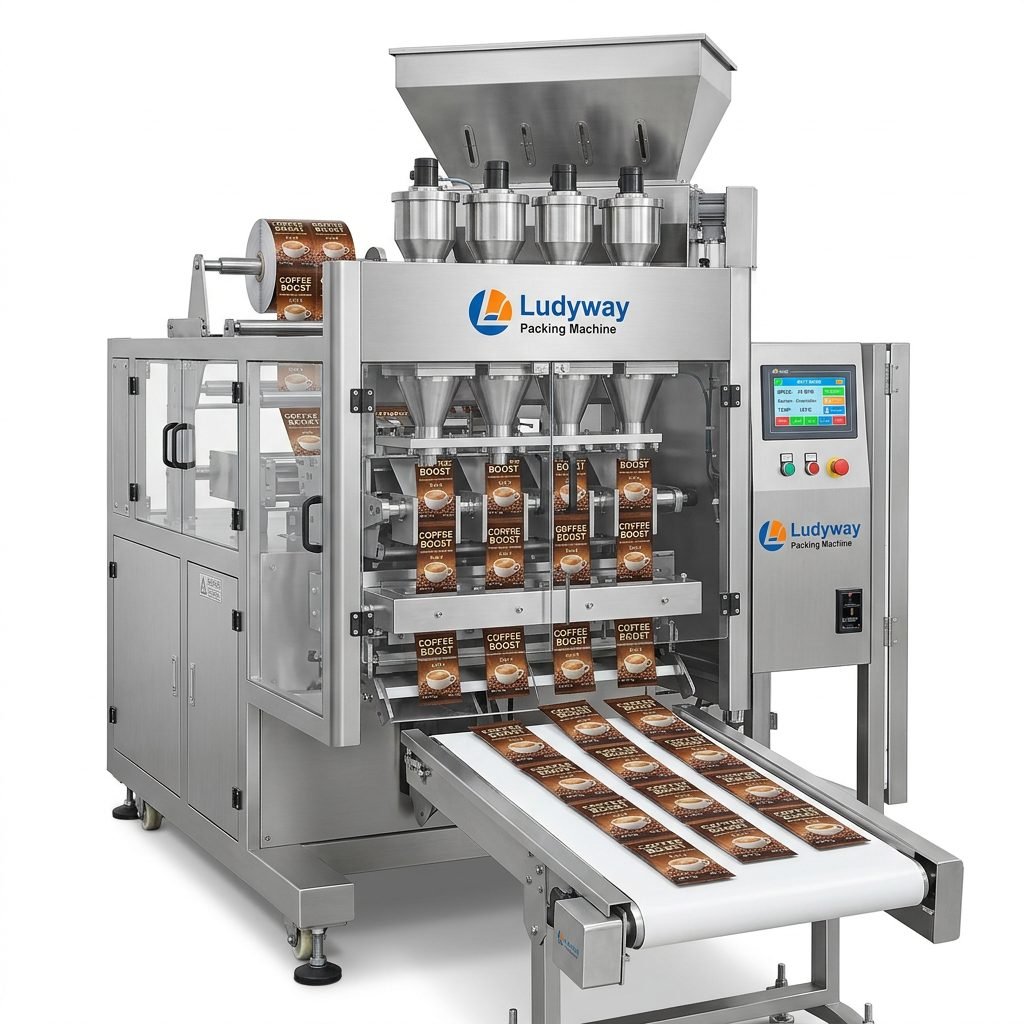
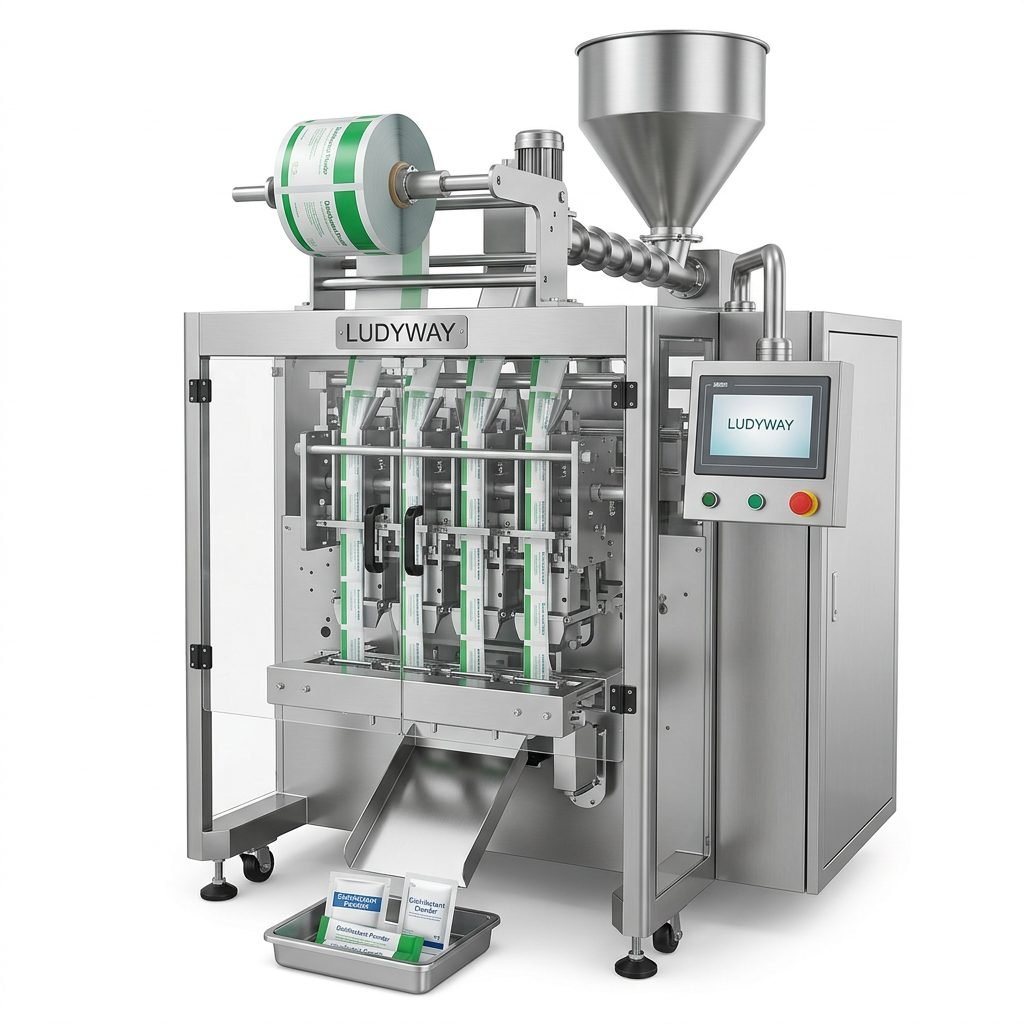
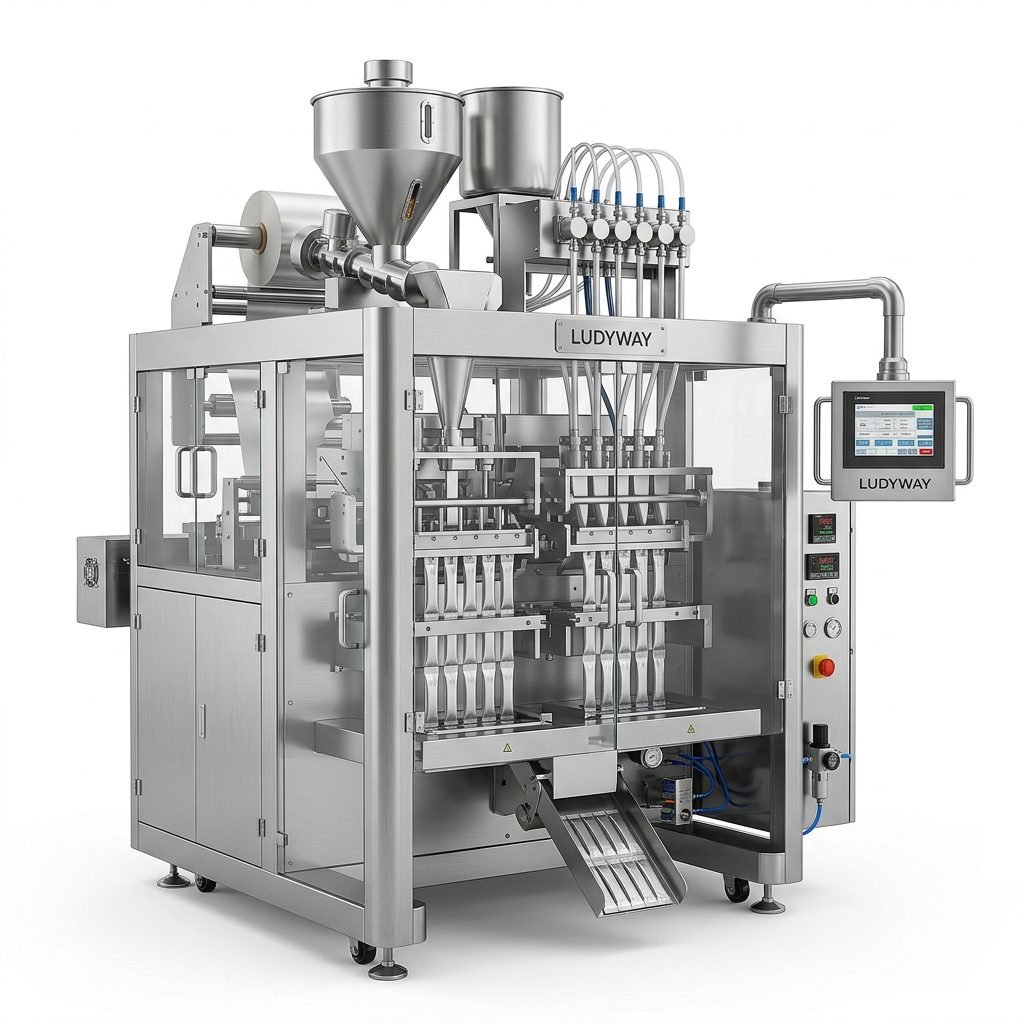
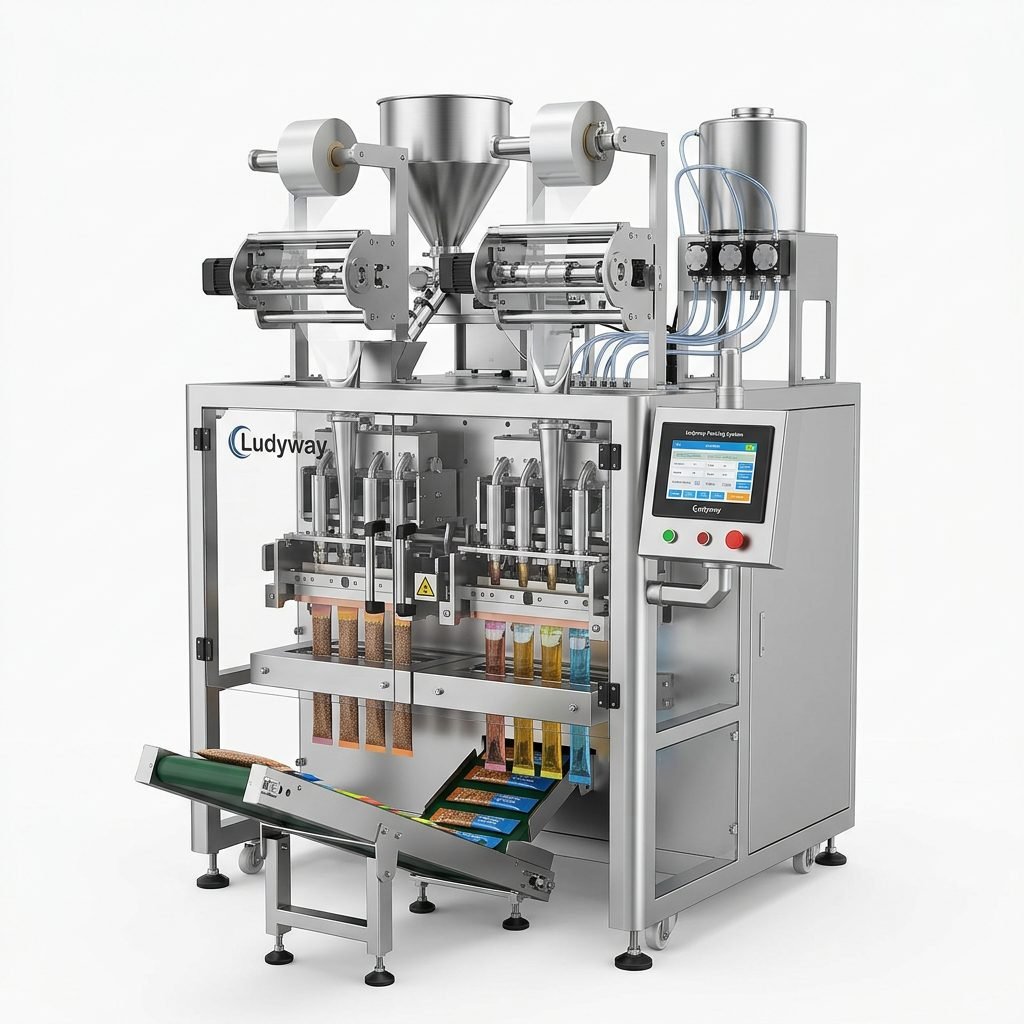
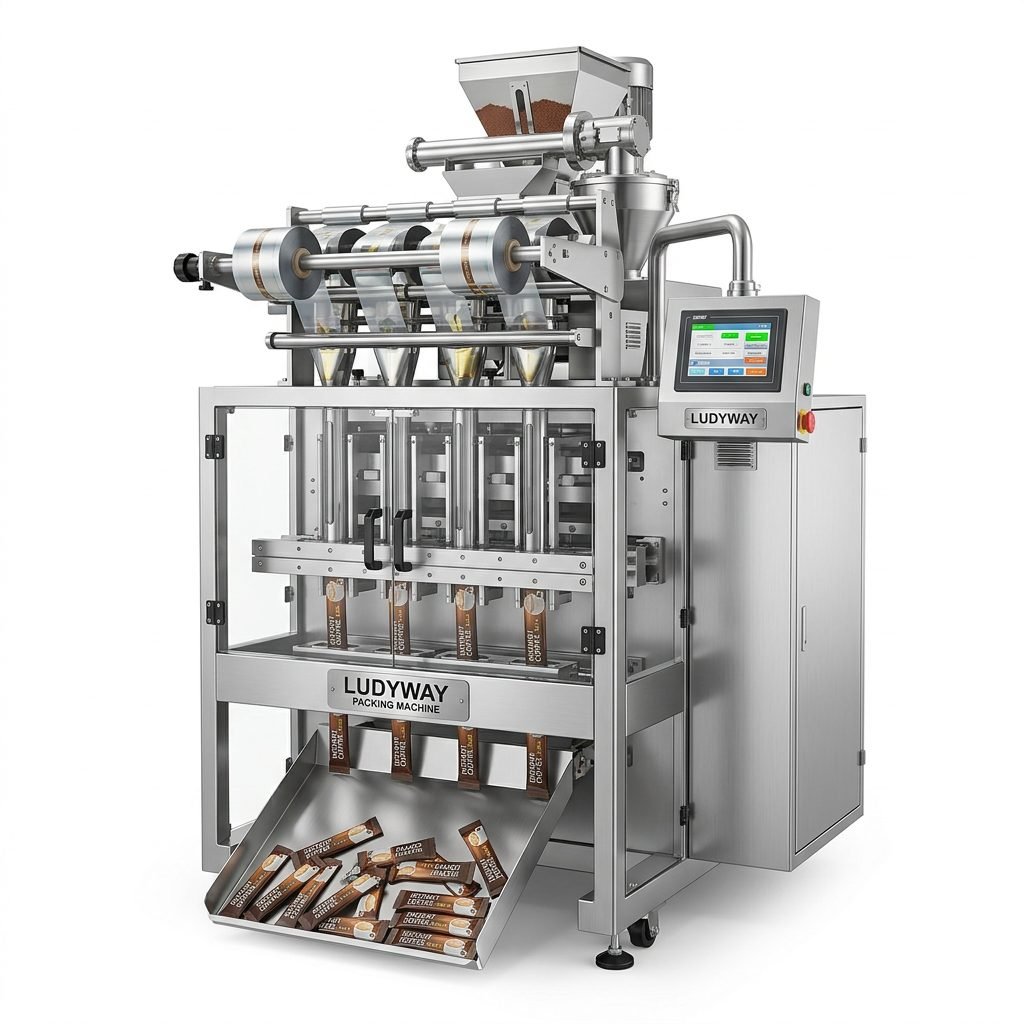
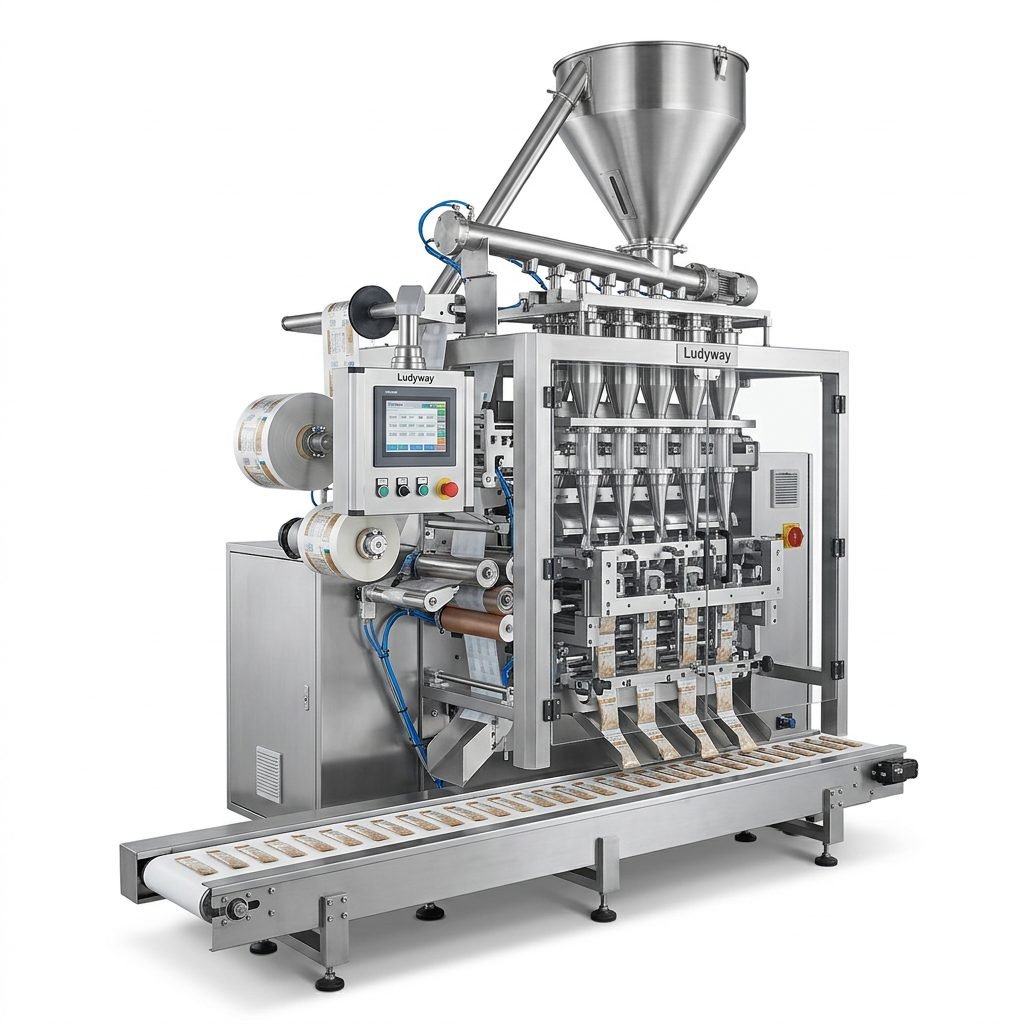
An automatic carton box packing machine is a critical part of today’s high-speed packaging environment. It helps manufacturers move products from primary packs into cartons with greater consistency, lower labor dependence, and better line efficiency. Whether the products are sachets, stick packs, pouches, bottles, blisters, or small boxed units, a well-designed carton packing system supports stable throughput and cleaner end-of-line operations.
For food, pharmaceutical, health supplement, cosmetic, and chemical manufacturers, carton automation is no longer just a productivity upgrade. It is increasingly a practical requirement for scalable production, traceability, reduced handling errors, and professional retail-ready presentation.
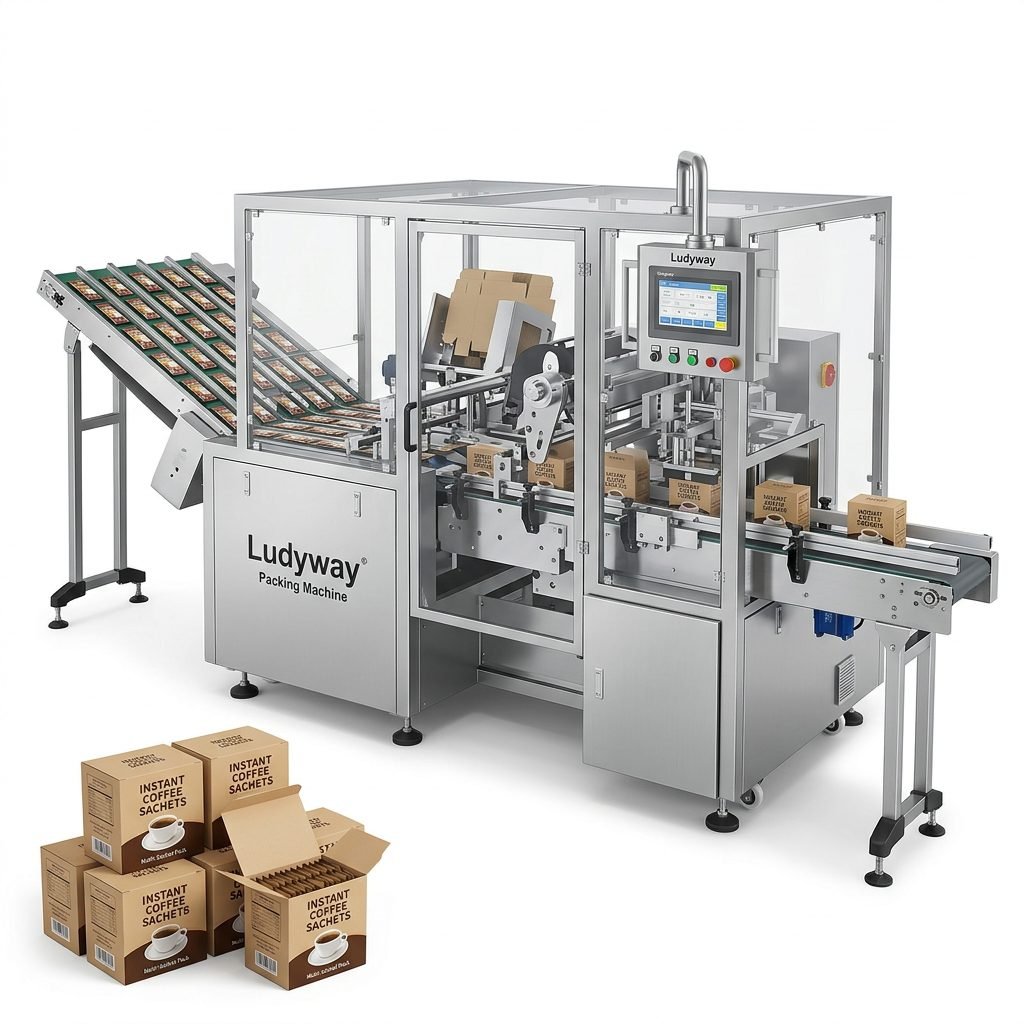
What Is an Automatic Carton Box Packing Machine?
An automatic carton box packing machine is equipment designed to load packaged products into pre-formed or automatically erected cartons. Depending on production needs, the system can complete one or more of the following actions:
- Product counting and collation
- Carton erecting or carton feeding
- Automatic loading of products into cartons
- Leaflet insertion if required
- Carton closing, tucking, or sealing
- Printing, coding, inspection, and rejection
- Transfer to case packing or palletizing systems
In fully integrated lines, the carton packing machine works after the primary packaging machine and before case packing, sealing, labeling, or palletizing. This makes it a key link between unit packaging and final logistics handling.
Why Modern Packaging Lines Need Carton Automation
Manual carton packing may still be suitable for low-volume production, but it often becomes a bottleneck as output increases. Automatic systems solve this by synchronizing product flow, packing speed, and carton handling in one coordinated process.
- Higher throughput: Continuous motion and precise product feeding support stable output.
- Reduced labor pressure: Fewer manual packing tasks lower staffing requirements.
- Better packing consistency: Uniform product placement improves carton appearance and retail quality.
- Lower error rates: Automated counting and inspection help avoid missing or mixed products.
- Improved hygiene and compliance: Especially important in pharmaceutical and food applications.
- Easier line integration: Carton machines connect efficiently with upstream and downstream equipment.
Common Product Types Packed into Cartons
A modern carton packing system can handle a wide range of product formats. The right configuration depends on product shape, grouping method, and carton style.
| Product Type | Typical Carton Packing Requirement | Industries |
|---|---|---|
| Sachets and stick packs | Counting, stacking, horizontal or vertical loading | Food, supplements, pharma, cosmetics |
| Pouches | Collation and gentle loading to avoid deformation | Food, pet care, chemicals |
| Blisters and strips | High-accuracy insertion with leaflet option | Pharmaceutical |
| Bottles and vials | Grouping, orientation, protective carton loading | Pharma, nutraceutical, cosmetic |
| Tubes and small containers | Position-controlled insertion and closure | Cosmetic, personal care, pharmaceutical |
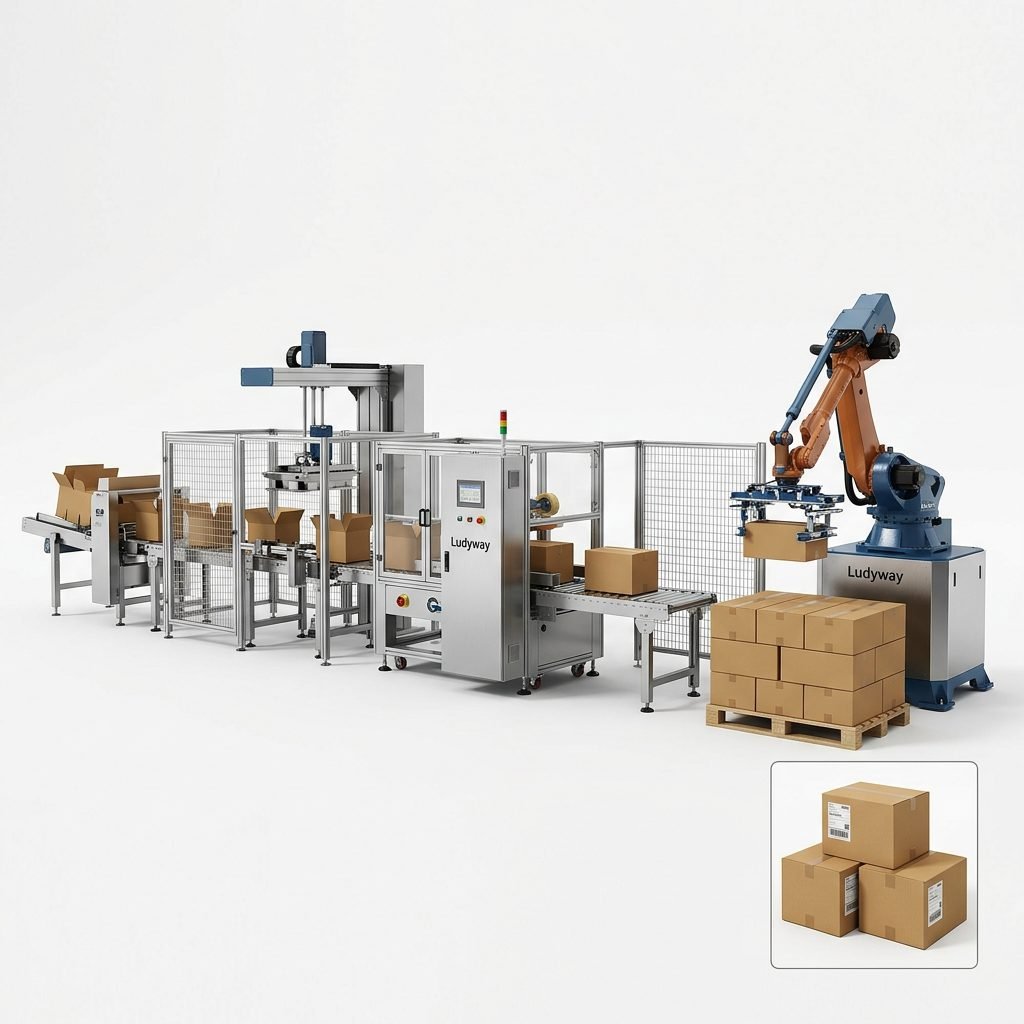
Key Features to Look for in an Automatic Carton Packing Solution
Not all carton box packing machines are built for the same output, carton size range, or product characteristics. Buyers should focus on practical performance instead of just headline speed.
1. Flexible carton size adjustment
Manufacturers often run multiple SKUs. A machine with convenient changeover design helps reduce downtime and supports smaller production batches.
2. Stable feeding and collation
Accurate product counting and orderly grouping are essential, especially for stick packs, sachets, and pharmaceutical items where carton quantity must be exact.
3. Servo-driven motion control
Servo systems improve positioning precision, motion smoothness, and repeatability. This is particularly valuable for delicate packs or high-speed lines.
4. Integration with upstream and downstream equipment
A strong carton machine should connect seamlessly with pouch sorters, conveyors, checkweighers, printers, case packers, and palletizers.
5. Inspection and rejection functions
Missing products, damaged cartons, coding issues, or incomplete inserts should be detected automatically to maintain quality standards.
6. Operator-friendly HMI
A clear touchscreen interface simplifies recipe management, alarm handling, and size adjustment guidance for production teams.
How Automatic Carton Packers Improve Overall Line Efficiency
The real value of a carton packing machine is not limited to putting products into boxes. It improves the entire packaging workflow:
- Reduces product accumulation after primary packaging
- Minimizes manual contact and secondary handling
- Supports more predictable production planning
- Helps standardize final pack presentation
- Creates a better base for automatic case packing and palletizing
- Improves traceability through integrated coding and inspection
In many facilities, once primary packaging speed increases, end-of-line carton loading becomes the next limiting factor. Upgrading to automatic cartoning or carton packing is often one of the fastest ways to remove this production bottleneck.
Typical Industries Using Carton Box Packing Machines
Food and beverage
Powder drinks, coffee sticks, seasoning sachets, snacks, confectionery, and functional nutrition products are commonly grouped into cartons for retail and distribution.
Pharmaceutical
Tablets, capsules, blisters, granule sachets, and oral liquid packs often require high-precision cartoning with coding, leaflet insertion, and inspection functions.
Health supplements
Stick packs and sachets for collagen, probiotics, vitamins, electrolytes, and sports nutrition frequently use automatic carton loading to improve branding and shelf presentation.
Cosmetics and personal care
Face masks, creams, lotions, serums, wipes, and sachet-based travel-size products benefit from gentle but efficient carton handling.
Daily chemicals and specialty products
Detergent sachets, cleaning products, and other consumer chemical items often require durable cartons and reliable end-of-line packing.
Choosing the Right Machine for Your Packaging Line
Before selecting a carton box packing machine, manufacturers should evaluate both current output and future expansion plans. The best solution is one that fits actual product conditions and integrates well with the full line.
| Selection Factor | Why It Matters |
|---|---|
| Product format | Determines feeding method, loading orientation, and handling design |
| Carton size range | Affects machine structure, changeover design, and flexibility |
| Required speed | Ensures the cartoner matches upstream production output |
| Automation level | Defines whether you need erecting, loading, sealing, coding, and palletizing integration |
| Compliance requirements | Especially important for food hygiene and pharmaceutical validation |
| Factory layout | Impacts machine footprint, conveyor direction, and line arrangement |
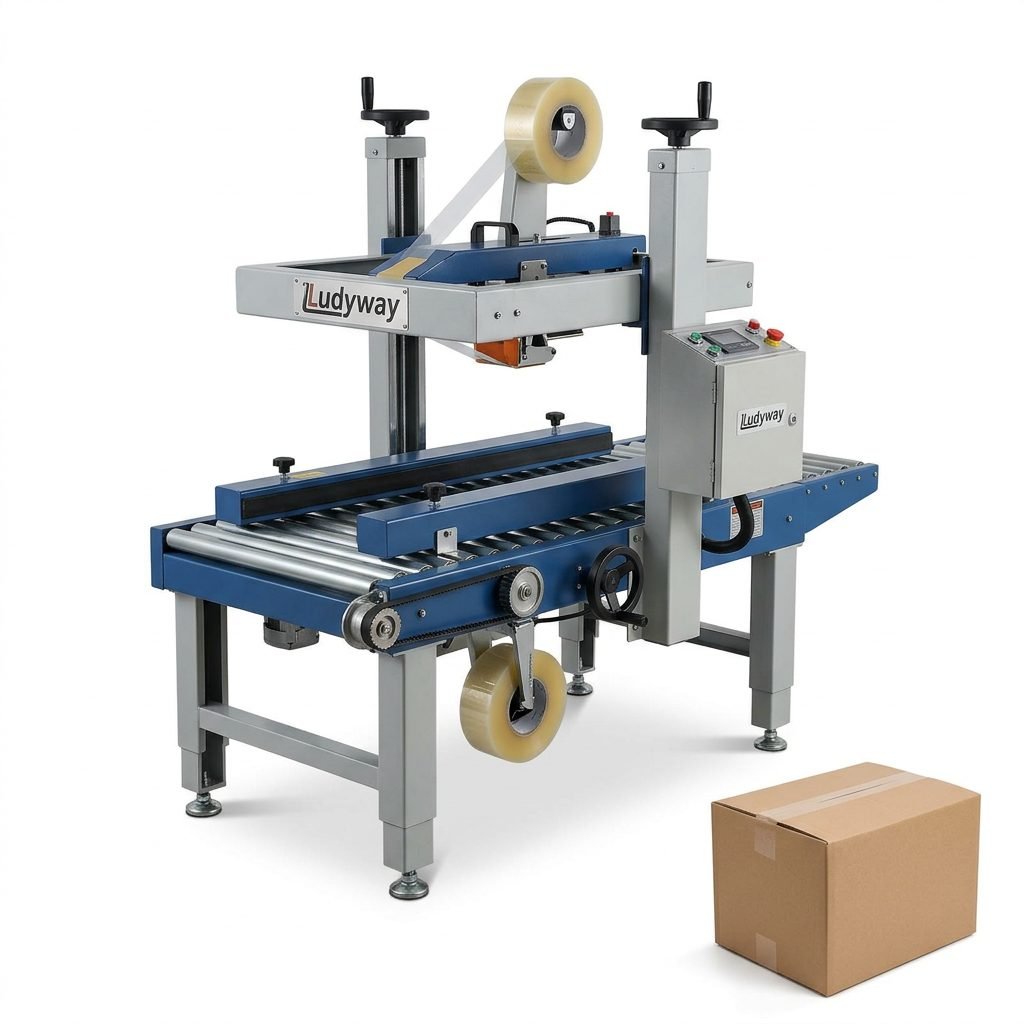
Integration with Complete Packaging Line Systems
Many manufacturers now prefer complete line planning rather than buying a standalone carton machine. This approach improves control logic, floor space utilization, and production synchronization.
A complete packaging line may include:
- Primary filling and sealing machine
- Counting or sorting unit
- Conveyor and transfer systems
- Automatic carton box packing machine
- Case sealer or case packer
- Checkweigher, coder, vision inspection, metal detector, or x-ray system
- Palletizing and wrapping equipment
For buyers looking for a reliable packaging automation partner, Ludyway automatic carton box packing solutions can support both standalone equipment and turnkey packaging line integration across food, pharmaceutical, health supplement, and related industries.
Benefits of Working with an Experienced Packaging Line Manufacturer
When carton equipment is part of a larger automation project, engineering experience matters. An experienced manufacturer can better evaluate product flow, packaging material behavior, speed matching, and downstream logistics.
This typically leads to:
- More accurate machine selection
- Better compatibility across the line
- Shorter installation and commissioning time
- Lower risk of unstable production after startup
- More practical customization for real factory conditions
Maintenance and Operational Considerations
To maintain stable performance, an automatic carton box packing machine should be easy to clean, inspect, and service. Buyers should pay attention to operational details that directly affect uptime.
Recommended checkpoints
- Wear parts accessibility
- Lubrication points and maintenance intervals
- Tool-free or low-tool changeover capability
- Alarm diagnosis and troubleshooting support
- Availability of spare parts and after-sales service
The best machine is not only fast on paper, but also stable in daily production, simple for operators to manage, and supported with dependable technical service.
Future Trends in Automatic Carton Packing
As packaging plants move toward smarter manufacturing, carton packing machines are also evolving. New trends include:
- More servo-based precision control
- Digital recipe storage for fast SKU switching
- Remote diagnostics and data monitoring
- Vision-based inspection for higher quality assurance
- Modular integration with robotic handling and palletizing
- Energy-efficient systems with optimized motion profiles
These upgrades help manufacturers improve responsiveness, especially when product variety increases and market delivery expectations become tighter.
Final Buying Insight
An automatic carton box packing machine is more than an end-of-line device. It is a productivity tool that influences labor efficiency, pack quality, line balance, and customer presentation. Choosing the right system means looking at the full packaging process, not just the cartoning step itself.
For manufacturers seeking efficient box packing solutions for modern packaging lines, the most effective investment is a machine or integrated line built around actual product characteristics, output targets, and long-term expansion needs.