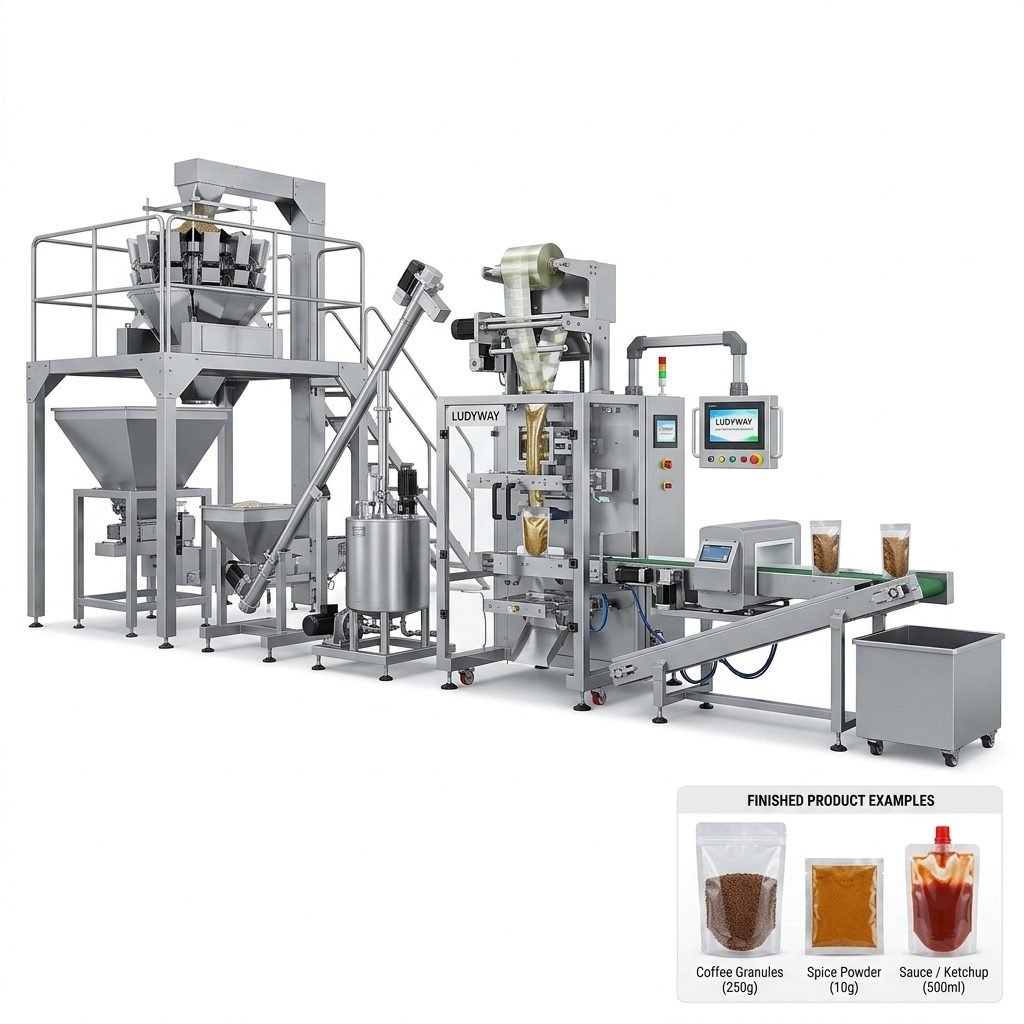
Investing in a blister packaging machine is a significant decision that impacts your entire production line. Whether you operate in the pharmaceutical, food, or consumer goods sector, the right machinery must balance speed, precision, and material compatibility. Choosing incorrectly can lead to costly downtime, seal integrity issues, and regulatory non-compliance.
This guide breaks down the essential factors you need to evaluate, from understanding your product’s unique specifications to negotiating with blister packaging machine manufacturers. By the end, you will have a clear framework for making a purchase that supports your long-term production goals.
1. Define Your Product and Packaging Requirements
Before comparing machine specifications, you must establish a clear baseline for what you are packaging. The physical and chemical properties of your product dictate the necessary machine configuration.
Assess Product Characteristics
- Physical form: Is your product a solid tablet, a capsule, a softgel, or a delicate ampoule? Irregular shapes may require custom feeding systems.
- Sensitivity: If your product is hygroscopic (absorbs moisture), oxygen-sensitive, or light-sensitive, you must prioritize machines with a high barrier film capability and precise temperature zoning.
- Dimensions and depth: The forming depth of the machine determines the cavity size. Ensure the machine’s maximum forming depth exceeds your product’s height with enough clearance to prevent crushing.
Specify the Packaging Format
Your choice of blister material directly influences the tooling and sealing method. The most common configurations, which can be explored through the resources at the Flexible Packaging Association, include:
- Thermoform/Cold Form: Rigid PVC or aluminum-based constructions, typically sealed with push-through foil lidding.
- Flexible Blisters: Often seen in high-volume consumer goods, using thinner films for easy-open access.
- Peel-Push Systems: Critical for child-resistant and senior-friendly pharmaceutical applications.
Clearly defining these parameters early prevents purchasing a machine that cannot physically handle your product, a costly mistake that plagues blister packaging machine buyers who prioritize speed over compatibility.
2. Evaluate Machine Types and Automation Levels
Blister packaging machines are generally categorized by their throughput and footprint. Understanding these categories helps you match the machine to your operational scale and budget. Industry standards and machine safety requirements are often outlined by organizations like PMMI – The Association for Packaging and Processing Technologies.
| Machine Type | Production Speed | Best For |
|---|---|---|
| Manual/Semi-Automatic | Low (up to 20 cycles/min) | R&D batches, clinical trials, small pharmacies, and short-run contract packaging. |
| Automatic Flat-Plate | Medium to High (40-80 cycles/min) | Standard pharmaceutical generics, nutraceutical tablets, and medium-volume production. |
| High-Speed Rotary | Very High (100-500+ cycles/min) | Large-scale pharmaceutical manufacturing, 24/7 operations, and mega-brand consumer goods. |
Key Automation Features to Consider:
- Integrated Vision Systems: Automated optical inspection cameras verify seal integrity, tablet placement, and print quality in real-time, rejecting non-conforming cavities without stopping the line.
- Quick-Change Tooling: If you run multiple product SKUs, look for machines with standardized clamping systems that reduce changeover from hours to minutes.
- Servo-Driven Motion: Modern servo technology offers superior indexing accuracy and programmability compared to older mechanical cam-driven motions, reducing film waste during starts and stops.
3. Analyze Critical Performance Specifications
Once you have narrowed down the machine class, you must dissect the technical specifications. These numbers determine the actual output and long-term reliability of your blister packaging machine investment.
Forming Area and Index Length
The forming area dictates how many blisters can be formed per cycle. A longer index length allows for a higher number of cavities per stroke, directly multiplying your output without increasing the cycle speed. However, a larger forming area requires perfectly uniform heating and larger cooling plates, which increases energy consumption.
Sealing Parameters
Seal integrity is the most common failure point in blister packaging. To avoid this, strictly evaluate the sealing station’s capabilities per standards such as ISO 11607 for terminally sterilized medical devices or similar guidelines for your sector:
- Temperature uniformity: The sealing plate must maintain a deviation of no more than ±1.5°C across its entire surface.
- Pressure consistency: Look for pneumatic or servo-driven sealing stations that provide adjustable, constant pressure profiles, visible on the HMI.
- Dwell time accuracy: High-speed machines must maintain exact seal dwell times within milliseconds to prevent cold sealing or scorching.
4. Ensure Compliance and Validation Readiness
For regulated industries like pharmaceuticals and medical devices, the machine is only as good as its validation documentation. Purchasing a cheaper machine often means sacrificing the engineering data required for regulatory submission.
The Validation Package
Ensure your supplier provides a comprehensive package that includes Factory Acceptance Testing (FAT) protocols, Site Acceptance Testing (SAT) protocols, and Installation Qualification/Operational Qualification (IQ/OQ) documentation. The machine design should follow Good Manufacturing Practice (cGMP) principles, featuring full guard interlocking systems, smooth stainless steel surfaces with no painted parts in the wash-down area, and 21 CFR Part 11 compliant software for electronic records and signatures where applicable in the United States market according to FDA Food Packaging and Food Contact Substances regulations.
5. Partner Selection and Customization
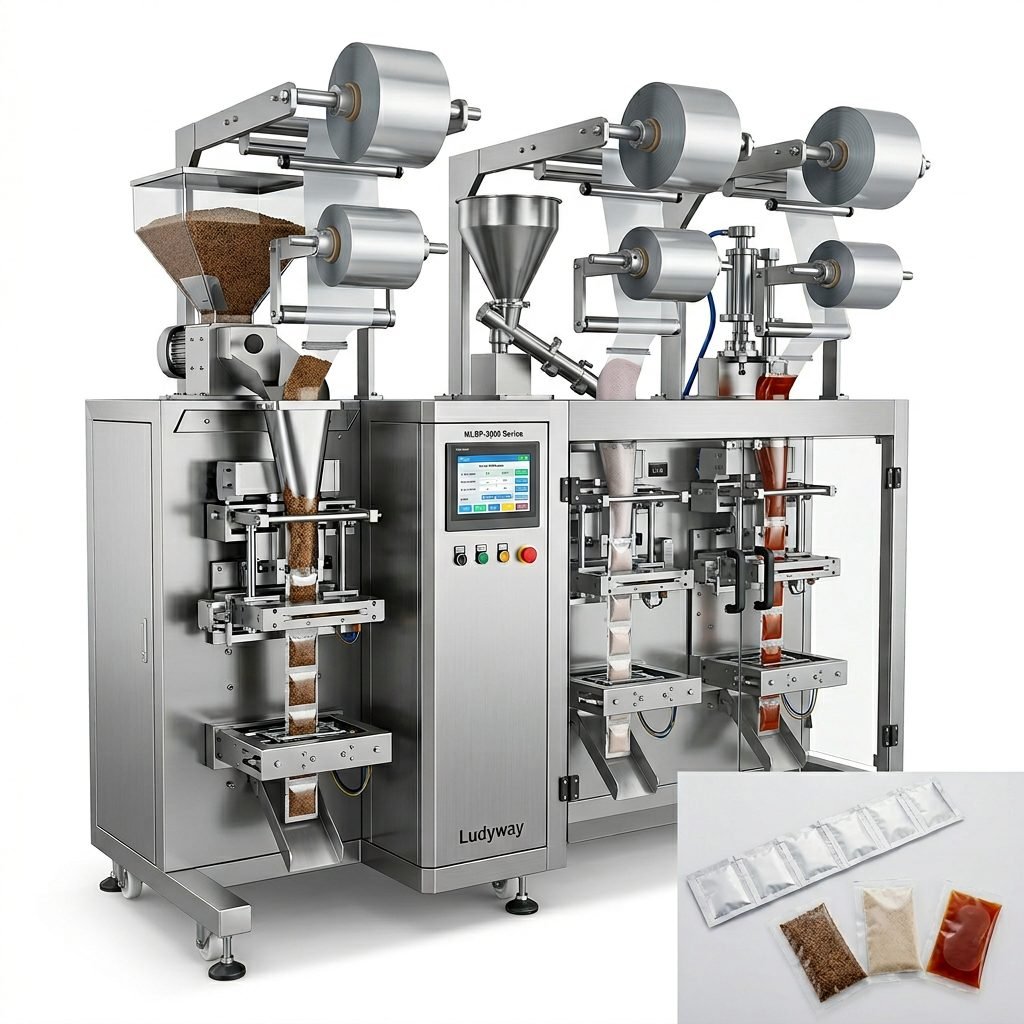
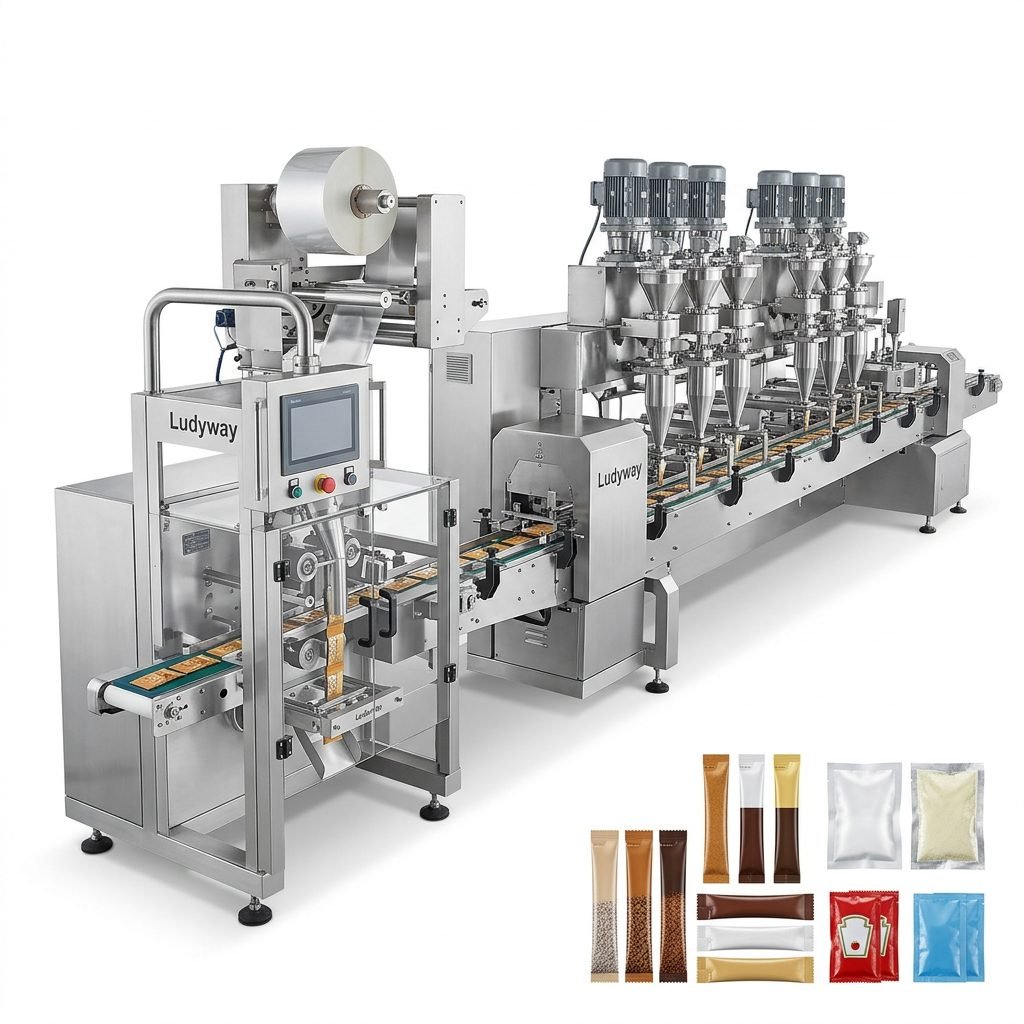
Capital equipment procurement is a long-term partnership. You are not just buying a machine; you are buying the manufacturer’s engineering support for the next decade. This is where relying solely on a catalog model falls short. As a leading China-based packaging machinery manufacturer with over 30 years of experience and a 20,000-square-meter facility, Ludyway Machinery embodies the concept that customized packaging machinery solutions offer significantly higher long-term value than standard configurations. A partner who evaluates your specific product characteristics, dunnage requirements, and factory layout can optimize the system to avoid integration bottlenecks. Look for a supplier that connects multiple stages of the process—from feeding and dosing to coding and final cartoning—under a single engineering umbrella.
Assessing Manufacturing Capability
- Component sourcing: Inquire about the control, pneumatic, and automation component brands used. A machine integrating internationally recognized industrial automation components generally offers better long-term reliability and spare parts availability.
- Factory environment: A supplier with in-house manufacturing for critical parts and rigorous assembly protocols can deliver a more stable mechanical platform.
- Turnkey capabilities: Prioritize partners offering turnkey packaging solutions that include upstream and downstream integration, such as automatic feeders, checkweighers, cartoners, and robotic case packers.
6. Installation, Training, and After-Sales Support
The total cost of ownership extends far beyond the initial purchase price. The ability to resolve issues quickly spans the entire lifecycle of the equipment. Detailed technical documentation and responsive engineering support are crucial for maintaining operational consistency.
Service Lifecycle Checklist:
- Installation and commissioning: Does the supplier offer on-site installation supervision by a qualified engineer to ensure the machine is correctly integrated into your power, air, and data infrastructure?
- Operator training: Comprehensive training should cover normal operation, safety protocols, cleaning procedures, and basic trouble-shooting for common faults like film tracking errors.
- Remote technical support: Modern machines with Ethernet connectivity allow for remote diagnostics. This capability is invaluable for performing software adjustments or identifying hardware faults without waiting for a traveling technician.
- Spare parts availability: Clarify the availability of critical spare parts (sealing plates, heating elements, forming punches). A manufacturer with international certification standards can often supply compatible high-grade spares directly.
7. Calculating the True Return on Investment
To finalize your decision, move beyond the quoted price and calculate the total cost of ownership (TCO). A higher-quality machine with less downtime will almost always offset a marginally lower upfront capital expenditure. Key metrics include Overall Equipment Effectiveness (OEE), which measures availability, performance, and quality. A high-speed machine that frequently stops due to jams or seal failures will have a lower OEE than a slightly slower but more robust model. Also calculate material waste rates during startup and changeover, as inefficient heating systems can waste hundreds of meters of expensive forming and lidding film monthly. Finally, consider energy efficiency, since electric servo-driven machines generally consume less power and require less heat dissipation than older pneumatic alternatives, reducing the load on your facility’s HVAC system.
Selecting the right blister packaging machine is a strategic process that merges product science with mechanical engineering. By rigorously defining your requirements, vetting compliance capabilities, and prioritizing a partnership over a simple transaction, you secure a packaging line that meets today’s production targets and is scalable for tomorrow’s growth. Investing the time upfront in this evaluation methodology ensures your packaging floor remains competitive, compliant, and efficient.