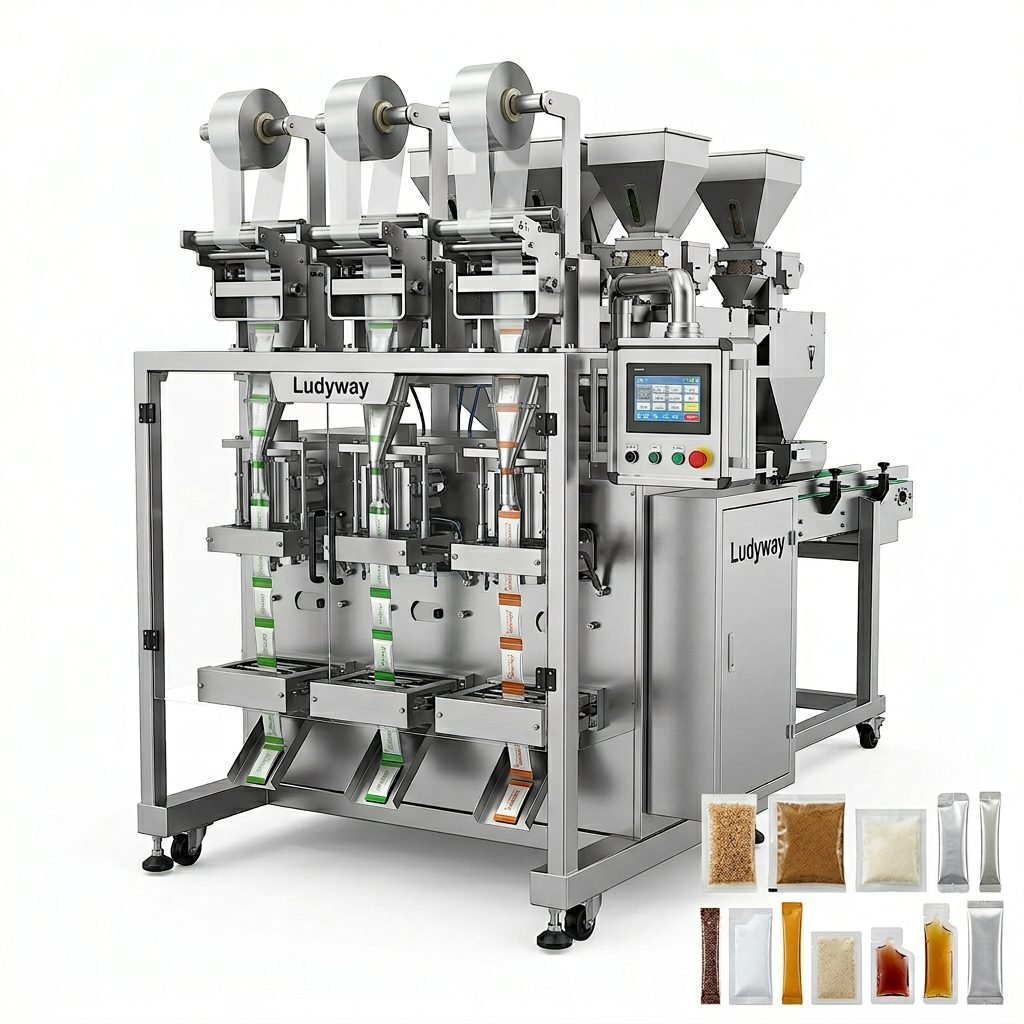
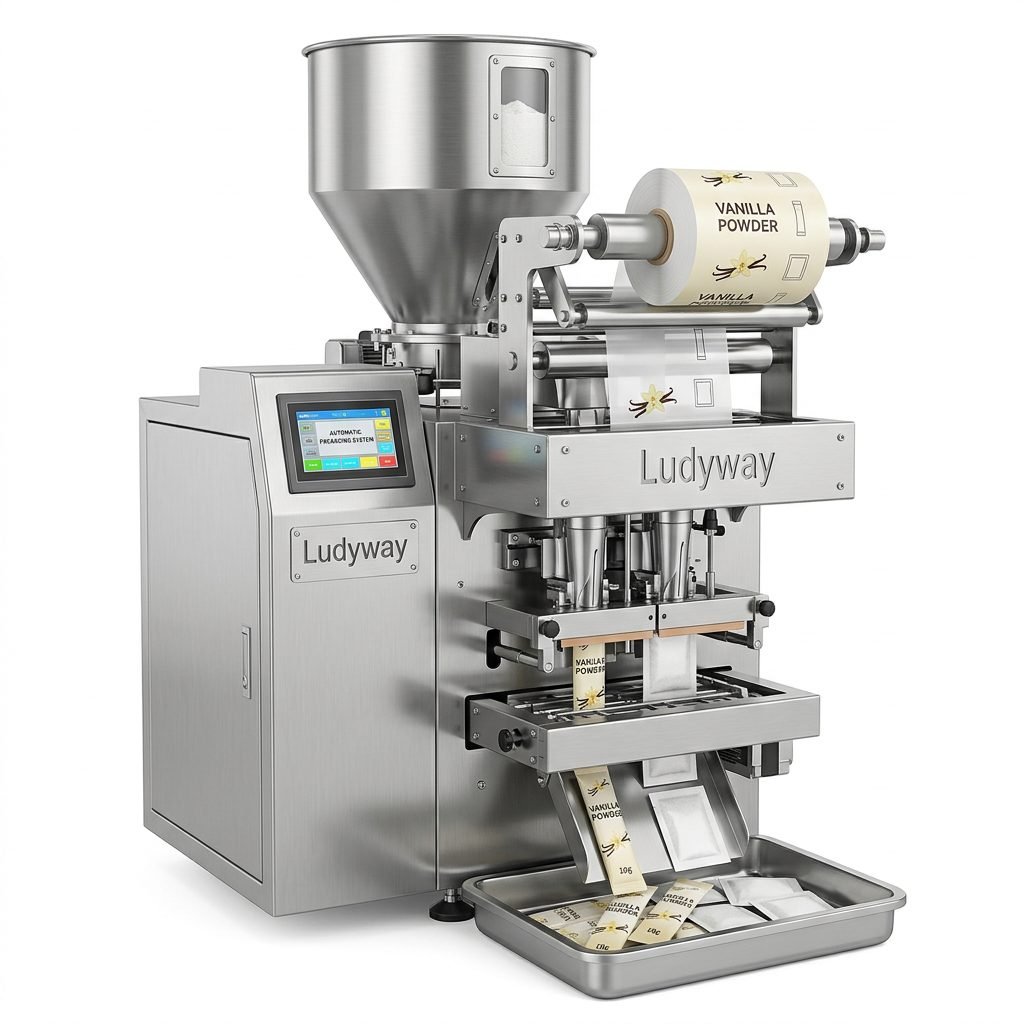
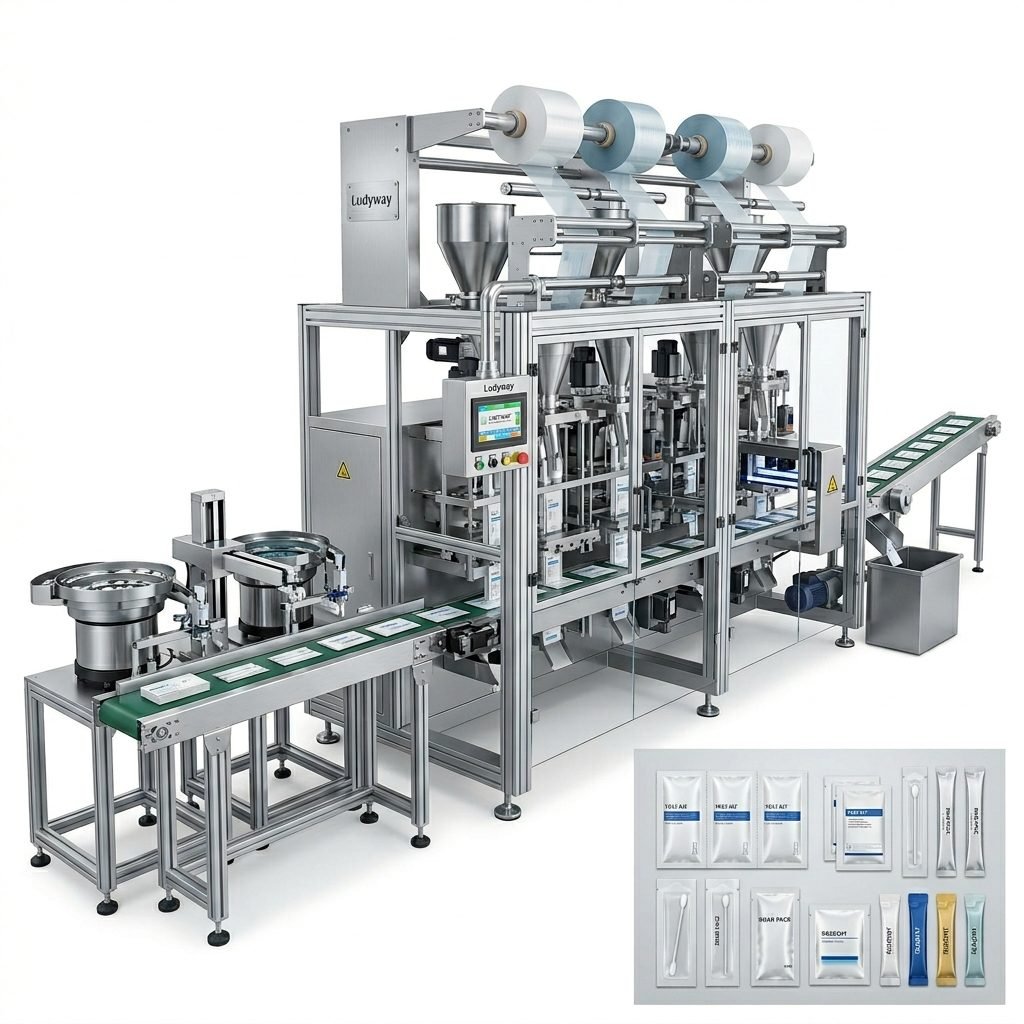
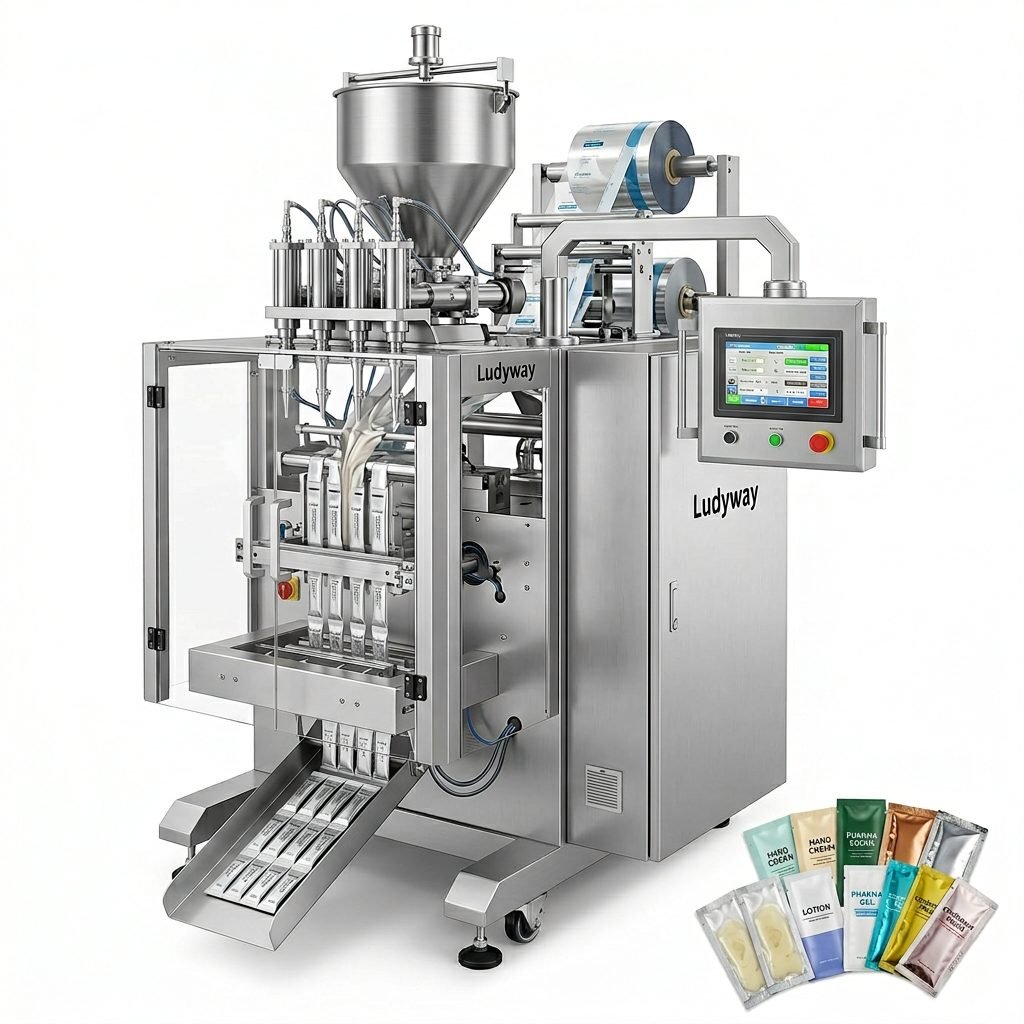
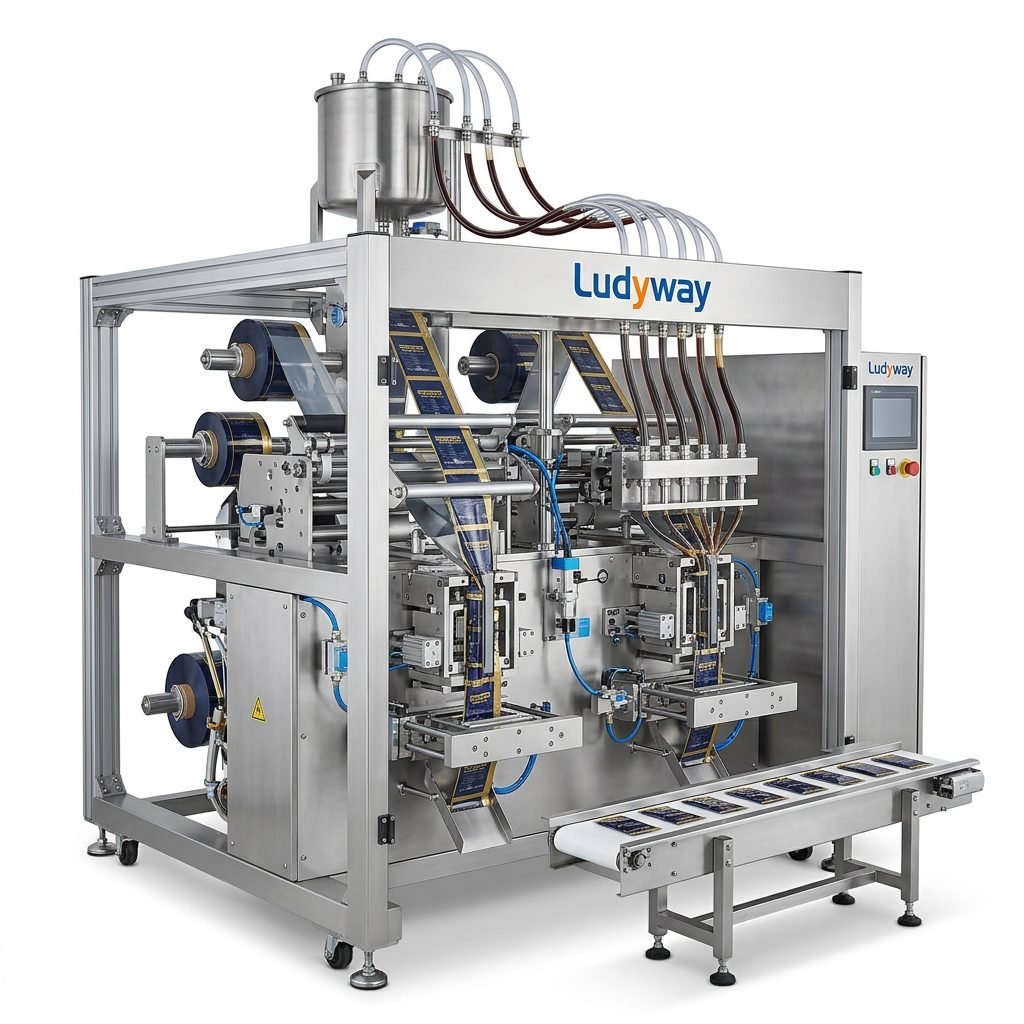
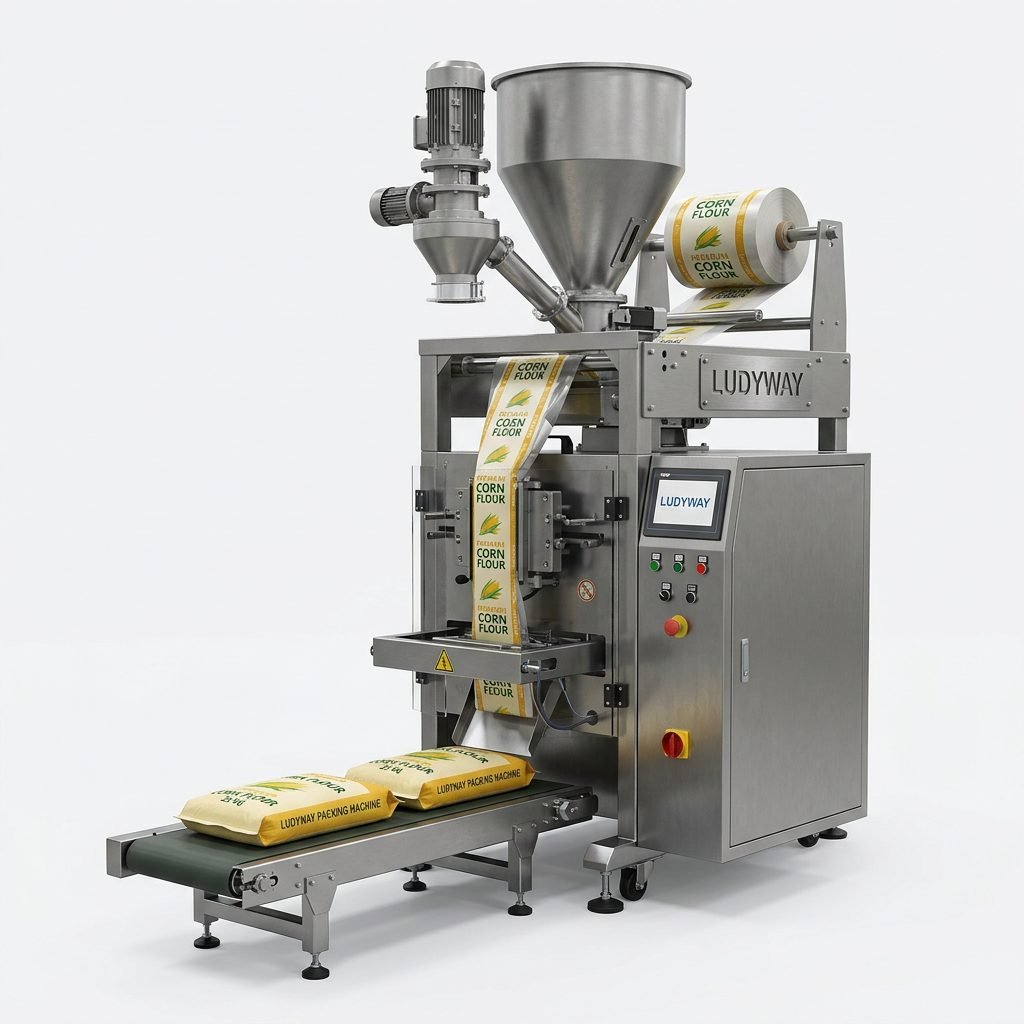
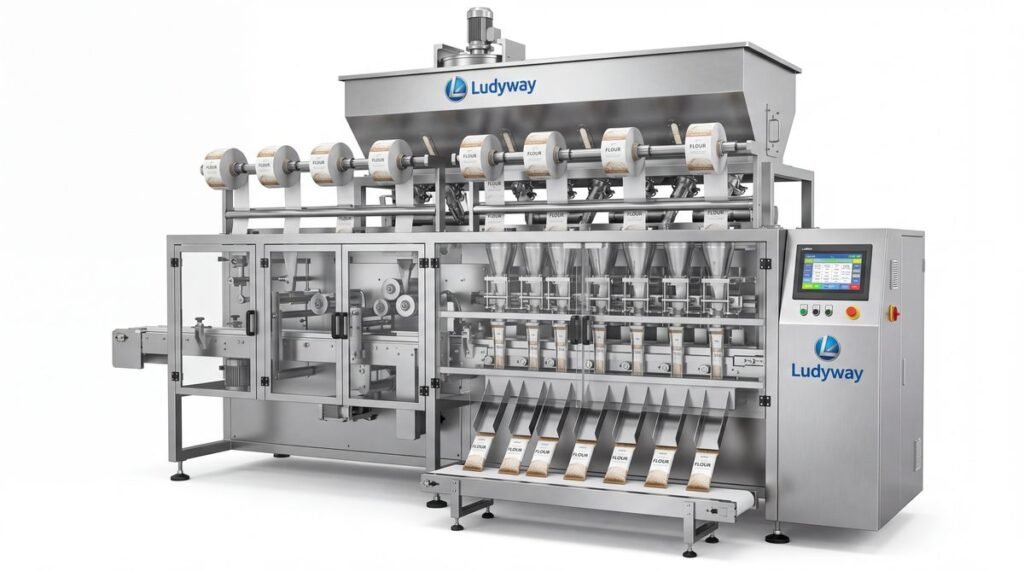
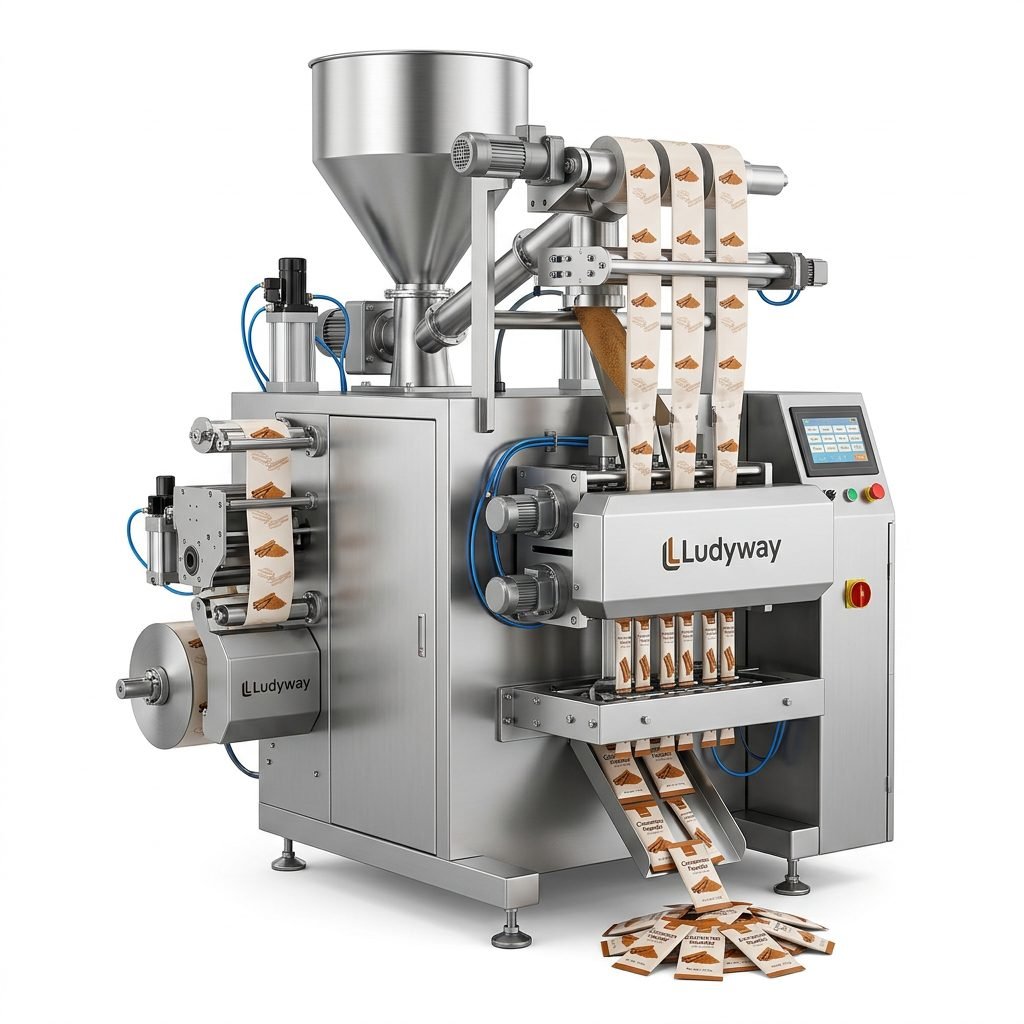
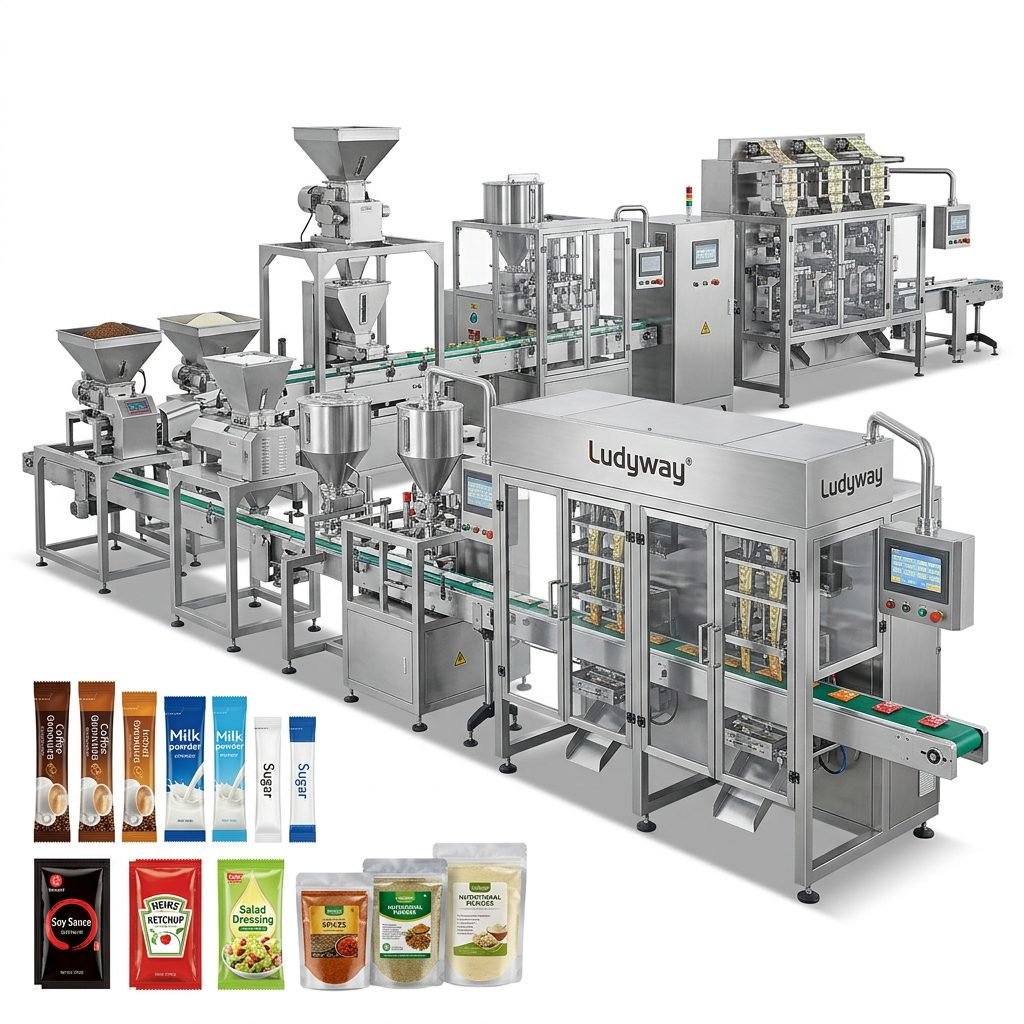
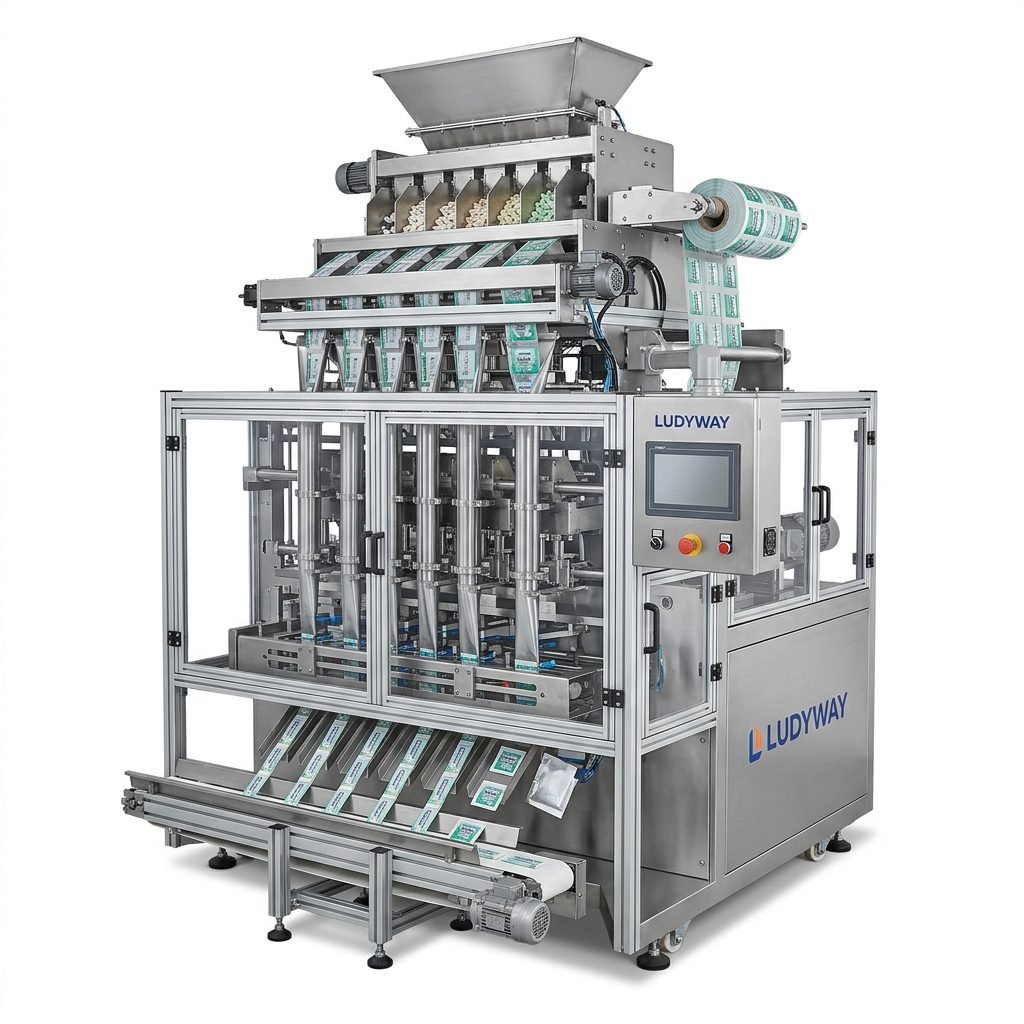
In modern food processing, an automatic vegetable packing machine plays a key role in helping producers package fresh, frozen, dehydrated, or powdered vegetables with greater speed and consistency. As consumer demand for clean, safe, and attractive vegetable packaging keeps rising, manufacturers need equipment that can reduce manual handling, improve output, and maintain product quality from filling to sealing.
Whether you pack spinach powder, mixed vegetable granules, freeze-dried vegetables, or ready-to-sell retail portions, automated systems can support fast and accurate vegetable packaging while lowering labor dependency and operational errors.
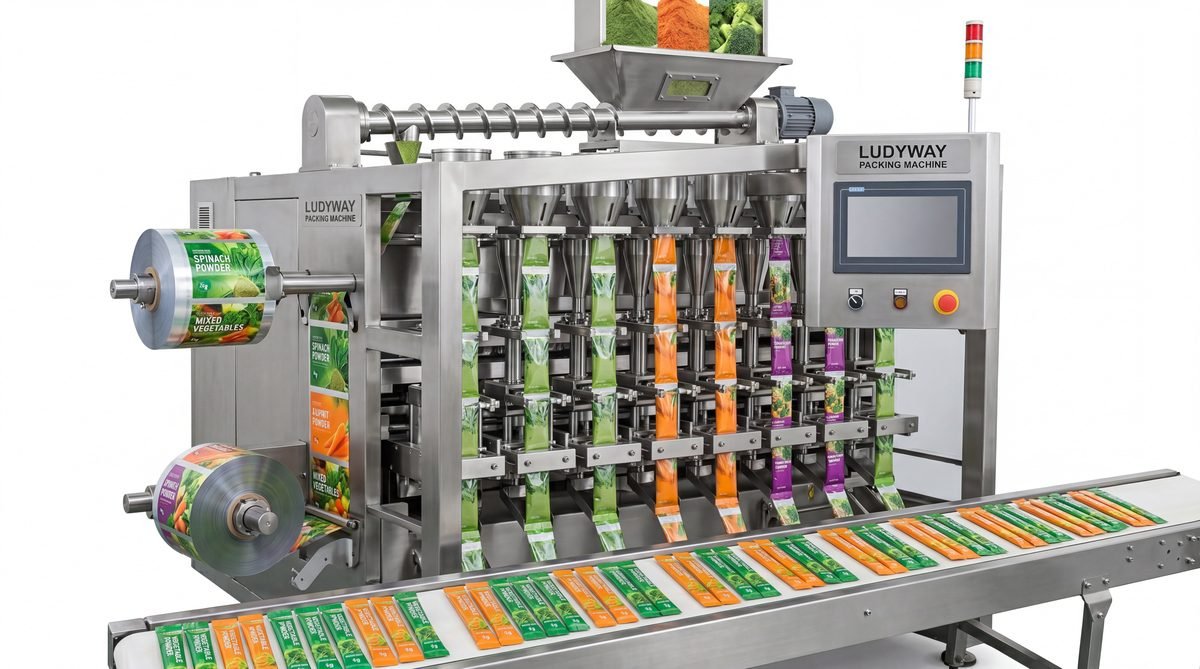
Why Automatic Vegetable Packaging Matters
Vegetable products are often sensitive to moisture, contamination, breakage, and weight variation. Manual packaging may create uneven pack sizes, inconsistent seals, and slower production cycles. An automatic machine helps solve these challenges by delivering repeatable, controlled, and hygienic packing performance.
- Improves packaging speed for high-volume production
- Enhances weight accuracy and filling consistency
- Reduces material waste and product giveaway
- Supports better hygiene and lower human contact
- Creates neat, professional retail-ready packaging
- Helps manufacturers scale operations more efficiently
Common Vegetable Products Suitable for Automatic Packing
Vegetable packing equipment can be adapted to different product forms. The right machine depends on product texture, flowability, moisture level, target pack size, and packaging format.
| Vegetable Type | Typical Form | Suitable Packaging Style | Recommended System |
|---|---|---|---|
| Leafy vegetables | Fresh cut or frozen | Pouches, bags | Weighing and bagging machine |
| Dehydrated vegetables | Flakes, granules | Sachets, stick packs, pouches | Multi-lane or VFFS machine |
| Vegetable powder | Fine powder | Sachets, stick packs | Auger filling packaging system |
| Frozen mixed vegetables | Chunks, diced pieces | Premade bags, pouches | Multihead weigher with pouch machine |
| Freeze-dried vegetables | Lightweight pieces | Pouches, sachets | Gentle conveying and precise filling system |
Key Features of an Efficient Automatic Vegetable Packing Machine
A high-performance machine should do more than just fill and seal. It should support stable production, fast changeover, and packaging flexibility for different vegetable products and market requirements.
1. Accurate Dosing and Filling
Precision matters in vegetable packaging, especially for retail packs and export orders. Advanced filling systems help control each pack weight, which is essential for customer satisfaction and cost control.
2. High-Speed Operation
Automatic systems can significantly increase throughput compared with manual lines. This is especially valuable for brands supplying supermarkets, e-commerce channels, meal kit companies, and foodservice distributors.
3. Reliable Sealing Performance
Vegetables often require packaging that protects freshness, prevents leakage, and extends shelf life. Strong seal quality helps reduce returns, spoilage, and handling damage.
4. Hygienic Product Contact Parts
For food-grade packaging, machine surfaces and contact components should be easy to clean and designed for sanitary production conditions.
5. Flexible Packaging Formats
Many producers need one line to support several SKUs. A flexible vegetable packaging machine can handle different bag sizes, pouch types, and product weights with fewer adjustments.
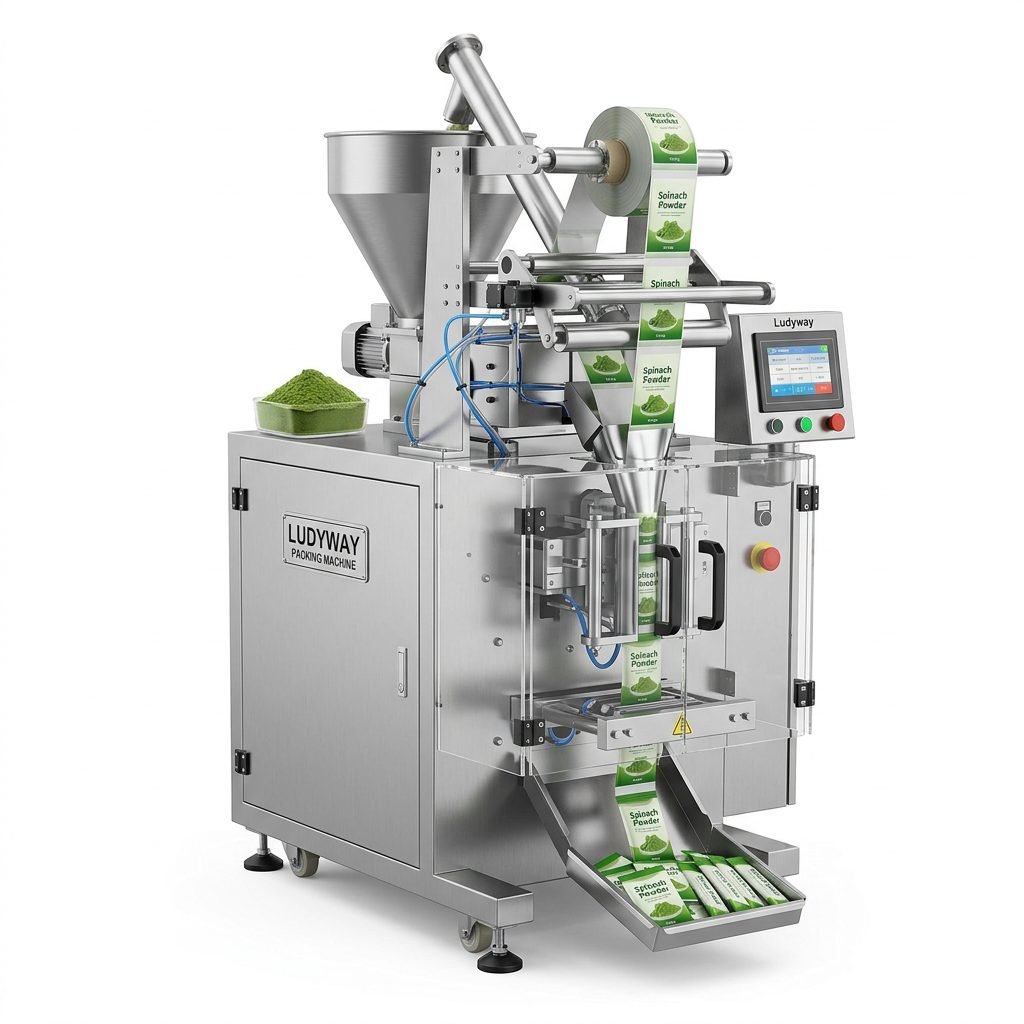
Popular Packaging Formats for Vegetable Products
Different sales channels require different packaging solutions. Retail, foodservice, private label, and industrial supply each have their own format needs.
- Pillow bags for bulk or mid-size vegetable packaging
- Stand-up pouches for premium shelf display and resealable use
- Sachets for single-use vegetable powder portions
- Stick packs for compact, portable serving sizes
- Vacuum bags for selected dehydrated or freeze-dried applications
- Large bags for wholesale or food manufacturing ingredients
How Automation Improves Fast and Accurate Vegetable Packaging
Automation improves nearly every stage of the packaging process. From product feeding and weighing to sealing and coding, integrated equipment helps keep output stable and measurable.
| Packaging Challenge | Automatic Solution | Business Benefit |
|---|---|---|
| Uneven pack weights | Precision weighing or auger dosing | Less waste and better compliance |
| Slow manual output | High-speed automatic filling and sealing | Higher daily production capacity |
| Product contamination risk | Closed and hygienic packaging flow | Safer food handling |
| Frequent operator errors | Programmable control system | More consistent product quality |
| Complex SKU changes | Quick recipe and size adjustment | Greater production flexibility |
Applications Across the Vegetable Supply Chain
Automatic vegetable packaging systems are used by a wide range of businesses, including:
- Fresh produce processors
- Frozen vegetable brands
- Dehydrated vegetable manufacturers
- Vegetable powder producers
- Soup and seasoning ingredient suppliers
- Private label food packers
- Export-oriented food factories
Choosing the Right Machine for Your Vegetable Product
Not every machine fits every product. Buyers should evaluate equipment based on actual production goals rather than only focusing on machine speed.
Important Selection Factors
- Product form: fresh, frozen, powder, granule, flakes, or freeze-dried
- Required pack size and output per minute
- Packaging material type and seal style
- Desired automation level
- Cleaning and maintenance requirements
- Future need for line expansion or turnkey integration
For example, vegetable powders usually require an auger filling system for stable dosing, while diced or frozen vegetables are often better matched with multihead weighing solutions. If your business runs multiple products, a modular line can provide more flexibility over time.
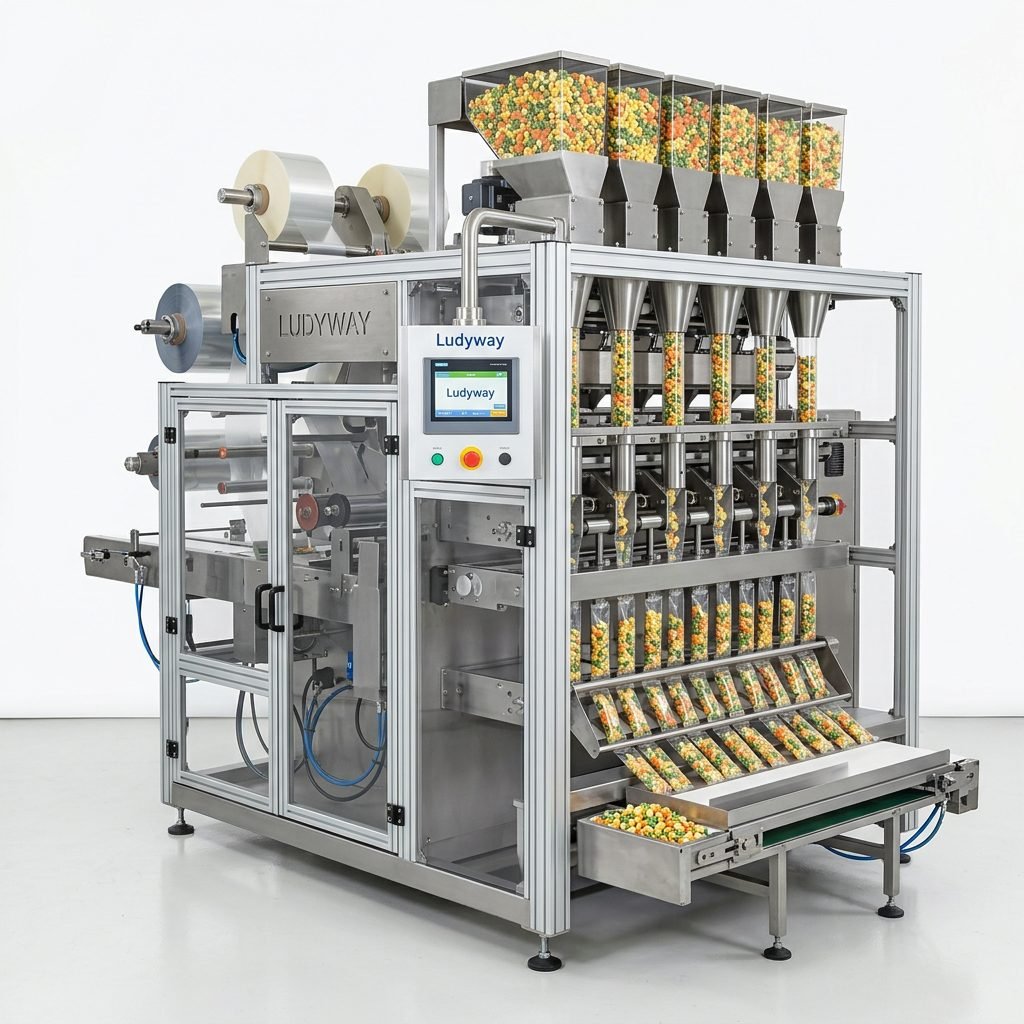
Benefits of a Turnkey Vegetable Packaging Line
Many manufacturers move beyond standalone machines and invest in complete packaging lines. A turnkey solution can include feeding, conveying, weighing, filling, sealing, inspection, coding, cartoning, and end-of-line handling.
This approach offers stronger process coordination and can simplify installation, training, and after-sales service. For companies planning long-term output growth, turnkey systems often provide better operational value than isolated equipment purchases.
Typical Line Components
- Product feeder or elevator
- Weighing or dosing unit
- Bagging or pouch packing machine
- Metal detection or inspection equipment
- Date coding and labeling system
- Cartoning and case packing unit
- Palletizing or conveying solution
Maintenance and Performance Tips
Even the best automatic vegetable packing machine requires proper operation and regular maintenance to maintain accuracy and long service life.
- Clean product-contact parts on schedule
- Check sealing temperature and pressure regularly
- Calibrate weighing or filling systems as needed
- Inspect sensors, belts, and moving parts
- Train operators on product changeover procedures
- Keep spare parts available for critical components
Why Work With an Experienced Packaging Machine Manufacturer
When investing in automation, the supplier’s engineering capability matters just as much as the machine itself. A manufacturer with extensive export experience, customization ability, and turnkey integration knowledge can help reduce project risk and improve long-term results.
For businesses looking for reliable automatic vegetable packing machine solutions, Ludyway offers broad packaging machinery expertise, more than 30 years of industry experience, and scalable solutions for food packaging projects ranging from standalone machines to complete production lines.
Final Thoughts on Fast and Accurate Vegetable Packaging
An automatic vegetable packing machine is more than a productivity upgrade. It is a practical investment in quality control, labor efficiency, packaging consistency, and business growth. With the right equipment configuration, vegetable producers can package faster, protect product quality better, and meet evolving market demands with confidence.
If your operation handles vegetable powders, freeze-dried vegetables, fresh produce, or dehydrated ingredients, choosing the right automated packaging solution can make a measurable difference in both daily output and long-term profitability.