Selecting the right cosmetic packaging machine is a critical decision for any beauty brand. The right equipment not only ensures product integrity and shelf appeal but also directly impacts production efficiency, operational costs, and scalability. This comprehensive guide will walk you through the different types of machines, their key features, and a detailed framework to help you choose the best one for your specific needs.
Understanding the Different Types of Cosmetic Packaging Machines
The cosmetic industry utilizes a variety of packaging formats, each requiring specialized machinery. Understanding these types is the first step in making an informed choice.
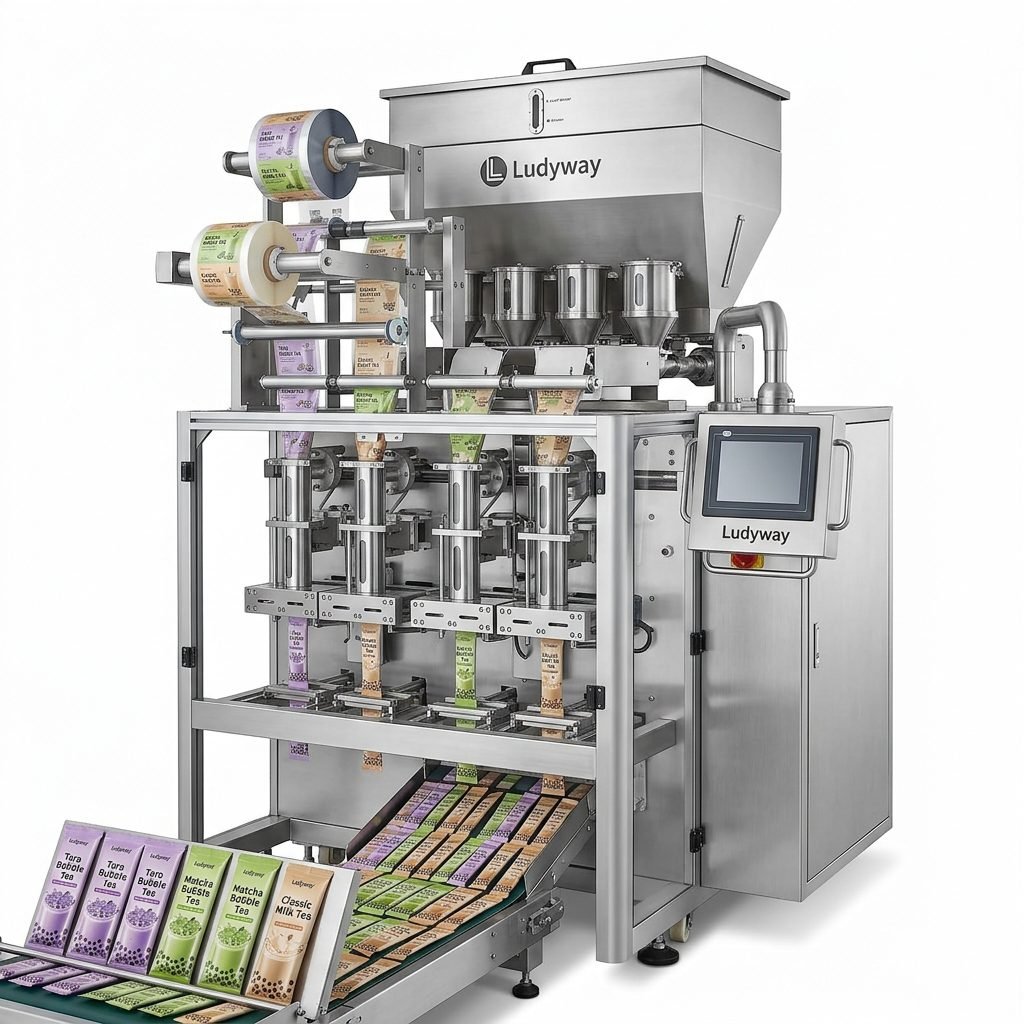
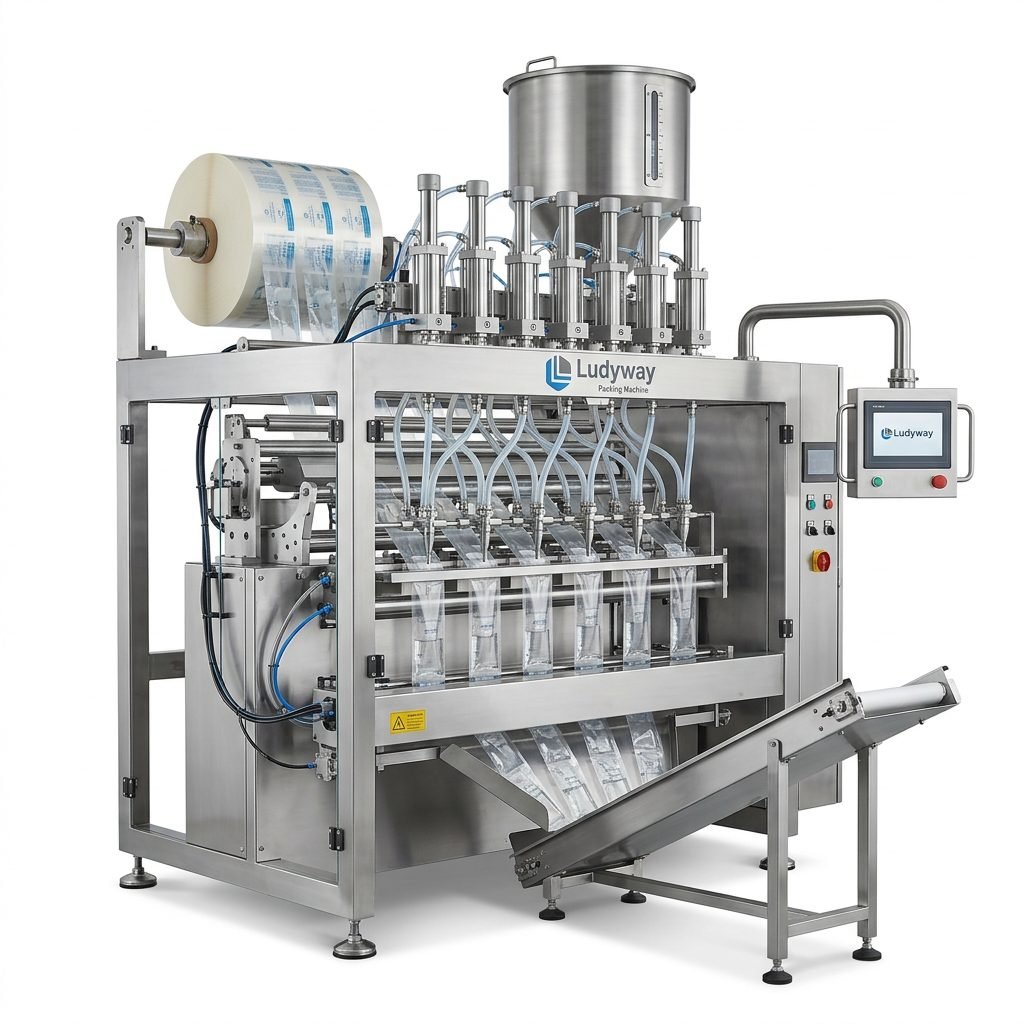
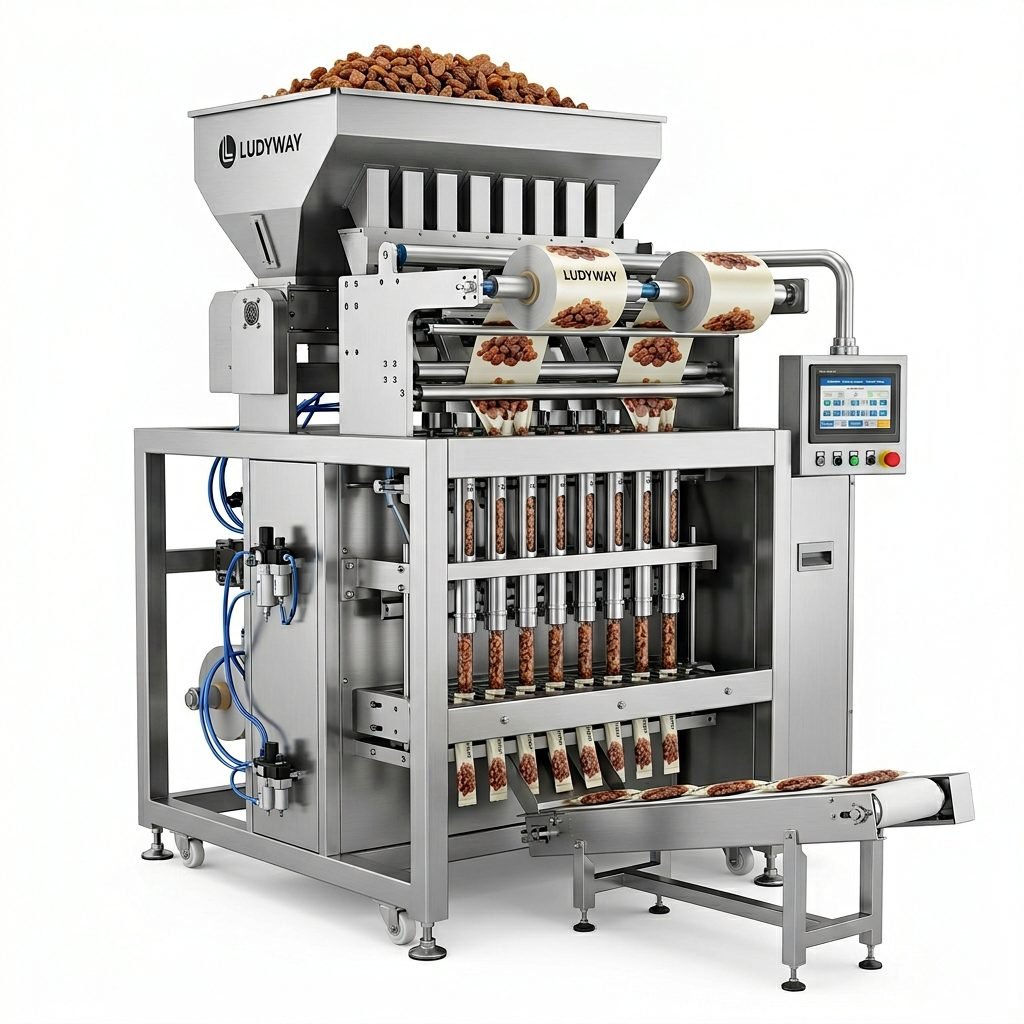
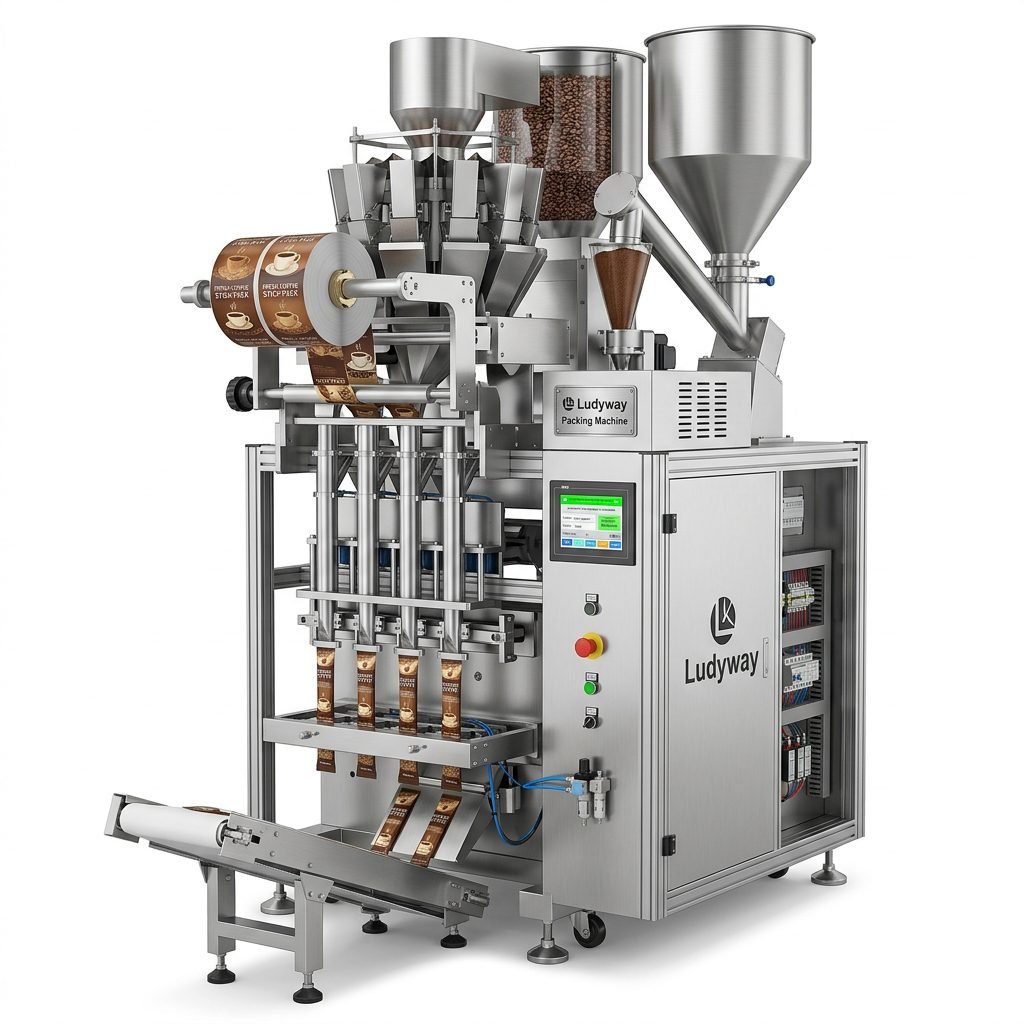
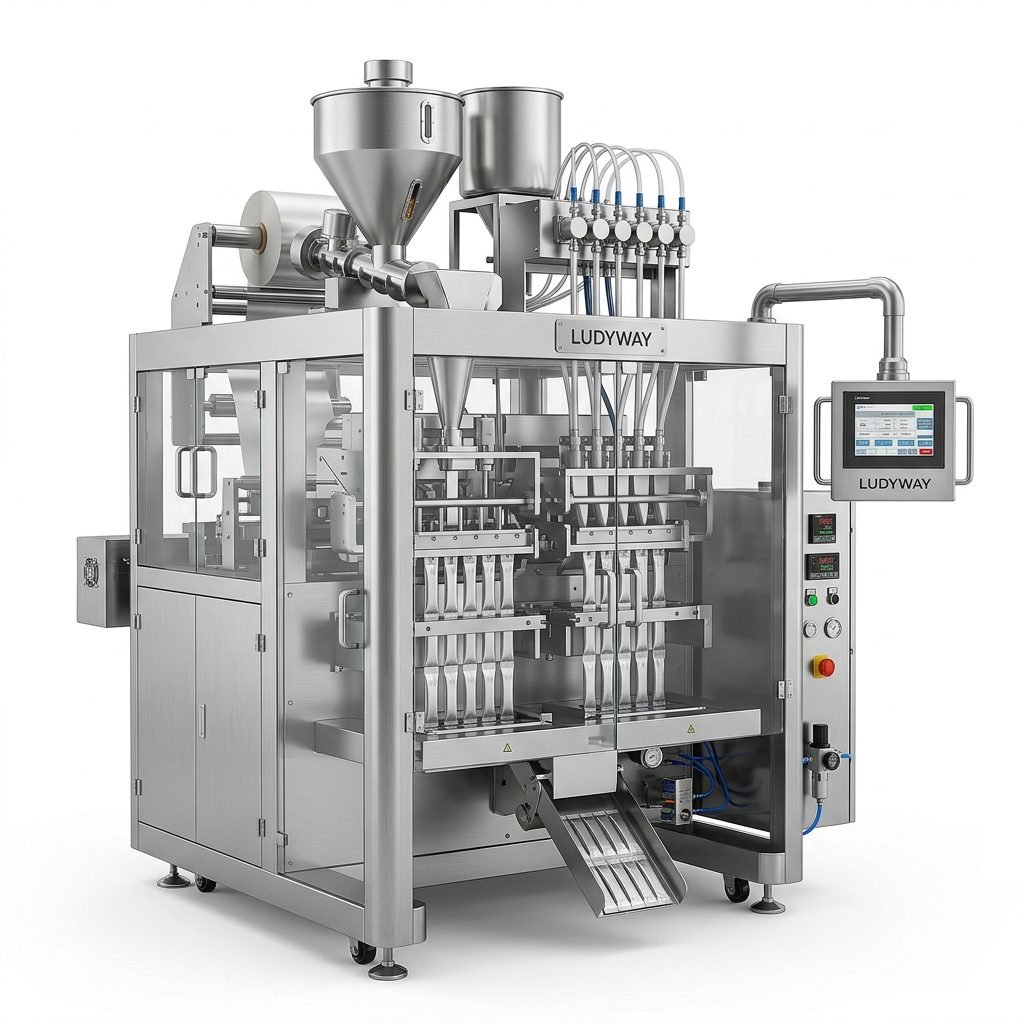
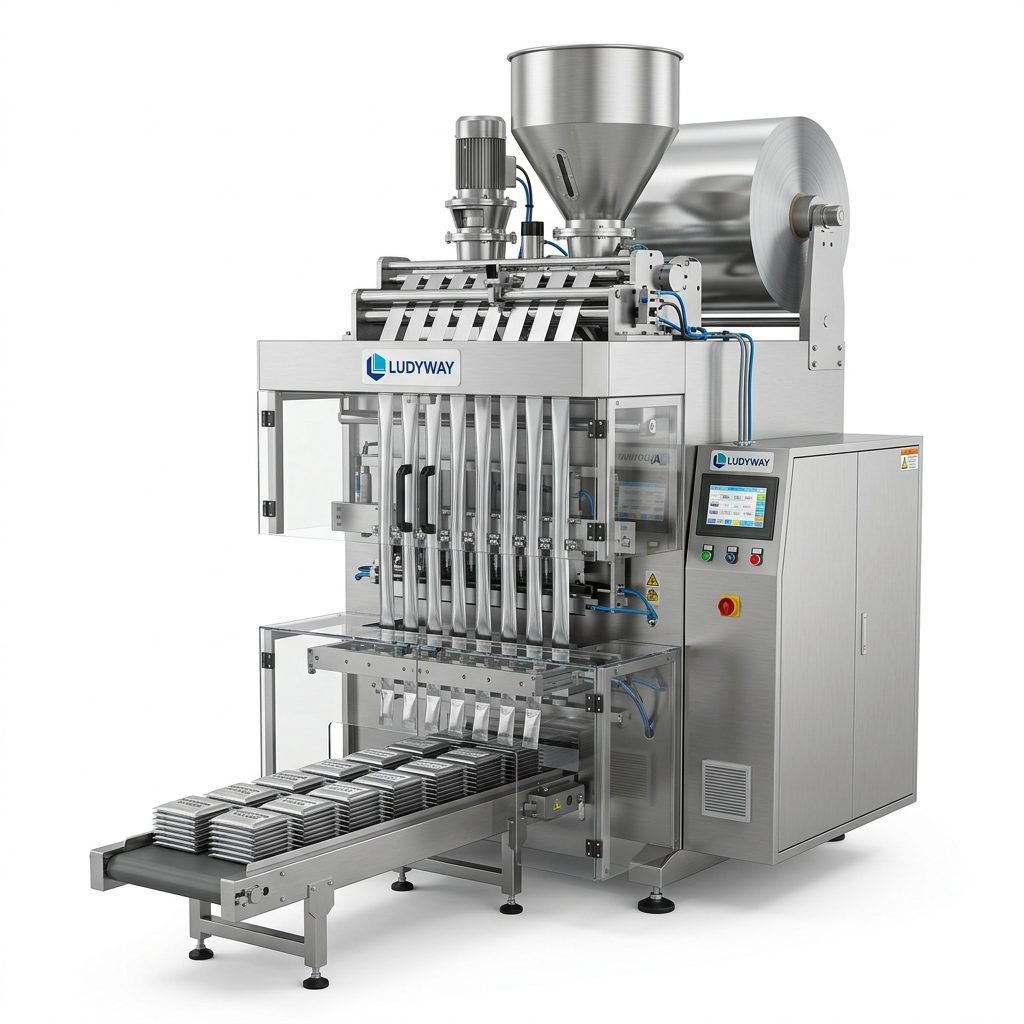
1. Sachet & Stick Pack Packaging Machines
These machines are ideal for single-use or sample-sized products like creams, gels, serums, powders, and shampoos. They create small, sealed pouches from a roll of film.
Key Applications: Face mask essence, hair dye, cosmetic samples, lotion packets, powdered supplements.
Advantages: Cost-effective for samples, hygienic (hermetically sealed), lightweight for distribution, and excellent for promotional campaigns.
2. Tube Filling and Sealing Machines
Designed for packaging products into plastic, laminate, or metal tubes. These machines handle filling (of creams, pastes, gels) and subsequent sealing (heat sealing or folding/crimping).
Advantages: Consumer-friendly and familiar format, good barrier properties, allows for controlled dispensing, and offers a premium feel.
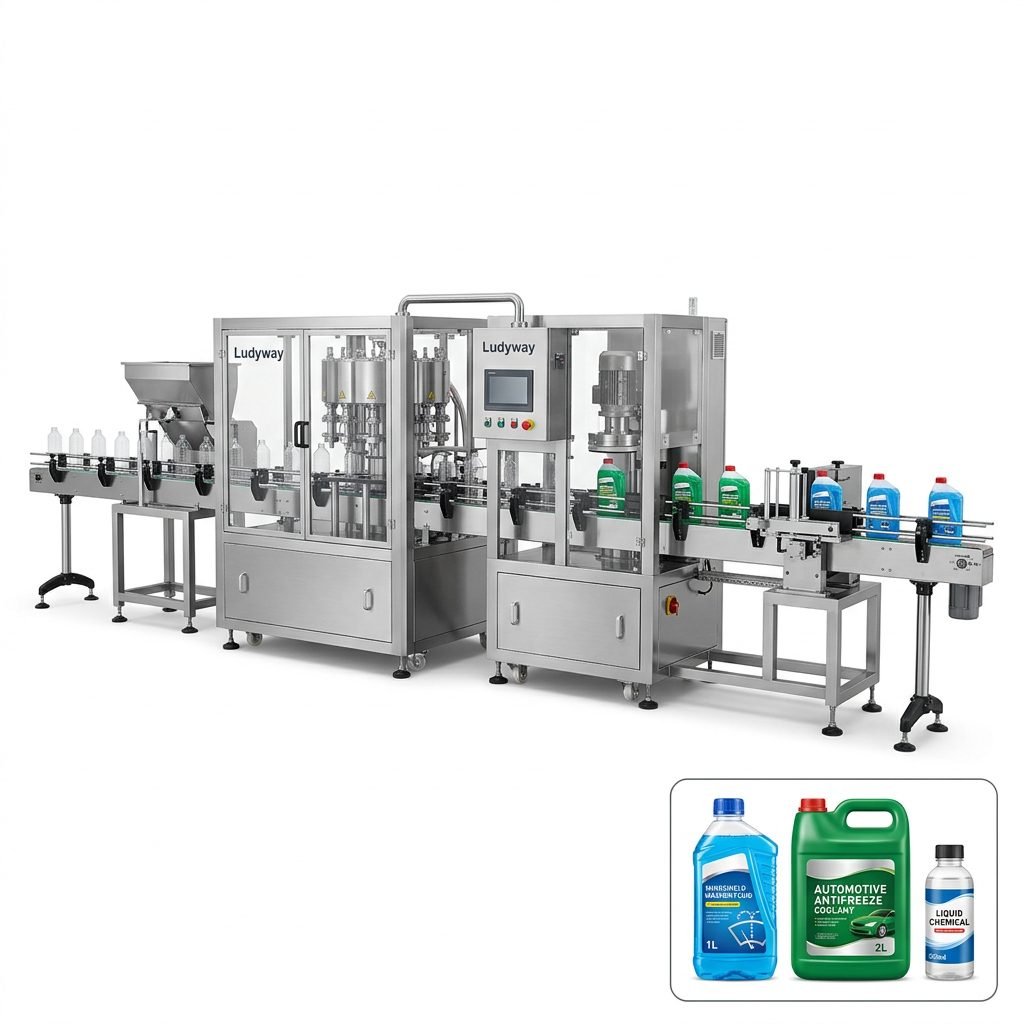
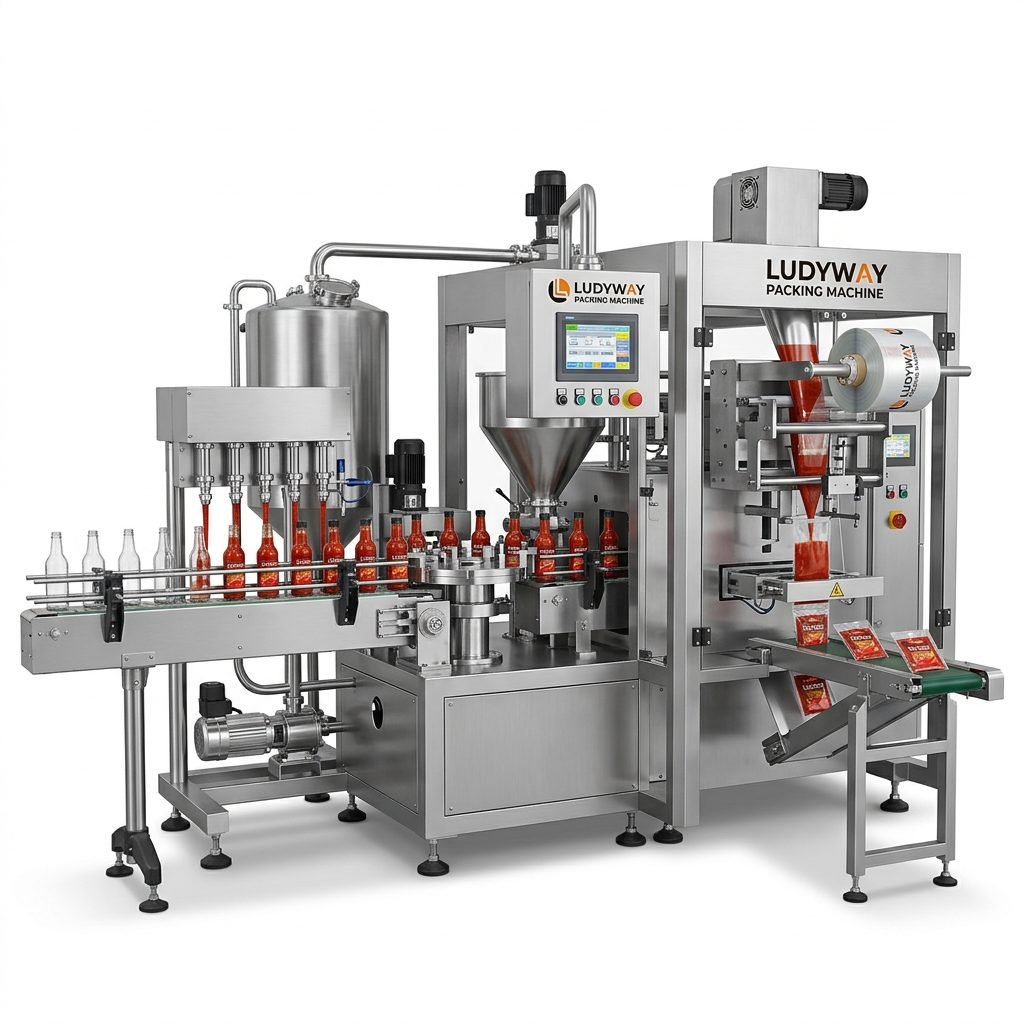
3. Jar and Bottle Filling Machines
This category includes rotary and inline filling systems for liquids, creams, and lotions into various containers like glass bottles, plastic jars, and airless pumps.
Common Variants: Piston fillers for thick creams, gravity fillers for thin liquids, vacuum fillers for foamy products, and pump filling systems for precise dosing.
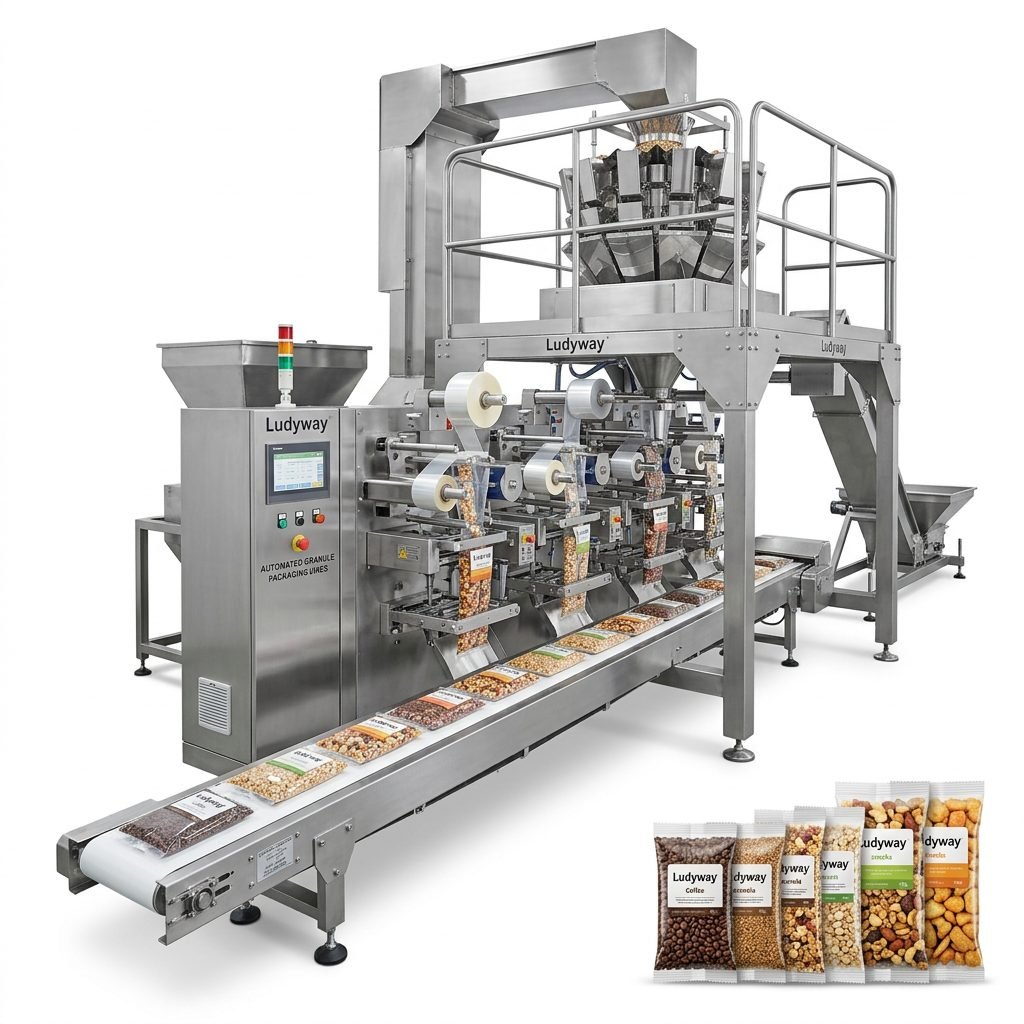
4. Powder Filling Machines
Essential for products like loose powders, blush, eyeshadow pigments, and powdered foundation. They use auger filling technology for high accuracy.
Advantages: Minimizes product waste and dust, ensures consistent fill weight, and can handle a wide range of powder densities.
Essential Features to Evaluate in a Packaging Machine
Beyond the type, several core features determine a machine’s performance, reliability, and suitability for your operation.
Production Speed and Output
Measured in units per minute (e.g., pouches/min, bottles/min). Match the machine’s speed to your current and projected production volumes. Over-specifying can lead to unnecessary capital expenditure, while under-specifying creates bottlenecks.
Accuracy and Precision
Fill accuracy is non-negotiable in cosmetics to ensure consistent product weight/volume, comply with regulations, and control costs. Look for machines with high-precision filling systems (e.g., servo-driven augers, precision pumps) and check their standard deviation metrics.
Flexibility and Changeover
Can the machine handle different package sizes, shapes, and materials? Quick-change parts and recipe storage in the PLC can drastically reduce downtime when switching between products, a crucial factor for brands with diverse SKUs.
Hygiene and Construction
Cosmetic machines must be easy to clean and sanitize. Look for stainless steel (304 or 316 grade) contact parts, smooth surfaces without crevices, and CIP (Clean-in-Place) capabilities. Proper construction ensures product safety and meets GMP standards.
Automation and Integration Level
Consider the level of automation needed: from semi-automatic (manual container handling) to fully automatic (integrated with conveyors, cappers, labelers). Automation boosts output, reduces labor costs, and minimizes human contact with the product.
Pro Tip: Evaluate the machine’s control system. A user-friendly HMI (Human-Machine Interface) with multi-language support and detailed production data logging is invaluable for operation and troubleshooting.
How to Choose the Best Cosmetic Packaging Machine: A Step-by-Step Guide
Step 1: Precisely Define Your Requirements
Start with a detailed list: Product viscosity/characteristics, container type and size range, desired output speed, available factory space (footprint), utility requirements (air, power), and compliance needs (e.g., FDA, EU regulations).
Step 2: Research and Shortlist Reputable Suppliers
Look for manufacturers with proven experience in the cosmetic sector. Review their client portfolio, request case studies, and check for industry certifications. A supplier’s after-sales service and technical support network are as important as the machine itself.
Step 3: Request and Analyze Quotations
A detailed quote should include the total cost (machine, spare parts, shipping, installation), delivery timeline, warranty terms, and training provisions. Don’t just compare prices; compare the value and scope of what’s included.
Step 4: Insist on a Product Test (Factory Acceptance Test)
Never buy a packaging machine untested. Arrange to send your actual product and packaging materials to the supplier for a live run. This test validates speed, accuracy, compatibility, and final package quality.
Step 5: Plan for Installation and Support
Discuss installation, commissioning, and operator training with your supplier. Ensure they offer comprehensive documentation, responsive technical support, and ready availability of spare parts to guarantee long-term, smooth operation.
Frequently Asked Questions (FAQs)
1. What is the typical lead time for a cosmetic packaging machine?
Lead times vary based on complexity and customization. Standard models may take 8-12 weeks, while fully customized turnkey lines can require 16-24 weeks or more. Always confirm timelines during the quotation process.
2. Can one machine handle both my liquid foundation and thick cream?
It depends on the machine’s design. Some advanced filling machines offer interchangeable filling heads (e.g., switching from a piston filler for cream to a pump filler for liquid). Discuss your full product range with the supplier to find a flexible solution.
3. How do I ensure the machine meets international safety and hygiene standards?
Specify your required standards (e.g., CE, FDA CFR 21, GMP) upfront. Reputable manufacturers design machines to meet these standards and can provide relevant documentation and material certifications for machine parts in contact with the product.
4. What are the most common maintenance requirements?
Regular daily cleaning is paramount. Other common tasks include lubricating moving parts (with food-grade lubricants if necessary), checking and replacing seals/gaskets, and calibrating filling heads periodically. Your supplier should provide a detailed maintenance schedule.
5. Is it better to buy a semi-automatic or fully automatic machine?
This hinges on your budget and volume. Semi-automatic machines have a lower initial cost and are suitable for low to medium output or R&D. Fully automatic machines require a higher investment but offer significantly higher speed, consistency, and lower long-term labor costs, making them ideal for medium to high-volume production.